
Rituals of Power: How Andean Shamans and Priests Shaped Ancient Societies

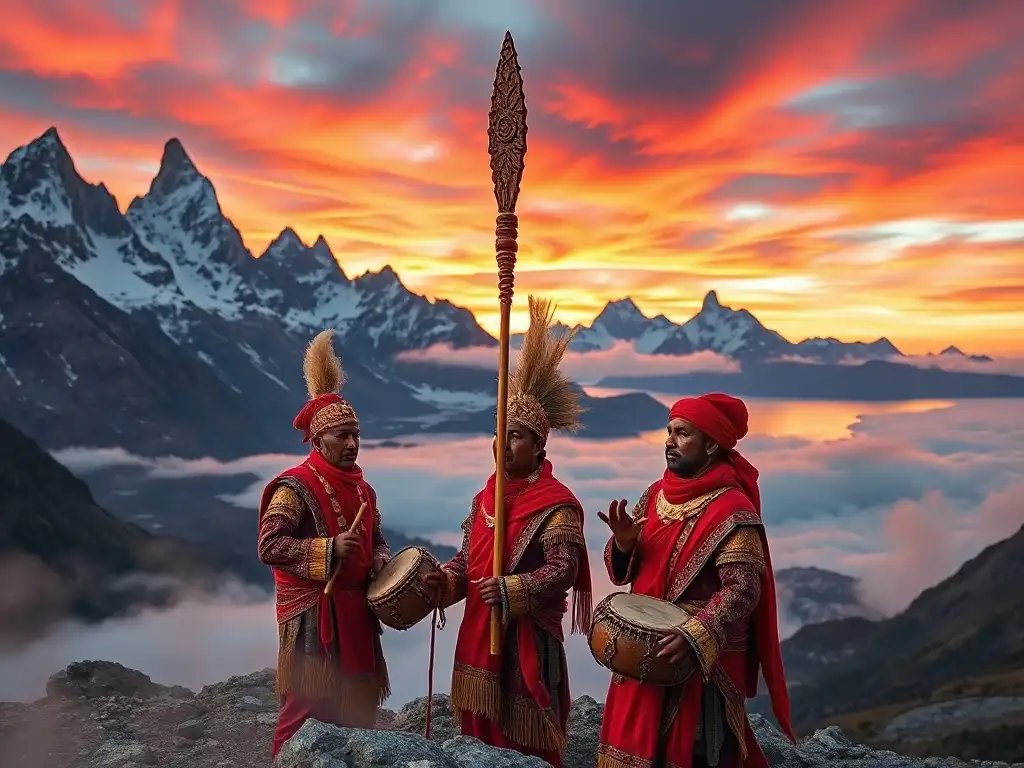
Welcome, explorer! Prepare to journey into the enigmatic heart of the Andes, where the echoes of ancient power still resonate. Discover a world shaped by breathtaking artistry, sophisticated engineering, and the profound spiritual practices of its inhabitants. But what secrets did the Andean shaman rituals hold? What role did these sacred ceremonies play in shaping the destinies of the Incas, Moche, Nazca, and Tiahuanaco? Uncover the answers and delve deeper into the fascinating world of Andean religion and cosmovision – your adventure begins now!
- Andean Shaman Rituals: Shaping Ancient Societies Through Power
- The Role of Andean Shamans and Priests in Ancient Andean Civilizations
- Key Rituals of Andean Shamans: Accessing the Spiritual Realm
- Andean Priests: Maintaining Order and Divine Connection
- Specific Examples of Shamanic Influence in Andean Cultures
- How Andean Shamanic Rituals Shaped Social and Political Structures
- The Legacy of Andean Shamanic Traditions
-
Frequently Asked Questions
- What role did shamans play in Andean societies?
- How did Andean shamanic rituals differ across cultures?
- What were some common elements of Andean shaman rituals?
- What was the significance of hallucinogens in Andean shamanic practices?
- How did Andean shamanic rituals impact political and social structures?
- Final Reflection: Echoes of the Andes: Power, Ritual, and Legacy
- Unleash Your Inner Shaman: Connect with Andean Wisdom Today!
Andean Shaman Rituals: Shaping Ancient Societies Through Power
The Andean world, a breathtaking tapestry woven across the towering peaks and fertile valleys of the Andes Mountains, was not merely a geographical space; it was a vibrant cosmos imbued with spiritual significance. For millennia, sophisticated civilizations like the Inca, Moche, Nazca, and Tiahuanaco thrived in this challenging landscape, their societies intricately shaped by a complex interplay of religious beliefs and practices.
Central to this intricate web were the shaman and the priest, powerful intermediaries who navigated the realms of the living and the supernatural, wielding influence over daily life, political power, and the very fate of their communities. This article delves into the fascinating world of Andean shaman rituals, exploring their diverse forms, profound social impact, and enduring legacy in understanding the societies that created them.
We will examine how these rituals, far from being isolated events, were integral to the social fabric, influencing everything from agricultural practices to warfare and political succession. Understanding Andean shaman rituals is key to unlocking a deeper understanding of Andean cosmovision and the societies it shaped.
The Diverse Landscape of Andean Shamanic Practices
Andean shamanism wasn't a monolithic entity; rather, it encompassed a rich diversity of practices that varied across different cultures and time periods. While specific details often remain shrouded in the mists of time, archaeological evidence, combined with ethnohistorical accounts and surviving indigenous traditions, provides valuable insights. For example, the Moche culture, known for its stunning ceramics depicting ritual scenes, reveals elaborate ceremonies involving ritual sacrifice, possibly aimed at appeasing deities or ensuring agricultural abundance.
The Nazca, famous for their enigmatic geoglyphs, likely employed shamanistic practices intertwined with astronomical observations, suggesting a sophisticated understanding of the cosmos and its influence on earthly events. Inca shamanism, while influenced by preceding traditions, developed its own distinct characteristics, with priests and paqos (specialized healers) playing crucial roles in state-sponsored rituals and maintaining the cosmic order.
The rituals themselves involved a wide range of techniques and elements. These could include:
- Entheogenic Substances: The use of plants with psychoactive properties, like the ayahuasca vine or the San Pedro cactus, to induce altered states of consciousness and facilitate communication with the spirit world.
- Ritual Offerings: The presentation of gifts to deities and spirits, ranging from meticulously crafted ceramics and textiles to precious metals and human sacrifices (in some cultures and periods).
- Music and Dance: Intricate musical performances and ceremonial dances, often employing instruments like panpipes and drums, played a vital role in creating a sacred atmosphere and invoking spiritual energies.
- Divination: Shamans and priests employed various techniques to divine the future, interpret omens, and seek guidance from the supernatural realm.
The power wielded by Andean shamans and priests extended far beyond the purely spiritual. They were often key figures in the political and social structures of their societies. In many cases, they acted as advisors to rulers, influencing decision-making processes related to warfare, alliances, and resource management.
Their ability to communicate with the spirit world granted them a level of authority that significantly impacted the lives of ordinary people. The Inca, for instance, had a highly centralized religious system, with the Sapa Inca (emperor) considered a divine figure and the Wiracocha cult playing a central role in maintaining social order and legitimacy. The priests and amautas (wise men) were essential in upholding this system.
The control over resources, particularly those considered sacred, further enhanced the shaman's and priest's power. Access to coca leaves, for instance, a plant with both religious and practical significance, could be controlled by religious authorities, giving them considerable economic influence. The construction and maintenance of sacred sites, such as temples and pilgrimage centers, also involved the mobilization of labor and resources, reinforcing the power of the religious elite.
The Enduring Legacy of Andean Shamanic Rituals
The legacy of Andean shamanic rituals continues to resonate in contemporary Andean cultures. Many indigenous communities in the Andes still practice variations of ancient traditions, maintaining a living connection to their ancestral past. These practices, often adapted to modern contexts, offer valuable insights into the enduring power of Andean spiritual beliefs and the ways in which they have shaped the region's cultural identity.
Furthermore, the study of these rituals provides crucial information for understanding the complex social dynamics, political structures, and cosmovision of ancient Andean societies. The continued research and documentation of these practices are essential for preserving this rich cultural heritage and fostering a deeper appreciation for the intricate relationship between religion, power, and society in the Andean world. The legacy of these rituals is not just historical; it's a vibrant, living testament to the enduring power of Andean spirituality.
The Role of Andean Shamans and Priests in Ancient Andean Civilizations
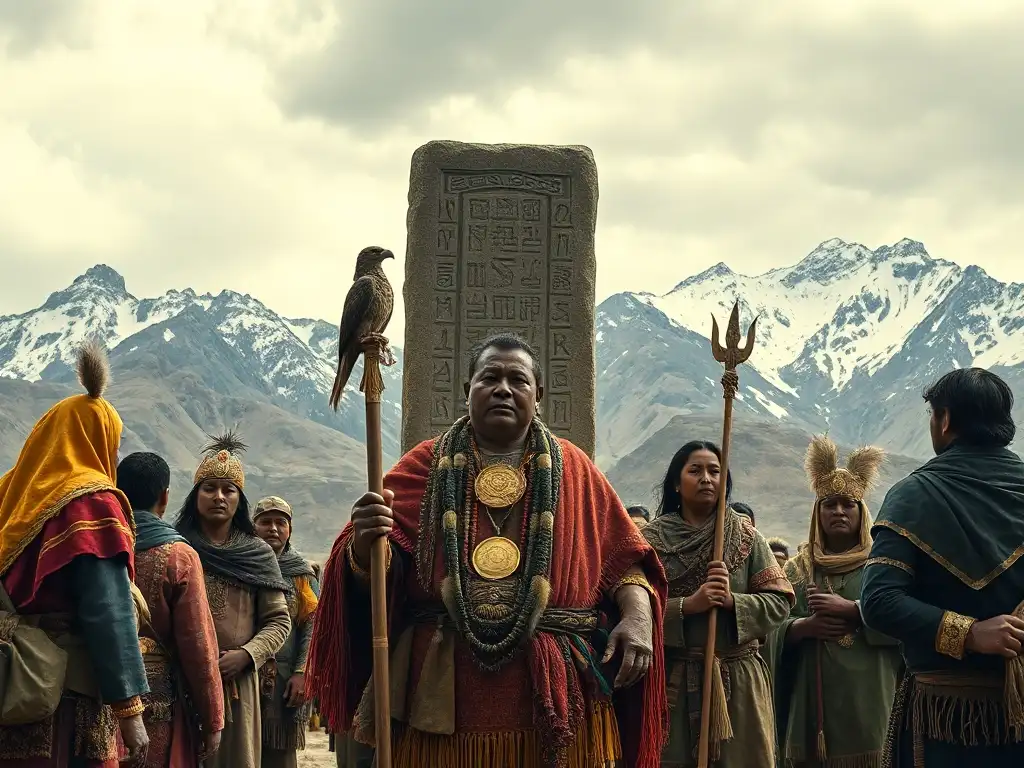
This section delves into the crucial roles played by Andean shamans and priests in shaping the social, political, and spiritual landscapes of ancient Andean societies. We'll explore their multifaceted influence, examining their spiritual authority and the intricate relationship between religion and the societal structure. The term "Andean shaman rituals" itself encompasses a vast array of practices, reflecting the diverse cultures that thrived in the Andes.
Andean religious figures, encompassing both shamans and priests, held immense spiritual authority. Their power stemmed from a perceived ability to interact with the supernatural world, mediating between the human realm and the powerful deities and spirits believed to inhabit the Andes. This wasn't a simple matter of religious leadership; their influence permeated every aspect of life.
Shamans, often associated with ecstatic trances and healing practices, were believed to possess the power to communicate directly with spirits. Their rituals, frequently involving hallucinogenic substances like San Pedro cactus or yopo, facilitated these spiritual journeys. These journeys weren't solely for personal enlightenment; shamans used their altered states to diagnose illnesses, predict the future, and influence the course of events for the community. Their pronouncements carried significant weight, impacting decisions from agricultural practices to warfare strategies.
Priests, on the other hand, often held more formal and hierarchical positions within the religious structures of larger societies like the Inca Empire. They managed temples, oversaw elaborate ceremonies, and interpreted religious doctrines. While shamans focused on individual and community healing and spiritual guidance, priests played a crucial role in maintaining the established religious order and upholding the authority of the ruling elite.
Their knowledge of religious texts and traditions, combined with their access to sacred objects, solidified their power within the social hierarchy. The intricate interplay between shamanistic practices and priestly authority varied across different Andean cultures, reflecting the unique religious beliefs and social structures of each civilization. Archaeological evidence, such as the discovery of ritual paraphernalia in tombs and ceremonial sites, offers valuable insights into the nature and extent of their influence.
The Interconnectedness of Andean Religion and Societal Structure
The Andean worldview profoundly intertwined religion and societal structure. Religious beliefs and practices weren't separate from daily life; they were integral to its functioning. The actions of shamans and priests directly influenced political decisions, economic activities, and social organization.
For instance, agricultural cycles were intimately tied to religious rituals. Shamans and priests played a vital role in predicting weather patterns, ensuring bountiful harvests, and appeasing the deities believed to control the fertility of the land. Their rituals, often involving elaborate offerings and sacrifices, were performed to maintain a harmonious relationship with the supernatural forces believed to govern the natural world. The success of these rituals directly impacted the economic prosperity of the community.
Furthermore, the legitimacy of rulers often rested on their perceived connection to the supernatural realm. In many Andean cultures, rulers were seen as intermediaries between the gods and the people, with shamans and priests playing a crucial role in legitimizing their authority. Royal rituals, often elaborate and spectacular affairs, reinforced the ruler's divine right to govern.
These events, carefully orchestrated by the religious elite, served to unify the population and strengthen the ruler's power. This deep-seated connection between religious authority and political power highlights the profound influence of Andean shaman rituals on the structure and stability of ancient Andean societies. The intricate relationship between religion and social order is a key aspect to understanding the complexities of these fascinating civilizations.
Further research is needed to fully understand the nuances of this relationship in various Andean cultures, particularly in smaller, less documented communities. The influence of Andean shaman rituals extended far beyond the spiritual realm, shaping the very fabric of Andean societies.
Key Rituals of Andean Shamans: Accessing the Spiritual Realm
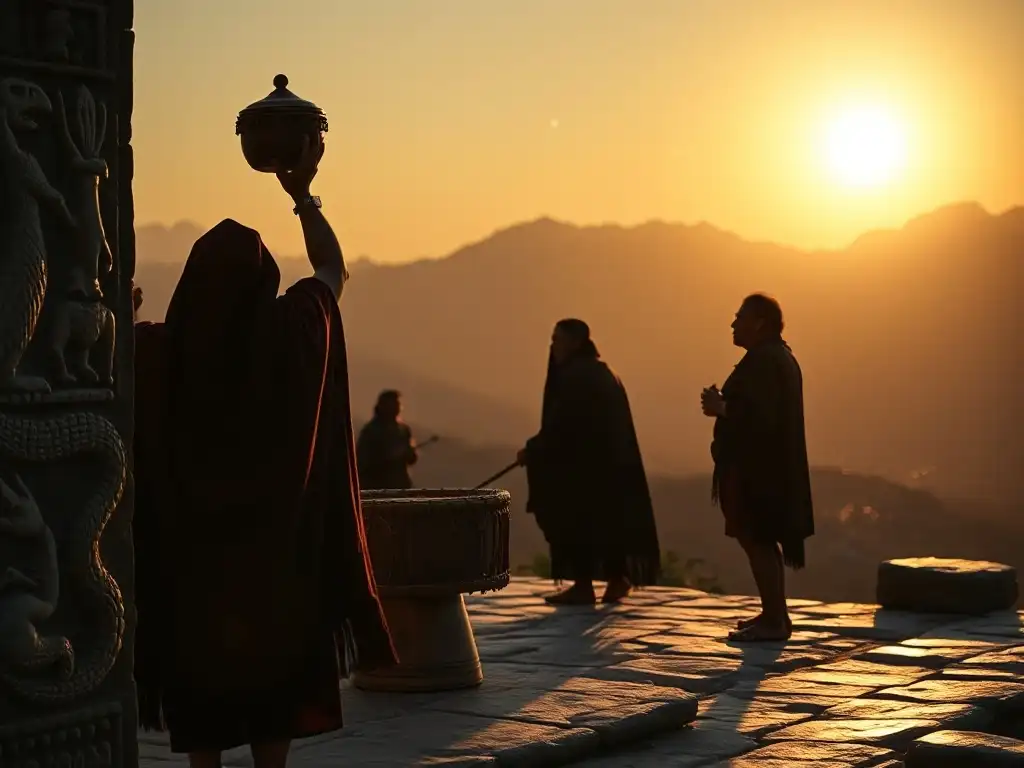
Andean shamanic rituals were not merely performances; they were dynamic interactions between the human and spiritual realms, deeply interwoven with the fabric of Andean society. These rituals, often conducted by highly respected shamans and priests, served to maintain cosmic balance, ensure agricultural prosperity, and solidify the power of ruling elites. The effectiveness of these rituals was believed to be directly tied to the shaman's ability to access and manipulate spiritual energies, often through altered states of consciousness.
Understanding these practices provides crucial insight into the Andean worldview and the profound influence of religion on daily life. The effectiveness of these rituals, believed to be directly tied to the shaman's ability to access and manipulate spiritual energies, is a key element in understanding the Andean worldview and the profound influence of religion on daily life. The study of "Andean shaman rituals" reveals a complex system of beliefs and practices.
The Importance of Sacred Sites in Andean Shamanic Practices
Sacred sites, often located in geographically significant areas like mountaintops, caves, or springs, played a pivotal role in Andean shamanic practices. These locations were considered portals to the supernatural world, where the veil between the human and spiritual realms was thin. Shamans would journey to these sites for rituals, often involving intense fasting, meditation, and the consumption of ritual substances to achieve altered states of consciousness.
The specific rituals varied across different Andean cultures, but the core purpose remained consistent: to communicate with deities, ancestors, and other spiritual entities. Archaeological evidence, such as the intricate rock carvings and cave paintings found at many sacred sites, provides tangible proof of the importance of these locations in Andean religious life. For instance, the numerous huacas (sacred places) scattered throughout the Andes, often associated with specific deities or ancestors, served as focal points for community rituals and shamanic practices.
The precise rituals performed at these locations remain partially shrouded in mystery, however, careful study of iconography and anthropological accounts allows us to piece together a detailed picture of their significance. The selection of a specific site was not arbitrary; its geographical features, often reflecting cosmological beliefs, contributed to its sacred status.
Ritualistic Use of Ayahuasca by Andean Shamans for Spiritual Journeys
While the use of ayahuasca is more strongly associated with Amazonian cultures, evidence suggests that some Andean shamanic traditions incorporated the use of psychoactive plants to induce altered states of consciousness. Though not as prevalent as other ritual practices, the ingestion of such plants, potentially including brews with hallucinogenic properties, facilitated shamanic journeys into the spiritual realm. These journeys allowed shamans to diagnose illnesses, communicate with spirits, and gain insight into the future.
The specific plants used and the precise methods of preparation remain subjects of ongoing research. However, accounts from Spanish chroniclers, coupled with ethnobotanical studies, suggest that certain plants indigenous to the Andes may have played a role in shamanic rituals, even if the specific methods and prevalence were different from those seen in the Amazon. The interpretation of visions experienced under the influence of such plants was crucial, with shamans acting as interpreters of the messages received from the spiritual world.
This aspect highlights the significant role of shamanic expertise and the complex interplay between the material and spiritual worlds in Andean cosmology. Further research into plant remains found at archaeological sites could provide additional insights into the specific types of plants used and their role in these rituals.
Animal Sacrifice in Andean Rituals: Symbolic Offerings to the Gods
Animal sacrifice was a significant aspect of Andean religious life, serving as a powerful offering to the gods and ancestors. The type of animal sacrificed varied depending on the specific ritual and the social status of the participants. Llamas, alpacas, and guinea pigs were commonly used, their symbolic value rooted in their economic and social importance within Andean communities. The sacrifice itself was a carefully orchestrated ritual, often involving specific procedures and symbolic gestures, aimed at ensuring the effectiveness of the offering and maintaining the balance of the cosmos.
Archaeological findings, such as the remains of sacrificed animals discovered at ceremonial sites, offer compelling evidence of the widespread practice of animal sacrifice across different Andean cultures. The act wasn’t merely a killing; it was a deeply symbolic exchange, connecting the human and divine realms. The blood, considered a vital force, was believed to strengthen the relationship between the community and the supernatural.
Furthermore, the distribution of the meat among participants cemented social bonds and reinforced community cohesion. While seemingly brutal from a modern perspective, the ritual held profound religious and social significance within the Andean worldview. The meticulous preparation and execution of these sacrifices underscore the importance of ritual precision in achieving spiritual efficacy.
The Role of Music and Dance in Andean Shamanic Ceremonies
Music and dance were integral components of Andean shamanic ceremonies, acting as conduits to the spiritual realm and crucial elements in achieving altered states of consciousness. The rhythmic beating of drums, the haunting melodies of panpipes, and the intricate movements of dancers weren't merely entertainment; they were powerful tools used to manipulate energy, communicate with deities, and facilitate healing.
The sounds and movements served to create a trance-like atmosphere, blurring the lines between the physical and spiritual worlds. This carefully orchestrated sensory experience was vital for both the shaman and the participants, allowing them to transcend ordinary reality and connect with the supernatural.
Specific instruments, like the pututu (a long shell trumpet) and various types of drums, held profound symbolic meaning, often associated with specific deities or spirits. The sounds produced were believed to possess the power to influence the weather, appease angry spirits, or even cure illnesses. The rhythms themselves, often complex and polyrhythmic, were thought to mirror the cosmic order and the cyclical nature of life and death. Different rhythms could invoke different energies, ranging from the gentle and calming to the powerful and overwhelming, depending on the ritual's purpose.
Dance, too, played a pivotal role. Highly stylized movements, often mimicking the actions of animals or deities, were performed to embody the spiritual forces being invoked. The dancers, often entering a state of trance themselves, acted as intermediaries between the human and spirit worlds. Their movements could be interpreted as prayers, pleas, or attempts to influence the forces of nature.
The physical exertion involved in the dance could also contribute to the altered state of consciousness necessary for successful ritual participation, enhancing the experience for both the shaman and the community. The intricate choreography, often passed down through generations, represented a deep connection to ancestral knowledge and spiritual traditions. The visual spectacle of the dance, combined with the powerful sounds of the music, created a truly immersive and transformative experience.
This fusion of music and dance served not only as a powerful ritual tool but also as a vital means of preserving and transmitting cultural heritage. The precise forms and meanings associated with specific musical instruments and dance styles varied across different Andean cultures, reflecting the rich diversity of shamanic practices across the region. Further research into specific archaeological findings and ethnographic studies could further illuminate the nuances of these practices.
Andean Priests: Maintaining Order and Divine Connection
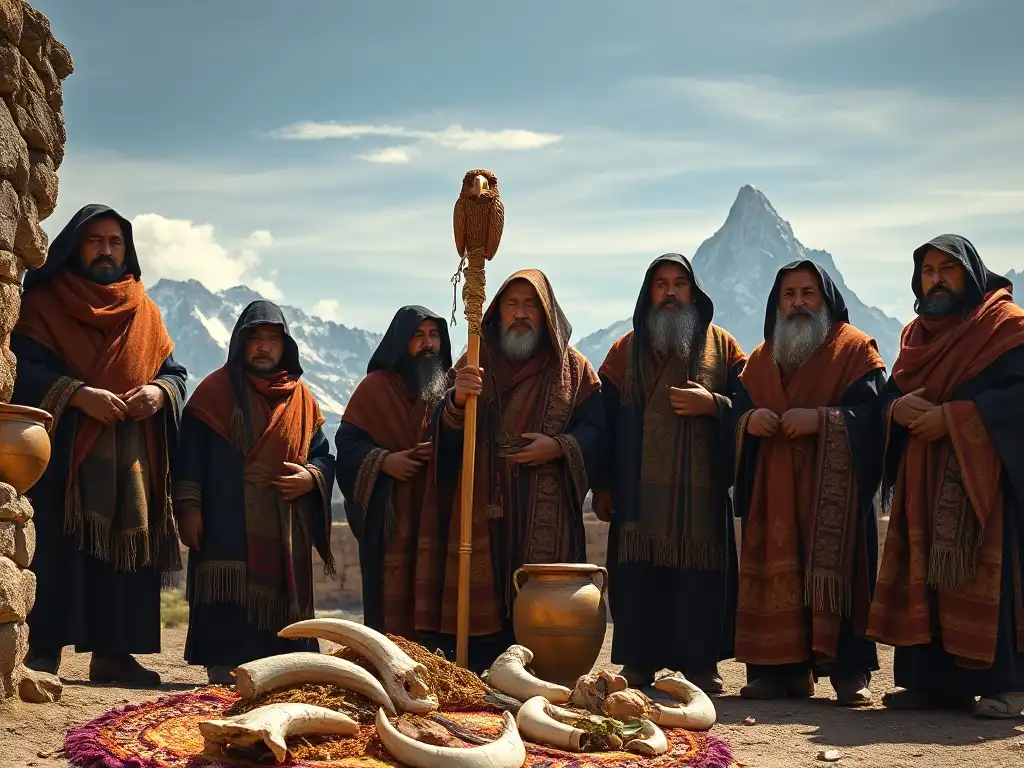
Andean priests played a crucial role in maintaining the social and cosmic order within their societies. Unlike the more mystical image often associated with shamans, Andean priests were deeply integrated into the political and social structures, acting as intermediaries between the divine realm and the human world. Their authority stemmed from their perceived ability to communicate with the gods and ancestors, ensuring the prosperity and well-being of their communities. This wasn't a solitary practice; their influence permeated all aspects of life, from agricultural cycles to warfare and political decision-making.
The effectiveness of their rituals and pronouncements directly impacted the stability and success of their respective empires. The study of Andean priestly practices offers profound insights into the complex relationship between religion, politics, and society in these ancient civilizations. Analyzing their roles reveals a sophisticated system of belief and practice that profoundly shaped the lives of millions.
The Hierarchy of Andean Priesthood and its Functions
The Andean priesthood wasn't a monolithic entity. Instead, it featured a complex hierarchy, with varying levels of authority and responsibility. At the apex were the high priests, often closely associated with the ruling elite, wielding significant political influence. Their roles extended far beyond religious ceremonies; they frequently acted as advisors to rulers, influencing policy and interpreting omens to guide critical decisions.
Below them were various levels of priests and priestesses, each with specific functions. Some specialized in agricultural rituals, ensuring bountiful harvests. Others focused on healing, utilizing herbal remedies and spiritual practices to treat illnesses. Still others were dedicated to maintaining temples and overseeing sacred objects.
This hierarchical structure ensured the efficient execution of religious duties across the vast expanse of the Andean empires. For instance, the Inca empire, known for its intricate administrative system, mirrored this organization in its religious practices. The Willaq Uma, the chief priest of the Inca, held immense power, second only to the Sapa Inca himself.
The priest's influence extended to all aspects of the empire's administration, from the allocation of resources to the enforcement of laws. Detailed records, while fragmented, suggest a complex system of training and apprenticeship, ensuring the continuity of religious knowledge and practices across generations. The precise details of the hierarchical structure varied across different Andean cultures, but the fundamental principle of specialized roles within a structured hierarchy remained consistent.
Temple Rituals and Offerings: Sustaining the Cosmic Balance
Temple rituals formed the cornerstone of Andean religious life. These weren't merely ceremonial performances; they were vital acts aimed at maintaining the cosmic balance, ensuring the continued flow of life-giving energies. The rituals involved elaborate preparations, including the careful selection of offerings and the precise execution of specific actions. Offerings varied greatly, ranging from agricultural products like maize and coca leaves to precious metals, textiles, and even human sacrifices in certain cultures. These offerings weren't simply gifts; they were seen as a way to appease the gods, strengthen their bonds with the community, and ensure their continued favor.
The temples themselves were not just buildings; they were sacred spaces, carefully designed to connect the earthly realm with the divine. Their location, orientation, and architecture were meticulously planned, reflecting a deep understanding of cosmology and astronomical cycles. For example, the precise alignment of certain structures with celestial events suggests a sophisticated knowledge of astronomy and its integration into religious practices.
The rituals conducted within these temples were carefully choreographed, often involving music, dance, and chanting, designed to evoke a sense of awe and reverence. The meticulous nature of these rituals highlights the profound importance placed on maintaining the cosmic balance, a concept central to Andean cosmology and worldview. Even seemingly mundane tasks, such as preparing offerings or cleaning the temple, were imbued with spiritual significance.
Prophecies and Divination: Andean Priests as Interpreters of the Divine Will
Andean priests were not only responsible for maintaining ritualistic practices; they also acted as interpreters of the divine will. Prophecies and divination played a significant role in shaping societal decisions and guiding the lives of individuals. Priests employed various techniques to discern the future and understand the gods' intentions. These methods included observing natural phenomena, such as the flight of birds or the patterns of stars, as well as consulting oracles and interpreting dreams.
One common method of divination involved the use of coca leaves. By spreading the leaves and interpreting their patterns, priests could supposedly gain insights into the future or divine the cause of illness or misfortune. Other methods included the use of llama bones or the examination of entrails of sacrificed animals. These practices weren't simply superstitious; they were integral to the decision-making processes within Andean societies. Important decisions, such as declaring war, initiating agricultural cycles, or selecting leaders, were often preceded by divination rituals, ensuring that actions were aligned with the perceived will of the gods. The ability to interpret these omens and offer guidance placed Andean priests in positions of immense power and influence, solidifying their critical role within the social fabric of their civilizations. The detailed study of these divinatory practices reveals the sophisticated strategies deployed to understand and navigate the uncertainties of life within the Andean worldview.
Specific Examples of Shamanic Influence in Andean Cultures
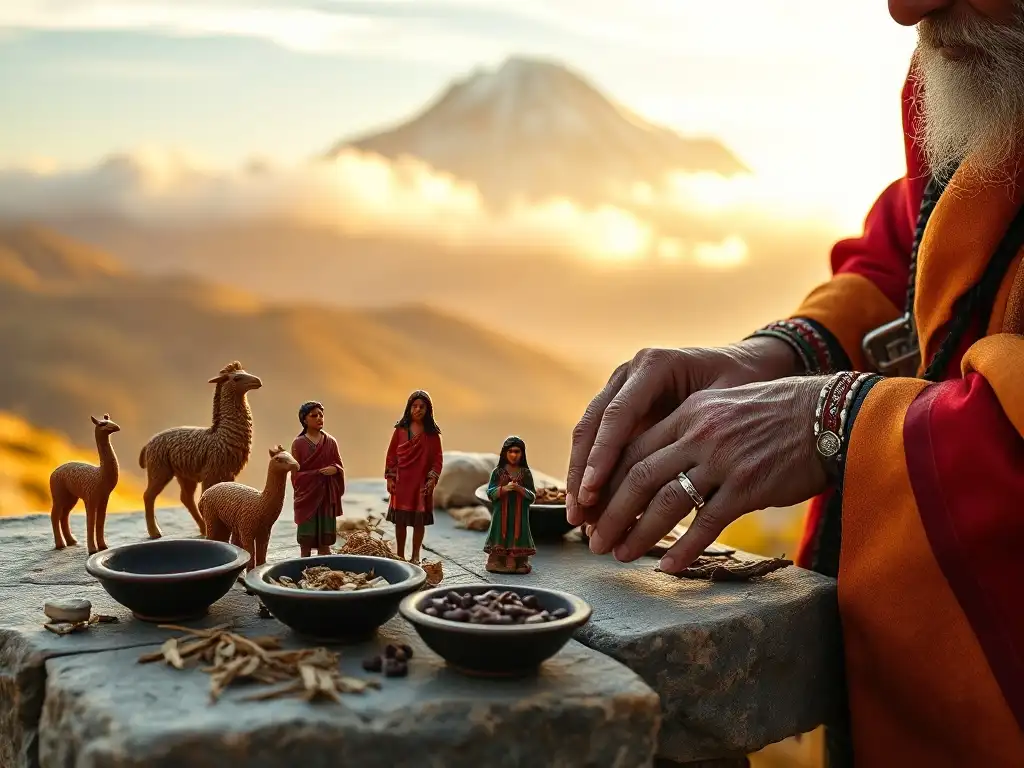
This section delves into the concrete ways Andean shamans and priests exerted their influence, moving beyond general descriptions to examine specific cultural practices and their societal impact. We will explore how these religious figures shaped the lives of individuals and communities in different Andean cultures, focusing on the Moche, Nazca, and Tiahuanaco civilizations. Understanding these specific examples illuminates the profound and multifaceted role of Andean shaman rituals in shaping ancient Andean societies. The power wielded by these individuals was not merely spiritual; it was deeply intertwined with the political, economic, and social fabric of their societies.
Shamanic Practices in the Moche Culture: Curing ceremonies and ancestor veneration
Moche shamanistic practices were intricately woven into the daily lives of the people. Evidence from their elaborate burial sites and iconography reveals a complex system of beliefs centered around ancestor veneration and healing rituals. Moche shamans, often depicted in ceramics as powerful figures with elaborate headdresses and paraphernalia, played a crucial role in curing illnesses and maintaining social harmony.
These curing ceremonies often involved elaborate rituals, possibly including the use of hallucinogenic plants like brugmansia or datura, to induce altered states of consciousness and facilitate communication with the spirit world. The shamans' ability to diagnose and treat illnesses, both physical and spiritual, solidified their authority and influence within the community. Their knowledge of medicinal plants and healing techniques was highly valued, positioning them as essential figures within the social structure.
Furthermore, ancestor veneration was central to Moche religion. Shamanic practices were instrumental in connecting the living with the deceased ancestors, believed to hold significant power and influence. Elaborate funerary rituals, often including the offering of precious goods and the performance of specific ceremonies by shamans, served to maintain the connection between the living and the dead, reinforcing social order and ensuring the continued prosperity of the community. The careful preservation of mummies and their display in elaborate tombs further highlights the importance of ancestor veneration in Moche society, showcasing the shaman's role in mediating these relationships.
The Role of the Shaman in Nazca Society: Connection to Nazca lines and agricultural fertility
The Nazca culture, renowned for its enigmatic geoglyphs (the Nazca Lines), also placed significant importance on shamanic practices. While the exact purpose of the Nazca Lines remains debated, many scholars suggest a strong connection to religious rituals and shamanic practices. The lines themselves might have served as pathways for ceremonial processions, or as visual representations of cosmological beliefs, with shamans playing a key role in interpreting and manipulating these sacred spaces.
The Nazca shamans were likely involved in rituals aimed at ensuring agricultural fertility, a crucial aspect of their survival. The arid coastal environment demanded careful management of water resources, and shamans may have played a vital role in performing ceremonies aimed at ensuring bountiful harvests. This would have involved understanding the complex interplay between weather patterns, water sources, and agricultural practices, positioning them as crucial advisors to the community's leaders. [Specific details on ritual practices related to water management pending].
The intricately designed textiles and ceramics unearthed from Nazca sites often depict shamanistic figures and ritual scenes, offering further insight into their societal role. These artifacts provide visual evidence of the importance of shamanistic practices in Nazca society, demonstrating the deep integration of religion, agriculture, and social organization.
Tiahuanaco Priests and their Influence on Society: Management of resources and religious festivals
The Tiahuanaco culture, located on the shores of Lake Titicaca, developed a complex social and political structure heavily influenced by its religious elite – the priests. While not strictly shamans in the same sense as the Moche or Nazca, Tiahuanaco priests held immense power, controlling resources and organizing large-scale religious festivals. Their influence extended far beyond spiritual matters, impacting the economic and political landscape.
The priests managed the distribution of vital resources like water and agricultural products, demonstrating a clear link between religious authority and political power. This centralized control allowed them to maintain social order and ensure the survival of the vast population. [Specific data on resource management and distribution systems pending].
Furthermore, the Tiahuanaco priests orchestrated massive religious festivals that brought together people from across the vast empire. These festivals served not only to reinforce religious beliefs but also to strengthen social bonds and political unity. The construction of monumental architecture, such as the iconic Kalasasaya temple, was undertaken through coordinated labor, under the direction of the priestly class, highlighting their organizational and managerial capabilities.
These large-scale events solidified the priests' position as central figures in Tiahuanaco society. The priests’ influence extended to all aspects of life, shaping not just religious beliefs but also the social, political, and economic structures of the empire. The careful organization of these aspects points to a sophisticated understanding of social engineering within the Andean context.
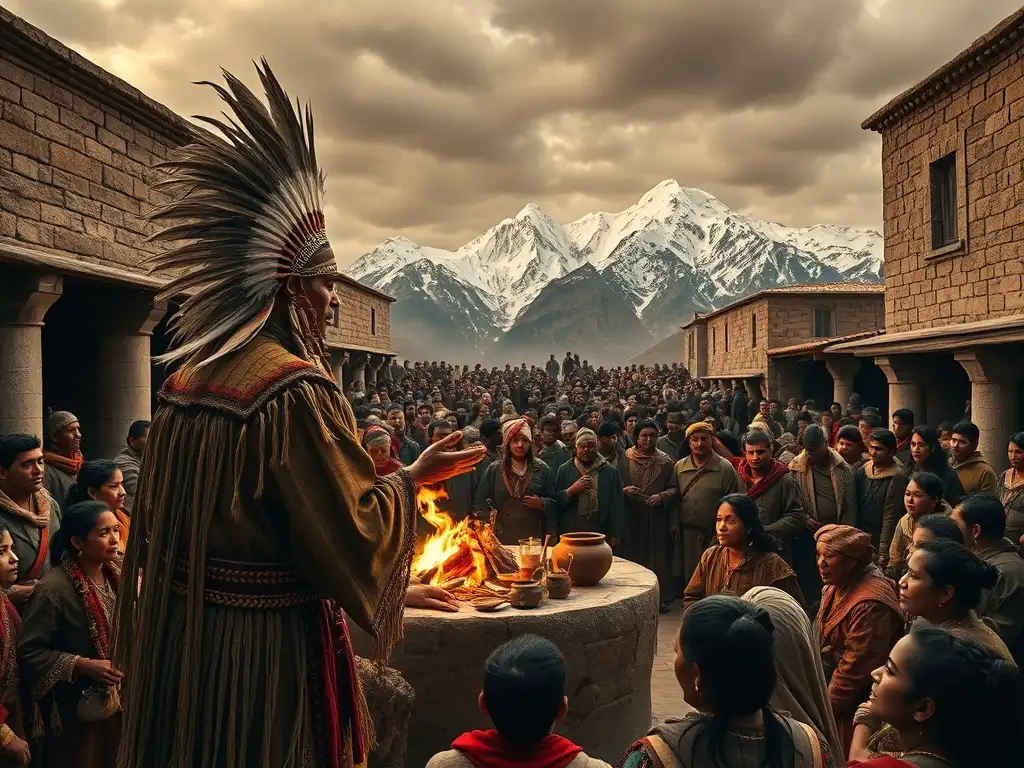
The intricate tapestry of Andean societies was profoundly interwoven with the practices of their shamans and priests. Their rituals, far from being mere ceremonies, served as powerful mechanisms shaping social structures, political power dynamics, and even the economic landscape. Understanding these rituals is crucial to grasping the complexity and resilience of these ancient civilizations. The influence of "Andean shaman rituals" extended far beyond the spiritual realm, impacting daily life in profound and multifaceted ways.
The Shaman as a Mediator Between the Community and the Supernatural
Andean shamans acted as vital intermediaries between the human world and the supernatural realm. They weren't simply religious figures; they were crucial for maintaining social harmony and addressing community needs. Their ability to interpret dreams, predict the future through divination techniques like khipu reading (interpreting knotted strings), and communicate with spirits and deities granted them immense authority.
This authority wasn't solely based on religious belief; it was rooted in their perceived ability to influence events impacting the community's well-being, such as crop yields, weather patterns, and the health of livestock. For instance, a successful shamanic ritual to ensure a bountiful harvest would solidify their position within the community, reinforcing their role as protectors and benefactors. Their rituals, therefore, were not just spiritual exercises but practical solutions to the daily challenges faced by Andean communities.
The successful performance of these rituals directly translated into enhanced social standing and influence for the shaman. Failure, conversely, could lead to a loss of credibility and social standing.
The power of Andean shamanic rituals extended beyond mediating with the supernatural; they were also employed as tools for social control and political legitimization. Rulers often used elaborate ceremonies and rituals to reinforce their authority and demonstrate their divine right to rule. These events often involved human sacrifice, though the frequency and scale varied across different cultures and time periods.
The spectacle of these rituals, often involving large-scale participation and elaborate displays of wealth and power, served to impress upon the populace the ruler's connection to the divine and reinforce their legitimacy. The Inca, for example, meticulously orchestrated ceremonies at sites like Sacsayhuamán, using these events to solidify their imperial control and project an image of unmatched power and divine favor.
This control wasn't solely achieved through force; the rituals themselves played a significant role in maintaining social order and preventing dissent by fostering a sense of shared identity and belief. The inherent awe inspired by these events contributed to the rulers' ability to maintain their power and influence.
The Economic Impact of Andean Religious Rituals
Andean religious rituals weren't solely confined to the spiritual and political realms; they also had a significant economic impact. The production of elaborate ceremonial objects—from intricately woven textiles and gold ornaments to monumental structures—created employment and stimulated craft production. The demand for these items fueled specialized artisan workshops and trade networks, contributing to the economic prosperity of certain regions and communities.
Furthermore, the redistribution of resources during festivals and ceremonies played a vital role in the Andean economic system. The accumulation and redistribution of agricultural surpluses, particularly during harvest festivals, helped to maintain social cohesion and provide support for those in need. These rituals, therefore, played a crucial role in regulating the flow of resources and ensuring the economic stability of Andean societies.
The scale of these economic activities, often overlooked in discussions of Andean religion, underscores the significant interconnectedness between the spiritual, political, and economic spheres of life. The creation and distribution of goods for rituals were integral to the functioning of the Andean economy, serving as both a driving force and a stabilizing factor.
This detailed analysis showcases how deeply intertwined Andean shamanic rituals were with the fabric of their societies. The rituals weren't simply religious practices; they were fundamental mechanisms that shaped social structures, legitimized political power, and contributed significantly to the economic systems of these remarkable ancient civilizations.
The Legacy of Andean Shamanic Traditions
The legacy of Andean shamanic rituals extends far beyond the collapse of the Inca Empire and other powerful Andean societies. The profound impact of these practices continues to resonate in contemporary Andean communities and subtly shapes modern culture worldwide. Understanding this enduring legacy requires examining both the direct continuity of ritual practices and the broader influence of Andean cosmovision on spiritual and philosophical thought.
The intricate relationship between the physical and spiritual worlds, central to Andean belief, continues to inform contemporary perspectives on healing, nature, and social organization. The persistence of these traditions highlights the resilience and adaptability of Andean culture. Analyzing this legacy allows us to appreciate the richness and complexity of Andean spirituality, revealing its lasting contribution to global cultural heritage.
Continuity of Ritual Practices in Contemporary Andean Communities
Many shamanic rituals and practices persist in contemporary Andean communities, albeit often adapted to modern contexts. For instance, the use of coca leaves in ceremonies, a practice deeply rooted in Inca and pre-Inca traditions, remains prevalent. These rituals, often involving divination and healing, are performed by yatiri or paqos—contemporary Andean shamans—who continue to play vital roles within their communities.
Their knowledge, passed down through generations, represents a remarkable continuity of ancient traditions. While the specific rituals may vary between communities and regions, the core principles—the connection to the apus (mountain spirits), the veneration of ancestors, and the use of sacred plants—remain consistent, demonstrating a powerful link between the past and the present. The continued practice of these rituals underscores the living nature of Andean shamanism and its ongoing relevance to the lives of Andean people.
Studies of contemporary Andean communities reveal a remarkable degree of continuity in ritual practices, demonstrating the enduring power of these traditions. For example, [Specific data on the prevalence of coca leaf use in specific communities pending].
The Enduring Influence of Andean Cosmovision on Modern Culture
The Andean cosmovision, a worldview deeply intertwined with shamanic practices, continues to influence modern culture in subtle yet significant ways. The concept of ayni, the principle of reciprocity and balance, resonates with contemporary ecological and social movements. The emphasis on harmony between humanity and nature, a core tenet of Andean spirituality, finds echoes in modern environmentalism and sustainability efforts.
Furthermore, the Andean understanding of the interconnectedness of all living things—a perspective reflected in their intricate rituals—contributes to evolving understandings of holistic health and well-being. While not always explicitly recognized, the influence of Andean thought can be observed in various contemporary philosophical and spiritual movements, demonstrating the enduring relevance of their worldview. The intricate relationship between Andean shamanic practices and their cosmovision continues to inspire and inform modern perspectives on numerous aspects of life, from ecological awareness to holistic health.
Further research into the specific manifestations of this influence would provide a more detailed understanding. For instance, [Specific examples of Andean cosmovision's influence on modern art, literature, or spiritual movements pending].
Preserving the Knowledge of Ancient Andean Religious Practices
Preserving the knowledge of ancient Andean religious practices is crucial for understanding the rich cultural heritage of the region. This requires a multifaceted approach, including anthropological research, archaeological investigation, and the active involvement of contemporary Andean communities. Documenting existing rituals and oral traditions is paramount, ensuring that this invaluable knowledge is not lost to time.
Furthermore, supporting the work of contemporary Andean shamans and practitioners is essential for the continuity of these traditions. This could involve initiatives to promote cultural exchange, educational programs, and the creation of archives to safeguard this vital cultural heritage. The preservation of ancient Andean religious practices is not merely an academic endeavor; it is a crucial step in acknowledging and respecting the enduring legacy of Andean civilizations.
Initiatives focusing on both academic research and community engagement are vital for the effective preservation of this rich cultural heritage. [Specific examples of ongoing preservation efforts pending]. The task of safeguarding this knowledge requires a collaborative effort, combining academic rigor with respect for the living traditions of Andean communities.
Frequently Asked Questions
What role did shamans play in Andean societies?
Andean shamans held significant power, acting as spiritual leaders, healers, and intermediaries between the human and spirit worlds. Their rituals influenced daily life and major decisions.
How did Andean shamanic rituals differ across cultures?
While varying across cultures like the Inca, Moche, and Nazca, common threads included use of hallucinogens, ceremonial objects, and appeals to nature spirits. Specific practices and deities differed considerably.
What were some common elements of Andean shaman rituals?
Many rituals involved offerings, music, dance, and altered states of consciousness. These aimed to connect with the supernatural, ensure good harvests, or cure illnesses.
What was the significance of hallucinogens in Andean shamanic practices?
Plants like coca and san pedro cactus played crucial roles, inducing visions and altered states allowing shamans to communicate with the spirit world and gain divine knowledge. This was key to their authority.
Shamans' spiritual authority heavily influenced political leaders and social hierarchies. Rituals reinforced social order, legitimized rulers, and explained natural phenomena, shaping societal beliefs.
Final Reflection: Echoes of the Andes: Power, Ritual, and Legacy
The intricate rituals of Andean shamans and priests weren't mere ceremonies; they were the very scaffolding upon which ancient Andean societies were built. Their enduring influence resonates even today, shaping our understanding of power, spirituality, and the intricate relationship between humans and the natural world. The echoes of their practices continue to reverberate in modern Andean cultures, reminding us of the profound impact of belief systems on societal structures.
The power dynamics inherent in these rituals, the careful orchestration of symbols and ceremonies, offer a compelling lens through which to examine the construction and maintenance of authority. These weren't simply religious practices; they were deeply intertwined with political and social life, shaping everything from agricultural practices to warfare. The shaman was not merely a religious figure, but a vital component of the social fabric, a mediator between the human and supernatural realms.
This quote highlights the crucial role these figures played in the daily lives and governance of their communities, a role that extended far beyond the confines of a temple or sacred space.
Consider the enduring legacy of these rituals. How have they influenced contemporary Andean cultures? What can we learn from their sophisticated understanding of the interconnectedness of the cosmos and human society? You, the reader, are now invited to reflect on the power of ritual in your own life, to consider how symbolic actions and beliefs shape your world and the world around you. Let the echoes of the Andes inspire you to explore the profound influence of ritual and belief on the human experience, past, present, and future.
Unleash Your Inner Shaman: Connect with Andean Wisdom Today!
Thank you for exploring the profound influence of Andean spiritual leaders on ancient societies. You've uncovered the rich tapestry of spirituality and culture that shaped this incredible civilization. Now, you can tap into this legacy and enrich your life with the wisdom of the Andes.
Here are some practical steps you can take:
- Begin a Daily Practice: Integrate a simple daily ritual that resonates with you, such as mindful meditation or expressing gratitude in nature.
- Explore Andean Traditions: Research traditional Andean practices and incorporate one into your life. You could create a small nature-based offering or practice mindful walking in nature, reflecting on your intentions.
- Share Your Experience: Connect with others who share your interest—discuss your insights and practices with friends, family, or online communities to inspire a shared exploration of these timeless teachings.
What will you do first to connect with your inner shaman, and how do you expect it to positively impact your life?