
Inca Temple Architecture: Exploring the Sacred Spaces of Worship

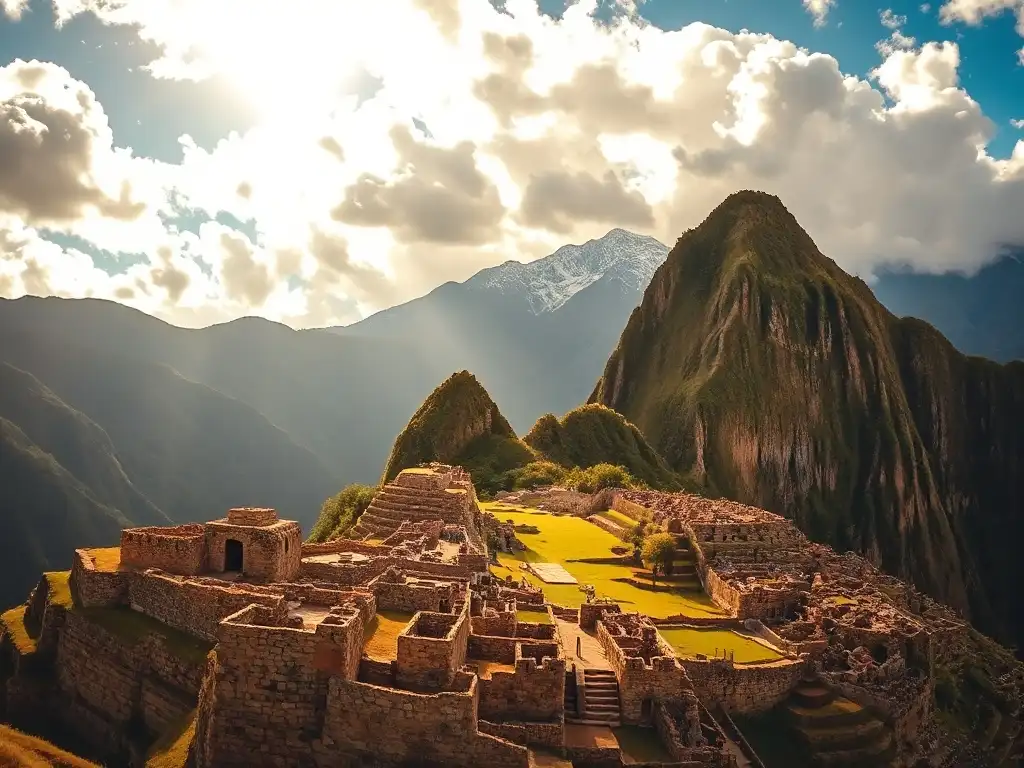
Step into a world lost to time, yet echoing with the whispers of a magnificent empire. Journey with us through the breathtaking landscapes and awe-inspiring achievements of the Andean civilizations. But prepare to be truly captivated by the ingenuity and spiritual significance of Inca temple architecture examples, structures that still whisper secrets of a bygone era. Discover the mysteries behind their design and construction – a testament to human ingenuity and a powerful connection to the divine. Are you ready to unlock their ancient secrets?
The Inca Empire, renowned for its sophisticated engineering and intricate social structures, left behind a legacy of awe-inspiring architecture. This article delves into the fascinating world of Inca temple architecture, exploring the design, construction, and religious significance of these sacred spaces.
We will examine specific examples that showcase the ingenuity and artistry of Inca builders, providing insights into their religious beliefs and practices. Understanding Inca temple architecture offers a crucial window into the heart of their civilization, revealing the deep spiritual convictions that shaped their society and their enduring impact on the Andes region.
This exploration will cover key architectural features, construction techniques, and the role these temples played in the daily lives and religious ceremonies of the Inca people. By examining various examples of Inca temple architecture, we aim to provide a comprehensive understanding of this important aspect of Inca culture, directly addressing the search term "Inca temple architecture examples".
Introduction to Inca Sacred Architecture
Inca architecture is characterized by its masterful use of stone, its precise craftsmanship, and its integration with the natural landscape. Temples, as the most sacred structures, embody these qualities to the highest degree. Unlike many other ancient civilizations that used mortar, Inca builders perfected a technique of fitting stones together so precisely that they required no binding material.
This dry-stone masonry, known as ashlar masonry, is a testament to their advanced engineering skills and their deep understanding of structural mechanics. The stones themselves, often massive in size, were carefully selected and shaped to fit together perfectly, creating structures that have withstood the test of time. The choice of building materials also varied depending on the location and availability of resources, reflecting a practical approach to construction that was nonetheless deeply imbued with spiritual significance.
The orientation of temples, often aligned with astronomical events or significant geographical features, further underscores the profound connection between Inca architecture and their cosmology. This meticulous attention to detail is evident in all aspects of Inca temple construction, from the precise placement of stones to the intricate carvings and decorative elements that adorn many structures.
The Significance of Temples in Inca Society
Temples served as more than just places of worship; they were the focal points of Inca religious life and played a vital role in maintaining the social and political order. These structures housed sacred objects, served as sites for rituals and ceremonies, and were often associated with specific deities or ancestral figures. The grandeur and imposing nature of the temples reinforced the power and authority of the Inca rulers, who were considered intermediaries between the gods and the people.
The elaborate ceremonies conducted within these sacred spaces helped to solidify the Inca's control over their vast empire. Furthermore, the construction of temples itself was a significant undertaking, requiring the mobilization of vast resources and labor, further demonstrating the Inca's power and organizational capabilities. The intricate designs and symbolic representations found within these temples offer valuable insights into Inca mythology, beliefs about the afterlife, and their understanding of the cosmos.
The role of priests and other religious officials in maintaining and managing these temples also highlights the significant influence of religion on Inca society. Studying the layout and features of different Inca temples allows researchers to understand the varied roles these structures played in the complex religious landscape of the Inca world. The meticulous planning and execution of these projects underscore the importance of religious practice in the daily life and governance of the Inca Empire.
- What are some key characteristics of Inca temple architecture?
- How did the Inca's religious beliefs influence their temple architecture?
- What are some examples of famous Inca temples?
- How did the Inca adapt their temple architecture to the Andes' challenging terrain?
- What materials did the Inca primarily use in their temple construction?
Key Characteristics of Inca Temple Construction
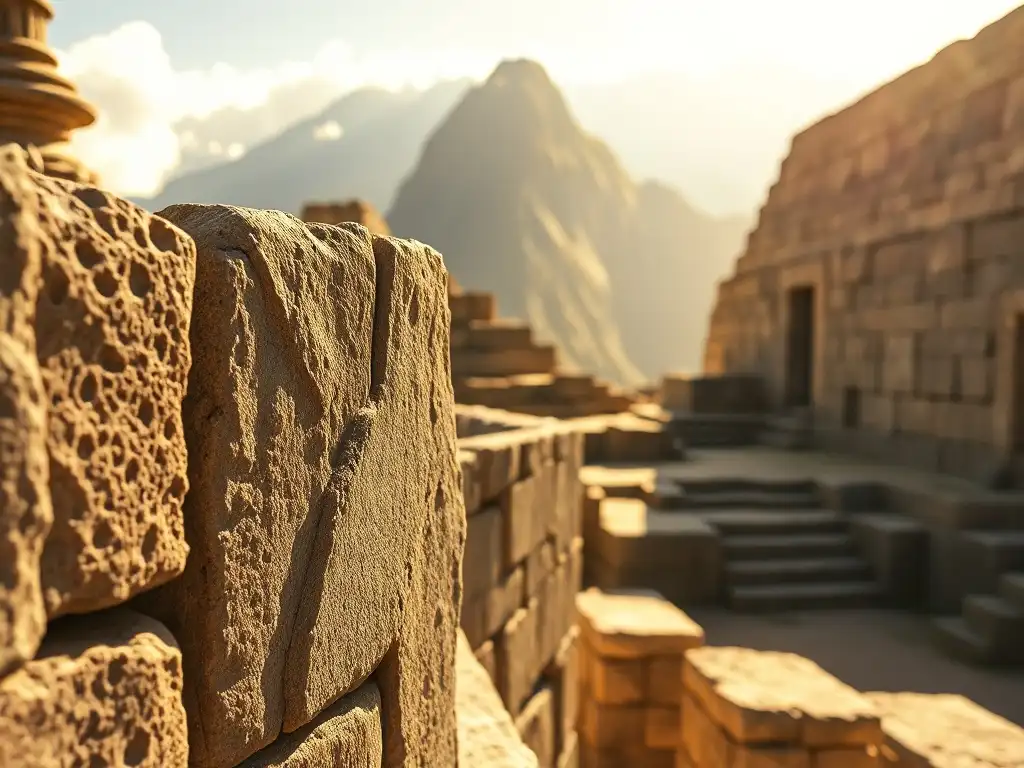
Inca temple architecture, a testament to the ingenuity and spiritual depth of the Inca civilization, presents several key characteristics that distinguish it from other architectural styles. Understanding these features is crucial to appreciating the complexity and sophistication of Inca religious practices and their profound connection to the Andean landscape. The focus on meticulous craftsmanship, symbolic representation, and integration with the environment all contribute to the unique character of Inca temple design.
The strategic placement of temples, often atop hills or mountains, wasn't merely practical; it held deep spiritual significance, connecting the sacred realm with the earthly one. These structures weren't simply places of worship; they were integral parts of the Inca worldview, reflecting their cosmology and social hierarchy. The careful selection of materials and the precise execution of construction techniques underscore the sacred nature of these buildings and the immense respect the Inca held for their deities.
The study of Inca temple architecture provides invaluable insights into their religious beliefs, social structure, and remarkable engineering capabilities. Analyzing the surviving examples allows us to reconstruct their rituals, understand their worldview, and appreciate the ingenuity of their builders.
Inca Architectural Techniques and Materials
Inca builders employed sophisticated techniques and readily available materials to construct their impressive temples. Their mastery of stonework is particularly striking, showcasing their advanced understanding of engineering and construction. The most common materials included finely cut stone blocks, typically andesite and granite, selected for their durability and resistance to weathering. These stones were meticulously shaped and fitted together without the use of mortar, a testament to their precise cutting and placement skills.
This technique, known as ashlar masonry, will be discussed in greater detail below. Beyond stone, other materials included adobe bricks (sun-dried clay bricks), wood, and thatch for roofing and less prominent structural elements. The choice of materials often reflected the local availability and the specific purpose of the structure. For instance, temples located in higher altitudes might utilize more readily available stones, while those in valleys could incorporate more wood and adobe.
The careful selection and application of these materials ensured the longevity and stability of these sacred spaces, many of which have endured for centuries. Evidence suggests a high level of specialization within Inca society, with skilled masons and architects playing crucial roles in the construction process. The intricate designs and precision of the stonework point to a highly organized and skilled workforce.
The Use of Ashlar Masonry in Inca Temples
The use of ashlar masonry is a hallmark of Inca temple architecture. This technique involved the precise cutting and fitting of large, rectangular blocks of stone without the use of mortar. The incredible precision of the cuts, with stones fitting together seamlessly, is a testament to the Inca's advanced understanding of geometry and engineering.
The joints between the stones are so tight that even a knife blade can barely fit between them. This meticulous craftsmanship not only ensured the structural integrity of the buildings but also conveyed a sense of order, precision, and permanence, reflecting the Inca worldview. The sheer scale of some of these constructions, with massive stones weighing many tons, further underlines the impressive engineering feats accomplished by Inca builders.
Examples of this remarkable technique can be found in numerous Inca temple ruins, demonstrating the widespread application of this sophisticated building method across the empire. The absence of mortar further emphasizes the Inca's skill, as it required even more precise cutting and fitting of the stones to maintain structural stability. The mastery of ashlar masonry is a defining characteristic of Inca architecture and a key element in understanding their advanced technological capabilities.
Adaptations to the Andean Landscape
Inca temple architecture demonstrates a remarkable sensitivity to the challenging Andean landscape. Builders skillfully adapted their techniques and designs to the steep slopes, rugged terrain, and seismic activity characteristic of the region. Terracing, for example, was a crucial technique employed to create level platforms for building construction, especially on slopes. This not only provided stable foundations but also integrated the structures seamlessly into the environment.
The use of locally sourced materials minimized transportation challenges and further integrated the buildings into their surroundings. Furthermore, the structures were often strategically placed to take advantage of natural features like rock formations or vantage points, emphasizing their connection to the environment and the sacredness of the locations. The orientation of temples towards specific celestial events, such as solstices and equinoxes, further demonstrates their deep understanding and integration with the natural world.
The Inca's ability to adapt their construction techniques to the challenging Andean environment is a testament to their engineering prowess and their deep connection to the land. The integration of their architecture with the natural landscape is a crucial aspect of understanding their religious beliefs and worldview. This harmonious relationship between the built environment and the natural world is a key characteristic of Inca temple architecture.
Notable Examples of Inca Temple Architecture
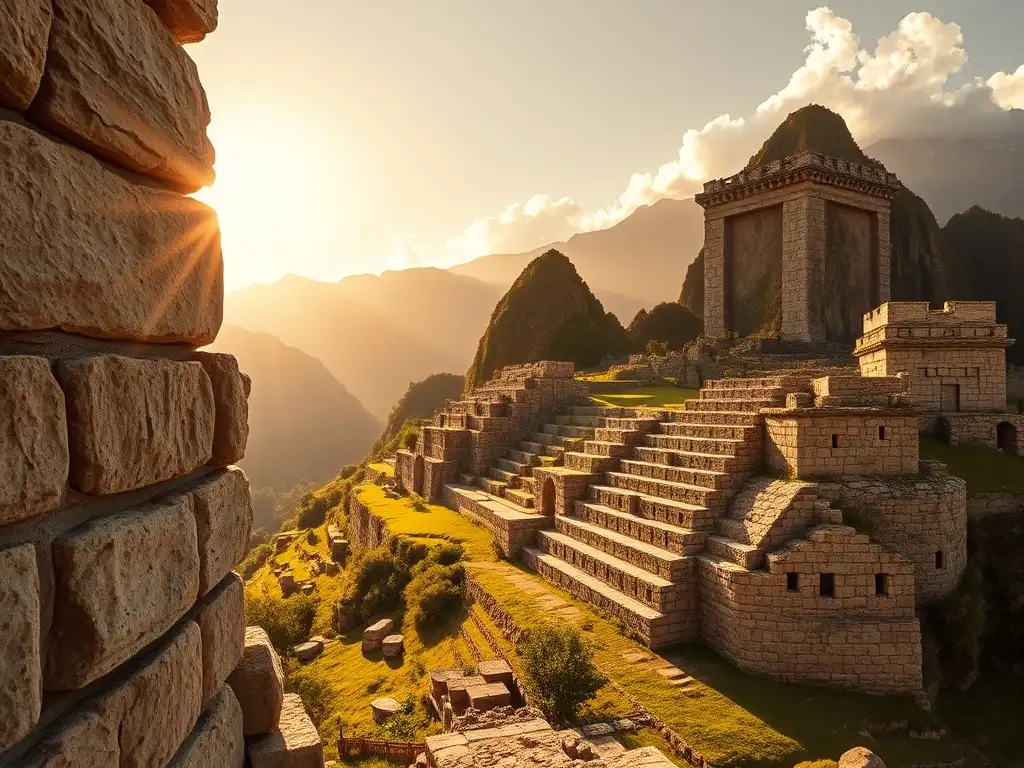
This section delves into specific examples of Inca temple architecture, showcasing the ingenuity and religious significance embedded in these structures. We will examine the architectural styles, construction techniques, and the role these temples played within Inca society, focusing on prominent examples that highlight the diversity and sophistication of Inca religious practices. Understanding these examples provides critical insight into the Inca worldview and their mastery of engineering and artistry. This exploration will illuminate the keyword "Inca temple architecture examples" with concrete, detailed instances.
Coricancha: The Temple of the Sun in Cusco
The Coricancha, or Qorikancha, meaning "Golden Enclosure," stands as a prime example of Inca temple architecture and its connection to the Inca's sun worship. Located in Cusco, the former capital of the Inca Empire, its ruins still evoke the grandeur and opulence of the site. Even in its partially ruined state, the Coricancha continues to fascinate researchers and tourists alike, offering a glimpse into the sophistication of Inca religious practices and architectural prowess.
Coricancha's Unique Features and Layout
The Coricancha was not simply a single building, but a complex of interconnected structures. Its primary temple, dedicated to Inti, the sun god, was rectangular and built using precisely cut stones, a hallmark of Inca masonry. The walls were meticulously fitted together without mortar, showcasing the advanced engineering skills of Inca builders. Evidence suggests the use of intricate astronomical alignments within the temple's layout, aligning with the movements of the sun and possibly other celestial bodies.
The temple's interior was lavishly decorated, as described by Spanish chroniclers, with gold and silver ornaments, further emphasizing its sacred significance. The layout incorporated courtyards and smaller chapels dedicated to other deities. Archaeological excavations continue to reveal more about the precise arrangement and purpose of these subsidiary structures.
The Role of Gold and Precious Metals
Gold played a pivotal role in Coricancha's design and religious significance. Spanish accounts describe the temple's interior as being completely covered in gold, with statues, plates, and other decorative elements crafted from the precious metal. The abundance of gold wasn't merely for aesthetic purposes; it symbolized the sun's power and the Inca's connection to the divine.
The use of gold emphasized the temple's sanctity and the importance of the sun god within the Inca pantheon. The sheer amount of gold plundered by the Spanish conquistadors is a testament to the wealth and religious importance of the Coricancha. The surviving foundation walls, even without their gold ornamentation, speak volumes about the power and prestige associated with this sacred space.
Sacsayhuamán: The Fortress-Temple Complex
Sacsayhuamán, located overlooking Cusco, is a monumental complex that blurs the lines between fortress and temple. While its defensive capabilities are undeniable, its design and layout suggest a significant religious function as well. The enormous, precisely fitted stones, some weighing many tons, are a testament to the Inca's engineering mastery and their deep connection to the sacred landscape. The site's strategic location and impressive scale suggest its importance as a center of ritual and possibly even royal power.
The Purpose and Design of Sacsayhuamán
The precise purpose of Sacsayhuamán remains a subject of scholarly debate. While it served as a formidable defensive structure, its layout and the presence of ceremonial structures within the complex indicate a significant religious dimension. The three main terraces, with their massive stone walls, were likely used for both defensive and ceremonial purposes.
The intricate arrangement of the stones, their astronomical alignments, and the presence of water features suggest a complex interplay between military strategy and religious significance. The site's vastness and the sheer scale of the construction are breathtaking, and its awe-inspiring presence speaks to the power and ambition of the Inca Empire. It is a compelling example of Inca temple architecture within a broader defensive context.
Megalithic Construction Techniques at Sacsayhuamán
Sacsayhuamán is renowned for its impressive megalithic construction. The massive stones, some reaching heights of over 9 meters, were meticulously cut and fitted together with astonishing precision. The Inca's ability to transport and precisely place these enormous stones remains a subject of ongoing research and fascination.
The techniques employed, including the use of ramps, levers, and possibly even advanced knowledge of physics, showcase the Inca's mastery of engineering and their deep understanding of structural mechanics. The absence of mortar between the stones further enhances the monumental feel of the structure, emphasizing the Inca's ability to create a seamless and enduring architectural achievement. Studying the construction techniques of Sacsayhuamán offers valuable insights into Inca engineering practices and their meticulous approach to building sacred spaces.
Ollantaytambo: A Temple and Agricultural Center
Ollantaytambo, located in the Sacred Valley of the Incas, stands as a remarkable example of Inca temple architecture, seamlessly blending religious and agricultural functions. Its imposing structures, carved into the mountainside, showcase the Inca's mastery of stonework and their deep connection with the land. More than just a temple complex, Ollantaytambo served as a crucial agricultural center, with intricate irrigation systems and terraced fields supporting the population.
The integration of these seemingly disparate functions highlights the holistic approach of Inca society, where religious practices were deeply interwoven with daily life and sustenance. The site's strategic location, nestled in a fertile valley and protected by natural barriers, further underscores its importance as both a spiritual and logistical hub.
The sheer scale of the complex, with its numerous temples, residential areas, and agricultural terraces, speaks to the significant resources and manpower invested in its construction, a testament to the power and organization of the Inca Empire. The enduring legacy of Ollantaytambo continues to fascinate archaeologists and visitors alike, offering valuable insights into the sophisticated engineering and spiritual beliefs of the Inca civilization.
The Temple Hill and its Terraces
The Temple Hill at Ollantaytambo is the undeniable centerpiece of the complex. Its steep slopes are dramatically terraced, creating a breathtaking visual spectacle and showcasing the Inca's exceptional engineering skills. These terraces weren't merely aesthetic; they were integral to the agricultural system, providing fertile land for cultivation even on challenging terrain.
The precision with which these terraces were constructed, with their retaining walls perfectly aligned and their slopes carefully graded, is astounding. The use of different types of stone, carefully selected for their properties, further demonstrates the sophisticated knowledge of Inca builders. The terraces also played a significant role in water management, with intricate channels directing water to irrigate the crops.
The Temple Hill's terraces are not just an impressive feat of engineering; they represent a harmonious blend of agricultural practicality and spiritual significance, underscoring the close relationship between the Inca's religious beliefs and their daily life. The very act of cultivating the land was likely imbued with religious meaning, connecting the people to the earth and its bounty.
The Precision of Ollantaytambo’s Stonework
The precision of Ollantaytambo's stonework is legendary. Massive stones, some weighing many tons, were meticulously fitted together without the use of mortar, showcasing an unparalleled level of craftsmanship. The surfaces of these stones are often so perfectly joined that even a knife blade cannot be inserted between them.
This remarkable feat of engineering is further enhanced by the intricate carvings and designs found on some of the stones, demonstrating a high level of artistic skill in addition to technical prowess. The precise alignment of the stones, their remarkable fit, and the intricate detailing are testaments to the Inca's advanced knowledge of geometry, engineering, and stone-cutting techniques.
The sheer scale and complexity of the stonework, combined with its exquisite precision, leave viewers in awe of the Inca builders' skill and dedication. The technique used, while still debated among scholars, reveals a deep understanding of both practical construction and symbolic representation, with the stones themselves potentially embodying spiritual significance.
Machu Picchu: The Sacred City in the Clouds
Machu Picchu, often referred to as the "Lost City of the Incas," is arguably the most iconic example of Inca architecture. Nestled high in the Andes Mountains, this breathtaking city combines religious structures with residential areas and agricultural terraces, highlighting the integrated nature of Inca society.
While its exact function remains a subject of ongoing scholarly debate, its location, architectural features, and the presence of numerous religious structures strongly suggest its significance as a sacred site. The city's design, harmoniously integrated with its dramatic mountain setting, showcases the Inca's deep understanding of their environment and their ability to adapt their architecture to challenging terrain.
The meticulous planning and execution evident in every aspect of the city, from its intricate water systems to its precisely cut stones, speak to the advanced capabilities of Inca engineers and builders. The enduring mystery surrounding Machu Picchu only adds to its allure, making it a captivating example of Inca temple architecture and a testament to the ingenuity and spirituality of the Inca civilization.
The Intihuatana Stone and its Function
The Intihuatana Stone, located at the highest point of Machu Picchu, is perhaps the most well-known religious structure within the site. Its name, meaning "hitching post of the sun," suggests its function in astronomical observations and solar rituals. The stone's precise orientation and its intricate carvings suggest a sophisticated understanding of astronomy and its role in Inca religious practices.
Scholars believe it may have been used to mark solstices and equinoxes, playing a vital role in the Inca calendar and agricultural cycle. Its location at the highest point of the city, commanding a panoramic view of the surrounding landscape, reinforces its significance as a focal point for religious ceremonies and observations.
While the exact nature of its use remains debated, the Intihuatana Stone stands as a powerful symbol of Inca astronomical knowledge and its integration into their religious beliefs. The stone's enduring presence serves as a testament to the Inca's sophisticated understanding of the cosmos and their deep connection with the natural world.
Temple of the Sun and other Religious Structures
The Temple of the Sun at Machu Picchu is one of several significant religious structures within the site. Its location on a prominent ridge and its unique architectural features, including its distinctive trapezoidal doorways and precisely cut stones, highlight its importance as a sacred space. While the exact nature of the rituals performed within the temple remains unknown, its construction and design suggest its use in important religious ceremonies.
Other religious structures at Machu Picchu, such as the Temple of the Three Windows and the Principal Temple, further underscore the site's significance as a center of religious activity. The sheer number and variety of these structures indicate the importance of religion in Inca society and the considerable resources devoted to constructing and maintaining these sacred spaces.
The careful placement of these temples within the broader urban layout of Machu Picchu reveals a sophisticated understanding of both sacred geography and urban planning, reflecting the intricate relationship between religious and secular life in the Inca Empire. The enduring presence of these temples showcases the lasting impact of Inca religious beliefs and practices.
The Religious Significance of Inca Temple Design
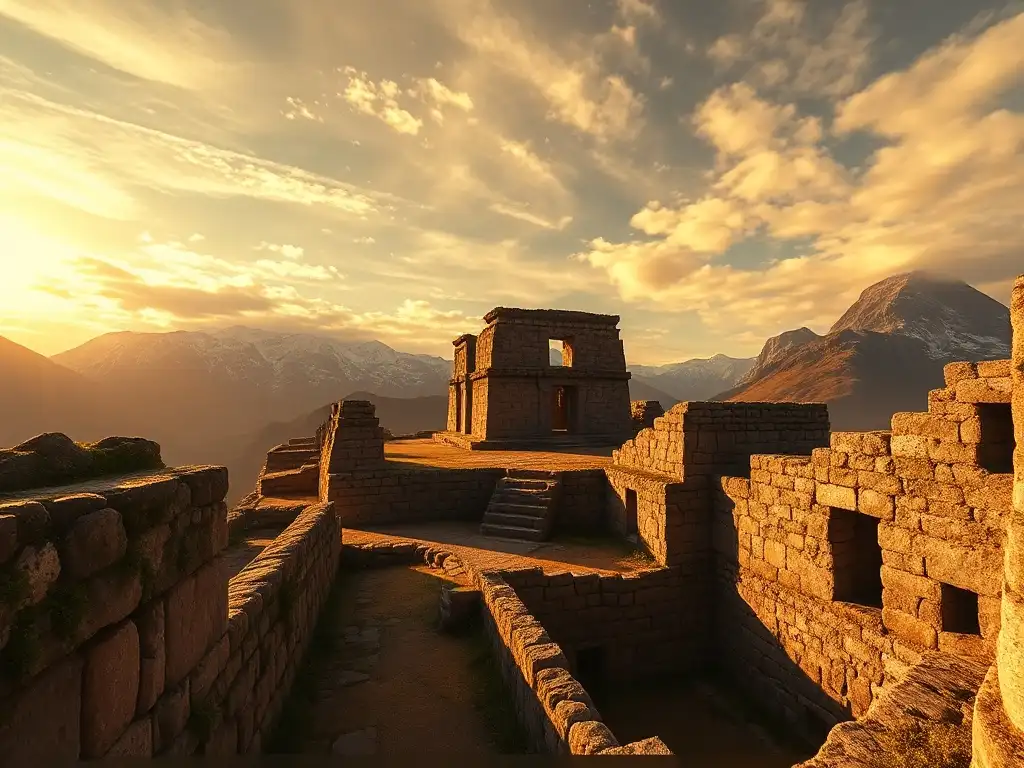
Inca temple architecture wasn't merely about aesthetics; it was deeply intertwined with the Inca worldview and religious practices. These structures served as vital conduits between the earthly and spiritual realms, facilitating communication with the gods and ancestors. The very act of constructing these magnificent buildings was a ritual in itself, imbued with religious significance.
Every stone, every carving, every carefully planned alignment held profound meaning, reflecting the Inca's intricate cosmology and their belief in the interconnectedness of all things. Understanding Inca temple design requires appreciating its deeply religious context, moving beyond a purely architectural analysis to explore its spiritual core. The meticulous planning and execution of these projects demonstrate the Inca's profound reverence for their deities and the cosmos.
The scale and precision of the work also highlight the immense organizational power and sophisticated engineering skills of the Inca empire. This religious fervor drove innovation and artistic expression, resulting in structures that continue to inspire awe and wonder centuries later. The study of Inca temple architecture offers invaluable insights into the religious beliefs and practices of this remarkable civilization, providing a window into their spiritual world.
The Alignment of Temples with Celestial Events
The precise alignment of Inca temples with celestial events, such as solstices and equinoxes, is a testament to their advanced astronomical knowledge. For example, the Temple of the Sun in Cusco is believed to have been meticulously positioned to capture the sunrise on specific dates, highlighting the importance of these celestial events in the Inca calendar. This wasn't a matter of chance; skilled astronomers, likely part of the priestly class, meticulously surveyed the landscape and made precise calculations to achieve this alignment.
The alignment wasn't just decorative; it reinforced the Inca belief in the intimate connection between the terrestrial and celestial realms, emphasizing the cyclical nature of time and the influence of the cosmos on earthly events. These alignments underscored the sacred nature of the temples and their role in mediating the relationship between the human and divine worlds. Further research is needed to fully understand the extent of this astronomical knowledge and its influence on the broader design of Inca religious architecture.
[Specific data on the precise angles and celestial events for various temples pending]. The precision of these alignments, however, clearly points to a sophisticated understanding of astronomy that was integral to their religious practices.
The Role of the Inca Priesthood in Temple Rituals
Inca temple architecture was inextricably linked to the activities of the Inca priesthood. These highly trained religious specialists oversaw the construction, maintenance, and use of the temples. They performed elaborate rituals within these sacred spaces, often involving offerings, sacrifices, and prayers to appease the gods and ensure the prosperity of the empire.
The priests were responsible for interpreting omens, maintaining the sacred calendar, and mediating between the human and spiritual worlds. The design of the temples themselves facilitated these rituals. For instance, specific architectural features, such as niches or altars, may have been designed to accommodate particular ceremonies or to enhance the mystical atmosphere of the space.
[Details on specific priestly roles in temple rituals pending]. The influence of the priesthood is evident in the iconography and symbolism incorporated into the temple decorations, further highlighting the religious significance of these structures. The intricate carvings and murals found within Inca temples are believed to have played a crucial role in these rituals, serving as visual aids or representations of deities and sacred stories.
Symbolism in Inca Temple Decoration
The intricate carvings, murals, and other decorative elements found on Inca temples are not merely aesthetic embellishments; they are rich with symbolic meaning, reflecting the Inca's complex religious beliefs. Common motifs include representations of deities, such as the sun god Inti and the moon goddess Mama Killa, as well as animals, plants, and celestial bodies. These symbols were carefully chosen and strategically placed to convey specific religious messages and reinforce the sacred nature of the temple.
For example, the repeated use of certain motifs might represent the cyclical nature of life and death or the interconnectedness of the natural world. [Specific examples of symbolism and their interpretations pending, including analysis of specific temples and their decorations]. The vibrant colors used in the murals and textiles further enhanced the symbolic power of these images, adding another layer of meaning to the overall design.
The meticulous attention to detail in these decorations demonstrates the profound significance that the Inca placed on religious symbolism and its role in their spiritual practices. The study of these decorative elements provides invaluable insights into the Inca worldview and their understanding of the cosmos.
Preserving Inca Temple Architecture for Future Generations
The remarkable architecture of Inca temples, a testament to their advanced engineering and spiritual beliefs, faces significant threats today. Understanding and addressing these challenges is crucial for ensuring these invaluable sites remain accessible and inspiring for future generations. The preservation of Inca temple architecture is not merely about maintaining physical structures; it's about protecting a vital part of human history and cultural heritage.
This involves a multi-faceted approach encompassing conservation, restoration, and responsible tourism practices. The keyword "Inca temple architecture examples" is inherently linked to the long-term preservation of these structures, as without proper care, these examples will inevitably diminish.
Challenges in Conservation and Restoration
The Inca built using sophisticated techniques, employing precisely cut stone blocks fitted together without mortar. This mastery, while aesthetically impressive, presents unique challenges for conservation. Several factors contribute to the deterioration of Inca temple architecture:
- Erosion: Wind, rain, and freeze-thaw cycles slowly erode the stone, causing cracks and surface damage. High-altitude locations, common for many Inca sites, experience particularly harsh weather conditions, accelerating this process.
- Seismic Activity: The Andes are seismically active, and earthquakes can cause significant damage to even the most robust structures. The precise fitting of stones, while strong, doesn't necessarily provide resilience against powerful seismic forces.
- Human Impact: Tourism, while beneficial for economic development, can also contribute to deterioration through physical contact, accidental damage, and the introduction of pollutants. Illegal looting and vandalism further exacerbate the problem.
- Biological Growth: Mosses, lichens, and other organisms can grow on the stone surfaces, causing further deterioration and obscuring the original craftsmanship. This biological growth can be especially damaging in humid environments.
Effective conservation requires a holistic approach, incorporating preventative measures, such as careful environmental management and controlled tourism, alongside targeted interventions such as stone consolidation and the removal of harmful biological growth. Detailed monitoring and regular assessments are essential to track the progress of deterioration and guide conservation efforts effectively. The long-term preservation of these sites requires sustained commitment and considerable resources.
The Importance of Archaeological Research
Thorough archaeological research is paramount to effective conservation and restoration of Inca temple architecture. Before any intervention takes place, a comprehensive understanding of the site's history, construction techniques, and materials is necessary. This research provides crucial information for:
- Informed Decision-Making: Archaeological investigations reveal the original structure and construction methods, guiding restoration efforts and ensuring that interventions are historically accurate and minimally invasive.
- Material Analysis: Analyzing the stone composition and the effects of weathering helps identify the most suitable conservation techniques. Understanding the original materials allows for the use of compatible materials during repairs, minimizing further damage.
- Risk Assessment: Research helps assess the vulnerability of the site to natural hazards and human impact, enabling the development of effective preventative measures. For instance, understanding seismic risks can inform the design of stabilization techniques.
- Interpretation and Education: Archaeological findings enrich our understanding of Inca culture and beliefs, allowing for more informative and engaging presentations to the public. This fosters appreciation for the historical significance of these sites and promotes responsible tourism.
The integration of cutting-edge technologies, such as 3D scanning and geophysical surveys, enhances the precision and efficiency of archaeological research, providing detailed information that informs more effective preservation strategies. The ongoing research is vital to the survival of these impressive structures for the future.
Ethical Considerations for Visiting Inca Temple Sites
Visiting Inca temple sites presents a unique ethical responsibility. These are not just historical monuments; they are sacred spaces imbued with deep cultural and spiritual significance for many. Responsible tourism requires mindful behavior and respect for both the physical integrity of the sites and their cultural significance. Key ethical considerations include:
- Respect for Sacred Spaces: Many Inca sites retain spiritual significance for contemporary indigenous communities. Visitors should be aware of and respectful of these beliefs and practices. Appropriate dress and behavior are essential.
- Minimizing Environmental Impact: Staying on marked trails, avoiding touching or climbing on structures, and properly disposing of waste are crucial for minimizing environmental damage and preserving the site's integrity.
- Supporting Local Communities: Choosing tour operators that prioritize the welfare of local communities and contribute to their economic development ensures that tourism benefits the people who are most closely connected to these sites.
- Respecting Archaeological Remains: Refraining from removing artifacts or disturbing archaeological features is vital for the preservation of the site's historical record. Reporting any suspicious activity to the authorities is also important.
Ethical tourism is not merely a matter of personal responsibility; it's a crucial element in the long-term preservation of Inca temple architecture. By engaging responsibly, visitors can contribute to the sustainability of these sites and ensure that future generations can experience the wonder and significance of Inca heritage. This responsible approach is vital to preserving these remarkable "Inca temple architecture examples" for years to come.
Frequently Asked Questions
What are some key characteristics of Inca temple architecture?
Inca temples often featured massive stonework with incredibly precise fitting of stones, sometimes without mortar. They were typically built on terraces and incorporated religious iconography into their design.
How did the Inca's religious beliefs influence their temple architecture?
Inca religious beliefs heavily influenced temple design. Temples were built to honor their gods and to facilitate rituals and ceremonies. The location and orientation of temples were carefully chosen based on astronomical observations and sacred geography.
What are some examples of famous Inca temples?
Famous examples include Sacsayhuamán near Cusco, a massive fortress-temple complex, and Qorikancha (Temple of the Sun) in Cusco, known for its elaborate gold ornamentation (though much was looted). Machu Picchu also contained several significant temple structures.
How did the Inca adapt their temple architecture to the Andes' challenging terrain?
The Inca mastered terracing techniques to build on steep slopes, utilizing the landscape to create impressive structures. Their architecture was integrated with the environment, showcasing an understanding of the terrain and its limitations.
What materials did the Inca primarily use in their temple construction?
The Inca primarily used stone, often granite or andesite, which they expertly cut and fitted together. They also employed mud brick (adobe) in some constructions, and gold and silver for ornamentation in elite temples.
Final Reflection: Echoes of the Andes: A Legacy in Stone
The intricate artistry and spiritual significance of Inca temple architecture remain profoundly relevant today, a testament to a civilization's ingenuity and enduring connection to the natural world. These structures, far from being mere historical relics, offer invaluable insights into sustainable design, sophisticated engineering, and the profound human need for sacred spaces. Their echoes resonate in our modern world, reminding us of the power of human creativity and the enduring search for meaning.
The impact of Inca architecture extends beyond the realm of archaeology; it continues to inspire architects, engineers, and artists alike. The innovative use of materials, the seamless integration with the landscape, and the symbolic power embedded within these structures offer a rich tapestry of inspiration. The past is never dead. It's not even past.
– William Faulkner. This quote perfectly encapsulates the enduring relevance of Inca temple architecture; its influence permeates our present, shaping our understanding of history, design, and spirituality. The meticulous craftsmanship and profound spiritual intention behind these structures serve as a powerful reminder of the human capacity for both creativity and reverence.
Consider the ingenuity of the Inca builders, their deep understanding of astronomy and their ability to create structures that harmoniously blend with their environment. Let their legacy inspire you to seek out the sacred spaces in your own life, to appreciate the artistry and innovation around you, and to strive for a deeper connection with the world and its natural wonders. Embrace the echoes of the Andes, and let them guide you towards a more mindful and appreciative existence.
Unveil the Mysteries of Inca Architecture Today!
Thank you for exploring the fascinating world of Inca temple architecture! You've learned how these sacred spaces reflect the rich culture and spirituality of the Andean civilizations. Let's delve even deeper!
- Visit a local museum or cultural center to see Andean artifacts firsthand and further your understanding of Inca history. The detail and craftsmanship are truly remarkable.
- Share your newfound knowledge with friends, family, or on social media – sparking conversations about the beauty and significance of Inca architecture is a rewarding experience.
- Connect with fellow enthusiasts and expand your knowledge by joining online communities dedicated to Andean civilizations. You'll find a wealth of information and passionate discussions.
What aspect of Inca architecture captivates you most, and how will you share your passion with others?