
Gentle Cleaning: Removing Surface Soil from Antique Andean Cloth

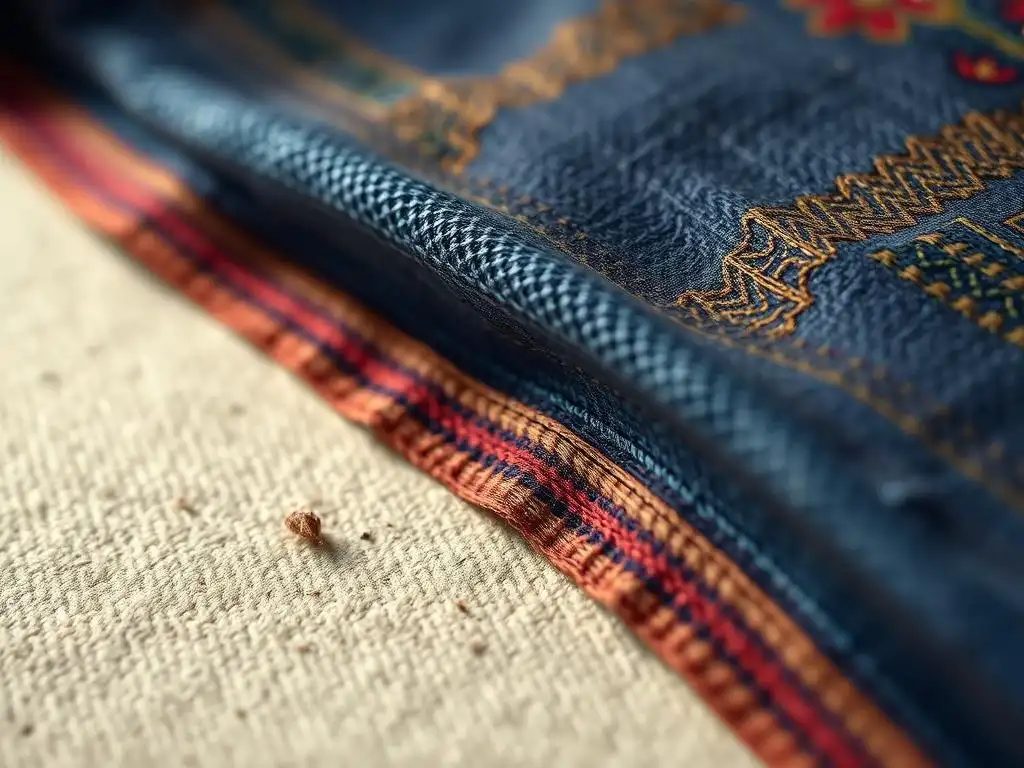
Unravel the mysteries woven into the very fabric of history. Dive into the captivating world of Andean civilizations, where intricate artistry and advanced technology thrived for millennia. But what secrets lie hidden beneath the dust of time on these priceless artifacts? Our exploration of Antique Andean cloth surface soil removal reveals delicate techniques that bring ancient textiles back to life, revealing breathtaking details and untold stories. Discover the meticulous process and unlock the mysteries held within these remarkable pieces—prepare to be amazed.
The vibrant tapestry of Andean civilizations extends beyond their impressive architectural feats and intricate goldwork; it also encompasses the exquisite textiles produced by these ancient cultures. These textiles, often centuries old, are fragile witnesses to a rich history, and their preservation requires a delicate touch. This article focuses on the crucial first step in caring for your antique Andean cloth: gently removing surface soil.
Understanding the proper techniques for cleaning antique Andean textiles is paramount to ensuring their longevity and safeguarding their cultural significance. We will explore the methods for assessing the condition of your textile, selecting appropriate cleaning supplies, and undertaking the initial cleaning process, all while prioritizing the preservation of this invaluable cultural heritage. This guide aims to empower you with the knowledge to safely care for your treasured Andean textiles, allowing future generations to appreciate their beauty and craftsmanship.
The safe removal of surface soil is the cornerstone of long-term preservation and contributes significantly to the ongoing study and appreciation of these remarkable artifacts. Mastering this technique is crucial for anyone who owns or handles antique Andean cloth.
Introduction to Preserving Ancient Textiles: A Delicate Approach
Preserving antique Andean textiles requires a nuanced understanding of their delicate nature. Unlike modern fabrics, these ancient textiles are often made from natural fibers like alpaca, llama, vicuña, and cotton, which are prone to degradation over time. Exposure to light, humidity, and improper handling can cause irreversible damage, including fiber weakening, color fading, and structural deterioration. Therefore, any cleaning method must prioritize minimal intervention.
The goal isn't to achieve sparkling cleanliness, but rather to carefully remove loose surface soil without harming the underlying fibers or dyes. This gentle approach ensures that the textile's integrity remains intact, preserving its historical and artistic value for years to come. Think of it as a delicate dance, balancing the need for cleanliness with the imperative of preservation.
The process of cleaning antique Andean textiles should always begin with a thorough assessment of its condition. This involves identifying any existing damage, such as holes, tears, or weak areas. Knowing the textile's condition beforehand helps you make informed decisions about the cleaning process. For example, a heavily damaged textile may require professional conservation, while a relatively intact textile might only need gentle surface cleaning. Remember, prevention is key! Proper storage and handling practices are just as important as the actual cleaning process.
Assessing Your Antique Andean Textile: Before You Begin
Before you even think about touching your antique Andean cloth with a cleaning tool, a careful visual inspection is crucial. This assessment should be conducted under good, natural light, avoiding harsh direct sunlight. Pay close attention to the following:
- Fiber type: Identify the fiber composition (alpaca, llama, cotton, etc.) as this will influence your cleaning choices.
- Dye type: Natural dyes are often more fragile than synthetic ones. Observe any signs of dye bleeding or fading.
- Weave structure: Note the tightness and integrity of the weave. Loose or damaged areas require extra caution.
- Existing damage: Document any pre-existing damage such as holes, tears, stains, or areas of significant weakening. Photographing these areas is highly recommended for record-keeping purposes.
- Soil type: Observe the type and amount of surface soil. Is it dust, grit, or something else? This will help determine the appropriate cleaning method.
This detailed assessment will guide your cleaning strategy, helping you choose the safest and most effective approach. Remember to meticulously document your findings, including photographs, to track the textile's condition before, during, and after cleaning. This documentation is invaluable for future conservation efforts.
Gathering Essential Supplies for Safe Textile Cleaning
Once you've assessed your textile, it's time to gather the necessary supplies. Remember, gentleness is key, so avoid harsh chemicals or abrasive tools. Here’s a list of what you’ll need:
| Item | Description | Notes |
|---|---|---|
| Soft-bristled brush | A very soft brush, ideally a sable or natural hair brush. Avoid synthetic brushes. | The bristles should be gentle enough to avoid snagging or damaging delicate fibers. |
| Clean, soft cloths | 100% cotton cloths are ideal. Avoid using lint-producing fabrics. | Multiple cloths are recommended to allow for frequent changes as you clean. |
| Deionized or distilled water | Avoid tap water, which can contain minerals that can damage the textile. | This is crucial for preventing mineral deposits and discoloration. |
| Soft rubber eraser (optional) | For carefully removing very small, localized spots of soil. | Use with extreme caution and only on very stable areas of the textile. Test on an inconspicuous area first. |
| Tweezers (optional) | For carefully removing loose debris. | Use only if necessary and with extreme care to avoid pulling or damaging fibers. |
Remember to work in a clean, well-ventilated area, away from direct sunlight and sources of dust. Always test any cleaning method on an inconspicuous area of the textile first to ensure it doesn't cause damage before applying it to the entire piece. With careful preparation and a gentle approach, you can successfully remove surface soil from your antique Andean cloth, preserving its beauty and cultural significance for generations to come.
Step-by-Step Guide: Gentle Surface Soil Removal from Andean Textiles
This detailed guide outlines a safe and effective method for removing surface soil from your precious antique Andean cloth. Remember, patience and a gentle touch are key to preserving these delicate artifacts. Improper cleaning can cause irreversible damage, so proceed cautiously and always prioritize the textile's well-being. The following steps provide a structured approach to cleaning, minimizing the risk of harm. Always test any cleaning method on an inconspicuous area first, such as a hidden seam or a small, less visible section of the textile, to assess its impact.
First, carefully inspect the textile for any significant damage, such as tears, holes, or loose threads. Document these areas with photographs before beginning the cleaning process. This documentation serves as a valuable record of the artifact's condition before and after cleaning. Addressing any significant damage before cleaning is crucial to prevent further deterioration during the process. Consider consulting a textile conservator for advice on repairing any major damage before proceeding with surface cleaning.
Next, follow the steps outlined in the subsequent sections, working methodically and carefully. Remember, the goal is to remove surface soil without harming the delicate fibers of the antique Andean cloth. Regularly assess the textile's condition during the cleaning process, stopping if you notice any unexpected changes or damage. Proper documentation throughout the process is crucial for future reference and conservation efforts. This includes noting the cleaning methods used, the results, and any observations about the textile's condition.
Preparing Your Workspace: Setting Up for Success
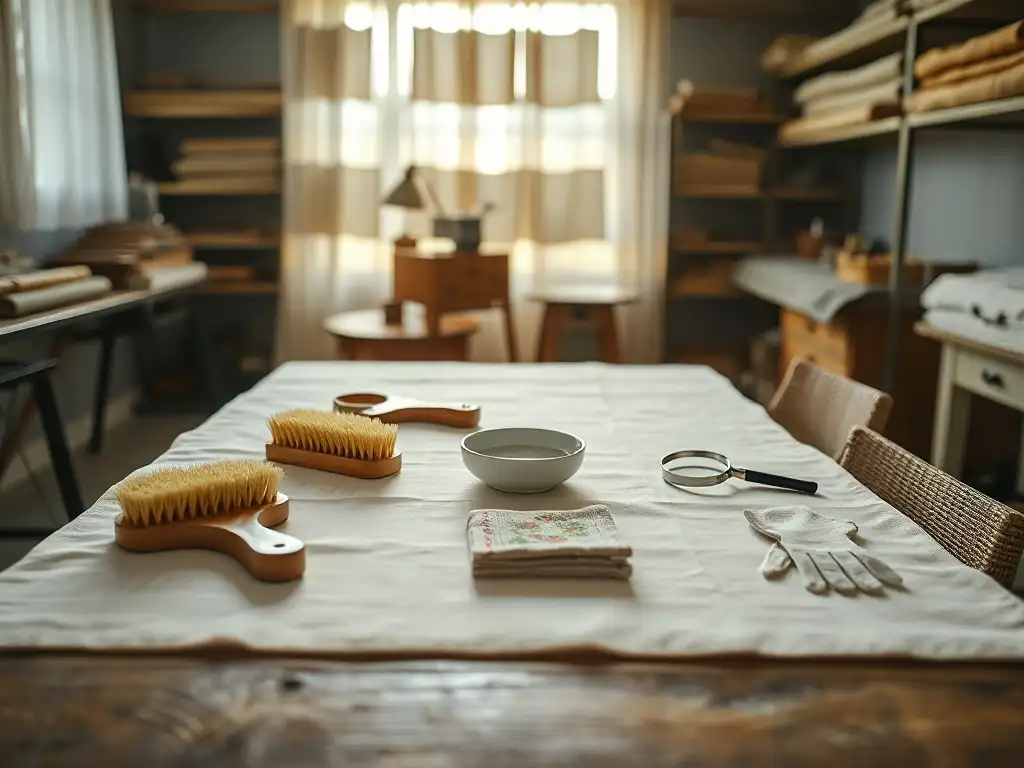
A well-prepared workspace is crucial for successful and safe cleaning of antique Andean cloth. The environment should be clean, well-lit, and free from dust and other airborne particles that could contaminate the textile. Choose a stable, flat surface large enough to comfortably accommodate the textile without causing strain or wrinkles. Consider using a clean, padded surface, such as a soft, clean cotton sheet or a specialized textile support, to provide cushioning and prevent accidental damage.
Proper lighting is essential to ensure you can clearly see the textile's surface and any embedded soil particles. Use a bright, natural light source, if possible, or a high-quality adjustable lamp that provides even illumination. Avoid harsh, direct light, which can damage delicate fibers over time. Keep the workspace clean and organized to prevent accidental damage to the textile during the cleaning process. Have all your cleaning materials readily available and easily accessible to minimize unnecessary movement and potential disturbance to the artifact.
Before you begin, ensure you have all the necessary materials gathered, including soft brushes (different sizes and bristle types for varied textures), clean cotton gloves to protect the textile from oils on your hands, and a clean, lint-free cloth for wiping. Remember to prepare a suitable area for discarding debris, keeping it separate from your clean workspace to avoid recontamination. Consider using a vacuum cleaner with a soft brush attachment to remove loose debris from the surrounding area before you begin the cleaning process to minimize the risk of re-depositing dust onto the textile.
The Initial Brush-Off: Loosening Surface Debris
The initial step in removing surface soil involves a gentle brushing to loosen any loosely adhered debris. This process aims to dislodge superficial dirt and dust without applying excessive pressure or causing damage to the delicate fibers. For this stage, select a soft, natural-bristle brush suitable for delicate textiles. A soft-bristled artist's brush or a specialized textile brush is ideal. Avoid using synthetic brushes, which can be too harsh and potentially damage the fibers.
Begin by gently brushing the surface of the textile in the direction of the weave. Use short, light strokes, avoiding any abrupt or forceful movements that could damage the fibers. Pay close attention to areas with accumulated soil or visible debris. Work systematically, moving across the textile in a consistent manner to ensure even cleaning. Regularly clean the brush to remove any accumulated debris to prevent recontamination. Use a clean, dry cloth to gently wipe away any loose debris removed by brushing.
It is crucial to observe the textile's reaction during the brushing process. If you notice any fraying, loose threads, or signs of damage, immediately stop brushing and reassess the cleaning method. Remember that the goal is to remove only the surface soil without causing any harm to the delicate antique Andean cloth.
If significant soil remains after the initial brushing, you may need to proceed with more advanced cleaning techniques, but always prioritize the preservation of the artifact's integrity. Document the results of this initial brushing stage, noting the amount of debris removed and any observations about the textile's condition.
Vacuuming Loose Soil: Safely Removing Dislodged Particles
Before embarking on any wet cleaning methods for your antique Andean cloth, the first and arguably most important step is to gently remove loose surface soil. This prevents the spreading of dirt and grime during subsequent cleaning stages, protecting the delicate fibers of the textile. The best tool for this task is a low-powered, handheld vacuum cleaner equipped with a soft brush attachment. Avoid using high suction power, as this could damage the fragile threads.
Instead, opt for a gentle, sweeping motion across the surface of the cloth. Remember to keep the nozzle at a safe distance to avoid direct contact and potential abrasion. For particularly delicate areas, consider using a small, soft-bristled artist's brush to carefully remove visible particles before vacuuming. This two-step process offers a more thorough initial cleaning, minimizing the risk of fiber damage.
The efficacy of this method is greatly enhanced by performing the vacuuming outdoors or in a well-ventilated area to prevent the inhalation of dust particles, which may contain harmful substances. Always wear a dust mask for added protection. Proper handling and careful vacuuming are crucial for the preservation of your antique Andean cloth, ensuring its longevity and beauty for generations to come. This initial stage of "Antique Andean cloth surface soil removal" is paramount for minimizing damage during later cleaning processes.
Targeted Cleaning with a Conservation Sponge (Optional)
Following the vacuuming, you might consider a more targeted approach using a conservation sponge. This is an optional step, particularly useful for removing stubborn soil concentrated in specific areas. Conservation sponges are specifically designed for delicate artifacts and are made from a soft, absorbent material that is gentle on textiles. Before using the sponge, ensure it's slightly dampened—not soaking wet—with deionized or distilled water. Excess moisture can damage the cloth, so wringing out the sponge thoroughly is essential.
Gently dab the affected areas, avoiding harsh rubbing or scrubbing motions. The goal is to lift the soil without disturbing the fibers. Remember to test the sponge on an inconspicuous area of the textile first to ensure it doesn't cause discoloration or damage. This is especially important with antique Andean cloth, which may be dyed with fugitive dyes sensitive to water. After dabbing, allow the treated area to air dry completely, away from direct sunlight or heat.
Observe the cloth carefully for any signs of discoloration or damage. If any problems arise, immediately cease cleaning and consult a textile conservator. The use of a conservation sponge should be considered a supplementary technique to vacuuming, offering a more precise method for "Antique Andean cloth surface soil removal" in specific areas needing attention. This delicate approach ensures the preservation of the textile's integrity and aesthetic value.
- Introduction to Preserving Ancient Textiles: A Delicate Approach
- Assessing Your Antique Andean Textile: Before You Begin
- Gathering Essential Supplies for Safe Textile Cleaning
- Step-by-Step Guide: Gentle Surface Soil Removal from Andean Textiles
- Preparing Your Workspace: Setting Up for Success
- The Initial Brush-Off: Loosening Surface Debris
- Vacuuming Loose Soil: Safely Removing Dislodged Particles
- Targeted Cleaning with a Conservation Sponge (Optional)
- What is the biggest challenge in cleaning antique Andean cloth?
- Why is surface soil removal important for antique Andean textiles?
- What methods are not recommended for cleaning antique Andean cloth?
- What are some gentle methods for removing surface soil from Andean textiles?
- Where can I find professionals skilled in cleaning antique Andean cloth?
Post-Cleaning Care and Storage of Antique Andean Cloth
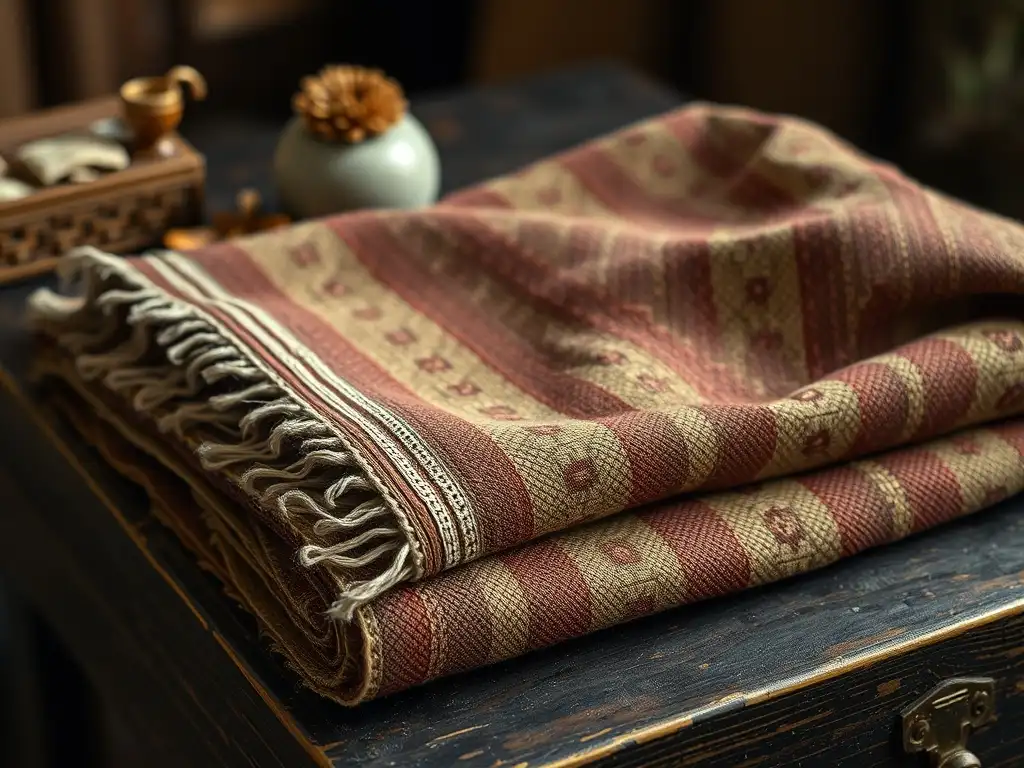
Once the gentle cleaning process of your antique Andean cloth is complete, the preservation work is far from over. Proper post-cleaning care and storage are crucial for maintaining the integrity and longevity of your textile. Neglecting these steps can undo the benefits of careful cleaning, leading to further deterioration and irreparable damage. This section focuses on the essential steps to ensure your cleaned Andean textile remains in optimal condition for years to come.
Assessing the Results: Evaluating the Cleaned Textile
After the cleaning process, a thorough evaluation of the textile is paramount. This assessment is not merely about visual inspection; it's about understanding the impact of the cleaning method on the fabric's structure and color. Examine the cloth carefully under good lighting, noting any areas that may require additional attention. Did the cleaning process successfully remove surface soil without causing damage to the fibers? Are there any weakened areas, color changes, or signs of fiber breakage? Document your findings meticulously, including photographs for future reference. This detailed record will prove invaluable in tracking the textile's condition over time and in informing future conservation efforts. Consider using a standardized condition assessment form 1 to ensure consistency and completeness in your evaluation. This detailed record-keeping is essential for Antique Andean cloth surface soil removal and long-term preservation.
Remember, even with the gentlest cleaning techniques, some subtle changes might occur. These should be carefully noted and compared to pre-cleaning documentation, if available.
Proper Storage Methods: Protecting Your Cleaned Andean Textile
Proper storage is arguably the most crucial aspect of long-term preservation for your cleaned antique Andean cloth. Improper storage conditions can lead to rapid deterioration, regardless of how carefully the textile was cleaned. The ideal storage environment minimizes exposure to light, humidity, and temperature fluctuations.
- Light: UV radiation is a major culprit in textile degradation. Store your Andean cloth in a dark, cool location, ideally within a light-resistant container or archival-quality box. Avoid direct sunlight or artificial light sources.
- Humidity: High humidity promotes mold and mildew growth, while excessively dry conditions can lead to brittleness. Aim for a relative humidity (RH) of 40-50%. Use a hygrometer to monitor the RH and consider using a humidity control system in particularly challenging environments.
- Temperature: Temperature fluctuations can also damage the fibers. Maintain a stable temperature, ideally between 65-72°F (18-22°C).
- Pest Control: Insects and rodents can cause significant damage to textiles. Ensure your storage area is pest-free, and consider using natural pest repellents, such as cedar chips, or professional pest control services if necessary.
- Support and Handling: Never fold or crease the textile sharply. Instead, store it flat, ideally within an acid-free tissue paper envelope or on acid-free archival board. Support any fragile areas with additional padding. Handle the textile with clean, cotton gloves to avoid transferring oils and dirt.
| Storage Factor | Ideal Conditions | Potential Damage from Improper Storage |
|---|---|---|
| Light | Dark, UV-protected | Fading, fiber weakening |
| Humidity | 40-50% RH | Mold, mildew, brittleness |
| Temperature | 65-72°F (18-22°C) | Fiber damage, color change |
| Pests | Pest-free environment | Holes, damage to fibers |
Conclusion: Preserving the Legacy of Andean Textiles
The preservation of antique Andean cloth is a delicate balance between careful cleaning and diligent long-term care. By following the steps outlined in this guide, you can help ensure that these exquisite textiles endure for generations to come, their rich history and cultural significance preserved for future appreciation. Remember that meticulous documentation of the cleaning process and ongoing condition assessment is key to understanding the textile's journey and informing future conservation strategies.
The effort invested in preserving these artifacts is a testament to the value we place on understanding and celebrating the legacy of Andean civilizations. Proper Antique Andean cloth surface soil removal is just the first step in this important endeavor.
1 Specific examples of standardized condition assessment forms can be found through various museum and archival resources.
Frequently Asked Questions
What is the biggest challenge in cleaning antique Andean cloth?
The biggest challenge is removing surface soil without damaging the fragile fibers of the cloth. Delicate techniques are crucial to preserve the artifact.
Why is surface soil removal important for antique Andean textiles?
Surface soil obscures the original colors and designs, impacting the historical and aesthetic value of the textile. Removal reveals the true beauty and allows for better study.
What methods are not recommended for cleaning antique Andean cloth?
Avoid harsh chemicals, abrasive scrubbing, and excessive water. These can irreparably damage the fibers and dyes. Professional cleaning is often necessary.
What are some gentle methods for removing surface soil from Andean textiles?
Gentle brushing with soft brushes, using compressed air, and applying very dilute solutions of appropriate cleaning agents under careful supervision are suitable methods.
Where can I find professionals skilled in cleaning antique Andean cloth?
Contact museums specializing in textile conservation or experienced textile conservators. They possess the expertise and tools for safe and effective cleaning.
Final Reflection: The Enduring Legacy of Andean Textiles
The gentle art of cleaning antique Andean cloth is not merely a technical process; it's a profound act of preservation, ensuring these fragile narratives continue to speak across centuries. The meticulous techniques detailed in this article are crucial not only for maintaining the physical integrity of these invaluable artifacts but also for safeguarding the rich cultural heritage they represent. The delicate balance between effective cleaning and potential damage underscores the responsibility we bear towards these irreplaceable treasures.
The impact of these textiles extends far beyond their aesthetic beauty. They are living testaments to the ingenuity and artistry of Andean cultures, whispering stories of ancient traditions, beliefs, and social structures. The past is never dead. It's not even past.
- William Faulkner. This quote perfectly encapsulates the enduring power of these textiles; they connect us to a vibrant past, reminding us of the interconnectedness of human history and the importance of preserving our shared heritage. Their continued existence, thanks to careful preservation methods, allows future generations to learn from and be inspired by the creativity and resilience of Andean peoples.
Consider the implications of this article's focus on gentle cleaning. You now possess the knowledge to approach these delicate artifacts with respect and understanding. Will you use this knowledge to advocate for responsible preservation practices?
Will you share this information with others, fostering a wider appreciation for the importance of cultural heritage? The future of these magnificent textiles rests not only in the hands of conservators but in the hearts and minds of all who recognize their significance. Let us work together to ensure that the vibrant stories woven into the threads of Andean cloth continue to resonate for generations to come.
Preserve and Honor Your Heritage Today!
Thank you for exploring the fascinating world of antique Andean textiles with us! You've gained valuable insight into the importance of careful cleaning methods for preserving these cultural treasures for future generations. Now, let's put that knowledge into action.
Here are some ways you can protect and celebrate your heritage:
- Share your knowledge: Teach others about the proper care of antique textiles by offering a workshop, leading a presentation at a local museum or cultural organization, or simply sharing your expertise with friends and family.
- Join our community: Connect with fellow enthusiasts by following us on social media and sharing your experiences with antique Andean textiles. Engage in discussions and learn from others who share your passion.
- Inspire others: Host a workshop or informal gathering to demonstrate proper cleaning and preservation techniques. You might spark a new wave of interest in protecting this valuable cultural heritage!
How will you help preserve Andean culture in your community?