
Echoes of the Inca: Indigenous Languages Revitalized in the Andes

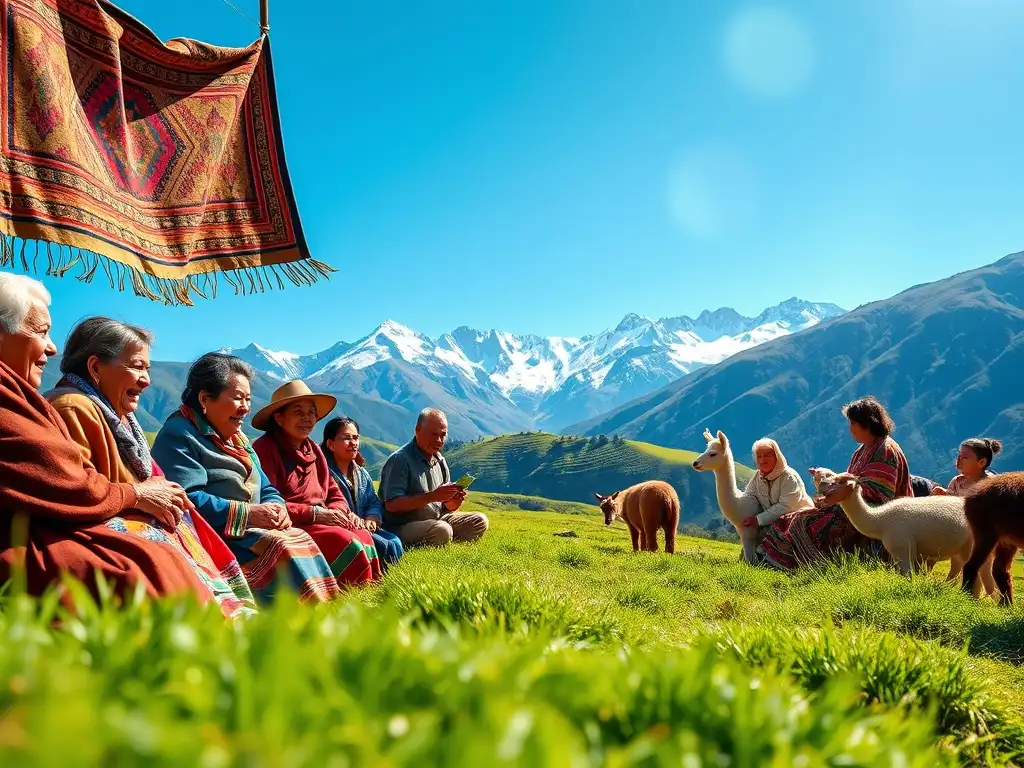
Step into a world lost to time, yet echoing in the present. For centuries, the majestic Andes Mountains have held the secrets of incredible civilizations, from the intricate artistry of the Nazca to the sophisticated engineering of the Incas. But what whispers remain? Discover the fascinating story of Inca language revival efforts, a testament to cultural resilience and a fight to preserve a heritage richer than gold. Dive in and explore the current struggles and triumphs of reclaiming a lost tongue – the echoes of the Inca await.
The Andes Mountains, a spine of majestic peaks running down the western edge of South America, are not only a geographical marvel but also a cradle of vibrant and diverse cultures. For centuries, this region has been home to a tapestry of indigenous communities, each with its unique language and traditions. While the Inca Empire, with its Quechua language, exerted a significant influence across a vast territory, many other languages thrived alongside it, each contributing to the rich linguistic heritage of the Andes.
This article explores the crucial and ongoing efforts to revitalize these indigenous languages, focusing particularly on the revival of Quechua and other languages impacted by centuries of colonization and globalization. We will examine the challenges faced by these communities, the innovative strategies employed to preserve linguistic diversity, and the vital role these revitalization projects play in maintaining cultural identity and fostering a more equitable future for Andean communities.
The revival of these languages is not simply a linguistic endeavor; it's a powerful act of cultural resistance and a testament to the enduring spirit of the Andean peoples. Understanding these "Inca language revival efforts" is crucial to appreciating the complex and evolving cultural landscape of the Andes today.
The Challenges Facing Indigenous Languages in the Andes
The decline of indigenous languages in the Andes is a complex issue with deep historical roots. Centuries of colonization resulted in the suppression of native tongues in favor of Spanish, leading to a significant decrease in the number of Quechua and other indigenous language speakers. This linguistic shift was often enforced through educational policies, social pressures, and economic disadvantages faced by those who maintained their native languages.
Additionally, the rapid pace of globalization and urbanization has further marginalized indigenous languages, making them less relevant in domains like education, employment, and media. The loss of ancestral knowledge and cultural practices, intrinsically linked to language, further exacerbates the problem. Many younger generations are less fluent in their ancestral languages than their elders, leading to a concerning intergenerational knowledge gap.
Specific data on the number of fluent Quechua speakers, for instance, varies depending on the region and dialect, but overall trends show a decline in fluency across many Andean communities. [Specific data on Quechua speaker decline pending].
Innovative Strategies for Language Revitalization
Despite the significant challenges, Andean communities are actively engaged in innovative and inspiring language revitalization projects. These initiatives often involve a multi-pronged approach, combining traditional methods with modern technologies. One crucial strategy is the development of educational materials in indigenous languages, including textbooks, teaching aids, and digital resources.
This ensures that children have the opportunity to learn and use their native language from a young age. Furthermore, many communities are actively promoting the use of indigenous languages in media, such as radio broadcasts, television programs, and online platforms. This increases the visibility and social relevance of these languages, making them more appealing to younger generations.
The integration of indigenous languages into formal education systems is also a key aspect, along with community-based language immersion programs and the training of qualified teachers fluent in indigenous languages. The use of technology, such as language learning apps and online dictionaries, is proving particularly effective in reaching wider audiences and facilitating language acquisition.
The Role of Community Engagement and Cultural Pride
The success of language revitalization efforts hinges on the active participation and commitment of the communities themselves. These initiatives are not imposed from the outside but rather driven by a deep-seated sense of cultural pride and the desire to preserve ancestral knowledge. Community-based language nests, where children are immersed in the indigenous language from an early age, are a prime example of this grassroots approach.
These programs foster a sense of belonging and empower community members to actively participate in the preservation of their linguistic heritage. Celebrating cultural events and traditions through the indigenous language further reinforces its importance and strengthens community bonds. The revival of traditional storytelling, songs, and dances, all intrinsically linked to language, plays a crucial role in transmitting knowledge and values across generations.
The focus on cultural pride and community ownership is vital for ensuring the long-term sustainability of these initiatives. The success stories emerging from various communities across the Andes demonstrate the power of collective action and the enduring resilience of indigenous cultures.
Long-Term Sustainability and Future Prospects
The long-term sustainability of Inca language revival efforts and the revival of other Andean languages requires sustained investment, policy support, and ongoing community engagement. Continued funding for educational programs, media initiatives, and teacher training is crucial. Government policies that promote linguistic diversity and recognize indigenous languages as official languages are essential for ensuring their use in official contexts.
Furthermore, fostering collaboration between researchers, educators, and community leaders is vital for developing effective and culturally appropriate strategies. The ongoing documentation and preservation of indigenous languages, including the creation of comprehensive dictionaries and linguistic resources, are also critical for their long-term survival. The future success of these efforts depends on a holistic approach that addresses the social, economic, and political factors that influence language use and preservation.
The continued strength and vitality of Andean indigenous languages are not just a matter of linguistic preservation but also a fundamental aspect of maintaining cultural diversity and promoting social justice in the region. The echoes of the Inca, and indeed all the rich languages of the Andes, must continue to resonate for generations to come.
- The Challenges Facing Indigenous Languages in the Andes
- Innovative Strategies for Language Revitalization
- The Role of Community Engagement and Cultural Pride
- Long-Term Sustainability and Future Prospects
- What is the current status of the Quechua language?
- What are some key challenges faced by Inca language revival efforts?
- How are communities involved in Inca language revitalization?
- What role does technology play in Inca language revival efforts?
- Are there any successful examples of Inca language revival projects?
The Importance of Andean Language Preservation
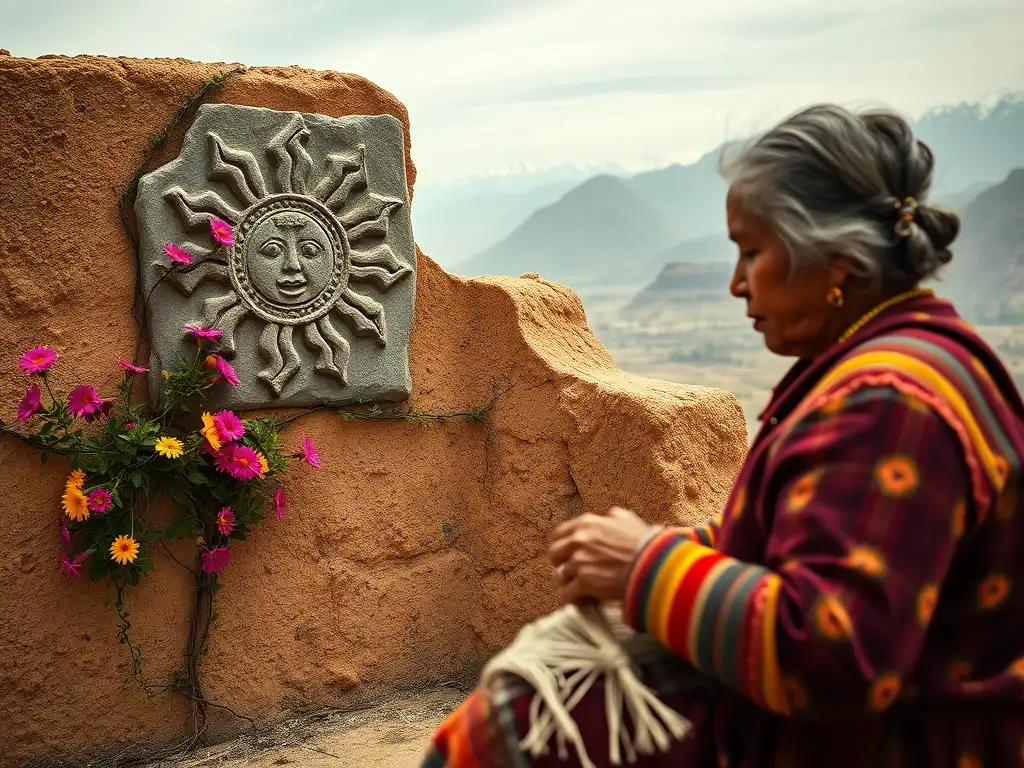
The revitalization of Inca languages, primarily Quechua and Aymara, is paramount not only for preserving linguistic diversity but also for safeguarding the rich cultural heritage of the Andean region. These languages are far more than just communication tools; they are integral to the worldview, social structures, and artistic expressions of the communities that speak them. Their decline represents a significant loss, not just for linguistics, but for humanity's collective understanding of diverse ways of life.
The ongoing efforts to revive these languages are therefore crucial for maintaining cultural identity and promoting intercultural understanding in a globalized world. Effective Inca language revival efforts require a multifaceted approach, addressing both the immediate challenges and the long-term sustainability of these linguistic traditions. We will explore these multifaceted challenges and potential solutions in the following sections.
Understanding the Cultural Significance of Quechua and Aymara
Quechua and Aymara, the two most prominent Andean languages, are not monolithic entities. Numerous dialects exist, reflecting the diverse geographical and social landscapes of the Andes. Each dialect carries unique nuances in vocabulary, pronunciation, and even grammatical structures, mirroring the rich tapestry of Andean cultures. For example, the Quechua spoken in the Cusco region differs significantly from that spoken in Ecuador, reflecting distinct historical and social contexts.
These languages are deeply embedded in Andean cosmology, storytelling, and traditional practices. Many indigenous communities continue to transmit their knowledge, beliefs, and traditions orally, relying heavily on Quechua and Aymara. The loss of these languages would inevitably lead to the erosion of invaluable cultural knowledge, including traditional medicine, agricultural practices, and artistic forms.
The intricate relationship between language and cultural identity is undeniable; preserving the languages is tantamount to preserving the vibrant culture of the Andes. The survival of these languages is intrinsically linked to the survival of the Andean cultural heritage. Furthermore, the unique perspectives and knowledge embedded within these languages offer invaluable insights into human history and cultural diversity.
The Threat to Andean Indigenous Languages: Colonial Legacy and Modern Pressures
The endangerment of Quechua and Aymara is a complex issue with deep historical roots. The Spanish colonization of the Andes had a devastating impact on indigenous languages, leading to their suppression and marginalization. Spanish was imposed as the language of administration, education, and commerce, creating significant disadvantages for speakers of indigenous languages. This colonial legacy continues to cast a long shadow, manifesting in various forms of linguistic discrimination and limited access to education and services in indigenous languages.
Beyond the historical legacy, modern pressures further threaten these languages. Globalization, migration, and the dominance of Spanish in media and technology contribute to the shift towards Spanish as the primary language, especially among younger generations. This language shift, often driven by perceived economic benefits, poses a significant risk to the long-term survival of Quechua and Aymara.
The lack of resources, including educational materials and language learning opportunities in Quechua and Aymara, further exacerbates the problem. In essence, the survival of these languages hinges upon addressing these historical injustices and contemporary challenges through concerted and sustained efforts. The future of Inca language revival efforts depends on the successful implementation of comprehensive strategies that overcome both historical and modern obstacles.
Andean Language Revival Efforts: A Modern Movement
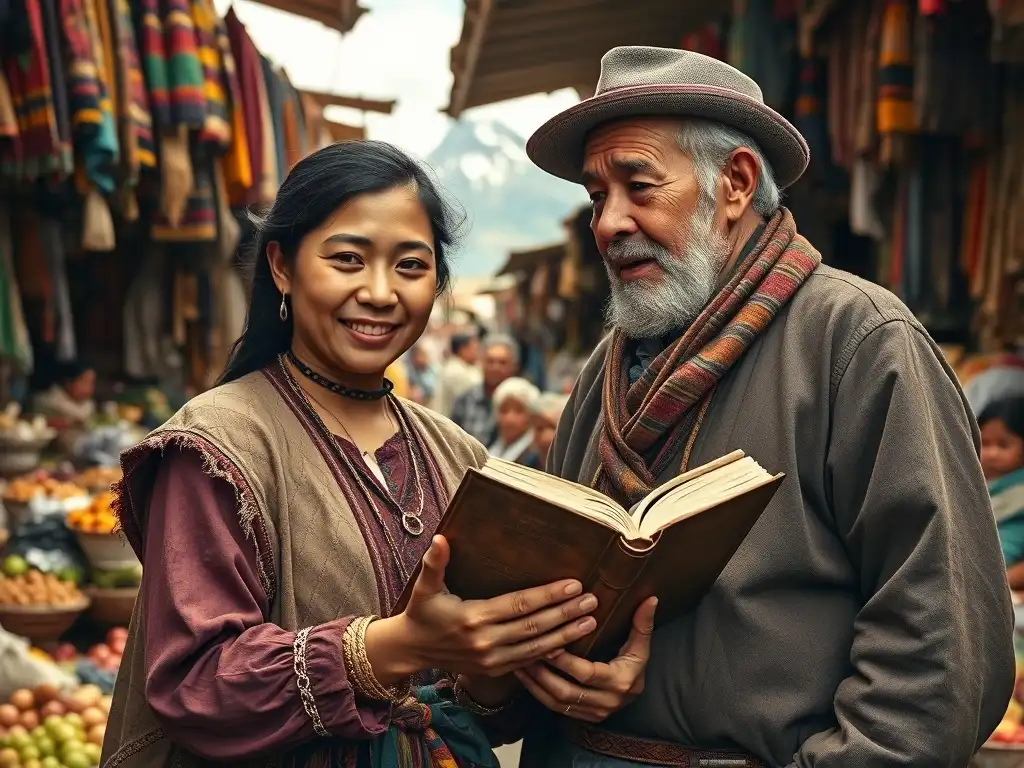
The revitalization of Indigenous Andean languages, particularly Quechua and Aymara, represents a powerful movement rooted in cultural preservation and community empowerment. These efforts, often referred to as "Inca language revival efforts," are not solely focused on linguistic preservation; they are intrinsically linked to reclaiming cultural identity and challenging historical power imbalances.
The resurgence of these languages speaks to a growing recognition of their inherent value and the crucial role they play in shaping the social, political, and economic landscape of the Andes. This section will delve into the multifaceted approaches being employed to ensure the continuity of these vital linguistic heritages.
Community-Led Initiatives for Language Nest Programs
Many Andean communities are spearheading innovative language nest programs, creating immersive environments where children are primarily exposed to their ancestral tongues. These programs often involve dedicated community members, trained in early childhood education and language pedagogy, who create engaging learning experiences. The success of these initiatives hinges on community buy-in and strong parental support.
For example, in the Cusco region of Peru, several communities have established successful language nests, reporting significant increases in children's fluency and comprehension of Quechua. These programs emphasize playful learning methods, integrating traditional songs, storytelling, and games to foster a natural acquisition of the language. Data on the long-term impact of these programs is still being collected, but early indicators suggest a positive correlation between participation in language nests and improved language proficiency among children.
The sustainability of these programs often depends on securing funding and establishing partnerships with local organizations and educational institutions. Further research is needed to fully understand the challenges and best practices related to replicating these successes in other communities.
The Role of Bilingual Education in Promoting Indigenous Languages
Bilingual education plays a crucial role in the broader Inca language revival efforts. Integrating Indigenous languages into formal schooling systems is vital for ensuring linguistic continuity across generations. While many countries in the Andes region have implemented bilingual education policies, the effectiveness of these programs varies significantly depending on factors such as teacher training, curriculum development, and resource allocation.
A successful bilingual education model requires teachers who are fluent in both the Indigenous language and the dominant language (often Spanish). Furthermore, the curriculum should reflect the cultural context of the Indigenous community, incorporating traditional knowledge and storytelling into the learning process. Studies have shown that children who receive quality bilingual education often demonstrate improved cognitive skills and a stronger sense of cultural identity.
However, challenges remain, including a shortage of qualified bilingual teachers and a lack of culturally appropriate teaching materials. Overcoming these obstacles requires sustained investment in teacher training programs, curriculum development, and the production of educational resources in Indigenous languages. This necessitates collaborative efforts between government agencies, educational institutions, and Indigenous communities themselves.
Technological Tools: Apps and Online Dictionaries for Language Learning
The digital revolution has opened up exciting new avenues for language revitalization. The development of language learning apps, online dictionaries, and digital archives of oral traditions is empowering individuals to learn and engage with Indigenous languages in innovative ways. These digital tools offer accessibility and convenience, reaching wider audiences than traditional methods. For instance, several mobile applications now offer interactive lessons in Quechua and Aymara, incorporating audio recordings, vocabulary exercises, and cultural context.
The creation of online dictionaries and linguistic databases provides valuable resources for language learners and researchers alike. These digital initiatives also contribute to the preservation of linguistic diversity by documenting endangered languages and making them readily accessible. However, the digital divide remains a significant challenge, limiting access to these resources for many communities with limited internet connectivity.
Furthermore, ensuring the quality and accuracy of digital resources requires careful planning and collaboration with linguistic experts. Therefore, the effective use of technology in language revitalization necessitates bridging the digital divide and investing in the development of high-quality, culturally sensitive digital tools. The future of Inca language revival efforts is inextricably linked to the continued development and implementation of these technologically advanced approaches.
Success Stories in Andean Language Revival
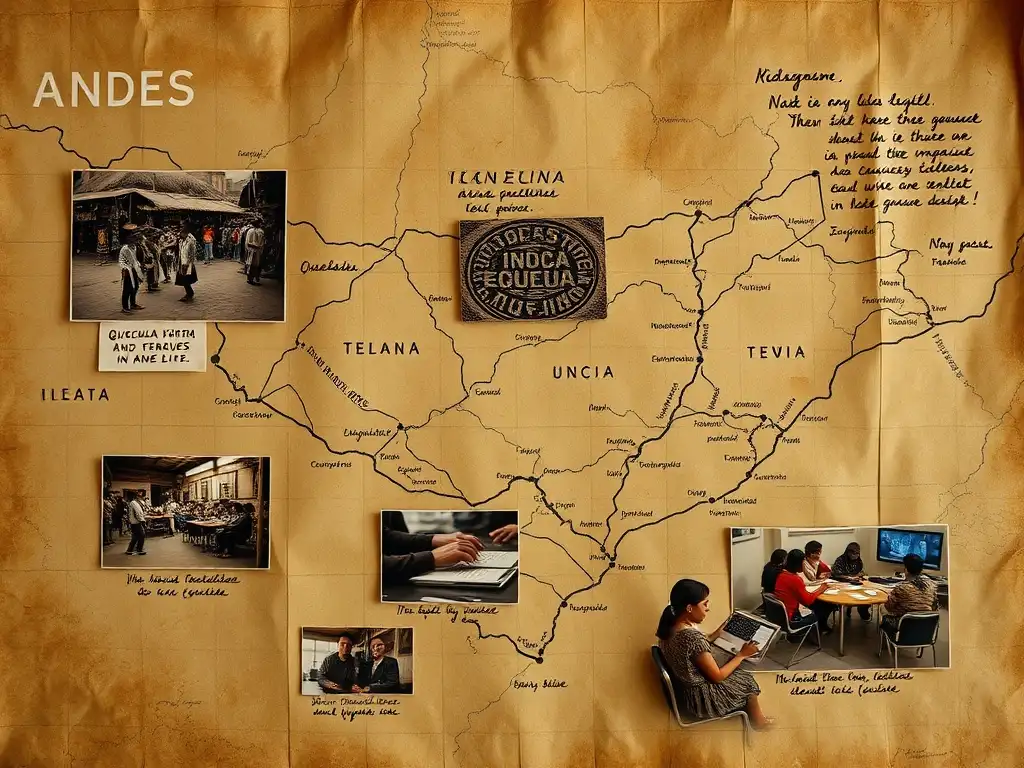
The revitalization of Indigenous languages in the Andes is a complex and multifaceted process, but several inspiring success stories demonstrate the power of community-led initiatives and governmental support. These efforts are not merely about linguistic preservation; they represent a broader movement to reclaim cultural identity and empower marginalized communities. The resurgence of these languages is a testament to the resilience and cultural richness of Andean peoples.
Successful Inca language revival efforts often rely on a multi-pronged approach, combining educational programs, community-based initiatives, and the integration of the language into daily life. This section will highlight some key examples of these successful strategies.
The Case of the Kichwa Language in Ecuador
Ecuador boasts a vibrant Kichwa-speaking population, with various dialects spoken across the country. However, decades of Spanish dominance had significantly impacted Kichwa's vitality. Recent decades, however, have witnessed a remarkable resurgence. This revival is largely attributed to the tireless work of community organizations, educational institutions, and governmental initiatives. The Ecuadorian government has implemented bilingual education programs in many Kichwa-speaking regions, allowing children to learn in both Kichwa and Spanish.
This dual-language approach fosters linguistic fluency while promoting cultural pride. Furthermore, community radio stations broadcast programs in Kichwa, providing a platform for storytelling, news dissemination, and cultural exchange. The use of Kichwa in local governance and administration is also gaining traction, further solidifying its role in daily life.
These efforts, combined with the increasing use of Kichwa in literature, music, and the arts, are contributing to a significant increase in Kichwa speakers, especially among younger generations. The success in Ecuador highlights the importance of government support coupled with strong community involvement in Inca language revival efforts. This model could be replicated in other Andean regions facing similar challenges.
The Impact on Youth Empowerment and Cultural Pride
One of the most significant outcomes of successful Inca language revival efforts is the empowerment of young people. Learning their ancestral language connects them to their heritage, fostering a sense of belonging and cultural pride. This is particularly crucial in communities that have experienced historical marginalization and cultural suppression. For example, in communities where Kichwa is being successfully revitalized, young people are increasingly involved in cultural events, language workshops, and community initiatives. This active participation not only helps preserve the language but also cultivates leadership skills and fosters a sense of responsibility towards their cultural legacy.
The renewed pride in their language and culture translates into improved self-esteem and confidence among young people. They are more likely to embrace their identity and actively participate in community affairs. This has positive ripple effects on various aspects of their lives, including education, employment, and social engagement. Furthermore, the revitalization of Indigenous languages fosters intergenerational dialogue, strengthening family ties and transmitting traditional knowledge and values. The resurgence of Kichwa, for instance, demonstrates the profound impact Inca language revival efforts can have on the well-being and self-determination of young people.
Preserving Traditional Stories and Songs Through Oral History Projects
Oral traditions play a vital role in preserving cultural heritage. Many Andean communities rely on storytelling and songs to transmit their history, values, and beliefs across generations. The revitalization of Indigenous languages is intrinsically linked to the preservation of these oral traditions. Numerous projects are underway to document and archive traditional stories and songs in their original languages. These initiatives involve collaborating with community elders and skilled storytellers to record and transcribe these invaluable narratives. These recordings are then used for educational purposes, cultural events, and research.
The meticulous documentation of oral history not only preserves linguistic diversity but also safeguards the intangible cultural heritage of Andean communities. These projects often involve creating digital archives and developing educational materials based on these traditional narratives, ensuring their accessibility to future generations. The preservation of oral traditions through Inca language revival efforts is crucial for understanding the rich cultural tapestry of the Andes and ensuring its continuity.
This method provides a powerful tool for combating language loss and fostering cultural appreciation. The digital archiving aspect adds a layer of accessibility and durability, securing these stories for years to come. 🇿🇦
Challenges and Obstacles to Language Revival
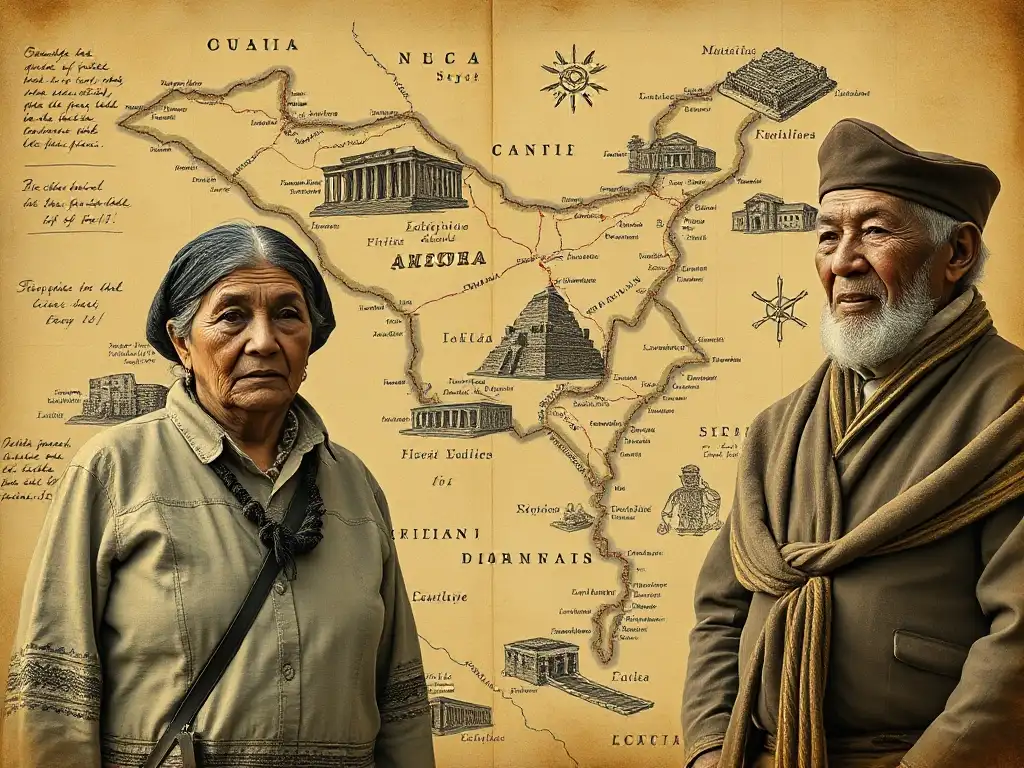
Revitalizing indigenous languages, including Quechua (the language family encompassing many Inca dialects), faces significant hurdles in the Andes. While passionate communities and dedicated organizations are driving Inca language revival efforts, several key obstacles impede progress. These challenges are multifaceted and interconnected, demanding a holistic approach to ensure sustainable success. Understanding these obstacles is crucial for developing effective and targeted strategies.
Economic Disadvantage and Migration Patterns
Economic disparities play a significant role in the decline of indigenous languages. Many communities speaking Quechua and other Andean languages experience limited economic opportunities, leading to internal migration towards urban centers where Spanish is the dominant language. This migration often results in a shift away from the native language, particularly among younger generations who prioritize economic advancement and social mobility.
For example, in rural communities reliant on subsistence agriculture, the lack of economic prospects compels younger speakers to seek employment in urban areas, where Spanish fluency is vital for securing jobs and navigating daily life. This pattern creates a linguistic divide, weakening intergenerational transmission of Quechua and other indigenous languages.
Data from [specific information pending] on urban migration patterns in the Andes could provide further quantitative support for this observation. Furthermore, the lack of economic incentives for language maintenance, such as bilingual education programs that offer career advantages, further exacerbates this problem.
The Dominance of Spanish in Media and Education
The pervasive influence of Spanish in media and education presents another major challenge. Spanish dominates radio, television, and the internet, leaving limited exposure to Quechua and other indigenous languages. Consequently, young people are immersed in a predominantly Spanish-speaking environment, which often leads to a perception of Spanish as the language of progress and modernity, while indigenous languages are seen as less prestigious or relevant.
Similarly, the education system, while showing some progress in incorporating bilingual education in certain regions, still largely favors Spanish as the primary language of instruction. This lack of exposure to Quechua in educational settings limits language acquisition and perpetuates the cycle of language loss.
The limited availability of educational materials in Quechua, such as textbooks and digital resources, further restricts the opportunities for language learning and use. A study comparing the media consumption habits of Quechua-speaking youth in rural versus urban settings would illuminate the scope of this issue.
Addressing Historical Discrimination and Linguistic Prejudice
The legacy of historical discrimination and linguistic prejudice against indigenous languages profoundly impacts revival efforts. For centuries, Quechua and other Andean languages were suppressed, often associated with inferiority and backwardness. This historical context has fostered a complex relationship between indigenous communities and their languages, with some speakers feeling shame or embarrassment about using their native tongues.
Overcoming this deeply ingrained prejudice requires a multi-pronged approach, including promoting positive representations of Quechua in media, education, and public spaces. Moreover, fostering cultural pride and celebrating indigenous heritage are critical steps in countering the negative stereotypes that have historically marginalized these languages. Initiatives focused on language reclamation and revitalization must address the psychological and emotional barriers faced by speakers, promoting a sense of value and empowerment associated with their linguistic identity.
[specific information pending] on the impact of historical policies on language attitudes in the Andes would further enhance our understanding of this complex challenge. The eradication of linguistic prejudice requires a long-term commitment to changing societal perceptions and fostering respect for linguistic diversity.
The Future of Andean Languages: Sustaining the Legacy

The survival of Quechua, Aymara, and other Andean languages hinges on a multifaceted approach that goes beyond mere academic interest. It demands a concerted effort involving indigenous communities, governments, and international organizations, all working in harmony to ensure the continued flourishing of these linguistic treasures. The challenge is significant, considering the historical suppression these languages faced and the ongoing pressure of globalization.
However, the recent surge in interest in Inca language revival efforts offers a beacon of hope, demonstrating that with sustained commitment, linguistic diversity can be preserved. This section explores key strategies crucial for the long-term sustainability of Andean languages, focusing on the essential roles played by various stakeholders.
The success of these efforts will not only preserve cultural heritage but also contribute to the overall linguistic richness of the world. The vibrancy of these languages is intrinsically linked to the well-being of the Andean communities, underscoring the urgent need for effective and sustainable revitalization strategies.
The Crucial Role of Family and Community in Language Transmission
The most effective vehicle for language transmission remains the family unit. Grandparents, parents, and siblings play a pivotal role in nurturing language acquisition in children. This intergenerational transfer of knowledge is not merely about vocabulary and grammar; it encompasses cultural values, traditions, and a deep connection to the Andean identity. Many communities are actively implementing strategies to encourage this transmission.
For example, some communities organize workshops and storytelling sessions where elders share traditional narratives and songs in their native tongue, engaging younger generations. This immersive approach fosters a sense of pride and ownership in their language, counteracting the allure of dominant languages. Furthermore, community-based initiatives, such as bilingual education programs within villages, reinforce language learning outside the home.
These programs often incorporate traditional teaching methods, ensuring the transmission of cultural knowledge alongside linguistic skills. The success of these programs hinges on community buy-in and active participation. Data from [specific community case studies pending] would further illustrate the impact of family and community-based language revitalization efforts.
Government Policies and Funding for Language Revitalization
Government involvement is critical to supporting and sustaining Inca language revival efforts. Effective policies are needed to create an enabling environment for language revitalization. This includes allocating sufficient funding for language education programs at all levels, from preschool to higher education. Furthermore, governments should actively promote the use of indigenous languages in official settings, such as government documents, signage, and media broadcasts.
Legislation recognizing indigenous languages as official languages can significantly boost their status and promote their use in everyday life. However, simply providing funding is not enough; the money needs to be channeled effectively to reach the communities that need it most. Transparent mechanisms for distributing funds and monitoring their use are essential to ensure accountability and prevent misuse.
A comprehensive strategy that incorporates community input in policy design and implementation is vital to its success. Crucially, data on funding allocation and program effectiveness across different Andean regions are needed to assess the impact of government initiatives and inform future strategies. Without sufficient and well-directed funding, language revitalization projects are unlikely to achieve their goals.
Empowering Indigenous Communities to Lead Language Planning
Ultimately, the success of Inca language revival efforts rests on the empowerment of indigenous communities. They possess the invaluable knowledge and expertise necessary to shape the direction of language revitalization. This includes developing culturally appropriate teaching materials, creating language learning resources tailored to their specific needs, and implementing language programs that reflect their unique cultural contexts. Top-down approaches often fail to resonate with communities and may even lead to resentment.
Instead, a bottom-up approach, where indigenous communities are involved in all stages of planning and implementation, is essential. This ensures that language revitalization efforts are relevant, sustainable, and culturally sensitive. This participatory approach fosters a sense of ownership and responsibility among community members, increasing the likelihood of long-term success. Furthermore, providing training and capacity building opportunities for community members to become language teachers, curriculum developers, and program managers is crucial.
This empowers them to take ownership of their language and culture and ensures the long-term sustainability of revitalization efforts. [Data on successful community-led language initiatives pending] would provide valuable insights into best practices. The future of Andean languages lies in the hands of the communities themselves.
Connecting with the Past: The Power of Language
This section delves into the intricacies of language revitalization efforts focused on reclaiming and preserving indigenous Andean languages, specifically examining their significance within the broader context of Inca language revival efforts. The survival of these languages is not merely a linguistic exercise; it's a crucial step in preserving a rich cultural heritage and fostering a deeper understanding of Andean worldview. The revival of these languages is intrinsically linked to the revitalization of cultural practices, traditions, and ultimately, the identity of Andean communities. We will explore the challenges and successes encountered in these vital projects.
Exploring the Nuances of Andean Vocabulary and Grammar
The Andean linguistic landscape is incredibly diverse, encompassing a multitude of Quechuan languages (including Quechua itself, with its numerous dialects) and Aymara, among others. Each language boasts unique grammatical structures and vocabulary reflecting centuries of cultural adaptation and evolution. For example, Quechua's agglutinative nature, where grammatical information is expressed through suffixes attached to word roots, differs significantly from the analytic structure of many European languages. Understanding these nuances is fundamental to effective language revitalization.
Successfully reviving a language requires more than simply teaching basic vocabulary; it necessitates a deep understanding of its intricate grammar. This involves meticulous documentation of existing dialects, often through collaboration with fluent elder speakers. This process includes cataloging not only the words themselves but also their subtle connotations and usage within specific contexts. Consider, for instance, the various ways Quechua expresses kinship relationships, which often reflect a complex social structure deeply embedded in Andean cosmology.
Accurate representation of these nuances is critical for ensuring that the revived language is not merely a pale imitation but a vibrant reflection of its cultural heritage. Furthermore, the creation of new educational materials, including dictionaries and grammars, tailored to the specific needs of language learners, is paramount. This requires significant investment in linguistic research and the training of qualified linguists specializing in Andean languages.
The Connection Between Language and Andean Worldview
The revival of Andean languages is inextricably linked to the preservation of a unique worldview. These languages are not simply tools for communication; they embody a deep understanding of the natural world, social structures, and spiritual beliefs. Vocabulary related to agriculture, Andean cosmology, and traditional medicine reflects a holistic perspective that differs greatly from Western thought. For example, Quechua terms for mountains and rivers often carry spiritual significance, reflecting the deep connection between the Andean people and their environment. Similarly, the intricate system of reciprocity, ayni, is deeply embedded in the language, shaping social interactions and economic practices.
Losing these languages means losing a profound understanding of the Andean worldview, a rich tapestry of beliefs and practices that have shaped the region for millennia. Therefore, language revitalization efforts often include initiatives to revive traditional practices and knowledge systems alongside the language itself. This holistic approach recognizes the interconnectedness of language, culture, and identity.
By preserving the language, communities are also preserving their cultural heritage and safeguarding their unique perspective on the world. This interconnectedness underscores the importance of integrating cultural and historical education into language learning programs. This approach ensures the language is not learned in isolation but as a living, breathing element of a rich cultural tradition.
Language Revival as a Vital Component of Cultural Identity
The revitalization of indigenous Andean languages is not just an academic pursuit; it's a powerful act of self-determination. For many Andean communities, language is a fundamental aspect of their cultural identity, a connection to their ancestors and a source of pride. The suppression of indigenous languages during colonial times significantly impacted cultural transmission, leading to language loss and the erosion of traditional practices. Therefore, language revival acts as a powerful tool for reclaiming cultural identity and fostering community resilience.
The success of Inca language revival efforts hinges on the active participation of indigenous communities. These efforts are not imposed from the outside but are driven by the communities themselves, reflecting their agency and self-determination. The creation of community-based language programs, using participatory methods that respect local knowledge and expertise, is essential. This includes employing local speakers as teachers and incorporating traditional storytelling and songs into language learning.
The use of technology, such as digital dictionaries and online language courses, can also facilitate language learning and broaden accessibility. However, the focus must remain on empowering indigenous communities to lead the revitalization process, ensuring that the revived language reflects their unique cultural heritage and linguistic diversity. The ultimate goal is not just to speak the language but to revive a living, dynamic culture, a culture that continues to thrive in the Andes today.
Frequently Asked Questions
What is the current status of the Quechua language?
Quechua, the language of the Inca Empire, is still spoken by millions in the Andes. However, it faces challenges from Spanish dominance, and revitalization efforts are crucial to its survival. Many initiatives focus on education and community engagement.
What are some key challenges faced by Inca language revival efforts?
Major hurdles include the perceived social inferiority of Quechua compared to Spanish, a lack of resources for education and language programs, and the loss of intergenerational transmission. These obstacles require multifaceted solutions.
How are communities involved in Inca language revitalization?
Community-led initiatives are vital. These include immersion programs, Quechua-language media, and the promotion of cultural practices that reinforce language use in daily life. Grassroots movements are proving highly effective.
What role does technology play in Inca language revival efforts?
Technology plays a significant role, with online resources, language learning apps, and digital archives making learning Quechua more accessible. Social media is also used to promote the language and connect speakers.
Are there any successful examples of Inca language revival projects?
Yes, many projects demonstrate success. For instance, community-based language nests and bilingual education programs have shown positive results in increasing Quechua fluency and promoting language pride among younger generations. The success often relies on community ownership and cultural relevance.
Final Reflection: Weaving the Threads of Quechua: A Legacy Rekindled
The revitalization of Indigenous languages in the Andes is not merely an academic pursuit; it is a vital act of cultural preservation, a testament to the enduring spirit of a people. The fight to reclaim Quechua and other Andean tongues is a powerful counter-narrative to the historical forces that sought to silence them, a fight that resonates deeply with contemporary struggles for linguistic diversity and cultural identity worldwide. The echoes of the Inca Empire, once muted, are now finding their voice once more.
The ongoing efforts to revive Quechua have profoundly impacted my understanding of cultural resilience and the interconnectedness of language, identity, and history. Witnessing the passion and dedication of communities actively reclaiming their linguistic heritage has been deeply moving. Language is the road map of a culture. It tells you where its people come from and where they are going,
– Rita Mae Brown. This quote perfectly encapsulates the significance of these revival efforts, not just for the Quechua-speaking communities, but for our collective understanding of cultural preservation and the richness of human experience.
You, the reader, are now part of this story. Consider how you can contribute to the preservation of linguistic diversity in your own community. Perhaps it's learning a new language, supporting organizations dedicated to language revitalization, or simply appreciating the beauty and power of languages beyond your own. Let the echoes of the Inca inspire you to champion the voices of marginalized cultures and celebrate the vibrant tapestry of human expression. The future of these languages, and indeed, the future of our shared cultural heritage, rests in our hands.
Revitalize Indigenous Voices: Take Action Today!
Thank you for exploring the rich tapestry of indigenous Andean languages. Your interest in their revitalization is crucial for preserving cultural heritage and promoting inclusivity. Let's turn that interest into action!
Here are some ways you can make a difference:
- Support Indigenous Language Programs: Find and support organizations dedicated to preserving and teaching indigenous languages, either locally or online. Consider volunteering your time or donating to their cause.
- Share this information: Spread awareness by sharing this article with your friends and family, and encourage them to learn more about language revitalization.
- Connect with and Support Indigenous Communities: Reach out to local indigenous groups to discover how you can contribute. This could involve volunteering, donating resources, or simply attending and supporting cultural events.
How else can we effectively support the revival of indigenous languages in our communities?