
The Intricacies of Andean Irrigation and Their Impact on Food Storage


Welcome to Andean Civilizations, where the echoes of a lost world whisper tales of ingenuity and resilience. Prepare to be captivated by the astonishing achievements of ancient Andean cultures, from the towering heights of the Incas to the mysterious artistry of the Nazca. But first, delve into the secrets of their remarkable success: Andean civilization irrigation techniques – a marvel of engineering that not only sustained thriving populations but also revolutionized food storage and societal development. Discover how these ingenious systems shaped the destinies of entire civilizations and unlock the mysteries that lie buried beneath the sands of time.
-
Andean Civilization Irrigation Techniques: Sustaining Agriculture and Food Storage
- The Importance of Water Management in Andean Agriculture
- Understanding Ancient Andean Irrigation Systems
- Types of Irrigation Techniques Used in Andean Civilizations
- Impact of Andean Irrigation on Crop Yields
- Andean Irrigation and its Role in Food Storage
- Food Preservation Techniques Enabled by Reliable Irrigation
- Case Studies of Successful Andean Irrigation Projects
- The Legacy of Andean Irrigation Techniques
- Challenges and Future of Andean Water Management
-
Frequently Asked Questions
- What innovative irrigation techniques did Andean civilizations employ?
- How did Andean irrigation systems contribute to food storage capabilities?
- Which Andean cultures are most known for their advanced irrigation systems?
- What impact did the effectiveness of Andean irrigation have on societal development?
- How did the geography of the Andes influence the development of these irrigation techniques?
- Final Reflection: The Enduring Legacy of Andean Water Wisdom
- Uncover the Secrets of Andean Irrigation!
Andean Civilization Irrigation Techniques: Sustaining Agriculture and Food Storage
The Andes Mountains, a formidable yet breathtaking landscape, presented ancient civilizations with a unique challenge: cultivating food in a geographically diverse and often arid environment. Successfully overcoming this challenge was crucial for the survival and prosperity of cultures like the Incas, Moche, Nazca, and Tiahuanaco. This article delves into the sophisticated irrigation techniques employed by these Andean civilizations, highlighting their ingenuity and demonstrating their profound impact on food production and storage.
Understanding these methods is key to appreciating the complexity and resilience of Andean societies and their remarkable ability to adapt to their environment. We will explore how their mastery of water management directly influenced their capacity to store and distribute food surpluses, ultimately shaping the social and political structures of these powerful empires. The mastery of water, in essence, was the cornerstone of their success, and a testament to their innovative spirit.
The Importance of Water Management in Andean Agriculture
Water, the lifeblood of any agricultural system, was particularly precious in the Andes. The varied altitudes, steep slopes, and unpredictable rainfall patterns necessitated the development of advanced irrigation systems. Without effective water management, agricultural yields would have been severely limited, jeopardizing food security and societal stability. The ingenuity of Andean civilizations is evident in their ability to harness scarce water resources, creating intricate networks that channeled water from rivers, springs, and melting snow to their fields.
This wasn't merely a matter of survival; it was a testament to their profound understanding of hydrology, engineering, and the delicate balance of their ecosystems. The success of their agricultural practices directly impacted their ability to store surplus food, enabling population growth and the development of complex societies. The intricate relationship between water management and food storage is a critical aspect of understanding Andean civilization.
Understanding Ancient Andean Irrigation Systems
Andean irrigation systems weren't simply ditches; they were complex networks carefully designed to suit the unique topography and climate of each region. These systems involved a combination of canals, aqueducts, terraces, and reservoirs, each component playing a vital role in the efficient distribution of water. The construction of these systems required immense labor and meticulous planning, reflecting the high value placed on agriculture within Andean societies.
Evidence suggests a sophisticated understanding of hydraulics, with systems often incorporating features like check dams and spillways to control water flow and prevent erosion. The scale and complexity of these projects varied across different civilizations and time periods, reflecting the unique challenges and technological advancements of each group. The effectiveness of these systems is evident in the widespread cultivation of crops such as potatoes, maize, and quinoa, which formed the basis of their diet and sustained their populations.
Pre-Inca Water Management Strategies
Before the Inca Empire, numerous Andean societies developed remarkable irrigation systems. The Nazca culture, renowned for their geoglyphs, also constructed extensive canal networks that transported water across the arid coastal plains. Their mastery of water management allowed them to cultivate crops in an otherwise inhospitable environment. Similarly, the Moche civilization, known for their elaborate ceramics and sophisticated social organization, implemented sophisticated irrigation techniques that supported their thriving agricultural economy.
These pre-Inca systems laid the groundwork for the later, even more impressive, Inca engineering feats. Archaeological evidence reveals a deep understanding of water dynamics and a commitment to sustainable agricultural practices, even in the face of environmental challenges. These early systems show the continuous evolution of Andean irrigation techniques, adapting to local conditions and technological advancements over centuries.
Inca Engineering and Irrigation Innovations
The Inca Empire inherited and further refined the existing irrigation techniques, creating some of the most impressive water management systems in the Andes. Inca engineers demonstrated an exceptional ability to adapt their designs to the varied terrains, building canals across mountainsides and along steep slopes. Their mastery of stonework allowed them to construct durable and efficient canals that minimized water loss. The use of carefully placed terraces increased arable land and minimized soil erosion.
The Inca's emphasis on collective labor and centralized planning facilitated the construction and maintenance of these large-scale projects, which further solidified their control over resources and food production. The Inca's impressive irrigation systems were a key factor in their ability to support a large and diverse population, and their legacy continues to influence agricultural practices in the Andes today. Their innovations highlight the enduring impact of Andean ingenuity on water management and food security.
Types of Irrigation Techniques Used in Andean Civilizations
The ingenuity of Andean civilizations is perhaps nowhere more evident than in their sophisticated irrigation systems, crucial for sustaining their large populations and complex societies. These weren't simple ditches; they represented a deep understanding of hydrology, topography, and agricultural needs. The specific techniques varied across different cultures and environments, reflecting adaptation to diverse geographical challenges.
From the high-altitude terraces of the Inca to the coastal canals of the Moche, a range of strategies ensured a reliable water supply for agriculture. This mastery of water management allowed for the cultivation of a wide array of crops, contributing significantly to food security and social stability. The development and maintenance of these systems required significant community involvement and a deep understanding of seasonal rainfall patterns and water flow.
This collaborative effort underscores the social and economic importance of irrigation in shaping Andean societies. The effectiveness of these techniques is evident in the remarkable agricultural achievements of these civilizations, even in challenging environments.
Terraced Farming and Irrigation
Terraced farming, a hallmark of Andean agriculture, is a testament to the civilizations’ ability to adapt to steep, mountainous terrain. These meticulously constructed terraces, often carved into hillsides, not only increased the available arable land but also improved water management. The terraces acted as catchment basins, slowing the flow of water and preventing erosion.
This allowed for more efficient irrigation, with water channeled along the terraces to irrigate the crops. The size and complexity of the terraces varied depending on the geographical location and the specific needs of the agricultural community. In some cases, intricate systems of channels and ditches were built to distribute water evenly across the terraces.
The construction of these terraces was a labor-intensive undertaking, requiring considerable skill and coordination, further highlighting the importance placed on agriculture within Andean societies. The Inca Empire, in particular, is renowned for its extensive terraced farming systems, which remain visible in many parts of the Andes today.
Canal Systems and Water Diversion
Beyond terraced farming, many Andean civilizations developed extensive canal systems to divert water from rivers and streams to agricultural fields. These canals, often constructed from stone and earth, could stretch for kilometers, transporting water across varied landscapes. The Moche culture, known for its sophisticated hydraulic engineering, built elaborate canal systems along the Peruvian coast, bringing water from rivers to irrigate their fertile valleys. These canals were not simply straight channels; they incorporated ingenious features such as aqueducts, siphons, and reservoirs to overcome obstacles and manage water flow efficiently. The construction and maintenance of these systems required a high level of technical expertise and social organization, demonstrating a sophisticated understanding of hydraulic principles. The scale and complexity of these canal networks attest to the importance of irrigation in supporting the Moche civilization's agricultural productivity and population growth. Evidence suggests that sophisticated techniques were used to manage water flow and prevent silting.
The Use of Reservoirs and Aqueducts
To supplement canal systems and ensure a consistent water supply, Andean civilizations also constructed reservoirs and aqueducts. Reservoirs served as storage facilities for excess water during the rainy season, providing a reserve for drier periods. These reservoirs were often strategically located to maximize water collection and minimize evaporation. Aqueducts, sometimes built at impressive heights, were used to carry water across valleys and other geographical barriers.
The construction of these structures required advanced engineering skills and a deep understanding of hydraulic principles. The Nazca culture, for example, is known for its extensive network of aqueducts, which are still visible today. These sophisticated water management techniques allowed for the cultivation of crops even in arid regions, contributing significantly to the economic and social well-being of Andean communities. The engineering prowess displayed in these structures continues to amaze and inspire modern engineers.
Impact of Andean Irrigation on Crop Yields
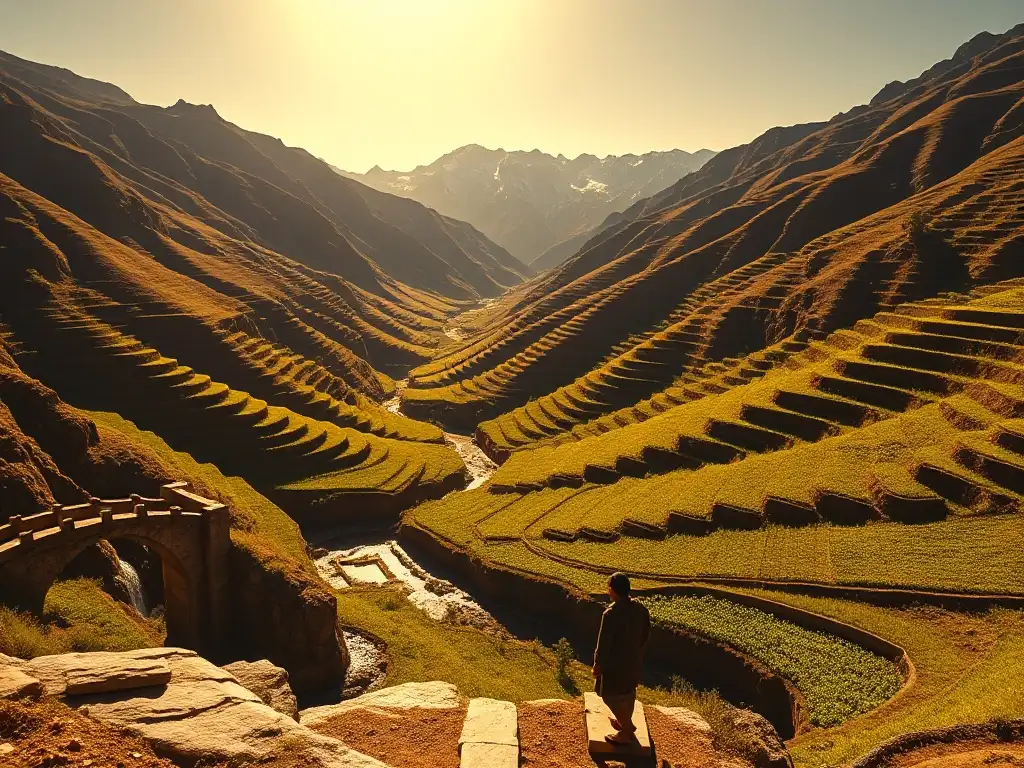
The sophisticated irrigation techniques employed by Andean civilizations had a profound impact on crop yields, significantly influencing their food security and societal development. The ability to control water supply allowed for the cultivation of a wider range of crops and increased agricultural productivity. This, in turn, supported larger populations and the development of complex social structures. The successful implementation of these techniques directly correlated with the increased food surplus available to the Andean civilizations. This surplus was not only crucial for sustenance but also facilitated trade, economic growth, and the development of specialized labor.
Increased Agricultural Productivity
Andean irrigation systems resulted in a dramatic increase in agricultural productivity. By providing a reliable water supply, even during periods of drought, farmers could cultivate larger areas and achieve higher yields per unit of land. This increased productivity was essential for supporting the growing populations of Andean cities and settlements.
The availability of surplus food also allowed for specialization of labor, contributing to the development of complex social hierarchies and specialized crafts. The efficient use of water resources, combined with advanced agricultural practices, ensured a steady food supply, crucial for maintaining social stability and enabling further societal advancements. The impact on agricultural productivity extended beyond mere food production; it fueled economic growth and fostered social complexity.
Supporting Diverse Crop Cultivation
The availability of water through sophisticated irrigation systems enabled Andean civilizations to cultivate a remarkably diverse range of crops. From potatoes and maize to quinoa and beans, Andean agriculture supported a varied diet, contributing to the nutritional well-being of the population. This diversity was crucial for resilience against crop failures and ensured food security even in the face of environmental challenges.
The ability to cultivate a variety of crops also facilitated trade and exchange with neighboring communities. The diverse agricultural landscape, supported by well-managed irrigation, played a vital role in sustaining the complex social and economic structures of the Andean civilizations, demonstrating a remarkable understanding of ecological principles and resource management. The careful planning and implementation of irrigation systems allowed these civilizations to thrive in challenging environments, leveraging the available resources to their fullest potential.
Andean Irrigation and its Role in Food Storage
Andean civilization irrigation techniques were not merely methods of water management; they were fundamental to the entire system of food production and storage. The ingenuity of these systems allowed for the cultivation of crops in otherwise arid and challenging terrains, directly impacting the amount and type of food available for storage. Without the sophisticated irrigation canals, terraces, and water management strategies employed by cultures like the Inca, Nazca, and Moche, the scale of agricultural production—and consequently, the capacity for food storage—would have been drastically reduced.
The ability to control water sources meant the difference between subsistence farming and surplus production, a crucial factor in the development of complex Andean societies. The reliable supply of water ensured consistent harvests, allowing for the planning and execution of large-scale food storage projects.
This, in turn, facilitated population growth, social stratification, and the rise of powerful empires. The very survival of these civilizations hinged on their mastery of irrigation and its subsequent impact on food security.
Securing Food Supplies Through Irrigation
The success of Andean irrigation systems in securing food supplies stemmed from their adaptability to diverse geographical conditions. Different techniques were employed depending on the topography and water availability. For instance, the canals built by the Inca Empire were remarkable feats of engineering, diverting water from rivers and streams across vast distances to irrigate terraced fields high in the Andes. The Nazca, known for their intricate geoglyphs, also developed sophisticated irrigation systems, utilizing underground aqueducts (puquios) to tap into subterranean water sources.
These systems not only provided a consistent water supply but also mitigated the risks associated with drought and unpredictable rainfall. This reliability was paramount in securing sufficient harvests to feed the population and create surpluses for storage, crucial for survival during lean times or periods of conflict. The ability to predict and manage water resources directly translated into predictable food production, a cornerstone of societal stability.
Linking Irrigation to Surplus Production and Storage
The direct link between irrigation and surplus production is undeniable in the Andean context. Improved irrigation led to increased crop yields, exceeding the immediate needs of the population. This surplus was essential for maintaining social order and supporting specialized labor. The availability of stored food allowed for the development of craft specialists, builders, and religious leaders, who did not directly participate in food production.
The Inca, for example, maintained vast storehouses (qollqas) filled with surplus agricultural products, ensuring food security for the population during times of scarcity or unexpected events. The surplus also facilitated trade and the exchange of goods between different regions, strengthening economic and political ties within the empire. This system of surplus production and storage, directly enabled by advanced irrigation techniques, was a key element in the overall stability and prosperity of Andean civilizations. Without it, societal complexity would have been severely limited.
Food Preservation Techniques Enabled by Reliable Irrigation
Reliable irrigation provided the foundation for not only abundant harvests but also for the development of sophisticated food preservation techniques. The consistent supply of water allowed for the cultivation of a wider range of crops, many of which required specific environmental conditions for optimal growth. Furthermore, the surplus generated by efficient irrigation provided the resources necessary to experiment with and refine preservation methods, ensuring that food remained edible throughout the year. These preservation methods were critical in maintaining food security and supporting larger, more complex societies.
Freeze-Drying and Chuno Production
One particularly effective Andean preservation method was chuno production, a form of freeze-drying. Potatoes, a staple crop in the Andes, were harvested, left to freeze overnight, and then subjected to a process of repeated freezing and thawing. This removed excess moisture, significantly extending the shelf life of the potatoes. Chuno could be stored for extended periods without spoiling, providing a vital food source during the harsh Andean winters.
The consistent availability of potatoes, facilitated by reliable irrigation, was essential for the success of this preservation technique. The scale of chuno production demonstrates the synergy between irrigation and food storage strategies in the Andes. It was a crucial element in the survival and prosperity of Andean communities for centuries.
Qullqas: Storage Structures and Their Role in Food Availability
The qollqas, the sophisticated storage structures built by Andean civilizations, are a testament to their understanding of food preservation and distribution. These strategically located storehouses were not simply places to keep food; they were integral parts of a complex logistical system that ensured food availability throughout the year. Their construction often incorporated ingenious architectural designs, such as ventilation systems and specific placement to optimize temperature and humidity, further enhancing food preservation.
The qollqas were crucial in mitigating the risks associated with crop failures or natural disasters, providing a buffer against famine and ensuring the stability of the population. The scale of qollqa construction, particularly during the Inca Empire, underscores the importance of large-scale food storage in maintaining social order and economic stability. The ability to efficiently store and distribute surplus food, a direct consequence of successful irrigation, was a key factor in the longevity and success of Andean civilizations.
Case Studies of Successful Andean Irrigation Projects
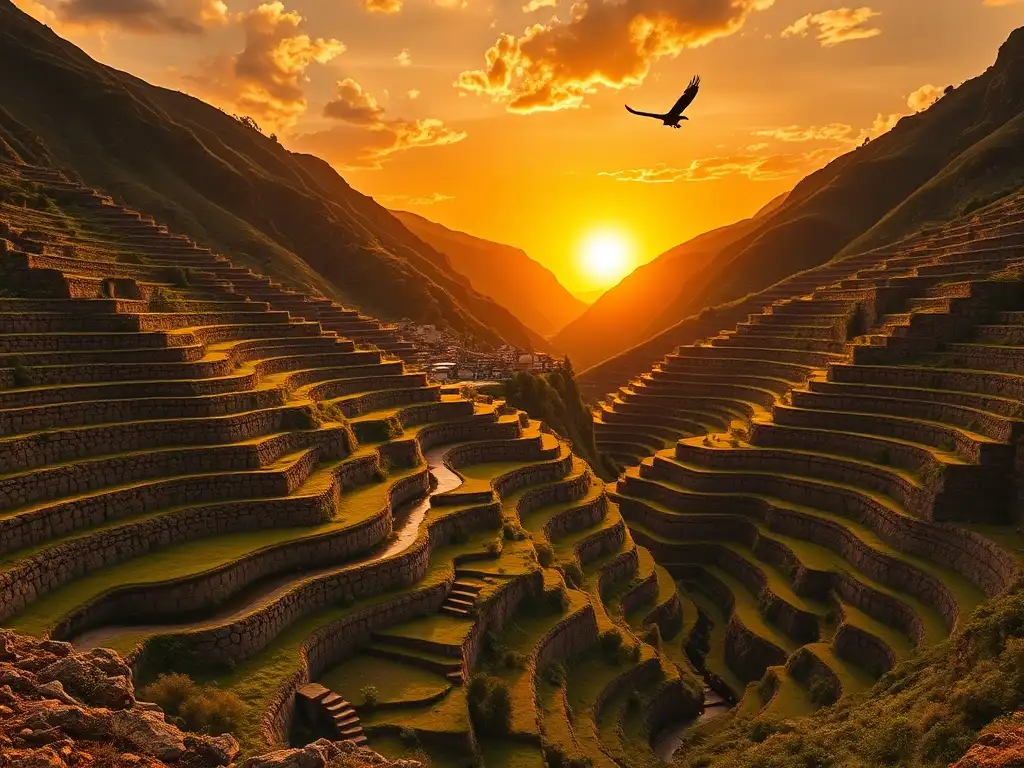
Andean civilization irrigation techniques were remarkably sophisticated, allowing for intensive agriculture in challenging terrains. Several projects stand out as prime examples of the ingenuity and effectiveness of these systems. Their success stemmed from a deep understanding of the local environment, including water availability, soil types, and microclimates. These weren't just irrigation systems; they were integrated components of a holistic approach to land management and resource utilization.
The careful planning and construction, often involving communal labor, highlight the social organization and cooperation necessary for their long-term success. Detailed records, though limited in some cases, reveal the meticulous attention paid to water distribution, maintenance, and adaptation to changing conditions. The longevity of many of these systems, evident in surviving structures and ongoing agricultural practices in some areas, is a testament to their resilience and efficiency.
The Waru Waru System in the Lake Titicaca Basin
The Waru Waru system, a raised-field agricultural technique employed around Lake Titicaca, is a particularly striking example of Andean ingenuity. These raised fields, created by digging canals and using the excavated soil to build platforms, served multiple purposes. They improved drainage in the often waterlogged soils of the basin, while simultaneously retaining moisture and creating a more favorable microclimate.
The canals between the fields acted as irrigation channels, providing a controlled water supply to the crops. The system's effectiveness is further enhanced by the thermal properties of the raised fields, which retain heat and protect crops from frost. Archaeological evidence suggests that the Waru Waru system supported high agricultural yields for centuries, contributing significantly to the population density and stability of the region.
The intricate network of canals and fields demonstrates a profound understanding of hydrology and soil science. Furthermore, the system's resilience to climate variability, evident in its continued use in some areas, underscores its adaptability and sustainability.
Analysis of the Impact of Irrigation on the Settlement of Machu Picchu
Machu Picchu's location, high in the Andes, presents significant challenges for agriculture. The successful establishment and sustenance of this iconic city relied heavily on sophisticated irrigation techniques. The Incas meticulously channeled water from mountain springs and streams, creating a network of canals and terraces that supplied water to the agricultural plots surrounding the city.
These terraces, carefully engineered to follow the contours of the mountainside, not only maximized arable land but also optimized water distribution. The precise engineering and effective management of the irrigation system played a crucial role in supporting the city's population and enabling its remarkable development. The impact of this irrigation infrastructure extended beyond mere food production; it allowed for the specialization of labor, the development of a complex social structure, and the accumulation of surplus resources.
Studies of the remaining infrastructure provide valuable insights into the planning, construction, and maintenance of these vital irrigation systems. The careful integration of the water management system into the broader city design further highlights the importance of irrigation in the development and success of Machu Picchu.
The Legacy of Andean Irrigation Techniques
The legacy of Andean civilization irrigation techniques extends far beyond their historical significance. These systems represent a remarkable achievement in sustainable agriculture, demonstrating the potential for efficient water use and adaptation to challenging environments. The knowledge and practices developed by Andean civilizations provide valuable lessons for modern agriculture, particularly in the face of climate change and increasing water scarcity.
Many of the principles underlying these ancient techniques – such as water harvesting, terracing, and soil conservation – are now being re-evaluated and re-applied in various parts of the world. The enduring relevance of these techniques underscores the wisdom and foresight of the Andean peoples. Their innovations continue to inspire contemporary efforts to develop more sustainable and resilient agricultural practices.
Lessons for Modern Sustainable Agriculture
Modern sustainable agriculture can learn much from the ingenuity and effectiveness of Andean irrigation systems. The emphasis on water conservation, efficient distribution, and integration with the surrounding environment offers valuable insights for contemporary agricultural practices. For instance, the use of terraces to reduce soil erosion and optimize water retention remains a highly relevant technique in many regions. Similarly, the principles of water harvesting and the creation of microclimates offer valuable lessons for arid and semi-arid regions facing water scarcity.
The integration of traditional knowledge with modern technologies could lead to the development of more sustainable and resilient agricultural systems. The focus on community-based management and shared resources is also a crucial aspect that modern agricultural practices could benefit from. The study and application of these ancient techniques can contribute significantly to global food security and environmental sustainability.
Preserving and Applying Traditional Knowledge
Preserving and applying traditional Andean irrigation knowledge is crucial for ensuring the continued success of sustainable agriculture. This involves documenting existing practices, supporting local communities that maintain these traditions, and integrating traditional knowledge with modern scientific approaches. The preservation of this knowledge base is not just a matter of historical preservation; it is a vital resource for addressing contemporary agricultural challenges. Collaborations between researchers, local communities, and policymakers are essential for ensuring the transmission and application of this valuable knowledge.
Investing in research that explores the effectiveness and adaptability of traditional techniques is equally important. By recognizing and valuing the expertise of indigenous communities, we can harness the wisdom of past generations to build a more sustainable and resilient future for agriculture. The protection of traditional knowledge also safeguards cultural heritage and promotes community empowerment.
Challenges and Future of Andean Water Management
The Andes face significant challenges in managing their water resources, impacting food security and the sustainability of Andean civilization irrigation techniques. Population growth, urbanization, and increasing demands from agriculture and industry place immense pressure on already strained water supplies. Many traditional irrigation systems, while ingenious, are struggling to cope with these modern pressures.
The degradation of vital ecosystems, such as high-altitude wetlands (bofedales) that act as natural reservoirs, further exacerbates the problem. These wetlands, crucial for regulating water flow and providing crucial biodiversity, are threatened by overgrazing, pollution, and climate change. The efficient management and conservation of these ecosystems are paramount for the long-term sustainability of Andean water resources.
Furthermore, the inequitable distribution of water remains a major social and political issue, with some communities having far greater access than others. Addressing these inequalities and ensuring fair and equitable access to water is essential for social justice and sustainable development. Finally, a lack of investment in infrastructure and modern water management technologies hinders the ability of many Andean communities to effectively utilize and conserve their water resources.
Climate Change Impacts on Water Resources
Climate change significantly impacts Andean water resources, posing a severe threat to agriculture and food security. Changes in precipitation patterns, including increased frequency and intensity of droughts and floods, directly affect the availability of water for irrigation. Glacial melt, a primary source of water for many Andean communities, is accelerating due to rising temperatures, threatening future water supplies.
This glacial retreat not only reduces the volume of water available but also alters the timing of water availability, making it harder to predict and manage water resources effectively. The increased frequency of extreme weather events, such as flash floods and landslides, damages irrigation infrastructure and disrupts agricultural practices. These impacts disproportionately affect vulnerable communities who rely heavily on traditional irrigation systems and have limited capacity to adapt to changing climatic conditions.
The cascading effects of climate change on water resources include increased water scarcity, reduced agricultural yields, and heightened food insecurity. Therefore, understanding and mitigating the impacts of climate change on Andean water resources is crucial for ensuring the long-term sustainability of Andean agriculture and food security.
Exploring Modern Solutions Based on Andean Traditions
Modern solutions for Andean water management can draw inspiration from the ingenuity of traditional Andean irrigation techniques while incorporating modern technologies and approaches. For instance, integrating traditional water harvesting methods, like the construction of qochas (artificial lagoons), with modern water storage and distribution systems can improve water efficiency and resilience. Similarly, combining traditional knowledge of water management with modern hydrological modeling and remote sensing technologies can enhance water resource planning and management.
The restoration and conservation of vital ecosystems, such as bofedales, are crucial for maintaining natural water regulation and biodiversity. This involves implementing sustainable grazing practices, controlling pollution, and promoting community-based conservation initiatives. Furthermore, promoting water-efficient irrigation technologies, such as drip irrigation and rainwater harvesting, can significantly reduce water consumption in agriculture.
Capacity building and education programs focused on sustainable water management practices are essential for empowering Andean communities to adapt to changing environmental conditions and manage their water resources effectively. By combining traditional wisdom with modern technologies and approaches, Andean communities can build a more resilient and sustainable future for their water resources. This approach recognizes the value of indigenous knowledge and promotes collaborative solutions that address the complex challenges of water management in the Andes.
Frequently Asked Questions
What innovative irrigation techniques did Andean civilizations employ?
Andean civilizations developed sophisticated systems like canal irrigation, terracing, and subterranean canals (qanats) to manage water resources effectively in diverse terrains. These techniques maximized water use for agriculture.
How did Andean irrigation systems contribute to food storage capabilities?
Successful irrigation led to increased crop yields, enabling the surplus production necessary for granary storage. This surplus was crucial for supporting larger populations and weathering periods of drought or famine.
Which Andean cultures are most known for their advanced irrigation systems?
While many cultures utilized irrigation, the Inca, Nazca, and Moche are particularly renowned for their complex and extensive irrigation networks, showcasing remarkable engineering skills.
What impact did the effectiveness of Andean irrigation have on societal development?
Efficient water management through irrigation fostered agricultural surplus, supporting population growth, the development of specialized labor, and ultimately, the rise of complex, stratified societies.
How did the geography of the Andes influence the development of these irrigation techniques?
The challenging terrain of the Andes—steep slopes, varied altitudes, and unpredictable rainfall—necessitated the development of diverse and ingenious water management strategies, resulting in the sophisticated irrigation systems we see today.
Final Reflection: The Enduring Legacy of Andean Water Wisdom
The ingenious irrigation systems of the Andes weren't just feats of engineering; they were the bedrock of a thriving civilization, and their impact on food security resonates powerfully even today. In a world grappling with climate change and increasing food insecurity, understanding the ingenuity and resilience of these ancient techniques offers invaluable lessons for sustainable agriculture and resource management. The challenges faced by Andean communities centuries ago – unpredictable weather, steep terrain, and the need to feed a growing population – mirror many of the issues we confront now.
The sophisticated understanding of water dynamics demonstrated by Andean cultures continues to inspire awe and serves as a potent reminder of humanity's capacity for innovation in the face of adversity. Their mastery of water management wasn't merely practical; it was deeply intertwined with their spiritual beliefs and social structures. Water is life, and the respect for water is the respect for life itself,
a sentiment echoed across many Andean communities, highlights the holistic approach to resource management that characterized these societies. This interconnectedness between nature, culture, and survival offers a powerful counterpoint to our often fragmented and exploitative relationship with the environment.
Consider the ingenuity of the waru waru system, the raised fields that captured and stored water, or the intricate network of canals that channeled water to distant fields. These weren't simply technological achievements; they were expressions of a profound understanding of ecological balance. You, the reader, can carry this understanding forward.
Reflect on your own relationship with water and food. What steps can you take to cultivate a more sustainable and respectful approach to these vital resources? Let the legacy of Andean irrigation inspire you to act, to innovate, and to build a future where food security and environmental stewardship go hand in hand.
Uncover the Secrets of Andean Irrigation!
Thank you for exploring the fascinating world of Andean irrigation and its significant impact on food security. Your interest demonstrates a keen understanding of the ingenuity of ancient civilizations. Let's delve deeper!
Here are a few practical ways to further explore this incredible topic:
- Experiment with water-wise gardening techniques inspired by Andean methods. Try incorporating these methods into your own garden or community space.
- Share your knowledge with friends and family. You could host a discussion about ancient irrigation and its modern applications.
- Expand your understanding by visiting a museum exhibit or reading a book about Andean civilizations and their remarkable innovations in water management.
What aspect of Andean irrigation most captivates you, and how do you see it influencing contemporary agricultural practices?