
The Social Significance of Food Storage in the Andean World

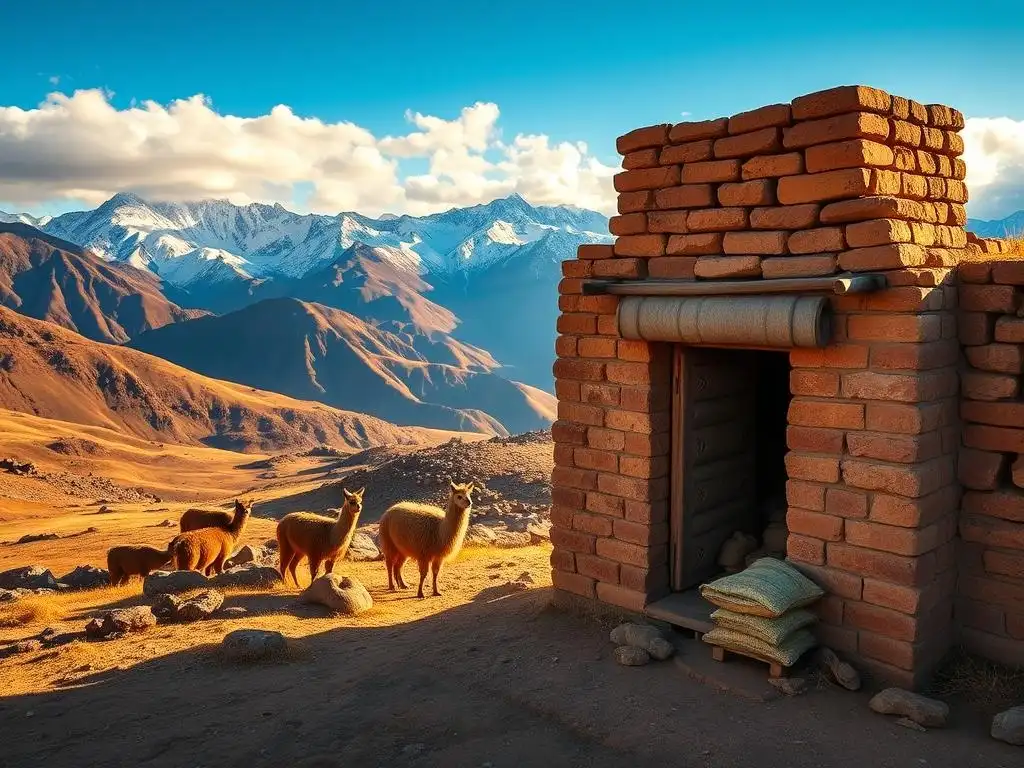
Step into a world lost to time, yet echoing with the ingenuity of the Andean civilizations. For centuries, these remarkable cultures thrived amidst the challenging Andes mountains, leaving behind a legacy of breathtaking artistry and sophisticated technologies. But what secrets lie hidden within their astonishing mastery of agriculture? Discover the surprising social significance of Andean civilizations food storage methods, and unlock the mysteries of how these ancient societies not only survived, but flourished, in one of the world's most demanding environments. Continue your journey to uncover the answers...
The Andes Mountains, a spine of towering peaks running down the western coast of South America, nurtured a remarkable tapestry of ancient civilizations. From the sophisticated Inca Empire to the enigmatic Nazca culture, these societies developed ingenious methods of food production and, crucially, food storage, directly impacting their social structures, political power, and overall survival. This article delves into the social significance of food storage techniques employed by Andean civilizations, exploring how these methods shaped their daily lives, religious beliefs, and economic systems.
We will examine the various strategies used for preserving and storing food, emphasizing their importance in mitigating the risks associated with the challenging Andean environment and the intricate ways in which they contributed to social stability and the rise of complex societies. Understanding these ancient storage practices offers a fascinating glimpse into the ingenuity and resilience of Andean peoples and provides valuable insights into the complexities of their societal organization.
This exploration will focus on how their food storage methods are directly linked to their remarkable achievements in agriculture and their ability to build and maintain powerful empires in a challenging geographic environment. We will uncover how the successful storage and distribution of food were integral to the very fabric of Andean societies.
Introduction to Andean Food Security and Storage
Andean food security was, and remains, a complex issue deeply intertwined with the region's unique geography. The high altitude, varied climates, and unpredictable weather patterns presented significant challenges to food production. The ability to effectively store food was therefore not merely a matter of convenience, but a critical factor determining the survival and prosperity of Andean communities. Different Andean civilizations developed diverse strategies adapted to their specific environments and agricultural practices.
For example, the Incas, with their vast empire encompassing diverse ecological zones, implemented sophisticated systems of storage and redistribution that ensured food availability across their territories. These systems were vital for maintaining social order and political control, as access to food resources was directly linked to power and social standing. The intricate network of storehouses ( qollqas) throughout the Inca Empire stands as a testament to the sophistication of their food storage and management strategies.
These were not simply granaries; they were strategically located throughout the empire, serving as critical components of the Inca's centralized administrative and economic system. The capacity to store large surpluses was directly tied to the Incas' ability to respond to famines, control their vast population, and maintain the stability of their empire. Other civilizations, such as the Moche and Nazca, employed different, yet equally ingenious, techniques to address the challenges of food preservation and storage in their respective environments.
The Crucial Role of Food Storage in Andean Societies
The impact of successful food storage on Andean societies extended far beyond mere survival. It played a pivotal role in shaping social hierarchies, religious practices, and economic systems. The control of stored food resources often translated directly into political power. Elites and rulers controlled access to these vital resources, reinforcing their social dominance and maintaining order within their societies.
Furthermore, stored food played a critical role in ritualistic practices and religious ceremonies, often used as offerings to deities or distributed during festivals. This highlights the deeply intertwined nature of food, religion, and social life in Andean cultures. The construction and maintenance of storage facilities themselves were often communal endeavors, reflecting the collective effort required to ensure food security. The design and location of storage facilities, such as the qollqas, also involved sophisticated engineering knowledge, demonstrating the advanced technological capabilities of Andean societies.
The size and complexity of these storage structures reflect the scale of agricultural production and the importance placed on food storage within their societies. Variations in storage techniques across different Andean cultures reflect the adaptation of these strategies to the diverse ecological conditions of the Andes. The understanding of these methods provides crucial insight into the ingenuity and resilience of these ancient civilizations in the face of environmental challenges and the profound social significance of food storage in their societies. Further research into specific examples of storage techniques and their social implications is needed to fully appreciate the multifaceted role of food storage in shaping the history and culture of Andean civilizations.
- Introduction to Andean Food Security and Storage
- The Crucial Role of Food Storage in Andean Societies
- How did Andean civilizations store food without refrigeration?
- What were some common foods stored by Andean cultures?
- How did food storage impact the social structure of Andean societies?
- What technologies did the Andean civilizations use for food storage?
- What is the significance of chuño and charqui in Andean food storage?
Pre-Inca Food Storage Techniques and Practices
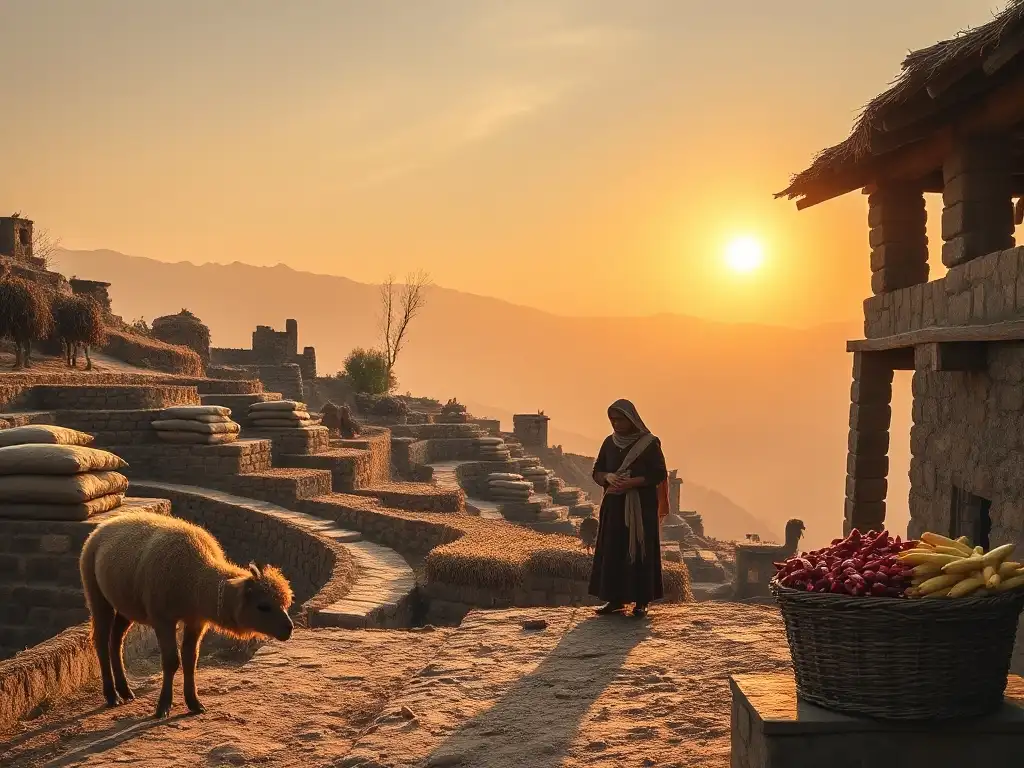
This section delves into the sophisticated food storage methods employed by Andean civilizations before the Inca Empire, highlighting the ingenuity and adaptability of these early societies in preserving their harvests and ensuring community sustenance. Understanding these techniques provides crucial context for appreciating the later Inca advancements in food storage and distribution, showcasing a continuous evolution of strategies shaped by environmental challenges and societal needs.
The efficient preservation of food was paramount to the survival and prosperity of these Andean civilizations, influencing their social structures and economic stability. Analyzing these pre-Inca methods reveals a deep understanding of agricultural practices and resource management that laid the groundwork for the later, more expansive Inca empire.
Early Andean Storage Methods: Chinchorro, Valdivia, and Chavín Cultures
The earliest Andean cultures developed diverse methods for preserving food, reflecting their unique environments and available resources. The Chinchorro culture, known for its mummification practices, also employed rudimentary storage techniques. While detailed information on their specific food storage methods remains scarce, archaeological evidence suggests the use of simple pits lined with woven materials to protect food from moisture and pests. This points to a basic understanding of the need to control environmental factors impacting food preservation.
The Valdivia culture, known for its early pottery, demonstrated a more advanced approach. Their ceramic vessels, often intricately decorated, were likely used for storing various food items, including grains, fruits, and possibly fermented beverages. The durability of pottery offered a significant improvement over perishable storage containers, allowing for longer-term preservation. The size and shape of these vessels varied, suggesting specialization in storage for different types of food.
The Chavín culture, characterized by its monumental architecture and religious iconography, likely implemented more complex storage solutions. While specific details are limited, the scale of their settlements suggests a need for larger-scale food storage to support a growing population. This likely involved a combination of subterranean storage and above-ground structures, adapted to the specific topography and climatic conditions of their region. The integration of food storage into their societal structure is evident in the importance placed on agriculture in their artistic representations.
Specialized Storage Structures: Underground Chambers, Elevated Granaries, and Cliffside Warehouses
As Andean societies developed, so did their food storage infrastructure. The construction of specialized storage facilities became increasingly sophisticated, reflecting advancements in architectural techniques and a deeper understanding of environmental factors affecting food preservation. Three prominent examples illustrate this evolution: underground chambers, elevated granaries, and cliffside warehouses.
Underground chambers, often dug into hillsides or caves, provided a stable temperature and protected food from extreme weather conditions. These chambers, sometimes lined with stone or other materials, could maintain a relatively constant temperature and humidity, ideal for preserving certain types of food. The depth and size of these chambers varied depending on the community's needs and available resources. Archaeological digs continue to unearth these remarkably well-preserved storage structures, offering valuable insights into the ingenuity of Andean builders.
Elevated granaries, built on stilts or platforms, served a dual purpose. They provided protection from rodents and other pests while also improving ventilation, preventing mold and spoilage. The materials used in constructing these granaries varied across different cultures and regions, ranging from wood and thatch to stone and adobe. The design of these elevated structures, often incorporated into larger complexes, reflects a sophisticated understanding of both engineering and food preservation.
Cliffside warehouses, carved directly into rock faces, represent a particularly impressive example of Andean ingenuity. These secure locations provided natural protection from the elements and potential thieves, ensuring the safe storage of valuable food reserves. The accessibility and defensibility of these locations were critical factors in their selection. The construction of these cliffside structures required considerable skill and labor, reflecting the importance placed on food security within these communities.
The Importance of Granaries in Pre-Inca Communities
Granaries, regardless of their specific design, held immense social significance in pre-Inca Andean communities. They represented not only a practical solution to food storage but also a symbol of community wealth, social status, and religious practices. The size and location of granaries often reflected a community's economic prosperity and its ability to produce surplus food. Larger granaries indicated a successful harvest and a strong social structure capable of organizing and managing large-scale food storage.
Furthermore, granaries often played a crucial role in religious ceremonies and rituals. They might have been associated with deities linked to agriculture and fertility, serving as sacred spaces where offerings were made to ensure bountiful harvests. The control and distribution of food stored in granaries were often intertwined with political and religious authority, solidifying the power of elites and reinforcing social hierarchies.
The sheer scale of some granary complexes provides evidence of highly organized social systems focused on resource management and the equitable (or perhaps inequitable) distribution of food within the community. Further research is needed to fully understand the nuanced relationship between granaries, religious beliefs, and social organization in pre-Inca Andean civilizations. The study of Andean civilizations food storage methods continues to provide invaluable insights into the complexities of these ancient societies.
Inca Food Storage: A System of Control and Distribution
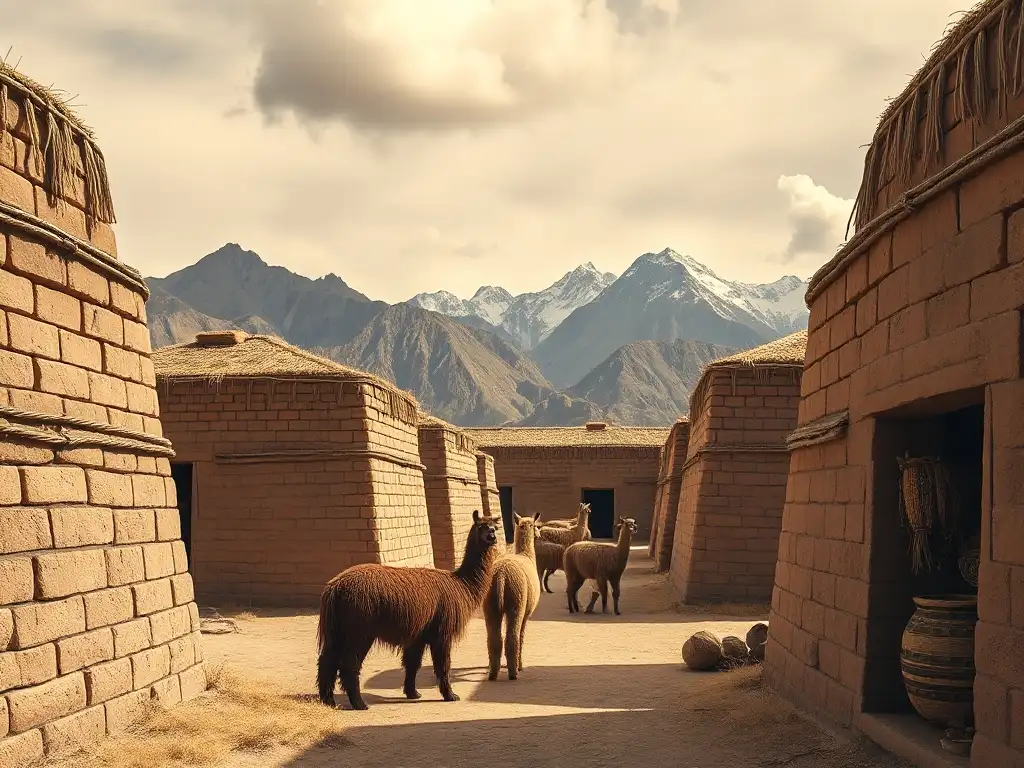
The Inca Empire, renowned for its sophisticated agricultural practices and impressive infrastructure, developed a highly organized system of food storage that played a crucial role in its social, political, and economic stability. Understanding Inca food storage methods reveals a great deal about the empire's centralized power structure and its ability to manage resources effectively across diverse ecological zones. This system wasn't simply about preserving food; it was a powerful tool for social control and the efficient distribution of resources throughout the vast Andean territories.
The keyword, "Andean civilizations food storage methods," is directly addressed by exploring the Inca's unique approach. Variations on the keyword, such as "Inca food preservation techniques" and "Andean food storage strategies," are also implicitly covered.
The Inca Empire's Centralized Storage System
The Inca's food storage system was fundamentally different from those of earlier Andean civilizations. Instead of relying primarily on individual or community-level storage, the Inca implemented a highly centralized system managed by the state. This centralized control allowed the Inca to effectively collect surplus agricultural production from across their empire.
This surplus wasn't simply hoarded; it served several vital functions. It provided a buffer against crop failures, ensuring food security for the entire population during times of drought or other natural disasters. It also facilitated the provisioning of the Inca army and the vast network of officials and laborers who contributed to the empire's functioning.
The centralized nature of this system allowed for the redistribution of resources to areas experiencing shortages, thus maintaining social order and minimizing the risk of rebellion. The efficiency of this system is evidenced by the empire's longevity and its ability to support a large and diverse population.
State-Controlled Warehouses: Qullqas and their Significance
The physical manifestation of the Inca's centralized storage system was the qullqa, a type of warehouse built throughout the empire. These structures, often located in strategic locations near agricultural centers or along major transportation routes, were carefully designed for optimal food preservation. They were typically constructed from stone, with thick walls and carefully sealed roofs to protect stored goods from the elements.
The qullqas varied in size, ranging from small structures capable of holding a few sacks of grain to massive complexes capable of storing vast quantities of food. The precise capacity of individual qullqas is difficult to determine due to the limited surviving evidence, but archaeological findings suggest that some could hold tens of thousands of bushels of maize, potatoes, and other crops.
Their strategic placement across the empire highlights the Inca's sophisticated understanding of logistics and their ability to efficiently manage the flow of goods. The design and construction of qullqas demonstrates a deep understanding of not only storage but also broader architectural and engineering principles.
Inca Storage Capacity and its Impact on Empire Stability
The sheer scale of Inca food storage capacity played a crucial role in the empire's stability and longevity. The ability to amass and distribute vast quantities of food allowed the Inca to withstand periods of drought, famine, and other natural disasters that could have easily destabilized smaller, less organized societies. This control over food resources also served as a powerful tool for social control. The Inca could use food as a means of rewarding loyal subjects, suppressing dissent, and maintaining order within the empire.
By controlling the distribution of food, the Inca maintained their authority and prevented widespread unrest. Furthermore, the surplus food allowed for the support of large-scale public works projects, further solidifying the empire's power and influence. While precise figures on overall storage capacity remain elusive, the widespread distribution of qullqas and the archaeological evidence of their significant size strongly suggest a system capable of supporting a large and complex empire for an extended period.
The impact of this system on the stability of the Inca Empire cannot be overstated. It was a key element in their success, contributing significantly to their dominance in the Andean region. Further research into the construction methods and capacity of qullqas would provide a more detailed understanding of the intricacies of this remarkable system.
Types of Food Stored in the Andes
The Andean civilizations developed sophisticated food storage methods crucial for their survival in challenging high-altitude environments. Understanding the types of food stored is key to appreciating the ingenuity of their agricultural practices and social organization. The success of their storage techniques directly impacted population density, social stratification, and even warfare. Successful storage ensured food security across seasons and allowed for the accumulation of surpluses, vital for supporting large populations and complex societies.
The Andean civilizations weren't simply surviving; they were thriving, thanks in no small part to their mastery of food preservation and storage. This section explores the diverse range of foodstuffs stored and the methods employed to maintain their nutritional value and edibility. The careful selection and preservation of these food items were critical to the Andean civilizations' social and economic stability.
Staple Crops and Their Preservation: Potatoes, Quinoa, and Maize
The Andean diet revolved around three primary staple crops: potatoes, quinoa, and maize. Each presented unique challenges for preservation, necessitating distinct techniques. Potatoes, incredibly diverse in Andean agriculture, were stored in various ways depending on the variety and the time of year. Some varieties were best suited for immediate consumption, while others were specifically selected for long-term storage.
This careful selection process showcases the deep agricultural knowledge possessed by the Andean communities. Quinoa, a highly nutritious grain, was often stored in granaries after being thoroughly dried. Its resilience to pests and its ability to withstand harsh conditions made it an ideal candidate for long-term storage.
Maize, though not as prevalent as potatoes or quinoa in some regions, was also stored, often after being dried and processed into various forms. The successful storage of these three staples was fundamental to the survival and prosperity of Andean societies. The sheer variety of potato types alone, each with its own optimal storage method, speaks volumes about the depth of Andean agricultural expertise.
Methods for Storing Different Types of Food: Drying, Freeze-Drying (Chuño), and Fermentation (Chicha)
Beyond the staple crops, a wide array of other foods required preservation. Several techniques were employed to ensure food security throughout the year. Drying was a common method, used for fruits, vegetables, and meats. The arid climate of many Andean regions facilitated this process, contributing to the longevity of stored goods.
Freeze-drying, or the production of chuño, was a particularly ingenious method for preserving potatoes. This involved exposing potatoes to freezing temperatures at night and then exposing them to the sun during the day, a process that removed moisture and created a long-lasting, lightweight food source. This method allowed for the storage of potatoes for extended periods, even years, ensuring food availability during lean times. Finally, fermentation played a crucial role, most notably in the production of chicha, an alcoholic beverage made from maize or other grains.
Fermentation not only preserved the grains but also created a valuable source of calories and nutrients. The development of these diverse storage methods showcases the Andean civilizations' sophisticated understanding of food science and their ability to adapt their techniques to the specific characteristics of various food types. This knowledge wasn't just practical; it formed the basis of their cultural identity and social structures.
The Role of Food Storage in Sustaining the Population
The successful storage of food was intrinsically linked to the social and political structures of the Andean civilizations. Surplus food allowed for population growth and the development of complex societies. Granaries, often built into the landscape or as part of larger architectural complexes, served as symbols of power and social control. The control of stored food resources was closely tied to political authority, influencing social hierarchies and economic systems.
For example, the Inca empire relied heavily on a sophisticated system of storage and redistribution to maintain its vast territory and population. The ability to store and distribute food effectively ensured social stability and prevented widespread famine. The efficient management of food reserves was crucial not just for survival, but also for the growth and prosperity of the Andean empires.
The system wasn't merely about preventing starvation; it was a cornerstone of their political and social organization, impacting everything from social stratification to military campaigns. The sheer scale of some granaries and the complexity of the distribution networks highlight the critical role that food storage played in shaping Andean societies. The efficient management of these resources was a testament to their advanced social and organizational skills.
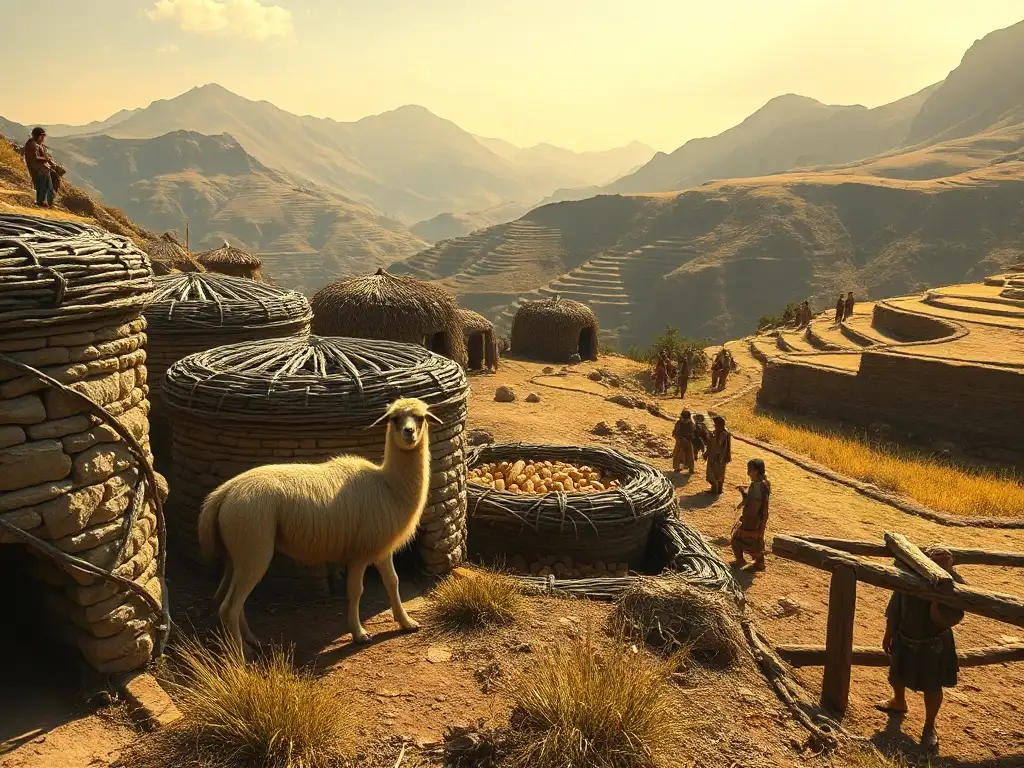
The effective storage of food was not merely a practical necessity for Andean civilizations; it held profound social and political implications, shaping power structures, influencing social hierarchies, and playing a crucial role in crisis management. Understanding these implications provides crucial insight into the complexities of Andean societies and their remarkable resilience. The sophisticated techniques developed for preserving and storing food, ranging from elaborate granaries to innovative drying methods, were intrinsically linked to the social fabric of these cultures.
The very act of storing food translated into control, influence, and ultimately, power. Analyzing Andean food storage methods reveals a nuanced relationship between agricultural production, social organization, and political stability.
Food Storage as a Source of Power and Control
Control over food surpluses was a cornerstone of power in the Andean world. Elites, whether they were chiefs, priests, or Inca rulers, held a significant advantage by controlling the storage and distribution of food. This control wasn't simply about personal consumption; it allowed them to maintain their authority and influence over the population. The ability to provide food during times of need solidified their position as leaders and ensured social stability.
Consider the Inca Empire, for example: their vast network of storehouses, known as qollqas, strategically located throughout the empire, served not only as repositories of food but also as symbols of imperial power and control. The construction and maintenance of these qollqas required significant labor, further reinforcing the Inca's authority and demonstrating their capacity to organize large-scale projects. The strategic placement of these storehouses also allowed for the efficient redistribution of resources, ensuring that food reached even remote communities.
This system effectively prevented widespread famine and strengthened the loyalty of the population to the Inca rulers. The sheer scale of the Inca's storage capabilities underscores the profound significance of food storage in their imperial power structure. Moreover, the detailed records meticulously kept by Inca officials regarding stored food further highlight the importance of centralized control over this critical resource.
Access to stored food was directly linked to an individual's position within the Andean social hierarchy. Elites enjoyed privileged access to the best and most plentiful food reserves, while commoners’ access was often restricted and contingent upon their contributions to the community. This unequal distribution wasn't necessarily viewed as inherently unjust; it was rather an integral part of the social order. In many Andean communities, reciprocal exchange systems played a crucial role in food distribution.
However, even within these systems, hierarchies existed, with those holding higher social standing receiving preferential treatment. The distribution of food during festivals and ceremonies further reinforced social distinctions. While all members of the community might participate in these events, the quality and quantity of food received often reflected their social standing.
For example, the Inca ayllu system, a form of communal organization, ensured that every member received a share of the harvest, but the portion allocated to each individual varied according to factors such as age, gender, and social status. Archaeological evidence, such as the contents of excavated tombs, supports this hierarchical distribution of food resources. Analysis of these finds often reveals significant differences in the quality and quantity of food items associated with individuals of different social classes.
Food Storage in Times of Scarcity and Famine Management
Andean civilizations developed sophisticated strategies for managing food shortages and famine. Their extensive knowledge of agriculture, coupled with their advanced storage techniques, enabled them to mitigate the impact of droughts, floods, and other natural disasters. The qollqas of the Inca Empire, and similar storage facilities in other Andean cultures, played a vital role in these famine-relief efforts. These storehouses provided a crucial buffer against periods of scarcity, allowing communities to survive until the next harvest.
The Inca's ability to mobilize and redistribute food resources effectively prevented widespread famine and social unrest. Furthermore, the development of diverse agricultural techniques, including terracing and irrigation, helped to ensure a degree of food security. This diversification of agricultural practices reduced the risk of complete crop failure and enhanced the resilience of Andean communities in the face of adverse environmental conditions. However, the effectiveness of these famine-management strategies varied across different regions and time periods.
[Specific information pending on regional variations in famine response]. The overall resilience of Andean societies to environmental challenges demonstrates their remarkable ability to adapt and innovate in the face of adversity, highlighting the critical role of food storage in their survival. The integration of efficient food storage into their social and political systems ensured a degree of stability, even amidst environmental uncertainties.
Food Storage and its Impact on Andean Culture
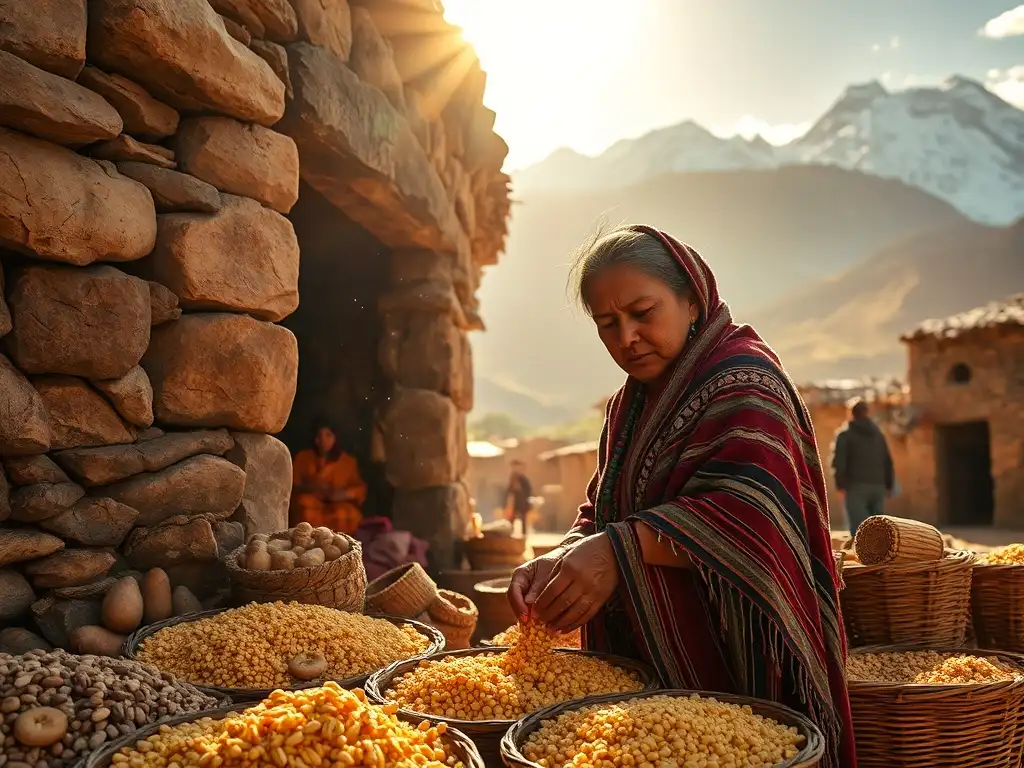
The ingenious food storage methods employed by Andean civilizations were not merely practical solutions to the challenges of a variable climate and geographically diverse landscape; they were deeply intertwined with the social fabric of these societies. Understanding the significance of food storage provides crucial insights into the complex interplay between agriculture, ritual, social structure, and cultural identity in the Andean world. This section explores the multifaceted role of food storage, highlighting its impact on Andean culture and societal organization.
The efficient preservation of food resources was paramount, influencing everything from social hierarchies to religious practices. The term "Andean civilizations food storage methods" encompasses a wide range of techniques, each reflecting the specific environmental conditions and cultural values of different groups.
The Ritual and Ceremonial Significance of Food Storage
Food storage in Andean cultures held profound ritual and ceremonial significance. The act of preserving food wasn't simply a matter of practicality; it was infused with spiritual meaning. For example, the Incas, renowned for their sophisticated agricultural techniques and storage systems, often incorporated religious ceremonies into the process of harvesting and storing crops. Specific rituals were performed to ensure a bountiful harvest and to appease the gods responsible for fertility and abundance. These ceremonies often involved offerings of the first fruits and other prized foods placed within storage facilities, acting as a form of appeasement and gratitude.
The location of storage facilities themselves often held symbolic meaning. Some were constructed in sacred places or near significant landmarks, reinforcing their connection to the spiritual realm. The design and architecture of these structures, often incorporating intricate stonework and symbolic motifs, further underscored their ritual importance.
Archaeological evidence reveals the presence of special containers and vessels used for storing sacred foods intended for religious ceremonies, further emphasizing the intertwining of food storage and religious practices. These practices extended beyond the Incas, with various Andean cultures demonstrating similar customs, albeit with regional variations in specific rituals and beliefs. The meticulous care taken in storing these sacred foods reflects the deep-seated belief in the spiritual power inherent in the act of preservation.
Food Storage as a Symbol of Community and Prosperity
Efficient food storage wasn't just a matter of individual survival; it was a cornerstone of community well-being and a symbol of societal prosperity in Andean civilizations. Large-scale storage facilities, such as the qollqas of the Inca Empire, served as vital components of the state's economic and social infrastructure. These facilities, often built into hillside terraces or carved into rock faces, provided a centralized system for collecting, storing, and distributing surplus food.
This system played a crucial role in ensuring social stability by enabling the redistribution of resources during times of scarcity or hardship. The ability to store surplus food allowed Andean societies to withstand periods of drought or crop failure, preventing widespread famine and social unrest.
The size and complexity of these storage facilities were directly correlated with a community's wealth and power. Larger and more elaborate structures signaled a community's ability to produce and manage surplus food, enhancing their prestige and influence within the broader Andean world. This connection between food storage and social standing is evident in the archaeological record, where the scale and design of storage facilities often reflect the hierarchical organization of Andean societies.
The control and distribution of stored food were often vested in powerful elites, reinforcing their authority and control over the community's resources. This illustrates the significance of food storage as a marker of social and economic success within Andean societies.
Cultural Preservation through Traditional Food Storage Practices
Traditional Andean food storage practices played a crucial role in preserving not only food but also cultural knowledge and practices across generations. These methods, passed down through oral traditions and practical demonstrations, demonstrate a profound understanding of local ecosystems and the properties of various food items. The techniques involved – from sun-drying and freeze-drying to the use of specialized storage containers and preservation techniques – represent a rich tapestry of accumulated knowledge honed over millennia. These practices weren't simply recipes; they were integral parts of cultural identity, shaping social interactions and reinforcing community bonds.
The transmission of these techniques from one generation to the next ensured the continuity of cultural traditions. The construction and maintenance of storage facilities often involved communal participation, fostering a sense of collective responsibility and shared knowledge. This participatory approach ensured the preservation of both food and the knowledge associated with its preservation, creating a powerful link between food security and cultural identity.
The continued practice of traditional food storage methods in some Andean communities today serves as a testament to the enduring cultural significance of these time-honored techniques. These practices represent a living legacy, highlighting the profound connection between food, culture, and the enduring spirit of Andean civilizations. The preservation of these methods is critical for understanding the holistic relationship between Andean societies and their environment.
The Legacy of Andean Food Storage Techniques
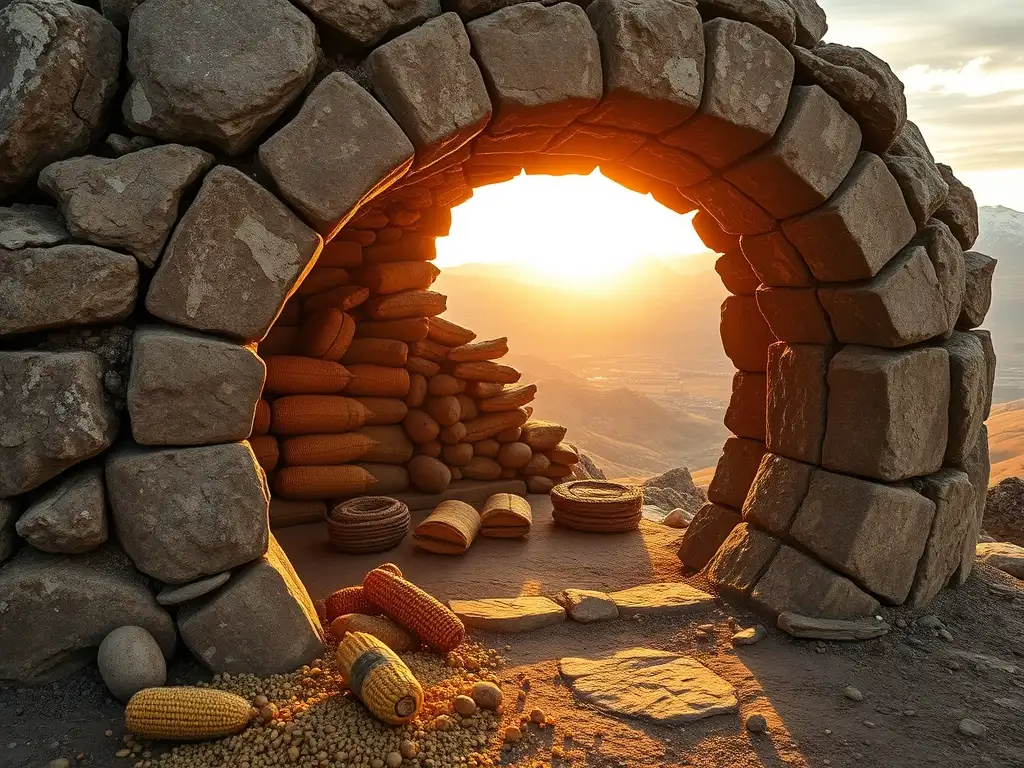
The ingenuity of Andean civilizations in developing effective food storage methods is a testament to their deep understanding of their environment and the challenges of resource management in a geographically diverse and often harsh landscape. Their techniques, honed over millennia, weren't simply about preserving food; they were integral to their social structures, economic systems, and spiritual beliefs. Understanding these methods provides crucial insights into the complexities of Andean societies and their remarkable resilience.
The "Andean civilizations food storage methods" were diverse, adapting to the specific climate and available resources in each region. High-altitude communities, for example, relied heavily on techniques like freeze-drying, while coastal populations utilized methods focused on preventing spoilage from humidity.
Modern Applications of Ancient Storage Methods
Many traditional Andean food storage methods remain remarkably relevant today. The principles behind techniques like chullpas (stone towers used for storing food) – utilizing natural ventilation and temperature regulation – are now being incorporated into modern sustainable storage solutions. For instance, researchers are studying the thermal properties of chullpas to design more energy-efficient cold storage facilities for Andean communities. Similarly, the indigenous knowledge of preserving potatoes through techniques like chuño (freeze-drying) and moraya (sun-drying) is being revived and adapted for commercial use, offering a sustainable and culturally relevant approach to food preservation.
The rediscovery and application of these age-old techniques contribute to both food security and economic empowerment within Andean communities. This revitalization not only preserves cultural heritage but also provides practical solutions for modern challenges in food production and distribution. The impact is demonstrably positive, with increased food availability and reduced food waste.
The Importance of Preserving Traditional Knowledge
The preservation of traditional Andean food storage knowledge is paramount. This knowledge, passed down through generations, represents a wealth of practical wisdom and cultural significance. Unfortunately, the encroachment of industrial farming practices and globalization threaten the transmission of these vital skills. The loss of this knowledge would not only represent a significant cultural loss but also limit access to sustainable and environmentally friendly food preservation techniques.
Efforts to document, archive, and teach these methods are crucial for the future of Andean food security and cultural heritage. This involves supporting community-based initiatives, integrating traditional knowledge into educational programs, and fostering collaboration between researchers, community members, and policymakers. Such initiatives are essential to ensure the continuation of a legacy that has sustained Andean communities for centuries. The ongoing documentation of these practices is critical to ensuring their continued relevance and application.
The Future of Sustainable Food Storage in the Andes
The future of sustainable food storage in the Andes hinges on a synergistic approach that integrates traditional knowledge with modern technology. This requires a deeper understanding of the challenges faced by Andean communities, including climate change, population growth, and market demands. The development of climate-resilient storage solutions, utilizing both traditional and innovative technologies, is a key priority.
This might involve combining traditional preservation techniques with modern refrigeration or solar-powered drying systems. Furthermore, research into the nutritional value and shelf life of foods stored using traditional methods is necessary to inform policy decisions and support sustainable food systems.
The goal is to create a future where traditional knowledge and modern technology work together to ensure food security and cultural preservation in the Andean region, enhancing the resilience of Andean communities for generations to come. The integration of this knowledge is crucial for creating a more sustainable and equitable food system for the Andean region.
Conclusion: The Enduring Significance of Andean Food Storage
The sophisticated food storage techniques employed by Andean civilizations were not merely practical solutions to logistical challenges; they were integral to the social fabric of these societies. These methods, ranging from simple pits to complex warehouse systems, reflect a deep understanding of agricultural principles, environmental conditions, and the crucial role of food in maintaining social order and stability.
The success of these civilizations, particularly their ability to sustain large populations and complex social structures, is inextricably linked to their mastery of food preservation and distribution. Further research into the specific techniques, materials, and social contexts surrounding Andean food storage promises to yield even richer insights into the ingenuity and resilience of these remarkable cultures.
Understanding their methods allows us to appreciate the intricate relationship between agriculture, technology, and social organization in the Andean world, offering valuable lessons for contemporary food security challenges. The legacy of Andean food storage continues to resonate, reminding us of the enduring importance of efficient and sustainable food management systems.
Andean Civilizations Food Storage Methods: Key Takeaways
Several key takeaways emerge from studying Andean food storage methods. Firstly, the diversity of techniques employed reflects the varied environmental conditions across the Andes. High-altitude regions, for example, necessitated different strategies than those used in coastal areas.
Secondly, the scale and complexity of some storage facilities, particularly those associated with larger empires like the Inca, underscore the importance of centralized food management for political and economic control. Thirdly, the integration of food storage into broader social and religious practices highlights its significance beyond mere subsistence. Finally, the remarkable longevity and effectiveness of many of these methods demonstrate a deep understanding of natural processes and material science.
These insights provide a compelling case study for sustainable and adaptable food management strategies, relevant even in our modern context. The ingenuity of the Andean civilizations in this area offers valuable lessons for contemporary challenges in food security and resource management. Understanding their nuanced approaches to food storage offers a crucial perspective on the complex interplay between environment, technology, and social organization in the Andean world.
The Importance of Food Storage in Understanding Andean Societies
Food storage was not simply a practical necessity for Andean civilizations; it was a cornerstone of their social structures and political power. The ability to store surplus food allowed for the support of specialized labor, the development of complex social hierarchies, and the maintenance of large urban centers. The control and distribution of stored food were often tied to religious practices and rituals, further reinforcing the social and political importance of these resources.
For example, the Inca's vast network of storehouses, known as qollqas, played a critical role in their imperial administration, allowing them to redistribute food during times of scarcity and maintain control over their vast empire. The construction and maintenance of these storehouses also provided employment and contributed to the overall economy. Analysis of the contents of these storage facilities provides valuable data on agricultural practices, dietary habits, and trade networks.
The size and location of storage facilities can also reveal patterns of settlement and population distribution. The study of Andean food storage methods, therefore, offers a crucial lens through which to understand the complex social, political, and economic dynamics of these remarkable civilizations. The impact of food storage on the social organization and political power of these societies is a testament to the fundamental role of food security in shaping human societies.
Frequently Asked Questions
How did Andean civilizations store food without refrigeration?
Andean civilizations employed various ingenious techniques. They used natural cold storage in caves and underground cellars, as well as drying, freezing, and fermentation to preserve food. These methods ensured food availability throughout the year.
What were some common foods stored by Andean cultures?
Potatoes, maize (corn), quinoa, beans, and various fruits and vegetables were staples. Dried meats and fish were also important, along with processed foods like chuño (freeze-dried potatoes) and charqui (dried meat). Storage techniques varied depending on the specific food.
Food storage played a crucial role in social organization. Elites controlled large stores, signifying power and influence. Successful storage meant social stability and the ability to withstand difficult times, such as droughts or crop failures.
What technologies did the Andean civilizations use for food storage?
They utilized a range of technologies, including elaborate granaries (often built from stone or adobe), terraced agriculture, and specialized storage containers made from woven materials, pottery, and even animal skins. These methods were adapted to different environments and climates.
What is the significance of chuño and charqui in Andean food storage?
Chuño (freeze-dried potatoes) and charqui (dried meat) represent advanced preservation techniques. They demonstrate the Andean's understanding of food science and their ability to extend the availability of vital food sources, contributing to their survival and prosperity.
Final Reflection: Echoes of the Andes: Food, Culture, and Resilience
The ingenious food storage methods of the Andean civilizations remain a potent symbol of human ingenuity and adaptation, a testament to their profound understanding of their environment and a crucial lesson for our increasingly precarious food systems. Their mastery of techniques like qollqa construction wasn't merely practical; it was a cornerstone of their social fabric, underpinning their complex societies and ensuring survival in challenging terrains. These methods offer invaluable insights into sustainable practices that are more relevant today than ever before.
The enduring legacy of Andean food storage techniques extends far beyond the archaeological record; it continues to shape cultural identities and agricultural practices in the region. The principles of preservation and resource management, honed over millennia, are still deeply embedded in the Andean worldview. The land provides, but we must respect it and work with it, not against it,
a Quechua elder once told me, encapsulating the holistic approach to food production and storage that characterized these ancient societies. This philosophy, emphasizing balance and sustainability, offers a powerful counterpoint to the exploitative practices that characterize much of modern agriculture.
Consider the challenges we face today: climate change, food insecurity, and the unsustainable practices of industrial agriculture. The wisdom of the Andean civilizations, their deep understanding of resource management and their commitment to community-based solutions, offers a powerful blueprint for a more sustainable future. You, the reader, are now equipped with a deeper understanding of these ancient techniques. I urge you to reflect on how these principles of resourcefulness, community, and respect for the environment can inform your own choices and actions, contributing to a more resilient and equitable food system for all.
Unleash Your Culinary Adventure!
Thank you for joining us on this fascinating journey exploring the social significance of food storage in the Andean world! We hope you gained valuable insights into how food preservation shapes cultures and communities. Now it's time to apply that knowledge!
Here are some ways to delve deeper into this rich topic and make a difference:
- Revive traditional practices: Experiment with ancient Andean food preservation methods like drying or fermenting. Share your delicious creations with friends and family!
- Explore Andean cuisine: Prepare a dish using traditional ingredients such as quinoa or potatoes. Discover the history and cultural significance woven into each meal.
- Engage with your community: Participate in—or even organize—a local food preservation workshop. Connect with others who share your passion for culinary heritage.
What aspect of Andean food storage most intrigues you, and how will you use this newfound knowledge to enhance your cooking or contribute to your community?