
Tiahuanaco's Food Distribution Network: A Model of Organization


Unravel the mysteries of the Andes! Prepare to be amazed by the ingenuity of ancient civilizations, whose legacies continue to resonate today. From the intricate artistry of the Nazca lines to the architectural marvels of Machu Picchu, this journey delves into the heart of Andean culture.
But we begin with a particularly fascinating puzzle: how did the Tiahuanaco civilization manage to feed its vast population? Discover the secrets behind their remarkably efficient Tiahuanaco food distribution system – a feat of engineering and social organization that will leave you pondering its enduring relevance. Explore the intricacies of Andean agriculture and food with us and uncover the answers.
The remarkable achievements of the Tiahuanaco civilization (c. 1500 BCE – 1000 CE) extend far beyond their monumental architecture and intricate artistry. Understanding their sophisticated food distribution system is crucial to grasping the scale and complexity of their societal organization. This system, a testament to their advanced planning and engineering, ensured the survival and prosperity of a large population in a challenging high-altitude environment.
This article delves into the intricacies of the Tiahuanaco food distribution network, examining the evidence for its effectiveness and the ingenious strategies employed to overcome the logistical hurdles presented by their environment. We will explore how this system contributed to the civilization's remarkable longevity and influence on subsequent Andean cultures. The efficient management of food resources, as we will see, was a fundamental pillar of Tiahuanaco's power and stability.
Evidence of Granaries and Storage Facilities
Archaeological evidence strongly suggests the existence of a vast network of granaries and storage facilities throughout the Tiahuanaco heartland and its surrounding regions. These structures, often built from stone and strategically located near agricultural lands and population centers, were designed to store surplus agricultural produce. The size and number of these structures indicate a considerable capacity for food storage, implying a well-organized system for collecting, processing, and preserving food.
Analysis of soil samples within these structures often reveals remnants of various crops, providing valuable insights into the types of food stored and the agricultural practices of the Tiahuanaco people. Furthermore, the meticulous construction of these granaries, reflecting advanced architectural knowledge, points to their importance as integral parts of the overall food distribution strategy.
Evidence suggests that different types of granaries existed, perhaps specialized for different types of crops or stages of processing. Further research is needed to fully understand the functional diversity of these storage facilities.
The Role of Roads and Pathways in Distribution
The Tiahuanaco civilization invested significantly in infrastructure, constructing a network of roads and pathways that crisscrossed their territory. These weren't simply routes for pedestrian or animal traffic; they played a vital role in facilitating the efficient transport of food from storage facilities to population centers. The strategic placement of roads, often connecting agricultural areas with urban centers, demonstrates a clear understanding of logistics and efficient supply chains.
The construction of these roads, often paved and engineered to withstand the harsh Andean climate, is a testament to the civilization's engineering prowess and their commitment to maintaining a reliable food distribution network. While the exact methods of transport remain partially unknown, it is likely that a combination of human porters, llamas, and possibly even more advanced methods were employed. The scale of the road network itself speaks volumes about the sophistication of their logistical planning.
The effective functioning of Tiahuanaco's food distribution system was undeniably linked to their complex social organization. While the precise details of their socio-political structure remain a subject of ongoing research, evidence suggests a hierarchical system with centralized control over resource allocation. This centralized control likely played a crucial role in managing the collection, storage, and redistribution of food.
The system may have involved a form of tribute or taxation, with surplus agricultural production collected from various communities and then redistributed based on need or social standing. Such a system would have ensured the stability of the population and mitigated the risks associated with crop failures or other unforeseen events. The intricate interplay between social structure and food distribution highlights the sophisticated nature of Tiahuanaco society and its remarkable ability to manage resources effectively.
Environmental Challenges and Adaptive Strategies
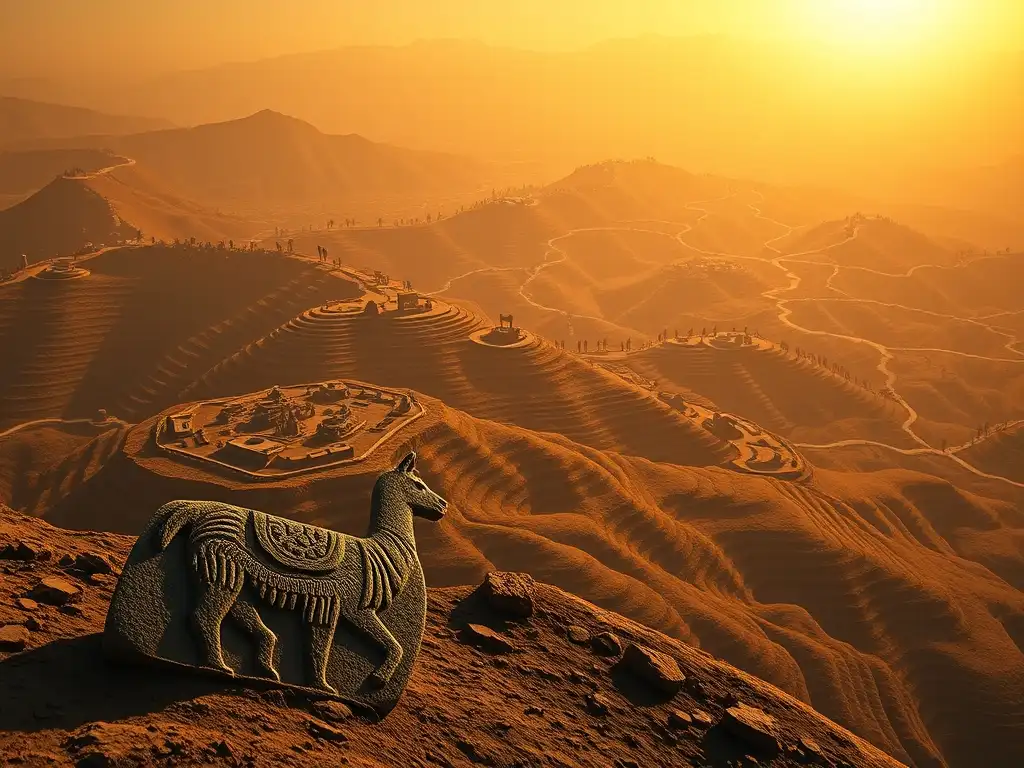
The high-altitude environment of the Altiplano presented significant challenges to agriculture and food production. The short growing season, harsh weather conditions, and limited arable land required innovative strategies for food production and preservation. The Tiahuanaco people developed sophisticated agricultural techniques, including terracing and irrigation systems, to maximize crop yields.
Furthermore, their advanced understanding of food preservation techniques, likely involving drying, freezing, and perhaps even fermentation, allowed them to store food for extended periods. The combination of efficient agricultural practices and effective preservation methods was crucial to the success of their food distribution system. This adaptation to their environment underlines their ingenuity and resilience.
The Legacy of Tiahuanaco's Food System
The sophisticated food distribution network of Tiahuanaco serves as a remarkable example of organizational capacity in a pre-Columbian Andean society. Its influence likely extended beyond its immediate geographical reach, shaping the practices of subsequent Andean civilizations. The effectiveness of their system, in terms of storage, transportation, and redistribution, ensured the stability and prosperity of the Tiahuanaco civilization for centuries, leaving a lasting legacy on Andean food management practices.
Further research into this remarkable system promises to reveal even more about the ingenuity and organizational prowess of this fascinating civilization. The study of Tiahuanaco's food distribution system offers valuable insights into the complex interplay between technology, environment, and social organization in shaping the trajectory of a civilization.
- Evidence of Granaries and Storage Facilities
- The Role of Roads and Pathways in Distribution
- Social Organization and Food Redistribution
- Environmental Challenges and Adaptive Strategies
- The Legacy of Tiahuanaco's Food System
The Significance of Tiahuanaco's Food System
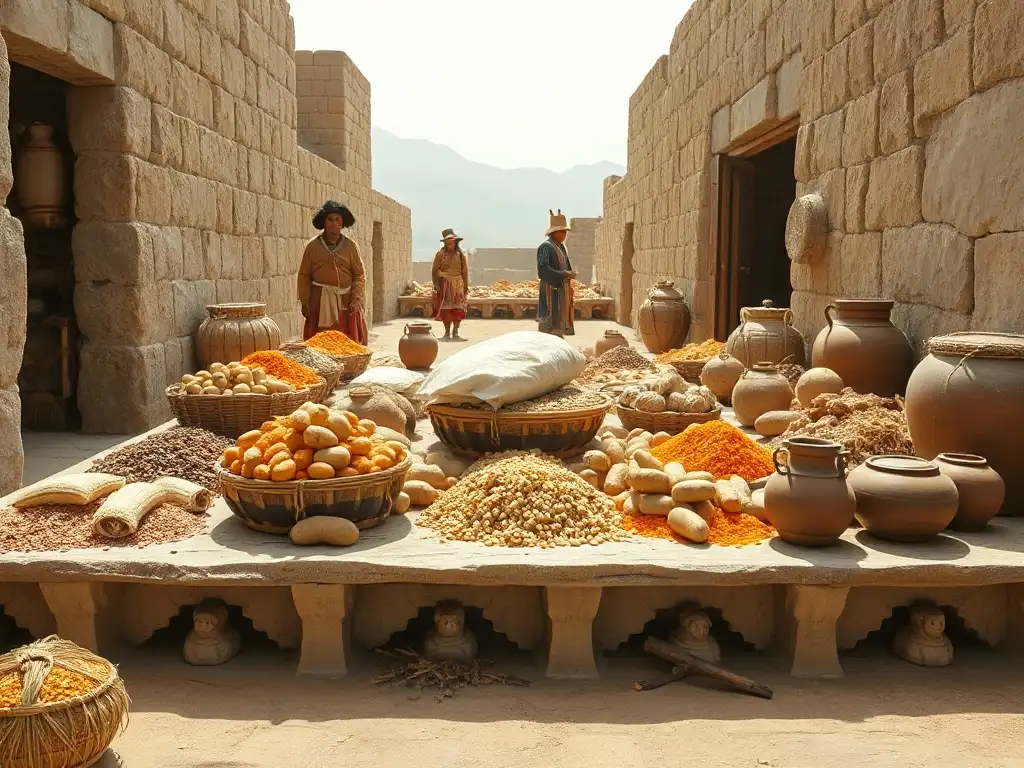
The Tiahuanaco food distribution system represents a remarkable feat of logistical organization for its time. Understanding its intricacies offers valuable insights into the social, economic, and political structures of this influential Andean civilization. This system wasn't merely about getting food from point A to point B; it was intricately woven into the fabric of Tiahuanaco society, reflecting its power, its capacity for planning, and its ability to manage a large, complex population.
The effectiveness of their food distribution directly correlated with the civilization's stability and longevity, highlighting the crucial role of infrastructure and planning in supporting a flourishing society. The scale of their operation, considering the limited technology available, is truly impressive and worthy of detailed examination. Its success serves as a testament to the sophisticated understanding of resource management possessed by the Tiahuanaco people.
The efficient movement of surplus agricultural products played a vital role in maintaining social order and preventing widespread famine, even during periods of environmental stress. This sophisticated system is a key factor in explaining Tiahuanaco's considerable influence throughout the Andes.
Understanding the Importance of Food Distribution in Tiahuanaco Society
The Tiahuanaco food distribution system wasn't simply a matter of practicality; it was deeply intertwined with the social fabric of the civilization. Food distribution reinforced social hierarchies and political power. The elite likely received preferential access to the highest quality and most diverse foods, reinforcing their status and control. Conversely, the effective distribution of even basic foodstuffs to the broader population helped maintain social order and prevent unrest.
This system, therefore, acted as a critical element of social control, ensuring the stability of the empire. Archaeological evidence suggests the existence of specialized storage facilities and potentially even a system of standardized measures for rationing, indicating a high level of organization and planning. The distribution network likely also played a role in religious ceremonies and rituals, with specific foods designated for sacred purposes.
The movement of food wasn't just a logistical exercise; it was a deeply symbolic act that reinforced the power structure and the religious beliefs of Tiahuanaco society. Further research into the social implications of food distribution in Tiahuanaco is needed to fully understand its nuances. For example, [Specific information pending] regarding the potential existence of communal kitchens or feasting halls.
The Role of Agriculture in Tiahuanaco's Economic Stability
Tiahuanaco's economic stability was inextricably linked to its agricultural productivity and the subsequent efficient distribution of food surpluses. The challenging Andean environment demanded sophisticated agricultural practices, including terracing, irrigation systems, and the cultivation of diverse crops adapted to the high altitude. These techniques, combined with a well-organized distribution network, allowed Tiahuanaco to produce a surplus of food, which was then used to support a large population, maintain a powerful army, and fund large-scale public works projects.
This surplus also allowed for specialization of labor, freeing individuals to pursue crafts, religious activities, and other roles outside of direct food production. The ability to consistently produce and distribute surplus food was crucial to Tiahuanaco's economic strength and its ability to withstand periods of drought or other environmental challenges. Analysis of pollen samples and other botanical remains from Tiahuanaco sites provides valuable insights into the types of crops cultivated and the overall scale of agricultural production.
For example, the identification of [Specific crop data pending] highlights the diversity of the Tiahuanaco agricultural system and its capacity to support a large population. The effective management of this agricultural output, through the sophisticated distribution system, formed the bedrock of Tiahuanaco’s economic and political power. The system's resilience demonstrates a deep understanding of resource management and its importance to the prosperity of the empire.
Key Elements of the Tiahuanaco Food Distribution System
The Tiahuanaco food distribution system was based on several key elements that ensured its success. First, it relied on a well-organized network of storage facilities designed to preserve surplus food for times of scarcity. These facilities were strategically placed in key locations, ensuring that resources were always available when needed. Next, the transportation infrastructure played a crucial role. Roads and pathways connected agricultural regions with urban centers, facilitating the efficient movement of goods. Llama caravans, integral to the system, were responsible for transporting food across the challenging Andean terrain.
Another key element was the labor organization. Tiahuanaco's system relied on a specialized workforce, which likely included skilled agricultural workers, herders, and storage managers. This division of labor ensured that each aspect of food production, preservation, and distribution was managed efficiently. Lastly, the centralized control over the system allowed for resource allocation based on need and social standing, ensuring that both the elite and the broader population had access to necessary food resources. Together, these elements formed the backbone of Tiahuanaco's food distribution system, contributing to its long-term success and stability.
The Role of Llama Caravans in Tiahuanaco's Food Logistics
The llama, a crucial part of Andean life for millennia, played a vital role in Tiahuanaco's sophisticated food distribution system. These sturdy animals weren't merely beasts of burden; they were integral to the efficient movement of agricultural products across the challenging terrain surrounding the city. Their ability to navigate the high-altitude Andean landscape, traversing steep inclines and traversing difficult paths, made them uniquely suited for transporting goods where wheeled vehicles would have been impractical, if not impossible.
The organization of llama caravans likely involved a complex logistical network. We can imagine specialized herders, possibly organized within a hierarchical structure reflecting Tiahuanaco's social organization, responsible for managing these caravans. These herders would have possessed extensive knowledge of the trails, optimal travel times considering weather conditions, and the capacity of the llamas.
Careful planning would have been necessary to ensure the timely delivery of food to various settlements and population centers, minimizing spoilage and loss. The size of the caravans would have varied depending on the quantity and type of goods being transported, with larger caravans potentially requiring multiple herders and support personnel.
Evidence suggests a high degree of specialization within the Tiahuanaco economy. It's plausible that certain communities were dedicated to llama herding and the maintenance of the transportation network, while others focused on agricultural production. This specialization would have contributed to the efficiency of the system, maximizing the productivity of both the herders and the farmers. The success of Tiahuanaco's food distribution system depended heavily on the seamless integration of these specialized groups and their coordinated actions. The efficient movement of food, facilitated by the llama caravans, was a critical element ensuring the stability and prosperity of the Tiahuanaco civilization. Further research into the archaeological record could shed more light on the specific organizational structures and logistical strategies employed in managing these crucial llama caravans. The sheer scale of Tiahuanaco's agricultural output and its dispersed population centers make the organized use of llamas a pivotal factor in understanding the civilization's success.
The Organization Behind the Tiahuanaco Food Supply Chain
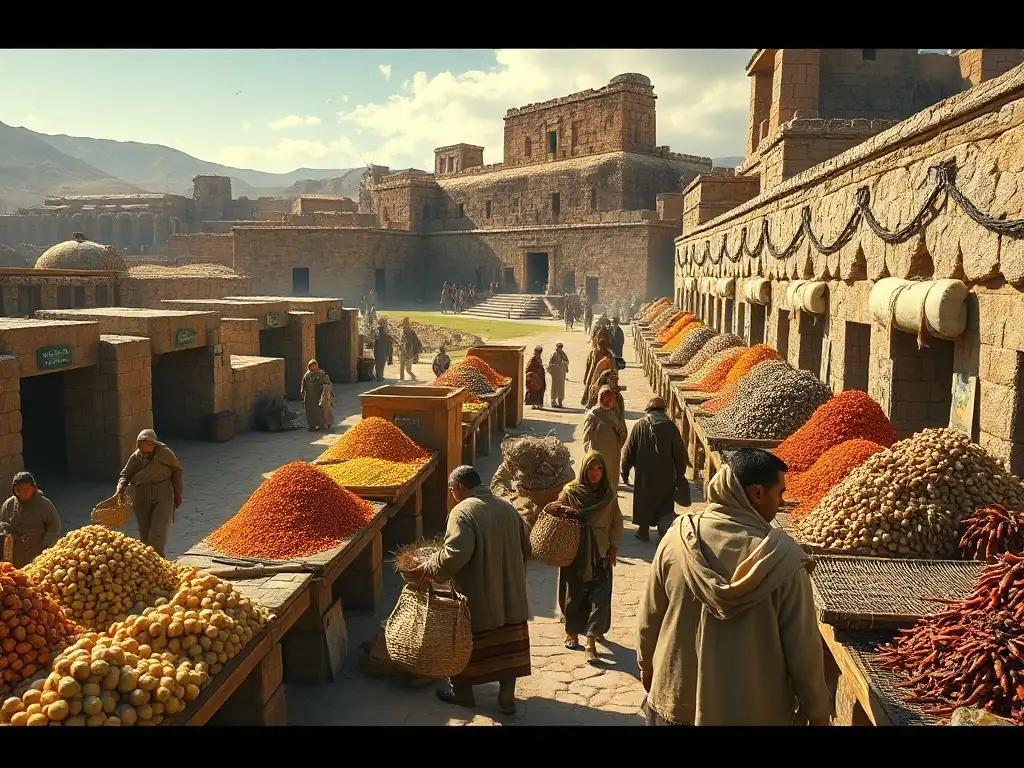
The Tiahuanaco food distribution system, a marvel of Andean engineering and social organization, wasn't a haphazard affair. Its success hinged on a complex interplay of factors, ranging from sophisticated agricultural techniques to a highly structured societal hierarchy. Understanding this intricate network requires examining its key components: the elite's role in oversight, the organization of labor, and the specialization in agricultural production.
The efficient distribution of food was crucial to the sustenance and stability of this powerful civilization, allowing for population growth and the construction of monumental architecture. The sheer scale of Tiahuanaco's achievements—its impressive city layout and sophisticated infrastructure—testifies to the effectiveness of its food management strategy. The system’s efficiency ensured food security, a critical factor contributing to the sustained power and influence of the Tiahuanaco culture.
The Role of the Elite in Overseeing Food Distribution
The elite class in Tiahuanaco played a pivotal role in managing the food distribution system. Archaeological evidence suggests a centralized authority responsible for overseeing agricultural production, storage, and distribution. This likely involved a complex bureaucracy, with officials assigned specific tasks related to food management.
Their power and influence were intrinsically linked to their ability to control and allocate resources effectively. This control extended beyond simple allocation; it likely involved the regulation of agricultural practices, the enforcement of labor obligations, and the redistribution of surplus food to support the population. The elite's involvement was not merely administrative; it was essential for maintaining social order and preventing potential conflicts over food resources.
Their power was deeply intertwined with the successful functioning of the Tiahuanaco food distribution system, reinforcing their authority and legitimacy within society. Further research is needed to fully understand the specific mechanisms and organizational structures used by the elite to manage the food supply chain. [Specific details on elite administrative structures pending].
Labor Organization and Food Production in Tiahuanaco
The vast agricultural output of Tiahuanaco depended on a well-organized labor force. Evidence suggests a system of collective labor, possibly involving ayllu (kinship-based communities) or other forms of communal organization. This system ensured the efficient cultivation of crops across the expansive agricultural lands surrounding the city. The scale of agricultural production necessitates a high level of cooperation and coordination among workers.
The construction of sophisticated irrigation systems and the cultivation of diverse crops point to a high degree of agricultural knowledge and specialized skills within the workforce. This labor organization was not simply about farming; it was integral to the entire food distribution system. The efficient production of surpluses was directly linked to the ability to store and redistribute food effectively.
Furthermore, the labor organization likely included specialized roles beyond farming, such as storage management, transportation, and distribution. Understanding the intricacies of this labor system is crucial to grasping the full complexity of the Tiahuanaco food distribution system. [More detailed analysis of labor organization and specific roles within the system pending].
Specialization and the Variety of Agricultural Products
The Tiahuanaco food distribution system was characterized by a remarkable degree of agricultural specialization. The region's diverse geography allowed for the cultivation of a wide range of crops, including potatoes, quinoa, maize, beans, and various fruits and vegetables. This diversification reduced the risk of crop failure and ensured a reliable food supply. Archaeobotanical studies reveal the presence of numerous plant species, highlighting the sophistication of Tiahuanaco's agricultural practices.
The surplus generated through specialized cultivation enabled the support of a large urban population and the construction of monumental structures. This specialization wasn't limited to plant cultivation; animal husbandry also played a significant role in the food system, likely providing meat, wool, and other resources. The efficient management and distribution of this diverse range of agricultural products were critical to the success of the Tiahuanaco food distribution system and its ability to sustain a thriving civilization. The system's resilience demonstrates an advanced understanding of agricultural principles and resource management, contributing to the long-term stability of the Tiahuanaco culture.
Furthermore, the presence of specialized storage facilities suggests a carefully planned system for preserving and distributing different types of food. This level of organization is indicative of a complex and highly effective food distribution network. The variety of products and the sophisticated storage methods underscore the advanced nature of the Tiahuanaco food system and its crucial role in the civilization's success.
Examples of Distributed Foods: Potatoes, Quinoa, and Dried Meat
The Tiahuanaco food distribution system, a marvel of Andean engineering and social organization, relied heavily on the efficient movement of staple crops and preserved foods. Understanding the specifics of what was distributed is key to appreciating the sophistication of the system. Potatoes, a cornerstone of the Andean diet, were undoubtedly a major component of the network. Their diverse varieties, adapted to different altitudes and microclimates, allowed for a robust and resilient food supply.
The system likely accounted for the storage and transport of various potato types, ensuring a varied and nutritious diet throughout the year. Archaeological evidence suggests sophisticated storage techniques, including underground cellars and raised storage structures, which helped preserve potatoes and other perishable goods. The ability to store potatoes effectively was crucial, as it allowed for the buffering of harvests against lean periods.
Quinoa, another highly nutritious Andean grain, played a significant role in the Tiahuanaco diet. Its high protein content and adaptability to diverse climates made it a valuable crop. The distribution of quinoa, like potatoes, would have been carefully managed to ensure its availability across the vast Tiahuanaco empire.
The system likely involved a complex network of storage facilities and transport routes, capable of handling large quantities of this vital grain. The scale of the Tiahuanaco settlements and the evidence of extensive agricultural practices strongly suggest that quinoa production and distribution were meticulously planned and executed. The efficient management of quinoa likely contributed significantly to the stability and prosperity of the empire.
Finally, dried meat, a crucial source of protein, formed a vital part of the Tiahuanaco food supply. The process of drying meat, a sophisticated preservation technique, allowed for its long-term storage and transportation. Llama and alpaca meat were likely the primary sources, given the prevalence of these animals in the Andean highlands. The distribution of dried meat would have been particularly important in supporting populations living in areas with less arable land or those located far from agricultural centers. The logistical challenges of transporting large quantities of dried meat across varied terrains underscore the advanced organizational capabilities of the Tiahuanaco food distribution system. The preservation and distribution of this protein source demonstrate both a deep understanding of food preservation techniques and the impressive logistical capabilities of the civilization. The successful implementation of this aspect of the system is a testament to the sophisticated planning and execution that characterized Tiahuanaco society.
The Impact of Tiahuanaco's Food Distribution on Society
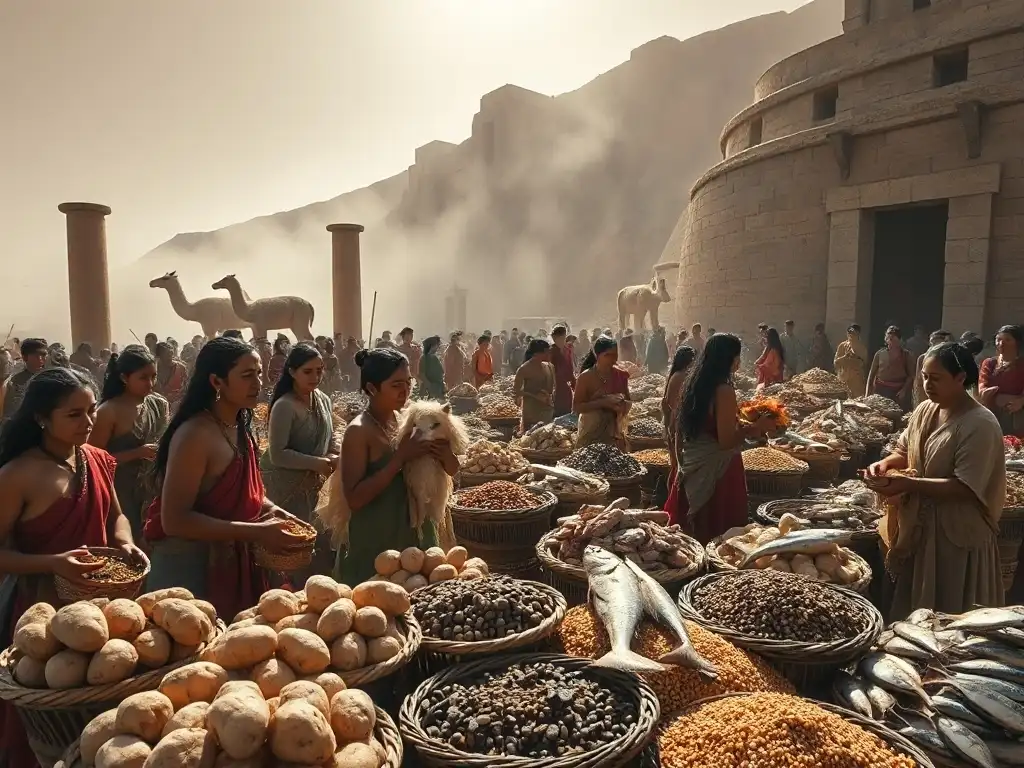
The sophisticated food distribution system of Tiahuanaco was crucial to the city's success and the overall stability of its vast empire. This intricate network, far from being a simple logistical operation, profoundly impacted the social fabric, political structure, and economic prosperity of the Tiahuanaco civilization. Understanding its intricacies reveals a level of organizational prowess rarely seen in pre-Columbian societies. The ability to efficiently manage the acquisition, storage, and distribution of food allowed Tiahuanaco to flourish for centuries, supporting a population estimated in the tens of thousands.
This organizational capacity was a key factor in its political and economic dominance in the Andean region. The system’s effectiveness is evident in the archaeological record, revealing a remarkable level of planning and resource management. Further research into specific storage techniques and transportation routes could reveal even more about the efficiency and sophistication of this remarkable achievement.
Supporting a Large Population Through Organized Food Supply
Tiahuanaco's ability to support a large, dense population hinged on its effective food distribution system. Archaeological evidence suggests a complex network of storage facilities, including large warehouses and smaller caches strategically located throughout the empire. These facilities likely held surplus agricultural products, such as potatoes, quinoa, and maize, along with other essential resources.
The system was not simply about storage; it involved meticulous planning for resource allocation, accounting for seasonal variations in production and potential disruptions to supply chains. Evidence of sophisticated irrigation systems further supports the hypothesis of a planned agricultural surplus. The scale of these operations implies a highly organized workforce, possibly involving specialized laborers responsible for harvesting, transporting, and distributing food.
Precise numbers of laborers and the specific organization of their work remain areas for further research, but the existing evidence points to a remarkable level of social organization, far surpassing the capabilities of many contemporaneous societies. The success of this system is a testament to the sophisticated planning and execution of the Tiahuanaco leadership.
Mitigating Food Scarcity and Famine
The Tiahuanaco food distribution system played a critical role in mitigating the risk of food scarcity and famine, common threats to pre-industrial societies. By maintaining substantial reserves in strategically located storage facilities, the Tiahuanaco leadership could cushion the impact of crop failures or other disruptions to food production. This buffer stock ensured a degree of food security, even during periods of drought or other adverse environmental conditions.
The ability to redistribute food from areas of surplus to areas of need was crucial to maintaining social stability and preventing widespread famine. This suggests a centralized authority capable of managing resources on a large scale, implying a strong, organized government with extensive control over the means of food production and distribution.
The system's resilience is a testament to its design and to the foresight of the Tiahuanaco leadership in anticipating and preparing for potential crises. Further research into the system's ability to adapt to unforeseen circumstances, such as natural disasters, would provide valuable insights into its overall effectiveness.
Control over the Tiahuanaco food distribution network had profound social and political implications. The ability to manage food resources gave the ruling elite significant power and influence. This centralized control allowed them to reward loyal supporters, maintain social order, and suppress dissent.
The distribution of food could be used as a tool to consolidate power, reinforce social hierarchies, and exert control over the population. The system likely played a critical role in the maintenance of the Tiahuanaco state, solidifying its authority and ensuring its long-term survival. The very existence of such a sophisticated system underscores the importance of food security in the stability and longevity of the empire.
While the exact nature of the social control mechanisms remains a subject of ongoing research, the scale and complexity of the network strongly suggest that food distribution was a central pillar of Tiahuanaco's political and social structure. The ability to manage t