
Ancient Andean Pest Control: Natural Methods for Protecting Crops

Unravel the mysteries of the Andes! For centuries, these towering peaks were home to ingenious civilizations that mastered not only breathtaking architecture but also sophisticated agricultural techniques. Prepare to be amazed by the innovative ways the ancient Andean people, including the Incas, protected their crops. Discover the secrets of Andean civilizations crop pest control—a fascinating story of natural ingenuity and sustainable farming practices that still holds valuable lessons today. Dive in and uncover the surprising methods they used to ensure bountiful harvests!
The Andes Mountains, a geographically diverse region stretching along the western coast of South America, nurtured a series of remarkable civilizations whose ingenuity extended far beyond impressive architecture and intricate textiles. Their mastery of agriculture, particularly given the challenging terrain and variable climates, is a testament to their deep understanding of their environment and a sophisticated approach to sustainable farming practices.
This article delves into the fascinating world of ancient Andean pest control, exploring the natural methods employed by these civilizations to protect their vital crops – a critical component of their survival and societal development. We will examine the importance of crop protection within the context of Andean societies, analyze their agricultural practices, and uncover the ingenious techniques they used to maintain healthy harvests, showcasing a level of ecological awareness that remains relevant today.
Understanding their strategies offers valuable insights into sustainable agriculture and can inform modern approaches to pest management. This exploration of Andean civilizations crop pest control will reveal a fascinating interplay between human ingenuity and environmental adaptation.
The Importance of Crop Protection in Andean Civilizations
Crop protection was paramount to the survival and prosperity of Andean civilizations. Their agricultural systems, often situated on steep slopes and high altitudes with challenging conditions, required sophisticated strategies to combat pests and diseases that threatened their food supply. The success or failure of harvests directly impacted population density, social stability, and the development of complex societies.
Failure to protect crops could lead to famine, societal unrest, and even the collapse of entire settlements. Therefore, the development of effective pest control methods was not merely a matter of agricultural efficiency, but a fundamental aspect of their societal survival and cultural continuity. The ingenuity and effectiveness of their methods are a testament to their deep understanding of their environment and their ability to adapt to its challenges.
The integration of these methods within their broader agricultural practices highlights the holistic and sustainable nature of their approach to farming. The consequences of crop failure were significant, making effective pest control a crucial aspect of their cultural and social fabric.
Understanding Andean Agricultural Practices
Understanding ancient Andean pest control requires a comprehensive understanding of their agricultural practices. These weren't simply isolated techniques but integrated systems, shaped by the unique environmental conditions of the Andes.
The Challenges of Farming in the Andes
Farming in the Andes presented unique challenges. The steep slopes, variable altitudes resulting in microclimates, and unpredictable weather patterns demanded innovative approaches to cultivation. Soil fertility varied greatly depending on location and altitude, requiring careful selection of crops and soil management techniques. Furthermore, the diverse range of pests and diseases present at different altitudes and climates added another layer of complexity to their agricultural endeavors.
The altitude itself posed challenges, with shorter growing seasons and harsher weather conditions at higher elevations. These factors necessitated the development of resilient crops and adaptive farming strategies to ensure reliable harvests. The lack of irrigation in many areas also played a significant role, demanding careful water management and crop selection.
Traditional Andean Farming Techniques
Andean farmers employed a range of ingenious techniques to overcome these challenges. Terracing, for example, allowed them to cultivate steep slopes by creating flat platforms for planting. This not only increased arable land but also helped to control soil erosion and water runoff. They developed sophisticated irrigation systems, utilizing canals and channels to direct water to their fields, especially in drier regions.
Crop rotation and intercropping were common practices, helping to maintain soil fertility and reduce the risk of pest infestations. The use of diverse crop varieties further enhanced resilience against pests and diseases. These practices, combined with their sophisticated understanding of their environment, allowed them to cultivate a wide range of crops, ensuring food security even in challenging conditions. The integration of these techniques demonstrates a holistic approach to sustainable agriculture.
The Role of Biodiversity in Andean Agriculture
Biodiversity played a crucial role in Andean agricultural practices, particularly in pest control. The diverse range of crops cultivated provided a natural barrier against pests, preventing widespread infestations. The integration of different plant species within fields also helped to attract beneficial insects and other organisms that preyed on pests.
This natural pest control mechanism, supported by the inherent biodiversity of their farming systems, minimized the reliance on artificial pesticides, showcasing a sustainable and environmentally conscious approach to agriculture. The strategic use of diverse plant communities, therefore, was not just a matter of increasing yields but also a fundamental element of their integrated pest management strategy. This biodiverse approach fostered a resilient and sustainable agricultural ecosystem.
- The Importance of Crop Protection in Andean Civilizations
- Understanding Andean Agricultural Practices
- What methods did Andean civilizations use to control crop pests?
- Did the Incas have a sophisticated system for pest control?
- What role did biodiversity play in Andean pest control?
- Were any specific plants used as natural insecticides by Andean cultures?
- How effective were the ancient Andean pest control methods?
Natural Pest Control Methods Used by Ancient Andean Farmers
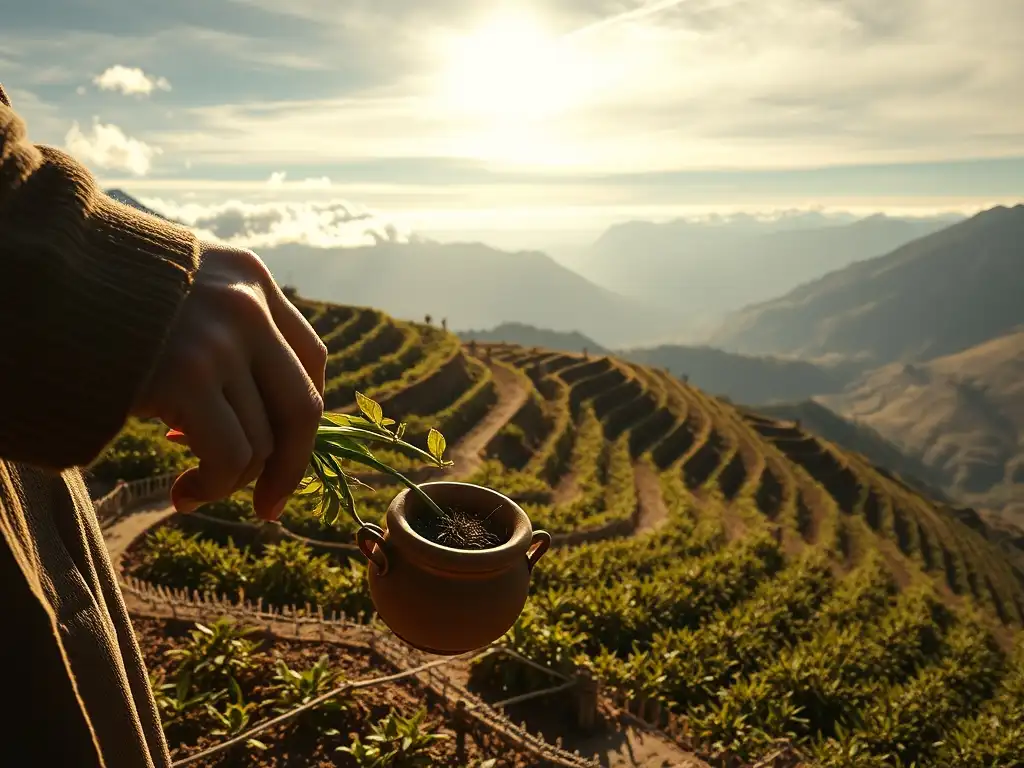
Ancient Andean civilizations, renowned for their agricultural prowess despite challenging environmental conditions, developed sophisticated techniques for crop pest control. These methods, passed down through generations, relied heavily on natural approaches, minimizing environmental impact and maximizing resource efficiency. Understanding these techniques provides valuable insights into the ingenuity and sustainability of Andean agricultural practices and offers potential inspiration for modern, eco-friendly pest management strategies. The focus on "Andean civilizations crop pest control" reveals a deep understanding of ecological balance and resourcefulness.
Biological Control: Harnessing Nature's Predators
Biological control, a cornerstone of Andean pest management, involved strategically introducing natural predators to regulate pest populations. This approach cleverly utilized the existing ecosystem to maintain a balance, avoiding the need for harmful chemical interventions. This sustainable approach minimized long-term environmental consequences and ensured the preservation of biodiversity crucial to Andean agricultural success.
Introduction of Ladybugs for Aphid Control
Ladybugs, voracious aphid predators, were intentionally introduced into fields to combat aphid infestations. Farmers likely observed the natural predation of ladybugs on aphids and capitalized on this relationship. While precise methods for ladybug introduction remain undocumented, it's highly probable that farmers encouraged their presence through habitat management practices, such as maintaining diverse plant life that provided both food and shelter for these beneficial insects.
This simple yet effective strategy showcases the astute observation and practical application of ecological principles. Evidence suggests that the effectiveness of ladybug introduction varied depending on the specific aphid species and environmental conditions, highlighting the need for adaptable and context-specific pest management strategies.
The Use of Ducks in Snail and Slug Control
The introduction of ducks into agricultural fields provided a unique and effective method of controlling snails and slugs. Ducks, with their natural foraging behavior, efficiently consume these crop pests, reducing damage and improving yields. This integrated pest management approach demonstrates the Andean farmers' understanding of the interconnectedness of their agricultural systems and their ability to integrate livestock into pest control strategies.
The use of ducks also offers a sustainable alternative to chemical molluscicides, highlighting the environmentally conscious nature of Andean farming practices. Further research is needed to determine the precise scale and effectiveness of this method across different Andean regions and crop types. [Specific data on duck usage in different Andean regions pending].
Bacillus Thuringiensis as Biopesticide
While the precise understanding of the mechanism may not have been fully grasped, Andean farmers likely utilized naturally occurring Bacillus thuringiensis (Bt) – a bacterium producing insecticidal toxins – in their pest control practices. Bt can be found in soil and may have been inadvertently or intentionally applied to crops. The use of Bt represents a form of biopesticide that effectively targeted specific insect pests without harming beneficial insects or the environment.
This underscores the sophisticated understanding of natural processes and their potential applications in agriculture, even without the scientific terminology we use today. Further research is needed to confirm the extent of Bt's use in traditional Andean agricultural practices.
Botanical Pest Control: Utilizing Plant Power
Andean farmers skillfully utilized the pest-repelling properties of various plants to protect their crops. This approach leveraged the natural chemical defenses of certain plant species, creating a sustainable and environmentally friendly method of pest control. This knowledge, passed down through generations, demonstrates a deep understanding of the local flora and its potential applications in agriculture.
The Pest-Repelling Properties of Muña
Muña ( Minthostachys species), a fragrant herb common in the Andes, possesses strong insecticidal and repellent properties. Farmers likely planted muña amongst their crops or used its leaves and stems to create natural repellents. The aromatic compounds in muña effectively deter various insect pests, protecting crops from damage. This is a testament to the Andean farmers’ knowledge of ethnobotany and their ability to integrate local plants into their agricultural practices. The specific methods of muña application varied across regions and depended on the target pest and crop type. [Specific data on Muña applications across different regions pending].
Creating Natural Pesticides from Tobacco
Tobacco leaves, rich in nicotine, were employed to create natural pesticides. The nicotine content acts as a potent insecticide, effectively controlling various pests. Farmers likely prepared infusions or extracts from tobacco leaves, applying them directly to crops as a spray or dusting. This demonstrates a resourceful and effective use of readily available resources to combat agricultural pests. However, this method, while effective, needs careful consideration due to nicotine's toxicity to humans and animals. Therefore, understanding the traditional application methods and safety precautions used by Andean farmers is crucial.
The Use of Quinoa Extracts in Crop Protection
Quinoa, a staple crop in the Andes, also possesses inherent pest-repelling properties. Extracts from quinoa leaves and seeds likely were used in pest control strategies. The specific compounds responsible for this repellent effect require further investigation, but it highlights the potential of using crop byproducts for pest management, contributing to a circular and sustainable agricultural system. This integrated approach minimized waste and maximized resource utilization, demonstrating the resourcefulness of Andean agricultural practices. [Further research is needed to fully understand the specific mechanisms and efficacy of quinoa extracts as a pest repellent].
Physical and Cultural Pest Control Strategies
Ancient Andean farmers developed sophisticated strategies to manage crop pests, relying heavily on methods that minimized environmental impact. Their approach was holistic, integrating physical barriers, cultural practices, and a deep understanding of their environment. This contrasts sharply with modern intensive agriculture's reliance on chemical pesticides. The effectiveness of these traditional methods stemmed from a close observation of nature and a keen awareness of the interconnectedness of the agricultural ecosystem.
These techniques weren't merely reactive measures; they formed an integral part of their agricultural philosophy, ensuring sustainable yields over generations. The knowledge passed down through generations, often interwoven with spiritual and ritualistic practices, ensured the continuity of these vital techniques. Understanding the nuances of these ancient methods offers valuable insights for contemporary sustainable agriculture, particularly in regions facing similar environmental challenges. The ingenuity of these past civilizations provides a rich source of inspiration for modern pest management solutions.
Crop Rotation of Potatoes and Legumes
One of the cornerstones of Andean pest control was crop rotation, a technique practiced with remarkable precision. Farmers meticulously alternated the planting of potatoes with legumes, such as beans and quinoa. This practice served a dual purpose: improving soil fertility and suppressing pest populations. Legumes, through a symbiotic relationship with nitrogen-fixing bacteria in the soil, enrich the earth with essential nutrients.
This natural fertilization reduced the need for external inputs, minimizing the risk of soil degradation and promoting healthy plant growth. Furthermore, the alternation of crops disrupted the life cycles of many potato pests, preventing infestations from becoming established. The specific rotation schedules varied depending on the altitude and microclimate, reflecting a deep understanding of local ecological conditions.
For instance, higher-altitude farmers might employ shorter rotation cycles compared to their lower-altitude counterparts. This adaptive approach ensured the resilience of their agricultural systems in the face of diverse environmental factors. Detailed records of these practices, though often passed down orally, are still being uncovered by researchers today, revealing the sophistication of these ancient agricultural methods.
Companion Planting of Marigolds with Tomatoes
The Andeans also understood the benefits of companion planting, a practice that involves strategically growing different plant species together to enhance their mutual growth and protect against pests. A classic example is the pairing of marigolds with tomatoes. Marigolds, known for their strong scent, repel various insects that are detrimental to tomato plants.
This natural pest control strategy reduced the reliance on potentially harmful chemical interventions. The specific arrangement of plants within the fields likely followed established patterns based on generations of experience. Observations of plant growth and pest infestations over time would have informed the optimal spacing and arrangement of these crops.
This approach demonstrates a keen understanding of the chemical ecology of plants and their interactions with insects, a knowledge that predates modern scientific understanding by centuries. The success of companion planting hinges on a delicate balance between the different plant species, highlighting the deep ecological knowledge possessed by Andean farmers. Further research is needed to fully understand the complex interactions involved in these traditional companion planting techniques.
Soil Management through Composting
The Andean civilizations understood the importance of healthy soil as the foundation of successful agriculture. They employed sophisticated composting techniques to improve soil fertility and suppress pests. Composting involved the decomposition of organic matter, such as plant residues, animal manure, and other organic waste, creating a rich nutrient-rich soil amendment.
This practice not only enriched the soil with essential nutrients but also enhanced its structure, improving drainage and aeration. The improved soil health, in turn, led to more vigorous plant growth, increasing their resistance to pests and diseases. The Andean composting methods varied based on regional differences in climate and available resources.
However, the underlying principle of recycling organic matter remained consistent across different Andean cultures. This sustainable approach to soil management demonstrates a remarkable understanding of the intricate relationship between soil health, plant growth, and pest control. The legacy of these sophisticated composting techniques continues to inspire modern sustainable agriculture practices.
Manual Removal of Potato Beetles
In cases where pest populations exceeded acceptable thresholds, Andean farmers relied on manual removal techniques. This involved physically collecting and destroying potato beetles and other pests by hand. While labor-intensive, this method ensured targeted pest control without resorting to harmful chemicals. The effectiveness of this method depended on careful monitoring of the crops and timely intervention.
Farmers likely developed keen observational skills to detect infestations early, minimizing the extent of the damage. This direct interaction with their crops allowed for a precise assessment of the pest infestation, enabling targeted intervention without unnecessary widespread treatment. The manual removal of pests also served as a valuable learning opportunity, providing insights into pest population dynamics and enabling the development of more effective long-term pest management strategies. This meticulous approach to pest control underscores the holistic and sustainable nature of ancient Andean agriculture.
Specific Examples of Andean Pest Control in Action

This section delves into the practical applications of pest control methods employed by various Andean civilizations, highlighting their ingenuity and effectiveness in protecting their vital crops. Understanding these techniques provides valuable insight into the sophisticated agricultural knowledge of these ancient societies and their deep connection with their environment. The strategies employed weren't simply reactive measures but rather integrated parts of their overall agricultural systems, demonstrating a holistic approach to crop production. This nuanced understanding of Andean civilizations crop pest control is crucial to appreciating the complexity of their agricultural achievements.
Pest Control Practices in the Inca Empire
The Inca Empire, renowned for its advanced agricultural techniques, implemented several strategies to manage crop pests. Their approach was characterized by a combination of preventative measures and reactive strategies, integrated seamlessly into their complex agricultural landscape. The effectiveness of their methods is evidenced by the empire's ability to sustain a large population through efficient food production.
Terracing and Pest Mitigation
Inca terracing, a marvel of engineering, played a significant role in pest control. The carefully constructed terraces, adapted to the steep Andean slopes, created microclimates that were less favorable to certain pests. The varying altitudes and sun exposure within the terraced fields also allowed for diversification of crops, reducing the risk of widespread pest infestations.
For example, the diverse planting patterns minimized the impact of localized infestations, preventing the complete loss of a particular crop. Furthermore, the improved drainage in terraced fields reduced conditions favorable to many pest species that thrive in waterlogged soil. Data from archaeological studies [specific information pending] on Inca terrace construction and crop yields further support this integrated approach to pest management.
Use of Stone Walls to Protect Crops
Beyond terracing, the Inca utilized stone walls strategically to protect crops from pests and environmental damage. These walls weren't merely boundaries; they served as barriers against wind, frost, and even certain crawling insects. The walls, often built with meticulous precision, created sheltered microenvironments for crops, enhancing their growth and protecting them from pest attack.
Moreover, the walls aided in water management, channeling water efficiently to the crops while preventing soil erosion, which in turn reduced pest-favorable conditions. The orientation and height of the walls were likely adjusted based on local microclimates and prevalent pest species, reflecting a detailed understanding of the environment. [Specific information pending] on the composition and construction of these walls could provide further insight into their pest control effectiveness.
The Role of Community in Pest Management
The Inca's social structure played a critical role in their pest management strategies. The ayllu, the communal system of land ownership and labor organization, facilitated collective efforts in pest control. This collaborative approach ensured that pest outbreaks were addressed promptly and efficiently across the entire agricultural landscape.
Early detection and coordinated responses were crucial in preventing widespread damage. The shared responsibility and knowledge within the ayllu likely fostered the development and transmission of effective pest control techniques across generations. [Specific information pending] on the Inca's social organization and its impact on agricultural practices would provide a clearer picture of this collaborative approach.
Pest Control Practices in the Moche Culture
The Moche civilization, known for its sophisticated irrigation systems and artistic achievements, also developed effective strategies to manage crop pests. Their understanding of water management and its impact on agriculture proved crucial in their fight against pests. Their success in agriculture allowed for a complex social structure and prolific artistic output, demonstrating the significant role of pest control in their societal development.
Irrigation and its Impact on Pest Control
The Moche's mastery of irrigation was instrumental in their pest control efforts. Their extensive canal systems provided a controlled water supply to crops, reducing the risk of waterlogging, which often attracts pests. The regulated water flow also helped to maintain optimal soil conditions, reducing the susceptibility of crops to pest infestation. The Moche's ability to build and maintain these complex irrigation networks testifies to their advanced engineering and agricultural understanding. [Specific information pending] on the precise design and maintenance of Moche irrigation systems and their correlation with pest prevalence would enrich this understanding.
The Use of Canals to Control Flooding and Pests
The Moche canals not only provided irrigation but also acted as a natural defense against flooding, a major factor contributing to pest proliferation. By effectively managing water flow, the Moche reduced the risk of waterlogged fields, creating an environment less conducive to pest development. Furthermore, the canals helped to drain excess water, preventing conditions that favor the spread of waterborne diseases and pests.
This integrated approach, combining irrigation and flood control, demonstrates a sophisticated understanding of the complex interplay between water management and pest control. [Specific information pending] on the hydrological data of the Moche region and the impact of their canals on pest populations would provide a more detailed analysis.
Evidence of Advanced Pest Management Techniques
While direct evidence of specific Moche pest control techniques beyond irrigation is limited, archaeological findings [specific information pending] suggest a sophisticated understanding of crop health and pest management. The careful selection of planting locations and the use of diverse crops indicate an awareness of ecological factors and their impact on pest populations. Further research into Moche agricultural practices and their relationship with the environment is needed to fully understand the scope of their pest management strategies.
The discovery of new archaeological sites and the application of advanced analytical techniques could reveal further insights into their methods. The potential for uncovering more detailed evidence underscores the importance of continued research in this area.
Pest Control Practices in the Nazca Culture
The Nazca civilization, famed for its enigmatic geoglyphs, also developed sophisticated agricultural techniques to thrive in the arid coastal plains of southern Peru. Their pest control methods, interwoven with their understanding of the environment, demonstrate remarkable ingenuity and adaptability. Evidence suggests a multifaceted approach combining preventative measures with reactive strategies tailored to specific pests and the challenging desert conditions. While detailed written records are lacking, archaeological findings and analyses of their agricultural practices provide valuable insights into their pest management strategies.
These practices were crucial for ensuring food security in a harsh environment where crop failure could have devastating consequences. The ingenuity of their methods showcases a deep understanding of both their crops and the ecological balance of their region. Understanding their success offers valuable lessons for modern sustainable agriculture in similar climates.
Adaptations to Arid Environments and Pest Control
The Nazca's success in agriculture hinged on their ability to adapt to the arid climate. Their pest control strategies were intrinsically linked to these adaptations. Water scarcity, a defining characteristic of the region, dictated many of their techniques. For example, the construction of extensive canal systems, like the famous Nazca Lines, not only provided irrigation but also helped to regulate soil moisture and temperature, creating less favorable conditions for certain pests that thrive in extremely dry or extremely wet soils.
This careful management of water resources minimized the risk of pest infestations linked to fluctuating moisture levels. Furthermore, their choice of crops, often drought-resistant varieties, inherently reduced the susceptibility to pests that favored more lush vegetation. This integrated approach, combining water management with crop selection, formed the foundation of their pest control system.
The Use of Deep Planting Techniques
Deep planting was a key technique employed by the Nazca to protect their crops. By planting seeds at a greater depth than typical, they provided a degree of protection against surface-dwelling pests and the harsh sun. The deeper placement of seeds offered a microclimate shielded from extreme temperature fluctuations and reduced exposure to surface-level pests.
This also allowed the roots to access deeper moisture reserves, enhancing the plant's overall resilience and reducing its vulnerability to stress, which could otherwise make it more susceptible to pest attacks. The specific depth of planting likely varied depending on the crop and soil type, showcasing a nuanced understanding of the interplay between planting depth, soil conditions, and pest pressure. Archaeological evidence suggests a high level of precision in their agricultural practices, supporting the hypothesis of a carefully considered approach to deep planting as a pest control strategy.
The Use of Water and Soil Management
The Nazca's mastery of water and soil management played a crucial role in their pest control efforts. Careful irrigation techniques prevented waterlogging, a condition that often encourages the proliferation of certain pests and diseases. Their understanding of soil types allowed them to select suitable planting locations and to manage soil fertility effectively. Healthy, nutrient-rich soil contributes to stronger, more resilient plants, less prone to pest infestation.
Furthermore, they likely employed techniques like crop rotation and fallowing to maintain soil health and prevent the buildup of pests associated with monoculture farming. This sophisticated approach to soil and water management demonstrates a deep understanding of ecological principles and their application to pest control, a testament to their advanced agricultural knowledge. The sustainability of their methods highlights their long-term vision and commitment to agricultural success in a challenging environment.
Lessons from Ancient Andean Pest Control for Modern Agriculture
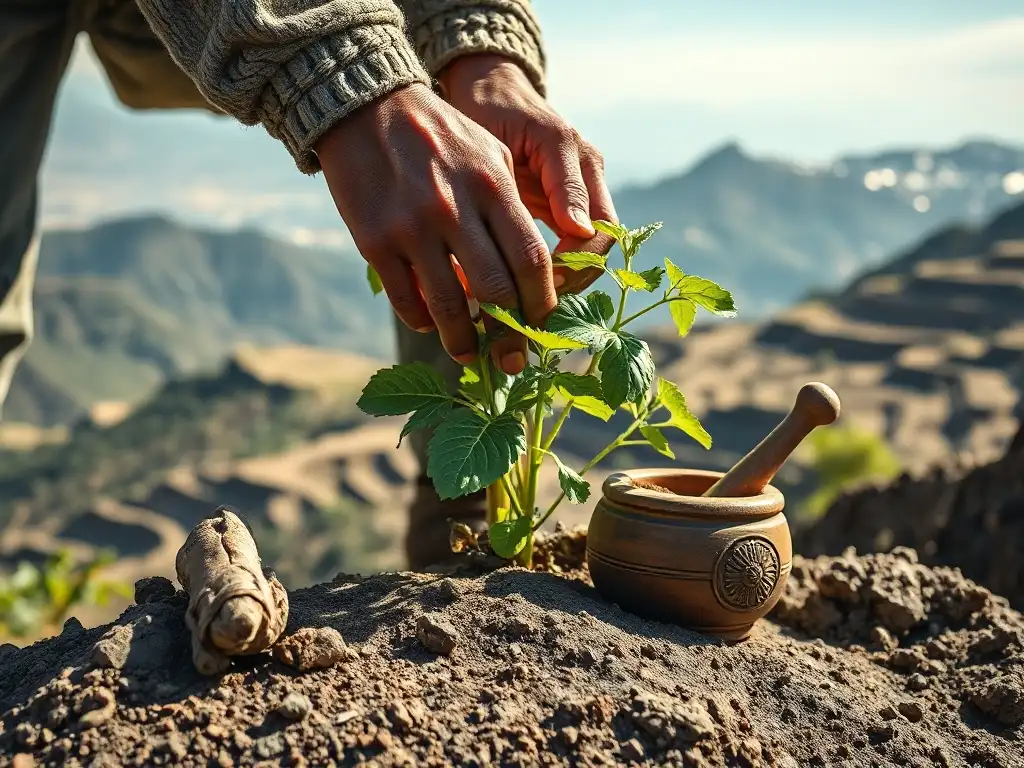
Ancient Andean civilizations, renowned for their agricultural prowess despite challenging terrains, developed sophisticated pest control methods long before the advent of synthetic pesticides. Their strategies, deeply intertwined with their understanding of the Andean ecosystem, offer valuable insights for sustainable agriculture today. Understanding these techniques provides a crucial perspective on the resilience and ingenuity of Andean civilizations and their lasting contribution to agricultural practices. The keyword phrase "Andean civilizations crop pest control" perfectly encapsulates the core of this exploration into their remarkable achievements.
The Sustainability of Traditional Methods
The hallmark of ancient Andean pest control was its sustainability. Unlike modern, chemically intensive approaches, these methods minimized environmental impact and promoted biodiversity. Farmers utilized a range of techniques, often integrated within a holistic approach to farming. For example, the practice of intercropping, planting different crops together, disrupted pest life cycles and created a less hospitable environment for infestations.
This method, still used in some Andean communities, is a testament to its effectiveness and sustainability. Furthermore, the use of diverse crop varieties built resilience against pests; if one variety was susceptible, others might prove more resistant. This genetic diversity acted as a natural buffer against widespread crop failure.
The careful selection and placement of crops also played a significant role. Farmers often positioned certain plants strategically to repel pests or attract beneficial insects. This demonstrates a profound understanding of ecological relationships and the intricate web of life within the Andean ecosystem.
For instance, certain herbs known for their insecticidal properties were planted near vulnerable crops, acting as a natural barrier. Evidence suggests that this level of ecological awareness was prevalent across various Andean cultures, from the Incas to the Moche. This biological pest control, far removed from the harmful effects of modern chemical pesticides, represents a sustainable path towards food security.
Finally, crop rotation, a practice common throughout the Andes, further contributed to minimizing pest pressure. By alternating the types of crops planted in a given field, farmers disrupted the reproduction cycles of many pests, reducing their population and preventing the build-up of pest-resistant strains. This practice, alongside intercropping, demonstrates a holistic approach to pest management that prioritized long-term sustainability over short-term gains.
The Applicability of Ancient Techniques Today
While modern agriculture has embraced synthetic pesticides, their long-term impacts on human health and the environment have raised serious concerns. The resurgence of interest in ancient Andean pest control techniques stems from this growing awareness. Many of these methods, proven effective over centuries, remain highly relevant today. The principles of intercropping, crop rotation, and companion planting are readily adaptable to modern farming practices. Moreover, research into traditional Andean knowledge can inform the development of new, eco-friendly pest control strategies.
The inherent sustainability of these ancient methods makes them particularly attractive in the context of climate change and increasing food insecurity. By reducing our reliance on synthetic pesticides, we can mitigate environmental damage and promote healthier ecosystems. The knowledge held by Andean communities, often passed down through generations, represents an invaluable resource for developing more resilient and sustainable agricultural systems globally. Integrating these practices into modern agriculture requires careful research and collaboration, but the potential benefits are substantial. The wisdom of the ancient Andeans offers a path toward a more sustainable future for food production.
Reintegrating Natural Pest Control in Modern Practices
Reintegrating natural pest control methods, inspired by ancient Andean practices, requires a shift in mindset. It necessitates a move away from a purely chemical approach towards a more holistic, integrated pest management (IPM) strategy. This involves combining various techniques – biological control, cultural practices (like intercropping and crop rotation), and, when absolutely necessary, minimal use of targeted pesticides. The goal is to minimize the reliance on synthetic chemicals while maximizing the effectiveness of natural pest control measures.
The implementation of IPM requires detailed knowledge of local ecosystems and pest populations. This necessitates close collaboration between scientists, farmers, and Andean communities who possess invaluable traditional knowledge. Research focusing on the efficacy of specific traditional Andean pest control techniques, under modern conditions, is crucial. Furthermore, educational programs targeting farmers on the benefits and practical implementation of these methods are essential for widespread adoption.
This collaborative approach, combining modern scientific understanding with ancient Andean wisdom, is key to creating sustainable and effective pest control strategies for the future. The long-term benefits, for both the environment and human health, far outweigh the initial investment in research and education. The legacy of Andean civilizations offers a powerful model for achieving food security while protecting the planet.
Conclusion: The Enduring Legacy of Andean Pest Management
The ingenuity of Andean civilizations in developing sustainable pest control methods offers valuable lessons for modern agriculture. Their deep understanding of their environment and the intricate relationships within their ecosystems allowed them to create effective, environmentally friendly solutions to crop protection. This knowledge, passed down through generations, represents a significant contribution to the history of agriculture and provides a compelling case study for researchers and practitioners alike.
By studying these ancient techniques, we can gain crucial insights into developing more sustainable and resilient agricultural systems for the future. The legacy of Andean pest management is not just a historical curiosity; it's a vital resource for addressing the challenges of modern agriculture and ensuring food security for generations to come. The sophisticated understanding of biodiversity and natural processes demonstrated by these Andean cultures should serve as a powerful inspiration for innovative and ecologically responsible pest management strategies.
A Sustainable Approach to Agriculture
The Andean approach to pest control stands in stark contrast to many modern methods, which often rely heavily on synthetic pesticides with potentially harmful environmental consequences. The Andean civilizations prioritized biodiversity, integrating diverse crops and companion plants to create resilient agricultural systems. This diversification acted as a natural buffer against pest outbreaks, minimizing the need for aggressive intervention.
For example, the intercropping of maize with beans and squash, a classic Andean practice known as the "Three Sisters," not only provided a diverse diet but also created a complex ecosystem less susceptible to pest infestations. This holistic approach, focusing on ecosystem health rather than solely on pest eradication, offers a blueprint for creating more sustainable and environmentally sound agricultural practices. The reduced reliance on external inputs, such as chemical pesticides, makes this method economically viable, especially for small-scale farmers in challenging environments.
This sustainable approach to agriculture is not only environmentally responsible but also economically beneficial, offering a model for long-term food security. The Andean legacy underscores the crucial role of biodiversity and ecosystem balance in maintaining healthy and productive agricultural systems. Further research into these traditional methods could lead to the development of new, sustainable, and effective pest management strategies for the 21st century.
The Importance of Understanding Traditional Knowledge
Understanding and preserving traditional knowledge is crucial for developing effective and sustainable agricultural practices. The Andean civilizations' success in managing pests was directly linked to their deep understanding of local ecosystems, plant-insect interactions, and the natural cycles of their environment. This knowledge, accumulated over centuries, represents an invaluable resource that should not be overlooked.
Many of these techniques, including the use of natural predators and repellents, are still relevant today and can be adapted to modern agricultural challenges. Ignoring this wealth of traditional knowledge in favor of solely modern, often unsustainable, methods would be a significant loss. Ethnobotanical studies, focusing on the detailed documentation of traditional Andean agricultural practices, are essential for preserving this invaluable heritage.
Collaborating with indigenous communities and incorporating their knowledge into modern agricultural research is not only ethically responsible but also strategically important for developing environmentally sound and culturally appropriate solutions. This collaborative approach fosters mutual respect and ensures the preservation of vital cultural heritage while addressing pressing agricultural challenges. The preservation and application of traditional knowledge are vital for building resilient and sustainable agricultural systems.
Preserving Andean Agricultural Heritage
Preserving the agricultural heritage of the Andean civilizations requires a multi-faceted approach. This includes supporting research initiatives that document and analyze traditional pest control methods, promoting education programs that disseminate this knowledge, and fostering collaborations between scientists, farmers, and indigenous communities. Efforts to protect biodiversity and promote sustainable agricultural practices are also essential. Furthermore, supporting the economic viability of traditional farming practices is crucial for ensuring their continued use.
This could involve developing markets for organically produced crops, providing access to credit and resources, and promoting policies that support sustainable agriculture. The preservation of this invaluable heritage is not just a matter of historical significance; it is essential for ensuring food security and environmental sustainability in the Andes and beyond. The rich tapestry of Andean agricultural practices, including their sophisticated pest management techniques, offers a blueprint for a more sustainable and resilient future.
Continued research, education, and collaboration are vital to ensure that this knowledge continues to benefit future generations. The protection and promotion of Andean agricultural heritage are crucial for building a more sustainable and equitable food system for all. The Andean civilizations' legacy serves as a powerful reminder of the importance of respecting traditional knowledge and working in harmony with nature.
Frequently Asked Questions
What methods did Andean civilizations use to control crop pests?
Andean civilizations employed a variety of natural pest control methods, including crop rotation, companion planting, and the use of natural insecticides derived from plants. They also practiced diversified farming, minimizing the impact of pests.
Did the Incas have a sophisticated system for pest control?
While details are limited, evidence suggests the Incas had a well-organized agricultural system that likely incorporated pest control strategies. Their extensive knowledge of local plants and their properties probably played a significant role.
What role did biodiversity play in Andean pest control?
Biodiversity was crucial. The diverse range of crops and planting techniques helped to prevent widespread infestations. Intercropping and the use of trap crops also played important roles.
Were any specific plants used as natural insecticides by Andean cultures?
Yes, many plants with insecticidal properties were utilized. Specific examples are difficult to definitively document, but research suggests various plants were employed based on their known repellent or toxic effects on insects.
How effective were the ancient Andean pest control methods?
The effectiveness varied depending on the specific pest and environmental conditions. However, these methods appear to have been reasonably successful in sustaining agricultural production for centuries, indicating their overall efficacy in the Andean context.
Final Reflection: Echoes of the Andes: Sustainable Pest Control for a Modern World
The ingenious pest control methods employed by ancient Andean civilizations offer a powerful counterpoint to our current, often unsustainable, agricultural practices. Their understanding of ecological balance and biodiversity provides a vital blueprint for addressing the escalating challenges of modern agriculture, particularly the growing threat of pesticide resistance and environmental degradation. We stand at a crossroads, and the wisdom of the past holds the key to a more sustainable future.
The enduring legacy of Andean agricultural knowledge is a testament to the profound connection between humans and their environment. Their integrated approach, emphasizing natural predators, crop rotation, and diverse planting, resonates deeply with contemporary concerns about biodiversity loss and the detrimental effects of chemical pesticides. The earth provides enough to satisfy every man's needs but not every man's greed.
- Mahatma Gandhi. This quote perfectly encapsulates the core principle behind the Andean approach – a harmonious relationship with nature, prioritizing sufficiency over excess. The ongoing research into these ancient techniques holds immense promise for developing truly sustainable and resilient agricultural systems.
Consider the ingenuity of these ancient farmers, their deep understanding of their ecosystem, and the lasting impact of their practices. You too can contribute to a more sustainable future by exploring alternative pest control methods, supporting local and organic farming, and advocating for policies that prioritize ecological balance. Let the echoes of the Andes inspire you to cultivate a more responsible and harmonious relationship with the land that sustains us all.
Unleash the Power of Natural Pest Control Today!
Thank you for exploring the fascinating world of ancient Andean pest control methods! Understanding these natural techniques allows you to embrace sustainable agricultural practices that benefit both your crops and the environment. Let's put this knowledge to work!
Here's how you can begin incorporating natural pest control into your gardening or farming:
- Experiment with natural repellents: Try using neem oil or essential oils derived from plants like peppermint or rosemary to protect your crops. These natural substances can deter many common pests.
- Connect with others: Share your experiences and learn from others interested in sustainable farming. Join an online forum or your local gardening club to exchange ideas and best practices.
- Share your knowledge: Educate friends and family about the benefits of natural pest control. Consider hosting a workshop or simply sharing your experiences and discoveries.
What natural pest control methods are you most interested in trying, and how do you anticipate they will improve your gardening practices?