
The Connection Between Food Storage and Population Growth in the Andes

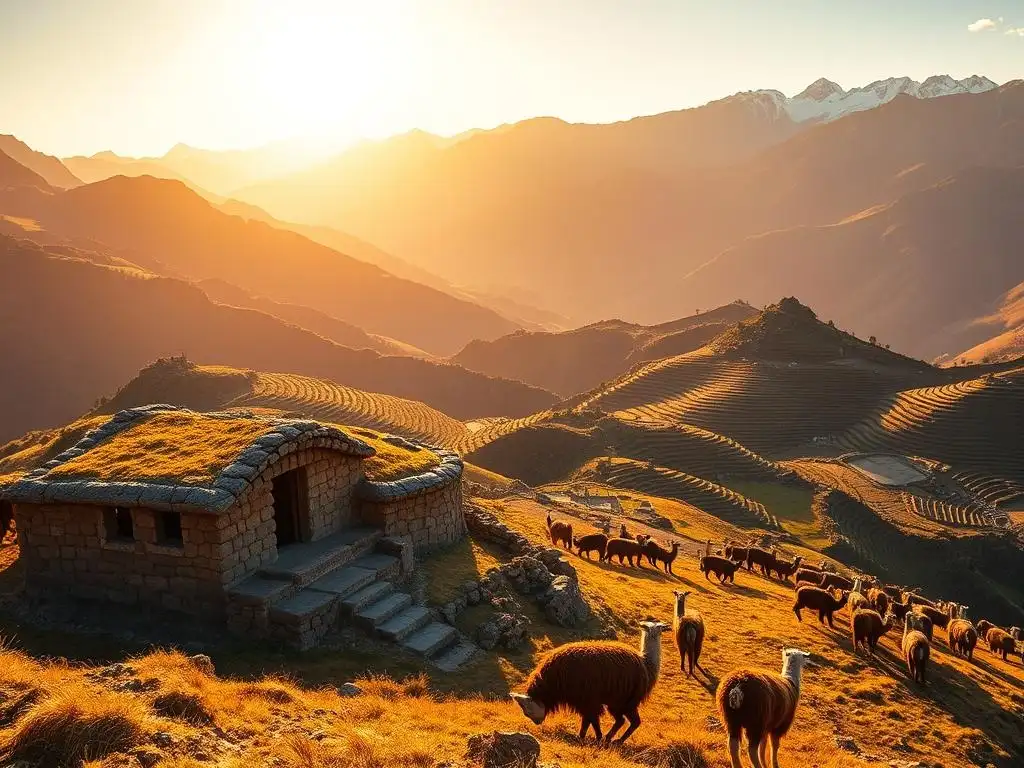
Uncover the secrets of a vanished world! For centuries, the towering Andes mountains held the key to a thriving civilization. But how did these ingenious cultures, from the Incas to the Nazca, sustain massive populations in such challenging terrain? The answer lies in their remarkably advanced Andean civilizations food storage techniques, a fascinating story waiting to be explored. Prepare to be amazed by the ingenuity and resilience of these ancient peoples – delve into their agricultural prowess and discover how their innovative food preservation methods shaped their rise to power.
The remarkable rise of complex societies in the Andes Mountains was inextricably linked to advancements in agricultural practices and, critically, food storage techniques. Understanding the ingenuity of Andean civilizations in preserving and distributing their harvests is key to comprehending their population growth and societal development.
This article delves into the sophisticated methods employed by cultures such as the Inca, Moche, Nazca, and Tiahuanaco to store food, highlighting the crucial role these techniques played in supporting burgeoning populations and fostering social stability. We will explore the challenges posed by the Andean environment and the innovative solutions developed to overcome them, ultimately demonstrating the significant correlation between effective food storage and the flourishing of Andean civilizations.
The intricate relationship between agricultural production, storage capacity, and demographic expansion provides a compelling narrative of human adaptation and ingenuity in the face of environmental adversity. This exploration will unveil the fascinating interplay between Andean agricultural practices, technological innovation, and the sustained growth of these remarkable societies.
Andean Civilizations and the Importance of Food Security
Food security was paramount for the survival and prosperity of Andean civilizations. Unlike societies in more temperate climates, the Andes presented significant challenges to agriculture. Erratic weather patterns, steep terrain, and high altitudes made reliable crop yields unpredictable. Therefore, the ability to store surplus food during periods of abundance to cushion against lean times was not merely beneficial, but absolutely vital.
This necessity spurred the development of sophisticated food storage techniques, varying across different Andean cultures and adapting to local environments and available resources. These techniques ranged from simple pits and granaries to complex, engineered structures designed to optimize preservation and minimize spoilage. The success of these storage methods directly impacted the ability of Andean societies to support larger populations, enabling greater social complexity and the construction of impressive urban centers.
The development of reliable food storage is a clear indicator of the sophisticated understanding of agriculture and resource management prevalent within these societies. The sheer scale of some storage facilities discovered by archaeologists underscores the importance placed on food security by Andean rulers and communities. The effective management of food resources played a crucial role in maintaining social order and preventing widespread famine, ultimately contributing to long-term societal stability.
The Challenge of Andean Agriculture: Geography and Climate
The Andes Mountains present a formidable challenge to agriculture. The high altitude, steep slopes, and unpredictable weather patterns create a harsh environment for crop cultivation. Frost, drought, and unpredictable rainfall are common occurrences, making consistent harvests a significant hurdle. Furthermore, the diverse microclimates across the Andean region necessitated the development of regionally-specific agricultural strategies and food storage solutions.
For example, the coastal regions, while offering access to marine resources, experienced different climatic conditions than the high-altitude valleys of the Andes. This environmental diversity led to a remarkable array of agricultural techniques and food preservation methods tailored to the specific circumstances of each region. The ingenuity of Andean farmers in adapting their techniques to these challenging conditions demonstrates a deep understanding of their environment and a remarkable ability to optimize agricultural production.
This understanding, coupled with advanced food storage technologies, enabled these civilizations to not only survive but to thrive in one of the world's most challenging agricultural environments. The development of terracing, irrigation systems, and frost-resistant crops are all testaments to the adaptive capacity of Andean agricultural practices. This environmental understanding directly influenced the types of food storage methods employed, leading to a diverse range of techniques across different Andean cultures.
- Andean Civilizations and the Importance of Food Security
- The Challenge of Andean Agriculture: Geography and Climate
- What food storage techniques did Andean civilizations use?
- How did food storage impact population growth in the Andes?
- Which Andean civilization is most known for its advanced food storage?
- What types of food did the Andean civilizations store?
- How did the environment influence Andean food storage methods?
Andean Civilizations Food Storage Techniques: A Key to Survival
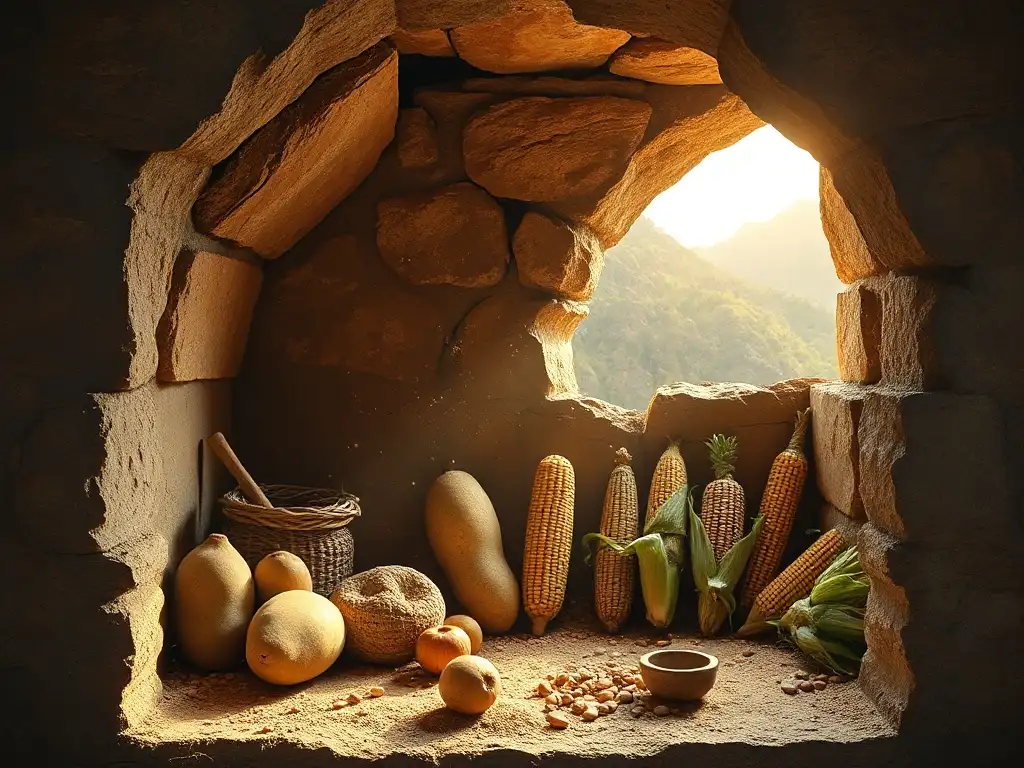
The harsh environmental conditions of the Andes Mountains—extreme altitudes, unpredictable weather patterns, and steep, challenging terrain—presented significant obstacles to the growth and sustenance of large populations. Successful Andean civilizations, such as the Inca, Moche, Nazca, and Tiahuanaco, weren't simply lucky; their mastery of Andean civilizations food storage techniques was crucial to their survival and expansion. Efficient food preservation and storage weren't merely conveniences; they were fundamental to their social structures, economic stability, and ability to withstand periods of scarcity.
Without effective strategies for storing surplus food, these civilizations would have been constantly vulnerable to famine, hindering population growth and societal development. The ingenuity and resourcefulness displayed in their food storage methods are a testament to their deep understanding of their environment and their remarkable adaptability.
Understanding the Need for Advanced Storage in the Andes
The Andes' unpredictable climate, characterized by alternating wet and dry seasons, posed a constant threat to agricultural yields. The mountainous terrain further complicated matters, limiting arable land and making transportation challenging. To overcome these hurdles, Andean societies developed sophisticated agricultural techniques, alongside equally sophisticated storage solutions. This wasn't simply about storing food for the next meal; it was about ensuring the community's survival through lean times, potentially spanning several months or even years.
The need for robust food storage directly influenced population density and the complexity of social organization. Larger, more stable populations required larger-scale storage solutions, leading to the development of specialized facilities and techniques. Evidence suggests that the success or failure of a community's storage systems often correlated directly with its long-term viability. For example, archaeological findings reveal that settlements with well-preserved food stores tended to be larger and more prosperous than those without.
The Development of Specialized Storage Facilities in Andean Culture
The development of specialized storage facilities reflects the sophistication of Andean food storage practices. These weren't simply rudimentary pits or caves; they were carefully designed structures, often integrated into the landscape, demonstrating a deep understanding of engineering and environmental factors. The colcas, for instance, are iconic examples of this architectural ingenuity, representing a significant investment of labor and resources, reflecting the high value placed on food security.
The construction of these structures, along with other storage solutions, involved community-wide participation, underscoring the crucial role of food storage in the social fabric of Andean societies. The location and design of these facilities were strategically chosen to optimize preservation, often taking advantage of natural ventilation, temperature fluctuations, and dry microclimates. The meticulous planning involved in the construction of these storage facilities highlights the long-term perspective and foresight of Andean cultures.
Key Andean Food Storage Methods: Preserving the Harvest
The Andean civilizations employed a variety of innovative methods to preserve their harvests, extending the shelf life of perishable goods and ensuring food security. These techniques were often adapted to specific crops and environmental conditions, showcasing a remarkable degree of adaptability and knowledge of local ecosystems. The combination of architectural solutions like the colcas and sophisticated preservation techniques like chuno and charqui provided a robust system for managing food resources throughout the year. This integrated approach to food storage and preservation was crucial for supporting the growth of complex societies in a challenging environment.
The Use of Colcas for Long-Term Storage
Colcas, stone structures built into hillsides or cliffs, provided secure and climate-controlled storage for grains, potatoes, and other crops. Their design minimized moisture and temperature fluctuations, creating optimal conditions for long-term preservation. The size and number of colcas in a community often correlated with its population size and agricultural productivity, serving as a visible indicator of both wealth and food security.
Detailed archaeological studies of colcas reveal sophisticated construction techniques, including ventilation systems and drainage features, demonstrating a high level of engineering expertise. The strategic placement of colcas, often in elevated, well-ventilated locations, further minimized the risk of spoilage and pest infestations. The longevity of these structures—many remain standing today—is a testament to their robust design and the enduring legacy of Andean ingenuity.
Chuno and Charqui: Traditional Andean Food Preservation
Chuno and charqui represent ingenious methods of preserving potatoes and meat, respectively. Chuno, freeze-dried potatoes, involved repeated freezing and thawing cycles to remove moisture, resulting in a lightweight, long-lasting food source. Charqui, sun-dried meat, similarly employed dehydration to extend the shelf life of meat products.
These methods allowed Andean communities to store substantial quantities of food for extended periods, providing a crucial buffer against seasonal variations in food availability. The widespread adoption of these techniques reflects their efficacy and importance in ensuring food security across diverse Andean communities. The processes for producing both chuno and charqui involved specialized knowledge and labor, further highlighting the importance of food preservation within Andean society.
Terracing and its Role in Food Security
While not directly a storage method, terracing played a vital role in increasing agricultural productivity, ultimately contributing to enhanced food security and storage capacity. By creating level platforms on steep slopes, terracing maximized arable land, increasing crop yields and thus the amount of food available for storage. The careful management of water through irrigation systems further enhanced crop production, providing a larger surplus for preservation and storage in facilities like colcas.
The widespread use of terracing across various Andean cultures demonstrates its crucial role in supporting population growth and societal development. The labor-intensive nature of terracing further underscores the high value placed on food security within Andean societies. The integration of terracing with other agricultural and storage techniques created a synergistic system that optimized resource utilization and maximized food availability.
Population Growth and the Impact of Effective Food Storage
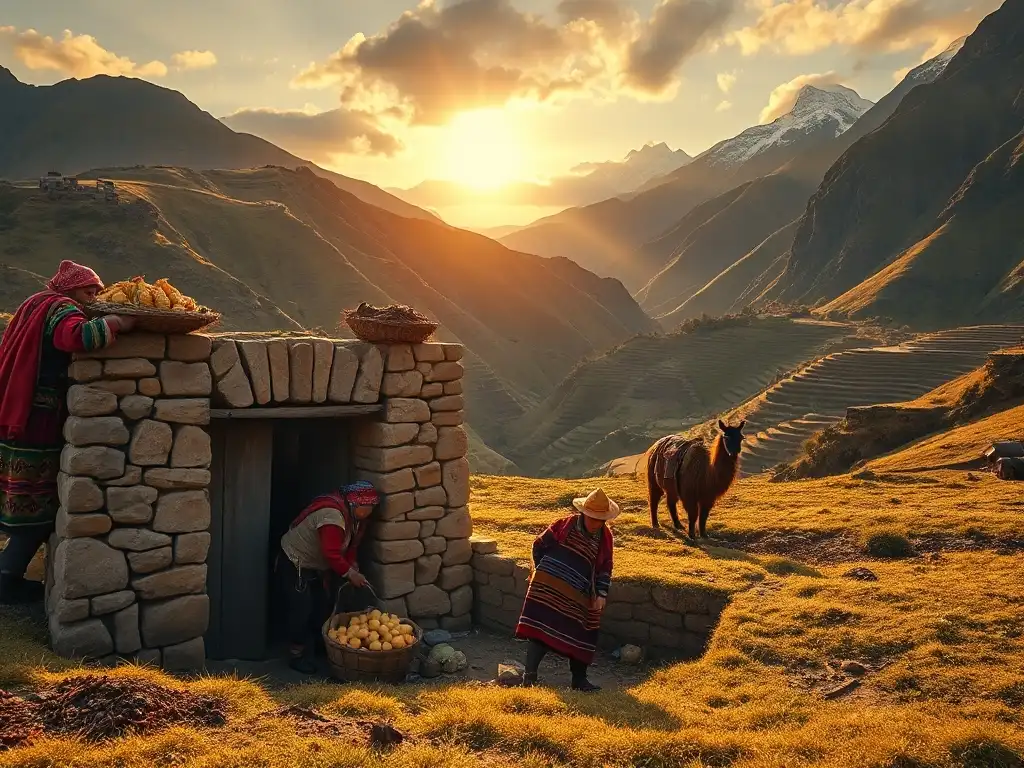
The remarkable population growth witnessed in various Andean civilizations, particularly during the Inca Empire, wasn't solely a result of high birth rates. A crucial, often overlooked, factor was the sophisticated food storage techniques developed and implemented across different Andean cultures. These methods allowed for the accumulation of food surpluses, mitigating the impact of lean periods and environmental fluctuations, thus fostering a more stable and predictable food supply.
This stability directly contributed to population expansion by reducing mortality rates, particularly among infants and the elderly, who are most vulnerable during food shortages. The ability to store food effectively essentially acted as a buffer against famine, allowing populations to grow and thrive. Analyzing archaeological evidence—such as the discovery of large-scale storage facilities like qollqas in the Inca Empire—reveals a direct correlation between the sophistication of storage infrastructure and population density in specific regions.
How Food Security Fueled Population Expansion in the Andes
The Andean highlands presented significant challenges to food production. Harsh climatic conditions, including unpredictable rainfall and frost, frequently threatened crop yields. However, the ingenuity of Andean civilizations in developing effective food storage solutions dramatically altered this equation. Techniques like freeze-drying (especially for potatoes), sun-drying, and storage in subterranean structures like qollqas significantly extended the shelf life of staple crops like potatoes, maize, and quinoa.
This ensured food availability even during prolonged periods of scarcity. For example, the Inca qollqas, strategically located throughout the empire, acted as a vast, decentralized food reserve, capable of supporting large populations during times of drought or crop failure. This reliable food supply fostered a sense of security, encouraging higher birth rates and reducing the pressure of resource scarcity on population growth. The ability to successfully navigate periods of food insecurity directly translated into higher survival rates and ultimately, larger populations.
The Role of Storage in Supporting Complex Andean Societies
Beyond simply enabling population growth, effective food storage was fundamental to the development of complex social structures in the Andes. The ability to maintain food surpluses allowed for the emergence of specialized labor. With a stable food supply, individuals could dedicate themselves to activities beyond subsistence farming, such as crafting, metalworking, and the construction of monumental architecture.
This specialization led to increased productivity and the development of sophisticated social hierarchies and political systems. The Inca Empire, for instance, relied heavily on its extensive storage system not only to sustain its large population but also to support its vast bureaucracy and military. The centralized control of food reserves granted the Inca rulers significant power and influence, allowing them to maintain order and control over their expansive territory.
The very existence of these large, centralized empires was intrinsically linked to the ability to efficiently store and distribute food. Without such systems, the logistical challenges of supporting such large populations would have been insurmountable.
The connection between food storage and social development in Andean civilizations is undeniable. The capacity to store surplus food not only supported population growth but also facilitated the development of complex social structures, specialized labor, and political hierarchies. The surplus allowed for trade and exchange, fostering economic growth and cultural interaction between different Andean communities.
The evidence suggests a positive feedback loop: improved storage techniques led to increased food surpluses, which in turn fueled population growth and further technological advancements in food production and storage. This continuous cycle of improvement contributed to the remarkable achievements of Andean civilizations, demonstrating the critical role of food storage in shaping their history and societal development.
Further research, particularly focusing on detailed analysis of archaeological finds related to storage facilities and their contents across various Andean cultures, can provide even deeper insights into this fascinating relationship. The study of Andean civilizations food storage techniques offers a valuable lens through which to understand the dynamics of population growth and societal complexity in challenging environments.
Case Studies: Food Storage in Different Andean Cultures
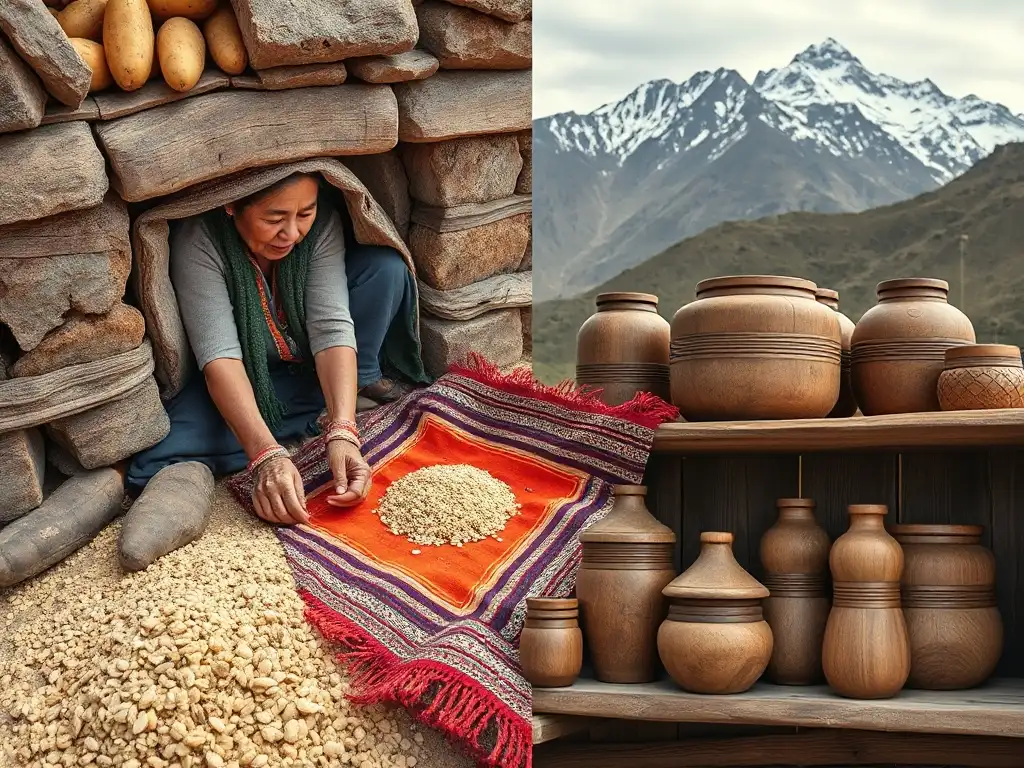
This section delves into the diverse food storage techniques employed by various Andean civilizations, highlighting their ingenuity and adaptation to unique environmental challenges. Understanding these practices is crucial to appreciating the complex relationship between food security and population growth in the Andes. Analyzing specific examples allows us to grasp the sophistication of their agricultural systems and their impact on societal development. The keyword "Andean civilizations food storage techniques" is central to this exploration.
Inca Food Storage Practices: A Model of Efficiency
The Inca Empire, renowned for its administrative prowess, developed a remarkably efficient food storage system crucial to supporting its large population and maintaining social stability. This system, centered around the colcas, played a vital role in mitigating the risks associated with unpredictable harvests and ensuring food security across the empire. The Inca's advanced understanding of Andean civilizations food storage techniques allowed for effective resource management and population growth.
The Inca Colcas System: Scale and Management
The colcas were not merely simple storehouses; they were strategically located throughout the empire, often integrated into the landscape. Their construction varied based on local resources and climate. Some were small, individual structures built by families, while others were large, complex facilities managed by the state. The size and design of these structures reflect a sophisticated understanding of preservation techniques, including ventilation and temperature control.
Evidence suggests that the Inca employed a sophisticated system of record-keeping to track food stocks, optimizing distribution and preventing shortages. This meticulous management was key to sustaining a large population and ensuring social order. The scale of the colca system, coupled with its efficient management, exemplifies the Inca's mastery of Andean civilizations food storage techniques.
The Inca also utilized a variety of storage methods beyond the colcas, including:
- Drying and sun-curing of produce.
- Freezing at high altitudes.
- Fermentation of certain foods.
These techniques, combined with the colca system, provided a robust and resilient food security network capable of supporting a substantial population. The effectiveness of the Inca’s Andean civilizations food storage techniques is evident in the empire's longevity and its ability to manage food supplies across diverse terrains.
Moche Food Storage: Adaptation to Coastal Environments
The Moche civilization, flourishing on Peru's arid north coast, faced unique challenges in food storage due to the region's harsh climatic conditions. Unlike the Inca, who had access to varied altitudes and climates, the Moche relied heavily on coastal resources and developed innovative techniques to preserve their harvests in a hot, dry environment. Their ingenuity in adapting Andean civilizations food storage techniques to their specific environment is a testament to their resilience.
The Moche employed a range of techniques, including:
- Underground storage pits: These pits provided a cooler, more stable temperature than the surface, helping to preserve perishable goods.
- Drying and salting: These methods were crucial for preserving fish and other seafood, vital components of the Moche diet.
- Ceramic storage vessels: The Moche were renowned for their sophisticated pottery, which played a crucial role in food storage. Their vessels were often sealed to prevent spoilage.
The Moche's adaptation to their coastal environment showcases the diversity of Andean civilizations food storage techniques. Their methods highlight the ingenuity and resourcefulness of these ancient societies in addressing the specific challenges of their regions. The success of their food storage practices, coupled with their advanced irrigation systems, contributed significantly to the Moche's growth and prosperity.
Further research into the specific materials used in their storage techniques, as well as the organization of their storage facilities, could yield even more insights into the sophistication of their food management systems. [Specific information pending] on the precise capacity and distribution of Moche storage facilities.
Tiahuanaco Food Storage: Regional Food Distribution
The Tiahuanaco civilization, flourishing in the Andean Altiplano between approximately 500 and 1000 CE, developed sophisticated strategies for food storage and distribution crucial to supporting its substantial population. Their success wasn't solely based on agricultural innovations but also on a well-organized system for managing and allocating resources across a wide geographical area. Evidence suggests that the Tiahuanaco state controlled significant agricultural land, likely through a complex system of labor organization and tribute. This control allowed them to accumulate surplus food, essential for survival during periods of drought or crop failure, a common occurrence in the high-altitude environment.
The precise methods of storage employed by the Tiahuanaco are still under investigation, but archaeological finds provide valuable clues. Storage facilities, likely constructed from stone and earth, might have been located near agricultural fields for immediate access. Furthermore, the presence of extensive irrigation systems points towards a deliberate effort to maximize crop yields and ensure a consistent food supply. The sophisticated engineering involved in these systems highlights the importance placed on food production and security. This infrastructure, coupled with effective storage solutions, facilitated the accumulation of substantial food reserves.
Distribution of these stored resources was likely a key component of the Tiahuanaco state's power and control. The civilization's influence extended across a vast area, implying a complex network for transporting food from surplus-producing regions to areas with lower yields. Archaeological evidence of roads and pathways suggests a well-developed infrastructure supporting this activity. This centralized control over food production and distribution likely contributed to the stability and longevity of the Tiahuanaco state, solidifying its political and social dominance.
The ability to efficiently manage food resources was fundamental to their success, enabling population growth and societal stability. However, the precise mechanisms of this distribution network, including whether it relied on tribute, taxation, or other methods, remain areas of ongoing research in Andean civilizations food storage techniques. Further investigation into the administrative and social structures of the Tiahuanaco will help unveil more details about their logistical achievements.
The Legacy of Andean Food Storage Techniques
The ingenuity of Andean civilizations in developing sophisticated food storage techniques is a testament to their deep understanding of their environment and the challenges of ensuring food security in a geographically diverse and often unpredictable climate. Their mastery of storage methods wasn't merely a matter of survival; it was intricately woven into their social, economic, and religious fabric. Understanding these techniques provides valuable insights into the factors that contributed to the growth and stability of these remarkable societies.
The keyword phrase "Andean civilizations food storage techniques" encapsulates the core of this discussion, highlighting the crucial role of effective storage in the development of these cultures. Analyzing these methods reveals a complex interplay of environmental adaptation, technological innovation, and social organization.
Lessons from the Past: Sustainable Food Practices
Andean food storage wasn't a haphazard process. It involved a meticulous system of preservation and distribution, reflecting a deep understanding of sustainable practices. For example, the Incas utilized a variety of techniques, including qollqas, subterranean storage structures built into hillsides. These weren't simply holes in the ground; they were carefully designed to maintain a stable temperature and humidity, crucial for preserving potatoes, maize, and other staple crops for extended periods.
The construction itself often involved sophisticated stonework, reflecting the advanced engineering skills of the Inca. Furthermore, the location of these qollqas was strategic, often placed near agricultural lands for easy access and to minimize the risk of spoilage during transport. The Nazca culture, known for their intricate geoglyphs, also employed sophisticated methods, often drying and preserving foods like chili peppers and beans using sun-drying and other techniques.
This showcases the diverse approaches used across different Andean cultures, each tailored to their specific environment and agricultural practices. These practices, while seemingly simple, were incredibly effective in mitigating food shortages and ensuring the survival of large populations. The sustainability of these methods is particularly relevant today, as we grapple with issues of food waste and climate change.
Modern Applications of Ancient Andean Storage Methods
The principles behind ancient Andean food storage techniques continue to hold relevance in the 21st century. Modern agricultural practices could benefit significantly from incorporating elements of these time-tested methods. For instance, the design of qollqas—with their emphasis on temperature and humidity control—could inform the development of more efficient and sustainable storage facilities for modern agricultural products.
The focus on natural preservation techniques, such as sun-drying and freezing (using natural high-altitude conditions), offers environmentally friendly alternatives to energy-intensive industrial methods. Research into traditional Andean fermentation techniques could also lead to innovations in food preservation and enhance food security. Furthermore, the integration of traditional knowledge with modern technology could lead to the development of novel storage solutions, such as improved ventilation systems for qollqas or the application of modern materials to enhance their durability.
By studying and adapting these ancient practices, we can create more resilient and sustainable food systems for the future. The potential applications are vast and represent a significant area for further research and development.
The Enduring Importance of Food Security for Andean Communities
Food security remains a crucial issue for Andean communities today. Climate change, economic instability, and infrastructural challenges continue to pose significant threats to food production and distribution. Understanding the historical context of Andean food storage, and the ingenuity of past civilizations in overcoming similar challenges, is vital for developing effective strategies to address modern food security issues.
The resilience shown by Andean cultures in the face of environmental adversity provides a valuable lesson in resource management and community organization. By studying their practices, we can gain insights into effective strategies for adapting to climate change, improving agricultural yields, and ensuring equitable access to food.
The application of traditional knowledge combined with modern technologies offers a promising path towards achieving long-term food security for the Andean region and beyond. The lessons learned from the past can help shape a more sustainable and equitable future for Andean communities, emphasizing the enduring connection between food storage and population well-being.
Frequently Asked Questions
What food storage techniques did Andean civilizations use?
Andean civilizations employed a variety of ingenious techniques. These included freeze-drying (chuño), storage in underground cellars (qollqas), and the use of airtight containers made from various materials. This allowed them to preserve food for extended periods.
How did food storage impact population growth in the Andes?
Effective food storage was crucial for population growth. Reliable access to food during lean seasons and years reduced starvation and allowed for larger, more stable populations. This surplus also supported specialized labor and social complexity.
Which Andean civilization is most known for its advanced food storage?
While many civilizations utilized sophisticated methods, the Inca Empire stands out for its large-scale qollqa system and its efficient organization of food storage and distribution across its vast territory. Their advanced system supported their large population.
What types of food did the Andean civilizations store?
Stored foods varied depending on the region and climate, but commonly included potatoes (in various forms like chuño), maize, quinoa, beans, and dried meats. The preservation techniques ensured that these staples were available year-round.
How did the environment influence Andean food storage methods?
The challenging Andean environment, with its high altitudes and varied climates, directly shaped food storage strategies. The need to preserve food against harsh conditions drove innovation and the development of unique preservation techniques tailored to specific crops and regions.
Final Reflection: Echoes of Ingenuity in the Andean Granaries
The ingenious food storage techniques of Andean civilizations remain a potent reminder of humanity's enduring struggle for survival and its capacity for innovation, a struggle that resonates deeply with the challenges of food security we face today. The sophisticated systems developed by these cultures, from sophisticated granaries to intricate agricultural practices, offer invaluable lessons for addressing modern issues of resource management and sustainable food production in the face of climate change and population growth. Their legacy is not just historical; it's a blueprint for the future.
The impact of Andean food storage techniques extends far beyond the realm of archaeology; they represent a profound understanding of environmental adaptation and community resilience. These methods weren't simply about storing food; they were integral to the social fabric, shaping economic structures, religious practices, and even political power dynamics. The granaries were not just repositories of grain, but also symbols of power, prosperity, and the continuity of life itself.
This understanding underscores the interconnectedness of food security with broader societal well-being, a lesson we often overlook in our modern, fragmented systems.
Consider the ingenuity of these ancient societies, their deep connection to the land, and their ability to build sustainable systems that thrived for centuries. You too can cultivate a deeper appreciation for the resources you consume and the systems that provide them. Reflect on your own relationship with food, explore sustainable practices in your community, and consider how you can contribute to a more resilient and equitable food future. Let the echoes of Andean ingenuity inspire you to build a better tomorrow.
**Unveil the Secrets of Sustainable Food Storage! **
Thank you for exploring the fascinating relationship between food storage and population growth in the Andes with us. Your participation highlights the vital role sustainable practices play in shaping societies. Now, let's take action!
- **Start your own sustainable food storage project** at home to reduce food waste and conserve resources for future generations. Consider techniques like proper refrigeration, freezing, canning, or drying.
- Join a local community garden or collaborate with neighbors to share gardening and food preservation knowledge, perhaps even learning some Andean traditions.
- Share this article with friends and family or post it on social media to help others understand the importance of sustainable food storage.
How can you incorporate innovative food storage techniques into your daily life to promote sustainability and build stronger community ties? What creative solutions can you implement?