
The Sacred Gardens: Andean Rituals and Plant Cultivation

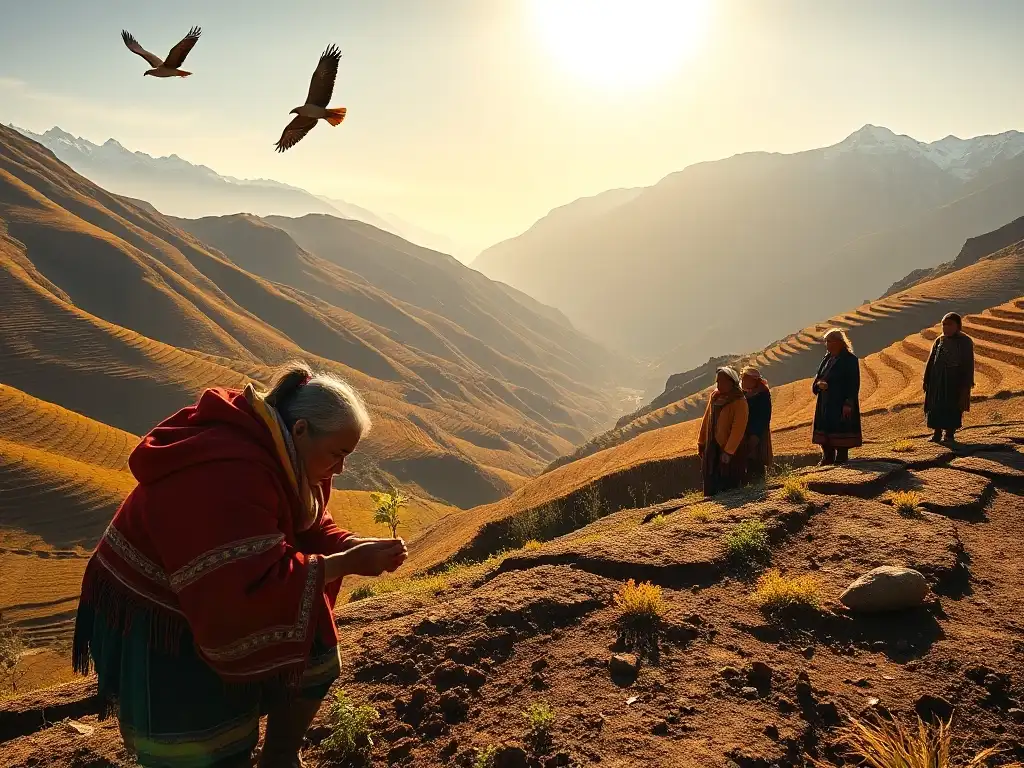
Step into a world lost to time, yet echoing with vibrant life. Uncover the secrets of the Andean civilizations, where ingenuity and spirituality intertwined in breathtaking ways. Imagine a world shaped by meticulous agricultural practices and deeply held beliefs – a world where even the simplest act of planting held profound ritualistic significance. Prepare to be amazed as we delve into the fascinating world of Andean plant cultivation rituals, exploring the sacred gardens that sustained these remarkable cultures. Are you ready to discover the mysteries hidden within the soil?
- The Sacred Gardens: Andean Plant Cultivation Rituals and Ancient Practices
- The Spiritual Significance of Agriculture in the Andes
- Ancient Andean Techniques for Cultivating Sacred Plants
- Andean Plant Cultivation Rituals and Ceremonies
- Exploring the Role of Specific Sacred Plants
- The Continuity of Andean Plant Cultivation Traditions
- The Legacy of Andean Plant Cultivation Rituals
-
Frequently Asked Questions
- What role did plants play in Andean civilizations?
- What were some common Andean plant cultivation techniques?
- How were Andean plant cultivation rituals connected to religion?
- What evidence exists to support the importance of Andean plant cultivation rituals?
- Were all Andean cultures' plant cultivation rituals the same?
- Final Reflection: The Enduring Legacy of Andean Sacred Gardens
- 🌱 Unveil the Mysteries of Andean Sacred Gardens Today!
The Sacred Gardens: Andean Plant Cultivation Rituals and Ancient Practices
The Andes Mountains, a spine of towering peaks running down the western coast of South America, nurtured some of the world's most sophisticated pre-Columbian civilizations. These cultures, including the Incas, Moche, Nazca, and Tiahuanaco, developed intricate agricultural systems and profoundly spiritual relationships with the plants they cultivated.
This article delves into the fascinating world of Andean plant cultivation rituals, exploring the deep-seated beliefs and practices that shaped their agricultural landscape and their understanding of the natural world. We will uncover the sacred significance of various plants, the meticulous techniques employed in their cultivation, and the intricate ceremonies performed to ensure bountiful harvests and appease the gods.
Understanding these rituals provides crucial insight into the worldview and societal structures of these remarkable civilizations, showcasing the inextricable link between their spirituality and their agricultural practices. The exploration of "Andean plant cultivation rituals" will reveal a complex interplay of religious beliefs, practical agricultural knowledge, and a profound respect for the life-giving power of the Andean ecosystem.
The Sacred Role of Coca in Andean Culture
Coca ( Erythroxylum coca) held, and continues to hold, a central position in Andean life. Far beyond its recreational use, coca played a vital role in religious ceremonies, medicinal practices, and everyday life. The leaves were offered to deities as gifts, chewed during rituals to enhance communication with the spiritual realm, and used in various healing practices.
The cultivation of coca itself was a carefully orchestrated process, often involving specific rituals and prayers to ensure a successful harvest. Evidence suggests that coca cultivation was carefully managed, with terraces and irrigation systems strategically designed to optimize growth in the challenging Andean environment.
The meticulous care given to coca plants underscores its profound significance within Andean cosmology and its integration into the fabric of daily life. Detailed accounts from Spanish chroniclers, albeit filtered through a colonial lens, provide glimpses into the importance of coca in pre-Columbian rituals, highlighting its status as a sacred plant deeply interwoven with Andean spirituality.
Agricultural Practices and Rituals Beyond Coca: Maize, Potatoes, and More
While coca holds a prominent place, Andean agriculture was incredibly diverse, encompassing a wide array of crops crucial for sustenance and ritual. Maize, for example, was a staple crop and held immense symbolic value, often associated with fertility and abundance. The planting and harvesting of maize were frequently accompanied by elaborate ceremonies, designed to ensure a plentiful yield and appease the spirits that governed agricultural success.
Similarly, potatoes, another cornerstone of the Andean diet, were also deeply embedded in ritual practices. Different varieties of potatoes were cultivated, each potentially associated with specific deities or ceremonies. The meticulous terracing techniques employed by Andean farmers not only maximized agricultural output but also reflected a deep understanding of the environment and a reverence for the land itself.
These practices weren't merely agricultural; they were spiritual acts, reinforcing the interconnectedness of the human and natural worlds. The diversity of crops and the specific rituals associated with each highlight the sophisticated agricultural knowledge and deeply spiritual worldview of Andean civilizations.
The Impact of Spanish Colonization on Andean Agricultural Practices
The arrival of the Spanish in the 16th century drastically altered the Andean landscape and its agricultural practices. While some traditional techniques persisted, many rituals were suppressed or transformed under colonial rule. The introduction of new crops and livestock also had a significant impact on the existing agricultural systems.
However, despite the disruption caused by colonization, many traditional agricultural practices and beliefs continue to this day, demonstrating the resilience of Andean culture and its enduring connection to the land. Understanding the impact of colonization provides a crucial counterpoint to our understanding of pre-Columbian practices, allowing us to appreciate both the continuity and the transformation of Andean agricultural traditions.
The legacy of Spanish colonization is a complex one, with both destructive and adaptive elements shaping the trajectory of Andean agriculture and its associated rituals. Further research is needed to fully understand the nuanced interplay between pre-colonial traditions and the lasting effects of colonial intervention.
Modern Interpretations and the Preservation of Andean Agricultural Heritage
Today, there's a growing movement to revive and preserve traditional Andean agricultural practices and their associated rituals. This involves not only the cultivation of native crops but also the revitalization of traditional knowledge and beliefs. This renewed interest in Andean agricultural heritage reflects a broader recognition of the importance of biodiversity, sustainable agriculture, and the preservation of cultural traditions.
Efforts are underway to document and protect these practices, ensuring that the knowledge and wisdom accumulated over millennia are not lost. The study of modern interpretations offers a window into how Andean communities are adapting and preserving their agricultural heritage in the face of modern challenges, demonstrating the enduring power of tradition and its relevance in the 21st century. The ongoing preservation efforts serve as a testament to the enduring value of Andean agricultural practices and their importance for both cultural and environmental sustainability.
The Spiritual Significance of Agriculture in the Andes
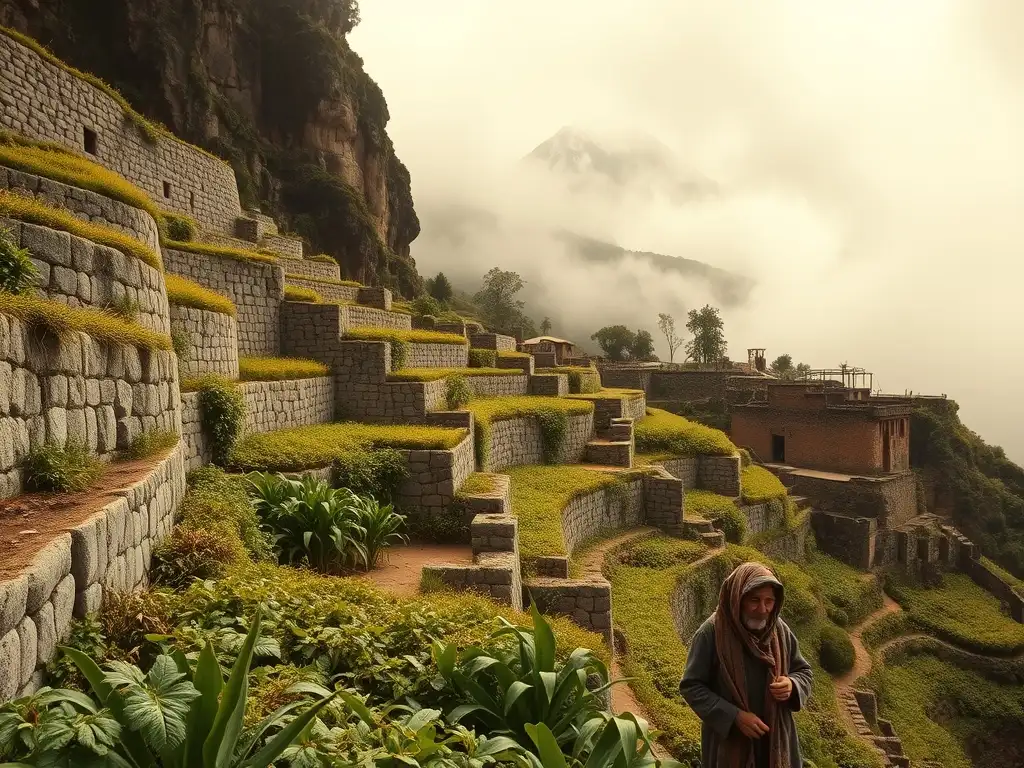
The Andes Mountains, a spine of towering peaks running down the western coast of South America, were not merely a physical landscape for ancient Andean civilizations; they were a living, breathing entity deeply interwoven with their spiritual beliefs and practices. Agriculture, far from being a mere economic activity, held profound spiritual significance, shaping their worldview and rituals. Understanding Andean plant cultivation rituals requires acknowledging this deeply ingrained connection between the spiritual and the material realms.
The very act of cultivating the land was seen as a sacred duty, a communion with the gods and ancestors who ensured the fertility of the earth and the prosperity of the community. The success of the harvest was not solely dependent on human effort but was also seen as a reflection of the community's spiritual harmony and its relationship with the cosmos.
This interconnectedness is evident in numerous archaeological findings, including intricate agricultural terraces carved into mountain slopes and the meticulous care given to specific crops, reflecting a deep reverence for the land and its bounty. The abundance of agricultural products was not just a source of sustenance but a testament to the successful interaction between humanity and the divine.
Andean Cosmovision and the Connection to Land
Andean cosmovision, a complex system of beliefs encompassing the relationship between humans, nature, and the supernatural, positioned agriculture as a central element. The land was not simply a resource to be exploited; it was considered a living entity, imbued with pachamama – Mother Earth – a powerful deity demanding respect and reciprocity. Cultivating the land was understood as a partnership with pachamama, requiring offerings, rituals, and careful stewardship to maintain her fertility and goodwill. Failure to honor this partnership could result in poor harvests, natural disasters, and societal unrest.
The Andean concept of ayni, reciprocal exchange, extended to agricultural practices. Farmers believed that by tending to the land and offering sacrifices, they were engaging in a reciprocal exchange with pachamama, ensuring a bountiful harvest in return. This relationship was not passive; it involved active participation in the life cycle of the plants, from planting and tending to harvesting and offering the first fruits to the deities.
This active engagement highlights the spiritual depth embedded within Andean agricultural practices. Archaeological evidence, such as the intricate irrigation systems and terraced fields, demonstrates the sophisticated understanding and respect for the land's delicate balance. These weren't simply engineering feats; they were expressions of a deep spiritual connection.
The Role of Sacred Plants in Andean Rituals
Certain plants played pivotal roles in Andean rituals, transcending their practical uses. Coca, for instance, was not merely a stimulant; it held profound religious significance, used in offerings to appease deities and communicate with the spirit world. Other plants, like maize, potatoes, and quinoa, also held symbolic value, often featured in ceremonies and festivals celebrating the harvest and ensuring future abundance.
The selection and preparation of these plants for rituals followed specific protocols, reflecting the sacred nature of the undertaking. The use of sacred plants in rituals wasn't arbitrary; each plant possessed specific properties and associations, making it suitable for particular ceremonies and purposes. For example, coca leaves, known for their stimulating properties, were used in ceremonies to enhance communication with the spirit world and to gain insight into the future.
The precise methods of cultivation and the timing of harvests were also dictated by ritual calendars and astrological observations, further emphasizing the intertwining of agriculture and spirituality. Detailed records of these practices are unfortunately scarce, but existing archaeological and ethnographic evidence suggests a rich and complex system of beliefs and practices surrounding the cultivation and use of sacred plants in Andean rituals. The study of Andean plant cultivation rituals is therefore essential for a complete understanding of their culture and beliefs.
Ancient Andean Techniques for Cultivating Sacred Plants
The Andean civilizations weren't simply farmers; they were deeply spiritual cultivators, weaving their religious beliefs intricately into their agricultural practices. Their success in cultivating a diverse range of crops, particularly in challenging mountainous terrain, stemmed from a sophisticated understanding of their environment and a profound respect for the plants they cultivated. This section delves into the ingenious techniques employed by Andean cultures to cultivate sacred plants like coca and potatoes, highlighting their innovative approaches to soil management, water conservation, and plant propagation.
Mastering these techniques was crucial not only for sustenance but also for maintaining the delicate balance between the human and spiritual worlds. The reverence for these plants transcended mere sustenance; they were integral to religious ceremonies, medicinal practices, and social structures. Understanding Andean plant cultivation rituals reveals a complex interplay of practical knowledge and spiritual belief.
Terracing and Water Management for Optimal Growth
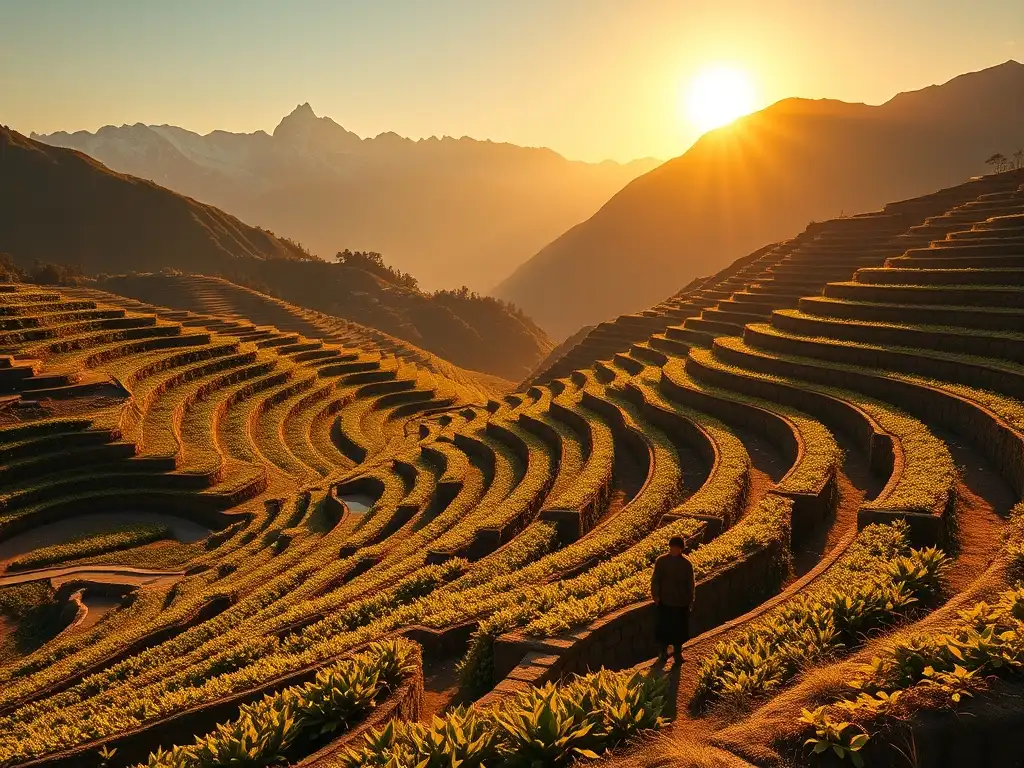
Andean agriculture is synonymous with terracing. This ingenious system of creating level platforms on steep slopes dramatically increased cultivable land, minimizing soil erosion, and optimizing water usage. Terraces weren't just haphazardly carved into hillsides; they were meticulously planned and constructed, often incorporating intricate drainage systems to prevent waterlogging and maximize irrigation efficiency. The design varied depending on the slope's steepness and the soil type.
For instance, steeper slopes required smaller, more numerous terraces, while gentler slopes could accommodate larger ones. This adaptability showcases the Andean people's deep understanding of their environment and their ability to tailor their agricultural practices to specific geographical conditions. The precision of these terraces is astonishing, a testament to their advanced engineering skills and their commitment to sustainable agriculture.
Moreover, the integration of water channels and reservoirs allowed for efficient irrigation, even during periods of drought. This meticulous water management was crucial for cultivating crops like coca, which requires consistent moisture. The effectiveness of these methods is evident in the success of Andean agriculture for millennia.
Understanding Andean Soil Types and Fertilization Methods
The Andean region boasts a wide variety of soil types, each with its unique characteristics and limitations. The ancient Andeans possessed an intimate knowledge of these variations, adapting their cultivation techniques accordingly. They understood the importance of soil fertility and developed sophisticated methods for enriching their fields. One common technique was the use of guano, bat and seabird droppings, a highly effective natural fertilizer rich in nitrogen and other essential nutrients.
The strategic placement of guano, often combined with other organic materials like compost and manure, ensured optimal plant growth. Furthermore, they employed crop rotation techniques, alternating different crops to prevent soil depletion and maintain its fertility. This practice not only enhanced soil health but also helped prevent the spread of pests and diseases. Evidence suggests that different soil types were used for different crops, reflecting a sophisticated understanding of soil-crop interactions.
For example, certain soils were better suited for potatoes, while others were ideal for coca cultivation. This nuanced approach to soil management was fundamental to the success of Andean agriculture, allowing them to thrive in diverse and often challenging environments. Detailed studies of ancient Andean fields continue to reveal the complexity and ingenuity of their soil management practices.
Specific Cultivation Techniques for Coca and Potatoes
Coca ( Erythroxylum coca) and potatoes ( Solanum tuberosum) are arguably the two most iconic Andean crops. Their cultivation reflects the deep spiritual significance attached to these plants. Coca, revered for its stimulant properties and spiritual importance, was carefully cultivated in specific microclimates, often on terraced slopes with sufficient sunlight and moisture. Propagation involved meticulous selection of cuttings from superior plants, ensuring the continuity of desirable traits.
The cultivation of potatoes involved techniques such as waru waru, a raised-bed agricultural system that improved drainage, reduced frost damage, and enhanced soil fertility. This technique is particularly effective in high-altitude regions, mitigating the harsh environmental conditions. The intricate knowledge of potato varieties and their specific needs allowed the Andeans to cultivate a wide range of potatoes, adapted to different altitudes and climates.
The diversity of potato cultivation was remarkable, showcasing their deep understanding of plant genetics and their ability to adapt crops to diverse environments. This mastery of coca and potato cultivation highlights the sophisticated agricultural techniques and spiritual understanding that characterized Andean civilizations, cementing their legacy as innovative cultivators. Further research into ancient Andean agricultural practices promises to unveil even more fascinating insights into their remarkable achievements.
Andean Plant Cultivation Rituals and Ceremonies
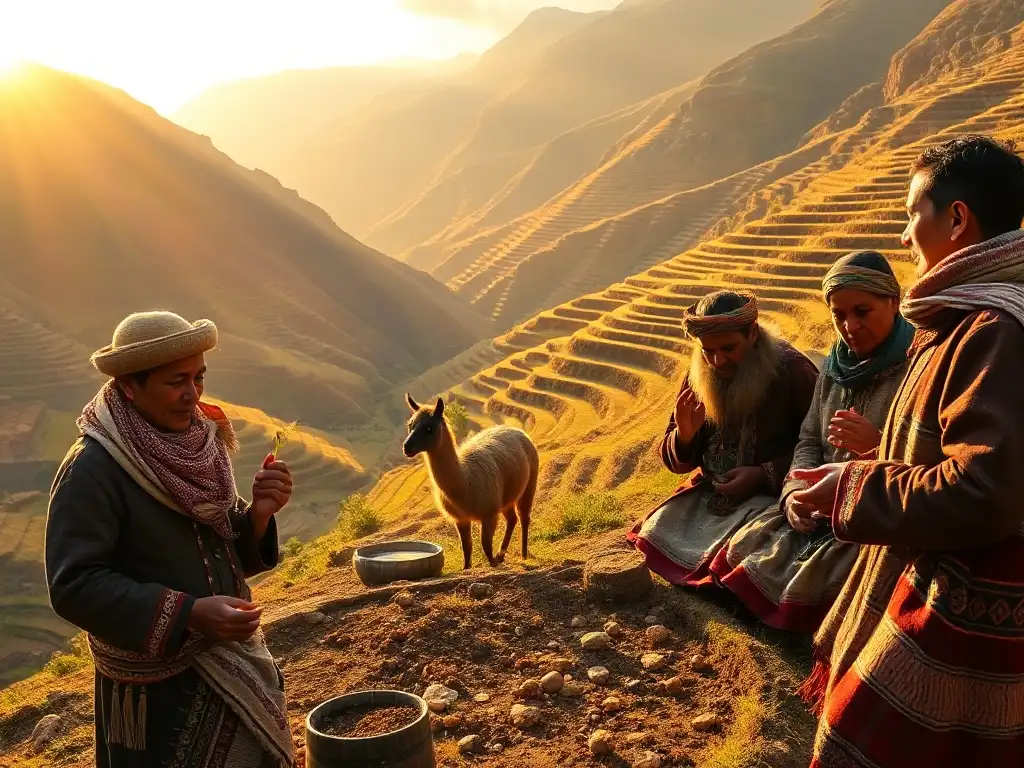
This section delves into the deeply intertwined relationship between Andean civilizations and their agricultural practices, focusing on the rituals and ceremonies that permeated every stage of plant cultivation. Understanding these rituals provides crucial insight into the spiritual and social fabric of Andean societies, revealing how their worldview was inextricably linked to the land and its bounty. The meticulous attention to detail in these ceremonies highlights the profound respect they held for the natural world and the power they attributed to the plants themselves.
We will explore how these rituals impacted their agricultural success and shaped their cultural identity. The term "Andean plant cultivation rituals" encompasses a wide range of practices, demonstrating the complexity and sophistication of their agricultural knowledge.
Rituals for Planting and Harvesting
Planting and harvesting weren't merely agricultural tasks; they were sacred events. These activities were imbued with spiritual significance, marking the cyclical relationship between the human world and the natural world. Before planting, meticulous preparation was undertaken. The land was often cleansed through ceremonies involving offerings and prayers to Pachamama, the Earth Mother. Specific dates, determined by astronomical observations and traditional calendars, were chosen for planting, ensuring optimal conditions and aligning the activity with cosmological rhythms.
The actual planting itself was often accompanied by chants, songs, and dances, aimed at appeasing the spirits and ensuring a bountiful harvest. Different crops might have had their own specific rituals. For example, the planting of coca, a sacred plant with significant religious and medicinal importance, was likely accompanied by particularly elaborate ceremonies. The use of coca leaves in rituals was widespread, and its cultivation was intricately connected to spiritual beliefs.
Harvesting was equally important. The first fruits or vegetables were typically offered to the deities before being consumed by the community. Festivals often celebrated the harvest, combining religious observance with communal feasting and rejoicing. These festivals reinforced social bonds and acknowledged the collective effort involved in agriculture. The careful observation of the celestial cycles and the integration of these observations into planting and harvesting schedules demonstrate an advanced understanding of astronomy and its practical application in agriculture.
The Importance of Offerings and Prayers to Pachamama
Pachamama, the Earth Mother, held a central position in Andean cosmology and agricultural practices. She was considered the source of fertility and abundance, and her favor was essential for successful harvests. Offerings and prayers to Pachamama were an integral part of every stage of plant cultivation, from the initial preparation of the land to the final harvest.
These offerings varied greatly depending on the specific context and the available resources. They could include coca leaves, chicha (a fermented corn beverage), food, textiles, and even precious metals. The act of offering was a demonstration of respect, gratitude, and a plea for continued prosperity.
The precise nature of the offerings and prayers often depended on the specific community and its traditions. Archaeological evidence, such as offerings found in burial sites and agricultural terraces, supports the widespread practice of these rituals. The depth of their belief in Pachamama's power is evident in the consistent dedication to these practices throughout Andean history.
The significance of these offerings went beyond simple appeasement. They represented a reciprocal relationship between humans and the natural world, acknowledging that the land provided sustenance and that humans had a responsibility to honor and respect it in return. This deeply ingrained spiritual aspect of Andean agriculture highlights the holistic nature of their worldview. The consistent dedication to these practices provides a glimpse into the spiritual and social importance of agriculture within Andean societies.
The Role of Shaman and Spiritual Leaders in Agricultural Practices
Shamans and spiritual leaders played a crucial role in Andean agricultural practices, acting as intermediaries between the human world and the spiritual realm. Their expertise was essential in ensuring successful harvests and maintaining the balance between humans and nature. They were responsible for conducting rituals, interpreting omens, and ensuring the proper execution of ceremonies related to planting, harvesting, and other agricultural activities.
Shamans possessed specialized knowledge of medicinal plants and their uses, often incorporating them into their rituals and healing practices. Their understanding of the natural world extended beyond practical agricultural knowledge; they possessed an intricate understanding of the spiritual forces that influenced the growth and productivity of crops. This role combined spiritual leadership with practical agricultural expertise, underscoring the integrated nature of religion and agriculture in Andean societies.
Their guidance wasn't limited to ceremonial practices; they likely also played a role in advising farmers on optimal planting techniques, crop rotation, and water management. Their authority stemmed from their spiritual expertise and their ability to interpret the signs and omens from the natural world. This integrated approach, blending practical knowledge with spiritual leadership, ensured the success and sustainability of Andean agricultural practices for centuries. The shaman's role highlights the importance of spiritual understanding in the practical aspects of Andean life, demonstrating the deep connection between their spiritual beliefs and their daily realities.
Exploring the Role of Specific Sacred Plants
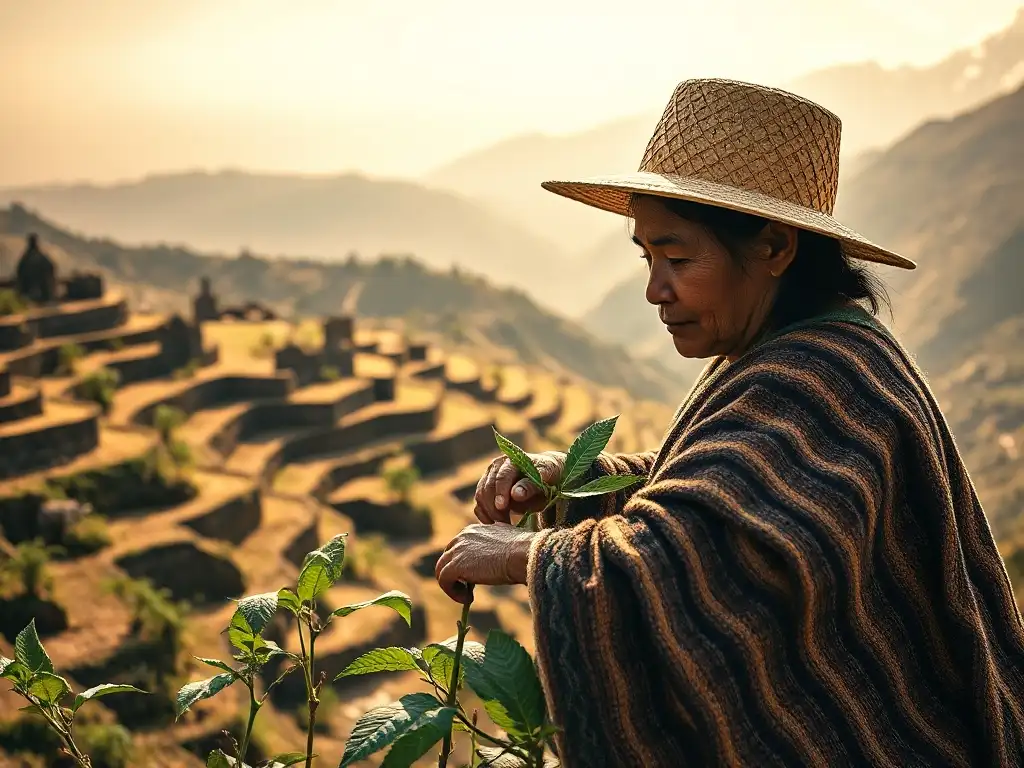
Andean plant cultivation rituals were deeply intertwined with the spiritual beliefs and practices of these ancient cultures. Plants weren't simply sources of food or medicine; they were imbued with sacred power, acting as intermediaries between the human and spiritual realms. This section delves into the significance of several key plants, examining their cultivation and their roles within Andean ceremonies and daily life.
Understanding the cultivation methods reveals a sophisticated agricultural knowledge base that supported the complex ritualistic use of these plants. The meticulous care and respect shown to these plants highlight the deep reverence Andean civilizations held for the natural world and its bounty.
Coca: Beyond the Stimulant, a Plant of Ritual Significance
Coca ( Erythroxylum coca) holds a central position in Andean culture, far exceeding its role as a stimulant. Its cultivation, historically concentrated in the eastern slopes of the Andes, involved meticulous terracing and irrigation systems, reflecting a profound understanding of the plant's needs. Archaeological evidence suggests coca leaves were used in rituals since at least the early centuries CE. They were offered to deities, incorporated into funerary practices, and used in divination ceremonies.
The careful preparation of coca leaves for ritual use was itself a significant act. This often included the meticulous selection of leaves, chewing with an alkaline substance (like lime) to enhance the effects, and offering them to sacred sites or figures. The precise method varied across different Andean groups and even within communities, reflecting the diverse interpretations and practices surrounding this sacred plant. Moreover, coca wasn't just used in formal rituals; its everyday use symbolized social interaction and community cohesion, further emphasizing its multifaceted importance. The significance of coca extended beyond the individual, shaping social structures and religious beliefs.
San Pedro Cactus: Use in Visionary and Healing Practices
The San Pedro cactus ( Echinopsis pachanoi), with its psychoactive properties, played a crucial role in Andean shamanistic practices. Cultivation of this cactus, often found in arid and semi-arid regions, required specific knowledge of soil conditions and water management. The cactus's psychoactive alkaloids facilitated visionary experiences, allowing shamans to communicate with the spirit world, diagnose illnesses, and guide healing ceremonies.
Unlike coca, which had a more widespread use, the San Pedro cactus was primarily associated with specialized religious practitioners. Shamans meticulously prepared the cactus, often through specific cutting and processing methods, before administering it to participants in ceremonies. These ceremonies aimed to achieve altered states of consciousness, allowing for spiritual journeys and interaction with supernatural forces. The details of these preparations and the specific rituals varied greatly across different Andean regions, highlighting the localized nature of shamanistic traditions. The knowledge of cultivating and utilizing the San Pedro cactus was carefully guarded and passed down through generations within shamanistic lineages.
Achiote, Yuca, and Quinoa: Other Plants Used in Andean Ceremonies
While coca and San Pedro cactus were prominent, many other plants held significant ritual importance in Andean civilizations. Achiote ( Bixa orellana), with its vibrant red pigment, was used to decorate ceremonial objects and adorn participants in rituals. Its cultivation, likely involving careful seed saving and planting techniques, provided a crucial material for these practices. Likewise, yuca ( Manihot esculenta) and quinoa ( Chenopodium quinoa) weren't just staple foods; they also featured in offerings and ceremonies, reflecting their vital role in sustaining life and their symbolic connection to fertility and abundance.
The cultivation of these plants, along with others like maize and beans, shows a sophisticated understanding of agricultural practices. Terracing, irrigation, and crop rotation were employed to maximize yields, underscoring the essential role agriculture played in sustaining both the material and spiritual aspects of Andean life.
The careful selection and preparation of these plants for ritual use demonstrated a profound respect for the natural world and a sophisticated understanding of the interconnectedness of agriculture and spirituality. Further research is needed to fully understand the specific ritual uses of these plants across the diverse Andean cultures, highlighting the need for more detailed archaeological and ethnographic studies.
The Continuity of Andean Plant Cultivation Traditions
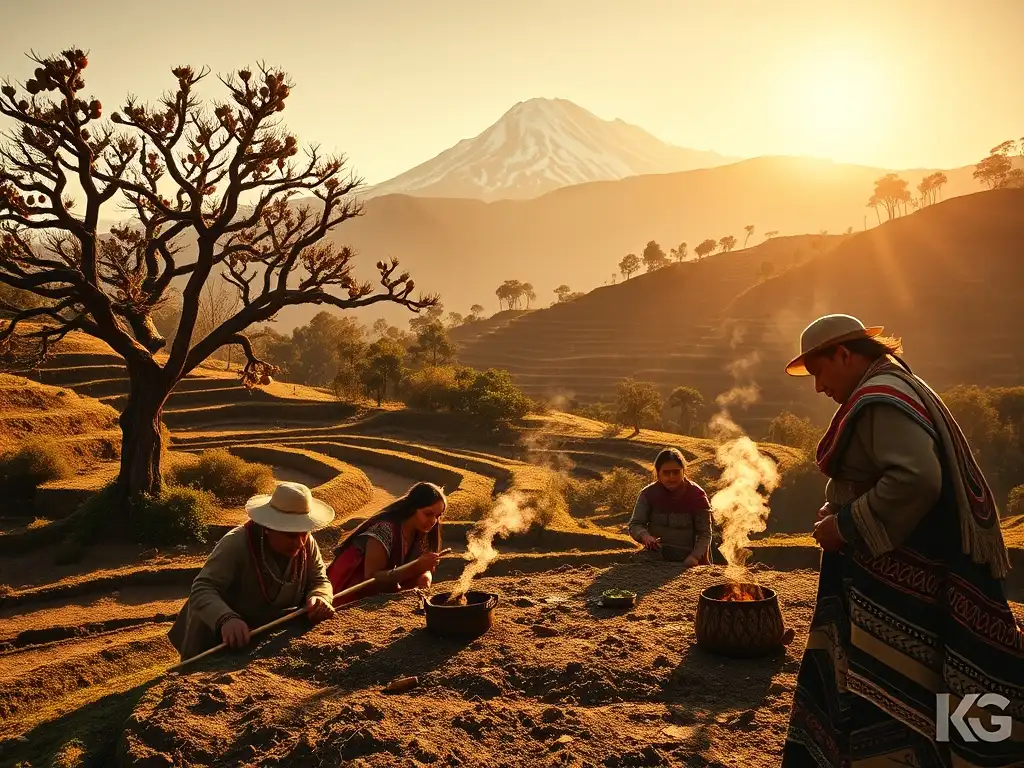
Andean plant cultivation rituals, deeply intertwined with cosmology and spirituality, haven't simply vanished with the arrival of European colonizers. Instead, these practices have adapted and persisted, demonstrating remarkable resilience and a continuous link to the past. Understanding this continuity requires examining how ancient techniques and beliefs have been integrated into modern agricultural practices and the ongoing significance of ritual in shaping the relationship between Andean communities and the land.
The enduring legacy of these traditions is a testament to the ingenuity and spiritual depth of Andean cultures. This section explores the vital connections between past and present, highlighting the ongoing relevance of ancient Andean plant cultivation rituals in shaping contemporary agricultural practices and worldview.
Modern Andean Communities and Their Agricultural Practices
Modern Andean communities continue to cultivate many of the same plants as their ancestors, employing techniques refined over millennia. Coca, potatoes, quinoa, maize, and various beans remain staples, reflecting the enduring importance of these crops in sustaining life and culture. However, contemporary agricultural practices often blend traditional methods with modern innovations. For example, while many farmers still utilize terraced fields – a testament to Inca engineering prowess – they may also incorporate modern irrigation systems or fertilizers where feasible.
This integration isn't a rejection of ancient knowledge but rather an adaptive strategy for navigating the challenges of a changing world. The careful selection of seeds, often saved from previous harvests, maintains genetic diversity and ensures the continued cultivation of locally adapted varieties. This practice, deeply rooted in tradition, contributes to the resilience of Andean agriculture and its ability to withstand environmental pressures.
The use of organic farming methods is also increasingly prevalent, reflecting a growing awareness of the environmental impact of modern agricultural practices and a conscious effort to maintain the integrity of the land. Many communities actively resist the widespread adoption of genetically modified organisms (GMOs), preferring to preserve the biodiversity of their traditional crops. The enduring commitment to traditional farming techniques not only ensures food security but also safeguards the cultural heritage associated with Andean plant cultivation. This harmonious blend of ancient wisdom and modern adaptation exemplifies the enduring spirit of Andean agriculture.
Preserving Ancient Knowledge and Sustainable Farming
The preservation of ancient Andean knowledge regarding plant cultivation is crucial for both agricultural sustainability and cultural continuity. This knowledge, often passed down orally through generations, encompasses a vast array of techniques, including:
- Seed selection and storage: Careful selection of seeds based on characteristics like yield, disease resistance, and adaptation to local conditions.
- Soil management: Techniques for improving soil fertility, such as terracing, crop rotation, and the use of organic fertilizers.
- Water management: Sophisticated irrigation systems adapted to the varied Andean landscapes.
- Pest and disease control: Traditional methods for managing pests and diseases, often relying on natural remedies and integrated pest management.
These practices are not merely agricultural techniques; they are integral parts of a holistic worldview that connects humans to the land and its spiritual forces. Efforts to document and preserve this knowledge through ethnobotanical studies and community-based initiatives are vital for ensuring the long-term sustainability of Andean agriculture and the preservation of cultural heritage.
The integration of this traditional knowledge into modern agricultural education programs is also crucial for empowering future generations of Andean farmers. The preservation of these practices is not merely about maintaining food security; it's about safeguarding a unique cultural legacy and promoting sustainable agricultural practices that can serve as a model for other regions.
The Ongoing Importance of Andean Rituals and the Earth
Andean plant cultivation rituals are not merely historical curiosities; they remain central to the spiritual lives of many communities. These rituals, often tied to the agricultural calendar, express a deep reverence for the earth and its bounty. They involve offerings to the apus (mountain spirits), pachamama (Mother Earth), and other deities, seeking their blessings for a bountiful harvest.
The use of coca leaves in these ceremonies is particularly significant, reflecting their spiritual and medicinal importance. The coca leaf is not just a plant; it is a sacred offering, a symbol of reciprocity between humans and the divine forces that govern the natural world.
These rituals reinforce the deep connection between Andean communities and their environment. They promote a sense of responsibility and stewardship towards the land, fostering sustainable practices and a commitment to preserving biodiversity. The continuation of these rituals underscores the enduring importance of spirituality in shaping Andean agricultural practices and worldview.
The deep respect for the pachamama and the sacredness of the land are not merely abstract concepts; they are tangible forces that guide and shape daily life, influencing everything from planting techniques to harvest celebrations. The integration of these spiritual practices into modern Andean society ensures the continuity of a rich cultural heritage and a sustainable relationship with the environment. The preservation of these rituals is essential for understanding the holistic nature of Andean civilization and the profound interconnectedness between humans, plants, and the sacred earth.
The Legacy of Andean Plant Cultivation Rituals
The legacy of Andean plant cultivation rituals extends far beyond the practical aspects of food production. It represents a deeply intertwined relationship between humans and the natural world, shaping cultural identity, spiritual practices, and even modern agricultural techniques. Understanding these rituals reveals a sophisticated understanding of ecology and a profound respect for the life-giving power of plants.
The careful cultivation of crops wasn't merely a means of survival; it was a sacred act, imbued with meaning and purpose, passed down through generations. This intricate system of knowledge, encompassing both practical skills and spiritual beliefs, offers valuable insights into the Andean worldview and its enduring relevance today.
Analyzing this legacy allows us to appreciate the holistic approach to agriculture and the deep connection between humans and nature that characterized Andean civilizations. The careful management of water resources, the terracing of slopes, and the selection of specific plant varieties all demonstrate a deep understanding of ecological principles, far exceeding what many might consider "primitive" farming methods.
The Impact on Andean Culture and Identity
Andean plant cultivation rituals profoundly shaped the cultural identity and social structures of Andean societies. The coca leaf, for example, played a central role in numerous ceremonies and daily life. Its cultivation and use were deeply interwoven with religious beliefs, social interactions, and even medicinal practices.
The ritual planting and harvesting of coca, often accompanied by prayers and offerings, reinforced community bonds and strengthened the spiritual connection to the land. Beyond coca, other plants like maize, potatoes, and quinoa held significant symbolic value, influencing myths, legends, and artistic expressions. For example, maize was often seen as a sacred plant, symbolizing fertility and abundance, its image frequently appearing in pottery and textiles.
The intricate designs on textiles often depicted agricultural scenes, demonstrating the importance of plant cultivation in everyday life and the cultural narrative. This close relationship between plants and cultural identity is evident in the rich tapestry of Andean art, music, and folklore. The enduring presence of these motifs in modern Andean culture underscores the lasting impact of these ancient agricultural practices.
The Lessons for Sustainable Agriculture and Spirituality
The ingenuity of Andean plant cultivation techniques offers valuable lessons for contemporary sustainable agriculture. Their mastery of water management, through systems like andenes (terraces), allowed them to cultivate diverse crops in challenging mountainous terrain. This sustainable approach minimized soil erosion and maximized water usage, providing resilience against climate variability.
The understanding of crop rotation and intercropping, maximizing biodiversity and soil fertility, were central to their agricultural practices. These practices, developed over millennia, offer a powerful counterpoint to modern industrial agriculture, often characterized by monoculture, chemical dependency, and environmental degradation. Furthermore, the spiritual dimension of Andean plant cultivation offers a valuable perspective on the relationship between humans and nature.
The integration of spiritual practices into agricultural activities fostered a sense of respect and responsibility towards the land, promoting long-term sustainability. The emphasis on reciprocity and harmony with nature, rather than dominance, provides a powerful model for a more ethical and ecologically conscious approach to food production.
The Enduring Power of Andean Traditions
Despite centuries of colonization and globalization, many Andean plant cultivation traditions persist today. Indigenous communities continue to practice ancestral agricultural techniques, preserving valuable knowledge and biodiversity. The cultivation of native crops like quinoa and potatoes remains crucial for food security and cultural identity.
However, these traditions face increasing pressures from modernization and climate change. The challenge lies in finding ways to support and revitalize these traditional practices while adapting them to the realities of the 21st century. This requires a concerted effort to document and share traditional ecological knowledge, promote sustainable agricultural practices, and empower indigenous communities to maintain their cultural heritage.
The preservation of these traditions is not just a matter of cultural preservation; it is also crucial for ensuring food security, biodiversity, and the development of more sustainable agricultural systems globally. The enduring power of Andean traditions lies in their ability to offer valuable lessons for the future, reminding us of the importance of a holistic and respectful relationship with the natural world.
Frequently Asked Questions
What role did plants play in Andean civilizations?
Plants were essential to Andean life, providing food, medicine, and materials for clothing and construction. Their cultivation was deeply intertwined with religious beliefs and rituals, shaping their societies.
What were some common Andean plant cultivation techniques?
Andean farmers employed sophisticated techniques like terracing, irrigation, and the use of fertilizers to maximize crop yields in diverse environments. They also practiced crop rotation and intercropping.
How were Andean plant cultivation rituals connected to religion?
Rituals often involved appeasing deities associated with fertility and harvests, ensuring bountiful crops. These rituals could include offerings, prayers, and ceremonies performed at specific times of the year.
What evidence exists to support the importance of Andean plant cultivation rituals?
Archaeological evidence reveals sacred sites dedicated to agricultural deities and the discovery of offerings of crops and tools buried alongside human remains. Ancient textiles and pottery also depict agricultural scenes and deities.
Were all Andean cultures' plant cultivation rituals the same?
While sharing some common threads, specific rituals varied between different Andean cultures (Inca, Moche, Nazca, etc.). Each culture developed unique practices reflecting their specific beliefs and environments.
Final Reflection: The Enduring Legacy of Andean Sacred Gardens
The intricate relationship between Andean cultures and their plant life remains profoundly relevant today, a testament to the enduring power of sustainable practices and spiritual connection with the natural world. Understanding these ancient rituals offers not only a glimpse into a rich cultural heritage but also provides crucial insights for addressing contemporary challenges in agriculture and environmental stewardship. The wisdom embedded within these practices holds the key to a more harmonious future.
The impact of Andean plant cultivation rituals extends far beyond the realm of agriculture; it shaped social structures, spiritual beliefs, and artistic expressions for millennia. These practices weren't merely about sustenance; they were a deeply spiritual act, weaving together the human and natural worlds in a complex tapestry of meaning. The earth is not just our mother, she is our sister, and we must treat her with respect.
This sentiment, though possibly paraphrased, encapsulates the profound reverence for the land that underpins Andean agricultural traditions, a reverence that continues to resonate with contemporary movements advocating for ecological responsibility and indigenous rights.
Consider the profound implications of this ancient knowledge. You, the reader, are now privy to a legacy of sustainable practices, a testament to the ingenuity and wisdom of past generations. Will you carry this knowledge forward? Will you seek to understand the interconnectedness of all living things, mirroring the reverence for nature demonstrated by the Andean people? Let the legacy of the sacred gardens inspire you to cultivate not only plants, but also a deeper connection with the earth and a commitment to sustainable practices in your own life.
🌱 Unveil the Mysteries of Andean Sacred Gardens Today!
Thank you for exploring the rich world of Andean rituals and plant cultivation with us! Your interest in these sacred traditions connects you to a vibrant heritage that honors both the environment and the wisdom of ancient civilizations. Now, let's put that knowledge into practice!
Here are a few ways you can engage with the beauty and significance of Andean sacred gardens:
- Create your own mini sacred garden by planting native plants. Research species that thrive in your local climate and create a personal space that honors the spirit of the Andes.
- Share your newfound knowledge about Andean rituals with friends and family! Host a discussion or gathering to inspire others to appreciate these fascinating traditions.
- Connect with others who share your interest in Andean agriculture and culture through online communities. These offer opportunities to exchange ideas, learn new practices, and participate in virtual workshops.
What aspects of Andean plant cultivation or rituals most resonate with you, and how will you integrate them into your life? 🌿