
The Impact of Climate on Food Storage Practices in the Andes

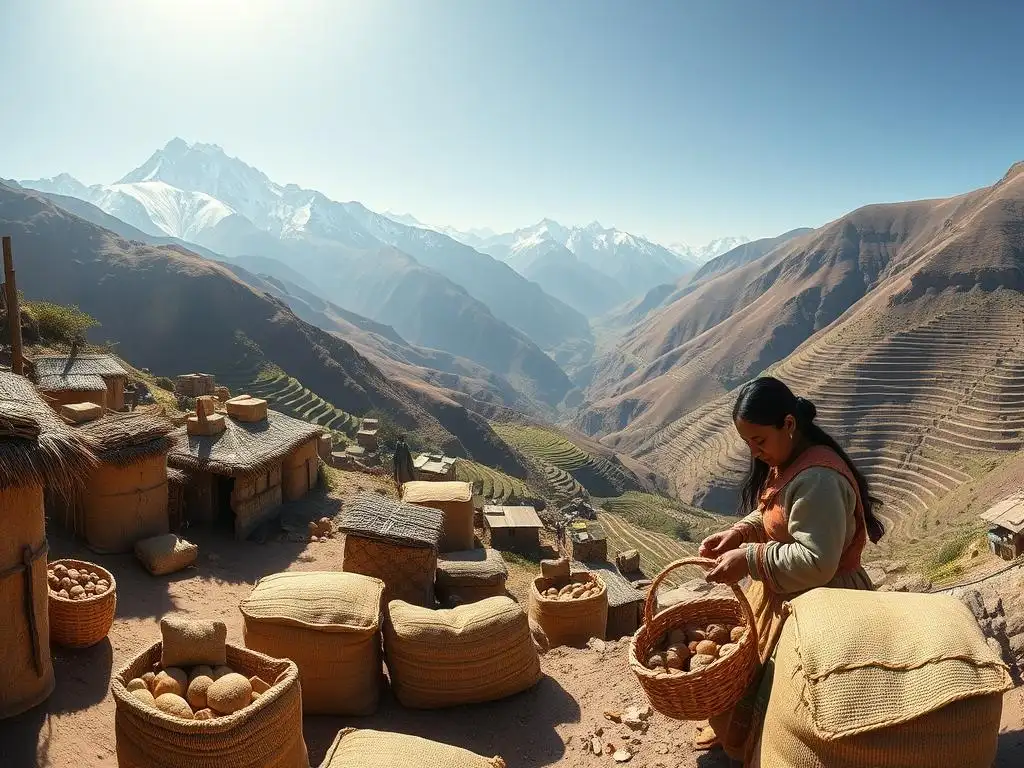
Unravel the mysteries of the Andes! For centuries, ingenious techniques allowed ancient civilizations to thrive in challenging climates. Discover how the Andean civilizations food storage climate shaped their agricultural practices and ensured survival against the odds. Prepare to be amazed by the innovative solutions they developed – a testament to human ingenuity and resilience. Dive in and explore the fascinating world of Andean agriculture!
The Andes Mountains, a colossal spine running down the western coast of South America, presented ancient Andean civilizations with a unique set of challenges and opportunities. While the diverse geography fostered incredible biodiversity, the extreme variations in altitude, temperature, and humidity significantly impacted food production and, crucially, food storage. This article explores the intricate relationship between climate and food preservation techniques employed by Andean civilizations, highlighting how ingenuity and adaptation allowed them to thrive in such demanding environments.
Understanding these practices offers valuable insights into the resilience and resourcefulness of these remarkable cultures, shedding light on their sophisticated agricultural systems and their lasting impact on the region's foodways. We will examine how climate directly influenced their food storage solutions, focusing on specific crops and the ingenious methods developed to ensure food security throughout the year.
This exploration will cover various Andean civilizations, including the Incas, Moche, Nazca, and Tiahuanaco, demonstrating the widespread adaptation of these techniques across diverse geographical areas and time periods. This analysis will be crucial for understanding the complex interplay between environment, technology, and societal development in the Andes.
Andean Civilizations Food Storage: An Introduction
Andean civilizations developed sophisticated agricultural practices tailored to their unique environments. The Andes boast a diverse range of ecosystems, from arid coastal deserts to high-altitude grasslands, each with its own climate and challenges for food preservation. The lack of refrigeration necessitated innovative solutions to prevent spoilage and ensure food security during lean seasons. These solutions varied depending on the specific climate and the type of food being stored. For example, the storage of potatoes, a staple crop, differed significantly in the high Andes compared to the lower altitudes. Similarly, the preservation of quinoa, another important Andean grain, demanded specific techniques to protect it from humidity and pests. These ingenious methods, passed down through generations, represent a remarkable feat of human adaptation to challenging environmental conditions. The development of efficient storage techniques was integral to the success and stability of these civilizations, enabling population growth and the flourishing of complex societies.
The Challenge of Climate in Andean Food Preservation
The harsh Andean climate presented significant hurdles to food preservation. Extreme temperature fluctuations, ranging from scorching days to freezing nights, particularly at higher altitudes, posed a constant threat to stored food. High levels of humidity in certain regions accelerated spoilage, while arid conditions in other areas led to desiccation.
The challenge was not simply to prevent spoilage, but to maintain the nutritional value and palatability of food over extended periods. Andean cultures overcame these challenges through a combination of methods, including drying, freezing, and storing in specialized structures designed to regulate temperature and humidity. The selection of storage locations and the use of specific materials played a critical role in preserving the food supply.
High Altitude Climates and Food Storage Needs
In the high Andes, the extreme cold provided a natural form of preservation. However, this was not without its challenges. Protecting food from frost and maintaining adequate humidity to prevent desiccation required careful planning and the construction of specialized storage structures. These often involved using natural insulation materials such as straw or animal hides.
The specific design and location of storage facilities varied depending on the local microclimate and the type of food being stored. For instance, potatoes, a cornerstone of the Andean diet, were often stored in underground cellars or in raised structures to protect them from frost and rodents. This required detailed knowledge of the local environment and a deep understanding of the interplay between climate and food preservation. [Specific examples of high-altitude storage structures pending]
The Impact of Temperature Variations on Andean Potatoes
Potatoes, a staple crop across the Andes, are highly susceptible to temperature fluctuations. Freezing temperatures can cause damage, while excessively high temperatures lead to rapid spoilage. Andean farmers developed various techniques to mitigate these risks. One common strategy was to store potatoes in cool, dark cellars or underground pits, where temperature variations were less extreme.
Another method involved drying the potatoes to reduce moisture content, making them less susceptible to spoilage. The variety of potato also played a role. Certain potato varieties were more resistant to frost and other climatic stresses than others. [Data on specific potato varieties and their climate tolerance pending]
Humidity and its Role in Andean Quinoa Spoilage
Quinoa, another vital Andean crop, is particularly vulnerable to humidity. High humidity levels promote the growth of mold and fungi, leading to spoilage and loss of nutritional value. To combat this, Andean communities employed a range of strategies. One common technique involved drying the quinoa thoroughly before storage. This significantly reduced the moisture content, making it less susceptible to fungal growth. Storage locations were carefully chosen to minimize exposure to humidity. Well-ventilated structures and the use of desiccant materials further helped to maintain low humidity levels. [Specific examples of quinoa storage techniques and their effectiveness pending]
Traditional Andean Storage Techniques Adapted to Climate
Andean civilizations developed ingenious food storage techniques intimately linked to their diverse and challenging climates. The Andes boast a wide range of microclimates, from arid coastal deserts to the frigid heights of the puna. This climatic diversity necessitated the development of regionally specific storage methods, each carefully designed to preserve food for extended periods. These techniques weren't simply about preservation; they were integral to the survival and prosperity of Andean societies, shaping their agricultural practices and social structures.
The ingenuity demonstrated in these methods highlights the deep understanding these civilizations possessed of their environment and the remarkable adaptability of their cultures. Their solutions provide valuable insights into sustainable food preservation strategies, even in the face of modern challenges. Understanding these traditional methods offers a crucial foundation for addressing contemporary food security issues within the Andes.
The Role of Natural Ventilation in Colcas
Colcas, the iconic stone structures found throughout the Andes, exemplify the importance of natural ventilation in food preservation. These structures, often built into hillsides or cliffs, were designed to leverage natural airflow to regulate temperature and humidity. The precise placement and orientation of the colcas, combined with their carefully crafted ventilation systems (often including strategically placed vents and chimneys), created a microclimate ideal for storing grains, tubers, and dried meats. The airflow prevented the buildup of moisture, a major contributor to spoilage, while also maintaining relatively stable temperatures.
The effectiveness of colcas is a testament to the sophisticated understanding of environmental engineering possessed by Andean builders. The design principles employed in colcas continue to inspire modern approaches to sustainable food storage, particularly in regions with limited access to refrigeration. Studies on the thermal properties of colcas reveal their remarkable efficiency in maintaining optimal storage conditions even in fluctuating climates.
Utilizing Cold Temperatures for Natural Refrigeration in Puna Regions
The high-altitude puna regions of the Andes, characterized by their cold temperatures and low humidity, offered a natural advantage for food preservation. Andean communities took full advantage of these naturally cold conditions, employing techniques like storing potatoes and other root vegetables directly in the ground or in shallow pits. The cold temperatures slowed down the metabolic processes of the stored foods, significantly extending their shelf life.
The use of frost and ice for preserving food was also common in these regions, further highlighting the ingenuity of Andean food preservation practices. This approach demonstrates a deep understanding of the relationship between temperature and food spoilage, a principle that remains fundamental to modern food preservation techniques. The ability to leverage natural refrigeration in the puna minimized the need for energy-intensive artificial cooling methods.
Specific Storage Methods for Chuño, Oca, and Ulluco
Different Andean crops demanded specific storage methods tailored to their unique characteristics. Chuño, freeze-dried potatoes, for example, could be stored for years in dry, well-ventilated spaces due to its extremely low moisture content. Oca and Ulluco, both Andean tubers, required slightly different approaches. They were often stored in cool, dark places, sometimes layered with straw or other insulating materials to regulate temperature and humidity.
The preservation of these crops was crucial to the Andean diet, and the methods developed reflected an intimate understanding of each crop's specific needs. The longevity of storage for these crops ensured food security throughout the year, even in harsh climates and challenging growing seasons. These diverse techniques underscore the adaptability and sophistication of Andean agricultural practices.
The Impact of Climate Change on Andean Food Storage
Climate change poses a significant threat to traditional Andean food storage practices, jeopardizing food security in a region already facing environmental challenges. The changing climate is altering temperature and precipitation patterns, affecting the effectiveness of traditional storage methods and increasing the risk of crop spoilage. The consequences of these changes are far-reaching, impacting both the availability and affordability of food, particularly for vulnerable populations. The need for adaptation and innovation in food storage techniques is therefore more critical than ever.
Rising Temperatures and their Effects on Traditional Chuño Production
The production of chuño, reliant on freezing temperatures for effective freeze-drying, is particularly vulnerable to rising temperatures. Warmer winters reduce the duration and intensity of freezing periods, impacting the quality and yield of chuño. This affects not only the nutritional value of the chuño but also its shelf life, potentially leading to increased spoilage and food waste. The changing climate forces communities to adapt their traditional practices, potentially leading to increased costs and reduced food security. Research is urgently needed to explore alternative methods of chuño production that are more resilient to climate change.
Changes in Precipitation Patterns and their Impact on Quinoa Storage
Variations in precipitation patterns, including both increased frequency of droughts and heavier rainfall events, directly impact the storage of crops like quinoa. Increased humidity due to more rainfall can lead to mold growth and spoilage during storage, while droughts can negatively impact crop yields and potentially reduce the quality of stored quinoa. These changes necessitate a re-evaluation of traditional storage practices and the exploration of new methods to mitigate these risks. The adoption of climate-resilient storage solutions is crucial to maintain quinoa production and food security in the Andes.
The Need for Adaptation: Improved Ventilation and Airtight Containers
Addressing the challenges posed by climate change requires a multifaceted approach that includes improving traditional storage methods and introducing innovative techniques. Improved ventilation in colcas and other storage structures can help regulate temperature and humidity, reducing the risk of spoilage. The adoption of airtight containers, particularly for crops sensitive to humidity, can also help protect against spoilage and extend shelf life.
The integration of modern technologies, while respecting traditional practices, can play a crucial role in ensuring food security in the face of a changing climate. Furthermore, research and development of climate-resilient storage solutions are vital for adapting to the challenges of climate change and preserving the rich heritage of Andean food preservation.
Case Studies: Andean Food Storage Under Different Climatic Conditions
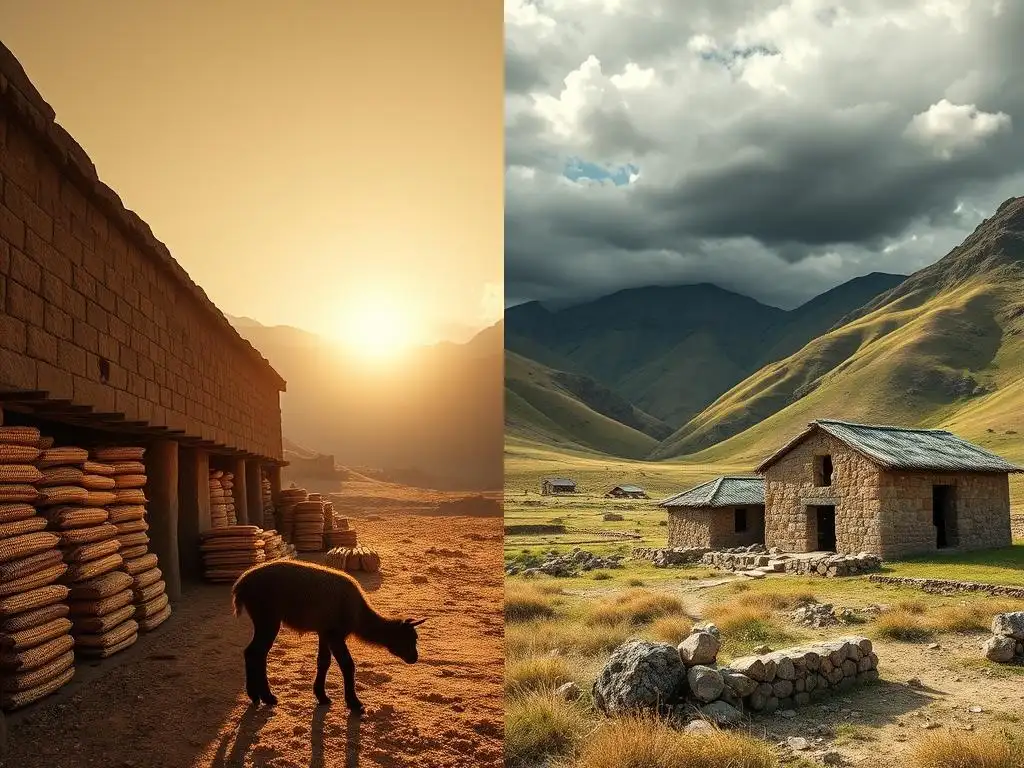
The diverse geography of the Andes Mountains, ranging from arid coastal deserts to high-altitude plains and lush valleys, significantly impacted the development of unique food storage practices tailored to specific climatic challenges. Understanding these adaptations is crucial to appreciating the ingenuity and resilience of Andean civilizations in managing their food supplies. The varied climates demanded creative solutions, pushing the boundaries of innovation in storage techniques.
These techniques weren't simply about preservation; they were integral to the social and economic fabric of Andean societies, influencing everything from trade routes to social hierarchies. The following case studies illustrate the profound impact of climate on food storage strategies across different Andean regions.
The Impact of Arid Climates on Food Storage in the Atacama Desert
The Atacama Desert, one of the driest places on Earth, presented a formidable challenge for food preservation. The extreme aridity, coupled with intense solar radiation, necessitated storage solutions that minimized moisture loss and prevented spoilage due to heat. Ancient cultures inhabiting this region, such as the Chinchorro, developed sophisticated techniques for preserving food, often utilizing natural shelters like caves or rock crevices to maintain stable temperatures and humidity levels.
They also employed techniques like sun-drying and air-drying, which effectively reduced moisture content, inhibiting microbial growth. The scarcity of water in the Atacama also led to innovative methods of preserving water itself, a critical component for long-term food storage. These methods, passed down through generations, speak volumes about the resourcefulness of the people who thrived in this harsh environment.
Further research is needed to fully understand the specific techniques employed and their effectiveness. [Specific information pending on precise techniques used by Chinchorro culture].
Highland Storage Practices in Response to Cold and Variable Weather in the Altiplano
The Altiplano, a high-altitude plateau in the Andes, experiences significant temperature fluctuations and unpredictable weather patterns, including frost and intense solar radiation. These conditions demanded food storage strategies capable of withstanding both extreme cold and periods of intense heat. Communities inhabiting the Altiplano, such as the Quechua and Aymara, developed ingenious methods for preserving potatoes, quinoa, and other staple crops. These included techniques like freeze-drying (chuno), underground storage in cellars, and the use of specialized storage containers designed to regulate temperature and humidity.
The construction of these storage facilities was often integrated with the overall design of their dwellings, reflecting the central role of food preservation in their daily lives. The design and materials used in these structures varied depending on the specific microclimate and available resources. [Specific information pending on the variety of storage structures and their materials].
Case Study: The Aymara People and their Chuno Storage Methods in the Bolivian Highlands
The Aymara people of the Bolivian highlands exemplify the adaptive capacity of Andean cultures in response to challenging climatic conditions. Their renowned chuno production—a freeze-drying process for potatoes—is a testament to their mastery of food preservation techniques. The process involves repeated freezing and thawing of potatoes, followed by sun-drying, resulting in a lightweight, long-lasting food source.
The chuno storage itself is equally fascinating. It is often stored in specialized underground cellars, or qollqas, which maintain relatively stable temperatures throughout the year, minimizing spoilage and preserving the quality of the chuno. The construction of these qollqas involved sophisticated knowledge of local geology and microclimates, highlighting the Aymara’s deep understanding of their environment.
This sophisticated approach to both chuno production and storage demonstrates a remarkable level of technological and environmental understanding. The social organization around chuno production and distribution also played a significant role in Aymara society, reflecting the importance of this food source.
The Future of Andean Food Storage: Balancing Tradition and Innovation
Preserving traditional Andean food storage practices while adapting to the challenges of a changing climate is a crucial task. Climate change is exacerbating existing environmental pressures in the Andes, increasing the risk of crop failure and posing new challenges for food preservation. The future of food security in the Andes necessitates a thoughtful integration of traditional knowledge with modern technologies.
Preserving Andean Food Heritage in a Changing Climate
The rich heritage of Andean food storage techniques represents a valuable resource for addressing modern challenges. Many of these traditional methods, refined over centuries, are remarkably sustainable and environmentally friendly. Documenting, preserving, and promoting these practices are essential to ensuring their continued relevance in a changing world. This includes supporting local communities in maintaining their traditional knowledge and fostering intergenerational transmission of these valuable skills. This preservation effort must involve active participation from Andean communities to ensure that the knowledge is not lost. [Specific information pending on current initiatives for preserving Andean food heritage].
Integrating Modern Technologies with Traditional Storage Techniques
While traditional methods remain vital, incorporating modern technologies can enhance food preservation efforts and improve food security. This might involve the use of improved storage facilities that incorporate climate-control technology, or the adoption of new preservation techniques that extend shelf life without compromising nutritional value. However, it’s crucial that the integration of modern technologies respects and complements traditional practices, avoiding a complete abandonment of the ancestral knowledge. Carefully considering the environmental impact of any new technologies and ensuring their accessibility to local communities is also crucial. [Specific information pending on examples of successful integration of modern and traditional techniques].
Sustainable Solutions for Andean Food Security
Addressing food security in the Andes requires a holistic approach that considers the interconnectedness of climate, agriculture, and food storage. Sustainable solutions must prioritize environmental protection and the empowerment of local communities. This involves promoting climate-resilient crops, supporting sustainable agricultural practices, and ensuring access to appropriate storage facilities. Furthermore, investing in research and development of climate-smart technologies tailored to the specific needs of the Andes is vital. A collaborative approach involving researchers, policymakers, and Andean communities is essential for the long-term success of these efforts. [Specific information pending on examples of successful sustainable food security initiatives in the Andes].
Conclusion: Climate as a Shaping Force in Andean Food Storage
The diverse and challenging climates of the Andes Mountains profoundly shaped the food storage practices of its ancient inhabitants. From the arid coastal deserts to the high-altitude puna grasslands, the need to preserve food against the elements—extreme temperatures, fluctuating humidity, and potential for spoilage—drove innovation and ingenuity. The ingenious techniques developed, ranging from sophisticated subterranean storage to the use of specialized containers and drying methods, reflect a deep understanding of their environment and a remarkable adaptation to its limitations. The success of these methods allowed Andean civilizations to thrive, supporting large populations and complex social structures despite the inherent challenges of their geography.
Understanding these adaptive strategies provides valuable insights into the resilience and resourcefulness of these remarkable cultures and offers lessons for modern approaches to food preservation, particularly in regions facing similar climatic challenges. The enduring legacy of Andean food storage techniques underscores the inextricable link between climate, culture, and the very survival of these ancient societies. Further research into specific regional variations and the long-term impacts of climate change on these traditional methods is crucial for preserving this invaluable cultural heritage and informing sustainable practices for the future.
The study of Andean food storage is not merely an archaeological pursuit; it is a window into the profound relationship between humanity and its environment, a relationship that continues to shape our world today. The ingenuity of these ancient peoples serves as a powerful reminder of humanity's capacity for adaptation and innovation in the face of adversity. Their legacy in food storage techniques continues to inspire and inform contemporary approaches to food security and sustainability.
- Andean Civilizations Food Storage: An Introduction
- The Challenge of Climate in Andean Food Preservation
- Traditional Andean Storage Techniques Adapted to Climate
- The Impact of Climate Change on Andean Food Storage
- Case Studies: Andean Food Storage Under Different Climatic Conditions
- The Future of Andean Food Storage: Balancing Tradition and Innovation
- Conclusion: Climate as a Shaping Force in Andean Food Storage
- How did the climate of the Andes affect food storage?
- What were some common food storage techniques used by Andean civilizations?
- How did the Inca civilization address food storage challenges?
- What role did food storage play in the success of Andean civilizations?
- How did climate change impact ancient Andean food storage practices?
Frequently Asked Questions
How did the climate of the Andes affect food storage?
The varied and challenging climate of the Andes significantly impacted food storage. Extreme altitudes, fluctuating temperatures, and limited arable land necessitated innovative storage techniques to prevent spoilage and ensure food security.
What were some common food storage techniques used by Andean civilizations?
Andean civilizations employed various methods, including underground storage pits, raised storehouses to protect against rodents and moisture, and drying and freezing techniques adapted to the specific climate of their region.
How did the Inca civilization address food storage challenges?
The Inca, with their vast empire spanning diverse climates, implemented extensive networks of storehouses called qollqas, strategically located to maximize food preservation across different altitudes and environments. Efficient organization and redistribution of stored food was crucial to their success.
What role did food storage play in the success of Andean civilizations?
Effective food storage was essential for survival and societal stability. It allowed Andean civilizations to withstand periods of drought and famine, supporting population growth and the development of complex social structures.
How did climate change impact ancient Andean food storage practices?
Fluctuations in temperature and rainfall patterns likely challenged existing storage methods. Evidence suggests that Andean civilizations adapted their techniques over time, developing more resilient approaches to food preservation in response to environmental changes.
Final Reflection: Echoes of the Andes: Climate, Food, and a Legacy of Resilience
The ingenious food storage techniques developed by Andean civilizations remain a powerful testament to human adaptability in the face of challenging climates, a lesson profoundly relevant as we grapple with the intensifying impacts of modern climate change. Understanding their strategies offers not just historical insight, but crucial blueprints for building more sustainable and resilient food systems in a world increasingly threatened by unpredictable weather patterns and resource scarcity.
The enduring legacy of Andean food storage practices underscores the deep interconnectedness between culture, environment, and survival. Their innovative solutions, from sophisticated raised fields to carefully designed storehouses, weren't merely practical; they were integral to the social fabric and spiritual beliefs of these communities. The land provides, but only if we respect and understand its rhythms.
– This ancient wisdom, though perhaps not explicitly stated, resonates deeply with the challenges we face today. We must learn from their example, recognizing that sustainable food security requires a holistic approach that respects both ecological balance and cultural heritage.
Consider the ingenuity of these past societies, their intimate knowledge of their environment, and their ability to adapt. Now, consider your own relationship with food, its origins, and the impact of your choices on the environment. You, too, can be a steward of sustainable practices. By consciously choosing locally sourced foods, reducing food waste, and supporting initiatives that promote climate-resilient agriculture, you can contribute to a future where food security is not a privilege, but a right for all, echoing the enduring spirit of resilience found in the high Andes.
**Unveil Sustainable Solutions for Food Storage! **
Thank you for exploring the fascinating impact of climate change on food storage practices in the Andes! Your interest in this critical topic demonstrates a valuable understanding of sustainability and cultural preservation. Let's put that knowledge to work!
Here are some ways you can make a difference:
- **Embrace local wisdom:** Learn about traditional Andean food preservation techniques and incorporate them into your own kitchen. For example, consider using methods like drying, fermenting, or storing food in cool, dark places, all common practices in the region.
- **Share your knowledge:** Discuss sustainable food storage and its environmental benefits with friends and family. Raising awareness is a crucial step in protecting our planet's resources.
- **Get involved:** Join community groups or online forums dedicated to sustainable farming and food preservation. Your participation and insights can significantly contribute to positive change.
How will you incorporate environmentally friendly food storage practices into your daily life? Share your ideas below!