
The Power of Plants: How Andean Civilizations Harnessed Nature's Bounty

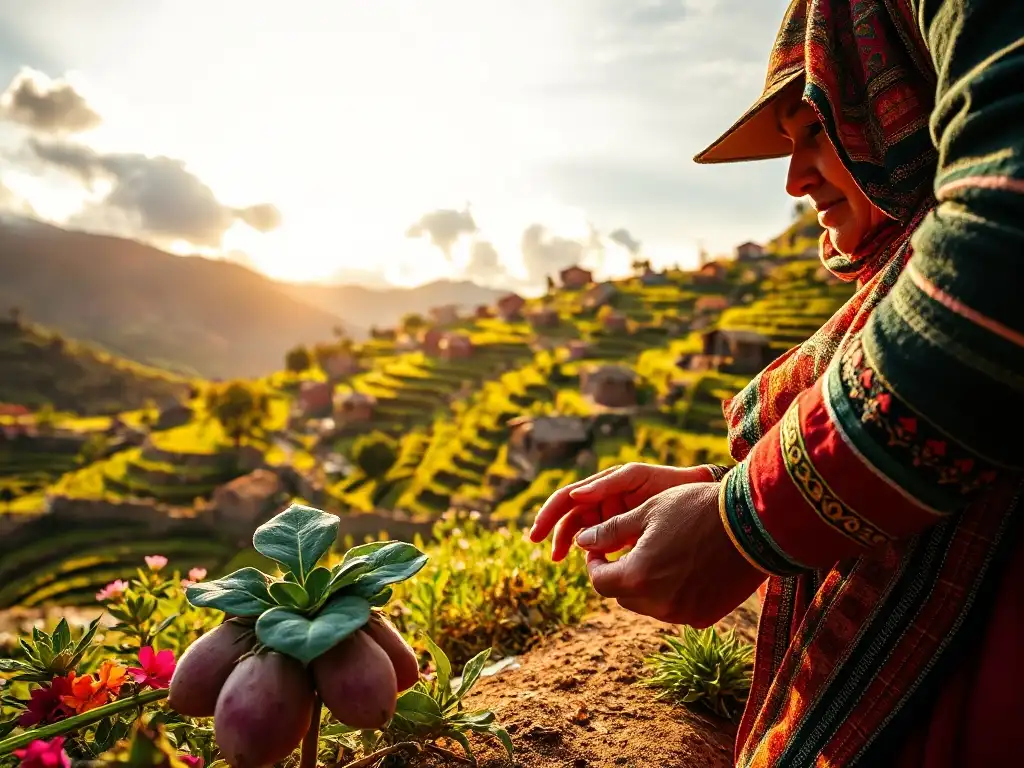
Welcome to Andean Civilizations, where the echoes of a lost world whisper tales of ingenuity and power. Prepare to be captivated by the intricate tapestry of ancient Andean cultures, from the towering heights of the Incas to the enigmatic artistry of the Nazca. But what secrets lie hidden within the earth itself? Discover the astonishing story of Andean civilizations plant medicine, and unlock the mysteries of how these civilizations harnessed nature's bounty to achieve unparalleled advancements. Journey with us as we delve into the fascinating world of Andean agriculture and unlock the potent legacy of their plant-based knowledge.
The Andes Mountains, a breathtaking tapestry of towering peaks and verdant valleys, nurtured some of the most fascinating and sophisticated civilizations in the world. For millennia, Andean societies, including the Incas, Moche, Nazca, and Tiahuanaco, developed an intricate relationship with their environment, deeply intertwined with their understanding and utilization of the diverse plant life surrounding them.
This article delves into the profound impact of plants on Andean life, exploring their role not only as a source of sustenance but also as integral components of their spiritual beliefs, medicinal practices, and technological advancements. We will uncover how these civilizations skillfully harnessed nature's bounty, creating a complex system of agriculture and plant use that continues to fascinate and inspire today.
This exploration of Andean civilizations and plant medicine will reveal the deep connection between these ancient societies and the natural world, highlighting the importance of plants in shaping their culture, economy, and worldview.
Introduction: Andean Civilizations and Their Botanical Knowledge
Andean civilizations possessed an extensive botanical knowledge, far exceeding a simple understanding of edible plants. Their expertise encompassed a deep understanding of plant properties, encompassing medicinal, ritualistic, and technological applications. This knowledge, passed down through generations via oral traditions and practical experience, allowed them to cultivate diverse crops adapted to the challenging Andean terrain, and to utilize a vast array of plants for various purposes.
The relationship between Andean peoples and their plant world was not merely utilitarian; it was deeply spiritual, with many plants holding significant symbolic and religious meaning. This intricate web of knowledge and practice is a testament to the ingenuity and adaptability of these remarkable societies, highlighting their profound respect for the natural world. Understanding their botanical knowledge provides crucial insights into their complex social structures, religious beliefs, and sophisticated agricultural techniques.
The Sacred Plants of the Andes
Many plants held immense spiritual significance for Andean civilizations. Beyond their practical uses, these plants served as intermediaries between the human and spiritual realms, playing crucial roles in religious ceremonies, rituals, and healing practices. The reverence for these sacred plants was deeply ingrained in their culture, shaping their social structures and worldview.
The careful cultivation and use of these plants underscored the interconnectedness of the Andean people with their environment and their belief in the inherent power of the natural world. The following sections will explore some of the most important sacred plants, focusing on their diverse roles in Andean society.
Coca: More Than a Stimulant in Andean Culture
Coca ( Erythroxylum coca) was, and remains, a cornerstone of Andean culture. Far from being simply a stimulant, coca held profound spiritual and social significance. Its leaves were used in religious ceremonies, offered as gifts to deities, and incorporated into various rituals to connect with the spiritual world. The meticulous cultivation and controlled distribution of coca leaves reflected the plant’s importance in Andean society, highlighting its central role in social interactions and economic systems. The coca leaf wasn't merely a commodity; it was a sacred element deeply embedded in the fabric of Andean life.
The Spiritual Significance of Coca
The spiritual significance of coca is evident in its use in various rituals and ceremonies. It was believed to possess the power to facilitate communication with the spirit world, enhance divination abilities, and provide protection from evil spirits. The chewing of coca leaves was often accompanied by prayers and offerings, creating a sacred space for connection with the divine. The symbolic importance of coca transcended its practical uses, demonstrating the deep spiritual connection between the Andean people and the natural world. Archaeological evidence consistently supports the widespread and deeply ingrained religious use of coca.
Uses of Coca in Ancient Andean Societies
Beyond its spiritual significance, coca had numerous practical applications in ancient Andean societies. It served as a source of energy for demanding agricultural tasks and high-altitude living. Its anesthetic properties were utilized in medicinal practices to alleviate pain and discomfort. Coca leaves were also used in various technological processes, such as in the preparation of textiles and in mummification rituals. The versatility and widespread use of coca underscore its importance as a fundamental resource for Andean civilizations.
Other Sacred Plants Used by Andean Civilizations
While coca was undoubtedly paramount, other plants played equally significant roles in Andean culture and religious practices. [Specific examples of other plants and their uses pending]. These plants, along with coca, formed a complex botanical tapestry reflecting the rich cultural heritage and deep ecological knowledge of these ancient civilizations. The diversity of sacred plants highlights the multifaceted relationship between Andean societies and their environment. Further research is needed to fully document the extent of their botanical knowledge and the diverse uses of these plants.
Andean Civilizations Plant Medicine: Healing with Nature
Andean civilizations possessed an extensive knowledge of plant medicine, using a wide array of native flora for healing and spiritual purposes. Their understanding of the medicinal properties of plants was deeply intertwined with their cosmology and spiritual beliefs, resulting in a sophisticated system of herbal remedies passed down through generations. This intricate relationship between humans and nature is a testament to their profound respect for the environment and its capacity to provide sustenance and healing.
The use of plants wasn't merely a practical matter; it was a sacred practice, reflecting a holistic worldview that integrated physical and spiritual well-being. The effectiveness of many of these traditional remedies is still being studied today, revealing the potential for modern medicine to learn from ancient Andean practices.
The legacy of Andean plant medicine continues to inspire research into natural remedies and sustainable healthcare practices. Understanding this rich heritage helps us appreciate the interconnectedness of human health and environmental stewardship.
Traditional Andean Herbal Remedies
Traditional Andean herbal remedies utilized a diverse range of plants, each selected for its specific medicinal properties. For example, the coca leaf ( Erythroxylum coca) wasn't just a stimulant; it also served as an anesthetic, digestive aid, and treatment for altitude sickness. Other plants, such as Matricaria chamomilla (chamomile) and Mentha species (mint), were used for their calming and digestive properties, mirroring their use in many other cultures.
The preparation of these remedies varied widely, depending on the specific plant and intended use. Some plants were brewed into teas, others were chewed or ground into powders, and still others were applied topically as poultices or ointments. Detailed knowledge of plant identification, harvesting techniques, and preparation methods was crucial to the effectiveness of these remedies.
This knowledge was often passed down orally within families and communities, ensuring the preservation of these invaluable traditions. Records from Spanish colonial archives reveal glimpses of this extensive pharmacopeia, though much knowledge remains undocumented.
Understanding Andean Ethnobotany
Ethnobotany, the study of the relationship between people and plants, provides a crucial framework for understanding Andean plant medicine. It highlights the intricate interplay between cultural practices, ecological knowledge, and the utilization of plant resources. Andean ethnobotanical knowledge wasn't limited to medicinal uses; it encompassed a broad range of applications, including food, textiles, construction, and religious ceremonies.
The detailed understanding of plant life cycles, environmental factors influencing plant growth, and the precise identification of different species were all essential components of this sophisticated system. This deep ecological awareness fostered sustainable harvesting practices, ensuring the preservation of plant resources for future generations. Modern ethnobotanical research continues to uncover the vast complexity of Andean knowledge systems, revealing the potential for valuable insights into both traditional medicine and sustainable resource management.
Plant-Based Treatments for Common Ailments
Andean civilizations developed plant-based treatments for a variety of common ailments. For instance, various plants were used to treat digestive problems, respiratory infections, and skin conditions. The specific plants used often depended on the local environment and the availability of specific species. Detailed knowledge of the medicinal properties of different plants allowed healers to create effective remedies tailored to individual needs.
While the precise formulations and applications of many of these remedies are lost to time, archaeological evidence and historical accounts offer glimpses into the diversity and effectiveness of Andean plant-based medicine. For example, analyses of mummified remains have revealed evidence of medicinal plants used in burial rituals, suggesting their importance in both life and death. The continued study of Andean ethnobotanical knowledge holds significant promise for the discovery of new medicinal compounds and treatments.
The Role of Shamans and Healers
Shamans and healers played a central role in Andean societies, acting as intermediaries between the spiritual and physical worlds. Their expertise in plant medicine was deeply intertwined with their spiritual knowledge and their ability to diagnose and treat illnesses. Shamans often used plants not only for their medicinal properties but also for their ritualistic significance, incorporating them into ceremonies and healing practices. This integration of spiritual and physical healing reflects the holistic worldview of Andean civilizations, where health was viewed as a balance between the individual, the community, and the natural world.
The training of shamans and healers involved years of apprenticeship and the transmission of knowledge through oral traditions. Their role extended beyond medicinal practices, encompassing spiritual guidance, divination, and the maintenance of social harmony. Their expertise was essential for the well-being of the community.
Andean Agriculture and Plant Cultivation
Andean agriculture was remarkable for its ingenuity and adaptation to diverse and challenging environments. The civilizations inhabiting the Andes Mountains developed sophisticated techniques to cultivate crops in steep slopes, high altitudes, and arid climates. This agricultural prowess was essential for their survival and the development of complex societies. Their knowledge of plant cultivation was deeply integrated into their cultural and religious practices.
Advanced Agricultural Techniques
The Andes were characterized by diverse and challenging environments, including high altitudes, steep slopes, and arid conditions. Andean farmers overcame these challenges through sophisticated agricultural techniques, including terracing, irrigation, and the domestication of a wide variety of crops adapted to these conditions. These advancements allowed for intensive agriculture, supporting large and dense populations. The ingenuity and adaptability displayed in Andean agriculture provide valuable lessons for modern sustainable agricultural practices.
Terracing and Irrigation Systems
Terracing and irrigation were crucial to Andean agriculture. Terracing transformed steep slopes into level platforms suitable for cultivation, increasing arable land and preventing soil erosion. Irrigation systems, often involving intricate networks of canals and channels, brought water to crops in arid regions. These sophisticated systems are evidence of advanced engineering skills and a deep understanding of hydrology. The remnants of these systems are still visible in many parts of the Andes today, a testament to their enduring legacy.
The Domestication of Andean Crops
Andean civilizations domesticated a remarkable diversity of crops, including potatoes, maize, quinoa, and beans. These crops provided the staple foods that sustained their populations and formed the basis of their diet. The domestication process involved selecting and breeding plants with desirable traits, leading to increased yields and improved nutritional value. This process was crucial for the development of complex societies and the growth of urban centers. The genetic diversity of Andean crops is a valuable resource for modern agriculture, offering resilience to diseases and climate change.
Maintaining Biodiversity and Crop Variety
Andean farmers maintained a high level of biodiversity in their crops, cultivating a wide range of varieties adapted to different ecological conditions. This practice ensured food security and resilience to environmental changes. The preservation of biodiversity was not merely a practical strategy; it was also embedded in their cultural and religious beliefs. Modern agriculture can learn valuable lessons from the Andean approach to maintaining biodiversity, which ensures long-term sustainability and resilience. The preservation of traditional Andean farming practices is vital for maintaining this invaluable genetic diversity.
The Interconnection of Plants and Andean Spirituality

The Andean worldview deeply intertwined the natural world, particularly plants, with their spiritual beliefs and practices. Life wasn't seen as separate from nature, but rather as an integral part of a larger, interconnected cosmic order. This perspective permeated all aspects of Andean society, from agriculture and medicine to religious ceremonies and artistic expressions. Plants weren't merely resources; they were living beings, imbued with spiritual power and significance.
This reverence for the plant kingdom is evident in the numerous myths, legends, and rituals surrounding specific plants, showcasing their importance in shaping Andean cosmology and spirituality. The profound respect for nature, particularly plants, formed the foundation of their relationship with the environment and influenced their sustainable practices. This holistic approach ensured the continuation of their way of life for centuries.
The Concept of Pachamama and Nature's Power
Central to Andean spirituality is the concept of Pachamama, the Earth Mother, a powerful deity representing the fertile earth and the source of all life. Pachamama is not just the physical earth but also a spiritual force, a provider of sustenance and a source of life-giving energy. Plants, as gifts from Pachamama, hold a sacred status. They are seen as manifestations of her power, reflecting her abundance and generosity.
Respecting Pachamama meant respecting the plants that she provided, ensuring their careful cultivation and sustainable use. Failure to do so was believed to invite the wrath of Pachamama, resulting in crop failures or other misfortunes. This deep-seated belief system fostered a responsible and sustainable relationship with the environment, ensuring the long-term well-being of Andean communities. Evidence of these beliefs can be seen in numerous archaeological findings and surviving traditions.
Plants as Offerings and Rituals
Many Andean plants played crucial roles in religious ceremonies and rituals. Coca leaves, for instance, were—and still are—used in offerings to Pachamama and other deities. The act of offering coca leaves wasn't merely a symbolic gesture; it was a way of communicating with the spiritual world, expressing gratitude, and seeking blessings. Other plants, like sanango (a medicinal plant with potent healing properties), were also incorporated into rituals, highlighting their spiritual and medicinal importance.
These ceremonies often involved specific procedures, chants, and prayers, underscoring the profound connection between plants, spirituality, and Andean society. The careful preparation and use of these plants demonstrate the deep respect and understanding of their properties. Detailed accounts of these rituals can be found in various ethnographic studies.
The Symbolic Representation of Plants in Art
Andean art is replete with representations of plants, reflecting their cultural and spiritual significance. Textiles, pottery, and stone carvings often depict plants, not merely as decorative elements but as powerful symbols conveying specific meanings. For example, certain plants might symbolize fertility, healing, or specific deities.
The intricate designs and symbolic use of plants in Andean art showcase the deep-rooted connection between humans and the natural world, underlining the importance of plants in their daily lives and spiritual beliefs. The artistry involved in these representations speaks volumes about the high regard for the plant kingdom and its role in Andean culture. Studying these artistic expressions provides valuable insights into the beliefs and values of Andean civilizations.
Andean Plants and Modern Applications
The knowledge of Andean plant use continues to hold relevance in the modern world, demonstrating the enduring legacy of this ancient civilization's botanical expertise. Many plants once solely used for traditional purposes are now being investigated for their potential therapeutic properties. This resurgence of interest in Andean plant medicine highlights its potential contribution to global health. The sustainable use of these resources is, however, crucial to prevent overexploitation and preserve the biodiversity of the Andes.
Traditional Knowledge and Modern Medicine
Modern science is increasingly recognizing the medicinal value of plants used traditionally by Andean communities. Researchers are investigating the chemical composition and pharmacological properties of plants like uña de gato (cat's claw) and muña, finding evidence to support their traditional uses in treating various ailments. This fusion of traditional knowledge and modern scientific methods offers a promising avenue for developing new and effective medicines, potentially contributing to advancements in healthcare globally. However, it is crucial to acknowledge and respect the intellectual property rights of indigenous communities in any such endeavors.
Sustainable Harvesting and Conservation
The sustainable harvesting and conservation of Andean medicinal plants are crucial for protecting biodiversity and ensuring the continued availability of these valuable resources. Over-harvesting poses a significant threat to many species, potentially leading to their extinction. Sustainable practices, such as responsible harvesting techniques and the cultivation of medicinal plants, are essential for preserving this valuable heritage for future generations. Promoting responsible sourcing and supporting community-based conservation initiatives are vital steps in ensuring the long-term viability of Andean plant resources. This requires collaborative efforts between researchers, local communities, and policymakers.
The Legacy of Andean Botanical Knowledge
The legacy of Andean botanical knowledge is a testament to the ingenuity and deep connection between humans and nature. Their sophisticated understanding of plant properties, their sustainable harvesting practices, and their integration of plants into their spiritual lives offer valuable lessons for the modern world. Preserving and promoting this knowledge is not only essential for understanding the rich history of Andean civilizations but also holds immense potential for advancing global health and sustainability. Continued research and collaboration are vital to ensure that this invaluable knowledge is not lost but rather celebrated and utilized for the benefit of all.
Conclusion: Honoring the Wisdom of Andean Cultures
The intricate relationship between Andean civilizations and their plant world reveals a profound understanding of nature's power, far exceeding a simple reliance on agriculture. Their mastery of plant cultivation, coupled with their sophisticated knowledge of plant medicine, demonstrates an advanced level of botanical expertise and a deeply spiritual connection to the land. The use of plants extended beyond mere sustenance; they were integral to religious ceremonies, social structures, and even political power dynamics. Coca, in particular, played a multifaceted role, highlighting the complex and nuanced ways in which these cultures integrated plants into every aspect of life.
Understanding this intricate relationship allows us to appreciate the ingenuity and resilience of Andean civilizations, and underscores the importance of preserving and respecting the traditional knowledge surrounding Andean plant use. The legacy of these civilizations serves as a potent reminder of the vital connection between humans and the natural world, a connection that modern society would do well to re-evaluate and re-embrace. The continued study of Andean plant use offers valuable insights into sustainable agricultural practices, ethnobotany, and the potential of natural remedies. It is a testament to the enduring power of ancestral wisdom and a call to honor the deep respect these cultures held for the plants that sustained them.
The careful preservation of this knowledge is crucial not only for historical understanding but also for the potential discovery of new medicines and sustainable practices for the future. The legacy of Andean plant knowledge continues to inspire and inform, reminding us of the intricate tapestry of life woven between humans and the natural world. 🌱
- Introduction: Andean Civilizations and Their Botanical Knowledge
- The Sacred Plants of the Andes
- Andean Civilizations Plant Medicine: Healing with Nature
- Andean Agriculture and Plant Cultivation
- The Interconnection of Plants and Andean Spirituality
- Andean Plants and Modern Applications
- Conclusion: Honoring the Wisdom of Andean Cultures
Frequently Asked Questions
What role did plants play in Andean civilizations?
Plants were essential to Andean life. They provided food, medicine, clothing, and building materials. Their importance is reflected in their mythology and daily life.
How did Andean civilizations use plants for medicinal purposes?
Andean civilizations developed a sophisticated understanding of plant-based medicine. They used a wide variety of plants to treat various ailments, creating complex remedies and practices passed down through generations.
Were specific plants more important than others in Andean healing?
Yes, certain plants held significant cultural and medicinal importance. Examples include coca, which was used for both religious and medicinal purposes, and various herbs with powerful healing properties.
How did the knowledge of Andean plant medicine get passed down?
Knowledge of plant medicine was primarily transmitted orally, through generations of healers and shamans. This oral tradition ensured the continuation of these vital practices.
Are any Andean plant medicines still used today?
Many traditional Andean practices involving plant medicine are still used today, often integrated with modern medical approaches. This reflects the enduring legacy of Andean knowledge of plants.
Final Reflection: A Legacy of Leaves: The Enduring Power of Andean Botanical Knowledge
The intricate relationship between Andean civilizations and their plant world remains profoundly relevant today. We stand at a crossroads, facing unprecedented environmental challenges and a renewed interest in traditional healing practices, making the wisdom of these ancient cultures more vital than ever. The sophisticated understanding of plant medicine developed by Andean peoples offers a powerful model for sustainable living and a holistic approach to health and well-being.
The enduring legacy of Andean botanical knowledge continues to shape our understanding of plant-based remedies and sustainable agriculture. Their deep connection to the land, their meticulous observation of nature's rhythms, and their profound respect for the power of plants resonate deeply with contemporary concerns about biodiversity loss and the search for natural alternatives to synthetic medicines. The earth provides enough to satisfy every man's needs but not every man's greed.
– Mahatma Gandhi. This quote highlights the crucial balance these civilizations understood and that we must relearn today. Their practices offer a pathway towards a more harmonious relationship with the natural world.
Consider the depth of knowledge embedded within the Andean plant traditions. Think about the meticulous cultivation techniques, the intricate understanding of plant properties, and the profound spiritual connection to the land. You, too, can cultivate a deeper appreciation for the natural world and its healing potential. Explore the plants in your own environment, learn about their properties, and consider how you can incorporate more natural elements into your life. Let the wisdom of the Andes inspire you to live in greater harmony with nature, fostering a healthier planet and a healthier you.
Harness Nature's Power – Take Action Today!
Thank you for exploring the fascinating world of Andean civilizations and their deep connection with nature! Your interest in how these cultures utilized plants is a testament to your appreciation for their rich heritage and wisdom. Let's put this knowledge to practical use!
- Embrace Sustainable Practices: Begin by cultivating a small indoor herb garden featuring Andean plants like quinoa or amaranth. This is not only a way to connect with ancient traditions, but also to enjoy the benefits of fresh, homegrown produce.
- Share Your Discoveries: Discuss your newfound knowledge with friends, family, or online communities. Inspire others to explore the wonders of Andean agriculture and its sustainable practices.
- Expand Your Knowledge: Visit a local botanical garden or explore online resources dedicated to Andean flora. Discover how to incorporate these plants into your daily life, perhaps even experimenting with them in your cooking.
Reflect on these suggestions and consider how you can integrate the wisdom of Andean plant traditions into your modern life. Let's share ideas and continue this journey of discovery together!