
The Andean Calendar: Mapping the Seasons for Optimal Planting and Harvesting

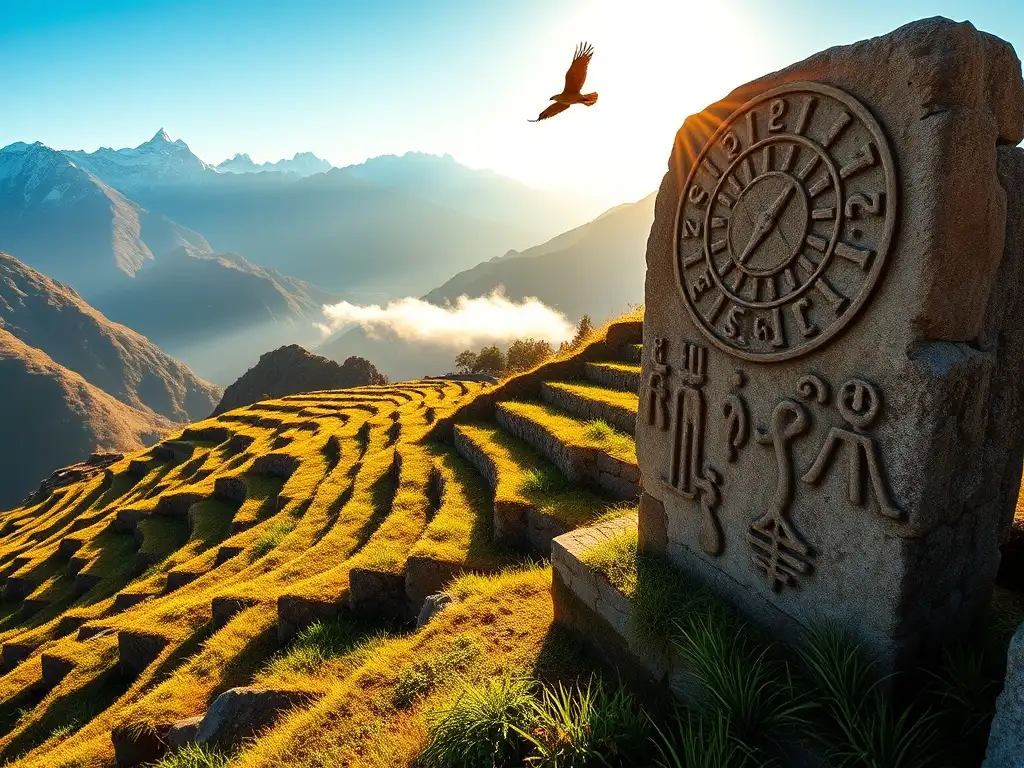
Step into a world lost to time, yet echoing with the ingenuity of the Andes. For centuries, civilizations thrived amidst breathtaking landscapes, their mastery of agriculture and intricate understanding of the cosmos shaping their very existence. Discover the secrets behind their astonishing advancements, beginning with the intriguing Andean civilization calendar system—a sophisticated tool that allowed them to precisely map the seasons, maximizing their harvests and ensuring the survival of their communities. Unravel the mysteries of this ancient knowledge and unlock the secrets of their agricultural success; the story awaits.
The Andes Mountains, a spine of towering peaks stretching along the western edge of South America, presented unique challenges and opportunities for the development of agriculture. The diverse altitudes, microclimates, and varied rainfall patterns demanded a sophisticated understanding of the environment to ensure successful crop cultivation. This understanding manifested in complex Andean calendar systems, intricately woven into the fabric of daily life and deeply connected to their spiritual beliefs. This article delves into the fascinating world of Andean calendars, exploring how these systems facilitated optimal planting and harvesting, contributing significantly to the remarkable agricultural achievements of civilizations like the Inca, Moche, Nazca, and Tiahuanaco. We will examine the different methods employed, the astronomical observations that underpinned them, and the lasting impact of these ingenious systems on Andean agriculture. Understanding the Andean civilization calendar system provides a crucial lens through which to appreciate the ingenuity and resilience of these ancient societies.
Astronomical Observations and the Andean Calendar
The Andean calendar wasn't a single, monolithic system; rather, it was a collection of interconnected practices and beliefs varying across different regions and cultures. However, a common thread unites them: a deep reliance on astronomical observations. Precise knowledge of the sun's movements, the phases of the moon, and the positions of stars and constellations provided crucial information for predicting seasonal changes.
For example, the appearance of certain constellations signaled the beginning of the rainy season or the optimal time for planting specific crops. This wasn't simply a matter of observation; it was interwoven with a rich cosmology, where celestial events held profound spiritual significance. Detailed records, though often indirect, are preserved in archaeological finds, such as ceremonial sites aligned with astronomical phenomena, and in ethnographic accounts from later periods.
The precision of these observations is remarkable, demonstrating a deep understanding of celestial mechanics far exceeding what was once assumed. Many sites, for example, are aligned with the solstices and equinoxes, showing a profound understanding of the Earth's movement around the sun.
Agricultural Practices Guided by the Calendar
The knowledge gleaned from astronomical observations was directly translated into practical agricultural practices. The Andean calendar dictated the planting and harvesting cycles for a wide variety of crops, tailored to the specific ecological conditions of different regions. This involved not only knowing when to plant but also what to plant, considering factors like altitude, soil type, and water availability. For instance, potatoes, a staple crop, were cultivated at various altitudes, with different varieties adapted to different climatic conditions.
The calendar helped farmers optimize yields by coordinating planting with the onset of rains and ensuring harvests before the onset of frost. This intricate understanding of agroecology allowed for the cultivation of a diverse range of crops, supporting large and complex societies. The meticulous planning and execution reflected in their agricultural practices highlight the sophistication of the Andean civilization calendar system.
The Role of the Calendar in Andean Society
The Andean calendar wasn't just a tool for agriculture; it played a vital role in the social and religious life of Andean communities. Agricultural cycles were often integrated into religious festivals and rituals, reinforcing the deep connection between the cosmos, nature, and human society. Specific ceremonies were associated with planting and harvesting, ensuring the fertility of the land and the abundance of crops.
The calendar also helped regulate social organization, coordinating communal labor and resource distribution. This ensured equitable access to land and resources, contributing to the stability and prosperity of Andean communities. The calendar, therefore, was not simply a practical tool but a fundamental element shaping the social, religious, and economic fabric of Andean civilization.
It fostered cooperation and a shared understanding of the natural world, illustrating the profound integration of astronomy, agriculture, and spirituality in their culture. The precise details of the various calendar systems employed across different Andean cultures remain a topic of ongoing research, yet the fundamental importance of these systems in shaping their society is undeniable.
Further Research Areas 1
Further research is needed to fully understand the nuances of regional variations in Andean calendar systems and their interaction with other societal structures.
1 Ongoing research continues to refine our understanding of these complex systems.
- Astronomical Observations and the Andean Calendar
- Agricultural Practices Guided by the Calendar
- The Role of the Calendar in Andean Society
Understanding the Andean Civilization Calendar System
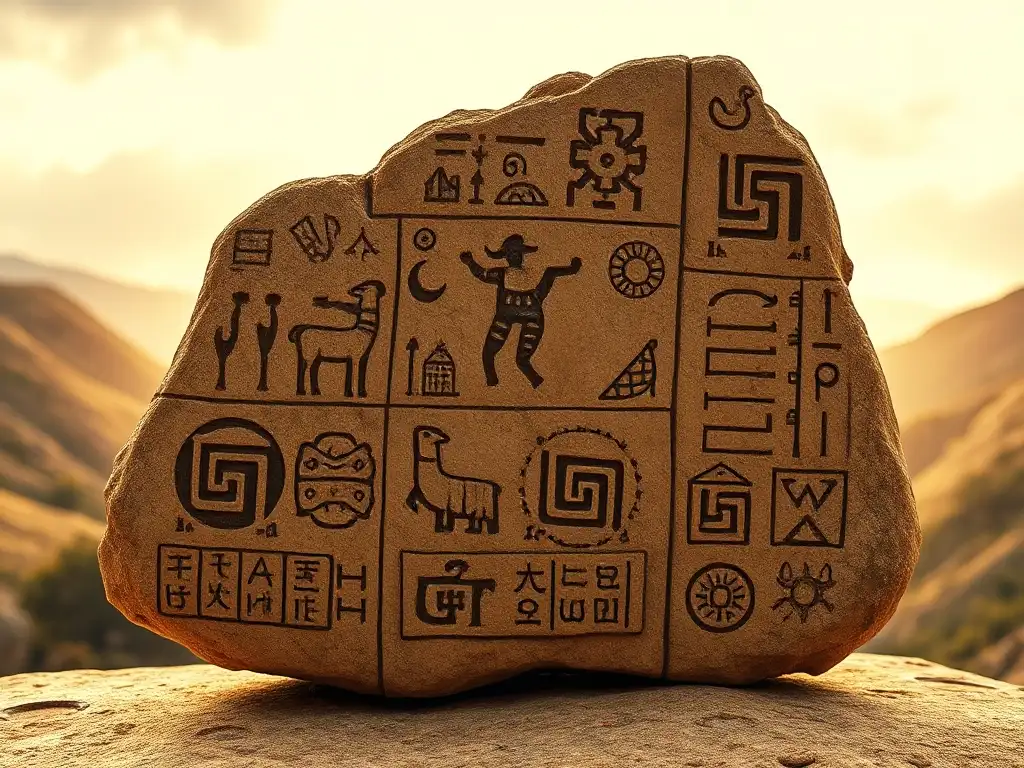
This section delves into the intricacies of the Andean civilization calendar system, a sophisticated method of timekeeping crucial for the success of Andean agriculture. Unlike the Gregorian calendar we use today, the Andean system wasn't solely based on solar cycles. It intricately interwoven astronomical observations with meticulous knowledge of local environments, resulting in a remarkably accurate and effective agricultural planning tool. This understanding allowed for optimal planting and harvesting, ensuring food security for these advanced civilizations.
The system's complexity varied among different Andean cultures—Inca, Moche, Nazca, and Tiahuanaco each possessed unique approaches, though common threads of astronomical observation and environmental awareness united them. Understanding this system provides invaluable insight into the intelligence and adaptability of these ancient societies. The Andean civilization calendar system wasn't merely a means of tracking time; it was a fundamental aspect of their worldview, deeply intertwined with their spiritual beliefs and agricultural practices.
The Importance of the Calendar in Andean Agriculture
The Andean calendar system was paramount to the success of Andean agriculture. The diverse geography of the Andes—ranging from coastal deserts to high-altitude plains—required precise knowledge of seasonal variations to maximize crop yields. The calendar predicted not only the optimal planting and harvesting times for different crops but also accounted for microclimates and variations in altitude. For example, the timing of the rainy season, crucial for irrigation in arid regions, was meticulously tracked.
Farmers utilized this knowledge to plant crops like maize, potatoes, and quinoa at the most opportune moment, maximizing their growth potential and ensuring abundant harvests. Failure to understand and adhere to the calendar's guidance could lead to crop failure and food shortages, with potentially devastating consequences for the community. The calendar's importance extended beyond simple planting; it also guided activities like livestock management and the preparation of storage facilities for harvested crops.
Archaeological evidence consistently reveals the sophisticated planning and precision involved in Andean agriculture, directly attributable to their advanced calendar system. The accuracy and effectiveness of this system are a testament to the deep understanding these civilizations had of their environment and its cycles. The effectiveness of their agricultural practices, in turn, contributed significantly to the prosperity and stability of Andean societies.
Key Features of the Andean Timekeeping System
The Andean timekeeping system wasn't a monolithic entity; rather, it encompassed a variety of methods and observations. While specific details vary across different cultures, some key features stand out. Many Andean calendars incorporated a solar year, divided into seasons based on the sun's movements. However, they also integrated observations of other celestial bodies, such as the moon and stars. This allowed for a more precise understanding of seasonal changes and microclimates.
The Inca, for instance, are known to have used a complex system of quipus—knotted cords—to record astronomical data and agricultural cycles. These quipus acted as a sophisticated form of record-keeping, allowing for the transmission of vital agricultural knowledge across generations. Furthermore, many Andean cultures utilized a combination of solar and lunar cycles, along with observations of constellations and other celestial events, to create a highly accurate and nuanced calendar. The integration of these multiple systems allowed for a deeper understanding of the timing of planting and harvesting, resulting in more successful harvests.
The level of precision achieved is remarkable, considering the tools and technologies available to them. This sophisticated system highlights the advanced level of astronomical knowledge and mathematical understanding possessed by these ancient Andean civilizations. The system's complexity underscores their deep connection with the natural world and their ability to adapt and thrive in challenging environments. Further research into specific regional variations within the broader Andean civilization calendar system will undoubtedly reveal even more about the ingenuity and expertise of these remarkable societies.
Andean Agricultural Practices and the Calendar
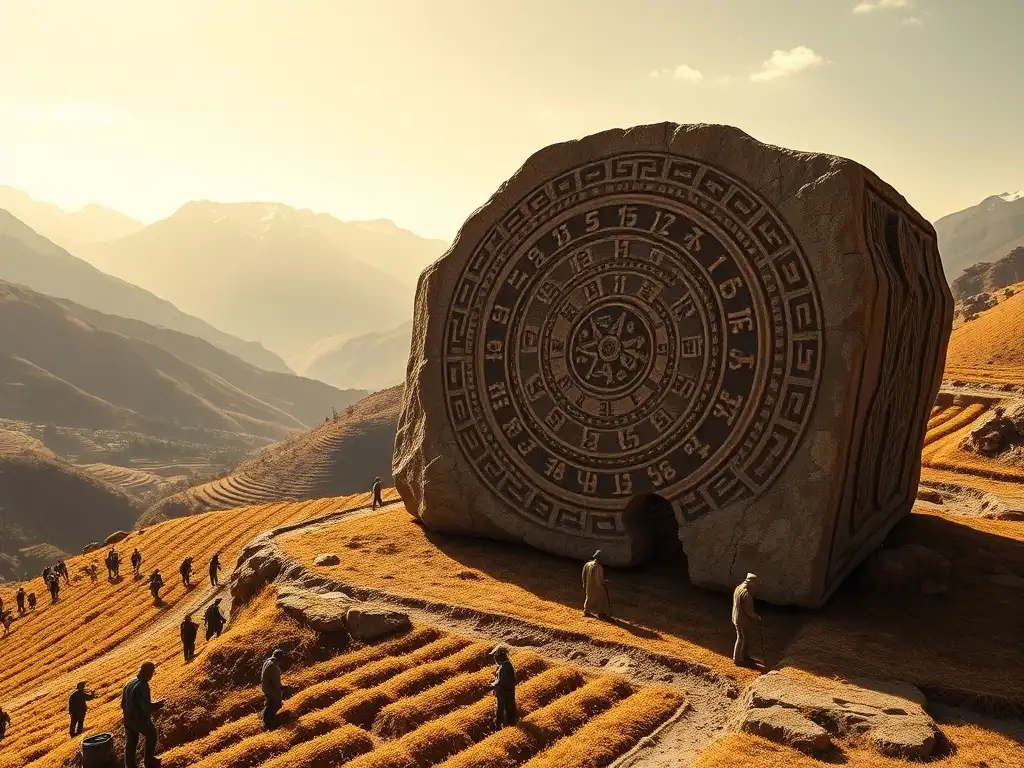
The Andean civilization calendar system wasn't simply a way to track time; it was intricately woven into the fabric of Andean life, particularly their agricultural practices. Understanding the nuances of this calendar is crucial to appreciating the sophisticated agricultural techniques employed by civilizations like the Inca, Moche, and Nazca. Their success in cultivating diverse crops in challenging Andean terrains hinged on a deep understanding of seasonal rhythms and celestial events, allowing them to maximize yields and ensure food security.
This wasn't a rigid, uniform system across all Andean cultures; variations existed based on local geography and specific crop needs. However, a common thread unites them all: a profound connection between the calendar and the agricultural cycle. The Andean calendar, therefore, represents a remarkable example of human adaptation to challenging environments and a testament to the ingenuity of Andean farmers.
Seasonal Cycles and Planting Schedules in the Andes
The Andes boast a diverse array of microclimates, resulting in varied growing seasons. The Andean calendar, therefore, wasn't a single, monolithic system. Instead, it was a collection of interwoven local calendars, each adapted to specific ecological conditions. For instance, high-altitude regions experienced shorter growing seasons compared to lower valleys.
This impacted planting schedules significantly. Farmers carefully observed changes in temperature, rainfall, and daylight hours to determine the optimal time for planting and harvesting. They used a combination of observation and traditional knowledge passed down through generations. Specific festivals and ceremonies often coincided with crucial agricultural periods, reinforcing the cultural significance of the calendar.
The Inca, for example, divided their year into twelve months, each associated with specific agricultural tasks. These months were further subdivided into smaller units, allowing for precise timing of planting and harvesting activities. Detailed records, though scarce, suggest that the Inca used a complex system of knotted strings, known as quipus, to record agricultural data, including planting dates, crop yields, and storage information.
This intricate system allowed for efficient resource management and helped to mitigate the risks associated with variable weather patterns. The meticulous tracking of these seasonal cycles underlines the importance of the Andean calendar system in ensuring food security for their vast empire.
The Role of the Sun and Moon in Andean Farming
Celestial observations played a vital role in the Andean civilization calendar system. The sun and moon were not merely celestial bodies; they were revered deities whose movements dictated agricultural activities. The solstices and equinoxes marked significant turning points in the agricultural year, signaling the beginning and end of planting and harvesting seasons. Farmers meticulously observed the sun's path across the sky, using its position to gauge the progression of seasons and to predict weather patterns. This knowledge was essential for making informed decisions about planting and harvesting.
The moon, too, held considerable importance. Many Andean cultures believed that the moon's phases influenced plant growth and development. Specific lunar phases were considered auspicious for particular agricultural tasks.
For instance, the full moon might have been considered ideal for planting certain crops, while the new moon might have been associated with other activities, such as weeding or harvesting. This close observation of both the sun and moon showcases the depth of astronomical knowledge integrated into their agricultural practices. Their understanding of celestial mechanics was not merely theoretical; it was deeply practical, directly impacting their ability to feed their communities.
Determining Optimal Planting Times Using the Andean Calendar
The Andean calendar system wasn't a rigid set of rules; it was a flexible framework adapted to local conditions and specific crops. Farmers would consider various factors beyond just the solar and lunar cycles. These included:
- Altitude: Higher altitudes meant shorter growing seasons and different planting times compared to lower altitudes.
- Microclimate: Even within a small area, variations in topography and exposure to sunlight could lead to microclimatic differences affecting planting schedules.
- Specific Crop Needs: Different crops had different requirements in terms of temperature, moisture, and sunlight. This necessitated a nuanced approach to planting times.
- Soil Conditions: The quality and moisture content of the soil played a significant role in determining planting times.
Farmers utilized a combination of observation, experience, and traditional knowledge to determine the optimal planting time for each crop. This involved careful monitoring of environmental cues and adjusting their practices accordingly. The Andean calendar provided a framework, but the farmers' expertise and adaptability were paramount.
This highlights the dynamic nature of the Andean civilization calendar system and the ingenuity of the Andean farmers in adapting to the challenges of their environment. Their success in cultivating diverse crops in challenging conditions underscores the profound link between their understanding of the natural world and their agricultural practices. The detailed knowledge embedded within the Andean calendar system remains a fascinating example of human ingenuity and adaptability.
Andean Calendar and Crop-Specific Planting Strategies
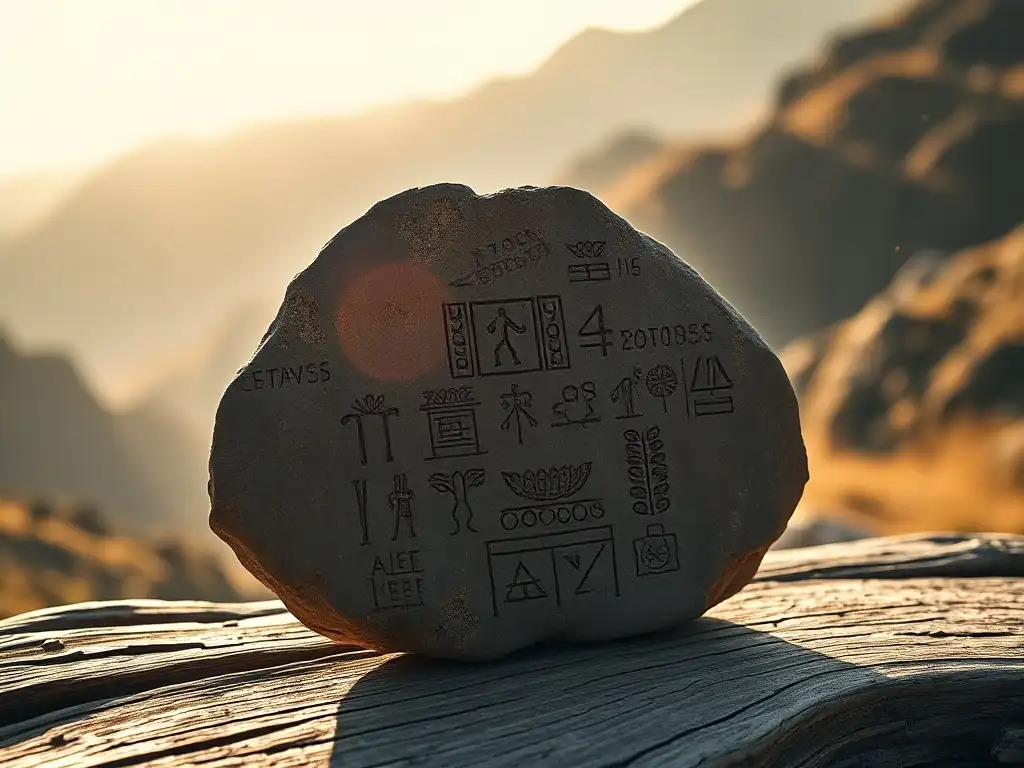
The Andean calendar system, a sophisticated method of tracking time intimately linked to agricultural practices, wasn't a single, monolithic entity. Instead, it varied regionally, adapting to diverse microclimates and the specific needs of different crops. While a unified system encompassing all Andean civilizations is a simplification, the core principle remained consistent: precise observation of celestial events to optimize planting and harvesting.
This section explores how this knowledge was applied to staple crops, demonstrating the nuanced understanding of Andean agricultural practices. The Andean civilization calendar system's effectiveness stemmed from its localized adaptations and detailed observations, allowing for maximized yields and sustainable farming. Understanding this intricate relationship between timekeeping and agriculture is key to appreciating the ingenuity of Andean civilizations.
Potato Varieties and Their Ideal Planting Season
Potatoes ( Solanum tuberosum) formed the backbone of the Andean diet, with a vast array of varieties adapted to different altitudes and climates. The Andean calendar guided planting based on factors beyond simple seasonal changes. Altitude played a crucial role; high-altitude varieties needed specific temperature and moisture conditions only available during certain periods indicated by the calendar.
For instance, papa negra (black potato), a cold-hardy variety typically cultivated at higher elevations, had a planting window dictated by the waning of the rainy season and the onset of cooler temperatures. This was often correlated with specific constellations visible at dusk or dawn, providing a precise marker for farmers. Other varieties, like the papa amarilla (yellow potato) grown at lower altitudes, benefited from earlier planting coinciding with the initial rains, as indicated by the calendar's seasonal markers.
Failure to adhere to these planting times, as dictated by the Andean civilization calendar system, could result in poor yields or complete crop failure. The intricate knowledge of each potato variety's ideal conditions, combined with the precise timing offered by the calendar, was crucial to the success of potato cultivation.
Quinoa Cultivation and the Andean Calendar
Quinoa ( Chenopodium quinoa), another dietary staple, presented its own set of challenges. Its tolerance for harsh conditions made it a reliable crop, but its optimal growing period still required careful timing. The Andean calendar factored in factors like soil moisture and temperature variations, which were often correlated with specific positions of the sun and moon.
The planting of quinoa often coincided with the end of the rainy season, a crucial period identified through careful observation of celestial cycles recorded in the Andean calendar system. This allowed for optimal germination and growth before the dry season set in. Furthermore, specific harvest times were also dictated by the calendar, ensuring that the quinoa was harvested at its peak nutritional value and before potential damage from frost or harsh weather.
This precise timing, based on meticulous observations spanning generations, highlights the sophisticated agricultural knowledge of the Andean civilizations. The success of quinoa cultivation depended heavily on the accurate prediction of weather patterns, a skill honed over centuries and deeply entwined with their calendar system.
Maize Planting and Harvest Alignment with the Andean Calendar
Maize ( Zea mays) cultivation in the Andes required a sophisticated understanding of water management and seasonal changes. The Andean calendar played a critical role in this process. Different maize varieties, adapted to specific altitudes and climates, had their planting and harvesting seasons meticulously mapped within the calendar.
For example, early-maturing varieties suitable for higher altitudes were planted earlier in the season, taking advantage of the shorter growing period at those elevations. The calendar precisely indicated the optimal planting time based on factors like soil temperature and the likelihood of frost. Later-maturing varieties, cultivated at lower altitudes, had later planting dates, aligned with the onset of the rainy season as indicated by the calendar.
Harvesting times were similarly determined, ensuring the maize was harvested at its peak ripeness, minimizing losses due to pests, diseases, or weather events. The Andean civilization calendar system’s influence on maize cultivation is a testament to the deep understanding and precise knowledge of agricultural practices within these societies. The success of maize farming relied heavily on the accurate prediction of weather patterns and the careful management of water resources, both meticulously tracked by their sophisticated calendar.
Andean Calendar Variations Across Regions
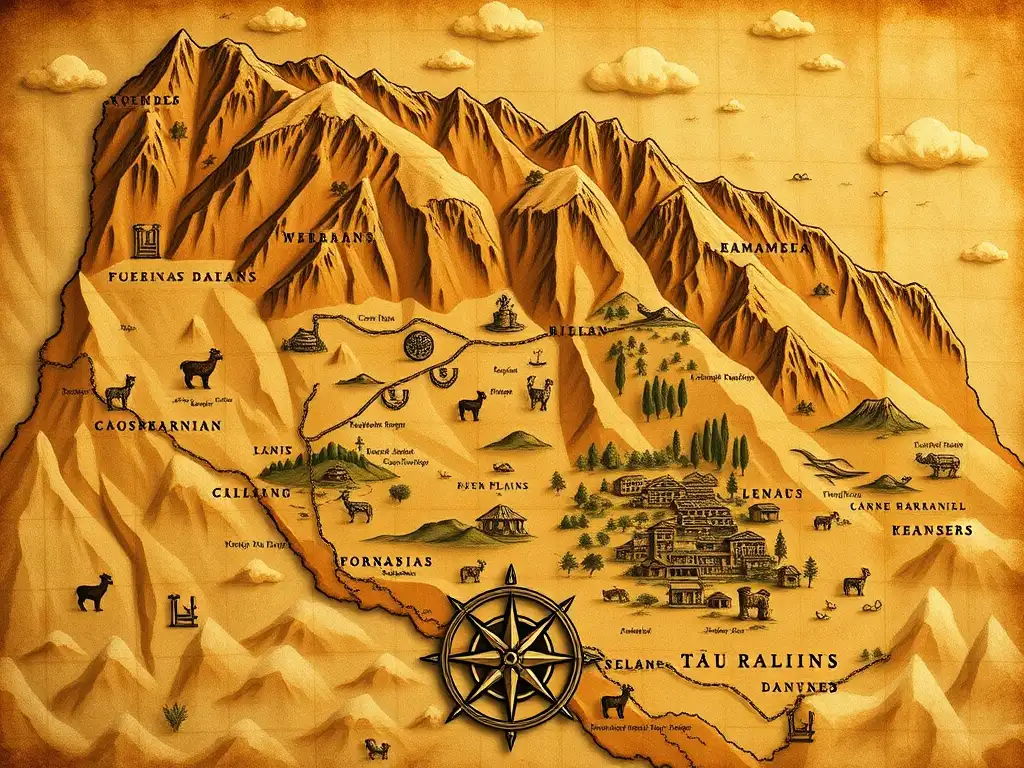
The Andean civilization calendar system wasn't a monolithic entity; instead, it manifested in diverse forms across the vast geographical expanse of the Andes. While a unifying framework likely existed, based on observations of celestial bodies and agricultural cycles, local adaptations and interpretations led to regional variations. These weren't merely superficial differences; they reflected unique environmental conditions, agricultural practices, and socio-political structures. Understanding these variations is crucial to appreciating the complexity and sophistication of Andean timekeeping.
The Inca Empire, for example, imposed a degree of standardization, but pre-existing systems persisted and influenced the imperial calendar. The integration wasn't a simple replacement but rather a complex process of negotiation and adaptation. This resulted in a patchwork of calendar systems, each reflecting a unique blend of imperial directives and local traditions.
Regional Differences in Calendar Usage
The application of the Andean calendar varied significantly depending on the specific region. Coastal communities, like the Moche and Nazca, relied heavily on the observation of the ocean currents and the rainy season, which directly impacted their fishing and agricultural practices. Their calendars likely incorporated detailed observations of marine life cycles alongside astronomical events.
Conversely, highland communities, such as those associated with Tiahuanaco and the Inca, focused on the intricate interplay of altitude, rainfall patterns, and frost cycles affecting their crops, such as potatoes and quinoa. Their calendar systems emphasized frost dates, optimal planting times for different elevations, and the timing of festivals related to agricultural cycles.
The timing of the solstices and equinoxes, while important across the Andes, likely held different symbolic and practical significance in different regions based on their unique agricultural needs. For example, the winter solstice in the highlands might have signaled the beginning of the dry season and preparations for storage, while in the coastal regions it could have marked a transition in marine life cycles.
The following table illustrates some of these regional differences:
| Region | Primary Focus | Key Observational Elements | Agricultural Significance |
|---|---|---|---|
| Coastal (Moche) | Marine cycles, rainfall | Ocean currents, bird migrations, rainfall patterns | Fishing, irrigation scheduling, crop planting |
| Highland (Inca) | Altitude, frost dates | Solstices, equinoxes, frost patterns | Potato, quinoa planting, harvesting, storage planning |
| High Andes (Tiahuanaco) | Altitude, water management | Solar cycles, water availability, frost | Crop selection, irrigation, communal labor organization |
This diversity underscores the dynamic nature of the Andean civilization calendar system—not a rigid structure, but a flexible framework adjusted to meet the specific challenges and opportunities of different environments. Further research is needed to fully understand the nuances of these regional variations, especially considering the limited surviving written records.
How Diverse Andean Cultures Interpreted the Calendar
The Andean calendar wasn't solely a practical tool for agriculture; it was deeply intertwined with the spiritual and cosmological beliefs of different cultures. The Incas, for instance, saw their calendar as a reflection of the cosmos, with celestial events holding profound religious significance. Specific dates were associated with deities, rituals, and festivals, marking important moments in the agricultural cycle and the broader societal life.
The Moche, known for their elaborate iconography, incorporated astronomical elements into their art and ceramics, suggesting a rich symbolic interpretation of the celestial cycles. For them, the calendar might have been a tool for understanding their relationship with the gods and the forces of nature. Similarly, the Nazca lines, though their precise purpose remains debated, suggest a sophisticated understanding of astronomy and its potential connection to religious practices.
They may have used the calendar to mark specific times for rituals connected to water sources, given the aridity of the region. Understanding these diverse interpretations requires delving into the art, mythology, and religious practices of each culture. [Specific data on individual interpretations pending further research].
Adapting the Calendar to Local Environments
The adaptability of the Andean calendar system is a testament to its sophistication. Different communities modified their calendars to match their unique environments. High-altitude communities, facing shorter growing seasons and the threat of frost, meticulously tracked microclimates and adjusted planting times accordingly.
They developed complex systems of terraces and irrigation to maximize their limited resources and optimize their harvest according to the calendar’s indications. Coastal communities, conversely, focused on predicting the arrival of the rainy season and the abundance of marine life. They developed intricate networks of canals and reservoirs to manage water resources based on their calendar’s predictions.
The ability to adapt the calendar to local environmental variations is a key factor in understanding the agricultural success of Andean civilizations, highlighting the close relationship between their knowledge of the cosmos and their ability to thrive in diverse and challenging environments. This adaptability, a direct response to the environmental diversity of the Andes, showcases the ingenuity and resilience of Andean agricultural practices. The integration of astronomy, environmental observation, and agricultural practices in the Andean calendar system allowed for a remarkable level of sustainability, a crucial factor in the development and prosperity of these ancient civilizations.
The Legacy of the Andean Calendar
The Andean calendar system, a sophisticated network of astronomical observations and practical agricultural knowledge, wasn't a single monolithic entity. Instead, it varied across different Andean civilizations, reflecting unique environmental conditions and agricultural practices. The Incas, for example, utilized a complex system combining solar and lunar cycles, influencing their intricate agricultural planning. Their understanding of the solstices and equinoxes, meticulously tracked through observation of the sun's path and celestial events, dictated planting and harvesting schedules.
This precise timing maximized crop yields and ensured community sustenance. The Moche, on the other hand, while lacking the centralized imperial structure of the Inca, developed their own sophisticated calendar system evident in their intricate artwork depicting agricultural cycles and celestial events. Their calendar likely incorporated a similar understanding of solar cycles, but its exact workings remain a subject of ongoing scholarly debate.
The study of the Andean civilization calendar system reveals a deep understanding of environmental factors and their impact on agriculture. This knowledge was crucial for the survival and prosperity of these ancient societies. The precision and complexity of their calendar systems stand as a testament to their keen observational skills and sophisticated understanding of the natural world.
Modern Uses of Andean Agricultural Knowledge
The enduring legacy of the Andean calendar system extends far beyond historical significance. Modern agricultural practices in the Andes continue to benefit from traditional knowledge. Farmers in many regions still utilize traditional methods of timekeeping, observing celestial events to determine optimal planting times for various crops like potatoes, maize, and quinoa.
This ancient knowledge, passed down through generations, proves remarkably effective in adapting to the challenges of contemporary agriculture. The integration of traditional knowledge with modern agricultural techniques offers a sustainable and resilient approach to farming in the Andes. For instance, the understanding of microclimates and specific planting windows derived from ancestral practices helps mitigate the risks associated with climate change and unpredictable weather patterns.
This is exemplified by the continued use of wachakuy, a traditional Andean practice of carefully observing the weather and soil conditions to predict optimal planting and harvesting times. This practice has proven effective in maximizing crop yields despite climate variability. The application of this knowledge has demonstrated increased resilience and sustainability in contemporary Andean agriculture.
Preserving Traditional Andean Timekeeping Practices
The preservation of traditional Andean timekeeping practices is crucial for maintaining agricultural biodiversity and cultural heritage. Efforts to document and share this knowledge are underway, involving collaborations between researchers, farmers, and community organizations. These initiatives strive to ensure the continuity of traditional practices while adapting them to the challenges of the modern world.
The documentation and dissemination of this knowledge is vital in fostering a deeper understanding and appreciation of the Andean civilization calendar system. Through workshops, educational programs, and community-based initiatives, traditional knowledge is being passed on to younger generations. This active preservation ensures that the intricate relationship between the Andean people and their environment is maintained and celebrated.
This includes the preservation of oral traditions, the recording of astronomical observations, and the documentation of traditional farming techniques. The goal is not merely to preserve the past, but to harness its wisdom for the benefit of future generations. This involves actively supporting the communities that maintain these traditional practices.
The Relevance of the Andean Calendar in Contemporary Farming
The Andean calendar system remains remarkably relevant in contemporary farming practices, particularly in the face of climate change and increasing environmental uncertainty. Its emphasis on meticulous observation of natural cycles provides a framework for adapting to changing conditions and mitigating risks. The knowledge embedded within the Andean calendar system offers valuable insights for sustainable agriculture, promoting resilience and biodiversity.
For example, the traditional methods of water management, informed by the calendar, offer lessons for optimizing water usage in the context of increasing water scarcity. Similarly, the understanding of soil fertility and crop rotation, passed down through generations, offers practical strategies for improving soil health and reducing the need for chemical fertilizers. The Andean calendar system, therefore, provides a holistic approach to agriculture, integrating ecological considerations with practical farming techniques.
Its continued relevance underscores the enduring wisdom of ancestral knowledge and its potential to contribute to sustainable food production in the Andes and beyond. The integration of traditional practices with modern technologies offers a promising path towards a more resilient and sustainable agricultural future. The study of the Andean civilization calendar system provides valuable insights for developing climate-resilient agricultural practices in other regions facing similar challenges.
Frequently Asked Questions
What was the purpose of the Andean calendar system?
The Andean calendar system wasn't a single, unified system, but rather a collection of methods used across different civilizations. Its primary purpose was to track agricultural cycles, enabling optimal planting and harvesting for survival. This involved close observation of the sun, moon, and stars.
Did all Andean civilizations use the same calendar?
No. While many shared similar principles of observing celestial bodies, each civilization—like the Inca, Moche, and Nazca—developed its own specific calendar systems. These systems often incorporated unique rituals and beliefs reflecting their distinct cultures.
How did the Andean people track time?
Andean civilizations used various methods, including observatories, such as the Caracol in Chichén Itzá (though not strictly Andean), celestial alignments, and intricate knotted records (quipus) to keep track of time, seasons, and important events.
What role did astronomy play in the Andean calendar?
Astronomy played a crucial role, forming the basis for understanding seasonal changes. Detailed observations of the sun, moon, and stars allowed the prediction of solstices, equinoxes, and other astronomical events vital for agricultural planning and religious ceremonies.
How accurate were the Andean calendar systems?
The accuracy varied depending on the specific civilization and method used. However, many systems demonstrated a remarkable level of precision, allowing for successful agriculture and the precise timing of important religious and social events over centuries.
Final Reflection: Echoes of the Andes: A Legacy of Sustainable Living
The intricate knowledge embedded within the Andean calendar system remains profoundly relevant today, offering a powerful model for sustainable agriculture and harmonious coexistence with the environment. Its sophisticated understanding of seasonal rhythms, far from being a relic of the past, provides a vital framework for addressing modern challenges like climate change and food security. The precision and deep connection to nature demonstrated by this ancient civilization offer invaluable lessons for our time.
The Andean calendar's enduring influence extends beyond mere agricultural practices; it speaks to a deeper cultural philosophy of respect for the land and its cycles. It reminds us of the interconnectedness of all living things and the importance of living in balance with nature. The Earth is what we all have in common.
– Wendell Berry. This simple yet profound statement encapsulates the essence of the Andean worldview, a perspective urgently needed in our increasingly disconnected modern world. The calendar's legacy is a testament to the wisdom of a civilization that understood the delicate balance between human needs and environmental stewardship.
Consider the implications of this ancient knowledge. How can we, in our own lives, incorporate a deeper understanding of seasonal rhythms and the natural world into our daily routines? You can start by observing the changes in your local environment, connecting with the cycles of nature around you, and making conscious choices that support sustainable practices. Let the echoes of the Andes inspire you to cultivate a more mindful and harmonious relationship with the Earth, ensuring a future where both humanity and nature thrive.
**Embrace Nature's Timing: Take Control of Your Harvest! **
Thank you for exploring the rich traditions of the Andean Calendar! Your interest in understanding seasonal cycles inspires us all to cultivate our gardens with care and intention. By applying these insights, you'll optimize your planting and harvesting, deepening your connection with nature.
Here's how you can start making a difference today:
- **Utilize the Andean Calendar:** Begin by incorporating the Andean Calendar's timing principles into your planting schedule. Pay close attention to the ideal moon phases and seasonal changes for your specific crops.
- **Share Your Journey:** Connect with other gardeners! Share your planting experiences on social media or join local gardening groups to exchange tips and learn from others.
- **Explore Native Crops:** Consider planting traditional Andean crops like quinoa or potatoes. Discover how these thrive within their natural cycles!
What will you grow this season to connect with the ancient wisdom of the Andean people? Share your thoughts below and let's grow together! 🌱