
The Role of the Andean Priest in Agriculture: Blessings and Rituals for Abundant Harvests

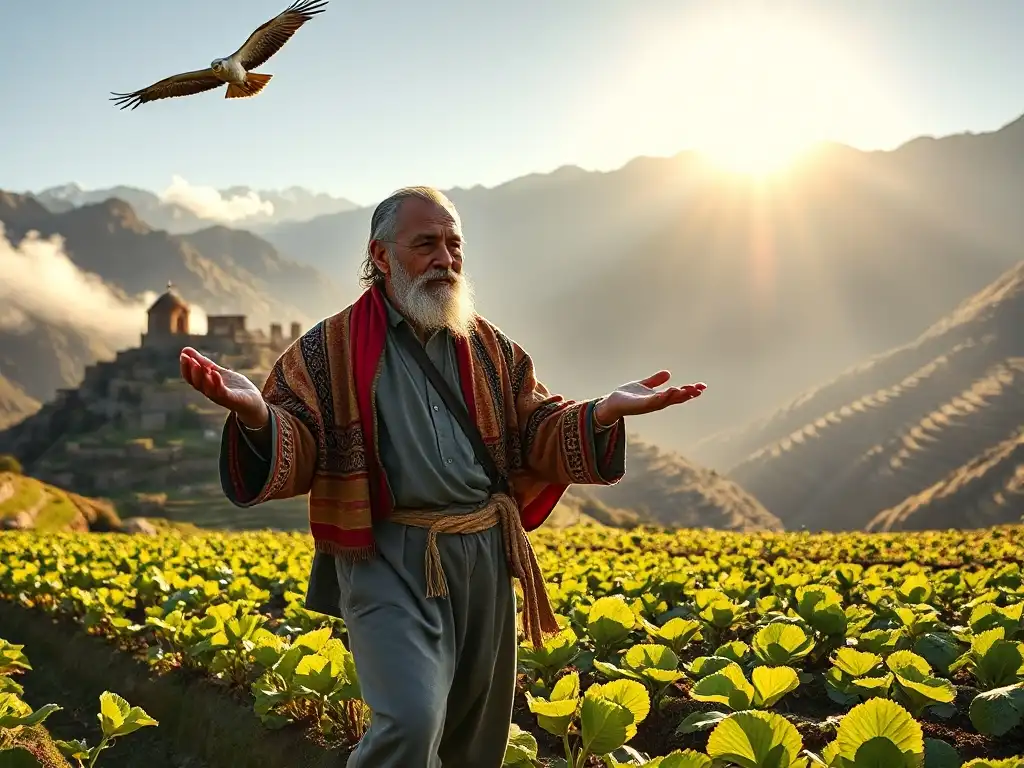
Step into a world lost to time, yet echoing with the whispers of ancient power. Imagine the towering peaks of the Andes, a landscape shaped not only by nature but by the profound spiritual beliefs of its inhabitants. This is the realm of the Andean civilizations, where the intricate connection between humans and the earth found its most potent expression in Andean priest agricultural rituals.
Uncover the secrets of their sacred practices, the blessings bestowed upon the crops, and the intricate ceremonies that ensured abundant harvests—a story waiting to be revealed. Explore the fascinating world of Andean agriculture and discover how these rituals shaped their societies and their relationship with the land.
- The Role of the Kallawaya in Agriculture: Blessings and Rituals for Abundant Harvests
- Understanding the Significance of the Kallawaya in Agriculture
- Kallawaya Agricultural Rituals: Ensuring Fertile Lands
- Blessings and Offerings: Appeasing the Spirits for Abundant Harvests
- Specific Kallawaya Agricultural Ceremonies and Their Purposes
- The Impact of Kallawaya Agricultural Rituals on Crop Yields
- Preserving Ancient Traditions: The Future of Kallawaya Agricultural Rituals
- Conclusion: The Enduring Legacy of Kallawaya in Agriculture
-
Frequently Asked Questions
- What was the role of Andean priests in agriculture?
- What types of rituals did Andean priests perform for agriculture?
- How did Andean agricultural rituals impact the community?
- Were all Andean priests involved in agricultural rituals?
- What evidence exists to support the role of Andean priests in agricultural practices?
- Final Reflection: Echoes of the Andes: A Legacy of Ritual and Harvest
- Cultivate Abundance: Embrace the Wisdom of Andean Rituals!
The Role of the Kallawaya in Agriculture: Blessings and Rituals for Abundant Harvests
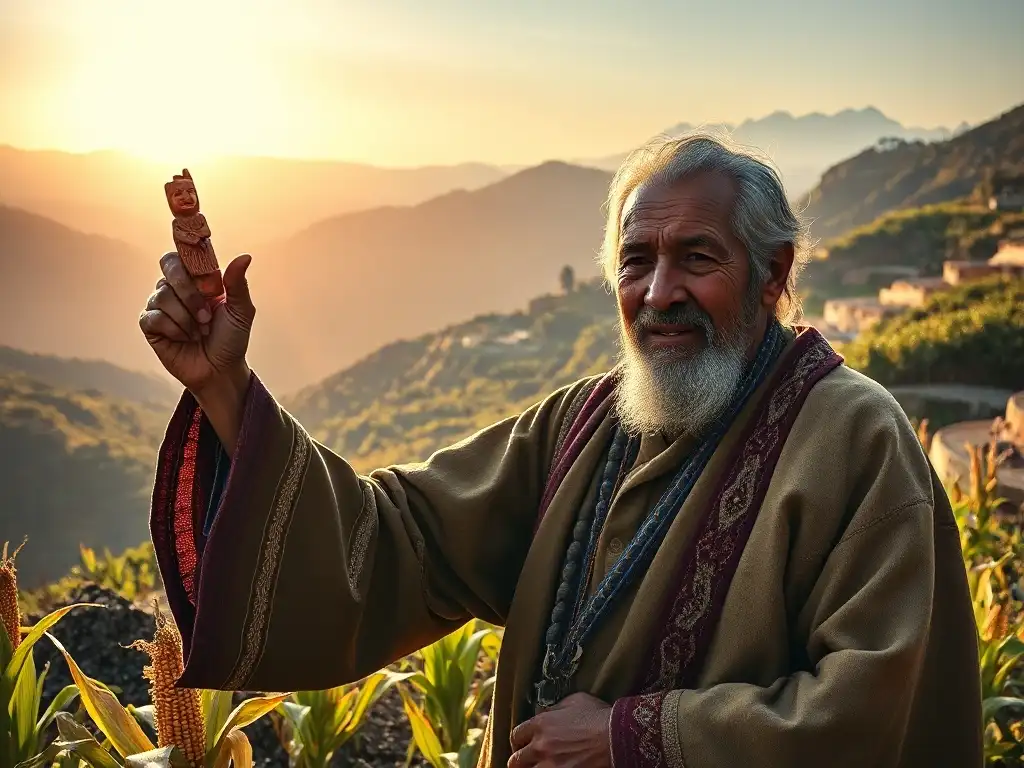
The Andes Mountains, a breathtaking and challenging landscape, nurtured some of the most sophisticated agricultural societies in pre-Columbian America. Survival in this environment demanded not only innovative farming techniques but also a deep spiritual connection with the land. This article explores the crucial role Andean priests, often highly specialized in their roles, played in ensuring bountiful harvests.
We will delve into the specific rituals and blessings they performed, examining their impact on agricultural practices and the overall Andean worldview. Understanding their influence reveals a complex interplay between religious belief, agricultural knowledge, and the very survival of these remarkable civilizations. The intricate relationship between the Andean priest and agricultural rituals is a key element in understanding the success and resilience of Andean agriculture, a topic crucial to comprehending the enduring legacy of these fascinating cultures.
We will focus primarily on the Inca civilization, but will touch upon other Andean cultures where relevant information is available. The keyword "Andean priest agricultural rituals" will be explored through the lens of specific practices and their socio-religious significance.
The Inca Priest and the Capac Apu
The Inca worldview centered around the Capac Apu, the mountain deities believed to control the weather, water sources, and the fertility of the land. Inca priests, often members of the elite, held immense power and responsibility in maintaining this delicate relationship. Their role wasn't simply one of religious ceremony; they were deeply involved in the practical aspects of agriculture.
Before planting, elaborate ceremonies were performed to appease the Capac Apu and ensure a successful harvest. These rituals often involved offerings of coca leaves, chicha (fermented maize beer), and other precious goods. The priests would also interpret natural phenomena, like unusual weather patterns, as signs of the Capac Apu's favor or displeasure, guiding the farmers accordingly.
Detailed records of these rituals, though fragmented, exist in surviving accounts from Spanish chroniclers, allowing us to piece together a picture of their significance. The priests' knowledge of astronomy also played a crucial role in determining optimal planting and harvesting times, further underscoring their importance within the agricultural system.
Rituals and Ceremonies: Ensuring Fertility and Abundance
Numerous rituals were performed throughout the agricultural cycle. These included:
- Preparation of the land: Before sowing, priests would perform cleansing ceremonies to purify the fields and prepare them for planting. This often involved the use of sacred herbs and incantations.
- Sowing ceremonies: The planting of the first seeds was a highly significant event, often accompanied by prayers, offerings, and processions. Specific seeds might be chosen for their sacred qualities.
- Harvest festivals: The harvest was celebrated with large-scale festivals, involving music, dance, and communal feasting. These celebrations reinforced social bonds and expressed gratitude to the Capac Apu for a successful harvest. The best produce was often offered as tribute to the Inca rulers and the temples.
- Prayers and offerings: Throughout the growing season, prayers and offerings were made to ensure the crops' healthy growth and protection from pests and disease. These offerings varied according to the specific needs of the crops and the time of year.
These rituals were not mere superstitions; they served as a powerful social mechanism, reinforcing community cohesion and providing a framework for understanding and managing the challenges of Andean agriculture. The priests acted as intermediaries between the human and spiritual worlds, ensuring the well-being of the community and the prosperity of their crops.
The Role of Mama Kocha and Water Management
Beyond the Capac Apu, the Andean people revered Mama Kocha, the goddess of the sea and water. Given the importance of irrigation in Andean agriculture, priests played a vital role in managing water resources and conducting rituals related to water. Prayers and offerings were made to ensure sufficient rainfall and the proper functioning of irrigation canals.
Evidence suggests that priests were involved in the construction and maintenance of these intricate irrigation systems, highlighting their practical expertise and their understanding of the interconnectedness of religious beliefs and agricultural practices. The precise details of these water-related rituals remain an area of ongoing research, but the importance of water in Andean spirituality and agriculture is undeniable.
Beyond the Inca: Agricultural Rituals in Other Andean Cultures
While the Inca example provides a detailed glimpse into the role of priests in agriculture, other Andean cultures, such as the Moche, Nazca, and Tiwanaku, also developed complex religious practices interwoven with agricultural cycles. Although the specifics of their rituals differed, the underlying principle—the need to secure divine favor for abundant harvests—remained consistent. Further research is needed to fully understand the diversity of religious practices across these different Andean societies, and the specific roles of their respective priestly classes in agricultural activities.
More detailed archaeological investigations and the careful analysis of surviving iconography are crucial to expanding our knowledge in this area. The available information suggests a rich tapestry of beliefs and practices, reflecting the diverse ecological conditions and social structures of the different Andean cultures.
Understanding the Significance of the Kallawaya in Agriculture
The Andean priest, particularly within the context of the Kallawaya tradition, played a pivotal role in ensuring successful agricultural harvests. Their influence extended beyond simple religious ceremonies; they were deeply integrated into the agricultural cycle, acting as intermediaries between the human world and the spiritual forces believed to govern the land's fertility. Understanding their practices provides crucial insight into the sophisticated interplay between spirituality and practicality in Andean agricultural systems.
The term "Andean priest agricultural rituals" doesn't fully encapsulate the depth of their involvement; it was a holistic approach, weaving together spiritual beliefs, practical knowledge, and meticulous observation of nature. Their expertise wasn't limited to ritualistic acts; it encompassed a profound understanding of agricultural techniques, crop cycles, and environmental factors. This intricate blend of faith and pragmatism contributed significantly to the sustainability and productivity of Andean agriculture for centuries.
The Spiritual Connection to Land and Crops in Kallawaya Culture
The Kallawaya, a traditional Andean healing and spiritual group, viewed the land and its produce not merely as resources but as sacred entities imbued with spiritual energy. Their agricultural practices were infused with deep reverence for Pachamama, Mother Earth, and the various deities associated with fertility and abundance. This spiritual connection wasn't abstract; it manifested in specific rituals and ceremonies performed throughout the agricultural year.
For example, before planting, the Kallawaya would perform rituals to appease and honor the spirits of the land, ensuring a bountiful harvest. These rituals often involved offerings of coca leaves, chicha (fermented corn beer), and other sacred items, accompanied by prayers and chants intended to invite the blessings of the divine. The success of the harvest wasn't solely attributed to human effort but was seen as a result of harmonious collaboration between humans and the spiritual realm.
This belief system fostered a deep respect for the environment and a sustainable approach to agriculture, ensuring the long-term health of the land and its capacity to provide sustenance. The Kallawaya's intricate knowledge of medicinal plants further enhanced their role, as they used various herbs and remedies to protect crops from disease and pests, blending spiritual practices with empirical knowledge.
The Kallawaya: A Link Between the Human and Divine Realms
The Kallawaya acted as essential mediators between the human and spiritual worlds, interpreting the signs and omens that influenced agricultural success. Their deep understanding of Andean cosmology, including the intricate relationships between celestial bodies, the earth, and the spiritual realm, allowed them to predict favorable planting times and identify potential threats to the crops. They were skilled in interpreting natural phenomena, such as unusual weather patterns or animal behavior, as messages from the spiritual world, informing their agricultural decisions.
This role extended beyond simply predicting the weather; it involved actively engaging with the spiritual forces to influence the outcome of the harvest. Through their rituals and ceremonies, they sought to ensure the cooperation of these forces, fostering a symbiotic relationship between the human and divine realms. Their expertise wasn't merely based on tradition; it was constantly refined through observation, experience, and a deep understanding of the complex ecological systems of the Andes.
The Kallawaya's holistic approach to agriculture, which seamlessly integrated spiritual beliefs with practical knowledge, ensured the continuity and prosperity of Andean agricultural practices for generations. Their legacy continues to inspire a renewed appreciation for the interconnectedness between spiritual practices and sustainable resource management.
Kallawaya Agricultural Rituals: Ensuring Fertile Lands
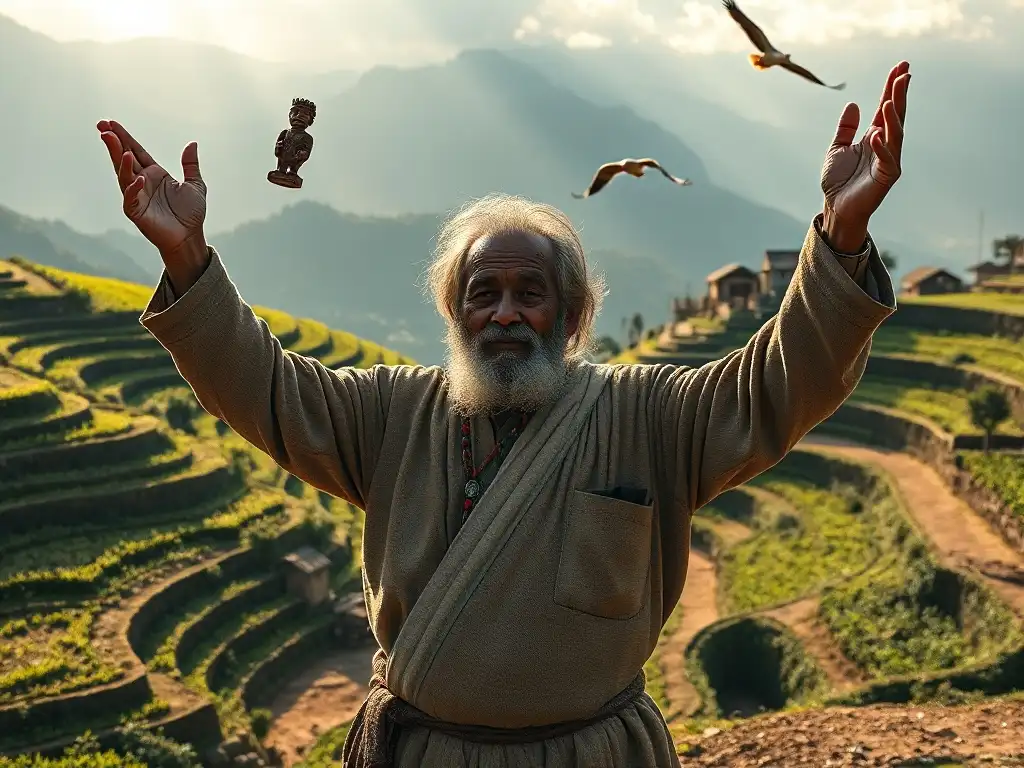
The Kallawaya, a renowned Andean ethnic group known for their traditional medicine and healing practices, also played a crucial role in ensuring agricultural prosperity. Their deep understanding of the Andean ecosystem and their spiritual connection to the land manifested in elaborate rituals designed to guarantee bountiful harvests. These rituals, passed down through generations, weren't merely superstitious practices; they represented a sophisticated system of interacting with the environment, promoting sustainable agriculture and fostering a harmonious relationship between humans and nature.
The Kallawaya's influence extended beyond their immediate communities, with their expertise and rituals sought after by neighboring groups. Their agricultural knowledge, interwoven with spiritual beliefs, contributed significantly to the stability and resilience of Andean societies.
Understanding their practices offers valuable insights into the complex interplay between religion, agriculture, and social organization in the Andes. The effectiveness of their rituals, combined with their practical farming techniques, speaks to the holistic approach they took to cultivating the land.
Key Rituals Performed by Kallawaya for Crop Success
Kallawaya agricultural rituals were carefully timed to coincide with the agricultural calendar. Specific ceremonies marked the beginning of planting, the growth stages of crops, and the harvesting period. These rituals involved a variety of offerings and actions designed to appease the spirits and deities believed to control the fertility of the land.
- Offering to the Apus: Prayers and offerings were made to the Apus, the mountain spirits, considered protectors of the land and its resources. These offerings often included coca leaves, chicha (a fermented corn beverage), and other local products. The Apus were seen as intermediaries between the human world and the spiritual realm, and their favor was essential for a successful harvest.
- Pachamama Offerings: The Pachamama, the Earth Mother, received significant attention. Holes were dug in the earth, and offerings of food, drink, and coca were placed inside, symbolizing a reciprocal relationship between humanity and the earth. This act of giving back to the earth was believed to encourage its generosity in return.
- Ritual Cleansing: Before planting, fields were often ritually cleansed to purify the land and ward off harmful spirits or influences that could affect crop growth. This could involve the use of specific herbs, incantations, and symbolic gestures.
- Prayers and Incantations: Kallawaya priests chanted prayers and incantations throughout the agricultural cycle, invoking blessings upon the crops and seeking protection from natural calamities such as frost, drought, or pests. These prayers were often accompanied by the burning of incense and the use of ritual objects.
The detailed nature of these rituals, their precise timing, and the specific offerings involved highlight the Kallawaya's deep understanding of both the spiritual and practical aspects of agriculture. The rituals were not simply a matter of chance but rather a carefully planned system aimed at maximizing crop yields and ensuring the community's food security. Further research is needed to fully document the diversity of these practices across different Kallawaya communities [specific information pending].
The Importance of Pachamama in Kallawaya Agricultural Practices
The Pachamama, the Earth Mother, holds a central position in Kallawaya agricultural beliefs and practices. She is not merely a passive entity; she is an active participant in the cycle of life and death, fertility and growth. The Kallawaya recognized the Pachamama as the source of all life and believed that her favor was essential for the success of their agricultural endeavors. Their rituals were designed to maintain a harmonious relationship with her, ensuring her continued benevolence.
The offerings made to the Pachamama were not just symbolic gestures; they were seen as essential acts of reciprocity. By giving back to the earth, the Kallawaya believed they were strengthening their bond with her and ensuring her continued generosity. The act of burying offerings in the earth was a powerful symbol of this reciprocal relationship, representing the earth's absorption of the offerings and its subsequent return of abundance. The ritual also served as a reminder of the interconnectedness of all living things and the importance of respecting the natural world.
Neglecting the Pachamama was believed to have serious consequences, potentially leading to crop failure, disease, or other misfortunes. Therefore, maintaining a strong and respectful relationship with her was considered crucial for the well-being of the entire community. The Kallawaya's reverence for the Pachamama demonstrates a deep ecological consciousness and a sustainable approach to agriculture, which is still relevant today. Their practices highlight the importance of considering the spiritual and ecological dimensions of agriculture, a perspective often overlooked in modern farming techniques. Understanding their beliefs provides valuable lessons for contemporary agricultural practices and environmental stewardship.
Blessings and Offerings: Appeasing the Spirits for Abundant Harvests

The Andean priest, often acting as a vital link between the human and spiritual realms, played a crucial role in ensuring successful harvests. Their knowledge of agricultural cycles, combined with their mastery of ritual practices, was considered essential for the prosperity of Andean communities.
The success of the agricultural year wasn't solely dependent on human effort; the favor of the apus (mountain spirits), the pachamama (Earth Mother), and other deities was paramount. Andean priest agricultural rituals were therefore designed to appease these powerful entities, requesting their benevolent intervention in the growth and fruition of crops.
These rituals weren't simply superstitious practices; they were deeply ingrained in the Andean worldview, reflecting a profound understanding of the interconnectedness between the spiritual and material worlds. The efficacy of the harvest was inextricably linked to the successful performance of these rituals, highlighting the significant role of the Andean priest in the economic and social fabric of Andean societies.
Types of Blessings Performed by Kallawaya
The Kallawaya, a renowned group of Andean healers and spiritual practitioners, were particularly skilled in performing agricultural blessings. Their knowledge, passed down through generations, encompassed a vast repertoire of rituals tailored to specific needs. These blessings weren't standardized; they were adapted to the unique circumstances of each community and the specific challenges faced by farmers. For instance, blessings for drought differed significantly from those performed to ward off pests or diseases affecting crops.
One common type of blessing involved the use of coca leaves. The priest, often chewing coca leaves himself, would meticulously arrange them on the fields, whispering prayers and incantations designed to invoke the blessings of the apus and ensure the fertility of the land. Another technique involved the use of sacred herbs and plants, their potency believed to enhance the growth and protection of crops.
The priest would often combine these herbs in specific mixtures, creating potent amulets or potions to be sprinkled over the fields. The specific herbs and their combinations varied depending on regional traditions and the nature of the problem. For example, certain herbs were believed to attract rain, while others were used to repel insects or protect against frost.
The precision and knowledge required for these rituals underscores the significant expertise of the Kallawaya and other Andean priests. These rituals were not merely symbolic; they represented a profound connection to the land and a deep understanding of its intricate ecological balance. The success of these blessings was essential for the survival and prosperity of Andean communities.
Common Offerings Used in Agricultural Rituals
Offerings played a central role in Andean agricultural rituals, serving as a tangible expression of respect and a plea for divine intervention. These offerings weren't merely symbolic gestures; they were carefully chosen items believed to possess spiritual significance and to directly influence the outcome of the harvest.
The most common offerings included chicha, a fermented corn beverage, considered a sacred drink and a vital part of Andean culture. This offering, poured onto the land or shared amongst participants, symbolized the community's shared dependence on the land's bounty. Along with chicha, coca leaves were frequently offered, their use deeply embedded in Andean spirituality.
Other common offerings included lama (alpaca) wool, representing the community's contribution and gratitude, and various agricultural products such as corn, potatoes, and quinoa, symbolizing the abundance sought. The offerings were often placed on specially designated altars or scattered across the fields, reflecting the importance of the ritual and the interconnectedness of the community with the natural world. The precise nature and quantity of the offerings often varied based on the specific ritual and the community's needs.
For instance, during times of drought, offerings of water might be particularly emphasized. The meticulous preparation and presentation of these offerings highlight the reverence and respect with which Andean communities approached their agricultural practices and their reliance on the spiritual realm for successful harvests. The Andean priest, therefore, not only led these rituals but also ensured their proper execution, contributing significantly to the community’s well-being and agricultural success.
Specific Kallawaya Agricultural Ceremonies and Their Purposes
The Kallawaya, an indigenous group from the Andes known for their traditional medicine, also played a crucial role in ensuring successful agricultural cycles. Their deep understanding of Andean cosmology intertwined with practical farming knowledge, resulting in unique ceremonies designed to guarantee abundant harvests. These rituals, passed down through generations, weren't merely superstitious practices; they were integral to the Kallawaya's agricultural system, reflecting a profound connection between the spiritual and the material world.
The effectiveness of these rituals was intertwined with their intricate understanding of the Andean ecosystem and the delicate balance of nature. Their knowledge of medicinal plants and their application in agricultural practices further reinforced this holistic approach. The study of Andean priest agricultural rituals reveals a complex system of beliefs and practices that significantly shaped their agricultural productivity.
The Ceremony of the Wilancha and Its Agricultural Significance
The Wilancha, a crucial Kallawaya ceremony, focuses on ensuring the fertility of the land. This ritual, typically performed before planting, involves offerings of coca leaves, chicha (a fermented corn beverage), and other agricultural products to the apus (mountain spirits). The apus, considered powerful deities in Andean cosmology, are believed to control the weather patterns and the overall prosperity of the agricultural cycle.
The Wilancha is not a singular event but a series of carefully orchestrated actions, including prayers, chants, and symbolic gestures aimed at appeasing the apus and soliciting their blessing for a successful harvest. The priest, acting as an intermediary between the human and spiritual realms, plays a central role in conducting these rituals, ensuring that the offerings are presented correctly and the prayers are delivered with sincerity. Detailed accounts of the Wilancha ceremony reveal a complex interplay of symbolic actions, each carrying specific meaning and significance in the context of Andean agricultural practices.
The success of the harvest was directly linked to the proper execution of this vital ritual. The precise timing of the Wilancha, often determined by observing celestial movements and natural signs, highlights the Kallawaya's deep understanding of the agricultural calendar and their ability to integrate astronomical observations into their spiritual practices.
The Ritual of the Ch'alla for a Bountiful Harvest
The Ch'alla, a widespread Andean ritual, holds particular significance within the Kallawaya agricultural context. Unlike the Wilancha, which focuses on land fertility, the Ch'alla is performed to bless the crops themselves. This involves sprinkling chicha and coca leaves on the growing plants, accompanied by prayers and offerings. This ritual is not limited to a specific time of year but can be performed at different stages of the agricultural cycle, from planting to harvesting.
The Ch'alla is considered an act of gratitude to the Pachamama (Mother Earth) and a way to secure her continued support in ensuring a bountiful harvest. The Ch'alla demonstrates the holistic nature of the Andean worldview, where the spiritual and the material are intertwined. The act of sprinkling the chicha is believed to nourish the plants not only physically but also spiritually, strengthening their growth and resilience.
Variations in the Ch'alla ritual exist across different Andean communities, reflecting the diversity of agricultural practices and beliefs. However, the core principle—the offering of gratitude and the request for abundance—remains consistent across these variations. The use of coca leaves, a sacred plant in Andean culture, further emphasizes the deep spiritual dimension of this agricultural ritual.
The Role of Music and Dance in Kallawaya Agricultural Rites
Music and dance are integral components of Kallawaya agricultural ceremonies, serving both practical and spiritual purposes. The rhythmic chants and melodic tunes are believed to attract benevolent spirits and ward off malevolent forces, ensuring the protection of the crops. The dances, often performed in elaborate costumes, represent symbolic actions related to the agricultural cycle, such as planting, growth, and harvest. The intricate steps and movements are not merely aesthetic; they are imbued with spiritual meaning, reflecting the Kallawaya's deep understanding of the interconnectedness of the natural world.
The use of traditional musical instruments, such as panpipes and drums, further enhances the spiritual atmosphere of the ceremonies, creating a powerful and immersive experience for the participants. The music and dance act as a conduit between the human and spiritual realms, facilitating communication with the apus and the Pachamama. Through these artistic expressions, the Kallawaya demonstrate their profound respect for nature and their reliance on spiritual forces for agricultural success.
The vibrant colors of the costumes and the energetic movements of the dances visually represent the fertility and abundance sought after in the agricultural cycle. The combination of music, dance, and ritual offerings creates a powerful synergy that enhances the effectiveness of the ceremonies. The preservation of these traditional practices is crucial for understanding the rich cultural heritage of the Andean region and its profound connection to agriculture.
The Impact of Kallawaya Agricultural Rituals on Crop Yields
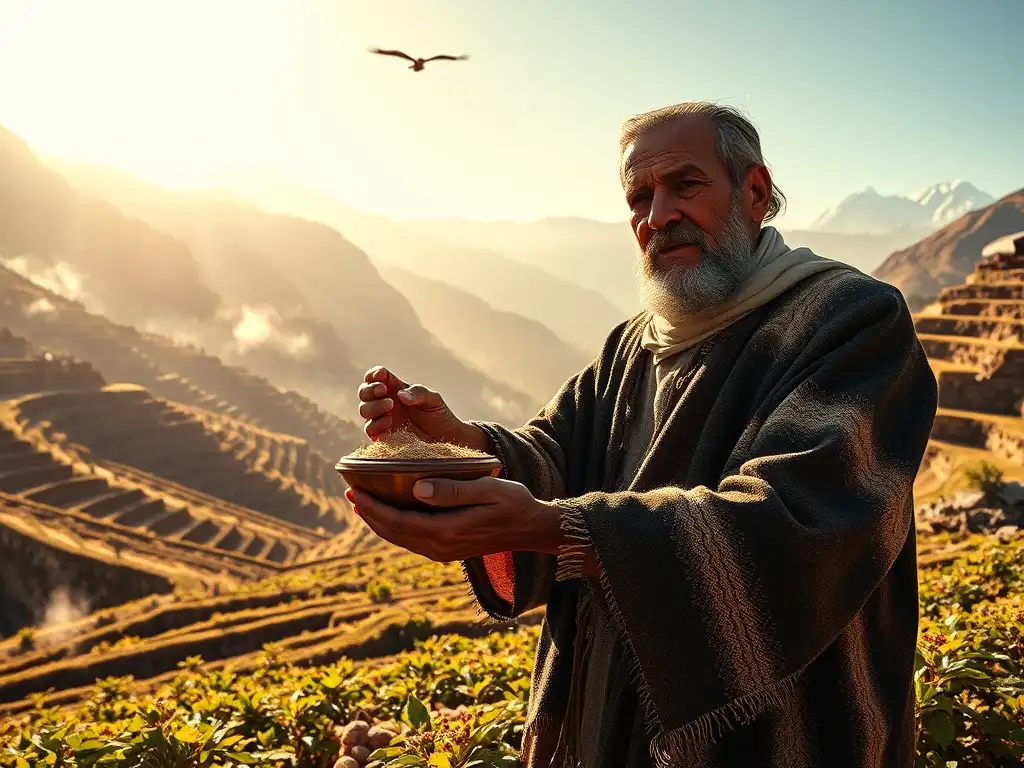
The Kallawaya, a renowned Andean ethnic group known for their traditional medicine and spiritual practices, played a crucial role in ensuring successful harvests across various Andean communities. Their influence extended beyond simply healing the sick; they were deeply involved in agricultural rituals believed to directly impact crop yields. Understanding the impact of these rituals requires examining the intricate relationship between spiritual beliefs and practical agricultural techniques.
The Kallawaya weren't just offering prayers; they were actively participating in a complex system that intertwined the spiritual and the material world. Their knowledge, passed down through generations, included detailed understanding of weather patterns, soil conditions, and the optimal times for planting and harvesting, all interwoven with their spiritual practices. This holistic approach, combining practical knowledge with spiritual beliefs, contributed significantly to the sustained agricultural success of many Andean communities.
The effectiveness of these rituals, while difficult to quantify precisely with modern scientific methods, is evidenced by the long-term agricultural success of the communities who practiced them. Further research into historical records and oral traditions could shed more light on the specific measurable impact of these practices on crop yields over time.
How Spiritual Practices Influence Agricultural Success
The Kallawaya's agricultural rituals weren't merely superstitious practices; they were integral to their understanding of the natural world and their place within it. Their spiritual beliefs emphasized the interconnectedness of all living things, including humans, plants, and the spirits of the mountains and the land. Rituals like pago a la tierra (payment to the earth) involved offerings of coca leaves, alcohol, and other items to appease the earth spirits and ensure their continued benevolence.
These weren't simple acts of appeasement; they represented a deep respect for the land and a recognition of its vital role in providing sustenance. Furthermore, the timing of these rituals was crucial, often coinciding with significant agricultural events like planting and harvesting. This synchronicity between spiritual practices and agricultural activities reinforced the belief that spiritual well-being was directly linked to agricultural success.
The rituals served not only to solicit divine favor but also to foster a sense of community and collective responsibility towards the land and its resources. This social cohesion likely contributed to improved agricultural practices and increased yields through collective effort and shared knowledge.
The effectiveness of these practices can be partially explained by the psychological impact on the farmers themselves. The rituals fostered a sense of hope and control in the face of unpredictable weather and other agricultural challenges. This positive mental state likely contributed to increased diligence and perseverance, leading to better crop management and improved harvests. The rituals also created a social framework for sharing knowledge and resources, further enhancing agricultural productivity.
Case Studies: Examples of Rituals and Improved Harvests
While precise quantitative data on crop yields before and after specific rituals is scarce, anecdotal evidence and historical accounts suggest a strong correlation between the Kallawaya's practices and agricultural success. For instance, accounts from various Andean communities describe rituals performed during droughts, which subsequently resulted in improved rainfall and better harvests. These accounts, though lacking rigorous scientific methodology, highlight the deeply ingrained belief in the effectiveness of these rituals.
One example involves the ritual of ch’alla, a ceremony where coca leaves, alcohol, and other offerings are scattered over the fields. This ritual is believed to bless the land and ensure a bountiful harvest. Communities performing ch’alla consistently reported better yields compared to those who did not, although this observation requires further investigation and controlled studies to confirm a direct causal link.
Another example is the use of medicinal plants in agricultural practices. The Kallawaya possessed extensive knowledge of plants with pest-repelling properties. Their incorporation of these plants into agricultural practices likely contributed to increased crop protection and improved yields. This demonstrates the practical applications of their knowledge, combining spiritual beliefs with scientifically sound agricultural techniques.
However, more detailed research, including ethnographic studies and analysis of historical agricultural practices, is needed to fully understand the impact of these rituals on long-term crop yields and agricultural resilience. Understanding the role of the Andean priest in agricultural rituals holds the key to understanding a holistic approach to sustainable agriculture, a concept relevant even today. Further investigation could reveal valuable insights into sustainable agricultural practices for modern farming communities.
Preserving Ancient Traditions: The Future of Kallawaya Agricultural Rituals
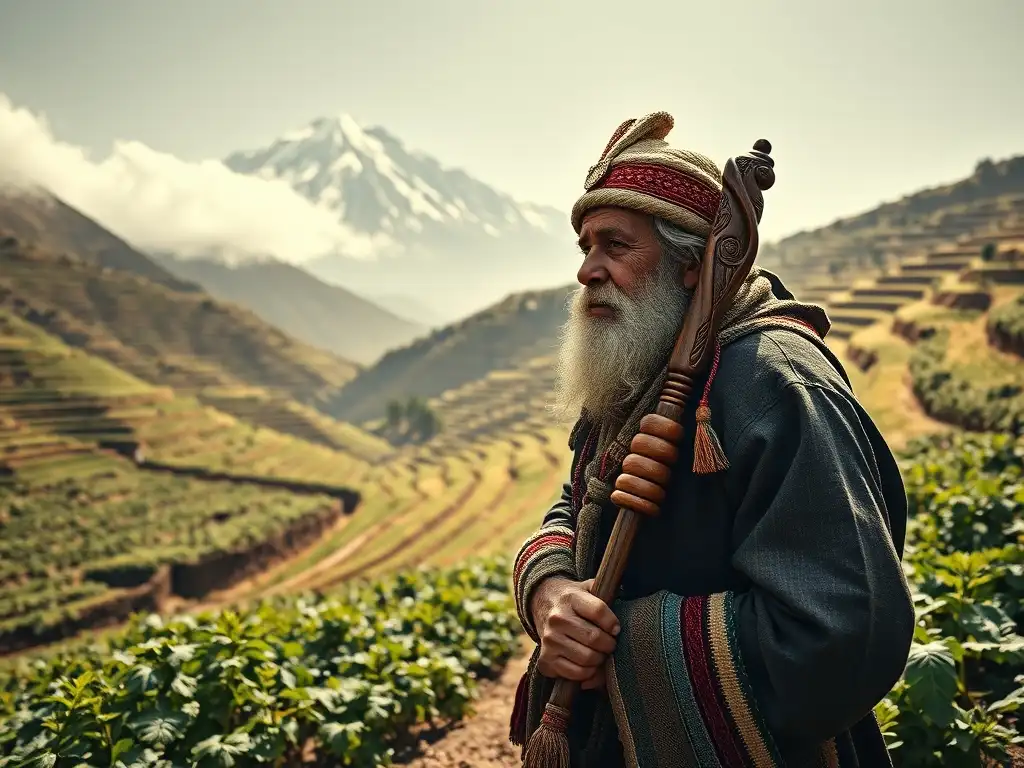
The Andean priest, often a member of a lineage holding specialized knowledge passed down through generations, played a vital role in ensuring successful harvests. Their rituals, interwoven with the agricultural cycle, weren't merely superstitious practices; they were integral components of a sophisticated understanding of Andean ecology and resource management. While many aspects of these ancient practices have been lost or altered over time, certain traditions, like those of the Kallawaya healers of the Andes, persist.
Understanding the challenges and opportunities facing these traditions is crucial to appreciating the full extent of the Andean priest's influence on agriculture and ensuring their survival. The continuation of these practices offers valuable insights into sustainable agriculture and the interconnectedness of culture and environment. The survival of these traditions is not merely a matter of preserving cultural heritage; it holds practical applications for modern agriculture, particularly in the face of climate change and the need for resilient farming systems.
Understanding the intricacies of these rituals can offer valuable lessons for contemporary agricultural practices. The continued study and documentation of these practices are crucial for their preservation and potential integration into modern agricultural strategies.
Challenges and Opportunities for Maintaining These Practices
The preservation of Kallawaya agricultural rituals faces numerous challenges. The encroachment of modern agricultural techniques, often prioritizing yield over traditional methods, poses a significant threat. Furthermore, the increasing urbanization and migration of younger generations away from rural areas leads to a decline in the transmission of traditional knowledge. The lack of documentation and formal recognition of these practices also hinders their preservation. Financial constraints and limited access to resources further complicate efforts to safeguard these valuable traditions.
However, there are also significant opportunities for revitalization. Increased awareness and interest in traditional ecological knowledge (TEK) among researchers, policymakers, and local communities provide a renewed impetus for preserving these rituals. Ethnobotanical studies can help document the medicinal plants and their uses within these rituals, highlighting their potential value in modern pharmacology and sustainable agriculture. Community-based initiatives that support the transmission of traditional knowledge through apprenticeships and educational programs are vital.
Tourism, if managed sustainably, can provide economic incentives for communities to maintain their cultural heritage, including their agricultural rituals. Finally, integrating traditional knowledge with modern scientific approaches can lead to innovative and sustainable agricultural practices that benefit both the environment and the communities that rely on them. For example, combining traditional understanding of soil fertility with modern soil testing techniques could lead to more effective and environmentally friendly farming methods.
The Importance of Passing Down Knowledge to Future Generations
The transmission of knowledge regarding Andean priest agricultural rituals is paramount for their survival. This requires a multi-pronged approach involving various stakeholders. Educational programs integrated into school curricula can introduce younger generations to the historical significance and practical value of these rituals. Community-based workshops and apprenticeships can provide hands-on training, ensuring the continuity of traditional practices.
The active involvement of elders and traditional practitioners in mentoring younger generations is essential. Furthermore, creating accessible resources, such as documented records, videos, and interactive platforms, can help preserve and disseminate this knowledge effectively. This holistic approach is not just about preserving a cultural heritage; it's about safeguarding valuable knowledge that holds immense potential for sustainable agriculture and environmental stewardship.
The success of these initiatives hinges on the recognition of the intrinsic value of this knowledge and the commitment of communities, researchers, and policymakers to its preservation. The future of Andean agriculture, in part, rests on the shoulders of the next generation of practitioners who carry forward these ancient traditions. The effective passing down of this knowledge will ensure the continued relevance and application of these rituals in the face of modern challenges.
Conclusion: The Enduring Legacy of Kallawaya in Agriculture
The role of the Andean priest in ensuring bountiful harvests extended far beyond simple blessings. Their profound understanding of the intricate relationship between the spiritual and material worlds shaped agricultural practices across various Andean cultures. While specific rituals varied between the Incas, Moche, Nazca, and Tiahuanaco, the fundamental principle remained constant: appeasing the gods and spirits to guarantee prosperity.
The legacy of these practices continues to resonate in modern Andean communities, demonstrating the enduring power of these ancient traditions. Understanding the Andean priest's agricultural rituals provides crucial insight into the sophisticated agricultural systems developed in the Andes and their deep connection to the spiritual beliefs that sustained them. The intricate interplay between religious practice and agricultural production highlights the holistic worldview of Andean civilizations, where the spiritual and material realms were inextricably linked.
The Profound Influence of Spirituality on Kallawaya Farming
The Kallawaya, a renowned Andean indigenous group known for their extensive knowledge of medicinal plants and healing practices, also held a significant role in agricultural rituals. Their farming practices were deeply intertwined with their spiritual beliefs. The Kallawaya believed that the success of their crops depended not only on their labor but also on the favor of various deities and spirits associated with fertility and abundance.
This belief system profoundly influenced their agricultural techniques, leading to the development of specific rituals and ceremonies aimed at ensuring a successful harvest. For example, before planting, they would perform ceremonies to appease the Pachamama (Mother Earth) and ensure her blessings on their crops. These ceremonies often involved offerings of coca leaves, chicha (a fermented corn beverage), and other sacred items.
The spiritual dimension provided a framework for their agricultural practices, fostering a harmonious relationship between humans and nature. Their deep spiritual connection to the land was crucial for their survival and shaped their unique agricultural practices. Understanding this profound influence allows us to appreciate the holistic approach to farming prevalent in Andean societies.
Kallawaya Agricultural Rituals: A Vital Part of Kallawaya Cultural Identity
Kallawaya agricultural rituals are not merely agricultural practices; they are a vital component of their cultural identity. These rituals are passed down through generations, ensuring the continuity of their traditions and knowledge. The performance of these rituals reinforces social bonds within the community, bringing people together in shared celebration and prayer.
Furthermore, these rituals provide a framework for understanding their relationship with the natural world, emphasizing the importance of respecting and protecting the environment. The intricate details of these rituals, from the specific offerings used to the precise timing of the ceremonies, reflect a deep understanding of the ecological balance and the spiritual forces that influence it. The continuity of these rituals demonstrates the resilience of the Kallawaya culture and their ability to adapt their traditions to changing circumstances while maintaining their core values.
The preservation of these rituals is crucial for understanding the rich cultural heritage of the Andean region and its enduring legacy. The rituals are a testament to the ingenuity and spiritual depth of the Andean civilizations and their sophisticated agricultural practices. Their study offers valuable insights into the interplay between culture, religion, and agriculture in shaping Andean societies.
Frequently Asked Questions
What was the role of Andean priests in agriculture?
Andean priests played a crucial role, acting as intermediaries between the divine world and the agricultural community. They performed rituals and ceremonies to ensure fertile lands and abundant harvests.
What types of rituals did Andean priests perform for agriculture?
Their rituals varied across different Andean cultures, but often involved offerings, prayers, and ceremonies aimed at appeasing deities associated with fertility, water, and the harvest. Specific rituals were tied to planting, growing, and harvesting cycles.
How did Andean agricultural rituals impact the community?
These rituals provided social cohesion, reinforcing community bonds and shared beliefs. They also offered psychological comfort and a sense of control in the face of unpredictable weather and crop failures. Successful harvests were attributed to the effectiveness of the rituals.
Were all Andean priests involved in agricultural rituals?
While many priests were involved in agricultural practices, the level of involvement varied depending on the specific culture and the priest's position within the religious hierarchy. Some specialized in agricultural rituals, while others focused on other aspects of religious life.
What evidence exists to support the role of Andean priests in agricultural practices?
Archaeological evidence, including ritual objects, mummy bundles, and agricultural iconography found in Andean sites, strongly supports the vital role of priests in ensuring successful harvests through their rituals and ceremonies. Written accounts from the Spanish colonial period also offer insights.
Final Reflection: Echoes of the Andes: A Legacy of Ritual and Harvest
The ancient practices of Andean priests, far from being relics of the past, offer a potent reminder of humanity's enduring connection to the land and the power of ritual in shaping our relationship with nature. Their intricate agricultural rituals, meticulously documented throughout history, continue to resonate in contemporary discussions about sustainable agriculture and the importance of respecting ecological balance. The wisdom embedded within these traditions holds valuable lessons for a world grappling with climate change and food security.
The influence of Andean agricultural rituals extends far beyond the historical context; their echoes reverberate in modern-day indigenous communities who still maintain these practices, demonstrating their enduring relevance. These rituals are not mere superstitions, but rather sophisticated systems of knowledge that fostered a deep understanding of the environment and promoted sustainable farming techniques. As the renowned anthropologist, Claude Lévi-Strauss, observed: Myth is not a lie; it is a kind of thinking.
The Andean priests' rituals represent a form of thinking that prioritized harmony between humanity and the natural world, a perspective urgently needed in our current era.
Consider the profound implications of this legacy. You, the reader, are now equipped with a deeper understanding of the intricate relationship between spirituality and agriculture in the Andes. Take a moment to reflect on your own relationship with food and the environment. How can we incorporate a greater sense of reverence and respect for the natural world into our own agricultural practices, regardless of our location or background? Let the wisdom of the Andean priests inspire you to cultivate a more sustainable and harmonious future, one where the blessings of abundant harvests are shared by all.
Cultivate Abundance: Embrace the Wisdom of Andean Rituals!
Thank you for joining us on this journey through the fascinating world of Andean agricultural traditions and the vital role of spiritual practices in their farming communities. You've discovered valuable insights into how rituals and blessings enhance harvests and strengthen community bonds. Now, let's put this knowledge into practice!
Here are some ways you can connect with these ancient traditions:
- Engage with local farmers and learn how they incorporate spiritual practices into their work. Perhaps you could even participate in a local blessing ceremony.
- Start a community garden and invite neighbors to share their own cultural practices during planting and harvesting. This is a wonderful opportunity to integrate Andean agricultural rituals into your own community.
- Research and share traditional Andean recipes using native crops. Share your findings online to inspire others and promote the rich culinary heritage of the Andes.
As you reflect on the rich history of Andean agriculture, consider this: How can you integrate mindful spiritual practices into your own gardening or farming, cultivating abundance in both your harvest and your community?