
The Hidden Science Behind Andean Food Storage: Lessons from the Past

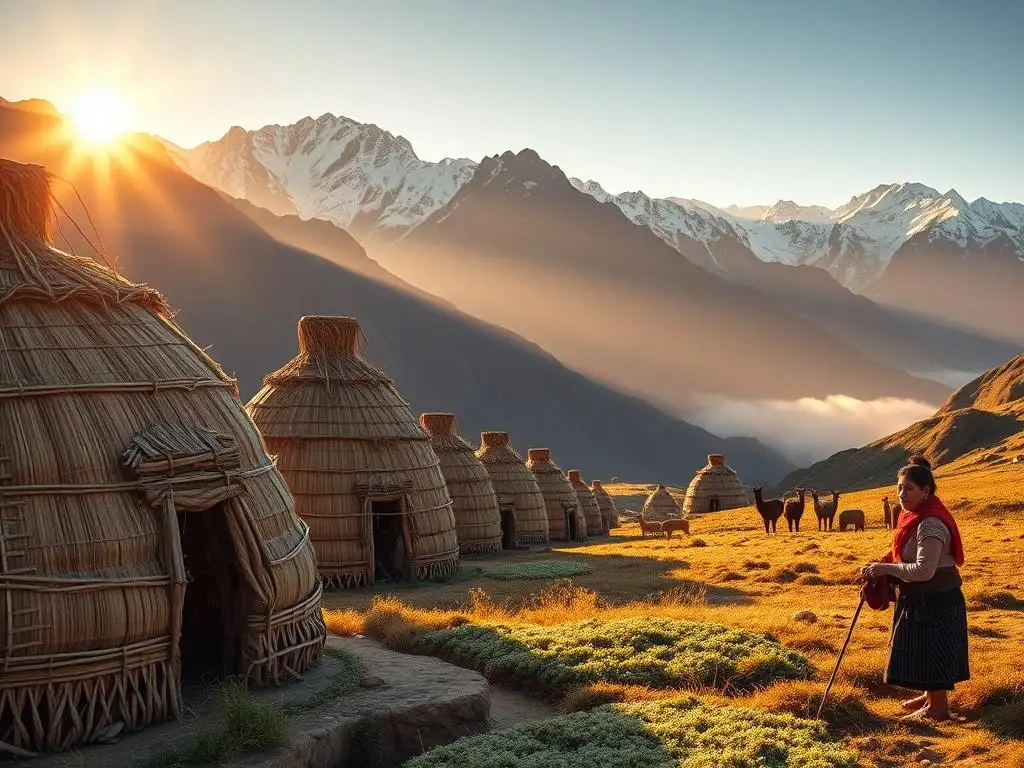
Step into a world lost to time, yet brimming with secrets waiting to be uncovered. For centuries, the Andean civilizations thrived, mastering techniques that defy modern understanding. But how did they preserve their food in such harsh conditions? Discover the intriguing ingenuity behind Andean food preservation techniques, a legacy that reveals the sophisticated science and resourcefulness of these remarkable cultures. Unravel the mysteries and prepare to be amazed by the ingenuity of the past—your journey into the heart of Andean agriculture begins now.
The Andes Mountains, a spine of towering peaks running down the western coast of South America, presented ancient civilizations with a unique set of challenges and opportunities. Harsh, fluctuating climates, ranging from arid deserts to frigid highlands, demanded innovative solutions for food production and, critically, preservation. This article delves into the surprisingly sophisticated techniques employed by Andean cultures – including the Incas, Moche, Nazca, and Tiahuanaco – to store and preserve their food supplies, revealing a hidden science that ensured survival and societal stability for centuries.
We'll explore the ingenuity behind these methods, highlighting their effectiveness and the enduring lessons they hold for modern food security. Understanding these ancient Andean food preservation techniques offers valuable insights into sustainable practices and resource management in challenging environments. The ingenuity and scientific understanding embedded within these methods are remarkable and continue to inspire research and innovation today.
Introduction to Ancient Andean Food Preservation
Andean civilizations developed a diverse array of food preservation techniques, reflecting both the variety of foods available and the unique environmental conditions they faced. These techniques weren't simply about extending shelf life; they were integral to the economic, social, and even religious structures of these societies. The ability to store surplus food allowed for population growth, supported specialized labor, and facilitated trade networks across vast distances.
Successful preservation wasn't merely a matter of chance; it relied on a deep understanding of natural processes, meticulous observation, and a sophisticated knowledge of materials science. We'll explore some of the most prominent methods, examining the scientific principles behind their effectiveness. The ingenuity of these techniques is particularly impressive considering the limited tools and technologies available to these ancient peoples.
Freeze-Drying in the High Andes: Nature's Refrigerator
The high altitude of the Andes provided a natural advantage for food preservation: the cold, dry air acted as a natural freeze-dryer. This process, though not fully understood scientifically at the time, effectively removed moisture from foods, inhibiting microbial growth and preventing spoilage. Foods like potatoes, quinoa, and various meats were often left to dry in the sun at high altitudes, a process aided by the low humidity and intense solar radiation.
This method, combined with storage in naturally cool, dry caves or chulpas (stone structures), allowed for long-term preservation of essential food supplies. The efficiency of this natural freeze-drying process is a testament to the Andean people's deep understanding of their environment and its potential for food preservation. [Specific data on the average preservation time for different foods using this method pending]
The Art of Sun-Drying and Storage: Harnessing Solar Energy
Sun-drying was another widely employed method, particularly effective for fruits, vegetables, and meats. Foods were carefully sliced or spread out to maximize surface area exposure to the sun's rays. The process wasn't simply about removing moisture; it also contributed to a reduction in enzymatic activity, further slowing down spoilage. The choice of drying location was crucial, with consideration given to factors such as sunlight intensity, wind, and humidity levels.
After drying, food was often stored in woven bags, clay pots, or underground storage pits to protect it from pests and further moisture. This process reflects a practical application of solar energy, a resource readily available throughout the Andean region. The effectiveness of sun-drying is evident in the survival of many Andean communities through periods of scarcity.
Underground Storage: Maintaining Consistent Temperatures
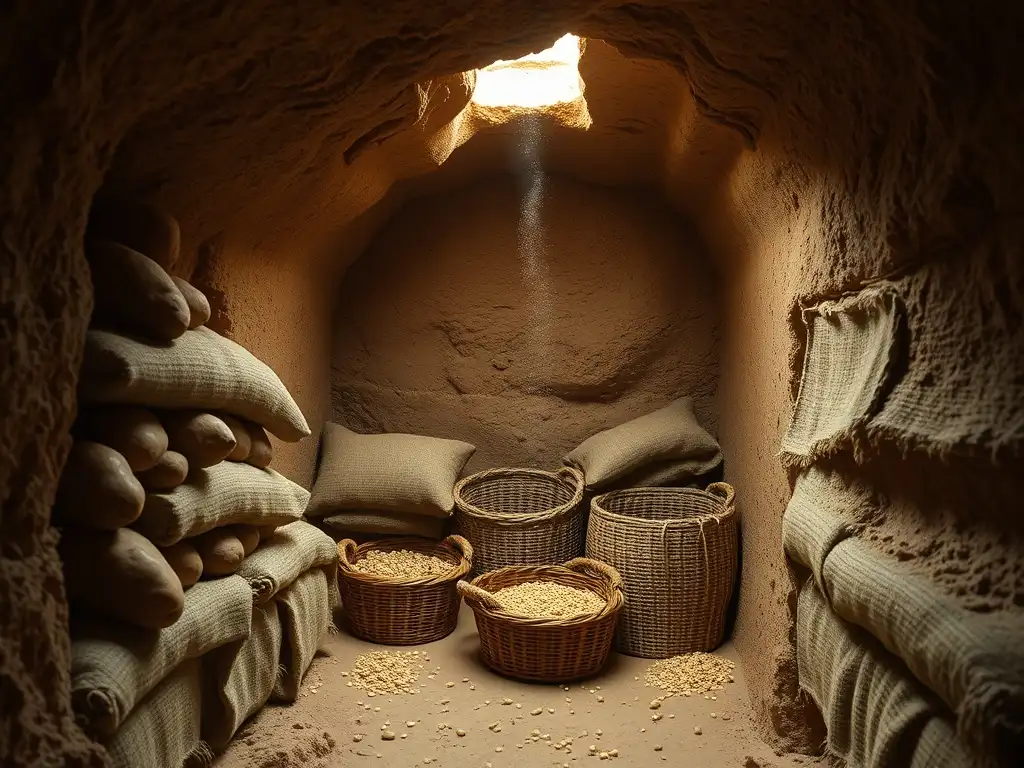
Maintaining consistent temperature and humidity was crucial for long-term food preservation. Andean communities ingeniously utilized underground storage structures – qollqas – to achieve this. These underground chambers provided a relatively stable environment, protecting stored food from extreme temperature fluctuations and maintaining a low humidity level.
The construction of these qollqas varied depending on the location and available materials, but they all shared the common goal of creating a controlled environment ideal for preserving food. The design and construction of these structures demonstrates advanced understanding of environmental control and its impact on food preservation. [Data on the types of foods and their average preservation time in qollqas pending]
Innovative Packaging and Containers: Protecting Food from the Elements
The containers used for storing food were as important as the preservation techniques themselves. Andean cultures utilized a wide range of materials, including woven baskets, clay pots, and animal skins, each suited to different types of food and storage conditions. These containers not only protected food from pests and the elements but also helped to regulate moisture levels and maintain temperature stability.
The choice of material and design reflected a deep understanding of the properties of different materials and their suitability for specific preservation methods. The development of these containers represents a significant technological achievement in Andean food preservation. The craftsmanship involved in producing these containers was often highly specialized, reflecting a division of labor within Andean societies.
- Introduction to Ancient Andean Food Preservation
- Freeze-Drying in the High Andes: Nature's Refrigerator
- The Art of Sun-Drying and Storage: Harnessing Solar Energy
- Underground Storage: Maintaining Consistent Temperatures
- Innovative Packaging and Containers: Protecting Food from the Elements
- What innovative food preservation techniques did Andean civilizations use?
- How did the Incas preserve food for their large empire?
- What role did altitude play in Andean food preservation?
- Were any specific plants or foods particularly well-suited to Andean preservation techniques?
- How do modern Andean communities still utilize ancient food preservation methods?
Understanding the Challenges of Food Storage in the Andes
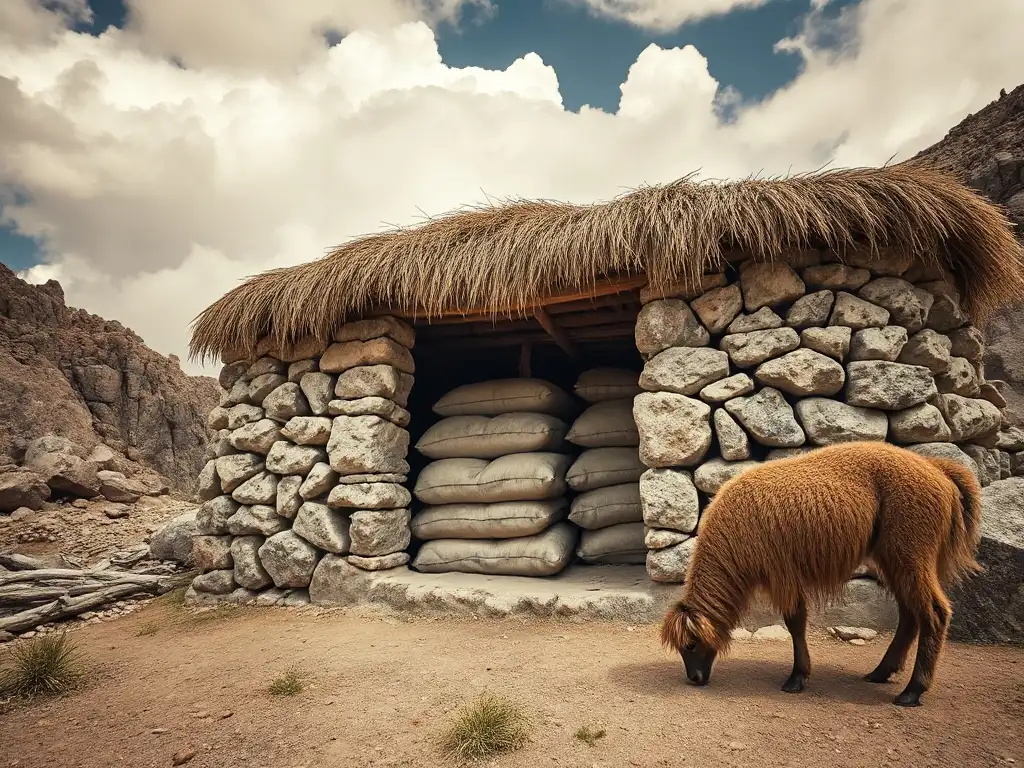
The Andes Mountains present a formidable challenge for food preservation. High altitudes, fluctuating temperatures, and diverse microclimates create a complex and demanding environment for storing agricultural products. Understanding these challenges is crucial to appreciating the ingenuity of Andean food preservation techniques and their remarkable effectiveness.
Effective Andean food preservation techniques were essential for the survival and prosperity of these ancient civilizations, allowing them to build complex societies despite the environmental hurdles. The need to maintain a stable food supply throughout the year, particularly during lean seasons, spurred innovation in storage solutions and practices. This section will delve into the specific environmental pressures and how they shaped the development of unique Andean food preservation methods.
The Harsh Andean Climate and its Impact on Food
The Andean climate is characterized by significant variations in temperature and humidity, posing substantial risks to food spoilage. High altitudes experience intense solar radiation during the day and freezing temperatures at night, creating a dramatic diurnal temperature swing. This rapid fluctuation damages delicate produce, leading to rapid deterioration.
Furthermore, the thin atmosphere at high altitudes means less atmospheric protection from UV radiation, accelerating the degradation of stored food items. For example, potatoes stored without proper protection would quickly become sunburnt, sprouted, or frozen, rendering them inedible. This variability in weather patterns, combined with the unpredictable nature of the rainy and dry seasons, necessitated sophisticated strategies for maintaining food quality and quantity.
The ingenuity of the Andean people is evident in their ability to overcome these obstacles, developing methods tailored to the specific climatic conditions of their region. Consider the impact of frost on vulnerable crops like maize; effective storage techniques were paramount for preserving the harvest.
Geographical Diversity and its Influence on Storage Methods
The Andes' remarkable geographical diversity further complicated food preservation efforts. The altitude ranges from sea level to over 6,000 meters (nearly 20,000 feet), resulting in vastly different climatic conditions across relatively short distances. What worked in the coastal valleys wouldn't necessarily be effective in the high-altitude puna grasslands.
This heterogeneity influenced the development of regionally specific storage methods. For instance, communities in the arid coastal regions relied heavily on techniques like sun-drying and fermentation, while those in the wetter highlands might have employed different approaches, such as underground storage or specialized granaries designed to control humidity and temperature. The availability of materials also played a significant role.
Some regions might have had access to abundant clay for creating airtight storage containers, while others relied on woven materials like chulpas (stone structures) or qollqas (underground storage chambers). The diversity of storage techniques reflects the adaptive capacity of Andean cultures, demonstrating their profound understanding of their environment and its impact on food preservation. This adaptability is a crucial aspect of understanding the success of Andean food preservation techniques and their lasting legacy.
Traditional Andean Food Preservation Techniques

The Andes Mountains, with their diverse climates and altitudes, presented unique challenges and opportunities for food preservation. Ancient Andean civilizations developed ingenious techniques to extend the shelf life of their staple crops, ensuring food security throughout the year. These methods, often relying on natural processes and readily available resources, represent a sophisticated understanding of food science and environmental adaptation.
This section delves into some of the most effective and enduring Andean food preservation techniques, highlighting their underlying principles and cultural significance. Understanding these ancient practices offers valuable insights into sustainable food systems and potentially inspires modern approaches to food storage and waste reduction. The ingenuity displayed in these Andean food preservation techniques is truly remarkable.
Drying: The Power of the Sun and Wind for Food Conservation
Drying, a simple yet effective method, was widely employed across various Andean cultures. Harnessing the power of the sun and wind, the Andes' inhabitants significantly extended the shelf life of a variety of crops, reducing spoilage and ensuring food availability during lean seasons. Different techniques were employed depending on the specific crop, altitude, and climatic conditions. The effectiveness of this method stemmed from the reduction of water activity, inhibiting microbial growth and enzymatic reactions responsible for food deterioration. This process, crucial for the preservation of Andean staples, was finely tuned over centuries, reflecting a deep understanding of local ecosystems.
Sun-drying Methods for Quinoa and Oca
Quinoa, a nutritional powerhouse, and oca, a root vegetable, were commonly sun-dried in the Andes. Quinoa, after harvesting and threshing, was spread thinly on mats or clean surfaces in areas with ample sunlight and good air circulation. Regular turning ensured even drying and prevented clumping. The process typically took several days, depending on weather conditions and the desired moisture content.
Oca, similarly, was cleaned, sliced, and spread out for sun-drying, often in elevated areas to improve airflow. The meticulous attention to detail in these methods underscores the importance of food preservation to Andean communities. The dried quinoa and oca could then be stored for extended periods, providing a reliable food source throughout the year. Careful monitoring of humidity and temperature was key to preventing spoilage.
Wind-drying Techniques in High Altitude Regions
In higher altitude regions, where sunlight intensity might be lower, wind-drying played a more significant role. This technique involved utilizing natural wind currents to facilitate the evaporation of moisture from food. Crops like potatoes and other tubers, after being carefully cleaned, were often strung together or laid out in well-ventilated areas exposed to prevailing winds.
This technique was particularly effective in reducing the moisture content, minimizing the risk of fungal growth and bacterial contamination, common issues in high-humidity environments. The success of these techniques depended heavily on understanding the local microclimates and strategically choosing locations with optimal air circulation. This showcases the sophistication of Andean knowledge concerning environmental factors influencing food preservation.
Freeze-Drying (Chuño and Moraya): A Natural Andean Innovation
The Andes' unique high-altitude climate provided a natural environment for freeze-drying, a sophisticated preservation technique that significantly extended the shelf life of potatoes. This process, resulting in chuño and moraya, involved a combination of freezing and dehydration, creating a lightweight, long-lasting food source crucial for Andean survival. The process, while seemingly simple, demonstrates a remarkable understanding of the interplay between temperature, moisture, and food preservation.
The Science Behind Freeze-Drying in Andean Environments
Freeze-drying, while now a sophisticated industrial process, was instinctively understood and implemented by Andean communities. The process begins with freezing the potatoes at high altitudes, where temperatures drop well below freezing. Subsequent exposure to sunlight and air during the day causes the ice crystals within the potatoes to sublimate, transitioning directly from solid ice to water vapor without passing through the liquid phase.
This process effectively removes the moisture content, leaving behind a dehydrated product that is resistant to microbial growth and enzymatic degradation. The resulting product is remarkably lightweight and can be stored for extended periods without significant spoilage. This natural freeze-drying process represents a remarkable feat of understanding the principles of thermodynamics and its application to food preservation.
Production of Chuño: Transforming Potatoes for Long-Term Storage
Chuño, a freeze-dried potato, is a staple of Andean cuisine. The process involves selecting specific potato varieties, ideally those with high starch content and resistant to freezing. Potatoes are initially subjected to a freezing period, usually during the colder months. Then, they are subjected to a process of repeated freezing and thawing, which helps to break down the cell structure and facilitate water removal.
Finally, the potatoes are spread out to dry in the sun and wind, completing the freeze-drying process. The result is a hard, somewhat chewy potato that can be stored for years without spoilage. This process allowed Andean communities to store large quantities of potatoes, ensuring food security during harsh winters and periods of scarcity. The production of chuño represents a deep-rooted connection between Andean communities and their environment.
Moraya: Freeze-dried Bitter Potatoes in Andean Cuisine
Moraya differs from chuño primarily in the type of potato used and the level of processing. Moraya utilizes bitter potatoes, which contain higher levels of glycoalkaloids. These compounds, while potentially toxic in high concentrations, are reduced during the freeze-drying process and impart a unique flavor to the final product.
The process for moraya is similar to chuño, involving freezing and subsequent sun-drying, however, the selection of potato varieties and the precise control of the freeze-thaw cycles are crucial for the final product’s palatability and safety. Moraya, although less widely used than chuño, represents another example of the sophisticated knowledge of Andean communities regarding food preservation and the adaptive use of available resources. The diversity of these techniques demonstrates the nuanced understanding of Andean farmers about their crops and their environment.
Fermentation: Transforming and Preserving Food
Fermentation, a cornerstone of Andean food preservation, leveraged naturally occurring microorganisms to transform perishable foods into more stable, longer-lasting products. This process not only extended shelf life but also enhanced the nutritional value and flavor profiles of various ingredients. The ingenious methods employed by Andean cultures demonstrate a deep understanding of microbiology and its practical applications, far surpassing the rudimentary techniques of many other contemporaneous societies.
The process involved carefully controlling temperature, humidity, and the addition of starter cultures (often unintentionally, through the use of previously fermented products) to guide the fermentation process, resulting in a diverse range of preserved foods. The success of these techniques is a testament to the ingenuity and intimate knowledge of their environment possessed by Andean peoples.
This sophisticated understanding allowed them to overcome the challenges of food spoilage in a region with fluctuating climates and limited access to advanced preservation technologies. The legacy of these fermentation techniques continues to influence modern Andean cuisine and provides valuable insights for sustainable food preservation practices today.
Fermented Beverages: Chicha and its Preservation Properties
Chicha, a fermented beverage made from maize or other grains, is perhaps the most iconic example of Andean fermentation. Its production involved a complex process of malting, cooking, and fermentation, resulting in a drink with varying levels of alcohol content depending on the specific method and ingredients. The fermentation process not only transformed the raw materials into a palatable beverage but also significantly extended its shelf life.
By converting sugars into alcohol and organic acids, the fermentation process inhibited the growth of spoilage microorganisms, allowing chicha to be stored for extended periods, especially in cooler environments. Different Andean communities developed unique variations of chicha, reflecting the diverse agricultural practices and cultural traditions across the region.
The production and consumption of chicha were deeply intertwined with social and religious practices, playing a vital role in Andean ceremonies and daily life. The longevity of chicha, thanks to fermentation, ensured its availability as a staple drink across seasons and across various social gatherings.
Fermented Vegetables and their Nutritional Benefits
Beyond beverages, Andean cultures also mastered the fermentation of vegetables. Examples include various forms of fermented potatoes and other tubers, often stored in underground cellars or other cool, dark spaces to control fermentation. This process not only preserved the vegetables but also enhanced their nutritional value. Fermentation increases the bioavailability of certain vitamins and minerals, making them more easily absorbed by the body.
Moreover, it produces beneficial probiotics, which support gut health and overall well-being. The specific methods for fermenting vegetables varied across different Andean communities, reflecting the availability of local ingredients and traditional knowledge passed down through generations. These fermented vegetables provided a crucial source of nutrients during times of scarcity, ensuring a balanced diet even in challenging climatic conditions. The continued consumption of these fermented foods highlights the lasting impact of these traditional preservation methods on Andean health and well-being.
Salt Preservation: Using Natural Minerals for Food Storage
Salt preservation, another vital Andean technique, capitalized on the natural abundance of salt in the region. The use of salt to inhibit microbial growth and extend the shelf life of food represents a fundamental understanding of food science. By drawing water out of food through osmosis, salt creates an environment unsuitable for the growth of most spoilage organisms.
This method was crucial for preserving meat, fish, and other perishable goods, particularly in regions lacking access to refrigeration or other advanced preservation technologies. The effectiveness of salt preservation depended on factors such as the concentration of salt used and the environmental conditions during storage. The knowledge of optimal salting techniques was carefully passed down through generations, reflecting a deep understanding of the interaction between salt, food, and the environment.
Salt Mining in the Uyuni Salt Flats
The vast Uyuni Salt Flats in Bolivia stand as a testament to the Andean access to salt resources. This immense salt flat, formed through the evaporation of ancient lakes, provided a virtually inexhaustible supply of salt for preservation purposes. The extraction of salt from Uyuni involved traditional techniques passed down through generations, often involving manual labor and a deep understanding of the salt's properties.
The accessibility of this resource profoundly influenced Andean food preservation practices, enabling widespread use of salt across the region. The scale of salt production in Uyuni underscores the importance of salt in the Andean diet and economy. The ongoing extraction of salt from Uyuni continues to support traditional food preservation methods and contributes significantly to the region's economy.
Application of Salt in Meat and Fish Preservation
Salt played a crucial role in preserving meat and fish, vital protein sources in the Andean diet. Methods ranged from simple dry salting to more complex techniques involving brining or curing. Dry salting involved rubbing salt directly onto the surface of the meat or fish, drawing out moisture and inhibiting microbial growth. Brining involved submerging the food in a salt solution, ensuring more even penetration of the salt and resulting in a more effective preservation.
The specific techniques varied depending on the type of meat or fish, the climate, and the desired outcome. These techniques ensured that valuable protein sources remained edible for extended periods, contributing significantly to food security in the Andean region. The enduring importance of salt-cured meats and fish in Andean cuisine today bears witness to the effectiveness and enduring relevance of this ancient preservation method.
The Significance of Storage Structures
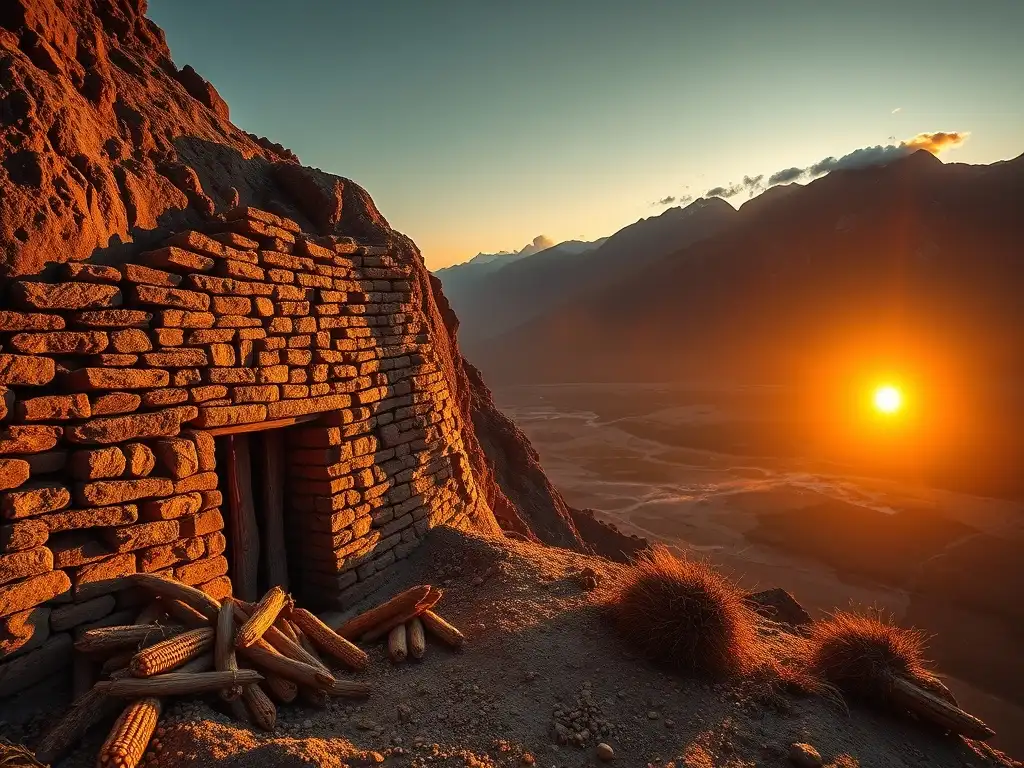
Efficient food storage was paramount for the survival and prosperity of Andean civilizations. The success of their agricultural systems hinged not only on productive farming practices but also on sophisticated storage techniques that ensured food security throughout the year, particularly during the harsh Andean winters and unpredictable weather patterns. Understanding these ancient Andean food preservation techniques reveals a deep knowledge of engineering, environmental science, and resource management that continues to inspire modern approaches to food security.
The sheer scale and ingenuity of their storage solutions underscore their advanced understanding of preserving agricultural surpluses for times of scarcity. This section will delve into the specifics of their remarkable storage infrastructure, highlighting the ingenuity and effectiveness of their methods.
Colcas: Purpose-Built Storage Facilities
Colcas, the iconic stone structures built across the Andes, represent a remarkable feat of Andean engineering specifically designed for food storage. These structures, often found in clusters or integrated into larger settlements, were meticulously constructed to provide optimal conditions for preserving agricultural products. Their design and construction reflect a deep understanding of local environmental factors and the specific needs of different food items.
The effectiveness of colcas in preserving food for extended periods allowed for the growth of complex societies and the development of specialized labor. The construction and maintenance of these structures also played a significant role in the social and economic organization of Andean communities.
Design and Construction of Colcas
Colcas were typically built from locally sourced stone, carefully fitted together without mortar, showcasing exceptional masonry skills. Their design varied depending on the local environment and available resources, but common features included thick walls, small windows (or sometimes no windows at all), and elevated foundations to protect against moisture and rodents. Many colcas were also built into hillsides or cliffs, providing additional insulation and protection. The size of a colca could vary significantly, ranging from small, family-sized structures to large, communal facilities capable of storing substantial quantities of food.
Careful consideration was given to ventilation, with strategically placed openings to allow for air circulation while minimizing exposure to the elements. The construction techniques employed demonstrate a deep understanding of structural engineering and adaptation to the challenging Andean terrain. Analyzing the construction reveals a detailed knowledge of local geology and building materials.
Organization and Management of Food within Colcas
The organization and management of food within colcas were crucial for efficient storage and preservation. It is believed that food was carefully sorted and stored according to type and expected shelf life. Dried crops like maize, quinoa, and potatoes would have been stored in bulk, while other perishable items may have required more specialized handling. Evidence suggests that different areas within a colca were designated for specific types of food, further optimizing storage conditions.
The management of these facilities likely involved specialized personnel responsible for overseeing storage, inventory, and distribution. This level of organization highlights the sophisticated social and economic structures of Andean societies. Further research is needed to fully understand the specific techniques employed for inventory management and food distribution from these facilities. The social implications of access to colcas and their contents warrant further investigation.
Underground Storage: Natural Refrigeration Systems
In addition to colcas, Andean communities also utilized natural subterranean environments for food preservation. Underground storage, including caves and pits, provided a naturally cool and stable environment ideal for extending the shelf life of various food items. This method leveraged the consistent temperatures found below ground to slow down spoilage and prevent deterioration. The strategic selection of storage locations demonstrated a deep understanding of microclimates and their impact on food preservation.
Examples of Underground Storage Locations in Caves and Pits
Numerous examples of underground storage systems have been discovered across the Andes. Natural caves, often found in mountainous regions, provided ready-made storage spaces. These caves offered protection from extreme temperatures, moisture, and pests. In addition to caves, communities also dug pits into the ground, often lining them with stone or other materials to create insulated storage chambers.
These pits provided similar advantages to caves, offering a stable, cool environment for food preservation. The precise location of these storage sites was likely carefully chosen to maximize the benefits of natural refrigeration and minimize the risk of flooding or other environmental hazards. Archaeological excavations continue to unearth further examples of these ingenious storage solutions, providing valuable insights into the diverse techniques employed by Andean communities.
Temperature Regulation and Food Preservation
The consistent temperatures found underground played a crucial role in food preservation. The cooler temperatures slowed down microbial growth and enzymatic activity, which are major contributors to food spoilage. This naturally occurring refrigeration effect significantly extended the shelf life of stored food, allowing communities to maintain food security throughout the year. The effectiveness of this technique was further enhanced by the use of insulating materials, such as straw or textiles, which helped to maintain a stable temperature within the storage spaces.
The combination of natural refrigeration and added insulation provided a remarkably effective method of food preservation, allowing Andean communities to store agricultural surpluses for extended periods. Further studies could analyze the specific temperature fluctuations in various underground storage locations to better understand the effectiveness of this technique. This analysis could also compare the effectiveness of underground storage with that of colcas in different environmental contexts.
The Legacy of Andean Food Preservation
This section delves into the enduring influence of ancient Andean food preservation techniques on contemporary food practices. The ingenuity of past civilizations in addressing food storage challenges offers valuable insights for modern agriculture and food security. Understanding their methods not only illuminates historical practices but also provides a framework for developing sustainable and efficient food systems. The Andes, with its diverse climates and challenging terrain, necessitated innovative solutions for preserving vital food sources. These techniques, developed over millennia, continue to resonate today, demonstrating their effectiveness and adaptability.
The Lasting Impact of Ancient Techniques on Modern Food Practices
The Andean civilizations' mastery of food preservation wasn't merely a matter of survival; it was a sophisticated system intertwined with their social and economic structures. Techniques like freeze-drying (naturally occurring at high altitudes), sun-drying, and storage in subterranean silos are still employed in modified forms today. For example, the practice of sun-drying potatoes and other crops, a cornerstone of Andean agriculture, is still prevalent in many communities.
This method, while seemingly simple, significantly extends shelf life and reduces post-harvest losses, a critical factor in regions with limited access to refrigeration. Furthermore, traditional methods of fermenting corn, like chicha production, not only preserved the grain but also created a nutritious and culturally significant beverage. These practices, passed down through generations, represent a wealth of knowledge that modern food science continues to investigate and adapt.
The resurgence of interest in traditional fermentation methods, for instance, highlights the continuing relevance of ancient Andean techniques in addressing contemporary food challenges. The efficiency and sustainability of these methods are particularly valuable in reducing reliance on energy-intensive modern preservation methods.
The impact extends beyond direct application. The principles underlying Andean food preservation – minimizing waste, utilizing natural resources, and understanding the properties of different foods – offer valuable lessons for improving modern food systems. The focus on local and seasonal foods, inherent in traditional Andean agricultural practices, is now gaining traction as a key element of sustainable food production. This holistic approach, which considers the entire food chain from production to consumption, provides a stark contrast to some modern industrial food systems that prioritize efficiency over sustainability.
Lessons for Sustainable Food Systems from Andean Traditions
Andean food preservation techniques offer valuable lessons for building more sustainable food systems. The emphasis on resource efficiency, for example, is particularly relevant in the context of climate change and growing concerns about food security. Traditional methods often required less energy and fewer resources than their modern counterparts.
Subterranean storage, for instance, leveraged the natural cooling properties of the earth, reducing reliance on artificial refrigeration. Similarly, sun-drying and fermentation required minimal external input, making them highly sustainable options. These techniques, coupled with a focus on biodiversity and crop diversification, formed a resilient system capable of withstanding environmental challenges.
The Andean approach to food preservation highlights the importance of integrating traditional knowledge with modern scientific understanding. Analyzing these ancient techniques with a modern lens can lead to innovative solutions for improving food security and reducing environmental impact. In essence, a blend of traditional wisdom and modern technology holds the key to creating more resilient and sustainable food systems, taking inspiration from the ingenuity of Andean civilizations.
| Technique | Description | Sustainability Advantages | Modern Applications |
|---|---|---|---|
| Sun-drying | Drying food using sunlight | Low energy consumption, reduces waste | Drying fruits, vegetables, and grains; jerky production |
| Freeze-drying (natural) | Utilizing high-altitude freezing and low humidity to dehydrate food. | Natural process, minimal energy input | Inspiration for improved freeze-drying technologies |
| Subterranean Storage | Storing food in underground cellars or silos | Natural temperature regulation, reduces spoilage | Modern cold storage facilities inspired by this principle |
| Fermentation | Using microorganisms to preserve and enhance food flavor | Creates nutritious by-products, extends shelf life | Yogurt, cheese, kimchi, and various other fermented foods |
The study of Andean food preservation techniques offers a rich tapestry of knowledge applicable to contemporary challenges. The ingenuity of these ancient methods continues to inspire innovation and underscores the importance of preserving and integrating traditional practices into modern food systems. By understanding and adapting these techniques, we can build more sustainable, resilient, and equitable food systems for the future. The legacy of the Andes continues to nourish us, both literally and metaphorically.
Frequently Asked Questions
What innovative food preservation techniques did Andean civilizations use?
Andean cultures employed various ingenious methods. These included freeze-drying (like with potatoes), sun-drying, and storage in underground silos to maintain food quality and extend shelf life. This ensured food security throughout the year.
How did the Incas preserve food for their large empire?
The Incas utilized a sophisticated system combining extensive storage facilities (qollqas) with diverse preservation techniques like salting, fermentation, and drying. Their logistical prowess ensured food distribution across their vast territory.
What role did altitude play in Andean food preservation?
The high altitude's cold temperatures and low humidity naturally aided preservation methods. Freeze-drying was particularly effective at these elevations, resulting in long-lasting food supplies.
Were any specific plants or foods particularly well-suited to Andean preservation techniques?
Potatoes were a staple and exceptionally well-suited to freeze-drying and storage. Corn, quinoa, and various beans were also preserved using drying and storage methods. These foods formed the backbone of the Andean diet.
How do modern Andean communities still utilize ancient food preservation methods?
Many traditional techniques continue today. Sun-drying, fermentation, and storage in traditional structures remain common practices, demonstrating the enduring relevance of these ancient methods for food security and cultural heritage.
Final Reflection: Ancient Wisdom, Modern Solutions: Rethinking Food Preservation
The ingenious food preservation techniques developed by Andean cultures remain profoundly relevant in our era of climate change and food insecurity. Understanding these methods offers not just a glimpse into the past, but a vital pathway towards building more sustainable and resilient food systems for the future. The ingenuity of these ancient practices, honed over millennia, provides a powerful counterpoint to the often wasteful and environmentally damaging practices of modern food production.
The enduring legacy of Andean food preservation is not merely historical; it's a living testament to the power of human adaptation and innovation. These techniques, passed down through generations, speak to a deep understanding of the environment and a commitment to resourcefulness. The earth provides enough to satisfy every man's needs but not every man's greed,
Mahatma Gandhi's words resonate deeply when considering the stark contrast between the abundance achieved through sustainable practices and the scarcity born from unsustainable consumption. The Andean example challenges us to reconsider our relationship with food, urging a shift towards practices that prioritize both environmental sustainability and community well-being.
Consider the implications of these ancient methods for your own life. Can you incorporate elements of Andean ingenuity into your own food choices and practices? Perhaps it's exploring local, seasonal produce, reducing food waste through creative preservation techniques, or simply appreciating the intricate knowledge systems that underpin sustainable food production. Let the wisdom of the Andes inspire you to build a more resilient and nourishing future, one mindful meal at a time.
Unlock the Secrets of Andean Food Storage!
Thank you for exploring the fascinating world of Andean food storage with us! We hope you've gained valuable insights into these time-tested ancient practices. Now, put your new knowledge to work!
Here's how you can get involved:
- **Preserve food using traditional methods** inspired by Andean cultures. Experiment with drying fruits, making fermented foods, or employing natural storage techniques.
- **Share your newfound skills** with friends and family! Host a gathering to showcase your achievements and inspire others to adopt sustainable food practices.
- **Deepen your knowledge** by researching traditional Andean cuisine and trying dishes made with ingredients historically stored by the Incas.
Which unique food preservation method are you inspired to try after learning about Andean techniques? We'd love to hear about your experiences!