
The Forgotten Crops: Rediscovering Lost Grains and Tubers of the Andes

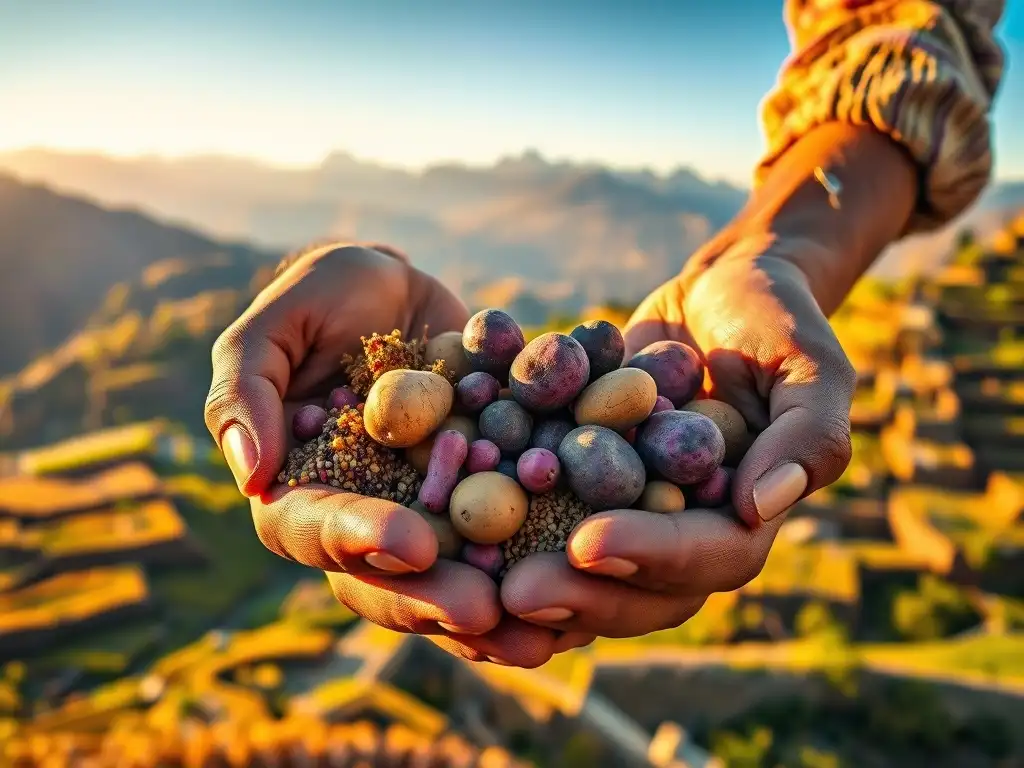
Uncover the secrets of a lost world, where towering empires thrived on ingenuity and innovation. Journey with us into the heart of the Andes, and discover a legacy far beyond the glittering gold and majestic ruins. Prepare to be amazed by the remarkable ingenuity of Andean preColumbian crops, the foundation of these ancient societies – grains and tubers that shaped civilizations and hold the key to a sustainable future. Their story is far from over; explore the fascinating details and rediscover these forgotten treasures in "The Forgotten Crops: Rediscovering Lost Grains and Tubers of the Andes."
The Andes Mountains, a spine of towering peaks running down the western coast of South America, are not only a breathtaking spectacle of nature but also a cradle of civilization. For millennia, ingenious Andean cultures, including the Incas, Moche, Nazca, and Tiahuanaco, thrived in this challenging environment, developing sophisticated agricultural techniques to cultivate a remarkable diversity of crops.
While potatoes and maize often steal the spotlight in discussions of Andean agriculture, a wealth of other grains and tubers, vital to the pre-Columbian diet and crucial to understanding the ingenuity of Andean civilizations, remain relatively unknown. This article delves into the fascinating world of these "forgotten crops," exploring their historical significance, nutritional value, and ongoing efforts to rediscover and preserve them for future generations.
Understanding these "Andean preColumbian crops" offers a deeper appreciation for the resilience and agricultural prowess of these ancient societies and contributes to ongoing discussions about food security and biodiversity.
Quinoa: The "Mother Grain" of the Andes
Quinoa, often hailed as a "superfood" today, has a history as rich and complex as the Andean landscape itself. Cultivated for at least 5,700 years, quinoa was a staple crop for many Andean cultures, providing a complete protein source and essential nutrients in a region often characterized by challenging growing conditions. Pre-Columbian Andean societies developed diverse quinoa varieties, each adapted to specific altitudes and climates.
Archaeological evidence points to its importance in religious ceremonies and daily life, highlighting its central role in their socio-economic structures. Even after the Spanish conquest, quinoa persisted as a vital component of the Andean diet, although its cultivation faced challenges and periods of decline.
Its recent resurgence in global popularity is a testament to its nutritional value and the enduring legacy of Andean agricultural practices. Further research is needed to fully understand the vast genetic diversity of pre-Columbian quinoa varieties and their potential for modern agriculture.
The Diverse World of Andean Potatoes
While the potato ( Solanum tuberosum) is globally recognized, the Andes are home to an astonishing diversity of potato species, far exceeding the limited varieties found in most supermarkets. Pre-Columbian farmers cultivated hundreds, perhaps thousands, of unique potato varieties, each with distinct characteristics in terms of size, color, flavor, and altitude tolerance. These potatoes were not simply a source of food; they represented cultural identity and were integral to complex agricultural systems.
Different varieties were cultivated at varying altitudes, showcasing a deep understanding of ecological zones and sophisticated agricultural techniques. The loss of this biodiversity following the Spanish conquest was significant, but ongoing efforts are underway to identify, document, and preserve remaining varieties, ensuring that the legacy of Andean potato diversity is safeguarded. [Specific data on the number of pre-Columbian potato varieties pending].
Other Notable Grains and Tubers: Canihua, Kiwicha, and More
Beyond quinoa and potatoes, a plethora of other grains and tubers played crucial roles in the Andean diet. Canihua ( Chenopodium pallidicaule), a grain similar to quinoa but even more drought-tolerant, was particularly important in high-altitude regions. Kiwicha ( Amaranthus caudatus), also known as amaranth, provided a valuable source of protein and was used in various culinary and ritual contexts.
Other lesser-known tubers, such as oca ( Oxalis tuberosa) and mashua ( Tropaeolum tuberosum), added to the dietary diversity and resilience of Andean societies. These crops, often overlooked in modern discussions, offer valuable insights into the ingenuity and adaptability of pre-Columbian agricultural practices and hold potential for future food security initiatives. [Further research needed on the specific cultivation techniques and nutritional profiles of these lesser-known crops].
The rediscovery and preservation of these forgotten crops are not merely historical pursuits; they hold significant implications for food security, nutritional diversity, and the conservation of genetic resources. By understanding and appreciating the agricultural achievements of Andean civilizations, we can learn valuable lessons for sustainable agriculture and food systems in the 21st century. The ongoing efforts to document, preserve, and promote these crops are crucial for ensuring their continued existence and recognizing the remarkable legacy of Andean agriculture.
- Quinoa: The "Mother Grain" of the Andes
- The Diverse World of Andean Potatoes
- Other Notable Grains and Tubers: Canihua, Kiwicha, and More
- What were some important Andean pre-Columbian crops?
- How did Andean civilizations adapt crops to their diverse environments?
- What role did Andean pre-Columbian crops play in their societies?
- Are any of these "forgotten crops" being revived today?
- Where can I learn more about Andean pre-Columbian crops and their cultivation?
The Legacy of Andean Pre-Columbian Agriculture: Beyond Potatoes
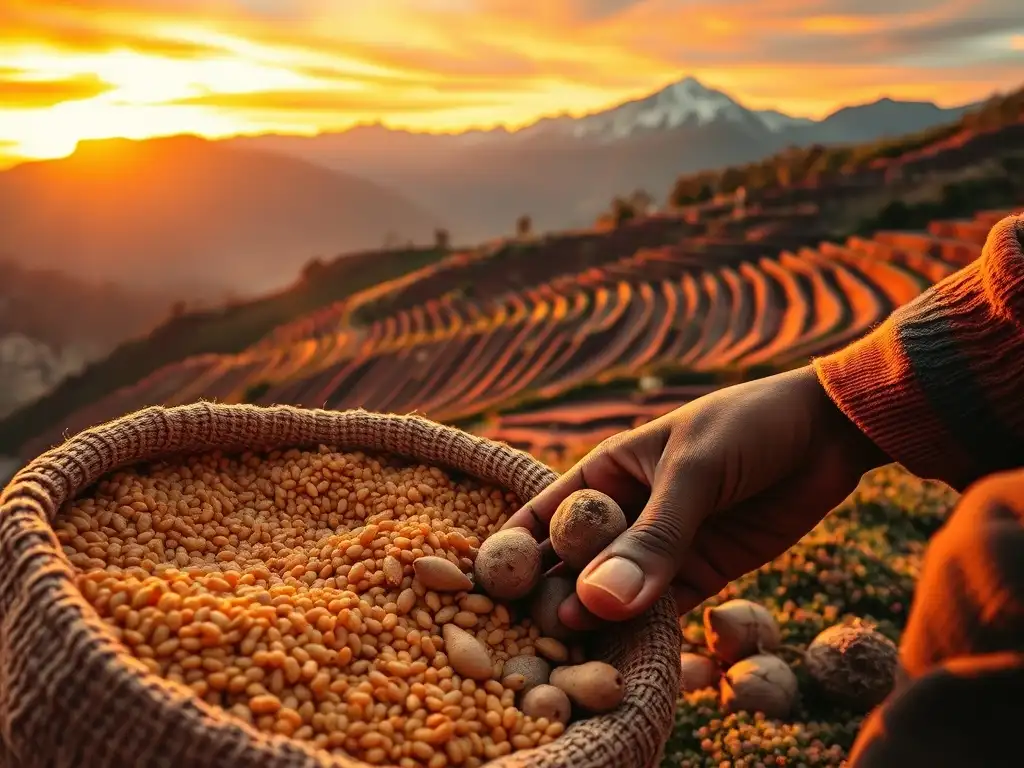
The Andes Mountains, a spine of towering peaks stretching along the western coast of South America, nurtured a remarkable diversity of crops long before the arrival of Europeans. While the potato justly claims fame as a staple Andean crop, the legacy of Andean pre-Columbian agriculture extends far beyond this single tuber. A sophisticated understanding of agriculture, honed over millennia, allowed Andean civilizations to cultivate a breathtaking array of grains, tubers, fruits, and vegetables, forming the basis of their complex societies.
This section delves into the often-overlooked diversity of Andean pre-Columbian crops, highlighting the ingenuity and resilience of these ancient farming practices. Understanding this rich agricultural heritage is crucial for appreciating the full complexity of Andean civilizations and their lasting impact on global food systems. The term "Andean preColumbian crops" itself encompasses a vast and fascinating array of plant life, adapted to diverse and challenging environments.
Understanding Ancient Andean Farming Techniques
Andean farmers developed ingenious techniques to overcome the challenges of their mountainous terrain. Terracing, for example, transformed steep slopes into cultivatable land, maximizing the use of available space. This involved painstakingly carving level platforms into hillsides, often with intricate irrigation systems to manage water flow.
The construction of these terraces was a monumental undertaking, reflecting the advanced engineering skills and collaborative efforts of Andean communities. Furthermore, the waru waru system, a form of raised-field agriculture, was employed in wetland areas. This involved creating raised beds separated by canals, improving drainage and soil fertility while also regulating water temperature, crucial for optimal crop growth.
These sophisticated techniques allowed for increased yields and reduced the risk of crop failure, contributing significantly to the stability and prosperity of Andean societies. The careful selection and breeding of crops, adapted to specific altitudes and microclimates, further demonstrated their deep understanding of plant biology. Detailed records, though scarce, indicate sophisticated crop rotation and fertilization practices, showcasing an environmentally conscious approach to agriculture that is remarkably relevant today.
The Importance of Biodiversity in Pre-Columbian Andean Diets
The remarkable biodiversity of Andean preColumbian crops is a testament to the ingenuity of ancient farmers. Their diets weren't solely reliant on potatoes, though potatoes played a significant role. Instead, they cultivated a diverse range of grains like quinoa, amaranth, and various types of maize, each adapted to specific ecological niches. Tubers beyond the potato, such as oca, ulluco, and mashua, provided additional sources of carbohydrates and nutrients. Legumes, such as beans and peanuts, contributed essential proteins.
A wide array of fruits and vegetables, including chilies, tomatoes, and various squashes, added flavor and essential vitamins and minerals to their diets. This dietary diversity provided nutritional security and resilience against crop failures. The varied nutritional profiles of these plants ensured a balanced intake of essential nutrients, contributing to the overall health and well-being of Andean populations. The absence of nutritional deficiencies in pre-Columbian Andean populations, despite the challenging environment, is a powerful testament to the effectiveness of their diversified agricultural practices.
The intricate relationship between Andean preColumbian crops and the people who cultivated them underscores the importance of biodiversity in ensuring food security and promoting sustainable agricultural practices. This legacy continues to inspire modern efforts to preserve and promote the cultivation of these remarkable crops. The reintroduction and study of these "forgotten" crops offer valuable insights into sustainable agriculture and food security for the future. 🥔🌾🍅
Rediscovering Lost Andean Grains: A Nutritional Treasure
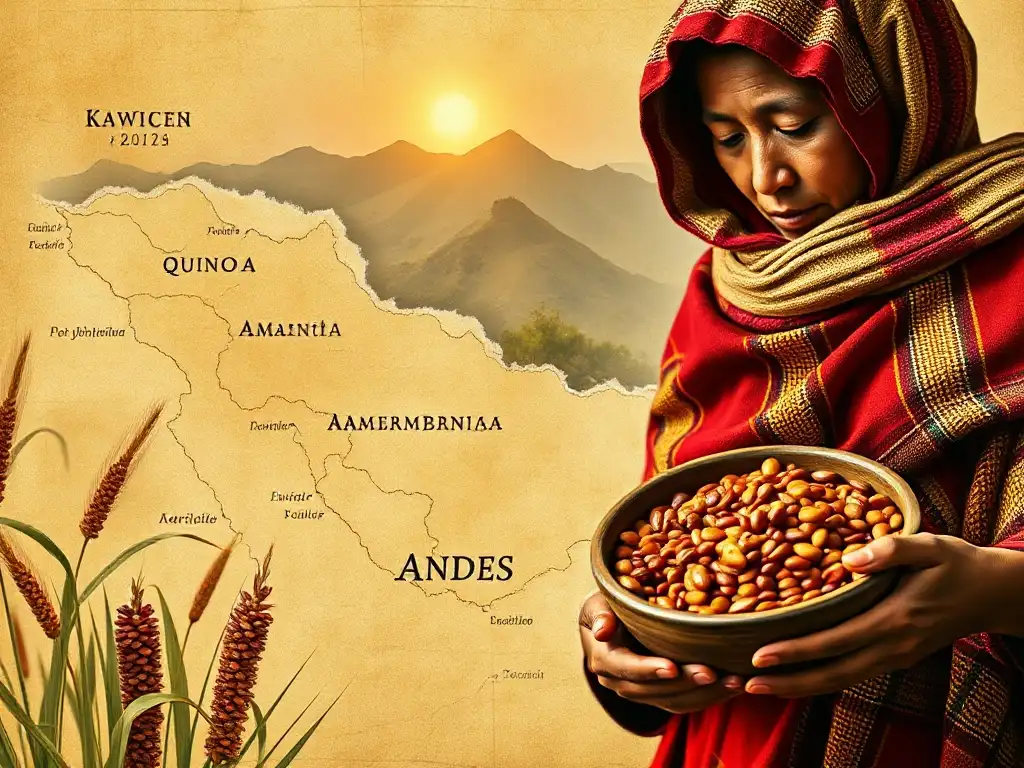
The Andes Mountains, a spine of towering peaks running down the western edge of South America, are not only a breathtaking landscape but also a cradle of agricultural innovation. For millennia, Andean civilizations cultivated a diverse array of crops uniquely adapted to the challenging high-altitude environments. While some, like potatoes, have achieved global recognition, many incredible Andean preColumbian crops remain largely forgotten, representing a significant untapped nutritional resource.
This section explores some of these remarkable grains, highlighting their nutritional value and historical significance. Understanding the resilience and nutritional power of these "lost" grains offers a glimpse into the ingenuity of Andean agricultural practices and opens doors to potentially addressing modern nutritional challenges. These crops, resilient to harsh conditions and packed with nutrients, offer a compelling case for their revival and integration into modern diets.
Quinoa: More Than Just a Trend
Quinoa ( Chenopodium quinoa), far from a recent "superfood" trend, boasts a history deeply intertwined with Andean culture, dating back thousands of years. Archaeological evidence suggests its cultivation in the Andes predates the Inca Empire. This pseudocereal, technically a seed, possesses a complete protein profile – meaning it contains all nine essential amino acids – a rarity in the plant kingdom.
Furthermore, quinoa is an excellent source of dietary fiber, iron, magnesium, and manganese. Its adaptability to diverse soil conditions and its tolerance to frost make it a remarkably resilient crop. Different varieties of quinoa exhibit varying colors, sizes, and flavors, adding to its culinary versatility.
Beyond its nutritional prowess, quinoa holds immense cultural significance for many Andean communities, representing a vital part of their culinary heritage and traditions. Its resurgence in global markets, while beneficial economically, also underscores the importance of supporting sustainable and equitable practices that benefit the Andean communities who have been cultivating and preserving this remarkable grain for generations.
Kiwicha: The Tiny Powerhouse Grain
Kiwicha ( Amaranthus caudatus), often called amaranth, is another remarkable Andean grain that deserves greater recognition. These small, round seeds are packed with nutrients, boasting high levels of protein, fiber, and essential minerals like iron and calcium. Kiwicha is also a significant source of lysine, an essential amino acid often lacking in other grains.
Historically, kiwicha played a crucial role in the diets of Andean populations, particularly during times of scarcity due to its ability to thrive in challenging conditions. Unlike many other crops, kiwicha is relatively easy to cultivate, requiring minimal inputs. Its resilience to drought and pests makes it an ideal crop for sustainable agriculture, especially in arid and semi-arid regions.
The versatility of kiwicha extends beyond its nutritional value. It can be consumed as a whole grain, ground into flour, or used as an ingredient in various traditional dishes. Its rich history and nutritional benefits make kiwicha a promising candidate for re-introduction into modern diets, both for its nutritional value and its potential to contribute to food security in challenging environments.
Cañihua: The Resilient High-Altitude Grain
Cañihua ( Chenopodium pallidicaule) is a remarkable grain uniquely adapted to the extreme conditions of the high Andes. This small-seeded crop thrives at altitudes exceeding 4,000 meters (13,000 feet), where few other plants can survive. Its resilience to frost, drought, and poor soil conditions makes it a crucial crop for Andean farmers.
Cañihua is a complete protein source and rich in dietary fiber, iron, and other essential minerals. Its high nutritional density makes it a valuable food source in regions where access to diverse foods may be limited. Furthermore, cañihua is known for its unique flavor and texture, adding to its culinary appeal.
While less widely known than quinoa, cañihua's exceptional resilience and nutritional profile make it a promising crop for both food security and sustainable agriculture initiatives, particularly in high-altitude regions. Further research into its cultivation and processing techniques could unlock its full potential as a globally significant grain. The rediscovery and promotion of cañihua can contribute significantly to the diversification of food sources and enhance food security in challenging environments.
Tarwi: The Andean Lupin
Tarwi ( Lupinus mutabilis), also known as Andean lupin, is a fascinating example of a rediscovered Andean crop. For centuries, it was a staple food source for various Andean cultures, providing a significant source of protein and essential nutrients. However, its cultivation declined significantly during the colonial period, largely due to the introduction of European crops and a shift in agricultural practices. Recent years have seen a resurgence of interest in tarwi, driven by its remarkable nutritional profile and potential for sustainable agriculture in challenging Andean environments.
Its high protein content, rivaling that of soybeans, makes it a valuable addition to diets, particularly in regions facing malnutrition. Furthermore, tarwi is rich in essential amino acids, dietary fiber, and healthy fats, contributing to its overall nutritional value. The cultivation of tarwi also presents environmental benefits; it is relatively drought-tolerant and can thrive in marginal lands, making it a suitable crop for sustainable agriculture in the Andes. Research is ongoing to further improve its yield and develop new varieties better suited to modern agricultural practices.
This renewed interest in tarwi demonstrates a broader movement towards the revitalization of traditional Andean crops and their role in food security and sustainable development in the region. The renewed focus on this "forgotten crop" underscores the rich agricultural heritage of the Andes and the potential it holds for addressing modern nutritional challenges. Further studies are needed to fully understand the potential of tarwi and other Andean crops to contribute to a more sustainable and nutritious food system. The development of improved varieties and processing techniques is crucial to making tarwi more accessible and appealing to a wider market.
Unearthing Andean Tubers: Root Vegetables of the Past
The Andes Mountains, a breathtaking tapestry of diverse ecosystems, nurtured a remarkable array of crops long before the arrival of Europeans. While potatoes rightfully claim the spotlight as a quintessential Andean staple, a fascinating world of lesser-known tubers thrived, providing sustenance and cultural significance to pre-Columbian Andean civilizations. These “forgotten crops,” resilient and adaptable to the challenging Andean terrain, represent a vital part of the region's agricultural heritage and offer exciting possibilities for modern food security and biodiversity conservation.
Understanding these Andean preColumbian crops is crucial to appreciating the ingenuity and resourcefulness of ancient Andean farmers. This section focuses on three particularly intriguing examples: oca, mashua, and yacon. Their cultivation techniques, nutritional properties, and enduring cultural impact continue to captivate researchers and food enthusiasts alike.
The resilience of these crops, and their ability to thrive in harsh conditions, highlight the sophisticated agricultural practices developed by Andean societies. The study of these Andean preColumbian crops provides a deeper understanding of the complex relationship between humans and their environment in the Andes.
Oca: The Sweet and Tangy Tuber
Oca ( Oxalis tuberosa), a vibrant tuber with a range of colors from creamy white to deep reddish-purple, boasts a unique flavor profile—a delightful blend of sweet and tart. Cultivated for millennia in the high Andes, oca provided a crucial carbohydrate source for various Andean cultures. Its adaptability to different altitudes and climates contributed to its widespread adoption. Interestingly, oca's flavor varies depending on the cultivar and growing conditions; some varieties are intensely sour, while others offer a sweeter, more palatable experience.
Furthermore, oca is a relatively easy crop to cultivate, requiring minimal inputs and exhibiting remarkable resilience to harsh weather conditions. This resilience made it a crucial component of the Andean diet, ensuring food security even in challenging years. The nutritional profile of oca is also noteworthy, providing a good source of Vitamin C and antioxidants.
Modern research continues to explore its potential as a functional food with health-promoting properties. The cultivation and consumption of oca represent a significant aspect of Andean food culture, demonstrating the ingenuity of ancient agricultural practices. Researchers are increasingly interested in the genetic diversity within oca varieties, aiming to preserve this valuable resource for future generations.
Mashua: A Natural Pest Repellent
Mashua ( Tropaeolum tuberosum) stands out not only for its edible tubers but also for its remarkable insecticidal properties. This tuber, with its characteristically bitter taste, was strategically cultivated by Andean farmers to protect other crops from pests. The bitter compounds in mashua act as natural repellents, reducing the need for harmful pesticides. This ingenious method of integrated pest management showcases the sophisticated understanding of ecological principles held by ancient Andean agriculturalists.
Beyond its pest-repelling qualities, mashua offers nutritional benefits, providing carbohydrates and other essential nutrients. However, its slightly bitter taste requires specific preparation methods to enhance palatability. Traditional Andean cooking techniques often involve boiling or roasting to reduce bitterness and enhance flavor.
Furthermore, mashua exhibits remarkable adaptability to high-altitude conditions, thriving in areas where other crops struggle. Its cultivation continues in some Andean communities, highlighting its enduring value as a resilient and versatile crop. The study of mashua's pest-repelling properties holds promise for developing sustainable and eco-friendly agricultural practices.
Yacon: The Fructan-Rich Root
Yacon ( Smallanthus sonchifolius) is unique among Andean tubers due to its exceptionally high content of fructans, a type of carbohydrate that is easily digested and has a low glycemic index. This makes it a particularly attractive food for people managing diabetes or seeking low-sugar dietary options. Unlike the starchy tubers discussed previously, yacon's sweetness comes primarily from these fructans, giving it a subtly sweet and refreshing taste.
The yacon plant itself is visually striking, with large, sunflower-like blooms. Its roots, however, are the prized part, yielding a juicy, crisp tuber with a slightly pear-like texture. Historically, yacon was an important crop in the Andean diet, providing a source of both sweetness and essential nutrients.
Modern research is exploring its potential health benefits beyond its low glycemic index, including its possible role in improving gut health and reducing inflammation. The cultivation of yacon, while requiring specific conditions, is gaining popularity both in the Andes and internationally as awareness of its unique properties grows. The yacon's unique properties and growing popularity highlight its importance as a valuable contribution to both Andean culinary heritage and global health initiatives.
Ulluco: The Colorful Andean Tuber
Ulluco ( Ullucus tuberosus ), also known as ullucu, is a fascinating Andean tuber boasting an incredible array of colors. These aren't your average brown potatoes; ulluco tubers come in vibrant shades of yellow, orange, red, pink, purple, and even variegated combinations. This diversity isn't just aesthetically pleasing; it also reflects a wide range of nutritional profiles and flavors, varying from subtly sweet to slightly tart.
Cultivated for centuries in the high Andes, ulluco played a vital role in the diets of pre-Columbian Andean cultures, providing a crucial source of carbohydrates and essential nutrients. Its resilience to harsh, high-altitude conditions made it a staple crop, even in challenging environments where other crops struggled to thrive. Archaeological evidence suggests its cultivation dates back thousands of years, showcasing its deep-rooted importance in Andean agricultural practices.
The different colors often correlate with varying levels of nutrients and antioxidants. For example, the deeper the purple, the higher the anthocyanin content, which is associated with various health benefits.
The versatility of ulluco in the Andean kitchen is remarkable. It can be boiled, steamed, roasted, or even eaten raw (though often cooked for improved digestibility). It's used in a variety of dishes, from simple side dishes to more complex stews and soups.
In some regions, ulluco is even fermented to create unique beverages and sauces, demonstrating the ingenuity of Andean culinary traditions in maximizing the use of this remarkable crop. The tuber's ability to store well also contributed to its importance; it could be harvested and stored for later consumption, providing a crucial food source during lean times. Interestingly, ulluco's cultivation techniques often involved intricate systems of terracing and irrigation, reflecting the sophisticated agricultural knowledge of the Andean people.
These systems allowed for optimized water management and soil conservation, maximizing yields in often challenging terrain. The careful selection and preservation of different ulluco varieties also speaks to the deep understanding of plant diversity and its importance for food security.
Today, while ulluco remains an important crop in many Andean communities, its potential remains largely untapped outside of the region. Efforts are underway to promote ulluco's cultivation and consumption globally, highlighting its nutritional value and unique culinary possibilities. However, the challenges of preserving genetic diversity and adapting cultivation techniques to different environments remain crucial for its successful wider adoption.
The revival of ulluco cultivation offers a promising avenue for promoting food security and celebrating the rich agricultural heritage of the Andes, reminding us of the fascinating history of Andean preColumbian crops and their enduring importance. The vibrant colors and diverse flavors of ulluco serve as a testament to the ingenuity and resilience of Andean agriculture.
The Cultural Significance of Andean Pre-Columbian Crops
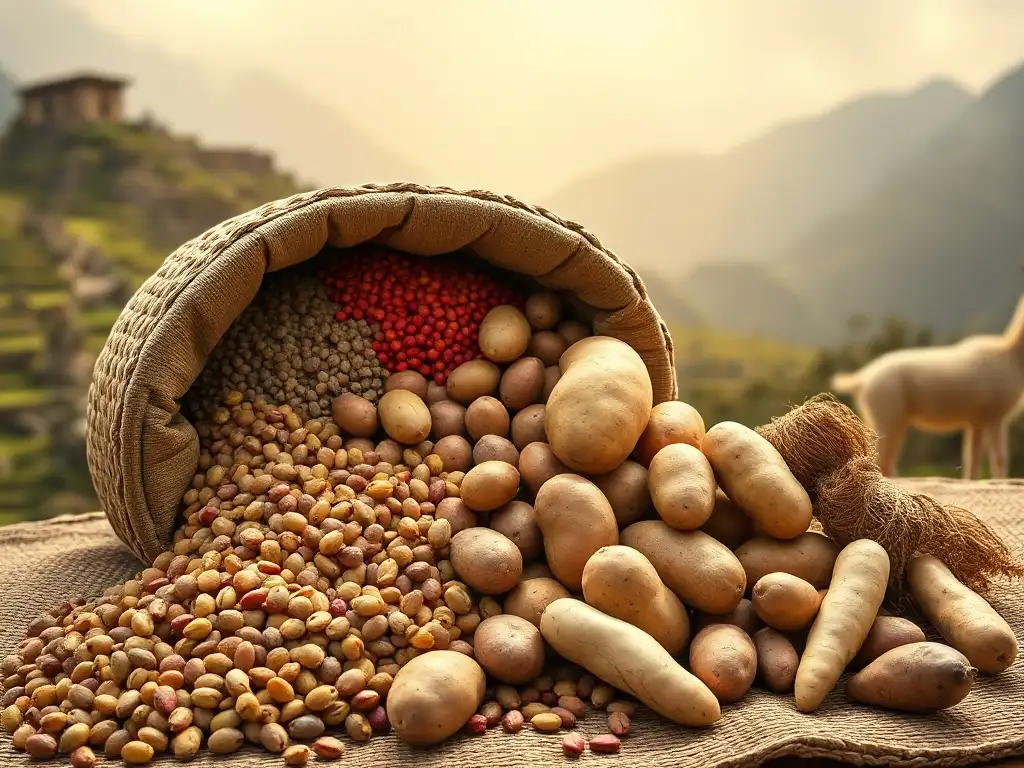
The Andean region boasts a remarkable agricultural heritage, far exceeding the well-known potato. Numerous grains and tubers, many now considered "forgotten crops," played—and continue to play—a vital role in the cultural fabric of Andean civilizations. Understanding the cultural significance of these Andean pre-Columbian crops is crucial to appreciating the depth and complexity of their societies.
Their cultivation wasn't merely a means of subsistence; it was deeply intertwined with religious beliefs, social structures, and artistic expression. The resilience of these crops, adapted to challenging high-altitude environments, mirrors the tenacity and ingenuity of the Andean people themselves. This section explores the profound cultural impact of these crops, highlighting their enduring legacy.
Ritual Use and Spiritual Connection to Native Plants
Andean pre-Columbian cultures held a profound spiritual connection with their crops. Many plants, including quinoa, amaranth, and various tubers like oca and ulluco, were not simply food sources but integral components of religious rituals and ceremonies. Evidence suggests that offerings of these crops were made to deities, ensuring bountiful harvests and appeasing supernatural forces.
The specific rituals varied among different Andean cultures, reflecting the diversity of their beliefs and practices. For example, the Inca civilization, known for its sophisticated agricultural techniques, likely incorporated specific prayers and offerings during planting and harvesting ceremonies involving maize (corn), a staple crop for them.
The intricate relationship between Andean people and their crops is also evident in their mythology and folklore. Many legends and stories feature plants as central characters, embodying spiritual power and representing the cyclical nature of life, death, and rebirth. These narratives served to reinforce the importance of agricultural practices and the sacred nature of the land.
The reverence for these crops extended beyond mere ritualistic practices; it permeated daily life, influencing social structures and artistic expression. Further research is needed to fully understand the nuanced spiritual significance of each specific crop across various Andean cultures. [Specific details on Inca mythology regarding crops pending].
Traditional Farming Practices and Knowledge Transmission
Traditional Andean farming practices were not simply about maximizing yields; they were deeply rooted in a holistic understanding of the environment and a profound respect for the land. This knowledge, accumulated over millennia, was meticulously passed down through generations, often through oral traditions, songs, and practical demonstrations. The intricate techniques employed by Andean farmers—including terracing, irrigation systems, and crop rotation—were not only impressive feats of engineering but also reflected a deep understanding of ecological principles.
These sophisticated farming techniques allowed Andean civilizations to cultivate a remarkable diversity of crops in challenging environments. The careful management of water resources, for example, was essential for survival in arid regions. The construction of terraces on steep slopes increased arable land, optimizing the use of available resources. Furthermore, the practice of crop rotation helped maintain soil fertility and prevent depletion.
The transmission of this knowledge was crucial for the survival and prosperity of Andean societies. This knowledge was not simply technical expertise; it was a cultural heritage, imbued with spiritual meaning and social significance. [Data on specific techniques used for different crops pending].
The Role of Andean Crops in Festivals and Ceremonies
Andean pre-Columbian crops played a central role in numerous festivals and ceremonies, celebrating the agricultural cycle and reaffirming social bonds. Harvest festivals, for instance, were occasions for communal feasting, music, dance, and ritual offerings. These events were not merely celebrations of abundance but also opportunities to reaffirm social hierarchies and strengthen community ties. The specific crops used in these festivals often varied depending on the region and the time of year, reflecting the diversity of Andean agricultural practices.
For example, the Fiesta de la Papa (Potato Festival) in Peru is a modern continuation of ancient traditions, highlighting the enduring importance of the potato in Andean culture. Similarly, festivals celebrating quinoa and other grains continue to be observed in various Andean communities, showcasing the continued cultural significance of these "forgotten crops." These festivals provide valuable insights into the rich cultural heritage of the Andes, demonstrating the deep connection between Andean people and their agricultural practices. The use of specific crops in these ceremonies provides valuable data for understanding social structures and religious beliefs of the time.
[Further research on specific festivals and their associated crops is needed]. The continued celebration of these festivals today speaks volumes about the enduring legacy of these Andean pre-Columbian crops. 🎉
The Nutritional Benefits of Andean Pre-Columbian Crops
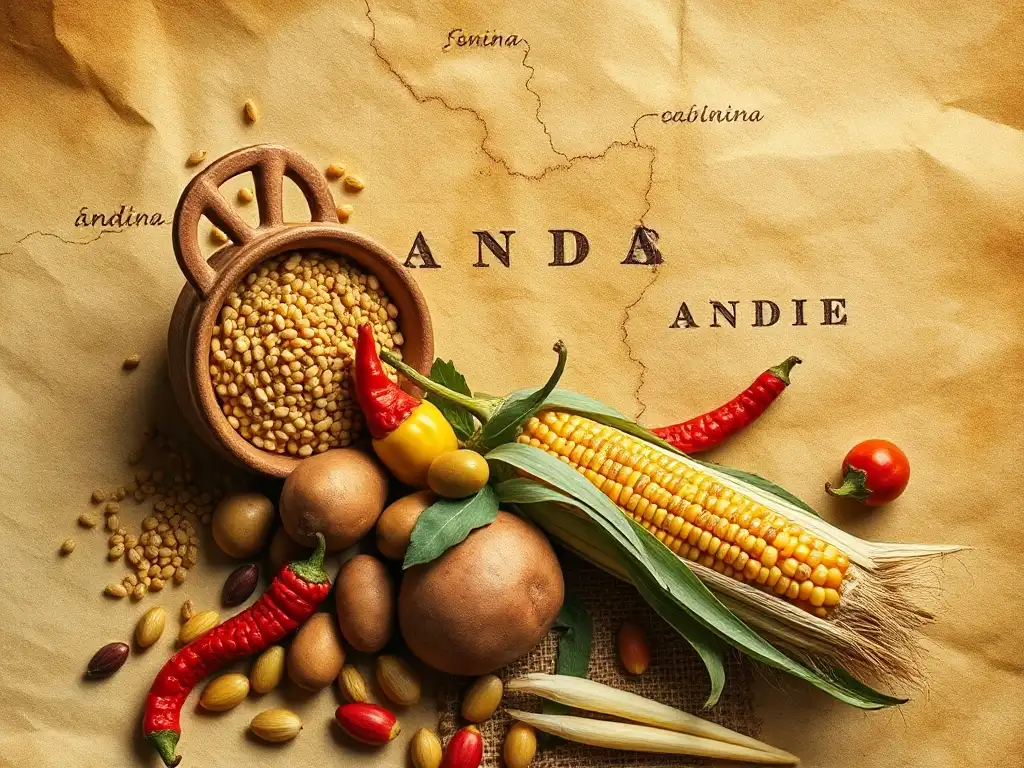
The Andes Mountains, a region boasting incredible biodiversity, were home to a remarkable array of crops long before the arrival of Europeans. These "Andean pre-Columbian crops," often overlooked in modern diets, offer a treasure trove of nutritional benefits that are only now beginning to be fully appreciated.
Understanding their nutritional value is crucial to recognizing their importance in both historical and contemporary contexts. This section delves into the remarkable nutritional profile of these often-forgotten grains and tubers, highlighting their contributions to the health and well-being of ancient Andean populations and their potential to contribute to global food security and improved nutrition today.
Rich in Vitamins and Minerals
Andean pre-Columbian crops are exceptional sources of essential vitamins and minerals, often exceeding the nutritional content of more commonly consumed grains. For instance, quinoa, a staple of the Inca diet, is a complete protein, meaning it contains all nine essential amino acids. This is rare among plant-based proteins.
Furthermore, it's a powerhouse of vitamins and minerals, including significant amounts of iron, magnesium, and manganese, crucial for energy production and overall health. Kiwicha (Amaranthus caudatus), another highly valued Andean grain, is rich in lysine, an essential amino acid often lacking in other cereals. It also provides a good source of calcium, phosphorus, and vitamin C, vital for bone health and immune function.
These crops provided ancient Andean populations with the necessary nutrients for physical strength and resilience, essential for their demanding lifestyles in the high altitudes of the Andes. The precise vitamin and mineral content can vary based on factors like soil conditions and cultivation methods, but consistently, these crops demonstrate superior nutritional density compared to many modern alternatives.
High in Fiber and Antioxidants
Beyond vitamins and minerals, Andean pre-Columbian crops are exceptionally high in dietary fiber. This is particularly true for grains like quinoa, kiwicha, and cañihua. High fiber content aids in digestion, promotes gut health, and contributes to feelings of fullness, potentially assisting in weight management. Fiber also plays a crucial role in regulating blood sugar levels, making these crops beneficial for individuals with diabetes or those seeking to maintain healthy blood sugar.
Furthermore, many of these crops are rich in antioxidants, compounds that protect the body's cells from damage caused by free radicals. These antioxidants contribute to overall health and may reduce the risk of chronic diseases. The presence of these antioxidants, combined with the high fiber content, positions these Andean crops as a powerful tool in promoting long-term health and well-being. Studies continue to reveal the extent of their antioxidant capabilities and their positive impact on various health markers.
Specific Nutritional Profiles of Quinoa, Kiwicha, and Cañihua
To further illustrate the nutritional superiority of these crops, let's examine the specific nutritional profiles of three prominent examples:
| Crop | Protein (g/100g) | Fiber (g/100g) | Iron (mg/100g) | Calcium (mg/100g) | Key Vitamins & Minerals |
|---|---|---|---|---|---|
| Quinoa | ~14 | ~3 | ~2.8 | ~38 | Magnesium, Manganese, Phosphorus |
| Kiwicha | ~16 | ~7 | ~6.0 | ~130 | Lysine, Vitamin C, Zinc |
| Cañihua | ~17 | ~6 | ~3.5 | ~40 | High in Lysine, Antioxidants |
Note: These values are approximate and can vary depending on cultivar, growing conditions, and processing methods. More precise data requires further research focusing on specific Andean varieties and their cultivation practices. The table clearly demonstrates the remarkable nutritional density of these crops, showcasing their significant contributions to a balanced and healthy diet. Further research is needed to fully understand the long-term health benefits associated with the consumption of these Andean pre-Columbian crops. Their rediscovery and wider adoption could significantly contribute to improved global nutrition and food security. The potential is vast, and continued investigation is warranted.
The Future of Andean Pre-Columbian Crops: Sustainable Agriculture
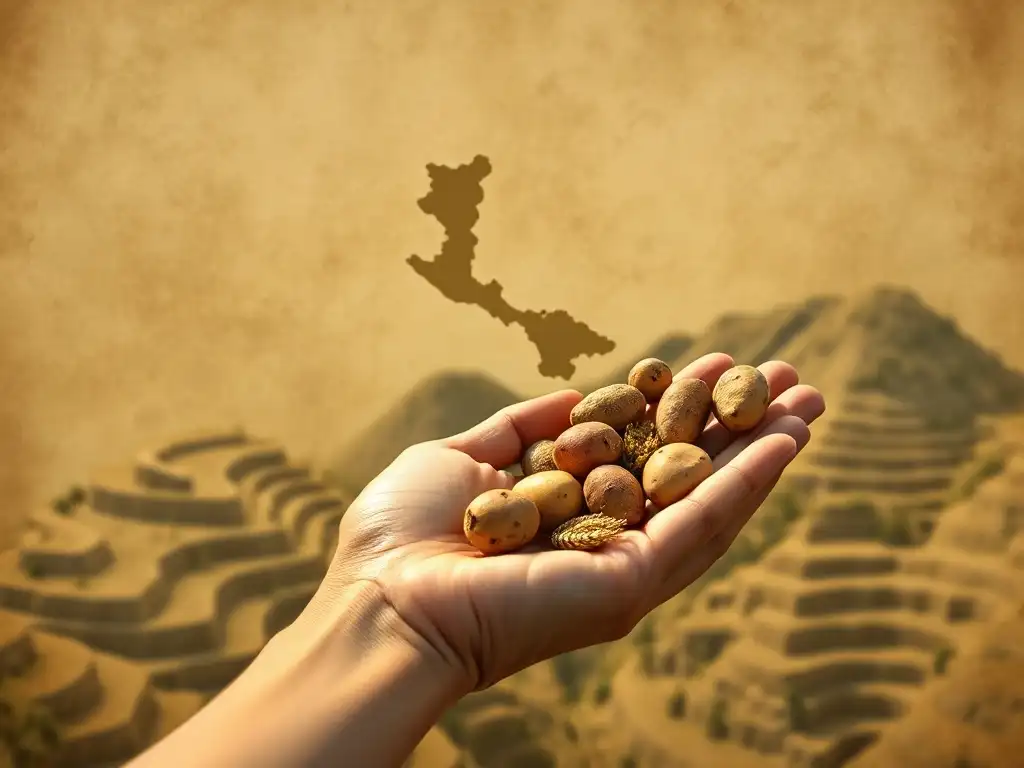
The future of Andean pre-Columbian crops hinges on sustainable agricultural practices. These ancient grains and tubers, once the backbone of Andean diets, face challenges from modern agriculture and globalization. Reintroducing traditional farming techniques alongside modern advancements is crucial for their long-term survival and contribution to food security. This involves a multifaceted approach, focusing on soil health, water management, and biodiversity.
Reviving Traditional Farming for Food Security
Traditional Andean farming methods, developed over millennia, offer valuable lessons for sustainable agriculture. Techniques like terracing, intercropping, and the use of natural fertilizers minimized environmental impact while maximizing yields. These methods are particularly relevant in the face of climate change, offering resilience to drought and other environmental stresses.
For example, the use of waru waru raised-bed agriculture in the Altiplano region demonstrates the ingenuity of pre-Columbian farmers in adapting to challenging conditions. This system, characterized by interconnected raised beds and irrigation channels, significantly improves water retention and soil fertility, increasing crop yields even in arid environments. Reviving these techniques not only ensures the survival of Andean pre-Columbian crops but also contributes to food security in a region increasingly vulnerable to climate change.
The integration of modern agricultural knowledge with these traditional methods can further enhance efficiency and productivity, ensuring a sustainable future for these vital crops. Specific data on yield improvements through the reintroduction of waru waru techniques is currently [specific information pending], but anecdotal evidence suggests significant increases compared to modern monoculture farming practices.
Promoting the Consumption of Native Crops
While preserving traditional farming methods is crucial, equally important is promoting the consumption of these native crops. Modern diets in the Andes have shifted towards imported grains and processed foods, leading to a decline in the cultivation and consumption of traditional Andean pre-Columbian crops. Educational campaigns highlighting the nutritional benefits and cultural significance of these crops are essential.
For instance, quinoa, once a staple food, has experienced a global resurgence, showcasing the potential for market-driven success. However, other equally nutritious crops, such as cañihua, kiwicha, and various Andean potatoes, remain relatively unknown outside the region. Marketing strategies that emphasize their unique nutritional profiles, flavor profiles, and adaptability to diverse culinary applications are needed to increase demand.
Furthermore, integrating these crops into school lunch programs and promoting their use in national cuisine can significantly boost consumption and secure their place in the future food system. This requires a collaborative effort involving governments, NGOs, and the food industry. The success of quinoa demonstrates the market potential; similar strategies, tailored to each crop, are necessary to achieve widespread adoption.
The Role of Local Communities in Crop Preservation
Local communities play a vital role in the preservation of Andean pre-Columbian crops. They are the custodians of traditional knowledge, seed varieties, and farming practices. Empowering these communities through participatory research, capacity building, and fair trade initiatives is crucial for long-term success. This involves supporting local farmers' organizations, providing access to markets, and ensuring equitable benefit-sharing.
Moreover, documenting and preserving traditional knowledge is essential. This can be achieved through community-based initiatives involving elders and farmers who hold valuable information on seed selection, cultivation techniques, and post-harvest processing. By engaging directly with local communities, we ensure that the knowledge and practices associated with these crops are not lost, guaranteeing their continued cultivation and safeguarding the cultural heritage of the Andes. The preservation of biodiversity relies on the active participation of these communities, making their role paramount in the future of Andean pre-Columbian crops.
Supporting their efforts through targeted funding and policy changes is vital for securing the future of this invaluable agricultural heritage. The success of any strategy relies on the active participation and empowerment of these communities. 🥔🌾
Preserving the Heritage of Andean Agriculture
The Andes Mountains, a breathtaking tapestry of diverse ecosystems, nurtured a remarkable array of crops long before the arrival of Europeans. These Andean preColumbian crops, often overlooked in modern agriculture, represent a vital heritage of biodiversity and resilience. Their preservation is not merely an act of historical preservation; it's a crucial step towards ensuring food security and promoting sustainable agricultural practices in a changing climate.
Understanding the significance of these forgotten crops requires a multifaceted approach, encompassing the support of local farmers, the establishment of robust seed banks, and the empowerment of indigenous communities who have been the custodians of this agricultural knowledge for millennia. The loss of these crops would represent an irreplaceable loss to both culinary heritage and global food security.
Many of these crops possess unique nutritional and medicinal properties that modern agriculture has yet to fully explore. Their genetic diversity also offers invaluable potential for developing crops that are more resistant to pests, diseases, and climate change.
Supporting Local Farmers and Producers
The survival of many Andean preColumbian crops depends heavily on the continued efforts of local farmers and producers. These individuals, often working on small, family-run farms, possess generations of knowledge about cultivation techniques, seed selection, and crop management adapted to the unique conditions of their respective regions. Sadly, many face challenges including limited access to markets, inadequate infrastructure, and competition from large-scale, monoculture farming.
Supporting these farmers through fair trade practices, improved access to credit and resources, and the development of sustainable marketing strategies is paramount to preserving the diversity of Andean agriculture. This includes initiatives focusing on value-added products, such as organic certifications, and promoting the unique qualities of these crops in both local and international markets. For example, the increasing demand for quinoa has provided economic opportunities for Andean farmers, but this success needs to be replicated for other lesser-known crops.
A concerted effort to promote and protect these farmers ensures not only the survival of these crops but also the preservation of a rich cultural heritage deeply intertwined with their agricultural practices. The success stories of individual farmers should be amplified to inspire others and demonstrate the economic viability of sustainable Andean agriculture.
The Importance of Seed Banks and Conservation
Seed banks play a crucial role in the conservation of Andean preColumbian crops. These repositories safeguard the genetic diversity of these crops, providing a backup in case of crop failure or loss of biodiversity due to climate change or other threats. They are not simply storage facilities; they are active centers of research and development, working to identify and characterize the genetic makeup of different varieties, facilitating the exchange of seeds among farmers, and contributing to breeding programs aimed at improving crop yields and resilience. However, many seed banks in the Andean region face challenges in terms of funding, infrastructure, and capacity building.
Investing in these institutions is essential to ensure the long-term preservation of these invaluable genetic resources. Furthermore, the development of robust seed conservation protocols adapted to the specific needs of each crop is critical. This includes research into optimal storage conditions, disease management, and seed viability testing.
The creation of a network of interconnected seed banks across the Andean region would enhance collaboration, resource sharing, and the overall effectiveness of conservation efforts. This collaborative approach is crucial for the long-term preservation of the diverse genetic heritage represented by these crops. The network could also facilitate the exchange of knowledge and best practices, benefiting all stakeholders involved in seed conservation.
Empowering Indigenous Communities in the Andean Region
Indigenous communities in the Andean region have been the custodians of traditional agricultural knowledge for centuries. Their deep understanding of the unique characteristics of Andean preColumbian crops, along with their traditional farming practices, is crucial for the preservation and sustainable use of these valuable resources. Empowering these communities through participatory research, capacity building, and the recognition of their traditional knowledge is essential for ensuring the long-term survival of these crops. This includes supporting community-based seed saving initiatives, promoting traditional farming techniques, and providing access to appropriate technology and resources.
Furthermore, legal frameworks that recognize and protect indigenous knowledge and intellectual property rights are crucial. This ensures that indigenous communities receive appropriate recognition and benefit from the commercialization of these crops. Many indigenous communities possess a profound understanding of the medicinal and nutritional properties of these crops, knowledge that is often lost when traditional practices are neglected.
The active participation and leadership of indigenous communities are not only ethical but also essential for the success of any conservation and development initiative. Their knowledge and experience provide an invaluable foundation for sustainable and equitable agricultural practices. The preservation of Andean preColumbian crops is fundamentally linked to the empowerment and well-being of the indigenous communities that have nurtured them for generations.
Frequently Asked Questions
What were some important Andean pre-Columbian crops?
The Andes were a center of agricultural innovation. Key crops included potatoes, maize (corn), quinoa, beans, and various tubers like oca and ulluco. These formed the basis of their diets and societies.
How did Andean civilizations adapt crops to their diverse environments?
Andean civilizations developed remarkable agricultural techniques, including terracing, irrigation systems, and the cultivation of diverse crops suited to different altitudes and microclimates. This allowed them to thrive in challenging terrains.
What role did Andean pre-Columbian crops play in their societies?
These crops were fundamental to their economies and social structures. They were not only food sources, but also used in religious ceremonies and traded extensively.
Are any of these "forgotten crops" being revived today?
Yes, there's a growing interest in reintroducing and preserving these ancient crops. Efforts focus on promoting their nutritional value, biodiversity, and resilience to climate change.
Where can I learn more about Andean pre-Columbian crops and their cultivation?
You can explore further through academic journals, museums, and cultural centers focusing on Andean history and agriculture. Many organizations are dedicated to preserving and promoting these crops.
Final Reflection: Reclaiming the Andes' Culinary Heritage
The resurgence of interest in Andean pre-Columbian crops isn't just a culinary trend; it's a vital step towards food security and biodiversity preservation in a rapidly changing world. These forgotten grains and tubers, resilient and nutritious, hold the key to sustainable agriculture and a more diverse, healthier diet for future generations. Their rediscovery offers a powerful counterpoint to the homogenization of global food systems.
The enduring legacy of these crops extends far beyond the plate; they represent a deep connection to the land and the ingenuity of Andean cultures. Their cultivation practices, passed down through generations, offer valuable lessons in sustainable agriculture and resource management. The earth provides enough to satisfy every man's needs but not every man's greed.
– Mahatma Gandhi. This quote resonates deeply when considering the potential of these crops to feed populations sustainably, contrasting with the unsustainable practices of modern industrial agriculture.
Consider the potential within your own life. You can actively support the revival of these crops by seeking out local producers, experimenting with new recipes, and advocating for policies that promote agricultural biodiversity. By understanding the history and significance of these Andean treasures, we can build a more resilient and equitable food system, one that honors both the past and secures a healthier future for all. Let the forgotten crops of the Andes inspire you to cultivate a deeper connection to your food and the world around you.
**Uncover the Richness of Ancient Andean Foods! **
Thank you for exploring the fascinating world of forgotten Andean crops! Discovering the grains and tubers of this region reveals a treasure trove of nutritional and cultural significance that has been unjustly overlooked. Now, let's put your newfound knowledge to practical use in the kitchen.
Here's how you can begin:
- **Experiment with an underutilized Andean crop** this week. Quinoa, for example, offers a nutritious and versatile addition to many dishes, while other crops like oca or aji amarillo can add exciting new flavors and textures to your meals.
- Join our community! Share your culinary adventures and recipes featuring these ancient ingredients by connecting with us on social media. We'd love to see what you create!
- Support farmers and the revival of Andean agriculture by seeking out these unique crops at local farmers' markets or specialty stores.
How will you incorporate these ancient Andean ingredients into your daily life? We'd love to hear your thoughts and experiences!