
The Lost Art of Fermentation: Andean Beverages and Their Cultural Significance

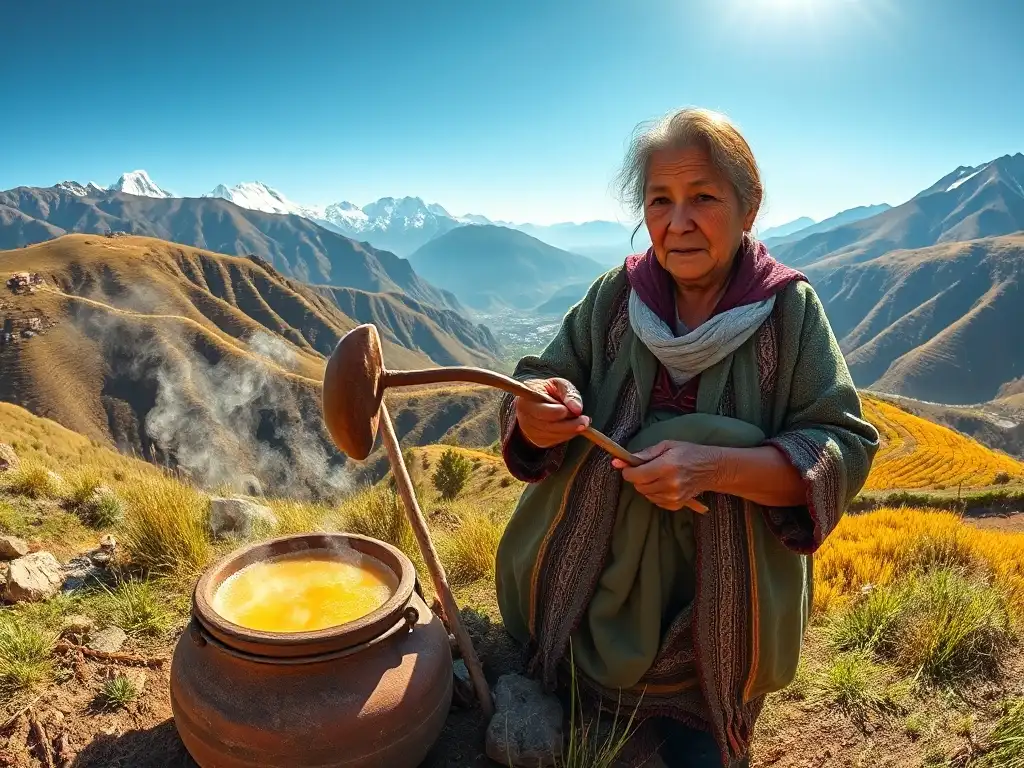
Uncover the secrets whispered on the wind across the Andes… For centuries, a sophisticated knowledge of the earth and its bounty thrived in the heart of South America. Beyond the majestic ruins and intricate textiles, lies a story waiting to be discovered: the astonishing world of Andean fermentation techniques. Journey with us as we delve into the ancient brews and potent potions of the Incas, Moche, and other remarkable Andean cultures, revealing how these lost arts shaped their societies and continue to resonate today. Prepare to be amazed.
The Andes Mountains, a spine of towering peaks running down the western coast of South America, nurtured some of the world's most sophisticated pre-Columbian cultures. Beyond their impressive architectural feats like Machu Picchu and the Nazca Lines, these civilizations—including the Incas, Moche, Nazca, and Tiahuanaco—possessed a deep understanding of agriculture and food processing, particularly the art of fermentation.
This article delves into the fascinating world of Andean fermentation techniques, exploring the diverse range of fermented beverages produced and their profound cultural significance within these ancient societies. We will uncover how these techniques, often passed down through generations via oral traditions, played a vital role in their social structures, religious practices, and daily lives.
Understanding these lost arts offers a unique window into the ingenuity and complexity of Andean civilizations, highlighting their advanced knowledge of botany, microbiology, and sustainable food production. The exploration of "Andean fermentation techniques" will reveal a rich tapestry woven from agricultural practices, spiritual beliefs, and social interactions.
Introduction to Andean Fermentation Traditions
Andean fermentation traditions were far from haphazard processes; they were sophisticated practices reflecting a deep understanding of both the natural world and the transformative power of microorganisms. Unlike many Western fermentation techniques that focus on preserving food, Andean methods often intertwined preservation with the creation of intoxicating and ritualistic beverages. The process frequently involved a complex interplay of ingredients, including various fruits, tubers, and grains, often combined with specific plants believed to possess medicinal or spiritual properties.
The fermentation process itself, varying depending on the desired outcome and the specific culture, involved carefully controlled temperature and time parameters. These weren't simple brews; they were meticulously crafted concoctions deeply embedded in the fabric of Andean society. The techniques were often guarded secrets, passed down through families and communities, contributing to their mystique and cultural significance.
Specific examples, such as the chicha made from maize or the use of jora (malted corn), will be explored further in subsequent sections. The role of women in these processes, often overlooked in historical accounts, also deserves special attention and further research.
Ancient Andean Fermentation: A Historical Overview
Archaeological evidence suggests that Andean fermentation techniques date back millennia. Residue analysis of ancient pottery shards has revealed traces of fermented beverages, providing tangible proof of these practices. The specific techniques varied across different cultures and time periods. For instance, the Moche civilization, known for its exquisite metalwork and pottery, likely employed different fermentation methods than the later Inca Empire. While precise details are often lost to time, the available evidence points to a wide array of fermented products, including:
| Civilization | Beverage Type(s) | Primary Ingredients | Notable Characteristics |
|---|---|---|---|
| Moche | Chicha | Maize, fruits (various) | Potentially complex fermentation processes, ritual use |
| Nazca | Chicha, possibly others | Maize, possibly other grains | Likely less complex than Moche methods, regional variations |
| Inca | Chicha, Acuchillu | Maize, jora, quinoa, etc. | Widespread consumption, social and religious importance |
| Tiahuanaco | Unknown, likely chicha | Various, likely including maize | Limited information, further research is needed |
The availability of various ingredients and the specific knowledge of fermentation techniques likely influenced the character and the cultural significance of these beverages. The social and religious contexts in which these beverages were consumed played a crucial role in shaping their significance. Chicha, for example, was not just a drink; it was deeply integrated into Andean rituals, ceremonies, and social gatherings. It served as a symbol of community, celebration, and sometimes even as an offering to the gods.
Further research into Andean fermentation techniques is needed to fully understand their complexity and cultural impact. The recovery of additional archaeological data and the study of existing oral traditions are key to unlocking the secrets of these fascinating processes. The use of 🧪 and 🌾 in the brewing process further emphasizes the intertwined relationship between Andean culture and the natural world.
Andean Fermented Beverages: A Deep Dive
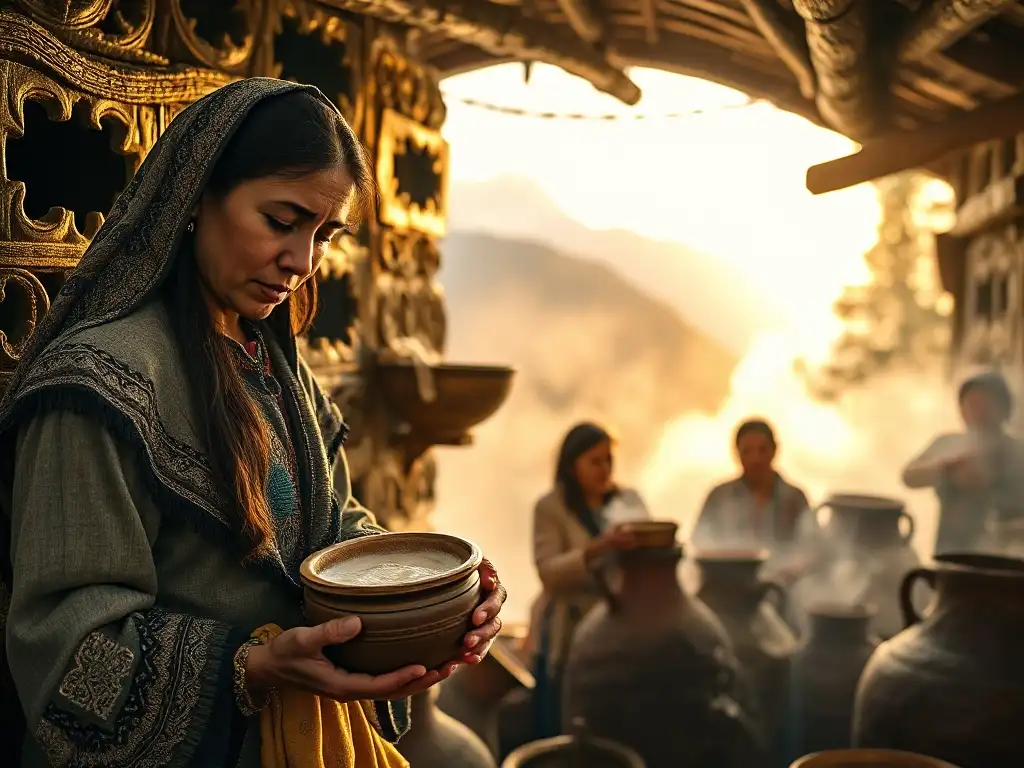
This section delves into the fascinating world of Andean fermented beverages, exploring their diverse production methods and profound cultural significance within ancient and contemporary Andean societies. Understanding these techniques provides crucial insight into the ingenuity and resourcefulness of Andean civilizations, highlighting their deep connection to the land and its resources. The mastery of fermentation wasn't merely a culinary achievement; it was a cornerstone of their social, religious, and economic life. We will focus on two prominent examples: chicha and masato, showcasing the remarkable variety and sophistication of Andean fermentation techniques.
Chicha: The Quintessential Andean Fermented Drink
Chicha, arguably the most iconic Andean fermented beverage, holds a central place in the cultural heritage of the region. Its production, spanning centuries, reveals a sophisticated understanding of microbial processes and agricultural practices. The base ingredient, maize (corn), was, and remains, a staple crop, making chicha a readily available and vital part of Andean diets and ceremonies. The specific fermentation techniques varied significantly across different Andean groups, resulting in a wide spectrum of flavors and alcoholic content.
Chicha Varieties and Their Preparation Methods
The diversity of chicha is astounding. Different varieties emerged depending on the maize type used (sweet, yellow, purple, etc. ), the specific fermentation methods employed, and the desired final product. Some chichas were mildly alcoholic, intended for everyday consumption, while others were potent brews reserved for special occasions.
- Moche Chicha: Archaeological evidence suggests the Moche culture, known for their elaborate pottery, developed sophisticated techniques for chicha production. Their ceramic vessels, often adorned with intricate designs depicting chicha-making scenes, indicate a highly ritualized process. The specific maize varieties used and the precise fermentation techniques remain areas of ongoing research, but analyses of ancient residues from pottery shards are providing valuable insights.
- Inca Chicha: The Inca Empire standardized many aspects of Andean life, including the production and distribution of chicha. While regional variations persisted, the Inca likely regulated the quality and quantity of chicha produced, potentially using it as a form of taxation or tribute. Their mastery of irrigation and agriculture ensured a consistent supply of maize for chicha production.
- Modern Chicha: Today, chicha continues to be a popular beverage throughout the Andes, though modern methods often involve pasteurization or other techniques to ensure safety and consistency. However, traditional methods persist in many communities, preserving the ancient techniques and the cultural heritage associated with this remarkable drink. This demonstrates the enduring legacy of Andean fermentation techniques.
The Cultural Significance of Chicha in Andean Societies
Chicha was far more than just a drink; it played a crucial role in Andean religious ceremonies, social gatherings, and daily life.
- Religious Rituals: Chicha was frequently offered as a libation to the gods and was central to many religious festivals. The ceremonial consumption of chicha symbolized communion with the divine and reinforced social bonds within the community.
- Social Events: Chicha was an integral part of social gatherings, celebrations, and important life events such as marriages and funerals. Sharing chicha fostered community spirit and strengthened social ties.
- Economic Importance: In some Andean communities, chicha production and trade formed a significant part of the local economy. The control of chicha production and distribution could also be a source of power and influence within a community.
Masato: Fermented Yuca Beverage
Masato, a fermented beverage made from yuca (cassava), is another prominent example of Andean fermentation prowess. Unlike chicha, which relies on maize, masato utilizes yuca as its primary ingredient. The preparation of masato demonstrates a different approach to fermentation, reflecting the adaptability of Andean cultures to diverse agricultural resources. The process often involves chewing the yuca, introducing enzymes that initiate the fermentation process. This unique technique highlights the deep understanding of biological processes within Andean societies.
Masato Production Techniques
The production of masato varies regionally, but the core process generally involves several steps:
- Yuca Preparation: The yuca is peeled, washed, and often boiled or steamed to soften it.
- Chewing and Mashing: Traditionally, the softened yuca is chewed to break down the starch and introduce saliva enzymes. This step can also be achieved through mechanical mashing, although the traditional method is still widely practiced.
- Fermentation: The chewed or mashed yuca is then mixed with water and allowed to ferment for a period of time, typically a few days. The fermentation process is influenced by ambient temperature and the presence of naturally occurring yeasts and bacteria.
- Filtering and Serving: Once fermentation is complete, the mixture is often strained to remove solids before serving.
Ritual and Social Uses of Masato
Similar to chicha, masato plays a significant role in Andean social and religious life. It is often served during celebrations, festivals, and rituals. In some communities, masato holds a particularly sacred status, associated with specific deities or ancestral spirits. The sharing of masato often strengthens community bonds and reinforces social cohesion. The beverage's role in these contexts illustrates the enduring cultural significance of Andean fermentation techniques and their integration into the fabric of Andean society. Its continued presence underscores the rich history and enduring traditions of Andean foodways.
Other Fermented Drinks of the Andes
Beyond chicha, the Andes boasted a diverse array of fermented beverages, each reflecting the ingenuity and resourcefulness of the different cultures inhabiting this vast and varied region. These drinks played crucial roles in religious ceremonies, social gatherings, and daily life, underscoring the importance of fermentation techniques in Andean societies. The specific ingredients and methods varied significantly depending on the available resources and local traditions, contributing to a rich tapestry of fermented drink traditions.
The knowledge and techniques passed down through generations, often shrouded in secrecy and ritual, represent an invaluable aspect of Andean cultural heritage. Understanding these diverse beverages offers a deeper appreciation for the sophisticated agricultural practices and cultural nuances of these ancient civilizations. The enduring legacy of these drinks is evident in the continued production and consumption of many of them in contemporary Andean communities, proving their enduring relevance and appeal.
Guarapo: Fermented Sugarcane Beverage
Guarapo, a fermented sugarcane beverage, holds a significant place in the history of Andean fermentation. While sugarcane itself wasn't native to the Andes, its introduction during the colonial period led to the adaptation and integration of guarapo into existing fermentation traditions. The process typically involved crushing the sugarcane stalks to extract their juice, which was then left to ferment naturally, often utilizing wild yeasts present in the environment.
The resulting drink varied in sweetness and alcoholic content depending on the fermentation time and conditions. Guarapo’s popularity stemmed from its relative ease of production and the readily available sugarcane, making it a common drink, particularly in warmer regions of the Andes. Interestingly, the fermentation process itself may have been influenced by pre-existing Andean techniques applied to other native crops, demonstrating a remarkable cultural adaptability.
[Specific data on the alcoholic content range of guarapo pending]. Further research into historical records could reveal more insights into its role in Andean society and its evolution over time.
Api: Fermented Corn and Purple Maize Drink
Api, a fermented beverage made from corn and often including purple maize, showcases the Andean mastery of utilizing diverse grains in fermentation. The preparation involved a complex process, starting with the selection and preparation of specific corn varieties. The grains were often soaked, cooked, and then allowed to ferment, sometimes with the addition of other ingredients to enhance the flavor and the fermentation process.
The resulting drink, varying in color from a light yellow to a deep purple depending on the maize used, held both nutritional and cultural significance. Api was often consumed during festivals and religious ceremonies, reflecting its importance in Andean social and spiritual life. The specific techniques employed in making api varied considerably across different regions and communities, showcasing the richness and diversity of Andean fermentation practices.
[More detailed information on the specific corn varieties used in api production and regional variations pending]. The enduring popularity of api highlights the enduring importance of traditional Andean fermentation techniques.
Andean Fermentation Techniques: The Science Behind the Process
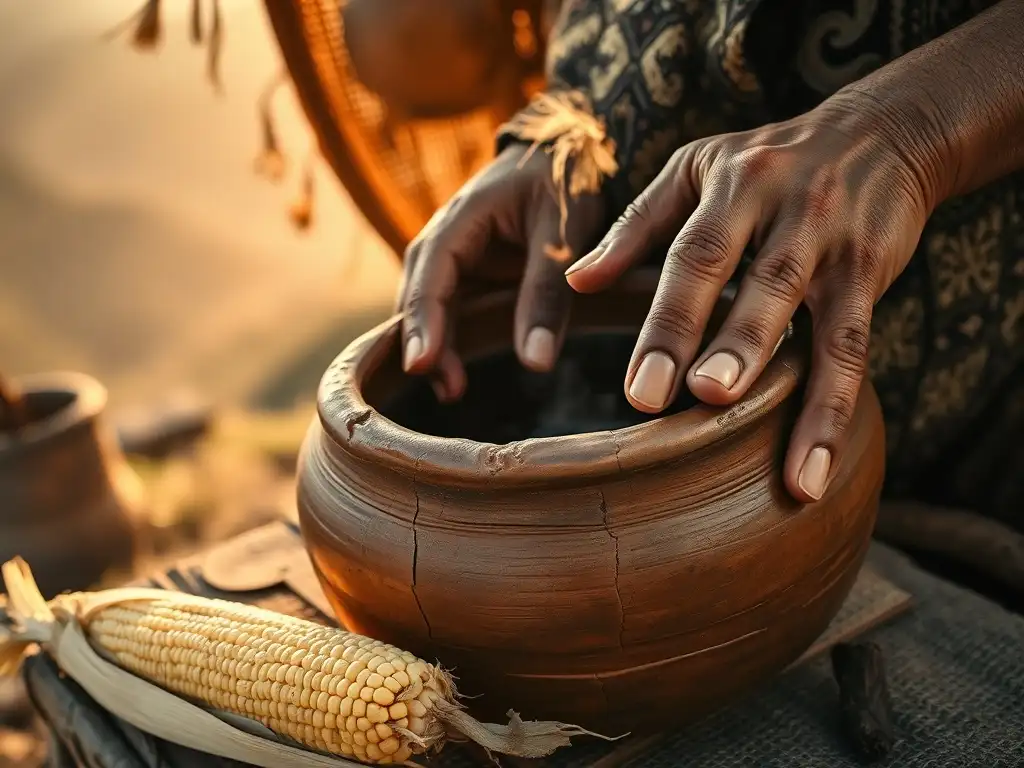
This section delves into the fascinating scientific principles underlying the traditional Andean fermentation techniques, crucial to understanding the creation of their iconic beverages. These techniques, passed down through generations, represent a sophisticated understanding of microbiology and environmental factors long before modern scientific tools were available. Understanding the science behind these practices enhances our appreciation for the ingenuity and deep knowledge of Andean cultures. The mastery of Andean fermentation techniques allowed for the preservation of food and the creation of unique and complex flavors, deeply intertwined with their cultural and spiritual beliefs.
Microorganisms and Andean Fermentation
The magic of Andean fermentation hinges on the activity of various microorganisms, primarily yeasts and bacteria. These microscopic organisms, naturally present in the environment and on the raw materials, initiate the fermentation process. Specific strains of yeasts, adapted to the unique Andean climate and altitudes, play a vital role in the alcoholic fermentation of beverages like chicha. These yeasts convert sugars in the plant material (e.g., maize, quinoa, fruits) into ethanol and carbon dioxide, producing the characteristic alcoholic content and effervescence. Different yeast strains contribute to the diverse flavor profiles of chichas produced across various Andean regions.
Furthermore, lactic acid bacteria contribute significantly to the fermentation of certain beverages and food products. These bacteria convert sugars into lactic acid, contributing to the characteristic sour or tangy taste. The interplay between yeasts and bacteria is crucial in shaping the final product's organoleptic characteristics – its taste, smell, and texture. While specific strains involved in traditional Andean fermentation are still being researched, [specific yeast and bacteria strains pending], the diversity of microorganisms reflects the rich biodiversity of the Andean ecosystem and the unique adaptations of these organisms to high-altitude conditions.
Traditional Fermentation Vessels and Tools
The vessels and tools used in Andean fermentation are not merely containers; they are integral to the process itself, influencing the final product's quality and characteristics. Traditional methods often employ earthenware pots, woven baskets, or even animal skins, each contributing unique properties.
For instance, porous earthenware pots allow for a slow, controlled release of carbon dioxide, impacting the beverage's carbonation and flavor development. The material's porosity also allows for some degree of oxygen exchange, which can influence the growth of specific microorganisms. Woven baskets, on the other hand, offer a different environment, potentially promoting more aerobic fermentation processes. The use of specific materials and vessel shapes is directly linked to the type of beverage being produced and local traditions. The selection of these tools reflects generations of accumulated knowledge and experimentation, showcasing the sophistication of Andean fermentation practices.
| Vessel Type | Material | Typical Beverage | Impact on Fermentation |
|---|---|---|---|
| Earthenware Pot | Clay | Chicha de jora | Slow, controlled CO2 release; influences carbonation and flavor |
| Woven Basket | Plant fibers | Chicha de maní | Potentially more aerobic fermentation; different microbial communities |
| Animal Skin Pouch | Animal hide | Acuchima (Peruvian) | Influences flavor and texture through interaction with the material |
The Role of Altitude and Climate in Fermentation
Altitude and climate significantly influence Andean fermentation processes. The lower temperatures at higher altitudes slow down microbial activity, extending fermentation times and impacting the final product's flavor profile. The lower oxygen levels at high altitudes may also affect the types of microorganisms that thrive and the metabolic pathways they follow.
Furthermore, variations in temperature and humidity across different Andean regions contribute to the diversity of fermentation styles and resulting beverages. For example, a cooler, drier climate might favor the development of certain yeast strains, leading to a specific taste profile. Conversely, a warmer, more humid climate could encourage the growth of different microorganisms, resulting in a distinct beverage.
The interplay between environmental conditions and microbial activity is a key factor in the unique characteristics of Andean fermented beverages, demonstrating the close relationship between Andean communities and their environment. Further research is required to fully understand the complex interactions between altitude, climate, and the specific microorganisms involved in Andean fermentation, particularly the impact of [specific climatic variables pending] on the fermentation process. This understanding will greatly enhance our knowledge of traditional Andean practices and their adaptability to diverse environments.
The Cultural Importance of Andean Fermented Drinks
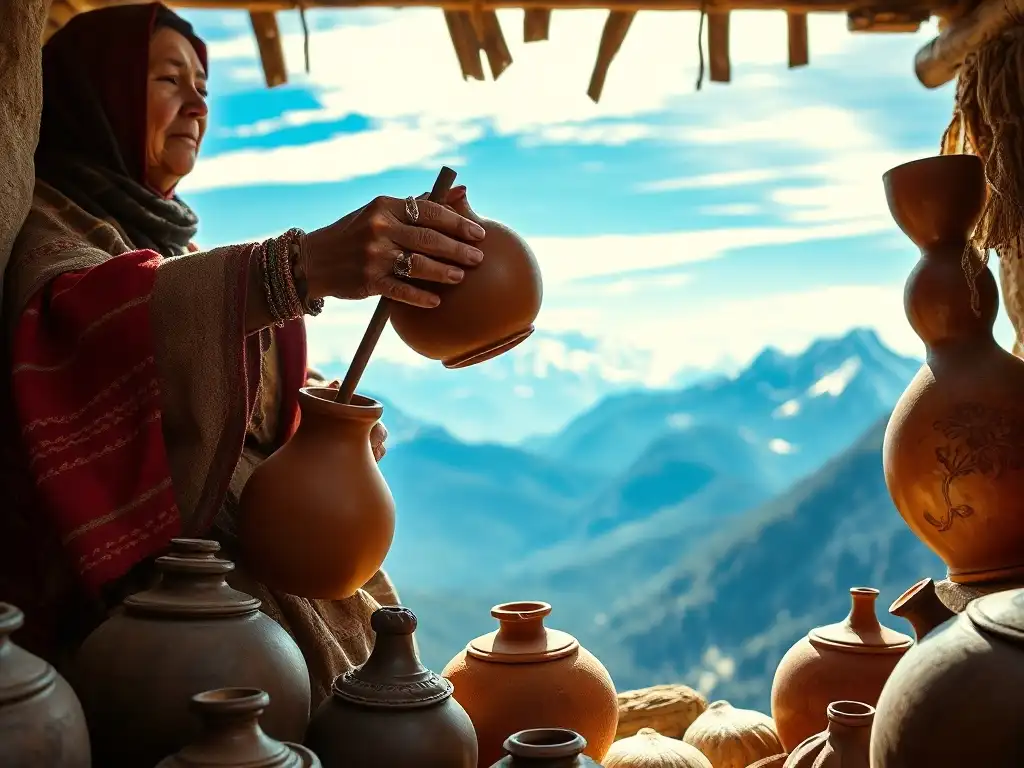
Andean fermentation techniques weren't merely methods of food preservation; they were deeply intertwined with the cultural fabric of these societies. The production and consumption of fermented beverages held significant ritualistic, social, and cosmological meaning, shaping daily life and worldview. Understanding these ancient practices offers a glimpse into the complex relationship between Andean peoples and their environment, highlighting the ingenuity and profound symbolism embedded in their foodways.
The careful cultivation of specific plants, the precise control of fermentation processes, and the ritualistic consumption of the resulting drinks all contributed to a rich and multifaceted cultural tapestry. The impact of Andean fermentation techniques reverberates even today, influencing modern-day traditions and inspiring new research into the historical and scientific aspects of these remarkable practices.
Andean Fermented Beverages in Ritual and Ceremony
Many Andean fermented beverages, such as chicha, played a central role in religious ceremonies and rituals. The preparation itself was often a ritualistic process, involving specific prayers, offerings, and carefully controlled techniques passed down through generations. The chicha, imbued with these sacred elements, became a conduit for communication with the spirit world.
Archaeological evidence suggests that fermented beverages were used in offerings to deities, and their consumption formed a crucial part of many religious festivals and rites of passage. For example, [specific information pending] regarding the use of chicha in Inca initiation ceremonies could shed more light on this aspect. The act of sharing chicha during these rituals fostered a sense of community and reinforced social bonds within the group.
The potency of the drink itself, both in its intoxicating effects and its symbolic meaning, enhanced the spiritual significance of these events. The brewing process, far from being a mundane task, was a sacred act that connected the community to its ancestors and the divine.
Beyond religious contexts, fermented beverages like chicha served as crucial elements in Andean social life, promoting social cohesion and community building. The communal preparation and sharing of these drinks strengthened social ties and fostered a sense of collective identity. Celebrations, feasts, and everyday gatherings often revolved around the consumption of chicha, providing opportunities for social interaction, storytelling, and the reinforcement of community norms.
The distribution of chicha could also reflect social hierarchies and power structures within Andean societies, with certain individuals or groups controlling access to specific types of fermented beverages. [Specific details on the social dynamics surrounding chicha distribution pending]. The brewing of chicha was often a collaborative effort, involving multiple individuals or entire communities.
This collaborative process reinforced social bonds and fostered a sense of shared purpose. The act of sharing a drink, particularly one with symbolic significance, served as a powerful mechanism for strengthening social connections and building community. The convivial atmosphere generated around chicha consumption played a vital role in maintaining social harmony and stability within Andean societies.
The Symbolic Meaning of Fermentation in Andean Cosmovision
The process of fermentation itself held deep symbolic meaning within the Andean cosmovision. The transformation of raw ingredients into an intoxicating and potent beverage mirrored the cyclical processes of life, death, and rebirth central to Andean beliefs. Fermentation was seen as a process of transformation and renewal, mirroring the cyclical nature of the agricultural year and the continuous regeneration of the earth.
The bubbling and effervescence of the fermenting chicha could have been interpreted as a representation of the vital energies of the earth and the cosmos. [Further research is needed to fully explore the symbolic interpretations of fermentation in different Andean cultures]. The intoxicating effects of chicha may have been understood as a form of altered consciousness, allowing for communication with the spirit world or access to hidden knowledge.
The entire process, from planting to harvesting, preparation, and consumption, was imbued with symbolic meaning, reflecting the interconnectedness of the natural world and the spiritual realm. The fermentation of chicha wasn't just a technological process; it was a ritualistic act that connected the Andean people to their environment and their beliefs. The symbolic weight of this process underscores the profound connection between Andean culture and their ingenious fermentation techniques.
The Preservation of Andean Fermentation Practices
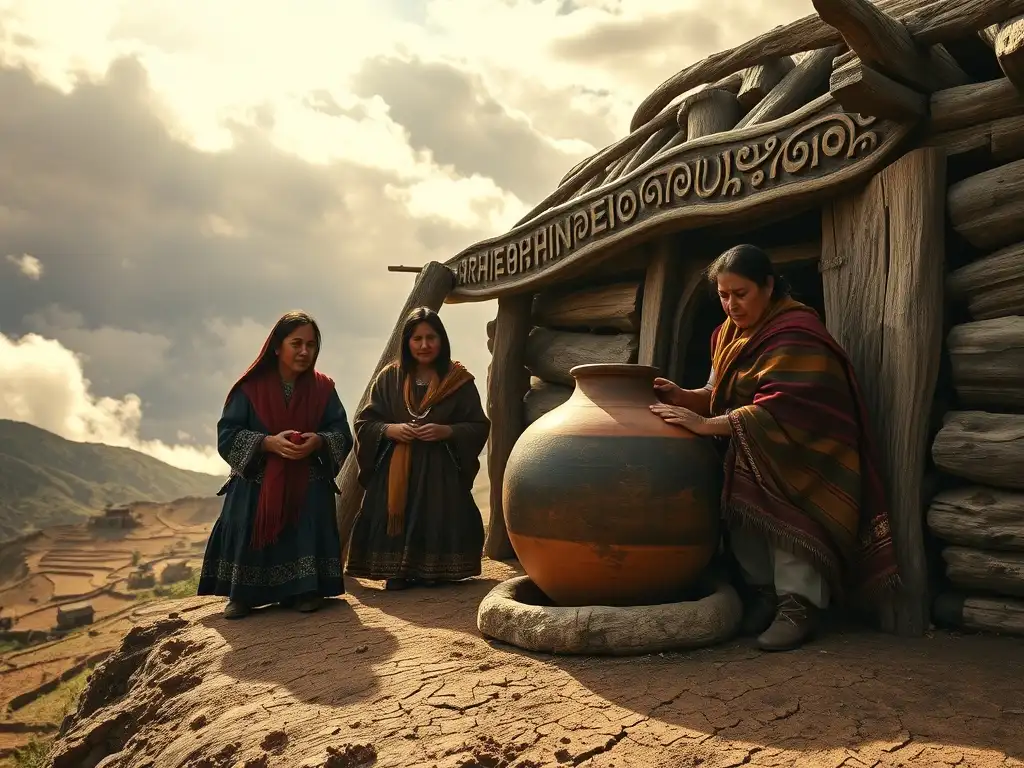
The intricate relationship between Andean cultures and fermentation extends far beyond mere sustenance; it's deeply woven into their social fabric, religious rituals, and artistic expressions. Understanding how these practices are preserved, or conversely, threatened, is crucial to appreciating the full scope of Andean heritage. The unique Andean fermentation techniques developed over millennia represent a sophisticated understanding of microbiology and agricultural practices, resulting in a diverse array of beverages with distinct flavors and cultural meanings. These techniques, however, face significant challenges in the modern era.
Challenges to Traditional Fermentation Knowledge
The transmission of traditional Andean fermentation knowledge, often passed down orally through generations, is increasingly threatened by several factors. Rapid urbanization and the allure of modern lifestyles lead younger generations to prioritize other skills, causing a decline in the mastery of these intricate processes. The introduction of mass-produced beverages and industrial food production further marginalizes traditional methods, impacting both the economic viability and cultural relevance of these ancient practices.
Additionally, the lack of formal documentation and systematic research on specific fermentation techniques has hindered their preservation and dissemination. For example, the precise yeast strains and bacterial cultures responsible for the unique flavors of chicha, a fermented corn beverage, are not always well-understood, making it difficult to replicate the authentic product consistently. Quantifiable data on the precise loss of knowledge, although difficult to gather, points towards a significant erosion of expertise in many communities.
This loss is not only a culinary tragedy but a cultural one, threatening the loss of intangible heritage and a deep connection to ancestral traditions. The need for comprehensive ethnographic studies and the development of accessible resources to document and preserve these techniques is paramount.
Efforts to Revive and Promote Andean Fermentation
Despite the challenges, there are encouraging efforts underway to revive and promote Andean fermentation practices. Several initiatives focus on documenting traditional methods through detailed interviews with experienced artisans and community members. This oral history approach is crucial in preserving the nuances of the process, which are often difficult to capture through written recipes alone.
Furthermore, some organizations are actively working to establish fermentation centers or workshops where these skills are taught to younger generations. These initiatives often incorporate modern scientific techniques to enhance understanding while maintaining the integrity of traditional methods. For instance, researchers are analyzing the microbial communities involved in fermentation to identify key organisms and develop more reliable and consistent fermentation processes.
This blend of traditional knowledge with scientific rigor allows for a more sustainable and accessible preservation of these techniques. The growth of "slow food" and "farm-to-table" movements also provides a supportive environment for the resurgence of traditional Andean fermented beverages, increasing consumer demand and providing economic incentives for their continued production. However, more investment is needed to ensure the long-term sustainability of these efforts.
The Future of Andean Fermented Beverages
The future of Andean fermented beverages hinges on the successful integration of traditional knowledge with modern approaches to food production and preservation. Continued research into the microbial ecology of these fermentations is essential to ensure the authenticity and consistency of the final product. Furthermore, promoting these beverages within a broader context of cultural heritage can increase their appeal to a wider audience, ensuring their continued economic viability.
Developing sustainable and accessible production methods that cater to both local consumption and potential export markets is also crucial. This could involve exploring eco-friendly packaging and distribution strategies that minimize the environmental impact while maximizing economic benefits for the communities involved. The potential of Andean fermentation techniques extends beyond the realm of beverages; these methods can be adapted to ferment other foods, thereby enriching the Andean culinary landscape and promoting food security.
The preservation of these practices is not merely a matter of preserving recipes; it’s about safeguarding a rich cultural heritage and ensuring the continuity of a unique and valuable aspect of Andean civilization. The journey towards securing the future of these beverages requires a collaborative effort involving researchers, artisans, policymakers, and consumers alike. 🍹
Conclusion: Appreciating the Legacy of Andean Fermentation
This exploration of Andean fermentation techniques reveals a sophisticated understanding of microbiology and agricultural practices far exceeding the simplistic narratives often presented. The mastery of fermentation wasn't merely a method of food preservation; it was deeply interwoven with the social fabric, religious beliefs, and economic systems of these ancient societies. From the invigorating chicha, a staple in Inca society, to the potent beverages crafted by the Moche and Nazca, fermented drinks served as vital components of daily life, ritual ceremonies, and trade networks.
Understanding these techniques offers a glimpse into the ingenuity and resourcefulness of Andean cultures, highlighting their profound connection with the natural world. The meticulous methods employed, often passed down through generations, represent a remarkable feat of human adaptation and innovation in challenging high-altitude environments.
The Enduring Importance of Andean Fermentation Techniques
The legacy of Andean fermentation techniques extends far beyond the historical record. While many traditional practices have been lost or modified over time, the fundamental principles remain relevant today. The resurgence of interest in ancestral foods and drinks, fueled by a growing appreciation for biodiversity and sustainable agriculture, has led to a renewed focus on traditional fermentation methods. Modern researchers are studying ancient fermentation techniques to better understand their efficacy and potential applications in areas such as food preservation, probiotics, and even bioremediation.
This renewed interest not only helps preserve cultural heritage but also offers valuable insights into sustainable and environmentally friendly practices for the future. Preserving these techniques is crucial, not just for historical accuracy, but for the potential benefits they hold for modern food systems and public health. The continued study of Andean fermentation provides a rich tapestry of knowledge, weaving together scientific understanding with cultural preservation. The unique microbial ecosystems utilized, adapted to the specific Andean terroir, offer a wealth of possibilities for future research and development.
Furthermore, revitalizing these traditions strengthens community ties and provides economic opportunities for indigenous communities, fostering a deeper connection with their ancestral heritage. The meticulous documentation and preservation of these techniques are essential for ensuring the survival of this invaluable aspect of Andean culture and its contribution to a more sustainable and resilient future. The potential applications of these techniques are vast and their importance cannot be overstated. Further research is needed to fully unlock the potential of Andean fermentation, ensuring its continued relevance and enriching our understanding of both ancient and modern food systems.
Frequently Asked Questions
What role did fermentation play in Andean cultures?
Fermentation was essential to Andean cultures, not only for creating alcoholic beverages but also for preserving food and creating medicinal remedies. It was deeply intertwined with their religious and social practices.
What were some common fermented beverages in the Andes?
Chicha, made from maize or other grains, was the most prevalent. Other fermented drinks included beverages made from fruits like molle and lucuma. These drinks held significant cultural and ritualistic importance.
How did Andean people ferment their beverages?
Techniques varied across different cultures and regions, but generally involved chewing grains to introduce enzymes or using natural yeasts present in the environment. The fermentation process was often long and complex, requiring specific knowledge and skills.
What is the significance of chicha in Andean culture?
Chicha was more than just a drink; it was a central part of Andean life. It played a vital role in religious ceremonies, social gatherings, and celebrations. Its production and consumption reinforced social bonds and hierarchies.
Are Andean fermentation techniques still practiced today?
While many traditional methods are still used, modernization has impacted some practices. However, there's a growing interest in preserving and reviving these ancient techniques, recognizing their cultural and economic value.
Final Reflection: A Fermented Future: Reclaiming Andean Traditions
The resurgence of interest in traditional fermentation techniques isn't just a culinary trend; it's a vital act of cultural preservation and a potential solution to modern food security challenges. The ancient wisdom embedded within Andean fermentation practices offers a powerful counterpoint to the homogenizing forces of industrial food production, reminding us of the profound connection between food, culture, and sustainability.
The enduring legacy of Andean fermentation extends far beyond the simple act of preserving food. These techniques represent a deep-seated understanding of biodiversity, resource management, and community building. They are a testament to the ingenuity and resilience of Andean cultures, passed down through generations. Food is symbolic of love when words are inadequate.
– Alan D. Wolfelt. This quote resonates deeply, as the sharing of fermented beverages in Andean communities represents more than sustenance; it's a powerful expression of cultural identity, social cohesion, and ancestral knowledge.
Consider the impact of these ancient practices on your own life. What traditions, skills, or knowledge are you preserving? What can you learn from the ingenuity and resourcefulness of Andean cultures? Let the lost art of fermentation inspire you to explore the rich tapestry of traditional foodways, to support local producers, and to cultivate a deeper appreciation for the interconnectedness of food, culture, and the environment. Embrace the opportunity to rediscover the power of fermentation, not just as a culinary technique, but as a pathway to a more sustainable and culturally rich future.
**Revitalize Your Palate: Embrace Fermentation Today! **
Thank you for exploring the fascinating world of fermentation and its rich history in Andean cultures. Your interest is a wonderful first step towards rediscovering these ancient techniques and the unique flavors they produce. Now let's explore how you can actively participate in this vibrant tradition.
Here are some inspiring ways to incorporate the art of fermentation into your life:
- **Begin your fermentation journey** by experimenting with a simple Andean beverage recipe at home. Making your own chicha is a fantastic way to connect with history and experience these unique flavors firsthand!
- **Share your knowledge** with friends and family by hosting a tasting party featuring fermented beverages. Spark lively conversations about the cultural stories and traditions behind each drink.
- **Consider taking a workshop or online class** to learn more about traditional fermentation methods. Learning from experienced practitioners will enhance your understanding and skills.
What unique flavors or beverages inspire you to explore further within the rich tradition of Andean fermentation? Your ideas might inspire others on their own flavorful journeys!