
Quinoa's Rise: Tracing the Ancient Origins and Nutritional Power of the Andean Supergrain


Step into a world lost to time, yet echoing with the whispers of a magnificent past. Discover the Andean Civilizations, where ingenuity thrived amidst breathtaking landscapes. But this is not just a tale of empires – it's a story woven into the very fabric of life itself. Prepare to be captivated by the ancient quinoa history and nutrition, a journey that reveals the secrets behind this Andean supergrain and its enduring legacy. Unravel the mysteries, explore the wonders, and uncover the surprising truth behind this remarkable plant.
Quinoa, a nutritional powerhouse often dubbed a "supergrain," boasts a history as rich and complex as the Andean civilizations that cultivated it. This article delves into the fascinating journey of quinoa, from its ancient origins in the high altitudes of the Andes Mountains to its present-day global recognition as a complete protein and vital dietary staple.
We will explore its cultivation techniques, nutritional profile, and its enduring significance within the context of ancient Andean agriculture and food systems, providing a comprehensive look at the “ancient quinoa history and nutrition.” Understanding quinoa's history illuminates not only the ingenuity of Andean farmers but also the remarkable resilience of this remarkable crop. We'll unravel the secrets behind its cultivation, its role in sustaining Andean societies, and the scientific evidence supporting its remarkable nutritional benefits.
Ancient Cultivation and Domestication
Quinoa's story begins thousands of years ago in the high-altitude regions of the Andes. Archaeological evidence suggests its domestication occurred at least 5,700 years ago, potentially even earlier. Early Andean farmers skillfully adapted quinoa cultivation to challenging environmental conditions, developing techniques to thrive in harsh, mountainous terrain. These techniques included sophisticated irrigation systems, terracing on steep slopes, and careful selection of seeds to enhance yields and resilience to frost and drought.
The ingenuity of these ancient farmers is evident in the success of quinoa cultivation across diverse Andean ecosystems. Furthermore, the discovery of quinoa remains in various archaeological sites across the Andes provides tangible evidence of its widespread cultivation and importance in sustaining Andean populations. The precise timeline of domestication remains a subject of ongoing research, with new discoveries continually refining our understanding of quinoa's ancient history.
Nutritional Profile: A Complete Protein and Beyond
Quinoa stands out for its exceptional nutritional profile, justifying its "supergrain" status. Unlike many grains that are deficient in certain essential amino acids, quinoa is a complete protein, containing all nine essential amino acids necessary for human health. This makes it a particularly valuable food source, especially crucial for populations with limited dietary diversity. Beyond protein, quinoa is an excellent source of dietary fiber, promoting healthy digestion and gut function.
It's also rich in minerals like iron, magnesium, and manganese, all vital for various bodily functions. Moreover, quinoa contains antioxidants, which contribute to overall health and well-being. The following table summarizes quinoa's key nutritional components per 100g serving:
| Nutrient | Amount (per 100g) |
|---|---|
| Protein | ~14g |
| Fiber | ~3g |
| Iron | ~2.8mg |
| Magnesium | ~118mg |
| Manganese | ~1.97mg |
Quinoa in Andean Culture and Society
Quinoa played, and continues to play, a central role in Andean culture and society. It was not merely a staple crop; it was deeply interwoven into the fabric of Andean life, holding both nutritional and spiritual significance. It featured prominently in religious ceremonies and festivals, reflecting its importance as a life-sustaining resource.
In many Andean communities, traditional quinoa cultivation practices are still maintained, representing a legacy of sustainable agriculture passed down through generations. These practices often incorporate indigenous knowledge and techniques honed over millennia, demonstrating an enduring connection between people and their environment. The resilience of quinoa, mirroring the resilience of Andean communities, ensures its continued importance in the region.
The crop's adaptability and nutritional value have secured its place as a cornerstone of Andean diets for thousands of years. The significance of quinoa extends far beyond mere sustenance; it is a symbol of cultural identity and a testament to the enduring wisdom of Andean agricultural practices.
Quinoa's Global Rise: From Andean Staple to Worldwide Superfood
In recent decades, quinoa has experienced a remarkable global surge in popularity. Initially primarily consumed in the Andes, it has become a sought-after food worldwide, recognized for its nutritional value and versatility. This increasing demand has presented both opportunities and challenges for Andean farmers, highlighting the need for sustainable production practices that ensure equitable benefits for producers. The global recognition of quinoa's nutritional benefits has sparked significant interest in its cultivation in other parts of the world, though the optimal growing conditions remain specific to the high-altitude Andes.
The global market for quinoa continues to expand, presenting both economic opportunities and sustainability concerns that need careful consideration to ensure the long-term viability of this remarkable crop. The journey of quinoa from an Andean staple to a global superfood is a testament to its inherent nutritional value and its adaptability to diverse culinary applications. 🎉
- Ancient Cultivation and Domestication
- Nutritional Profile: A Complete Protein and Beyond
- Quinoa in Andean Culture and Society
- Quinoa's Global Rise: From Andean Staple to Worldwide Superfood
The Ancient History of Quinoa Cultivation in the Andes

Quinoa's history is deeply intertwined with the development of Andean civilizations. Its resilience and nutritional value made it a staple crop, playing a crucial role in the sustenance and cultural practices of various pre-Columbian societies. Understanding its ancient history reveals not only the plant's remarkable adaptability but also the ingenuity of the Andean people in cultivating and utilizing this extraordinary grain.
This section will explore the ancient history of quinoa cultivation, focusing on evidence of its early use and its significance within different Andean cultures. The enduring legacy of quinoa as a "supergrain" is rooted in its thousands of years of cultivation and its integral role in the Andean way of life. The keyword phrase "ancient quinoa history and nutrition" will be explored through detailed examples and analysis.
Early Evidence of Quinoa Use in Andean Civilizations
Archaeological findings provide compelling evidence of quinoa's early adoption in the Andes. While pinpointing the exact date of its domestication remains a subject of ongoing research, evidence suggests quinoa cultivation predates the Inca Empire by several millennia. Excavations at sites dating back to 3000 BCE in the Atacama Desert and the Peruvian highlands have uncovered quinoa remains, indicating its presence in early agricultural societies.
These early cultivators likely selected and refined quinoa varieties suited to the diverse Andean environments, contributing to the development of the various quinoa types we see today. The discovery of quinoa seeds in ancient burial sites further reinforces its importance in Andean cultures, potentially symbolizing its significance in religious or ceremonial practices. This early evidence emphasizes the long and deep-rooted connection between quinoa and Andean civilizations, shaping their diets, economies, and cultural traditions for millennia.
Pre-Incan Quinoa Cultivation Practices
Before the Inca Empire's rise, various Andean cultures, including the Moche, Nazca, and Tiwanaku, practiced sophisticated agricultural techniques to cultivate quinoa. These practices often involved intricate systems of terracing, irrigation, and crop rotation to maximize yields in challenging Andean terrains. The Moche, known for their advanced irrigation systems, likely incorporated quinoa into their agricultural practices, utilizing the available water resources to support its growth.
Similarly, the Nazca, famous for their geoglyphs, likely cultivated quinoa alongside other crops, adapting their techniques to the arid coastal environment. Evidence suggests that pre-Inca societies developed diverse quinoa varieties adapted to different altitudes and climates, showcasing a deep understanding of the plant's needs and its adaptability to diverse ecological niches.
These practices demonstrate an impressive level of agricultural knowledge and technological innovation long before the arrival of European influences. The remarkable ingenuity of these pre-Inca societies in adapting quinoa cultivation to their diverse environments further strengthens the position of quinoa as a resilient and adaptable crop.
Quinoa's Role in the Inca Empire's Food System
The Inca Empire (1438-1533 CE) significantly integrated quinoa into its sophisticated agricultural and economic systems. Quinoa became a crucial component of the Inca's mita system, a form of tribute where communities provided agricultural products to the empire. This system ensured the distribution of quinoa throughout the vast Inca territory, highlighting its importance as a staple food source.
The Inca likely furthered the development of quinoa varieties through selective breeding, enhancing its yield and nutritional value. Chroniclers' accounts from the Spanish conquest describe quinoa as a fundamental part of the Inca diet, consumed by all social classes. Its nutritional value and ability to thrive in diverse climates made it an ideal crop for supporting a large and geographically dispersed empire.
The Inca's sophisticated agricultural practices, combined with the resilience of quinoa, ensured food security and stability across their vast empire. The integration of quinoa into the Inca's economic and social fabric underscores its critical role in the empire's success and longevity. The Inca's efficient management of quinoa cultivation demonstrates a clear understanding of its nutritional value and its importance for the welfare of the population.
Traditional Andean Quinoa Farming Techniques
Andean quinoa cultivation wasn't just about planting seeds; it was a deeply interwoven practice connecting spirituality, community, and ecological understanding. For millennia, Andean farmers employed sophisticated techniques honed over generations to maximize yields while minimizing environmental impact. These methods, often passed down orally, represent a remarkable feat of agricultural ingenuity. They demonstrate a profound respect for the land and a deep understanding of the delicate balance within their ecosystems. The knowledge wasn't simply about planting and harvesting; it involved a holistic approach to land management, resource conservation, and community cooperation.
One key aspect was the careful selection of planting sites. Farmers meticulously chose locations based on altitude, soil type, water availability, and exposure to sunlight. They understood the nuances of microclimates, adapting their planting strategies to maximize the quinoa's chances of thriving. This careful site selection, combined with a deep understanding of the plant's needs, significantly increased the chances of a successful harvest. Moreover, this detailed understanding of the environmental factors reflected a deep and intimate connection between the Andean communities and their environment.
Another crucial element was the practice of ayni, a system of reciprocal labor. Communities worked together, sharing resources and expertise to cultivate and harvest their quinoa crops. This collaborative approach ensured that even in challenging conditions, everyone had access to the essential grain. This communal spirit, far from being simply altruistic, was a vital survival strategy. It fostered resilience and ensured food security for the entire community, highlighting the social and economic importance of quinoa cultivation. This system also ensured the preservation and transmission of traditional farming knowledge across generations.
Furthermore, traditional Andean farming techniques incorporated sustainable practices that ensured the long-term health of the soil. Farmers utilized techniques like crop rotation, intercropping, and the application of natural fertilizers to maintain soil fertility and prevent erosion. These practices prevented soil degradation and ensured the continued productivity of the land, a crucial element for their sustenance.
The avoidance of chemical fertilizers and pesticides, common in modern agriculture, showcases an environmentally conscious approach to food production that's increasingly relevant today. These methods reflect a long-term perspective on land management, emphasizing sustainability over immediate gains. The Andean approach serves as a powerful example of how sustainable agriculture can be both productive and environmentally responsible.
Quinoa's Nutritional Profile: A Superfood Analysis
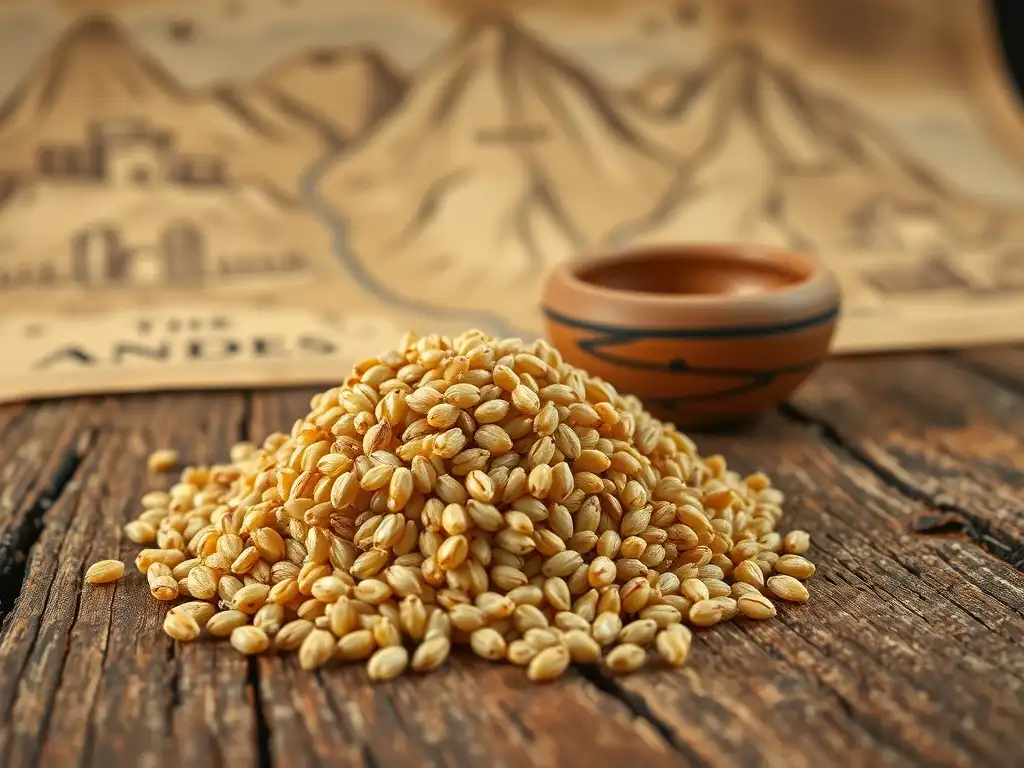
Quinoa's remarkable journey from ancient Andean staple to global superfood is intrinsically linked to its exceptional nutritional profile. This section delves into the detailed composition of quinoa, highlighting what makes it such a powerhouse of nutrients. Understanding its nutritional richness provides crucial context for appreciating its historical significance as a cornerstone of Andean diets and its continued relevance in contemporary health and wellness.
We'll explore its macronutrient composition, essential amino acid profile, and rich vitamin and mineral content. The analysis will reveal why ancient Andean civilizations cultivated this grain so extensively and why it remains a popular choice today for health-conscious individuals worldwide. The data presented here underscores quinoa's role not just as a food source, but as a vital contributor to the overall health and well-being of those who consumed it, then and now.
Understanding Quinoa's Macronutrient Composition
Quinoa boasts a balanced macronutrient profile, making it a versatile and satisfying food source. Unlike many grains, quinoa is a complete protein, containing all nine essential amino acids. A typical 100-gram serving of cooked quinoa provides approximately:
| Macronutrient | Amount (per 100g cooked) | Percentage of Daily Value (approx.) 1 |
|---|---|---|
| Carbohydrates | ~21g | ~7% |
| Protein | ~4g | ~8% |
| Fat | ~2g | ~3% |
| Fiber | ~3g | ~12% |
1 Daily values are based on a 2,000-calorie diet and can vary depending on individual needs.
The relatively high fiber content contributes to improved digestive health and satiety, making quinoa an excellent addition to weight management strategies. The carbohydrate content provides sustained energy, unlike refined grains that cause rapid blood sugar spikes. The moderate fat content is primarily unsaturated, further enhancing its health benefits. This balanced composition contributed significantly to the sustained energy levels of ancient Andean populations, supporting their demanding agricultural practices and lifestyles.
Essential Amino Acids in Quinoa: A Complete Protein Source
The remarkable aspect of quinoa's nutritional profile is its completeness as a protein source. Unlike many plant-based proteins that are deficient in one or more essential amino acids, quinoa contains all nine: histidine, isoleucine, leucine, lysine, methionine, phenylalanine, threonine, tryptophan, and valine. This makes it a particularly valuable protein source for vegetarians, vegans, and anyone seeking a high-quality protein alternative.
The amino acid profile of quinoa is remarkably similar to that of animal proteins, making it a superior choice for those seeking complete protein from plant-based sources. The availability of all essential amino acids was vital for the physical strength and overall well-being of ancient Andean populations, whose diets heavily relied on this versatile grain. This comprehensive amino acid profile directly contributes to muscle building, tissue repair, and numerous other bodily functions. The precise ratios of these amino acids in quinoa are still being extensively studied, but their presence in sufficient quantities is undeniable.
Vitamins and Minerals Found in Quinoa
Beyond its impressive macronutrient and amino acid content, quinoa is a rich source of various essential vitamins and minerals. A single serving provides significant amounts of:
- Magnesium: Crucial for bone health, muscle function, and blood sugar control.
- Iron: Essential for oxygen transport and red blood cell production. Quinoa's iron is better absorbed than that of some other plant-based foods.
- Manganese: Important for bone health, wound healing, and metabolism.
- Phosphorus: Essential for bone health, energy production, and cell function.
- Zinc: Plays a vital role in immune function, wound healing, and cell growth.
- B Vitamins: Including folate (B9), riboflavin (B2), and thiamin (B1), crucial for energy production and various metabolic processes.
The abundance of these micronutrients in quinoa further underscores its nutritional value and its role in supporting the health and vitality of ancient Andean communities. The precise quantities of these vitamins and minerals can vary depending on factors such as soil composition and cultivation methods, but the overall nutritional density remains consistently high.
This diverse micronutrient profile contributed to the overall health and resilience of the ancient Andean populations, enabling them to thrive in challenging environmental conditions. The continued research into quinoa's nutritional composition continues to reveal new insights into its remarkable properties, solidifying its status as a truly exceptional superfood.
The Fiber Content and Digestive Benefits of Quinoa
Quinoa boasts an impressive fiber content, significantly contributing to its nutritional prowess and positive impact on digestive health. A single cup of cooked quinoa provides approximately 2.8 grams of dietary fiber, a substantial portion of the recommended daily intake. This fiber is a crucial component for maintaining a healthy gut microbiome. The fiber in quinoa is a mix of both soluble and insoluble fibers.
Soluble fiber, like that found in oats, helps to regulate blood sugar levels by slowing down the absorption of glucose. This is particularly beneficial for individuals with diabetes or those seeking to manage their blood sugar. Furthermore, soluble fiber contributes to satiety, helping you feel fuller for longer and potentially aiding in weight management.
Insoluble fiber, on the other hand, adds bulk to the stool, promoting regularity and preventing constipation. This is vital for maintaining a healthy digestive tract and preventing issues like diverticulitis. The combination of soluble and insoluble fiber in quinoa makes it an excellent choice for improving overall digestive health and reducing the risk of various digestive disorders. Many individuals report improved bowel movements and reduced bloating after incorporating quinoa into their diet.
The gentle nature of quinoa's fiber also makes it suitable for individuals with sensitive digestive systems, unlike some other high-fiber grains that can cause discomfort. The benefits extend beyond simply regularity; a healthy gut is increasingly linked to overall well-being, impacting everything from immunity to mental health. Therefore, quinoa's fiber content is a key factor in its reputation as a superfood.
Antioxidant Properties of Quinoa: Health Advantages
Quinoa stands out not only for its impressive nutritional profile but also for its significant antioxidant content. Antioxidants are vital compounds that protect our cells from damage caused by free radicals, unstable molecules that contribute to aging and various diseases. Quinoa contains a variety of antioxidants, including flavonoids and phenolic acids. These compounds work synergistically to combat oxidative stress, a process linked to chronic illnesses such as heart disease, cancer, and neurodegenerative disorders.
Specifically, quinoa is a good source of quercetin, a flavonoid with potent antioxidant and anti-inflammatory properties. Studies have demonstrated quercetin's ability to protect against cardiovascular disease by improving blood vessel function and reducing blood pressure. Furthermore, the antioxidant capacity of quinoa is enhanced by its various bioactive compounds, working together to provide comprehensive protection. The concentration of these antioxidants can vary depending on factors like the quinoa variety, growing conditions, and processing methods. However, even with variations, quinoa consistently demonstrates significant antioxidant activity compared to other grains.
The consumption of antioxidant-rich foods like quinoa is associated with a reduced risk of chronic diseases and improved overall health. This contributes to quinoa's status as a superfood, highlighting its role not only in providing essential nutrients but also in protecting the body against cellular damage. Including quinoa as part of a balanced diet rich in fruits, vegetables, and other antioxidant-rich foods is a proactive step towards maintaining optimal health and longevity. The antioxidant power of quinoa adds another layer to its already impressive health benefits, solidifying its place as a valuable addition to a healthy lifestyle.
Quinoa Varieties and their Unique Characteristics
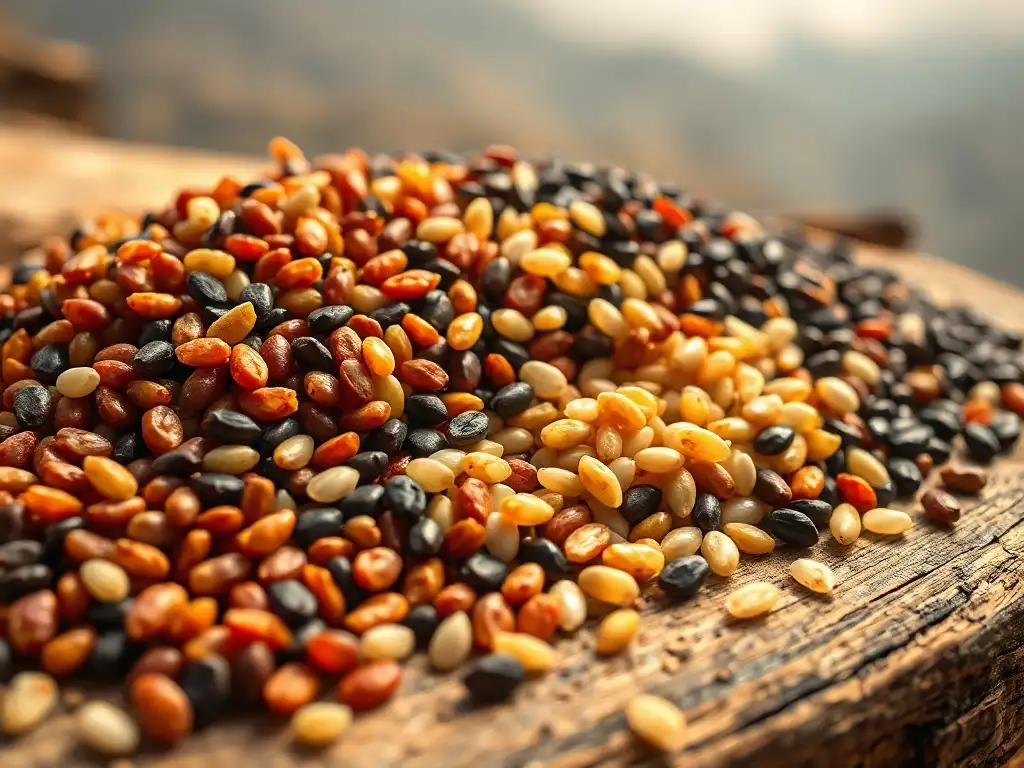
Quinoa, a staple crop of the Andes for millennia, isn't just one grain; it boasts a diverse array of varieties, each with its own distinct characteristics impacting both its nutritional profile and culinary applications. Understanding these variations is crucial to appreciating the full scope of ancient quinoa history and nutrition. The diversity arose from centuries of careful selection and adaptation to varying altitudes, climates, and soil conditions across the Andean region.
This natural selection process, combined with later human intervention, resulted in a spectrum of quinoa types that offer a rich tapestry of flavors, textures, and nutritional benefits. The most commonly known varieties are white, red, and black quinoa, but many other less common varieties exist, each contributing to the complex agricultural heritage of the Andes. The following sections will explore some of these key varieties in more detail.
Exploring Different Types of Quinoa Grains
The variations in quinoa grains are visually striking. They range from the creamy off-white of common white quinoa to the deep ruby red of red quinoa and the deep, almost charcoal black of black quinoa. Beyond color, the size and shape of the grains also vary slightly. These differences, however, are not merely cosmetic; they often correlate with differences in cooking time, texture, and even nutritional content.
For example, white quinoa is known for its relatively short cooking time and fluffy texture, making it a popular choice for novice cooks. In contrast, red and black quinoa often require slightly longer cooking times and tend to retain a firmer texture, adding a satisfying chewiness to dishes. The ancient Andean farmers expertly cultivated and selected these varieties, tailoring them to specific environmental conditions and culinary preferences. This ancient knowledge forms a crucial part of the ancient quinoa history and nutrition narrative.
Black Quinoa: Nutritional Properties and Uses
Black quinoa, visually striking with its dark hue, stands out not only for its appearance but also for its enhanced nutritional profile. Compared to white quinoa, black quinoa often boasts a higher concentration of certain antioxidants, contributing to its reputation as a potent source of phytonutrients. Studies have shown that black quinoa contains higher levels of polyphenols, compounds linked to various health benefits, including reduced inflammation and improved cardiovascular health. Moreover, black quinoa often displays a slightly higher protein content than its white counterpart, making it a valuable source of complete protein for vegetarians and vegans.
Culinarily, black quinoa's slightly nutty and earthy flavor adds depth and complexity to dishes. Its firmer texture holds up well in salads, grain bowls, and even as a hearty addition to soups and stews. The unique characteristics of black quinoa highlight the remarkable diversity within the ancient quinoa history and nutrition story.
Red Quinoa: Flavor Profile and Culinary Applications
Red quinoa, with its rich red color, offers a distinct culinary experience. Its slightly more intense flavor and firmer texture differentiate it from white quinoa. The red pigment is due to a higher concentration of certain antioxidants, adding to its overall nutritional value.
While possessing similar nutritional benefits to white and black quinoa – including protein, fiber, and essential minerals – red quinoa's flavor profile lends itself to specific culinary applications. Its firm texture holds its shape exceptionally well, making it an ideal ingredient for salads, where it can provide a satisfying chewiness and visual appeal. Red quinoa also works well in pilafs, stuffings, and as a side dish, pairing well with bolder flavors and spices.
The versatility of red quinoa reinforces the importance of understanding the diverse aspects of ancient quinoa history and nutrition. The ancient Andean people understood and utilized this variety's unique properties, showcasing their sophisticated understanding of agriculture and food.
White Quinoa: The Most Common Variety and Its Versatility
White quinoa, scientifically known as Chenopodium quinoa var. album, is the most widely cultivated and readily available variety of quinoa globally. Its popularity stems from its versatility in the kitchen and its relatively mild flavor profile, which makes it easily adaptable to a wide range of dishes. The creamy white color of the cooked grain is visually appealing, and its fluffy texture makes it a pleasant addition to both sweet and savory preparations.
Unlike some other quinoa varieties, white quinoa generally boasts a shorter cooking time, often requiring only 15-20 minutes to reach optimal tenderness. This efficiency makes it a convenient choice for busy individuals or those new to cooking with quinoa. Its neutral taste allows it to absorb flavors well, making it an ideal base for salads, bowls, and side dishes.
Consider a simple salad with white quinoa, chopped cucumber, tomatoes, red onion, and a lemon vinaigrette – the quinoa's mildness allows the fresh flavors of the vegetables to shine through. Alternatively, its ability to absorb savory flavors makes it a perfect addition to hearty stews or as a component in veggie burgers, where it adds a nutritious and textural boost.
The nutritional profile of white quinoa mirrors that of other quinoa varieties, offering a complete protein source and a rich array of vitamins and minerals. It is particularly high in iron and magnesium, making it a valuable food for individuals seeking to improve their dietary intake of these essential nutrients. However, it's important to note that while generally considered gluten-free, cross-contamination during processing can occur.
Consumers with severe gluten sensitivities should always check for certified gluten-free labels to ensure product purity and safety. The widespread availability and ease of preparation make white quinoa a practical and nutritious staple for a healthy and diverse diet, reflecting its enduring importance in Andean culinary traditions and beyond. Its adaptability has contributed significantly to its global acceptance and widespread use in modern cuisine.
Quinoa's Journey from the Andes to the World

The Introduction of Quinoa to Global Markets
Quinoa's journey from a staple crop of the Andes to a global superfood is a fascinating tale of cultural exchange and agricultural innovation. While cultivated for millennia in the high altitudes of the Andes, its introduction to international markets is relatively recent. The process wasn't a sudden boom, but rather a gradual increase in awareness and demand, driven by several factors.
Initially, quinoa's export was limited, hampered by challenges in processing and the lack of widespread knowledge of its nutritional value outside South America. Early adoption by health-conscious consumers in developed nations, particularly in North America and Europe, played a crucial role in stimulating demand. This initial interest was fueled by increasing awareness of the need for sustainable and nutritious food sources.
The rise of the "superfood" trend further catapulted quinoa into the global spotlight, highlighting its unique nutritional profile and adaptability to diverse culinary applications. This increased demand spurred investment in improved farming techniques and processing methods, leading to greater quinoa production and availability worldwide. The journey showcases a successful transition from a niche crop to a globally recognized commodity.
Quinoa's Growing Popularity as a Health Food
Quinoa's explosive popularity as a health food is deeply rooted in its exceptional nutritional profile. Unlike many grains, quinoa is a complete protein, containing all nine essential amino acids. This makes it a valuable source of protein for vegetarians and vegans. Furthermore, it's rich in fiber, promoting digestive health and contributing to feelings of fullness.
It’s also an excellent source of iron, magnesium, and manganese, essential minerals often lacking in modern diets. The growing awareness of these nutritional benefits has been a key driver of its global success. Marketing efforts highlighting quinoa's "superfood" status and versatility further enhanced its appeal. The ease with which quinoa can be incorporated into various dishes – from salads and bowls to soups and baked goods – has contributed to its widespread adoption across diverse culinary cultures.
This adaptability, coupled with its nutritional power, has solidified quinoa’s position as a staple in many health-conscious households. The rising interest in gluten-free diets has also boosted quinoa's popularity, as it offers a naturally gluten-free alternative to wheat and other grains. Data from [specific market research data pending] would further illustrate the extent of this growth.
Challenges and Opportunities in Quinoa Production
Despite its burgeoning popularity, quinoa production faces significant challenges. Maintaining sustainable production practices is crucial to prevent environmental degradation. The expansion of quinoa cultivation in regions outside the Andes needs to be carefully managed to avoid issues such as water scarcity and soil erosion. There's also the concern of preserving the genetic diversity of quinoa varieties, as increased demand can lead to monoculture and vulnerability to diseases.
The fair pricing of quinoa and ensuring equitable benefits for Andean farmers are also key concerns. The fluctuating prices in the global market can significantly impact the livelihoods of those who depend on quinoa cultivation. However, these challenges also present opportunities. Research into drought-resistant and high-yielding quinoa varieties is crucial for ensuring food security.
Investing in sustainable farming techniques, such as agroforestry and crop rotation, can help mitigate environmental impacts. Additionally, supporting fair trade practices and empowering Andean communities to participate actively in the global quinoa market is vital for long-term sustainability. The future of quinoa hinges on addressing these challenges while capitalizing on the opportunities for responsible growth and equitable distribution. This requires collaborative efforts between researchers, policymakers, producers, and consumers to ensure a prosperous future for this ancient Andean supergrain.
Sustainable Quinoa Farming Practices for the Future
The remarkable resurgence of quinoa globally necessitates a serious consideration of sustainable farming practices to ensure its long-term viability. Over-cultivation, driven by high demand, poses threats to biodiversity and soil health in the Andes, the quinoa's original home. The challenge lies in balancing the economic benefits of quinoa production with the ecological needs of the fragile Andean ecosystems.
One crucial aspect of sustainable quinoa farming is the implementation of agro-ecological techniques. This involves minimizing the use of synthetic fertilizers and pesticides, instead favoring natural methods like crop rotation, intercropping, and the use of organic compost. These practices not only protect the environment but also enhance soil fertility and resilience, leading to healthier quinoa plants and higher yields in the long run.
Studies have shown that agro-ecological quinoa farms often exhibit greater biodiversity, supporting a wider range of beneficial insects and microorganisms that contribute to a healthier ecosystem. This contrasts sharply with monoculture farming, which can deplete soil nutrients and increase vulnerability to pests and diseases.
Another key component is water management. Quinoa is relatively drought-tolerant, but efficient irrigation techniques are still crucial, particularly in areas with limited water resources. Techniques like drip irrigation, which delivers water directly to the plant roots, can significantly reduce water consumption compared to traditional flood irrigation. Furthermore, rainwater harvesting and the construction of small-scale reservoirs can help farmers cope with periods of drought and ensure a consistent water supply for their quinoa crops. This is especially important in the Andes, where water scarcity is an increasing concern due to climate change.
Furthermore, the promotion of fair trade practices is essential for ensuring the sustainability of quinoa production. Fair trade certification guarantees that farmers receive fair prices for their quinoa, allowing them to invest in sustainable farming practices and improve their livelihoods. This not only benefits the farmers but also helps to maintain the cultural heritage associated with quinoa cultivation in the Andean communities.
Without fair prices, farmers might be tempted to adopt unsustainable practices, such as over-cultivation or the use of harmful chemicals, to maximize their short-term profits. The long-term consequences of such practices, however, would be devastating for both the environment and the communities that depend on quinoa.
Finally, research and development play a pivotal role in finding innovative and sustainable solutions for quinoa farming. Scientists are constantly working on developing quinoa varieties that are more resistant to pests, diseases, and drought, while also enhancing their nutritional value. This research also focuses on improving farming techniques and developing new technologies that can minimize environmental impact while maximizing yield.
Investing in such research is crucial for ensuring the future of quinoa as a sustainable and nutritious food source for generations to come. The long-term health of both the planet and the people who depend on quinoa necessitates a commitment to these sustainable practices.
Integrating Quinoa into Modern Diets
Quinoa's resurgence in popularity isn't just a fleeting trend; it's a testament to its exceptional nutritional profile and adaptability in modern kitchens. Understanding its ancient history and nutritional powerhouse status is only half the battle; successfully integrating this Andean supergrain into contemporary diets requires practical knowledge and creative culinary approaches. This section explores various ways to incorporate quinoa into your daily meals, catering to diverse tastes and dietary needs, thereby enriching your understanding of ancient quinoa history and nutrition.
Quinoa Recipes: Ideas for Cooking with Quinoa
The versatility of quinoa is truly remarkable. It's not just a side dish; it's a blank canvas for culinary creativity. Beyond the standard boiled quinoa, numerous delicious and nutritious recipes exist, showcasing its adaptability.
For instance, a simple yet satisfying quinoa salad can be prepared by combining cooked quinoa with chopped cucumbers, tomatoes, red onions, fresh herbs (cilantro and parsley work well), and a lemon-herb vinaigrette. The resulting dish is light, refreshing, and packed with nutrients. Adding grilled chicken or chickpeas boosts the protein content, making it a complete and balanced meal.
Another popular option is quinoa bowls. These offer endless customization possibilities. Start with a base of cooked quinoa, then layer in roasted vegetables (sweet potatoes, broccoli, bell peppers), legumes (black beans, lentils), and a protein source (tofu, tempeh, or even leftover grilled fish). A flavorful sauce, such as tahini dressing or a spicy peanut sauce, ties everything together. The possibilities are truly limitless, allowing for diverse flavor profiles and dietary adjustments. Consider incorporating seasonal ingredients for optimal freshness and nutritional value.
Using Quinoa as a Substitute for Other Grains
Quinoa's nutritional superiority extends beyond its unique amino acid profile. Its texture and cooking properties allow for seamless substitution in various recipes traditionally using other grains like rice or couscous. This substitution offers a significant nutritional upgrade without compromising taste or texture in many instances.
For example, in recipes calling for rice, quinoa can often be substituted with minimal adjustments. The cooking time might need slight modification, but the final result often surpasses expectations. Consider substituting quinoa for rice in dishes like paella, stir-fries, or even as a base for sushi. The slightly nutty flavor of quinoa complements many savory dishes, adding a unique dimension. Similarly, quinoa can effectively replace couscous in salads or as a side dish. Its slightly chewier texture provides a pleasant contrast to the softer texture of couscous. Experimentation is key to discovering the perfect substitutions for your favorite recipes.
Quinoa Flour: Exploring Gluten-Free Baking Options
Quinoa flour, derived from ground quinoa seeds, is a rising star in the gluten-free baking world. Its subtly sweet flavor and high protein content make it an excellent ingredient for cakes, muffins, and even bread. However, it’s important to note that quinoa flour differs in properties from wheat flour. It has a less elastic structure, requiring adjustments in recipes designed for wheat-based products.
Many gluten-free baking recipes specifically utilize quinoa flour, either solely or in combination with other gluten-free flours like almond flour or coconut flour. The combination of flours often yields better results, improving texture and preventing dryness. Experimenting with different blends and ratios is crucial for achieving the desired consistency. Online resources and gluten-free cookbooks offer numerous recipes specifically designed for quinoa flour, guiding you through the process of baking delicious and nutritious gluten-free treats.
Remember to carefully follow instructions and adjust baking times as needed. The result? Delicious and healthy baked goods that cater to those with gluten sensitivities while showcasing the versatility of this ancient Andean grain, further highlighting the rich ancient quinoa history and nutrition.
Tips for Preparing and Cooking Quinoa Effectively
Quinoa's versatility extends beyond its nutritional profile; mastering its preparation unlocks a world of culinary possibilities. Proper cooking techniques are key to achieving the perfect fluffy texture and maximizing its nutritional benefits. Many find quinoa intimidating at first, but with a few simple tips, it becomes a kitchen staple. The most common mistake is overcooking, resulting in a mushy consistency. Therefore, careful attention to cooking ratios and timing is crucial.
One crucial aspect is rinsing the quinoa before cooking. This removes saponins, naturally occurring bitter compounds found on the grain's surface. While these saponins are generally considered non-toxic in small amounts, rinsing ensures a more palatable and less bitter taste. Simply place the quinoa in a fine-mesh sieve and rinse thoroughly under cold running water until the water runs clear. This simple step significantly improves the overall cooking experience.
The standard cooking ratio is typically one part quinoa to two parts water or broth. However, you may need to slightly adjust this depending on your preferred consistency and the type of quinoa you're using. For a fluffier texture, slightly increase the liquid ratio. Conversely, a slightly firmer texture can be achieved by reducing the liquid. Experimentation is key to finding your perfect ratio.
Cooking quinoa is straightforward. Combine the rinsed quinoa and liquid in a saucepan, bring to a boil, then reduce heat to low, cover, and simmer for approximately 15 minutes, or until all the liquid is absorbed and the quinoa is tender but not mushy. Avoid lifting the lid during cooking as this can release steam and affect the cooking process. Once cooked, fluff the quinoa with a fork before serving. This helps to separate the grains and create a lighter, airier texture.
Beyond basic cooking, quinoa's adaptability shines in diverse culinary applications. It can be used as a base for salads, incorporated into soups and stews, added to stir-fries, or even used as a substitute for rice in various dishes. Its mild flavor complements numerous ingredients, making it a perfect canvas for culinary creativity. Experimenting with different herbs, spices, and vegetables will unlock a wide range of flavor profiles, making quinoa a versatile and exciting addition to any meal. Remember to always taste and adjust seasonings to your preference. Enjoy the process of discovering your favorite quinoa recipes!
The Enduring Legacy of Quinoa: An Andean Treasure
Quinoa, Chenopodium quinoa, stands as a testament to the ingenuity and resilience of Andean civilizations. Its cultivation, dating back millennia, represents a significant achievement in adapting agriculture to challenging high-altitude environments. This ancient grain, far from being a mere food source, played—and continues to play—a crucial role in the social, economic, and cultural fabric of Andean communities.
Understanding quinoa's enduring legacy requires exploring its profound impact on Andean societies, from its initial domestication to its current global prominence as a "superfood." The deep connection between the Andean people and this crop is a fascinating case study in sustainable agriculture and cultural preservation. This section will delve into the historical and cultural significance of quinoa, highlighting its enduring importance in the Andes and beyond.
Quinoa's Cultural Significance in the Andes
Quinoa wasn't just a staple crop; it was deeply interwoven into the social and spiritual life of Andean communities. Archaeological evidence suggests its cultivation began at least 5,000 years ago, predating the Inca Empire. For many Andean cultures, quinoa held a sacred status. It was frequently offered as part of religious ceremonies and rituals, reflecting its importance as a life-sustaining food. Its role transcended mere sustenance; it represented fertility, abundance, and the connection between the people and the earth.
Different varieties of quinoa, with their diverse colors and flavors, were often associated with specific deities or festivals. Even today, many Andean communities maintain traditional quinoa cultivation practices, carrying forward the ancient cultural significance of this remarkable grain. The preservation of these traditional methods is vital for maintaining biodiversity and safeguarding the cultural heritage associated with quinoa. This is not simply about farming; it's about preserving a living culture.
The Importance of Preserving Traditional Quinoa Farming
Traditional quinoa farming methods represent a wealth of knowledge accumulated over millennia. These techniques, often passed down through generations, are specifically adapted to the unique environmental conditions of the Andes. They incorporate practices like crop rotation, intercropping, and the use of natural fertilizers, promoting biodiversity and minimizing environmental impact.
However, the pressures of modernization and globalization threaten these traditional practices. The adoption of industrial farming methods, while potentially increasing yields in the short term, can lead to soil degradation, water depletion, and the loss of valuable genetic diversity within quinoa varieties. Preserving traditional farming techniques is crucial not only for maintaining the cultural heritage of the Andes but also for ensuring the long-term sustainability of quinoa production.
Supporting local farmers who continue these practices is essential for safeguarding this invaluable knowledge and promoting sustainable agriculture. We must actively work to support initiatives that promote the preservation of traditional methods and ensure the continued success of these ancient farming techniques.
Quinoa's Role in Food Security and Sustainable Agriculture
Quinoa's nutritional profile, rich in protein, fiber, and essential amino acids, makes it a crucial component of food security, particularly in regions facing nutritional deficiencies. Its adaptability to harsh environmental conditions, including drought and high altitude, makes it a resilient crop suitable for various climates. This resilience is especially important in the face of climate change, which threatens traditional food sources.
Promoting quinoa cultivation can contribute to food security and sustainable agricultural practices in many parts of the world. The high demand for quinoa has, however, led to concerns about its sustainability and equitable distribution of benefits. Ensuring that the benefits of quinoa production reach the Andean communities that have cultivated it for centuries is paramount.
Supporting fair trade practices and sustainable farming methods is essential to prevent the exploitation of resources and ensure equitable distribution of profits. The future of quinoa's role in food security hinges on responsible and sustainable cultivation practices that prioritize both environmental and social sustainability. This requires a collaborative effort involving farmers, researchers, policymakers, and consumers.
Looking Forward: The Future of Quinoa Cultivation and Consumption
The future of quinoa looks bright, but sustainable and equitable growth is crucial. Increased global demand presents both opportunities and challenges. One major concern is maintaining biodiversity. The focus should remain on preserving the vast genetic diversity of quinoa, encompassing its many varieties, each with unique characteristics adapted to specific environments. This diversity is essential for resilience against climate change and pests, ensuring the long-term viability of quinoa cultivation. Loss of genetic diversity through monoculture practices risks compromising the crop's ability to adapt to future challenges. Therefore, promoting agro-ecological practices that support diverse quinoa varieties is paramount.
Another significant aspect is ensuring equitable access to the benefits of quinoa production. Fair trade practices and support for small-scale farmers, particularly in the Andean region, are vital. These farmers, the custodians of quinoa's genetic heritage, often lack the resources and market access to fully benefit from the global demand for their crop. Empowering them through sustainable agricultural practices, fair pricing, and access to markets is essential for creating a just and sustainable quinoa industry. This includes investment in infrastructure, technology transfer, and capacity-building programs designed to improve their productivity and profitability.
Furthermore, research and development play a crucial role in shaping the future of quinoa. Studies focusing on improving yield, developing drought-resistant varieties, and enhancing nutritional content will be essential to meet the growing global demand while mitigating environmental impacts. Exploring innovative farming techniques, such as integrated pest management and precision agriculture, can further optimize quinoa production and minimize the environmental footprint of its cultivation. This includes developing efficient irrigation systems and exploring the potential of climate-smart agriculture to enhance resilience to climate change.
The future of quinoa hinges on a holistic approach that integrates sustainable cultivation practices, equitable market access, and continuous scientific advancements. Only through such a balanced strategy can the Andean supergrain continue to nourish the world for generations to come. 🌱
Frequently Asked Questions
What is quinoa's connection to the Andean civilizations?
Quinoa is a staple crop originating in the Andes Mountains and was cultivated for thousands of years by various Andean civilizations, including the Incas. Its importance to their diets and cultures is undeniable.
How did ancient Andean people use quinoa?
Ancient Andean cultures used quinoa not only as a primary food source, but also incorporated it into religious ceremonies and textile production. Its versatility was crucial to their survival.
What makes quinoa nutritionally significant?
Quinoa is a complete protein, meaning it contains all nine essential amino acids. It's also a good source of fiber, iron, and magnesium, contributing to its nutritional power.
When was quinoa first cultivated?
Evidence suggests quinoa cultivation began around 3,000-5,000 years ago in the Andean region. Its precise origins are still being researched by archaeologists.
Besides food, how was quinoa utilized in ancient Andean societies?
Beyond food, quinoa was also used to create textiles and flour, showcasing its versatility. Its seeds were even used in religious rituals and offerings.
Final Reflection: Quinoa's Enduring Legacy: From Andean Fields to Global Tables
Quinoa's journey from the high altitudes of the Andes to supermarket shelves worldwide is a testament to its remarkable nutritional profile and enduring cultural significance. This ancient grain, a staple for millennia, continues to hold immense promise as a sustainable and nutritious food source in a world grappling with food security and climate change. Its resilience and adaptability, mirroring the ingenuity of the Andean people who cultivated it, offer valuable lessons for our future.
The impact of quinoa's rise extends far beyond mere dietary trends; it represents a powerful narrative of cultural preservation and economic empowerment. The increased global demand has brought both opportunities and challenges to Andean communities, highlighting the importance of sustainable and equitable agricultural practices. The food we eat is a reflection of our culture, our history, and our values.
This quote underscores the profound connection between quinoa and the Andean people, a connection we must strive to protect and honor as we embrace this remarkable grain.
Consider the power of a single seed, a tiny grain that has nourished civilizations for centuries and continues to offer hope for a healthier, more sustainable future. You, too, can be a part of this story. Explore the versatility of quinoa in your own kitchen, support fair trade practices, and learn more about the rich cultural heritage behind this extraordinary food. By understanding quinoa's past, we can better shape its future and ensure its benefits are shared equitably across the globe.
Unleash the Power of Quinoa Today!
Thank you for exploring the fascinating world of quinoa and discovering its incredible nutritional benefits! We hope you're inspired by its rich history and the vital role it plays in a healthy diet. Now, let's put that knowledge into action and incorporate this supergrain into your life.
- **Experiment with Quinoa Recipes:** Try a new quinoa recipe this week! The possibilities are endless, from hearty salads to vibrant bowls. Let your creativity shine!
- **Share Your Quinoa Creations:** Share your favorite quinoa recipe on social media using the hashtag #QuinoaAdventure and inspire your friends to explore its versatility.
- **Learn About Quinoa's Sustainability:** Discover the environmental advantages of choosing quinoa. Research how selecting this ancient grain contributes to sustainable agriculture and a healthier planet.
What delicious quinoa dish will you create this week, and how will you share its benefits with others?