
The Connection Between Andean Agriculture and Astronomy: Guiding the Planting Cycle

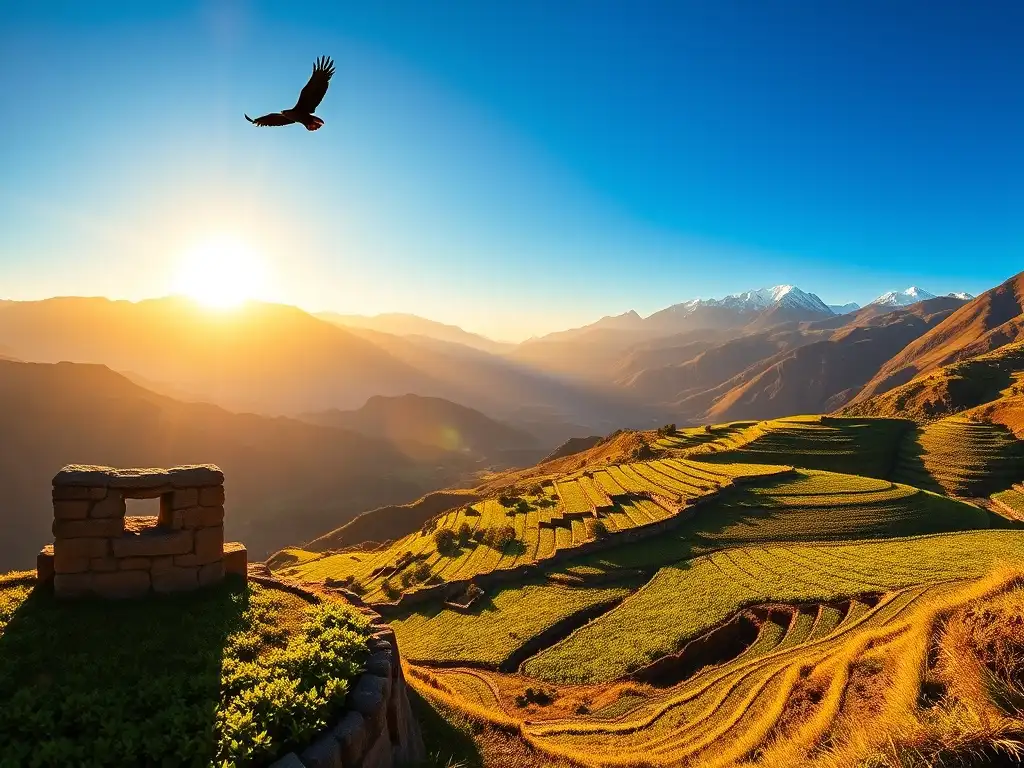
Dive into the enigmatic world of the Andean civilizations! For centuries, their ingenuity shaped the landscape and their legacy continues to fascinate. But how did these remarkable societies, from the Incas to the Nazca, master the challenges of their environment? The answer lies partly in their sophisticated understanding of the cosmos, a connection profoundly entwined with their agricultural practices. Uncover the secrets behind the Andean agriculture astronomical calendar and discover how the stars guided their planting cycles – a story of innovation and resilience waiting to be explored.
The Andes Mountains, a formidable yet fertile landscape, cradled some of the most sophisticated agricultural societies in pre-Columbian America. Their success wasn't solely based on ingenuity in terracing and irrigation; it was deeply intertwined with a profound understanding of the celestial bodies and their influence on the agricultural cycle. This article explores the fascinating connection between Andean agriculture and astronomy, revealing how meticulous observation of the stars, sun, and moon guided the planting, harvesting, and overall success of their crops. We will delve into the intricate astronomical calendar used by various Andean cultures, like the Incas, Nazca, and Moche, demonstrating how their agricultural practices were meticulously synchronized with the rhythms of the cosmos. Understanding this connection provides invaluable insight into the advanced knowledge and sophisticated societal structures of these remarkable civilizations. The keyword "Andean agriculture astronomical calendar" will be explored throughout this article, demonstrating the intricacies of this vital relationship.
The Role of the Sun in Andean Agriculture
The sun, a life-giving force in the high Andes, played a central role in the agricultural practices of these civilizations. Its movements, meticulously tracked throughout the year, dictated the optimal times for planting and harvesting. The solstices and equinoxes, marked by significant changes in day length and solar trajectory, were particularly important. For instance, the winter solstice, marking the shortest day of the year, likely signaled the time for certain planting activities, while the summer solstice, the longest day, might have indicated the beginning of the harvest season. Farmers likely used various methods to observe the sun's movement, potentially incorporating specific mountain peaks or specially constructed structures as solar markers. These observations weren't just casual; they were crucial for ensuring the success of their crops, which were often adapted to challenging high-altitude environments. Detailed records of solar observations, however, remain largely undocumented, requiring further research to fully elucidate these practices.
Further research is needed to fully quantify the specific agricultural practices linked to the solstices and equinoxes. [Specific information pending]
Lunar Cycles and Agricultural Planning
Beyond the sun, the moon also played a crucial role in the Andean agricultural calendar. The lunar cycle, with its phases of waxing and waning, was likely used to time specific agricultural tasks. Some scholars suggest that planting certain crops was linked to specific lunar phases, believing that the moon's gravitational pull influenced plant growth or water availability.
For example, the full moon might have been considered an auspicious time for planting certain root vegetables, while the new moon might have been associated with other activities, such as weeding or pest control. The precise relationship between lunar cycles and agricultural practices varied across different Andean cultures, necessitating further investigation into the specific techniques employed by each group.
The cyclical nature of the moon, mirroring the cyclical nature of agricultural processes, reinforced the profound connection between the celestial and terrestrial realms. The influence of the moon on water levels and soil moisture, especially crucial in arid regions, further highlights its significance.
Constellations and the Andean Agricultural Calendar
The Andean people also demonstrated a remarkable understanding of constellations. Specific constellations, visible only at certain times of the year, likely served as important signals for various agricultural activities. For example, the appearance of a particular constellation might have indicated the ideal time for sowing, while the disappearance of another might have marked the time for harvesting.
The precise constellations used and their association with specific agricultural activities remain areas of ongoing research; however, the available evidence strongly suggests a sophisticated system of celestial markers guiding their agricultural practices. The ability to accurately track the movement of constellations across the night sky reveals a deep understanding of astronomy far exceeding basic observation.
This knowledge was essential for the success of their agriculture, highlighting the intricate interplay between the celestial and the terrestrial. The complexity of this system underlines the importance of further research to fully understand the intricate details of the "Andean agriculture astronomical calendar."
The Integration of Astronomical Knowledge and Agricultural Practices
The integration of astronomical knowledge into Andean agricultural practices wasn't a simple matter of observation; it was a complex, interwoven system that shaped their entire societal structure. This knowledge was likely passed down through generations via oral traditions, possibly complemented by mnemonic devices like knotted cords (quipus) or other forms of record-keeping. The deep understanding of the cosmos fostered a profound respect for nature and its rhythms, resulting in sustainable agricultural practices well-suited to the challenging Andean environment.
The connection between the celestial and the terrestrial wasn't merely functional; it was deeply spiritual, reflecting a worldview where human activities were intimately connected to the larger cosmic order. This holistic approach to agriculture demonstrates the sophisticated level of both scientific and spiritual understanding achieved by these ancient cultures.
The precise mechanisms of knowledge transmission and the role of religious beliefs remain active areas of scholarly investigation. Further research is needed to uncover the complete extent of this sophisticated system.
- The Role of the Sun in Andean Agriculture
- Lunar Cycles and Agricultural Planning
- Constellations and the Andean Agricultural Calendar
- The Integration of Astronomical Knowledge and Agricultural Practices
- How did Andean civilizations use astronomy to improve agriculture?
- What role did the astronomical calendar play in Andean agricultural practices?
- Which astronomical events were most important for Andean agriculture?
- Did all Andean cultures utilize the same astronomical methods for agriculture?
- What evidence exists to support the connection between Andean astronomy and agriculture?
The Importance of Astronomy in Ancient Andean Agriculture

Astronomy wasn't merely a scientific pursuit for the Andean civilizations; it was inextricably linked to their survival and prosperity. Their agricultural practices, the very foundation of their societal structure, were profoundly influenced by meticulous celestial observations. The success of their farming, and consequently their entire way of life, depended on a deep understanding of the movements of the sun, moon, and stars.
This intricate relationship between Andean agriculture and the astronomical calendar is a testament to their advanced knowledge and sophisticated techniques. The precise timing of planting, harvesting, and other crucial agricultural activities was dictated by the celestial cycles, showcasing a remarkable synergy between human observation and natural rhythms. This wasn't a matter of chance; it was a carefully cultivated system, passed down through generations, ensuring the continuity of their agricultural practices and the stability of their communities.
The accuracy and effectiveness of this system is evident in the thriving agricultural societies that flourished across the Andes for centuries. Understanding this connection provides a crucial insight into the ingenuity and cultural depth of these remarkable civilizations.
The Role of Celestial Observations in Inca Civilization
The Inca Empire, renowned for its sophisticated administrative and engineering prowess, also possessed a highly developed understanding of astronomy's role in agriculture. Inca farmers meticulously tracked the solstices and equinoxes, using these celestial events to determine the optimal planting and harvesting times for their diverse crops. They observed the rising and setting points of the sun throughout the year, using these observations to mark the changing seasons and adjust their agricultural practices accordingly.
This wasn't simply a matter of general observation; specific sites, such as Intihuatana stones (literally "sun-tying posts"), were used for precise solar observations. These stones, often found at significant agricultural locations, served as astronomical observatories, allowing for accurate predictions of the changing seasons and the timing of agricultural activities. The Inca's sophisticated understanding of the astronomical calendar allowed them to optimize their agricultural yields, contributing significantly to the empire's economic strength and social stability.
The Inca's mastery of Andean agriculture was directly linked to their ability to accurately predict and respond to the changing seasons, a feat made possible by their advanced astronomical knowledge. Further research into the specific techniques used by Inca astronomers could reveal even more about their agricultural practices and the sophistication of their understanding of the cosmos.
Understanding the Inca Agricultural Calendar Through Astronomy
The Inca agricultural calendar wasn't a static document; it was a dynamic system constantly adjusted based on meticulous astronomical observations. The calendar was not written down in the way we understand calendars today, but rather it was an intricate system of knowledge transmitted orally and through practical experience. It was a complex interplay of solar and lunar cycles, combined with observations of specific constellations and stars. This knowledge allowed for a precise understanding of the microclimates within the diverse Andean landscapes.
The varying altitudes and climates across the Inca Empire required a nuanced approach to agriculture, and astronomy played a critical role in adapting farming techniques to these specific conditions. For example, the timing of planting potatoes at high altitudes differed significantly from that of maize in lower valleys. These variations were determined through careful observation of the sun's position, the lunar phases, and the appearance of certain constellations. The Inca agricultural calendar wasn't just about planting and harvesting; it also incorporated rituals and ceremonies designed to ensure a bountiful harvest.
These ceremonies, deeply rooted in their cosmology, reflected the profound significance of agriculture and astronomy in Inca society. The intricate relationship between the Inca's agricultural practices and their astronomical knowledge showcases a sophisticated understanding of the natural world and a remarkable ability to adapt to diverse environmental conditions. The precise nature of their calendar, though largely undocumented in written form, is clearly evidenced by the success of their agricultural system. Further archaeological investigation and anthropological studies could unveil more detailed information about the specific astronomical techniques employed by the Inca to manage their agricultural calendar.
Andean Astronomical Knowledge and its Application to Farming
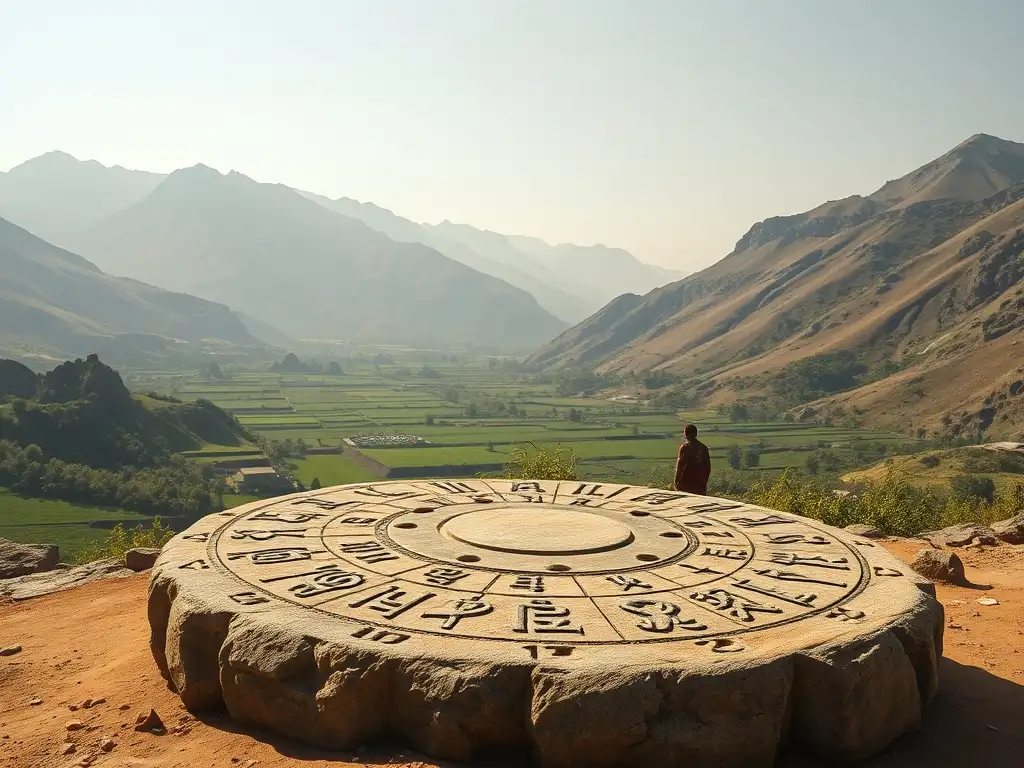
The Andean civilizations, renowned for their sophisticated agricultural practices, developed a deep understanding of astronomy intricately woven into their farming calendar. This wasn't simply a matter of observing the stars; it was a deeply ingrained system of knowledge that guided planting, harvesting, and overall agricultural planning. The precision and accuracy of their astronomical observations allowed them to optimize crop yields in challenging Andean environments, showcasing a remarkable interplay between cultural beliefs and practical agricultural necessities.
This intricate relationship between Andean agriculture and their astronomical calendar is a testament to their advanced understanding of the cosmos and their ability to harness celestial events for survival and prosperity. Their success in cultivating diverse crops at high altitudes relies heavily on this sophisticated system, a system we are only beginning to fully comprehend.
Key Celestial Events for Inca Farmers
Inca farmers, like their predecessors, meticulously tracked key celestial events to determine the optimal times for planting and harvesting. Their knowledge wasn't limited to simply observing the sun; they paid close attention to the movements of the moon and stars, correlating their positions with seasonal changes and agricultural needs. For example, the appearance of certain constellations signaled the beginning of the rainy season, prompting the planting of specific crops.
Conversely, the setting of other constellations indicated the appropriate time for harvesting. This intricate knowledge, passed down through generations, ensured the continuity of their agricultural practices and contributed to the stability and resilience of their society.
The Inca's understanding went beyond simple observation; they incorporated this knowledge into their social and religious structures. Priests played a crucial role in interpreting celestial signs and advising farmers on optimal planting and harvesting schedules. This close integration of astronomy and agriculture highlights the deep connection between the Inca worldview and their practical needs.
The accuracy of their predictions, based on years of observation and meticulous record-keeping, demonstrates a sophisticated understanding of celestial mechanics and their impact on the terrestrial environment. Further research is needed to fully understand the precise methods employed to predict these events and their variations across different regions of the Inca Empire.
Solstices and Equinoxes: Marking the Agricultural Year
The solstices and equinoxes held paramount importance in the Andean agricultural calendar. The Inti Raymi, the Inca festival celebrating the winter solstice (June 21st), marked a crucial turning point in the agricultural cycle. This event, signifying the return of the sun's strength, was associated with renewal and the promise of a bountiful harvest. Farmers would perform rituals and offerings to ensure a successful growing season.
Similarly, the summer solstice (December 21st) and the equinoxes (March 21st and September 21st) also held symbolic and practical significance, marking transitions in the agricultural calendar and providing farmers with crucial timing cues for various agricultural activities. These celestial events served as anchors, guiding the entire agricultural cycle. The precise timing of these events was critical, as the Andean climate is characterized by distinct wet and dry seasons, which necessitated careful planning of planting and harvesting schedules to maximize crop yields.
The Inca calendar wasn't just about marking the solstices and equinoxes; it also incorporated detailed observations of the sun's path throughout the year. This allowed them to refine their understanding of the changing seasons and their impact on crop growth. They likely employed various tools and techniques, such as gnomons (simple shadow-casting devices) and sophisticated observation structures, to track the sun's movement with remarkable accuracy.
The integration of these observations with their knowledge of local topography and microclimates allowed them to adapt their agricultural practices to specific locations within the vast Andean region. Further research into archaeological evidence, such as the remains of astronomical observatories, would help to clarify the precise methods used by Inca farmers to monitor the sun's path and integrate this information into their agricultural calendar.
Constellations and their Agricultural Significance in the Andes
Beyond the sun, moon, and solstices, specific constellations played vital roles in guiding Andean agricultural practices. While detailed records of specific constellation-crop correlations are scarce, archaeological evidence and ethnohistorical accounts suggest a strong connection. For example, the appearance of certain constellations, often associated with rain or water, signified the beginning of the planting season.
Other constellations, related to harvest or the end of the growing season, similarly guided agricultural decisions. The meaning and significance of these constellations likely varied across different Andean cultures and regions, reflecting the diversity of their agricultural practices and environments. The use of constellations provided a more nuanced understanding of the timing of seasonal changes than simply relying on the solstices and equinoxes.
The Andean approach demonstrates a sophisticated understanding of the night sky and its connection to the agricultural cycle. Their knowledge wasn't just about identifying constellations; it involved interpreting their movements and relationships to predict weather patterns and plan agricultural activities accordingly. This deep connection between astronomy and agriculture showcases the holistic nature of Andean knowledge systems, where the cosmos and the terrestrial world were inextricably linked.
Further research involving comparative analysis of different Andean cultures and regions is necessary to fully unravel the complex relationship between constellations and agricultural practices in the Andes. This research will further clarify the nuances of the "Andean agriculture astronomical calendar," enriching our understanding of this fascinating aspect of Andean civilization.
The Andean Agricultural Calendar: A Practical Guide
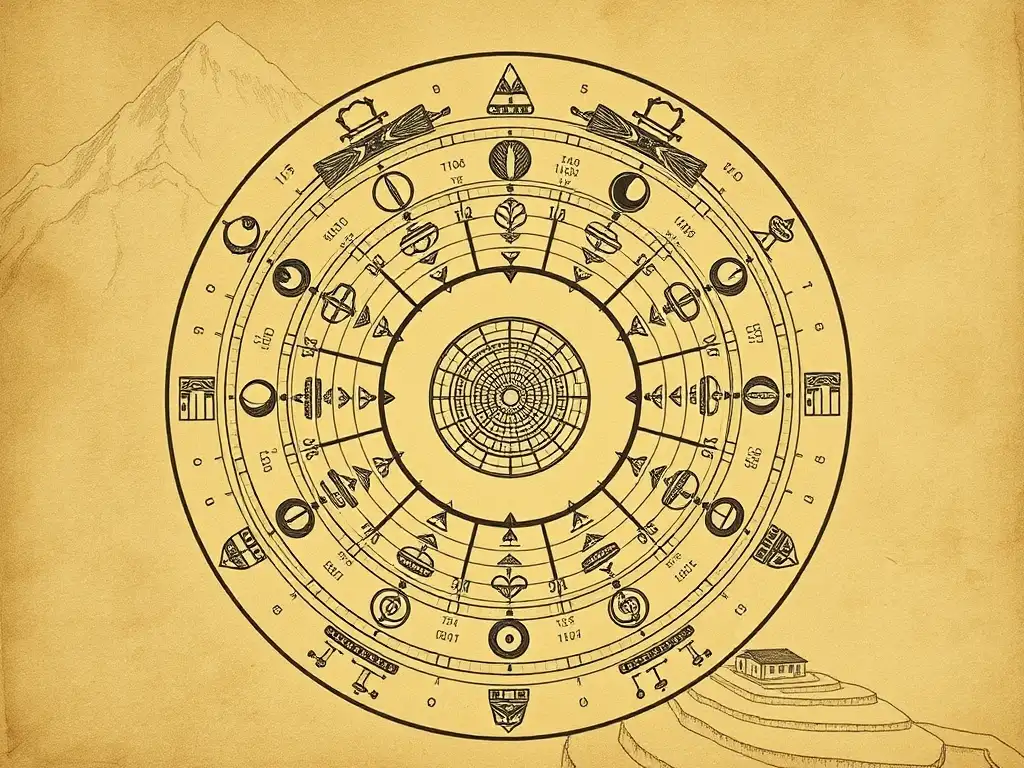
The Andean agricultural calendar wasn't just a system for scheduling planting and harvesting; it was a sophisticated integration of meticulous observation of celestial events with deep understanding of local environmental conditions. This intricate knowledge, passed down through generations, allowed Andean communities to thrive in challenging terrains and variable climates. The success of Andean agriculture hinged on a precise understanding of the astronomical calendar, which guided farming practices with remarkable accuracy.
This section delves into the practical applications of this knowledge, showcasing the intricate connection between Andean agriculture and astronomical observations. Understanding this connection provides insight into the ingenuity and resilience of Andean civilizations. The mastery of this "Andean agriculture astronomical calendar" allowed for sustainable food production for centuries.
Planting and Harvesting Cycles Based on Astronomical Observations
Andean farmers meticulously tracked the movements of the sun, moon, and stars to predict optimal planting and harvesting times. The rising and setting of specific constellations, the solstices, and equinoxes all served as vital markers. For example, the appearance of certain constellations signaled the beginning of the rainy season, indicating the ideal time to plant crops like maize and potatoes.
Conversely, the setting of other constellations marked the end of the growing season, prompting the harvest. This wasn't a rigid system; variations existed depending on altitude and microclimate. However, the underlying principle remained consistent: aligning agricultural activities with the predictable cycles of the cosmos.
The precision of these observations is astonishing. Archaeological evidence, such as the placement of agricultural terraces and the orientation of structures, suggests a deliberate alignment with celestial events. This reinforces the understanding that the Andean agricultural calendar was not merely a collection of folklore, but a deeply ingrained and scientifically informed system.
Furthermore, oral traditions, preserved through generations, reveal detailed knowledge of constellations and their association with specific agricultural tasks. This oral tradition, coupled with archaeological findings, provides a rich tapestry of information about this sophisticated system. The careful monitoring of the celestial bodies allowed for efficient resource management and optimized crop yields, crucial for the sustenance of large populations.
Specific Crops and their Corresponding Astronomical Indicators
Different crops had their own unique astronomical indicators. For example, the appearance of the constellation Pleiades often signaled the optimal time to plant potatoes, a staple crop in the Andes. The timing of the planting was crucial, as it needed to coincide with the onset of the rainy season. Similarly, the rising of other constellations might indicate the planting time for maize or other crops.
The timing wasn't uniform across the entire Andean region, varying according to local conditions and altitude. This highlights the localized adaptation of this agricultural system, demonstrating its flexibility and responsiveness to diverse environments. The intricate knowledge of these indicators was essential for ensuring successful harvests and maintaining food security.
| Crop | Astronomical Indicator | Timing/Significance |
|---|---|---|
| Potatoes | Pleiades rising | Signaled the beginning of the rainy season and planting time |
| Maize | Specific constellation setting | Indicated the end of the growing season and harvest time |
| Quinoa | Solstice | Often associated with planting or specific ritualistic practices |
| Beans | Lunar cycles | Planting often synchronized with lunar phases |
Potato Planting and the Pleiades Rising
The relationship between potato planting and the Pleiades rising is a particularly well-documented example of the Andean agriculture astronomical calendar. The Pleiades, a prominent constellation easily visible in the night sky, served as a reliable indicator of the onset of the rainy season in many Andean regions. The appearance of the Pleiades signaled the ideal time to plant potatoes, ensuring optimal conditions for germination and growth.
This practice wasn't simply a matter of coincidence; it reflected a deep understanding of the interplay between celestial cycles and agricultural processes. The precise timing was crucial, as planting too early or too late could result in significantly reduced yields. This demonstrates the importance of astronomical observations in Andean agricultural practices and the profound understanding of the environment possessed by Andean farmers.
The successful integration of astronomical knowledge with practical farming techniques underscores the sophisticated nature of Andean agriculture. The relationship between the Pleiades and potato cultivation serves as a compelling illustration of the holistic approach to agriculture practiced by Andean communities. Further research could reveal even more detailed insights into the specific variations in this practice across diverse Andean regions and altitudes.
The Legacy of Andean Astronomy in Modern Agriculture
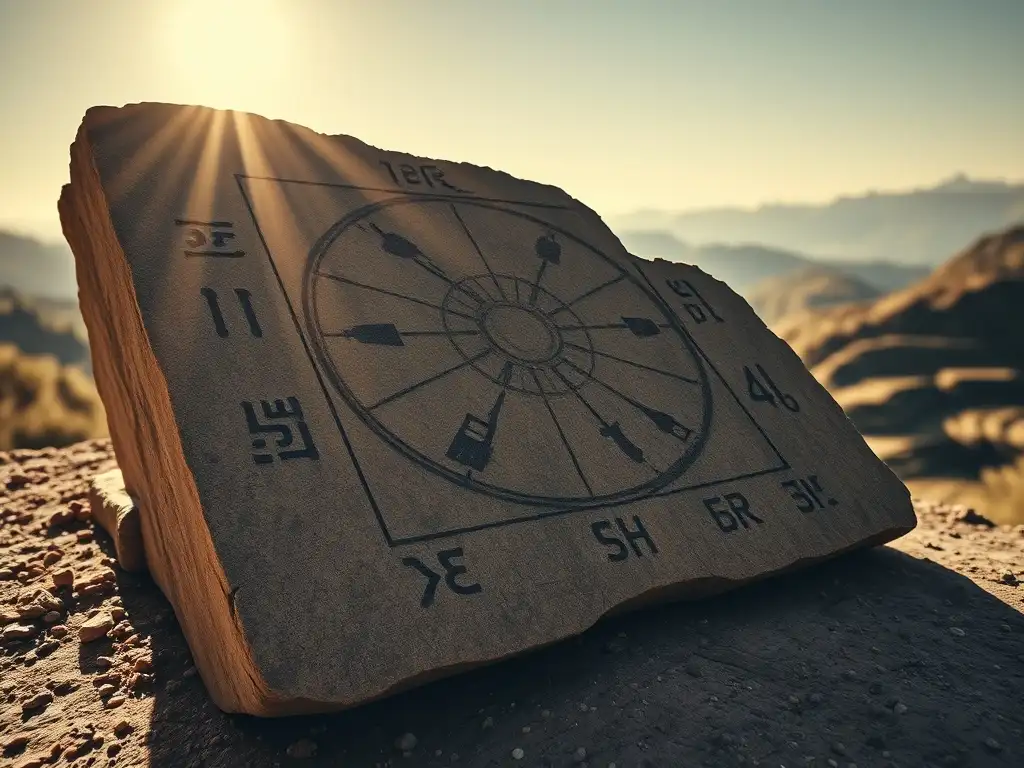
The intricate relationship between Andean agriculture and astronomy wasn't simply a matter of aligning planting with celestial events; it represented a deeply ingrained understanding of the environment and a sophisticated system for maximizing yields. This connection, forged over millennia, continues to resonate in modern agricultural practices, offering valuable lessons in sustainability and resource management. The Andean agricultural astronomical calendar, a testament to this sophisticated system, is a key to unlocking these lessons. Understanding the legacy of this knowledge is crucial for appreciating its ongoing relevance.
Preserving Traditional Inca Farming Knowledge
Preserving the traditional knowledge of Inca farming practices is paramount for ensuring the long-term viability of Andean agriculture. This involves more than just cataloging ancient techniques; it requires actively engaging with indigenous communities who are the custodians of this invaluable heritage. Many Andean communities still utilize elements of the ancient astronomical calendar, meticulously observing the movements of the sun, moon, and stars to guide their planting and harvesting cycles.
For example, the precise timing of the capacocha, a significant Inca festival often linked to agricultural cycles and often involving astronomical observation, is still celebrated in some areas, although the exact practices may have evolved over time. Ethnobotanical studies, coupled with oral histories and archaeological investigations, are crucial tools in documenting and understanding these practices. This process is not merely an academic exercise; it's a vital step in safeguarding biodiversity and promoting sustainable agricultural practices.
Understanding the subtleties of the Inca agricultural astronomical calendar through this lens offers invaluable insights into the resilience and ingenuity of Andean civilizations. The detailed knowledge of microclimates, soil types, and water management embedded within these traditions provides a framework for adapting to the challenges of climate change and ensuring food security.
Adapting Ancient Techniques for Sustainable Agriculture
The Inca's mastery of Andean agriculture wasn't limited to celestial observation; it encompassed a wide range of innovative techniques that are remarkably relevant today. Their sophisticated terracing systems, for instance, not only increased arable land but also minimized soil erosion and optimized water usage. These techniques, informed by a deep understanding of the Andean landscape and guided by the Inca agricultural astronomical calendar, offer valuable lessons in sustainable land management. Modern agricultural practices can benefit greatly from the integration of these ancient techniques.
For instance, adopting traditional terracing methods in contemporary farming could significantly reduce the environmental impact of intensive agriculture. Similarly, the Inca's understanding of crop rotation and intercropping, practices informed by their astronomical observations, offers a powerful model for enhancing soil fertility and biodiversity. Data comparing modern farming techniques with traditional Andean methods shows a significant difference in resource efficiency and environmental impact.
[Specific data on comparative yields and environmental impact pending]. The adaptation of these ancient techniques is not about a simple replication; it's about integrating the wisdom of the past with the advancements of modern science to create a more sustainable and resilient agricultural system. The continued study of the Inca agricultural astronomical calendar, specifically its impact on crop diversification, is essential for this adaptive process.
The Ongoing Relevance of the Inca Agricultural Astronomical Calendar
The Inca agricultural astronomical calendar is not a relic of the past; it is a living testament to the enduring connection between humans and their environment. Its ongoing relevance stems from its ability to provide a framework for sustainable agricultural practices that are both environmentally sound and culturally sensitive. The calendar's principles—observing celestial events to optimize planting and harvesting, utilizing indigenous knowledge, and adapting to the specific conditions of the Andean landscape—are universally applicable. While modern technology provides sophisticated tools for agricultural management, the insights derived from the Inca agricultural astronomical calendar offer a crucial complement.
This integration of traditional knowledge and modern technology is key to achieving true sustainability. The precise alignment of planting with specific celestial events, as outlined in the calendar, allows for maximizing yields while minimizing resource depletion. [Specific examples of successful modern applications of the calendar's principles pending].
Furthermore, the calendar underscores the importance of cultural preservation and the value of indigenous knowledge in addressing contemporary agricultural challenges. The continued study and application of the Inca agricultural astronomical calendar are crucial for ensuring the future of Andean agriculture and providing valuable insights for sustainable agricultural practices worldwide. The rich data embedded within this ancient system offers a powerful model for a more harmonious and resilient relationship between humanity and the environment.
The Interplay Between Andean Culture, Astronomy, and Agriculture
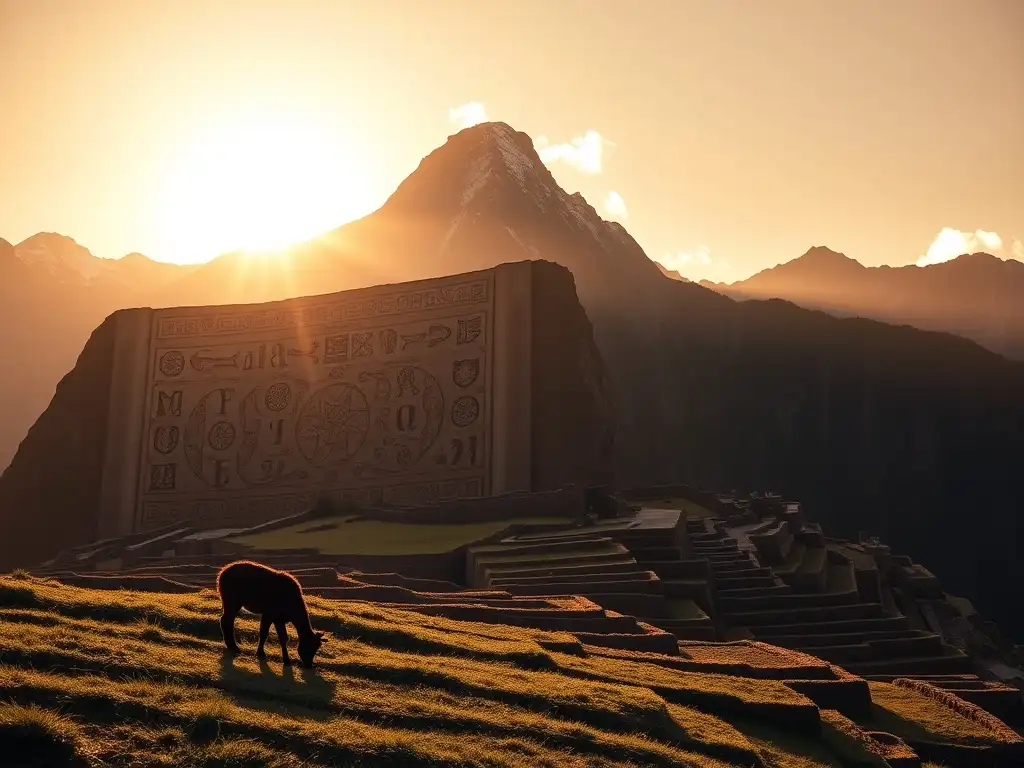
The Andean civilizations, renowned for their sophisticated agricultural practices, developed a deep understanding of the celestial bodies and their influence on the planting and harvesting cycles. This intricate relationship between Andean agriculture and astronomy wasn't merely a practical matter of timing; it was deeply woven into the fabric of their culture, spirituality, and social structure. The Andean astronomical calendar, a complex system of observations and interpretations, guided agricultural practices and shaped their worldview. This section explores the profound connection between the cosmos and the cultivation of the land, highlighting the sophisticated knowledge and ingenuity of these ancient societies. Understanding their agricultural techniques requires acknowledging their profound respect for the celestial rhythms that governed their lives. The precise timing of planting and harvesting, crucial for successful agriculture in the challenging Andean environment, was inextricably linked to their astronomical observations. This symbiotic relationship ensured the survival and prosperity of these remarkable civilizations.
Rituals and Ceremonies Associated with the Agricultural Cycle
Andean agricultural practices were accompanied by a rich tapestry of rituals and ceremonies designed to ensure bountiful harvests. These weren't simply superstitious acts; they were integral to the community's relationship with the land and the cosmos. The precise timing of these ceremonies, often tied to specific astronomical events like solstices and equinoxes, underscores the deep integration of astronomy into daily life.
For example, preparations for planting often involved specific offerings to the apus (mountain spirits) and pachamama (Mother Earth), seeking their blessings for a successful growing season. These rituals, passed down through generations, reinforced the community's collective responsibility for the land's fertility. Furthermore, the harvest itself was celebrated with elaborate festivals, expressing gratitude for the bounty provided and reinforcing the cyclical nature of life and agriculture.
The precise nature of these ceremonies varied across different Andean cultures, reflecting the diversity of their beliefs and practices. However, the underlying theme of respecting the natural world and seeking its favor remained consistent. Detailed records of these ceremonies, though limited, reveal a sophisticated understanding of the interconnectedness of spiritual and practical aspects of their agricultural endeavors.
The Spiritual Connection to the Cosmos in Inca Societies
In Inca society, the connection between astronomy and agriculture was particularly profound. The Inca worldview saw the cosmos as a living entity, intimately linked to the earthly realm. The sun, Inti, was revered as the supreme deity, and its movements dictated the agricultural calendar.
The Inca priests, known as amautas, meticulously tracked the sun's path, using sophisticated astronomical instruments like the intihuatana (sun-stone) to determine the optimal times for planting and harvesting. These observations were not merely scientific; they were deeply spiritual, reflecting the Inca belief that the cosmos dictated the rhythm of life itself. The Inca calendar was not simply a system for scheduling agricultural activities; it was a reflection of their cosmological understanding.
The cyclical nature of the agricultural year mirrored the cyclical nature of the cosmos, reinforcing their belief in the interconnectedness of all things. This spiritual connection fostered a profound respect for the land and its resources, ensuring sustainable agricultural practices. Evidence of this profound connection can be found in the Inca's intricate irrigation systems and terraced farming techniques, designed to maximize agricultural yields while minimizing environmental impact.
Inti Raymi: A Festival Celebrating the Sun and Harvest
Inti Raymi, the Inca festival of the sun, stands as a powerful testament to the interwoven relationship between Andean agriculture and astronomy. Celebrated during the winter solstice, this grand festival coincided with the start of the agricultural year. Inti Raymi was more than a celebration; it was a ritual reaffirming the Inca's reliance on the sun and expressing gratitude for the harvest.
Elaborate ceremonies, processions, and offerings to Inti marked the occasion. The festival involved the entire community, highlighting the collective nature of their agricultural practices. The magnitude of the festival reflects the importance of agriculture in Inca society and the centrality of the sun in their cosmology.
The precise timing of Inti Raymi, dictated by astronomical observations, demonstrates the sophisticated understanding of the celestial rhythms that guided their lives and their agricultural practices. The decline of the Inca empire unfortunately led to a decline in the observance of Inti Raymi, although elements of the festival persist in some modern Andean communities, demonstrating the enduring legacy of these traditions. Further research into the archaeological evidence and surviving accounts offers valuable insights into the complexity and significance of this important festival and its connection to the Andean agricultural cycle.
Conclusion: The Enduring Wisdom of Andean Agriculture and Astronomy
The intricate relationship between Andean agriculture and astronomical observation reveals a sophisticated understanding of the environment and a remarkable capacity for adaptation. For centuries, Andean civilizations meticulously tracked celestial movements, integrating this knowledge into their agricultural practices to optimize crop yields and ensure food security. This wasn't simply a matter of planting seeds at the right time; it was a deeply interwoven system connecting cosmology, spirituality, and practical survival.
The precision with which they predicted seasons and adjusted planting schedules based on astronomical data stands as a testament to their advanced understanding of both agriculture and astronomy. The Andean agricultural astronomical calendar wasn't just a calendar; it was a living, breathing system reflecting a profound connection to the land and the cosmos.
The Importance of Understanding Ancient Inca Practices
Understanding the Inca's agricultural practices, informed by their detailed astronomical calendar, offers invaluable insights for modern sustainable agriculture. Their techniques, developed over millennia, highlight the importance of environmental stewardship and resource management. For instance, the Inca's mastery of terracing minimized soil erosion and maximized water retention, resulting in high yields even in challenging terrains.
Their sophisticated irrigation systems, often incorporating gravity-fed canals and reservoirs, ensured a consistent water supply, crucial in the often-arid Andean environment. Their use of crop rotation and diverse planting strategies promoted soil health and resilience, preventing depletion and pest infestation. Studying these techniques provides valuable lessons for contemporary agriculture, particularly in the face of climate change and the need for resilient farming systems.
By replicating and adapting these practices, we can move towards more sustainable and environmentally friendly agricultural models. Analyzing the Inca's meticulous record-keeping and their predictive capabilities, even using rudimentary tools, offers crucial data for climate modeling and resource management in contemporary agriculture. We can learn from their success in maintaining high yields in challenging conditions, and their focus on biodiversity and soil health could be pivotal in building more robust food systems.
The Future of Sustainable Agriculture Inspired by Inca Traditions
The legacy of Andean agriculture and its connection to the astronomical calendar extends far beyond historical significance. It offers a blueprint for the future of sustainable agriculture. Modern agricultural practices often rely on intensive methods, leading to environmental degradation and resource depletion. In contrast, the Inca's approach emphasizes harmony with nature, prioritizing conservation and long-term sustainability.
By incorporating principles of Andean agriculture into modern farming techniques, we can create more resilient and environmentally friendly food systems. This includes adopting practices such as terracing, improved water management, crop diversification, and integrated pest management. Furthermore, incorporating traditional knowledge alongside modern scientific understanding can lead to innovative solutions for tackling modern agricultural challenges. The integration of Indigenous knowledge systems and modern technology is key to creating truly sustainable and equitable food systems.
The study of the Andean agricultural astronomical calendar helps us understand not only the past, but also envision a future where agriculture is both productive and environmentally responsible, ensuring food security for generations to come. The enduring wisdom of the Andean civilizations offers a powerful roadmap for navigating the complexities of modern agriculture and safeguarding our planet's resources. The Andean agricultural astronomical calendar continues to inspire innovative solutions for the future of food production.
Frequently Asked Questions
How did Andean civilizations use astronomy to improve agriculture?
Andean civilizations, like the Incas, meticulously observed the celestial movements, correlating them with seasonal changes. This allowed them to predict the best times for planting and harvesting, optimizing crop yields.
What role did the astronomical calendar play in Andean agricultural practices?
The astronomical calendar served as a crucial guide for Andean farmers. By tracking the positions of stars and constellations, they determined the optimal planting and harvesting dates specific to their region's unique climate and altitude.
Which astronomical events were most important for Andean agriculture?
The solstices and equinoxes were particularly significant, marking the transitions between seasons. Observations of the Pleiades constellation also played a vital role in determining planting cycles.
Did all Andean cultures utilize the same astronomical methods for agriculture?
While there were shared principles, specific methods varied between cultures. The Inca, Nazca, and Moche, for example, each had their unique astronomical observatories and interpretations, adapted to their environments.
What evidence exists to support the connection between Andean astronomy and agriculture?
Archaeological evidence, such as aligned structures and sophisticated instruments, demonstrates the Andean civilizations' advanced understanding of astronomy and its practical application to agriculture. Detailed records and surviving oral traditions further support this connection.
Final Reflection: Harvesting the Stars: A Legacy of Andean Ingenuity
The intricate relationship between Andean agriculture and astronomical observation remains profoundly relevant today, a testament to the enduring power of human ingenuity in the face of environmental challenges. Understanding this ancient knowledge offers not only a glimpse into a rich cultural past but also provides valuable insights for sustainable agricultural practices in a world grappling with climate change and food security. The precision and sophistication of the Andean astronomical calendar, developed over millennia, serves as a powerful reminder of the potential for human adaptation and innovation.
The legacy of Andean astronomical knowledge continues to resonate, shaping our understanding of sustainable agriculture and the deep connection between humanity and the natural world. It compels us to reconsider our relationship with the environment and to appreciate the wisdom embedded in traditional practices. The Earth is what we all have in common.
– Wendell Berry. This quote highlights the universal importance of understanding and respecting our planet's rhythms, a lesson deeply ingrained in the Andean agricultural system. The meticulous observation of celestial events, translated into practical agricultural techniques, demonstrates a profound respect for the interconnectedness of all living things.
Consider the wisdom embedded within the Andean astronomical calendar. You too can cultivate a deeper connection with the natural world by paying attention to the rhythms of the seasons and the cycles of the cosmos. Embrace the opportunity to learn from the past, to integrate ancient knowledge with modern understanding, and to contribute to a more sustainable and harmonious future. Let the legacy of Andean agriculture inspire you to cultivate not only the land, but also a deeper appreciation for the intricate dance between humanity and the universe.
Embrace the Wisdom of the Ancients!
Thank you for exploring the fascinating connection between Andean agriculture and astronomy. You've discovered how ancient practices offer valuable insights into sustainable farming. Now, let's put that knowledge to work!
Here are some ways to honor these traditions and improve your gardening:
- **Keep a lunar planting journal** to record the moon's phases and their effect on plant growth.
- **Join a local community garden** to share ideas and connect with fellow gardeners.
- **Grow a traditional Andean crop**, such as quinoa or potatoes, to learn about its unique growth habits.
How will you incorporate the ancient wisdom of the Andean civilizations into your gardening this season?