
The Ingenious Andean System of Food Distribution: A Lesson in Logistics

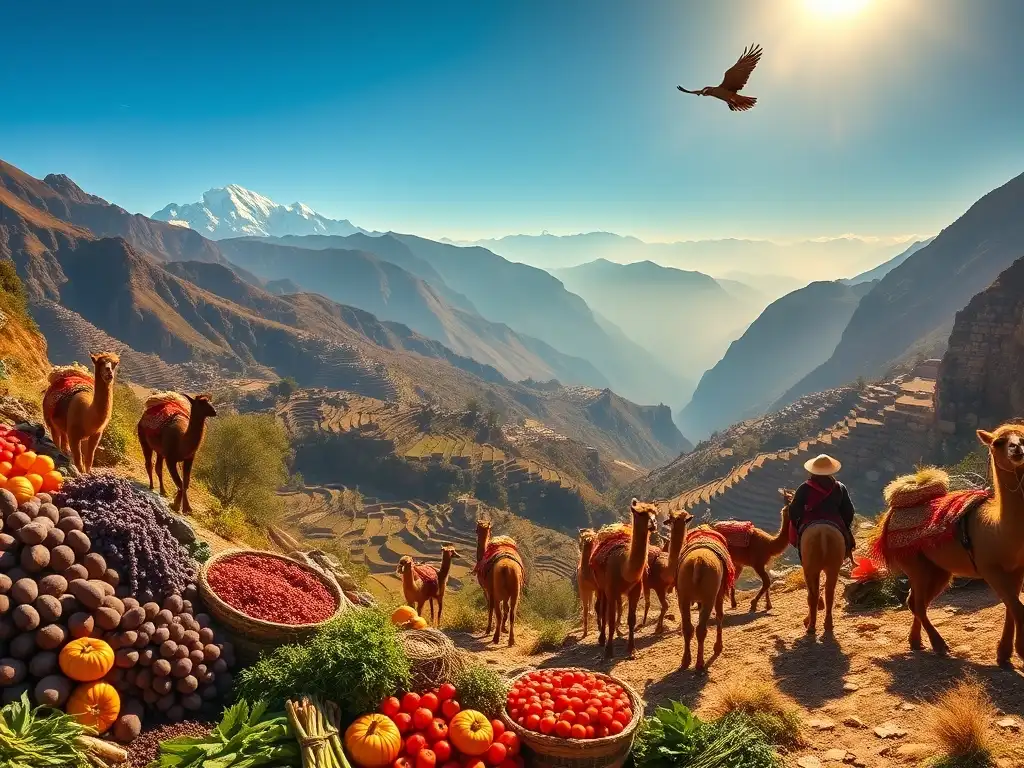
Uncover the secrets of a vanished world where ingenuity thrived amidst towering peaks and breathtaking landscapes. For centuries, the Andean civilizations flourished, leaving behind a legacy of intricate artistry and remarkable innovations. But what sustained these empires, allowing them to prosper in such challenging terrain? Prepare to be amazed as we delve into the Andean food distribution system, a sophisticated logistical network that defied the limitations of its time and holds valuable lessons for us today. Discover how this remarkable system worked, and its enduring impact on the region. Continue exploring to unravel the mysteries of this ancient marvel.
The Andes Mountains, a formidable yet breathtaking landscape, cradled some of the most sophisticated pre-Columbian civilizations in the Americas. Their success wasn't solely based on agricultural innovation—though their mastery of terracing and irrigation was undeniably crucial—but also on a remarkably efficient system for storing and distributing food.
This article delves into the ingenious logistics employed by Andean societies, such as the Inca, to ensure the survival and prosperity of their vast populations, highlighting their impressive organizational skills and providing a compelling case study in ancient resource management. Understanding their methods offers valuable insights into the challenges and solutions related to food security, particularly relevant in today's world facing growing concerns about sustainable food distribution.
We'll explore the intricate network of storage facilities, transportation routes, and administrative structures that formed the backbone of the Andean food distribution system, uncovering the secrets behind their remarkable achievements. This examination will reveal not just a historical account, but a testament to human ingenuity and adaptability in the face of challenging environmental conditions.
Introduction to Andean Food Logistics
The Andean food distribution system wasn't a haphazard affair; it was a meticulously planned and executed operation reflecting a deep understanding of their environment and societal needs. The success of the Andean civilizations hinged on their ability to efficiently manage the production, storage, and distribution of food across diverse and often challenging terrains. Unlike centralized systems of many other ancient societies, the Andean approach was more decentralized, adapting to the specific needs of different ecological zones and population densities.
This adaptability was key to their survival, allowing them to withstand climatic variations and maintain social stability during periods of scarcity. The system relied heavily on a combination of factors:
- Extensive Storage Facilities: From small, family-owned storehouses to massive state-controlled warehouses ( qollqas), the Andes boasted a sophisticated network of storage facilities designed to preserve harvests for extended periods. These structures, often built into the landscape to take advantage of natural temperature regulation, played a vital role in mitigating the risk of famine. The ingenuity of their construction, using locally sourced materials and reflecting a deep understanding of climate and preservation techniques, is truly remarkable.
- Efficient Transportation Networks: The movement of food across the Andes was facilitated by a network of roads, trails, and porters. The Inca, in particular, developed an extensive road system that connected distant regions, enabling the swift transportation of goods. The use of llamas and alpacas as pack animals further enhanced their logistical capabilities, demonstrating a remarkable synergy between human organization and animal husbandry.
- Centralized Administration: While decentralized in some aspects, the Andean food distribution system benefited from centralized administration, particularly under the Inca Empire. This centralized control allowed for efficient resource allocation, ensuring that food reached areas in need during times of shortage. The intricate record-keeping systems used by the Inca, employing sophisticated quipu (knotted-string records), provided valuable data for monitoring food supplies and coordinating distribution efforts.
The Importance of Food Distribution in Andean Societies
The significance of a robust food distribution system in Andean societies cannot be overstated. It was directly linked to:
- Social Stability: A reliable supply of food was essential for maintaining social order and preventing unrest. The ability to effectively distribute resources during times of scarcity prevented widespread famine and minimized social disruption. This efficient system fostered stability and allowed for the flourishing of complex social structures.
- Economic Prosperity: A well-functioning distribution system allowed for specialization and trade, contributing to economic growth. Surplus food could be traded for other goods and services, fostering economic interdependence and stimulating regional development. The equitable distribution of resources also fostered a sense of community and cooperation.
- Military Strength: The Inca Empire's military prowess was partly fueled by its ability to supply its armies effectively. The efficient movement of food and supplies across vast distances was crucial for maintaining military campaigns and consolidating power. This logistical capability was a significant factor in the Inca's expansion and dominance.
The Andean food distribution system, therefore, wasn't merely a logistical network; it was a fundamental pillar of their social, economic, and political structures. Its effectiveness stands as a testament to the ingenuity and organizational capabilities of these remarkable civilizations, offering valuable lessons for modern approaches to food security and resource management. Further research into specific storage techniques, transportation methods, and administrative practices will undoubtedly reveal even more about the intricacies of this fascinating system.
- How did the Andean civilizations manage food distribution across such varied terrain?
- What role did the Inca Empire play in food distribution?
- What were some of the key challenges in Andean food distribution?
- What types of food were commonly distributed within the Andean system?
- How did the Andean food distribution system contribute to the empire's success?
Understanding the Challenges of Andean Terrain and Climate
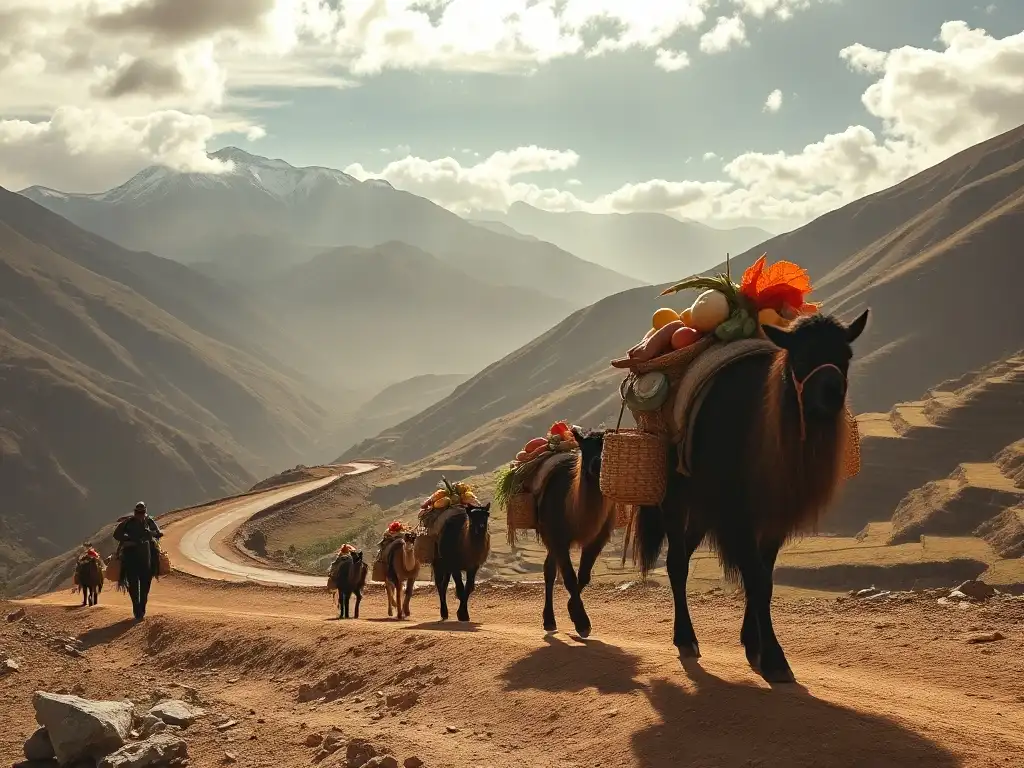
The Andean food distribution system wasn't simply a matter of moving food from point A to point B; it was a logistical marvel, constantly challenged by the formidable Andes Mountains and their unpredictable climate. Understanding these challenges is crucial to appreciating the ingenuity of the Andean civilizations' solutions. The sheer scale of the Andes, with its towering peaks, deep valleys, and treacherous passes, presented significant obstacles to efficient transportation.
Couple this with the dramatic variations in altitude, resulting in diverse microclimates, and you have a complex equation for food production and distribution. The success of the Andean civilizations hinged on their ability to overcome these obstacles, developing sophisticated strategies for cultivating, storing, and distributing food across vastly different environments. This required a deep understanding of their environment and an unparalleled level of organization and resourcefulness.
The system wasn't just about moving food; it was about ensuring survival in a challenging and often unforgiving landscape. The ingenuity displayed in overcoming these logistical hurdles is a testament to the advanced societal structures of these ancient cultures.
Geographical Barriers to Food Transportation
The Andes Mountains presented a formidable obstacle to the efficient movement of food. Steep slopes, narrow valleys, and unpredictable weather patterns made transportation incredibly difficult. Unlike flat plains where wheeled vehicles could be easily employed, the Andean terrain necessitated the use of human porters, llamas, and alpacas for the transport of goods. These animals, while crucial, had limitations in carrying capacity and speed, significantly impacting the scale and speed of distribution.
Furthermore, the construction and maintenance of trails and pathways across mountainous terrain required considerable engineering skill and labor. Evidence suggests the use of sophisticated systems of strategically placed storehouses along these routes, acting as relay points to facilitate the movement of food over long distances. These storehouses, often located at optimal altitudes and climates for preservation, played a crucial role in mitigating the risks associated with long journeys.
The sheer effort required to overcome these geographical obstacles underscores the importance placed on food security within Andean societies. The system, therefore, was not only efficient but also incredibly resilient, capable of adapting to the inherent challenges of the landscape. This is further evidenced by the archaeological discoveries of well-preserved pathways and storage facilities located at strategic points along these routes.
Climate Variations and Their Impact on Crop Yields
The Andean region experiences dramatic variations in climate, impacting crop yields significantly. Altitude plays a crucial role, with different zones supporting distinct agricultural products. The high altitudes, characterized by cold temperatures and thin air, are suitable for crops like potatoes adapted to such conditions. Lower altitudes, however, offer warmer temperatures and different growing seasons, allowing for the cultivation of maize, quinoa, and other crops.
This verticality in agricultural production, often referred to as "vertical archipelago," required an intricate system of food distribution to ensure a diverse and stable food supply. Variations in rainfall patterns further complicate the equation. Some areas may experience periods of drought, while others might face excessive rainfall, impacting crop productivity and necessitating strategic allocation of resources. The Andean civilizations developed sophisticated methods of irrigation and water management to mitigate the impact of these climatic variations.
They also developed a broad range of crops, each adapted to specific climatic conditions, creating a resilient agricultural system less vulnerable to localized failures. Their understanding of climate and its impact on food production was critical to their survival and the effectiveness of their distribution system. The success of their agricultural practices and distribution networks is a testament to their deep knowledge of their environment and their ability to adapt to its challenges. This adaptability and foresight are key elements of understanding their remarkable success in a challenging environment.
Key Components of the Andean Food Distribution System
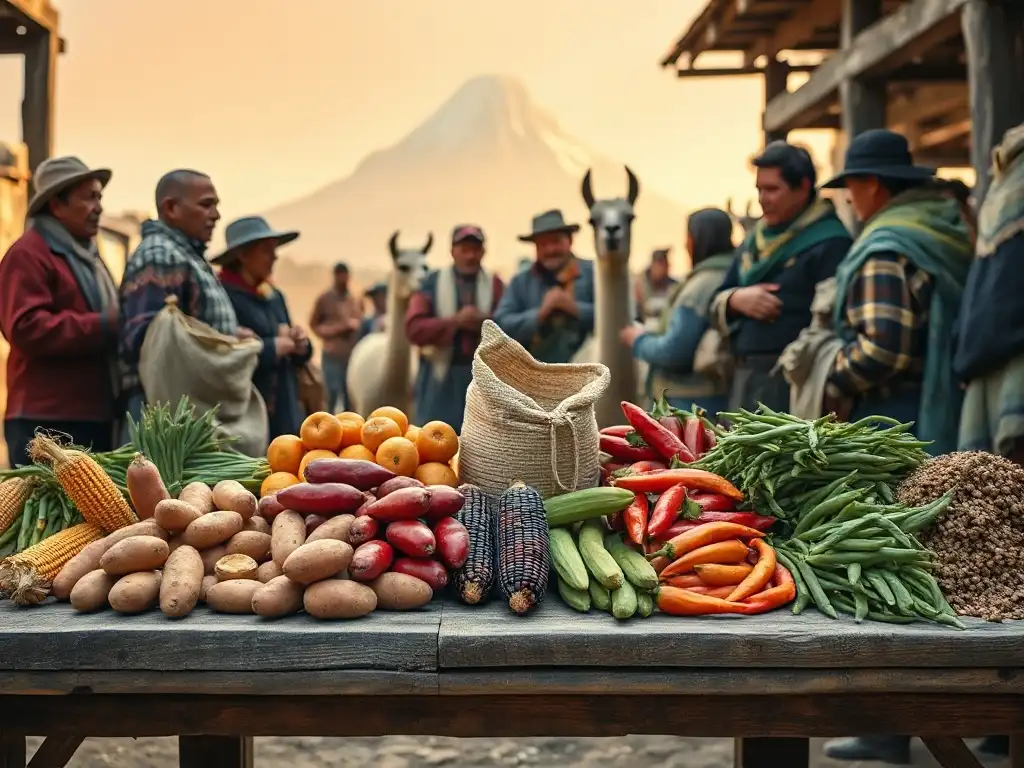
The Andean food distribution system, a marvel of logistical engineering, was crucial to the survival and prosperity of the vast Andean empires. Its success hinged on a complex interplay of sophisticated storage techniques, an extensive road network, and the effective utilization of pack animals. Understanding these components reveals the ingenuity and organizational prowess of Andean societies, far surpassing simplistic notions of "primitive" agriculture.
The system ensured food security across diverse terrains and climates, facilitating population growth and the development of complex social structures. This intricate network efficiently moved surplus agricultural products from areas of abundance to those experiencing shortages, demonstrating a remarkable level of centralized planning and control, especially notable in the Inca Empire. Analyzing the Andean food distribution system offers valuable insights into sustainable resource management and efficient logistics, lessons relevant even in our modern context.
The Role of Storage Facilities (Qullqas)
The qollqas, or storehouses, formed the backbone of the Andean food distribution system. These weren't simply rudimentary storage spaces; they were strategically located, architecturally sophisticated structures designed for optimal food preservation. Built from stone, often integrated into the landscape, qollqas were carefully designed to maintain stable temperatures and humidity levels, crucial for preserving a variety of agricultural products. Their location was not arbitrary; they were situated near agricultural production areas, transportation routes, and population centers. This strategic placement minimized transport time and ensured efficient access to stored goods.
The size and complexity of qollqas varied depending on the needs of the community. Some were small, local structures serving individual villages, while others were monumental complexes capable of storing vast quantities of food for regional or even imperial use. Archaeological evidence reveals meticulous organization within these facilities, suggesting sophisticated inventory management techniques.
Different sections might have been dedicated to specific crops – maize, potatoes, quinoa, beans – ensuring proper separation and preventing cross-contamination. The construction techniques employed, reflecting a deep understanding of local materials and climate, further highlight the Andean's expertise in storage technology. This sophisticated system of storage not only prevented spoilage but also ensured the long-term availability of food, crucial for weathering periods of drought or other natural disasters.
The Inca state, for example, maintained vast qollqas networks to manage surplus food and redistribute it during lean times. This ability to buffer against food shortages was a key factor in the empire's stability and longevity.
The Qhapaq Ñan: The Extensive Road Network
The Qhapaq Ñan, or Inca Road system, wasn't merely a network of paths; it was a sophisticated logistical artery facilitating the efficient movement of goods, people, and information across the vast Andean empire. Spanning thousands of kilometers, this incredibly intricate system connected distant regions, allowing for the seamless transport of agricultural surpluses. The roads themselves were marvels of engineering, traversing challenging mountain terrain with impressive bridges, tunnels, and strategically placed resting stations.
The construction involved a deep understanding of Andean geography and engineering principles. The Qhapaq Ñan wasn't a single, monolithic road but a complex network of pathways, each designed to suit the specific terrain and facilitate efficient transport.
The system's efficiency was enhanced by a series of strategically located tambos, waystations providing accommodation and supplies for travelers and pack animals. These tambos served as crucial hubs along the road network, facilitating the relay of goods and messages, ensuring the smooth flow of resources. The organization and maintenance of the Qhapaq Ñan required a significant workforce, highlighting the importance the Inca state placed on efficient food distribution.
The system's effectiveness is evidenced by the ability of the Inca empire to sustain a large and geographically dispersed population, demonstrating the power of well-planned infrastructure in supporting a complex society. The Qhapaq Ñan's impact on the Andean food distribution system was profound, enabling the timely movement of food from surplus regions to those in need, thus ensuring the empire's stability and resilience.
The Use of Pack Animals in Food Transport
The Andean food distribution system relied heavily on the use of pack animals, primarily llamas and alpacas. These animals were uniquely adapted to the high-altitude environment, capable of carrying substantial loads over challenging terrain. Their use was not simply a matter of convenience; it was a crucial component of an integrated system. Llamas and alpacas could transport food across the Qhapaq Ñan, reaching even the most remote communities. Their endurance and surefootedness made them ideal for traversing the Andes' steep slopes and treacherous paths.
The efficient use of pack animals required sophisticated herding techniques and a deep understanding of animal behavior. Specialized herders guided caravans along the road network, ensuring the safe and timely delivery of goods. The organization of these caravans was likely carefully planned, with consideration given to the animals' carrying capacity, the distance to be covered, and the terrain to be traversed.
The system also involved the strategic placement of resting areas and watering points along the routes, ensuring the well-being of the animals and the preservation of the goods they carried. The integration of pack animals into the Andean food distribution system demonstrates a profound understanding of both animal husbandry and logistical management.
Their role was essential in connecting dispersed communities and ensuring food security across the vast and varied Andean landscape. The efficient use of these animals contributed significantly to the success of the Andean food distribution system, underscoring the importance of integrating animal resources into a holistic logistical strategy.
Methods of Food Preservation in the Andes
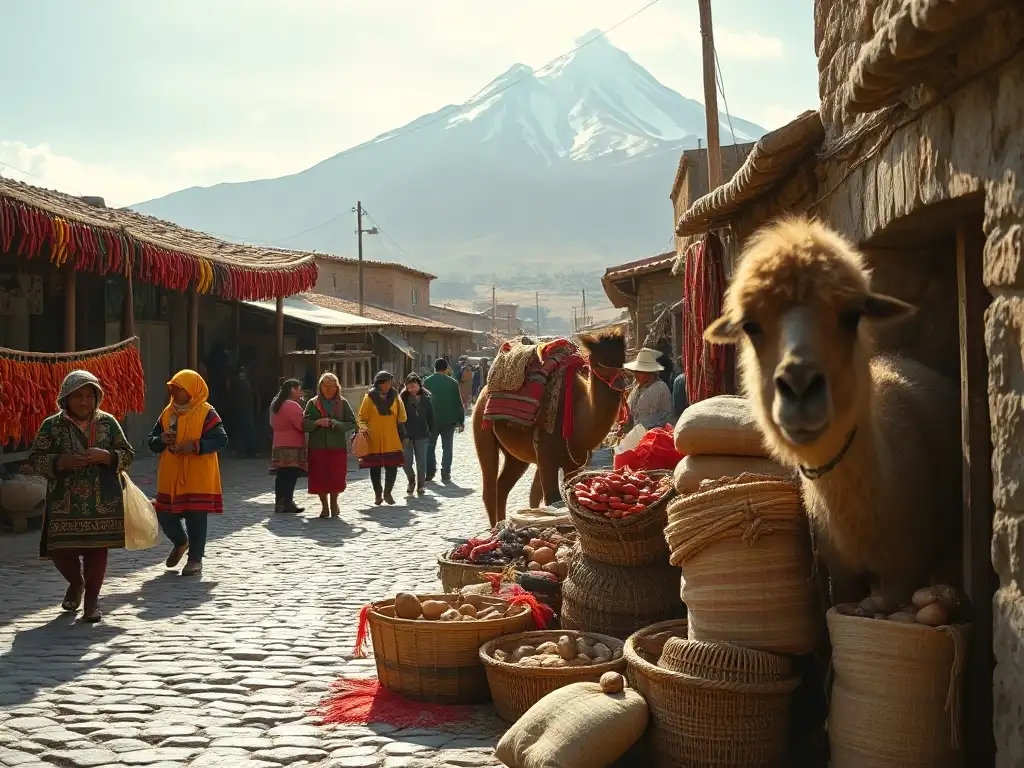
The Andean food distribution system relied heavily on effective food preservation techniques to ensure a consistent supply throughout the year, especially considering the challenging Andean terrain and variable climates. Without sophisticated refrigeration, Andean cultures developed ingenious methods to extend the shelf life of their harvests, preventing spoilage and ensuring food security. These methods weren't just about survival; they were integral to the economic and social fabric of Andean societies, influencing trade, ritual, and even social hierarchies.
Understanding these preservation techniques is key to appreciating the complexity and sophistication of the Andean food distribution system. The ingenuity displayed in these methods highlights the deep understanding these civilizations had of their environment and the resources available to them.
Drying Techniques for Andean Produce
Drying was a primary method for preserving Andean produce. The abundant sunshine in many regions of the Andes provided ideal conditions for sun-drying, a simple yet effective technique. Fruits like lucuma, chirimoya, and aguaymanto were commonly sun-dried, as were various vegetables and meats. The process involved slicing or cutting the food into thin pieces to maximize surface area for faster drying, often spread out on mats or rocks. This method significantly reduced moisture content, inhibiting microbial growth and slowing down spoilage.
Beyond sun-drying, more sophisticated techniques also existed. Some communities employed techniques involving low-heat ovens or carefully controlled smokehouses to dry foods, further extending their shelf-life and often adding unique flavor profiles. The specific methods varied based on the altitude, climate, and available resources in each region.
For instance, higher altitude communities might have relied more heavily on freeze-drying due to the naturally colder temperatures, although direct evidence of this specific technique requires further research. The efficiency of these drying techniques is evidenced by archaeological findings of dried food remains in Andean sites, showcasing the longevity of these preservation methods. The ability to preserve food through drying was crucial for ensuring food security during lean periods and for facilitating trade between different communities.
Fermentation and Other Preservation Methods
Fermentation played a vital role in the Andean food preservation strategy. This process uses microorganisms to transform food, creating an environment hostile to spoilage bacteria. The most well-known example is chicha, a fermented beverage made from maize (corn). The fermentation process not only preserved the maize but also produced an alcoholic drink, adding nutritional and cultural value. Similarly, other grains, fruits, and vegetables underwent fermentation processes, extending their shelf life and creating unique flavors and textures.
Other preservation methods included salting and storing food in cool, dark places. These techniques, though seemingly simple, were effective in slowing down spoilage, especially when combined with other methods. The use of airtight containers made from materials like clay or woven fibers further enhanced the effectiveness of preservation. The specific containers and their designs varied across different regions and cultures, reflecting the diverse adaptation strategies employed by Andean communities. While detailed records of these methods are scarce, archaeological evidence suggests a wide range of techniques were employed, highlighting the ingenuity and adaptation of Andean peoples to their environment.
The Significance of Preserved Food for the Andean Population
The success of the Andean food distribution system hinged on the effectiveness of its preservation techniques. Preserved foods were not just a matter of survival; they were crucial for social stability and economic prosperity. The ability to store surpluses allowed communities to withstand periods of drought or crop failure, preventing widespread famine. It facilitated trade between different regions, with preserved foods acting as valuable commodities. The control and distribution of preserved foods often played a significant role in social hierarchies, with elites potentially controlling access to these vital resources.
The cultural significance of preserved foods is also noteworthy. Many preserved foods were integral parts of religious ceremonies and rituals, symbolizing abundance, prosperity, and the connection between humans and the Andean environment. The preparation and consumption of these foods were often embedded in rich social and symbolic practices, reinforcing community bonds and cultural identity.
Preserved foods, therefore, were not merely sustenance; they were integral to the social, economic, and spiritual life of Andean societies, contributing significantly to the remarkable resilience and cultural richness of these civilizations. Further research into specific preservation techniques and their regional variations would provide a more nuanced understanding of this crucial aspect of the Andean food distribution system.
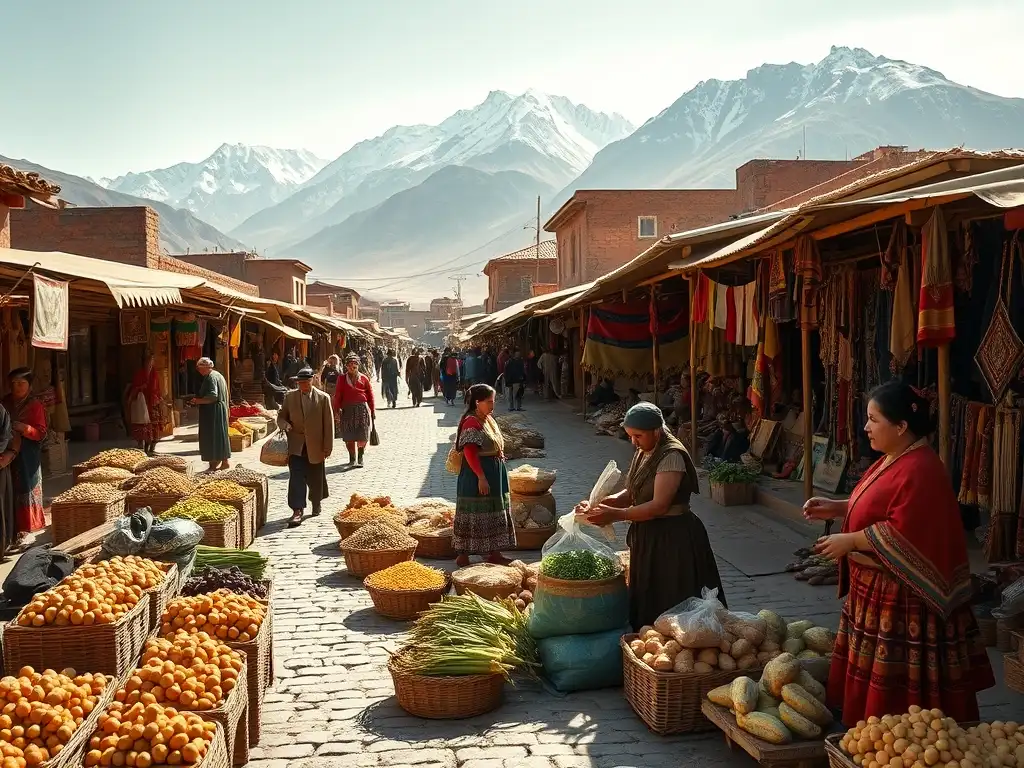
The Andean food distribution system wasn't merely a logistical feat; it was deeply intertwined with the social and political fabric of Andean societies. Understanding its effectiveness requires analyzing the complex interplay between state control, reciprocal exchange, and the overall social structure. The efficiency of the system, especially during the Inca Empire, speaks volumes about their sophisticated understanding of resource management and its crucial role in maintaining social order and stability.
This intricate network ensured the survival and prosperity of these civilizations, highlighting a remarkable level of societal organization rarely seen in other pre-industrial societies. The system's success lay not just in its infrastructure, but also in its deeply ingrained social and political mechanisms.
The Inca Empire's Control over Food Resources
The Inca Empire, at its zenith, controlled an immense territory encompassing diverse ecological zones. This geographical diversity, while offering a variety of crops, also presented a logistical challenge: ensuring food security across such a vast and varied landscape. The Inca state addressed this challenge through a highly centralized system of resource management. They employed a sophisticated network of tambos (roadside inns) and qollqas (storehouses) strategically located along their extensive road network. These facilities served as vital nodes in the Andean food distribution system, allowing for the efficient storage and redistribution of agricultural surpluses.
The Inca's control extended beyond infrastructure. They implemented a system of mita, a form of mandatory labor, to cultivate and harvest crops on a massive scale. This ensured a steady supply of food for the empire's population, including the army, religious institutions, and the ruling elite.
Furthermore, the Inca state meticulously recorded agricultural yields and population statistics, enabling them to anticipate potential shortages and implement proactive measures. This administrative prowess, coupled with their infrastructural achievements, allowed them to effectively manage food resources and prevent widespread famine, a remarkable achievement for a pre-industrial empire. Detailed records, though not always fully preserved, indicate a level of bureaucratic sophistication that facilitated the precise allocation of resources based on need.
The Role of the State in Food Distribution
While the Inca Empire represents the most centralized example, the role of the state in food distribution varied across different Andean societies. Even before the Inca, states like the Wari and Tiwanaku played significant roles in managing agricultural production and distribution. Evidence suggests that these earlier states also utilized storage facilities and employed labor systems to ensure food security within their territories. However, the scale and sophistication of the Inca system arguably surpassed those of its predecessors.
The state's involvement in food distribution wasn't solely about preventing famine. It also served as a powerful tool for consolidating political power and maintaining social order. By controlling the flow of food, the state could reward loyal subjects, punish dissenters, and solidify its authority. The distribution of food was thus not just a practical necessity but also a crucial element of political strategy, demonstrating the close relationship between sustenance and power in Andean societies. This intricate relationship between food distribution and governance highlights the deep social and political implications of even seemingly mundane aspects of daily life.
The Concept of Reciprocity in Andean Societies
Beyond state control, reciprocal exchange played a vital role in the Andean food distribution system. Ayni and minka, forms of reciprocal labor and exchange, were integral parts of Andean social life. These systems fostered cooperation and mutual support within communities, ensuring the equitable distribution of resources and mitigating the risks associated with agricultural variability. Families and communities would assist each other with agricultural tasks, sharing labor and resources, creating a safety net that complemented the state-controlled system.
This reciprocal system wasn't merely based on altruism; it was embedded within a complex web of social obligations and relationships. Participation in ayni and minka reinforced social bonds and ensured the continued functioning of the community. The exchange of goods and services strengthened social ties and created a sense of collective responsibility, contributing to the resilience of Andean societies in the face of environmental challenges.
This system of reciprocal exchange, therefore, played a crucial complementary role to the state-controlled system, showcasing the diverse strategies employed to ensure food security. The combination of state-led organization and community-based reciprocity created a robust and adaptable system capable of sustaining large populations across a wide variety of environments.
The Legacy of the Andean Food Distribution System
The Andean food distribution system, a marvel of pre-Columbian engineering and social organization, continues to fascinate and inspire researchers and logisticians alike. Its efficiency, resilience, and adaptability to diverse geographical conditions stand as a testament to the ingenuity of Andean civilizations. This system, far from being a simple matter of moving food from point A to point B, was intricately woven into the fabric of Andean society, reflecting complex social structures, religious beliefs, and a deep understanding of their environment.
The system's success hinged on a combination of factors: sophisticated storage techniques, a well-defined network of pathways and storage facilities (depots), and a highly organized system of labor and resource allocation. Understanding this legacy provides valuable insights into effective food management, particularly relevant in today's world grappling with issues of food security and sustainable resource management.
The sheer scale of the operation, considering the mountainous terrain and the lack of advanced technologies, is truly remarkable. We'll explore these aspects in more detail in the following sections.
Lessons for Modern Food Logistics
The Andean food distribution system offers several crucial lessons for modern food logistics. Firstly, the emphasis on decentralized storage is particularly relevant in the face of climate change and supply chain disruptions. The Incas, for example, utilized a network of strategically located storehouses (qollqas) throughout their empire, minimizing the risk of widespread food shortages due to localized events like droughts or natural disasters. This contrasts sharply with modern systems that often rely on centralized distribution centers, creating vulnerabilities. Secondly, the Andean system highlights the importance of community involvement and collaborative management.
Food production and distribution weren't solely the responsibility of a central authority; rather, it involved the collective effort of communities, with responsibilities and contributions clearly defined. This fostered a sense of shared responsibility and ensured the system’s sustainability. Thirdly, the system’s adaptability to diverse environments is noteworthy. The Incas and other Andean cultures successfully adapted their storage and distribution methods to the varying altitudes, climates, and terrains of their vast empire, demonstrating a remarkable level of flexibility and resilience.
Finally, the system's integration with religious and social structures ensured its long-term viability. Food wasn't simply a commodity; it was deeply embedded in the social and spiritual life of the communities, strengthening the collective commitment to its management. Modern food logistics could benefit from adopting some of these principles to create more resilient and equitable systems. The integration of technology with these traditional wisdoms is a field ripe for further study and innovation.
The Influence on Contemporary Andean Communities
The legacy of the ancient Andean food distribution system continues to exert a significant influence on contemporary Andean communities. While modern technologies and market forces have undoubtedly transformed food production and distribution, many traditional practices persist. For example, the use of qollqas, although often adapted for modern needs, remains relevant in many rural communities for storing grains, potatoes, and other staples. The communal aspect of food management also continues in many areas, particularly in the cooperative management of irrigation systems and the sharing of resources within extended families and communities.
However, the integration of modern food systems has also presented challenges. The increased reliance on market-based systems has led to a decline in traditional agricultural practices in some areas, while the influx of processed foods has impacted dietary habits and food security. Understanding the interplay between traditional practices and modern influences is crucial for developing sustainable and culturally sensitive food policies in the Andes.
Studies show that maintaining traditional practices alongside modern technologies can lead to more resilient and equitable food systems. Further research is needed to quantify the exact impact of the legacy system on current practices and to fully understand the challenges and opportunities that lie ahead. The preservation and enhancement of indigenous knowledge are key to ensuring food security and cultural sustainability in the region.
Preserving the Knowledge of Ancient Andean Practices
Preserving the knowledge of ancient Andean food distribution practices is crucial for several reasons. First, it offers valuable insights into sustainable resource management and food security strategies that are highly relevant in the face of climate change and growing global food insecurity. Secondly, safeguarding this knowledge helps maintain cultural heritage and identity. The Andean food distribution system was not merely a logistical feat; it was deeply interwoven with social, religious, and cultural practices.
Its preservation contributes to the ongoing vitality of Andean cultures. Thirdly, this knowledge holds potential for innovation in modern food logistics. By studying the ingenious solutions developed by ancient Andean societies, we can potentially identify innovative approaches to improve the efficiency, resilience, and equity of modern food systems. Several initiatives are underway to document and preserve this knowledge, including archaeological research, ethnographic studies, and the development of educational programs.
However, more efforts are needed to ensure the active participation of Andean communities in the preservation and transmission of this valuable heritage. The active involvement of indigenous communities is paramount to avoid cultural appropriation and to ensure that this knowledge benefits those who have been stewards of it for millennia. Documenting and disseminating this knowledge through accessible platforms and educational materials is essential for its long-term preservation and utilization. The challenge lies in finding a balance between preserving the integrity of this ancient knowledge and adapting it to meet the needs of a changing world.
Frequently Asked Questions
How did the Andean civilizations manage food distribution across such varied terrain?
The Andean civilizations employed an ingenious system of vertical archipelago, utilizing diverse ecological zones to produce a wide range of crops. They established networks of roads and storage facilities to efficiently move food across mountains and valleys.
What role did the Inca Empire play in food distribution?
The Inca Empire significantly centralized and expanded the existing system, building a vast network of roads and using state-controlled warehouses (qollqas) for storage and redistribution. This ensured food security and supported their large population.
What were some of the key challenges in Andean food distribution?
Geographical challenges, such as mountainous terrain and varied climates, posed significant obstacles. Maintaining storage against spoilage and ensuring equitable distribution across the empire were also crucial concerns.
What types of food were commonly distributed within the Andean system?
The system distributed a diverse range of staple crops, including potatoes, maize, quinoa, and beans. Llama and alpaca were also important sources of meat and wool, distributed according to need and social standing.
How did the Andean food distribution system contribute to the empire's success?
The efficient food distribution system ensured stability and prosperity, enabling population growth and the construction of massive infrastructure projects. This reliable food supply was crucial to the Inca Empire's power and longevity.
Final Reflection: Echoes of the Inca: A Legacy of Ingenious Logistics
The ingenious Andean food distribution system, once the backbone of a vast empire, offers invaluable lessons for our modern world grappling with issues of food security and sustainable logistics. Its sophisticated network of storehouses, intricate road systems, and community-based resource management stands as a powerful testament to human ingenuity and the importance of collaborative planning. The challenges of climate change and global supply chain vulnerabilities make understanding such historical models more crucial than ever.
The enduring impact of the Inca's logistical prowess is evident not only in the archaeological record but also in the continued relevance of their principles. Their understanding of diverse terrains, climate adaptation, and community participation resonates deeply with contemporary efforts to build resilient food systems. The Inca system was not merely about storage; it was about social organization, risk management, and the creation of a stable and equitable society.
This quote encapsulates the holistic approach that modern societies could benefit from adopting to address food insecurity and promote sustainable practices. The system's emphasis on community involvement and mutual support offers a powerful counterpoint to the often-individualistic nature of modern food production and distribution.
Consider the ingenuity of the qollqas, those strategically placed storehouses that ensured food security across diverse landscapes. Reflect on the interconnectedness of the chasquis, the relay runners who facilitated rapid communication and efficient resource allocation. You, the reader, are now empowered to apply these lessons to your own context. Think about how principles of community collaboration, strategic planning, and sustainable resource management can be integrated into your daily life, from supporting local farmers to advocating for more resilient food systems in your community. Let the echoes of the Inca inspire you to build a more equitable and sustainable future.
Unveil the Wisdom of Andean Logistics Today!
Thank you for exploring the incredible world of Andean civilizations with us! Your interest in their remarkable food distribution systems demonstrates a keen understanding of their ingenuity and efficiency, offering valuable lessons for modern practices. Let's put this knowledge to work!
Here are some ways to further explore this fascinating topic:
- Delve deeper into Andean history: Expand your knowledge by reading articles on Andean innovations and their applicability to contemporary logistics challenges. Consider focusing on specific examples, such as the Inca road system or the organization of their agricultural production.
- Share your newfound insights: Discuss your discoveries with friends and colleagues, exploring the surprising relevance of ancient practices in our modern world. Highlighting specific examples will make the discussion more engaging and productive.
- Join a community of like-minded individuals: Participate in workshops or online forums dedicated to sustainable logistics and community-based distribution systems. Connecting with others will broaden your perspective and offer opportunities for collaboration.
How can the principles of the Andean food distribution system inform your own projects or daily life? Consider the implications of their decentralized networks and community-based approaches.