
The Role of Terracing in Andean Agriculture: A Masterpiece of Engineering

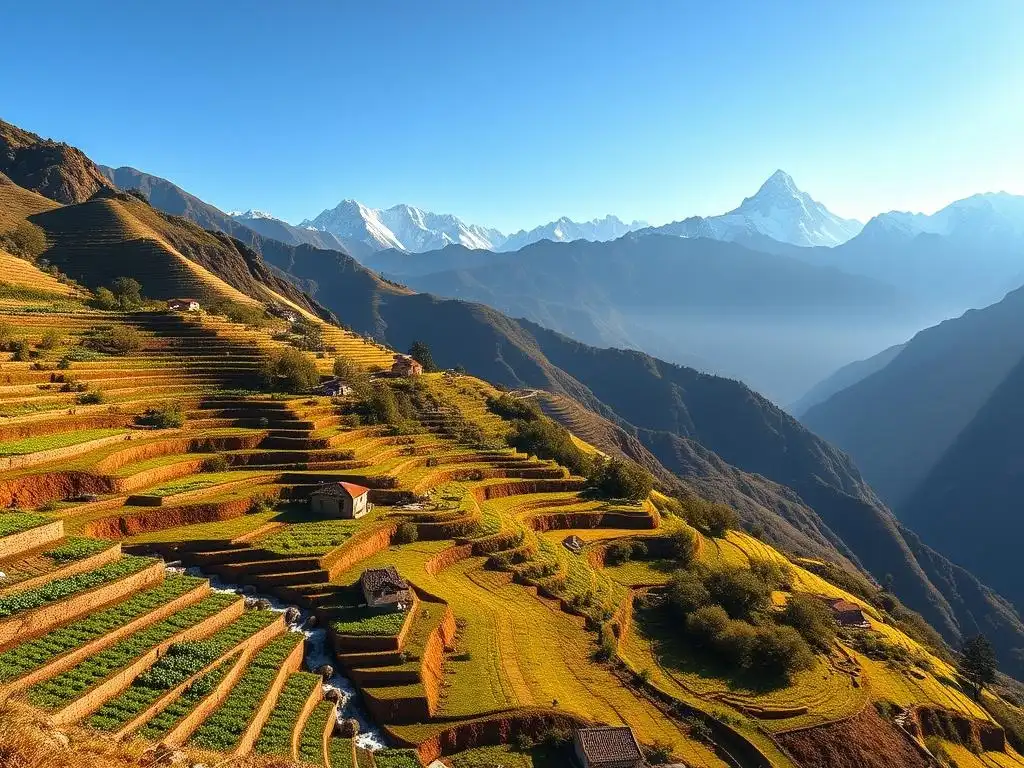
Dive into the mesmerizing world of Andean Civilizations! From the towering heights of the Andes to the fertile valleys below, uncover a legacy of ingenuity and resilience. But how did these ancient cultures thrive in such challenging terrain? The answer lies partly in their remarkable mastery of Andean terrace farming techniques, a sophisticated agricultural system that shaped their societies and continues to fascinate us today. Unravel the secrets of this breathtaking engineering marvel and explore the vibrant tapestry of Andean life – your journey begins now.
The Andes Mountains, a formidable yet breathtaking landscape, presented ancient Andean civilizations with a significant challenge: cultivating food in steep, often treacherous terrain. The solution they devised, however, was nothing short of ingenious: terracing. This article delves into the fascinating world of Andean terrace farming techniques, exploring their remarkable engineering, agricultural impact, and lasting legacy.
We will examine how these sophisticated systems allowed for the flourishing of complex societies in some of the most challenging environments on Earth, showcasing the ingenuity and adaptability of the Andean peoples. Understanding these techniques offers a captivating glimpse into the ingenuity and resilience of these ancient cultures, highlighting their profound understanding of their environment and their ability to harness it for survival and prosperity. The impact of Andean terrace farming techniques resonates even today, influencing modern agricultural practices and inspiring awe in the face of human innovation.
The Engineering Marvel of Andean Terraces
Andean terrace farming techniques were not simply haphazard arrangements of fields on hillsides. They represented a sophisticated understanding of hydrology, soil science, and engineering principles. The construction involved meticulous planning and execution, often utilizing locally sourced materials such as stone and earth. Terraces were built in cascading steps, following the contours of the landscape.
This prevented soil erosion, a major concern in steep areas. Furthermore, the terraces themselves acted as retaining walls, holding back the soil and preventing landslides. The size and spacing of terraces varied depending on the slope of the land and the type of crop being cultivated. Some terraces were small, suitable for growing smaller crops, while others were large enough to accommodate larger crops or even livestock.
The precision involved in their creation is evident in the remarkable alignment and stability of many remaining terrace systems. Consider the sheer scale of some projects – the effort required to create these enduring structures speaks volumes about the organizational capacity and labor mobilization of these ancient societies. The construction also involved careful consideration of water management, a crucial aspect we'll explore further.
Water Management: The Life Blood of Andean Terraces
Water was, and remains, a precious resource in the Andes. Andean terrace farming techniques incorporated sophisticated water management systems to maximize the efficient use of available water. Channels and irrigation systems were meticulously designed to divert water from rivers and streams to the terraces. These systems often involved complex networks of canals, ditches, and aqueducts, demonstrating a deep understanding of hydraulics.
The water was carefully channeled to ensure that each terrace received an adequate supply, preventing both waterlogging and drought. In some cases, ingenious systems of reservoirs were also constructed to store water for use during dry periods. The effectiveness of these systems is evident in the success of Andean agriculture, which sustained large populations for centuries. The precise engineering of these water management systems also highlights the deep connection between the Andean people and their environment, a relationship characterized by respect and a profound understanding of ecological principles.
Crops and Cultivation Practices: Adapting to Altitude and Climate
The diversity of crops cultivated on Andean terraces reflects the remarkable adaptability of these ancient farming techniques. The altitude and climate varied significantly across different regions of the Andes, requiring farmers to adapt their cultivation practices to suit specific conditions. High-altitude terraces often supported crops like potatoes, quinoa, and other hardy Andean grains, while lower-altitude terraces were used to grow maize, beans, and other crops. The specific planting times and cultivation methods were adjusted according to altitude, slope and microclimate.
Crop rotation and intercropping were also common practices, further enhancing the efficiency and sustainability of the system. The ingenuity and diversity of crops cultivated showcased not only the adaptability of the Andean people but also the rich biodiversity of the region. The success of these diverse cultivation practices underscores the effectiveness of Andean terrace farming techniques in supporting a wide range of crops.
The Enduring Legacy of Andean Terrace Farming
The legacy of Andean terrace farming techniques extends far beyond their historical significance. These systems continue to inspire modern agricultural practices, offering valuable lessons in sustainable land management and water conservation. The principles of terracing are being applied in various parts of the world to address challenges related to soil erosion and water scarcity. Moreover, many Andean terrace systems remain in use today, providing a testament to their durability and effectiveness.
The preservation and restoration of these ancient systems are crucial for maintaining biodiversity, protecting the environment, and supporting local communities. The continued relevance of Andean terrace farming techniques underscores their enduring value and their potential to contribute to sustainable agricultural practices in the future. The study and appreciation of these techniques offer a pathway towards more environmentally responsible and resilient agricultural systems globally.
- The Engineering Marvel of Andean Terraces
- Water Management: The Life Blood of Andean Terraces
- Crops and Cultivation Practices: Adapting to Altitude and Climate
- The Enduring Legacy of Andean Terrace Farming
Understanding Andean Terrace Farming Techniques
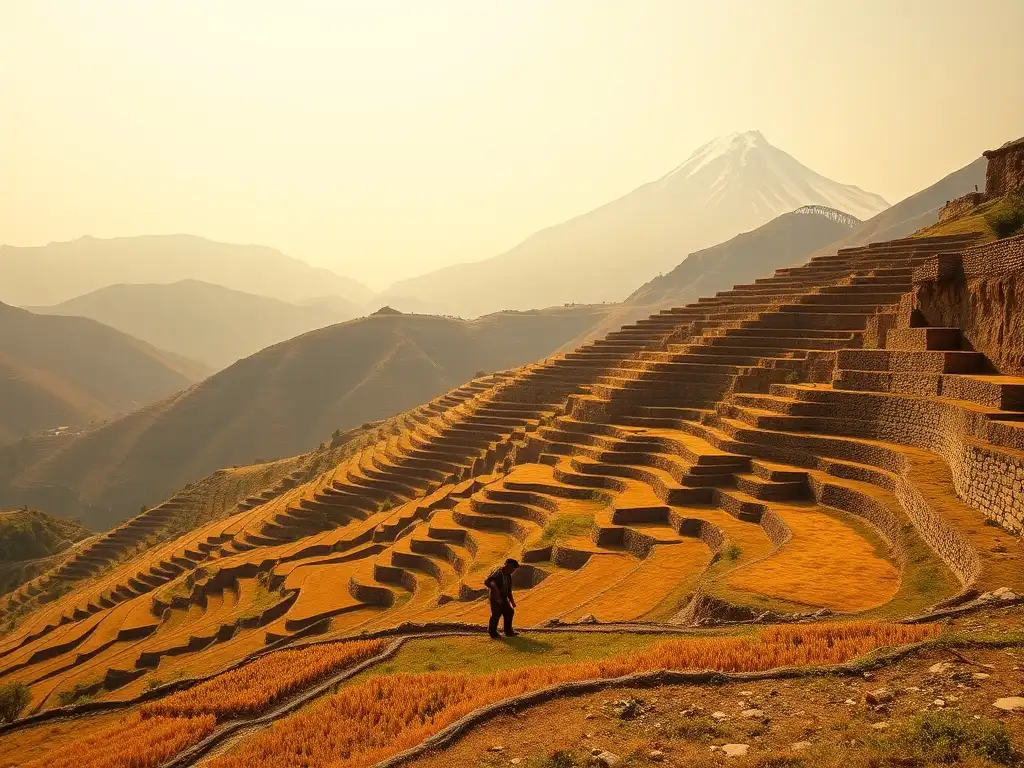
This section delves into the intricacies of Andean terrace farming techniques, a testament to the ingenuity and adaptability of ancient Andean civilizations. We'll explore the significance of these agricultural marvels, their adaptation to the challenging Andean landscape, and the multifaceted benefits they provided. Understanding these techniques offers a deeper appreciation for the sophisticated agricultural practices that sustained these remarkable cultures. The keyword "Andean terrace farming techniques" and its semantic variations will be interwoven throughout the discussion to optimize search engine visibility.
The Significance of Terracing in Ancient Andean Agriculture
The development of terrace farming in the Andes represents a pivotal moment in the history of Andean agriculture. Before the widespread adoption of terracing, cultivating the steep slopes of the Andes was extremely challenging. Erosion was rampant, and the limited arable land resulted in low crop yields.
Terracing fundamentally changed this equation. By creating a series of level platforms on hillsides, farmers dramatically increased the amount of usable land available for cultivation. This innovation allowed for the support of larger populations and the development of complex societal structures.
The impact of terracing extended beyond increased food production; it also contributed to the stability and prosperity of Andean societies for centuries. This ingenious solution to a challenging environmental problem allowed for the flourishing of diverse crops and sustained the growth of impressive Andean civilizations. The effectiveness of this system is evident in the enduring legacy of these terrace systems, many of which are still visible today.
Adapting to the Andean Landscape: Necessity of Terrace Construction
The Andes Mountains present a formidable challenge to agriculture. The steep slopes, variable altitudes, and intense weather conditions make cultivating crops a difficult undertaking. The necessity of terrace construction arose directly from the limitations imposed by this challenging terrain.
The uneven slopes led to rapid soil erosion, rendering much of the land unsuitable for farming. Furthermore, the variability in rainfall and sunlight across different slopes further complicated agricultural efforts. Terracing provided a solution by creating level platforms that slowed down water runoff, reduced soil erosion, and allowed for better control over water distribution and sunlight exposure.
The construction of terraces was not merely a matter of practicality; it was a crucial adaptation that allowed Andean farmers to successfully cultivate crops in an otherwise challenging environment. This ingenuity allowed for the cultivation of a diverse range of crops, contributing significantly to the economic and social stability of Andean societies. The precise engineering involved in these terraces, often incorporating sophisticated drainage systems, showcases the advanced understanding of the environment possessed by Andean engineers.
Purpose and Benefits of Agricultural Terraces
Andean agricultural terraces served multiple crucial purposes, extending far beyond simple land augmentation. The primary purpose, of course, was to increase arable land. However, the benefits went far beyond this. Terracing significantly improved soil conservation by reducing erosion.
The level platforms captured rainwater, preventing it from rushing downhill and carrying away precious topsoil. This resulted in richer, more fertile soil, leading to higher crop yields. Furthermore, terraces allowed for more efficient irrigation. Water could be channeled and distributed more effectively across the terraced fields, ensuring that crops received adequate moisture even during dry periods.
The controlled water flow also minimized flooding and waterlogging, which could damage crops. This sophisticated system, characterized by its integration with the natural environment, showcases the remarkable adaptability and engineering prowess of Andean civilizations. The creation of microclimates within the terraced fields further enhanced crop production, showcasing a deep understanding of agricultural principles. The long-term success of Andean terrace farming demonstrates its effectiveness and sustainability.
Pre-Inca Terrace Farming Methods
Pre-Inca civilizations, including the Moche, Nazca, and Tiahuanaco, developed sophisticated terrace farming techniques long before the Inca Empire's rise. These methods, while varying in specifics depending on the particular culture and geography, shared a common goal: maximizing arable land in challenging Andean terrains. The Moche, known for their intricate irrigation systems, built terraces that often incorporated canals and reservoirs to manage water flow efficiently, particularly crucial in the arid coastal regions.
Evidence suggests that their terraces were constructed using a combination of stone retaining walls and compacted earth, demonstrating a high level of engineering skill. The precise methods for stone selection and placement varied, likely adapting to the local availability of materials and the specific slope of the terrain. Archaeological findings show a remarkable understanding of soil types and drainage, with terraces often tailored to the specific needs of different crops.
The Nazca, famous for their geoglyphs, also employed advanced terracing techniques, often integrating them with their complex water management systems. Their terraces, frequently found on steep slopes, utilized a combination of stone walls and earthworks to create level platforms for cultivation. Unlike some later Inca constructions, Nazca terraces sometimes incorporated less elaborate stonework, focusing on functionality over elaborate aesthetics.
However, the precision and scale of their terracing projects highlight a deep understanding of the Andean landscape and its limitations. The efficiency of their methods is evident in the successful cultivation of crops in a remarkably harsh environment. Research suggests that the Nazca's understanding of water retention within their terraces was particularly sophisticated, allowing them to cultivate a diverse range of crops despite limited rainfall.
Tiahuanaco, a powerful civilization in the Altiplano region, developed its own distinctive approach to terrace farming. Their terraces were often larger and more extensive than those of the coastal cultures, reflecting the different ecological conditions of the high Andes. The Tiahuanaco utilized a combination of stone and earth, with the stonework often more prominent and meticulously crafted than in some earlier methods.
They also implemented sophisticated irrigation systems, diverting water from mountain streams and lakes to nourish their crops. The scale and precision of their terracing projects are testament to their advanced understanding of engineering and agriculture. The use of raised fields, a type of terrace farming, allowed them to cultivate crops even in swampy or waterlogged areas, further demonstrating their innovative approach to agriculture.
Analysis of Tiahuanaco terraces reveals a remarkable understanding of soil fertility and the impact of elevation on crop yields. Their legacy in Andean terrace farming is undeniable.
Engineering and Construction of Andean Terraces
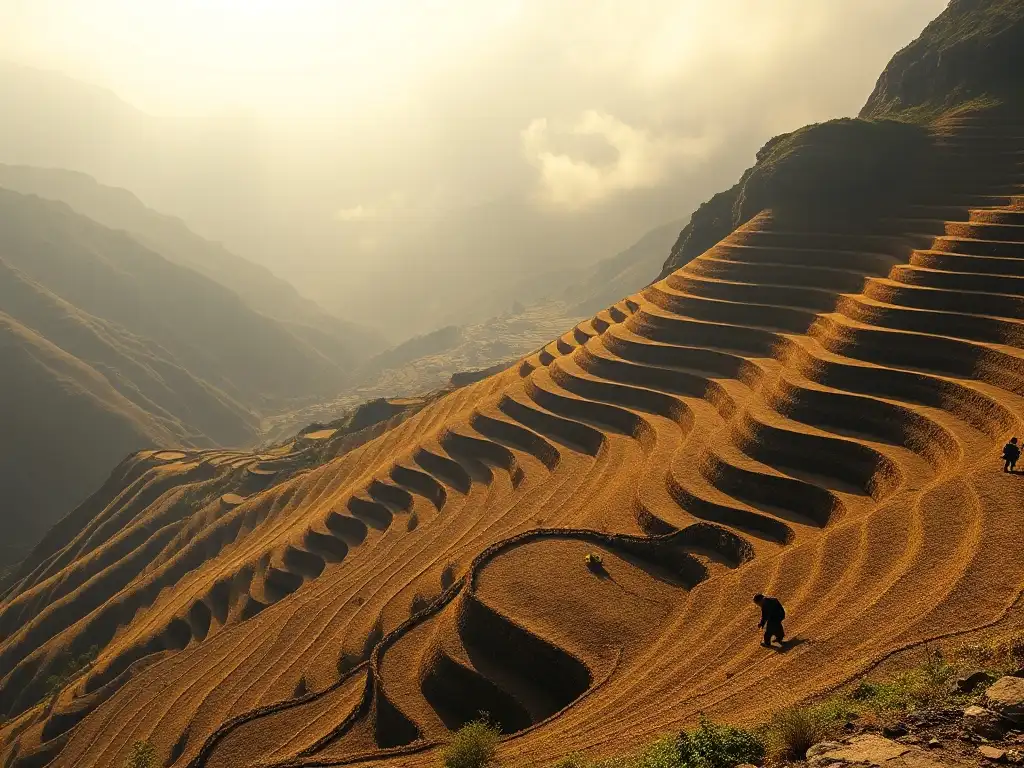
Andean terrace farming techniques represent a remarkable feat of engineering, showcasing the ingenuity and adaptability of ancient Andean civilizations. These agricultural marvels weren't simply carved into hillsides; they were meticulously planned and executed, demonstrating a deep understanding of topography, hydrology, and soil science. The construction itself was a complex process, requiring significant labor and coordination, often involving entire communities working together. The scale of these projects, particularly considering the tools available at the time, is truly awe-inspiring.
The success of Andean terrace farming is a testament to the effectiveness of their techniques and their profound knowledge of their environment. Their impact on the landscape is still visible today, a lasting legacy of their agricultural prowess. This section delves into the specifics of the engineering and construction involved in creating these remarkable agricultural systems.
Materials Used in Terrace Construction
The materials used in Andean terrace construction varied depending on the specific location and the availability of resources. However, some common materials were consistently employed. Stone, readily available in many Andean regions, was a primary building material. Different types of stone were used, selected based on their durability and ease of working. Larger stones formed the retaining walls, while smaller stones and rubble filled the gaps, creating a stable and robust structure.
In areas where stone was scarce, other materials were utilized. Adobe bricks, sun-dried mud bricks, were employed in some regions, particularly in lower-altitude areas. These bricks were carefully shaped and laid to form the terrace walls. Finally, soil itself played a crucial role, acting as both a building material and a vital component of the agricultural system.
The careful layering of soil within the terraces helped to create fertile and well-drained plots. The selection and placement of these materials were critical to the long-term stability and productivity of the terraces. Evidence suggests that careful consideration was given to the properties of each material to optimize the terrace's performance. The ingenuity of using readily available, locally sourced materials highlights the sustainability of these ancient Andean farming techniques.
The Design and Structure of Andean Agricultural Terraces
The design and structure of Andean terraces were far from haphazard. They were carefully planned to maximize agricultural productivity while minimizing erosion and water runoff. The terraces themselves were typically constructed on slopes, following the contours of the land. This design minimized soil erosion and created level platforms for planting.
The retaining walls, often made of stone, were built to withstand the pressures of the soil and the forces of nature. The height and width of the terraces varied depending on the slope of the land and the type of crops being cultivated. Steeper slopes typically had shorter, wider terraces, while gentler slopes allowed for taller, narrower ones. The terraces were not simply stacked on top of each other; they were often interconnected by a system of channels and pathways, allowing for efficient irrigation and access to the fields.
Careful consideration was also given to drainage, with channels built into the terraces to prevent waterlogging and soil erosion. The overall structure of these systems reflects a sophisticated understanding of engineering principles and a deep respect for the natural environment. The consistent success of these structures over centuries is a testament to their robust design and construction. Further research is needed to fully understand the variations in terrace design across different Andean regions.
Soil Management and Water Control in Terraces
Andean terrace farming techniques were not just about construction; they involved sophisticated soil management and water control strategies. The soil within each terrace was carefully managed to optimize fertility and drainage. Different soil types were sometimes layered to create a more fertile and well-drained growing medium. Organic matter, such as manure and compost, was added to enrich the soil and improve its water retention capacity.
Water control was crucial for the success of terrace farming. Irrigation systems were developed to efficiently distribute water to the terraces, ensuring that crops received adequate moisture. Channels and ditches were constructed to carry water from sources such as springs or rivers to the terraces. These systems were often carefully designed to manage water flow, preventing erosion and ensuring that water reached all parts of the terraces.
The use of check dams and other water control structures helped to regulate the flow of water and prevent flooding. This sophisticated water management system allowed Andean farmers to cultivate crops even in arid and semi-arid regions. The combination of careful soil management and precise water control was essential to the productivity and sustainability of Andean terrace farming systems. Analysis of ancient water management systems reveals a deep understanding of hydrology and a remarkable ability to adapt to diverse environmental conditions.
Labor and Organization in Terrace Building
The construction of Andean terraces was a monumental undertaking, requiring immense amounts of coordinated labor. It wasn't simply a matter of moving earth; it involved meticulous planning, surveying, and execution. Evidence suggests a highly organized system, likely involving a complex social hierarchy that directed and managed the workforce. The scale of some terrace systems, spanning vast mountain slopes, points towards a mobilized population working in synchronized teams.
We can imagine the scene: thousands of people, possibly organized into ayllus (kinship-based communities) or other social units, working together, each with assigned tasks and responsibilities. The precise organizational structure remains a subject of ongoing research, but the sheer scale of the projects demands a sophisticated system of labor management. Archaeological findings, such as tools and the remains of settlements near terrace sites, offer clues but much remains to be deciphered about the day-to-day organization and social dynamics involved in terrace construction.
The organization extended beyond the immediate workforce. The procurement of materials, such as stones for retaining walls, and the provision of food and shelter for the workers required a comprehensive logistical network. This implies a sophisticated understanding of resource management and distribution, reflecting the advanced capabilities of Andean societies in planning and executing large-scale projects. It was not just brute force; it was intelligent application of manpower, resources, and organizational skill.
The efficiency of the system is evident in the enduring legacy of these terraces, many of which remain functional even today, a testament to the planning and expertise of the builders. Furthermore, the integration of terrace construction with other aspects of community life, such as religious practices and social events, likely played a vital role in maintaining morale and ensuring the sustained commitment required for such extensive projects. It is this combination of technical skill and social organization that truly makes the construction of Andean terraces a remarkable feat of engineering.
The precise methods of incentivizing and managing such vast labor pools are still being actively investigated by researchers. Some hypothesize a system of reciprocal labor obligations within the ayllus, while others suggest a more centralized, state-sponsored approach in certain regions and time periods. The answer, likely, is nuanced and varies depending on the specific context and civilization.
Types of Terraces and Their Functions
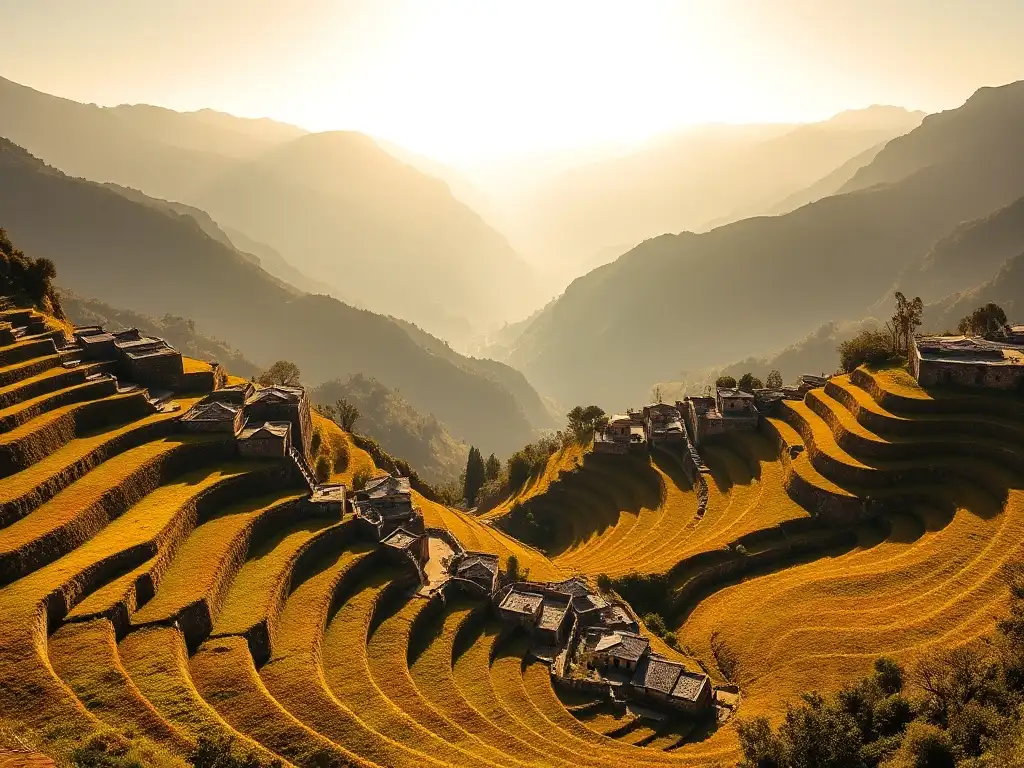
Andean terrace farming techniques represent a sophisticated adaptation to the challenging Andean landscape. The ingenuity of these systems allowed for intensive agriculture on steep slopes, maximizing arable land and supporting large populations. Understanding the different types of terraces employed is crucial to appreciating the complexity and effectiveness of this ancient agricultural technology. The varied topography across the Andes necessitated diverse approaches to terrace construction, each tailored to specific environmental conditions and agricultural needs. This section will explore the most prevalent types, highlighting their unique characteristics and functionalities.
Bench Terraces: The Most Common Type
Bench terraces, also known as level terraces, are arguably the most common type found throughout the Andes. These terraces are characterized by their relatively flat surfaces, created by cutting into the slope and building retaining walls. The flat platforms provide ample space for planting and cultivation, minimizing soil erosion and maximizing water retention. The walls themselves, typically constructed from stone, act as barriers, preventing soil slippage and channeling water effectively.
The construction of bench terraces required significant labor and engineering skill, demonstrating the advanced understanding of hydraulics and soil mechanics possessed by Andean farmers. Careful planning was necessary to ensure proper drainage and prevent waterlogging, which could damage crops. The size and dimensions of bench terraces varied depending on the slope’s steepness and the available resources. In some regions, particularly those with abundant stone, massive walls were built, creating substantial and enduring terraces.
In other areas, smaller-scale terraces with less substantial walls were constructed, reflecting the adaptation to local conditions. The effectiveness of bench terraces is evident in their widespread use and longevity, showcasing their resilience and suitability for diverse Andean environments. Evidence of these terraces, in various states of preservation, can still be observed today, bearing testament to the skill and foresight of their creators. The careful placement and orientation of these terraces often maximized sunlight exposure, further improving crop yields.
Contour Terraces: Following the Land's Natural Shape
Unlike the strictly level platforms of bench terraces, contour terraces follow the natural contours of the land. This type of terrace construction is particularly well-suited to gentler slopes, where creating perfectly level surfaces is less crucial. The terraces are built along the slope’s contours, creating a series of gently sloping platforms. While not as dramatically level as bench terraces, contour terraces still effectively reduce soil erosion by slowing the flow of water downhill.
They offer advantages in terms of reduced labor and materials compared to the more substantial bench terraces. The construction of contour terraces was often less labor-intensive, requiring less extensive earthworks. However, careful planning and precise surveying were still necessary to ensure that the terraces followed the natural contours of the land effectively.
The use of contour terraces often integrated with other water management techniques, such as irrigation channels, to optimize water distribution across the terraced fields. These terraces demonstrate a practical approach to terracing, showcasing the adaptability of Andean farmers to different terrain types and resource availability. The efficiency of this method is proven by its continued use in many Andean communities today, alongside more modern agricultural practices.
Walled Terraces: Enhancing Stability and Water Retention
Walled terraces represent a more robust form of terracing, characterized by the use of substantial retaining walls to support the terraced platforms. These walls, often constructed from stone, are significantly larger and more substantial than those found in bench or contour terraces. The increased size and strength of the walls are critical for stabilizing the terraces on very steep slopes, where the risk of soil erosion and landslides is high. The walls themselves also play a vital role in water management.
Their height and design help to retain water within the terraced fields, providing a consistent water supply for crops. The careful construction of these walls, including the incorporation of drainage systems, ensures that excess water is channeled away efficiently, preventing waterlogging. The construction of walled terraces demanded considerable engineering skill and a deep understanding of soil mechanics and hydraulic principles. The use of different stone types and construction techniques varied across different regions, reflecting the adaptation to local materials and environmental conditions.
The monumental nature of some walled terraces, particularly those associated with Inca architecture, demonstrates the scale of engineering projects undertaken by Andean civilizations to support their agricultural systems. The longevity and effectiveness of these structures are testament to the mastery of Andean terrace farming techniques. The surviving examples serve as a powerful reminder of the impressive agricultural achievements of these ancient societies.
Waru Waru Terraces: Raised Beds for Water Management
Waru Waru terraces represent a sophisticated water management system developed by pre-Columbian Andean cultures, particularly prominent among the Tiwanaku and Aymara peoples of the Altiplano region. Unlike the more commonly known hillside terraces, Waru Waru are raised fields constructed in swampy or wetland areas. These weren't simply elevated plots; they were meticulously designed to maximize agricultural output in challenging environments. The system's ingenuity lies in its ability to regulate water levels, control temperature, and improve soil fertility.
The construction involved digging canals between raised beds. These canals served several crucial purposes. Firstly, they acted as drainage channels, preventing waterlogging which would otherwise suffocate crops. Secondly, they provided a readily available source of irrigation water, especially crucial during the dry season.
The water in these canals also moderated temperature fluctuations, creating a more stable microclimate conducive to plant growth. Furthermore, the canals enriched the soil in the raised beds through the natural process of sedimentation. Nutrients carried by the water settled in the canals, gradually building up the fertility of the surrounding soil. This is a prime example of sustainable agriculture, minimizing environmental impact and maximizing resource use.
The raised beds themselves were often constructed using local materials, including earth and organic matter. This organic matter, incorporated into the beds, further enhanced soil fertility and improved its water retention capacity. The size and shape of the Waru Waru beds varied depending on the specific environmental conditions and the crops being cultivated.
Larger beds were often used for crops requiring more space, while smaller beds were suitable for more compact plants. The precise arrangement of the beds and canals was carefully planned to optimize sunlight exposure and drainage. This careful planning demonstrates a deep understanding of hydrology and ecology.
Archaeological evidence reveals that Waru Waru systems were remarkably effective in increasing agricultural yields. Studies have shown that these raised fields could produce significantly higher crop yields compared to traditional farming methods in similar environments. The combination of efficient water management, improved soil fertility, and controlled microclimates made Waru Waru terraces a crucial element in supporting large populations in challenging Andean environments.
Their success underscores the sophisticated engineering and agricultural knowledge of the ancient Andean civilizations. The legacy of Waru Waru continues to inspire modern sustainable agricultural practices, offering valuable lessons for managing water resources and increasing food production in challenging climates. The system's resilience and adaptability make it a testament to the ingenuity of Andean farmers.
The Impact of Terracing on Agricultural Productivity
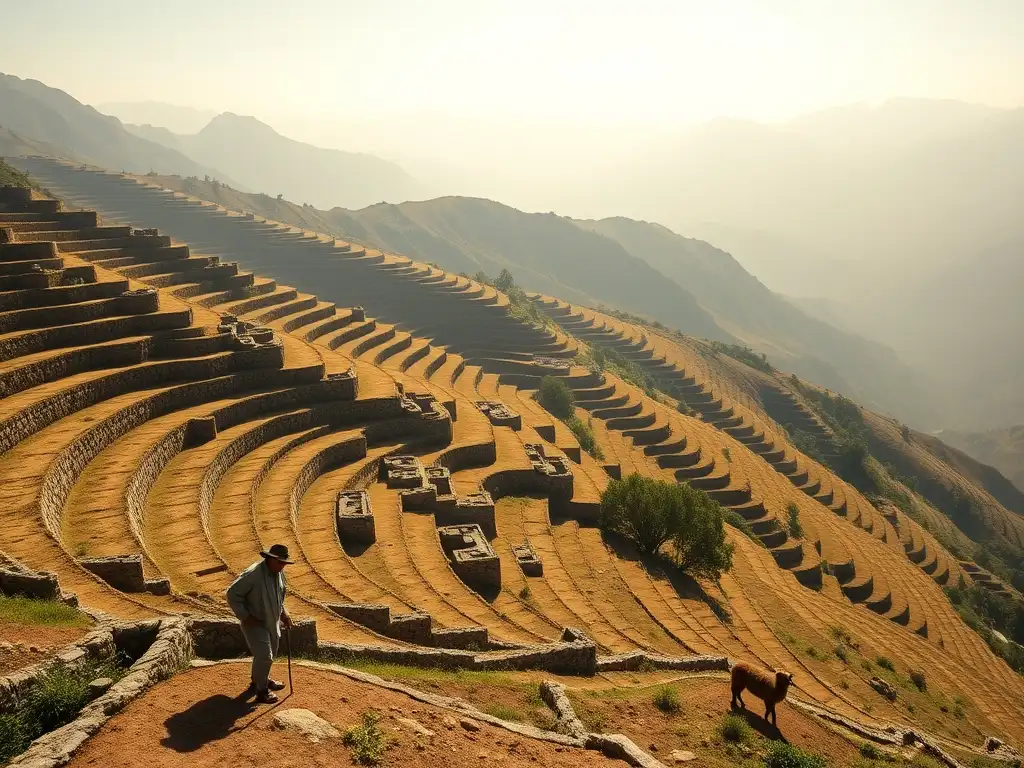
Andean terrace farming techniques represent a remarkable feat of engineering and agricultural ingenuity. Their impact on productivity across diverse Andean landscapes is profound and multifaceted, significantly boosting food production in challenging environments. The ingenuity of these systems allowed for the sustainable cultivation of crops in areas otherwise unsuitable for agriculture. This section will explore the key ways terracing enhanced agricultural productivity in the Andes.
Maximizing Arable Land Through Terraces
The steep slopes of the Andes presented a significant challenge to agriculture. Traditional farming methods were ineffective on these inclines, leading to soil erosion and limited arable land. The solution devised by Andean civilizations was the construction of terraces – a series of flat, step-like platforms carved into hillsides. This ingenious system dramatically increased the amount of land available for cultivation.
For example, the Incas, renowned for their sophisticated agricultural practices, built extensive terrace systems throughout their empire. These terraces weren't simply haphazardly carved; they were meticulously planned and constructed, often incorporating sophisticated irrigation systems. The scale of these projects is staggering, a testament to the organizational capabilities and engineering prowess of Andean societies.
The precise measurements and careful placement of terraces minimized soil erosion and maximized the usable land area, even on slopes exceeding 45 degrees. This allowed for the cultivation of a wider variety of crops and supported larger populations. Data from archaeological studies consistently show a correlation between the extent of terracing and population density in various Andean regions.
Improving Soil Fertility and Water Availability
Andean terrace farming techniques not only expanded arable land but also significantly improved soil fertility and water management. The flat surfaces of the terraces reduced soil erosion caused by rainfall runoff. The retained soil, enriched by organic matter and less prone to leaching, became more fertile and productive. Furthermore, the terraced structure facilitated water conservation. Water channeled through carefully designed irrigation systems could be distributed evenly across the terraces, ensuring sufficient moisture for optimal crop growth.
The construction of terraces often involved the careful layering of different soil types, further enhancing fertility. This practice demonstrates a deep understanding of soil science and its impact on crop yields. In addition, the terraces often incorporated swales and other water-retention features, allowing for better water infiltration and minimizing water loss through evaporation. These techniques were crucial in the arid and semi-arid regions of the Andes, where water scarcity is a major constraint to agriculture. The effective management of water resources through terracing was a key factor in the success of Andean agriculture.
Increased Crop Yields: The Success of Andean Agriculture
The combined effects of maximizing arable land, improving soil fertility, and enhancing water availability resulted in significantly increased crop yields in Andean agriculture. The success of Andean terrace farming is evident in the sustained agricultural productivity observed in these regions for centuries. Analysis of archaeological remains and historical records indicates that the terraces supported diverse and abundant food production, providing sustenance for large populations.
The cultivation of staple crops like potatoes, maize, and quinoa was greatly facilitated by terracing. These crops thrived in the improved soil conditions and benefited from the controlled water supply. The increased yields enabled the development of complex societies and supported the growth of urban centers. The long-term sustainability of Andean terrace farming is a testament to its effectiveness.
Even today, many of these terraces remain in use, demonstrating the enduring legacy of this remarkable agricultural technology. The impressive productivity achieved through Andean terrace farming techniques showcases the innovative spirit and deep understanding of agricultural principles possessed by these ancient civilizations. This sophisticated approach to agriculture deserves to be recognized as a significant milestone in human agricultural history.
Sustainable Practices in Terraced Farming Systems
Andean terrace farming techniques weren't just about maximizing crop yields; they were deeply intertwined with sustainable practices that ensured the long-term viability of the agricultural system. These weren't haphazardly constructed fields; they represented a sophisticated understanding of environmental stewardship. The careful placement of terraces minimized soil erosion, a critical concern in the mountainous Andean regions prone to heavy rainfall and steep slopes. The terraces themselves acted as natural barriers, slowing the flow of water and preventing the topsoil from being washed away. This contrasts sharply with less sustainable farming methods which often lead to devastating land degradation.
Furthermore, the design of the terraces incorporated water management strategies. Channels and ditches were meticulously carved into the landscape to control irrigation, ensuring that water reached the crops efficiently while preventing flooding or waterlogging. This precise water management was particularly crucial in areas with limited water resources, optimizing water use and minimizing waste. The system was remarkably resilient to droughts, as the terraces helped to retain moisture in the soil. This efficient use of water resources is a key element of sustainable agriculture, especially in arid and semi-arid environments.
Another crucial aspect of sustainability in Andean terrace farming was the use of diverse crops. Farmers didn't rely on monocultures; instead, they employed intercropping techniques, planting a variety of crops within the same terrace. This biodiversity enhanced soil fertility, reduced the risk of crop failure due to pests or diseases, and provided a more varied and nutritious diet for the population. This contrasts with modern, large-scale farming practices which often prioritize single-crop yields, leading to ecological imbalances. The Andean approach demonstrated a profound understanding of ecological balance and the benefits of biodiversity.
The integration of livestock grazing within the terraced system also played a role in sustainability. Animals were often grazed on the less fertile areas, their manure enriching the soil and providing natural fertilizer. This careful integration of animal husbandry and agriculture created a closed-loop system that minimized the need for external inputs, further enhancing the sustainability of the overall system. This holistic approach is a hallmark of sustainable agricultural practices and stands in contrast to systems that rely heavily on external inputs like fertilizers and pesticides. The Andean system offers a valuable lesson in integrated farming systems.
Crops Cultivated on Andean Terraces
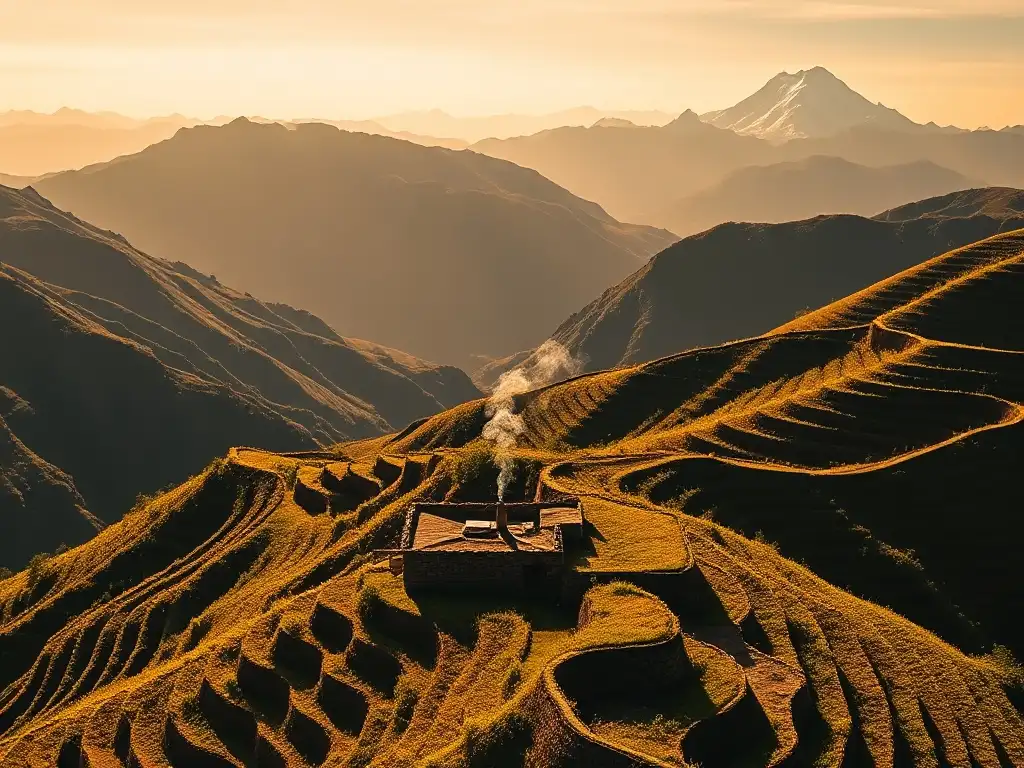
Andean terrace farming techniques weren't just about manipulating the landscape; they were intrinsically linked to the specific crops cultivated. The success of this ingenious system depended on a deep understanding of the diverse Andean ecosystem and the ability to adapt various plant species to the unique conditions offered by terraced fields.
The careful selection of crops, combined with sophisticated agricultural practices, allowed for a high degree of agricultural productivity, ensuring food security for the burgeoning populations of the Andean civilizations. This section delves into the specific crops cultivated on these terraces, highlighting their adaptations and the overall agricultural strategies employed.
Staple Crops and Their Adaptations to Terraced Farming
The Andean diet was, and in many ways still is, heavily reliant on a small number of incredibly versatile crops. These staple crops were specifically chosen for their ability to thrive in the challenging Andean environment, exhibiting impressive resilience to altitude, varied soil conditions, and fluctuating temperatures. Their adaptation to terraced farming was crucial to the success of this agricultural system.
The unique microclimates created by the terraces—with their varying sun exposure, drainage, and soil composition—allowed for the cultivation of a wide range of crops, maximizing yields and minimizing risk. This diversification was key to ensuring food security, even in the face of unpredictable weather patterns. The careful selection of crops for specific terraces demonstrated a sophisticated understanding of agricultural ecology that is still relevant today.
Potatoes, Quinoa, and Maize: Key Andean Crops
Potatoes ( Solanum tuberosum), quinoa ( Chenopodium quinoa), and maize ( Zea mays) formed the holy trinity of Andean agriculture. These three crops, each with its unique characteristics and nutritional value, provided the foundation of the Andean diet. Potatoes, with their incredible genetic diversity, adapted to a wide range of altitudes and soil types within the terraced systems.
Different varieties were cultivated at different elevations, taking advantage of the unique conditions offered by each terrace level. Quinoa, a pseudo-cereal remarkably high in protein and essential amino acids, thrived in the harsh conditions of the high Andes. Its tolerance to drought and frost made it an invaluable crop for terraced farming.
Maize, while requiring more warmth and sunlight, was also successfully integrated into the terraced system, often planted on lower, sunnier terraces. The successful cultivation of these three crops, alongside other important plants, highlights the ingenuity of Andean agricultural practices. The yields achieved through the combined use of terracing and crop diversification were remarkable, supporting large and complex societies.
Crop Rotation and Diversification on Terraces
Andean terrace farming techniques were not static; they incorporated sophisticated strategies to maintain soil fertility and prevent the depletion of nutrients. Crop rotation was a crucial element of this approach. Different crops with varying nutrient requirements were strategically planted in succession on the same terrace, preventing soil exhaustion and promoting biodiversity.
This practice, combined with the use of organic fertilizers like guano (bat and bird droppings), ensured the long-term sustainability of the terraced agricultural system. Furthermore, the terraces themselves provided a built-in system for water management and soil conservation. The construction of terraces reduced soil erosion, and the carefully designed irrigation channels ensured that water was efficiently distributed throughout the system.
This intricate interplay between crop selection, rotation, and terrace design created a resilient and productive agricultural system that supported Andean societies for centuries. The legacy of these Andean terrace farming techniques continues to inspire sustainable agricultural practices worldwide. Understanding these ancient methods provides valuable insights for modern agriculture, particularly in the face of climate change and growing population pressures.
The Role of Terraces in Preserving Andean Biodiversity
Andean terrace farming techniques played a crucial role in preserving the region's incredible biodiversity. The diverse microclimates created by the terraced landscapes allowed for the cultivation of a wide range of crops, each adapted to specific altitudes and environmental conditions. This wasn't simply a matter of growing more food; it was about actively maintaining a complex ecosystem.
The intricate network of terraces, with their varying slopes and sun exposures, fostered a rich tapestry of plant life, supporting not only the staple crops but also a multitude of medicinal plants, fruits, and other species crucial to the Andean way of life. This agricultural system actively prevented the loss of genetic diversity that often accompanies monoculture farming practices.
The different terraces, often separated by stone walls, functioned as mini-ecosystems. This meant that pests and diseases were less likely to spread rapidly across large areas, minimizing the need for widespread pesticide use. The diverse flora also supported a wide range of pollinators and beneficial insects, contributing to a naturally balanced ecosystem. In essence, the Andean terrace system wasn't just a method of food production; it was a sophisticated strategy for biodiversity conservation, ensuring the long-term sustainability of the Andean agricultural system and its associated ecosystems.
This inherent biodiversity resilience is a key aspect of understanding the effectiveness of Andean terrace farming techniques in maintaining ecological balance. The system's success relied on this intricate interplay between human ingenuity and the natural environment. Without the deliberate creation and maintenance of these diverse microclimates, the rich biodiversity of the Andes would likely have been significantly diminished.
Modern Relevance of Andean Terracing Techniques
The ingenuity of Andean terrace farming techniques continues to resonate deeply in the 21st century, offering valuable insights for sustainable agriculture and resource management globally. While initially developed to overcome the challenges of steep Andean slopes, the principles behind these systems provide a blueprint for addressing modern agricultural issues, including land degradation, water scarcity, and biodiversity loss. The enduring relevance of these ancient practices lies in their adaptability and effectiveness in maximizing agricultural productivity while minimizing environmental impact.
Understanding these techniques is crucial for developing resilient and sustainable food systems capable of feeding a growing global population. The legacy of Andean farmers is not just a historical curiosity; it's a vital resource for the future.
Lessons Learned from Ancient Andean Agriculture
Ancient Andean agricultural practices, particularly their mastery of terracing, offer several crucial lessons for contemporary agriculture. Firstly, the importance of adapting agricultural practices to specific environmental conditions cannot be overstated. The intricate systems of terraces, channels, and water management developed by Andean civilizations were meticulously tailored to the unique topography and climate of their regions. This highlights the need to move away from standardized, large-scale farming methods towards more localized, context-specific approaches.
Secondly, the Andean model emphasizes the importance of integrated systems. Terraced fields were not isolated units but rather integral components of a larger ecosystem. The integration of diverse crops, livestock, and natural resources created a resilient and self-sustaining agricultural system. This contrasts sharply with modern monoculture farming, which often leads to soil degradation, pest infestations, and reduced biodiversity.
Finally, the Andean approach underscores the value of long-term planning and stewardship. Terraced fields represent a significant investment of time, labor, and resources, reflecting a commitment to sustainable land management across generations. This long-term perspective is essential for addressing the challenges of climate change and ensuring food security for future generations. The Andean legacy demonstrates that sustainable agriculture requires a shift from short-term gains to long-term sustainability.
Application of Terracing in Contemporary Agriculture
The principles of Andean terrace farming are being actively applied in contemporary agriculture around the world. In mountainous regions, particularly in developing countries, terracing is being implemented to increase arable land and improve crop yields. The construction of terraces helps to reduce soil erosion, conserve water, and improve soil fertility. This is particularly crucial in areas prone to landslides or experiencing water stress.
Furthermore, the integration of modern technologies with traditional techniques is enhancing the effectiveness of terraced farming. For instance, the use of precision irrigation systems in terraced fields allows for more efficient water use, reducing water waste and maximizing crop production. Similarly, the application of soil conservation techniques, such as cover cropping and agroforestry, can further enhance the sustainability and productivity of terraced systems. This synergy between ancient wisdom and modern technology is crucial for creating resilient and high-yielding agricultural landscapes. Examples of this can be found in [Specific examples of modern applications of Andean terrace farming techniques pending].
Sustainable Agriculture and Terraced Farming
Andean terrace farming techniques are exemplary models of sustainable agriculture. Their inherent sustainability stems from several key factors. Firstly, the reduction of soil erosion significantly minimizes the environmental impact of agriculture. Secondly, efficient water management reduces the reliance on external water sources, making these systems more resilient to drought. Thirdly, the promotion of biodiversity through integrated farming systems enhances ecosystem health and reduces the need for chemical inputs.
The adoption of Andean terrace farming techniques can contribute significantly to achieving the Sustainable Development Goals (SDGs), particularly SDG 2 (Zero Hunger) and SDG 15 (Life on Land). By promoting sustainable land management, increasing agricultural productivity, and enhancing biodiversity, these practices offer a viable path towards achieving food security while protecting the environment.
The enduring legacy of Andean terrace farming provides a powerful reminder that sustainable agriculture is not just about producing food; it's about creating resilient and thriving ecosystems that can support both human needs and environmental health. The integration of these techniques into modern agricultural practices is essential for building a more sustainable and secure future.
The Future of Terraces and Food Security
Andean terrace farming techniques, a testament to the ingenuity of ancient civilizations, hold immense potential for addressing modern challenges, particularly food security in the face of climate change. The inherent resilience of terraced systems to erosion and their capacity to optimize water use are increasingly valuable assets. In a world grappling with unpredictable weather patterns and dwindling arable land, the revival and adaptation of these techniques offer a sustainable path towards ensuring food availability for growing populations.
The efficient water management inherent in terraced agriculture is particularly crucial in regions experiencing water scarcity, allowing for higher crop yields even with limited rainfall. This is especially relevant in the Andes, where glacial melt is impacting water availability in many regions. Furthermore, the reduced erosion in terraced fields contributes to long-term soil fertility, minimizing the need for chemical fertilizers and promoting sustainable agricultural practices.
The future of Andean terrace farming also lies in its integration with modern agricultural technologies. While respecting the traditional methods that have proven their effectiveness over centuries, incorporating advancements such as improved crop varieties, precision irrigation systems, and soil health monitoring can further enhance the productivity and sustainability of terraced fields. This approach balances the wisdom of ancestral knowledge with the possibilities of modern innovation, creating a synergistic approach to agriculture.
For example, the use of drought-resistant crops specifically adapted to the high-altitude conditions of the Andes, combined with efficient water distribution systems within the terraces, can significantly increase yields and ensure food security in challenging environments. This integration requires collaborative efforts between researchers, policymakers, and local communities, ensuring that the advancements are culturally appropriate and economically viable for the farmers who rely on these systems.
Moreover, the preservation and restoration of existing terraces are paramount for ensuring their continued contribution to food security. Many terraces have fallen into disrepair due to various factors, including migration from rural areas and a shift towards modern, less sustainable agricultural practices.
Investing in infrastructure development, providing training and support to local farmers, and promoting the economic viability of terrace farming are essential steps to safeguarding this invaluable agricultural heritage. Government initiatives and international collaborations are crucial in this regard, providing financial and technical assistance to farmers to maintain and rehabilitate existing terraces.
Furthermore, promoting the cultural significance of terrace farming and its link to Andean identity can encourage community involvement in conservation efforts, fostering a sense of ownership and pride in these ancient agricultural systems. This holistic approach, combining technological innovation with community engagement and policy support, is critical for securing the future of Andean terrace farming and its vital contribution to food security.
Frequently Asked Questions
What is Andean terrace farming?
Andean terrace farming is an ancient agricultural technique used in the Andes Mountains. It involves creating flat, leveled areas on steep slopes to cultivate crops, maximizing arable land and minimizing soil erosion. This system allowed for efficient irrigation and crop production in challenging mountainous terrain.
Why were terraces important to Andean civilizations?
Terraces were crucial for survival in the Andes. They provided increased agricultural land, allowing for larger populations and complex societies to develop. Terraces also helped conserve water and soil, essential for sustainable farming in a harsh environment.
What crops were grown using Andean terrace farming techniques?
A wide variety of crops were cultivated on Andean terraces, including potatoes, maize (corn), quinoa, beans, and various fruits. The specific crops varied depending on altitude and microclimate, showcasing the adaptability of the system.
How did Andean people build and maintain their terraces?
The construction of terraces was a labor-intensive process, involving careful planning, stonework, and irrigation systems. Maintaining the terraces also required ongoing effort, with repairs and adjustments needed to prevent erosion and damage. Generations of knowledge and skill were passed down to ensure their longevity.
What is the significance of Andean terrace farming today?
Andean terrace farming remains a vital agricultural practice in many parts of the Andes. It provides valuable lessons in sustainable agriculture and demonstrates the ingenuity and adaptability of ancient Andean civilizations. The techniques are still studied and adapted for modern agricultural challenges.
Final Reflection: Echoes of Ingenuity in the Andes
The ingenious terrace farming techniques of the Andes remain a powerful testament to human adaptability and a crucial model for sustainable agriculture in a world grappling with climate change. These ancient systems, far from being relics of the past, offer vital lessons for modern agricultural practices, highlighting the importance of working with nature rather than against it. Their continued relevance is undeniable, particularly as we face increasing pressures on food security and environmental sustainability.
The enduring legacy of Andean terrace farming extends far beyond its practical applications; it speaks to a deep connection between humans and their environment, a relationship built on respect and understanding. The intricate network of terraces, carved into the steep slopes of the Andes over centuries, represents a profound cultural achievement. The mountains are our mother, and we must treat her with respect,
a Quechua elder once told me, a sentiment that encapsulates the philosophy underpinning this remarkable agricultural system. This philosophy, emphasizing harmony with nature, is a powerful counterpoint to the often exploitative practices of modern industrial agriculture.
Consider the ingenuity of these systems, their resilience in the face of harsh conditions, and the profound cultural significance they hold. You, the reader, are now equipped with a deeper understanding of Andean terrace farming. Take this knowledge with you, and reflect on how we can integrate these principles of sustainability and respect for the environment into our own lives and communities. Let the echoes of Andean ingenuity inspire us to build a more sustainable and equitable future, one where human ingenuity works in harmony with the natural world.
Embrace the Art of Andean Agriculture Today!
Thank you for exploring the fascinating world of Andean terrace farming! You've discovered the ingenuity of ancient engineering techniques that have endured for centuries. Now, let's explore how you can connect with this incredible agricultural legacy.
Here are some ways to get involved:
- **Experiment with terrace gardening in your own backyard. ** Maximize your space and resources by emulating the sustainable practices of Andean farmers. This approach can improve yields and conserve water.
- **Share your newfound knowledge. ** Discuss the sustainable practices of Andean terracing with friends, family, or online communities to raise awareness of this remarkable agricultural system.
- **Join a local gardening group or online forum** dedicated to sustainable agriculture. Connecting with like-minded individuals provides opportunities for idea exchange and shared learning.
How can you adapt the innovative gardening techniques inspired by Andean agricultural methods to your own life? Share your thoughts in the comments below!