
The Pleiades in the Andes: A Guide for Agriculture and Time


Unravel the mysteries of the Andes! For centuries, these towering peaks have held secrets whispered on the wind. Discover how the ingenious Andean civilizations, including the Incas, harnessed the power of the cosmos, specifically the Pleiades constellation, to cultivate their thriving agricultural societies. Prepare to be amazed by the intricate connection between Andean civilizations Pleiades agriculture and their profound understanding of time – a story waiting to be explored. Journey with us to unlock the celestial secrets behind their remarkable achievements.
The Andean civilizations, renowned for their sophisticated agricultural techniques and intricate understanding of the cosmos, held a deep reverence for the celestial bodies. Among these, the Pleiades star cluster, also known as the Seven Sisters, occupied a position of paramount importance.
This constellation wasn't merely a beautiful sight in the night sky; it served as a vital agricultural calendar, a marker for timekeeping, and a significant element in their complex religious and cosmological beliefs. This article delves into the multifaceted role of the Pleiades in Andean life, exploring its influence on agriculture, its connection to their intricate worldview, and its lasting legacy on the understanding of Andean civilizations.
We will examine how these ancient Andean people meticulously observed the Pleiades' movements to optimize planting and harvesting cycles, highlighting the deep intertwining of their astronomical knowledge and their agricultural practices. Understanding this relationship provides invaluable insight into the sophistication and ingenuity of these remarkable cultures.
Introduction to the Pleiades and Andean Cosmovision
The Pleiades, a prominent constellation easily visible in the Southern Hemisphere, is comprised of several bright stars appearing as a tight cluster. For Andean civilizations, the appearance and disappearance of the Pleiades in the night sky marked significant seasonal changes. Their cosmovision, a holistic worldview encompassing the cosmos, nature, and humanity, deeply integrated the Pleiades into their understanding of the world.
Unlike a purely scientific approach, the Andean understanding of the Pleiades incorporated spiritual and religious elements, weaving the celestial events into their daily lives and rituals. The Pleiades were often linked to deities, fertility, and the cycles of life, death, and rebirth. This integrated worldview emphasized the interconnectedness of all things, reflecting a profound respect for the natural world and the celestial rhythms that governed it.
The precise details of these beliefs varied across different Andean cultures (Inca, Moche, Nazca, etc. ), but the central importance of the Pleiades remained consistent throughout various regions and time periods. Understanding this cosmological context is crucial to fully appreciating the significance of the Pleiades in Andean agriculture and society.
The Significance of the Pleiades for Andean Civilizations
The Pleiades' significance for Andean civilizations extended far beyond mere astronomical observation. Their heliacal rising—the first appearance of the constellation before sunrise after a period of invisibility—marked the beginning of the agricultural season for many Andean communities. This precise astronomical event allowed them to synchronize their planting cycles with the optimal conditions for crop growth. For example, the reappearance of the Pleiades signaled the time to plant maize, a staple crop in the Andes.
Similarly, their setting often indicated the time for harvesting. This intricate relationship between celestial observation and agricultural practice demonstrates a remarkable level of astronomical knowledge and its practical application in sustaining their societies. Furthermore, the Pleiades were not only crucial for agriculture but also played a significant role in their religious ceremonies and rituals. Many festivals and celebrations were timed according to the Pleiades' position in the sky, reflecting their profound influence on the Andean calendar and social life.
Archaeological evidence, including astronomical observatories and iconography depicting the Pleiades, further supports the vital role this constellation played in the Andean world. The precise methods of observation and the specific agricultural practices varied across different Andean cultures, requiring further research to fully document the diversity of their techniques. However, the overarching importance of the Pleiades in their lives remains undeniable.
- Introduction to the Pleiades and Andean Cosmovision
- The Significance of the Pleiades for Andean Civilizations
- What is the significance of the Pleiades in Andean civilizations?
- How did Andean farmers use the Pleiades for agriculture?
- Which Andean civilizations utilized Pleiades-based agriculture?
- Were there other celestial bodies used alongside the Pleiades for agricultural purposes?
- How does understanding Pleiades-based agriculture enhance our knowledge of Andean civilizations?
The Pleiades as a Celestial Calendar in Andean Agriculture
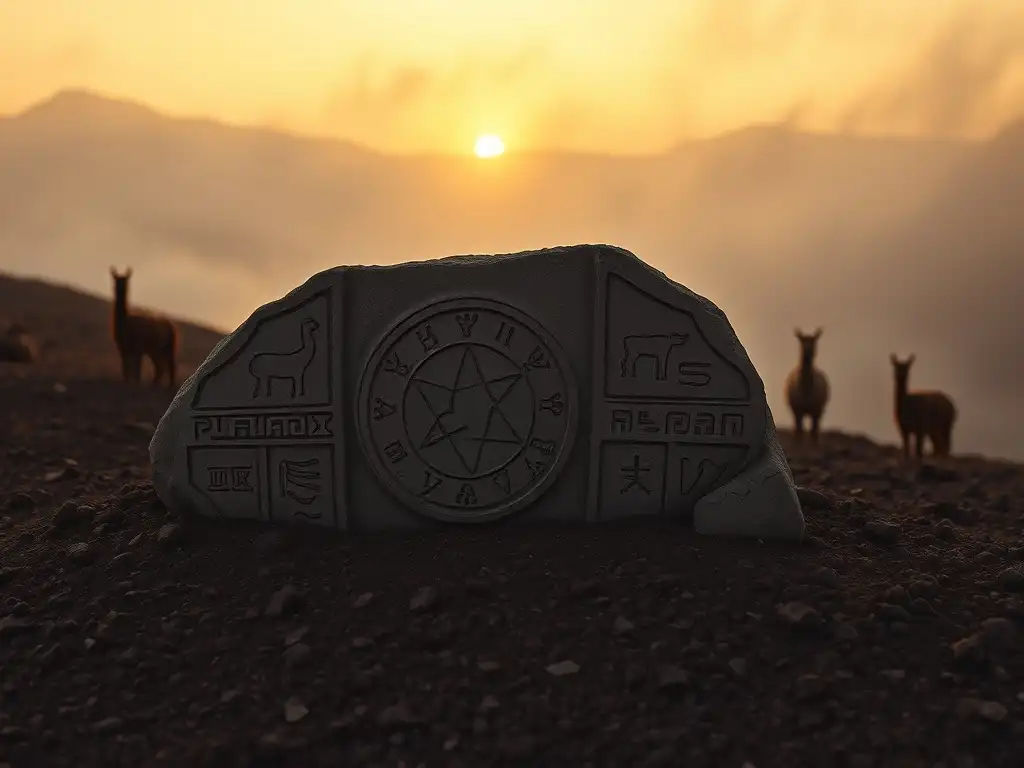
The Pleiades star cluster, known as Pleiades or Colca in Quechua, held immense significance for Andean civilizations. Far from being mere celestial bodies, the Pleiades served as a crucial celestial calendar, intricately woven into the fabric of Andean agricultural practices. Their appearance and disappearance in the night sky dictated planting and harvesting cycles, influencing the survival and prosperity of these sophisticated societies. Understanding this relationship reveals a deep connection between Andean cosmology and their practical agricultural knowledge, highlighting the ingenuity and observational skills of these ancient peoples. The precise timing of agricultural activities, essential for successful crop yields in the diverse Andean terrains, was largely determined by observing the Pleiades' movements across the sky. This sophisticated system demonstrates a remarkable level of astronomical understanding and its practical application in daily life. The careful observation of this constellation allowed for the optimization of agricultural practices, contributing significantly to the success of Andean agriculture.
The Appearance of the Pleiades and the Agricultural Cycle
The heliacal rising of the Pleiades – their first appearance in the dawn sky after a period of invisibility – marked a pivotal moment in the Andean agricultural year. This event, carefully tracked by generations of Andean farmers, signaled the beginning of the planting season for many crops. Different Andean communities, due to variations in altitude and microclimates, may have observed slightly different timelines, but the overall correlation between the Pleiades' reappearance and planting remained consistent.
For instance, the appearance of the Pleiades in the pre-dawn sky often coincided with the onset of the rainy season in many regions, providing the necessary moisture for successful germination. Conversely, the disappearance of the Pleiades from the morning sky, their heliacal setting, often signaled the approach of the harvest season.
This cyclical observation wasn't merely a coincidence; it reflected a deep understanding of the celestial rhythms and their impact on the terrestrial environment. The precision of these observations allowed for the optimized timing of agricultural activities, maximizing yields and ensuring food security for Andean communities.
Andean Farming Practices Guided by the Pleiades
Andean farming practices were not simply reactive to the Pleiades' movements; they were proactively shaped by this celestial calendar. The timing of land preparation, sowing, weeding, and harvesting were all carefully synchronized with the observed positions of the Pleiades. This intricate system involved a deep understanding of the relationship between the celestial cycles and the growth cycles of various crops. The knowledge was passed down through generations, often through oral traditions, ceremonies, and practical demonstrations.
Farmers meticulously observed the Pleiades' position relative to other stars and constellations, further refining their predictions of weather patterns and optimal planting times. This complex system, a blend of astronomical observation and agricultural expertise, showcases the advanced knowledge and sophistication of Andean civilizations. The effective integration of celestial observation with agricultural practices demonstrates a holistic approach to sustainable living, deeply connected to the natural world.
Potato Planting and Harvest Cycles Aligned with Pleiades
The potato, a staple crop of the Andes, provides an excellent example of the Pleiades' influence on Andean agriculture. The timing of potato planting was often directly linked to the heliacal rising of the Pleiades, ensuring that the potatoes were planted at the optimal time for germination and growth. This was crucial for maximizing yields and ensuring sufficient food supply.
Different potato varieties, adapted to specific altitudes and microclimates, may have had slightly different planting schedules, but the overarching principle of aligning planting with the Pleiades remained consistent. Similarly, the harvest of potatoes was often timed to coincide with the heliacal setting of the Pleiades. This precise timing allowed for the optimal maturation of the tubers, maximizing their nutritional value and storage potential.
The meticulous observation of the Pleiades and its correlation to the potato's growth cycle underscores the profound understanding of Andean farmers regarding the interplay between celestial events and agricultural practices. This practice, passed down through generations, ensured the successful cultivation of this vital crop, which underpinned the sustenance and prosperity of Andean societies. The success of potato cultivation, heavily reliant on this celestial calendar, further emphasizes the significance of the Pleiades in Andean agricultural practices.
The Pleiades and Andean Timekeeping Systems
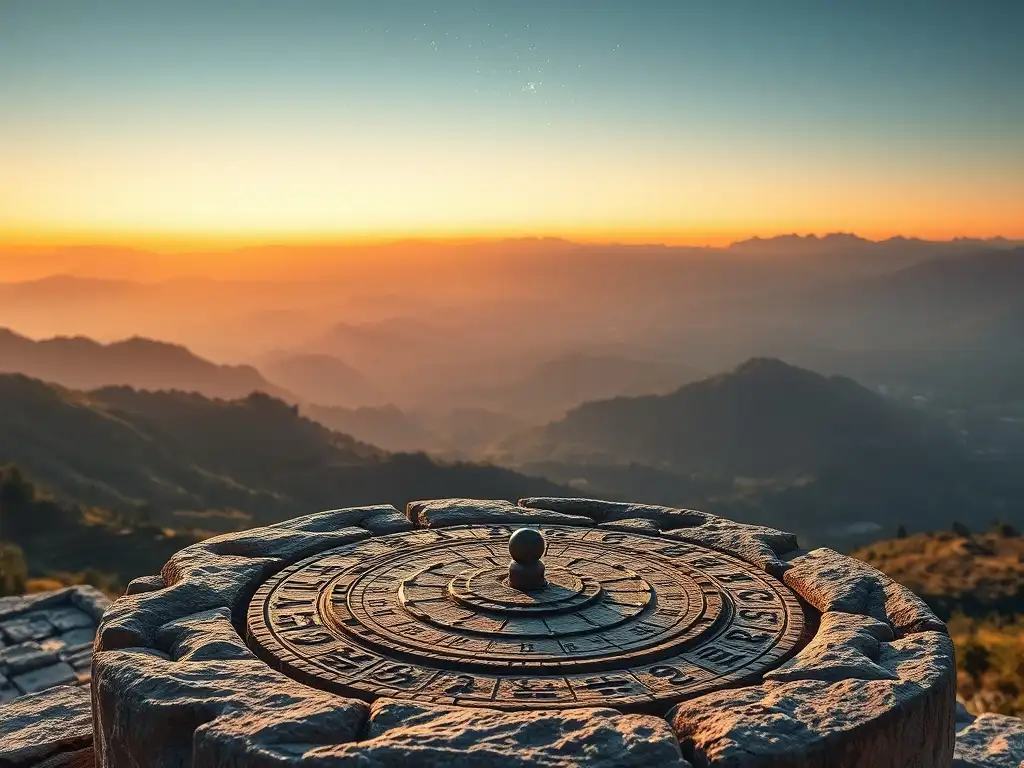
The Pleiades star cluster, known as Colca or Qollqa in Quechua, held immense significance for Andean civilizations, serving as a crucial celestial marker for their agricultural practices and calendar systems. Unlike many other cultures that relied primarily on the sun or moon, the Andean peoples meticulously tracked the Pleiades' heliacal rising and setting – its appearance and disappearance on the horizon at dawn – to regulate their agricultural cycles and temporal organization.
This sophisticated understanding of celestial mechanics allowed for precise predictions of planting and harvesting times, demonstrating a remarkable level of astronomical knowledge. The precision of these observations suggests a deep and sustained engagement with the night sky, a testament to the importance of the Pleiades in shaping Andean life.
This intricate relationship between the Pleiades and Andean agriculture forms a central theme in understanding their unique cosmological perspective. The accuracy of their astronomical knowledge is evident in the agricultural success of these civilizations across varied terrains and climates.
The Pleiades and the Andean Year
The heliacal rising of the Pleiades marked the beginning of the Andean agricultural year for many communities. This event, carefully observed over generations, signaled the optimal time for planting specific crops. Different Andean cultures, including the Incas, Moche, Nazca, and Tiahuanaco, may have had slightly varied interpretations and practices, but the central role of the Pleiades' appearance remained consistent.
The timing of the Pleiades' reappearance varied slightly depending on altitude and latitude. For instance, higher altitude communities might have observed the heliacal rising a few weeks earlier than those at lower elevations. This illustrates the nuanced understanding of local microclimates inherent in Andean agricultural practices.
Detailed records of these observations, while often passed down orally, are reflected in the agricultural practices and crop yields that sustained these complex societies for centuries. The precise correlation between the Pleiades' appearance and agricultural success highlights the sophistication of their astronomical knowledge and its practical application.
The Incan Calendar and its Reliance on Pleiades Observations
The Inca calendar, while incorporating solar and lunar cycles, was deeply intertwined with the Pleiades' movements. While the exact structure of the Inca calendar remains a subject of ongoing research, evidence suggests that the Pleiades played a critical role in determining the timing of agricultural festivals, religious ceremonies, and administrative tasks. The precise timing of the Pleiades’ heliacal rising, combined with other celestial observations, enabled the Inca to regulate their vast agricultural system, ensuring efficient distribution of resources and labor across their empire.
The Inca's sophisticated infrastructure, including irrigation systems and terraced farming, was closely synchronized with the Pleiades-based calendar, contributing to their remarkable agricultural achievements. Further research into Inca administrative records and archaeological evidence is needed to fully understand the precise mechanisms by which the Pleiades influenced their calendar and governance. However, the available evidence strongly suggests a fundamental connection between the two.
The Pleiades in Rituals and Andean Celebrations
The Pleiades weren't merely a tool for agricultural planning; they were deeply embedded in Andean religious beliefs and rituals. The appearance of the Pleiades often coincided with important festivals and ceremonies dedicated to agricultural deities and ancestral spirits. These celebrations involved offerings, dances, and rituals aimed at ensuring a bountiful harvest and maintaining cosmic balance.
Many of these rituals involved specific offerings to the Pleiades themselves, demonstrating their importance as celestial entities worthy of reverence and appeasement. The precise nature of these rituals varied significantly across different Andean cultures, reflecting the diverse religious expressions within the region. Archaeological discoveries, including iconography depicting the Pleiades and artifacts found in ceremonial contexts, offer valuable insights into these practices, though much remains to be uncovered.
The integration of the Pleiades into Andean religious life underscores their profound impact on the cosmology and worldview of these civilizations. The Pleiades weren't just stars; they were integral components of the Andean spiritual landscape, influencing their daily lives and shaping their understanding of the cosmos.
The Pleiades in the Mythology of Andean Cultures

The Pleiades, that distinctive cluster of stars also known as the Seven Sisters, held immense significance for various Andean civilizations. Far from being mere celestial bodies, they were deeply interwoven into the fabric of Andean cosmology, influencing agricultural practices, religious beliefs, and even artistic expression. The prominence of the Pleiades in Andean cultures underscores the profound connection these societies maintained with the natural world, demonstrating a sophisticated understanding of astronomy and its practical applications.
Their observations weren't merely abstract; they were crucial for survival and the maintenance of their complex social structures. Understanding the Andean civilizations' Pleiades agriculture connection requires appreciating the multifaceted role these stars played in their lives.
Andean Myths and Stories About the Pleiades
Across different Andean cultures, narratives surrounding the Pleiades abound, each adding a unique layer to their overall cosmological understanding. For example, some Quechua myths depict the Pleiades as a group of sisters, often associated with fertility and the abundance of the harvest. These stories are frequently passed down through oral traditions, maintaining a vibrant link between the past and present. The narratives are not static; they evolve and adapt, reflecting the changing circumstances and beliefs of the communities that preserve them.
One particularly compelling narrative tells of a celestial hunt, where the Pleiades represent the hunted prey, pursued by other constellations. This myth symbolizes the cyclical nature of life and death, reflecting the agricultural cycle and the continuous struggle for survival within the harsh Andean environment. The timing of the Pleiades' appearance in the night sky was crucial in determining the optimal planting and harvesting seasons, highlighting the practical applications of their celestial observations.
These stories weren't just entertaining tales; they served as vital tools for transmitting essential knowledge across generations, ensuring the continuity of agricultural practices and cultural memory. The detailed accounts vary significantly between different Andean groups, demonstrating the rich diversity of mythological interpretations within the region.
Mama Qucha and the Pleiades' Role in Water Cycles
The Pleiades' influence extended beyond agriculture; they were also intimately connected to water, a life-giving resource in the arid Andean highlands. Mama Qucha, the Andean goddess of the sea and water, is often associated with the Pleiades. Her dominion over water sources, crucial for irrigation and sustenance, linked the celestial bodies to the very survival of Andean communities.
The timing of the Pleiades' heliacal rising—their first appearance in the morning sky after a period of invisibility—was often correlated with the onset of the rainy season. This celestial event held profound religious significance, marking the beginning of a crucial period for agriculture and the replenishment of water resources.
This connection between the Pleiades, Mama Qucha, and the water cycle is further evidenced by various ritual practices. These rituals, often involving offerings and prayers, aimed to appease the goddess and ensure the timely arrival of rains. The meticulous observations of the Pleiades' movements allowed Andean communities to predict weather patterns and prepare accordingly, demonstrating a remarkable level of astronomical knowledge and its practical application in water management.
Understanding the interplay between the Pleiades, Mama Qucha, and the water cycle provides a crucial insight into the sophisticated understanding of nature held by Andean civilizations and their profound reverence for the forces that shaped their lives. Further research into specific regional variations in these practices would enrich our understanding of this complex relationship.
The Pleiades as a Symbol in Andean Art and Architecture
The profound reverence for the Pleiades is also reflected in the art and architecture of Andean cultures. Depictions of the star cluster can be found in various forms, from intricate textiles and pottery to monumental structures. These artistic representations not only serve as aesthetic expressions but also provide valuable insights into the cosmological beliefs and worldview of these societies. The Pleiades appear in various styles, reflecting the diversity of artistic traditions across different Andean regions and time periods.
For example, certain Nazca lines, those enigmatic geoglyphs etched into the desert landscape, are believed to represent constellations, including the Pleiades. The precise astronomical alignments of some architectural structures, such as those found in Machu Picchu, also suggest a deliberate incorporation of celestial observations into their design. These findings highlight the interwoven nature of astronomy, religion, and art in Andean societies, demonstrating a holistic approach to understanding the world around them.
Further investigation into the iconography and symbolism associated with the Pleiades in various Andean artistic expressions is needed to fully appreciate the rich tapestry of meaning embedded within these creations. The meticulous detail and precision found in many of these artifacts showcase the advanced level of artistic skill and astronomical knowledge possessed by Andean cultures.
The Legacy of the Pleiades in Modern Andean Communities

The Pleiades, that mesmerizing cluster of stars also known as the Seven Sisters, holds a profoundly significant place in the cosmology and agricultural practices of Andean civilizations. Its influence extends far beyond ancient times, deeply embedded in the cultural fabric of contemporary Andean communities. Understanding this enduring legacy provides crucial insight into the complex relationship between Andean societies and their environment, a relationship forged over millennia and still relevant today.
This enduring connection highlights the sophisticated astronomical knowledge possessed by these cultures and demonstrates their remarkable ability to integrate celestial observation into their daily lives. The impact of the Pleiades on Andean life wasn't solely relegated to the past; its influence continues to shape modern agricultural practices and cultural preservation efforts. This section will explore the multifaceted legacy of the Pleiades in modern Andean communities.
Contemporary Andean Agricultural Practices and the Pleiades
Even today, many Andean communities meticulously observe the Pleiades' movements to guide their agricultural activities. The heliacal rising of the Pleiades – its first appearance in the pre-dawn sky after a period of invisibility – often signals the optimal time for planting specific crops. This isn't a mere coincidence; generations of farmers have observed and documented the correlation between the Pleiades' position and the success of their harvests. For example, in certain regions of the Andes, the appearance of the Pleiades heralds the planting of potatoes, a staple crop crucial for sustenance.
The timing is critical, ensuring the potatoes receive the necessary sunlight and water for optimal growth. This practice isn't uniform across all Andean communities; the specific crops and planting times vary based on altitude, microclimate, and specific traditions passed down through generations. However, the underlying principle remains consistent: the Pleiades serves as a celestial calendar, guiding agricultural practices and ensuring food security.
The precision and accuracy of this ancient knowledge are a testament to the deep understanding of astronomy and agriculture achieved by Andean civilizations. Detailed studies are needed to fully document the diversity of these practices across different Andean communities. [Specific information pending on the diversity of Pleiades-based agricultural practices across different Andean communities]
The Pleiades and Cultural Preservation in the Andes
The enduring significance of the Pleiades extends beyond agriculture, playing a vital role in cultural preservation efforts. The constellations and their associated myths are integral parts of Andean storytelling and oral traditions. These narratives, passed down through generations, transmit valuable knowledge about astronomy, agriculture, and the relationship between humans and the cosmos.
The Pleiades often feature prominently in these stories, representing a connection between the celestial and terrestrial realms. Efforts to preserve these oral traditions are crucial for safeguarding the cultural heritage of Andean communities. These efforts often involve documenting the stories, songs, and rituals associated with the Pleiades, ensuring their transmission to future generations.
The preservation of this knowledge is not merely an academic pursuit; it's a fundamental aspect of maintaining cultural identity and continuity in the face of globalization and modernization. The continued observation and interpretation of the Pleiades act as a powerful symbol of cultural resilience and adaptation. Furthermore, these traditions often incorporate intricate ceremonies and rituals linked to the Pleiades, further highlighting the profound cultural importance of this constellation.
The Ongoing Practice of Observing Pleiades for Planting
The observation of the Pleiades for planting isn't a relic of the past; it's a vibrant, ongoing practice in many Andean communities. Farmers continue to rely on the Pleiades' appearance as a crucial indicator for planting and harvesting, demonstrating the enduring relevance of this ancient knowledge system. This practice isn't simply a matter of tradition; it's a sophisticated system of knowledge that has proven its efficacy over centuries. The accurate prediction of planting times, based on the Pleiades' position, contributes significantly to agricultural yields and food security.
While modern technologies exist, many Andean farmers integrate traditional methods with modern approaches, demonstrating a flexible and adaptive approach to agriculture. This blending of ancient wisdom and modern tools ensures a sustainable and resilient agricultural system. The continued reliance on the Pleiades for agricultural guidance underscores the deep connection between Andean communities and their environment, a connection rooted in a profound understanding of the cosmos and its influence on terrestrial life.
The precise methods of observation and interpretation vary across different communities, reflecting a rich diversity of cultural practices. Further research is needed to fully understand the regional variations in these practices and their efficacy in different agro-ecological zones. [Specific information pending on regional variations in Pleiades-based agricultural practices].
Understanding the Pleiades: A Key to Andean Culture
The Pleiades, also known as the Seven Sisters, held a position of paramount importance in the cosmology and daily life of various Andean civilizations. Far from being simply a celestial grouping, the Pleiades served as a crucial agricultural calendar, a guide for religious ceremonies, and a fundamental element shaping their worldview. This section delves into the multifaceted significance of this constellation, focusing on its role in understanding Andean culture and its enduring legacy.
Understanding the Andean civilizations' deep connection with the Pleiades provides crucial insights into their sophisticated astronomical knowledge and its profound impact on their societal structures. This intricate relationship underscores the interwoven nature of religion, agriculture, and astronomy in their daily lives, shaping their perceptions of time, space, and the cosmos itself. The study of the Pleiades offers a unique lens through which we can appreciate the complexity and ingenuity of Andean civilizations.
The Pleiades as a Window into Andean Knowledge
The appearance and disappearance of the Pleiades in the Andean night sky served as a precise marker for the agricultural cycle. For instance, the reappearance of the Pleiades in the pre-dawn sky, typically around May or June, signaled the beginning of the planting season for many Andean communities. This precise astronomical observation allowed for optimal planting times, maximizing crop yields. Conversely, their setting in November or December indicated the harvest season.
This sophisticated understanding of celestial mechanics was not merely a matter of practical application; it was deeply intertwined with their religious beliefs. The Pleiades were not just a tool for agriculture; they were considered sacred beings, celestial deities whose movements dictated the rhythm of life itself. Archaeological evidence, including intricately carved stones and textiles depicting the Pleiades, supports this deep-seated reverence for the constellation.
Furthermore, the precise knowledge of the Pleiades' movements demonstrates a remarkable level of astronomical observation and calculation, far surpassing what was previously attributed to these ancient cultures. This advanced understanding of astronomy allowed for the development of complex irrigation systems and agricultural techniques, contributing significantly to the success and prosperity of Andean societies. The precise timing of agricultural activities, guided by the Pleiades, showcases the deep connection between Andean cosmology and practical life.
The Importance of Studying Pleiades for Understanding Andean Worldview
Studying the Pleiades' role in Andean civilizations offers a crucial window into their worldview. Their intricate understanding of celestial movements reveals a sophisticated cosmology that interconnected the earthly and the celestial realms. The Pleiades were not just observed; they were actively engaged with through rituals, offerings, and ceremonies, reflecting a deeply spiritual connection with the cosmos. This close relationship between the celestial and terrestrial spheres extended beyond agriculture, influencing aspects of their social organization, governance, and artistic expressions.
The importance of the Pleiades is evident in the recurring motifs found in Andean art, architecture, and mythology. These motifs, often depicting the Pleiades alongside other celestial bodies and deities, highlight the centrality of the constellation in shaping Andean religious beliefs and practices. By exploring these symbolic representations, researchers gain valuable insight into the complex interplay between astronomy, religion, and societal structures within Andean societies.
For example, the precise alignment of certain structures with the Pleiades' rising or setting suggests a deliberate integration of astronomical knowledge into urban planning and sacred site construction. Analyzing these connections provides a richer understanding of how the Andean worldview was structured and the ways in which celestial phenomena were integrated into daily life. The study of the Pleiades therefore offers a unique perspective on the holistic and integrated nature of Andean knowledge systems.
Conclusion: The Enduring Relevance of the Pleiades in the Andes
The Pleiades' enduring significance in Andean culture highlights the profound connection between ancient astronomical knowledge and the development of sophisticated societies. Their mastery of celestial observation, not only for agricultural purposes but also as a fundamental aspect of their spiritual beliefs, underscores their remarkable intellectual achievements. The Pleiades acted as a unifying force, shaping their understanding of time, space, and the cosmos, influencing various aspects of their lives, from agriculture and religion to art and architecture.
The continued relevance of the Pleiades in contemporary Andean communities underscores the lasting legacy of this ancient knowledge system. The constellation remains a powerful symbol, connecting past and present, and reminding us of the rich cultural heritage of Andean civilizations. Further research into the Pleiades' role in Andean societies promises to unravel even more intricate details about their advanced astronomical knowledge and the profound influence it held on their worldview.
The study of the Pleiades continues to provide invaluable insights into the complexity and sophistication of Andean civilizations, emphasizing the interconnectedness of astronomy, agriculture, and spirituality in shaping their unique cultural identity. The legacy of the Pleiades serves as a testament to the enduring power of observation, understanding, and reverence for the cosmos.
Frequently Asked Questions
What is the significance of the Pleiades in Andean civilizations?
The Pleiades star cluster held immense religious and agricultural importance for Andean cultures. Its appearance and disappearance in the sky signaled planting and harvesting seasons, guiding agricultural practices. This celestial event was deeply interwoven with their worldview.
How did Andean farmers use the Pleiades for agriculture?
Andean farmers meticulously observed the Pleiades' movements. The heliacal rising of the Pleiades (its first visibility after a period of invisibility) often marked the beginning of the planting season, while its setting indicated harvest time. This ensured optimal planting and harvesting times.
Which Andean civilizations utilized Pleiades-based agriculture?
Many Andean civilizations, including the Inca, Moche, Nazca, and Tiahuanaco, incorporated Pleiades observations into their agricultural calendars. Their sophisticated understanding of astronomy allowed for efficient resource management and food production.
Were there other celestial bodies used alongside the Pleiades for agricultural purposes?
While the Pleiades were central, other celestial bodies also played a role. The Sun's position and the lunar cycle were also carefully observed to refine planting and harvesting schedules, providing a more comprehensive agricultural calendar.
How does understanding Pleiades-based agriculture enhance our knowledge of Andean civilizations?
Understanding this practice reveals the sophistication of Andean astronomy and its direct impact on their societal structure. It demonstrates their deep connection to the natural world and their remarkable ability to adapt to their environment.
Final Reflection: Weaving the Cosmos into Andean Life
The intricate relationship between the Pleiades constellation and Andean agricultural practices remains a powerful testament to the ingenuity and deep connection with nature that characterized these ancient civilizations. Understanding this celestial calendar, far from being a historical curiosity, offers valuable insights into sustainable resource management and the enduring power of observation-based knowledge in a world grappling with climate change and food security.
The influence of the Pleiades on Andean culture extends far beyond mere agricultural scheduling; it permeates their cosmology, mythology, and social structures. The appearance and disappearance of this star cluster dictated not only planting and harvesting cycles but also shaped social rituals, festivals, and even artistic expressions. This deep-seated connection underscores the importance of recognizing the interconnectedness of all things, a wisdom often overlooked in our modern, fragmented world. The stars are a roadmap, not just to the heavens, but to the heart of our being.
This quote, though not directly from an Andean source, encapsulates the profound spiritual and practical significance of celestial observation for these cultures.
Consider, for a moment, the implications of this ancient knowledge. How might a renewed appreciation for the rhythms of nature, guided by the celestial clock of the Pleiades, inform our own agricultural practices and our relationship with the environment? You, the reader, are now equipped with a deeper understanding of this fascinating connection.
Embrace this knowledge, not just as historical information, but as a potential pathway towards a more sustainable and harmonious future. Let the wisdom of the Andes inspire you to look up at the night sky, to connect with the rhythms of the earth, and to build a future where human ingenuity and natural harmony coexist.
Embrace the Stars: Transform Your Farming with the Pleiades!
Thank you for exploring the fascinating use of the Pleiades star cluster in Andean agriculture! Your interest in this ancient celestial guide demonstrates a commitment to innovative and sustainable farming practices.
Let's put this knowledge into practice! Here are some empowering steps you can take:
- Develop a Planting and Harvesting Schedule Based on the Pleiades: Track the Pleiades' visibility in your region to optimize planting and harvesting times, maximizing yields and potentially improving crop health.
- Share Your Experiences: Connect with other farmers and agricultural communities to exchange ideas and insights on using celestial events to inform your farming practices. Collaboration can lead to significant improvements.
- Incorporate Traditional Andean Methods: Research traditional Andean agricultural techniques that are aligned with the cycles of the stars. Integrating these sustainable, time-tested methods with modern practices can enhance your farm's overall efficiency and resilience.
How will you incorporate the wisdom of the Pleiades into your farming plans this season? We'd love to hear your thoughts and experiences!