
Dyes and Deterioration: Understanding the Chemistry of Andean Textile Colors

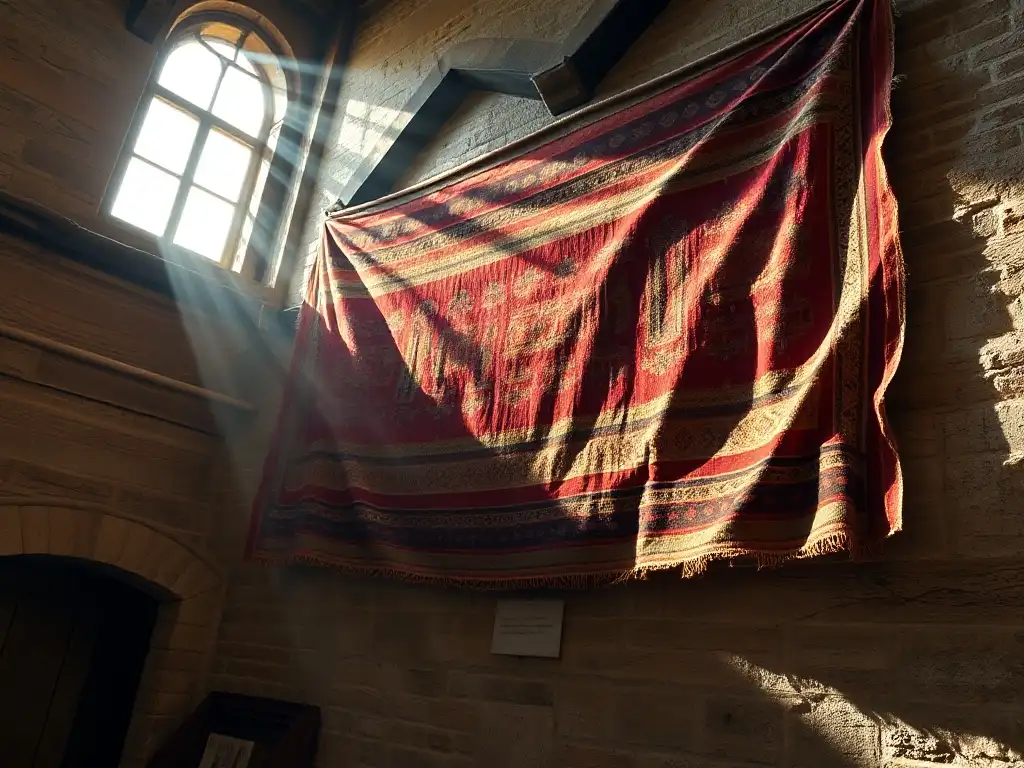
Unravel the mysteries woven into the very fabric of the Andes! For centuries, the vibrant colors of Andean textiles have captivated the world, but what secrets do these breathtaking hues hold? Journey with us into The World of Andean Artifacts, where we delve into the fascinating science behind Andean textile dye deterioration. Discover how the chemistry of these ancient dyes reveals a story far richer than the tapestries themselves—a story waiting to be uncovered. Prepare to be amazed.
- Andean Textile Dye Deterioration: Preserving the Vibrant Colors of History
- Identifying Specific Dye Deterioration Issues in Andean Textiles
- Solutions for Preserving Andean Textile Colors: A Practical Guide
- The Role of Proper Storage in Preventing Dye Deterioration
- Conclusion: A Call for Responsible Preservation of Andean Textile Colors
-
Frequently Asked Questions
- What causes Andean textile dyes to deteriorate?
- How can we prevent the deterioration of Andean textiles?
- What types of dyes were commonly used in Andean textile production?
- What are the challenges in studying the deterioration of ancient Andean dyes?
- Are there modern methods to conserve and restore faded Andean textiles?
- Final Reflection: The Enduring Legacy of Andean Textile Colors
- Embark on a Colorful Journey Through Andean Textiles!
Andean Textile Dye Deterioration: Preserving the Vibrant Colors of History
The vibrant hues of Andean textiles—from the deep crimson of cochineal to the earthy tones of natural pigments—are a testament to the ingenuity and artistry of ancient Andean civilizations. These textiles, often imbued with significant cultural and historical meaning, are unfortunately susceptible to deterioration over time.
Understanding the chemical processes behind this deterioration is crucial for effective preservation and conservation efforts. This article delves into the factors that contribute to the fading and degradation of Andean textile colors, providing insights into the challenges faced by museums, collectors, and researchers in safeguarding this irreplaceable heritage.
We'll explore the science behind color loss and offer practical advice for mitigating the damage caused by light, humidity, pollutants, and improper handling, ultimately aiming to ensure that the legacy of Andean textile artistry endures for generations to come. The preservation of these textiles is not merely about aesthetics; it's about protecting a vital part of human history and cultural identity.
The Fragile Beauty of Andean Dyes: An Introduction
Andean textiles are renowned for their stunning array of colors, achieved through a sophisticated understanding of natural dyes derived from plants, insects, and minerals. These dyes, however, are inherently susceptible to degradation. Many were made using organic materials, which are inherently less stable than synthetic dyes.
The intricate weaving techniques, often combined with elaborate embroidery, further complicate the preservation process. The complex interplay between the dye itself, the fiber used (often alpaca or llama wool), and the environmental conditions significantly impacts the longevity of the colors. For example, cochineal, a vibrant red dye derived from insects, is known to be relatively lightfast but can be affected by humidity and improper storage.
Similarly, plant-based dyes like those derived from indigo or various species of Bixa orellana (achiote) exhibit varying degrees of sensitivity to light and other environmental factors. Understanding the specific dyes used in a particular textile is therefore a crucial first step in developing a tailored preservation strategy.
Understanding the Root Causes of Andean Textile Color Loss
Several factors contribute to the deterioration of Andean textile colors. These factors often act synergistically, accelerating the degradation process. It's essential to understand these processes to effectively mitigate the damage and preserve these valuable artifacts. The following sections will examine these root causes in detail.
Light Exposure: The Primary Culprit in Dye Fading
Light, particularly ultraviolet (UV) radiation, is a major culprit in dye fading. UV rays possess high energy, causing photochemical reactions that break down the dye molecules. This leads to a loss of color intensity and, in severe cases, complete discoloration. The intensity and duration of light exposure directly correlate with the degree of damage.
Textiles displayed in brightly lit areas without UV protection will degrade significantly faster than those stored in dark, controlled environments. This is especially true for organic dyes, which are significantly more vulnerable to photodegradation than synthetic counterparts. Museums and collectors employ various methods to mitigate UV damage, including specialized glazing and controlled lighting.
Humidity and Temperature Fluctuations: Impact on Dye Stability
Fluctuations in humidity and temperature can also significantly impact the stability of Andean textile dyes. High humidity can promote the growth of mold and mildew, which can damage the fibers and cause discoloration. Extreme temperature changes can cause the fibers to expand and contract, leading to stress and weakening of the fabric structure, potentially resulting in dye loss. Consistent temperature and humidity levels are therefore crucial for preserving the integrity of these delicate artifacts. Proper storage in climate-controlled environments is essential for long-term preservation.
Chemical Reactions and Pollutants: Affecting Natural Dyes
Exposure to certain chemicals and pollutants can trigger chemical reactions that alter or destroy the dye molecules. Air pollution, containing various gases and particulate matter, can react with the dyes, leading to fading or discoloration. Even seemingly innocuous substances can have detrimental effects. For instance, certain cleaning agents can react with the dyes, causing irreversible damage. Therefore, careful consideration must be given to the environment in which the textiles are stored and handled.
Improper Storage and Handling: Accelerating Deterioration
Improper storage and handling practices can significantly accelerate the deterioration process. Incorrect folding or wrapping can cause stress on the fibers, leading to breakage and dye loss. Direct contact with acidic or alkaline materials can also cause chemical reactions that damage the dyes. Furthermore, pests, such as insects, can consume the fibers, causing irreparable damage. Therefore, adherence to proper handling and storage protocols is crucial for preserving the integrity of these valuable artifacts. This includes using acid-free materials for storage and employing pest control measures. The use of archival-quality materials is essential to minimize risk.
Identifying Specific Dye Deterioration Issues in Andean Textiles
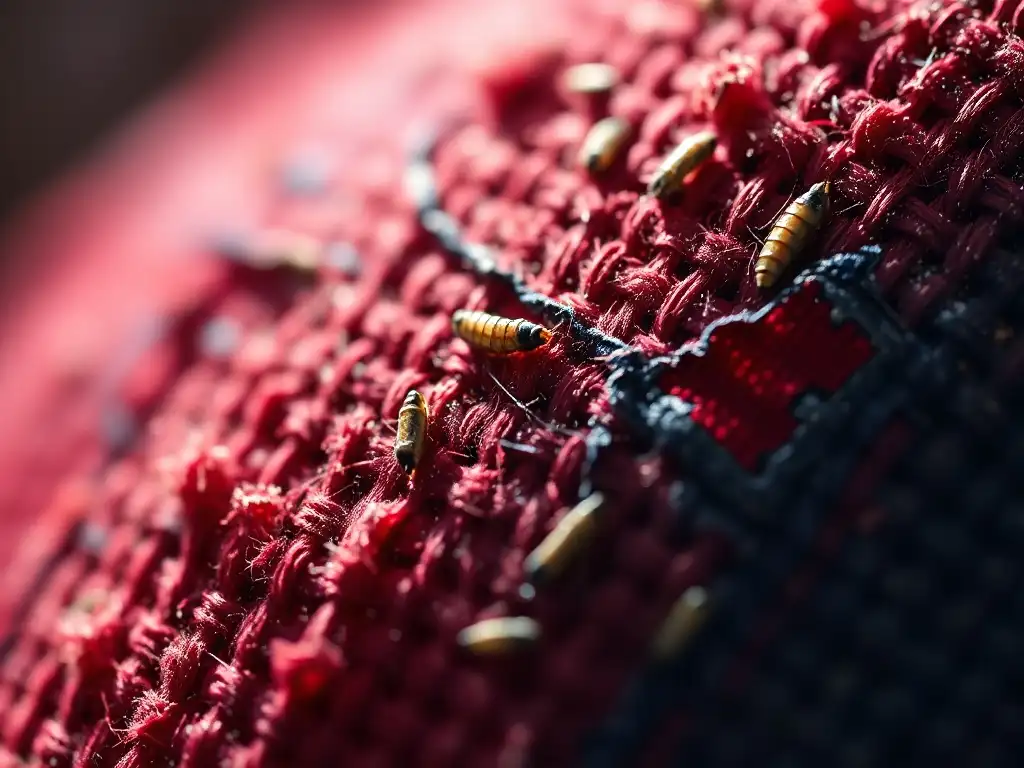
This section delves into the practical identification of dye deterioration in Andean textiles. Understanding the specific types of damage allows for targeted conservation efforts and a deeper appreciation of the challenges faced in preserving these fragile artifacts. The chemical processes behind deterioration are complex, but recognizing the visual signs is crucial for effective care. We will explore common issues such as fading, color migration, and differential fading patterns, providing clear indicators to help you assess the condition of your Andean textile collection.
Recognizing Fading and Color Shifts: Signs of Dye Degradation
Fading, a common sign of Andean textile dye deterioration, manifests as a loss of color intensity. This isn't always uniform. Sometimes, certain areas fade more rapidly than others, indicating potential localized damage or variations in the original dye application. The shift can be subtle—a gentle lightening of a hue—or dramatic, resulting in near-complete color loss.
The specific causes of fading are multifaceted and include light exposure (UV radiation is particularly damaging), humidity fluctuations, and chemical reactions with pollutants in the surrounding environment. For example, a vibrant crimson might fade to a dull pink, while a deep indigo might become a washed-out blue. Careful observation under consistent lighting conditions is crucial for accurate assessment.
Documenting the fading process through photography, noting the location and extent of the color loss, can be invaluable for future conservation efforts. This detailed record assists in understanding the rate of deterioration and aids in predicting future challenges. Careful handling and appropriate storage conditions can mitigate further fading.
Distinguishing Between Dye Bleeding and Color Migration
While both dye bleeding and color migration result in unwanted color shifts in Andean textiles, they represent distinct deterioration processes. Dye bleeding refers to the release of dye molecules from the fibers into surrounding areas, often leading to staining of adjacent fabrics or the textile's backing. This is frequently caused by exposure to water or moisture, especially if the textile hasn't been properly stabilized.
Imagine a vibrant yellow dye bleeding into a neighboring area of blue, creating an undesirable green smudge. This is a clear indication of dye instability and requires immediate attention to prevent further damage. In contrast, color migration describes a more subtle shift where the dye molecules move within the textile itself, but don't necessarily bleed into other areas.
This often manifests as a blurring of color boundaries or a gradual shift in hue across a specific section of the textile. This can be caused by factors such as uneven application of the dye or exposure to fluctuating temperatures. Identifying the difference between these two processes is key; dye bleeding requires more immediate and potentially aggressive intervention compared to color migration, which might be manageable through preventative measures.
Identifying Specific Dye Degradation Patterns: Differential fading of red dyes compared to blue dyes
The stability of dyes used in Andean textiles varies significantly depending on their source and the methods of application. A common observation is the differential fading of red dyes compared to blue dyes. Red dyes, often derived from cochineal insects or other natural sources, are frequently more susceptible to light degradation than blue dyes, which might be derived from indigo plants.
This differential fading creates a visually noticeable imbalance in color saturation, potentially altering the overall aesthetic and historical interpretation of the textile. For instance, a textile originally featuring a balanced composition of red and blue might show a significant loss of red intensity over time, leaving the blue hues relatively dominant. This pattern is a characteristic feature of Andean textile dye deterioration and should be carefully documented.
Understanding these variations in dye stability allows for the development of targeted preservation strategies, such as selective light filtering or specialized cleaning techniques. Further research into the specific chemical composition of the dyes in individual textiles is necessary for a complete understanding of these degradation pathways. The study of these patterns could reveal valuable insights into the techniques and materials used by ancient Andean artisans.
Solutions for Preserving Andean Textile Colors: A Practical Guide
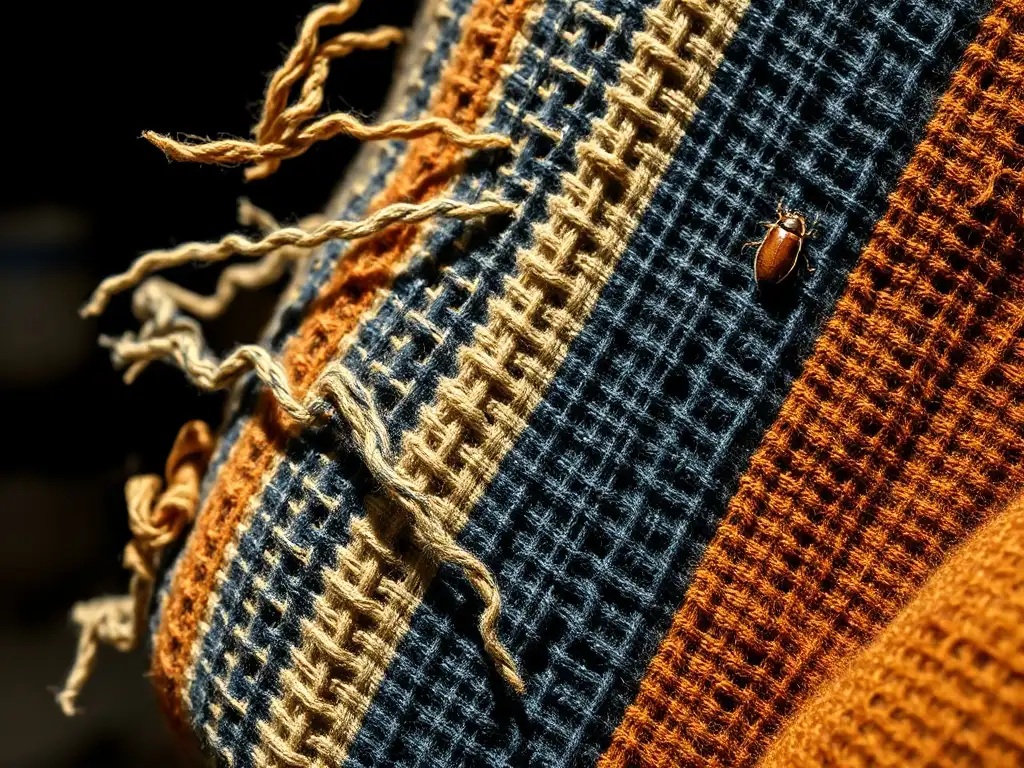
This section delves into practical, actionable steps for preserving the vibrant hues of your Andean textile collection. Understanding the chemical processes behind Andean textile dye deterioration is crucial, but equally important is the implementation of effective preservation strategies. We'll explore solutions focusing on light control, humidity and temperature regulation, and the use of appropriate storage materials. Proactive conservation ensures the longevity of these invaluable cultural artifacts.
Implementing Proper Light Control: UV-Filtering Solutions
Exposure to ultraviolet (UV) radiation is a significant contributor to Andean textile dye deterioration. UV light causes fading and degradation of the organic dyes used in these ancient textiles, leading to irreversible color loss and weakening of the fibers. Therefore, controlling UV exposure is paramount for long-term preservation. Two primary methods for mitigating UV damage are detailed below:
UV-Blocking Display Cases: Conservation Display Case from Gaylord Archival
High-quality archival display cases designed specifically for textile conservation provide superior protection against UV light. Look for cases constructed from UV-resistant materials, such as archival-quality acrylic or glass with a UV-filtering coating. These cases often incorporate airtight seals to further protect against environmental pollutants and fluctuations in humidity.
The Gaylord Archival brand, for instance, offers a range of conservation-grade display cases with specified UV protection levels, ensuring optimal preservation of your Andean textiles. The investment in such a case is a long-term solution, minimizing ongoing maintenance and preserving the textiles' value for generations. Consider the size and type of textiles you are storing when selecting the appropriate case size and features.
UV-Filtering Window Film: 3M Window Film for UV Protection
For textiles displayed in areas with windows, applying UV-filtering window film is a cost-effective way to reduce UV exposure. 3M offers a range of window films specifically designed to block a high percentage of UV radiation while maintaining good visibility. This non-invasive method is particularly suitable for larger displays or areas where installing individual display cases might be impractical.
The film's application is relatively straightforward, though professional installation is often recommended for optimal results and to avoid any damage to the window. Remember to check the film's UV-blocking percentage before purchase to ensure it meets your preservation needs. Regular inspection of the film for any signs of wear and tear is also recommended.
Maintaining Stable Humidity and Temperature: Climate Control Strategies
Fluctuations in temperature and humidity are major culprits in Andean textile dye deterioration. Extreme conditions can lead to fiber degradation, weakening the textile structure and causing color changes. Maintaining a stable environment is crucial for preserving these delicate artifacts.
Museum-Grade Hygrometers: Dickson Humidity/Temperature Data Logger
Precise monitoring of temperature and humidity is essential for effective climate control. Museum-grade hygrometers, such as those offered by Dickson, provide accurate and reliable readings. These data loggers not only display current conditions but also record data over time, allowing you to track environmental changes and identify potential problems. This data is invaluable for adjusting climate control settings and ensuring that your textiles are stored in an optimal environment. Regular calibration of the hygrometer is crucial to maintaining accuracy. Consider placing multiple hygrometers throughout your storage area to ensure uniform conditions.
Desiccant Packs: Silica Gel Desiccant Packs
Silica gel desiccant packs are a cost-effective way to absorb excess moisture and maintain stable humidity levels within enclosed storage containers. These packs are particularly useful for smaller collections or individual textiles stored in airtight boxes or cases. Always ensure that the desiccant packs are appropriate for the material and that you are using an adequate number to manage the humidity within your storage space.
Regularly check the condition of the desiccant packs and replace them as needed. Note that these packs are not a replacement for proper climate control but rather a supplementary measure to help maintain a stable environment, particularly within individual containers. Properly storing your Andean textiles using these methods will greatly extend their lifespan and ensure that their vibrant colors remain for years to come.
Gentle Cleaning and Handling Techniques: Minimizing Damage
The preservation of Andean textiles begins with careful handling. Avoid direct contact with bare hands, as oils and acids from our skin can accelerate dye deterioration and fiber degradation. Even seemingly minor handling can cause significant damage over time. Think of the delicate nature of the materials; many Andean textiles are woven from camelid fibers (alpaca, llama, vicuña) that are naturally fragile and susceptible to damage.
These fibers, often spun and dyed using traditional methods, are especially vulnerable to abrasion and stress. Improper handling can lead to fraying, breakage, and color loss, irrevocably altering the artifact's historical and artistic value. Remember that even seemingly insignificant actions, like repeatedly folding the textile in the same place, can create weak points over time. Gentle, considered movements are paramount.
Archival-Safe Textile Cleaning Kits: Orvus WA Paste and cotton swabs
For spot cleaning, an archival-safe approach is crucial. Avoid harsh chemicals and abrasive materials. A gentle cleaning kit should form the cornerstone of your Andean textile care strategy. Orvus WA paste, a non-ionic surfactant specifically formulated for textile conservation, is a reliable and effective choice. Its mild formulation minimizes the risk of dye damage while effectively lifting dirt and grime.
Use it sparingly, applying a minuscule amount to a cotton swab, gently dabbing the affected area. Avoid rubbing, which can further damage the fibers. Always test the cleaning solution on an inconspicuous area first to check for any adverse reactions. Remember to thoroughly rinse the area with distilled water after cleaning and allow the textile to air dry flat, away from direct sunlight or heat. This meticulous process ensures that the cleaning process itself doesn't contribute to further damage.
Acid-Free Tissue Paper: Lineco Acid-Free Tissue Paper
Proper storage is just as critical as gentle handling. Acid-free tissue paper, such as Lineco Acid-Free Tissue Paper, provides a barrier against environmental contaminants and prevents the textile from self-damaging. Acidity in regular paper can transfer to the textile, accelerating degradation. Lineco Acid-Free Tissue Paper, or a similar archival-quality material, is designed to be inert, preventing any chemical interaction with the textile.
When storing your Andean textiles, carefully interleave layers of the acid-free tissue paper between folds to minimize friction and absorb any moisture that might be present. This method ensures the long-term preservation of the textiles' vibrant colors and intricate designs. Always ensure the storage environment is cool, dry, and dark to further minimize deterioration.
The Importance of White Cotton Gloves: Archival Cotton Gloves
The use of white cotton gloves is non-negotiable when handling any Andean textile. These gloves, readily available from archival supply stores, protect the textile from the oils and acids present on human skin. The material itself is soft enough to not cause abrasion, yet durable enough for repeated use.
Furthermore, the color is important; dark-colored gloves could transfer dyes, potentially staining your precious textiles. Investing in a pair of archival cotton gloves is a small price to pay for the preservation of these irreplaceable artifacts. The use of gloves should be regarded as a fundamental aspect of responsible Andean textile ownership, preventing the transfer of damaging substances and ensuring the longevity of these cultural treasures.
Addressing Existing Dye Deterioration: Conservation Options
Unfortunately, some degree of dye deterioration may already be present in your Andean textiles, even with meticulous care. Recognizing the signs early and acting promptly is crucial to mitigate further damage. Fading, discoloration, and even the physical weakening of the fibers are telltale signs of dye degradation. Addressing these issues requires careful consideration and, in many cases, professional intervention.
Textile Conservation Services: Links to reputable textile conservators specializing in Andean textiles
For significant dye deterioration or complex damage, professional help is essential. Reputable textile conservation services possess the expertise and resources to assess the damage, develop a tailored conservation plan, and execute the necessary treatments. These services often employ advanced techniques and materials to stabilize the textile and reverse some of the damage.
[Specific information pending: List of reputable textile conservators specializing in Andean textiles] Finding a specialist with experience in Andean textiles is particularly important, as they will understand the unique materials and dyeing techniques employed in these artifacts. A thorough assessment is crucial to determine the best course of action.
Professional Dye Fixatives: Retayne Dye Fixative
In some cases, professional-grade dye fixatives, such as Retayne Dye Fixative, may be used to help stabilize the existing dyes and prevent further fading. However, the application of such products should only be done by trained professionals. Improper application can cause irreparable damage. Dye fixatives are not a miracle cure; they can help slow down further deterioration, but they cannot fully restore faded colors.
The use of dye fixatives is only one aspect of a comprehensive conservation strategy and should be considered in consultation with a qualified textile conservator. The choice of fixative and its application method must be carefully considered, taking into account the specific fibers and dyes used in the textile. The decision to use a dye fixative should always be made in conjunction with a professional assessment.
The Role of Proper Storage in Preventing Dye Deterioration
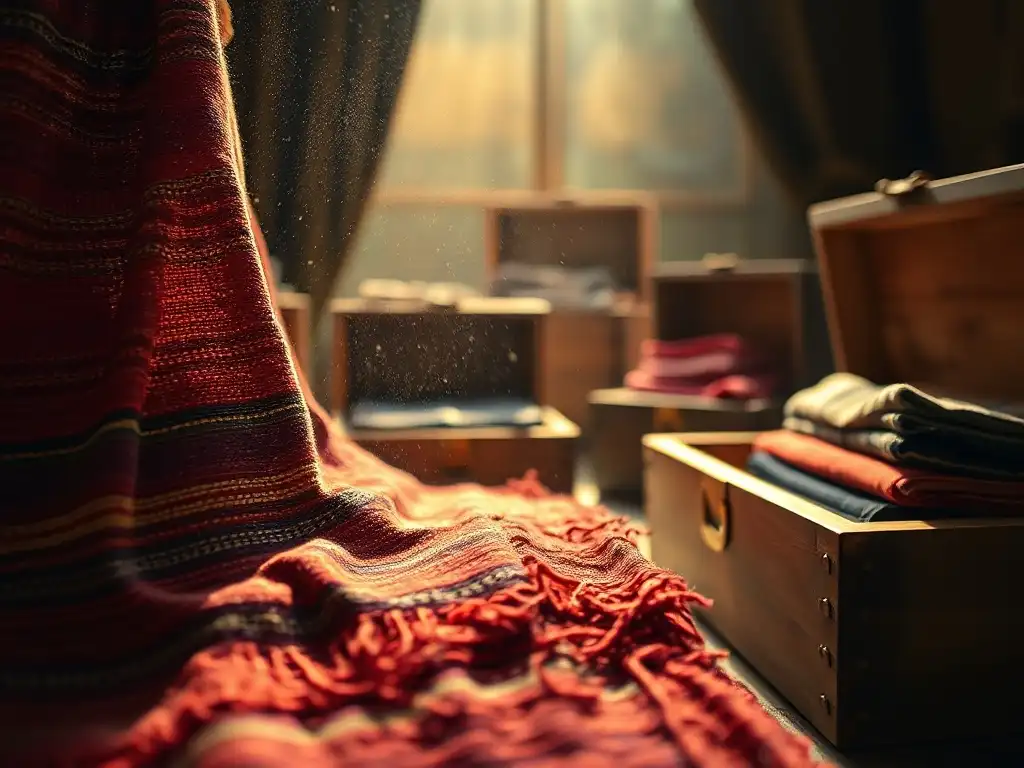
Proper storage is paramount in mitigating Andean textile dye deterioration. The vibrant colors characteristic of Andean textiles, achieved through ingenious natural dye processes, are susceptible to a range of degradation factors. Understanding these factors and implementing appropriate storage strategies is crucial for preserving these invaluable cultural artifacts for future generations. Neglecting proper storage can lead to irreversible damage, including fading, discoloration, and weakening of the fibers themselves.
This section will detail best practices to ensure the longevity of your Andean textile collection. The key to successful preservation lies in minimizing exposure to damaging environmental elements and ensuring the textiles are handled with care. This includes careful consideration of storage materials, methods, and environmental controls. The preservation of Andean textile dye is not just about aesthetics; it's about safeguarding a significant part of cultural heritage.
The Importance of Acid-Free Storage Materials:
The use of acid-free storage materials is absolutely critical in preventing Andean textile dye deterioration. Acids, even in small quantities, can react with the dyes and fibers, causing fading, embrittlement, and discoloration. This is particularly true for natural dyes, common in Andean textiles, which are often more sensitive to acidic environments than synthetic dyes.
Acid-free boxes, archival-quality folders, and tissue paper are essential. Avoid using materials like newspaper, cardboard, or wood pulp-based products, as these can release acids over time, compromising the integrity of your textiles. The ideal pH for storage materials should be neutral (pH 7) or slightly alkaline.
Regularly inspect your storage materials for any signs of deterioration or acid migration. If you notice any discoloration or unusual odor, replace the materials immediately to prevent further damage. Investing in high-quality, acid-free materials is a crucial step in long-term preservation and significantly reduces the risk of Andean textile dye deterioration.
Flat Storage vs. Rolling: Best Practices for Andean Textiles
The debate of flat versus rolled storage for Andean textiles is a common one among conservators. While rolling might seem space-saving, it can actually contribute to textile damage, especially in the long term. The pressure from rolling can cause creases and stress on the fibers, leading to weakening and potential breakage. This is particularly problematic for delicate textiles with intricate designs and fragile threads.
Therefore, flat storage is generally preferred for the majority of Andean textiles. This method minimizes stress on the fibers and helps maintain the textile's original shape and integrity. However, for exceptionally large textiles where flat storage is impractical, loose rolling around a large, acid-free tube can be a compromise, but ensure the textile isn't tightly wound.
Regardless of the chosen method, always use acid-free tissue paper between layers to prevent abrasion and provide cushioning. The goal is to minimize stress and prevent any contact between the textile and potentially harmful materials. Regular inspection for signs of stress or damage is vital, regardless of the storage method.
Avoiding Direct Contact with Wood and Other Reactive Materials
Direct contact with wood and certain other materials can significantly contribute to Andean textile dye deterioration. Wood, particularly untreated wood, can release acids and other compounds that react with the dyes and fibers, causing discoloration and weakening. Similarly, some metals can cause staining or chemical reactions.
Always ensure that your textiles are stored in acid-free containers and are not in direct contact with any wooden surfaces or metallic objects. This includes avoiding wooden storage boxes or shelves unless they are specifically treated for archival purposes. The same principle applies to materials like certain plastics and rubber, which can also release harmful compounds.
Maintaining proper ventilation in the storage area is also important to prevent the buildup of moisture and mold, which can further accelerate dye deterioration. Choosing appropriate materials and maintaining a clean, dry storage environment is essential for long-term preservation of your Andean textile collection and protecting against the risks of Andean textile dye deterioration.
Conclusion: A Call for Responsible Preservation of Andean Textile Colors
The vibrant hues of Andean textiles, a testament to the ingenuity and artistry of ancient civilizations, are tragically susceptible to deterioration. Understanding the chemical processes behind color fading and material degradation is crucial for effective preservation efforts. This knowledge empowers collectors, museums, and researchers to implement strategies that ensure the longevity of these invaluable artifacts. The chemical instability of many natural dyes, coupled with environmental factors like light exposure and humidity, presents a significant challenge.
However, through careful handling, appropriate storage conditions, and proactive conservation measures, we can significantly mitigate the risks of Andean textile dye deterioration. The future of these breathtaking works depends on our collective commitment to their preservation. The cost of inaction is far greater than the investment in responsible preservation.
The Enduring Value of Andean Textile Art
Andean textile art represents far more than just aesthetically pleasing fabrics. These textiles are tangible links to the past, offering invaluable insights into the social structures, religious beliefs, and technological advancements of ancient Andean societies. Each intricate design, each carefully chosen color, tells a story—a narrative woven into the very fabric of the piece.
The dyes themselves, often derived from plants and insects found only in specific Andean regions, reflect the deep connection between these cultures and their environment. Losing these textiles is not merely losing beautiful objects; it's losing irreplaceable pieces of history, erasing a significant part of our collective cultural heritage. The loss of color, therefore, represents a loss of information, a silencing of voices from the past.
Preserving these textiles is not merely a matter of aesthetics; it is a responsibility to future generations. The economic value of well-preserved Andean textiles also cannot be underestimated, contributing significantly to cultural tourism and heritage preservation initiatives.
Practical Steps to Ensure the Longevity of Andean Textile Dyes
Protecting Andean textiles requires a multi-pronged approach. First, proper storage is paramount. This means storing textiles in a cool, dark, and dry environment with stable temperature and humidity levels. Fluctuations in these conditions can accelerate deterioration. Avoid direct sunlight, which is a major culprit in dye fading. Using acid-free archival-quality boxes and tissue paper is also recommended.
Secondly, handling should be minimized and always performed with clean, gloved hands. Body oils and acids can damage the fibers and dyes. Avoid excessive folding or creasing, as these can cause stress points and lead to fiber breakage. For display, UV-filtering glass or protective cases are essential to minimize light exposure.
Thirdly, regular monitoring and professional conservation are crucial. Regular inspections can identify early signs of deterioration, allowing for timely intervention. Professional conservators possess the expertise to clean, repair, and stabilize textiles using appropriate methods and materials. They can also assess the condition of the dyes and recommend specific preservation strategies tailored to the individual textile's needs.
This proactive approach is far more cost-effective in the long run than emergency intervention after significant damage has occurred. The investment in professional conservation is an investment in the longevity of Andean textile heritage. Ignoring these steps leads to irreversible damage and a tragic loss of cultural heritage.
Frequently Asked Questions
What causes Andean textile dyes to deteriorate?
Several factors contribute to dye deterioration, including exposure to light, humidity, and insects. The specific chemical composition of the dyes also plays a crucial role in their longevity.
How can we prevent the deterioration of Andean textiles?
Careful storage in a cool, dry, and dark environment is crucial. Minimizing exposure to light and controlling humidity levels are key preventative measures. Professional conservation techniques can also help.
What types of dyes were commonly used in Andean textile production?
Andean civilizations utilized a diverse range of natural dyes derived from plants, insects, and minerals. Cochineal, from insects, produced vibrant reds, while plants provided yellows, blues, and browns.
What are the challenges in studying the deterioration of ancient Andean dyes?
The age and fragility of the textiles pose significant challenges. Analyzing the chemical composition of degraded dyes can be difficult, requiring specialized techniques and careful handling.
Are there modern methods to conserve and restore faded Andean textiles?
Yes, conservation scientists employ various techniques, including cleaning, stabilization, and even dye reconstruction in some cases. These methods aim to slow further deterioration and preserve the textiles for future generations.
Final Reflection: The Enduring Legacy of Andean Textile Colors
The vibrant hues of Andean textiles, once symbols of cultural richness and technological prowess, continue to fade, a silent testament to the delicate balance between artistry and the relentless march of time. Understanding the chemistry behind their deterioration is not merely an academic pursuit; it's a crucial step in preserving a vital part of human heritage for future generations. The fragility of these dyes underscores the importance of conservation efforts and the need for innovative preservation techniques.
The impact of dye deterioration extends far beyond the aesthetic. These textiles are not just fabrics; they are living archives, narrating stories of ancient civilizations, intricate social structures, and enduring artistic traditions. The threads themselves are a kind of memory, holding within them the echoes of countless hands and hearts.
This quote, though not directly about Andean textiles, perfectly captures the emotional weight and historical significance embedded within these fragile works of art. Their fading represents a loss not only of color, but also of cultural knowledge and identity. The ongoing research into these dyes is a race against time, a fight to preserve these invaluable pieces of history before they are lost forever.
Consider the threads of your own life – the moments, memories, and experiences that shape your identity. Just as the Andean textiles are vulnerable to the passage of time, so too are our personal narratives.
I urge you to reflect on the things you hold dear, the stories you want to preserve, and the actions you can take to safeguard them. Whether it's through supporting conservation efforts, learning more about the history of textile arts, or simply appreciating the beauty and fragility of the world around us, each of us has a role to play in ensuring that the vibrant tapestry of human history continues to unfold.
Embark on a Colorful Journey Through Andean Textiles!
Thank you for exploring the fascinating world of Andean textile colors with us! You've gained valuable insights into the chemistry behind these vibrant hues and their cultural significance. Now, let's deepen your connection with this rich heritage.
Here are a few ways to further engage with Andean textiles:
- **Learn more:** Seek out local artisans or workshops that teach traditional dyeing techniques. You might even discover a class in your area!
- **Share your passion:** Discuss your newfound knowledge with friends, family, or online. Explore how these dyes contribute to both cultural identity and sustainable practices.
- **Support Andean artisans:** Purchase authentic Andean textiles from fair-trade sources to appreciate their exquisite craftsmanship and help sustain these vibrant communities.
What aspect of Andean textile chemistry captivates you most, and how will you share this knowledge with others?