
Llullucha and Yareta: High Altitude Plants of the Andes

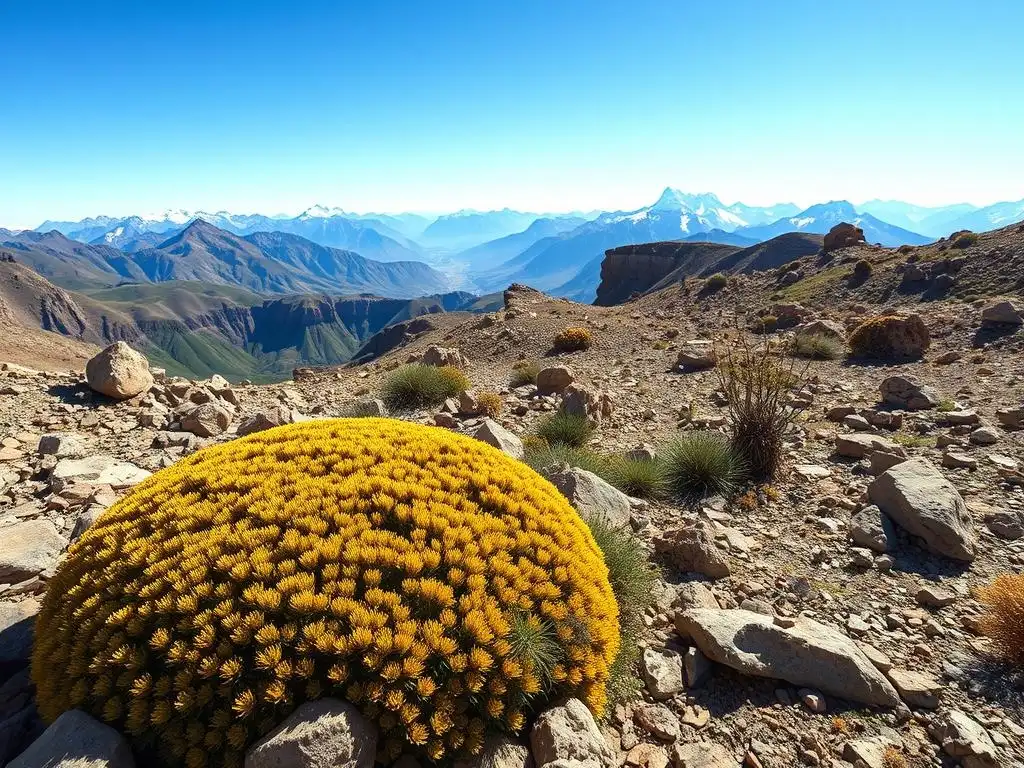
Step into a world lost in the clouds, where the air thins and the mysteries deepen. Imagine landscapes sculpted by time, where civilizations thrived against all odds, harnessing the power of the Andes themselves. This is the realm of Andean Civilizations, and we invite you to uncover its secrets.
But first, prepare to be amazed by the resilience of life at extreme altitudes: discover the astonishing adaptations of Andean high-altitude plants, such as Llullucha and Yareta, and learn how these remarkable species played a vital role in the survival and prosperity of ancient Andean cultures. Their stories are just the beginning...
- Andean High-Altitude Plants: Llullucha and Yareta
- Introduction to Andean Flora and High-Altitude Adaptations
- Llullucha: The Andean Algae of High Peaks
- Yareta: The Resilient Cushion Plant of the Andes
- Comparing Llullucha and Yareta: Two Unique Andean Plants
- The Importance of Andean High-Altitude Plants for Andean Civilizations
- Threats to Andean High-Altitude Flora
- Conclusion: The Enduring Legacy of Andean High-Altitude Plants
- Frequently Asked Questions
- Final Reflection: The Enduring Resilience of Andean High-Altitude Life
- Unveil the Wonders of Andean Flora!
Andean High-Altitude Plants: Llullucha and Yareta
The high Andes Mountains, a breathtaking landscape of towering peaks and stark beauty, are home to a remarkable array of flora uniquely adapted to survive in extreme conditions. This article delves into the fascinating world of two such plants: Llullucha and Yareta. These resilient species, thriving in the harsh, high-altitude environments of the Andes, played – and continue to play – significant roles in the lives and cultures of Andean communities. We will explore their botanical characteristics, traditional uses, and ecological importance, showcasing their remarkable adaptation to the challenging Andean ecosystem and highlighting their significance within the broader context of Andean agriculture and the importance of plants in Andean life. Understanding these plants offers a deeper appreciation for the ingenuity and resilience of both the plant kingdom and the Andean civilizations that relied upon them. This exploration contributes to a richer understanding of "Andean high-altitude plants" and their enduring legacy.
Botanical Characteristics of Llullucha ( Oxalis tuberosa)
Llullucha, also known as oca, is a tuberous plant belonging to the Oxalidaceae family. Unlike potatoes, which store their energy underground in large tubers, Llullucha produces numerous smaller tubers, varying in color from white and yellow to red and purple. These tubers are rich in carbohydrates and contain a significant amount of vitamin C. The plant itself is relatively low-growing, with delicate, clover-like leaves.
Its adaptability to harsh conditions, including frost and drought, makes it a vital crop in the high Andes. Its cultivation requires minimal intervention, making it a sustainable and resilient food source for Andean communities for centuries. This resilience is a key factor in its continued importance in Andean agriculture.
Traditional Uses and Cultural Significance of Llullucha
For generations, Llullucha has been a staple food crop in the Andes, providing a crucial source of carbohydrates and nutrients. The tubers are typically boiled, roasted, or used in various traditional dishes. Interestingly, the taste of Llullucha can vary depending on the cultivar and growing conditions, ranging from slightly sweet to tart. Some varieties contain oxalic acid, which requires careful preparation to avoid digestive issues.
Beyond its nutritional value, Llullucha holds cultural significance, often featuring in traditional ceremonies and celebrations. Its vibrant colors also make it a visually appealing crop, adding to its importance in Andean agricultural practices. The plant's versatility and cultural significance highlight its integral role in Andean life.
Botanical Characteristics of Yareta ( Azorella compacta)
In stark contrast to the relatively low-growing Llullucha, Yareta is a fascinating, cushion-like plant that forms dense, compact mats on the high-altitude puna grasslands. This slow-growing, extremely long-lived species belongs to the Apiaceae family and is exceptionally well-adapted to the harsh, dry conditions of the high Andes. Its compact growth form minimizes water loss, and its dense structure provides protection against strong winds and extreme temperature fluctuations. The plant's ability to survive in such extreme conditions is truly remarkable. Its slow growth rate, however, makes it particularly vulnerable to overharvesting.
Traditional Uses and Conservation Concerns of Yareta
Historically, Yareta has been used as a fuel source in the Andes, its dense structure making it a readily available and long-burning fuel. Unfortunately, this practice, combined with its slow growth rate, has led to significant population declines in many areas. The overharvesting of Yareta underscores the importance of sustainable practices and conservation efforts to protect this unique and valuable Andean high-altitude plant.
The conservation of Yareta is crucial not only for its ecological importance but also for preserving the cultural heritage associated with its traditional use. Efforts to promote sustainable alternatives and protect remaining Yareta populations are essential for its long-term survival. Current conservation strategies are crucial for the survival of this unique Andean plant.
Introduction to Andean Flora and High-Altitude Adaptations
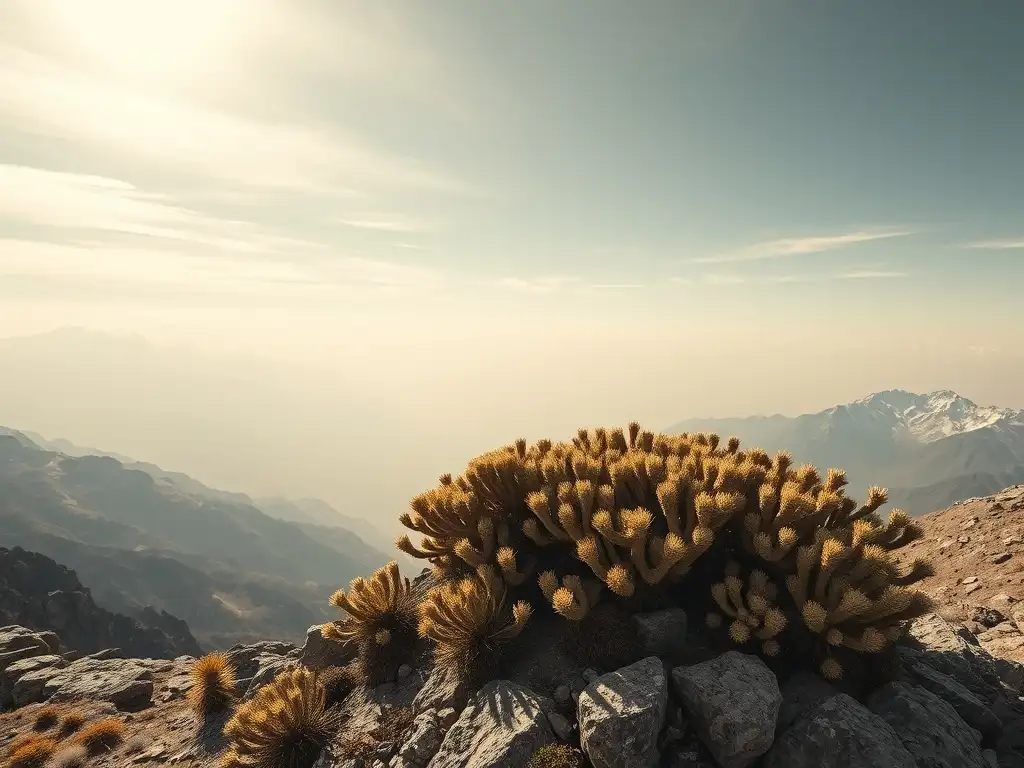
The Andes Mountains, a spine of towering peaks running down the western coast of South America, boast an incredibly diverse array of flora. This biodiversity is particularly remarkable considering the harsh conditions present at high altitudes. Understanding the unique adaptations of Andean high-altitude plants is crucial to appreciating the ingenuity of nature and the deep connection between these plants and the Andean civilizations that thrived amidst them.
This section will explore the unique ecosystems found in the Andes and the significant challenges plants face in these environments, focusing on the remarkable resilience of species like Llullucha and Yareta. The study of Andean high-altitude plants provides insights into not only botanical adaptations but also into the agricultural practices and medicinal uses employed by ancient Andean cultures.
The Unique Ecosystems of the Andes Mountains
The Andes Mountains present a complex tapestry of ecosystems, varying dramatically with altitude. From lush cloud forests at lower elevations to frigid puna grasslands and icy peaks, the environment changes rapidly. This vertical zonation creates a multitude of microclimates, each supporting a unique assemblage of plant species.
The puna, for instance, is a high-altitude grassland ecosystem characterized by short vegetation, strong winds, intense solar radiation, and significant temperature fluctuations between day and night. This extreme environment necessitates specialized adaptations for survival. The paramo, another high-altitude ecosystem, is characterized by wet, boggy conditions and a different set of plant adaptations.
Understanding these distinct ecosystems is vital to appreciating the specific challenges faced by Andean high-altitude plants and their remarkable strategies for overcoming them. The diversity of these ecosystems, in turn, reflects the incredible biodiversity of the Andean region, a biodiversity that has supported human life for millennia. Furthermore, the distinct characteristics of each zone shaped the agricultural practices and resource utilization strategies of the various Andean cultures.
Challenges of Plant Life at High Elevations
Life at high altitudes presents numerous formidable challenges for plants. The most significant include:
- Low temperatures: Freezing temperatures, especially at night, are a constant threat. Many Andean plants have developed mechanisms to withstand frost and ice formation within their tissues.
- Intense solar radiation: The thin atmosphere at high altitudes offers less protection from the sun's ultraviolet (UV) radiation. Plants have evolved protective mechanisms, such as increased production of UV-absorbing compounds, to mitigate this damage.
- Water scarcity: While some high-altitude ecosystems are wet, many are characterized by arid conditions. Plants have adapted to conserve water through mechanisms like reduced leaf surface area, thick cuticles, and deep root systems.
- Strong winds: High-altitude winds can be incredibly strong, posing a physical threat to plant growth and survival. Many plants have evolved compact growth forms or flexible stems to withstand these forces.
- Nutrient-poor soils: High-altitude soils are often nutrient-poor, requiring plants to develop strategies for efficient nutrient uptake.
These challenges have driven the evolution of remarkable adaptations in Andean high-altitude plants, resulting in unique morphologies, physiologies, and life histories. The ability to thrive under such harsh conditions is a testament to the resilience of life and the power of natural selection. These adaptations, in turn, have been crucial to the survival of the Andean communities that relied on these plants for food, medicine, and other resources.
The interplay between environmental pressures and evolutionary responses has shaped the unique biodiversity of the Andean high-altitude flora. Further research is needed to fully understand the complexities of these adaptations and their implications for conservation efforts. For example, [specific information pending] on the genetic basis of frost tolerance in Llullucha.
Llullucha: The Andean Algae of High Peaks
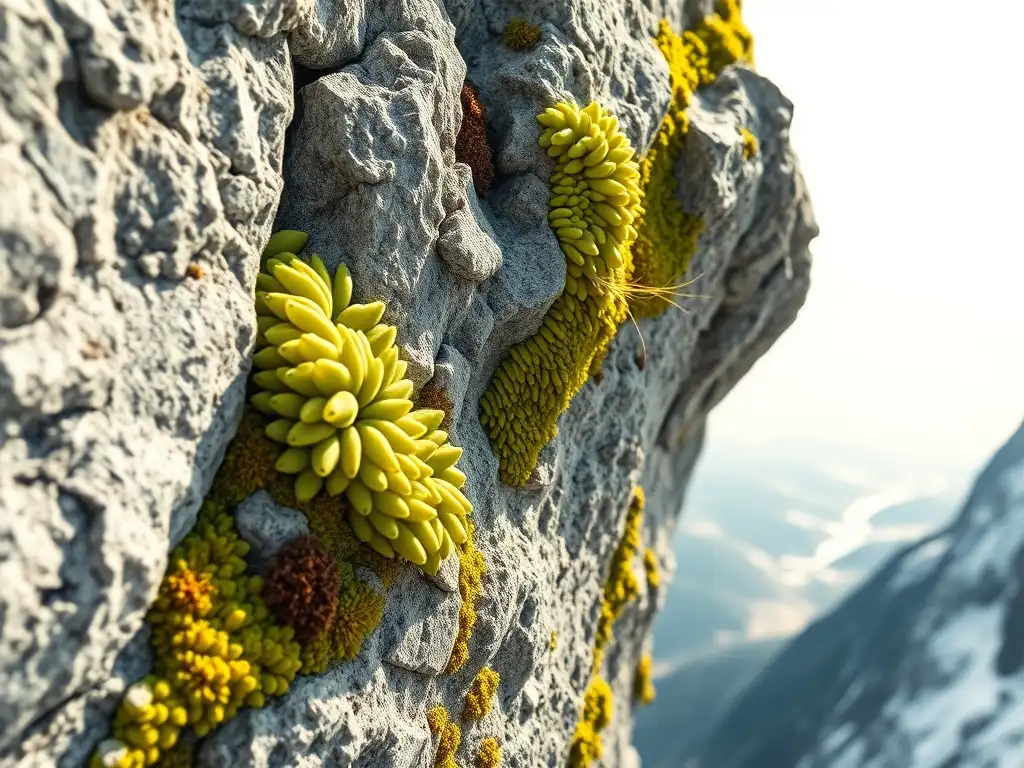
What is Llullucha? Exploring the Characteristics of this Andean Algae
Llullucha, scientifically known as Nostoc commune, isn't a plant in the traditional sense, but a type of cyanobacteria – often referred to as blue-green algae – thriving in the harsh conditions of the Andean high altitudes. These fascinating organisms are incredibly resilient, capable of surviving in environments where few other life forms can endure. They form gelatinous colonies, often appearing as dark green or bluish-black balls or mats on the ground, particularly in moist areas of the puna ecosystem. Their ability to fix atmospheric nitrogen is a key characteristic, enriching the nutrient-poor soils where they grow.
This nitrogen fixation is crucial for the overall health of the high-altitude Andean ecosystem. The colonies can vary in size considerably, ranging from a few centimeters to several decimeters in diameter, depending on environmental factors like moisture and nutrient availability. Their texture is typically smooth and slimy when wet, becoming firmer and drier as they dehydrate. Microscopic examination reveals the intricate structure of the individual cyanobacteria cells within the colony.
The resilience of Nostoc commune to extreme temperature fluctuations, intense UV radiation, and water scarcity makes it a remarkable example of adaptation to Andean high-altitude conditions. Further research into the genetic makeup of Llullucha could reveal even more secrets to its survival in these challenging environments. Understanding the specific mechanisms of its nitrogen fixation could have implications for sustainable agriculture in similar harsh climates worldwide.
Llullucha's Role in High-Altitude Ecosystems
Llullucha plays a vital role in the delicate balance of the Andean high-altitude ecosystems. Its nitrogen-fixing capabilities are essential for enriching the nutrient-poor soils of the puna. This enrichment supports the growth of other plants, creating a more diverse and resilient ecosystem. The presence of Llullucha can be an indicator of soil health and overall ecosystem stability.
Studies have shown a positive correlation between Llullucha abundance and the diversity of other plant species in the surrounding area. Moreover, the algae serves as a food source for various invertebrates and even some small vertebrates, contributing to the food web of the high-altitude environment. The gelatinous nature of the colonies also helps to retain moisture in the soil, contributing to overall water conservation in these arid regions. Changes in Llullucha populations could signify alterations in the ecosystem's health, possibly indicating environmental stress or degradation.
Monitoring Llullucha populations, therefore, could provide valuable insights into the impact of climate change and other environmental pressures on the Andean high-altitude ecosystems. Further research is needed to fully understand the complex interactions between Llullucha and other organisms in these fragile ecosystems. This includes assessing the impact of human activities on Llullucha populations and the potential consequences for the wider ecosystem.
Traditional Uses of Llullucha by Andean Communities
For centuries, Andean communities have recognized the value of Llullucha, incorporating it into their traditional practices. While the exact historical record is patchy, oral traditions and anthropological studies point to its use as a food source, particularly during times of scarcity. Some communities have traditionally consumed Llullucha after careful preparation, often boiling it to reduce its gelatinous texture and removing any potential contaminants. It is believed to have provided a valuable source of protein and other nutrients in harsh environments where other food sources are limited.
Beyond its nutritional value, Llullucha has also been used in traditional medicine. While scientific evidence remains limited, anecdotal evidence suggests its use in treating various ailments, highlighting the deep-rooted connection between Andean communities and their environment. Understanding these traditional practices is crucial for preserving cultural heritage and exploring the potential of Llullucha for modern applications, such as sustainable agriculture and bioremediation.
Further research is needed to fully document and validate these traditional uses, including rigorous testing for safety and efficacy. The preservation of traditional knowledge is paramount to ensure the continued sustainable use of this valuable resource. The knowledge held within Andean communities regarding Llullucha represents a wealth of information that can inform future research and application.
Yareta: The Resilient Cushion Plant of the Andes
Yareta ( Azorella compacta) is a fascinating example of Andean high-altitude plants, showcasing remarkable adaptations to survive in the harsh, high-altitude environments of the Andes Mountains. This low-growing, cushion-like plant is a crucial component of the puna ecosystem, playing a significant role in both the environment and the cultural history of the region.
Its resilience and unique characteristics make it a captivating subject of study for botanists and ecologists alike, while its historical use by Andean communities highlights its importance to human populations. Understanding yareta's biology and its role in the Andean ecosystem is vital to appreciating the biodiversity and fragility of these high-altitude environments.
Yareta's Unique Growth Form and Adaptations
Yareta's most striking feature is its unique growth form. Instead of growing tall, it forms dense, compact cushions that hug the ground, sometimes reaching several meters in diameter. This growth habit is a crucial adaptation to the harsh conditions of the high Andes. The close proximity of its branches and leaves minimizes exposure to the strong winds and intense solar radiation characteristic of these altitudes. Furthermore, this compact structure provides insulation, protecting the plant from extreme temperature fluctuations between day and night.
The leaves themselves are small, scale-like, and densely packed, further contributing to the plant's ability to conserve water and reduce water loss through transpiration. Yareta's slow growth rate – often adding only a few millimeters per year – is another key adaptation. This slow growth allows the plant to allocate resources efficiently, maximizing its chances of survival in a resource-limited environment.
Its deep root system also plays a critical role, allowing it to access limited water and nutrients deep within the rocky soil. The plant’s ability to withstand extreme cold, drought, and intense UV radiation showcases its extraordinary adaptability to the challenging Andean environment.
Yareta: A Slow-Growing High-Altitude Survivor
The slow growth rate of yareta, while an adaptation, also makes it particularly vulnerable to overexploitation. Historically, yareta has been harvested as a fuel source due to its high energy density. Unfortunately, this unsustainable practice has led to significant population declines in many areas. The slow growth means that once harvested, it takes decades, even centuries, for yareta to recover.
This makes conservation efforts crucial to ensuring the long-term survival of this remarkable species. Scientific research continues to investigate the optimal strategies for yareta conservation, including sustainable harvesting practices and the establishment of protected areas. The challenges faced by yareta highlight the delicate balance between human needs and the preservation of unique high-altitude ecosystems. Understanding the slow growth dynamics is essential for developing effective conservation strategies for Andean high-altitude plants.
The Ecological Significance of Yareta in the Andes
Yareta plays a significant ecological role in the high-Andean puna ecosystem. Its dense cushions provide shelter and habitat for a variety of small animals, including insects and rodents. The plant also contributes to soil stabilization, preventing erosion on steep slopes. Its contribution to soil nutrient cycling is also important; the decomposition of yareta's biomass releases nutrients that enrich the soil, supporting the growth of other plants.
Furthermore, the plant's presence influences the microclimate within its immediate surroundings, moderating temperature and humidity levels. The interconnectedness of yareta with the overall Andean ecosystem emphasizes the importance of its conservation for the maintenance of biodiversity and ecosystem stability within the high-altitude environments. The loss of yareta would have cascading effects on the entire ecosystem, impacting a wide range of species and ecological processes. Protecting yareta is therefore crucial for safeguarding the integrity of the Andean high-altitude ecosystem as a whole.
Comparing Llullucha and Yareta: Two Unique Andean Plants
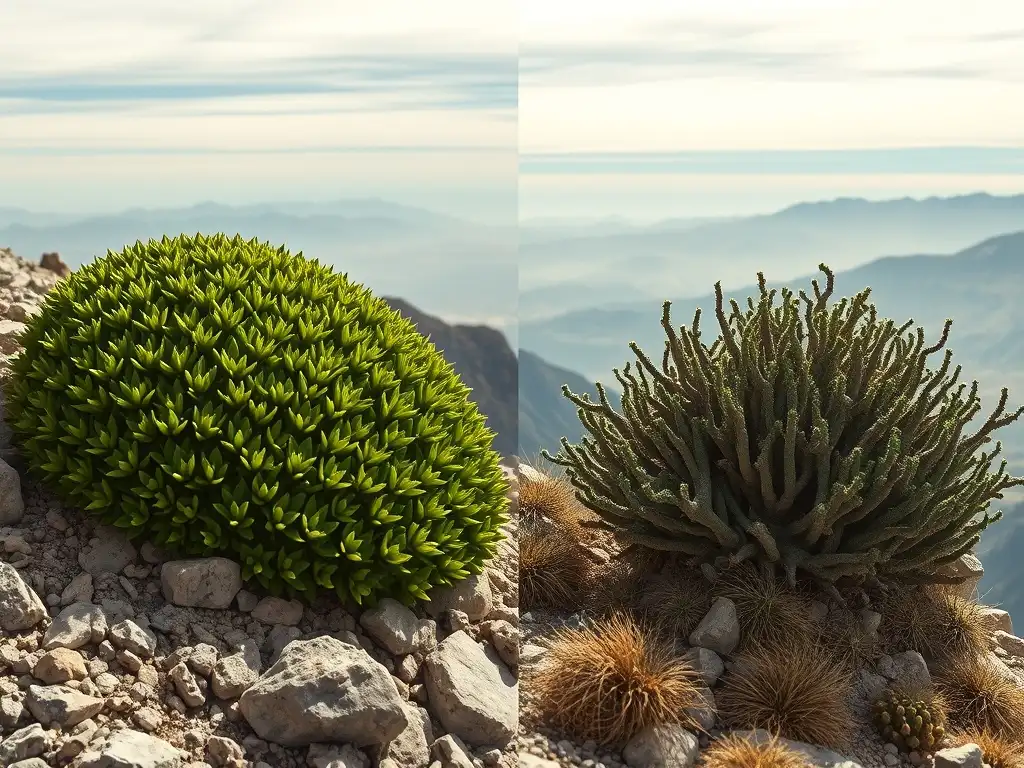
This section delves into the fascinating world of two remarkable Andean high-altitude plants: Llullucha ( Azorella compacta) and Yareta ( Azorella compacta). While both share the common name Azorella compacta, subtle differences exist, particularly in their morphology and ecological niches. Understanding these distinctions sheds light on the remarkable biodiversity of the Andean highlands.
We will explore their structural differences, growth patterns, and unique adaptations to the harsh high-altitude environment, ultimately highlighting their vital role in the Andean ecosystem. This comparison will focus specifically on the characteristics that make them such successful inhabitants of the challenging Andean high altitude environments, furthering our understanding of "Andean highaltitude plants."
Differences in Structure, Growth, and Habitats
While both Llullucha and Yareta belong to the same genus, their appearances and growth habits differ significantly. Yareta, often mistaken for a shrub, is a cushion-like plant forming dense, dome-shaped structures that can reach impressive sizes, sometimes exceeding a meter in diameter. These slow-growing plants, with their tightly packed branches and leaves, are well-adapted to withstand strong winds and extreme temperatures. Their habitat is predominantly found in the extremely dry puna grasslands of the Andes, at altitudes above 3,500 meters.
Llullucha, on the other hand, exhibits a more sprawling and less compact growth habit. It forms dense mats or low-lying cushions, but lacks the large, dome-like structure characteristic of Yareta. While it also thrives in high-altitude environments, Llullucha shows a greater tolerance for slightly more humid conditions, often found in rocky areas and along the edges of wetlands, at altitudes generally ranging from 3,000 to 4,800 meters.
This difference in habitat preference is likely linked to variations in their physiological adaptations to water availability and soil conditions. The varied morphology reflects the different selective pressures imposed by these distinct Andean high altitude environments.
Similarities in High-Altitude Adaptations
Despite their morphological differences, Llullucha and Yareta share several key adaptations that enable their survival in the harsh Andean high-altitude environment. Both species exhibit exceptional tolerance to extreme cold, intense solar radiation, and low atmospheric pressure. Their compact growth forms minimize surface area exposed to wind and radiation, acting as a natural insulator.
Furthermore, their slow growth rates and long lifespans reflect their adaptation to nutrient-poor soils and limited water availability. These plants demonstrate remarkable resilience, showcasing the power of natural selection in shaping life in extreme environments. Their survival strategies are vital to understanding the broader ecological dynamics of "Andean highaltitude plants."
They also share similar reproductive strategies, relying on wind dispersal for their tiny seeds. This efficient method ensures the propagation of these hardy plants across the vast and challenging landscapes of the Andes. The longevity of these plants, some surviving for centuries, highlights their remarkable ability to withstand the harsh conditions prevalent in these high-altitude ecosystems. Their slow growth, however, also makes them particularly vulnerable to over-harvesting and habitat destruction.
The Importance of Both Plants to Andean Biodiversity
Llullucha and Yareta play critical roles in the Andean ecosystem. Their dense growth forms provide habitat and shelter for numerous small animals, contributing to the overall biodiversity of the high-altitude puna. Their root systems help stabilize the soil, preventing erosion in these fragile environments.
Historically, both plants have also held cultural significance for Andean communities, used for various purposes including fuel (though this practice is now largely unsustainable and detrimental to their populations) and traditional medicine. Their continued existence is therefore crucial not only for maintaining the ecological balance but also for preserving the rich cultural heritage of the Andes. Protecting these unique "Andean highaltitude plants" is vital for safeguarding biodiversity and the cultural legacy of the region.
Continued research and conservation efforts are essential to ensure their long-term survival and the preservation of the unique ecosystems they inhabit. The understanding of their ecological roles in the Andes is crucial for developing effective strategies for their conservation. 🌴
The Importance of Andean High-Altitude Plants for Andean Civilizations
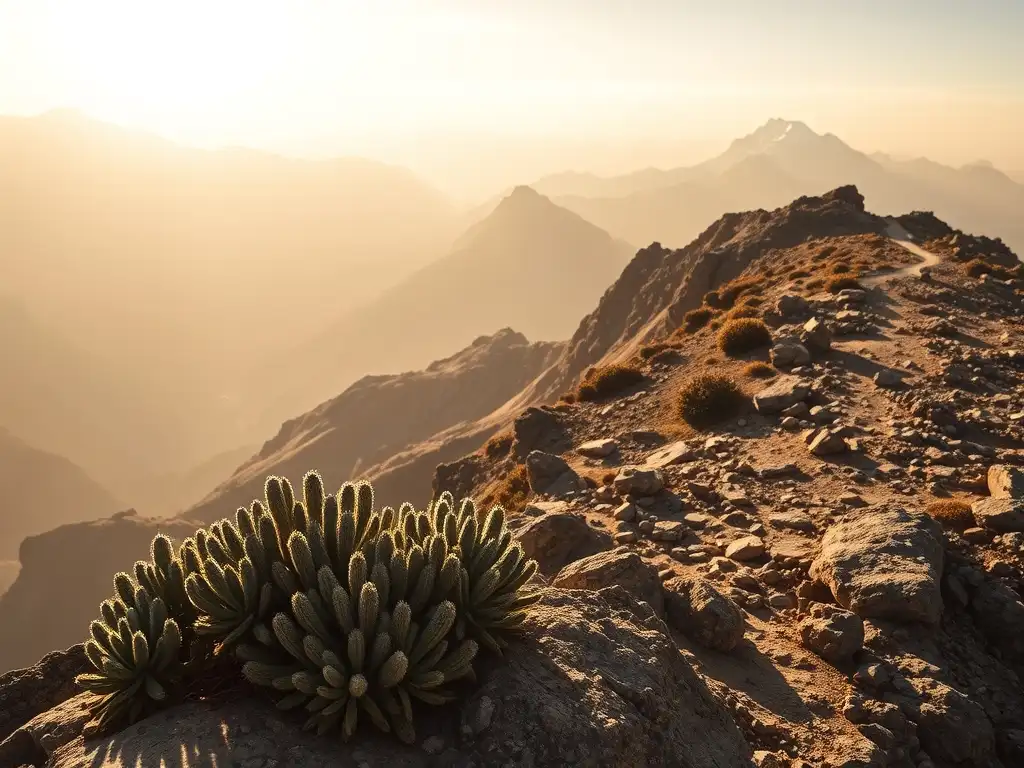
Andean high-altitude plants played a crucial role in the survival and prosperity of ancient Andean civilizations. The harsh conditions of the Andes—thin air, intense UV radiation, and fluctuating temperatures—meant that only highly adapted species could thrive. These plants, however, provided vital resources, impacting various aspects of Andean life, from sustenance and medicine to ritual and trade. Understanding the significance of these plants is key to appreciating the ingenuity and resilience of these remarkable cultures.
Their mastery of high-altitude agriculture and their deep knowledge of the properties of these plants allowed for complex societal structures and thriving communities in some of the world's most challenging environments. This section will delve into the specific uses of two notable examples: Llullucha and Yareta. The resilience of these plants, and the Andean peoples' understanding of them, is a testament to the intricate relationship between humans and their environment.
Llullucha and Yareta: Resources for Ancient Andean People
Llullucha ( Azorella compacta) and Yareta ( Azorella yerbæ) are two cushion plants found at high altitudes in the Andes. Their slow growth and dense, compact structure allow them to withstand the extreme conditions. Both plants have a long history of use by Andean communities.
Llullucha, often found at altitudes exceeding 4,000 meters, provided fuel. Its dense structure makes it an excellent source of slow-burning fuel, crucial in environments with limited firewood. Archaeological evidence suggests its use in domestic settings, particularly in colder regions. Its use extended beyond simple fuel; some evidence points to its potential medicinal properties, although further research is needed to fully understand this aspect. [Specific information pending on medicinal uses of Llullucha].
Yareta, similarly adapted to harsh high-altitude conditions, served multiple purposes. Its primary use was as fuel, especially important for cooking and heating. The resinous nature of Yareta made it burn slowly and efficiently, providing sustained heat. However, its overexploitation in recent times has led to conservation concerns. Traditional uses also included medicinal applications, with extracts believed to have properties for respiratory ailments and other conditions. [Specific details on traditional Yareta medicinal applications pending].
| Plant | Altitude Range (meters) | Primary Use(s) | Other Uses | Conservation Status |
|---|---|---|---|---|
| Llullucha | >4000 | Fuel | Potential medicinal uses | Vulnerable |
| Yareta | 3200-4500 | Fuel, potential medicine | Endangered |
The sustainable harvesting and management of these plants were, and continue to be, essential aspects of Andean life. The intricate knowledge passed down through generations highlights the deep understanding of the delicate balance of the high-altitude ecosystem. The impact of modern harvesting practices on these slow-growing species underscores the need for responsible resource management and the preservation of traditional ecological knowledge.
Traditional Knowledge and Preservation of High-Altitude Plants
The knowledge surrounding the use and cultivation of Andean high-altitude plants was, and continues to be, passed down through generations. This traditional ecological knowledge (TEK) represents a wealth of information about plant properties, sustainable harvesting techniques, and the interconnectedness of the high-altitude ecosystem. This knowledge is not merely a collection of facts; it is a holistic understanding of the environment, encompassing cultural practices, spiritual beliefs, and a deep respect for the natural world.
Many communities continue to utilize these plants for various purposes, but the pressures of modernization and globalization threaten this invaluable knowledge. The loss of this TEK would represent a significant loss not only for the communities that rely on these plants but also for the broader scientific community. Initiatives focused on documenting and preserving this traditional knowledge are crucial for ensuring the sustainable use of these resources and the continuation of cultural heritage.
These initiatives often involve collaboration between local communities, researchers, and conservation organizations. The preservation of this knowledge is also essential for developing sustainable strategies for the conservation of these unique and vulnerable plant species. The preservation of Andean highaltitude plants is not just about protecting biodiversity; it's about protecting a cultural legacy.
The Role of Andean Plants in Local Medicine and Culture
Andean high-altitude plants have played, and continue to play, a significant role in local medicine and cultural practices. Many plants possess medicinal properties, used traditionally to treat a variety of ailments. This traditional medicine often involves a holistic approach, considering the physical, mental, and spiritual well-being of the individual. Knowledge of medicinal plants is often passed down within families and communities, forming an integral part of their cultural identity.
The use of these plants is not merely a matter of practical application; they are often interwoven with spiritual and ritualistic practices. Certain plants may be associated with specific deities or ceremonies, holding significant cultural meaning beyond their practical uses. The relationship between Andean communities and their high-altitude flora transcends simple utility; it represents a deep-rooted connection to the land and a profound understanding of the natural world.
This connection is reflected in art, folklore, and religious practices, highlighting the central role of these plants in Andean culture and identity. Understanding this complex interplay between plants, medicine, and culture is crucial for appreciating the richness and diversity of Andean traditions. The ongoing research into the medicinal properties of these plants offers opportunities for both scientific advancements and the preservation of traditional knowledge.
Threats to Andean High-Altitude Flora
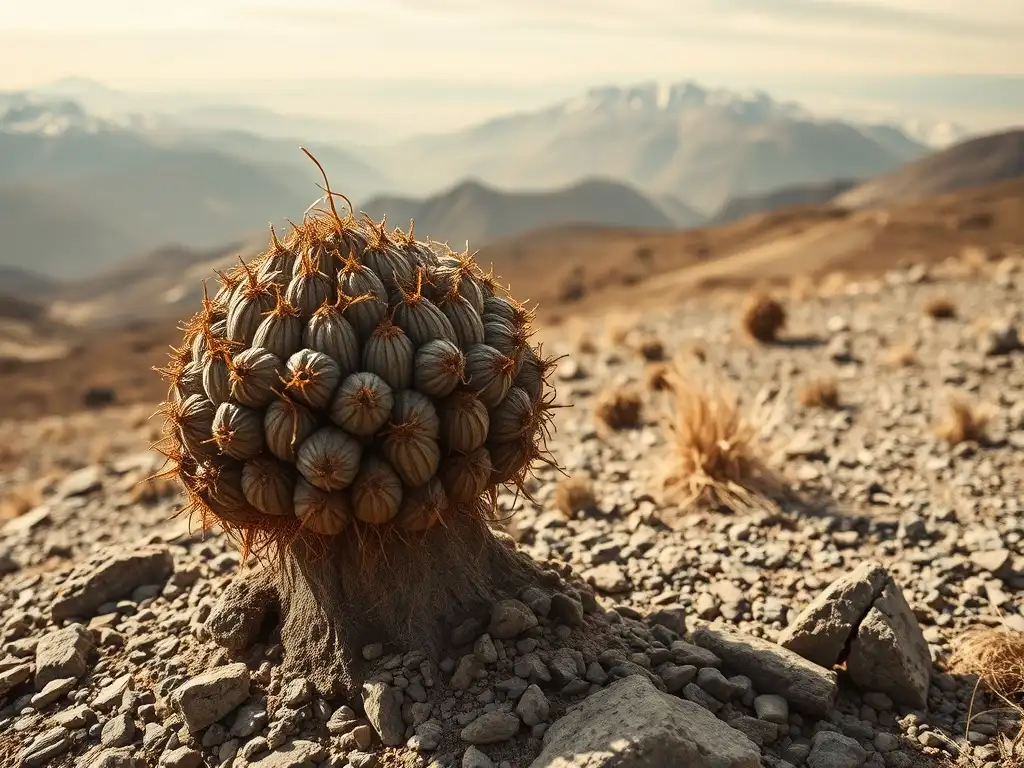
The unique flora of the Andean highlands, including iconic species like Llullucha and Yareta, faces significant threats impacting their survival and the delicate ecosystems they inhabit. Understanding these threats is crucial for implementing effective conservation strategies and ensuring the preservation of this invaluable biodiversity for future generations. The challenges are multifaceted, ranging from the effects of a changing climate to unsustainable harvesting practices.
These pressures affect not only the plants themselves but also the animals and communities that depend on them. The term "Andean high-altitude plants" encompasses a vast array of species, but the vulnerability of Llullucha and Yareta serves as a microcosm of the broader threats facing this unique flora.
Climate Change Impact on Llullucha and Yareta
Climate change presents a major challenge to the survival of high-altitude Andean plants. Rising temperatures, altered precipitation patterns, and increased frequency of extreme weather events are significantly impacting the delicate ecological balance of these fragile ecosystems. Llullucha and Yareta, adapted to specific temperature and moisture conditions, are particularly vulnerable.
Changes in temperature directly affect their growth cycles and reproductive success. Prolonged droughts, intensified by climate change, can lead to desiccation and mortality, especially for Yareta, which grows very slowly and relies on consistent moisture. Conversely, increased precipitation, potentially accompanied by more frequent and intense freeze-thaw cycles, can damage plant tissues and increase susceptibility to disease. These effects are compounded by the increased frequency and intensity of extreme weather events such as hailstorms and strong winds, which can physically damage these slow-growing plants.
Studies show a correlation between increasing average temperatures and a decline in Yareta populations in certain regions. [Specific data on population decline pending]. Furthermore, altered snowmelt patterns, crucial for water availability in these high-altitude environments, further stress these plants. The impact of climate change on Llullucha is less studied, however, given their similar ecological requirements, similar negative impacts are expected.
Overexploitation and Conservation Efforts
Besides climate change, unsustainable harvesting practices pose a significant threat to the survival of Llullucha and Yareta. Yareta, in particular, has been heavily exploited for its use as fuel, a practice deeply rooted in local traditions but unsustainable given its slow growth rate. The slow growth of Yareta – estimated to be less than 1 cm per year – makes it extremely vulnerable to over-harvesting. Once harvested, it takes decades, if not centuries, to recover. Similarly, Llullucha faces threats from overgrazing by livestock and habitat degradation due to human activities.
Conservation efforts are crucial to mitigate these threats. These efforts include establishing protected areas to safeguard Llullucha and Yareta habitats, promoting sustainable harvesting practices, and raising awareness among local communities about the importance of preserving these valuable plants. Research into the reproductive biology and ecological requirements of these species is essential for developing effective conservation strategies. Furthermore, community-based conservation initiatives, involving local people in the management and protection of these plants, are proving to be highly effective.
These initiatives foster a sense of ownership and responsibility, leading to increased conservation success. The implementation of stricter regulations on harvesting and the development of alternative fuel sources are also vital steps in protecting these unique Andean high-altitude plants. The future of Llullucha and Yareta, and indeed the entire Andean high-altitude flora, depends on the combined efforts of conservationists, researchers, and local communities.
Conclusion: The Enduring Legacy of Andean High-Altitude Plants
The resilience and adaptability of Andean high-altitude plants like Llullucha and Yareta are a testament to the power of nature's ingenuity. These plants, thriving in some of the harshest environments on Earth, have not only shaped the landscapes of the Andes but also played, and continue to play, a crucial role in the lives and cultures of the Andean people. Their story is one of survival, adaptation, and the enduring relationship between humans and their environment.
Understanding their significance is key to appreciating the rich biodiversity of the Andes and the importance of conservation efforts. The unique biochemical properties of these plants also offer exciting avenues for future research, potentially leading to discoveries with implications for medicine and other fields. Further research into the ethnobotanical uses and potential applications of these plants is crucial for unlocking their full potential while ensuring their sustainable use.
The Cultural and Ecological Value of Llullucha and Yareta
Llullucha ( Ephedra species) and Yareta ( Azorella compacta) hold immense cultural and ecological value in the Andes. For centuries, Llullucha, with its stimulating properties, has been used in traditional Andean medicine and ceremonies. Its use, however, needs careful management to avoid overharvesting and depletion of this valuable resource. Ethnobotanical studies have documented its use for respiratory ailments and as a stimulant, highlighting its importance in the traditional Andean pharmacopoeia. The sustainable harvesting and cultivation of Llullucha are crucial for preserving both its cultural and medicinal significance.
Yareta, on the other hand, has primarily served as a crucial fuel source for Andean communities for generations. Its slow growth rate, however, makes it particularly vulnerable to overexploitation. The dense, cushion-like growth of Yareta provides habitat for various small animals, contributing significantly to the Andean ecosystem's biodiversity.
The loss of Yareta not only impacts fuel sources but also diminishes the overall biodiversity and resilience of the high-altitude ecosystems. Sustainable alternatives to Yareta as a fuel source are urgently needed to ensure its long-term survival. This could involve promoting the use of alternative fuels and implementing stricter regulations on its harvesting.
Preserving the Rich Biodiversity of the Andes
The preservation of Andean high-altitude plants, such as Llullucha and Yareta, requires a multi-faceted approach. This includes implementing sustainable harvesting practices, promoting responsible tourism, and strengthening conservation efforts. It's crucial to educate local communities about the importance of these plants and the threats they face. Community-based conservation initiatives can empower local people to actively participate in protecting these valuable resources.
Furthermore, research into the reproductive biology and cultivation techniques of these slow-growing species is vital for developing effective conservation strategies. This research could lead to the development of sustainable cultivation methods and ensure the long-term survival of these unique and vital Andean plants. Scientific monitoring of populations is also crucial for assessing the effectiveness of conservation measures and for adapting strategies as needed. The future of these remarkable Andean high-altitude plants depends on our collective commitment to their conservation.
The challenge is to balance the needs of local communities with the imperative to protect these irreplaceable elements of the Andes' unique biodiversity. This requires collaboration between scientists, local communities, and government agencies. 🤝
Frequently Asked Questions
What are Llullucha and Yareta?
Llullucha and Yareta are two remarkable high-altitude plants found in the Andes Mountains. They are incredibly resilient, adapted to survive the harsh conditions of the Altiplano and other high-elevation regions. They are crucial components of the Andean ecosystem.
Where do Llullucha and Yareta grow?
These plants are found at extremely high altitudes in the Andes, typically above the tree line. Their range spans across several Andean countries, including Peru, Bolivia, and Chile, thriving in the cold, dry, and often rocky environments.
How are Llullucha and Yareta adapted to high altitude?
Both plants have developed specialized adaptations to survive the harsh conditions. This includes features like slow growth rates, compact forms to reduce wind exposure, and efficient water storage mechanisms to cope with arid conditions.
What are the uses of Llullucha and Yareta?
Historically, Yareta has been used as fuel due to its high density. Llullucha has also had some medicinal uses by local communities. However, their conservation is now a major concern due to overharvesting.
Why are the conservation of Llullucha and Yareta important?
Conserving these unique plants is crucial for maintaining biodiversity in the fragile Andean ecosystem. Their slow growth rates make them particularly vulnerable to overexploitation, and their ecological roles are vital to the high-altitude environment.
Final Reflection: The Enduring Resilience of Andean High-Altitude Life
The survival strategies of plants like Llullucha and Yareta are not merely botanical curiosities; they are vital lessons in adaptation and resilience in the face of a changing climate. Understanding these remarkable species offers a crucial window into the fragility of high-altitude ecosystems and the urgent need for their conservation. Their existence, precarious as it may seem, speaks volumes about the interconnectedness of life and the importance of preserving biodiversity.
The more I researched Llullucha and Yareta, the more I was struck by their quiet strength, a testament to the power of evolution and the enduring spirit of the Andes. Their slow growth, their unique adaptations to extreme conditions, and their crucial role in the Andean ecosystem resonate deeply. The mountains are calling, and I must go,
– John Muir. This sentiment, while originally about a different kind of mountain, perfectly encapsulates the pull of these extraordinary plants and their environment, urging us to protect their fragile world.
Consider the implications of their struggle for survival. What can we learn from these tenacious plants about adapting to challenges in our own lives? How can we, as individuals and as a global community, better protect the delicate balance of these high-altitude ecosystems? The future of Llullucha, Yareta, and countless other Andean species depends on our collective action and understanding. Let their resilience inspire you to become a steward of our planet, ensuring that these incredible plants continue to thrive for generations to come.
Unveil the Wonders of Andean Flora!
Thank you for exploring the fascinating world of high-altitude plants! We hope you've discovered their incredible adaptations and importance to the unique Andean ecosystem. Now, let's put your newfound knowledge into action!
Here's how you can continue to explore and engage with these remarkable plants:
- **Join a local conservation group** dedicated to protecting high-altitude environments and learn more about the unique flora of your region. Many organizations focus on preserving biodiversity in the Andes and would welcome your participation.
- **Share this article** with friends and fellow nature enthusiasts to spark conversations about the incredible resilience of these plants. Spreading awareness is crucial for their continued survival.
- **Document your own botanical observations** by starting a nature journal or blog. Sharing your discoveries can inspire others to appreciate the beauty and fragility of high-altitude biodiversity.
What aspect of high-altitude plants captivates you most, and how will you deepen your knowledge or share your passion with others?