
The Sacred Landscapes of the Andes: A Journey Through Time

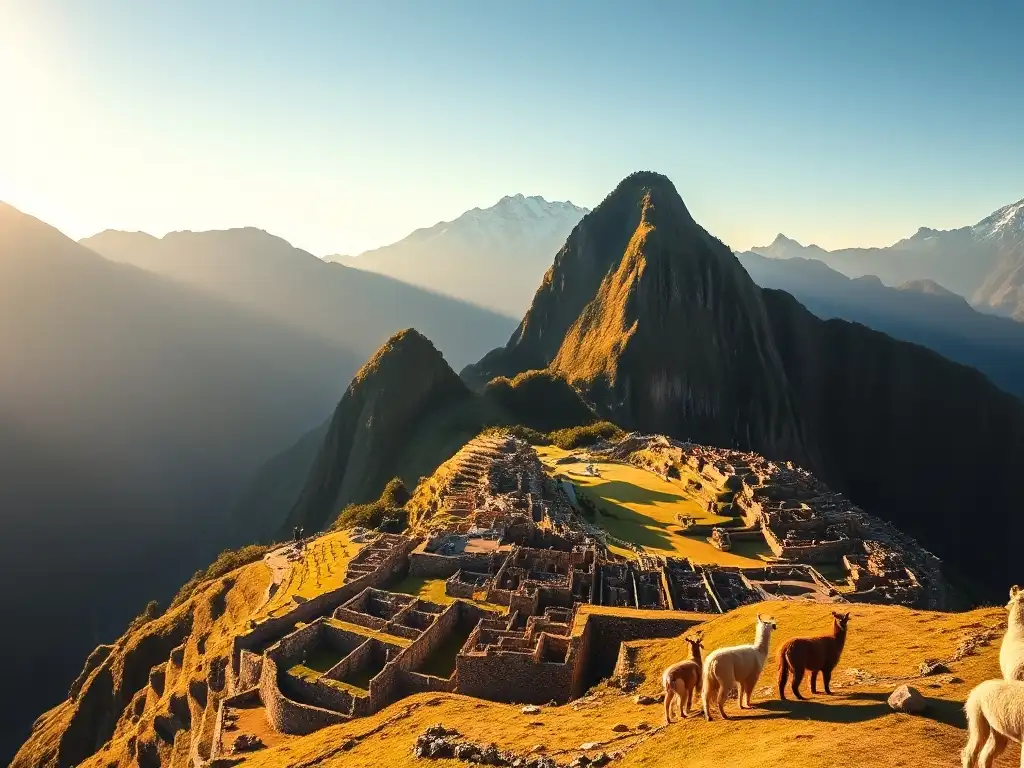
Uncover the mysteries hidden within the breathtaking landscapes of the Andes! For centuries, these majestic mountains have echoed with the stories of powerful civilizations. From the intricate artistry of the Nazca lines to the awe-inspiring architecture of Machu Picchu, Ancient Andean sacred sites hold the key to understanding a rich and complex past. Prepare to be captivated as we embark on a journey through time, revealing the secrets these sacred places whisper to those who listen closely. Dive in and discover the wonders that await!
The Andes Mountains, a spine of rock and ice stretching along the western edge of South America, are not merely a geographical feature; they are a living testament to millennia of human history and spiritual connection. For centuries, a succession of vibrant Andean civilizations – from the enigmatic Nazca to the mighty Inca – have carved their beliefs and practices into the very fabric of this dramatic landscape. This article embarks on a journey through time, exploring the sacred sites that these civilizations left behind, revealing their intricate cosmology, sophisticated engineering, and enduring legacy.
We will delve into the significance of these locations, highlighting their importance within the context of ancient Andean religion, astronomy, and social structure. From the breathtaking mountaintop citadels to the meticulously crafted geoglyphs etched into the desert floor, we will uncover the profound spiritual meaning embedded within these Ancient Andean sacred sites, offering a unique perspective on the enduring power of Andean culture.
This exploration will also consider the modern-day significance of these sites and the ongoing efforts to preserve them for future generations. Prepare to be amazed by the ingenuity and spiritual depth of these ancient peoples and the remarkable landscapes they inhabited.
Unveiling Ancient Andean Sacred Sites: A Traveler's Guide
Planning a trip to explore the ancient sacred sites of the Andes requires careful consideration. These sites, often located in remote and challenging terrains, demand respect and responsible travel practices. This section provides a practical guide for travelers interested in experiencing these remarkable places firsthand. We will outline key considerations, including:
- Accessibility: Many sites are located in high-altitude regions, requiring appropriate physical fitness and acclimatization. Some sites may also have limited accessibility for individuals with mobility challenges. [Specific accessibility information pending for each site]
- Permits and Regulations: Visiting certain sites may require obtaining permits in advance. Respecting local regulations and guidelines is crucial to preserving the integrity of these valuable historical and cultural resources. [Specific permit information pending for each site]
- Environmental Considerations: The Andean ecosystem is fragile. Responsible tourism practices, including minimizing environmental impact and respecting local communities, are essential. [Specific environmental guidelines pending]
- Best Time to Visit: Weather conditions in the Andes vary significantly depending on the altitude and region. Planning your trip during the optimal season can enhance your experience and ensure safer travel. [Specific recommendations pending for optimal travel seasons]
We will also provide a curated selection of some of the most significant and accessible Ancient Andean sacred sites, offering a glimpse into the diverse range of cultural expressions found throughout the region. This will include details about their historical significance, unique features, and practical information for visitors. Let's begin our exploration!
| Site Name | Civilization | Key Features | Accessibility Notes |
|---|---|---|---|
| Machu Picchu | Inca | Mountaintop citadel, intricate stonework | High altitude, requires moderate fitness |
| Sacsayhuamán | Inca | Massive stone structures, astronomical alignment | High altitude, potentially challenging terrain |
| Nazca Lines | Nazca | Geoglyphs etched into the desert | Remote location, requires guided tour |
| Tiwanaku | Tiwanaku | Megalithic architecture, ceremonial center | High altitude, potentially challenging terrain |
| Chavín de Huántar | Chavín | Temple complex, intricate carvings | Moderate altitude, requires good physical fitness |
Further Considerations for Responsible Travel
Remember to support local communities by purchasing handicrafts and utilizing local guides. Respect the cultural significance of these sites and avoid any actions that could damage or desecrate them. Leave no trace behind and help preserve these wonders for generations to come. 🌎
- What are some of the most important Ancient Andean sacred sites?
- How did the geography of the Andes influence the location of sacred sites?
- What role did religion play in the construction and use of these sacred sites?
- What kind of rituals and ceremonies took place at these Ancient Andean sacred sites?
- How are Ancient Andean sacred sites preserved and protected today?
Exploring the Mystical Power of Andean Religious Sites
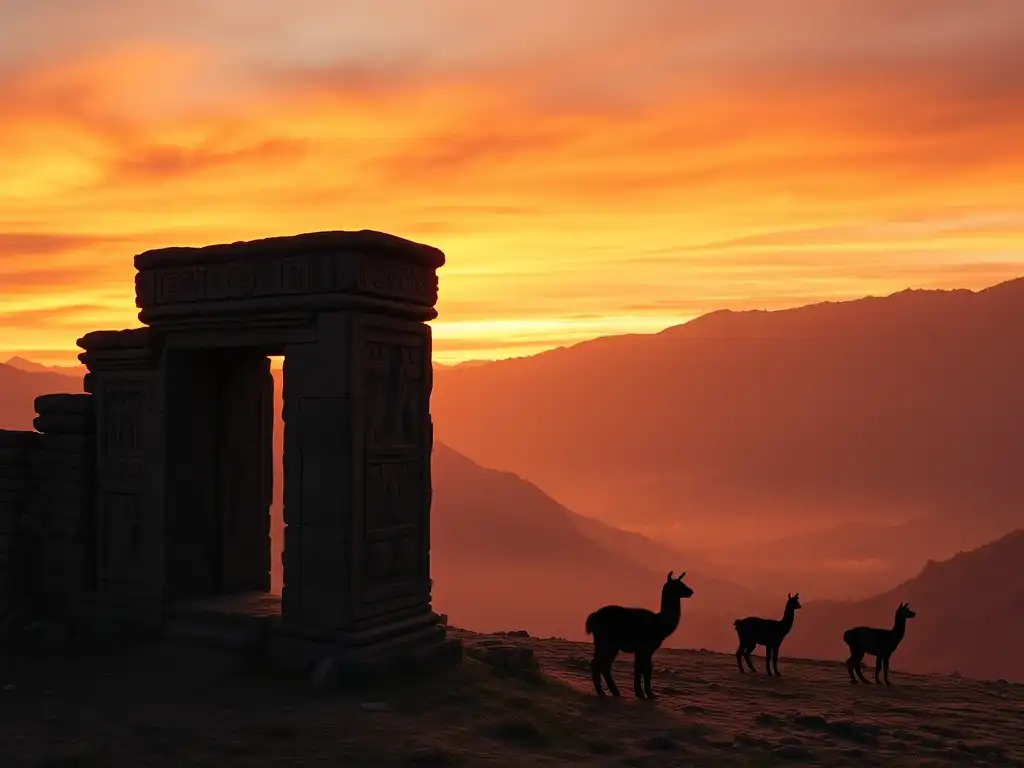
This section delves into the spiritual heart of the Andes, exploring the profound religious significance embedded within the region's iconic archaeological sites. These weren't merely settlements; they were meticulously planned sacred landscapes, reflecting a deep connection between the Andean people and their environment. Understanding these ancient Andean sacred sites unveils a complex cosmology, intricate rituals, and a sophisticated understanding of astronomy and the natural world.
We'll examine three key examples: Machu Picchu, Ollantaytambo, and Sacsayhuamán, each offering unique insights into the multifaceted religious practices of the Inca and preceding cultures. The enduring power of these sites continues to fascinate and inspire, reminding us of the rich tapestry of Andean spiritual traditions.
Machu Picchu: The Iconic Citadel and Its Spiritual Significance
Machu Picchu, the "Lost City of the Incas," transcends its architectural marvel to embody a profound spiritual significance. While its exact purpose remains debated, evidence strongly suggests its role as a sacred site, possibly a royal estate or religious center. The meticulous placement of structures within the landscape, aligned with celestial events, points to a sophisticated understanding of astronomy and its integration into religious practices.
The intricate agricultural terraces, meticulously carved into the mountainside, weren't merely for sustenance; they represented a harmonious relationship with Pachamama, the Earth Mother, vital to Inca cosmology. The presence of ritual baths and fountains further emphasizes the site's sacred function, suggesting purification ceremonies and offerings to deities. The stunning views of the surrounding mountains, often shrouded in mist, added to the site’s mystical aura, reinforcing its connection to the spiritual realm.
The discovery of numerous artifacts, including religious iconography and ceremonial objects, further corroborates the sacred nature of Machu Picchu. Archaeological findings continue to shed light on the intricate rituals and beliefs practiced within this iconic city, solidifying its place as a paramount example of ancient Andean sacred sites.
Ollantaytambo: A Fortress and Temple in the Sacred Valley
Ollantaytambo, located in the heart of the Sacred Valley, is another testament to the integration of religious and military functions within Andean sacred sites. This impressive fortress-temple complex served as a crucial strategic point, but its architectural layout and the presence of numerous shrines suggest a significant religious role. The massive stone structures, some weighing over 100 tons, were not just defensive elements; they were also symbolic representations of power and cosmic order.
The intricate carvings and designs adorning the stones, often depicting deities and mythological figures, speak volumes about the religious beliefs of the Inca and their predecessors. The presence of water channels and fountains further highlights the importance of water in Inca religion, mirroring its role in sustaining life and symbolizing fertility and purity.
Unlike the more secluded Machu Picchu, Ollantaytambo was likely a major center for religious ceremonies and festivals, attracting pilgrims and demonstrating the Inca's power and control over both the physical and spiritual realms. The site's strategic location and elaborate architecture contribute to its status as a key example of ancient Andean sacred sites, blending military might with profound spiritual significance.
Sacsayhuamán: The Colossal Fortress Overlooking Cusco
Sacsayhuamán, towering over the city of Cusco, is a breathtaking example of Inca engineering and religious symbolism. This colossal fortress, with its cyclopean walls and intricate stonework, served as more than just a defense mechanism. Its strategic location, commanding views of the city and surrounding valleys, suggests a profound cosmological significance. The precise alignment of its structures with the solstices and equinoxes underscores the Inca's advanced astronomical knowledge and its connection to their religious calendar.
The massive, precisely fitted stones, some weighing hundreds of tons, represent not only impressive engineering prowess but also a symbolic representation of the Inca's power and connection to the earth. The site's layout and the presence of various structures, including temples and ritual spaces, point to its multifaceted role as a religious and ceremonial center. Sacsayhuamán stands as a powerful symbol of Inca imperial authority, deeply intertwined with their religious beliefs and cosmological worldview.
Its imposing presence continues to resonate, solidifying its importance among the most significant ancient Andean sacred sites. Further research is needed to fully understand the complex interplay between its military and religious functions 🏞️.
Delving Deeper: Less Known, Equally Powerful Religious Places
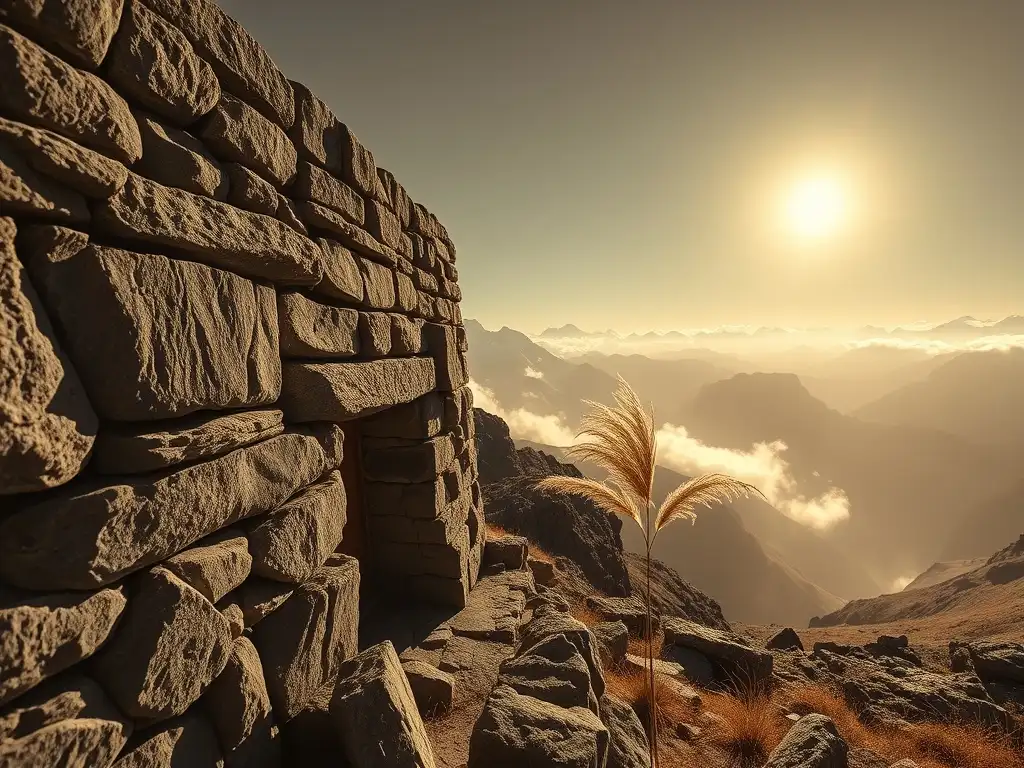
This section explores some of the less-visited, yet equally significant, ancient Andean sacred sites, offering a glimpse into the diverse religious practices and beliefs of these fascinating civilizations. While Machu Picchu often steals the spotlight, numerous other locations offer compelling insights into the spiritual heart of the Andes. These sites, often shrouded in mystery and less accessible, reveal a deeper understanding of the complex relationship between the Andean peoples and their sacred landscapes.
The enduring power of these places continues to resonate even today, captivating visitors with their unique blend of history, spirituality, and breathtaking natural beauty. Understanding these sites enriches our appreciation for the full spectrum of Ancient Andean sacred sites.
Choquequirao: The "Other Machu Picchu" and its Remote Splendor
Choquequirao, nestled high in the Vilcabamba mountain range, is often referred to as the "other Machu Picchu." While less accessible than its more famous cousin, Choquequirao boasts a similar level of architectural mastery and spiritual significance. Its remote location, reachable only by a challenging trek, has helped preserve its enigmatic aura.
Unlike Machu Picchu, which was largely abandoned after the Spanish conquest, Choquequirao’s abandonment predates the arrival of Europeans, leaving much of its history shrouded in mystery. Archaeological evidence suggests a complex network of terraces, temples, and residential areas, indicating a significant population and a highly organized society. The sheer scale of the site, combined with its stunning mountain setting, creates an awe-inspiring experience for visitors willing to undertake the journey.
The intricate stonework, similar in style to Machu Picchu, showcases the advanced engineering skills of the Inca. Furthermore, the discovery of numerous ceremonial structures hints at a deep connection to Andean cosmology and religious practices, making Choquequirao a truly exceptional example of Ancient Andean sacred sites. Further research is needed to fully understand its role within the broader Inca empire and its specific religious functions.
Pachacamac: The Oracle Center on the Peruvian Coast
Located on the Peruvian coast, Pachacamac stands in stark contrast to the high-altitude sites of the Andes. This pre-Columbian city was a significant religious center for centuries, attracting pilgrims from various cultures, including the Wari, Inca, and earlier coastal societies. Its principal deity, Pachacamac, was associated with earthquakes, fertility, and creation, highlighting the importance of these natural forces in Andean cosmology.
The site features a complex of temples, pyramids, and residential areas, reflecting its long history and evolving religious practices. The main temple, built and rebuilt over centuries, showcases distinct architectural styles representing different cultural influences. The presence of numerous smaller shrines and offerings demonstrates the widespread devotion to Pachacamac and the diverse rituals performed at the site.
Unlike many other Andean sacred sites, Pachacamac showcases a unique blend of coastal and highland religious traditions, providing valuable insight into the cultural exchange and syncretism within ancient Peru. The extensive archaeological remains at Pachacamac continue to yield new discoveries, further enriching our understanding of this vital religious center and its place within the broader tapestry of Ancient Andean sacred sites.
Tiwanaku: The Ancient City of the Altiplano
Tiwanaku, located on the shores of Lake Titicaca in Bolivia, is one of the most significant pre-Inca sites in South America. Its monumental architecture, including the iconic Gate of the Sun and the Kalasasaya Temple, showcases the advanced engineering and artistic skills of the Tiwanaku culture. The city's precise layout and astronomical alignments suggest a sophisticated understanding of cosmology and a deep connection to the natural world.
The unique style of Tiwanaku art, characterized by its stylized figures and intricate carvings, is readily identifiable and distinct from other Andean cultures. The site's religious significance is evident in the numerous ceremonial structures, including platforms, sunken courts, and intricate carvings depicting deities and mythical creatures. While the exact nature of Tiwanaku religion remains a subject of ongoing research, it's clear that the city played a crucial role in shaping the religious landscape of the Andes.
The enduring mystery surrounding the city's rise and fall adds to its allure, cementing its place as one of the most fascinating and important Ancient Andean sacred sites. Further investigation into the city's sophisticated water management systems also reveals a deep understanding of the environment and its importance to their religious and societal practices.
Planning Your Pilgrimage to Sacred Andean Sites
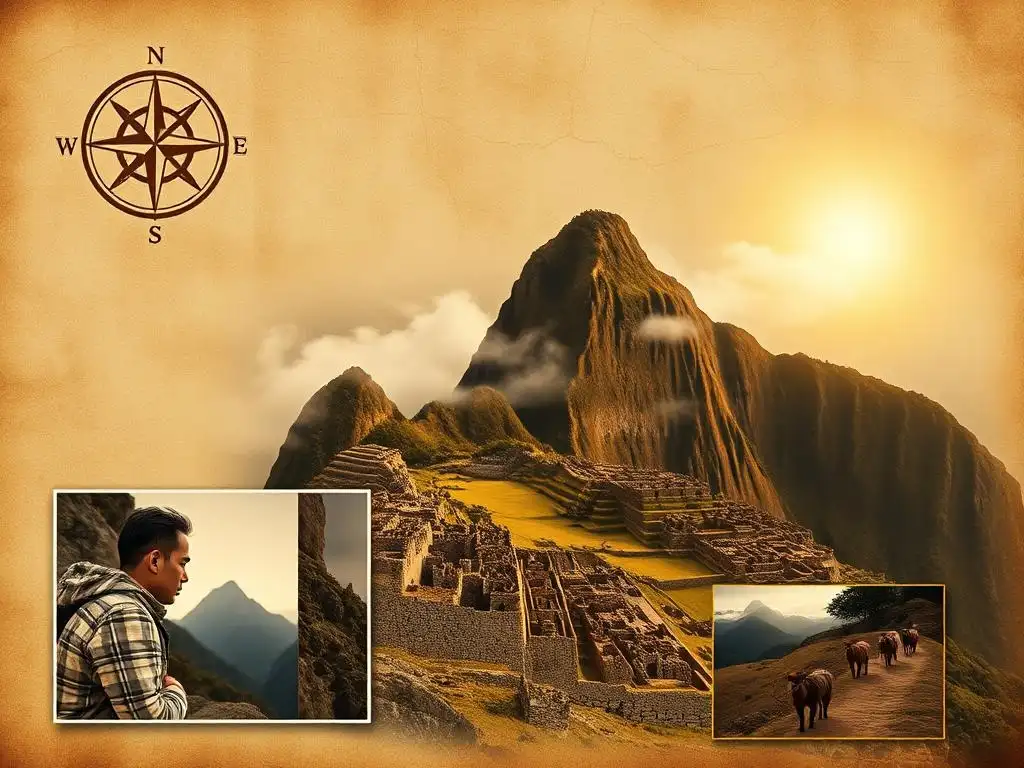
This section focuses on the practical aspects of visiting Ancient Andean sacred sites, ensuring a safe and enriching experience. Careful planning is crucial for maximizing your journey and respecting the cultural significance of these locations. Understanding the nuances of travel in the Andes will significantly enhance your appreciation of these breathtaking Ancient Andean sacred sites.
Choosing the Right Time to Visit: Weather and Festivities
The Andes boast diverse microclimates, impacting the ideal time to visit specific Ancient Andean sacred sites. The dry season (May to September) generally offers the best weather for trekking and exploring, with clear skies and less rainfall. However, this is also peak tourist season, resulting in higher prices and more crowded sites.
Consider these factors:
- Altitude: High-altitude sites like Machu Picchu experience cooler temperatures year-round. Be prepared for potential altitude sickness, regardless of the season.
- Rainfall: The wet season (October to April) brings significant rainfall, particularly in the Amazonian foothills. While this can make trekking challenging, it also reveals the vibrant green landscapes of the Andes.
- Festivities: Many Ancient Andean sacred sites host local festivals throughout the year. Researching these events can add a unique cultural dimension to your trip, but be aware that these periods might increase tourist numbers and accommodation costs. For example, Inti Raymi (the Inca festival of the sun) in Cusco is a spectacular but very busy event. Smaller, local festivals often offer a more intimate cultural experience.
Remember to check specific weather forecasts for your chosen destinations closer to your travel dates. Flexibility is key, allowing you to adapt to changing conditions. Proper planning will ensure a safe and enjoyable pilgrimage to these awe-inspiring locations.
Essential Gear for Your Andean Adventure
Preparing for the unique challenges of the Andean landscape is paramount. The altitude, varied weather conditions, and often rugged terrain require careful consideration of your gear. Packing appropriately for your Ancient Andean sacred sites adventure will ensure comfort and safety.
Here's a checklist of essential items:
- Clothing: Layers are crucial! Pack lightweight, breathable shirts, fleece jackets, a waterproof outer shell, warm trousers, and sturdy hiking boots broken in well before your trip. Don't forget a hat, sunglasses, and sunscreen, even on cloudy days.
- Gear: A comfortable backpack, trekking poles (highly recommended for high-altitude treks), a reusable water bottle or hydration pack, a first-aid kit including altitude sickness medication, and insect repellent are essential.
- Documents: Carry copies of your passport, visa (if required), travel insurance details, and flight/train confirmations. Consider storing these electronically as well, in case of loss or theft.
- Electronics: A fully charged phone, portable charger, and a camera are valuable assets. Consider a waterproof bag for your electronics to protect them from rain or unexpected spills.
This comprehensive gear list will help you navigate the diverse environments you'll encounter while exploring Ancient Andean sacred sites. Prioritizing comfort and safety will allow you to fully appreciate the historical and spiritual significance of these incredible places.
Booking Your Journey: Transportation and Accommodation
Planning transportation and accommodation for your visit to Ancient Andean sacred sites requires careful consideration. The accessibility of these sites varies greatly, and pre-booking is often essential, especially during peak season.
Here's a breakdown of key considerations:
| Transportation Method | Advantages | Disadvantages | Considerations |
|---|---|---|---|
| Bus | Affordable, connects many destinations | Can be crowded and slow, especially in mountainous areas | Book in advance, especially during peak season. |
| Train | Scenic routes, comfortable journey | More expensive than buses, limited routes | Consider the scenic routes offered by the train. |
| Domestic Flights | Faster travel times, especially to remote areas | More expensive, adds to carbon footprint | Ideal for shorter trips or reaching remote locations. |
| Private Tours/Drivers | Flexibility, personalized experience | Most expensive option | Best for exploring multiple sites in a short time. |
Accommodation options range from budget-friendly hostels to luxurious hotels. Booking in advance, especially during peak season, is highly recommended to secure your preferred accommodation and avoid disappointment. Consider the proximity of your accommodation to the sites you plan to visit, taking into account potential travel times and accessibility. Remember to factor in potential altitude sickness when choosing your accommodation; a slower acclimatization period might be beneficial. Thorough planning of your travel arrangements will contribute to a smooth and enjoyable exploration of these incredible Ancient Andean sacred sites.
Conclusion: The Enduring Legacy of Ancient Andean Sacred Sites
The exploration of Ancient Andean sacred sites reveals not just impressive feats of engineering and artistry, but a profound connection between the Andean peoples and their environment. These sites, meticulously crafted and strategically placed, weren't merely places of worship; they were integral parts of a complex cosmological worldview that permeated every aspect of daily life. Understanding these landscapes allows us to grasp the sophisticated social structures, intricate belief systems, and remarkable ingenuity of these ancient civilizations. The enduring legacy of these sites transcends time, offering valuable insights into human history and the enduring power of spirituality.
Reflecting on the Spiritual Power and Historical Significance
The spiritual power emanating from sites like Machu Picchu, Sacsayhuamán, and Ollantaytambo is palpable even today. The carefully chosen locations, often incorporating natural features like mountains and rivers into their designs, suggest a deep understanding of the cosmos and a desire to harmonize with the natural world.
These weren't simply places of ritual; they were living, breathing expressions of a deeply held cosmology. For example, the intricate water management systems found at many sites, like the ingenious canals and fountains of Tiwanaku, demonstrate not only engineering prowess but also a reverence for water as a sacred element, essential for life and fertility.
The historical significance of these sacred sites is equally profound. They provide invaluable physical evidence of the ingenuity, social organization, and artistic capabilities of Ancient Andean cultures. The precision stonework, the complex astronomical alignments, and the elaborate iconography found in these locations offer tangible links to the past, allowing archaeologists and historians to piece together narratives of these remarkable civilizations.
The sheer scale of some of these projects, like the monumental structures of Sacsayhuamán, speaks to the level of societal organization and the mobilization of immense human resources required for their construction. This highlights the advanced social and political structures that existed within these societies.
The preservation and study of these Ancient Andean sacred sites are not only crucial for understanding our past but also for informing our present. These sites serve as powerful reminders of the interconnectedness of humanity and the environment, the importance of sustainable practices, and the enduring power of spiritual belief.
Their continued existence provides a vital link to the rich cultural heritage of the Andes, a heritage that continues to inspire and enrich our understanding of the human experience. Further research into these sites, including detailed analysis of the materials used in construction and more precise dating techniques, will undoubtedly unveil even more secrets about these fascinating and enigmatic places, deepening our appreciation for the ingenuity and spirituality of the Ancient Andean civilizations.
The ongoing efforts to protect and preserve these irreplaceable sites are crucial for ensuring that future generations can continue to learn from and be inspired by their magnificence. The legacy of these sacred landscapes is a testament to the enduring human spirit and the power of cultural heritage.
Frequently Asked Questions
What are some of the most important Ancient Andean sacred sites?
The Andes boast many significant sites. Machu Picchu, Sacsayhuamán, and Chavín de Huántar are among the most famous, showcasing impressive architecture and spiritual significance. Others include Ollantaytambo and Moray.
How did the geography of the Andes influence the location of sacred sites?
The rugged terrain of the Andes dictated site selection. Many are located at high altitudes, on mountaintops, or near significant geographical features like rivers, considered sacred by Andean cultures. This reflected their deep connection to the environment.
What role did religion play in the construction and use of these sacred sites?
Religion was central to the construction and use of these sites. They served as places of worship, pilgrimage, and ceremonial activity, reflecting the complex belief systems of Andean civilizations. They were integral parts of their societies.
What kind of rituals and ceremonies took place at these Ancient Andean sacred sites?
Rituals varied across different Andean cultures but often involved sacrifices, religious processions, and astronomical observations. Ceremonies were designed to honor deities, ensure good harvests, and maintain cosmic balance.
How are Ancient Andean sacred sites preserved and protected today?
Many sites are now UNESCO World Heritage sites, receiving protection and conservation efforts. Archaeological research and tourism management are crucial for their preservation, balancing access for visitors with the need to safeguard these invaluable historical places.
Final Reflection: Echoes of the Andes: A Legacy of Reverence
The enduring power of the Andes' sacred sites resonates deeply with our modern world, a testament to humanity's timeless connection with the spiritual and the natural. These ancient landscapes, far from being relics of a bygone era, offer invaluable lessons in sustainable living, community building, and the profound respect for the Earth that we desperately need today. Their continued existence challenges us to reconsider our relationship with the environment and the legacy we leave behind.
The influence of Andean cosmology continues to shape the cultural identity of the region, weaving its way into contemporary art, music, and spiritual practices. The reverence for the mountains, the celestial bodies, and the intricate interplay between the human and the divine remains palpable. The mountains are not simply stones, but living beings, the ancestors themselves, watching over us.
This sentiment, echoed through generations, speaks to the enduring power of these sacred sites to inspire awe and a sense of interconnectedness. It reminds us that our understanding of spirituality and our place in the universe is far richer and more complex than often acknowledged.
Consider the profound wisdom embedded within these ancient landscapes. What can you learn from the ingenuity of their builders, their deep understanding of astronomy and agriculture, and their harmonious relationship with their environment? Let the echoes of the Andes inspire you to seek a deeper connection with the natural world, to cultivate a sense of community, and to strive for a more sustainable and spiritually fulfilling life. The journey through these sacred sites is not just a journey through time, but a journey into the heart of what it means to be human.
Embark on Your Own Andean Adventure!
Thank you for exploring the rich and sacred landscapes of the Andes with us! We hope you've discovered the timeless beauty and cultural significance of this magnificent region. Now, let's turn inspiration into action!
- Join a guided tour led by local experts to experience the Andes firsthand and support sustainable tourism. Learn from those who call this incredible region home.
- Engage with local Andean communities by attending workshops or cultural events. This is a wonderful way to deepen your understanding and appreciation of their traditions.
- Share your experiences! Invite friends to explore the history and landscapes of the Andes with you. Let them experience the magic you've discovered.
What aspect of Andean culture or landscape excites you most for your next adventure?