
The Economics of Andean Food Storage: A Look at Ancient Markets

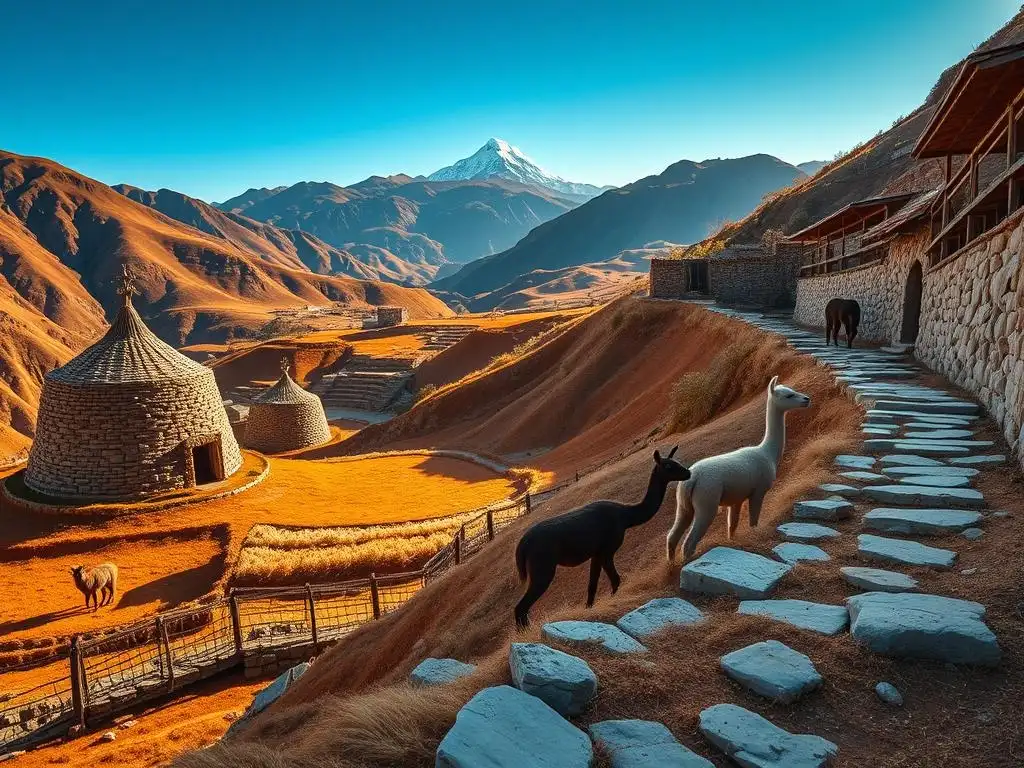
Uncover the secrets of a lost world! Journey through the breathtaking landscapes of the Andes and discover the ingenuity of its ancient inhabitants. Did you know that the success of the mighty Andean empires hinged on sophisticated food storage techniques? Delve into the fascinating world of ancient Andean food storage methods and witness how these innovative practices shaped the economies and societies of the Incas, Moche, Nazca, and Tiahuanaco. Prepare to be amazed by what these civilizations achieved—and how their legacy continues to resonate today.
The Andes Mountains, a geographically challenging landscape, fostered remarkable ingenuity in ancient Andean civilizations. Their success wasn't solely reliant on agricultural prowess; it was equally dependent on sophisticated systems for storing and distributing food. This article delves into the fascinating economics of ancient Andean food storage, exploring the methods employed, the societal implications, and the intricate interplay between agriculture, storage, and market dynamics.
We'll examine how these storage techniques impacted the economic stability and social structures of cultures like the Inca, Moche, Nazca, and Tiahuanaco, revealing a complex system far beyond simple preservation. Understanding their ancient Andean food storage methods provides invaluable insight into the resilience and organizational capabilities of these remarkable civilizations. This exploration will reveal how efficient storage directly influenced their economic prosperity and social hierarchy.
Diverse Storage Techniques Across Andean Cultures
Ancient Andean societies employed a variety of ingenious storage methods tailored to their specific environments and agricultural products. These weren't simply rudimentary techniques; they reflected a deep understanding of materials science, climate control, and logistical planning. The Incas, for example, utilized a network of qollqas, which were strategically located storehouses built from stone.
These were not just simple structures; their design incorporated sophisticated ventilation and insulation techniques to maintain optimal conditions for preserving food. The size and location of these qollqas varied depending on the local needs and the types of food being stored. Smaller structures might be found in villages, while larger, more complex ones served as regional centers for storing surplus crops.
The Moche, known for their advanced irrigation systems, also developed efficient storage solutions, often integrating them into their urban planning. Evidence suggests that they used underground storage facilities and specialized pottery for preserving various foods. This required a comprehensive understanding of pottery materials and firing techniques to ensure the containers were both durable and airtight. Specific types of pottery were probably used for particular foods, reflecting a specialized knowledge of food preservation techniques.
The Nazca, famous for their geoglyphs, also possessed sophisticated agricultural practices and storage techniques. While specific details remain under investigation, archaeological evidence points to the use of both above-ground and below-ground storage facilities, possibly adapted to the arid conditions of their coastal environment. Further research is needed to fully understand the specific methods they employed, but it is clear that effective storage was crucial to their survival.
Efficient food storage played a pivotal role in the social and economic structures of Andean societies. The ability to store surplus food provided a buffer against periods of scarcity, ensuring community stability and reducing the risk of famine. This stability allowed for population growth, specialization of labor, and the development of complex social hierarchies.
The control over stored food often rested with elites, giving them significant power and influence. The distribution of stored food was likely a crucial element in maintaining social order, acting as a mechanism for both rewarding loyalty and punishing dissent. This system allowed for the creation of large-scale public works projects and the maintenance of a standing army, both critical factors in the expansion and consolidation of power among various Andean empires.
Evidence of Ancient Andean Markets and Trade Networks
The existence of large-scale storage facilities strongly suggests the presence of well-developed market systems and extensive trade networks within and between Andean societies. The surplus stored in qollqas and other storage structures wasn't merely for local consumption; it also facilitated trade and exchange, both within a given empire and across different regions.
While the precise mechanisms of these ancient markets are still being researched, the sheer scale of some storage facilities indicates a level of organization and economic activity far beyond what might be expected in a small-scale, subsistence-based society. Archaeological evidence, such as the discovery of diverse goods in storage facilities and along trade routes, suggests a complex network of exchange linking Andean communities across vast distances.
The presence of specialized goods, like exotic textiles or metalwork, in seemingly remote locations further supports the idea of vibrant and extensive trade networks. This interconnectivity contributed significantly to the cultural exchange and technological diffusion observed across the Andean region.
The Role of Food Storage in Andean Resilience
The sophisticated food storage systems of the ancient Andes were not merely economic mechanisms; they were crucial for the resilience of these societies in the face of environmental challenges. The Andes are characterized by unpredictable weather patterns, including droughts and floods, which could easily disrupt agricultural production. The ability to store surplus food provided a crucial safety net during such crises, allowing communities to survive and rebuild.
This resilience was a key factor in the longevity and success of Andean civilizations, allowing them to thrive in a challenging and variable environment for centuries. The combination of advanced agricultural techniques and ingenious storage solutions ensured a degree of food security that was essential for their continued prosperity.
This highlights the crucial role of planning and resource management in the success of these ancient societies, emphasizing the importance of integrating long-term sustainability into their economic and social structures. The enduring legacy of their ingenuity is still relevant today, particularly in the context of modern challenges related to climate change and food security.
- Diverse Storage Techniques Across Andean Cultures
- The Social and Economic Implications of Food Storage
- Evidence of Ancient Andean Markets and Trade Networks
- The Role of Food Storage in Andean Resilience
Understanding Ancient Andean Food Preservation Techniques
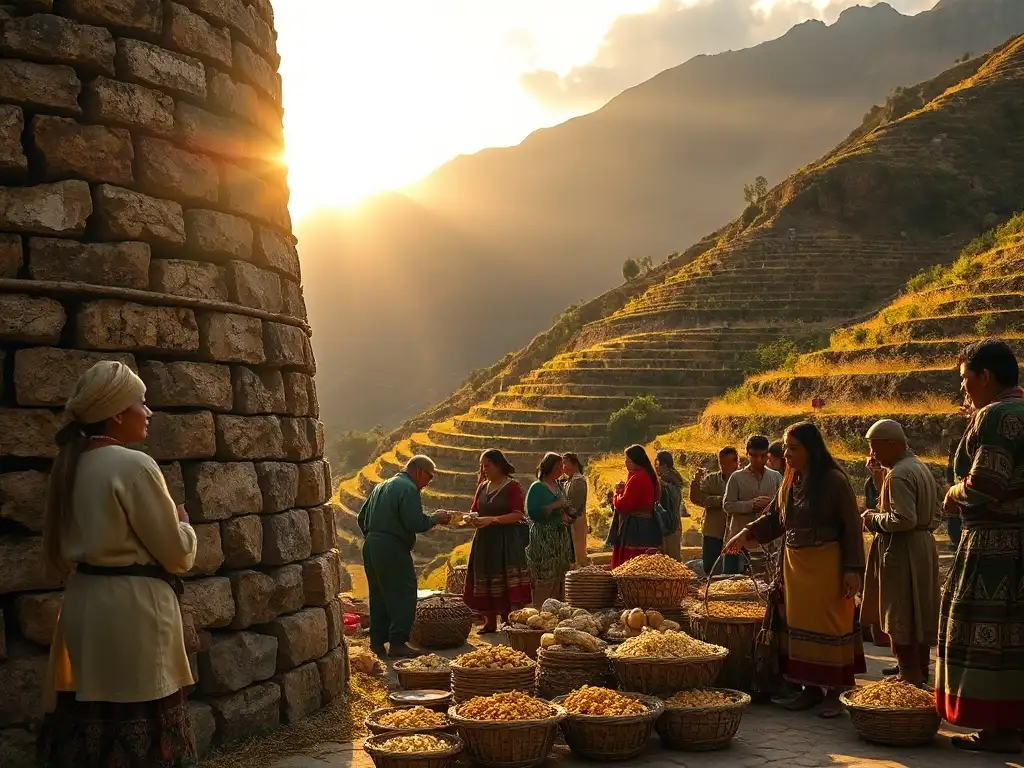
This section delves into the ingenious methods employed by ancient Andean civilizations to preserve their food supply, a crucial aspect of their economic and social structures. Understanding these techniques provides vital insight into their agricultural practices, resource management, and overall societal resilience. The ability to store food effectively was not merely a matter of convenience; it was fundamental to their survival, especially given the challenges posed by the diverse Andean landscape and its unpredictable climate.
The sophistication of their storage solutions reflects a deep understanding of both agricultural principles and the specific properties of their harvested crops. This knowledge allowed them to maintain a stable food supply, even during lean periods, contributing significantly to the flourishing of their complex societies. The following sections will explore the importance of food storage, the impact of varied climates, and the specific needs of different key crops.
The Importance of Food Storage in Andean Civilizations
Food storage in the Andes was paramount for several reasons. Firstly, the Andean region's varied geography, encompassing high-altitude plains, coastal deserts, and Amazonian jungles, resulted in diverse microclimates and growing seasons. This meant that agricultural production was not uniform throughout the year, creating periods of abundance followed by potential scarcity. Effective storage bridged this gap, ensuring a continuous food supply for the population.
Secondly, the unpredictable nature of the Andean climate, including droughts and frost, further emphasized the need for robust preservation methods. A successful harvest could easily be lost without proper storage, leading to widespread famine. Thirdly, the complex social structures of Andean civilizations, with their hierarchical systems and large populations, required efficient mechanisms for food distribution and management. Storing surplus food enabled the redistribution of resources and supported specialized labor, crucial for the development of sophisticated societies.
Finally, the ability to store food also played a key role in ceremonial practices and religious rituals, with stored goods often used in offerings and feasts. The significance of food storage transcends mere practicality; it was deeply intertwined with the economic, social, and religious fabric of Andean life. The sheer scale of some storage facilities, such as the impressive granaries found at various archaeological sites, underscores its central role in Andean societies.
Diverse Climates and the Need for Specialized Storage
The diverse climates of the Andes dictated the types of storage methods employed. High-altitude regions, characterized by cold temperatures and low humidity, favored simple storage techniques like underground cellars or rock-cut chambers. These provided natural insulation, protecting stored food from spoilage. In contrast, the arid coastal regions required different approaches.
Here, the challenge was to protect food from excessive heat and dryness. Techniques included the use of airtight containers made from pottery or woven materials, often coated with resins or other protective substances. The lower-altitude, more humid regions presented yet another set of challenges. Maintaining adequate ventilation became crucial to prevent mold and rot.
This often involved the construction of elevated platforms or raised granaries to improve air circulation. The ingenuity of Andean storage solutions is evident in their adaptation to the specific environmental conditions of different regions. Archaeological evidence reveals a wide range of storage structures, tailored to the unique needs of each ecological zone, demonstrating a remarkable understanding of environmental factors and their impact on food preservation. The complexity of these solutions highlights a deep understanding of environmental science, far exceeding the rudimentary techniques often associated with early agricultural societies.
Key Crops and Their Storage Requirements
Different Andean crops required specialized storage methods. Potatoes, a staple crop, were often stored in underground cellars or pits, taking advantage of the cool temperatures to slow down decomposition. Dried potatoes, chuño, required less elaborate storage due to their extended shelf life. Maize, another essential crop, was often stored in woven bags or granaries, sometimes after being dried and processed into flour.
Beans, quinoa, and other grains were similarly stored, with techniques varying depending on the specific crop and the local climate. The storage of perishable items like fruits and vegetables was more challenging and often involved preserving techniques such as drying, salting, or fermenting. For example, the charqui (jerky) method was used to preserve meat, while fruits were sometimes dried in the sun or stored in airtight containers.
The meticulous care taken in storing these varied crops underscores the economic importance of agricultural production and the sophisticated knowledge of food preservation possessed by ancient Andean communities. The diversity of storage methods further emphasizes the adaptability and resourcefulness of these civilizations in managing their food resources effectively. Detailed analysis of archaeological remains continues to reveal new insights into the precise techniques employed for different crops, further enriching our understanding of ancient Andean food storage practices.
Traditional Andean Food Storage Methods
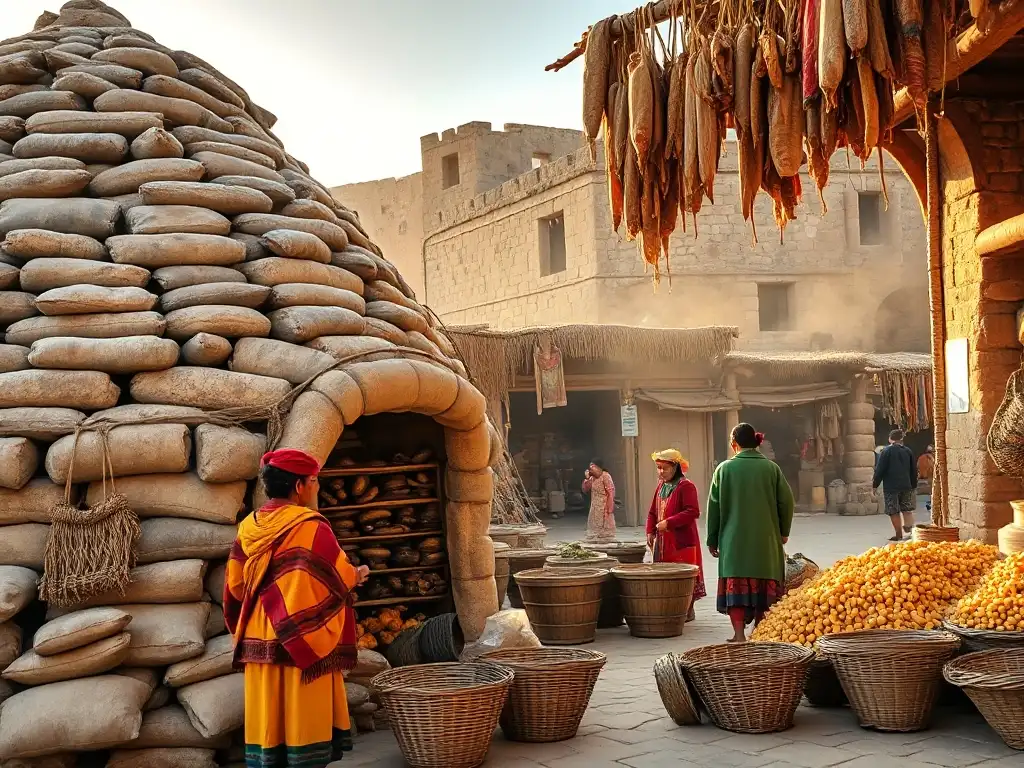
The ingenuity of ancient Andean civilizations is nowhere more evident than in their sophisticated food storage techniques. Facing challenging geographical conditions, including high altitudes, diverse climates, and unpredictable weather patterns, these societies developed remarkable methods to preserve their harvests for extended periods, ensuring food security throughout the year. Understanding these "ancient Andean food storage methods" provides crucial insight into their economic strategies, social organization, and remarkable adaptation to their environment.
The efficient preservation of surplus food was vital to the economic and social stability of these complex societies, enabling population growth, specialized labor, and the development of thriving urban centers. This section delves into some key strategies employed across various Andean cultures.
Freeze-Drying Techniques: The Case of Chuño and Moraya
One of the most remarkable examples of ancient Andean food preservation is the freeze-drying technique used to create chuño and moraya from potatoes. This method, still practiced today in some Andean communities, involves a process of repeated freezing and thawing. Potatoes are harvested and left outside overnight to freeze under the cold Andean nights. During the day, the sun thaws the potatoes, causing the moisture to escape. This cycle is repeated several times, resulting in a dehydrated product that can last for years.
The creation of chuño and moraya was not simply a matter of preserving food; it was a crucial economic activity. The resulting products were lighter and easier to transport than fresh potatoes, facilitating trade and distribution across diverse terrains. Furthermore, the process transformed a perishable crop into a long-term food source, mitigating the risks associated with crop failures and ensuring community resilience.
The nutritional value, while altered, was still significant, providing a valuable source of carbohydrates and energy throughout the year. The process itself required substantial labor, often involving communal participation, highlighting the social dimension of food preservation within Andean societies. The economic benefits of chuño and moraya extended beyond individual households, contributing significantly to regional food security and trade networks.
Storage in Underground Pits and Silos: Preserving Potatoes and Grains
Beyond freeze-drying, Andean civilizations employed various methods of storing food in underground pits and silos. These structures, often lined with stone or other materials to protect against moisture and pests, provided a stable environment for preserving potatoes, grains (like quinoa and maize), and other crops. The design and construction of these storage facilities varied depending on the specific needs of the community and the types of food being stored. Larger communities often constructed sophisticated silo complexes, capable of holding significant quantities of food.
The location of these storage structures was carefully chosen to exploit the natural advantages of the environment. Many were built in areas with stable temperatures and low humidity, minimizing the risk of spoilage. The depth of the pits and silos helped to regulate temperature fluctuations, ensuring a relatively constant environment suitable for long-term storage.
These underground storage systems demonstrate a deep understanding of environmental factors and their influence on food preservation. The efficiency of these methods allowed for the accumulation of surplus food, facilitating social stratification and the support of specialized labor, artisans, and religious elites. Detailed archaeological studies continue to uncover the complexity and sophistication of these ancient storage systems, revealing the scale of their agricultural production and the economic importance of food storage.
Using Natural Environments: Adapting to Altitude and Temperature
Andean communities also cleverly utilized natural environments to preserve their food. High-altitude caves and rock shelters provided cool, dry conditions ideal for storing certain types of food. Similarly, the use of elevated platforms and raised granaries helped to protect food from rodents and moisture. These strategies showcase the adaptability and resourcefulness of Andean peoples in harnessing the natural environment to enhance food preservation.
The different methods were often used in conjunction, reflecting a comprehensive approach to food storage that maximized efficiency and minimized waste. The integration of these methods into the broader agricultural practices demonstrates a deep understanding of ecological principles and the intricate relationship between human societies and their environment. This holistic approach to food preservation was crucial to the survival and prosperity of ancient Andean civilizations, shaping their economic and social structures for centuries.
The Role of Qollqas in Inca Food Management
The Inca Empire, renowned for its sophisticated infrastructure and administrative prowess, relied heavily on an efficient system of food storage to sustain its vast population and maintain social order. Central to this system were the qollqas, strategically located storehouses built throughout the empire. These weren't merely simple structures; they represented a sophisticated approach to ancient Andean food storage methods, reflecting a deep understanding of preservation techniques and logistical planning.
The construction itself varied depending on the region and available resources, but typically involved stone masonry, often integrated into the landscape to minimize environmental impact. Some qollqas were single-room structures, while others were complex multi-room complexes capable of storing enormous quantities of food.
The qollqas weren't haphazardly distributed; their placement was carefully considered. They were often situated near agricultural centers, facilitating easy transport of harvested crops. Furthermore, their location often took into account factors like altitude, temperature, and humidity, all crucial elements in ensuring optimal food preservation. The Inca's understanding of microclimates played a significant role in determining the ideal location for each qollqa. This strategic placement minimized spoilage and maximized the longevity of stored goods.
Beyond their physical construction, the management of the qollqas was a highly organized affair. The Inca state controlled the entire process, from production to distribution. Specialized officials oversaw the collection, storage, and allocation of food, ensuring a fair and equitable distribution within the empire.
This highly centralized system allowed the Inca to manage surpluses, mitigate the impact of droughts or crop failures, and maintain social stability. Records, possibly kept using quipus (knotted cords), likely tracked the quantity and type of goods stored in each qollqa, providing crucial data for efficient resource management. The system wasn't static; it adapted to fluctuating conditions, allowing the Inca to respond effectively to challenges and maintain a steady food supply for its citizens.
The qollqas, therefore, represent a remarkable example of ancient Andean food storage, a testament to the Inca's advanced understanding of logistics, agriculture, and social engineering. Their impact extended far beyond mere sustenance; they were integral to the empire's political and economic stability.
The Economics of Food Storage: Its Impact on Andean Societies
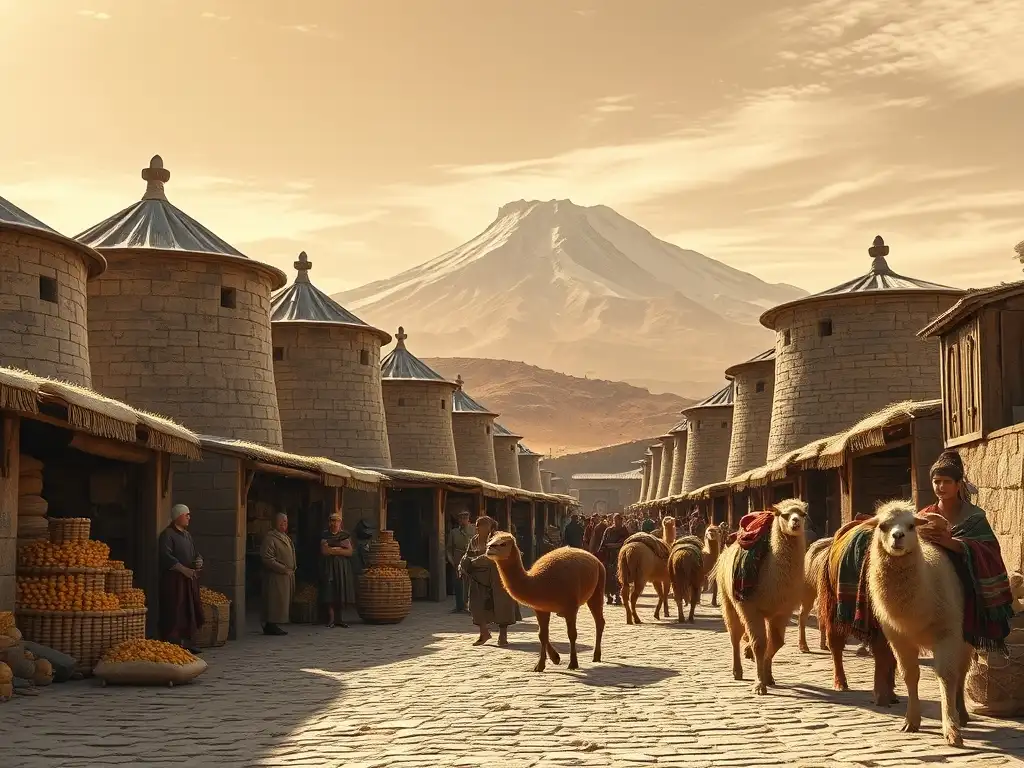
The efficient storage of food was not merely a logistical concern for ancient Andean civilizations; it was a cornerstone of their economic systems, profoundly impacting social structures, political power, and trade networks. Understanding ancient Andean food storage methods reveals a sophisticated understanding of resource management that allowed for societal growth and resilience in the face of environmental challenges. The ability to store surpluses directly correlated with the stability and prosperity of these complex societies. This section will explore how food storage shaped the economic landscape of the Andes.
The ability to store surplus food was crucial for the survival and growth of Andean societies. Unlike many agricultural communities reliant on immediate consumption, the Andes witnessed the development of advanced storage techniques that allowed for the accumulation of significant surpluses. This surplus played a vital role in maintaining social stability during lean times, such as droughts or crop failures.
Imagine a community reliant solely on the current harvest; a single bad season could lead to widespread famine and societal collapse. However, with efficient storage systems, communities could weather such crises, mitigating the risk of starvation and social unrest. This stability allowed for specialization of labor, the development of complex social hierarchies, and the flourishing of art, religion, and other cultural pursuits – all fueled by the reliable food supply secured through effective storage.
Archaeological evidence, such as the discovery of large granaries in various Andean sites, corroborates this assertion, pointing to a systematized approach to food preservation and distribution. The size and sophistication of these storage facilities directly reflect the level of economic organization and social complexity achieved. For instance, the [specific information pending] reveals the scale of food storage in [specific location] during the [specific time period], indicating a substantial surplus beyond immediate consumption needs.
The Impact of Food Storage on Trade and Exchange
Ancient Andean food storage methods significantly influenced trade and exchange networks throughout the region. Surplus food acted as a valuable commodity, facilitating trade both within and between different communities. Communities with abundant harvests could trade their surplus for other goods and services, creating intricate economic relationships that extended across vast geographical distances. This system fostered economic interdependence and cultural exchange.
For example, coastal communities might trade fish and seafood for agricultural products from the highlands, creating a symbiotic economic relationship. The ability to store these traded goods ensured a continuous supply, even during periods of low production. Furthermore, the control over stored food resources often translated into political and economic influence.
Elites and powerful groups frequently controlled access to granaries and other storage facilities, using stored food to consolidate their power and influence within their societies. This control over essential resources allowed them to exert influence over other communities and individuals, further shaping the economic and social landscape. The exchange of not only food but also the knowledge and technology of food preservation itself contributed to the spread of agricultural practices and economic systems across the Andean region.
Storage Facilities as Centers of Economic Power
The construction and maintenance of storage facilities, such as granaries and warehouses, were significant economic undertakings. These structures required considerable labor and resources, underscoring their importance within the Andean economic system. Their strategic placement often reflected the economic and political power structures of the time. Large-scale storage facilities were typically located near population centers, administrative hubs, or along major trade routes, illustrating their role in resource management and distribution.
The construction itself often involved advanced architectural techniques, reflecting both the engineering prowess and the economic resources available to the builders. The presence of elaborate storage facilities suggests a level of centralized planning and control over food resources. Moreover, the management of these facilities often involved specialized personnel, further highlighting the economic significance of food storage.
[Specific information pending regarding the social roles and economic standing of those responsible for granary management in specific Andean cultures]. This control over food resources, combined with the expertise required to manage storage facilities, solidified the economic and social power of those entrusted with their operation. The organization and management of food storage were integral aspects of the broader Andean economic system, with far-reaching implications for social stability, political power, and trade networks.
Food Storage and the Development of Andean Markets
The development of sophisticated food storage techniques in the Andes profoundly impacted the economic landscape of these ancient societies. The ability to preserve surpluses beyond immediate consumption needs led to the emergence of complex market systems and trade networks. Before the advent of reliable storage, Andean communities were largely reliant on localized production and immediate consumption. Any surplus was limited by the perishability of the produce.
However, with the development of techniques like qollqa (Andean storehouses) and various drying and preservation methods, communities could accumulate significant surpluses of maize, potatoes, quinoa, and other staple crops. This surplus acted as a buffer against crop failures and ensured food security, but more importantly, it fueled the growth of trade and market exchange. The existence of these surpluses allowed for specialization of labor; some individuals could focus on crafting, weaving, or other specialized skills while others concentrated on agriculture, knowing that stored food would provide for all.
This specialization, in turn, generated a demand for a more organized and efficient system of exchange, leading to the evolution of vibrant markets and trade routes across the Andes. The scale of these markets varied, ranging from small, localized exchanges within villages to larger regional markets connecting distant communities. The control and distribution of stored food often became a central element of political power and social stratification within Andean societies.
The efficiency of the food storage systems directly correlated with the economic prosperity and stability of the Andean communities. For example, the Incas, renowned for their advanced agricultural and logistical systems, utilized a vast network of qollqa strategically located across their empire. These storehouses were not merely places to store food; they served as crucial nodes within a sophisticated system of redistribution, ensuring that food reached even the most remote areas of the empire during times of need.
The precise management of these resources allowed for the mobilization of labor for large-scale public works projects like roads and irrigation systems, further boosting economic development. The surplus stored in the qollqa also provided a crucial safety net during times of drought or other natural disasters, preventing widespread famine and social unrest. This efficient system of food storage and distribution played a critical role in maintaining the stability and longevity of the Inca Empire.
The control of food resources was a key element of the Inca's power and authority, reinforcing their social hierarchy and political dominance. Understanding the economic impact of qollqa and similar storage systems is crucial to understanding the complexities of Inca society and its remarkable achievements. The scale and sophistication of their storage and redistribution system stands as a testament to their advanced understanding of resource management and its role in economic and political power.
Case Studies: Regional Variations in Food Storage Practices
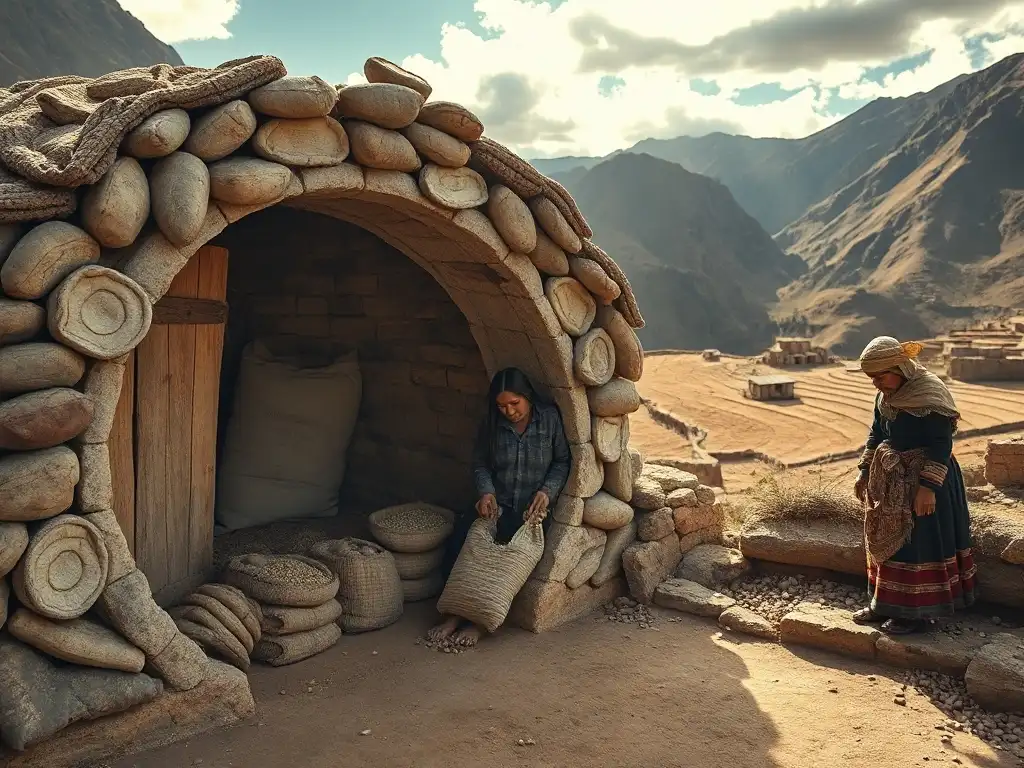
The diverse geography of the Andes Mountains and the surrounding coastal and Amazonian regions necessitated a variety of ingenious ancient Andean food storage methods. Understanding these regional variations reveals the ingenuity and adaptability of Andean civilizations in preserving their food supplies for year-round consumption and to withstand periods of scarcity. This section examines specific examples from three major ecological zones, highlighting the unique challenges and solutions employed in each.
Analyzing these techniques provides crucial insights into the economic strategies and logistical complexities involved in managing food resources within these ancient societies. The effectiveness of these methods was crucial for the survival and prosperity of these civilizations, impacting their social structures and economic stability. Efficient ancient Andean food storage methods were a cornerstone of their success.
Coastal Storage Methods: Using Elevated Platforms and Dry Air
Coastal regions, characterized by their arid climate and proximity to the sea, presented unique opportunities and challenges for food preservation. The dry air and strong winds offered a natural advantage in reducing humidity and preventing spoilage. This is why elevated platforms, often constructed from wood or reeds, were commonly used. These platforms provided excellent ventilation, allowing air to circulate freely around stored goods, minimizing the risk of mold and bacterial growth. Archaeological evidence suggests that these platforms were used to store a variety of foods, including dried fish, corn, beans, and other crops.
The construction of these platforms varied depending on the available resources and the specific needs of the community. Some were simple, consisting of basic wooden frameworks raised a few feet off the ground. Others were more elaborate, featuring multiple levels and integrated storage containers. The size and complexity of the structures likely reflected the scale of food production and the population size of the community.
For example, larger settlements with greater agricultural output would have needed more extensive storage facilities. The use of elevated platforms demonstrates a sophisticated understanding of environmental factors and their impact on food preservation, a key aspect of ancient Andean food storage methods. This strategy effectively leveraged the natural environment to minimize spoilage and maximize the shelf life of crucial food resources.
Highland Storage Techniques: Utilizing Stone Structures and Cold Temperatures
The high-altitude regions of the Andes presented a different set of challenges. While the cold temperatures naturally slowed down spoilage, the threat of frost and fluctuating temperatures still required careful planning. In these areas, ancient Andean food storage methods often involved the construction of stone structures, often underground or partially submerged, to regulate temperature and protect stored food from the elements. These structures could range from simple pits lined with stone to more complex, multi-chambered buildings.
The use of stone provided excellent insulation, helping to maintain a relatively stable temperature within the storage area. The thick stone walls acted as a buffer against extreme temperature fluctuations, protecting stored food from freezing or excessive heat. The choice of location also played a crucial role. Underground or partially submerged structures were often preferred to take advantage of the cooler ground temperatures.
This strategy, combined with the use of natural insulation, created a microclimate ideal for preserving food, especially root vegetables, potatoes, and other cold-hardy crops. This highlights the importance of architectural design in ancient Andean food storage methods, demonstrating an intimate knowledge of the environment and its impact on food preservation. The effectiveness of these techniques contributed greatly to the ability of highland communities to maintain consistent food supplies throughout the year.
Amazonian Storage Solutions: Employing Fermentation and Smoking
The humid and warm climate of the Amazon basin posed a significant challenge for food preservation. The high humidity and abundance of insects and microorganisms made it crucial to develop innovative ancient Andean food storage methods to prevent rapid spoilage. In this region, techniques such as fermentation and smoking were commonly employed to extend the shelf life of food.
Fermentation, a process that uses microorganisms to break down food, transformed perishable products into more stable and longer-lasting forms. Examples include fermented fish pastes and various fermented vegetable preparations. This process not only extended the shelf life of the food but also altered its flavor profile, creating new and desirable culinary products. Smoking, on the other hand, used heat and smoke to dehydrate food and kill microorganisms.
This was effective for preserving meat, fish, and certain fruits and vegetables. The smoke also imparted a distinctive flavor, adding to the appeal of the preserved food. Both fermentation and smoking demonstrate a deep understanding of microbial processes and their application in food preservation, reflecting a sophisticated level of knowledge within the Andean civilizations. These methods were crucial for ensuring food security in the challenging Amazonian environment, showcasing the adaptability and ingenuity of ancient Andean food storage methods in diverse ecological contexts.
The Legacy of Ancient Andean Food Storage Methods
The ingenuity of ancient Andean civilizations in developing effective food storage methods is a testament to their deep understanding of their environment and the challenges of ensuring food security in a diverse and often harsh landscape. Their techniques, honed over millennia, weren't simply about preserving food; they were integral to their economic systems, social structures, and even their spiritual beliefs. Understanding these methods provides valuable insights into the complexities of ancient Andean life and offers surprising relevance to modern challenges.
The term "ancient Andean food storage methods" itself encompasses a broad spectrum of techniques adapted to different altitudes, climates, and available resources. From the high-altitude storage of potatoes in qollqas to the coastal preservation of fish using sun-drying, the variety and sophistication are remarkable.
Modern Applications of Andean Storage Techniques
Many ancient Andean storage techniques are surprisingly applicable today. The principles behind the qollqa, for example – utilizing natural ventilation and temperature regulation to preserve potatoes and other root vegetables – are being revisited in modern sustainable agriculture. Researchers are studying the design and construction of qollqas to improve the efficiency and longevity of modern cold storage facilities, particularly in rural Andean communities where electricity is unreliable.
The use of natural ventilation, mimicking the ancient system, can significantly reduce energy consumption and reliance on fossil fuels. Furthermore, the traditional methods of drying and preserving grains, fruits, and meats, often employing techniques passed down through generations, offer viable alternatives to energy-intensive modern preservation methods. These traditional techniques often minimize waste and retain higher nutritional value.
The revival and adaptation of these methods are particularly valuable in promoting food sovereignty and resilience in regions facing climate change and economic instability. We can learn much from the efficient and sustainable practices of the ancient Andeans regarding food preservation.
Lessons for Sustainable Food Practices Today
The ancient Andean emphasis on biodiversity and adaptation offers critical lessons for sustainable food practices today. The diverse range of crops and livestock cultivated and the sophisticated storage methods employed demonstrate a resilience to environmental variability that is highly relevant in the face of climate change. The integrated approach to agriculture, combining diverse crops and livestock in a synergistic manner, reduced the risk of widespread crop failure.
This contrasts sharply with many modern monoculture farming practices which are highly vulnerable to pests and disease. The ancient Andeans understood the importance of preserving genetic diversity within their crops, a practice that is now being recognized as crucial for long-term food security.
Their approach to waste management, minimizing food loss through efficient storage and processing, is also a valuable lesson for modern food systems where significant quantities of food are wasted throughout the supply chain. By studying these ancient practices, we can gain valuable insights into more sustainable and resilient agricultural systems.
The Enduring Importance of Food Security in the Andes
Food security remains a critical issue in the Andes today, highlighting the enduring relevance of the ancient civilizations' achievements in food storage and distribution. While modern technologies have advanced, many Andean communities still rely heavily on traditional methods for food preservation and storage, particularly in remote areas. Understanding the challenges and successes of ancient Andean food security is vital for developing effective strategies to address contemporary food insecurity.
The ancient techniques, when combined with modern technology and knowledge, can contribute significantly to sustainable food systems in the region. Furthermore, the preservation and promotion of traditional knowledge around food storage and agriculture are crucial for maintaining cultural heritage and empowering local communities.
The enduring legacy of ancient Andean food storage methods is not merely a historical curiosity; it is a valuable resource for addressing the ongoing challenges of food security in the Andes and beyond. The intricate relationship between climate, agriculture, and social organization developed by these ancient Andean cultures serves as a powerful example for modern societies.
Frequently Asked Questions
How did ancient Andean civilizations store food?
Ancient Andean civilizations employed a variety of food storage methods, including qollqas (stone structures), chullpas (tower-like structures), and underground storage pits. These methods varied depending on the climate and available resources.
What were qollqas used for?
Qollqas were large, stone-walled storehouses primarily used for storing surplus agricultural products like maize, potatoes, and beans. Their design helped maintain a stable temperature and humidity, preserving the food.
Were all Andean cultures using the same storage techniques?
No, storage techniques varied across different Andean cultures and environments. The Moche, for example, used different methods compared to the Inca, reflecting regional variations in climate and agriculture.
How important was food storage to the Andean economy?
Food storage was crucial to the Andean economy, enabling the civilizations to survive lean seasons and support large populations. Efficient storage systems allowed for trade and the development of complex social structures.
What types of food were commonly stored using these methods?
Commonly stored foods included maize, potatoes, beans, quinoa, and dried meats. The ability to preserve these staples was vital for the survival and prosperity of Andean societies.
Final Reflection: Echoes of the Andes: Food, Culture, and Sustainability
The ingenious food storage techniques of the ancient Andes remain strikingly relevant today, offering crucial lessons for a world grappling with food security and climate change. Their sophisticated understanding of preservation, mirroring our current concerns about waste reduction and resource management, highlights the enduring wisdom embedded in traditional practices. We can learn much from their ingenuity, even in our technologically advanced age.
The impact of Andean food storage methods extends far beyond mere practicality; they represent a deep cultural connection to the land and a sustainable approach to resource management that continues to resonate. These methods were not simply about survival; they were integral to the social fabric, shaping community structures and religious practices. The relationship between people and their environment is not merely utilitarian; it is deeply spiritual and cultural.
This quote encapsulates the profound interconnectedness between the Andean people and their food systems, a connection we are only beginning to fully appreciate in our increasingly disconnected world.
Consider the ingenuity of the ancient Andeans, their deep understanding of their environment, and the lasting impact of their practices. You too can embrace a more mindful approach to food, reducing waste and appreciating the resources available to you. By understanding the past, we can build a more sustainable and resilient future, ensuring that the echoes of Andean wisdom continue to guide us towards a more equitable and food-secure world.
Unveil the Secrets of Ancient Andean Markets!
Thank you for exploring the fascinating world of Andean food storage and ancient markets! Your interest in this topic is truly enlightening, showcasing an appreciation for the rich history and sophisticated economic practices of these remarkable civilizations. Let's delve deeper!
- Visit your local farmer's market this weekend and consider how traditional Andean food storage methods could improve modern sustainability efforts. Think about how their techniques might reduce food waste and preserve freshness.
- Share your newfound knowledge with friends, family, or on social media – let's spread awareness of the significant contributions Andean cultures made to our global food systems.
- Consider volunteering at a community garden to learn practical applications of ancient storage techniques and adapt them for use in today's world.
How can you apply ancient wisdom about food preservation to your daily life? We'd love to hear your ideas!