
Whispers of the Moche: Exploring the Pyramids of the Sun and Moon

Uncover the secrets whispered on the wind across the Peruvian desert... Step into a world of enigmatic pyramids and lost civilizations. For centuries, the Moche pyramids of the Sun and Moon have stood as silent guardians of a breathtaking Andean legacy. Their history, a tapestry woven with threads of power, ritual, and astonishing artistry, awaits your discovery. Dare to delve into the mysteries surrounding these monumental structures and unlock the secrets held within the Moche pyramids Sun Moon history.
The northern coast of Peru holds a treasure trove of ancient secrets, whispering tales of a powerful and sophisticated civilization: the Moche. This article delves into the captivating history of the Moche pyramids of the Sun and Moon, monumental structures that stand as testaments to their advanced engineering, complex social structures, and rich artistic heritage.
We will explore the architectural marvels, uncover the mysteries surrounding their construction and purpose, and examine the significant archaeological discoveries that continue to illuminate the lives and beliefs of this fascinating pre-Columbian culture. Understanding the Moche pyramids is key to understanding the broader context of the Moche civilization and its lasting impact on Peruvian history and culture.
The Moche pyramids Sun Moon history is a complex and captivating one, filled with intriguing details and unanswered questions that continue to fascinate archaeologists and history enthusiasts alike. Prepare to be transported back in time as we unravel the secrets embedded within these majestic structures.
Unveiling the Secrets of the Moche Civilization
The Moche culture flourished along the arid northern coast of Peru between approximately 100 CE and 800 CE. They were renowned for their sophisticated irrigation systems, which allowed them to cultivate fertile lands in a desert environment. This agricultural success fueled a complex social hierarchy, with powerful rulers at the apex and specialized artisans and laborers contributing to the societal structure.
Evidence suggests a highly organized society with centralized power, reflected in the monumental architecture of their cities and the intricate craftsmanship of their art. The Moche are particularly well-known for their exquisite pottery, often depicting vivid scenes of daily life, religious rituals, and warfare. These artifacts provide invaluable insights into their beliefs, customs, and social dynamics.
Their mastery of metallurgy is also evident in the discovery of gold and silver artifacts, showcasing their advanced technological capabilities. The sheer scale and complexity of the Moche pyramids of the Sun and Moon stand as powerful symbols of their societal achievements and the power wielded by their elite.
The Majestic Pyramids: Architecture and Construction
The Pyramids of the Sun and Moon, located near the modern-day city of Trujillo, are breathtaking examples of Moche engineering. The Pyramid of the Sun, the larger of the two, is a massive adobe structure, rising to an impressive height of [specific height pending] meters. Its construction involved the meticulous layering of millions of adobe bricks, a testament to the organized labor and engineering skills of the Moche people.
The Pyramid of the Moon, while smaller, is equally impressive, featuring intricate platforms and decorated surfaces. Archaeological investigations have revealed details about their construction techniques, including the use of ramps and scaffolding, suggesting a highly organized and planned building process. The sheer scale of these projects indicates a significant mobilization of labor and resources, highlighting the power and organizational capacity of the Moche state.
The precise methods used to transport and position the millions of bricks remain a subject of ongoing research, underscoring the remarkable achievements of this ancient civilization. The architectural design itself reflects a sophisticated understanding of structural integrity and aesthetic principles, showcasing the Moche's advanced knowledge of engineering and design.
Uncovering the Purpose: Rituals and Beliefs
While the exact purpose of the pyramids remains a subject of ongoing debate among scholars, it is widely believed that they served both as ceremonial centers and as symbols of power. The Pyramid of the Sun, in particular, is thought to have been the site of important religious rituals and ceremonies. Archaeological excavations have unearthed evidence of human sacrifices, elaborate offerings, and other ritualistic practices.
The discovery of tombs containing high-ranking individuals further supports the theory that the pyramids served as significant burial sites for Moche elites. The Pyramid of the Moon, on the other hand, may have served as a more residential or administrative center, potentially housing the ruling class and their entourage. The intricate murals and decorative elements found within the pyramids suggest a rich and complex religious system, with deities and mythological figures playing a central role in Moche society.
The careful placement and orientation of the pyramids also suggest an understanding of astronomy and its relation to their religious beliefs. The ongoing research continues to reveal new information about the multifaceted role of these structures in Moche society. The symbology embedded within the architecture and the artifacts found within them offer a glimpse into the cosmology and beliefs of this fascinating culture.
The Pyramids Today: Preservation and Tourism
The Pyramids of the Sun and Moon stand as powerful reminders of the Moche civilization's legacy. Today, these sites are protected as important archaeological zones and attract visitors from around the world. The Peruvian government and various organizations are actively involved in preserving these invaluable historical monuments for future generations. The ongoing archaeological research continues to shed light on the Moche culture, revealing new details about their lives, beliefs, and achievements.
Visiting these sites provides a unique opportunity to connect with the past and appreciate the remarkable ingenuity and cultural richness of the Moche people. Understanding the significance of these structures is crucial for appreciating the wider context of Andean civilizations. The preservation efforts ensure that the whispers of the Moche continue to resonate through time, inspiring awe and wonder in all who encounter their magnificent legacy. The experience of standing before these ancient structures is truly unforgettable.
- Unveiling the Secrets of the Moche Civilization
- The Majestic Pyramids: Architecture and Construction
- Uncovering the Purpose: Rituals and Beliefs
- The Pyramids Today: Preservation and Tourism
- The Pyramid of the Sun: A Monumental Moche Structure
- History of the Pyramid of the Sun: Construction and Purpose
- Exploring the Architectural Marvel of the Huaca del Sol
- The Pyramid of the Moon: A Center of Moche Ritual
- Unraveling the History of the Huaca de la Luna
- Discovering the Murals and Iconography at the Huaca de la Luna
- What is the significance of the Moche Pyramids of the Sun and Moon?
- How old are the Moche Pyramids of the Sun and Moon?
- What kind of rituals and ceremonies took place at the Pyramids?
- What materials were used to build the Moche Pyramids?
- What can we learn from the artifacts found at the Pyramids of the Sun and Moon?
The Moche Pyramids: A Journey Through Time
The Moche pyramids of the Sun and Moon, located near the modern-day city of Trujillo, Peru, stand as powerful testaments to the advanced engineering and societal organization of the Moche civilization (c. 100-800 CE). These monumental structures, far from being mere burial mounds, represent a complex interplay of religious beliefs, political power, and sophisticated architectural techniques. Understanding the history and construction of these pyramids offers invaluable insights into the Moche worldview and their remarkable achievements.
The sheer scale of these structures, combined with the intricate details of their construction, continues to fascinate archaeologists and historians alike, providing a unique window into the past and solidifying their place as a key part of the "Moche pyramids Sun Moon history". The significance of these pyramids extends beyond their physical presence; they represent a culmination of Moche ingenuity and a lasting legacy of their rich cultural heritage.
The Pyramid of the Sun: A Monumental Moche Structure
The Huaca del Sol (Pyramid of the Sun) is the larger of the two pyramids, a massive adobe structure that once towered over the Moche landscape. Its immense size, estimated to have originally been over 40 meters tall, speaks volumes about the Moche's capacity for large-scale construction projects and their ability to mobilize significant labor forces.
The pyramid's construction involved the meticulous layering of millions of adobe bricks, a testament to their advanced knowledge of building techniques and materials science. Archaeological evidence suggests that the pyramid underwent several phases of construction and modification over time, reflecting evolving religious practices and political changes within the Moche society.
The sheer scale of the project and the precision involved in its construction highlight the highly organized nature of Moche society, capable of undertaking such ambitious undertakings. The Pyramid of the Sun, a key element of the "Moche pyramids Sun Moon history", stands as a powerful symbol of Moche power and ingenuity.
History of the Pyramid of the Sun: Construction and Purpose
The construction of the Pyramid of the Sun likely spanned several generations, with phases of expansion and modification reflecting shifts in Moche power dynamics and religious beliefs. The precise methods used by the Moche to transport and place millions of adobe bricks remain a subject of ongoing research, but evidence suggests a sophisticated system of ramps, scaffolding, and possibly even specialized tools. The purpose of the pyramid is believed to have been multi-faceted.
It likely served as a ceremonial center, a place for ritual sacrifices and religious observances. The discovery of numerous artifacts within and around the pyramid, including elaborate ceramics, gold ornaments, and human remains, supports this interpretation.
Furthermore, its prominent location suggests a role in asserting political dominance and reinforcing the power of the Moche elite. The ongoing excavation and study of the Pyramid of the Sun continue to unveil new details about Moche social structures, religious practices, and technological prowess, adding more layers to the "Moche pyramids Sun Moon history".
Exploring the Architectural Marvel of the Huaca del Sol
The Huaca del Sol's imposing presence is not merely a result of its size; its architectural design is equally remarkable. The pyramid's construction involved the precise layering of adobe bricks, creating a remarkably stable and durable structure that has withstood the test of time, albeit with significant erosion. The uniformity of the bricks and their precise placement demonstrate a high level of craftsmanship and a deep understanding of engineering principles.
Furthermore, the internal structure of the pyramid, revealed through excavations, reveals complex chambers and passages, hinting at the intricate rituals and ceremonies that once took place within its walls. Analyzing the composition of the adobe bricks, the construction techniques, and the internal layout allows researchers to piece together a clearer picture of Moche architectural ingenuity and the social organization required to build such a monumental structure.
Further research into the Huaca del Sol promises to reveal more about the "Moche pyramids Sun Moon history" and the sophistication of this ancient civilization. The careful study of its architectural marvel continues to enrich our understanding of the Moche's remarkable achievements.
The Pyramid of the Moon: A Center of Moche Ritual
The Pyramid of the Moon, or Huaca de la Luna, stands as a powerful testament to the Moche civilization's sophisticated religious practices and societal structure. Unlike the Pyramid of the Sun, which seems to have served primarily as a ceremonial platform, the Huaca de la Luna reveals a more complex history, layered with evidence of repeated construction, renovation, and ritual activity spanning centuries. Archaeological excavations have unearthed numerous sacrificial offerings, including human remains, suggesting the importance of human sacrifice in Moche religious beliefs.
These sacrifices weren't random; evidence points to carefully selected individuals, perhaps elites or prisoners of war, whose deaths were part of elaborate ceremonies aimed at appeasing the gods or ensuring the prosperity of the Moche state. The sheer scale of the offerings found at the Huaca de la Luna underscores the immense power and resources commanded by the Moche priests and rulers. The careful placement of artifacts, the intricate design of the sacrificial pits, and the presence of richly decorated ceramics all speak to a highly organized and ritualistic society.
Furthermore, the discovery of numerous residential structures surrounding the pyramid provides insights into the societal organization and the close relationship between the religious elite and the wider Moche population. The presence of these dwellings suggests that the Huaca de la Luna wasn't merely a sacred space but also a focal point of social and political life, a place where religious practices were interwoven with daily existence.
Unraveling the History of the Huaca de la Luna
The Huaca de la Luna's history is a fascinating narrative of construction, destruction, and reconstruction, reflecting the dynamic nature of the Moche civilization. Initially constructed sometime between the 1st and 8th centuries CE, the pyramid underwent several phases of expansion and modification, each layer revealing clues about the evolving Moche worldview and architectural techniques. Researchers have identified distinct building phases, each characterized by unique architectural styles and decorative elements.
These phases likely correspond to periods of political stability and prosperity, as well as times of conflict or social upheaval. The meticulous layering of the pyramid, with each phase carefully built upon the previous one, represents a powerful symbol of continuity and resilience. Analyzing the architectural styles and materials used in different phases allows archaeologists to create a detailed chronological sequence, providing a framework for understanding the broader historical context of the Moche civilization.
The Huaca de la Luna's construction wasn't a singular event but a long-term process, reflecting the enduring importance of the site within the Moche worldview and the continuous investment of resources by successive generations of rulers. Studying these phases helps us understand how the Moche adapted their architectural techniques and religious practices over time, providing valuable insight into the complexities of their society. Moreover, the discovery of evidence for ritual destruction and rebuilding suggests that the site may have been deliberately destroyed and then reconstructed, possibly as a way of marking significant historical events or reaffirming political power.
Discovering the Murals and Iconography at the Huaca de la Luna
The Huaca de la Luna's most striking feature is undoubtedly its stunning collection of murals. These vividly colored paintings, depicting a wide range of Moche deities, rituals, and scenes of daily life, offer an unparalleled glimpse into the beliefs, values, and artistic sensibilities of this ancient civilization. The murals showcase a mastery of artistic technique, with intricate details and vibrant colors that have, remarkably, survived centuries of exposure to the elements. The iconography is rich and complex, featuring stylized representations of gods, warriors, priests, and commoners.
Many murals depict scenes of ritual sacrifice, warfare, and feasting, providing valuable insights into the Moche social hierarchy, religious practices, and daily lives. For example, depictions of warriors in elaborate headdresses and ceremonial attire highlight the importance of military power and the prestige associated with warfare. Other murals depict scenes of elaborate feasts, suggesting the role of feasting in social cohesion and political power. The intricate details of the murals also reveal the Moche's sophisticated understanding of color and composition, demonstrating their advanced artistic skills.
The use of symbolic imagery and recurring motifs allows researchers to decipher the meaning and significance of these scenes, revealing a complex web of beliefs and narratives. The ongoing study of these murals continues to shed light on the Moche cosmology, religious practices, and social structures, making the Huaca de la Luna an invaluable resource for understanding this fascinating civilization. The preservation and study of these murals are crucial for understanding the nuances of Moche culture and their lasting impact on Andean history. The vibrant colors and detailed imagery continue to captivate and inspire, offering a window into a world lost to time.
Moche History and Culture Through their Pyramids
The Moche pyramids of the Sun and Moon, located near the modern-day city of Trujillo in Peru, stand as powerful testaments to the sophisticated civilization that built them. These monumental structures weren't merely impressive feats of engineering; they were integral to the Moche worldview, reflecting their complex social hierarchy, religious beliefs, and elaborate ritual practices.
Studying these pyramids offers a unique window into the heart of Moche society, revealing details about their daily lives, political organization, and spiritual beliefs. The sheer scale of the pyramids – the Pyramid of the Sun being one of the largest adobe structures in the Americas – underscores the Moche's advanced organizational skills and their ability to mobilize vast human resources for monumental construction projects.
Analyzing the architecture, the artifacts unearthed within and around the pyramids, and the iconography decorating their surfaces helps us unravel the mysteries of this fascinating culture and understand the significance of these awe-inspiring structures within their historical context. The careful excavation and ongoing research at these sites continue to yield new insights into Moche history, adding to our understanding of their remarkable achievements.
Moche Society and Beliefs Reflected in the Pyramids
The Moche pyramids weren't just places of power; they were microcosms of Moche society itself. The elaborate architecture, the carefully planned layout, and the rich array of artifacts discovered within them all reflect the social stratification and religious beliefs central to their culture. For example, the presence of elite burials within the pyramids, often accompanied by lavish grave goods like gold ornaments, elaborate ceramics, and finely woven textiles, points to a hierarchical society with a powerful ruling class.
The iconography found on the pyramid walls, depicting deities, warriors, and scenes of ritual sacrifice, provides crucial insights into their religious beliefs and cosmology. These images, often vividly portrayed in polychrome murals, depict a pantheon of gods and goddesses, reflecting a complex religious system that played a significant role in Moche daily life. The intricate designs and the high-quality craftsmanship evident in the artifacts suggest a specialized workforce, with skilled artisans and craftsmen dedicated to creating these objects for religious and ceremonial purposes.
The scale and complexity of the pyramids themselves further emphasize the power and influence of the Moche elite, who commanded the resources and manpower necessary for such ambitious projects. Analysis of the architectural features, such as the placement of ramps, plazas, and platforms, reveals a deliberate organization of space, reflecting a structured and planned society. The careful arrangement of these elements suggests a sophisticated understanding of urban planning and a strong central authority capable of coordinating large-scale construction projects.
Understanding the Moche Elites and their Role
The Moche elite held significant power and influence, as evidenced by their privileged burial practices and the lavish offerings found in their tombs within the pyramids. These individuals, likely priests, warriors, or rulers, occupied the apex of the social hierarchy. Their elaborate burials, featuring gold jewelry, finely crafted pottery, and other prestigious artifacts, clearly differentiated them from the common population.
The presence of human sacrifices within some tombs suggests that the elite's power extended to controlling life and death, reinforcing their religious and political authority. Furthermore, the iconography depicting powerful rulers and warrior-priests on the pyramid walls suggests a close connection between religious and political power. These images often portray the elite engaged in ritual ceremonies, reinforcing their role as intermediaries between the divine and the mortal world.
The artifacts found within the elite tombs also reveal details about their lifestyle and preferences, providing insights into their daily routines and social interactions. For example, the presence of intricate games and luxury goods suggests a life of leisure and privilege, contrasting sharply with the likely lives of the commoners who labored on the construction of the pyramids. Further research into the chemical composition of artifacts and the analysis of skeletal remains from the tombs continue to shed light on the lives and status of the Moche elite, helping us to better understand their role in shaping Moche society and culture.
Moche Rituals and Ceremonies at the Pyramids
The Moche pyramids served as crucial centers for religious rituals and ceremonies. Evidence suggests that these rituals were elaborate affairs, often involving human sacrifice, feasting, and the presentation of offerings to the gods. The discovery of numerous sacrificial victims within and around the pyramids underscores the importance of these practices in the Moche belief system. These sacrifices, often accompanied by elaborate grave goods, may have been intended to appease the gods, ensure successful harvests, or commemorate important events.
The iconography depicted on the pyramid walls frequently portrays scenes of ritual sacrifice, providing visual confirmation of these practices. These images, often incredibly detailed and lifelike, offer invaluable insights into the ritual procedures and the roles of different participants. The presence of large plazas and platforms suggests that these areas were used for public gatherings and ceremonies, where large numbers of people could participate in religious events. The architectural design of the pyramids themselves may have been symbolically linked to religious beliefs, with certain features representing cosmological concepts or deities.
Analyzing the spatial organization of the pyramids, the placement of specific architectural elements, and the distribution of artifacts within the structures can help us to better understand the nature and purpose of the rituals performed there. The ongoing excavation and analysis of the pyramids continue to reveal new information about Moche religious practices, providing further insights into the complex relationship between religion, power, and society in this fascinating civilization. The study of the Moche pyramids remains crucial for understanding the full scope of their religious beliefs and their impact on their society.
Visiting the Moche Pyramids: Planning Your Trip
This section provides practical information for planning your visit to the magnificent Pyramids of the Sun and Moon, crucial components of the rich Moche pyramids Sun Moon history. Careful planning ensures a rewarding and enriching experience exploring this significant archaeological site.
How to Get to the Pyramids of the Sun and Moon in Trujillo, Peru
Reaching the Pyramids of the Sun and Moon requires a journey to Trujillo, Peru, a vibrant city on the northern coast. From Trujillo, several options exist to reach the archaeological complex:
- Taxis: Taxis are readily available in Trujillo and offer direct transport to the pyramids. Negotiate the fare beforehand, especially for return trips. Remember to confirm the price includes waiting time if you plan on spending several hours exploring the site. This is generally the most convenient option for independent travelers.
- Private Tours: Many tour operators in Trujillo offer guided excursions to the Pyramids of the Sun and Moon. These tours often include transportation, a knowledgeable guide, and potentially visits to other nearby attractions. This option offers a more structured and informative experience, particularly beneficial for learning about the intricate Moche pyramids Sun Moon history.
- Rental Car: Renting a car provides flexibility for exploring the region at your own pace. However, driving in Peru can be challenging, particularly outside of major cities. Ensure you're comfortable with navigating unfamiliar roads and conditions before opting for this method. It's also worth noting that parking at the site itself may be limited.
Best Times to Visit the Archaeological Sites
The best time to visit the Moche pyramids is during the dry season, typically from May to October. The weather is generally sunny and warm, ideal for exploring the extensive archaeological site. The climate is pleasant, minimizing discomfort while you delve into the fascinating Moche pyramids Sun Moon history.
However, keep in mind that this is also peak tourist season, so expect larger crowds and potentially higher prices for accommodation and tours. The shoulder seasons (April and November) offer a good compromise – fewer crowds but still relatively pleasant weather.
Avoid visiting during the rainy season (November to April), as heavy rainfall can make access to the site difficult and potentially damage some areas. Furthermore, the intense heat during the summer months (December to March) can be quite uncomfortable for extended periods of exploration.
Recommended Tour Operators for Moche Pyramids Exploration
Choosing a reputable tour operator is crucial for a safe and insightful experience. While specific recommendations are beyond the scope of this article [specific tour operator data pending], consider these factors when selecting a tour:
| Factor | Description |
|---|---|
| Licensed Guides | Ensure the operator employs officially licensed guides with expertise in Moche history. |
| Reviews and Ratings | Check online reviews and ratings from previous clients to gauge the quality of service. |
| Tour Inclusivity | Clarify what's included in the tour price (transportation, entrance fees, etc. ). |
| Group Size | Consider the group size; smaller groups often provide a more personalized experience. |
| Sustainability | Look for operators committed to sustainable tourism practices and the preservation of the site. |
Remember to book your tour in advance, especially during peak season, to secure your spot and avoid disappointment. Thorough research will allow you to choose a tour operator that aligns with your preferences and contributes to the responsible exploration of this remarkable piece of Moche pyramids Sun Moon history. 🌴
Enhancing Your Moche Pyramids Experience
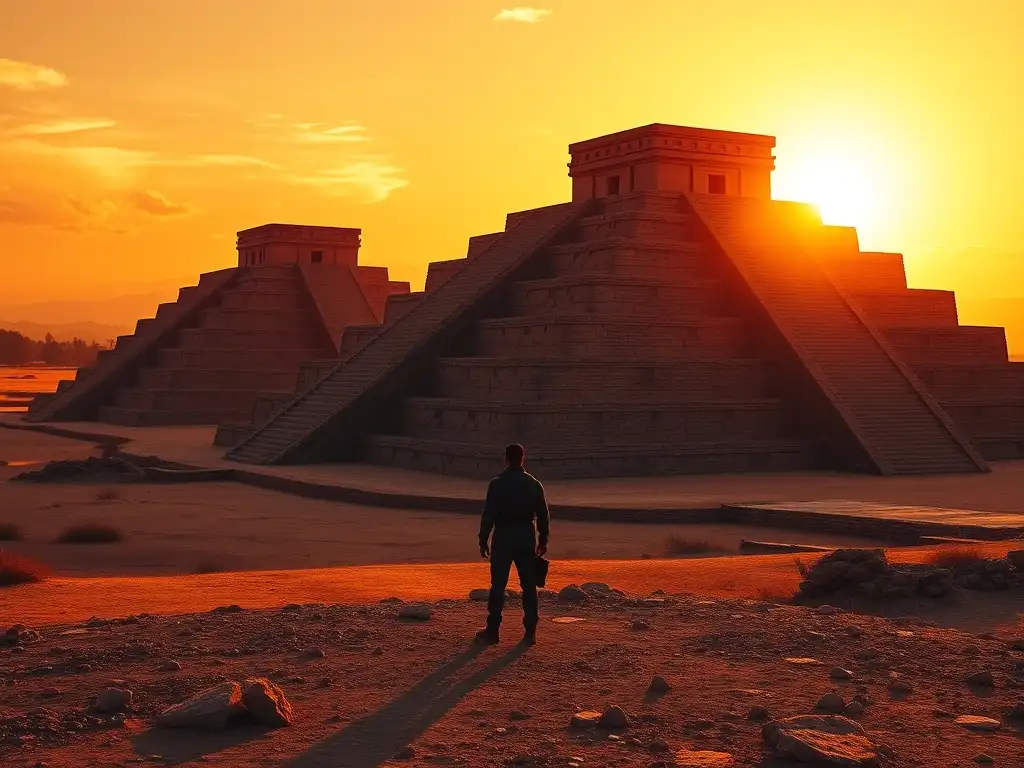
This section focuses on maximizing your visit to the magnificent Moche Pyramids of the Sun and Moon. We'll cover practical tips to ensure a comfortable and enriching experience, delving into essential gear, recommended reading, and the benefits of hiring a local guide. Remember, responsible tourism is key to preserving these invaluable historical sites for future generations. Understanding the history of the Moche pyramids Sun and Moon will be significantly enhanced with the right preparation.
Essential Gear for Visiting the Archaeological Site – Sun Protection, Comfortable Shoes
The coastal desert climate near the Moche pyramids can be harsh. Sun protection is paramount. Don't underestimate the intensity of the Andean sun, even on slightly overcast days. Pack a wide-brimmed hat, sunglasses with UV protection, and high SPF sunscreen (at least SPF 30, and reapply frequently). A lightweight, long-sleeved shirt and pants will also provide additional protection.
Equally crucial are comfortable, sturdy shoes. The ground at the archaeological site is uneven, with sandy areas and potentially rocky patches. Sandals or flip-flops are absolutely unsuitable. Opt for closed-toe walking shoes or hiking boots that offer good ankle support. Consider bringing along a small backpack to carry water, sunscreen, and any other essentials. Staying hydrated is crucial, especially during the hotter parts of the day. Bring at least two liters of water per person.
| Essential Item | Importance | Recommendation |
|---|---|---|
| Sun Protection (Hat, Sunglasses, Sunscreen) | Prevents sunburn and eye damage. | Wide-brimmed hat, UV-protected sunglasses, SPF 30+ sunscreen |
| Comfortable Shoes | Essential for navigating uneven terrain. | Closed-toe walking shoes or hiking boots |
| Water | Prevents dehydration in the desert climate. | At least 2 liters per person |
| Lightweight Clothing | Protects from the sun and allows for breathability. | Long-sleeved shirt and pants |
| Backpack | Convenient for carrying essentials. | Small, comfortable backpack |
Recommended Books and Guides on Moche Civilization
To truly appreciate the history of the Moche pyramids Sun and Moon, supplementing your on-site experience with pre-trip reading is highly recommended. Several excellent books delve into the Moche culture, art, and architecture. These resources will provide invaluable context and deepen your understanding of the site's significance.
For a comprehensive overview, look for books focusing on the Moche civilization's societal structures, religious beliefs, and artistic achievements. Pay attention to books that include high-quality images and detailed descriptions of the artifacts unearthed at the Pyramids of the Sun and Moon. Many academic publications offer in-depth analyses of the site's layout, construction techniques, and the broader implications of Moche societal organization. You might also find engaging books aimed at a wider audience, offering a more accessible introduction to the Moche culture and its legacy. These books often incorporate stunning visuals and engaging narratives.
Consider a Local Guide for a Deeper Understanding
While exploring the Moche Pyramids independently offers a sense of personal discovery, engaging a local guide significantly enhances the experience. A knowledgeable guide can provide invaluable insights into the history, architecture, and cultural significance of the site that you might miss otherwise. They can interpret the intricate details of the Moche artwork, explain the significance of the pyramids' layout, and share fascinating stories about the civilization's daily life and beliefs. Furthermore, a local guide can help you navigate the site efficiently, ensuring you don't miss any key areas.
They can also provide context on the ongoing archaeological research and preservation efforts. Choosing a certified guide ensures you receive accurate and reliable information, contributing to responsible and sustainable tourism. Look for guides with proven experience and positive reviews. Investing in a guided tour is an investment in a deeper, more meaningful understanding of the Moche pyramids Sun and Moon history.
The Legacy of the Moche: Beyond the Pyramids
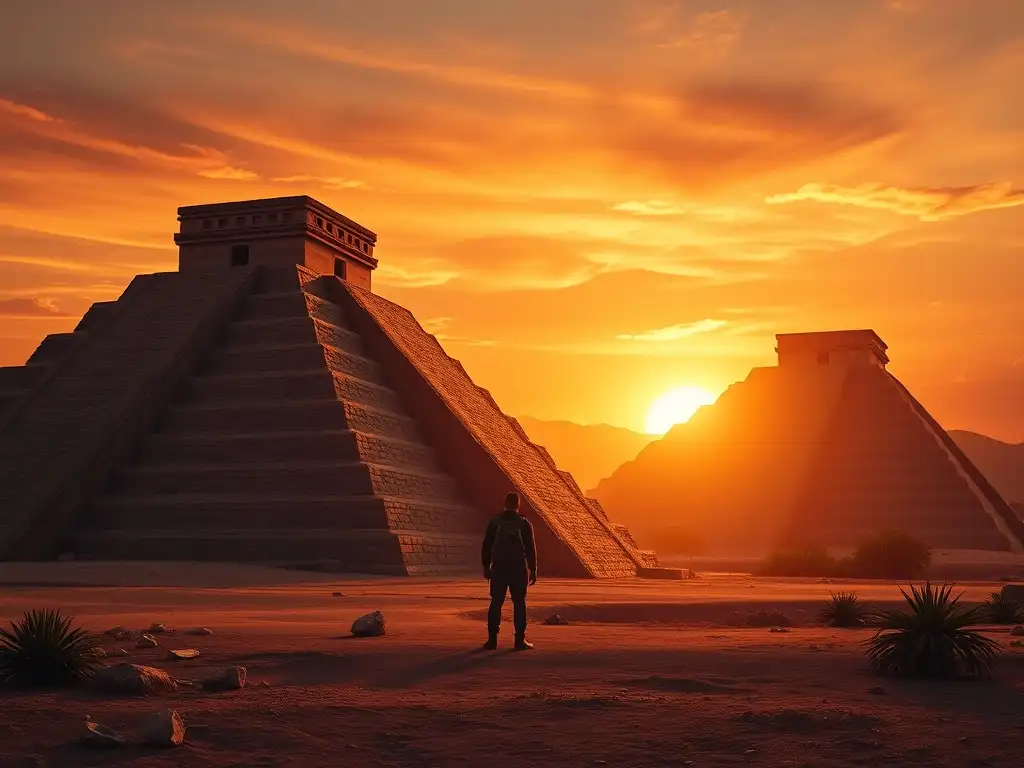
The Moche pyramids of the Sun and Moon, while undeniably impressive testaments to Moche engineering and societal structure, represent only a fraction of this civilization's enduring legacy. Their influence extended far beyond the impressive adobe structures, impacting subsequent Andean cultures and shaping the very landscape of northern Peru. Understanding the full scope of their contributions requires looking beyond the monumental architecture and delving into the intricacies of their societal organization, artistic expression, and technological advancements.
The Moche’s sophisticated irrigation systems, for example, laid the groundwork for future agricultural practices, enabling sustained population growth and societal complexity in the region. Their mastery of metallurgy, evident in their intricate gold and silver artifacts, also influenced later Andean metalworking traditions. The Moche's distinctive artistic style, characterized by its vibrant colors and detailed depictions of daily life and mythology, continued to inspire Andean artists for centuries.
Their pottery, in particular, provides invaluable insights into their worldview, religious beliefs, and social structures. Analyzing the iconography and stylistic choices in Moche pottery helps archaeologists piece together the narrative of their complex society. The Moche legacy is not merely a historical footnote; it's a living thread woven into the fabric of Andean culture.
The Moche Influence on Later Andean Cultures
The Moche civilization's impact resonates strongly in the cultures that followed. Their sophisticated agricultural techniques, particularly their mastery of canal irrigation, directly influenced the Chimu and Inca empires. The Chimu, who rose to prominence after the Moche, adopted and expanded upon the Moche irrigation systems, enabling the development of their own extensive agricultural infrastructure. This efficient water management was crucial to supporting their large urban centers.
Similarly, the Inca, known for their impressive road network and administrative prowess, likely built upon the organizational and engineering principles established by the Moche. The Inca, while possessing their own unique artistic styles, also drew inspiration from earlier Andean traditions, including those of the Moche. This cultural continuity is evident in certain ceramic styles and architectural features.
The Moche's influence isn't simply a matter of direct imitation; it's a complex interplay of adaptation and innovation, where later cultures built upon the foundations laid by their predecessors. Evidence suggests that the potent symbolism and religious iconography of the Moche also subtly impacted the beliefs and practices of subsequent Andean societies. Further research is needed to fully quantify the extent of this impact, but the connections are undeniable.
Preserving the Moche Heritage for Future Generations
Preservation of the Moche heritage is paramount, not only for understanding the past but also for shaping a sustainable future. The fragility of the adobe structures, particularly susceptible to erosion and environmental damage, necessitates ongoing conservation efforts. These efforts involve a multi-pronged approach, encompassing meticulous archaeological investigation, preventative maintenance, and community engagement. Archaeologists employ advanced techniques like 3D scanning and digital modeling to create detailed records of the sites and artifacts, ensuring their preservation even if the physical remains deteriorate.
Moreover, educating local communities about the importance of protecting these sites is crucial. Involving local populations in conservation projects fosters a sense of ownership and responsibility, ensuring the long-term protection of Moche heritage. This collaborative approach not only safeguards the physical remains but also cultivates a deeper appreciation for the Moche civilization within the community.
Furthermore, sustainable tourism practices play a crucial role in balancing the economic benefits of archaeological sites with their preservation. Careful management of visitor access and the implementation of responsible tourism guidelines are essential to prevent further damage. The long-term survival of the Moche pyramids and other sites hinges on a multifaceted strategy that blends scientific rigor with community involvement and responsible tourism.
The Importance of Moche Archaeological Research
Ongoing archaeological research is crucial for expanding our understanding of the Moche civilization and its lasting impact. Each new excavation, analysis, and technological advancement reveals fresh insights into their societal structure, religious beliefs, and daily lives. The application of advanced techniques, such as ground-penetrating radar and DNA analysis, holds the potential to uncover previously unknown settlements, burial sites, and artifacts. This research not only enriches our historical knowledge but also challenges existing assumptions and opens new avenues of inquiry.
For example, recent studies using advanced imaging techniques have revealed intricate details on Moche murals and pottery, providing new information about their artistic techniques and symbolic language. Furthermore, interdisciplinary collaborations between archaeologists, anthropologists, and other specialists are vital for a comprehensive understanding of the Moche. By bringing together diverse perspectives and expertise, researchers can gain a deeper appreciation of the complexity of this ancient civilization and its contributions to Andean history. The ongoing research ensures that the whispers of the Moche continue to be heard and understood for generations to come.
The meticulous documentation and analysis of Moche artifacts and sites is essential for building a more complete picture of their culture and its evolution. This process involves careful cataloging, analysis, and interpretation of the vast quantities of data generated by archaeological investigations. The continued support for research projects related to the Moche pyramids of the Sun and Moon, and other Moche sites, is essential to unlock further secrets of this fascinating civilization.
Moche Pyramids: A Must-See for History Enthusiasts
The Moche pyramids of the Sun and Moon, located near the modern-day city of Trujillo in Peru, stand as breathtaking testaments to the ingenuity and power of the Moche civilization. These monumental structures, constructed between the 1st and 8th centuries CE, offer a captivating glimpse into the advanced societal organization and sophisticated architectural skills of this remarkable Andean culture. Understanding their history is key to appreciating their enduring significance.
The sheer scale of the pyramids, their intricate designs, and the wealth of artifacts unearthed within their confines paint a vivid picture of a society deeply connected to its environment and rich in religious and political complexity. The Moche pyramids represent more than just impressive structures; they are powerful symbols of a civilization that left an indelible mark on Peruvian history and continue to fascinate archaeologists and tourists alike.
The ongoing research and preservation efforts ensure that future generations will continue to learn from and be inspired by this incredible legacy. Exploring these pyramids offers a unique opportunity to connect directly with the past and to gain a deeper understanding of the Moche's remarkable achievements.
Experiencing the Grandeur of the Pyramids of the Sun and Moon
Stepping onto the grounds of the Moche pyramids is an awe-inspiring experience. The Pyramid of the Sun, the larger of the two, dominates the landscape, its massive adobe brick structure stretching towards the sky. Its sheer size is staggering, a testament to the immense labor and organizational capabilities of the Moche people.
Archaeological excavations have revealed intricate details about its construction, including the use of sophisticated techniques for leveling the ground and creating a stable foundation. The Pyramid of the Moon, while smaller, is equally impressive, featuring a series of platforms and plazas that once served as the center of religious ceremonies and political gatherings. Visitors can wander through the ruins, imagining the vibrant life that once unfolded within these sacred spaces.
The scale of the structures is truly remarkable; even today, they evoke a sense of wonder and respect for the architectural prowess of the Moche civilization. The painstakingly preserved remnants whisper tales of ancient rituals, ceremonies, and the daily lives of the Moche people. The feeling of standing in the shadow of these giant structures is truly unforgettable.
Capturing the Essence of Moche History and Culture
The Moche pyramids are not just impressive structures; they are repositories of invaluable historical information. Archaeological digs have unearthed a wealth of artifacts – pottery, gold ornaments, textiles, and human remains – providing invaluable insights into Moche society, religion, and daily life. The intricate pottery, famous for its lifelike depictions of scenes from daily life and mythology, offers a window into the Moche worldview and artistic skills.
The discovery of elaborate tombs containing richly adorned individuals highlights the hierarchical nature of Moche society and the importance of ritual and ceremony. Furthermore, the analysis of human remains has shed light on Moche health, diet, and social structures. These finds, meticulously preserved and displayed in museums, allow visitors to connect with the Moche in a tangible way, experiencing their culture and beliefs firsthand.
The ongoing research into the Moche pyramids continues to reveal new information, enriching our understanding of this fascinating civilization and strengthening the importance of preserving these historical sites. The artifacts unearthed are not just objects; they are the voices of the past, echoing the stories and beliefs of a remarkable people. They provide a powerful connection to a civilization lost to time, yet vividly brought back to life through careful research and preservation.
Why the Moche Pyramids are an Unforgettable Travel Destination
The Moche pyramids offer more than just a historical experience; they offer a unique and unforgettable travel adventure. The site is not only historically significant but also aesthetically stunning, offering breathtaking views of the surrounding landscape. The combination of ancient history, cultural immersion, and scenic beauty makes it a truly unique destination.
Beyond the pyramids themselves, the surrounding area offers opportunities for exploration and discovery, including visits to nearby museums showcasing Moche artifacts and excursions to other significant archaeological sites in the region. The local culture adds another layer of richness to the experience, offering opportunities to engage with the vibrant traditions and hospitality of the Peruvian people. For those seeking a journey that combines historical significance with stunning natural beauty and cultural immersion, the Moche pyramids are an undeniably captivating destination.
The experience is more than just a visit; it's a journey through time and a connection to a civilization that continues to inspire awe and wonder. The opportunity to explore this incredible site leaves a lasting impression on every visitor, making it an unforgettable travel experience. The Moche pyramids are a destination that truly satisfies the curiosity of history enthusiasts and adventure seekers alike.
Frequently Asked Questions
What is the significance of the Moche Pyramids of the Sun and Moon?
The Pyramids of the Sun and Moon are massive adobe structures built by the Moche civilization. They represent the religious and political power of the Moche elite and offer insights into their complex society. Their size and intricate construction showcase advanced Moche engineering.
How old are the Moche Pyramids of the Sun and Moon?
The construction of the Pyramids of the Sun and Moon spanned centuries, with the main phases of construction dating back to roughly the 1st to 8th centuries CE. The exact dates are still under investigation by archaeologists.
What kind of rituals and ceremonies took place at the Pyramids?
The pyramids were likely used for a variety of religious ceremonies and rituals, possibly involving human sacrifice and offerings to their deities. Evidence suggests elaborate processions and feasts occurred within the complex.
What materials were used to build the Moche Pyramids?
The pyramids were primarily constructed using adobe bricks, made from sun-dried mud and clay. The vast quantities of adobe demonstrate the Moche's sophisticated understanding of construction techniques and resource management.
What can we learn from the artifacts found at the Pyramids of the Sun and Moon?
Excavations at the pyramids have uncovered numerous artifacts, including ceramics, textiles, and gold ornaments, providing valuable information about Moche art, religion, social structure and daily life. These findings continue to illuminate the complexity of Moche culture.
Final Reflection: Echoes of a Lost Civilization
The legacy of the Moche civilization, as embodied in the majestic Pyramids of the Sun and Moon, continues to resonate powerfully in modern Peru and beyond. Their sophisticated artistry, complex social structures, and enduring architectural marvels serve as a potent reminder of the ingenuity and resilience of pre-Columbian societies, challenging our assumptions about the past and inspiring awe in the present. The whispers of their history, carried on the wind across the desert sands, demand to be heard.
The Moche's ability to construct such monumental structures in a harsh environment speaks volumes about their organizational prowess and deep connection to their land. Their artistry, evident in the intricate ceramics and metalwork unearthed from their tombs, reveals a vibrant culture rich in symbolism and ritual. The sheer scale of their achievements continues to inspire wonder and fuels ongoing archaeological research. The past is never dead. It's not even past.
– William Faulkner. This quote perfectly encapsulates the enduring relevance of the Moche, whose story continues to unfold with each new discovery.
Consider the echoes of the Moche's ingenuity. How can we, in our own time, learn from their resourcefulness and collaborative spirit? Let the Pyramids of the Sun and Moon serve not just as monuments to a lost civilization, but as a call to action, inspiring us to build sustainable communities and preserve our own cultural heritage for future generations. Take a moment to reflect on the power of human achievement, the importance of understanding our shared history, and the enduring legacy of those who came before us. The whispers of the Moche await your response.
Unveil the Secrets of the Moche Today!
Thank you for joining us on this fascinating journey through the ancient wonders of the Moche civilization! We hope you were inspired by the stories of the Pyramids of the Sun and Moon and their remarkable significance. Now that you've learned about this extraordinary culture, we encourage you to continue your exploration.
Here's how you can delve deeper:
- Visit a Local Museum: Many museums feature exhibits on Andean or ancient South American cultures. Seeing the artifacts firsthand will significantly enhance your understanding.
- Connect with Others: Join online forums or local history groups focused on archaeology and the Moche to share your insights and learn from others.
- Travel to Peru: For the truly adventurous, a trip to Peru to see the pyramids and other Moche sites in person is an unforgettable experience.
What aspect of Moche culture most captivates you, and how will you further explore it?