
Inca Roads and Infrastructure: Books That Map the Vastness of the Inca Network

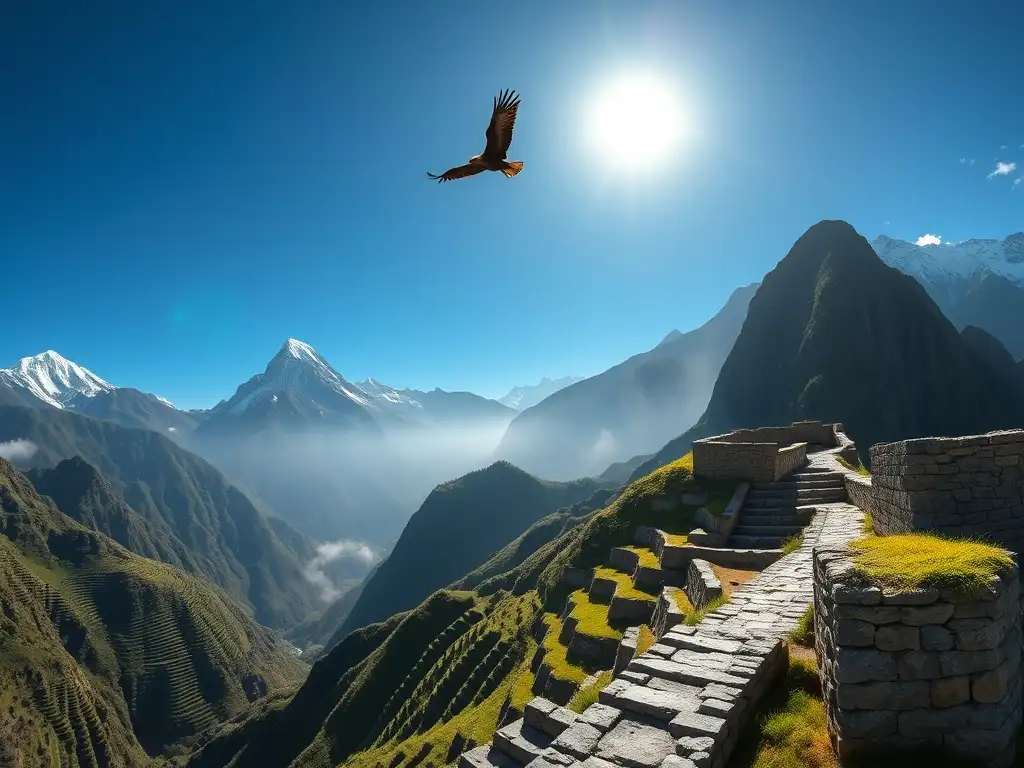
Unravel the mysteries of the Andes! Journey back in time to a world of breathtaking ingenuity and unparalleled architectural feats. For centuries, the Andes have echoed with the whispers of powerful civilizations. But how did they connect such vast territories? Discover the secrets behind the Inca road system – a marvel of engineering that continues to fascinate and inspire – and delve into the books that unlock its mysteries. Prepare to be amazed by what you find within.
- Unveiling the Inca Road System: The Best Books to Explore Qhapaq Ñan
-
Top Picks for Inca Road System Books: A Curated List
- "The Great Inca Road: Engineering an Empire" by Michael E. Moseley - A Comprehensive Overview
- "Along the Inca Road: A Journey of Discovery" by Richard Blanton - A Travelogue Perspective
- "Ancient Civilizations of the Andes" by Jonathan Haas - Waterworks, Terraces, and More
- "The Inca Empire: The Formation and Disintegration of a Pre-Capitalist State" by Thomas C. Patterson - Scholarly Insights into the Inca's Communication and Control
- Comparing Inca Road System Literature: Choosing the Right Book For You
- Maximizing Your Learning Experience: Further Resources on Inca Infrastructure
-
Frequently Asked Questions
- What makes the Inca road system so remarkable?
- What types of books explore the Inca road system in detail?
- Are there books focusing specifically on the construction techniques used by the Inca?
- Where can I find books about the Inca road system and its impact on the empire?
- Beyond roads, what other infrastructure achievements did the Inca civilization accomplish?
- Final Reflection: Echoes of the Inca: A Legacy Paved in Stone and Ink
- **Embark on a Journey Through Inca History! **
Unveiling the Inca Road System: The Best Books to Explore Qhapaq Ñan
The Inca Empire, a civilization that flourished in the Andes Mountains from the 13th to the 16th centuries, left behind a legacy of breathtaking ingenuity and sophisticated infrastructure. Central to their success was the Qhapaq Ñan, a vast network of roads stretching over 40,000 kilometers, connecting the far-flung corners of their empire. This intricate system facilitated trade, communication, and military control, showcasing the remarkable organizational and engineering prowess of the Inca.
Understanding the Qhapaq Ñan requires delving into the rich historical record, and thankfully, several excellent books offer insightful explorations of this remarkable achievement. This article serves as a guide to the best books on the Inca road system, providing a starting point for anyone wishing to unravel the mysteries and marvels of this ancient network. We will explore books that detail the construction techniques, the social and political implications, and the enduring legacy of the Inca roads, offering a comprehensive literary journey through the heart of the Andes.
Get ready to embark on an adventure through time, discovering the stories hidden within the stones of the Qhapaq Ñan! 🗺️
Understanding the Scope of the Inca Highway: A Literary Journey
The sheer scale of the Inca road system is often difficult to comprehend. Imagine a network of roads traversing treacherous mountain passes, spanning vast deserts, and connecting diverse ecosystems – all without the benefit of modern technology. Several books meticulously document the extent of this achievement, providing detailed maps and analyses of its various sections.
These texts often highlight the ingenious engineering solutions employed by the Inca, such as suspension bridges, meticulously carved stone pathways, and strategically placed resting places (tambos). The books not only map the physical dimensions of the road system but also delve into its strategic importance, illustrating how it facilitated the movement of armies, the transport of goods (including quipus for record-keeping), and the efficient administration of the empire. Understanding the scope of the Qhapaq Ñan requires appreciating the challenges overcome and the sophisticated planning that went into its creation.
The sheer ambition of the project is a testament to the Inca’s organizational capabilities and their profound understanding of their environment. These books provide crucial context, allowing readers to visualize the vastness of the empire and the significance of the road network in its overall functioning. The meticulous detail found in these publications brings the Inca road system to life, transforming abstract geographical data into a tangible representation of a remarkable feat of ancient engineering.
Top Picks for Inca Road System Books: A Curated List
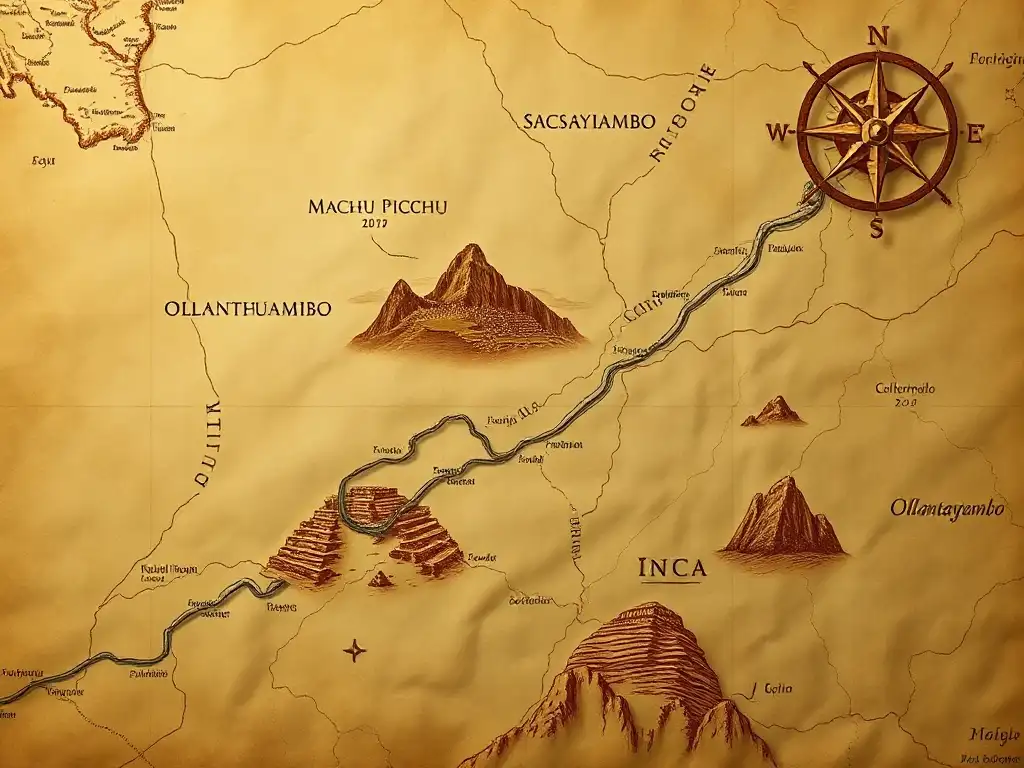
This section dives deep into a selection of essential books that illuminate the remarkable Inca road system, offering diverse perspectives on its engineering, impact, and legacy. These titles cater to various interests, from the technically minded to those seeking a more narrative-driven exploration of this ancient marvel. Understanding the Inca road system is crucial to grasping the ingenuity and power of the Inca Empire, a civilization that managed to connect vast territories through impressive infrastructure. These books provide invaluable insights into the "Inca road system" and its significance.
"The Great Inca Road: Engineering an Empire" by Michael E. Moseley - A Comprehensive Overview
Moseley's work provides a detailed and comprehensive examination of the Inca road system, going beyond a simple description of its extent. He delves into the engineering marvels involved, analyzing the construction techniques, materials used, and the logistical challenges overcome by Inca engineers. The book meticulously examines the strategic placement of the roads, highlighting their role in facilitating communication, trade, and military control across the empire.
Moseley masterfully blends archaeological findings with insightful interpretations, providing a robust understanding of the Inca road system's design and functionality. He doesn't shy away from the complexities, exploring the variations in road construction across different terrains and the adaptive strategies employed by Inca builders. The book is richly illustrated with maps, diagrams, and photographs, enhancing the reader's comprehension of the intricate network.
The sheer scale of the undertaking is brought to life, giving the reader a true appreciation for the Inca's organizational prowess and engineering skills. This book is a cornerstone for anyone seriously studying Inca infrastructure and is a must-have for any serious collection on Inca road system books.
"Along the Inca Road: A Journey of Discovery" by Richard Blanton - A Travelogue Perspective
Unlike purely academic works, Blanton's book offers a unique perspective. It's a travelogue that seamlessly blends personal experience with historical context. Following the routes of the Inca road system, Blanton recounts his own journey, bringing the reader along for the ride.
This approach makes the historical information more accessible and engaging. He vividly describes the landscapes, the remnants of Inca infrastructure he encounters, and the people he meets along the way. This personal narrative humanizes the story of the Inca road system, connecting the ancient past to the present-day reality of the Andean region.
The book is peppered with anecdotes and reflections, enriching the historical information with a personal touch. While not as technically detailed as Moseley's work, Blanton's book offers a valuable counterpoint, emphasizing the cultural and human aspects of the Inca road system. It's a compelling read for those interested in a more experiential and less strictly academic approach to understanding this fascinating subject, adding a valuable layer to your understanding of Inca road system books.
"Ancient Civilizations of the Andes" by Jonathan Haas - Waterworks, Terraces, and More
While not solely focused on the Inca road system, Haas's book provides essential context by placing the roads within the broader context of Inca engineering and societal organization. It offers a comparative analysis of Inca infrastructure with that of other Andean civilizations, highlighting both similarities and differences. The book explores a range of Inca achievements, including their sophisticated water management systems (canals, aqueducts), agricultural terraces, and urban planning.
This broader perspective is crucial for understanding the interconnectedness of Inca technology and its role in sustaining a large and complex empire. The inclusion of detailed information on Inca waterworks and agricultural terraces helps to illustrate the holistic approach of Inca engineering, demonstrating that the road system was just one component of a much larger, integrated system designed to support the empire's needs.
The book's comparative approach also helps to contextualize the Inca achievements within the larger history of Andean civilizations, enriching the understanding of the Inca road system's place within a longer historical trajectory. This makes it a valuable addition to any collection of Inca road system books, offering a wider lens on the subject.
"The Inca Empire: The Formation and Disintegration of a Pre-Capitalist State" by Thomas C. Patterson - Scholarly Insights into the Inca's Communication and Control
Thomas C. Patterson's The Inca Empire offers a deep dive into the Inca state's structure, focusing on its economic and political systems. While not solely dedicated to the road system, the book provides crucial context for understanding its significance. Patterson masterfully connects the vast network of Inca roads to the empire's overall administrative capabilities. The roads, he argues, weren't merely pathways; they were essential arteries for the flow of information, resources, and military power, all critical components of the Inca's control over such a geographically diverse empire.
The detailed analysis of the mita system—the labor tax that fueled much of the road construction and maintenance—is particularly enlightening. Understanding the mita is key to grasping the scale of the Inca's engineering feats and their ability to mobilize a workforce across vast distances. Patterson's work offers a sophisticated understanding of the Inca's logistical prowess, highlighting the intricate relationship between their infrastructure and their political dominance.
The book doesn't shy away from the complexities of Inca society, exploring the tensions and contradictions inherent in their system of control, enriching the reader's comprehension of the road network's role within this dynamic context. Ultimately, Patterson's scholarly approach provides a solid foundation for appreciating the Inca road system not just as a marvel of engineering, but as a crucial element of a sophisticated, albeit ultimately unsustainable, pre-capitalist state. The book helps readers understand the why behind the what, providing context crucial to understanding any dedicated study of the Inca road system.
This detailed analysis of the Inca state's organization provides a crucial backdrop for understanding the strategic importance of their road network. The book effectively demonstrates how the roads facilitated communication, trade, and military movement, all integral to maintaining control over a vast and diverse empire. For those interested in a scholarly perspective on the Inca road system's function within a larger socio-political framework, Patterson's work is an invaluable resource.
It’s a must-read for anyone seeking a deeper understanding of the Inca civilization beyond just its impressive infrastructure. The book successfully integrates the road network into a broader narrative of Inca power and governance, offering a nuanced perspective that goes beyond simplistic descriptions of engineering marvels. It expertly contextualizes the Inca road system within the wider socio-economic and political landscape of the empire.
Comparing Inca Road System Literature: Choosing the Right Book For You
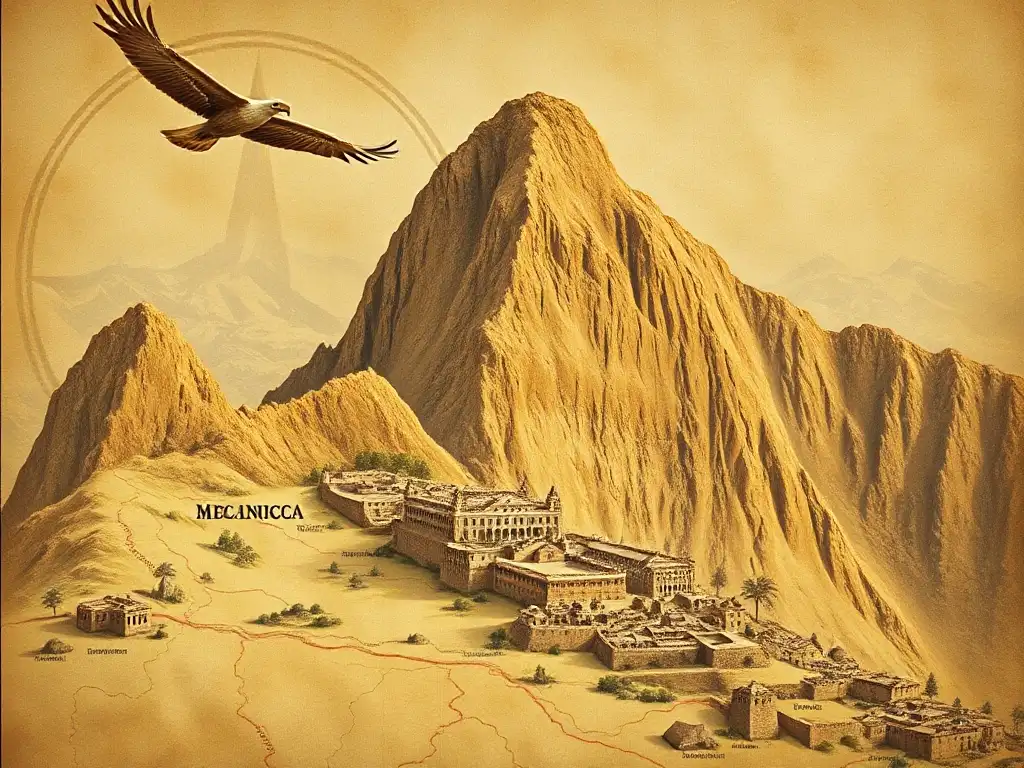
Selecting the perfect book to delve into the intricacies of the Inca road system can feel overwhelming, given the sheer volume of literature available. This section aims to help you navigate this landscape, comparing different approaches and helping you choose a book that aligns with your specific needs and interests. We'll focus on key aspects to consider when making your decision, ensuring you find the perfect read to satisfy your curiosity about this remarkable feat of ancient engineering. Remember, the best "Inca road system books" are the ones that best suit your individual learning style and goals.
Depth of Research: Academic vs. Travel Writing
The depth of research presented varies significantly across different "Inca road system books." Academic publications, often dense with archaeological data, detailed maps, and scholarly analysis, provide a rigorous exploration of the subject. These books are ideal for researchers, students, and anyone seeking a comprehensive, evidence-based understanding of the Inca road network. Expect detailed discussions of construction techniques, the social organization involved in building and maintaining the roads, and the role of the qhapaq ñan in the Inca Empire's political and economic power. They may include extensive bibliographies and footnotes, demonstrating a high level of scholarly rigor.
Conversely, travel writing on the Inca road system often prioritizes a narrative approach. These books might incorporate personal anecdotes, vivid descriptions of landscapes, and reflections on the author's journey along sections of the qhapaq ñan. While they may not offer the same depth of academic analysis, they provide a more accessible and engaging introduction to the subject for a broader audience.
They might focus on specific sections of the road, offering insights into the cultural and historical significance of particular locations. Such books can be excellent companions for those planning a trip to Peru, wanting to learn about the Inca road system in a more experiential way.
The scope of Inca road system books varies widely. Some books exclusively focus on the engineering marvels of the qhapaq ñan, detailing the construction techniques, materials used, and the logistical challenges overcome by Inca engineers. These might include detailed diagrams and analyses of bridge construction, road gradients, and the overall network's design. Others may delve deeper into the social impact of the road system, exploring its role in facilitating trade, communication, military movements, and the integration of diverse populations within the Inca Empire.
This perspective might analyze the impact on local communities, the flow of goods and information, and the political control exerted through the road network. Still others may present a more holistic view, combining aspects of engineering, social impact, and cultural significance. Consider which aspects of the Inca road system most interest you before selecting a book.
Budget Considerations: Affordability and Value
The price of books on the Inca road system can range considerably. Academic publications, often featuring high-quality illustrations and extensive research, tend to be more expensive. However, the detailed information and scholarly analysis they provide may justify the higher cost for serious researchers or students. Travel writing and more general-interest books are often more affordable, offering a valuable introduction to the subject without the steep price tag.
Consider your budget and the depth of information you require when making your selection. Remember, the value of a book isn't solely determined by its price; consider the quality of research, writing style, and overall engagement it offers. Used bookstores and online marketplaces can also provide cost-effective alternatives for acquiring high-quality "Inca road system books". Ultimately, finding the right balance between cost and value is key to ensuring a rewarding reading experience.
Maximizing Your Learning Experience: Further Resources on Inca Infrastructure
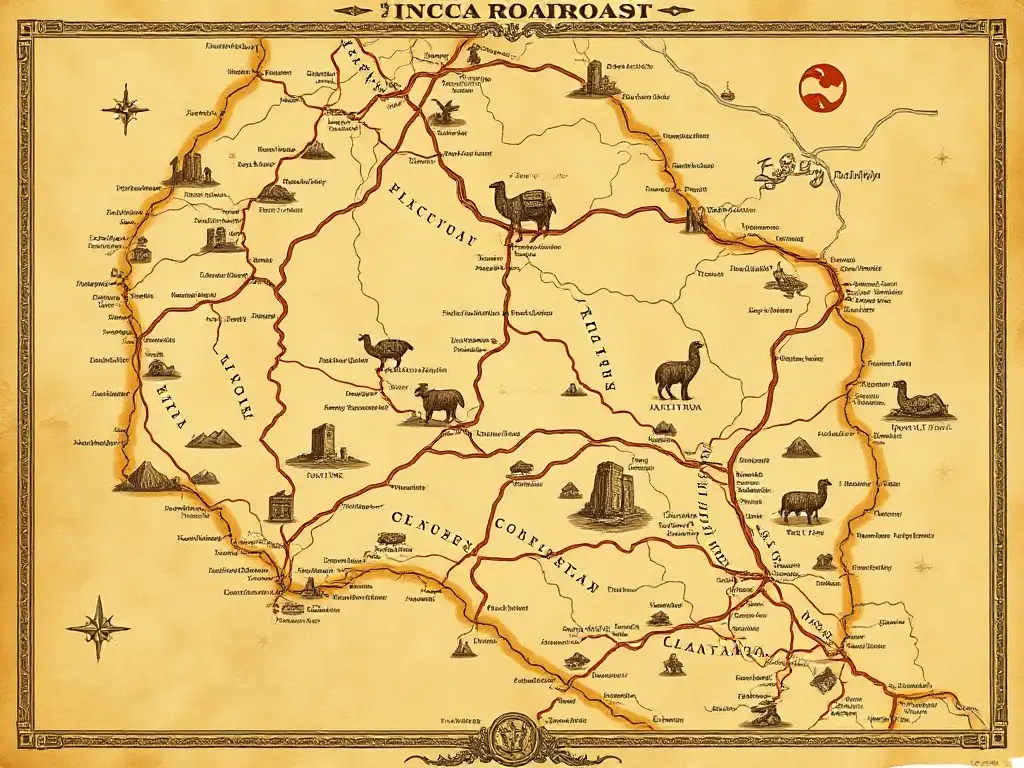
This section delves into supplementary resources beyond books, offering a multi-faceted approach to understanding the impressive Inca road system, also known as the Qhapaq Ñan. While books provide in-depth analysis, other media offer unique perspectives and visual explorations of this remarkable feat of engineering. Exploring these diverse resources will enrich your understanding of the Inca's logistical brilliance and its impact on their vast empire. Remember, the keyword "Inca road system books" is just a starting point; a comprehensive study requires a broader approach.
Documentaries and Online Resources on Qhapaq Ñan
Documentaries offer a dynamic and visually engaging way to learn about the Qhapaq Ñan. Many productions utilize stunning aerial footage to showcase the network's scale and ingenuity, something often difficult to fully grasp from static maps or written descriptions. These visual aids are particularly helpful in understanding the challenging terrain the Inca engineers overcame.
For instance, a documentary might focus on specific sections of the road, highlighting the construction techniques used in mountainous regions or across vast deserts. The use of expert interviews adds another layer of depth, providing insights into ongoing research and ongoing debates surrounding the Inca road system's construction and maintenance.
Beyond documentaries, online resources are increasingly valuable. Academic institutions and cultural organizations frequently publish high-resolution images of archaeological sites along the Qhapaq Ñan, providing close-up views of the stonework and other infrastructural elements. Interactive maps, often found on governmental or university websites, allow users to virtually explore sections of the road, pinpointing significant locations and archaeological findings.
These digital tools offer an interactive and engaging learning experience, supplementing the information found in books and documentaries. Furthermore, many online forums and communities dedicated to Andean history offer opportunities for discussion and collaboration, facilitating a richer understanding of the Qhapaq Ñan through peer-to-peer learning. The sheer volume of information available online, combined with the visual elements, creates a vibrant and multifaceted approach to studying this fascinating topic.
Maps and Atlases of the Inca Empire
Understanding the scale and reach of the Inca road system requires consulting detailed maps and atlases. While books often include maps, dedicated cartographic resources provide a more comprehensive and nuanced view. These maps should not only show the main routes of the Qhapaq Ñan but also highlight significant waystations, tambos (resting places), and other infrastructural elements integral to the network's functionality. High-quality atlases often include accompanying information on the surrounding geography, climate, and local populations, contextualizing the road system within its broader environment.
Consider the level of detail: some maps may focus on the entire Inca Empire, showing the major arteries of the Qhapaq Ñan, while others might zoom in on specific regions, revealing the intricate network of smaller roads and trails. The choice of map depends on the specific research interests. For example, a researcher focusing on the logistical challenges of supplying the Inca capital might benefit from a detailed map showing the routes connecting Cusco to various resource-rich provinces.
Conversely, someone studying the role of the Qhapaq Ñan in facilitating cultural exchange might prefer a map emphasizing the connections between different ethnic groups within the empire. The effective use of maps is crucial for visualizing the spatial extent and strategic importance of the Inca road system, providing a critical visual component to a well-rounded understanding.
Look for maps that utilize modern cartographic techniques to accurately depict the terrain and the road's alignment, maximizing your ability to comprehend the engineering marvels of the Inca civilization. The inclusion of legends and key explaining symbols used on the map is crucial for ease of understanding.
Frequently Asked Questions
What makes the Inca road system so remarkable?
The Inca road system was remarkable for its vastness, spanning thousands of miles across diverse terrain, connecting the empire and facilitating communication and trade. Its ingenious engineering allowed for efficient movement of people and goods.
What types of books explore the Inca road system in detail?
Several books delve into the Inca road system, including academic studies focusing on archaeological findings and engineering, as well as more accessible books offering overviews of the network's history and significance. Look for titles specifically mentioning "Inca roads," "Inca infrastructure," or "Inca communication."
Are there books focusing specifically on the construction techniques used by the Inca?
Yes, many publications explore the innovative construction techniques employed by the Inca. These books often detail the materials used, the labor organization, and the remarkable adaptation to the challenging Andean landscape.
Where can I find books about the Inca road system and its impact on the empire?
You can find such books at online retailers like Amazon, academic bookstores, and public libraries. Searching for "Inca road system books" or similar terms will yield relevant results. Consider checking university libraries for specialized texts.
Beyond roads, what other infrastructure achievements did the Inca civilization accomplish?
In addition to their extensive road network, the Inca also built impressive irrigation systems, stone buildings and cities, and sophisticated storage facilities. These achievements demonstrate their advanced understanding of engineering and resource management.
Final Reflection: Echoes of the Inca: A Legacy Paved in Stone and Ink
The Inca road system, a marvel of ancient engineering, continues to resonate today, not just as a testament to human ingenuity, but as a powerful symbol of interconnectedness and the enduring power of infrastructure. Its sophisticated design, spanning vast distances and diverse terrains, serves as a potent reminder of the scale of Inca ambition and the importance of strategic planning, even in the face of seemingly insurmountable challenges.
The impact of the Inca road network extends far beyond its physical presence; it shaped the cultural and social fabric of the empire, facilitating trade, communication, and the movement of people and resources. Its legacy lives on in the very landscape of the Andes, a constant visual reminder of a civilization's ability to overcome obstacles and create a unified society. The roads were not merely pathways; they were the arteries of the empire, pulsating with life and connecting the heart to its extremities.
This quote, though fictionalized, captures the essential truth of the Inca road system's significance. It's a reminder that infrastructure isn't just about bricks and mortar; it's about the connections it forges and the stories it holds.
Consider the impact of well-planned infrastructure on your own life. Think about the ease of communication, the access to resources, and the opportunities afforded by efficient transportation networks. You too are part of a vast, interconnected web, and understanding the lessons of the Inca road system can help us build a more sustainable and equitable future.
Let the echoes of the Inca inspire you to appreciate the power of strategic planning, community building, and the enduring legacy of human ingenuity. Embrace the challenge of creating your own pathways to progress, leaving behind a legacy as enduring as the stones of the Inca.
**Embark on a Journey Through Inca History! **
Thank you for exploring the fascinating world of Inca infrastructure. Your investigation of their intricate road systems and remarkable architecture reveals not only their ingenuity but also their enduring legacy. Let's build on this knowledge!
Here's how you can continue your exploration:
- **Delve deeper into Inca history** with our recommended reading list—it offers fresh perspectives and fascinating details.
- **Share your discoveries** with us on social media; we'd love to hear about your favorite aspects of Inca infrastructure and continue the discussion.
- **Explore local historical sites** related to the Inca. You might be surprised by what you uncover!
Which aspect of Inca infrastructure most interests you, and why? We'd love to hear your thoughts!