
Pachamama's Embrace: Connecting with Nature Through Sustainable Tourism

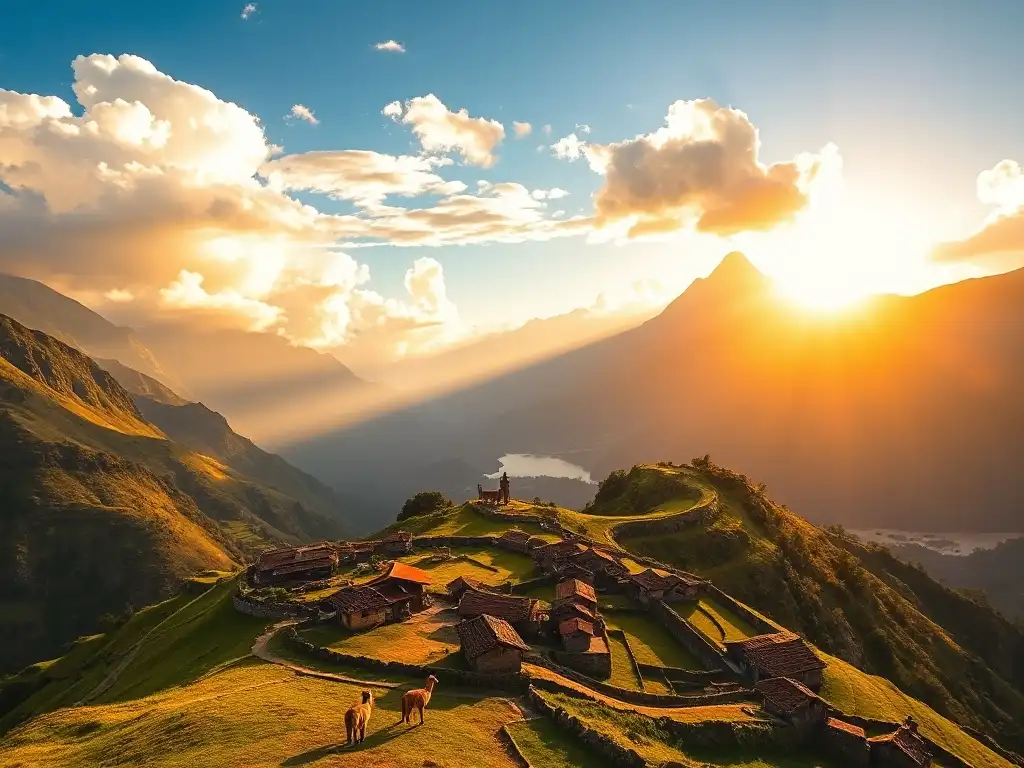
Step into the breathtaking world of the Andean civilizations – a realm of majestic mountains, intricate artistry, and enduring legacies. For centuries, these cultures thrived in harmony with Pachamama, Mother Earth, a connection we can still experience today. But how can we explore this incredible heritage responsibly? Discover the secrets of sustainable Andean tourism and uncover a new way to connect with the ancient heart of the Andes. Journey with us to explore the possibilities and unlock the future of responsible travel in this captivating region.
The Andes Mountains, a majestic spine running down the western edge of South America, are home to a breathtaking tapestry of landscapes, from towering peaks dusted with snow to lush cloud forests teeming with life. This incredible biodiversity, coupled with the rich legacy of ancient Andean civilizations like the Inca, Moche, and Nazca, draws millions of visitors each year. However, the sheer beauty and cultural significance of this region demand a responsible approach to tourism.
This article explores the concept of sustainable Andean tourism, offering practical steps to ensure your journey minimizes environmental impact while maximizing cultural exchange and economic benefit for local communities. We’ll delve into the importance of ethical travel practices, providing a framework for planning an eco-conscious adventure that truly embodies the spirit of Pachamama – Mother Earth – and respects her delicate balance.
By embracing sustainable tourism principles, we can ensure the preservation of this invaluable heritage for generations to come, fostering a deeper connection with both the land and its people. Let's explore how you can contribute to the preservation of this incredible region while experiencing its magic firsthand.
Understanding the Need for Responsible Andean Travel
The allure of the Andes is undeniable. The breathtaking scenery, fascinating history, and vibrant cultures beckon travelers from across the globe. However, this influx of tourism can have significant environmental and socio-cultural consequences if not managed responsibly. Uncontrolled tourism can lead to habitat destruction, pollution, and the exploitation of local communities.
Sustainable Andean tourism, therefore, is not just a trend; it's a necessity. It's about minimizing our footprint, respecting local traditions, and contributing positively to the well-being of the Andean people and their environment. This involves a conscious effort to choose eco-friendly accommodations, support local businesses, and engage respectfully with the communities we visit.
The goal is to leave the Andes better than we found them, ensuring that future generations can also experience its unparalleled beauty and rich heritage. A responsible approach ensures the long-term preservation of this unique and fragile ecosystem. Think of it as a reciprocal relationship: the Andes offer us unforgettable experiences, and in return, we must commit to protecting them.
Planning Your Eco-Conscious Andean Adventure
Planning a sustainable trip to the Andes requires careful consideration of various aspects, from choosing a responsible tour operator to packing light and minimizing waste. It's about making conscious choices at every stage of your journey, ensuring that your impact on the environment and local communities is positive. Let's break down the key steps to planning your eco-conscious Andean adventure:
Step 1: Choosing a Sustainable Tour Operator
Selecting a tour operator committed to sustainable practices is paramount. Look for operators who prioritize local communities, minimize environmental impact, and contribute to conservation efforts. They should have clear policies on waste management, responsible wildlife viewing, and fair wages for employees. Independent research and reviews from other ethical travelers can be invaluable in identifying truly sustainable operators. Ask specific questions about their environmental and social responsibility programs before booking your tour.
Step 2: Selecting Eco-Friendly Accommodation
Opt for accommodations that demonstrate a commitment to sustainability. This could include eco-lodges built with locally sourced materials, hotels with robust recycling programs, and guesthouses that support local communities. Look for certifications such as LEED or Green Globe, which indicate a commitment to environmental responsibility. Prioritize accommodations that utilize renewable energy sources and minimize water consumption.
Step 3: Packing for a Low-Impact Trip
Packing light reduces the carbon footprint associated with transportation. Avoid single-use plastics and bring reusable water bottles, shopping bags, and containers. Choose biodegradable toiletries and sunscreen to minimize your impact on delicate ecosystems. Packing efficiently also helps reduce the strain on local resources.
Step 4: Engaging with Local Communities Respectfully
Respecting local customs and traditions is crucial. Learn a few basic phrases in the local language, dress modestly when visiting religious sites, and always ask for permission before taking photographs of people. Support local businesses by purchasing handicrafts and souvenirs directly from artisans, and engage respectfully with the communities you encounter. Remember that you are a visitor in their home, and treat it with the respect it deserves. This mindful approach fosters meaningful cultural exchange and contributes to the economic well-being of local communities.
Experiencing the Andean Culture and Nature Responsibly

This section delves into the practical aspects of experiencing the Andes in a sustainable and respectful manner. Understanding the nuances of responsible travel is crucial for ensuring the longevity of Andean cultural heritage and the preservation of its breathtaking landscapes. It's about minimizing your environmental impact while maximizing your positive contribution to local communities. This means moving beyond simply visiting; it's about participating responsibly in the vibrant tapestry of Andean life. We'll explore various ways to achieve this, from trekking responsibly to engaging respectfully with indigenous communities.
Sustainable Trekking and Hiking in the Andes
Sustainable trekking and hiking isn't just about leaving no trace; it's about minimizing your impact before, during, and after your trip. Choosing reputable tour operators committed to sustainable practices is paramount. Look for companies that employ local guides, support local businesses, and actively contribute to conservation efforts. For example, a truly sustainable operator might invest a portion of their profits in trail maintenance or reforestation projects.
Before embarking on your adventure, thorough planning is key. This includes researching permitted trails and respecting any restrictions in place to protect fragile ecosystems. Packing light reduces the burden on porters and minimizes fuel consumption for transportation. Opt for reusable water bottles and avoid single-use plastics, contributing to a cleaner Andean environment.
During your trek, adhering to Leave No Trace principles is essential. This means packing out all trash, staying on marked trails to avoid erosion, and respecting wildlife by maintaining a safe distance. Remember, the beauty of the Andes is in its pristine state; let's keep it that way. Consider the impact of your choices – even small actions, like choosing biodegradable sunscreen, can make a significant difference. Think about the cumulative effect of many tourists making responsible choices – together, we can make a huge impact on preserving the Andes for future generations.
Consider the following checklist before your Andean hike:
| Item | Sustainable Choice | Unsustainable Choice |
|---|---|---|
| Water Bottle | Reusable, filtered water bottle | Disposable plastic water bottles |
| Sunscreen | Biodegradable, reef-safe sunscreen | Conventional sunscreen with harmful chemicals |
| Waste Disposal | Pack out all trash; utilize provided waste bins | Leaving trash behind |
| Trail Etiquette | Stay on marked trails, respect wildlife | Straying from trails, disturbing wildlife |
| Guide Selection | Choose a locally-owned and environmentally conscious tour operator | Choose a large, impersonal tour operator that doesn't prioritize sustainability |
Discovering Indigenous Practices and Traditions
Respectful engagement with indigenous communities is a cornerstone of sustainable Andean tourism. This means approaching interactions with humility, curiosity, and a genuine desire to learn. Avoid exploitative practices like taking photos without permission or engaging in activities that could disrupt their daily lives. Instead, focus on supporting local artisans by purchasing their handicrafts directly, contributing to their economic well-being while simultaneously preserving their cultural heritage.
Learn basic Quechua phrases – even a simple "gracias" (thank you) shows respect and fosters positive interactions. Participate in cultural events and ceremonies only if invited and always with the guidance of local experts. Remember, you are a visitor in their home; act accordingly. Supporting community-based tourism initiatives directly benefits the people who call the Andes home, ensuring the preservation of their traditions and livelihoods. Prioritize cultural immersion experiences that prioritize the well-being and autonomy of indigenous communities. This approach ensures that tourism benefits the local population, rather than exploiting them.
Respecting Wildlife and Natural Habitats
The Andes boast incredible biodiversity, from the majestic condor soaring above the mountains to the vibrant hummingbirds flitting through the cloud forests. Sustainable Andean tourism necessitates a commitment to protecting this rich wildlife and its natural habitats. Avoid disturbing animals or their nests, and maintain a respectful distance. Support organizations working on wildlife conservation and habitat restoration. Choose accommodations and tours that prioritize minimizing their environmental footprint.
Remember that many Andean species are endangered or vulnerable. Participating in ecotourism activities that promote responsible wildlife viewing, such as birdwatching tours led by local experts, is a great way to support conservation efforts. This ensures that the experience is both enriching for you and beneficial for the animals and their environment.
Opt for accommodations that prioritize energy efficiency and waste reduction, further minimizing your impact on the delicate Andean ecosystem. Every responsible choice contributes to the long-term preservation of this remarkable environment. Let's leave the Andes even more beautiful than we found them, ensuring its preservation for future generations to enjoy.
Making a Lasting Impact Through Sustainable Travel

This section explores how individual travelers can maximize their positive impact on the Andean communities and environment during and after their trips, contributing to the growth of sustainable Andean tourism. We'll delve into practical steps you can take to ensure your journey leaves a legacy of respect and preservation.
Post-Trip Reflection and Continued Support
After returning from your Andean adventure, the experience shouldn't end. A crucial aspect of sustainable Andean tourism is continued engagement and support for the communities and initiatives you encountered. Reflecting on your journey allows you to identify areas where you can continue contributing. Consider these actions:
- Sharing your experiences: Spread awareness about responsible travel in the Andes by sharing your positive experiences – and any challenges you encountered – on social media, with friends and family, and through travel blogs. Use hashtags like #SustainableAndeanTourism and #ResponsibleTravel to amplify your message. Authentic storytelling can inspire others to travel ethically.
- Supporting local artisans and businesses: Continue to purchase handcrafted goods directly from Andean artisans you encountered or through reputable online platforms that ensure fair trade practices. This provides ongoing economic support and preserves traditional crafts.
- Donating to relevant organizations: Many organizations are dedicated to preserving Andean culture and the environment. Research reputable charities focused on community development, environmental protection, and cultural preservation in the Andes and consider making a donation. Look for organizations with transparent financial reporting.
- Advocating for sustainable practices: Use your voice to advocate for sustainable tourism policies and practices. Contact tour operators and hotels to share your feedback and encourage them to adopt more sustainable initiatives. Write to your elected officials to express support for policies that protect Andean ecosystems and cultural heritage.
The impact of your actions, however small they may seem, collectively contribute to the long-term success of sustainable Andean tourism. Even a small donation can make a significant difference in a community's ability to preserve its heritage and environment. Think of it as an investment in the future of the Andes.
The Future of Ethical and Sustainable Tourism in the Andes
The future of sustainable Andean tourism hinges on collaboration between travelers, local communities, governments, and the tourism industry. Several key factors will shape its trajectory:
- Community-based tourism initiatives: Empowering local communities to manage and benefit directly from tourism is paramount. This ensures that tourism revenue directly supports local development and conservation efforts. This model fosters a sense of ownership and responsibility for the preservation of the region’s unique cultural and natural heritage.
- Technological advancements: Technology can play a vital role in promoting sustainable practices. For example, using digital platforms to showcase local businesses and artisans, reducing paper waste through online booking systems, and employing GPS tracking to minimize environmental impact.
- Governmental regulations and policies: Stronger governmental regulations and enforcement are crucial for ensuring environmental protection and fair labor practices within the tourism sector. This includes implementing stricter guidelines for waste management, resource conservation, and community engagement.
- Increased traveler awareness: The increasing awareness among travelers about the importance of responsible travel will continue to drive demand for sustainable tourism options. This will pressure the industry to adapt and offer more ethical and sustainable choices. Educating travelers about the environmental and social impacts of their choices is crucial.
The future of sustainable Andean tourism is bright, but it requires a collective commitment. By focusing on community empowerment, technological innovation, responsible governance, and increased traveler awareness, we can ensure that the Andes remain a vibrant and thriving destination for generations to come, preserving the rich tapestry of its culture and natural beauty. The success of this model relies on a continued focus on responsible practices and a commitment to protecting the unique heritage of the region.
Frequently Asked Questions
What is sustainable Andean tourism?
Sustainable Andean tourism focuses on minimizing the negative impact of tourism on the environment and local communities while maximizing the benefits for both. This includes respecting local cultures, supporting local businesses, and protecting the natural environment.
How can I practice sustainable tourism in the Andes?
Choose eco-friendly accommodations and tour operators, support local guides and businesses, respect local customs and traditions, and leave no trace behind. Reduce your carbon footprint by choosing less impactful transportation options.
What are the benefits of sustainable Andean tourism for local communities?
Sustainable tourism provides economic opportunities for local communities, helps preserve their cultural heritage, and empowers them to manage their own resources and development. It fosters a sense of pride and ownership.
Are there any specific examples of sustainable practices in Andean tourism?
Yes, many initiatives focus on community-based tourism, responsible wildlife viewing, and the preservation of ancient sites. Some operators use renewable energy and support local conservation efforts.
How can I find sustainable tourism options in the Andes?
Look for tour operators and accommodations that are certified by sustainable tourism organizations. Research companies that actively promote environmental protection and community involvement. Read reviews and check for certifications.
Final Reflection: The Enduring Call of Pachamama
The principles of sustainable Andean tourism are not merely a trend; they are a vital necessity for the preservation of a unique cultural and ecological heritage. Ignoring the delicate balance between human activity and the environment in the Andes risks irreversible damage, silencing the whispers of Pachamama and leaving future generations with a diminished legacy. The time for action is now, not tomorrow.
The profound connection between the Andean people and their environment, as explored throughout this article, continues to shape the cultural landscape, influencing everything from artistic expression to spiritual beliefs. This interconnectedness is a powerful reminder of our own responsibility to tread lightly on the Earth. We do not inherit the Earth from our ancestors; we borrow it from our children.
– Native American Proverb. This simple yet profound statement underscores the urgency of adopting sustainable practices, not just in tourism, but in all aspects of our lives.
Consider the impact of your travel choices. Will you contribute to the erosion of this precious ecosystem, or will you become a steward, actively supporting initiatives that protect the Andean landscape and empower local communities? Choose to engage with the spirit of Pachamama, to experience the Andes with respect and reverence, and to leave a positive footprint for those who will follow in your footsteps. The future of sustainable Andean tourism, and indeed the future of the Andes themselves, rests in our hands.
Embrace Nature: Take Action for a Sustainable Tomorrow!
Thank you for exploring the importance of sustainable tourism and discovering how it can help us reconnect with nature. You've learned about the beauty of ecological balance, and now it's time to put that knowledge into action!
Here are some simple yet impactful steps you can take:
- Plan your next trip responsibly. Choose destinations committed to eco-friendly practices and that benefit local communities. Consider destinations that actively protect their environment and support local economies through sustainable tourism initiatives.
- Share your experiences! Use social media to spread awareness about responsible travel and inspire others to adopt sustainable practices. Highlight the positive impact of your travels on the environment and local communities.
- Support local conservation efforts. Volunteer your time or donate to organizations dedicated to protecting natural spaces in your area. Even small actions can make a significant difference in preserving our planet's biodiversity.
How will you incorporate sustainable practices into your travel plans and daily life?