
Unveiling the Symbolism of Andean Pottery: Depicting the Supernatural

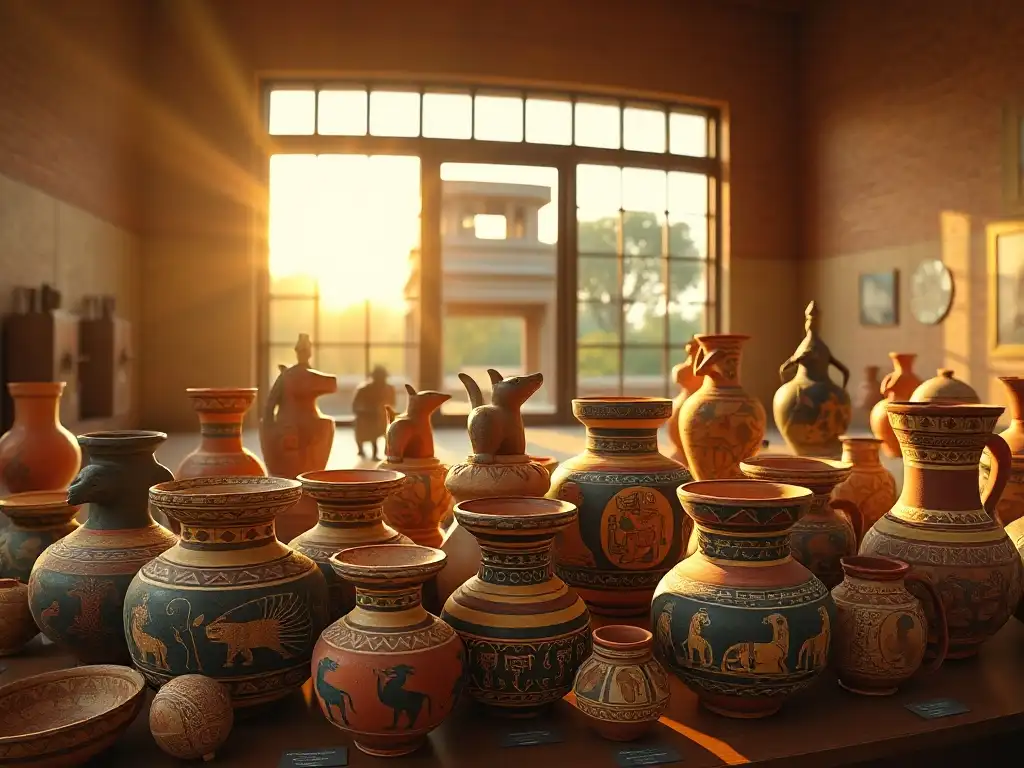
Step into a world lost to time, yet echoing with vibrant life. Journey through the breathtaking landscapes and enigmatic cultures of the Andes, where ancient civilizations left behind a legacy as rich and complex as the mountains themselves. Prepare to be captivated by the intricate artistry of Andean pottery symbolism, a window into the supernatural beliefs and cosmological visions of the Incas, Moche, Nazca, and Tiahuanaco. What secrets do these ancient vessels hold? Discover the answers within...
The Andean region, a breathtaking tapestry of towering mountains and fertile valleys, cradled some of the most fascinating and enigmatic civilizations of the pre-Columbian Americas. Beyond their impressive architectural feats and sophisticated agricultural practices, these cultures—including the Incas, Moche, Nazca, and Tiahuanaco—left behind a rich legacy of artistic expression, most notably in their exquisite pottery. This article delves into the captivating world of Andean pottery symbolism, focusing specifically on how these intricate vessels depicted their complex beliefs about the supernatural.
We will explore the iconography, motifs, and stylistic choices employed by Andean artisans to represent deities, spirits, and otherworldly forces, revealing insights into their cosmology and spiritual practices. Understanding the symbolism embedded in Andean pottery provides a crucial window into the religious beliefs and worldview of these ancient societies, enriching our comprehension of their vibrant and complex cultures.
The analysis will focus on specific examples, highlighting the recurring themes and variations across different Andean cultures. Prepare to embark on a journey through time, unraveling the mysteries encoded in the clay.
Deities and Anthropomorphic Figures in Andean Pottery
Andean pottery frequently depicts anthropomorphic figures, often interpreted as deities or supernatural beings. These representations are far from standardized; instead, they exhibit remarkable diversity across different cultures and time periods. For instance, Moche pottery showcases elaborate depictions of powerful figures, often engaged in dramatic scenes that could represent mythological narratives or ritualistic practices.
These figures, frequently adorned with elaborate headdresses, jewelry, and symbolic attire, are often depicted with exaggerated features, highlighting their otherworldly nature. The Nazca culture, known for its intricate geoglyphs, also produced pottery with distinctive iconographic styles, often featuring stylized human figures with elongated limbs and distinctive facial features. The specific attributes and iconography associated with these figures often provide clues about their role within the Andean pantheon.
Detailed analysis of these features, such as specific headdresses or accompanying symbols, is crucial for accurate interpretation. Further research is needed to fully understand the specific identities of many of these figures.
Zoomorphic Representations and Their Symbolic Significance
Beyond human representations, Andean pottery extensively features zoomorphic motifs—animal figures imbued with symbolic meaning. Animals held deep significance within Andean cosmologies, often representing specific deities, natural forces, or aspects of the spiritual realm. Condor imagery, for example, frequently appears in Inca pottery, symbolizing power, strength, and connection to the upper world. Similarly, snakes, jaguars, and other animals were incorporated into the designs, each carrying its own unique symbolic weight.
The careful consideration of the animal's posture, the associated symbols, and the context within the overall design are essential to correctly interpret their meaning. This is particularly crucial when considering the potential variation in meaning across different cultures. For example, while the condor held a generally positive connotation, the interpretation of other animals might vary considerably depending on the specific Andean culture and the context of the artwork.
Supernatural Beings and Mythological Creatures
Many examples of Andean pottery showcase depictions of beings that blur the line between human and animal, or that clearly represent mythical creatures entirely outside of the natural world. These hybrid figures often embody powerful forces or represent specific aspects of the Andean worldview. These are often depicted in dynamic scenes, possibly representing encounters between humans and the supernatural, or mythological battles between opposing forces.
Analyzing the interactions between these beings and human figures provides further insight into the relationship between the earthly and spiritual realms in Andean cosmovision. The stylistic choices used to represent these creatures, such as exaggerated features or unusual combinations of animal and human attributes, emphasize their otherworldly nature. Further investigation into these depictions is vital for a deeper understanding of Andean mythology and the nature of supernatural forces in their belief system.
Interpreting the Context: Vessels, Scenes, and Associated Objects
The interpretation of Andean pottery symbolism cannot be isolated from the context in which the vessels were found. The type of vessel, the scenes depicted, and any associated objects provide crucial clues for understanding the overall meaning. For example, a ceremonial vessel found in a burial site might carry different symbolic weight than a domestic vessel used for everyday purposes. Considering the location of discovery, the associated grave goods, and the broader archaeological context helps researchers to understand the specific cultural and ritualistic significance of the pottery.
Furthermore, the use of specific colors, materials, and techniques also contributes to the overall interpretation. The meticulous craftsmanship and attention to detail evident in many Andean pottery pieces underscore the importance of these objects within their cultural context. Understanding this context is key to unlocking the full potential of this valuable historical evidence.
- Deities and Anthropomorphic Figures in Andean Pottery
- Zoomorphic Representations and Their Symbolic Significance
- Supernatural Beings and Mythological Creatures
- Interpreting the Context: Vessels, Scenes, and Associated Objects
The Spiritual World in Ancient Andean Ceramics
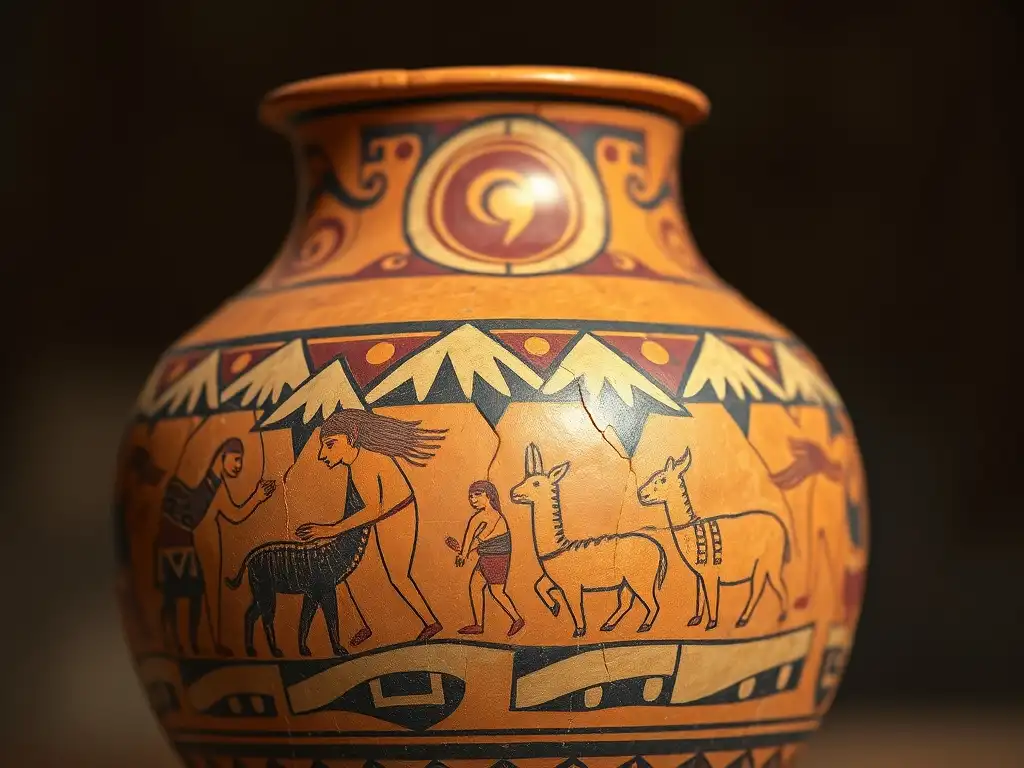
Andean pottery symbolism offers a captivating window into the spiritual beliefs and practices of ancient Andean cultures. The intricate designs, vibrant colors, and carefully chosen motifs found on ceramic vessels weren't merely decorative; they served as powerful tools for communicating with the supernatural world, expressing religious ideologies, and narrating cosmological narratives.
These artifacts, unearthed from tombs, ceremonial sites, and everyday dwellings, provide invaluable insights into a complex and fascinating worldview. The study of Andean pottery symbolism allows us to reconstruct aspects of their religious practices, understand their relationship with deities, and appreciate the profound significance they placed on the interaction between the human and spiritual realms.
The sheer variety of styles across different cultures—from the intricate Moche iconography to the geometric designs of the Nazca—highlights the diversity of beliefs and practices within the Andes. Analyzing these variations allows us to build a more nuanced understanding of the region’s rich spiritual tapestry.
The Significance of Andean Pottery in Rituals
Andean pottery played a crucial role in a wide range of rituals and ceremonies. Vessels were not simply containers; they were active participants in sacred events. For example, evidence suggests that certain types of pottery were specifically crafted for libations, offerings poured to appease deities or honor ancestors.
The shapes and decorations of these vessels often reflected the specific deity or spirit being invoked. Furthermore, some pottery pieces were found buried with the deceased, suggesting a belief in the continued existence of the spirit and the need for provisions in the afterlife. The careful placement of these objects within tombs indicates a deliberate and ritualistic act, highlighting the importance of pottery in funerary practices.
Detailed analysis of the chemical composition of residues found within some vessels has even revealed traces of offerings such as chicha (fermented corn beer) and coca leaves, further substantiating their role in rituals. The meticulous craftsmanship evident in many pieces underscores the sacred nature of their creation and use. 🍻
Understanding the Role of Supernatural Beings in Andean Art
Supernatural beings feature prominently in Andean art, particularly in pottery. These beings, often depicted anthropomorphically or zoomorphically, represent a diverse pantheon of deities and spirits, reflecting the complex religious landscape of the Andes. The Moche culture, for instance, is renowned for its vivid depictions of deities and mythical creatures, often portrayed in dynamic and dramatic scenes.
These depictions frequently showcase the supernatural beings' power and influence over the natural world, highlighting their role in events such as fertility, harvests, and warfare. The Nazca, on the other hand, often employed more stylized and geometric representations, yet their pottery still reveals a deep engagement with the supernatural. The presence of specific symbols and motifs, such as feline figures or stylized birds, could represent specific deities or spiritual forces.
Analyzing the iconography—the visual language—of these depictions allows researchers to piece together a more comprehensive understanding of the Andean pantheon and the roles these supernatural beings played in their cosmology. Further research into the specific contexts of discovery could illuminate the relationship between these depictions and specific rituals or beliefs. 🤔
Key Symbols and Motifs in Andean Pottery
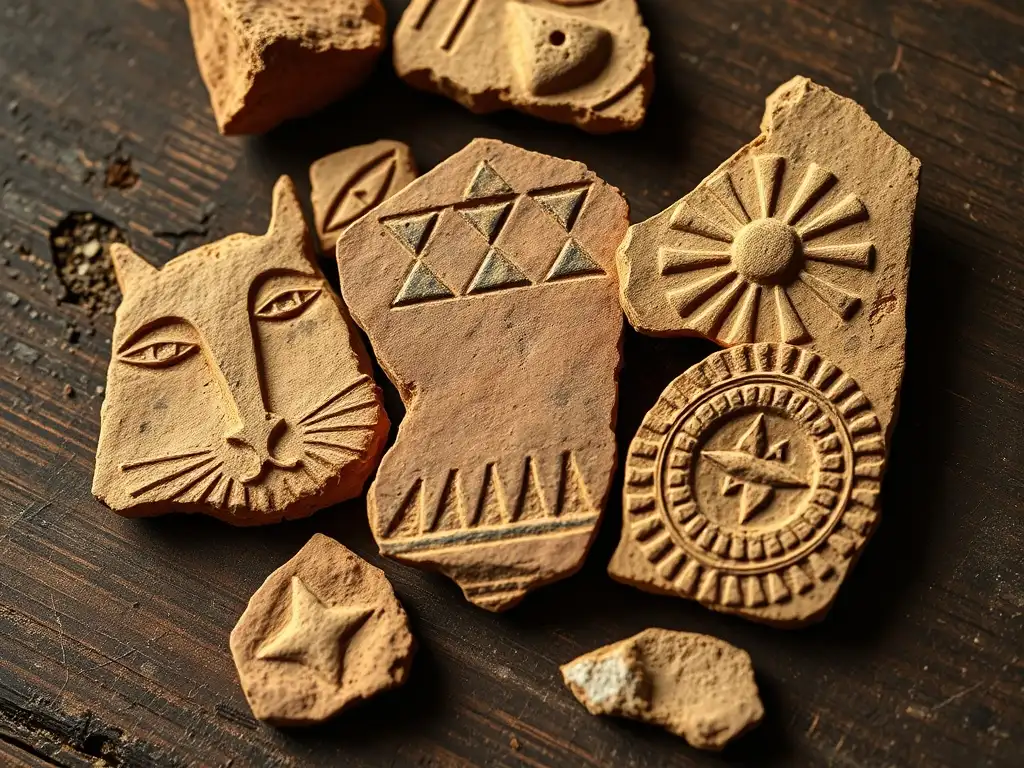
Andean pottery, a vibrant testament to the rich spiritual beliefs of ancient Andean civilizations, is replete with symbolic imagery that offers a window into their complex cosmovision. Analyzing the recurring motifs helps us understand their beliefs about the supernatural, their relationship with the natural world, and the power dynamics within their societies. The use of color, shape, and specific iconography all contribute to the powerful narratives embedded within these ceramic artifacts.
Understanding Andean pottery symbolism is key to deciphering the intricate tapestry of their spiritual world. This section will delve into some of the most prominent symbols, focusing on their significance and variations across different Andean cultures. The consistent recurrence of certain motifs underscores their deep-seated importance within Andean religious practices and beliefs.
The Condor: Messenger of the Gods in Andean Iconography
The condor, a majestic bird of the Andes, holds a prominent place in Andean iconography, often depicted in pottery as a powerful messenger of the gods. Its soaring flight symbolized the connection between the earthly and celestial realms. Representations vary across cultures, with the Moche often showing condors in dynamic poses, mid-flight or engaged in ritualistic acts, while Nazca pottery might depict them in more stylized forms, emphasizing their symbolic rather than realistic qualities.
The condor's association with the sun and the upper world is evident in many depictions. For instance, some Moche ceramics show condors carrying offerings or souls to the heavens. The powerful imagery suggests a belief in the condor's ability to act as an intermediary between the human and divine spheres, transporting prayers, sacrifices, and even the spirits of the deceased.
Furthermore, the condor's keen eyesight was often associated with shamanistic abilities and prophecy, enhancing its status as a sacred creature. The size and prominence of the condor's depiction on certain pieces also suggests a hierarchical association, perhaps indicating the power and status of the individuals or communities who commissioned the pottery.
The use of color further adds to the symbolism. The vibrant reds and yellows often associated with the condor reinforce its connection to the sun and fire, while darker hues might represent its connection to the night sky or the underworld. Careful analysis of the accompanying iconography is crucial; for example, the presence of other symbols like stars or celestial bodies solidifies the condor's role as a celestial messenger.
The Serpent: Symbol of Transformation and Power in Andean Cultures
The serpent, a ubiquitous symbol across numerous cultures worldwide, takes on a particularly potent significance in Andean pottery. Its representations are diverse, ranging from stylized, geometric forms to highly realistic depictions, reflecting the varied beliefs and artistic styles across different Andean societies. The serpent's symbolism is multifaceted, encompassing themes of transformation, fertility, and the cyclical nature of life and death.
In many Andean cultures, the serpent was associated with water sources and underground springs, representing the life-giving power of water and its connection to fertility and abundance. Some Nazca pottery, for instance, depicts serpents intertwined with plants and other symbols of growth, highlighting this association. Furthermore, the serpent's ability to shed its skin symbolized renewal and regeneration, connecting it to the cyclical nature of Andean cosmology. This aspect is often reflected in the cyclical patterns and motifs found alongside serpent depictions in the pottery.
The serpent also featured prominently in narratives of creation and power. Its association with deities and supernatural beings is evident in the powerful imagery found on many ceramic vessels. The size and position of the serpent within the overall composition often indicate its importance within the depicted narrative, highlighting its role as a symbol of spiritual authority or divine power. The presence of other symbols, such as feathers or human figures, further enriches the interpretation of the serpent's role within the specific context of each artifact. [Specific examples of serpent depictions and their contextual significance pending further research].
The jaguar, a powerful predator of the Andean rainforest, holds a prominent position in the iconography of many Andean cultures, often represented in pottery as a symbol of strength, spiritual authority, and shamanistic power. Unlike the condor's association with the sky, the jaguar is more closely tied to the earth and the underworld, representing its powerful connection to the hidden forces of nature.
Moche pottery, in particular, showcases striking depictions of jaguars, often portrayed in dynamic poses, emphasizing their predatory prowess and physical strength. The use of vibrant colors and detailed rendering highlights the jaguar's importance as a powerful symbol. In some instances, the jaguar is depicted alongside human figures, suggesting a connection between the jaguar's power and the authority of certain individuals or social groups. This might represent shamans who embodied the jaguar's strength and spiritual insight, or rulers who drew upon the jaguar's power to legitimize their rule.
The jaguar's association with the underworld and the night is also evident in certain depictions. Its connection to darkness, mystery, and the hidden forces of nature adds to its complex symbolism. This contrasts with the sun-associated condor, highlighting the duality and balance present in Andean cosmology.
The combination of jaguars with other symbols, such as snakes or plants, further enhances the multifaceted nature of the jaguar's symbolism and its role within the larger Andean worldview. The intensity of the jaguar's gaze in many depictions also speaks to its power and authority, emphasizing its role as a potent symbol of spiritual force. The careful analysis of these details provides a deeper understanding of the complex meanings embedded within Andean pottery.
Depictions of the Sun and Moon in Andean Ceramic Art
The sun and moon, celestial bodies representing life-giving forces and cosmic order, feature prominently in Andean pottery symbolism. Their depiction varies across different cultures and time periods, reflecting nuanced beliefs and cosmological perspectives. For instance, in Moche pottery, the sun is often portrayed as a powerful anthropomorphic deity, sometimes wielding weapons or surrounded by radiant rays, signifying its dominance and control over the natural world.
These depictions often appear in scenes of warfare or ritual sacrifice, highlighting the sun's role in maintaining cosmic balance through these actions. The intricate detail in Moche pottery allows us to observe even minute features, such as facial expressions and clothing, providing insight into the Moche's understanding of the sun god's personality and power.
Conversely, the moon is frequently depicted as a feminine figure, often associated with fertility and cyclical renewal. In Nazca pottery, we often find stylized representations of the moon, often linked to water sources and agricultural cycles. The moon’s phases are subtly suggested through variations in the ceramic painting, reflecting the Nazca's keen observation of the celestial movements and their connection to agricultural productivity.
The careful observation of the moon's cycles demonstrates the sophisticated astronomical knowledge possessed by the Nazca, a crucial aspect of their culture and religious practices related to agriculture and water management. Their pottery provides a visual record of this intricate relationship between the celestial and terrestrial realms.
Inca pottery, while less detailed in its depictions of the sun and moon compared to the Moche or Nazca, still incorporates these celestial bodies into its iconography. Here, the sun and moon are often represented more symbolically, integrated within broader scenes depicting Inca mythology and religious ceremonies.
They may appear as smaller elements within larger compositions, emphasizing their role within a complex cosmological system rather than as dominant figures. The Inca's focus on imperial power and control may explain the less prominent portrayal of the sun and moon compared to cultures that placed more emphasis on agricultural cycles or direct interaction with nature.
Analyzing the placement and context of these symbols within Inca pottery helps us understand the Inca worldview and their integration of celestial bodies into their broader religious and political ideology. The stylistic differences across these cultures showcase the diverse interpretations of the sun and moon within the Andean world, highlighting the rich tapestry of beliefs and practices that shaped Andean cosmovision.
The Moche and Their Supernatural Depictions in Pottery
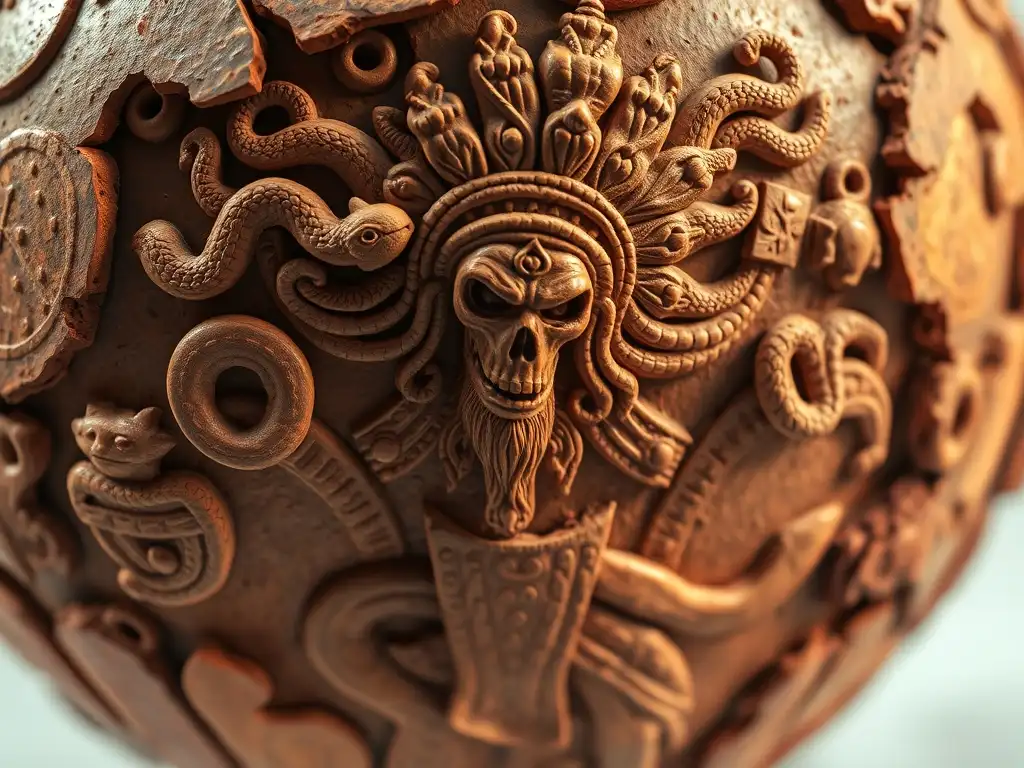
The Moche civilization (c. 100 – 800 CE), flourishing along the northern coast of Peru, left behind a remarkable legacy: intricately crafted ceramics teeming with depictions of their complex religious beliefs and supernatural world. Unlike many other Andean cultures, Moche pottery provides a relatively detailed visual record of their pantheon and rituals, offering invaluable insights into their worldview. Their pottery isn't merely functional; it's a vibrant tapestry woven with narratives of deities, mythical creatures, and ritualistic practices, all contributing significantly to our understanding of Andean pottery symbolism.
The sheer variety of motifs and the level of detail in their execution showcase the Moche's artistic mastery and their deep-seated reverence for the supernatural. Analyzing these depictions allows us to piece together fragments of a cosmology rich in symbolism and power. The stylistic consistency across many pieces also suggests a highly organized and centralized religious system.
Moche Ceramics: A Chronicle of Deities and Myths
Moche pottery reveals a pantheon populated by a diverse cast of gods and goddesses. These figures are often depicted in dynamic poses, engaged in dramatic actions, or surrounded by symbolic elements that further elucidate their roles and powers. For example, depictions of a powerful feline deity, often associated with warfare and hunting, are frequently found. This deity, sometimes depicted with human-like features and other times as a pure feline, is often shown wielding weapons or devouring victims, reflecting its association with power and dominance.
Other common motifs include anthropomorphic figures with exaggerated features, such as large eyes and elaborate headdresses, often interpreted as representations of shamans or priests. These figures frequently appear in scenes that depict ritual sacrifices, suggesting a strong connection between religious authority and the supernatural world.
The narrative quality of many Moche pots is striking; some pieces depict entire mythological scenes, unfolding like a visual story across the surface of the vessel. The careful arrangement of figures and symbols within these scenes requires careful analysis to fully grasp the intended meaning, making the study of Andean pottery symbolism a fascinating and rewarding endeavor.
The Decapitator God: A Prominent Figure in Moche Pottery
Among the most striking and controversial figures in Moche iconography is the "Decapitator God." This deity is frequently portrayed in the act of decapitating a captive, often a warrior or a high-ranking individual. The graphic nature of these depictions has led to various interpretations, ranging from representations of human sacrifice to symbolic portrayals of the god's power over life and death.
The Decapitator God's depictions are not merely violent; they are often imbued with a certain ritualistic formality. The god is frequently shown with elaborate attire and regalia, suggesting a powerful and revered status within Moche society. The victims, while depicted in a state of suffering, are sometimes shown with a degree of dignity, hinting at a complex ritualistic context that may have been more than simple brutality.
The symbolism of decapitation itself remains a subject of ongoing debate among scholars, with some suggesting it represents the subjugation of enemies or the assertion of dominance over the natural world. Further research and comparative analysis with other Andean cultures are necessary to fully understand the nuanced meaning of this iconic figure in Andean pottery symbolism.
Moche Pottery and the Representation of Shamanic Practices
Many Moche pots depict scenes that strongly suggest the presence and importance of shamanic practices. These scenes often involve figures in altered states of consciousness, engaging in rituals or communicating with the supernatural realm. The use of hallucinogenic plants, such as San Pedro cactus, is frequently suggested by the depiction of specific plants and the altered states of the human figures. This aligns with ethnographic accounts of shamanistic practices in other Andean cultures, supporting the idea of a long and continuous tradition of shamanism in the region.
The depiction of shamans interacting with supernatural beings, such as spirits or deities, further reinforces the importance of these practices in Moche society. These scenes often involve complex iconography, requiring careful analysis to fully interpret their meaning. The intricate details and the vivid portrayal of these events in Moche pottery suggest the high level of respect and importance attributed to shamanistic rituals and their role in connecting the living world with the supernatural.
This provides a valuable window into the spiritual world of the Moche and contributes substantially to our understanding of Andean pottery symbolism and its religious significance. The combination of artistic skill and religious devotion evident in these depictions highlights the profound role of shamanism in the Moche worldview.
Nazca Pottery and the Enigmatic Supernatural World
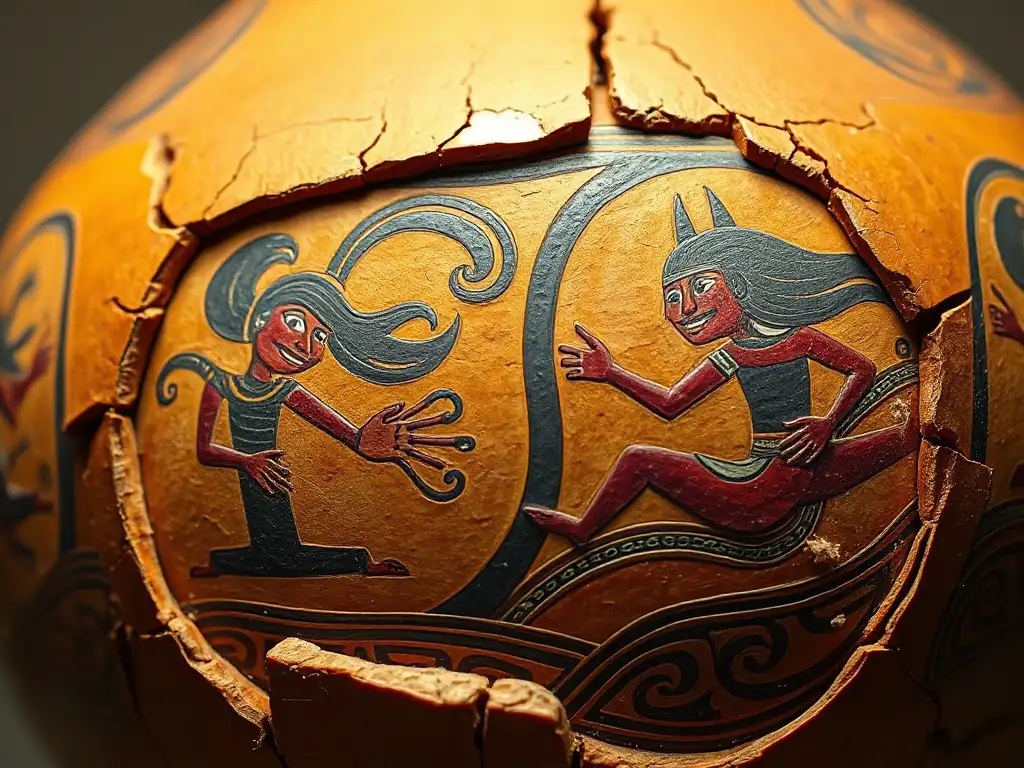
The Nazca culture (c. 100 BCE – 800 CE), renowned for its enigmatic geoglyphs etched into the desert plains of southern Peru, also produced a vibrant and highly symbolic ceramic tradition. Their pottery, often featuring intricate designs and vibrant colors, offers invaluable insights into their complex cosmology and beliefs about the supernatural. Unlike other Andean cultures, Nazca pottery doesn't consistently depict anthropomorphic deities in a readily identifiable way.
Instead, the symbolism is often more abstract and requires careful interpretation, making "Andean pottery symbolism" a rich area of ongoing scholarly discussion. The emphasis on stylized figures and creatures, combined with the use of color and composition, suggests a deep engagement with a world beyond the readily observable.
Analyzing their ceramic art allows us to piece together fragmented glimpses of their spiritual landscape, revealing a world populated by powerful, often ambiguous, supernatural beings. This section will focus on key aspects of Nazca pottery symbolism, exploring the connections between their geoglyphs, the depiction of mythical beings, and the powerful role of color in expressing the divine.
Nazca Lines and Their Connection to Pottery Symbolism
The famous Nazca Lines, giant geoglyphs visible only from the air, have long captivated researchers and fueled speculation about their purpose. While their exact meaning remains a mystery, many scholars suggest a connection between the Lines and Nazca pottery symbolism. Certain motifs found on pottery, such as stylized birds, feline figures, and geometric patterns, mirror those found in the geoglyphs.
This suggests a possible link between terrestrial representations (the Lines) and the portable, often ritualistic, representations found on their ceramics. For example, the recurring depiction of birds, particularly hummingbirds and condors, on Nazca pottery mirrors the avian figures present in some of the Nazca Lines. These shared motifs might point to a shared cosmological significance, perhaps representing deities or spiritual intermediaries connecting the earthly realm with the supernatural.
Further research into the specific locations of pottery finds in relation to the Lines could potentially strengthen this hypothesis, providing a more concrete understanding of the relationship between these two striking manifestations of Nazca culture. The challenge lies in deciphering the precise meaning behind these shared symbolic elements, a task that requires careful consideration of contextual clues and further archaeological investigation. The complexity of "Andean pottery symbolism" is evident in this intricate connection.
The Mythical Beings of Nazca Pottery: The Orca Deity
Among the most striking figures depicted in Nazca pottery are stylized aquatic creatures, with the orca frequently appearing as a prominent motif. While not always explicitly anthropomorphic, these orcas are often presented in ways that suggest a supernatural or divine status. Their size and placement within the composition, often dominating the surface of the vessel, indicate their importance.
The powerful imagery of the orca, a creature associated with both immense power and the mysterious depths of the ocean, likely represented a deity or a significant spiritual force within the Nazca worldview. The depiction of these orcas frequently includes intricate details, such as stylized fins, teeth, and even human-like features, further adding to their symbolic complexity. The use of contrasting colors, such as black and white or red and white, also contributes to the overall effect, enhancing the sense of power and mystery surrounding this mythical being.
Further investigation into the context of these ceramic finds—for instance, their association with specific rituals or burial sites—could shed more light on the precise role of the orca deity within the Nazca religious system. Understanding the intricacies of "Andean pottery symbolism" requires a multifaceted approach, looking beyond surface-level interpretations.
The Use of Color in Nazca Ceramics to Express the Divine
Color played a crucial role in Nazca pottery symbolism. The vibrant hues—reds, whites, blacks, and yellows—were not merely decorative; they likely held deep symbolic meaning, reflecting the Nazca understanding of the supernatural world. For instance, red, a color often associated with blood and fertility, might have represented life force or the power of the sun. White, conversely, could symbolize purity or the celestial realm.
The skillful application of these colors, often in intricate patterns and designs, further enhances the symbolic power of the pottery. The use of negative space, where the background color contributes to the overall design, also plays a significant role. Analyzing the interplay of colors in different ceramic pieces can reveal nuanced aspects of Nazca religious beliefs.
For example, a vessel depicting an orca deity in predominantly red might suggest a connection between this being and fertility or life-giving forces. Further research is needed to fully understand the complete range of colors and their associated meanings within the context of Nazca cosmology. The rich tapestry of "Andean pottery symbolism" is woven with the threads of color, further emphasizing the significance of this artistic expression.
Tiahuanaco Pottery: Cosmological Visions in Clay
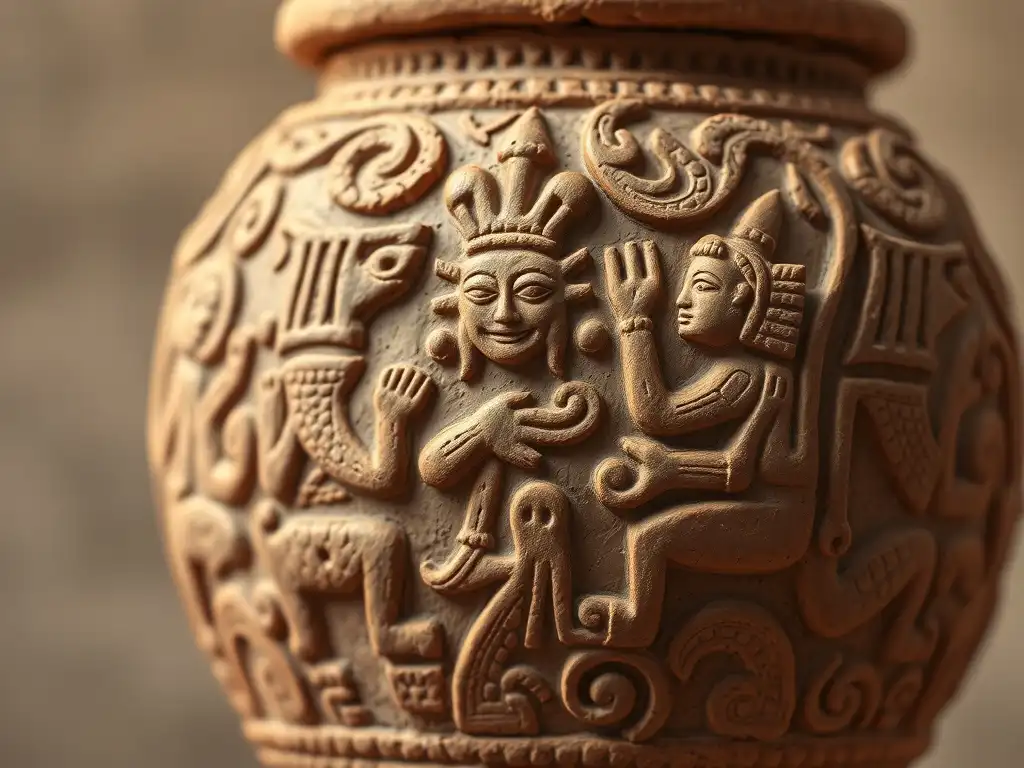
Tiahuanaco pottery offers a captivating window into the complex cosmology of this powerful Andean civilization. Unlike the often vibrant and narrative-focused pottery of cultures like the Moche, Tiahuanaco ceramics frequently emphasize abstract symbolism and geometric designs, reflecting a sophisticated understanding of the universe and their place within it. The style is characterized by its use of fine, often dark-colored clay, meticulously shaped and decorated with intricate patterns that encode deep religious and cosmological meanings.
Analyzing these artifacts allows us to decipher key aspects of their worldview, revealing a society deeply connected to the supernatural. The prevalence of specific motifs and their consistent placement within the pottery suggests a standardized, ritualized system of representation, indicating a high degree of social and religious organization.
Understanding this system is crucial to unlocking the secrets held within these enigmatic vessels. The use of Andean pottery symbolism within the Tiahuanaco culture is particularly noteworthy for its focus on abstract representation of cosmic forces.
The Gateway of the Sun and its Representation in Tiahuanaco Ceramics
The iconic Gateway of the Sun, a monumental stone structure at Tiahuanaco, is frequently replicated, albeit on a smaller scale, in their pottery. While the Gateway itself is laden with complex iconography, its representation in ceramics often focuses on specific elements, such as the central figure – frequently interpreted as a deity – and the surrounding geometric patterns. These patterns, often incorporating stepped frets and radiating lines, are believed to represent the cosmic order, the cyclical nature of time, and the connection between the earthly and celestial realms.
The detailed analysis of these ceramic representations allows researchers to understand the significance of specific details within the Gateway's design that may be less clear from the stone structure itself. For instance, the repetition of certain motifs on different pieces of pottery suggests a standardized interpretation of the Gateway's symbolism within the Tiahuanaco society. Variations in the execution of these motifs across different vessels may reflect regional differences or changes in religious practices over time.
Further research is needed to fully understand the nuances of these variations and their implications for our understanding of Tiahuanaco culture. The meticulous craftsmanship evident in these ceramic reproductions underscores the religious significance attributed to the Gateway of the Sun and the importance of its symbolism within the Tiahuanaco worldview.
Tiahuanaco Iconography: The Staff God and its Meaning
A recurring motif in Tiahuanaco pottery is the representation of the "Staff God," a figure often depicted with a staff, elaborate headdress, and sometimes feline features. This deity is believed to have held a central position in their pantheon, representing power, authority, and possibly a connection to the underworld or the ancestors. The Staff God's appearance varies across different ceramic pieces, with some representations showing a more benevolent aspect, while others appear more formidable.
This variability may reflect different interpretations of the deity's role or different aspects of its personality. The consistent presence of the Staff God in Tiahuanaco pottery, however, underscores its importance within their religious system. The positioning of the Staff God within the composition of the pottery, often at the center or in a prominent location, further emphasizes its prominence.
The use of different colors and techniques to depict the Staff God may also convey symbolic meaning, although further research is necessary to decipher these visual nuances. The study of Andean pottery symbolism, focusing on the Staff God, provides valuable insights into the beliefs and practices of the Tiahuanaco people.
Ritual and Ceremonial Vessels: The Function of Tiahuanaco Pottery
Many Tiahuanaco ceramic vessels exhibit characteristics suggesting their use in ritual and ceremonial contexts. These include their size, shape, decoration, and the materials used in their creation. Some vessels are highly ornate and intricately decorated, suggesting their use in important ceremonies or offerings. Others are simpler in design but still bear symbolic markings, indicating their connection to religious practices.
The presence of residues of offerings or other organic materials on some vessels further supports this interpretation. For example, the discovery of traces of coca leaves on certain vessels suggests their use in rituals involving this sacred plant. The shapes of certain vessels – some shaped like stylized animals or humans – may also hint at their ritual function. The size of some vessels, particularly large jars, suggests a possible use for storing or transporting sacred substances or offerings.
The detailed analysis of Andean pottery symbolism within this context reveals the intricate relationship between religious beliefs, social practices, and material culture in Tiahuanaco society. Further investigation into the chemical composition of residues found on these vessels could provide additional insight into their function and the rituals in which they were used. The study of Tiahuanaco pottery, therefore, provides not only aesthetic enjoyment but also a rich source of information about their religious beliefs and practices.
The Legacy of Andean Pottery Symbolism
Andean pottery symbolism offers a captivating glimpse into the complex religious and cosmological beliefs of ancient Andean cultures. From the intricate designs adorning vessels to the very shapes and forms of the pottery itself, every detail speaks volumes about the worldview of these sophisticated societies. The enduring legacy of this symbolism continues to resonate today, influencing artistic expression and providing invaluable insights into the past. Understanding this rich tapestry of symbols requires a nuanced approach, considering the diverse cultures and time periods involved.
We will explore how these symbols reflected the Andean cosmovision, their lasting impact on contemporary art, and the profound insights they offer into ancient beliefs and practices. The study of Andean pottery symbolism is not merely an academic pursuit; it's a journey into the heart of a vibrant and enduring cultural heritage. The keyword phrase "Andean pottery symbolism" itself encapsulates the core of this exploration.
How Andean Ceramic Art Reflects the Andean Cosmovision
Andean ceramic art is intrinsically linked to the Andean cosmovision, a complex system of beliefs that emphasized the interconnectedness of the earthly and supernatural realms. Pottery served as a powerful medium for representing this worldview. For instance, depictions of deities like the feline-like caviar of the Moche culture, or the anthropomorphic figures found in Nazca pottery, provide crucial evidence of their religious practices and beliefs. These weren't simply decorative elements; they were active participants in rituals and ceremonies.
The use of specific colors also held significant meaning. Red, for example, often symbolized blood, sacrifice, and fertility, while yellow might represent the sun or gold, reflecting the importance of these elements in Andean cosmology. The shapes of the vessels themselves could also carry symbolic weight. The frequent use of double-spouted vessels, for example, might represent duality, mirroring the Andean understanding of complementary forces in nature. Analyzing the iconography of these vessels requires careful consideration of the context—the specific culture, the time period, and even the location of the discovery.
The Enduring Influence of Andean Pottery on Contemporary Art
The vibrant symbolism and artistic skill evident in ancient Andean pottery continue to inspire contemporary artists. Modern artists draw inspiration from the stylistic choices, the color palettes, and the symbolic imagery of this ancient art form. This influence is visible in a variety of media, from painting and sculpture to textile design and even digital art. The captivating imagery of Andean pottery, with its depictions of deities, mythical creatures, and scenes of daily life, provides a powerful source of visual inspiration.
Interestingly, many contemporary artists are not only replicating the styles but also reimagining and reinterpreting the symbolism within a modern context. This leads to fascinating reinterpretations of ancient themes, blending tradition with innovation. The enduring appeal of Andean pottery demonstrates the timeless power of its aesthetic and symbolic language. The use of "Andean pottery designs" in modern contexts highlights the continued relevance and cultural significance of this art form.
Andean Pottery as a Window into Ancient Beliefs and Practices
Andean pottery serves as a remarkable window into the beliefs and practices of ancient Andean societies. The depiction of ritual scenes, ceremonies, and mythological narratives provides invaluable insights into their religious life. For example, the Moche pottery is famous for its detailed depictions of warfare, sacrifice, and religious rituals. These scenes give us a rare glimpse into the social structure and power dynamics of the Moche civilization. Similarly, Nazca pottery often features intricate designs and stylized figures that are believed to represent deities and supernatural beings, revealing aspects of their cosmology and religious beliefs.
Furthermore, the analysis of the pottery's context—where it was found, what other artifacts accompanied it, and the overall archaeological setting—can provide additional crucial information. For example, the presence of certain types of pottery in tombs could suggest their role in funerary rituals. The meticulous study of Andean pottery, therefore, offers a multi-faceted approach to understanding the lives, beliefs, and practices of these ancient Andean communities. The detailed analysis of “Andean pottery artifacts” allows for a deeper understanding of the cultural context within which these pieces were created and used.
Frequently Asked Questions
What is the significance of Andean pottery?
Andean pottery holds immense cultural and historical significance. It serves as a primary source for understanding the beliefs, rituals, and daily lives of ancient Andean societies. Many pieces depict supernatural beings and events, offering insights into their spiritual world.
What kind of symbolism is commonly found in Andean pottery?
Common symbols in Andean pottery include mythological creatures, geometric patterns, and representations of deities and ritual activities. These symbols often reflect cosmological beliefs and social structures of the respective cultures.
How did the symbolism in Andean pottery vary across different cultures?
Symbolism varied significantly across different Andean cultures. The Moche depicted elaborate scenes of warfare and ritual sacrifice, while the Nazca focused on stylized figures and geometric designs. Inca pottery often featured religious iconography and royal imagery.
Where can I learn more about Andean pottery symbolism?
You can explore museums with collections of Andean artifacts, such as the Larco Museum in Lima, Peru. Academic journals and books specializing in Andean archaeology and iconography are also excellent resources. Online databases and virtual museum exhibits offer further information.
Why is studying Andean pottery symbolism important?
Studying Andean pottery symbolism provides crucial insights into the complex belief systems and social structures of these ancient civilizations. It allows us to better understand their worldview and their relationship with the supernatural. This enriches our understanding of pre-Columbian history.
Final Reflection: Echoes of the Andes: A Legacy in Clay
The vibrant symbolism encoded within Andean pottery isn't merely a relic of the past; it's a powerful testament to the enduring human need to connect with the supernatural. These intricate designs, painstakingly crafted centuries ago, continue to resonate with us today, offering a window into a rich spiritual world and a profound understanding of human creativity in the face of the unknown.
The enduring influence of Andean pottery symbolism on our understanding of pre-Columbian cultures is undeniable. It challenges our modern perspectives, forcing us to confront the complexities of belief systems vastly different from our own. The past is never dead. It's not even past.
- William Faulkner. This quote perfectly encapsulates the timeless power of these artifacts; they transcend time, speaking to us across millennia about the enduring human quest for meaning and connection with something greater than ourselves. Their intricate designs continue to inspire artists and scholars alike, prompting ongoing research and reinterpretations that enrich our understanding of Andean civilizations.
Consider the intricate details, the vibrant colors, the stories whispered in each painted figure. You, the reader, are now part of this ongoing conversation. Take a moment to reflect on the power of symbolism in your own life – how do you express your beliefs, your hopes, your fears? How can we, in the present day, learn from the enduring legacy of Andean artisans and their profound connection to the spiritual world? Let the echoes of the Andes inspire you to explore your own creative expression and deepen your appreciation for the rich tapestry of human culture.
Unleash Your Creativity: Connect with Andean Artistry
Thank you for exploring the intricate world of Andean pottery and its profound symbolism! Your journey into the rich tapestry of Andean civilizations has revealed the deep connections between art and spirituality. Now, it's time to apply what you've learned.
- Create your own pottery: Gather materials and let your imagination run wild, crafting a piece that reflects your personal connection to nature and spirituality. Experiment with different techniques and see where your creativity takes you.
- Share your newfound knowledge: Discuss the fascinating symbolism of Andean art with friends and family, or share your insights on social media. Encourage others to appreciate the art that connects us to these ancient cultures.
- Join a local pottery class: Immerse yourself in a community of artists who share your passion for creating and artistic expression. Learning from others can greatly enhance your skills and understanding.
What aspect of Andean symbolism resonates most with you, and how will you integrate it into your own artistic work?