
Witnessing the Ingenuity of Ancient Andean Builders

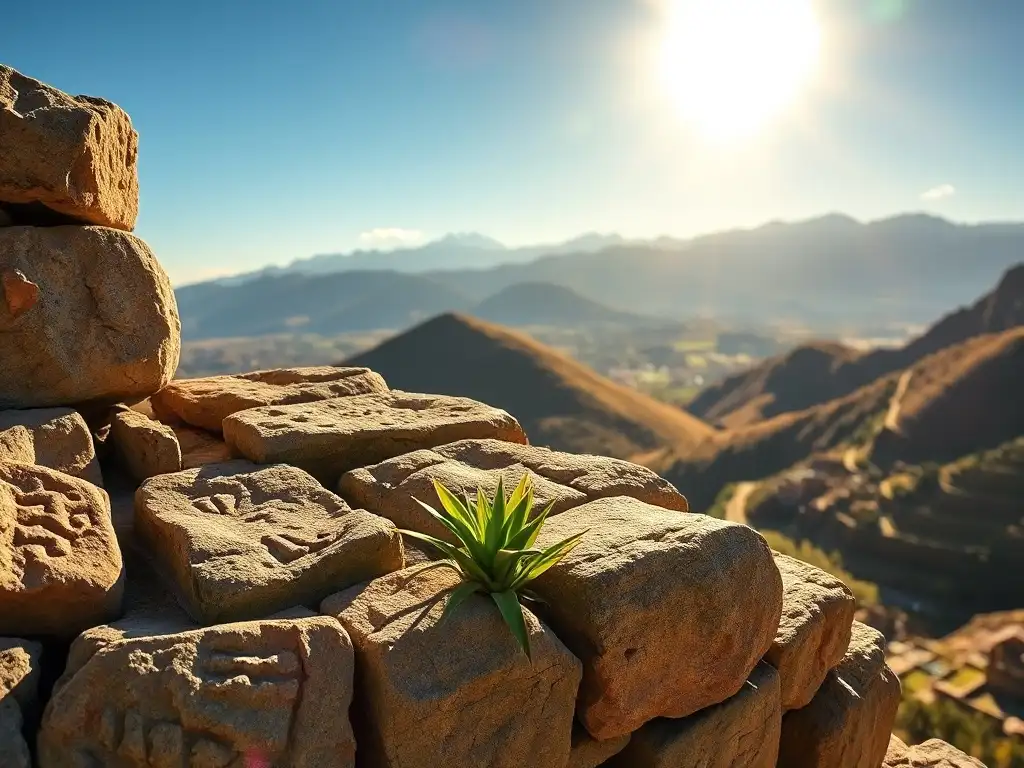
Prepare to be amazed. For centuries, the towering structures and intricate designs of the Andes have whispered tales of ingenuity and resilience. This isn't just history; it's a testament to human potential. Dive into the world of Ancient Andean building techniques, and uncover the secrets behind the architectural marvels left behind by the Incas, Moche, Nazca, and Tiahuanaco. Discover how they defied gravity and the elements, leaving behind a legacy that continues to inspire awe. Unravel the mysteries – your journey into the heart of Andean civilization begins now.
- Witnessing the Ingenuity of Ancient Andean Builders: A Journey Through Time
- The Challenge of Building in the Andes: Understanding the Constraints
- Unveiling Ancient Andean Building Techniques: Solutions and Innovations
- Experiencing Ancient Andean Ingenuity: Archaeological Sites You Can Visit
- Preserving the Legacy: Learning from Ancient Andean Building Techniques
-
Frequently Asked Questions
- What unique building techniques did the ancient Andean civilizations employ?
- How did the Incas manage to build such massive structures without metal tools?
- What materials were commonly used in Andean construction?
- How did the climate and geography impact Andean building techniques?
- Where can I see examples of ancient Andean building techniques today?
- Final Reflection: Echoes of Ingenuity Across Millennia
- **Unveil the Wonders of Ancient Andean Architecture! **
Witnessing the Ingenuity of Ancient Andean Builders: A Journey Through Time
The Andes Mountains, a spine of rock and ice stretching along the western edge of South America, are home to some of the most remarkable feats of ancient engineering. For centuries, diverse Andean cultures—from the Incas to the Moche, Nazca, and Tiahuanaco—developed sophisticated building techniques, adapting to the challenging terrain and creating structures that continue to inspire awe and wonder. This article delves into the ingenuity of these ancient builders, exploring their mastery of materials, innovative construction methods, and the lasting legacy of their architectural achievements.
We will journey through time, examining specific examples of their remarkable artistry and uncovering the secrets behind their impressive accomplishments, focusing on archaeological sites you can visit today to witness these marvels firsthand. Understanding these ancient Andean building techniques offers invaluable insights into the cultural, social, and technological advancements of these fascinating civilizations.
We'll explore how their innovative solutions to environmental challenges continue to resonate with modern engineering practices. This is more than just a look at stones and mortar; it's a glimpse into the minds and societies that shaped the Andes.
Exploring the Marvels of Ancient Andean Construction
The ancient Andean builders weren't simply stacking rocks; they were creating intricate systems that demonstrated a deep understanding of engineering principles, particularly in relation to seismic activity and the mountainous terrain. Their mastery of stonework is legendary, utilizing techniques like precise cutting and fitting of stones without mortar in many cases. This "dry-stone" construction, often referred to as ashlar masonry, required an extraordinary level of skill and precision.
Consider, for example, the precise fitting of stones in structures like Sacsayhuamán near Cusco, where massive blocks interlock with almost imperceptible gaps. This wasn't just aesthetics; it was a structural necessity, allowing the walls to withstand earthquakes effectively. The builders’ understanding of the landscape and its geological properties played a crucial role in their building strategies.
They utilized local materials efficiently, minimizing environmental impact and maximizing structural integrity. Their techniques, honed over centuries, represent a profound connection between human ingenuity and the natural environment. The sheer scale of some projects, like the extensive road networks and agricultural terraces, further highlights the advanced organizational capabilities of these societies.
Mastering Stone: Techniques and Materials
The choice of materials was crucial, varying depending on the location and the intended purpose of the structure. Andean builders utilized readily available materials like stone, adobe (sun-dried brick), and wood. However, their skills in shaping and manipulating these materials were far from rudimentary. They developed sophisticated techniques for quarrying, transporting, and shaping massive stone blocks, often using tools made from copper, bronze, and even obsidian.
The precision involved in cutting and fitting these blocks, especially in the case of polygonal masonry (stones with multiple sides), is truly astounding. The use of different types of stone, carefully selected for their strength and durability, added to the longevity and stability of their constructions. Further research is needed to fully understand the specific tools and methods employed in the transportation of these massive stones across challenging terrain, but the evidence clearly speaks to impressive organizational and engineering prowess.
Ancient Andean building techniques were not solely about structural integrity; they were deeply intertwined with the cultural and social fabric of these societies. The architecture served not only practical purposes but also symbolic and religious ones. The design and layout of buildings reflected their cosmological beliefs and social hierarchies.
For instance, the placement of temples and palaces within urban centers often followed specific astronomical alignments, demonstrating a sophisticated understanding of the cosmos. The construction of monumental structures, such as pyramids and platforms, required significant labor mobilization, reflecting the social organization and the ability of these societies to coordinate large-scale projects. Moreover, the construction processes themselves may have played a significant role in social bonding and the reinforcement of community identity.
The creation of these impressive structures was a collective endeavor, uniting people and reinforcing social cohesion. The enduring legacy of these buildings speaks volumes about the power of shared purpose and collective achievement.
The Enduring Legacy: Modern Interpretations and Preservation Efforts
The ingenuity of ancient Andean builders continues to inspire architects and engineers today. Their innovative techniques, developed centuries ago, offer valuable lessons in sustainable construction and earthquake-resistant design. Modern scholars and conservationists are working tirelessly to preserve these remarkable sites, using advanced technologies to study and document their construction methods.
Preservation efforts are crucial not only to safeguard these invaluable historical landmarks but also to ensure that future generations can learn from and appreciate the remarkable achievements of these ancient civilizations. The study of ancient Andean building techniques provides a fascinating lens through which to understand the ingenuity, resilience, and cultural complexity of the Andean peoples. Their legacy continues to inspire and challenge us to innovate and create sustainable solutions for the future.
The Challenge of Building in the Andes: Understanding the Constraints
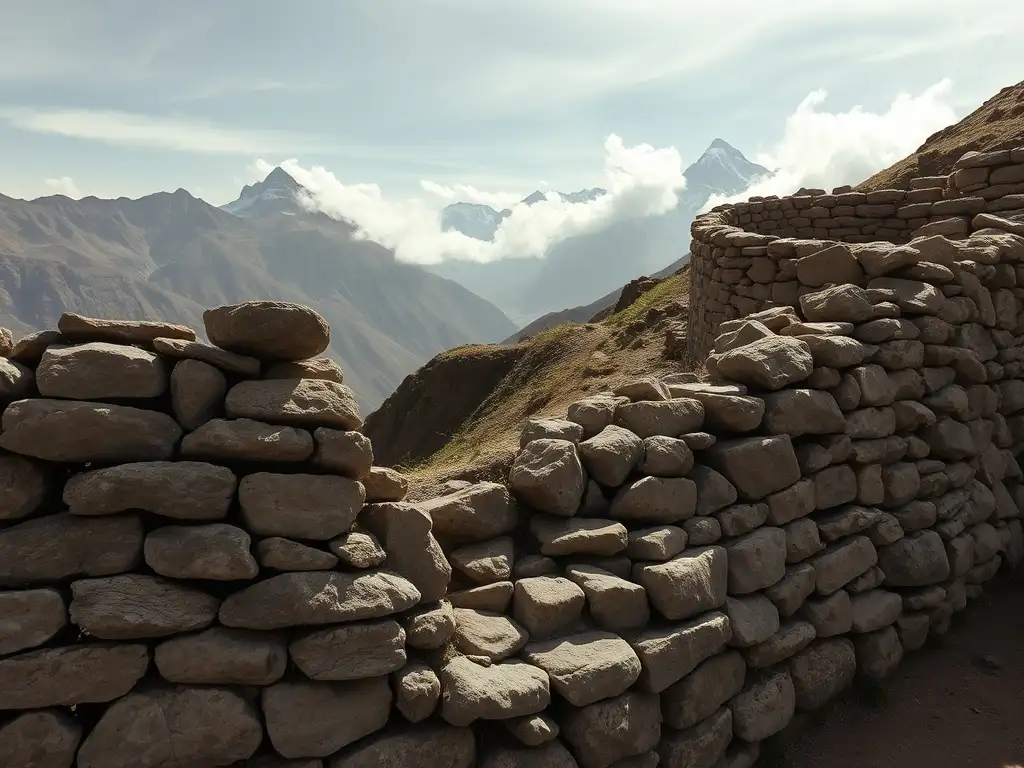
The Andes Mountains present a formidable challenge to construction, even with modern technology. Ancient Andean builders, however, faced these obstacles with remarkable ingenuity, developing sophisticated techniques to overcome the limitations of their environment and resources. Understanding these constraints is key to appreciating the achievements of these masterful builders and their lasting legacy.
Their success wasn't just about skill; it was about adapting to incredibly demanding circumstances. This section will explore the environmental and resource-based challenges faced by ancient Andean builders and how they creatively solved them. Their solutions offer valuable insights into sustainable building practices and the resilience of human ingenuity in the face of adversity.
The Harsh Andean Environment and its Impact on Construction
The Andes are characterized by extreme altitude, steep slopes, seismic activity, and unpredictable weather patterns. These factors significantly impacted ancient Andean building techniques. High altitudes mean thinner air, making transportation of materials incredibly difficult and strenuous. The steep, rocky terrain limited the availability of flat building sites and necessitated innovative construction methods to ensure stability on uneven ground.
Seismic activity, frequent earthquakes, necessitated the development of flexible and resilient structures. Ancient builders couldn't rely on rigid, inflexible designs. Instead, they incorporated techniques that allowed their buildings to withstand tremors, minimizing damage and ensuring longevity. This adaptability is a testament to their deep understanding of structural engineering principles.
Unpredictable weather, including intense rainfall, freezing temperatures, and strong winds, further complicated construction. Builders had to account for these conditions when selecting materials and designing structures. Their choice of materials and construction methods reflects a keen awareness of the environmental forces at play and a sophisticated understanding of how to mitigate their impact. For example, the use of specific stones known for their durability and resistance to weathering demonstrates their detailed knowledge of the local geology and its implications for construction.
Limited Resources, Unlimited Ingenuity: Overcoming Material Scarcity
The availability of building materials in the Andes varied considerably depending on the region and altitude. Stone, wood, and thatch were the primary materials, but their distribution was uneven. This scarcity forced ancient Andean builders to be incredibly resourceful, developing techniques to maximize the use of available resources and substitute scarce materials with readily available alternatives.
The ingenious use of stone is a prime example. Different types of stone were selected based on their properties, with stronger, more durable stones used for foundations and load-bearing walls, while less durable stones were used for infill. The precise cutting and fitting of stones, without the use of mortar in many cases, demonstrates a remarkable level of skill and precision. The mastery of dry-stone construction, a technique perfected by Andean builders, is a striking example of their ability to overcome material limitations.
The scarcity of timber in certain regions led to the innovative use of alternative materials like adobe (sun-dried brick) and pise (rammed earth). These materials were readily available and relatively easy to work with, allowing builders to construct durable structures even in areas with limited timber resources. The development of these alternative building techniques shows the adaptability and resourcefulness of ancient Andean builders and their ability to adapt their construction methods to the specific constraints of their environment. Their solutions highlight a sustainable approach to construction, minimizing environmental impact by utilizing readily available local resources.
The mastery of these techniques, honed over generations, resulted in impressive structures that not only served their intended purpose but also stood as testaments to the ingenuity and resilience of the ancient Andean civilizations. Their legacy continues to inspire architects and engineers today, providing valuable lessons in sustainable building practices and resource management.
Unveiling Ancient Andean Building Techniques: Solutions and Innovations
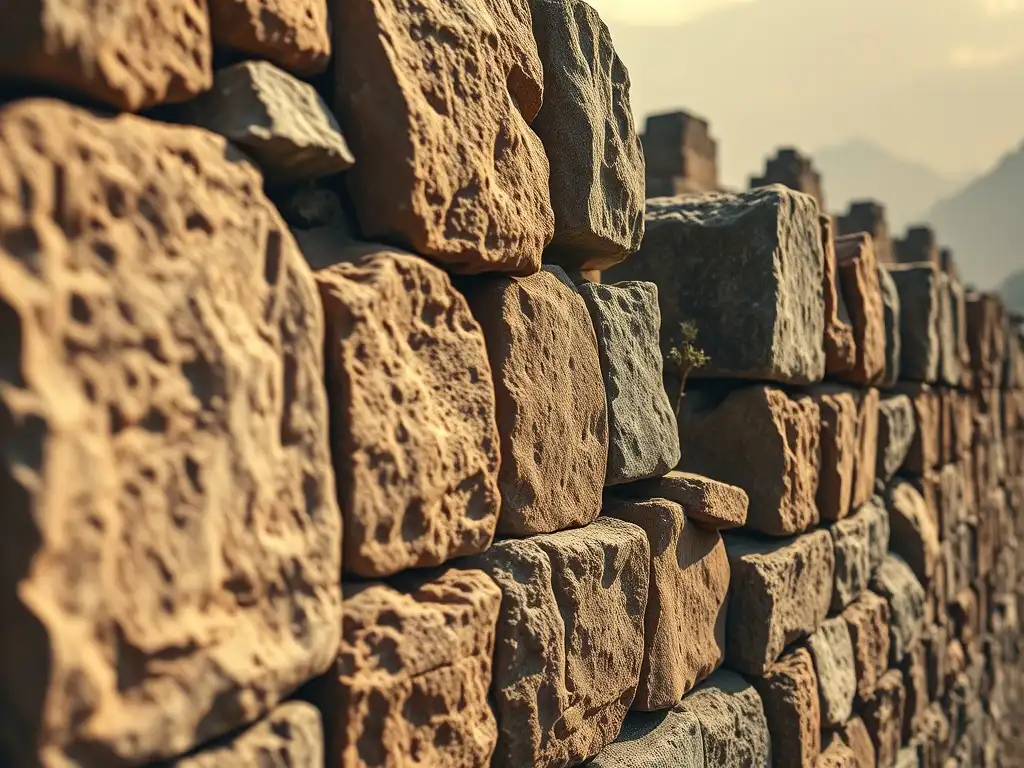
This section delves into the remarkable engineering feats of ancient Andean civilizations, showcasing their innovative building techniques adapted to challenging terrains and environmental conditions. We'll explore the ingenuity behind their architectural marvels, highlighting the precision, resourcefulness, and resilience embedded in their structures. Understanding these Ancient Andean building techniques provides crucial insight into the advanced knowledge and societal organization of these impressive cultures.
The Art of Precision Stone Cutting: Masterful Inca Masonry
Inca masonry stands as a testament to unparalleled precision and artistry. Inca builders achieved astonishing feats of stonework, creating structures that seamlessly fit together without the use of mortar. Their mastery of stone cutting involved a sophisticated understanding of geometry and engineering. Stones were shaped with remarkable accuracy, often fitting together so tightly that a knife blade couldn't be inserted between them. This technique, known as ashlar masonry, is evident in iconic sites like Machu Picchu and Sacsayhuamán.
The process involved selecting appropriate stones from quarries, often located considerable distances from the construction site. Then, skilled artisans meticulously shaped the stones using tools like copper chisels and hammers, achieving an incredibly tight fit. The precision wasn't merely aesthetic; it enhanced the structural integrity of the buildings, contributing significantly to their longevity and resistance to earthquakes. The intricate interlocking of stones created a strong, self-supporting system, minimizing the need for binding agents. This technique showcases not only remarkable craftsmanship but also a deep understanding of structural mechanics.
Consider the walls of Sacsayhuamán, composed of massive, precisely cut stones weighing many tons. The sheer scale and precision of these constructions are awe-inspiring, hinting at a highly organized workforce and advanced knowledge of engineering principles. The Inca’s ability to transport and manipulate these colossal stones remains a subject of ongoing research and debate, further underscoring the complexity and sophistication of their Ancient Andean building techniques.
Terracing and Water Management: Engineering for Agriculture and Stability
Ancient Andean civilizations faced significant challenges in cultivating crops on steep, mountainous terrain. To overcome this, they developed sophisticated terracing systems, transforming slopes into a series of level platforms for agriculture. These terraces, often supported by retaining walls constructed with similar precision to their monumental buildings, were not merely agricultural solutions; they also played a crucial role in land stabilization and erosion control.
The construction of terraces involved careful planning and execution. The terraces were carefully graded and aligned to optimize sunlight exposure and water drainage. This meticulous approach ensured efficient irrigation and prevented soil erosion, maximizing agricultural yields in challenging environments. The integration of water management systems, including canals and reservoirs, further enhanced the efficiency of these agricultural terraces. This intricate network of water channels provided a reliable source of irrigation, allowing for the cultivation of a diverse range of crops.
| Feature | Description | Impact |
|---|---|---|
| Terraced Fields | Level platforms carved into slopes | Increased arable land, reduced erosion |
| Irrigation Canals | Networks of channels directing water to fields | Reliable water supply for crops |
| Retaining Walls | Stone walls supporting the terraces | Stabilized slopes, prevented landslides |
| Water Reservoirs | Storage facilities for water during dry seasons | Guaranteed water availability throughout the year |
This ingenious combination of terracing and water management represents a remarkable achievement in sustainable agriculture and environmental engineering, showcasing the deep understanding of their environment possessed by ancient Andean builders. The enduring legacy of these Ancient Andean building techniques is visible in the landscape even today.
Advanced Foundations and Earthquake Resistance: Building for the Long Term
The Andean region is highly susceptible to earthquakes, a fact that ancient builders cleverly incorporated into their construction methods. Their buildings weren't just aesthetically pleasing; they were designed to withstand seismic activity. This was achieved through a combination of techniques, including the use of deep foundations, flexible building materials, and ingenious structural designs.
Deep foundations were crucial in providing stability. Buildings were often built upon carefully laid foundations, sometimes extending several meters deep into the ground. This ensured a strong base capable of withstanding the powerful forces of an earthquake. Furthermore, the use of relatively small, carefully fitted stones allowed for a degree of flexibility in the structures.
The stones, though tightly fitted, could shift slightly during seismic events, absorbing some of the shock and preventing catastrophic collapse. This flexibility, combined with the robust nature of the stonework, enabled the buildings to withstand earthquakes that would have destroyed less resilient structures. The Inca’s understanding of seismic forces and their ability to integrate this knowledge into their building practices are truly remarkable aspects of their Ancient Andean building techniques.
The longevity of many ancient Andean structures, even after centuries of exposure to the elements and seismic activity, is a testament to the effectiveness of their building methods. Their ingenuity in adapting to the challenges of their environment serves as a valuable lesson in sustainable and resilient construction, even in the modern era. Further research into these sophisticated techniques continues to reveal new insights into the remarkable achievements of ancient Andean builders.
Experiencing Ancient Andean Ingenuity: Archaeological Sites You Can Visit
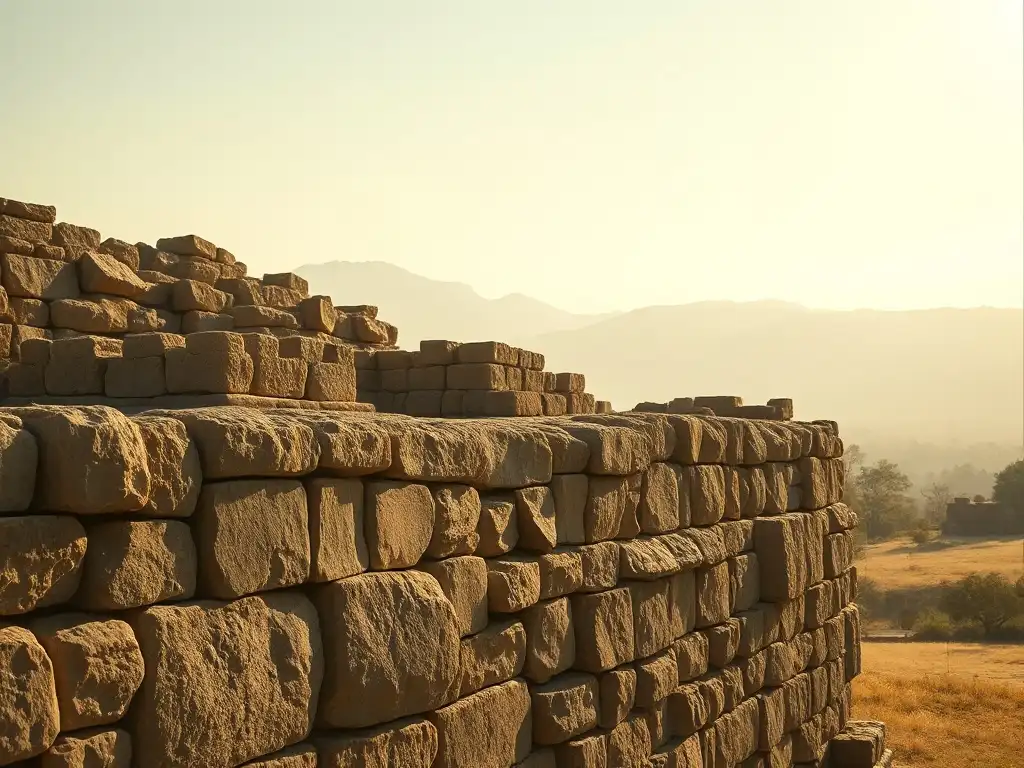
This section delves into the remarkable architectural achievements of the ancient Andean civilizations, focusing on sites you can visit today to witness firsthand their impressive building techniques. We'll explore the ingenuity and skill employed in constructing these monumental structures, highlighting the unique challenges overcome and the lasting legacy they represent for understanding Ancient Andean building techniques.
Machu Picchu: A Testament to Inca Engineering
Machu Picchu, the iconic "Lost City of the Incas," stands as a breathtaking testament to Inca engineering prowess. Nestled high in the Andes Mountains, its construction presents a fascinating case study in adapting to a challenging environment. The Incas, without the benefit of modern tools or machinery, expertly carved and fitted massive stones to create incredibly precise structures.
The precision of the stonework is astounding. Many stones fit together so tightly that even a knife blade cannot be inserted between them. This dry-stone masonry, a hallmark of Inca architecture, demonstrates a deep understanding of geometry and engineering principles. The intricate network of terraces, meticulously carved into the mountainside, served both agricultural and structural purposes, showcasing their mastery of land management and resource utilization.
The city's complex water management system, including intricate channels and fountains, further highlights their advanced understanding of hydraulics. Visiting Machu Picchu allows one to appreciate the scale and sophistication of Inca engineering, demonstrating the ingenuity of Ancient Andean building techniques in action. The sheer scale of the undertaking, coupled with the precision of execution, leaves visitors awestruck by the capabilities of these ancient builders.
Sacsayhuamán: A Fortress of Cyclopean Proportions
Sacsayhuamán, located near Cusco, is a truly awe-inspiring example of Inca military architecture. This massive fortress, built from colossal stones, showcases the extraordinary strength and organizational skills of the Inca people. The term "cyclopean" is often used to describe the massive size of the stones, some weighing many tons. These enormous blocks were transported from distant quarries, a feat of logistics that remains impressive even today.
The precise fitting of these massive stones is another remarkable aspect of Sacsayhuamán. While the exact methods used by the Incas remain debated, the results speak for themselves: incredibly strong and durable structures that withstood the test of time. The fortress's strategic location and complex design, including intricate walls and zig-zagging pathways, demonstrate a sophisticated understanding of defense and warfare.
Examining the unique features of Sacsayhuamán, like the perfectly fitted polygonal stones, provides invaluable insights into Ancient Andean building techniques and the advanced engineering capabilities of the Inca civilization. The sheer scale of Sacsayhuamán and the precision of its construction continue to inspire wonder and intrigue.
Ollantaytambo: A Living Example of Ancient Town Planning
Ollantaytambo, a remarkably well-preserved Inca town located in the Sacred Valley, offers a unique glimpse into ancient Andean town planning. Unlike many other archaeological sites, Ollantaytambo retains a strong connection to its past, with some structures still inhabited today. This offers a unique perspective on the integration of ancient building techniques with ongoing life.
The town's layout demonstrates a sophisticated understanding of urban design. The streets are meticulously planned, and the buildings are strategically positioned to maximize sunlight and ventilation. The impressive agricultural terraces surrounding the town showcase the Incas' mastery of water management and their ability to create fertile land in a challenging mountainous environment. Ollantaytambo's stonework, while perhaps less polished than at Machu Picchu, still demonstrates the Incas' exceptional skills in dry-stone construction.
Exploring Ollantaytambo allows visitors to appreciate the holistic approach of the Incas to town planning, blending architectural ingenuity with practical considerations for daily life. The site serves as a compelling illustration of the enduring legacy of Ancient Andean building techniques. The blend of ancient structures and modern life provides a uniquely immersive experience, illustrating the lasting impact of Inca ingenuity on the landscape and culture.
Preserving the Legacy: Learning from Ancient Andean Building Techniques
The ingenuity of Ancient Andean builders is undeniable. Their structures, often built with limited technology and resources, stand as testaments to their mastery of engineering and adaptation to challenging environments. Studying these techniques offers invaluable insights into sustainable construction practices and resourcefulness, aspects crucial for modern architecture and engineering.
Understanding their methods allows us to appreciate not only their architectural prowess but also their profound connection to the environment. The keyword "Ancient Andean building techniques" aptly describes the focus of this exploration into their remarkable achievements. Analyzing their building methods reveals a deep understanding of local materials and their properties, demonstrating a sustainable approach that minimized environmental impact.
Lessons in Sustainability and Resourcefulness
Ancient Andean builders demonstrated exceptional resourcefulness, utilizing readily available materials like stone, adobe, and wood. Their mastery extended beyond simple material selection; they understood the importance of integrating their structures seamlessly into the landscape. Consider the terraces carved into the Andes mountainsides: these weren't just agricultural innovations, but also feats of engineering that stabilized slopes, prevented erosion, and maximized arable land. This demonstrates a holistic approach to construction, prioritizing environmental harmony over purely aesthetic concerns. They didn't simply build; they integrated.
Furthermore, their techniques often involved minimal waste. Precision cutting and fitting of stones, as seen in Inca masonry, reduced the need for excess materials. This is a stark contrast to many modern construction methods where waste generation is a significant issue. The repurposing of materials was also common, showcasing a circular economy approach centuries ahead of its time. For example, [specific examples of material repurposing pending] require further research to fully illustrate this practice. The meticulous planning and execution of their projects minimized material waste, a lesson that resonates strongly with contemporary sustainability efforts.
The use of local materials also minimized transportation costs and environmental impact associated with long-distance shipping. This is a key principle of sustainable building, and the Andes builders exemplified it expertly. They understood the properties of local stone, adapting their building techniques to the unique characteristics of each region. [Data on specific stone types and their regional use pending]. This localized approach reduced the carbon footprint of their construction projects significantly.
Continuing the Legacy: Exploring Modern Applications
The knowledge gleaned from studying Ancient Andean building techniques has significant implications for modern construction practices. Their focus on sustainability and resourcefulness serves as a valuable blueprint for creating environmentally responsible structures. Modern architects and engineers are increasingly incorporating these principles into their designs, focusing on materials with low environmental impact, minimizing waste, and maximizing energy efficiency. The development of "green" building techniques is strongly influenced by these ancient practices.
The precision and durability of Inca stonework, for example, inspires modern efforts to improve the longevity and resilience of buildings. The intricate interlocking system used in Inca walls, with minimal mortar, is a testament to their understanding of structural integrity. Modern engineers are exploring similar techniques to improve seismic resistance in buildings, especially in earthquake-prone regions. Their understanding of load-bearing capabilities without relying on excessive mortar is a noteworthy contribution to modern engineering.
Furthermore, the integration of structures with the landscape, a hallmark of Andean architecture, is gaining traction in modern sustainable design. Bioclimatic architecture, which aims to minimize energy consumption by harnessing natural resources, draws inspiration from the way Andean structures were designed to optimize natural light, ventilation, and thermal comfort. The study of these ancient techniques provides valuable insights for creating buildings that are both aesthetically pleasing and environmentally responsible. The legacy of Ancient Andean builders continues to inspire innovative solutions for a more sustainable future.
Frequently Asked Questions
What unique building techniques did the ancient Andean civilizations employ?
Ancient Andean builders utilized innovative techniques like dry-stone masonry, perfectly fitting stones together without mortar. They also mastered terracing for agriculture and complex irrigation systems, showcasing advanced engineering skills.
How did the Incas manage to build such massive structures without metal tools?
Inca builders relied on stone hammers, chisels, and levers made of stone or wood, demonstrating remarkable precision and organizational prowess. They also employed sophisticated quarrying and transportation methods.
What materials were commonly used in Andean construction?
The most prevalent materials were stone, particularly andesite and granite, as well as adobe bricks (sun-dried clay bricks) and wood. The choice of material depended on availability and intended use.
How did the climate and geography impact Andean building techniques?
The challenging terrain of the Andes Mountains, including steep slopes and seismic activity, influenced building techniques. Structures were adapted to withstand earthquakes and extreme weather conditions, resulting in exceptionally resilient designs.
Where can I see examples of ancient Andean building techniques today?
Many examples survive today! Sites like Machu Picchu, Sacsayhuamán, and Ollantaytambo (Inca sites) showcase impressive stonework and architectural feats. You can also find ruins from other civilizations such as the Nazca and Tiahuanaco, each with unique building styles.
Final Reflection: Echoes of Ingenuity Across Millennia
The mastery of ancient Andean builders continues to resonate today, a testament to human ingenuity and a challenge to our modern assumptions about construction and sustainability. Their achievements, from the precise stonework of Machu Picchu to the intricate irrigation systems of the Nazca lines, weren't mere feats of engineering; they were expressions of a deep connection to the land and a profound understanding of its resources. These techniques, developed without the benefit of modern tools and technology, offer invaluable lessons for a world grappling with climate change and resource depletion.
The enduring legacy of Andean building practices transcends mere historical significance; it speaks to the power of human collaboration and resourcefulness in the face of adversity. Their innovative solutions, born from necessity and a profound respect for their environment, offer a powerful counterpoint to our often wasteful and unsustainable modern practices. The earth provides enough to satisfy every man's needs but not every man's greed.
– Mahatma Gandhi. This quote perfectly encapsulates the contrast between the sustainable ethos of Andean builders and the often unsustainable practices of modern society. We can learn much from their example, particularly in our current era of environmental crisis.
Consider the ingenuity of these ancient builders, their deep understanding of their environment, and the lasting impact of their work. You too can embrace a more sustainable and mindful approach to construction and resource management. Reflect on the ways in which you can incorporate principles of sustainability and resourcefulness into your own life, whether it's through conscious consumption, supporting sustainable businesses, or simply appreciating the enduring power of human ingenuity. Let the echoes of their ingenuity inspire you to build a more sustainable future.
**Unveil the Wonders of Ancient Andean Architecture! **
Thank you for exploring the incredible ingenuity of ancient Andean builders! Your interest highlights the rich history of these civilizations and their remarkable achievements. Let's delve deeper into this fascinating topic.
Here Are Some Ways to Learn More:
- **Visit** local museums or exhibitions featuring Andean artifacts to appreciate their craftsmanship firsthand.
- Share your favorite discoveries from this article on social media and invite your friends to explore the marvels of ancient engineering.
- **Join** online communities dedicated to Andean cultures and architecture; it's a great way to ask questions and learn from others.
What specifically about the Andean builders' techniques captivates you, and how do you believe their innovations impact our understanding of ancient civilizations?