
The Powerful Puma: Symbol of Strength and Power in Andean Beliefs

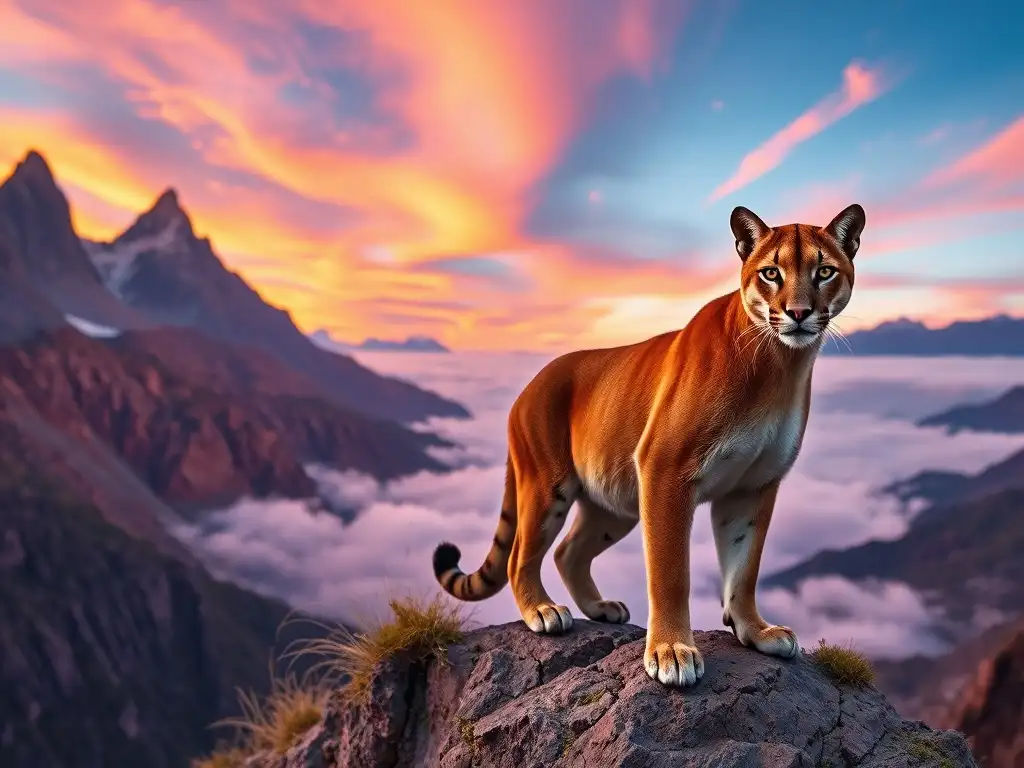
Step into a world lost to time, yet echoing with power and mystery. For centuries, the Andes Mountains have held secrets whispered on the wind, secrets woven into the very fabric of ancient civilizations. Here, we delve into the vibrant tapestry of Andean culture, revealing the profound significance of their beliefs and artistry. But what does the powerful Andean puma symbolize? Uncover the captivating meaning behind this iconic creature and unlock the mysteries of its enduring presence in Andean religion and cosmovision – discover its hidden power...
- The Andean Condor: Symbol of the Sky and Spiritual Connection
- Andean Condor Symbolism Meaning: A Deep Dive
- The Condor in Andean Art and Mythology
- The Condor and the Inca Empire
- The Condor Across Different Andean Cultures
- The Legacy of the Andean Condor
- Frequently Asked Questions
- Final Reflection: The Enduring Legacy of the Andean Puma
- Unveil the Strength Within: Embrace the Puma's Power!
The Andean Condor: Symbol of the Sky and Spiritual Connection
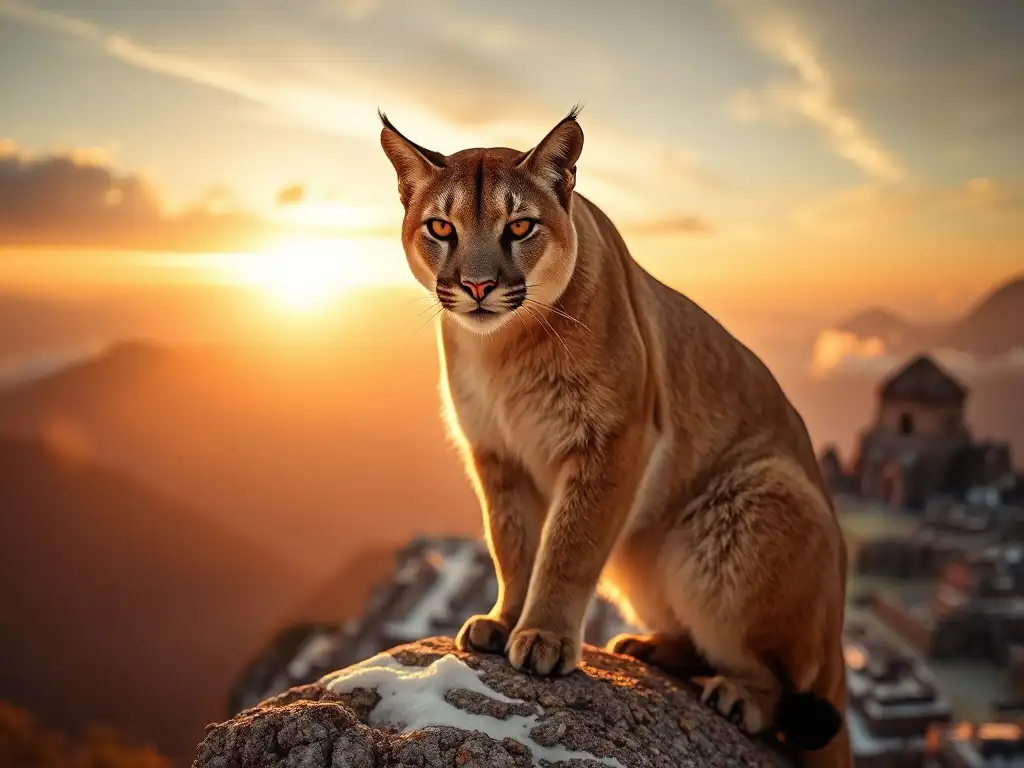
The puma, a majestic and elusive feline, held a position of immense significance in the spiritual and cultural landscape of the Andean civilizations. Far from being merely a powerful predator, the puma ( Puma concolor) represented a complex tapestry of symbolism, embodying strength, power, royalty, and even shamanic abilities.
This article delves into the multifaceted meaning of the puma in Andean beliefs, exploring its representation in art, mythology, and its enduring impact on the cosmovision of cultures like the Inca, Moche, Nazca, and Tiahuanaco. Understanding Andean puma symbolism offers a crucial window into the intricate spiritual world of these remarkable civilizations and reveals the profound connection between humans and the natural world in their worldview.
We will examine how the puma's attributes were integrated into religious practices, social structures, and artistic expressions, providing a comprehensive understanding of its profound symbolic weight within Andean culture. This exploration is essential for comprehending the rich tapestry of Andean religion and cosmovision, revealing the depth and sophistication of their understanding of the natural world and their place within it.
Introduction to the Andean Puma and its Significance
The puma's symbolic power in the Andes stemmed from its inherent qualities: its stealth, agility, strength, and nocturnal habits. These characteristics were often associated with the supernatural, with the puma acting as a powerful intermediary between the human and spirit worlds. Unlike the more widely known condor symbolism, the puma's presence was often more subtly integrated into Andean art and culture, appearing in textiles, pottery, and even architectural designs.
For example, puma imagery was frequently found in royal regalia, emphasizing the ruler's connection to the animal's power and prestige. The puma's association with the night and the underworld also added to its mystical aura. Its ability to move silently and disappear into the shadows contributed to its perception as a creature of mystery and power, often linked to shamanic practices and the realm of the unseen.
The specific nuances of puma symbolism varied across different Andean cultures, but the core themes of power, strength, and supernatural connection remained remarkably consistent. Further research is needed to fully understand the regional variations in puma symbolism across different Andean societies. [Specific information pending on regional variations in puma symbolism].
The Puma as a Link Between Worlds in Andean Cosmovision
The Andean cosmovision, a complex worldview that integrated the natural and supernatural, placed the puma firmly within its intricate framework. The puma was often seen as a guardian spirit, a protector of both the physical and spiritual realms. Its association with the underworld and the night highlighted its role as a conduit between the living and the dead, a powerful messenger capable of traversing the boundaries between these worlds. In some interpretations, the puma was associated with specific deities or supernatural beings, further solidifying its role as a sacred animal.
The puma's powerful presence in Andean art and mythology underscores its importance in their religious rituals and beliefs. For instance, [Specific examples of puma depictions in Andean art and artifacts pending]. The puma's symbolic representation often involved specific postures and attributes, each carrying its own deeper meaning. The powerful image of a puma with its mouth open, for instance, might symbolize the power of the underworld or the ability to communicate with the spirits.
Understanding these subtle nuances is crucial to fully grasping the rich and layered symbolism associated with this significant Andean creature. Further study of Andean iconography is needed to fully elucidate the specific meanings of these diverse depictions. The integration of the puma into various rituals and ceremonies highlights its vital role in Andean religious practices. [Specific details on puma-related rituals and ceremonies pending].
Andean Condor Symbolism Meaning: A Deep Dive
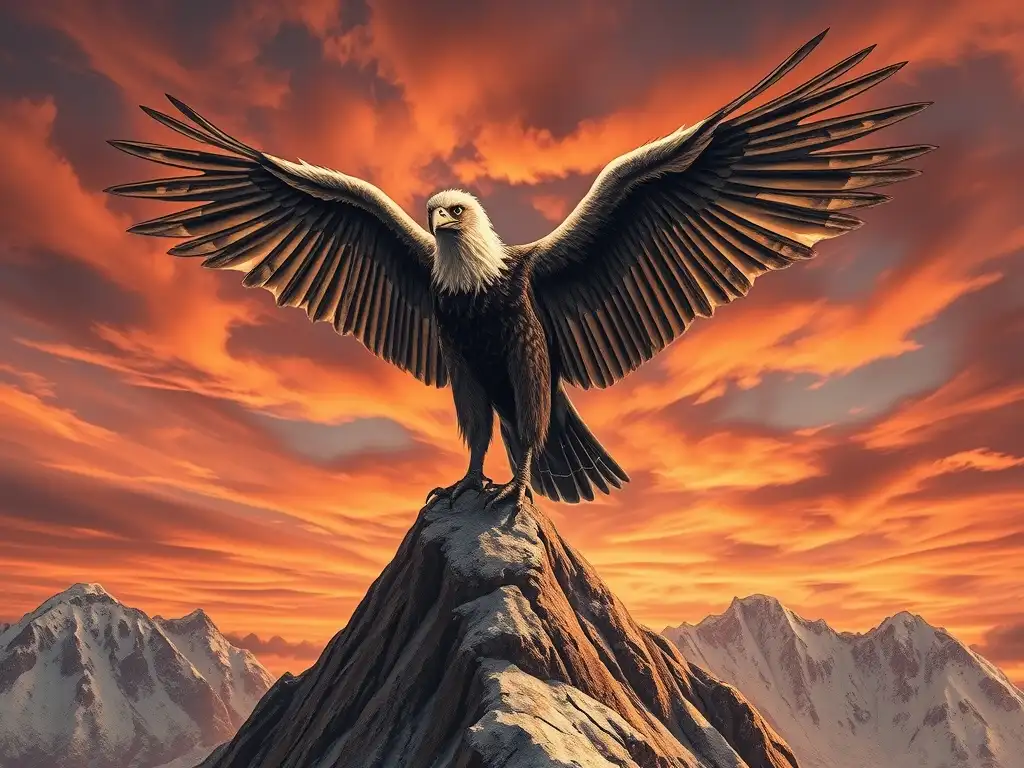
The puma, or puma concolor, holds a position of immense significance in Andean symbolism, far exceeding a mere representation of a powerful feline. Its meaning is deeply intertwined with the Andean worldview, reflecting concepts of power, strength, agility, and even shamanic abilities. Understanding Andean puma symbolism requires delving into the rich tapestry of Andean cosmology and its relationship with the natural world. The puma's symbolic power varied across different Andean cultures, but common threads unite their interpretations, showcasing its enduring importance.
This section will explore these nuances, highlighting the multifaceted nature of the Andean puma's symbolic meaning. We'll examine how its attributes were incorporated into religious practices, artistic expressions, and even political structures, providing a comprehensive understanding of its profound influence on Andean societies. The keyword "Andean puma symbolism meaning" is central to our exploration.
The Puma's Association with the Underworld and Shamanic Powers
The Andean puma's connection to the underworld is arguably its most prominent symbolic association. Unlike the condor, often linked to the upper world, the puma embodies the subterranean realm, representing the hidden, unseen forces that shape reality. This association stems from the puma's nocturnal habits and its prowess as a hunter in the shadows.
In many Andean cultures, the puma was believed to be a powerful shamanic animal, a conduit between the human world and the spirit world. Shamans often donned puma skins or used puma imagery in their rituals to access altered states of consciousness and communicate with supernatural entities. This connection is vividly portrayed in numerous artifacts and textile designs depicting pumas alongside shamanic paraphernalia.
Archaeological evidence, including depictions on pottery and metalwork, supports this interpretation, revealing the puma's role as a powerful intermediary between the living and the dead. The intricate designs often depict the puma in dynamic poses, emphasizing its agility and strength, further reinforcing its connection to shamanic power. The intensity and detail of these representations point to the deep reverence and respect held for this powerful creature.
Beyond its shamanic associations, the puma also symbolized earthly power and authority, particularly within the context of Andean political structures. The Inca Empire, for instance, frequently employed puma imagery in its iconography, associating the animal with the emperor's strength and dominion. The emperor himself was sometimes referred to as the "Puma," reflecting the belief that he possessed the animal's strength and authority. This association is evident in the construction of Inca palaces and temples, where puma imagery is frequently incorporated into architectural details and decorative elements. The use of puma motifs in royal garments and weaponry further reinforces this connection between the animal and imperial power. The puma’s strength and ferocity served as a potent symbol of the Inca's military might and their control over the vast empire. This powerful symbolism was carefully cultivated to reinforce the Inca ruler’s legitimacy and authority, ensuring the stability and cohesion of the empire.
The Puma as a Guardian and Protector
In addition to its associations with the underworld and royal power, the puma also held a significant role as a guardian and protector. Many Andean communities believed that pumas acted as spiritual guardians, protecting their villages, livestock, and people from harm. This belief is supported by various folk tales and traditions where pumas are depicted as benevolent protectors, often intervening in times of crisis or danger.
These stories often emphasize the puma's loyalty, courage, and protective instincts, showcasing its role as a powerful ally in the face of adversity. Furthermore, the puma’s watchful presence in the mountains and forests served as a constant reminder of its protective power, reinforcing the sense of security within the community. The representation of pumas in household objects and personal adornments further highlights the desire to invoke the puma’s protective power in daily life.
This widespread belief in the puma's protective capabilities contributed to its enduring reverence within Andean culture. The puma's image, therefore, transcended simple representation, becoming a tangible link to the spiritual realm and a source of comfort and protection.
The Condor in Andean Art and Mythology
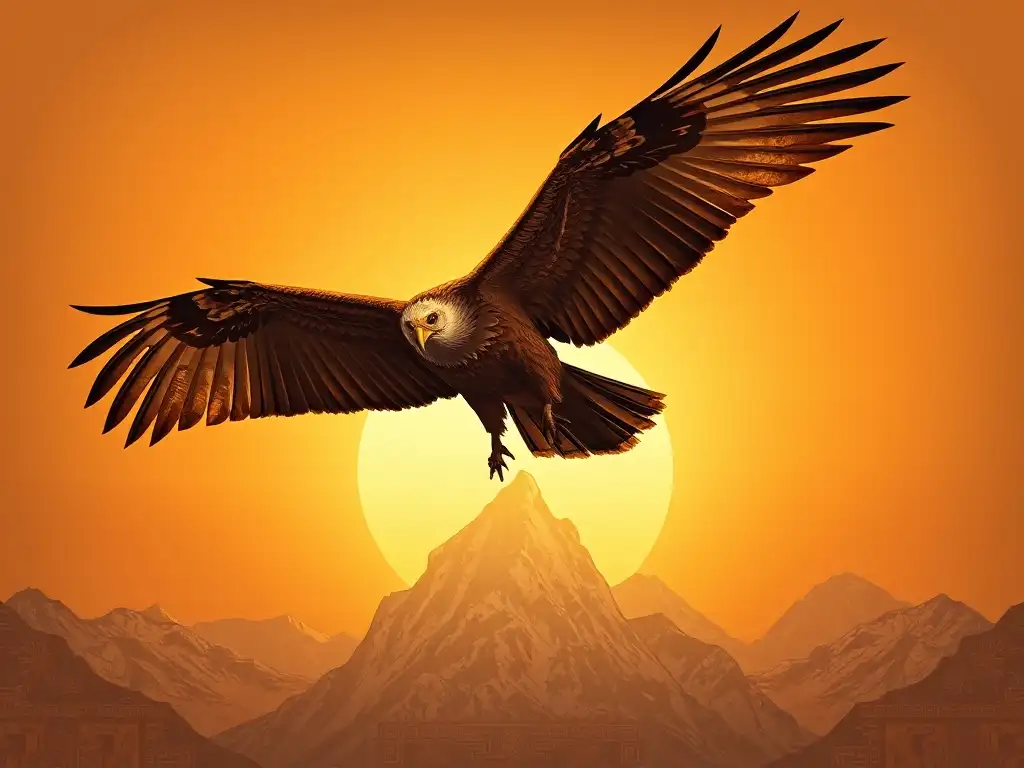
The condor, a majestic bird of prey soaring high above the Andes Mountains, held a position of immense significance in the cosmology and worldview of various Andean cultures. Its powerful presence, ability to traverse vast distances, and association with both life and death made it a potent symbol, deeply interwoven into their art, mythology, and ritual practices. Understanding Andean puma symbolism meaning often requires considering the complementary symbolism of other powerful animals like the condor, reflecting the interconnectedness of their beliefs.
This section will delve into the multifaceted role of the condor in Andean culture, focusing on its artistic representations, mythological narratives, and ceremonial functions. The pervasive nature of the condor's image across different Andean societies underscores its enduring importance in their spiritual and social fabric.
Depictions of the Condor in Ancient Andean Textiles
Ancient Andean textiles offer a captivating glimpse into the cultural reverence for the condor. Elaborate weavings, often crafted from vibrant natural dyes like cochineal and indigo, feature intricate depictions of condors in various poses. These textiles, discovered in archaeological sites across the Andes, showcase not only the artistic skill of Andean artisans but also their deep understanding of the condor's symbolic power.
For example, textiles from the Paracas culture (ca. 800-100 BCE) frequently depict condors in dynamic flight, their wings outstretched, suggesting their connection to the celestial realm. The skillful use of different colors and textures in these weavings added depth and nuance to the condor’s representation.
The meticulous detail in the rendering of feathers and the bird's powerful physique speaks volumes about the respect held for the condor. In contrast, textiles from the Nazca culture (ca. 100 BCE – 800 CE) often portray condors in more static poses, sometimes perched on cliffs or mountains, emphasizing their connection to the earthly realm and their dominion over the landscape.
The stylistic differences between these representations likely reflect the specific beliefs and practices of each culture. Further research is needed to fully understand the subtle variations in condor imagery across different Andean textile traditions. Analyzing the context of the textiles' discovery—tombs, domestic settings, or ceremonial sites—further enhances our understanding of their intended meaning and use.
The Condor's Role in Andean Myths and Creation Stories
The condor's role in Andean mythology is multifaceted. In many creation stories, the condor is depicted as a powerful intermediary between the earthly and celestial realms. Some myths portray the condor as a messenger of the gods, carrying messages between the divine and human worlds. Its ability to fly high above the mountains, closer to the sun and stars, solidified its association with the supernatural.
For instance, in some Andean cosmologies, the condor is linked to the sun and its life-giving energy. The bird's association with the sun's power is reflected in its depiction in numerous myths as a symbol of strength, power, and vitality. Conversely, in other narratives, the condor is associated with death and the underworld, acting as a guide for souls on their journey to the afterlife.
This duality, embodying both creation and destruction, life and death, highlights the complex nature of Andean beliefs and their nuanced understanding of the cosmos. Further research into specific Andean myths and legends from various regions is necessary to build a more comprehensive understanding of this complex symbolism. Detailed analysis of surviving oral traditions and archaeological evidence could shed light on the varied interpretations of the condor's role across different Andean communities.
Rituals and Ceremonies Featuring the Condor
The condor's significance extended beyond artistic expression and mythology; it played a crucial role in Andean rituals and ceremonies. Feathers, bones, and other parts of the condor were used in various religious practices, reflecting its sacred status. The use of condor feathers in ceremonial headdresses and adornments is well documented, signifying the wearer's connection to the spiritual world and their high social standing. The condor's association with power and authority further reinforced its importance in ritual contexts.
Condor sacrifice, while documented in some accounts, requires further investigation to determine its frequency and significance across different Andean cultures. The specific rituals surrounding condor sacrifice, if they indeed occurred widely, remain largely unknown, and more research is needed to fully elucidate these practices. The interpretation of archaeological evidence, such as the discovery of condor remains in sacred sites, is crucial for a better understanding of these ceremonies.
The limited available data necessitates further studies to fully grasp the context and significance of any potential condor sacrifices. Careful consideration of ethical implications is also essential when discussing these sensitive topics. The potential for misinterpretation requires a cautious and nuanced approach, grounded in rigorous scholarship.
The Condor and the Inca Empire
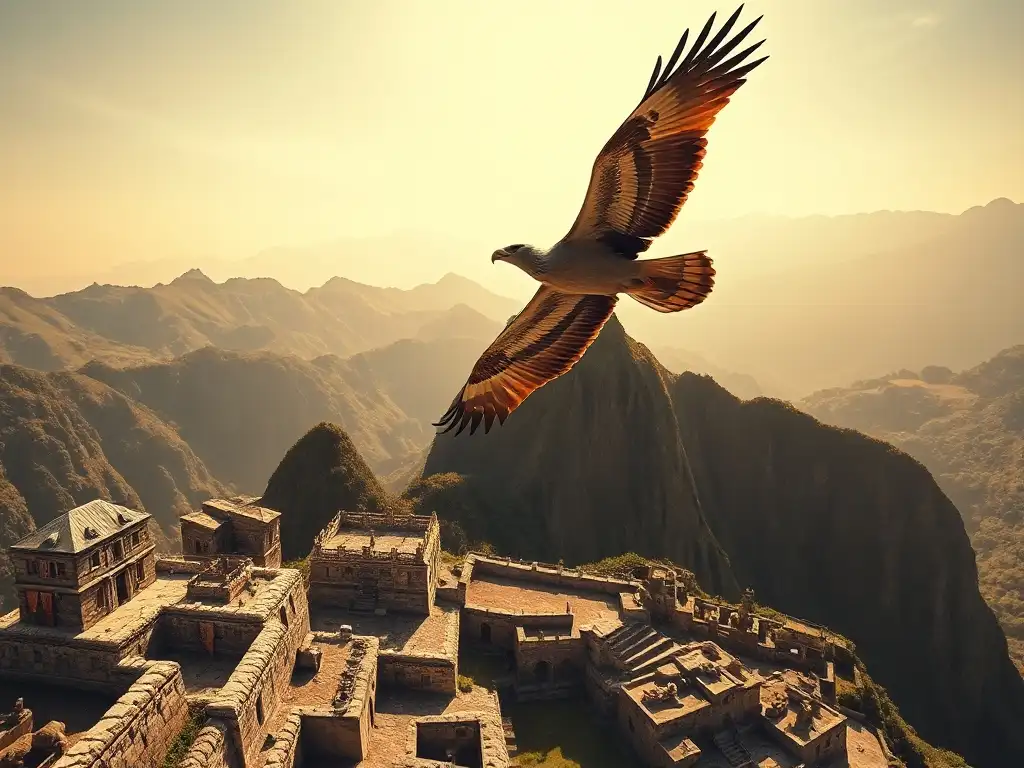
The condor, a majestic bird soaring high above the Andes, held immense symbolic significance for various Andean cultures, particularly the Inca. While the puma often takes center stage in discussions of Andean symbolism, the condor’s role as a powerful symbol of power, authority, and connection to the celestial realm shouldn't be overlooked. Its presence in Inca art, architecture, and religious practices provides a fascinating glimpse into the Inca worldview and their understanding of the cosmos.
This section will explore the multifaceted symbolism of the condor within the Inca Empire, focusing specifically on its representation in Inca power structures, its architectural depictions, and its crucial role in religious festivals. Understanding the Andean puma symbolism meaning often necessitates acknowledging the complementary symbolism of other powerful creatures, like the condor.
The Inca emperors, the Sapa Inca, often associated themselves with the condor, mirroring its majestic flight and its position at the apex of the Andean food chain. The condor's ability to soar to great heights symbolized the Inca ruler's divine authority and connection to the gods. This association is evident in various royal regalia and iconography.
For example, Inca rulers might wear condor feathers as part of their ceremonial attire, emphasizing their elevated status and divine right to rule. Furthermore, depictions of the condor alongside the Sapa Inca in textiles and ceramics further reinforced this powerful connection.
The condor, therefore, wasn't merely a symbol; it was a tangible representation of the Inca emperor's power and his link to the spiritual world, a vital component of the complex Andean puma symbolism meaning in the context of the entire Andean cosmological system. The condor's strength and dominance reflected the power and authority of the Inca Empire itself.
Architectural Representations of the Condor in Inca Sites
The condor's influence extends beyond mere imagery; it's deeply embedded within Inca architecture. Many Inca sites feature architectural elements that incorporate condor motifs. These representations, often subtly integrated into the stonework, reinforce the condor's importance and its connection to the Inca state. For instance, some scholars suggest that certain stone carvings found in Machu Picchu and other sites depict stylized condors, their wings spread in a powerful pose.
These architectural representations served not only as aesthetic embellishments but also as potent symbols of Inca power and imperial control, subtly reminding the populace of the emperor's divine authority. Further research is needed to fully understand the prevalence and precise meaning of these architectural representations across different Inca sites. [Specific examples of architectural representations pending further research].
The Condor's Significance in Inca Religious Festivals
The condor played a pivotal role in various Inca religious festivals. Its association with the sun god, Inti, and the upper world further solidified its importance in the Inca cosmology. During specific ceremonies, condors might have been featured prominently, perhaps through symbolic representations or even the actual presence of live birds. [Specific details regarding the role of condors in Inca festivals pending].
The condor's participation in these religious rituals would have reinforced its symbolic power and its role as a mediator between the human and divine realms. Analyzing the Andean puma symbolism meaning alongside the condor's role helps build a more complete picture of the intricate web of beliefs that governed Inca society. The condor, in its own right, held a position of immense spiritual importance, mirroring the power and majesty often associated with the puma itself within the Andean pantheon.
The Condor Across Different Andean Cultures
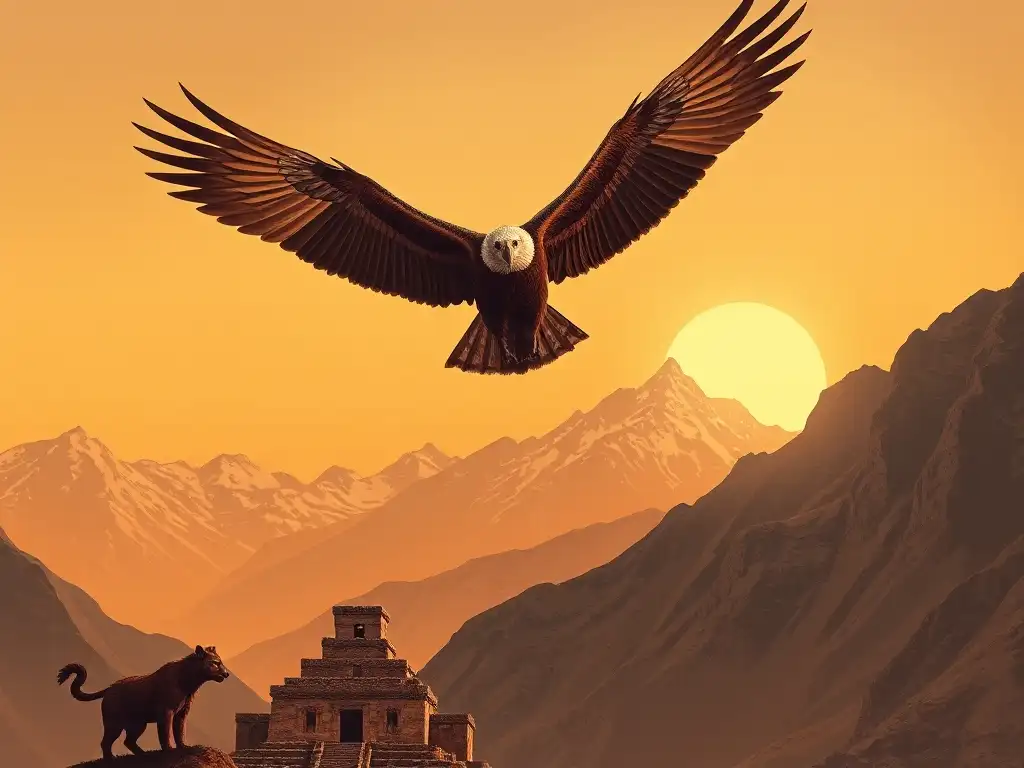
The condor, a majestic bird soaring high above the Andes, held a profound and multifaceted significance in the belief systems of various Andean cultures. Unlike the puma, whose symbolism often focused on terrestrial power, the condor represented the celestial realm, bridging the gap between the earthly and spiritual worlds. Its ability to fly to incredible heights, closer to the sun and stars, imbued it with a sacred quality, associating it with deities, shamanistic practices, and cosmic forces.
This section will explore the diverse interpretations of condor symbolism across different Andean cultures, highlighting the nuances and common threads that connect these interpretations. Analyzing the condor's role in Andean iconography reveals a complex tapestry of religious beliefs and social structures.
The Andean puma symbolism meaning, often focused on earthly power, contrasts sharply with the condor's celestial association. This juxtaposition highlights the duality present in Andean cosmovision, emphasizing the interconnectedness of the terrestrial and celestial realms.
Condor Symbolism in Wari Culture
The Wari civilization (600-1000 CE), known for its extensive empire across the central Andes, incorporated the condor prominently in its art and architecture. While detailed interpretations are limited due to the relatively fragmented nature of surviving Wari artifacts, condor imagery frequently appears on ceramics, textiles, and stone carvings. These depictions often showcase the condor in dynamic poses, emphasizing its strength and aerial prowess.
The powerful wings, sharp talons, and piercing gaze are consistently highlighted, suggesting an association with power, dominion, and perhaps even divine authority. Scholars suggest that the Wari condor symbolism may have been linked to their imperial ideology, representing the expansion of their influence across the vast Andean landscape. [Specific examples of Wari condor iconography pending further research].
The recurring motif suggests a deep-seated reverence for the bird, placing it within the pantheon of Wari deities or as a powerful symbol of their ruling elite. Further research into Wari burial sites and ritualistic objects could shed more light on the precise nature of their condor veneration.
The Condor in Paracas Iconography
The Paracas culture (700-200 BCE), renowned for their intricate textile artistry, also incorporated the condor into their iconography. Unlike the Wari, Paracas depictions often portray the condor in a more stylized manner. Detailed, vibrant textiles show condors with elongated necks, sharp beaks, and expansive wings, frequently depicted within complex scenes that seem to narrate mythological stories or cosmological events.
These scenes often include other significant figures and symbols from the Paracas pantheon. The placement of the condor within these narratives suggests a multifaceted role, possibly representing a deity, a messenger of the gods, or a shamanic guide. The vivid colors and intricate weaving techniques used to depict the condor further underscore its importance within Paracas society.
The condor, in this context, transcends a mere symbol; it becomes a powerful and integral component of their complex worldview. [Specific examples of Paracas textile depictions of condors pending image analysis]. The detailed analysis of these textiles may reveal deeper meanings associated with specific poses, colors, and accompanying symbols.
The Condor's Significance in Tiwanaku Traditions
The Tiwanaku civilization (c. 300-1000 CE), another major Andean power, also held the condor in high regard. Tiwanaku iconography, however, presents a different perspective on condor symbolism. Unlike the dynamic depictions in Wari and Paracas art, Tiwanaku frequently portrays the condor in a more static, almost ceremonial pose. The bird is often depicted in a frontal view, with its wings outstretched or folded, sometimes integrated into larger compositions that depict other important deities and cosmic symbols.
This suggests a more formal, ritualistic significance. Scholars propose that the condor in Tiwanaku art might represent a link between the earthly and celestial realms, acting as a mediator between the human world and the divine sphere. The monumental architecture of Tiwanaku, with its emphasis on celestial alignments, further supports this interpretation. The condor’s presence in Tiwanaku art may symbolize the connection between the power of the sun and the authority of the ruling elite.
[Specific examples of Tiwanaku condor representations pending archaeological data analysis]. The precise meaning of specific iconographic elements remains an area for ongoing research and debate. Further investigation into Tiwanaku religious practices and cosmology is crucial to a complete understanding of the condor's role in their society.
The Legacy of the Andean Condor
The Andean condor, Vultur gryphus, transcends its biological classification as a majestic bird of prey. For Andean cultures, past and present, it holds profound symbolic meaning, deeply interwoven with their spiritual beliefs, social structures, and even national identities. Understanding the condor's legacy requires exploring its multifaceted representation across diverse Andean communities and its enduring relevance in contemporary society.
This section will delve into the enduring symbolism of the condor, its role as a cultural icon, and its significance in modern conservation efforts. The multifaceted symbolism associated with the Andean condor, a key component of "Andean puma symbolism meaning" research when considering the broader Andean zoomorphic iconography, reveals a complex relationship between humans and nature in the region.
The Condor's Enduring Symbolism in Contemporary Andean Cultures
Even today, the condor's powerful image persists in various Andean communities. In the Andes, the condor's symbolism is not monolithic; its interpretation varies subtly across different cultural groups. However, some common threads emerge. The condor is frequently associated with ayni, the principle of reciprocity and balance central to Andean cosmology.
Its soaring flight, reaching heights inaccessible to humans, symbolizes the connection between the earthly and celestial realms. It is often seen as a messenger between the living and the dead, a powerful intermediary in the spiritual world. The condor's keen eyesight is also symbolic; it represents foresight, wisdom, and the ability to perceive hidden truths.
Some communities still incorporate condor feathers in ceremonial rituals, viewing them as sacred objects imbued with spiritual power. The continued presence of condor imagery in Andean art, textiles, and even contemporary branding reflects the enduring power of this symbolism. This enduring symbolism is a testament to the deep-rooted connection between the Andean people and their environment, highlighting the importance of understanding "Andean puma symbolism meaning" within a broader ecological and spiritual context.
Furthermore, the condor's longevity is another aspect contributing to its symbolic weight. Its impressive lifespan, often exceeding 70 years, represents endurance, resilience, and the cyclical nature of time in Andean worldview. This longevity is often associated with the continuity of Andean cultures and their enduring connection to their ancestral lands. The condor's ability to withstand harsh environmental conditions further reinforces its symbolic representation of strength and survival.
The Condor as a Cultural Icon and a Symbol of National Identity
The condor's powerful imagery has transcended purely spiritual significance to become a potent symbol of national identity in several Andean countries. In countries like Bolivia, Colombia, and Peru, the condor features prominently on national emblems, flags, and official seals. This adoption reflects a deliberate attempt to incorporate indigenous Andean symbolism into the modern national narratives, acknowledging the rich cultural heritage of these nations.
The condor's inclusion in these official representations serves to unify diverse populations under a shared national symbol, fostering a sense of collective identity and pride in Andean heritage. This powerful symbolism is not limited to official state imagery; it also permeates popular culture, appearing in literature, music, and artistic expressions.
The condor, therefore, serves as a powerful bridge connecting ancient Andean traditions with contemporary national identities. Understanding this aspect is crucial to a complete understanding of "Andean puma symbolism meaning" and its broader implications within the Andean cultural landscape.
The use of the condor in national symbols is a conscious effort to reclaim and celebrate indigenous heritage, often in contrast to colonial legacies. It represents a powerful assertion of cultural identity and a rejection of imposed narratives.
The Condor's Role in Conservation Efforts
Despite its symbolic importance, the Andean condor faces significant threats in the modern world. Habitat loss, human encroachment, and poisoning have led to a decline in condor populations across the Andes. Recognizing the condor's ecological and cultural significance, conservation efforts are underway to protect this magnificent bird and its habitat.
These efforts often involve collaboration between governmental agencies, NGOs, and local communities. The involvement of local communities is crucial, as their traditional knowledge and understanding of the condor's ecology are invaluable in designing effective conservation strategies. The conservation of the Andean condor is not simply an environmental issue; it is also a matter of preserving cultural heritage.
The condor's continued survival is vital for maintaining the rich tapestry of Andean culture and its enduring connection to the natural world. The ongoing conservation efforts highlight the intertwined relationship between cultural preservation and environmental protection, adding another layer of complexity to understanding "Andean puma symbolism meaning" and its contemporary relevance.
The success of these conservation efforts depends on a multi-faceted approach that considers ecological factors, cultural values, and community engagement. The future of the Andean condor, and its continued role as a potent symbol, hinges on the success of these collaborative initiatives.
Frequently Asked Questions
What is the significance of the puma in Andean cultures?
The puma held immense religious and symbolic importance in many Andean cultures. It was revered as a powerful deity, representing strength, power, and royalty. Its image appeared in art, textiles, and ceremonies.
How did the Incas view the puma?
The Incas saw the puma as a symbol of their rulers' power and authority. It was associated with fertility and the underworld, and featured prominently in their iconography and mythology. Royal figures sometimes even adopted the name "Puma."
Were there regional variations in puma symbolism?
Yes, puma symbolism varied across different Andean cultures. While generally representing power, specific interpretations differed. For example, some cultures linked the puma more closely to shamanism or the spirit world, while others emphasized its earthly power.
What are some examples of puma imagery in Andean art?
Puma imagery is ubiquitous in Andean art. You can find it in textiles, ceramics, metalwork, and stone carvings. Depictions range from realistic portrayments to stylized representations incorporated into larger narratives.
How is the puma's symbolism relevant today?
The puma's symbolism continues to resonate in modern Andean communities. It remains a powerful symbol of national identity and pride, appearing in national emblems and contemporary art, representing Andean heritage.
Final Reflection: The Enduring Legacy of the Andean Puma
The enduring power of the Andean puma as a symbol of strength and resilience resonates deeply with contemporary society, reminding us of the importance of connecting with our ancestral heritage and embracing our inner strength. Its symbolic weight transcends mere mythology; it speaks to the enduring human need for powerful archetypes that guide us through life's challenges. The puma's continued presence in Andean art, culture, and even modern iconography proves its timeless relevance.
The puma's influence on Andean culture is not merely historical; it's a living force shaping identities and beliefs even today. Its representation in everything from textiles to contemporary art demonstrates the enduring power of this symbol to connect people to their roots and inspire a sense of pride. The puma is not just an animal; it is a spirit, a force of nature, a reflection of our own inner strength.
This sentiment, echoing through generations, highlights the profound emotional connection between the Andean people and this magnificent creature. Its continued presence in modern society speaks volumes about the enduring power of ancient symbolism.
Consider, for a moment, the strength and grace embodied by the puma. Let its image inspire you to tap into your own inner power, to face challenges with courage and resilience. Embrace the spirit of the Andean puma – its unwavering strength, its quiet dignity, and its profound connection to the earth. Let its legacy serve as a reminder of the enduring power of cultural heritage and the importance of understanding the symbols that shape our world and ourselves.
Unveil the Strength Within: Embrace the Puma's Power!
Thank you for exploring the fascinating world of Andean beliefs and the powerful symbolism of the puma. You've discovered how this majestic creature represents strength, courage, and power. Now, let's explore how you can harness that energy in your own life!
Here's how to channel the puma's powerful essence:
- Find Your Inner Strength: Take time for quiet reflection, visualizing the puma's unwavering strength and courage. Let this image inspire you to face your daily challenges with confidence and resilience.
- Learn from Andean Traditions: Immerse yourself in Andean culture. Visit a museum dedicated to Andean art and history, or explore online resources to deepen your understanding of their rich spiritual beliefs and how they connect to personal empowerment.
- Share Your Journey: Discuss your newfound insights with friends and family. Sharing your experiences and the symbols that inspire you can create meaningful connections and help others on their own path of self-discovery.
How will you integrate the puma's powerful qualities – its grace, its stealth, its unwavering focus – into your personal journey of growth and self-discovery?