
Metallurgy and Agriculture: The Role of Metal in Andean Farming Practices

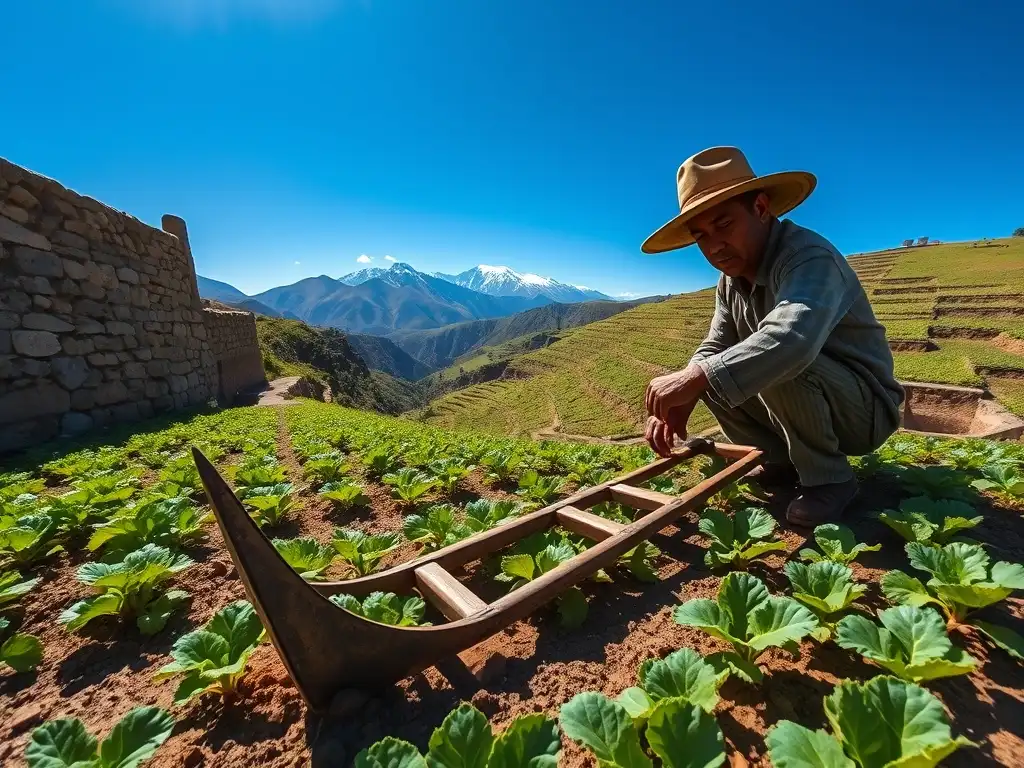
Uncover the secrets of a lost world where ingenuity blossomed in the heart of the Andes! Journey with us into the fascinating realm of Andean Civilizations, where advancements in agriculture and metallurgy intertwined in unexpected ways. Prepare to be amazed by the sophistication of Andean metal farming tools, a testament to the ingenuity of ancient cultures. Their innovative techniques will leave you questioning everything you thought you knew about ancient farming practices. Dive in and discover the surprising story of how metal shaped the fate of these remarkable civilizations.
The Andes Mountains, a spine of towering peaks and fertile valleys, nurtured some of the most sophisticated pre-Columbian civilizations in the Americas. While often lauded for their impressive architectural feats like Machu Picchu and their intricate textiles, the technological prowess of Andean societies is equally remarkable. This article delves into the crucial intersection of metallurgy and agriculture, exploring how the development of metalworking significantly impacted Andean farming practices and contributed to their societal success.
We will examine the types of metal tools employed, their impact on agricultural efficiency, and the overall societal implications of this technological advancement, focusing specifically on the keyword "Andean metal farming tools" and its various semantic variations. The mastery of metalworking, far from being a separate achievement, was intrinsically linked to the success of Andean agriculture, a cornerstone of their complex societies.
The Evolution of Andean Metalworking and its Agricultural Applications
The earliest evidence of metalworking in the Andes dates back to approximately 2000 BCE, initially utilizing copper and later incorporating alloys like bronze and gold. The development of these techniques wasn't a sudden leap but a gradual process of experimentation and refinement. Early metal tools were likely simple, perhaps limited to adornments or ceremonial objects.
However, as metallurgical skills advanced, the creation of practical agricultural implements became a reality. This transition marked a significant turning point, allowing for increased efficiency and productivity in farming. The shift from stone and wood tools to metal tools represented a considerable technological leap, allowing for more precise and efficient cultivation, harvesting, and processing of crops.
The transition wasn't uniform across all Andean cultures; the timing and extent of metal tool adoption varied depending on factors such as access to ore deposits, technological exchange between different groups, and the specific needs of their agricultural practices. We will explore the specific examples of metal tools used in farming across various Andean cultures, focusing on the impact of these innovations.
Specific Examples of Andean Metal Farming Tools
A range of specialized metal tools were developed to meet the diverse needs of Andean agriculture. These included:
- Adzes: Used for shaping wood, these were crucial for creating ploughs, irrigation channels, and other essential farming infrastructure.
- Knives and Sickles: Essential for harvesting crops like maize, potatoes, and quinoa. Metal blades provided a significant advantage over stone tools, offering greater sharpness and durability.
- Axes: Used for clearing land and felling trees for building and fuel.
- Ploughshares (where applicable): While the use of plows varied across Andean cultures, some societies did incorporate metal components into their ploughing systems, enhancing efficiency. Further research is needed to fully understand the extent of metal plow usage.
- Irrigation tools: Metal tools were likely used in the construction and maintenance of sophisticated irrigation systems, crucial for supporting intensive agriculture in the arid and semi-arid regions of the Andes. [Specific examples of metal tools used in irrigation pending].
This variety highlights the sophisticated level of metalworking achieved and its direct contribution to agricultural practices. The precision and durability of these metal tools allowed for more intensive cultivation and increased yields, supporting the growth of larger and more complex Andean societies.
The Societal Impact of Metal in Andean Agriculture
The introduction and widespread adoption of metal tools in Andean agriculture had profound societal consequences. Increased agricultural productivity led to:
- Larger populations: More efficient farming allowed for the support of larger and denser populations in Andean settlements.
- Specialized labor: The increased efficiency freed up labor, leading to the development of specialized crafts and other non-agricultural activities.
- Social stratification: Control over metal resources and the production of metal tools likely contributed to the development of social hierarchies and power structures within Andean societies.
- Trade and exchange: Metal tools and the raw materials needed for their production became important commodities, fostering trade networks and interactions between different Andean cultures.
The story of Andean metal farming tools is not just about technological advancements; it's a narrative of societal transformation. The mastery of metallurgy was inextricably linked to the success of Andean agriculture, shaping their cultural landscape, social structures, and economic systems. The impact of Andean metal farming tools resonates even today, highlighting the ingenuity and resourcefulness of these remarkable ancient civilizations.
- The Evolution of Andean Metalworking and its Agricultural Applications
- Specific Examples of Andean Metal Farming Tools
- The Societal Impact of Metal in Andean Agriculture
- The Significance of the Chaquitaclla: A Metal-Tipped Plow
- Metal Shovels and Spades: Enhancing Efficiency in Andean Agriculture
- The Use of Metal Sickles and Knives in Harvesting Andean Crops
- Metal Axes and Adzes for Land Preparation in the Andes
- Other Specialized Metal Implements for Andean Agricultural Tasks
- Sources of Metals for Andean Farming Implements
- Andean Metalworking Techniques for Agricultural Tool Production
- The Craftsmanship of Andean Metal Tool Makers
- The role of smelting in Andean metal tool production
- Copper alloys and their impact on tool durability
- Gold and silver in Andean agricultural contexts
- What role did metal play in Andean farming practices?
- What types of metal were primarily used in Andean farming tools?
- How did metal farming tools impact Andean agricultural techniques?
- Were metal tools only used by elites in Andean societies?
- How did the development of metalworking influence Andean agriculture?
The Dawn of Metal in Andean Agriculture
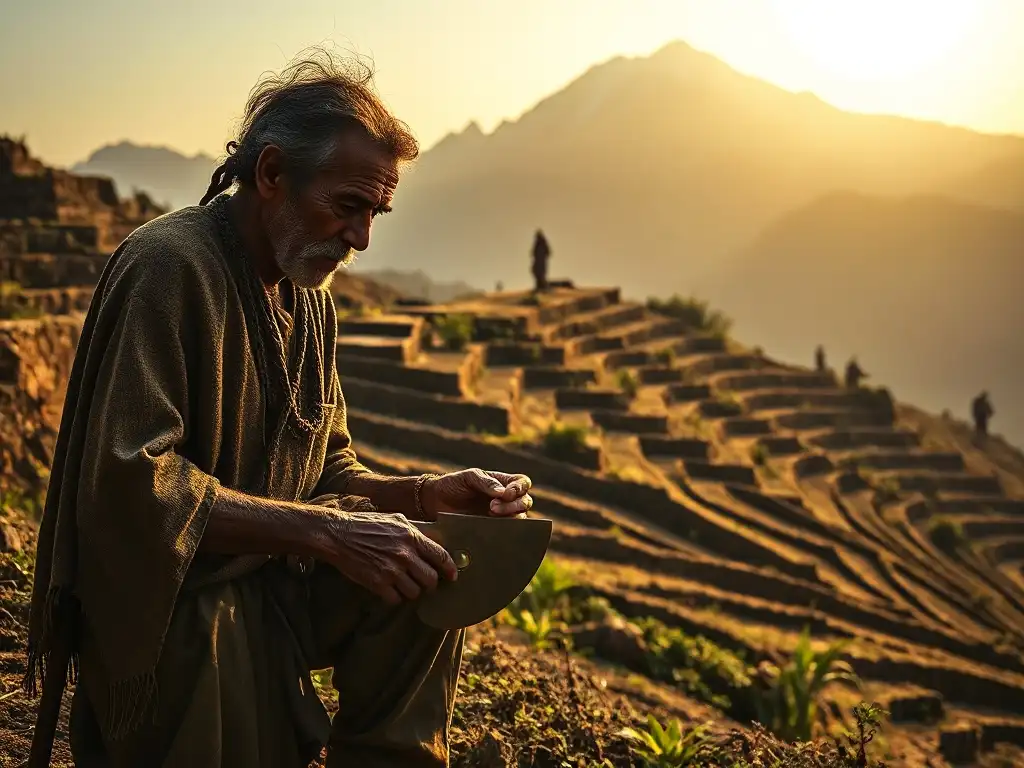
This section delves into the transformative impact of early metallurgy on Andean agricultural practices. Before the widespread adoption of metal tools, Andean farmers relied heavily on stone, bone, and wood implements for cultivating their crops. The transition to metal tools, however, marked a significant leap forward in agricultural efficiency and productivity, fundamentally altering the landscape of Andean farming.
This shift wasn't a sudden revolution but rather a gradual process of innovation and adaptation, spanning centuries and varying across different Andean cultures. Understanding this transition requires examining the evolution of metalworking techniques and their subsequent application in the agricultural sphere. The development of Andean metal farming tools significantly impacted the region's agricultural output and societal structures.
Early Andean Metalworking and its Impact on Farming
The earliest evidence of metalworking in the Andes dates back to the early centuries CE, with initial experimentation focusing primarily on gold and copper. These precious metals were initially used for adornment and ceremonial objects, reflecting their symbolic importance within Andean societies. However, the malleability of copper, in particular, lent itself to practical applications. Early copper tools, though rudimentary, offered a distinct advantage over their stone counterparts.
They were sharper, more durable, and required less effort to maintain. This is evidenced by archaeological discoveries of simple copper chisels, adzes, and knives from sites associated with early agricultural settlements. The impact of these early tools was gradual but substantial.
Farmers could now more efficiently clear land, till soil, and harvest crops, leading to increased yields and improved food security. The enhanced efficiency also allowed for the cultivation of larger areas, contributing to the growth and expansion of Andean settlements. While the scale of this early metal use in agriculture was limited by the availability of copper ore and the relative simplicity of the metalworking techniques, it laid the foundation for future technological advancements.
The Introduction of Bronze and Copper Tools in Andean Agriculture
The subsequent introduction of bronze alloys—a combination of copper and tin—marked another crucial step in the evolution of Andean metal farming tools. Bronze tools were significantly harder and more durable than pure copper implements, enabling even greater efficiency in agricultural tasks. Archaeological evidence suggests that bronze technology spread through the Andes relatively quickly, though the precise timeline and pathways of diffusion remain subjects of ongoing research. The increased availability and improved quality of metal tools led to a noticeable shift in agricultural practices.
More sophisticated tools, such as improved hoes and plows, allowed for deeper soil cultivation and more effective irrigation systems. This, in turn, facilitated the cultivation of a wider variety of crops and supported the development of more complex agricultural systems. The adoption of bronze tools also coincided with the rise of larger, more centralized Andean societies, suggesting a strong correlation between technological advancements in metallurgy and the growth of complex social structures.
The improved tools not only boosted food production but also contributed to the development of specialized labor and economic systems centered around agriculture. The impact of Andean metal farming tools extended far beyond the immediate agricultural realm, shaping the social, political, and economic landscapes of the region. Further research is needed to fully quantify the impact, but the available evidence strongly suggests a profound transformation.
Andean Metal Farming Tools: A Detailed Look
This section delves into the specific tools used in Andean agriculture, highlighting the crucial role of metallurgy in enhancing farming practices. The development of sophisticated metal tools significantly impacted the productivity and efficiency of Andean farming, contributing to the success of these remarkable civilizations. We will explore the key metal implements, examining their design, materials, and impact on agricultural techniques. Understanding the interplay between Andean metallurgy and agriculture provides crucial insights into the ingenuity and resourcefulness of these ancient cultures. The prevalence of "Andean metal farming tools" speaks volumes about their advanced technological capabilities.
The Significance of the Chaquitaclla: A Metal-Tipped Plow
The chaquitaclla, a foot-operated plow, stands as a testament to Andean ingenuity. While earlier versions were made from wood, the incorporation of metal significantly improved its effectiveness. The metal tip, often crafted from bronze or copper alloys, allowed for deeper and more efficient tilling of the often-challenging Andean terrain.
This resulted in increased soil aeration and better water retention, crucial factors in maximizing crop yields in the high-altitude environments. The durability of the metal tip also extended the lifespan of the tool, reducing the need for frequent replacements – a considerable advantage given the limited resources available. Archaeological evidence suggests a wide variety of chaquitacllas, with variations in size and metal composition possibly reflecting regional differences in soil type and agricultural practices.
The metal-tipped chaquitaclla exemplifies the symbiotic relationship between Andean metallurgy and agriculture, showcasing how technological advancements directly enhanced farming productivity. The impact of this seemingly simple tool on the development of Andean agriculture cannot be overstated.
Metal Shovels and Spades: Enhancing Efficiency in Andean Agriculture
Metal shovels and spades played a vital role in various aspects of Andean farming. Unlike their wooden counterparts, metal versions offered superior strength and durability, allowing farmers to handle heavier loads and tougher soil conditions with greater ease. These tools were essential for tasks such as digging irrigation canals, preparing seedbeds, and moving soil during planting and harvesting.
The use of bronze and later copper alloys in their construction provided a significant advantage over stone or wooden tools, increasing efficiency and reducing the labor required. The shapes and sizes of these tools likely varied depending on their intended use and the specific requirements of the terrain. For example, narrower spades might have been preferred for working in smaller fields or between rows of crops.
The widespread adoption of metal shovels and spades, as evidenced by numerous archaeological finds, underscores their importance in the overall success of Andean agricultural systems. The increased efficiency directly contributed to larger harvests and a more reliable food supply.
The Use of Metal Sickles and Knives in Harvesting Andean Crops
Metal sickles and knives revolutionized the harvesting of Andean crops. Before the widespread adoption of metal, harvesting relied on tools made from obsidian or other sharp stones. These were less durable and required more effort to use. The introduction of metal sickles, however, allowed for faster and more efficient harvesting of crops like maize, quinoa, and potatoes.
The curved blade of the sickle, often crafted from bronze or copper, facilitated a smooth cutting action, minimizing damage to the harvested crop and reducing the time and effort required. Similarly, metal knives were crucial for various post-harvest tasks, including processing and preparing food. The precision and sharpness of metal blades enabled more efficient processing of harvested crops, contributing to improved food preservation and storage.
The superior durability of these metal tools, compared to their predecessors, significantly reduced the need for frequent replacements, thereby conserving resources and enhancing overall agricultural efficiency. The widespread use of metal sickles and knives is a clear indicator of the advanced metallurgical capabilities of Andean civilizations and their profound impact on agricultural practices. The resulting increased yields likely played a crucial role in supporting the growing populations and complex social structures of these societies.
Metal Axes and Adzes for Land Preparation in the Andes
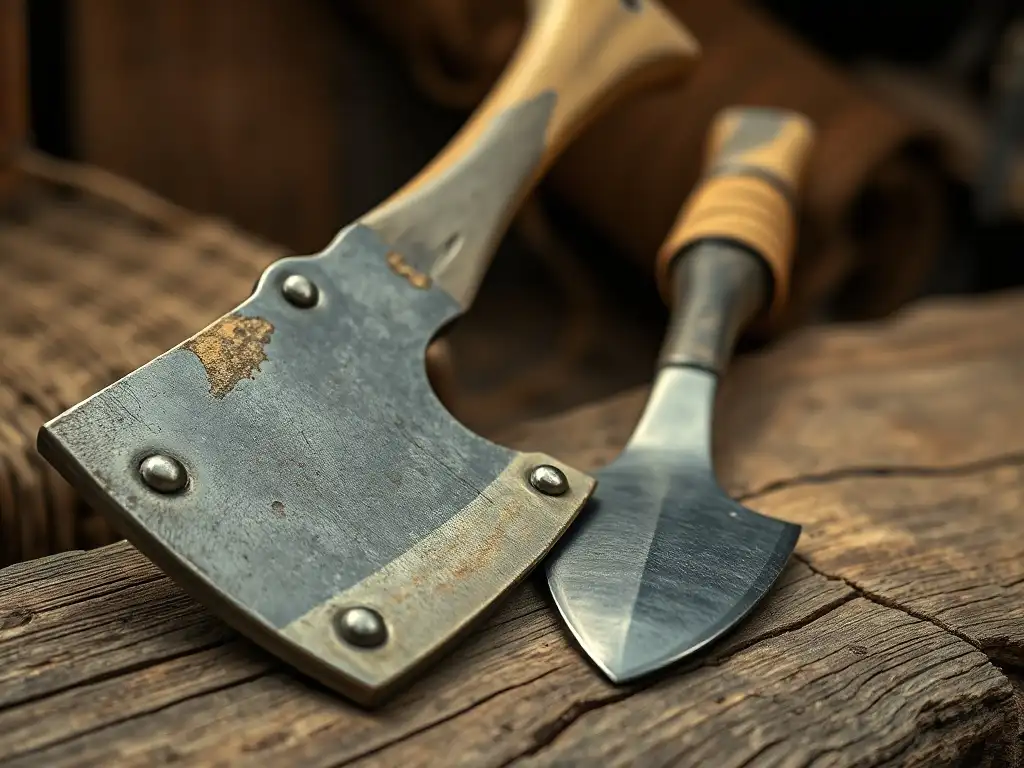
The development of metalworking in the Andes significantly impacted agricultural practices, particularly land preparation. Before the widespread adoption of metal tools, Andean farmers relied heavily on stone implements, a process that was undoubtedly laborious and time-consuming. The introduction of bronze, and later copper and even gold alloys, revolutionized this aspect of farming. Metal axes and adzes, sharper and more durable than their stone predecessors, allowed for more efficient clearing of forests and the preparation of fields for planting.
Archaeological evidence reveals a wide variety of shapes and sizes of these tools, reflecting regional variations and specialized uses. For example, some axes were designed for felling trees, while others were better suited for shaping wood or clearing undergrowth. The size and weight of these tools also varied, likely reflecting the terrain and the type of crops being cultivated. Larger, heavier axes would have been more effective in clearing dense forests, while smaller, lighter ones might have been preferred for more delicate work.
The increased efficiency offered by these metal tools likely contributed to increased agricultural productivity and supported the growth of larger, more complex Andean societies. The transition from stone to metal tools represents a key technological advancement that facilitated the expansion of Andean agriculture and significantly impacted the landscape itself. Studies of ancient Andean deforestation patterns, for instance, show a clear correlation between the adoption of metal tools and increased rates of forest clearance.
Other Specialized Metal Implements for Andean Agricultural Tasks
Beyond axes and adzes, Andean metallurgists crafted a range of specialized metal tools for various agricultural tasks. These included hoes, sickles, and even specialized tools for processing agricultural products. Metal hoes, for example, would have been crucial for tilling the soil and preparing seedbeds. Their durability and sharper edges compared to stone hoes would have significantly increased efficiency, allowing farmers to cultivate larger areas of land.
Similarly, metal sickles, used for harvesting crops like maize and quinoa, would have provided a considerable advantage over stone or obsidian blades. The sharper edges of metal sickles would have allowed for faster and more efficient harvesting, reducing labor costs and potentially increasing yields. Furthermore, the development of metal tools extended beyond the field itself. Archaeological finds reveal the existence of metal tools used for processing agricultural products after harvest.
These might include tools for threshing grain, removing husks from seeds, or even tools for preparing fibers from plants. The precise nature of these tools and their distribution across different Andean cultures remains an area of ongoing research, but their existence underscores the pervasive impact of metallurgy on all aspects of Andean agricultural life. The sophistication of these specialized tools demonstrates the advanced metallurgical skills of Andean societies and their ingenuity in adapting metalworking techniques to meet the diverse demands of agricultural production. The discovery of these tools in various archaeological contexts provides valuable insights into the complexity of Andean agricultural systems and their remarkable capacity for technological innovation.
How Andean Metal Tools Transformed Farming Practices
The development of metallurgy in the Andes significantly impacted agricultural practices, leading to increased efficiency, expanded cultivation, and improved soil management. Before the widespread adoption of metal tools, Andean farmers relied heavily on tools made from stone, bone, and wood. These were effective but limited in terms of durability and efficiency. The introduction of copper, bronze, and eventually gold and silver alloys revolutionized farming, enabling more intensive cultivation and higher yields.
This transition represents a crucial step in the evolution of Andean agriculture, impacting societal structures and the overall prosperity of these civilizations. The availability of stronger, sharper, and more durable metal tools allowed for a significant increase in agricultural output, directly contributing to population growth and societal complexity. Understanding this technological leap provides valuable insights into the ingenuity and adaptability of Andean cultures.
Increased Efficiency and Productivity with Metal Tools
The shift from stone to metal tools dramatically increased the efficiency of various farming tasks. Metal hoes, for example, were significantly more effective at tilling the soil than their stone counterparts. Their sharper edges allowed for deeper and more precise plowing, resulting in better seedbed preparation and increased crop yields.
This efficiency gain was particularly noticeable in the cultivation of challenging terrains, such as the steep slopes prevalent in the Andes. The stronger metal tools also withstood greater stress and wear, reducing the frequency of tool replacement and saving valuable labor. Studies of preserved metal tools show a clear increase in the quality and consistency of the tools over time, reflecting an improvement in metallurgical techniques and an understanding of the properties of different alloys.
The impact on productivity was substantial, allowing farmers to cultivate larger areas and produce more food with the same amount of labor. This surplus likely contributed to the development of specialized labor and the rise of complex social hierarchies. Furthermore, the improved efficiency freed up labor for other activities, such as construction, textile production, or metalworking itself, fostering economic diversification and growth.
Expansion of Cultivated Land Thanks to Metal Implements
The increased efficiency provided by Andean metal farming tools facilitated the expansion of cultivated land. Previously inaccessible or difficult-to-cultivate areas, such as steep hillsides and rocky terrain, became amenable to farming with the aid of stronger and more durable metal tools. Metal plows, for instance, allowed for deeper soil penetration, enabling the cultivation of previously unproductive land.
This expansion of arable land played a critical role in supporting larger and more densely populated settlements. The ability to cultivate more land was a major factor in the growth and prosperity of Andean civilizations. Archaeological evidence, including the discovery of extensive agricultural terraces and irrigation systems, demonstrates the scale of this expansion.
The systematic cultivation of previously marginal lands showcases the ingenuity and resourcefulness of Andean farmers in harnessing the potential of their environment. Metal tools weren't merely a technological advancement; they were a key catalyst in shaping the landscape and the trajectory of Andean societies. The expansion of cultivated land directly correlates with the increased availability and sophistication of metal tools.
Improving Soil Management with Andean Metal Agricultural Tools
Andean metal agricultural tools also contributed to improved soil management practices. The precise control offered by metal tools allowed for more careful tillage, reducing soil erosion and improving water retention. The development of specialized tools, such as metal-tipped digging sticks and improved hoes, facilitated more effective weed control and crop management.
These tools helped to maintain soil fertility and prevent depletion, leading to sustainable agricultural practices. The intricate relationship between metallurgy and agriculture in the Andes highlights a sophisticated understanding of both the environment and the properties of different metals. The careful selection of alloys and the design of the tools themselves reflect this understanding.
For example, the use of bronze, with its superior strength and durability compared to copper, significantly enhanced the longevity and effectiveness of farming implements. This attention to detail in tool production contributed to the long-term sustainability of Andean agricultural systems, ensuring food security for generations. The combined impact of metal tools on efficiency, land expansion, and soil management showcases the profound and lasting influence of metallurgy on the development of Andean civilizations.
The impact of metal tools on Andean crop diversity
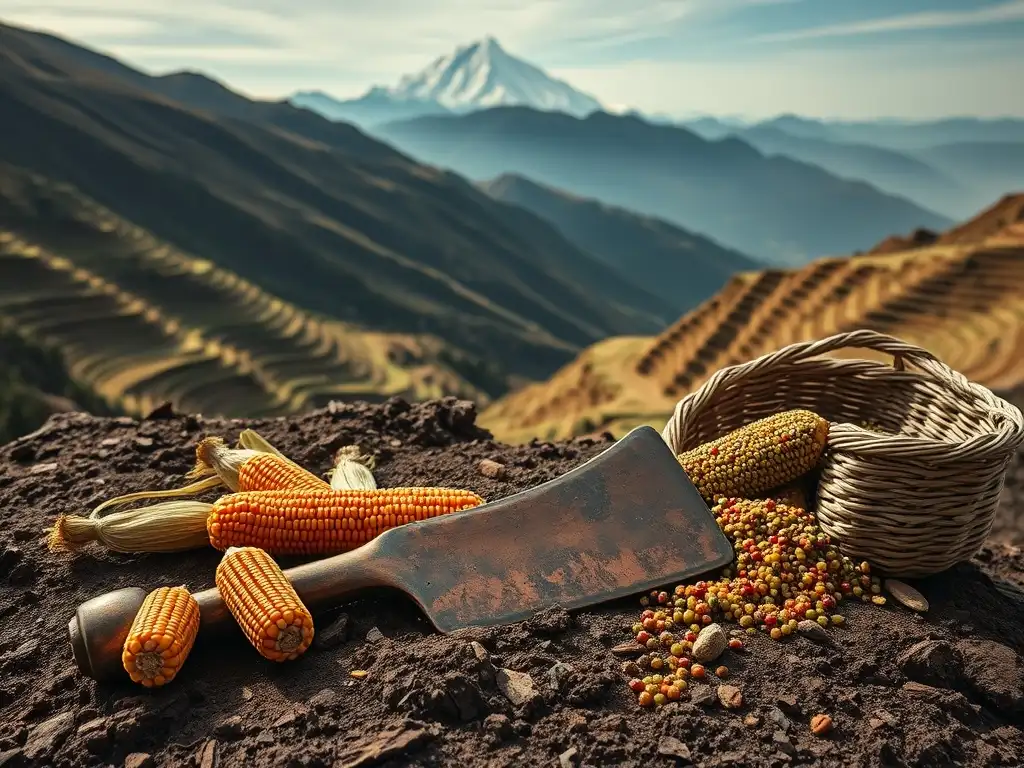
The introduction of metal tools into Andean farming practices significantly impacted crop diversity. Before the widespread adoption of metal implements, agricultural techniques relied heavily on stone and wood tools. These were less efficient, limiting the scale of farming operations and the types of crops that could be successfully cultivated. The laborious nature of tilling the land with stone tools likely favored the cultivation of hardy, easily-grown crops.
The arrival of bronze and later copper alloys, however, revolutionized the possibilities. Metal tools, such as adzes, hoes, and plows (where applicable depending on the specific Andean region and its terrain), allowed for more efficient land clearing, deeper plowing, and more precise planting. This increased efficiency led to the expansion of cultivated land and the ability to experiment with a wider variety of crops.
Evidence suggests that the increased agricultural productivity facilitated by metal tools contributed to a more diverse range of crops in the Andean diet. For example, the ability to more easily cultivate terraces allowed for the cultivation of crops at higher altitudes, previously inaccessible with stone tools. This expansion into diverse ecological niches facilitated the cultivation of a greater variety of crops adapted to different altitudes and climates.
The increased efficiency also allowed for more intensive farming techniques, such as crop rotation and irrigation systems, further enhancing crop diversity and yields. The improved tools allowed for finer manipulation of the soil, leading to better seed placement and increased germination rates, directly impacting crop yields and enabling experimentation with a wider array of crops.
How metal tools affected Andean agricultural labor
The shift from stone to metal tools in Andean agriculture profoundly altered labor practices. Stone tools, being less efficient, demanded significantly more time and human effort for the same amount of work. This meant larger workforces were needed, potentially impacting social structures and labor organization. Farming was likely a community effort, with large groups working together to clear land, plant, and harvest crops.
The introduction of metal tools significantly reduced the labor required for many farming tasks. A metal axe could fell a tree much faster than a stone one, and a metal hoe could till the soil more effectively, requiring less physical exertion. This had several consequences.
Firstly, it likely increased agricultural output per capita, freeing up labor for other activities such as pottery production, weaving, or construction. Secondly, it may have led to a shift in labor organization, potentially allowing for the specialization of labor and the emergence of more sophisticated agricultural techniques. The reduced need for massive communal labor for basic tasks might have contributed to the development of more complex social hierarchies and specialized roles within Andean societies.
However, it's important to note that the adoption of metal tools wasn't uniform across all Andean cultures. Access to metal and the skills to work it varied significantly, leading to uneven technological development across different regions and social groups. While metal tools undoubtedly improved efficiency, the impact on labor practices varied depending on factors like the specific tools available, the environment, and the existing social structures.
The transition wasn't a simple replacement, but rather a gradual process with varying levels of adoption and impact on different aspects of Andean agricultural life. Further research on specific Andean cultures and their adoption of metal tools is needed to provide a more complete picture of this complex transition.
The Materials and Techniques Behind Andean Metal Tools
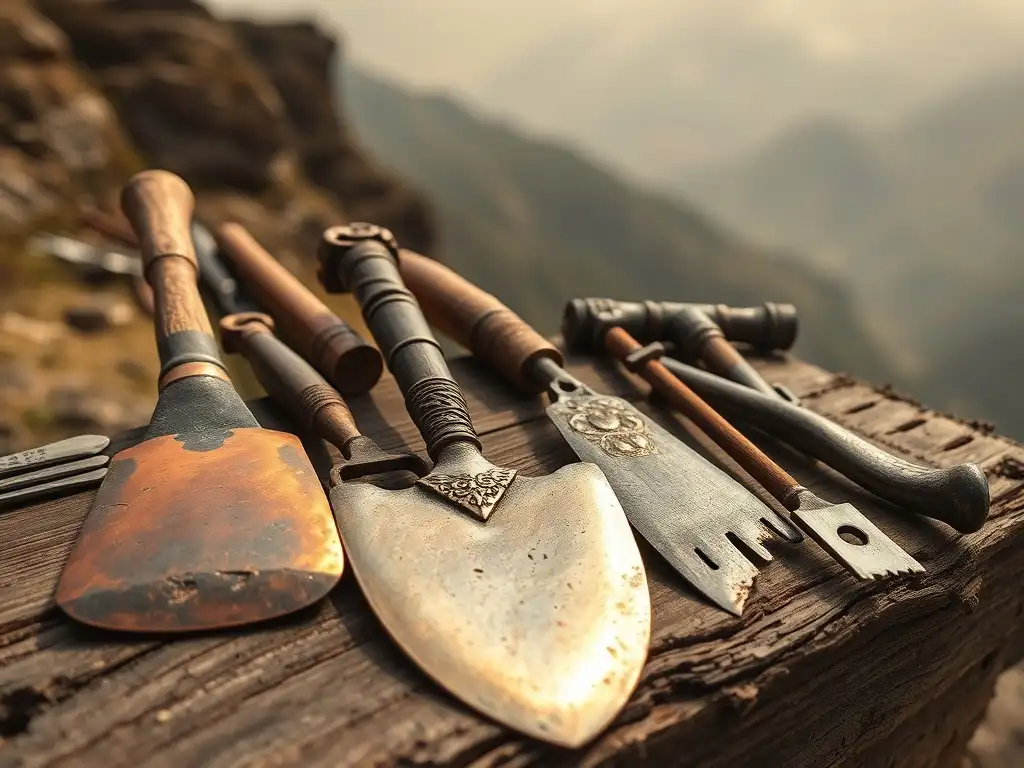
This section delves into the fascinating world of Andean metalworking, specifically focusing on the materials and techniques employed in crafting agricultural tools. Understanding these aspects is crucial to appreciating the ingenuity and sophistication of Andean metallurgy and its significant impact on their agricultural practices. The remarkable achievements in Andean metal farming tools demonstrate a high level of technological advancement, far surpassing the simplistic notions often associated with pre-Columbian societies.
Sources of Metals for Andean Farming Implements
The Andean region boasts a diverse geological landscape, providing access to various metal ores vital for tool production. Copper, arguably the most prevalent metal in Andean farming implements, was sourced primarily from deposits located in the Andes Mountains. These deposits, often found in high-altitude regions, required considerable effort to access and process. The extraction techniques, while rudimentary by modern standards, were remarkably effective, indicating a sophisticated understanding of mining and ore processing. Evidence suggests that both open-pit mining and underground shafts were employed, depending on the nature of the deposit.
Beyond copper, other metals like bronze (an alloy of copper and tin) and gold played a role, though less significantly in the creation of everyday farming tools. Tin, a crucial component of bronze, was less abundant than copper, and its sources remain a topic of ongoing research. The presence of bronze tools, however, highlights the Andean metallurgists' ability to manipulate metal alloys to achieve specific properties, such as increased strength and durability.
The use of gold, while less common for practical tools, underscores the symbolic and ritualistic importance of the metal within Andean society. The distribution of these metals varied geographically, influencing regional styles and techniques in metalworking. For example, coastal regions might have had easier access to certain ores, leading to variations in the composition of their tools compared to those from the highlands.
Andean Metalworking Techniques for Agricultural Tool Production
The creation of Andean metal farming tools involved a complex sequence of processes. The initial stage involved the extraction and processing of ores. This was followed by smelting, a process that involved heating the ore to high temperatures to extract the pure metal. This required sophisticated knowledge of metallurgy and the construction of specialized furnaces, often using charcoal as fuel. The smelted metal was then refined to remove impurities, further showcasing the high level of technical expertise.
Once refined, the metal was shaped using a variety of techniques, including hammering, casting, and annealing. Hammering involved repeatedly striking the metal to shape it, a labor-intensive process requiring considerable skill and precision. Casting involved pouring molten metal into molds, a technique that enabled the creation of more complex shapes. Annealing, a heat-treating process, was used to improve the metal's malleability and strength.
These techniques were not used in isolation; rather, they were often combined to produce tools of exceptional quality and design. For instance, a tool might have been cast initially and then refined further by hammering to achieve its final form. Detailed analysis of surviving tools reveals the masterful control Andean metallurgists had over these processes, allowing them to create tools that were both functional and aesthetically pleasing.
The Craftsmanship of Andean Metal Tool Makers
The creation of Andean metal farming tools was not merely a technological feat; it was a testament to the skill and artistry of the Andean metalworkers. These individuals, often specialized artisans, possessed a deep understanding of metallurgy, material properties, and tool design. Their work wasn't solely functional; it often incorporated decorative elements, reflecting the cultural and aesthetic values of their societies. Intricate designs, symbolic motifs, and polished surfaces are common features of surviving tools, suggesting a high level of artistic skill. The tools were not just instruments of labor but also objects of cultural significance.
The organization of metalworking likely involved specialized workshops and a division of labor. Evidence suggests that certain communities might have specialized in specific aspects of the process, such as ore extraction, smelting, or shaping. This division of labor facilitated efficiency and allowed for the production of high-quality tools on a larger scale.
The transfer of knowledge and skills across generations was crucial for maintaining and advancing metalworking practices. The level of craftsmanship evident in surviving Andean metal farming tools points towards a robust system of apprenticeship and knowledge transmission, ensuring the continuity of this vital craft for centuries. The legacy of these skilled artisans continues to inspire awe and admiration for their mastery of metalworking and its crucial role in the development of Andean agriculture.
The role of smelting in Andean metal tool production
Smelting played a crucial role in the production of Andean metal farming tools. The process, which involved heating ores to extract the desired metal, was not a simple undertaking. Andean metallurgists, often working in specialized workshops, developed sophisticated techniques adapted to the available resources and the specific metal being processed. For example, copper, a readily available metal in the Andes, required different smelting temperatures and techniques compared to the more challenging extraction of gold or silver.
The precise methods varied across different Andean cultures and time periods, reflecting regional variations in ore composition and technological advancements. Archaeological evidence reveals the use of various furnaces, ranging from simple hearths to more complex structures capable of achieving higher temperatures. The fuel sources, often charcoal or other readily available organic materials, also influenced the smelting process and the final quality of the metal. Controlling the temperature and airflow within these furnaces required considerable skill and experience, passed down through generations of Andean metallurgists.
The quality of the resulting metal directly impacted the durability and effectiveness of the tools produced, highlighting the importance of mastering this fundamental metallurgical process. The development of more efficient smelting techniques likely contributed significantly to the increased production and widespread use of metal tools in Andean agriculture. Further research into specific smelting techniques employed by different Andean cultures continues to reveal the ingenuity and complexity of their metallurgical practices. For instance, the use of specific fluxes to help in the separation of the metal from its ore, or the development of techniques to refine the metal further improving its properties are examples of the refined nature of Andean smelting practices.
Copper alloys and their impact on tool durability
The use of copper alloys, particularly bronze (an alloy of copper and tin), significantly improved the durability and effectiveness of Andean farming tools. Pure copper, while relatively easy to work with, lacked the strength and hardness needed for some agricultural tasks. The addition of tin to copper, through alloying, created bronze, a material significantly harder and more resistant to wear and tear. This was particularly important for tools subjected to constant use and potential damage, such as ploughshares, hoes, and axes used in tilling the land and clearing vegetation.
The precise proportions of copper and tin varied depending on the desired properties of the final product, reflecting a sophisticated understanding of metallurgy. Archaeological analysis of Andean tools reveals a wide range of bronze compositions, suggesting experimentation and adaptation to specific needs and available resources. The increased durability of bronze tools translated directly into increased efficiency in agricultural practices, allowing for more effective land cultivation and higher crop yields.
The development and widespread adoption of bronze technology marked a significant advancement in Andean metallurgy and had a profound impact on agricultural productivity and societal development. This technological leap likely contributed to the growth and complexity of Andean societies, allowing for the support of larger populations and the development of more sophisticated agricultural systems. The transition from primarily stone tools to bronze tools represents a key step in the technological evolution of Andean civilizations.
Gold and silver in Andean agricultural contexts
While gold and silver were not as commonly used as copper and bronze in the production of everyday farming tools, these precious metals did hold significant cultural and symbolic value within Andean societies. Their use in agricultural contexts, though less prevalent for functional tools, often served ceremonial or ritualistic purposes. For example, small gold or silver ornaments might have been attached to tools or incorporated into ceremonial objects related to agricultural practices.
This suggests that these precious metals played a role in reinforcing the spiritual and symbolic importance of agriculture within Andean cultures. The meticulous craftsmanship evident in these gold and silver artifacts highlights the sophisticated skills of Andean metallurgists, even when working with these more challenging materials. The rarity and value of gold and silver further emphasize their significance in Andean society, representing power, status, and connection to the supernatural.
While their practical application in farming was limited compared to copper and bronze, their ceremonial role underscores the deep integration of metallurgy and agriculture within Andean worldview and social structures. Further research into the context of discovery of these precious metal artifacts associated with farming practices could illuminate the specific rituals and beliefs associated with agricultural production and the role of these metals in those practices.
Regional Variations in Andean Metal Farming Tools
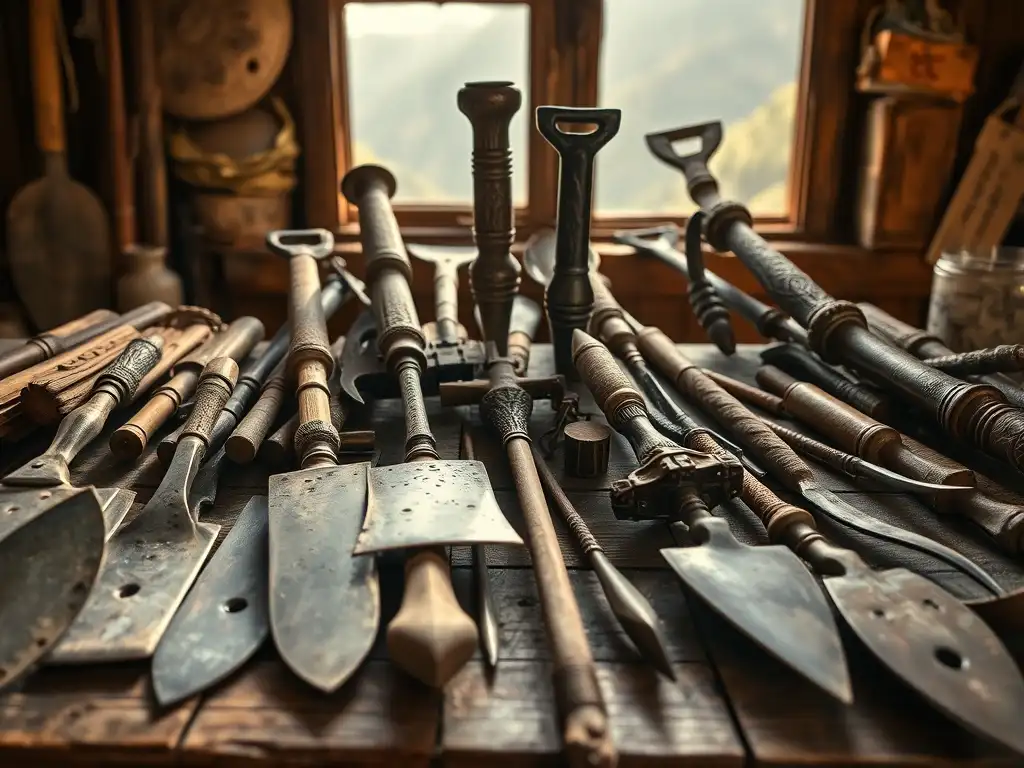
This section delves into the fascinating diversity of Andean metal farming tools, highlighting the significant regional variations in design and function. Understanding these differences is crucial to appreciating the ingenuity and adaptability of Andean metallurgists and farmers. The Andean region, with its varied climates and terrains, fostered a rich tapestry of agricultural practices, each reflected in the specific tools employed. The term "Andean metal farming tools" itself encompasses a broad spectrum of implements, demonstrating the sophisticated level of metallurgical skill achieved across different Andean cultures.
Differences in Metal Tool Designs Across Andean Cultures
The designs of Andean metal farming tools weren't uniform across the vast Andean region. Significant variations existed between cultures, reflecting distinct agricultural practices and readily available resources. For example, the Incas, known for their advanced agricultural techniques and extensive empire, utilized a wide range of tools including sophisticated irrigation systems and specialized plows.
These tools, often made from bronze and copper alloys, show a higher level of standardization compared to those found in other cultures. In contrast, the Moche culture, famed for its intricate metalwork and elaborate iconography, produced tools that were often more artistically decorated, albeit perhaps less standardized in their design. Their tools, primarily made of copper and gold, frequently featured intricate designs reflecting their rich mythology and artistic sensibilities.
The Nazca, renowned for their geoglyphs and sophisticated irrigation systems, likely employed tools adapted to the arid coastal environment. While specific examples of Nazca metal farming tools are less abundant compared to those of other cultures, existing evidence suggests a focus on durability and efficiency given the challenging conditions. Further research is needed to fully understand the nuances of Nazca metal tool design and their correlation to their unique agricultural strategies.
The influence of local landscapes on Andean metal tool types
The diverse landscapes of the Andes profoundly impacted the types of metal farming tools developed and used. High-altitude regions, characterized by steep slopes and challenging terrain, necessitated the development of tools suited for cultivating small plots of land. These tools often featured smaller, more manageable sizes and shapes compared to those used in the lower, more fertile valleys.
The availability of specific ores also influenced the types of metals used. For example, areas rich in copper deposits saw the prevalence of copper tools, while regions with more readily available tin might have produced more bronze implements. The type of soil also played a role.
Tools used in rocky, mountainous regions were often designed for greater durability and strength to withstand the harsh conditions, whereas those employed in softer, more fertile valleys might have prioritized efficiency over sheer strength. This interplay between environment and tool design underscores the adaptive nature of Andean metallurgy and its close relationship with the agricultural needs of the region. Analyzing the metallurgical composition of tools alongside their geographic origin provides crucial insights into this complex relationship.
The evolution of Andean metal tools over time
The evolution of Andean metal farming tools reflects a continuous process of innovation and adaptation over centuries. Early Andean metalwork, characterized by the use of hammered copper, gradually progressed to more sophisticated techniques, including casting and alloying. The introduction of bronze, a stronger and more durable alloy than pure copper, marked a significant advancement, allowing for the creation of more complex and efficient tools. This technological leap significantly improved agricultural productivity.
The development of specialized tools, such as adzes and hoes, further enhanced agricultural practices. Over time, there was a clear shift toward greater standardization in tool designs, particularly within larger empires like the Inca. This suggests a more organized and centralized system of production and distribution.
However, regional variations persisted, highlighting the ongoing adaptation of tool designs to meet the specific needs of different environments and agricultural practices. Further research into the dating of discovered artifacts is crucial to fully map the timeline of this technological evolution and refine our understanding of the Andean metallurgical advancements. The study of Andean metal farming tools offers a captivating glimpse into the dynamic interplay between technology, environment, and societal development in the Andes.
The Legacy of Andean Metal Farming Tools
The ingenuity of Andean civilizations extended far beyond their impressive architectural feats and intricate textiles. Their mastery of metallurgy played a crucial role in shaping their agricultural practices, resulting in innovative farming tools that significantly boosted crop yields and shaped their societies. From the pre-Inca cultures to the Inca Empire, the development and refinement of metal tools demonstrate a deep understanding of both metallurgy and agriculture, a testament to their technological prowess and adaptability to diverse Andean environments.
The impact of these tools is still felt today, showcasing the enduring legacy of Andean ingenuity in the field of agriculture. The term "Andean metal farming tools" itself encapsulates the unique interplay between these two vital aspects of Andean life.
The Continued Importance of Traditional Andean Agricultural Practices
Many traditional Andean farming practices, deeply intertwined with the use of metal tools (though perhaps now often modernized versions), persist in the Andes today. Communities continue to utilize techniques passed down through generations, demonstrating the enduring relevance of these ancient technologies. For instance, the chaquitaclla, a foot-powered plow made of metal (often now steel rather than bronze or copper), remains a vital tool in many areas, particularly in mountainous terrain where larger machinery is impractical.
Its efficiency in preparing the soil for planting, combined with its adaptability to small plots, ensures its continued use. Similarly, metal hoes, adapted over time to suit different crops and soil types, are still widely employed, demonstrating the adaptability and practicality of these tools.
The continued use of these tools not only reflects a deep-rooted connection to ancestral traditions but also underscores their practical value in modern-day agriculture. The preservation and adaptation of these techniques highlight the resilience of Andean agricultural knowledge and the enduring significance of Andean metal farming tools.
Modern Applications and Relevance of Andean Metal Farming Technology
While modern agricultural technology has made significant inroads in many parts of the world, the principles behind Andean metal farming tools continue to offer valuable lessons for sustainable and efficient agriculture. The design of many traditional tools, such as the chaquitaclla, emphasizes minimal soil disturbance, reducing erosion and promoting soil health – principles now championed in modern sustainable agriculture practices.
The adaptability of these tools to diverse terrains and crop types also offers insights into designing more versatile and context-specific farming equipment. Furthermore, the use of locally sourced metals in the past highlights the importance of considering the environmental impact of agricultural technology, a concern increasingly important in today's world.
Studying the design, materials, and techniques used in creating Andean metal farming tools can thus provide valuable inspiration and insights for developing more environmentally friendly and efficient agricultural technologies. The study of “Andean metal farming tools” offers a rich source of innovation for the future of agriculture.
The cultural significance of Andean metal tools in agriculture
Beyond their practical applications, Andean metal farming tools hold significant cultural importance. They represent not only technological achievement but also a deep connection to the land and ancestral heritage. The crafting of these tools was often a communal activity, reinforcing social bonds and transmitting knowledge across generations.
The tools themselves frequently featured intricate designs and symbolic elements, reflecting the spiritual and cosmological beliefs of the Andean people. In many communities, the creation and use of these tools remain linked to rituals and ceremonies, further highlighting their cultural significance. The preservation and celebration of these traditions are essential for safeguarding Andean cultural heritage and recognizing the profound connection between Andean metal farming tools and their rich cultural identity.
The study and appreciation of these tools offer a glimpse into the intricate tapestry of Andean culture and its enduring relationship with the land. The legacy of "Andean metal farming tools" is thus not merely technological; it is deeply embedded within the cultural fabric of Andean societies.
Preserving the knowledge of Andean metal farming
The remarkable ingenuity of Andean metalworkers in crafting agricultural tools is a testament to their deep understanding of both metallurgy and farming. However, much of this knowledge was passed down orally through generations, and the Spanish conquest significantly disrupted these traditions. Many techniques were lost, and existing artifacts often lack detailed accompanying documentation. Therefore, preserving this knowledge requires a multi-faceted approach. Archaeological excavations continue to unearth valuable tools and remnants of workshops, offering glimpses into lost techniques.
Careful analysis of these finds, including metallurgical studies of the alloys used and the examination of tool wear patterns, allows researchers to piece together the processes employed. This painstaking work is complemented by ethnoarchaeological studies, which involve observing contemporary Andean communities who still practice traditional farming methods, albeit with modern tools. By comparing traditional techniques with the archaeological evidence, researchers can gain a deeper understanding of the evolution of Andean metalworking in agriculture. Furthermore, museums and research institutions play a crucial role in preserving artifacts and making them accessible to scholars and the public.
Digital archives and 3D modeling are increasingly used to document and disseminate this information, ensuring the legacy of Andean metal farming tools is not only preserved but also shared with future generations. The collaborative effort involving archaeologists, metallurgists, anthropologists, and local communities is essential for a comprehensive understanding and preservation of this rich cultural heritage. The long-term goal is to create a complete and accessible archive that both respects the cultural significance of these tools and makes their knowledge applicable to modern agricultural studies and potentially even innovations. This holistic approach ensures that the ingenuity of Andean metalworkers is not only remembered but also inspires future generations.
Frequently Asked Questions
What role did metal play in Andean farming practices?
Andean civilizations, like the Inca, Moche, and Nazca, utilized metal tools extensively in agriculture. These tools, including plows and irrigation implements, significantly improved farming efficiency and crop yields.
What types of metal were primarily used in Andean farming tools?
The most common metals were copper, bronze, and gold, although the use varied across different cultures and time periods. Copper alloys were particularly important due to their strength and durability.
How did metal farming tools impact Andean agricultural techniques?
Metal tools allowed for more efficient land cultivation and improved irrigation systems. This led to increased food production, supporting larger populations and more complex societies.
Were metal tools only used by elites in Andean societies?
While elite members may have possessed finer or more decorative tools, metal tools were used across various social strata, indicating their importance in everyday agricultural life.
How did the development of metalworking influence Andean agriculture?
The mastery of metallurgy was crucial to the development of advanced agricultural techniques in the Andes. The creation of durable and effective metal tools was a key factor in the success of Andean farming.
Final Reflection: Forging a Future from the Past: Andean Metal and Agricultural Legacy
The ingenious use of metal in Andean agriculture wasn't merely a technological advancement; it was a profound cultural shift that continues to resonate today. The sophisticated techniques employed in crafting tools, from intricate irrigation systems to finely honed plows, demonstrate a deep understanding of both metallurgy and the delicate balance of the Andean ecosystem. This legacy, far from being a relic of the past, offers valuable lessons for sustainable agricultural practices in the face of modern challenges.
The enduring impact of Andean metalworking on farming practices is undeniable. It shaped not only the landscape but also the social structures and cultural beliefs of the Andean people. The intricate designs and the sheer artistry involved in creating these tools speak to a reverence for both the land and the craft itself. The earth provides; the craftsman refines.
This unspoken principle, embedded in the very fabric of Andean metalwork, highlights the symbiotic relationship between human ingenuity and the natural world – a relationship we must strive to re-establish in our own time.
Consider the ingenuity of these ancient farmers, their innovative solutions to the challenges of their environment. Their mastery of metal, their deep understanding of their land, and their sustainable practices offer a powerful example for us today. You too can find inspiration in their legacy. Examine your own relationship with the environment, consider the tools you use, and reflect on how you can cultivate a more sustainable and respectful approach to agriculture and resource management. Let the echoes of Andean ingenuity inspire you to forge a brighter, more sustainable future.
Unveil the Power of Metal in Your Farming Practices!
Thank you for exploring the fascinating connection between metallurgy and agriculture in Andean farming practices. You've gained valuable insights into how these ancient techniques can inspire modern agricultural methods! Now, it’s time to put that knowledge to work.
Here are some ways to incorporate these insights into your farming:
- **Experiment with traditional Andean metal tools** and discover how they can boost your yields and efficiency.
- Connect with other farmers—**join a local farming cooperative or online forum**—to share your experiences with metal tools and learn from others' successes and challenges.
- **Visit a historical agricultural site or museum** to see ancient methods and tools firsthand. This can provide valuable inspiration for innovative approaches to modern farming.
How will you adapt these ancient techniques to improve your own farming practices? We'd love to hear your ideas!