
The Shadow of Atahualpa: Inca Emperor's Rise and Tragic Fall


Step into a world lost to time, yet echoing with power and mystery. The Andean Civilizations website unveils the captivating stories of empires built on ingenuity and ambition. But what truly sealed the fate of the mighty Inca Empire? Discover the untold story behind Atahualpa Inca Emperor's downfall, a tale of betrayal, conquest, and the shattering of a golden age. Unravel the enigma and delve into the rich tapestry of Andean history – your journey starts now.
- Atahualpa: The Inca Emperor's Rise and Tragic Downfall
- The Inca Empire Before Atahualpa: A Context of Power
- Atahualpa's Ascent to Power: A Brief Period of Triumph
- The Arrival of the Spanish Conquistadors: A Turning Point
- Atahualpa's Imprisonment and the Ransom of Gold
- The Trial and Execution of Atahualpa: The Inca Empire's Collapse
- The Legacy of Atahualpa: A Symbol of Resistance and Tragedy
- Analyzing Atahualpa's Downfall: Factors Contributing to the Tragedy
- Atahualpa Inca Emperor Downfall: A Final Reflection
- Frequently Asked Questions
- Final Reflection: Echoes of Atahualpa: Legacy of an Empire Lost
- Uncover the Legacy of Atahualpa Today!
Atahualpa: The Inca Emperor's Rise and Tragic Downfall
The dramatic life and untimely death of Atahualpa, the last Sapa Inca to rule a unified Inca Empire before the Spanish conquest, remains one of the most compelling narratives in Andean history. His reign, though brief, was marked by both significant internal power struggles and the cataclysmic encounter with the conquistadors, forever shaping the destiny of the Inca civilization. This exploration delves into the key events surrounding Atahualpa’s rise to power, his controversial rule, and the ultimately tragic circumstances of his downfall, examining the complex interplay of political ambition, cultural clashes, and the devastating impact of European colonization.
Understanding Atahualpa's story is crucial to grasping the full scope of the Inca Empire's collapse and the enduring legacy of this pivotal figure in Andean history. The keyword "Atahualpa Inca Emperor downfall" will be explored throughout this article, providing comprehensive insight into this fascinating and tragic period.
Atahualpa's Ascent to Power: A Legacy of Intrigue and Civil War
Atahualpa's path to the Inca throne was far from straightforward. He was the son of Huayna Capac, the powerful Inca emperor who presided over a vast and prosperous empire. However, Huayna Capac's unexpected death from a smallpox epidemic in 1527 triggered a brutal succession crisis.
The empire, already facing internal tensions and a potential vulnerability to external threats, was plunged into a devastating civil war. Atahualpa, initially given control of the northern provinces, found himself locked in a fierce power struggle with his half-brother Huáscar, who had initially claimed the throne. This conflict involved extensive military campaigns, devastating battles, and the significant weakening of the Inca Empire's infrastructure and military strength.
The strategic brilliance of Atahualpa's military tactics and his ability to secure key alliances proved decisive, ultimately leading to his victory over Huáscar and his ascension to the Inca throne in 1532. This victory, however, came at a tremendous cost, leaving the empire fractured and vulnerable just as the Spanish conquistadors arrived on the scene.
The Encounter with Pizarro: A Clash of Worlds
The arrival of Francisco Pizarro and his relatively small Spanish force in 1532 marked a turning point not only in Atahualpa's life but in the history of the Inca Empire. Atahualpa, initially underestimating the Spanish capabilities, engaged in negotiations and even displays of Inca military might. However, Pizarro skillfully exploited the internal divisions within the Inca Empire, utilizing tactics of deception and superior weaponry. The infamous Battle of Cajamarca in November 1532 saw the Inca army decisively defeated through a carefully planned ambush. Atahualpa himself was captured, marking a pivotal moment that effectively sealed the fate of the Inca Empire. The sheer disparity in military technology and the betrayal of Inca allies played a crucial role in this devastating defeat. The subsequent events, including the infamous ransom offered by Atahualpa and his eventual execution, tragically highlight the vulnerability of a once-mighty empire confronting an unfamiliar and vastly superior military force.
The Legacy of Atahualpa: A Symbol of Resistance and Tragedy
Despite his short reign and tragic end, Atahualpa's legacy remains complex and multifaceted. He is remembered not only for his role in the Inca civil war and his capture by the Spanish, but also as a symbol of Inca resistance against colonial rule.
His story continues to resonate deeply within Andean cultures, serving as a powerful reminder of the devastating consequences of conquest and the resilience of indigenous peoples. His life serves as a case study of the complexities of power, the fragility of empires, and the enduring impact of colonialism on Andean societies.
The events surrounding his reign and death continue to inspire historical analysis, artistic expression, and ongoing efforts to understand the profound changes that swept through the Andes with the arrival of the Europeans. The enduring fascination with Atahualpa's story underscores his significance as a pivotal figure in the broader narrative of the Inca Empire's rise and fall.
The Inca Empire Before Atahualpa: A Context of Power
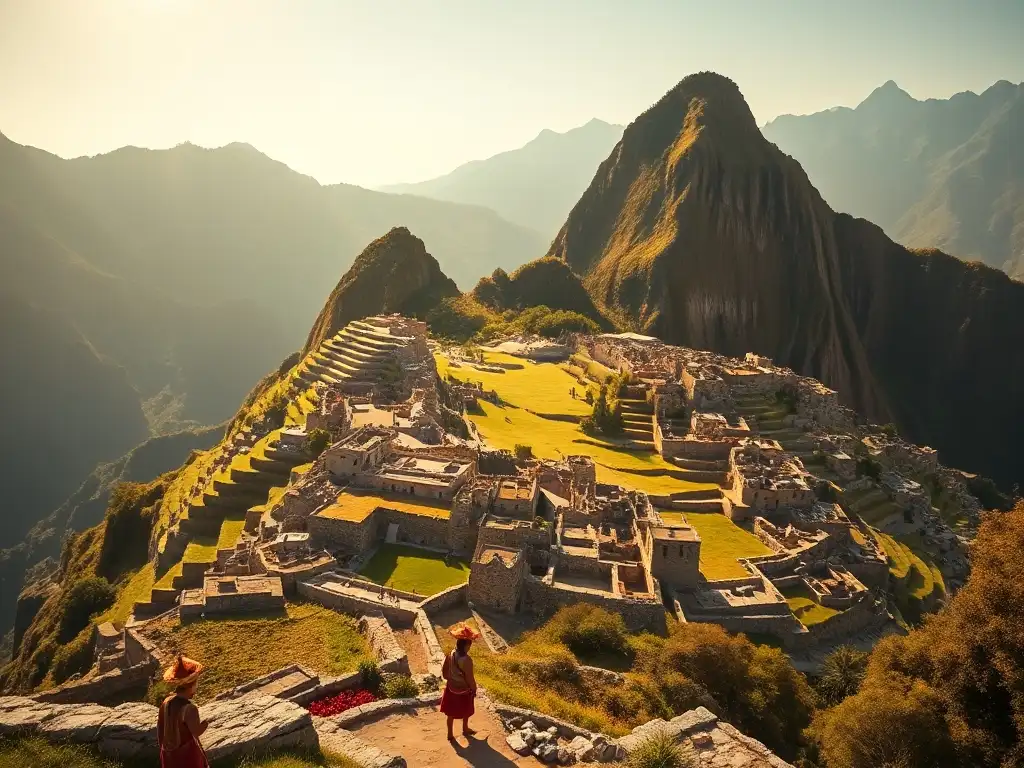
The dramatic downfall of Atahualpa, the last independent Sapa Inca, cannot be understood without examining the political landscape of the Inca Empire preceding his reign. The empire, at its zenith under Huayna Capac, was a vast and complex entity, stretching along the Andes Mountains from present-day Colombia to Chile. Its sophisticated administrative system, intricate road network, and powerful military force were crucial factors in its expansion and, ultimately, its vulnerability.
The seeds of Atahualpa's rise and tragic fall were sown in the years leading up to his ascension to the throne, a period marked by both unprecedented growth and simmering internal tensions. This period laid the groundwork for the events that would culminate in the Spanish conquest and the shattering of the Inca world.
Understanding this context is crucial to grasping the full significance of Atahualpa's story. The stability and power of the empire, seemingly unshakeable, proved to be a fragile facade masking deep-seated vulnerabilities.
The Reign of Huayna Capac and the Division of the Inca Empire
Huayna Capac, Atahualpa's father, reigned for approximately two decades, overseeing a period of significant territorial expansion. His reign witnessed the incorporation of new territories and populations into the Inca system, stretching the administrative capabilities of the empire to their limits. This expansion, however, also created new challenges.
The vast distances, diverse cultures, and logistical difficulties of managing such a large and diverse empire began to strain the Inca infrastructure. Huayna Capac attempted to address these challenges through administrative reforms and the construction of new infrastructure, including roads and storehouses. However, his death in 1527, possibly from smallpox, precipitated a devastating crisis.
His death, shrouded in some mystery, left the empire without a clear successor, sparking a brutal civil war that fractured the Inca state and weakened it significantly before the arrival of Pizarro. The division of the empire, largely along geographical lines, between Huáscar and Atahualpa, played a crucial role in the ultimate demise of the Inca Empire. The lack of a clear succession plan exacerbated existing tensions, providing a fertile ground for conflict and ultimately paving the way for the Spanish conquest.
The Inca Civil War: Huascar vs. Atahualpa
The death of Huayna Capac plunged the Inca Empire into a devastating civil war between his two sons, Huáscar and Atahualpa. Huáscar, initially declared heir, controlled the central and southern parts of the empire, while Atahualpa, favored by many in the northern provinces, challenged his brother's authority. The conflict was brutal, characterized by fierce battles and shifting alliances.
Atahualpa, demonstrating superior military strategy and leadership, gradually gained the upper hand. His army, better equipped and more experienced in warfare, systematically defeated Huáscar's forces. This conflict, lasting several years, severely weakened the Inca military and political structures, leaving the empire vulnerable to external threats.
The civil war depleted resources, devastated infrastructure, and fractured the loyalties of the Inca nobility. The sheer brutality of the conflict, with its widespread bloodshed and destruction, severely weakened the empire's capacity to resist the Spanish invaders who arrived shortly after Atahualpa's victory. The internal strife created a power vacuum and a climate of instability that proved disastrous.
Atahualpa's Claim to the Throne: Early Life and Military Prowess
Atahualpa's early life is shrouded in some mystery, although it is clear that he was raised within the imperial court and received a privileged education. Accounts suggest he possessed exceptional military skills and leadership qualities from a young age. His strategic acumen and charisma were critical in his rise to power.
His military victories against his brother, Huáscar, were not merely brute force; they were demonstrations of tactical brilliance and an ability to inspire loyalty amongst his troops. This military prowess was instrumental in his claim to the throne, effectively showcasing his capabilities to the Inca nobility and consolidating his power base. However, this same military strength, focused initially on internal conflict, proved ultimately insufficient against the technologically superior Spanish conquistadors, who exploited the weakened state of the empire.
The irony is that Atahualpa's military success in the civil war inadvertently paved the way for his own downfall. His rise to power, fueled by military strength and political maneuvering, ironically became the catalyst for the demise of the Inca Empire. The focus on internal conflict, neglecting the potential external threats, proved to be a fatal strategic error.
Atahualpa's Ascent to Power: A Brief Period of Triumph
Atahualpa's relatively short reign as Sapa Inca was marked by both swift military success and ultimately, catastrophic failure. His rise to power was a brutal civil war, a conflict that tore the Inca Empire apart and paved the way for its eventual conquest by the Spanish. Understanding Atahualpa's ascent is crucial to understanding his downfall, a narrative that resonates strongly with the concept of "Atahualpa Inca Emperor downfall".
Atahualpa's Military Victories over Huascar's Forces
The Inca civil war, pitting Atahualpa against his half-brother Huáscar, was a bloody affair. Huáscar, the legitimate heir according to Inca tradition, initially held the advantage, controlling the heartland of the empire. However, Atahualpa, possessing superior military strategy and a more disciplined army, gradually gained the upper hand. His forces, composed of loyal Quechua soldiers and skilled warriors from conquered territories, utilized innovative tactics.
Key battles, like the one at Quipaipan, saw Atahualpa's army decisively defeat Huáscar's forces, demonstrating superior organization and the effective use of weaponry such as slings and spears. These victories weren't solely due to brute force; Atahualpa's shrewd alliances and effective propaganda also played significant roles in bolstering his support base and demoralizing his opponent's troops. The meticulous planning and execution of his military campaigns highlight his strategic acumen, a fact often overlooked in narratives focused solely on the "Atahualpa Inca Emperor downfall."
The Capture of Huascar and Atahualpa's Consolidation of Power
The capture of Huáscar marked a turning point in the conflict. The exact details remain debated by historians, but the outcome was undeniable: Huáscar, stripped of his authority and imprisoned, was effectively removed as a threat. This victory allowed Atahualpa to consolidate his power, swiftly securing control over the vital regions of the empire.
His actions following Huáscar's capture demonstrated a ruthless efficiency. He moved quickly to suppress any remaining pockets of resistance, establishing his authority through a combination of force and strategic appointments.
He replaced loyalists of Huáscar with his own supporters in key administrative positions, effectively reorganizing the imperial bureaucracy to reflect his newly established dominance. This period saw the consolidation not only of military power but also of political and economic control, setting the stage for what could have been a period of sustained Inca prosperity, before the tragic events that led to the “Atahualpa Inca Emperor downfall.”
Atahualpa's Control of the Inca Empire: A Moment of Zenith
Following his victory, Atahualpa briefly enjoyed a period of relative peace and prosperity. His reign, though short-lived, witnessed a consolidation of power unlike any seen before. He controlled the vast resources of the Inca Empire, including its extensive agricultural lands, intricate road networks, and skilled artisans.
This moment of zenith, however, was tragically fleeting. Atahualpa's reign was marked by ambitious projects, indicating his desire to further expand and strengthen the empire. Unfortunately, these plans were cut short by the arrival of Francisco Pizarro and the Spanish conquistadors, an event that dramatically altered the course of Inca history and led to the infamous "Atahualpa Inca Emperor downfall".
The brief period of stability and control ultimately serves as a stark contrast to the abrupt and devastating end of his rule. The legacy of Atahualpa, therefore, is not solely defined by his tragic demise but also by the remarkable achievements and power he briefly wielded.
The Arrival of the Spanish Conquistadors: A Turning Point
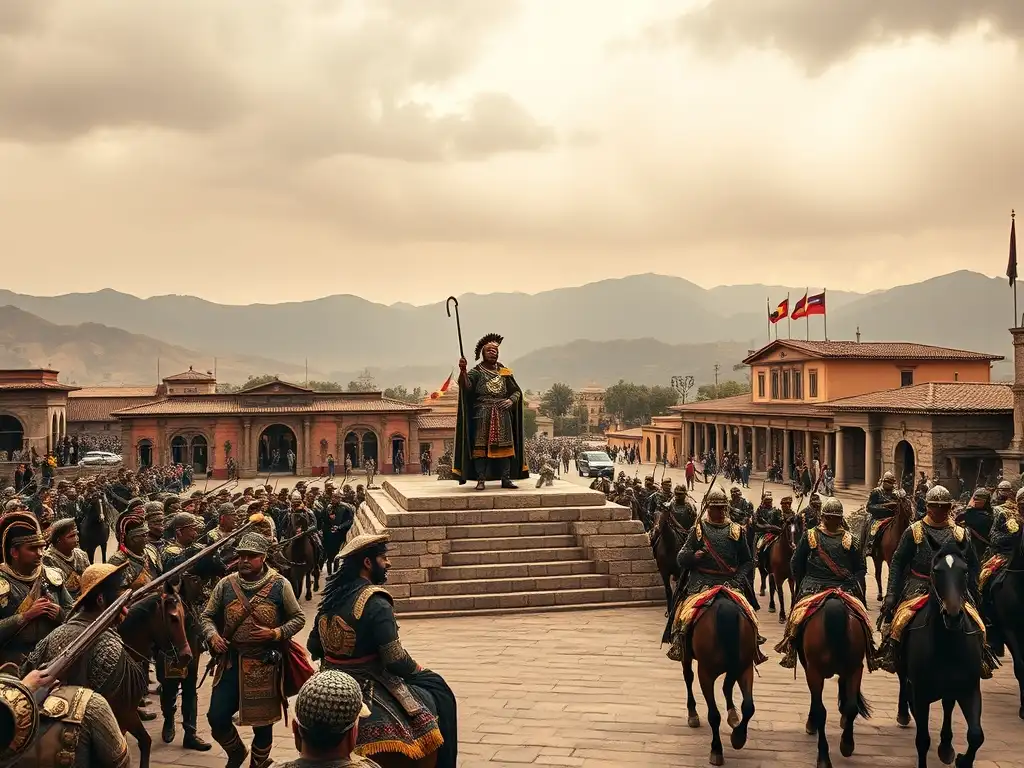
The arrival of Francisco Pizarro and his conquistadors in Peru marked a catastrophic turning point in the history of the Inca Empire, irrevocably altering the course of Andean civilization. While the Inca had encountered other groups, the Spanish represented a fundamentally different threat. Their advanced weaponry, including firearms and steel swords, coupled with their ruthless ambition and sophisticated strategies of conquest, proved devastatingly effective against the Inca's primarily bronze-based weaponry and organizational structure.
The Inca, despite their impressive empire and military might, were ultimately unprepared for the scale and nature of this invasion. This section will detail the initial encounters between the Spanish and the Inca, highlighting the factors that contributed to the downfall of Atahualpa and the Inca Empire. The narrative of Atahualpa Inca Emperor downfall is inextricably linked to the arrival and actions of these European invaders.
Francisco Pizarro and the Spanish Expedition to Peru
Francisco Pizarro, a Spanish conquistador driven by greed and ambition, led the expedition that would ultimately topple the Inca Empire. His voyage, though fraught with peril and hardship, was meticulously planned and executed with a ruthless efficiency that is now infamous. Pizarro's expedition wasn't a haphazard stumble; it was a calculated, well-resourced assault. He benefited from prior knowledge gathered from earlier expeditions, understanding the Inca's political landscape, their internal conflicts, and the vast riches that the empire possessed. This prior intelligence gave Pizarro a crucial strategic advantage, allowing him to exploit internal weaknesses and maximize his relatively small force's impact. He capitalized on existing rivalries within the Inca Empire, skillfully manipulating these divisions to his benefit. The effective use of intelligence gathering and the exploitation of internal strife are key elements in understanding the Atahualpa Inca Emperor downfall. Pizarro's understanding of Inca society, combined with superior weaponry, ultimately proved decisive.
The Initial Encounters: Deception and Betrayal
The initial encounters between the Spanish and the Inca were characterized by a shocking imbalance of power and a calculated campaign of deception by Pizarro. While the Inca, initially, may have viewed the Spanish with curiosity, the conquistadors quickly established a pattern of manipulation and violence. Pizarro's use of gifts and seemingly peaceful overtures masked his true intentions.
He employed psychological warfare, exploiting the Inca's unfamiliarity with firearms and horses to instill fear and sow discord. Accounts of these early encounters describe a disturbing disparity: the Inca's awe at the seemingly magical technology of the Spanish contrasted sharply with the Spanish's cold, calculated exploitation of that awe.
This deception was a crucial element in the Atahualpa Inca Emperor downfall, allowing Pizarro to gain an initial foothold and position himself for the decisive strike at Cajamarca. The narrative of Atahualpa Inca Emperor downfall is not just about military strength, but also about the psychological warfare and deceitful strategies employed by the Spanish.
The Ambush at Cajamarca: The Capture of Emperor Atahualpa
The ambush at Cajamarca in 1532 remains a pivotal moment in the Atahualpa Inca Emperor downfall and a chilling illustration of Spanish ruthlessness. Under the guise of a peaceful meeting, Pizarro and his men lured Atahualpa and his retinue into a strategically chosen location. The ensuing massacre was swift and brutal, a testament to the overwhelming technological superiority of the Spanish and the element of surprise.
The Inca, unprepared for such treachery, were caught completely off guard. The use of cannons, muskets, and cavalry created chaos and panic amongst the Inca forces. The capture of Atahualpa was not merely a military victory; it was a symbolic conquest, representing the shattering of the Inca's authority and the beginning of the end of their empire.
The sheer brutality of the ambush, alongside the subsequent imprisonment and execution of Atahualpa, cemented the Atahualpa Inca Emperor downfall and served as a chilling example of the Spanish conquest's methods. The event solidified the narrative of the Atahualpa Inca Emperor downfall, marking a decisive turning point in the conquest of the Inca Empire.
Atahualpa's Imprisonment and the Ransom of Gold
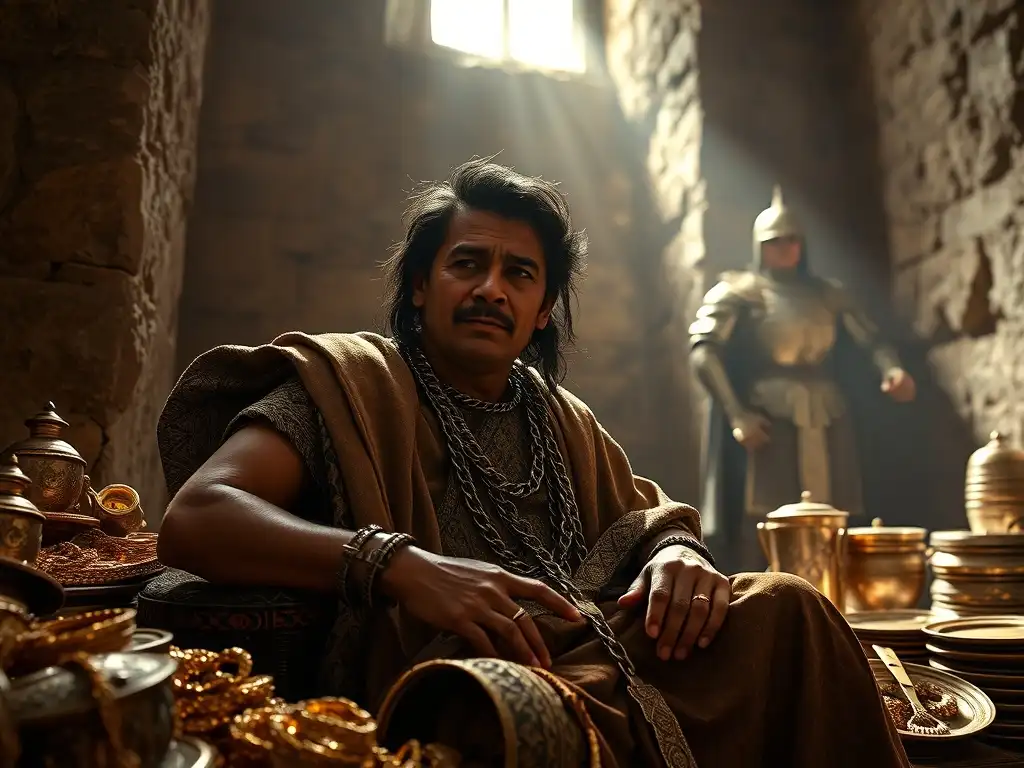
Atahualpa's capture at Cajamarca marked a pivotal moment not only in his life but in the history of the Inca Empire. The seemingly swift victory of Francisco Pizarro's conquistadors, employing superior weaponry and a devastating element of surprise, plunged the Inca world into chaos. Atahualpa, the powerful Sapa Inca, found himself a prisoner, his reign abruptly interrupted.
His imprisonment wasn't merely a physical confinement; it was a strategic move by Pizarro to leverage Atahualpa's authority for his own gain. The Spanish, vastly outnumbered, recognized the immense power Atahualpa held over his people and cleverly exploited this to their advantage. The Emperor's confinement in Cajamarca became the stage for a dramatic negotiation, a desperate gamble for freedom fueled by promises of unimaginable wealth.
The sheer volume of gold and silver demanded by Pizarro as ransom underscored the conquistadors' insatiable greed and the immense riches of the Inca Empire. The ransom itself became a symbol of the clash between two vastly different worlds, one poised to conquer, the other on the brink of collapse.
Atahualpa's Strategy to Buy Freedom: The Promise of Gold
Faced with imprisonment and the likely demise of his empire, Atahualpa devised a daring plan: to buy his freedom. He offered an astonishing ransom—a room filled with gold to the height of a man, and twice that height in silver. This wasn't a mere impulsive act; it was a calculated strategy. Atahualpa understood the Spanish obsession with gold and their insatiable appetite for wealth.
By promising this immense treasure, he hoped to secure his release, regroup his forces, and potentially repel the Spanish invaders. This act demonstrates Atahualpa's shrewd political acumen, even in the face of overwhelming adversity. He recognized the power dynamics at play and attempted to exploit them to his advantage.
The sheer scale of the proposed ransom reflects the vast wealth accumulated by the Inca Empire over centuries, wealth that would ultimately contribute to its downfall. The promise of gold was a desperate attempt to preserve his power and the integrity of his empire, a testament to his resilience and strategic thinking under unimaginable pressure. The irony, of course, is that this very act sealed his fate.
The Collection of Gold and Silver: The Inca Treasure
The collection of the ransom was a monumental undertaking, a testament to the Inca's organizational prowess and the vast extent of their empire. Messages were sent across the vast Andean landscape, demanding the delivery of gold and silver from every corner of the empire. Temples were stripped bare, ornaments melted down, and even religious objects were sacrificed to meet the insatiable demands of the Spanish.
The sheer quantity of precious metals gathered was staggering. Historians estimate that the ransom, had it been fully delivered, would have been worth millions, if not billions, of modern-day dollars. This influx of wealth, however, did not save the Inca Emperor.
The collection itself further weakened the empire, diverting resources and manpower from defense and leaving the Inca vulnerable to further Spanish incursions. The gathering of the gold and silver, while intended to secure Atahualpa's freedom, unintentionally hastened the demise of his empire, highlighting the devastating consequences of the Spanish conquest. Detailed accounts of the collected treasures are unfortunately sparse, leaving room for further historical research and speculation on the exact magnitude of the Inca wealth.
The Broken Promise: Pizarro's Deceit and Atahualpa's Fate
Despite the Inca's extraordinary efforts to fulfill the ransom, Pizarro's word proved to be worthless. Even after the room was filled to the stipulated height, Pizarro found new pretexts to detain Atahualpa. The Emperor was accused of various crimes, including plotting against the Spanish and ordering the execution of his brother Huáscar.
These accusations, however, served as a convenient justification for the ultimate betrayal. Ultimately, Atahualpa was put on trial, a sham process designed to legitimize his execution. The trial, a blatant disregard for Inca justice, served as a symbol of the complete disregard for indigenous rights and sovereignty during the Spanish conquest.
The execution of Atahualpa, despite the fulfilled ransom, cemented the Spanish conquest and marked the beginning of a new era in Andean history. His death, a consequence of greed and broken promises, remains a stark reminder of the brutal realities of colonial expansion and the devastating impact it had on the Inca civilization. The saga of Atahualpa's downfall serves as a cautionary tale about the fragility of power, the consequences of broken promises, and the lasting impact of colonialism.
The Trial and Execution of Atahualpa: The Inca Empire's Collapse
The trial and subsequent execution of Atahualpa, the last independent Sapa Inca, represent a pivotal moment not just in Inca history, but in the broader context of the Spanish conquest of the Andes. His downfall, orchestrated through a complex interplay of religious fervor, political ambition, and raw power, irrevocably altered the course of Andean civilization. Understanding the intricacies of this event is crucial to grasping the fragility of the Inca Empire in the face of external pressure and internal divisions.
The narrative surrounding Atahualpa's demise, however, remains shrouded in controversy, with historical accounts often conflicting and biased towards the Spanish perspective. Separating fact from fiction requires a careful examination of available evidence and a critical lens applied to the prevailing narratives.
The Charges Against Atahualpa: False Accusations and Political Maneuvering
The charges leveled against Atahualpa by Francisco Pizarro and his conquistadors were a carefully constructed tapestry of accusations designed to justify their actions and legitimize their seizure of power. While some accusations, such as Atahualpa's involvement in the civil war that preceded his ascension to the throne, held a kernel of truth, they were significantly exaggerated and distorted to fit the Spanish narrative. The claims of idolatry, human sacrifice, and rebellion against the Spanish crown were largely politically motivated.
Pizarro, recognizing the inherent instability within the Inca Empire following the civil war, cleverly exploited existing tensions and rivalries amongst Inca factions to bolster his own position. He skillfully manipulated accusations to paint Atahualpa as a tyrant and a threat to both the Inca people and the Spanish crown, thus creating a pretext for his capture and subsequent execution.
The lack of due process and the blatant disregard for Inca legal traditions further highlighted the inherent injustice of the entire proceedings. The process was less a trial and more a carefully orchestrated political maneuver designed to ensure Spanish dominance.
The Execution of Atahualpa: The End of an Era
Atahualpa's execution on July 26, 1533, marked a decisive turning point in the Spanish conquest. Despite offering an enormous ransom—a room filled with gold and twice as much in silver—Atahualpa was ultimately condemned, ostensibly for various crimes, including the murder of his brother Huáscar and rebellion against the Spanish. The execution itself, carried out by garrote, was a public spectacle, intended to instill fear and demonstrate Spanish supremacy.
However, the true motive behind the execution remains a subject of debate. Some historians argue that Pizarro, fearing Atahualpa's continued influence even in captivity, opted for his elimination to secure complete control. Others suggest that the execution was a calculated move to destabilize the Inca Empire further, paving the way for easier conquest.
Regardless of the exact motivations, the execution of Atahualpa undeniably symbolized the complete collapse of the Inca Empire's political and spiritual authority. The death of the Sapa Inca left a power vacuum that the Spanish readily exploited, leading to widespread chaos and facilitating the eventual conquest of the vast Andean empire.
The Aftermath: The Inca Empire's Disintegration and Spanish Conquest
The aftermath of Atahualpa's execution was characterized by widespread chaos and the rapid disintegration of the Inca Empire. The carefully constructed system of governance, reliant on the centralized authority of the Sapa Inca, crumbled under the weight of internal conflict and Spanish intervention. The absence of a clear successor exacerbated existing tensions and rivalries within the Inca nobility, preventing the formation of a unified resistance against the Spanish.
Pizarro and his conquistadors strategically manipulated these internal divisions, installing puppet rulers and exploiting the fragmented nature of the Inca resistance. The subsequent years witnessed widespread civil unrest, disease, and the brutal subjugation of the Inca population under Spanish colonial rule. The execution of Atahualpa, therefore, served as a catalyst for the complete collapse of the Inca Empire, marking a profound shift in the political landscape of the Andes and ushering in an era of Spanish colonial dominance.
The legacy of Atahualpa's downfall continues to resonate today, serving as a stark reminder of the devastating consequences of conquest and the enduring impact of colonialism on Andean societies. The Atahualpa Inca Emperor downfall remains a crucial event in understanding the complexities of this period.
The Legacy of Atahualpa: A Symbol of Resistance and Tragedy
Atahualpa's life, though tragically cut short, resonates powerfully within the tapestry of Andean history. His reign, brief as it was, marked a pivotal moment, leaving an indelible mark on Inca society and shaping the narrative of Spanish conquest. Understanding Atahualpa's legacy requires examining his impact on Inca culture, his role as a symbol of resistance, and the enduring significance of his story for comprehending the complexities of Andean history.
His name itself, often rendered as Atahualpa Inca Emperor, evokes both the grandeur of the Inca empire and the brutality of its demise. The weight of his downfall continues to cast a long shadow, influencing interpretations of the Inca civilization and the colonial encounter.
Atahualpa's Impact on Inca History and Culture
Atahualpa's relatively short rule, from approximately 1532 to 1533, profoundly impacted Inca history and culture, despite its abrupt end. While his reign was overshadowed by the Spanish conquest, his ascension to the throne after a civil war with his half-brother Huáscar already signaled significant internal tensions within the vast Inca empire. This internal strife, weakening the empire's structure, arguably facilitated the success of the Spanish conquest. Atahualpa's policies, though incompletely implemented due to the arrival of Pizarro, likely aimed to consolidate power and address the vulnerabilities exposed during the civil war.
We know he implemented significant administrative reforms, focused on strengthening central authority and bolstering the military. However, detailed accounts of his specific policies remain scarce, hindered by the chaos of the conquest and the destruction of many Inca records. Historians continue to debate the extent of his planned reforms and their potential long-term consequences for the Inca empire.
The scant evidence available suggests a ruler striving for stability and centralized control, a goal tragically thwarted by external forces. His actions, however brief, left an enduring imprint on the later narratives and interpretations of the Inca empire. The very fact that his name remains synonymous with the Inca Empire's final days speaks volumes about his lasting impact.
Atahualpa as a Symbol of Inca Resistance Against Spanish Colonization
Atahualpa's capture and subsequent execution became a powerful symbol of Inca resistance against Spanish colonization. His defiance in the face of overwhelming force, even during his imprisonment and negotiations with Pizarro, ignited a spark of resistance amongst his people. Although ultimately unsuccessful in preventing the fall of the Inca Empire, Atahualpa's story became a rallying point for future indigenous uprisings against Spanish rule.
Even his death, a gruesome event meticulously documented by Spanish chroniclers, served to galvanize opposition. The legend of Atahualpa's immense ransom—a room filled with gold and silver—highlights the empire's wealth and the Spanish conquistadors' insatiable greed, further fueling narratives of injustice and oppression. His legacy became intertwined with the broader struggle for Andean liberation, inspiring future generations to fight for their rights and their cultural identity.
The sheer magnitude of the betrayal and the brutality of his demise cemented his status as a martyr figure in the collective memory of the Andean people. The phrase "Atahualpa Inca Emperor downfall" encapsulates not just the fall of a ruler but the tragic beginning of a long struggle for survival and self-determination.
The Importance of Atahualpa's Story for Understanding Andean History
Atahualpa's story remains crucial for understanding Andean history because it encapsulates the complexities of the Inca Empire's final days and the devastating impact of Spanish colonization. Studying his life, his reign, and his death provides insights into the internal dynamics of the Inca Empire, the vulnerabilities that contributed to its downfall, and the nature of the initial encounter between the Inca and the Spanish. His story highlights the limitations of relying solely on Spanish accounts, emphasizing the need for a more nuanced and inclusive understanding of this period.
Moreover, the enduring legacy of Atahualpa's resistance continues to inspire discussions about colonialism, resistance, and the enduring impact of historical trauma on indigenous communities. His story serves as a crucial reminder of the human cost of conquest and the importance of preserving and understanding diverse perspectives on historical events.
Understanding the full story of Atahualpa, beyond the simplistic narrative of a conquered emperor, is essential for a complete understanding of Andean history and its lasting implications. The continued relevance of "Atahualpa Inca Emperor downfall" as a search term underscores the enduring fascination with this pivotal figure and his tragic role in a pivotal moment in history.
Analyzing Atahualpa's Downfall: Factors Contributing to the Tragedy
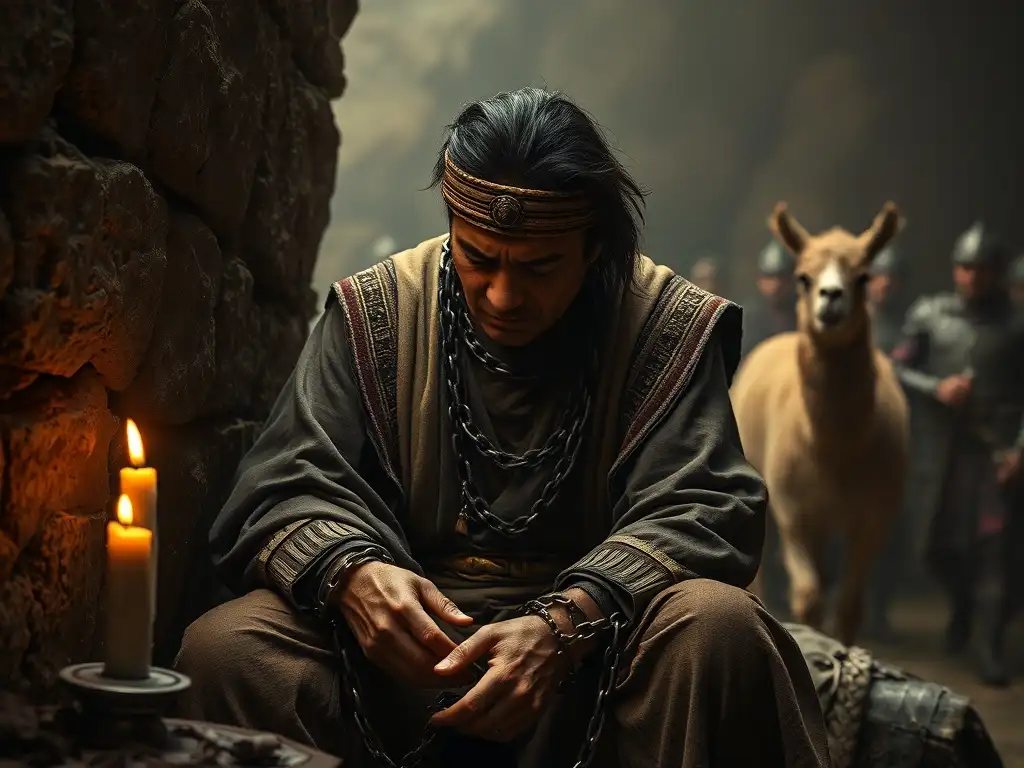
The dramatic downfall of Atahualpa, the last Sapa Inca to rule a unified Inca Empire before the Spanish conquest, wasn't a singular event but a culmination of several interconnected factors. Understanding these contributing elements is crucial to grasping the full complexity of this pivotal moment in Andean history. The swift and brutal conquest of a seemingly powerful empire highlights the fragility of even the most sophisticated pre-Columbian societies when facing technologically superior forces and internal strife.
Analyzing Atahualpa's demise through the lens of these factors paints a more nuanced picture than a simple narrative of Spanish victory. The keyword "Atahualpa Inca Emperor downfall" is central to this analysis, allowing for a deeper understanding of the historical context surrounding his reign and ultimate demise.
Internal Conflicts within the Inca Empire: A Weakened Foundation
Atahualpa's ascension to the Inca throne was far from peaceful. He engaged in a brutal civil war against his half-brother Huáscar, a conflict that significantly weakened the empire's military and political structures. This fratricidal struggle, fueled by inherent succession disputes and power struggles within the Inca royal family, left the empire fractured and vulnerable.
Resources were depleted, loyalties divided, and the administrative efficiency that characterized the Inca state was severely compromised. The prolonged conflict diverted attention and resources away from infrastructure maintenance and defense, leaving the empire ill-prepared for the arrival of the Spanish. The sheer scale of the civil war, involving large-scale battles and the displacement of populations, created a fertile ground for Spanish exploitation.
Reports suggest [specific casualty figures pending] deaths, and widespread societal disruption, weakening the Inca's ability to resist the Spanish effectively. The lingering resentment and distrust among different factions within the Inca population further hampered their united defense against the invaders.
The Superior Military Technology of the Spanish Conquistadors
The Spanish conquistadors possessed a significant military advantage over the Inca army. Their superior weaponry, including firearms, steel armor, and horses, proved devastatingly effective. The Inca, armed primarily with clubs, spears, and slings, were ill-equipped to counter the firepower of cannons and muskets. The psychological impact of these unfamiliar weapons was also considerable, contributing to the Inca's demoralization.
Furthermore, the Spanish utilized sophisticated military strategies and tactics, including the use of cavalry charges and coordinated infantry formations, that the Inca were unable to effectively counter. The disparity in military technology wasn't just about weaponry; it also encompassed logistical capabilities and strategic planning. The Spanish were able to utilize their superior navigation skills and logistical networks, allowing them to maintain their supply lines and deploy troops strategically. This technological and strategic superiority played a crucial role in Atahualpa's downfall, ultimately proving decisive in the conquest of the Inca Empire.
The Role of Deception and Betrayal in Atahualpa's Capture and Death
Atahualpa's capture at the Battle of Cajamarca wasn't simply a result of superior weaponry. Deception and betrayal played a significant role in the Spanish success. Francisco Pizarro skillfully used a combination of diplomacy and treachery to lure Atahualpa into a trap, employing an element of surprise that exploited the Inca's cultural norms and expectations.
The Spanish, aware of the Inca's respect for their ruler and their initial hesitation to engage in open warfare, used this to their advantage. The massacre at Cajamarca, where thousands of unarmed Inca were slaughtered, was a clear demonstration of the Spanish cruelty and disregard for Inca life. Furthermore, internal divisions within the Inca ranks, fueled by the previous civil war, contributed to the success of the Spanish strategy.
Some Inca nobles collaborated with the Spanish, offering critical intelligence and support, further undermining Atahualpa's position. This internal betrayal, combined with the Spanish deception, created a perfect storm that led to Atahualpa's capture and eventual execution, significantly contributing to his tragic downfall and the collapse of the Inca Empire. The events at Cajamarca serve as a chilling example of the devastating consequences of internal conflict and external manipulation in the face of a technologically superior adversary.
Atahualpa Inca Emperor Downfall: A Final Reflection
This section delves into the lasting impact of Atahualpa's reign and its abrupt end, focusing on the lessons learned and the enduring significance of his story within the context of Andean civilizations. We will analyze his leadership, the circumstances surrounding his demise, and his enduring legacy in shaping the narrative of the Inca Empire. The keyword "Atahualpa Inca Emperor downfall" will be explored through a multifaceted lens, examining not only the immediate consequences but also the broader historical ramifications.
Lessons Learned from Atahualpa's Reign and Demise
Atahualpa's reign, though tragically short, offers valuable insights into the complexities of power, succession, and the vulnerability of even the most powerful empires. His ascension to the throne, marked by civil war against his half-brother Huáscar, highlights the inherent instability within the Inca succession system. This internal conflict significantly weakened the empire, leaving it susceptible to Pizarro's conquest. The lack of unified leadership and the resulting internal strife served as a crucial factor in the empire's vulnerability.
The lesson here is clear: internal divisions can cripple even the mightiest of civilizations. Atahualpa's story underscores the importance of strong, unified leadership and the devastating consequences of internal conflict. Furthermore, his naive trust in the Spanish conquistadors, despite warnings from his advisors, serves as a cautionary tale about the dangers of underestimating one's adversaries.
His initial perception of the Spanish as potential allies, rather than as a formidable threat, proved to be a fatal miscalculation. This highlights the critical need for thorough intelligence gathering and strategic foresight in political leadership. The Atahualpa Inca Emperor downfall serves as a stark reminder of the importance of political acumen and strategic awareness.
The Enduring Significance of Atahualpa's Story in Andean Civilizations
The Atahualpa Inca Emperor downfall remains a pivotal moment in Andean history, shaping the collective memory and cultural identity of the region for centuries. His story is not merely a historical account; it's a powerful narrative that continues to resonate with Andean communities. It represents a profound loss, the shattering of a powerful empire, and the beginning of a new, colonial era.
The immense quantity of gold and silver demanded by Pizarro as ransom, a testament to the Inca's wealth and Atahualpa's perceived power, continues to evoke feelings of both admiration and sorrow. The execution of Atahualpa, a symbol of Inca sovereignty, marked a decisive turning point, irrevocably altering the course of Andean history. The narrative of his capture and execution, passed down through generations, acts as a reminder of the vulnerability of even the most advanced civilizations to external forces.
The legacy of Atahualpa is not simply defined by his death, but by the enduring impact his story has had on the shaping of Andean identity and the collective memory of the region’s past. His story is a powerful reminder of the fragility of power and the lasting impact of historical events.
Remembering Atahualpa: His Place in the History of the Inca Empire
Atahualpa's place in Inca history is complex and multifaceted. While his reign was brief, his impact was profound. He is remembered as a powerful ruler who, despite his ultimately tragic fate, left an indelible mark on the Inca Empire. He oversaw significant territorial expansion before the Spanish arrival, solidifying his control over vast regions of the Andes.
However, his legacy is also inextricably linked to the empire's devastating downfall. His story serves as a cautionary tale about the dangers of internal conflict and the importance of preparedness in the face of external threats. Despite his shortcomings, Atahualpa's life and death continue to fascinate and inspire debate among historians and scholars, solidifying his position as a pivotal figure in the history of the Inca Empire.
His story, a dramatic tapestry woven with threads of ambition, betrayal, and ultimate tragedy, remains a compelling and significant part of the Andean narrative, making “Atahualpa Inca Emperor downfall” a crucial search term for anyone studying this period. His story is a complex reminder that historical figures are often more nuanced and multifaceted than simple narratives suggest. The Atahualpa Inca Emperor downfall is not simply an ending, but a crucial turning point in a larger, more intricate story.
Frequently Asked Questions
What led to Atahualpa's rise to power?
Atahualpa's rise was marked by intense civil war following the death of his father, Huayna Capac. He strategically defeated his brother Huáscar in battle, claiming the throne of the Inca Empire. This victory, however, was short-lived.
How did Atahualpa consolidate his power after winning the civil war?
After securing the throne, Atahualpa executed many of his rivals and consolidated his power by installing loyal officials in key positions throughout the empire. He also focused on rebuilding the empire after the devastating civil war.
What role did the Spanish conquest play in Atahualpa's downfall?
The arrival of Francisco Pizarro and the Spanish conquistadors proved catastrophic. Atahualpa's army, weakened by the civil war, was no match for the Spanish's superior weaponry and tactics. His capture marked the beginning of the end.
What happened to Atahualpa after his capture by the Spanish?
Despite offering an enormous ransom in gold and silver, Atahualpa was ultimately tried and executed by the Spanish on charges of idolatry, incest, and rebellion. His death marked a pivotal moment in the conquest of the Inca Empire.
How did Atahualpa's death impact the Inca Empire?
Atahualpa's execution shattered the Inca Empire's political structure, leaving it vulnerable to Spanish conquest. The subsequent years saw the collapse of the Inca civilization and the beginning of colonial rule.
Final Reflection: Echoes of Atahualpa: Legacy of an Empire Lost
The brutal conquest of the Inca Empire remains a stark reminder of the fragility of power and the enduring consequences of unchecked ambition. Atahualpa's story, far from being a relic of the past, serves as a chillingly relevant parable for the complexities of political power, cultural clashes, and the devastating impact of greed. His legacy continues to shape our understanding of colonialism, empire, and the enduring struggle for self-determination.
The story of Atahualpa's rise and fall profoundly impacted the cultural and social landscape of South America, leaving an indelible mark on the collective consciousness of its people. The trauma of conquest continues to resonate through generations, shaping national identities and fueling ongoing discussions about justice, reparations, and the reclamation of indigenous heritage. The past is never dead. It's not even past.
– William Faulkner. This quote perfectly encapsulates the enduring influence of Atahualpa's fate and the ongoing struggle to understand and reconcile with the complexities of the Inca Empire's demise.
Consider, for a moment, the weight of Atahualpa's story. His life, his death, and the subsequent dismantling of his empire serve as a potent symbol of the human cost of conflict and the importance of understanding history's lessons. You, the reader, are now empowered to carry this knowledge forward. Engage with the ongoing conversations surrounding indigenous rights, cultural preservation, and the ethical implications of power. Let Atahualpa's story be a catalyst for empathy, critical thinking, and a commitment to building a more just and equitable future.
Uncover the Legacy of Atahualpa Today!
Thank you for exploring the captivating story of Atahualpa with us. By learning about the rise and fall of this remarkable Inca emperor, you've gained valuable insights into the rich tapestry of Andean history. Now, let's put that knowledge to use!
Take a moment to appreciate the culture and historical significance of the Inca Empire by following these suggestions:
- Join our online forum to discuss Atahualpa's legacy and connect with other history enthusiasts!
- Share this article with friends and family who might be interested in learning about ancient civilizations.
- Explore more articles on Andean civilizations to further your understanding of the Inca's cultural and historical context.
What aspect of Atahualpa's life intrigues you most, and how do you see his story impacting modern society? Share your thoughts in the comments below!