
The Inca Language: How Quechua Survived the Conquest

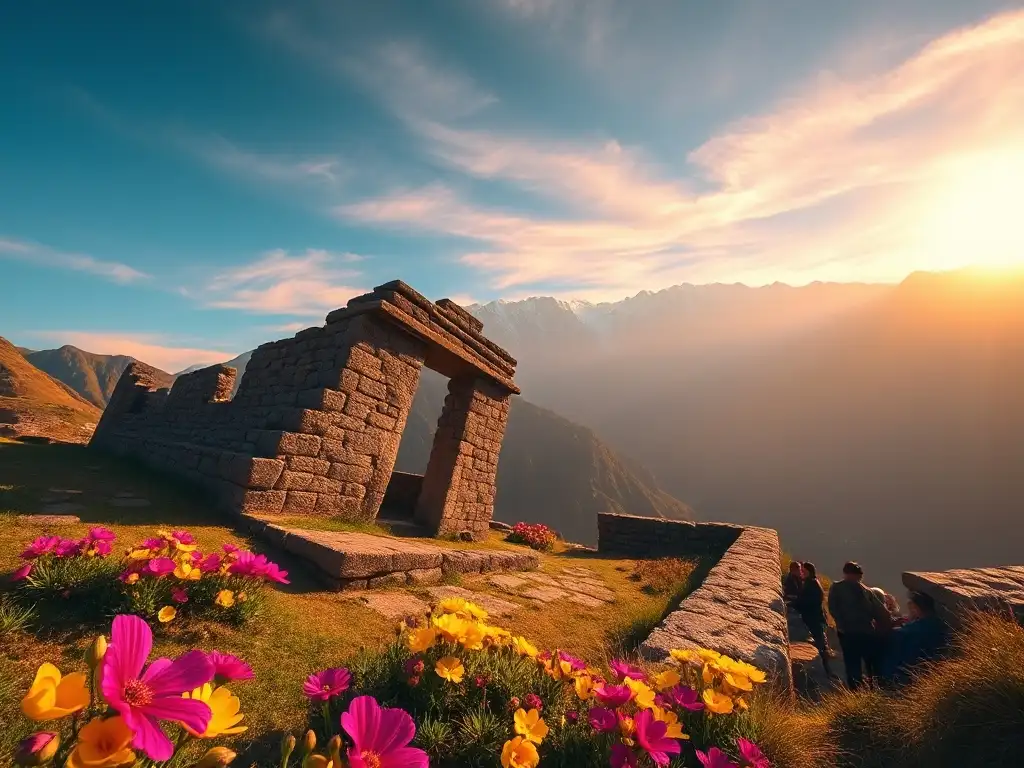
Uncover the mysteries of the Andes! Journey through millennia of breathtaking artistry, ingenious engineering, and vibrant cultures—from the Nazca Lines to the majestic Inca empire. But what secrets did the Inca language Quechua hold that allowed it to endure even the brutal Spanish Conquest? Prepare to be amazed as we delve into its fascinating history and resilience in the face of oppression. Discover how Quechua survived, and what it reveals about the enduring spirit of the Andean people.
The Spanish conquest of the Inca Empire in the 16th century dramatically altered the course of Andean history, leaving an indelible mark on its culture, society, and, significantly, its language. While the Spanish imposed their language and culture, the indigenous languages, particularly Quechua, demonstrated remarkable resilience.
This article explores the enduring legacy of Quechua, examining its origins, its vital role within the Inca Empire, and the factors that enabled it to survive the devastating impact of colonization, becoming a testament to the cultural strength of the Andean peoples. We will delve into the history of the Inca language, Quechua, exploring its pre-Inca roots, its function as the administrative language of the vast Inca empire, and its surprising persistence despite the efforts to suppress it during and after the Spanish conquest.
Understanding Quechua's survival offers crucial insights into the complexities of cultural preservation and the enduring power of indigenous identities in the face of colonial oppression. This exploration of "Inca language Quechua history" will reveal the interwoven threads of language, power, and cultural survival in the Andes.
The Origins of Quechua: Before the Inca Empire
Quechua's history extends far beyond the Inca Empire. Linguistic evidence suggests that various Quechuan languages existed in the central Andes centuries before the Inca rise to power. While pinpointing the exact origins remains a subject of ongoing scholarly debate, it's clear that Quechua was already a significant language spoken across a considerable area. Archaeological findings, combined with comparative linguistic studies, point towards a gradual development and diversification of Quechua dialects across different regions. The Inca expansion, however, would dramatically reshape the language’s scope and influence. Before the Inca, various Quechua dialects likely existed, often regionally specific, reflecting the diverse cultures and communities inhabiting the Andean highlands. The lack of a unified written language in this pre-Inca period makes detailed reconstruction challenging, relying heavily on linguistic analysis and archaeological context. The pre-Inca Quechua world was a tapestry of diverse dialects, a foundation upon which the Inca would build their linguistic empire.
Quechua's Role in the Inca Empire
The Inca Empire's remarkable expansion across the Andes was facilitated, in part, by the strategic use of language. Quechua, through a process of standardization and adoption, played a crucial role in unifying the vast and diverse territories under Inca rule. The Inca administration actively promoted Quechua, transforming it into a powerful tool for governance, communication, and cultural integration.
Quechua as the Lingua Franca of the Incas
The Inca leadership understood the importance of communication in maintaining control over such a large empire. They adopted a standardized form of Quechua, often referred to as "general Quechua," which became the lingua franca of the empire. This facilitated communication between diverse ethnic groups, previously speaking different languages, allowing for more efficient administration and trade.
The implementation of this standardized language was a deliberate political strategy, minimizing linguistic barriers and fostering a sense of unity amongst the diverse populations under Inca rule. This standardization, however, didn't erase the existence of other languages; rather, it created a common language for inter-regional communication. Think of it as a sophisticated form of early administrative language planning, crucial to the empire's success.
Inca Administration and Quechua Language Spread
The Inca's administrative system was intricately linked to the spread of Quechua. Officials, tasked with collecting taxes, managing resources, and overseeing local governance, often spoke and promoted Quechua. This systematic promotion, coupled with the Inca's extensive road network, further facilitated the language's reach. The establishment of administrative centers and the movement of people (both Inca officials and relocated populations) contributed to the widespread adoption of Quechua across the empire.
The impact of this administrative strategy is evident in the presence of Quechua dialects across a vast geographic area, even after the fall of the Inca Empire. This systematic approach to language policy highlights the Inca's understanding of the crucial link between language, power, and effective administration. The legacy of this strategic language planning is still felt in the Andean region today.
The Impact of the Spanish Conquest on Indigenous Languages
The Spanish conquest of the Inca Empire had a devastating impact on the indigenous languages of the Andes. The imposition of Spanish as the official language of the colony led to a systematic effort to suppress Quechua and other native tongues. This suppression wasn't merely a passive consequence of colonization; it was an active policy designed to erase indigenous cultural identities and consolidate Spanish power.
The consequences were profound, leading to language shift in many communities and the near extinction of some languages altogether. The forceful imposition of Spanish extended beyond simple linguistic dominance; it was intertwined with religious conversion, economic control, and political subjugation, all contributing to the marginalization of Quechua and other indigenous languages. The effects of this linguistic imperialism are still felt today, though Quechua's remarkable resilience offers a powerful counter-narrative.
The Initial Suppression of Quechua by the Spanish
The initial years following the conquest witnessed a brutal suppression of Quechua. The Spanish crown, eager to establish its dominance, viewed indigenous languages as obstacles to assimilation and control. Early colonial accounts detail the destruction of Quechua texts and the prohibition of its use in official settings. Religious orders actively discouraged the use of Quechua in religious instruction, favoring Spanish instead.
This actively discouraged the transmission of knowledge and cultural practices through the native language, further contributing to its decline. While some attempts were made to use Quechua for administrative purposes in the early colonial period, primarily for communication with the indigenous population, these efforts were ultimately overshadowed by the broader policy of linguistic assimilation. This early suppression laid the groundwork for centuries of linguistic marginalization.
Spanish Language Policy in the Andes
Spanish colonial language policy in the Andes was multifaceted and evolved over time. Initially, a relatively tolerant approach allowed for some continued use of Quechua in local contexts. However, this tolerance gradually waned as the Spanish crown sought to consolidate its control and promote cultural homogeneity. The establishment of schools and universities focused exclusively on Spanish, further marginalizing Quechua and other indigenous languages.
The use of Spanish in legal proceedings, commerce, and religious institutions effectively relegated Quechua to the private sphere, limiting its use and perpetuating its decline. Moreover, the Spanish crown implemented policies that actively discouraged the use of Quechua, penalizing those who did not adopt Spanish. This systematic effort to replace Quechua with Spanish ultimately caused a significant shift in the linguistic landscape of the Andes.
Quechua's Resilience: Factors Contributing to its Survival
Despite the concerted effort to suppress it, Quechua demonstrated remarkable resilience, surviving centuries of colonial oppression and continuing to thrive in many parts of the Andes today. This survival is not simply a matter of chance; it's a testament to the strength of Andean communities and their tenacious grip on their cultural heritage. Several key factors contributed to Quechua's continued existence, highlighting the complex interplay of geographic, social, and cultural forces at play.
Geographic Isolation and Quechua Preservation
Geographic isolation played a crucial role in Quechua's survival. In remote Andean communities, where access to Spanish-speaking authorities and institutions was limited, Quechua continued to be spoken and transmitted across generations. These isolated communities, often nestled high in the mountains or in sparsely populated valleys, provided a refuge where Quechua could flourish relatively undisturbed by colonial pressures. The physical barriers presented by the Andes acted as a natural shield, protecting Quechua from complete eradication. This geographic factor, coupled with the strong sense of community and cultural identity within these isolated groups, ensured the language's survival.
Community Strength and Cultural Identity
The strength of Andean communities and their profound attachment to their cultural identity were paramount in Quechua's survival. Quechua was not merely a language; it was intrinsically linked to their social structures, religious beliefs, and ancestral traditions. Maintaining Quechua became a powerful symbol of resistance against colonial domination and a way to preserve their unique cultural heritage.
The collective commitment to preserving Quechua within these communities ensured its transmission across generations, even in the face of immense pressure to adopt Spanish. This communal resilience, rooted in a deep-seated sense of cultural pride, played a vital role in Quechua's continued existence.
The Role of Oral Tradition in Maintaining Quechua
The rich oral tradition of the Andean cultures played a significant role in preserving Quechua. In the absence of widespread literacy in Quechua during the colonial period, oral transmission of stories, songs, and historical accounts kept the language alive. This oral tradition served not only as a means of communication but also as a repository of cultural knowledge and identity.
Through storytelling, songs, and other forms of oral expression, Quechua was passed down from one generation to the next, ensuring its continuity even when written forms were suppressed or unavailable. The vitality of this oral tradition underscores the importance of non-written forms of language preservation and its effectiveness in maintaining cultural continuity in the face of oppression.
The Evolution of Quechua After the Conquest
The Spanish conquest of the Inca Empire in the 16th century marked a pivotal moment in the history of the Quechua language. Facing suppression and marginalization under colonial rule, Quechua's survival was far from guaranteed. The Spanish crown, intent on imposing Spanish as the dominant language, actively discouraged the use of Quechua in official settings and public life.
This policy, coupled with the devastating effects of disease and warfare on the Inca population, created a challenging environment for the language's continued existence. However, Quechua, deeply rooted in the cultural fabric of the Andean communities, proved remarkably resilient. Its survival can be attributed to several factors, including the sheer number of Quechua speakers, the language's strong presence in rural areas, and the continued importance of Quechua in everyday life and cultural practices within indigenous communities.
Despite the colonial efforts to eradicate it, Quechua persisted, adapting and evolving in the face of adversity. This resilience underscores its deep-seated significance in Andean identity and cultural heritage.
Regional Variations and Dialects of Quechua
Quechua is not a monolithic language; rather, it comprises a family of related dialects exhibiting significant regional variations. These variations reflect the diverse geography and cultural landscapes of the Andes, where different Quechua dialects emerged and evolved over time. The differences extend beyond simple pronunciation variations; they encompass vocabulary, grammar, and syntax. For instance, the Quechua spoken in the Cusco region differs noticeably from the Quechua spoken in Ecuador or Bolivia.
These variations are not simply random; they often correlate with geographical barriers, historical interactions between communities, and the unique cultural practices of each region. Recognizing and respecting this linguistic diversity is crucial for understanding the complexity and richness of Quechua and for implementing effective language revitalization programs. The existence of these diverse dialects demonstrates Quechua's adaptability and its deep integration into the diverse Andean societies.
Quechua's Adaptation to New Influences
Following the Spanish conquest, Quechua underwent a period of significant adaptation, absorbing influences from Spanish and other languages. This process of linguistic borrowing and adaptation is a natural feature of language evolution, particularly in contact situations. Quechua speakers often integrated Spanish words into their lexicon to refer to new concepts and objects introduced by the Spanish.
However, this integration wasn't simply a passive adoption; Quechua speakers adapted the borrowed words, modifying their pronunciation and sometimes their meaning to fit within the existing grammatical structure of Quechua. This creative adaptation demonstrates the dynamism of the language and its ability to incorporate new elements while preserving its core identity. The resulting blend of Quechua and Spanish vocabulary reflects the complex historical interplay between the two cultures.
Quechua's Integration of Spanish Loanwords
The integration of Spanish loanwords into Quechua reveals a fascinating interplay between language contact and cultural exchange. The Spanish words adopted were not randomly selected; they often reflected new realities introduced by the conquest, such as new technologies, administrative structures, and religious concepts. For example, words related to agriculture, livestock, and Catholicism were commonly integrated into Quechua.
However, the process of integration was not passive; Quechua speakers actively adapted these borrowed words, often modifying their pronunciation to fit the phonological patterns of Quechua or assigning them new grammatical functions. This process demonstrates the agency of Quechua speakers in shaping their language and resisting complete linguistic assimilation. The careful study of these loanwords provides valuable insights into the historical and cultural dynamics of the Andean region after the conquest.
Contemporary Quechua: Current Status and Challenges
Despite its resilience, Quechua faces significant challenges in the 21st century. While it remains a vital part of Andean culture, its continued use is threatened by the dominance of Spanish, particularly in urban areas and formal contexts. Globalization and the increasing influence of international languages further exacerbate this situation. The lack of widespread access to Quechua-language education and media also hinders its transmission to younger generations.
These factors contribute to a decline in fluency among younger speakers and a growing linguistic gap between generations. Addressing these challenges requires a multi-faceted approach that integrates language education, media development, and community-based initiatives to promote Quechua's use and visibility. The preservation of Quechua is not merely a linguistic issue; it is crucial for maintaining Andean cultural diversity and heritage.
Quechua Speakers Today: Demographics and Distribution
Precise figures on the number of Quechua speakers today are difficult to obtain due to variations in data collection methods and the fluidity of language use. However, estimates suggest that millions of people still speak Quechua across the Andes region, spanning countries such as Peru, Bolivia, Ecuador, Colombia, and Argentina. The distribution of Quechua speakers is uneven, with higher concentrations in rural areas and among indigenous communities.
Urban areas tend to show lower rates of Quechua fluency, reflecting the dominance of Spanish in formal settings and the pressure to adopt the majority language for economic and social mobility. This uneven distribution underscores the challenges faced by Quechua speakers in maintaining their language in increasingly globalized societies. Further research and data collection are needed to provide a more accurate picture of current demographics and distribution of Quechua speakers.
Efforts to Revitalize the Quechua Language
Numerous efforts are underway to revitalize and promote the Quechua language. These initiatives range from community-based language programs in rural areas to national-level policies aimed at increasing access to Quechua-language education and media. Organizations and individuals are working to develop Quechua-language resources, including dictionaries, textbooks, and digital media.
The use of technology, such as mobile apps and online platforms, is also playing an increasingly important role in language revitalization efforts. These initiatives demonstrate a growing awareness of the importance of linguistic diversity and the need to protect indigenous languages from extinction. The success of these efforts depends on the continued engagement of Quechua-speaking communities and the support of governments and international organizations.
The Importance of Quechua in Andean Culture
Quechua is more than just a language; it is an integral part of Andean culture and identity. It embodies the history, traditions, and worldview of the Andean peoples. The preservation of Quechua is essential for safeguarding the rich cultural heritage of the Andes, including its oral traditions, music, literature, and spiritual practices.
Quechua’s survival is intrinsically linked to the survival of Andean indigenous cultures, and its continued use helps maintain cultural continuity and fosters a sense of community and belonging among Quechua speakers. The language's survival is a testament to the resilience of Andean cultures and their determination to preserve their unique heritage in the face of globalization and linguistic dominance. The ongoing efforts to revitalize Quechua are not only linguistically significant but also crucial for the preservation of Andean cultural identity and diversity.
The Future of Quechua: Preserving an Ancient Language
The survival of Quechua, despite the devastating impact of the Spanish conquest, is a testament to its resilience and the enduring cultural identity of its speakers. However, the future of this ancient language remains a complex and multifaceted challenge. While Quechua continues to be spoken by millions across the Andes, the dominance of Spanish poses a significant threat to its long-term viability.
Younger generations, increasingly exposed to Spanish-language media and education, often prioritize learning Spanish for economic and social mobility, leading to a decline in Quechua fluency. This linguistic shift threatens not only the language itself but also the rich cultural heritage intricately woven into its fabric. The loss of Quechua would represent an irreversible loss of knowledge, traditions, and a unique perspective on the world.
Therefore, concerted efforts are crucial to ensure the continuation of this vital part of Andean heritage. The challenges are significant, but the potential rewards—preserving a vibrant cultural legacy—are immeasurable.
Education and Quechua Language Instruction
One of the most crucial aspects of Quechua's survival hinges on its integration into formal education systems. While some progress has been made in incorporating Quechua language instruction into schools across various Andean nations, consistent implementation and effective teaching methodologies remain a significant hurdle. Many schools lack adequately trained Quechua-speaking teachers, appropriate learning materials, and supportive educational policies.
Furthermore, the curriculum often prioritizes Spanish, relegating Quechua to a secondary position, undermining its importance. Successful programs need to foster a positive attitude towards Quechua, showcasing its value and relevance in the modern world. This includes highlighting its literary richness, its role in preserving traditional knowledge, and its capacity to express complex modern ideas.
A holistic approach, integrating Quechua into all aspects of education, from early childhood to higher education, is essential for ensuring its long-term survival. Moreover, teacher training programs must be robust and ongoing, providing educators with the necessary skills and resources to effectively teach Quechua in diverse learning environments.
Quechua in Modern Media and Technology
The digital age presents both opportunities and challenges for the preservation of Quechua. The internet and mobile technologies offer unprecedented possibilities for language revitalization. The creation of Quechua-language websites, apps, and online learning resources can make the language more accessible to a wider audience, both within and beyond the Andean region.
Moreover, incorporating Quechua into social media platforms can help to normalize its use and foster a sense of community among Quechua speakers. However, the dominance of Spanish and English online necessitates strategic efforts to create engaging and high-quality content in Quechua. This requires investment in digital infrastructure, training for content creators, and the development of appropriate technologies.
Furthermore, the digital space must be actively monitored to counter the spread of misinformation and to ensure that the representation of Quechua is accurate and respectful. The effective use of modern media and technology can significantly contribute to Quechua's vitality and help bridge the generational gap in language fluency.
The Significance of Protecting Inca Linguistic Heritage
Protecting the Inca linguistic heritage, embodied primarily in Quechua, is not merely a matter of preserving a language; it's about safeguarding a rich tapestry of cultural knowledge, traditions, and worldview. Quechua is deeply intertwined with the history, beliefs, and practices of Andean communities. Its preservation ensures the continuity of oral histories, traditional songs, and indigenous knowledge systems related to agriculture, medicine, and astronomy.
The loss of Quechua would represent an irreplaceable loss of cultural diversity and a significant blow to the intellectual heritage of humanity. Protecting this linguistic heritage is therefore crucial for maintaining cultural identity, promoting intercultural understanding, and enriching the global linguistic landscape.
Furthermore, it is a matter of social justice, recognizing and respecting the rights of indigenous communities to maintain and transmit their languages to future generations. By actively supporting the revitalization of Quechua, we contribute to a more inclusive and equitable world that celebrates linguistic diversity and the richness of human expression.
- The Origins of Quechua: Before the Inca Empire
- Quechua's Role in the Inca Empire
- The Impact of the Spanish Conquest on Indigenous Languages
- Quechua's Resilience: Factors Contributing to its Survival
- The Evolution of Quechua After the Conquest
- Contemporary Quechua: Current Status and Challenges
- The Future of Quechua: Preserving an Ancient Language
Frequently Asked Questions
What is Quechua?
Quechua is the family of languages spoken by the Inca and other Andean peoples. It's not a single language, but rather a collection of related dialects. Millions still speak Quechua today.
How did Quechua become the Inca language?
The Inca Empire expanded greatly, leading to Quechua's spread as an administrative and trade language. Different dialects were standardized, creating a lingua franca across the empire. This facilitated communication and governance.
Did the Spanish conquest affect Quechua?
Yes, the Spanish actively suppressed Quechua, promoting Spanish instead. However, Quechua's deep roots in Andean society and its continued use in rural communities allowed it to persist despite oppression.
What is the current status of the Quechua language?
Quechua remains a vibrant and living language, with millions of speakers across South America. Though facing modern challenges, initiatives are working to preserve and revitalize it. Many Quechua varieties exist.
How does studying Quechua help us understand Inca history?
Quechua provides invaluable insights into Inca society, culture, and beliefs. Studying its vocabulary, grammar, and literature reveals details about Inca social structures, religion, and daily life that might otherwise be lost.
Final Reflection: The Enduring Echo of Quechua
The resilience of the Quechua language stands as a powerful testament to the enduring spirit of a people, a vibrant thread woven through the tapestry of Andean history that continues to resonate in the modern world. Its survival, against the brutal backdrop of colonial oppression, is not merely a linguistic phenomenon; it's a testament to cultural perseverance and a living legacy that deserves our continued attention and respect.
The impact of Quechua's survival extends far beyond the realm of linguistics. It represents a profound challenge to narratives of complete cultural erasure, a reminder that indigenous voices and traditions can not only endure but thrive. A language is a dialect with an army and a navy.
This quote, while cynical, highlights the power dynamics at play, and Quechua's continued existence is a powerful rebuttal to the forces that sought to silence it. Its presence in contemporary Andean society, from everyday conversation to formal education, is a beacon of hope and a source of immense cultural pride.
Consider the echoes of this history in your own life. How can we, as individuals and as a global community, better support the preservation and revitalization of indigenous languages? Let the story of Quechua inspire you to champion linguistic diversity, to listen to the voices often unheard, and to recognize the richness and complexity of cultures that have endured against overwhelming odds. The future of Quechua, and countless other languages facing similar challenges, rests in our hands. Let us ensure their voices continue to resonate for generations to come.
Embrace the Richness of Quechua Today!
Thank you for exploring the fascinating world of Quechua, the language of the Inca. Your interest in this vibrant aspect of Andean culture deepens your understanding and contributes to preserving its rich legacy. Let's work together to celebrate and support the Quechua language!
- Begin your Quechua language journey: Utilize online resources or local classes to start learning. Even a few words can foster a deeper connection.
- Share your knowledge: Discuss Quechua with friends and family, or use social media to generate interest in Andean cultures.
- Connect with the Quechua community: Join online forums or local groups dedicated to preserving this heritage and connect with passionate individuals.
Have you encountered a particular Quechua phrase or concept that resonates with you? Share it in the comments below!