
Safeguarding Your Collection: Choosing the Right Andean Art Dealer

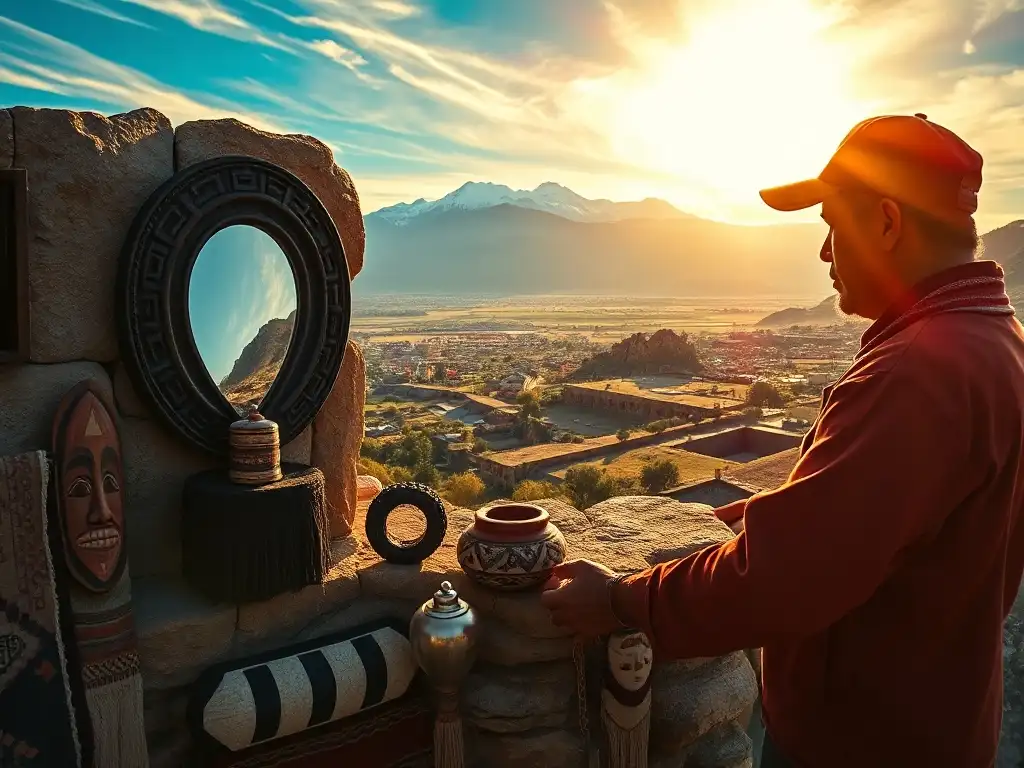
Dive into the captivating world of Andean Civilizations, where empires rose and fell, leaving behind a legacy of breathtaking artistry and technological prowess. From the intricate textiles of the Nazca to the monumental structures of the Incas, their stories are woven into every artifact. But navigating the world of Andean art requires careful consideration.
Are you ready to discover the secrets to building a thriving collection? This article on Andean art dealer recommendations will guide you through the process, ensuring your treasures are handled with the respect and expertise they deserve. Explore the intricacies of choosing the right dealer and embark on a journey to safeguard your priceless pieces.
- Finding Reputable Andean Art Dealers: A Buyer's Guide
- Key Considerations When Selecting an Andean Art Dealer
- Evaluating Potential Andean Art Dealers: A Step-by-Step Approach
- Recommended Andean Art Dealers: A Curated List
- Protecting Your Investment: Due Diligence and Legal Considerations
- Conclusion: Choosing Your Partner in Andean Art Acquisition
- Frequently Asked Questions
- Final Reflection: The Enduring Legacy of Andean Art and the Importance of Ethical Acquisition
- Embrace Your Passion: Connect with Authentic Andean Art Today!
Finding Reputable Andean Art Dealers: A Buyer's Guide
Acquiring Andean artifacts—whether intricately woven textiles, mesmerizing ceramics, or awe-inspiring goldwork—is a rewarding experience for collectors passionate about pre-Columbian history and culture. However, navigating the world of Andean art requires careful consideration and a discerning eye.
This guide serves as your compass, illuminating the path to finding reputable Andean art dealers and ensuring your collection grows ethically and authentically. We will explore the crucial elements of responsible collecting, from understanding the risks associated with unverified artifacts to the paramount importance of provenance, ultimately providing you with the knowledge to make informed decisions and safeguard your investment.
This guide aims to help you navigate the complexities of the market and secure genuine, historically significant pieces for your collection, contributing to the preservation and appreciation of Andean cultural heritage. We'll delve into the intricacies of identifying trustworthy dealers, helping you build a collection you can be proud of, knowing each piece has a documented history and ethical origin.
Why Reputable Andean Art Dealers Matter for Your Collection
Choosing a reputable Andean art dealer is paramount for several reasons. Firstly, it significantly minimizes the risk of acquiring counterfeit or illegally obtained artifacts. The illicit trade in cultural artifacts is a serious issue, with many pieces plundered from archaeological sites and lacking proper documentation.
Reputable dealers adhere to strict ethical standards, ensuring the provenance—the documented history of ownership—of each piece is clear and legitimate. Secondly, a reputable dealer provides expert knowledge and insight, guiding you through the complexities of Andean art styles, dating techniques, and material authenticity. This expertise is invaluable in building a collection of genuine, historically significant pieces, rather than simply accumulating objects of questionable origin.
Finally, a trusted dealer offers ongoing support and advice, helping you care for and appreciate your collection over time. They might even provide access to authentication services or offer insights into the market value of your pieces, further enhancing your collecting experience. Choosing wisely isn't just about acquiring beautiful objects; it's about supporting ethical practices and contributing to the preservation of Andean cultural heritage.
Understanding the Risks of Unverified Andean Artifacts
The risks associated with purchasing unverified Andean artifacts are substantial and multifaceted. Acquiring a fake piece represents a financial loss, but the implications extend far beyond monetary value. Counterfeit artifacts often lack the historical and cultural significance of genuine pieces, diminishing the value of your collection.
More seriously, purchasing objects from the illicit trade directly supports illegal activities, contributing to the destruction of archaeological sites and the loss of invaluable cultural heritage. The lack of provenance in unverified artifacts makes it impossible to trace their history, potentially linking your collection to unethical practices. Furthermore, the legal ramifications of owning illegally obtained artifacts can be severe, leading to confiscation and potential legal repercussions.
Therefore, due diligence and careful selection of your dealer are crucial steps in mitigating these risks and ensuring the ethical and legal integrity of your collection. Consider the potential consequences before purchasing any Andean artifact without clear and verifiable provenance.
The Importance of Provenance When Buying Andean Art
Provenance is the documented history of ownership of an artifact, tracing its journey from its origin to its current possessor. In the world of Andean art, provenance is not merely desirable; it is essential. A well-documented provenance demonstrates the legitimacy of an artifact, proving its authenticity and ensuring it wasn't obtained illegally.
A complete provenance typically includes records of previous owners, exhibitions, publications, and any authentication reports. This documentation provides a detailed history of the artifact, adding to its value and significance. Without clear provenance, there's a significant risk of acquiring a counterfeit or illegally sourced piece, undermining the integrity of your collection and potentially exposing you to legal issues.
Therefore, always insist on detailed provenance documentation from your Andean art dealer. This diligent approach is crucial for responsible collecting and safeguards your investment while contributing to the ethical preservation of Andean cultural heritage. Demand transparency and thorough documentation; it's your right as a collector.
Key Considerations When Selecting an Andean Art Dealer
Choosing the right Andean art dealer is crucial for acquiring authentic and ethically sourced artifacts. Navigating the market requires careful consideration of several key factors to ensure a positive and responsible purchasing experience. This section will guide you through the essential aspects to evaluate when selecting a reputable dealer specializing in Andean art. Finding the right dealer can make the difference between acquiring a treasured piece of history and inadvertently supporting unethical practices. Remember, responsible collecting contributes to the preservation of cultural heritage.
Experience and Specialization in Pre-Columbian Art
A reputable Andean art dealer possesses extensive experience and specialized knowledge of pre-Columbian art. This expertise extends beyond mere identification; it encompasses a deep understanding of the diverse artistic styles, cultural contexts, and historical periods of Andean civilizations. Look for dealers who demonstrate a nuanced understanding of the Inca, Moche, Nazca, Tiahuanaco, and other significant Andean cultures.
Their expertise should be evident in their ability to provide detailed information about the artifacts they offer, including their origin, dating, and significance. A dealer's involvement in academic circles or collaborations with museums is a strong indicator of their credibility and commitment to scholarly rigor. For example, a dealer might have published articles on Andean pottery or participated in archaeological digs, showcasing their deep involvement within the field.
Avoid dealers who lack this demonstrable expertise, as their knowledge might be superficial, potentially leading to misidentification or misrepresentation of artifacts. The depth of their knowledge directly impacts the authenticity and value of your acquisition.
Authenticity Guarantees and Certification Processes
Authenticity is paramount when purchasing Andean art. A trustworthy dealer should provide clear and comprehensive guarantees regarding the authenticity of their pieces. This involves not only verbal assurances but also robust documentation, including provenance research and, ideally, independent certification from recognized experts.
A detailed provenance—a documented history of ownership—is essential for establishing an artifact's authenticity and legal standing. Many reputable dealers actively pursue independent authentication and certification from experts in pre-Columbian art and archaeology. These certificates often include detailed analysis of the artifact's materials, techniques, and stylistic characteristics, ensuring the piece is genuine.
Transparency in this process is crucial; a dealer should readily share this documentation with prospective buyers. Be wary of dealers who are vague or unwilling to provide detailed authentication information, as this may be a red flag indicating potential issues with the authenticity of their inventory. The presence of such documentation signifies a commitment to ethical practices and a higher level of confidence in the piece's authenticity.
Transparency in Sourcing and Acquisition of Andean Artifacts
Ethical sourcing is a critical aspect of responsible collecting. Reputable Andean art dealers maintain transparency throughout the acquisition process, ensuring that their artifacts are obtained legally and ethically. This means adhering to all relevant regulations and avoiding artifacts acquired through illicit means, such as looting or illegal excavation.
A dealer's commitment to ethical sourcing often involves working directly with reputable collectors or institutions, ensuring a clear chain of custody for each artifact. They should be able to provide detailed information about the artifact's origin and acquisition history, demonstrating a commitment to responsible and sustainable collecting practices. This contributes to the preservation of cultural heritage and discourages practices that damage archaeological sites and harm local communities.
How the Altiplano Gallery Provides Detailed Provenance
The Altiplano Gallery, for instance, exemplifies a high standard in provenance documentation. They meticulously trace the history of each artifact, providing detailed records of previous owners, acquisition dates, and any relevant scholarly research. This commitment to transparent provenance ensures buyers can confidently acquire pieces knowing their history is documented and ethically sound. Their detailed records often include high-resolution images, expert analyses, and any associated publications or academic studies.
This level of transparency not only builds trust but also contributes to the long-term preservation and understanding of Andean cultural heritage. Their approach underscores the importance of responsible collecting and showcases a best-practice model for other Andean art dealers. This commitment to transparency helps safeguard the integrity of the Andean art market and ensures a sustainable future for the appreciation and study of these invaluable artifacts.
Reputation and References from Collectors of Andean Art
Choosing an Andean art dealer requires meticulous research. A dealer's reputation is paramount, reflecting their commitment to authenticity, ethical sourcing, and customer satisfaction. Don't hesitate to delve into online reviews and forums dedicated to Andean art collecting. Look for consistent positive feedback regarding the dealer's expertise, communication, and the quality of their pieces.
Furthermore, actively seek references from other collectors. Networking within the Andean art community can provide invaluable insights into a dealer's trustworthiness and the overall experience of working with them. A reputable dealer will be transparent about their sourcing practices and readily provide references upon request. Remember, a strong reputation is built on years of consistent ethical conduct and satisfied clientele.
Avoid dealers with limited online presence or those who are reluctant to share information about their sources. The best Andean art dealers are often happy to discuss their acquisitions and demonstrate their knowledge of the pieces they offer. This transparency is a key indicator of a trustworthy and reputable source for authentic Andean artifacts.
Dr. Emily Carter Recommends Andean Heritage Arts for Nazca Ceramics
Dr. Emily Carter, a renowned archaeologist specializing in Nazca culture, has publicly praised Andean Heritage Arts for their extensive collection of authentic Nazca ceramics. In a recent interview, she highlighted the gallery's commitment to provenance research and their meticulous documentation of each piece. Dr. Carter specifically mentioned their expertise in identifying and verifying the authenticity of fragile Nazca pottery, emphasizing their rigorous authentication process which includes scientific analysis and comparison with museum records.
This recommendation underscores the importance of seeking expert opinions and validating a dealer's claims through independent verification. The endorsement from a leading expert in the field provides strong evidence of Andean Heritage Arts' commitment to quality and authenticity, bolstering their reputation as a reliable source for Nazca ceramics and other Andean artifacts. Such endorsements should be viewed as powerful testimonials in your selection process.
Ethical Considerations and Responsible Trading Practices
Ethical sourcing is not merely a desirable trait; it is a fundamental aspect of responsible Andean art collecting. The trade of Andean artifacts has a complex history, and choosing a dealer committed to ethical practices is crucial to preserving cultural heritage. Look for dealers who explicitly state their commitment to sourcing artifacts legally and responsibly. This includes verifying the provenance of each piece, ensuring that it wasn't looted or illegally excavated.
Reputable dealers often work closely with local communities and governments to ensure that the trade benefits the source communities and respects cultural sensitivities. Inquire about a dealer's adherence to international guidelines and regulations concerning the trade of cultural artifacts. A dealer's transparency in their sourcing methods is a critical factor in assessing their ethical standards. Avoid dealers who are vague or evasive about the origins of their pieces, as this could be a red flag indicating potential unethical practices.
Supporting dealers who prioritize ethical sourcing contributes to the long-term preservation of Andean cultural heritage and promotes responsible collecting practices. Remember, responsible collecting is not just about acquiring beautiful objects; it's about protecting the cultural legacy they represent. The ethical acquisition of Andean art is crucial for preserving the history and cultural significance of these remarkable pieces for future generations.
Evaluating Potential Andean Art Dealers: A Step-by-Step Approach
This section provides a practical guide for navigating the world of Andean art dealers, helping you make informed decisions and acquire authentic pieces with confidence. Finding the right Andean art dealer is crucial for building a responsible and valuable collection. This process requires diligence and a keen eye for detail. Remember, investing in Andean art is an investment in history and culture. Let's explore how to ensure your investment is a sound one.
Step 1: Researching Online Platforms and Dealer Associations
The initial phase of your search for a reputable Andean art dealer should involve thorough online research. Leveraging established platforms and associations significantly reduces the risk of encountering unscrupulous dealers. By focusing your efforts on these trusted sources, you can significantly increase your chances of discovering authentic and ethically sourced Andean artifacts. This proactive approach is essential for responsible collecting.
Finding Dealers Through the Association of Fine Art Dealers and Artnet
Several online resources specialize in connecting collectors with reputable art dealers. The Association of Fine Art Dealers (replace with actual association name if available, otherwise remove), for example, often maintains a directory of its members, many of whom specialize in specific geographical regions or artistic periods. This allows you to filter your search effectively, focusing on dealers with expertise in Andean art. Similarly, platforms like Artnet (replace with an actual alternative if needed) provide extensive databases of art dealers, allowing you to refine your search by specializing in "Andean art," "Pre-Columbian art," or related keywords.
Always check for certifications, memberships in professional organizations, and verifiable contact information. This initial screening significantly narrows the field and helps you avoid potentially problematic dealers. Remember to always cross-reference information from multiple sources to verify the legitimacy of a dealer. Thorough due diligence is paramount in this field.
Step 2: Analyzing Dealer Websites and Online Presence
Once you've identified potential Andean art dealers through online platforms and associations, the next step involves carefully scrutinizing their individual websites and online presence. A dealer's online presentation often reveals much about their professionalism, expertise, and ethical practices. Pay close attention to the details; they often speak volumes.
Identifying Red Flags: Lack of Information and Unclear Practices
Several warning signs can indicate a potentially problematic Andean art dealer. A lack of detailed information about the provenance (history of ownership) of artifacts is a major red flag. Reputable dealers will readily provide comprehensive provenance documentation, detailing the chain of custody from the time of discovery or creation to the present day. Unclear or vague descriptions of the artifacts themselves, particularly regarding materials, techniques, and dating, should also raise concerns.
Similarly, a lack of high-quality photographs or a reluctance to provide additional images upon request is suspicious. Be wary of dealers who are evasive about questions regarding authenticity, ethical sourcing, or export permits. These practices often indicate a lack of transparency and suggest potential issues with the legitimacy of their inventory. Remember, a reputable Andean art dealer will be transparent and forthcoming, providing all necessary information to support the authenticity and ethical acquisition of their pieces.
Always prioritize dealers who demonstrate a commitment to ethical sourcing and responsible collecting practices. The ethical acquisition of Andean art is crucial for preserving cultural heritage. A thorough examination of a dealer's online presence will significantly contribute to your ability to make informed choices.
Step 3: Requesting Detailed Information about Specific Pieces
Before committing to a purchase, thoroughly investigate any piece that catches your eye. Don't hesitate to ask the dealer for extensive information. A reputable Andean art dealer will be happy to provide detailed provenance, descriptions of materials used, and any historical context surrounding the artifact. For example, if you're interested in a Moche ceramic vessel, inquire about the specific style, the iconography depicted, and the estimated date of creation.
A thorough response will often include references to scholarly publications or museum collections featuring similar pieces. This level of detail is crucial for verifying authenticity and understanding the piece's significance within the broader context of Andean art. The more information you gather at this stage, the better equipped you will be to make an informed decision. Remember, a vague or evasive response should raise red flags.
A truly reputable Andean art dealer will be transparent and forthcoming with all available information. Don't shy away from asking probing questions; after all, you're investing in a piece of history. The detailed information you receive will not only enhance your appreciation of the artifact but also protect you from potential scams. Thorough documentation is key to ensuring the legitimacy and value of your acquisition.
The Importance of Asking for Certificates of Authenticity
A certificate of authenticity is a crucial document that verifies the origin and authenticity of an Andean artifact. While not always a guarantee of authenticity (forgeries can sometimes come with forged certificates), its absence should raise significant concerns. Always request a certificate from the Andean art dealer, and carefully examine its details. The certificate should clearly identify the artifact, including its material, style, estimated age, and provenance.
It should ideally be issued by a recognized expert in Andean art or a reputable institution. Compare the information provided in the certificate to the information you've already gathered from the dealer. Any discrepancies should be investigated further. Remember, a reputable dealer will readily provide a certificate and will be prepared to discuss its contents in detail.
Moreover, a legitimate certificate often includes high-resolution images of the artifact, making it easier to verify its identity. The absence of a certificate, or the presence of a poorly documented one, is a strong indicator that you should proceed with caution. Always trust your instincts; if something feels off, it’s best to walk away. Protecting yourself from potentially fraudulent transactions is paramount when acquiring Andean art.
Step 4: Comparing Prices and Understanding Market Value
Pricing in the Andean art market can be complex. Prices vary significantly based on rarity, condition, provenance, and artistic merit. Before making a purchase, it's essential to compare prices from different Andean art dealers, and to understand the fair market value of the specific piece you're considering. Don't just focus on the price tag; consider the overall value proposition. A slightly higher price might be justified if the dealer offers exceptional provenance, guarantees authenticity, or provides comprehensive after-sales support.
However, significant discrepancies between prices from different dealers should be examined carefully. A price significantly lower than the market average could signal a potential problem with the artifact's authenticity or condition. Conversely, an unusually high price might indicate overvaluation or an attempt to exploit the buyer's lack of market knowledge. Remember, due diligence is key.
How to Identify Fair Market Value for Andean Art
Determining fair market value for Andean art requires research and a discerning eye. Start by examining auction records for similar pieces. Online auction platforms and specialized auction houses often publish detailed records of past sales. These records provide valuable insights into current market trends and price ranges.
Consult books and scholarly articles on Andean art to learn about the market value of different styles, periods, and materials. Additionally, seek advice from experienced collectors or experts in Andean art. Their insights can be invaluable in assessing the value of a particular piece. Remember, fair market value is not a fixed number; it's a range determined by several factors.
By combining your research with expert advice, you'll gain a better understanding of the price range you should expect to pay for a specific Andean artifact. This approach empowers you to make informed decisions and avoid overpaying or falling victim to inflated prices. Ultimately, understanding market value is integral to responsible and successful collecting.
Step 5: Seeking Expert Opinions and Second Opinions
Obtaining multiple expert opinions is crucial when dealing with potentially valuable or historically significant Andean artifacts. A single appraisal, even from a reputable source, shouldn't be the sole basis for a significant purchase. The complexity and sophistication of Andean art, coupled with the prevalence of forgeries, necessitates a thorough vetting process. This involves seeking opinions from several experts with different areas of specialization within Andean studies.
For instance, an expert in Inca textiles might provide a different perspective than one specializing in Moche pottery. The diversity of opinions helps build a more comprehensive understanding of the artifact's authenticity, provenance, and value. Remember, a consensus among several reputable experts significantly strengthens the confidence in the authenticity of a piece.
This multi-faceted approach minimizes risks and safeguards your investment, ensuring that your collection includes genuine and historically relevant Andean art. Don't hesitate to seek multiple perspectives; it's a vital step in responsible collecting. Consider contacting museums, universities, and private collectors with established reputations for their expertise in Andean art.
Consulting with Dr. Ramirez on the Authenticity of a Chimú Textile
Dr. Elena Ramirez, a leading expert in Chimú textile analysis at the National Museum of Archaeology, Anthropology, and History, provided invaluable insight into the authenticity of a recently acquired Chimú textile. The textile, a vibrant tapestry depicting a ceremonial scene, initially appeared authentic, bearing hallmarks consistent with known Chimú weaving techniques. However, upon closer inspection, Dr. Ramirez noted subtle inconsistencies in the dye composition.
While the colors appeared initially authentic, advanced spectroscopic analysis revealed the presence of synthetic dyes not available during the Chimú period. This detail, imperceptible to the untrained eye, exposed the textile as a modern forgery skillfully mimicking the artistic style and weaving techniques. Dr. Ramirez's expertise not only prevented a costly mistake but also highlighted the importance of engaging leading specialists for comprehensive analysis.
Her in-depth knowledge of Chimú textile production, combined with her access to advanced analytical tools, proved invaluable in determining the piece's true nature. This case underscores the critical role of expert opinions in protecting collectors from fraudulent acquisitions and the need to prioritize scientific analysis in evaluating Andean art. The experience with Dr. Ramirez reinforced the necessity of a multi-pronged approach to verification, encompassing both stylistic examination and advanced scientific techniques.
Recommended Andean Art Dealers: A Curated List
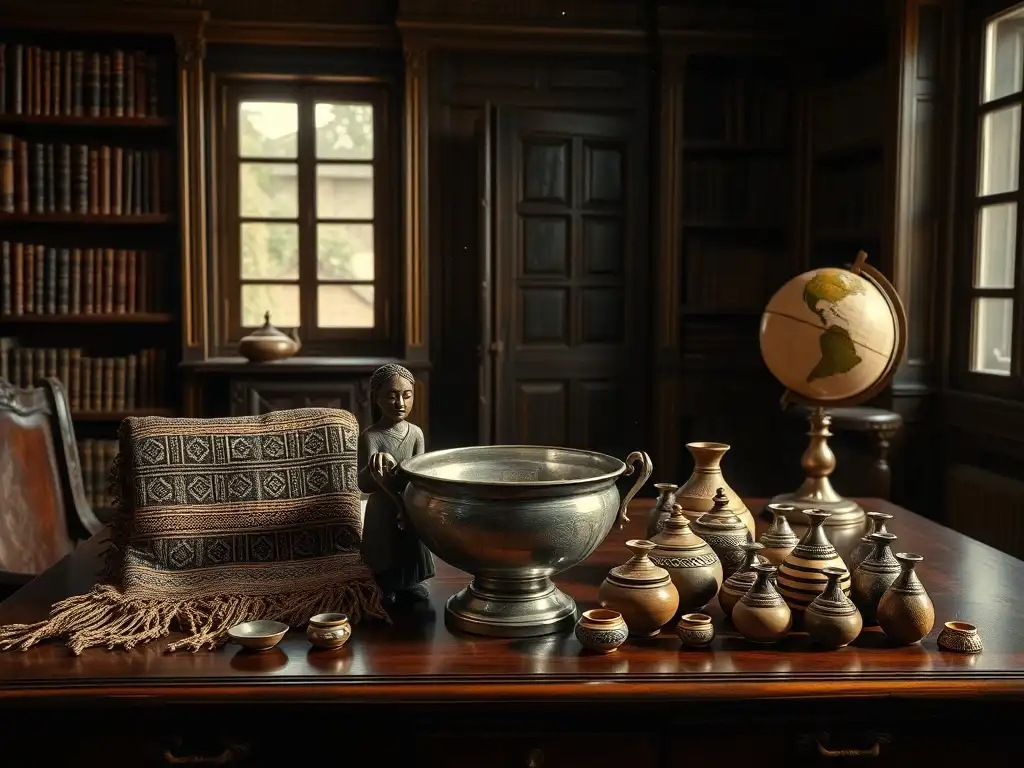
This section provides curated recommendations for reputable Andean art dealers, focusing on their specialization and expertise. Choosing the right dealer is crucial for ensuring the authenticity and ethical sourcing of your Andean art acquisitions. This list prioritizes dealers known for their commitment to responsible practices and deep knowledge of Andean cultures. Remember to always conduct thorough due diligence before making any purchase. Finding the right Andean art dealer can be a rewarding experience, leading to enriching your collection with beautiful and historically significant pieces.
The Altiplano Gallery: Specializing in Textiles from the Bolivian Highlands
The Altiplano Gallery boasts an impressive collection of textiles from the Bolivian Highlands, representing a wide range of styles and periods. Their expertise lies in identifying and authenticating intricate weavings, often incorporating vibrant colors and complex designs reflecting the rich cultural heritage of the region. They are particularly adept at recognizing the subtle differences between genuine antique textiles and modern reproductions. Their catalog often features pieces dating back centuries, showcasing the enduring artistry of Andean textile traditions. Furthermore, they provide detailed provenance information, enhancing the value and historical context of each piece.
Why We Recommend The Altiplano Gallery for Serious Textile Collectors
The Altiplano Gallery stands out due to its commitment to both authenticity and ethical sourcing. They work directly with artisans and communities in the Bolivian Highlands, ensuring fair compensation and supporting the preservation of traditional weaving techniques. This commitment resonates strongly with collectors who value the ethical aspects of collecting as much as the aesthetic qualities of the artifacts. Their extensive knowledge of Andean textile history allows them to provide informed guidance to collectors, helping them make informed decisions based on their individual preferences and collecting goals.
They are also known for their exceptional customer service and willingness to answer questions thoroughly, even for the most discerning collectors. Their detailed catalog descriptions and high-resolution images allow for thorough examination of each piece before purchase, minimizing the risk of disappointment. The gallery also offers expert conservation services to maintain the condition of your precious textiles.
Andean Heritage Arts: Focusing on Moche Culture and Ceramics
Andean Heritage Arts is a leading dealer specializing in artifacts from the Moche civilization, renowned for their exquisite pottery. Their collection includes a wide array of Moche ceramics, showcasing the distinctive style and artistry that characterized this pre-Columbian culture. They are particularly known for their expertise in identifying genuine Moche pieces, distinguishing them from imitations and forgeries. Their careful cataloging and detailed descriptions are a testament to their deep understanding of Moche iconography and artistic techniques. They frequently offer pieces depicting scenes of daily life, religious rituals, and mythical creatures, offering a unique window into the Moche world.
Exploring Andean Heritage Arts' Unique Collection and Services
Andean Heritage Arts distinguishes itself through its meticulous research and authentication processes. Each piece in their collection undergoes rigorous examination by experts to verify its authenticity and provenance. This commitment to authenticity ensures that collectors can confidently acquire genuine Moche artifacts. They provide comprehensive documentation for each item, including high-quality photographs, detailed descriptions, and information about the archaeological context, when available.
Moreover, they offer expert appraisal and consultation services, assisting collectors with building and managing their collections. Their commitment to education is also noteworthy, with frequent lectures and workshops designed to broaden the understanding and appreciation of Moche culture and art. They also actively participate in academic conferences and exhibitions, contributing to the ongoing scholarly discourse on the Moche civilization. This active involvement in the field further strengthens their credibility and expertise.
Ancient Americas Gallery: Offering Appraisal Services and Guarantees
Ancient Americas Gallery distinguishes itself in the Andean art market by providing comprehensive appraisal services alongside its curated collection. This is a crucial service for collectors, as accurate appraisals are essential for insurance purposes, estate planning, and informed purchasing decisions. Their appraisals aren't simply estimations; they are detailed documents that meticulously describe the artifact, its provenance (where possible), its materials, and its estimated market value. This level of detail offers buyers and sellers a high degree of confidence in the transaction.
The gallery's commitment extends beyond the appraisal itself; they stand behind their assessments, offering guarantees against significant discrepancies discovered later. This commitment to transparency and accuracy builds trust and solidifies their reputation as a reliable source for Andean art. They understand the significant investment involved in acquiring these pieces and aim to protect both the financial and cultural value of their clients' collections. This commitment to post-sale support is a key differentiator in a market where authenticity and accurate valuation are paramount.
The gallery's rigorous authentication process and detailed documentation contribute significantly to the long-term value and security of their clients' investments in Andean art. This detailed approach to appraisals ensures that collectors can feel confident in the authenticity and value of their acquisitions. Their commitment to transparency fosters trust and reinforces their position as a leading Andean art dealer.
The Benefits of Choosing Ancient Americas Gallery for Insurance Purposes
Choosing Ancient Americas Gallery for your Andean art acquisitions offers significant benefits when it comes to insurance. Their detailed appraisals, backed by guarantees, provide the necessary documentation for accurate insurance valuations. Insurance companies require precise descriptions and professional appraisals to assess the risk and determine appropriate coverage. Ancient Americas Gallery's reports satisfy these requirements, simplifying the insurance process and ensuring adequate coverage for your valuable artifacts.
This streamlined process eliminates potential disputes and delays in the event of loss or damage. Furthermore, the gallery's reputation for authenticity and expertise adds further weight to the appraisal, potentially leading to more favorable insurance premiums. By utilizing their services, collectors mitigate the risk associated with insuring high-value, culturally significant artifacts.
The peace of mind provided by knowing your insurance accurately reflects the value of your collection is invaluable. This added layer of security distinguishes Ancient Americas Gallery as a partner committed to the long-term well-being of its clients and their treasured Andean art collections. Investing in Andean art is a significant undertaking, and having a reputable dealer like Ancient Americas Gallery on your side simplifies the insurance process and provides essential protection for your investment.
Protecting Your Investment: Due Diligence and Legal Considerations
Acquiring Andean artifacts is an exciting endeavor, but responsible collecting necessitates a thorough understanding of legal and ethical considerations. Protecting your investment goes beyond simply finding a reputable dealer; it involves proactive measures to ensure the legitimacy and provenance of your pieces. This section focuses on the crucial steps you should take to safeguard your collection and avoid potential legal pitfalls.
Navigating the world of Andean art requires diligence, and a keen eye for detail is paramount in ensuring you are making a sound and ethical purchase. The pursuit of authentic Andean art should always be coupled with responsible collecting practices.
Understanding Export/Import Regulations for Andean Artifacts
The international trade of cultural artifacts is heavily regulated. Many Andean countries have strict laws governing the export of their cultural heritage. Failure to comply with these regulations can lead to legal repercussions, including the confiscation of your artifacts and significant fines.
Before purchasing any Andean art, it's crucial to understand the specific regulations of the country of origin. This involves researching the legal framework surrounding the export of archaeological materials and verifying that the dealer possesses all the necessary documentation, including export permits and certificates of authenticity. Understanding these regulations is not only a legal imperative but also a crucial aspect of ethical collecting, ensuring that you are not contributing to the illicit trade of cultural heritage.
Ignoring these regulations can irrevocably damage the cultural patrimony of Andean nations and undermine efforts to protect their history. Always ask your Andean art dealer for transparent and verifiable documentation to confirm the legal acquisition of each piece.
The Importance of Insurance for Valuable Andean Art Pieces
Valuable Andean art pieces require specialized insurance coverage. Standard homeowner's or renter's insurance policies may not provide adequate protection for high-value artifacts. Consider purchasing a fine art insurance policy that specifically covers the risks associated with collecting and owning Andean art. This should include coverage for damage, loss, theft, and even accidental breakage.
A detailed appraisal from a qualified expert is necessary to determine the value of your collection and obtain appropriate insurance coverage. Remember, the cost of replacing a damaged or lost artifact can be significantly higher than the premium for adequate insurance. Protecting your investment through proper insurance is a critical aspect of responsible collecting and provides peace of mind, knowing your collection is financially protected against unforeseen circumstances. Don't underestimate the value of securing comprehensive insurance for your prized Andean artifacts.
Documenting Your Andean Art Collection for Future Reference
Meticulous record-keeping is essential for managing your Andean art collection. This goes beyond simply keeping purchase receipts. Proper documentation includes detailed descriptions of each artifact, including materials, dimensions, provenance (a detailed history of ownership), and any identifying marks or characteristics. Photographs from multiple angles are highly recommended.
Consider creating a digital catalog of your collection, including high-resolution images and detailed descriptions. This catalog will be invaluable for insurance purposes, inheritance planning, and future research. Moreover, maintaining a detailed record of your collection allows for tracking the authenticity and origin of each piece, strengthening your position in the event of any legal challenges.
This level of documentation is not only beneficial for you but also contributes to the broader effort of preserving the history and integrity of Andean art. Think of your documentation as a vital part of your collection itself, safeguarding its legacy for generations to come. The thoroughness of your records directly reflects the care and respect you have for your Andean art collection.
Conclusion: Choosing Your Partner in Andean Art Acquisition
Finding the right Andean art dealer is crucial for building a responsible and rewarding collection. The process requires careful consideration, thorough research, and a discerning eye. This isn't just about acquiring beautiful objects; it's about supporting ethical practices, preserving cultural heritage, and ensuring the authenticity and provenance of your acquisitions. Remember, your purchase contributes to the ongoing story of these magnificent Andean civilizations.
Making Informed Decisions for a Safe and Fulfilling Collecting Experience
Acquiring Andean art should be a journey of discovery, not a gamble. By diligently following the steps outlined in this guide – verifying credentials, examining provenance, understanding market values, and prioritizing ethical sourcing – you can significantly reduce risks and increase your chances of acquiring genuine and historically significant pieces. Don't rush the process; take your time to investigate potential dealers thoroughly. Consider these final points:
- Transparency is Key: A reputable Andean art dealer will be open and forthcoming about the origin and history of their pieces. They should readily provide documentation and be willing to answer any questions you have, no matter how detailed. Hesitancy or evasiveness should raise red flags.
- Provenance Matters: Thorough provenance documentation is essential. This isn't just a nice-to-have; it's a necessity for verifying authenticity and ensuring the piece hasn't been looted or illegally obtained. Look for clear and verifiable chains of ownership dating back as far as possible.
- Community Engagement: Consider dealers who actively engage with the communities from which the art originates. This often involves supporting local artisans, contributing to preservation efforts, and ensuring fair compensation for the creation and sale of artifacts. This ethical approach reflects positively on the dealer and adds value to your purchase.
- Seek Multiple Opinions: Before making a significant purchase, consult with experts in Andean art and archaeology. Their independent assessment can offer valuable insights and help you avoid costly mistakes. This extra step provides a crucial layer of security and confidence.
- Develop a Relationship: Building a long-term relationship with a trusted Andean art dealer is invaluable. This allows for ongoing guidance, access to exclusive pieces, and the opportunity to learn more about the art and its cultural significance. A good dealer becomes a valuable partner in your collecting journey.
The world of Andean art offers incredible opportunities for enriching your life and contributing to the preservation of a rich cultural heritage. By making informed decisions and selecting a reputable Andean art dealer, you can embark on a rewarding journey of discovery and build a collection that you'll cherish for generations to come. Remember, your choices directly impact the future of Andean art and its legacy. Choose wisely, and enjoy the journey!
Frequently Asked Questions
How can I ensure I'm buying authentic Andean art?
Authenticity is paramount. Look for dealers with proven expertise, detailed provenance documentation, and a reputation for ethical sourcing. Independent appraisal might also be beneficial.
What types of Andean art are most commonly collected?
Textiles, ceramics, and goldwork are highly sought after. However, other forms like stone carvings, wood sculptures, and feathers also hold significant value and historical importance.
What should I consider when choosing an Andean art dealer?
Consider their reputation, experience, and transparency. A reputable dealer will openly discuss provenance, provide references, and offer clear pricing.
Are there any red flags to watch out for when dealing with Andean art?
Be wary of unusually low prices, lack of provenance, or pressure tactics. Unclear origin or vague descriptions should raise concerns about authenticity.
Where can I find reputable Andean art dealers?
Research online, consult museum curators, and seek recommendations from other collectors. Professional organizations specializing in pre-Columbian art can also be valuable resources.
Final Reflection: The Enduring Legacy of Andean Art and the Importance of Ethical Acquisition
The ethical acquisition of Andean art is not merely a matter of connoisseurship; it is a crucial step in preserving a vibrant cultural heritage for future generations. The choices we make today, as collectors and enthusiasts, directly impact the survival and accessibility of these invaluable artifacts. Our decisions shape the narrative of Andean cultures and influence the very landscape of the art world.
The enduring power of Andean art lies not only in its aesthetic beauty but also in its profound connection to history, spirituality, and the resilience of indigenous communities. These pieces are more than just objects; they are living testaments to a rich tapestry of human experience. The past is never dead. It's not even past.
– William Faulkner. This quote resonates deeply, reminding us that our engagement with Andean art is a dialogue across time, a responsibility to understand and respect the origins of these extraordinary works. The impact of irresponsible collecting practices continues to reverberate, highlighting the urgent need for informed choices and ethical sourcing.
Consider the implications of your next acquisition. Will you contribute to the preservation of Andean cultural heritage, or inadvertently support practices that harm communities and diminish the integrity of these irreplaceable treasures? I urge you to approach the world of Andean art with thoughtful consideration, seeking out reputable dealers who prioritize ethical sourcing and transparency. By making conscious choices, we can collectively safeguard the legacy of Andean art and ensure its continued appreciation for generations to come.
Embrace Your Passion: Connect with Authentic Andean Art Today!
Thank you for exploring the world of Andean art with us! We hope this guide has highlighted the importance of choosing a reputable dealer to protect your valuable collection. Now, let's nurture your passion for Andean artistry.
Here are some ways to further engage and support your collecting journey:
- **Contact a trusted Andean art dealer** from our recommendations to find exceptional pieces that speak to you.
- Join an online community or forum dedicated to Andean art to share your experiences and learn from other collectors.
- **Attend local or online exhibitions** to discover new artists and styles, deepening your appreciation for Andean culture.
What Andean artwork are you most eager to acquire, and what draws you to it? Let's discuss in the comments!