
The Andean Ritual of the Earthquake: Seeking Protection from the Earth's Power

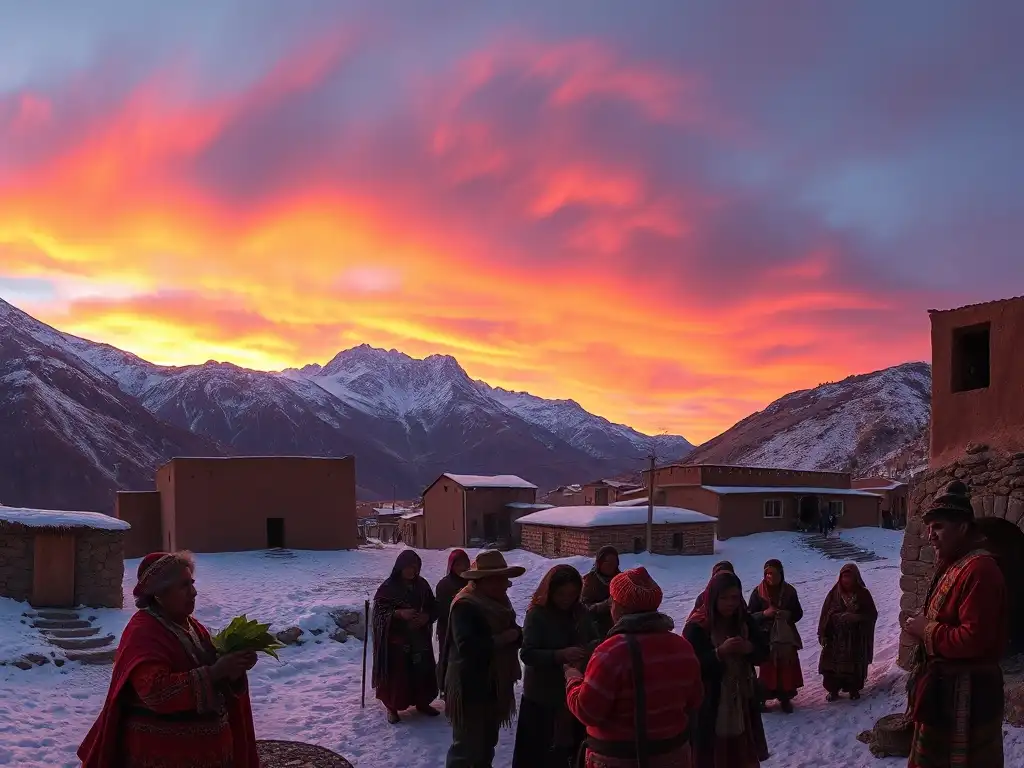
Step into a world lost to time, yet echoing with power. For centuries, the towering Andes have witnessed the rise and fall of magnificent civilizations. But what secrets do the mountains hold? Discover the fascinating world of Andean earthquake rituals, a testament to the ingenuity and spiritual depth of these ancient cultures. Uncover the intricate relationship between Andean peoples and the earth, and learn how they sought protection from the very forces that shaped their world. Dare to delve into the mysteries of their powerful beliefs… the story awaits.
- Andean Earthquake Rituals: Seeking Protection from the Earth's Power
- Understanding Andean Cosmovision and Earthquakes
- Pre-Columbian Responses to Seismic Activity
- The Andean Ritual of the Earthquake: A Detailed Examination
- Variations in Earthquake Rituals Across Andean Cultures
- The Enduring Legacy of Andean Earthquake Rituals
-
Frequently Asked Questions
- What were Andean earthquake rituals primarily designed to achieve?
- Which Andean cultures practiced earthquake rituals?
- What were some common elements found in Andean earthquake rituals?
- How did the location of Andean settlements influence earthquake rituals?
- What evidence exists to support the study of Andean earthquake rituals?
- Final Reflection: Echoes of the Earth: Understanding Andean Resilience
- **Embrace the Earth's Power: Take Action Today! **
Andean Earthquake Rituals: Seeking Protection from the Earth's Power
The Andes Mountains, a majestic spine running down the western coast of South America, are not only breathtakingly beautiful but also a region of intense seismic activity. For millennia, the inhabitants of this region – the Incas, Moche, Nazca, and other pre-Columbian cultures – lived in constant awareness of the earth's power, both its life-giving and destructive potential.
This understanding profoundly shaped their religious beliefs and practices, leading to the development of elaborate rituals aimed at appeasing the earth and seeking protection from devastating earthquakes. This article delves into the fascinating world of Andean earthquake rituals, exploring the diverse practices employed by different cultures to ensure the safety and prosperity of their communities in the face of nature's unpredictable fury.
We will examine the evidence available, highlighting the significance of these rituals within the broader context of Andean cosmovision and religious beliefs, revealing a deep connection between humanity and the powerful forces of nature. Understanding these rituals offers a unique window into the ingenuity and spiritual resilience of Andean civilizations.
Understanding the Andean Cosmovision and its Relation to Earthquakes
The Andean worldview fundamentally differed from many other cultures. The earth wasn't simply a passive backdrop to human life; it was a vibrant, sentient entity, a powerful force deserving of respect and appeasement. Mountains were considered sacred, the homes of powerful deities and spirits. Earthquakes, therefore, weren't seen as random natural disasters, but as manifestations of these deities’ anger or displeasure, often linked to human actions or imbalances in the cosmos.
This understanding fueled the development of rituals designed not just to prevent earthquakes, but to re-establish harmony and balance within the Andean worldview. The intricate relationship between humans and the earth is reflected in the complexity and diversity of the rituals themselves. Evidence suggests that different Andean communities developed unique rituals based on their specific geographical location and cultural traditions, emphasizing the localized nature of their interactions with the earth's power.
Ritual Practices to Appease the Earth: Offerings and Sacrifices
Many Andean earthquake rituals involved elaborate offerings and sacrifices aimed at appeasing the earth deities. These weren't simply acts of appeasement; they were symbolic gestures reaffirming the interconnectedness between humanity and the natural world. Archaeological evidence, such as findings at sites like [specific site name pending], reveals the use of various offerings, including:
- Llama and Alpaca Sacrifices: These animals, crucial to Andean life, were often sacrificed to appease the earth spirits, their blood symbolizing a vital connection to the land. The chosen animals were often healthy and strong, reflecting the desire to offer the best to the powerful deities.
- Precious Metal Offerings: Gold, silver, and other precious metals, often crafted into intricate figurines and artifacts, were frequently offered as gifts to the earth deities. These offerings emphasized the value placed upon the earth and its power.
- Ceremonial Vessels and Pottery: Elaborately decorated vessels containing food, drink, and other offerings were often placed in sacred locations, demonstrating the importance of ritualistic practices in maintaining harmony with the earth.
- Human Sacrifice (in certain cases): While less common, some evidence suggests the practice of human sacrifice in extreme circumstances, reflecting the gravity with which earthquakes were viewed and the desperate measures taken to appease the earth's fury. This practice, however, remains a subject of ongoing debate among scholars.
The Role of Shamans and Priests in Earthquake Rituals
The performance of Andean earthquake rituals was often entrusted to specialized individuals – shamans and priests – who possessed the knowledge and authority to communicate with the spirit world. These individuals played a crucial role in interpreting signs, predicting potential earthquakes, and conducting the necessary rituals to prevent or mitigate their destructive effects. Their expertise was highly valued, and their role extended beyond simply performing rituals; they were often community leaders and advisors, guiding their people through times of crisis and uncertainty.
[Further information on specific shamanic practices pending]. The rituals themselves were often accompanied by music, dance, and other forms of symbolic expression, creating a powerful and immersive experience.
Variations in Ritual Practices Across Different Andean Cultures
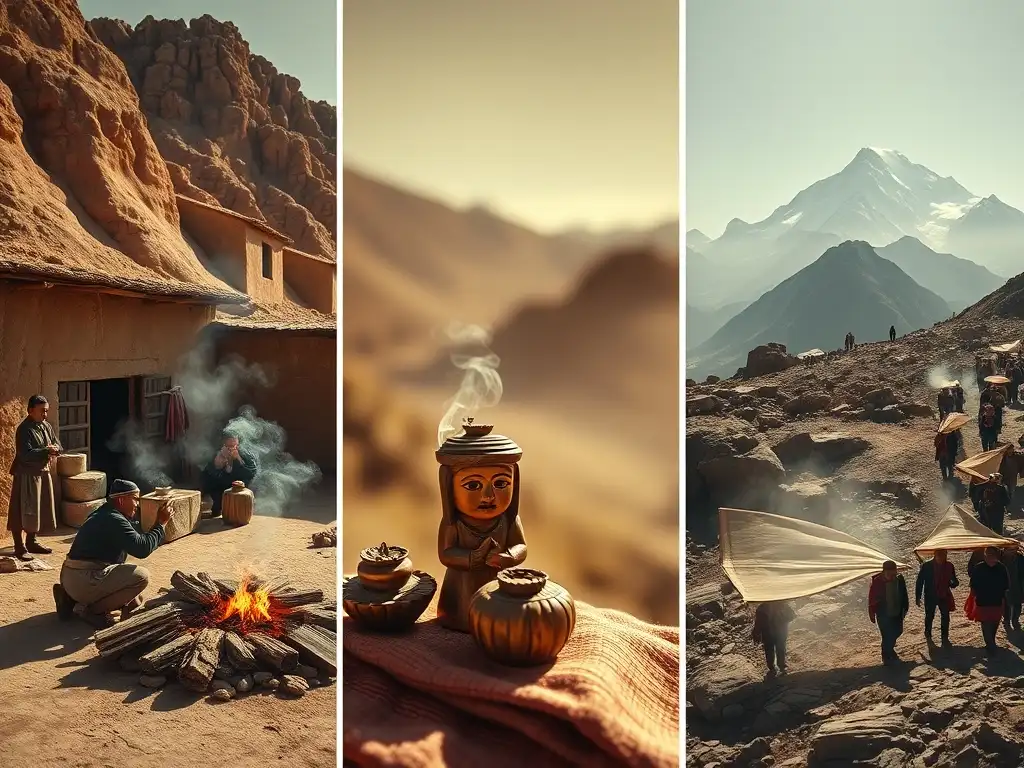
The specific practices varied considerably across different Andean cultures. While the overarching theme of appeasing the earth remained constant, the rituals themselves reflected the unique beliefs and traditions of each community. For example, the Incas, known for their sophisticated empire, likely had centralized rituals performed by state-sponsored priests, while smaller, less centralized groups may have practiced more localized, community-based rituals. [Specific examples of ritual variations across different cultures pending]. The diversity of these rituals underscores the richness and complexity of Andean religious practices and their adaptation to the unique challenges posed by the Andean environment.
The Legacy of Andean Earthquake Rituals
Though the Inca Empire and other pre-Columbian civilizations are long gone, the legacy of their earthquake rituals continues to resonate today. Many of the beliefs and practices related to respecting the earth and acknowledging its power survive in modern Andean communities, highlighting the enduring relevance of these ancient traditions. The study of these rituals not only provides a deeper understanding of the past but also offers valuable insights into the enduring relationship between humans and the natural world.
Understanding the resilience and spiritual depth of these ancient practices allows us to appreciate the intricate relationship between Andean cultures and their environment, a relationship that continues to shape the region today. The enduring legacy of these rituals serves as a reminder of the importance of respecting the power of nature and the enduring strength of human spirituality in the face of adversity.
Understanding Andean Cosmovision and Earthquakes
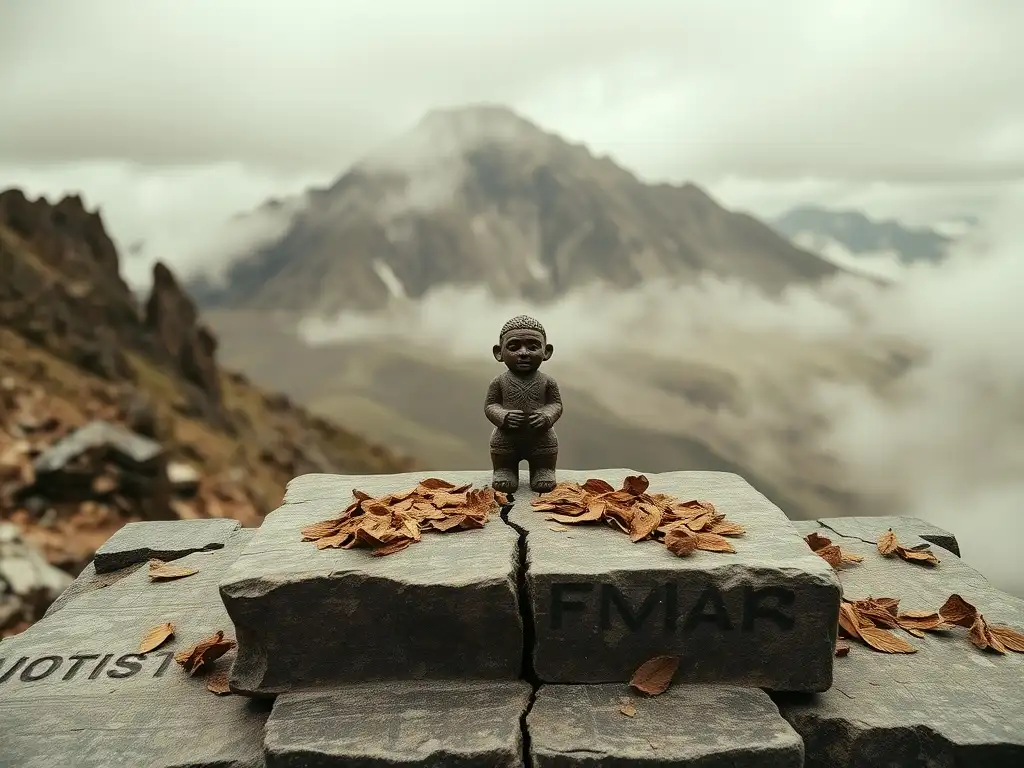
This section delves into the core beliefs of Andean cosmovision and how they shaped the understanding and response to earthquakes. Understanding the Andean worldview is crucial to comprehending the significance of their earthquake rituals. The Andes, a geographically volatile region, were not seen as merely a physical landscape but as a living, breathing entity deeply intertwined with the spiritual realm.
This perspective profoundly influenced how Andean communities perceived and reacted to seismic events. Instead of viewing earthquakes as random occurrences, they were interpreted through a complex lens of cosmic forces, divine intervention, and the delicate balance of the natural world. This intricate relationship between humanity and nature is reflected in the elaborate rituals and offerings aimed at appeasing the earth and ensuring the continued well-being of their communities.
The frequency and intensity of earthquakes in the Andes directly impacted the development of these rituals, solidifying their importance in Andean society. The rituals weren't merely superstitious practices; they were integral to maintaining social cohesion and cosmic harmony, reflecting a profound respect for the power of the earth.
The Earth as a Living Entity in Andean Beliefs
Andean cultures, including the Incas, Moche, Nazca, and Tiahuanaco, did not perceive the earth as an inanimate object. Instead, Pachamama, the Earth Mother, was considered a powerful, sentient being, a divine force deserving of respect and reverence. This wasn't a simple anthropomorphism; Pachamama was integral to their cosmology, a source of life, sustenance, and fertility.
Mountains, rivers, and even rocks were considered sacred manifestations of Pachamama's power. Earthquakes, therefore, weren't simply geological events; they were interpreted as expressions of Pachamama's moods, her displeasure, or a disruption of the cosmic balance she maintained. This belief system fostered a deep connection between the people and the land, influencing every aspect of their lives, from agriculture to religious practices.
The very act of planting crops was a ritualistic engagement with Pachamama, seeking her blessings for a bountiful harvest. Similarly, earthquakes were viewed as requiring appeasement and careful consideration, demanding a response to restore harmony.
The Significance of Earthquakes in Andean Mythology
Andean mythology often depicted earthquakes as the actions of powerful deities or supernatural beings. While specific narratives vary across different Andean cultures, the common thread is the acknowledgment of earthquakes as events with profound spiritual implications. Some myths attributed earthquakes to the movements of powerful underground creatures, while others linked them to the wrath of gods angered by human actions.
These narratives served not only to explain the phenomenon but also to reinforce the need for respectful behavior towards the earth and its sacred forces. For example, [specific Andean myth regarding earthquake causation pending]. This narrative highlights the importance of maintaining equilibrium and avoiding actions that might upset the cosmic order.
The stories were passed down through generations, shaping the cultural understanding of earthquakes and influencing the development of rituals aimed at mitigating their destructive potential. The fear and awe inspired by earthquakes fueled the creation of elaborate rituals designed to appease the earth and ensure the safety of the communities.
Andean Notions of Natural Disasters and Cosmic Balance
The Andean understanding of natural disasters, including earthquakes, was intrinsically linked to the concept of kay pacha (the here and now), hanan pacha (the upper world), and ukhu pacha (the underworld). These three realms were interconnected, and any disruption in one impacted the others. Earthquakes were seen as a sign of imbalance within this cosmic order, a disturbance that threatened the well-being of the entire system.
The rituals were, therefore, not merely about appeasing a specific deity but about restoring the harmony between these three realms. The offerings, prayers, and ceremonies were intended to re-establish the cosmic balance, ensuring the continued flow of energy and the protection of the community. This holistic perspective underscores the depth of Andean spiritual beliefs and their profound influence on their social structures and practices.
The intricate relationship between the natural world, the spiritual realm, and human actions shaped the Andean response to earthquakes, creating a rich tapestry of rituals and beliefs aimed at securing the well-being of their communities. The meticulous attention to maintaining cosmic balance reveals a sophisticated understanding of the interconnectedness of the world.
Pre-Columbian Responses to Seismic Activity
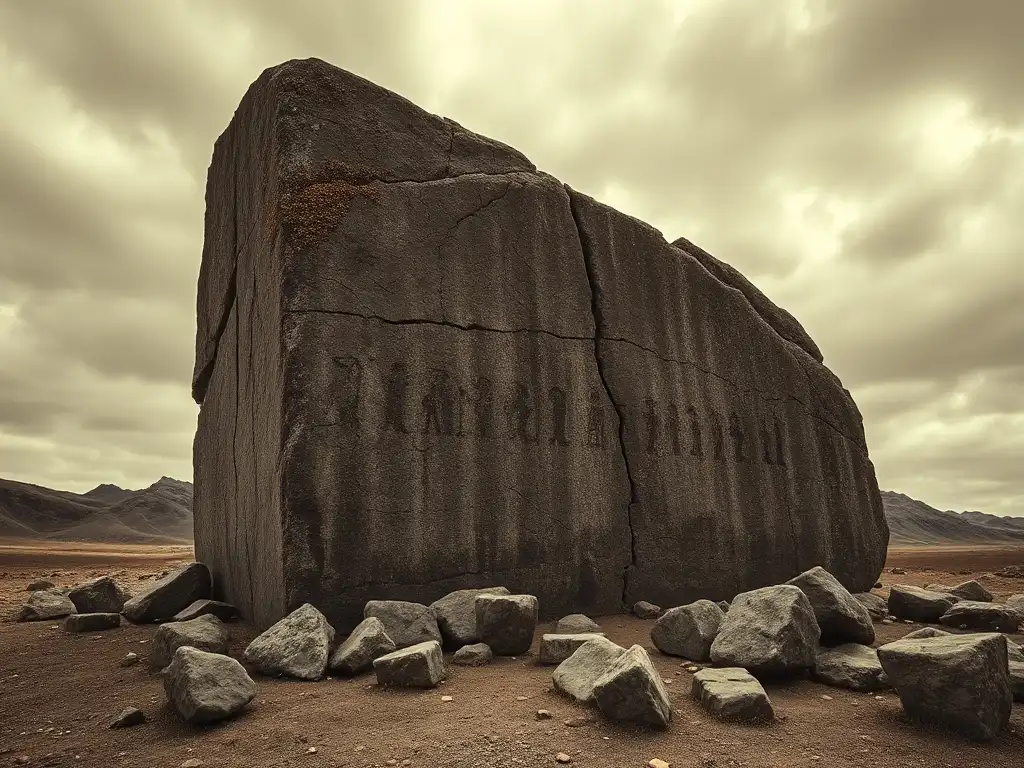
The Andes Mountains, a region of breathtaking beauty and immense geological activity, presented significant challenges to its inhabitants for millennia. The constant threat of earthquakes, sometimes devastating in their power, shaped not only the architectural styles of Andean civilizations but also their deeply ingrained religious beliefs and practices. Understanding pre-Columbian responses to seismic activity requires examining both the practical measures employed to mitigate damage and the elaborate rituals designed to appease the powerful earth spirits believed to control these seismic events.
This section will explore the evidence for both, highlighting the sophisticated understanding of seismic forces present within these ancient societies. The study of Andean earthquake rituals offers a unique lens through which to view their cosmological worldview and their remarkable resilience in the face of natural disaster. This understanding is crucial to appreciating the sophistication of these cultures and their innovative strategies for survival.
Archaeological Evidence of Earthquake Preparedness
Archaeological excavations across the Andes have revealed compelling evidence of pre-Columbian strategies for mitigating earthquake risks. The Inca, for instance, employed advanced building techniques, demonstrating a remarkable understanding of seismic forces. Their use of interlocking stones, precisely cut and fitted without mortar, allowed structures to absorb seismic shocks more effectively than many modern buildings.
This is particularly evident in sites like Machu Picchu, where the stones are so tightly fitted that even a knife blade cannot be inserted between them. Furthermore, the Inca often built their structures on terraces carved into hillsides, further reducing the impact of ground shaking. Analysis of building techniques in other Andean cultures, such as the Moche and Nazca, also reveals evidence of sophisticated construction methods designed to withstand earthquakes, although these might vary depending on the available materials and local geological conditions.
Detailed studies of these structures, along with analyses of collapsed buildings, are providing increasingly precise information about Andean earthquake preparedness and the long-term effectiveness of their building techniques. The resilience of some structures testifies to their profound understanding of earthquake dynamics.
Early Andean Practices for Mitigating Earthquake Impacts
Beyond sophisticated architectural design, early Andean societies implemented various practices to minimize the impact of earthquakes. These included careful site selection, avoiding unstable ground and choosing locations with strong foundations. They also developed intricate systems of irrigation and drainage, crucial for managing the potential for landslides and soil liquefaction—common consequences of earthquakes. Evidence suggests that these systems were not only functional but also integrated into the overall landscape design, reflecting a holistic understanding of the environment.
Careful observation of the landscape, coupled with generations of experience living with seismic events, allowed these societies to develop a deep understanding of geological hazards and their potential impact. For example, the careful placement of settlements and agricultural terraces shows an awareness of slope stability and potential for landslides triggered by seismic activity. Understanding these preventative measures is key to fully appreciating the Andean peoples' adaptation to a challenging environment.
Rituals and Offerings to Pacify Earth Spirits
The Andean worldview integrated the natural world, including earthquakes, into a complex cosmology. Earthquakes weren't simply geological events; they were manifestations of powerful earth spirits, often associated with deities like Pachamama (Mother Earth) and other powerful entities. To appease these spirits and ensure protection from seismic activity, elaborate rituals and offerings were performed.
These rituals often involved sacrifices, ranging from small offerings of food and drink to more significant offerings of llamas or other animals. The specific rituals and offerings varied between different Andean cultures and regions, reflecting the diversity of their beliefs and practices. Furthermore, there is evidence suggesting that certain rituals were performed specifically after an earthquake, aimed at placating angry spirits and ensuring the safety of the community.
These post-earthquake rituals often involved communal cleansing ceremonies and renewed offerings to restore balance and harmony to the earth. The complexity and diversity of these rituals underscore the significance of seismic events in the Andean worldview and the lengths to which these societies went to maintain a harmonious relationship with the natural world. The study of these rituals provides invaluable insights into their spiritual beliefs and their strategies for coping with the ever-present threat of earthquakes.
The Andean Ritual of the Earthquake: A Detailed Examination
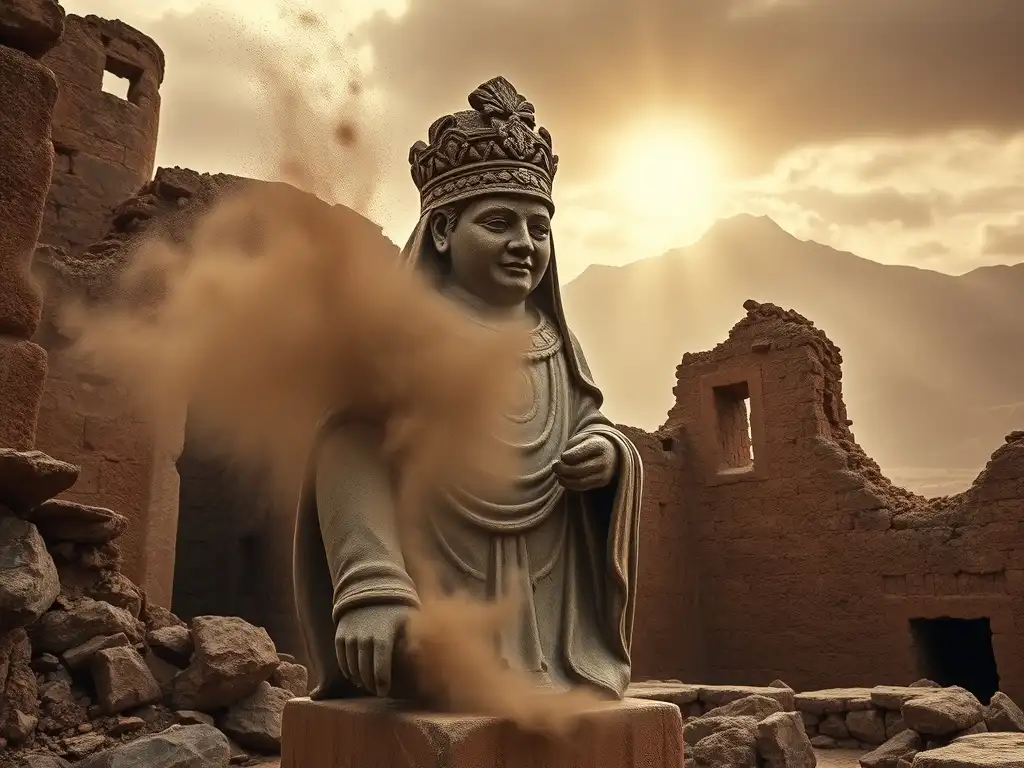
This section delves into the intricate practices surrounding Andean earthquake rituals, focusing on the beliefs and actions undertaken to appease the earth's power and seek protection from its tremors. Understanding these rituals provides crucial insight into the Andean worldview, where the natural world is deeply interconnected with the spiritual realm. The fear and respect for the earth's power are palpable in these ceremonies, reflecting a complex relationship between humanity and nature.
The analysis will explore the specific roles played by key figures and the materials used, highlighting the significance of reciprocity and balance in Andean cosmology. The term "Andean earthquake rituals" itself encompasses a wide range of practices, varying across different cultures and time periods, yet sharing core themes of appeasing the earth and seeking its benevolence.
The Role of the Yachaq (Shaman) in Earthquake Ceremonies
The yachaq, or shaman, played a central role in Andean earthquake ceremonies. Their expertise in interpreting natural phenomena and communicating with the spiritual world was crucial in understanding the causes of earthquakes and implementing appropriate responses. Unlike modern scientific explanations, Andean cosmologies often attributed seismic events to the displeasure of powerful deities or spirits inhabiting the earth.
The yachaq's responsibility extended beyond simply performing rituals; they acted as intermediaries, interpreting the earth's message and guiding the community's actions to restore balance. Their knowledge of medicinal plants, ritual practices, and spiritual techniques was essential for appeasing the earth and mitigating the consequences of its fury. Furthermore, the yachaq often held significant social standing, acting as advisors and healers within their communities, their role elevated by their ability to interact with the spiritual forces believed to govern the physical world.
Their involvement underscores the profound integration of the spiritual and material aspects of life in Andean societies. Detailed accounts of specific yachaq techniques and their social influence are unfortunately scarce in surviving historical records, necessitating further research to fully understand their multifaceted role in managing the impact of earthquakes.
Specific Rituals Performed During and After Earthquakes
Following an earthquake, a range of rituals were performed, aiming to restore harmony and prevent further tremors. These practices varied across different Andean cultures, but shared common themes of appeasement, reciprocity, and the acknowledgement of the earth's power. The immediate response often involved a period of quiet reflection, followed by carefully orchestrated ceremonies designed to communicate respect and seek forgiveness from the earth.
The use of specific offerings, prayers, and symbolic actions reflected a deep understanding of the interconnectedness between humanity and the natural world. The intensity and duration of the rituals often depended on the severity of the earthquake, with larger tremors prompting more elaborate and extensive ceremonies. The following sections will delve into the details of two commonly practiced rituals.
The Ch'alla Ceremony of Gratitude and Reciprocity
The ch'alla ceremony is a fundamental aspect of Andean spirituality, encompassing offerings of gratitude and reciprocity to the earth and its spirits. After an earthquake, ch'alla took on a particular significance, representing an attempt to appease the earth and prevent further disasters. This involved pouring chicha (a fermented corn beverage) and other offerings onto the ground, symbolically nurturing and thanking the earth for its sustenance.
The act of pouring involved specific gestures and prayers, reflecting a deep respect for the earth's generative power. The ch'alla wasn't merely a symbolic gesture; it was a tangible act of reciprocity, acknowledging the earth's role in providing life and seeking its continued benevolence.
Variations in the ch'alla ceremony existed across different Andean groups, with differences in offerings and ritual procedures reflecting regional variations in beliefs and practices. For instance, the specific types of alcohol or food offerings could vary depending on local customs and the available resources.
The Offering of Coca Leaves and Alcohol
Coca leaves and alcohol, particularly chicha, frequently featured in Andean earthquake rituals. Coca leaves, considered sacred, were chewed or offered as a sign of respect and appeasement to the earth spirits. The act of chewing coca leaves was believed to facilitate communication with the spiritual realm, allowing individuals to connect with the earth's energies and convey their intentions.
Alcohol, particularly chicha, was used to offer libations to the earth, symbolizing a shared offering and a gesture of gratitude. The use of both substances reflects the Andean belief in the interconnectedness of the spiritual and material worlds, emphasizing the importance of maintaining a harmonious relationship with the environment. The quantity and type of alcohol and coca leaves offered varied depending on the severity of the earthquake and the resources available to the community.
The act of offering these items was not simply a material exchange; it was a ritualized expression of respect, gratitude, and a plea for protection from future seismic events. The precise methods of offering, including the arrangement of the leaves and the manner of pouring the alcohol, were likely governed by specific customs and traditions passed down through generations.
Offerings and Sacrifices to Appease the Earth Gods
The Andean peoples, deeply connected to the earth's rhythms and power, developed elaborate rituals to appease the earth gods and mitigate the devastating effects of earthquakes. These rituals were not merely superstitious practices; they represented a profound understanding of the earth's volatile nature and a desperate attempt to maintain balance within their cosmovision. The offerings presented weren't random; they were carefully selected items imbued with symbolic meaning, chosen to resonate with the earth's energy and the deities believed to control it.
The frequency and scale of these offerings often depended on the severity of seismic activity; a minor tremor might warrant a small, community-based offering, while a major quake could trigger large-scale sacrifices involving significant resources and participation from various social groups. The sheer variety of offerings reflects the complex relationship between the Andean people and the earth, highlighting the importance of maintaining harmony with the natural world. The success of the ritual, in the eyes of the Andean communities, was directly correlated with the subsequent absence of further seismic activity.
This belief system reinforced the importance of these practices and ensured their continuation across generations. The efficacy of these rituals was not measured in scientific terms but rather in the perceived appeasement of the earth spirits and the continuation of life within a precarious environment.
Animal Sacrifices and Food Offerings
Animal sacrifices formed a crucial part of Andean earthquake rituals. Llamas, alpacas, and guinea pigs—animals deeply integrated into Andean life—were frequently offered. The choice of animal could vary based on factors like the perceived severity of the earthquake and the specific deity being addressed. Larger animals, like llamas, might be sacrificed after significant seismic events, reflecting the magnitude of the perceived transgression against the earth's power.
The offering of these animals was not simply a matter of appeasement; it also represented a profound connection between the human and animal realms within the Andean worldview. The act of sacrifice was often accompanied by elaborate ceremonies, involving prayers, chants, and specific gestures intended to ensure the acceptance of the offering by the earth deities. Beyond animals, food offerings played a vital role. These typically included maize, potatoes, and other staple crops, reflecting the importance of agriculture in Andean society.
These offerings were symbolic representations of the community's sustenance and their dependence on the earth's bounty. The meticulous preparation of these food offerings, often involving specific cooking techniques and decorative elements, underscored their sacred significance. The careful selection and preparation of both animal and food offerings demonstrate the deep reverence and respect the Andean people held for the earth and its powers.
The Symbolic Meaning of the Offerings
The symbolic meaning embedded within the offerings was paramount. The selection of specific animals and crops was not arbitrary; each item carried a specific meaning within the Andean cosmovision. For example, the llama, often associated with fertility and abundance, could symbolize a plea for the earth's continued generosity.
The vibrant colors of maize and other crops might represent the earth's life-giving energy, while the preparation and presentation of the offerings could reflect the community's desire for harmony and balance. Furthermore, the location of the offering was also significant. Offerings might be placed in sacred sites, mountaintops, or directly into fissures in the earth, reflecting the belief that the earth gods resided in these locations.
The act of offering itself was not simply a transactional exchange but a symbolic act of reconciliation and a reaffirmation of the community's dependence on the earth's benevolence. The careful consideration given to every aspect of the offering—from the selection of items to the rituals surrounding their presentation—underscores the depth and complexity of Andean spiritual beliefs and the crucial role they played in navigating the ever-present threat of earthquakes. Understanding the symbolic meaning behind these offerings provides crucial insight into the Andean worldview and their profound relationship with the natural world.
Variations in Earthquake Rituals Across Andean Cultures
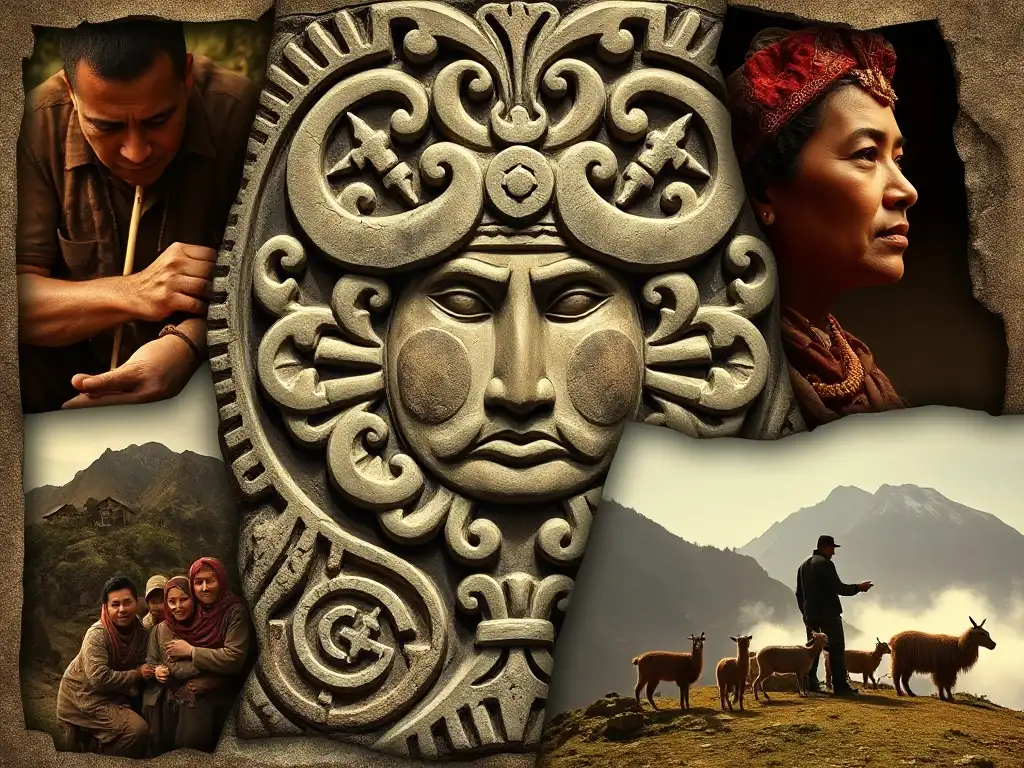
The Andes Mountains, a region known for its seismic activity, witnessed the development of diverse and fascinating rituals aimed at appeasing the earth and mitigating the devastating effects of earthquakes. These practices, far from being uniform, varied significantly across different Andean cultures, reflecting their unique cosmologies and societal structures. Understanding these variations provides crucial insights into the Andean worldview and their sophisticated understanding of the natural world.
The intensity of these rituals often mirrored the perceived threat; powerful tremors likely prompted more elaborate ceremonies than minor seismic events. The study of "Andean earthquake rituals" reveals a complex tapestry of beliefs and practices, interwoven with the very fabric of Andean life.
Ritual Practices of the Inca Civilization
Inca earthquake rituals were characterized by a hierarchical structure, reflecting the centralized nature of their empire. The Sapa Inca, the emperor, played a central role, acting as the intermediary between the human world and the powerful Pachamama (Mother Earth). Evidence suggests that significant earthquakes triggered elaborate state-sponsored ceremonies involving human sacrifice, though the frequency and scale of these events remain debated among scholars. Less catastrophic tremors, however, might have been addressed through community-based offerings, such as pago a la tierra (payment to the earth), involving the pouring of chicha (fermented maize beverage) and coca leaves onto the ground.
These smaller-scale rituals served to maintain a harmonious relationship with Pachamama, preventing the escalation of her wrath. The Inca's meticulous record-keeping, though largely destroyed by the Spanish conquest, likely documented these events and associated rituals. Further research into surviving colonial records may shed more light on the specifics of these practices.
Earthquake Ceremonies Among the Moche People
The Moche civilization, renowned for its elaborate artistic expressions, also developed intricate rituals to address the threat of earthquakes. Unlike the centralized Inca approach, Moche ceremonies appear to have been more localized and community-focused. Their elaborate pottery, often depicting scenes of ritual sacrifice and supernatural beings, provides valuable clues.
Some scholars interpret certain depictions as representing offerings to appease earth deities after seismic events. The Moche belief system, incorporating powerful deities associated with both creation and destruction, likely influenced their approach to earthquakes. Unlike the Inca, evidence of large-scale, state-sponsored rituals is less abundant in the Moche archaeological record, suggesting a more decentralized and localized response to earthquakes.
The interpretation of Moche iconography remains a subject of ongoing research, with new discoveries potentially revealing further details about their earthquake rituals. The imagery of powerful figures interacting with the earth, often amidst chaotic scenes, suggests a deep concern for maintaining balance and avoiding the earth's destructive power.
Nazca Responses to Earthquakes: Evidence in Their Geoglyphs
The Nazca culture, famous for its enigmatic geoglyphs etched into the desert plains, also grappled with the reality of earthquakes. While direct evidence of earthquake rituals is scarce, some scholars propose that the geoglyphs themselves might hold symbolic significance related to seismic activity. The intricate designs, often depicting animals and abstract figures, could represent attempts to influence or appease earth spirits.
The precise alignment of certain geoglyphs with celestial bodies, combined with their location in a seismically active region, suggests a possible connection to astronomical observations and the prediction or mitigation of seismic events. However, this interpretation remains largely speculative, as definitive proof of a direct link between Nazca geoglyphs and earthquake rituals is lacking. Further research, including detailed geospatial analysis and a deeper understanding of Nazca cosmology, is necessary to fully explore this fascinating possibility.
The scale and precision of the geoglyphs, combined with the precarious nature of the desert environment, hint at a profound understanding of the land and its potential dangers, including earthquakes. Perhaps the geoglyphs themselves served as a form of ritualistic appeasement, a visual testament to the Nazca's attempt to control and understand the unpredictable forces of nature.
Tiahuanaco and Their Connection to the Earth's Power
The Tiahuanaco culture, flourishing in the altiplano region of the Andes from approximately 500 to 1000 CE, held a profound reverence for the earth and its power. Their sophisticated understanding of astronomy and their intricate calendar system suggest a deep connection to the natural world's rhythms, including seismic activity. While specific written records detailing earthquake rituals are scarce, archaeological evidence hints at practices aimed at appeasing the earth and ensuring its benevolent disposition.
The monumental architecture of Tiahuanaco, particularly the massive stone structures like Akapana, Puma Punku, and Kalasasaya, might have served not only as ceremonial centers but also as symbolic representations of the earth itself, acting as focal points for rituals designed to maintain cosmic balance. The precision and scale of these structures suggest a highly organized society with a deep understanding of engineering and possibly a belief in the power of large-scale constructions to influence the earth's behavior. Further research into the Tiahuanaco cosmology and the symbolic meaning of their architectural feats is crucial to unraveling the specifics of their earthquake-related rituals.
The positioning of certain structures in relation to geographical features and celestial events could offer valuable clues about their understanding of and response to seismic activity. The discovery of artifacts within these structures – such as specific types of offerings or tools – could also provide additional insight into their practices. The lack of extensive written accounts necessitates a multidisciplinary approach, combining archaeological findings with anthropological interpretations to reconstruct their complex relationship with the earth and their efforts to mitigate its power.
The scale of Tiahuanaco's constructions, a testament to their advanced engineering skills, may itself represent a ritualistic act aimed at controlling or appeasing the earth. The meticulous precision in stonework could be interpreted as a symbolic offering, demonstrating their respect and mastery over the very material that constituted the earth's power.
The integration of astronomical alignments within the city plan suggests a sophisticated understanding of celestial events and a belief in the interconnectedness of the terrestrial and cosmic realms. These architectural feats, therefore, may serve not just as practical structures, but as powerful symbolic representations of their cosmological beliefs and their attempts to harmonize their existence with the earth's power, including its seismic forces.
Further investigation into the precise astronomical alignments and the symbolic meaning of the architectural designs is vital for a more comprehensive understanding of their earthquake rituals. This interdisciplinary approach, combining archaeoastronomy, archaeology, and anthropological studies, holds the key to unlocking the secrets of Tiahuanaco's spiritual relationship with the earth.
The Enduring Legacy of Andean Earthquake Rituals
The Andean region, geographically prone to seismic activity, developed sophisticated systems of understanding and responding to earthquakes long before modern seismology. These weren't merely superstitious practices; they were deeply ingrained rituals reflecting a complex cosmovision that viewed the earth not as an inert geological entity, but as a powerful, sentient being demanding respect and appeasement. The legacy of these Andean earthquake rituals continues to resonate, influencing modern perspectives on disaster preparedness and cultural preservation.
Understanding these ancient practices offers valuable insights into the relationship between humans and nature in a tectonically active environment. The study of these rituals reveals a sophisticated understanding of environmental risks and the development of community-based strategies for mitigation and resilience.
The impact of these rituals extended beyond immediate responses to tremors; they shaped social structures, religious beliefs, and artistic expressions, leaving behind a rich tapestry of cultural heritage. Analyzing the surviving evidence – from archaeological finds to oral traditions – allows us to reconstruct the intricate details of these practices and appreciate their enduring significance.
Modern Interpretations of Ancient Practices
Modern interpretations of Andean earthquake rituals often focus on their underlying principles of community resilience and environmental awareness. While the specific rituals might seem archaic, the core values – respect for nature, community cooperation, and preparedness – remain highly relevant. Some communities in the Andes continue to adapt and reinterpret these ancient practices, integrating them with modern scientific knowledge.
For example, the practice of offering pagos (offerings) to Pachamama (Mother Earth) might be accompanied by modern earthquake safety drills. This fusion of tradition and modernity highlights the enduring power of these rituals to foster a sense of community and shared responsibility in the face of natural disasters. The integration is not a simple substitution but a nuanced adaptation, where the symbolic act of the offering remains central, reinforcing a cultural identity while incorporating practical measures for safety and preparedness.
This approach demonstrates the adaptability and resilience of Andean culture in the face of modern challenges. Furthermore, the symbolic gestures of these rituals serve as powerful reminders of the earth's power and humanity's vulnerability, promoting a sense of humility and respect that is often missing in purely technical approaches to disaster management. Studies show that communities incorporating these traditions alongside modern techniques experience higher levels of community engagement and preparedness.
The Role of Traditional Knowledge in Earthquake Preparedness Today
The incorporation of traditional Andean knowledge into modern earthquake preparedness strategies is gaining increasing recognition. Experts are acknowledging that the insights gained from centuries of experience in living with seismic activity can complement scientific approaches. This isn't about replacing scientific methods with ancient beliefs, but about integrating them to create a more holistic and effective approach. For instance, understanding traditional warning signs – changes in animal behavior, unusual atmospheric phenomena – could potentially provide early warnings, supplementing technological monitoring systems.
Traditional building techniques, often employing earthquake-resistant materials and designs, offer valuable lessons for modern construction practices. Moreover, the strong sense of community fostered by traditional rituals is crucial for effective emergency response and recovery. The collaborative spirit inherent in these practices provides a model for efficient community organization and mutual support during and after earthquakes.
Further research is needed to document and analyze these traditional practices systematically, facilitating their integration into official disaster preparedness plans. This collaborative approach, blending traditional wisdom with modern science, promises to enhance the resilience of Andean communities facing the ever-present threat of earthquakes. The successful integration requires careful consideration of cultural sensitivity and respect for traditional beliefs and practices.
Preserving the Cultural Heritage of Andean Rituals
Preserving the cultural heritage of Andean earthquake rituals is crucial for maintaining cultural identity and ensuring the transmission of valuable knowledge to future generations. This requires a multi-faceted approach involving documentation, education, and community engagement. Ethnographic studies, oral history projects, and archaeological investigations play vital roles in documenting these rituals and understanding their historical context. Educational programs can help raise awareness among younger generations about the significance of these traditions and their relevance to contemporary issues.
Community-based initiatives can empower local communities to actively participate in preserving and promoting their cultural heritage. The challenge lies in balancing the need for preservation with the respect for the sacred nature of these rituals. This requires careful collaboration with local communities to ensure that any efforts to document or promote these practices are carried out in a respectful and culturally sensitive manner.
Moreover, the preservation efforts must also address the potential threats to these traditions, such as modernization, migration, and globalization. By actively engaging with Andean communities and supporting their efforts to preserve their heritage, we can ensure that the wisdom and resilience embodied in these ancient rituals continue to thrive for generations to come. The importance of this preservation extends beyond the Andean region; it serves as a model for preserving traditional ecological knowledge worldwide, recognizing its vital role in building resilience to environmental challenges.
Frequently Asked Questions
What were Andean earthquake rituals primarily designed to achieve?
Andean earthquake rituals aimed to appease the earth's powerful forces and prevent further seismic activity. They sought to maintain balance and harmony between the human and spiritual worlds.
Which Andean cultures practiced earthquake rituals?
Many Andean cultures, including the Inca, Moche, and Nazca, developed unique rituals to address earthquakes. Evidence suggests these practices were widespread across various Andean societies.
What were some common elements found in Andean earthquake rituals?
Common elements included sacrifices, prayers, and ceremonial offerings to mountain deities and earth spirits. These actions were believed to restore equilibrium and prevent future disasters.
How did the location of Andean settlements influence earthquake rituals?
The proximity to active fault lines heavily influenced ritual practices. Settlements in seismically active zones likely developed more elaborate and frequent earthquake rituals.
What evidence exists to support the study of Andean earthquake rituals?
Archaeological findings, such as sacrificial sites, religious iconography, and written accounts (where available), provide crucial evidence for understanding these practices. These sources reveal the significance of these rituals within Andean societies.
Final Reflection: Echoes of the Earth: Understanding Andean Resilience
The Andean ritual of appeasing Pachamama, the Earth Mother, remains profoundly relevant today, a testament to the enduring power of cultural traditions in the face of natural disasters. In a world increasingly vulnerable to seismic activity, understanding the deep-rooted spiritual practices of Andean communities offers not only historical insight but also a potent model for community resilience and environmental stewardship. The intricate connection between human life and the earth's power, so vividly expressed in these rituals, holds a crucial lesson for us all.
The enduring legacy of these rituals underscores the importance of respecting the natural world and acknowledging our inherent vulnerability. These practices aren't merely historical curiosities; they represent a living connection to the land, a profound understanding of the forces that shape our lives. The earth is what we all have in common.
- Wendell Berry. This quote beautifully encapsulates the shared responsibility we bear towards the planet, a responsibility that resonates deeply with the Andean worldview and its emphasis on harmonious coexistence with nature. The rituals highlight the need for respectful interaction with the environment, a lesson particularly pertinent in an era of climate change and increasing environmental instability.
Consider, for a moment, the profound wisdom embedded within these ancient practices. How can we, in our modern world, cultivate a similar sense of interconnectedness with the natural world? How can we learn from the Andean approach to disaster preparedness, combining spiritual understanding with practical measures? I urge you to reflect on the power of community, the importance of respecting the earth, and the enduring strength of cultural traditions in the face of adversity. Let the echoes of the Andean earthquake rituals inspire you to build a more resilient and sustainable future for all.
**Embrace the Earth's Power: Take Action Today! **
Thank you for exploring the rich rituals and traditions of the Andean civilization. Your interest in the Earthquake Ritual demonstrates a commitment to preserving cultural heritage and appreciating the wisdom of our ancestors. Now, let's translate that knowledge into action!
Here are a few simple yet impactful ways you can get involved:
- **Join a local environmental or cultural group. ** Connect with others who share your passion for sustainable practices and Andean traditions, participate in events, and learn from their experiences.
- **Share this information** with friends and family, or post it on social media. Encourage others to explore the significance of these ancestral practices and their connection to their own cultural heritage.
- **Research similar rituals or traditions** within your own cultural background. Consider how they relate to the wisdom of Andean practices and share your insights through journaling or blogging to inspire others.
How can you integrate the wisdom of Andean rituals into your daily life to foster a deeper connection with nature and your community?