
The Modern Interpreters: How Today's Scholars View the Ancient Andes

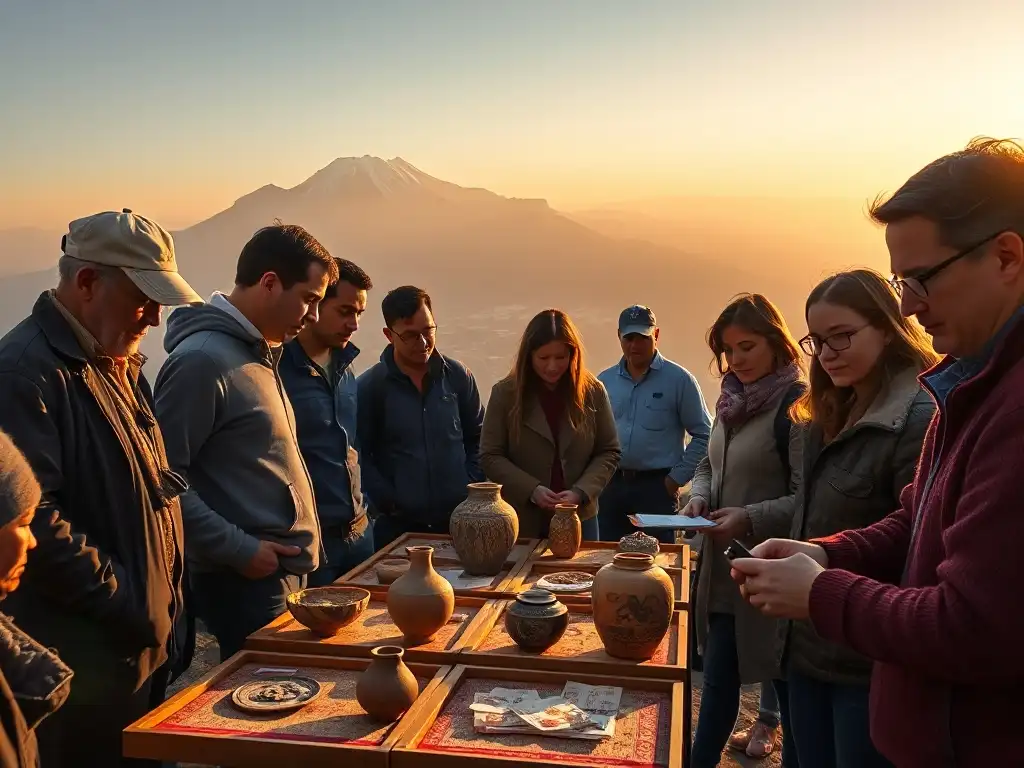
Unravel the mysteries of a lost world. For centuries, the Andean civilizations have captivated imaginations, leaving behind a legacy of breathtaking artistry and sophisticated engineering. But who were the brilliant minds behind these achievements? Dive into the world of Ancient Andean civilizations scholars, and discover how modern interpretations are reshaping our understanding of the Incas, Moche, Nazca, and Tiahuanaco. Their insights await – are you ready to explore?
The study of Ancient Andean civilizations has undergone a dramatic transformation in recent decades. Gone are the days of simplistic narratives focused solely on Inca dominance. Modern scholars, armed with advanced archaeological techniques, interdisciplinary approaches, and a renewed focus on Indigenous voices, are painting a far more nuanced and complex picture of these fascinating cultures.
This article explores the key shifts in scholarly interpretation of the Ancient Andes, examining how contemporary researchers are challenging old assumptions and rewriting our understanding of societies like the Inca, Moche, Nazca, and Tiahuanaco. We will delve into the methodologies employed, the new perspectives gained, and the ongoing debates that shape our comprehension of these remarkable ancient Andean civilizations scholars are constantly re-evaluating.
The goal is to showcase the dynamism of Andean studies and highlight the ongoing process of discovery and reinterpretation. This vibrant field continues to generate exciting new insights into the lives, beliefs, and achievements of the people who inhabited the Andes long ago.
A Shift from Eurocentric Perspectives
For much of the 20th century, the study of Ancient Andean civilizations was often filtered through a Eurocentric lens. The Inca Empire, due to its relatively well-documented history and vast territorial reach, frequently overshadowed other, equally significant cultures. This led to a somewhat biased narrative, often interpreting Andean societies through the framework of Western concepts of civilization and progress. However, contemporary scholarship actively challenges this bias.
Researchers now prioritize a more inclusive approach, recognizing the distinct identities and achievements of numerous Andean groups, each with its own unique trajectory of development. This includes a greater focus on the pre-Inca cultures, such as the Moche, Nazca, and Tiahuanaco, and a deeper understanding of their complex interactions and influences on subsequent societies. The emphasis has shifted from a linear model of "progress" to a more nuanced understanding of diverse cultural interactions and adaptations within the Andean region.
The Importance of Interdisciplinary Collaboration
Modern research on Ancient Andean civilizations is increasingly interdisciplinary. Archaeologists now routinely collaborate with anthropologists, historians, linguists, and other specialists to gain a more holistic understanding of these societies. This collaborative approach allows for the integration of various lines of evidence – from material remains and genetic data to written sources (where available) and oral traditions – to build a more comprehensive picture.
For example, the study of ancient textiles, ceramics, and metallurgy is now often combined with analyses of ancient diets, social structures, and belief systems to provide a more complete view of the lives of Andean peoples. This holistic approach has proven invaluable in understanding the intricacies of Andean societies and their complex interactions with their environment.
Reinterpreting Ancient Andean Technology and Innovation
The technological prowess of Ancient Andean civilizations is increasingly recognized and studied. Contemporary researchers are moving beyond simple descriptions of artifacts and technologies towards a deeper understanding of the ingenuity and innovation that characterized Andean societies. Studies focus on topics such as:
- The sophisticated irrigation systems that supported intensive agriculture in challenging environments.
- The advanced metallurgical techniques used in the production of gold, silver, and copper artifacts.
- The remarkable architectural achievements, such as Machu Picchu and other monumental sites.
These studies are not only descriptive, but also aim to understand the social, economic, and political contexts in which these technologies were developed and used. The complex interplay between technological innovation, social organization, and environmental adaptation is a central theme in modern Andean studies.
Centering Indigenous Voices and Perspectives
A significant shift in recent years has been the increasing incorporation of Indigenous perspectives and knowledge into the study of Ancient Andean civilizations. This involves collaborating with Indigenous communities, respecting their traditional knowledge, and acknowledging their ongoing connection to their ancestral heritage. This move towards decolonizing the study of the Andes aims to rectify past injustices and ensures that the narratives of these civilizations are told with greater accuracy and respect.
This involves moving beyond the interpretations imposed by external scholars and integrating Indigenous voices and perspectives into the research process. This approach fosters a more ethical and culturally sensitive approach to the study of these ancient societies.
Ongoing Debates and Future Directions
Despite significant advances, many questions remain unanswered, fueling ongoing debates among scholars. The interpretation of ancient Andean iconography, the dynamics of power and social organization, and the precise causes of societal collapses are just a few of the areas where ongoing research is needed. The field of Ancient Andean civilizations scholarship is dynamic and ever-evolving, constantly refining our understanding of these remarkable cultures.
Future research will likely focus on utilizing new technologies, such as advanced imaging techniques and DNA analysis, to further unravel the mysteries of the Andean past. Furthermore, continuing collaboration with Indigenous communities will be crucial in ensuring a more inclusive and representative understanding of these rich and complex civilizations.
- A Shift from Eurocentric Perspectives
- The Importance of Interdisciplinary Collaboration
- Reinterpreting Ancient Andean Technology and Innovation
- Centering Indigenous Voices and Perspectives
- Ongoing Debates and Future Directions
- What is the focus of modern scholarship on Ancient Andean civilizations?
- How do current scholars differ from previous interpretations of Andean civilizations?
- What are some of the key debates among Ancient Andean civilizations scholars today?
- Where can I find more information about the work of Ancient Andean civilizations scholars?
- How can I become involved in learning more about the work of Ancient Andean civilizations scholars?
Understanding the Ancient Andes Through Modern Scholarship

Modern scholarship on Ancient Andean civilizations offers a vastly different perspective than that of earlier researchers. Gone are the days of simplistic narratives focused solely on Inca dominance. Today's scholars delve into the complexities of a diverse tapestry of cultures, recognizing the intricate interactions, technological innovations, and sophisticated social structures that existed across millennia.
The field has embraced interdisciplinary approaches, integrating insights from archaeology, anthropology, linguistics, and even genetics to create a more nuanced and complete picture of Andean history. This holistic approach allows for a deeper understanding of the rise and fall of various Andean societies and their lasting legacy. The keyword "Ancient Andean civilizations scholars" is central to this evolution, as their work constantly refines and expands our knowledge.
The Evolution of Research on Andean Civilizations
Early research on Ancient Andean civilizations, often biased towards a Eurocentric worldview, frequently presented a linear narrative emphasizing the Inca Empire as the apex of Andean achievement. This perspective often overlooked or minimized the contributions of preceding cultures like the Moche, Nazca, and Tiahuanaco. However, archaeological discoveries throughout the 20th and 21st centuries have dramatically altered this view.
The excavation of sites like Chan Chan (Moche), Cahuachi (Nazca), and Tiwanaku (Tiahuanaco) has revealed sophisticated urban planning, complex irrigation systems, and remarkable artistic achievements that predate the Inca by centuries. This wealth of new data has led to a significant shift in scholarly interpretations, emphasizing the long and complex history of Andean development, characterized by periods of both cooperation and conflict between different groups.
The meticulous work of "Ancient Andean civilizations scholars" in analyzing artifacts, deciphering ancient texts (where available), and employing advanced dating techniques has been crucial in this transformation. This ongoing research continues to unveil new details, constantly challenging and refining our understanding.
Shifting Perspectives in Andean Archaeology
Modern Andean archaeology has moved beyond simply cataloging artifacts and describing sites. Scholars now focus on understanding the social and political contexts in which these artifacts were created and used. This involves analyzing the distribution of resources, the organization of labor, and the symbolic meanings embedded in artistic expressions.
For instance, research on Moche pottery reveals not only impressive artistic skill but also provides insights into their religious beliefs, social hierarchies, and warfare practices. Similarly, the study of Nazca lines has moved beyond simple speculation about their astronomical significance to encompass broader considerations of their social and ritual functions within Nazca society. The application of scientific methods, such as isotopic analysis and ancient DNA studies, further enriches the understanding.
This interdisciplinary approach, a hallmark of contemporary "Ancient Andean civilizations scholars," provides a far richer and more nuanced comprehension of these ancient societies than previously possible. This holistic perspective, incorporating environmental factors, technological advancements, and social dynamics, is essential to fully appreciate the resilience and ingenuity of the people who inhabited the Andes for millennia. The ongoing excavation and analysis of sites, coupled with the development of new technologies and methodologies, promise to further revolutionize our understanding of Ancient Andean civilizations in the years to come.
Key Themes in Contemporary Andean Studies
Contemporary scholarship on Ancient Andean civilizations is a vibrant and evolving field, moving beyond simplistic narratives of conquest and decline to explore the complexities of these societies. Modern scholars, utilizing interdisciplinary approaches, are uncovering nuanced understandings of Andean social structures, belief systems, and interactions with their environment. This section highlights key themes shaping current research on Ancient Andean civilizations scholars.
The focus shifts from simply describing past events to analyzing the processes and complexities that shaped Andean societies, emphasizing the diverse perspectives and innovative methodologies employed by today's researchers. This detailed approach allows for a richer and more accurate portrayal of these fascinating cultures.
Mortuary practices offer a unique window into the social structures of Ancient Andean civilizations. Analysis of burial sites, grave goods, and skeletal remains provides crucial insights into social hierarchies, kinship systems, and ritual beliefs. Instead of viewing burials solely as evidence of death, scholars now examine them as active sites of social negotiation and symbolic communication.
For instance, the elaborate tombs of the Moche elite, replete with gold ornaments and sacrificial offerings, reveal a highly stratified society with a powerful ruling class. Conversely, the simpler burials of commoners provide valuable data on the lives and social standing of the broader population.
The study of skeletal remains also sheds light on health, diet, and lifestyle differences across social groups. Isotopic analysis of bones can reveal geographic mobility and dietary habits, while pathologies can indicate the prevalence of certain diseases. This multi-faceted approach helps construct a more complete picture of Andean social organization, moving beyond simple hierarchical models to consider the complexities of social interactions and power dynamics within different communities.
Analysis of grave goods – from simple pottery to intricate metalwork – provides further clues about social status, craft specialization, and trade networks. The meticulous documentation and analysis of these elements by Ancient Andean civilizations scholars are crucial in reconstructing the daily lives and social structures of these ancient societies.
Deciphering Andean Iconography Through Textile Analysis
Andean textiles are renowned for their intricate designs and vibrant colors. These textiles are not merely decorative items; they are rich repositories of information about Andean cosmology, mythology, and social organization. Modern scholars employ diverse methodologies to decipher the complex iconography woven into these textiles. High-resolution imaging techniques, combined with detailed stylistic analysis, allow for the identification of recurring motifs and patterns, revealing significant information about Andean belief systems.
For example, the recurring imagery of feline deities in Nazca textiles suggests a strong connection between these societies and the natural world. The intricate designs found on Inca textiles, often depicting mythical beings and royal insignia, reflect the highly centralized nature of the Inca empire and the importance of imperial ideology. Careful analysis of color choices and textile techniques further reveals social status and regional variations in textile production.
Ancient Andean civilizations scholars are utilizing advanced technologies alongside traditional methods to understand the nuanced symbolic language embedded within these textiles, providing compelling insights into the cultural and religious beliefs of the Andean people. The detailed analysis of textile production methods also provides information about social organization and trade networks.
The Role of Climate Change in Shaping Andean Societies
Climate change played a significant role in shaping the trajectory of Ancient Andean civilizations. Fluctuations in precipitation patterns, glacial melt, and El Niño events profoundly impacted agricultural practices, resource availability, and social stability. Modern scholars are increasingly integrating paleoclimatological data with archaeological evidence to understand the complex interplay between environmental change and societal responses. The study of ancient lake sediments, ice cores, and pollen records provides valuable insights into past climatic conditions.
This data, combined with archaeological findings, reveals how Andean societies adapted to environmental challenges. For example, the development of sophisticated irrigation systems in the coastal regions of Peru demonstrates the ingenuity of Andean engineers in managing water resources. Evidence of social unrest and population migration in periods of drought suggests that climate change was a significant factor in the rise and fall of certain Andean societies.
The work of Ancient Andean civilizations scholars in integrating climate data with archaeological evidence provides a more holistic understanding of the factors that shaped the history of these societies. Understanding the impact of past climate change is crucial not only for understanding the past but also for informing present-day strategies for managing climate change in the Andes region.
Prominent Scholars of Ancient Andean Civilizations
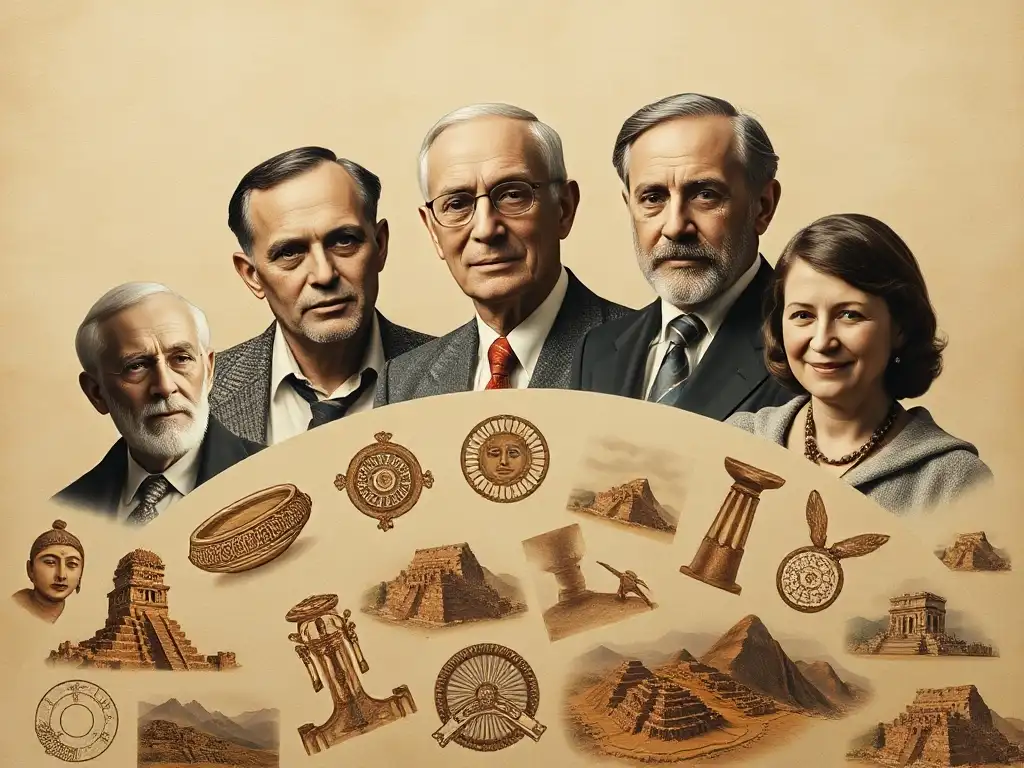
This section delves into the significant contributions of several key figures who have reshaped our understanding of Ancient Andean civilizations. Their meticulous research, innovative methodologies, and insightful interpretations have illuminated aspects of Andean life, from complex societal structures to sophisticated technological advancements. These scholars, representing a diverse range of expertise, have significantly advanced the field of Ancient Andean studies, pushing the boundaries of our knowledge and fostering a deeper appreciation for these remarkable cultures.
Their work underscores the ongoing importance of interdisciplinary approaches and rigorous archaeological investigation in unlocking the secrets of these fascinating civilizations. The study of Ancient Andean civilizations scholars is a vibrant and evolving field, constantly revealing new insights and prompting further exploration.
Ruth Shady Solís: Contributions to the Understanding of Caral Civilization
Ruth Shady Solís, a renowned Peruvian archaeologist, stands as a pivotal figure in the study of the Caral civilization, a pre-ceramic society that flourished in the Supe Valley of Peru. Her groundbreaking work at Caral, a site she has dedicated decades to excavating and interpreting, has revolutionized our understanding of early Andean societal development. Shady's meticulous excavations uncovered evidence of sophisticated urban planning, monumental architecture, and complex social organization, challenging previous assumptions about the development of civilization in the Andes.
She demonstrated the existence of a complex society lacking any known evidence of warfare or social stratification, a paradigm shift in our understanding of early Andean societies. Furthermore, her research has highlighted the importance of Caral as a potential origin point for many cultural traits that spread throughout the Andes.
Shady's dedication to preserving the Caral site and promoting its significance as a UNESCO World Heritage site underscores her commitment to both academic rigor and cultural preservation. Her work on Caral has not only redefined our understanding of this specific civilization but also contributed significantly to broader discussions about the origins of complex societies in the Americas.
Richard Burger: Research on Chavín de Huántar in the Ancient Andes
Richard Burger, a prominent American archaeologist specializing in the Andes, has made significant contributions to our understanding of the Chavín culture, a formative period in Andean prehistory. His extensive research at Chavín de Huántar, a monumental site in the northern Peruvian Andes, has unveiled the complexity of its religious and political systems. Burger's work has focused on understanding the role of Chavín de Huántar as a pan-Andean center of pilgrimage and cultural influence.
His analysis of the distinctive Chavín art style, characterized by its iconic feline and serpent motifs, has illuminated the widespread dissemination of religious beliefs and artistic conventions across vast distances. Through careful stratigraphic analysis and artifact studies, Burger has shed light on the evolution of Chavín culture, demonstrating its gradual development and eventual decline.
His publications offer detailed accounts of the site's architecture, iconography, and material culture, providing a comprehensive picture of this influential Andean civilization. Burger's scholarship highlights the significance of Chavín de Huántar as a critical link in the development of subsequent Andean cultures and emphasizes the importance of long-distance interaction and exchange in shaping Andean prehistory.
Joanne Pillsbury: Insights into Andean Political and Economic Systems
Joanne Pillsbury, a leading scholar in Andean archaeology, has dedicated her career to understanding the complex political and economic systems of ancient Andean societies. Her research focuses on the interplay between social organization, resource management, and state formation in various Andean regions. Pillsbury has employed a multi-faceted approach, combining archaeological fieldwork with detailed analysis of textual and iconographic sources to build comprehensive models of Andean power structures.
Her work often emphasizes the role of agriculture, particularly the cultivation of potatoes and other Andean crops, in shaping political economies. She's explored how control over resources, including agricultural land and labor, played a crucial role in consolidating power and maintaining social hierarchies. For instance, her research has illuminated the sophisticated irrigation systems employed by various Andean cultures, demonstrating their engineering prowess and their ability to manage water resources for agricultural production.
Pillsbury's studies offer valuable insights into the ways in which ancient Andean states managed their territories, mobilized labor, and maintained control over their populations, providing a nuanced understanding of the dynamics of power in the ancient Andes. Her contributions have significantly advanced our understanding of ancient Andean political economy, challenging simplistic models and offering new perspectives on the complexities of these fascinating civilizations.
New Methodologies in Andean Archaeological Research
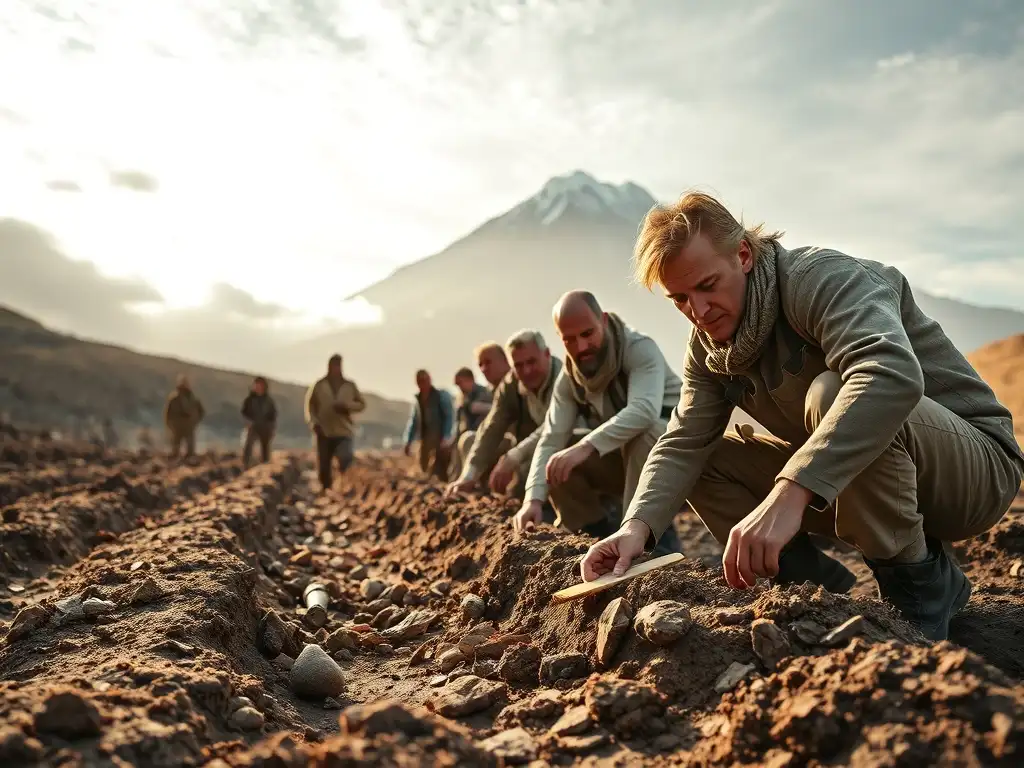
The study of Ancient Andean civilizations has been revolutionized in recent decades by the application of new and sophisticated methodologies. These advancements allow scholars to delve deeper into the complexities of Andean societies, offering unprecedented insights into their daily lives, social structures, and interactions with their environment. This section will explore some of the key methodological innovations that are shaping our understanding of these fascinating cultures, significantly impacting the field of Ancient Andean civilizations scholars. The improved precision and scope of these techniques have led to a more nuanced and complete picture of the past.
Advances in Radiocarbon Dating for Andean Artifacts
Radiocarbon dating, a cornerstone of archaeological chronology, has undergone significant improvements in accuracy and precision. Previously, the dating of Andean artifacts was often hampered by limitations in sample preparation and calibration techniques. However, advancements in accelerator mass spectrometry (AMS) radiocarbon dating have dramatically increased the accuracy and reliability of results, even with small samples.
This is particularly crucial for Andean contexts, where organic materials – crucial for dating – are sometimes scarce or poorly preserved due to the region's varied climates. For example, recent studies utilizing AMS radiocarbon dating have refined the chronological frameworks for the development of specific Nazca ceramic styles, allowing for a more precise understanding of their temporal evolution and the cultural processes that shaped them.
The refinement of calibration curves, specifically tailored to the Andean region's unique environmental conditions, further enhances the accuracy of these dates, minimizing potential errors caused by regional variations in atmospheric carbon-14 levels. This enhanced precision allows for more robust comparisons between different sites and cultures, revealing complex patterns of interaction and exchange across the Andes.
The Use of LiDAR in Andean Archaeological Surveys
Light Detection and Ranging (LiDAR) technology has emerged as a game-changer in Andean archaeological surveys. This remote sensing technique uses laser pulses to create highly detailed three-dimensional models of the landscape, penetrating dense vegetation that often obscures archaeological features. LiDAR has proven invaluable in identifying previously unknown settlements, irrigation systems, and other infrastructural elements of Ancient Andean civilizations.
For instance, LiDAR surveys in the Amazonian foothills have revealed extensive networks of pre-Columbian settlements, dramatically altering our understanding of the scale and complexity of these societies. The ability to map large areas quickly and efficiently allows researchers to identify patterns and relationships between sites that would be impossible to detect through traditional ground-based surveys. Furthermore, the high-resolution data generated by LiDAR facilitates the creation of detailed digital elevation models (DEMs), which can be used to analyze landscape features and their influence on settlement patterns and agricultural practices.
This data provides crucial context for understanding the environmental factors shaping the development of Andean civilizations. The use of LiDAR has, therefore, significantly expanded the geographical scope of Andean archaeological research, allowing scholars to explore areas previously inaccessible due to dense vegetation or challenging terrain.
Isotopic Analysis in Studying Ancient Andean Diets
Isotopic analysis of human and animal remains provides crucial insights into the diets and lifestyles of Ancient Andean populations. By analyzing the stable isotopes of carbon, nitrogen, and strontium in bone collagen and other tissues, researchers can reconstruct dietary patterns, migration histories, and the degree of social stratification within these societies. For example, isotopic studies have revealed significant variations in diet between different social groups within the Inca Empire, highlighting the existence of distinct economic and social hierarchies.
The analysis of strontium isotopes, in particular, allows researchers to trace the movement of individuals throughout their lives, revealing patterns of migration and social mobility. This method is particularly useful in the Andes, where variations in geology create distinct strontium isotope signatures across different regions. By comparing the strontium isotope ratios in human remains with those found in local soils and rocks, researchers can determine whether individuals were born and raised in a particular region or migrated there later in life.
This information provides valuable context for understanding the social dynamics and population movements within Ancient Andean civilizations. The combination of isotopic analysis with other archaeological data, such as ceramic remains and burial goods, allows for a more comprehensive understanding of the complex interplay between diet, social organization, and environmental factors in shaping Andean societies.
Debates and Controversies in Andean Studies

The study of Ancient Andean civilizations is a vibrant and ever-evolving field, rife with ongoing debates and reinterpretations of existing evidence. While significant progress has been made in understanding these complex societies, many questions remain unanswered, fueling scholarly discussions and controversies. These disagreements often stem from the fragmentary nature of the archaeological record, the challenges of interpreting ancient iconography, and differing theoretical approaches to understanding social organization and power dynamics.
The very definition of what constitutes an "Ancient Andean civilization" is itself a point of contention, with scholars debating the boundaries and overlaps between different cultural groups and their interactions over time. This dynamism ensures that the field remains intellectually stimulating and constantly pushes the boundaries of our knowledge. The study of Ancient Andean civilizations is not a static body of knowledge, but a constantly evolving narrative shaped by new discoveries and reinterpretations.
New technologies, such as advanced imaging techniques and isotopic analysis, are continuously refining our understanding, challenging established interpretations and opening new avenues of research. This makes the study of Ancient Andean civilizations a particularly exciting area for those interested in "Ancient Andean civilizations scholars" and their ongoing work.
Interpreting the Decline of the Tiwanaku Empire
The collapse of the Tiwanaku Empire, a powerful civilization that flourished in the Altiplano region of the Andes from approximately 500 to 1000 CE, remains a subject of intense debate among "Ancient Andean civilizations scholars". Several theories attempt to explain this decline, none of which are universally accepted. Some scholars point to environmental factors, such as prolonged droughts or climate change, as significant contributors to the empire's weakening and eventual disintegration. Evidence of agricultural stress during this period lends credence to this hypothesis.
Others emphasize internal factors, such as overextension of the empire's resources, social unrest, or internal conflicts, as primary causes. The lack of a centralized, easily identifiable cause complicates the analysis. The archaeological record shows a complex interplay of environmental pressures and internal societal dynamics; disentangling their relative contributions remains a significant challenge.
Furthermore, the process of decline was likely not uniform across the vast Tiwanaku territory, varying regionally due to local environmental conditions and social responses. Recent research incorporating paleoclimate data and detailed analysis of settlement patterns aims to refine our understanding of this multifaceted historical process. The ongoing debate highlights the complexity of societal collapse and the need for interdisciplinary approaches in Andean archaeology.
The Scale of Warfare in Ancient Moche Society
The nature and extent of warfare in Ancient Moche society (100-800 CE) is another area of ongoing discussion among scholars of Ancient Andean civilizations. While the Moche are known for their impressive artistic representations of warfare, including depictions of battles and weaponry in their ceramics, the actual scale and frequency of conflict are still debated. Some scholars argue for a relatively peaceful society, emphasizing the importance of ritual and religious practices in maintaining social order. They suggest that the depictions of warfare might be primarily symbolic or ritualistic rather than reflecting frequent large-scale conflicts.
Conversely, others argue for a more militaristic society, pointing to evidence of fortifications, weaponry, and skeletal remains with signs of trauma as indicators of frequent and widespread warfare. The interpretation of such archaeological evidence is often complex and subject to varied interpretations. The potential for biased sampling in archaeological excavations also needs to be considered.
For example, the discovery of a large number of weapons in one location may not necessarily reflect a higher level of warfare across the entire Moche territory. Further research and more nuanced analyses of the archaeological record are needed to reach a more definitive understanding of the role of warfare in Moche society. The ongoing debate emphasizes the importance of carefully considering the context and biases inherent in archaeological data.
Community Engagement in Andean Archaeological Research
Modern approaches to the study of Ancient Andean civilizations increasingly emphasize the importance of community engagement. This involves working collaboratively with local communities whose ancestors inhabited the sites being investigated. This shift represents a move away from earlier, more extractive models of archaeological research, which often marginalized the perspectives and knowledge of local communities. Community engagement offers several benefits. It allows archaeologists to access valuable local knowledge, including oral traditions, place names, and stories passed down through generations.
This indigenous knowledge can significantly enrich our understanding of the past, providing insights that might otherwise be missed. Furthermore, involving local communities in the research process fosters a sense of ownership and stewardship over cultural heritage. This collaborative approach promotes respect for cultural heritage and can contribute to the sustainable management of archaeological sites. However, community engagement also presents challenges. It requires careful negotiation and consideration of diverse perspectives and interests within a community.
Effective communication and trust-building are crucial for successful collaboration. The success of community-based archaeological projects depends on establishing mutually beneficial partnerships that respect the rights and knowledge of local communities. The growing emphasis on community engagement reflects a more ethical and inclusive approach to the study of Ancient Andean civilizations, reflecting a broader shift in the field of archaeology. This approach enhances the quality and relevance of research while promoting social justice and cultural preservation.
Future Directions for Andean Civilization Research
The study of Ancient Andean civilizations is a vibrant and ever-evolving field. While significant strides have been made in understanding these fascinating cultures, numerous avenues of research remain open, promising exciting new discoveries and reinterpretations of existing knowledge. The focus is shifting from purely descriptive accounts to more nuanced analyses that integrate multiple perspectives and methodologies. This necessitates a collaborative approach involving archaeologists, anthropologists, historians, linguists, and importantly, the descendant communities themselves.
The future of Ancient Andean civilizations scholarship hinges on addressing several key areas. These include incorporating cutting-edge technologies, fostering interdisciplinary collaboration, and prioritizing ethical considerations in research and preservation efforts. Ultimately, the goal is to create a more holistic and accurate understanding of these complex societies, ensuring their legacy is respectfully preserved and celebrated.
Bioarchaeology in Andean Archaeology
Bioarchaeology offers invaluable insights into the lives of Ancient Andean peoples, going beyond material culture to explore their biology, health, and diet. Analysis of skeletal remains reveals crucial data on disease prevalence, nutritional status, and population dynamics. For example, recent studies using stable isotope analysis have shed light on dietary shifts among different social groups within the Inca Empire, challenging previous assumptions about uniform food consumption. Furthermore, advancements in ancient DNA analysis are revolutionizing our understanding of population movements and genetic relationships between various Andean groups.
This detailed biological data, combined with archaeological context, provides a powerful tool for reconstructing the social, economic, and environmental factors that shaped Andean societies. The potential for future discoveries through bioarchaeological research is immense, promising a more complete picture of the lives and experiences of Ancient Andean peoples. Specifically, future research could focus on:
- Paleopathology: Investigating the prevalence and impact of specific diseases on Andean populations over time.
- Isotopic analysis: Further exploring dietary differences across social strata and geographic regions.
- Ancient DNA: Tracing population migrations and genetic relationships between Andean groups and beyond.
- Biomechanical analysis: Understanding the impact of labor practices and lifestyle on skeletal structure.
The Role of Local Communities in Andean Studies
The increasing recognition of the importance of Indigenous perspectives in Andean archaeology is a crucial development. For too long, research has been dominated by external scholars, often resulting in a detached and even exploitative approach. However, a paradigm shift is underway, emphasizing collaboration and co-creation of knowledge with descendant communities.
This involves actively engaging local communities in all stages of the research process, from excavation and analysis to interpretation and dissemination of findings. This collaborative approach not only ensures that research is ethically sound but also enriches the understanding of Ancient Andean civilizations by incorporating invaluable local knowledge and perspectives that have often been overlooked.
The integration of oral histories, traditional ecological knowledge, and community-based research methods can significantly enhance our understanding of the past, leading to more accurate and nuanced interpretations. This shift requires a commitment to transparency, mutual respect, and equitable partnerships, ensuring that the benefits of research are shared fairly.
Preserving and Protecting Andean Heritage Sites
The preservation of Ancient Andean heritage sites is paramount. These sites are not only valuable sources of information about the past but also hold significant cultural and spiritual importance for descendant communities. Unfortunately, many sites face threats from looting, climate change, and unsustainable tourism practices.
Effective preservation requires a multifaceted approach involving government agencies, academic institutions, local communities, and international organizations. This includes implementing stricter regulations against looting and illegal trafficking of artifacts, developing sustainable tourism strategies that minimize environmental impact, and investing in conservation efforts to protect vulnerable sites from the effects of climate change. Furthermore, digital documentation and 3D modeling technologies offer promising tools for preserving and sharing information about these sites, making them accessible to a wider audience while minimizing the risk of damage from physical access.
A collaborative effort, prioritizing both the scientific and cultural value of these sites, is essential for ensuring their long-term preservation for future generations. This includes:
- Strengthening legal frameworks to combat looting and illicit trade.
- Developing sustainable tourism management plans.
- Implementing conservation strategies to mitigate climate change impacts.
- Utilizing digital technologies for preservation and access.
- Promoting community-based conservation initiatives.
Frequently Asked Questions
What is the focus of modern scholarship on Ancient Andean civilizations?
Modern scholarship on Ancient Andean civilizations focuses on interdisciplinary approaches, combining archaeology, anthropology, history, and other fields to gain a more nuanced understanding of these complex societies. Researchers emphasize contextualization and avoiding Eurocentric biases.
How do current scholars differ from previous interpretations of Andean civilizations?
Earlier interpretations often presented a simplified, linear narrative of Andean development. Modern scholars instead emphasize the complexity, diversity, and regional variations within Andean cultures, acknowledging the contributions of various groups and avoiding generalizations.
What are some of the key debates among Ancient Andean civilizations scholars today?
Current debates include discussions surrounding state formation, the nature of power structures, the role of religion and ideology, and the impact of environmental factors on Andean societies. These debates are often fueled by new archaeological discoveries and analytical methods.
Where can I find more information about the work of Ancient Andean civilizations scholars?
You can find information in academic journals like Latin American Antiquity and Journal of Archaeological Science, as well as through university research departments specializing in Andean studies. Many scholars also publish popular-level books and articles.
How can I become involved in learning more about the work of Ancient Andean civilizations scholars?
You can explore university courses, attend lectures and conferences, and join relevant academic societies. Engaging with museum exhibits and online resources can also provide valuable insights into current research and ongoing debates.
Final Reflection: Echoes of the Andes in a Changing World
The study of Ancient Andean civilizations is not a dusty relic of the past; it's a vibrant field crucial to understanding our present. The insights gleaned from deciphering intricate textiles, analyzing sophisticated agricultural techniques, and interpreting complex social structures offer invaluable lessons for navigating the challenges of our interconnected world. These ancient societies faced climate change, resource scarcity, and societal upheaval – issues that resonate deeply with our contemporary concerns.
The enduring legacy of the Andes continues to shape our understanding of human resilience, innovation, and the complex interplay between culture and environment. Their achievements, from the intricate road systems of the Inca to the sophisticated astronomical knowledge of earlier cultures, challenge Eurocentric narratives and offer alternative models for societal organization and sustainability. The past is never dead. It's not even past.
– William Faulkner. This quote perfectly encapsulates the ongoing relevance of Andean studies, reminding us that the echoes of these ancient societies reverberate through our present, influencing our perspectives and shaping our future.
Consider the implications of their ingenuity. How can we learn from their sustainable agricultural practices to address modern food security challenges? How can we apply their understanding of complex social structures to build more equitable and inclusive societies? You, the reader, are now part of this ongoing conversation. Engage with the rich tapestry of Andean history, challenge existing narratives, and contribute to a more nuanced and complete understanding of these remarkable civilizations. Let the echoes of the Andes inspire your own journey of discovery and action.
Unveil the Mysteries of the Andes Today!
Thank you for joining us on this fascinating journey through the work of modern scholars exploring the ancient Andes. You've gained a deeper understanding of how historical interpretations evolve, and now it's time to build upon this knowledge!
Here are a few ways you can continue exploring Andean civilizations:
- Delve Deeper: Expand your knowledge by choosing a scholarly article or book focusing on a specific Andean civilization that interests you.
- Join the Conversation: Share your thoughts on the evolving interpretations of Andean history by commenting below or posting your own insights on social media.
- Connect with Others: Engage with fellow enthusiasts by joining local or online communities dedicated to Andean history and culture.
As you delve deeper into the captivating world of the Andes, consider this: **What aspect of Andean civilization do you find most compelling, and why? **