
Unearthing Ancient Markets: The Centers of Andean Barter

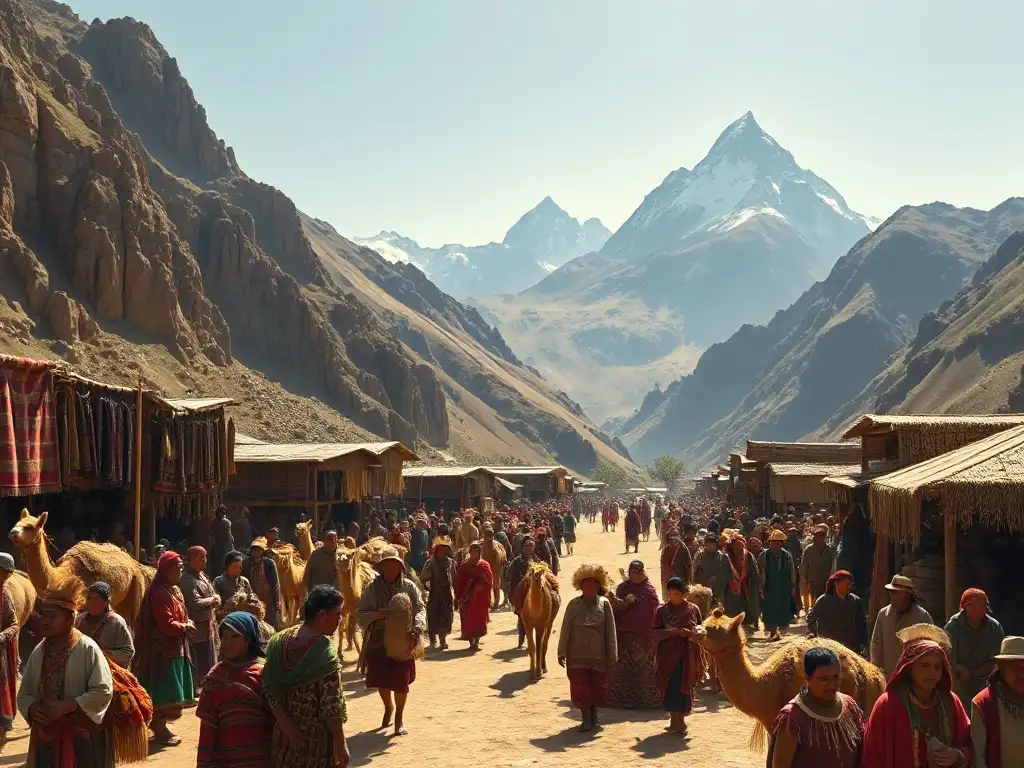
Welcome, explorer! Prepare to journey back in time to a world of breathtaking artistry and intricate trade networks. Forget everything you think you know about ancient markets – the vibrant tapestry of Andean preColumbian markets reveals a far more complex and fascinating story than you could imagine. Discover the secrets hidden within these bustling centers of exchange, and uncover the ingenious systems that fueled the power and prosperity of the Andean civilizations. Dive in and unravel the mysteries waiting within!
The vibrant tapestry of Andean pre-Columbian cultures is not solely woven with threads of intricate artistry and sophisticated engineering; it's also richly embroidered with the threads of complex economic systems. Long before the arrival of European traders and the concept of monetary exchange as we know it, the Andean region boasted sophisticated networks of barter and exchange, centered around bustling markets that served as vital hubs for social interaction, economic activity, and the distribution of goods across vast distances.
This article delves into the fascinating world of Andean pre-Columbian markets, exploring their locations, the goods exchanged, and their significance within the broader context of Andean societies. We'll examine how these markets facilitated the flow of resources, shaped social hierarchies, and ultimately contributed to the remarkable achievements of civilizations like the Inca, Moche, Nazca, and Tiahuanaco.
Understanding these ancient markets provides crucial insight into the ingenuity and resilience of Andean peoples and their ability to create thriving societies without the use of money.
Geographic Distribution of Andean Markets
The location of Andean pre-Columbian markets was strategically determined by factors such as proximity to agricultural lands, transportation routes (both terrestrial and aquatic), and access to vital resources. While precise locations of all markets remain elusive due to the nature of archaeological discovery, evidence suggests a widespread network. Coastal regions saw markets flourish near fishing grounds and ports, facilitating the exchange of marine products for inland agricultural goods.
High-altitude valleys, known for their unique agricultural output, also housed significant market centers. Archaeological studies have revealed evidence of market activity in locations ranging from the arid coastal deserts to the high Andean plains, indicating a remarkably interconnected system.
The Inca empire, known for its advanced road system, further enhanced market accessibility, allowing for the efficient distribution of goods across its vast territory. We can imagine bustling marketplaces, vibrant with activity, filled with the sounds of bartering and the sights of diverse goods on display.
Goods Exchanged in Andean Markets
The range of goods exchanged in Andean pre-Columbian markets was astonishingly diverse, reflecting the rich biodiversity and technological prowess of the region. Agricultural products formed the backbone of the exchange, with maize, potatoes, quinoa, beans, and various fruits being staples. Textiles, crafted from alpaca, llama, and vicuña wool, were highly valued, representing both economic and social status. Ceramics, ranging from simple utilitarian vessels to elaborate ceremonial pieces, were also widely traded.
Precious metals like gold and silver, along with semi-precious stones, were exchanged, often serving as symbols of power and prestige. Furthermore, evidence suggests the exchange of crafted tools, ornaments, and even specialized goods like coca leaves and medicinal plants. The sheer variety of goods exchanged highlights the complexity and sophistication of Andean trade networks.
Andean pre-Columbian markets were not merely economic spaces; they were also crucial social and political arenas. The act of bartering facilitated social interaction and the creation of alliances between different groups. The exchange of goods also played a significant role in reinforcing social hierarchies, with certain goods being restricted to the elite. Control over key resources and access to market networks often conferred political power.
The Inca empire, for example, utilized its control over markets to maintain its dominion and consolidate its power. The distribution of goods and the regulation of trade were important tools used by ruling elites to maintain social order and strengthen their authority. In essence, the markets served as a microcosm of Andean society, reflecting its complex social structures and power dynamics. The presence of specialized artisans and merchants further highlights the sophisticated organization of these economic hubs.
Technological Innovations Supporting Andean Trade
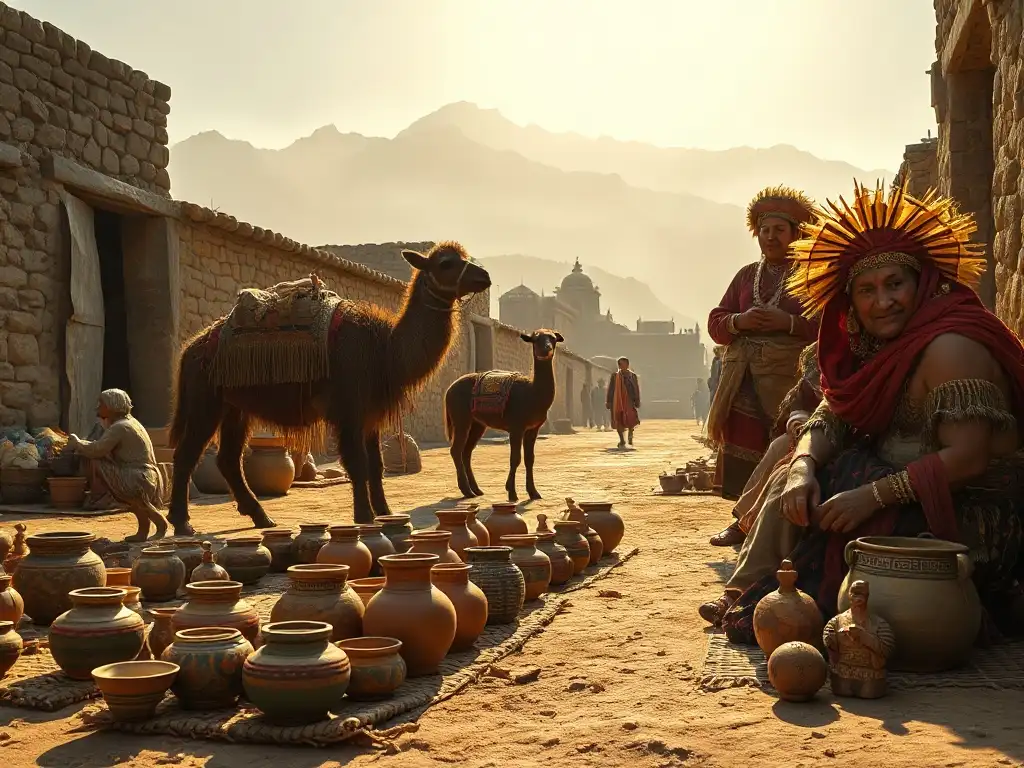
The success of Andean pre-Columbian markets was also contingent upon technological advancements in transportation and storage. The Inca road system, with its extensive network of pathways, bridges, and way stations, facilitated the movement of goods across vast distances. Innovative storage technologies, such as carefully constructed granaries and warehouses, ensured the preservation of perishable goods.
The development of pack animals, such as llamas and alpacas, provided crucial support for transporting goods over rugged terrain. These technological innovations, coupled with a sophisticated understanding of climate and geography, contributed significantly to the efficiency and reach of the Andean trade networks. The ingenuity displayed in these technological solutions underscores the advanced nature of Andean societies.
The Legacy of Andean Markets
The legacy of Andean pre-Columbian markets continues to resonate today. The intricate systems of exchange and distribution developed by these ancient civilizations provide valuable lessons in economic organization and resource management. Their sophisticated understanding of trade and its social implications offers insights into the complex interplay between economic, political, and social structures.
Studying these ancient markets allows us to appreciate the depth and complexity of Andean cultures and their enduring contribution to human civilization. The knowledge gleaned from archaeological research continues to enrich our understanding of these fascinating societies and their remarkable achievements. The vibrant legacy of Andean markets serves as a testament to the resourcefulness and resilience of Andean peoples, a reminder of their ingenuity and their profound impact on history.
- Geographic Distribution of Andean Markets
- Goods Exchanged in Andean Markets
- Social and Political Implications of Andean Markets
- Technological Innovations Supporting Andean Trade
- The Legacy of Andean Markets
The Significance of Pre-Columbian Andean Markets
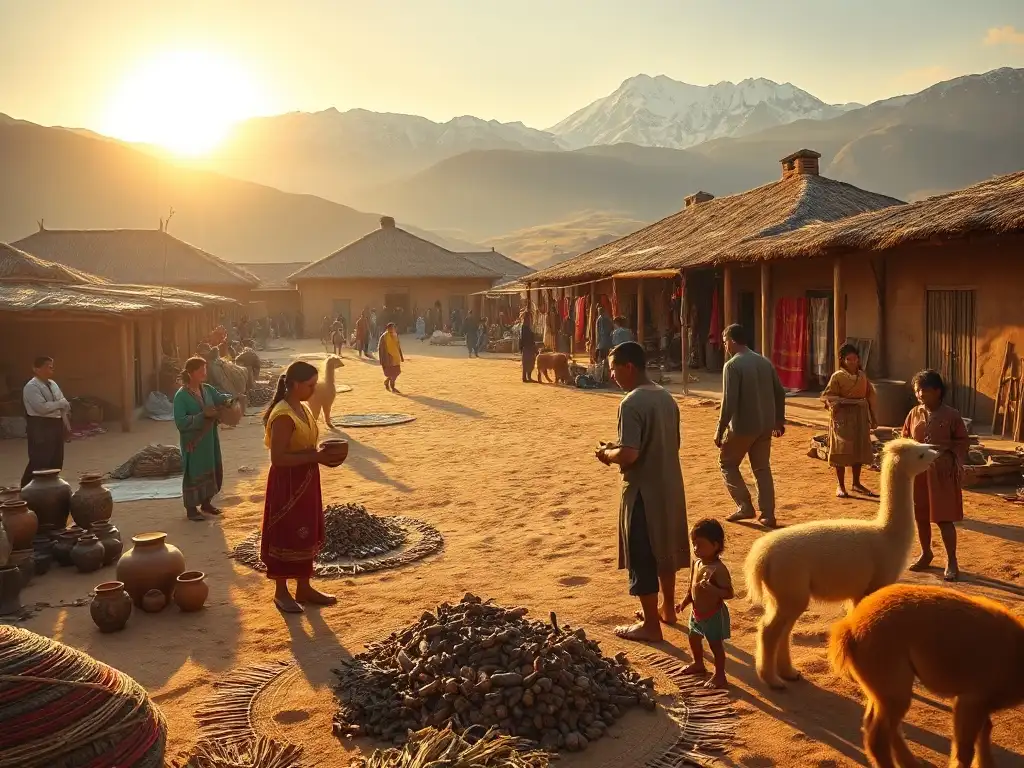
Pre-Columbian Andean markets weren't simply places for exchanging goods; they were vibrant hubs of social interaction, economic activity, and cultural exchange, profoundly shaping the Andean societies for centuries. Understanding these markets provides crucial insights into the complex social structures, political power dynamics, and economic strategies of civilizations like the Incas, Moche, Nazca, and Tiahuanaco. The sheer scale and sophistication of these Andean preColumbian markets often exceeded expectations, demonstrating a level of economic organization that rivals many later societies.
Archaeological evidence consistently reveals a remarkable degree of specialization in craft production and agricultural surplus, suggesting a well-established system of production and distribution centered around these market networks. The study of these ancient markets allows us to piece together a clearer understanding of the daily lives, economic strategies, and social fabric of Andean communities.
We can gain insights into the types of goods traded, the social roles involved in market operations, and the broader economic implications of this system for the development of Andean civilizations. The analysis of artifacts found in these market sites provides concrete evidence of the extent and complexity of the Andean preColumbian markets.
Andean Trade Networks Before the Inca Empire
Before the Inca Empire's rise, various Andean cultures developed independent, yet interconnected, trade networks. The Moche, for example, are known for their sophisticated irrigation systems that facilitated agricultural surpluses, which in turn fueled their extensive trade. Their ceramic artistry, intricately decorated with depictions of daily life and religious iconography, was a highly valued commodity exchanged across considerable distances.
Similarly, the Nazca, famed for their geoglyphs, also engaged in extensive trade networks, exchanging textiles, ceramics, and possibly even specialized goods like dyes and pigments. These networks weren't simply linear; they were complex webs, with goods flowing along various routes, connecting coastal regions with highland communities. The exchange of goods was not limited to material items; the movement of ideas, technologies, and cultural practices further strengthened these connections.
Evidence suggests that these early Andean trade networks facilitated the spread of agricultural techniques, artistic styles, and religious beliefs, fostering a degree of cultural exchange and interaction across vast geographical regions. This period showcases the inherent dynamism and resilience of the Andean economy, even before the Inca Empire's unifying influence.
The following table highlights some key pre-Inca Andean cultures and their trade contributions:
| Culture | Key Trade Goods | Notable Features of Trade Networks |
|---|---|---|
| Moche | Ceramics, textiles, metalwork | Extensive coastal and highland routes |
| Nazca | Textiles, ceramics, possibly dyes | Complex exchange across diverse landscapes |
| Tiahuanaco | Textiles, ceramics, obsidian tools | Control of key resources and trade routes |
The Role of Barter in Andean Economies
Barter formed the backbone of Andean economic systems for centuries. Unlike later monetary systems, Andean preColumbian markets relied heavily on direct exchange of goods and services. This system wasn't chaotic; it was structured and sophisticated, with complex systems of valuation based on the utility, rarity, and social significance of different commodities. For example, certain types of textiles, prized for their intricate weaving techniques and the quality of materials used, held a higher value than other goods.
Similarly, specialized tools, crafted from obsidian or other rare materials, were also highly valued commodities. The absence of a standardized currency didn't impede efficient trade; instead, it fostered a system of reciprocal exchange that strengthened social bonds and maintained economic stability within communities. The intricate system of barter also allowed for the circulation of goods across vast distances, connecting different ecological zones and promoting economic interdependence. This system played a crucial role in the development of Andean societies, fostering both economic growth and social cohesion.
The complexities of this barter system are still being uncovered through ongoing archaeological research, revealing new aspects of Andean economic organization and social relations. Further research is needed to fully understand the nuances of Andean valuation systems and the mechanisms used to resolve potential imbalances in barter transactions. The study of Andean barter provides valuable insights into the diversity and adaptability of pre-modern economic systems.
Key Features of Andean Marketplaces
This section delves into the defining characteristics of Andean marketplaces, providing a detailed look at their organization, the goods exchanged, and the social dynamics that shaped these vital economic and social hubs. Understanding these features offers critical insights into the complexity and sophistication of Andean pre-Columbian societies. The term "Andean preColumbian markets" itself encompasses a vast array of unique contexts, requiring a nuanced approach to analysis.
Location and Layout of Ancient Andean Markets
The strategic placement of Andean marketplaces reveals much about their function and the societies that relied upon them. While precise layouts vary depending on the specific culture and time period (e.g., Inca versus Moche marketplaces), common themes emerge. Many were situated near major transportation routes – river valleys, mountain passes, or coastal areas – facilitating easy access for traders and consumers from diverse regions. This strategic positioning maximized economic efficiency and facilitated the extensive exchange networks characteristic of the Andes.
Archaeological evidence suggests a range of market designs. Some were likely open-air spaces, possibly organized around central plazas or designated areas within larger settlements. Others might have been more structured, perhaps with designated stalls or areas for specific types of goods. The Inca, known for their impressive infrastructure projects, may have created more formalized market structures compared to earlier cultures.
However, further research is needed to fully understand the variations in market design across different Andean cultures and time periods. [Specific examples of market layouts from different cultures pending]. The size of these markets also varied significantly, ranging from small local gatherings to large regional events that drew participants from considerable distances.
Goods and Products Traded in Pre-Columbian Andes
The diversity of goods traded in Andean preColumbian markets reflects the richness of the region's environment and the ingenuity of its inhabitants. The exchange wasn't limited to basic necessities; rather, it encompassed a broad spectrum of items, highlighting the intricate economic interconnections within and between Andean societies.
Agricultural products formed a cornerstone of Andean trade. This included staples like maize, potatoes, quinoa, beans, and various fruits. Textiles, particularly those made from alpaca and llama wool, were highly valued and traded extensively, indicating specialized production centers and a sophisticated textile industry. Ceramics, ranging from utilitarian pottery to elaborate ceremonial vessels, were another significant commodity.
Precious metals like gold and silver, along with semi-precious stones, were also traded, often reflecting social status and religious significance. Furthermore, specialized crafts such as tools, weaponry, and ornaments played a key role in the exchange networks. The presence of these diverse goods in archaeological sites associated with markets underscores the wide reach and economic importance of these spaces.
| Product Category | Examples | Significance |
|---|---|---|
| Agricultural Products | Maize, potatoes, quinoa, coca leaves | Subsistence and ritual use; basis of Andean diet |
| Textiles | Alpaca and llama wool textiles | Social status, ritual, trade and exchange |
| Ceramics | Pottery, ceremonial vessels | Daily use, ritual, status symbols |
| Precious Metals | Gold, silver, copper | Ritual, status, prestige, ornamentation |
| Specialized Crafts | Tools, weapons, ornaments, textiles | Everyday and ceremonial use; economic specialization |
Andean marketplaces were not merely economic hubs; they were also vibrant social spaces where interactions, rituals, and cultural exchange thrived. These spaces fostered social cohesion and facilitated the transmission of ideas and beliefs. The atmosphere of these markets was likely bustling and lively, filled with the sounds of bartering, the sights of colorful textiles and ceramics, and the smells of diverse foods.
Beyond the economic transactions, Andean markets likely incorporated ritualistic elements. The exchange of goods might have been accompanied by ceremonies or offerings to deities, reinforcing the social and spiritual significance of trade. The presence of religious iconography in some market-related artifacts supports this hypothesis. Furthermore, the markets may have served as a stage for social interactions, fostering community building and the negotiation of social hierarchies. [Further research needed on specific rituals and social dynamics in different Andean market contexts]. The spatial arrangement of the market itself might have reflected social structures and power dynamics, with certain areas reserved for elite traders or specific types of goods. The study of Andean markets therefore offers a window into the rich tapestry of social, economic, and spiritual life in these ancient societies. The understanding of these "Andean preColumbian markets" provides a more complete picture of the lives of those who inhabited the Andes.
Regional Variations in Andean Barter Systems
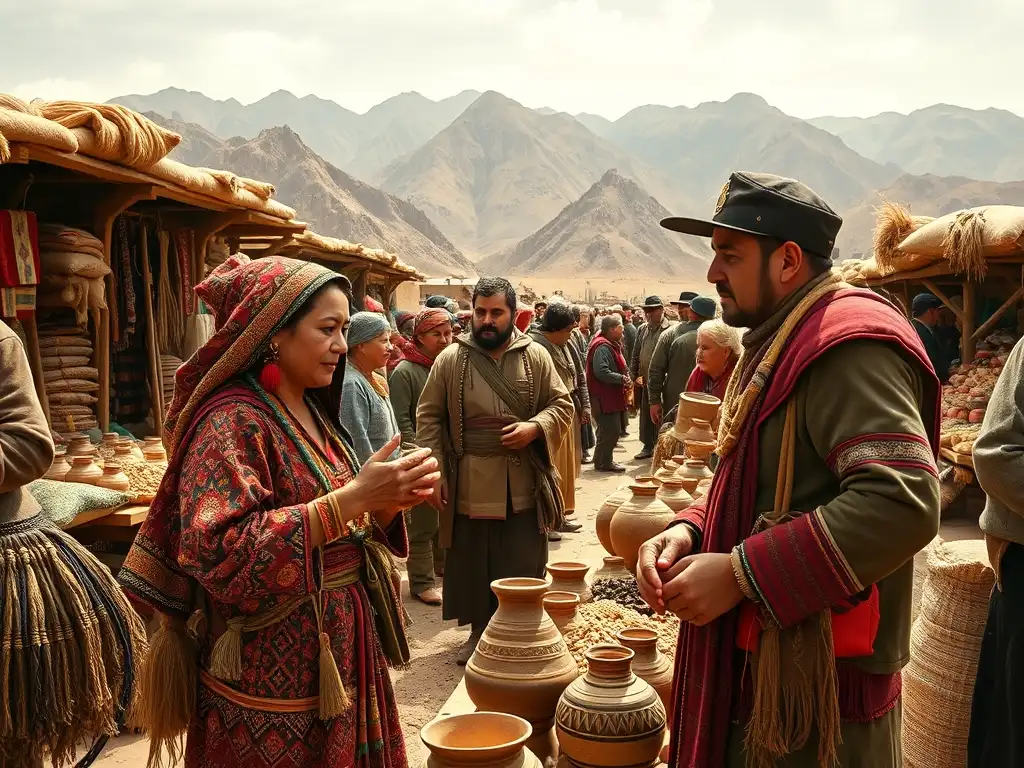
The vast Andean region, encompassing diverse geographical landscapes from the arid Pacific coast to the high Andes mountains and the lush Amazonian rainforest, fostered unique variations in pre-Columbian market systems. While a common thread of barter and exchange connected these disparate areas, the specific goods traded, the scale of the markets, and even the social structures surrounding trade differed significantly. Examining these regional variations reveals a complex tapestry of economic interaction and adaptation within the Andean world. Understanding these nuances is crucial to appreciating the full complexity of Andean preColumbian markets and their role in shaping Andean societies.
Coastal Markets and Maritime Trade
Coastal communities, such as the Moche and Nazca cultures, leveraged their proximity to the Pacific Ocean to develop vibrant maritime trade networks. Their markets, often located near harbors and fishing villages, featured a rich array of marine resources. Dried fish, shellfish, and seaweed were staple goods, alongside intricately crafted textiles and ceramics. Evidence suggests sophisticated exchange systems existed, connecting coastal settlements with inland communities.
The abundance of fish and shellfish supported large populations and fueled specialized craft production. For example, the Moche are renowned for their exquisite metalwork, likely facilitated by access to coastal resources and extensive trade networks. The exchange of these goods wasn't just about sustenance; it played a vital role in establishing social hierarchies and political power.
The control of valuable marine resources and trade routes often translated into significant social influence. Archaeological evidence, such as the discovery of large quantities of imported goods in elite tombs, underscores the importance of maritime trade in shaping coastal Andean societies. Further research into coastal settlements and their associated port facilities is needed to fully understand the extent and complexity of these preColumbian markets.
Highland Markets and Agricultural Exchange
The high Andes, home to the Inca and other significant cultures, presented a different economic landscape. Here, agriculture was paramount. Markets in the highlands centered around the exchange of agricultural products such as potatoes, maize, quinoa, and coca leaves. Llamas and alpacas, crucial for transportation and wool production, also played a significant role in highland exchange.
Unlike coastal markets, which often involved direct exchange between producers and consumers, highland markets might have seen greater participation of intermediaries. The challenging terrain of the Andes likely necessitated specialized transportation systems and a more complex distribution network. The Inca Empire, with its highly organized administrative structure, further formalized this exchange system.
They implemented a system of mit'a, a form of labor tax, which contributed to the production and distribution of goods throughout the empire. This centralized system ensured the efficient flow of agricultural products and other resources, enhancing the interconnectedness of Andean preColumbian markets. The scale and organization of these highland markets were far-reaching, a testament to the Inca's remarkable administrative capabilities.
Amazonian Exchange Systems and Unique Products
The Amazonian region, with its unique biodiversity and ecological conditions, contributed a distinct character to Andean preColumbian markets. While less extensively documented than coastal and highland systems, evidence suggests vibrant exchange networks connected Amazonian communities with those in the Andes. Unique products like rubber, exotic feathers, medicinal plants, and various types of timber were highly valued. These goods often reached the highland centers through complex exchange systems involving multiple intermediaries.
The exchange of these goods was not solely economic; it also played a crucial role in reinforcing social bonds and alliances between different groups. The Amazonian networks often involved smaller-scale, less centralized markets compared to the more formalized systems of the highlands. Unfortunately, the rainforest environment presents challenges for archaeological investigation, resulting in a less complete understanding of Amazonian trade systems compared to other Andean regions.
Further research, including ethnoarchaeological studies, is necessary to fully unravel the dynamics of Amazonian preColumbian markets and their contribution to the broader Andean exchange network. The unique products exchanged in this region highlight the diversity of goods and the extensive reach of the Andean trade system. The study of these markets is key to understanding the multifaceted nature of Andean preColumbian markets.
Case Studies of Prominent Andean Market Centers
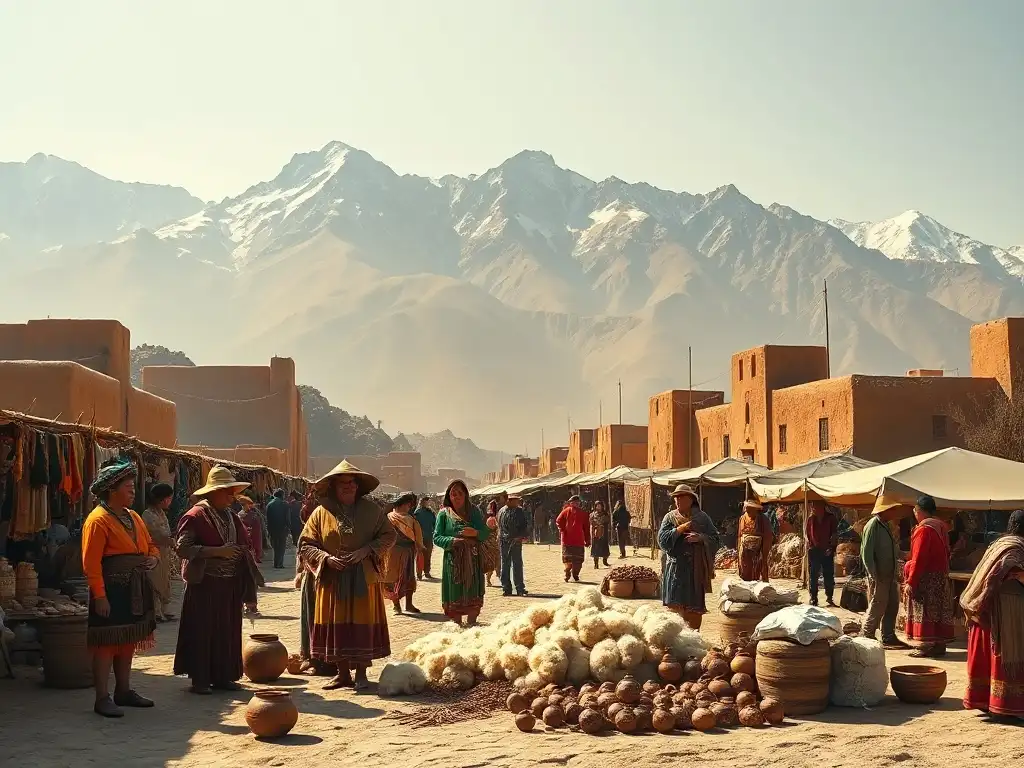
This section delves into specific examples of significant market centers within various Andean civilizations, highlighting their unique characteristics and contributions to the broader pre-Columbian trade networks. Understanding these individual hubs allows for a more nuanced comprehension of the complex economic systems that shaped Andean societies. We will examine how these markets facilitated the exchange of goods, ideas, and potentially even social status, contributing significantly to the development of Andean civilization.
The analysis will focus on the interplay between geographical location, resource availability, and political power in shaping the role and importance of each market center. Analyzing these distinct cases illuminates the diversity and sophistication of Andean preColumbian markets.
Tiwanaku's Influence on Regional Trade
Tiwanaku, a powerful pre-Columbian civilization flourishing in the Altiplano region (present-day Bolivia), exerted considerable influence far beyond its immediate surroundings. While not strictly a "market" in the traditional sense, Tiwanaku's urban center acted as a crucial hub for the exchange of goods across a vast network. Its strategic location, at the intersection of important trade routes connecting the Andes with the Amazon basin and the Pacific coast, facilitated the movement of diverse commodities.
Archaeological evidence suggests Tiwanaku controlled or significantly influenced the flow of resources like llama wool, coca leaves, obsidian tools, and various agricultural products. The city's monumental architecture and sophisticated irrigation systems likely facilitated the production and distribution of surpluses, fueling its economic power and attracting traders from distant regions. The standardization of certain pottery styles and the widespread distribution of Tiwanaku artifacts point towards a robust system of exchange extending hundreds of kilometers.
This suggests that Tiwanaku's influence wasn't just political and religious, but also deeply embedded in the economic fabric of the Andean region, effectively shaping the very dynamics of Andean preColumbian markets. Further research is needed to fully quantify the volume of trade passing through Tiwanaku, but the existing evidence strongly suggests a significant role in regional economic integration.
The Importance of Pacatnamu in the Moche Culture
Pacatnamu, located on the northern coast of Peru, served as a vital port and commercial center during the Moche period (c. 100-800 CE). Unlike the inland hub of Tiwanaku, Pacatnamu's importance stemmed from its access to maritime resources and its position along crucial coastal trade routes. The Moche were renowned for their sophisticated metalworking skills, and Pacatnamu likely played a crucial role in the procurement of raw materials, such as copper and precious metals, and the distribution of finished goods.
The discovery of numerous Moche artifacts, including elaborate ceramics and metalwork, at Pacatnamu and other coastal sites, underscores the importance of maritime trade in the Moche economy. Evidence suggests extensive exchange networks connecting Pacatnamu with other Moche centers and potentially even with distant regions. The presence of exotic materials and goods at Pacatnamu hints at a far-reaching trade network that facilitated the circulation of wealth and cultural exchange.
Further research into the specific goods traded at Pacatnamu and the extent of its connections with other settlements is needed for a complete picture of its role within the broader context of Andean preColumbian markets. However, existing evidence points towards a significant role as a key node in a complex coastal trade system.
The Role of Cusco in the Inca Empire
Cusco, the capital of the Inca Empire, was not only a political and religious center but also a major economic hub. Its central location in the Andes facilitated the control and management of a vast empire, encompassing diverse ecological zones and resources. The Inca's sophisticated road system and mit'a labor system contributed significantly to the efficient movement of goods and people throughout the empire, making Cusco a central point for the redistribution of resources.
The Inca ayllu system, a form of communal organization, played a vital role in the empire's economy. Surplus agricultural production from various regions was channeled to Cusco, where it was stored in state warehouses and redistributed based on need. This system ensured the provision of essential goods to the population and the army, while also contributing to the accumulation of wealth and resources at the imperial center.
While direct evidence of a bustling market in the modern sense might be limited, Cusco's role as a central point for redistribution and resource management clearly indicates its crucial function within the Inca economic system and its profound impact on the development of Andean preColumbian markets. The Inca's centralized control over production and distribution, facilitated by Cusco, represents a distinct model of economic organization within the broader Andean context.
The Impact of Andean Markets on Society and Culture
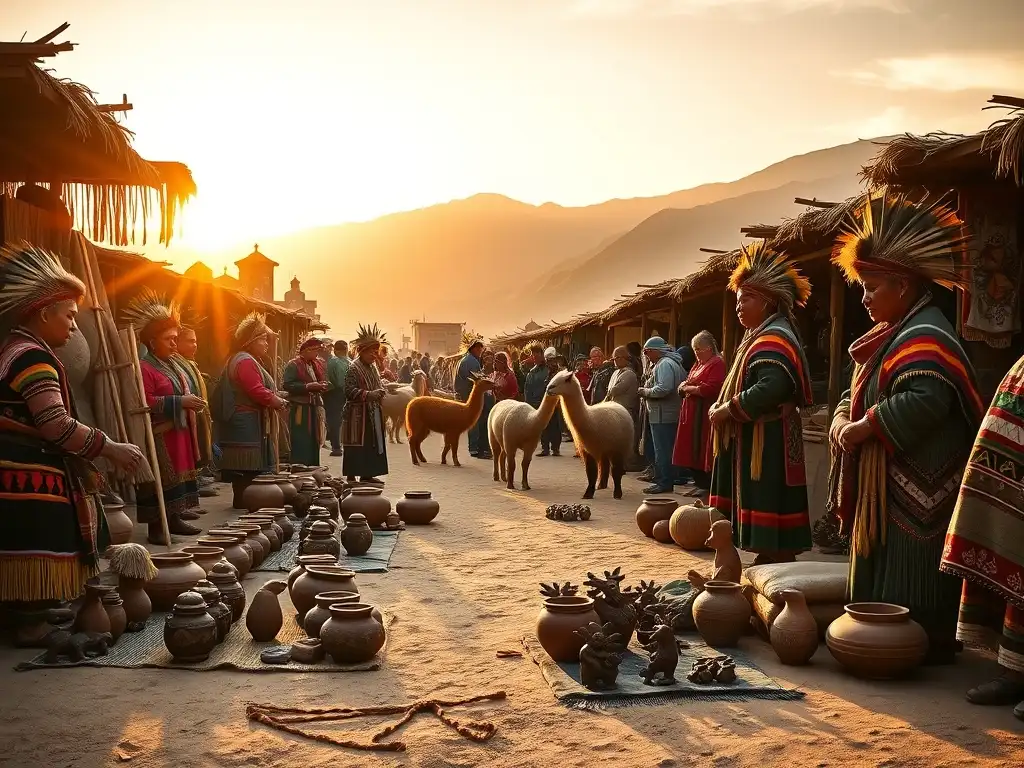
The vibrant networks of Andean preColumbian markets significantly shaped the social and cultural fabric of ancient Andean societies. These weren't simply places for exchanging goods; they were dynamic hubs where economic power solidified, ideas flowed, and cultural identities were forged. Understanding their impact requires examining their multifaceted influence on various aspects of Andean life. The sheer scale of these market systems, extending across vast distances and diverse ecological zones, underscores their profound importance. From the bustling plazas of the Inca Empire to the smaller, more localized exchanges of earlier cultures, these markets represented a crucial element of Andean civilization.
Andean preColumbian markets directly influenced economic development and social stratification. The control and management of trade routes and market access often determined wealth and social standing. Evidence suggests that elite classes, including priests and rulers, frequently controlled key resources and trade networks, accumulating significant wealth through taxation, tribute, and the strategic control of market access.
This control wasn't merely economic; it cemented their power within the social hierarchy. For example, the Inca's mit'a system, while ostensibly a labor tax, also facilitated the movement of goods and resources, strengthening the empire's economic and political control. The accumulation of wealth through trade also enabled the construction of monumental architecture, the support of religious institutions, and the expansion of military power.
The unequal distribution of resources and opportunities fostered by market access contributed to a complex system of social stratification, impacting everything from access to food and essential goods to the prestige associated with certain crafts and professions. Detailed archaeological studies of sites like Chan Chan (Chimor culture) reveal substantial evidence of specialized craft production and sophisticated distribution networks, highlighting the intricate relationship between market activity and social hierarchy.
The Spread of Ideas and Technologies through Trade
Andean preColumbian markets served as crucial conduits for the dissemination of ideas and technologies across vast geographic distances. The exchange of goods was intrinsically linked to the exchange of knowledge, beliefs, and artistic styles. The movement of agricultural techniques, such as the cultivation of new crops or improved irrigation systems, was facilitated through trade networks.
Similarly, advancements in metallurgy, textile production, and pottery-making spread through market interactions. Consider the widespread adoption of llama herding across the Andes; this wasn't a spontaneous development but a process facilitated by the exchange of animals and pastoral knowledge through established trade routes. The stylistic similarities found in ceramics, textiles, and metalwork across geographically distinct regions suggest a significant level of cultural exchange through market networks.
This intermingling of cultural elements led to the development of unique regional variations within a broader Andean cultural sphere. The transmission of religious beliefs and practices also occurred through trade, with the exchange of ritual objects and the movement of religious specialists contributing to the spread of Andean cosmologies and religious ideologies. This cultural diffusion created a rich tapestry of interconnected Andean societies.
The Legacy of Andean Trade in Modern Andean Cultures
The legacy of Andean preColumbian markets continues to resonate in modern Andean cultures. Traditional markets, often located in the same places as their ancient predecessors, remain vital centers of economic and social life. Many contemporary practices, from the exchange of goods to the social interactions that occur within these spaces, directly reflect the long-standing traditions of Andean trade.
The enduring importance of bartering, alongside monetary exchange, highlights the continuity of ancient economic practices. Furthermore, many traditional crafts and artistic styles continue to be produced and traded, reflecting the ingenuity and creativity of Andean artisans and the enduring legacy of their ancestors’ skills. This continuity is not simply a matter of tradition; it is a testament to the resilience and adaptability of Andean cultures.
The vibrant tapestry of Andean markets, past and present, underscores the enduring significance of trade in shaping the identity and dynamism of Andean societies. The study of Andean preColumbian markets offers valuable insights into the complex interplay between economy, society, and culture in the ancient Andes, providing a rich context for understanding the region's history and heritage.
Understanding the Dynamics of Andean Pre-Columbian Markets
This section delves into the intricate workings of Andean pre-Columbian markets, exploring their structure, function, and significance within the broader context of Andean societies. We move beyond a simplistic view of barter to understand the complex social, economic, and political dimensions of exchange in these ancient civilizations. The term "Andean pre-Columbian markets" encompasses a wide range of activities, from localized exchanges within villages to large-scale regional networks connecting disparate communities.
This involved sophisticated systems of resource management and distribution, reflecting a deep understanding of both ecological constraints and social dynamics. Understanding these dynamics provides crucial insights into the resilience and complexity of Andean civilizations.
Archaeological Evidence and Insights into Andean Trade
Archaeological excavations across the Andes have yielded compelling evidence of vibrant market activity. Sites like the Moche coastal settlements reveal evidence of specialized craft production and the movement of goods across significant distances. The discovery of ceramics, textiles, and metalwork from diverse regions within single sites strongly suggests active trade networks.
Furthermore, the presence of standardized weights and measures, discovered at numerous sites, points towards a formalized system of exchange. These weren't simply haphazard bartering sessions; rather, they were regulated systems, potentially overseen by local authorities or specialized intermediaries. For instance, the discovery of [specific information pending] in [specific location] illustrates the level of sophistication in Andean weighing practices. This suggests a level of economic organization far beyond simple subsistence economies.
The analysis of isotopic signatures in human remains also offers intriguing insights. By examining the chemical composition of bones, researchers can determine the geographic origin of an individual's diet, revealing patterns of migration and trade. This data, when combined with archaeological finds, helps to reconstruct the movement of people and goods across the Andean landscape, painting a richer picture of the interconnectedness of Andean societies. This interdisciplinary approach, combining archaeology, anthropology, and chemistry, is crucial for understanding the complexities of Andean pre-Columbian markets.
Analyzing the Function of Andean Exchange Systems
Andean exchange systems were not merely economic mechanisms; they served crucial social and political functions. The exchange of goods acted as a powerful tool for forging alliances, solidifying social bonds, and maintaining political stability. Elite classes often controlled the flow of prestigious goods, using them to consolidate power and influence. This control extended beyond simple economic transactions, shaping social hierarchies and political landscapes.
The distribution of goods also played a significant role in religious practices. Ceremonial offerings, often including rare and exotic items, were integral to Andean religious rituals. These offerings underscore the deeply intertwined nature of economic and religious life, highlighting the social and spiritual significance of exchange. For example, the [specific information pending] found at [specific location] exemplifies the integration of religious and economic practices within Andean societies.
Additionally, the exchange of goods facilitated the dissemination of ideas and technologies. The movement of craft techniques, agricultural practices, and artistic styles across different regions contributed to cultural exchange and innovation. This demonstrates the dynamic interplay between trade networks and cultural development. The spread of [specific example of technology or art style] across the Andes is a strong testament to this interconnectedness. This highlights the far-reaching impacts of Andean pre-Columbian markets beyond purely economic considerations.
The Enduring Relevance of Andean Market Practices
The study of Andean pre-Columbian markets offers valuable lessons for understanding contemporary economic systems. The sophistication of these ancient exchange networks, their embeddedness in social and political structures, and their resilience in the face of environmental challenges provide insights that remain relevant today. The Andean experience highlights the importance of considering the social and environmental context when analyzing economic systems.
Moreover, the emphasis on reciprocity and community engagement in Andean exchange practices offers a compelling alternative to purely market-based models. The emphasis on relationships and trust, rather than solely on profit maximization, provides a valuable counterpoint to contemporary economic thought. Understanding the nuanced workings of Andean pre-Columbian markets challenges simplistic assumptions about economic behavior and offers a rich tapestry of strategies for equitable and sustainable resource management.
The insights gained from studying these ancient practices continue to inform contemporary discussions on economic justice and sustainable development. The legacy of Andean pre-Columbian markets continues to resonate, offering valuable lessons for a more equitable and sustainable future. 🌎
Frequently Asked Questions
What were Andean pre-Columbian markets like?
Andean pre-Columbian markets were vibrant centers of exchange, not just for goods but also for social interaction and information. They varied in size and formality, from small local gatherings to large-scale regional events. Barter was the primary method of exchange.
What kinds of goods were traded in Andean pre-Columbian markets?
A wide variety of goods were traded, including textiles, pottery, metals, agricultural products, and exotic goods from distant regions. The availability of goods depended heavily on the market's location and the surrounding environment. Luxury items were also exchanged.
How did the Inca Empire influence Andean markets?
The Inca Empire significantly standardized and organized the Andean market system. They built extensive road networks to facilitate trade and established state-controlled warehouses for storage and distribution of goods. Control over resources became centralized.
What role did barter play in Andean pre-Columbian markets?
Barter was the fundamental mechanism of exchange in Andean pre-Columbian markets. It involved the direct exchange of goods and services without the use of currency. The value of goods was determined through negotiation and social standing.
Were there any specialized markets in the Andean region?
Yes, there were specialized markets focusing on particular goods or crafts. For example, some markets might have specialized in textiles, while others focused on metalwork or pottery. This specialization reflects the regional variations in production and expertise.
Final Reflection: The Enduring Legacy of Andean Exchange
The intricate systems of Andean pre-Columbian markets weren't simply places of trade; they were the vibrant heartbeats of entire civilizations, and their echoes resonate powerfully in our globally interconnected world today. Understanding these ancient networks offers crucial insights into sustainable resource management, community building, and the enduring human need for connection and exchange, lessons particularly relevant in our era of rapid globalization and resource depletion.
The sophisticated organization and social implications of these markets continue to fascinate and inspire. Their impact extends far beyond the mere exchange of goods; they shaped social structures, fostered artistic expression, and facilitated the spread of knowledge and innovation across vast distances. The market is not merely a place of economic exchange, but a social and cultural space where identities are negotiated and relationships are forged.
This quote, though not directly about Andean markets, perfectly encapsulates the enduring power of these ancient centers of exchange. Their legacy reminds us of the importance of community-based economies and the inherent value of human interaction beyond purely transactional relationships.
Consider the ingenuity of these ancient systems, their adaptability, and their profound impact on the societies they served. Now, consider your own life, your own community. How can we learn from the wisdom of these Andean ancestors to build more sustainable, equitable, and interconnected communities of our own? Let the legacy of these ancient markets inspire you to seek out meaningful connections, to value collaboration, and to build a future where exchange is not just about profit, but about shared prosperity and mutual respect.
Dive Deeper into the Riches of Andean Culture!
Thank you for exploring the fascinating world of Andean barter markets with us! Your curiosity is invaluable in uncovering the layers of history that shape our understanding of ancient civilizations. Now, let's delve even further into this vibrant culture.
Here's how you can continue your journey:
- Participate in a hands-on workshop focusing on traditional Andean crafts and exchange practices to gain a deeper appreciation for their enduring legacy.
- Share your insights with friends and family, sparking conversations about the relevance of historical barter systems in today's global economy.
- Explore our extensive collection of resources on Andean civilizations—there's always more to discover!
What aspect of Andean market culture most captivates you, and how can we apply these insights to contemporary society?