
Unraveling the Mystery of the Chaneques: Nature Spirits of the Andes

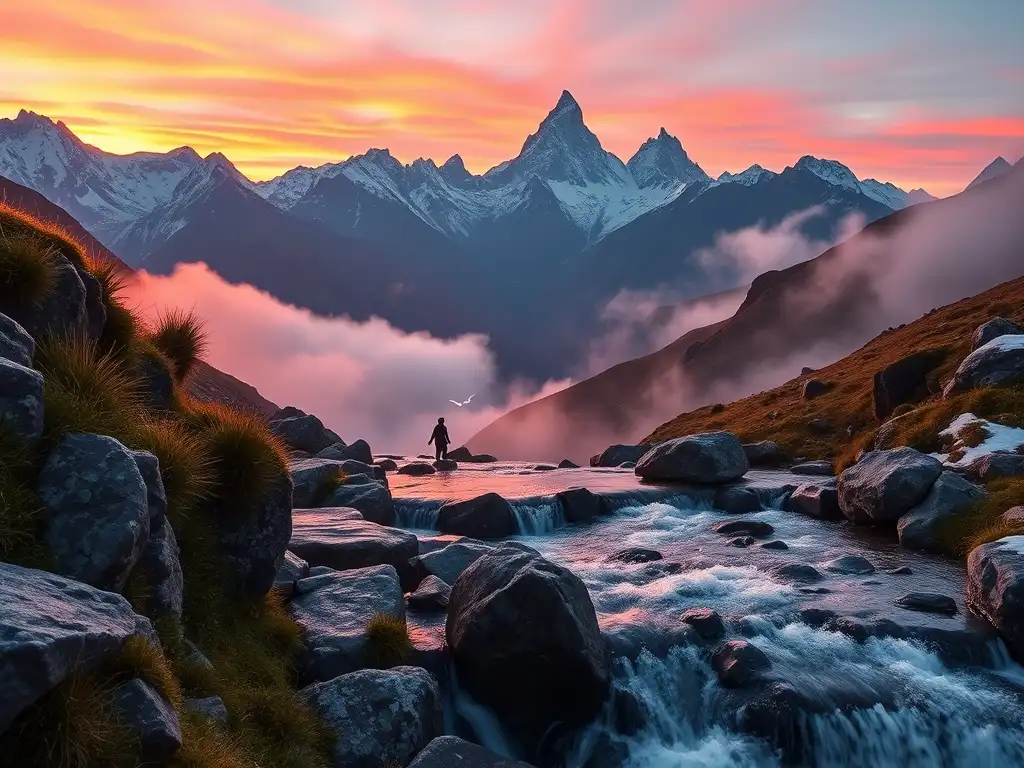
Step into a world shrouded in mystery and wonder, where the towering Andes hold secrets whispered through millennia. Prepare to delve into the captivating realm of Andean Civilizations, and uncover the enigmatic power of the Andean Chaneques spirits. Their influence permeates the rich tapestry of Andean religion and cosmovision—but what are these elusive beings, and what role did they play in shaping the beliefs and practices of these ancient cultures? Journey with us to unravel their story...
- Unraveling the Mystery of the Chaneques: Nature Spirits of Mesoamerica
- Who are the Mesoamerican Chaneques? Exploring the Nature Spirit Lore
- The Appearance and Characteristics of Chaneques
- Chaneques in Different Mesoamerican Cultures: Regional Variations
- Interacting with the Chaneques: Precautions and Rituals
- The Significance of Chaneques in Mesoamerican Culture and Beliefs
- The Legacy of the Chaneques: From Ancient Beliefs to Modern Folklore
- Frequently Asked Questions
- Final Reflection: Echoes of the Andes: Chaneques and Our Connection to Nature
- Unleash the Magic of Chaneques Today!
Unraveling the Mystery of the Chaneques: Nature Spirits of Mesoamerica
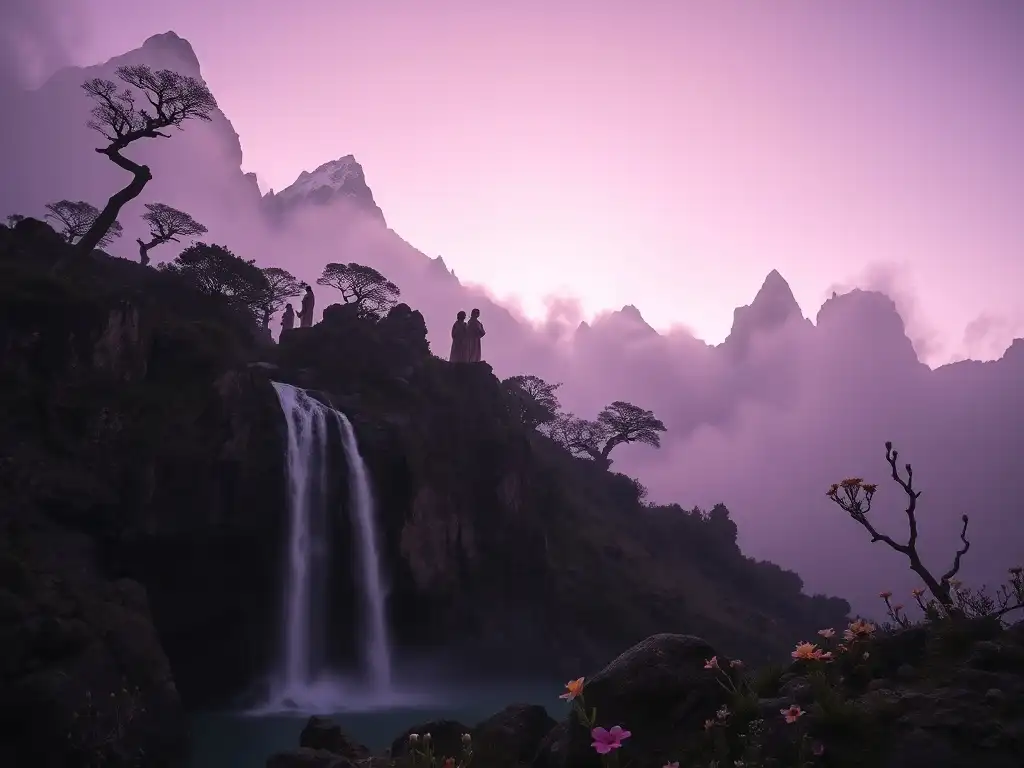
The Andes Mountains, a spine of towering peaks stretching along the western coast of South America, are not only a breathtaking natural wonder but also a repository of rich and complex mythology. For centuries, the indigenous peoples inhabiting this vast region have woven intricate narratives around the forces of nature, imbuing mountains, rivers, and forests with spiritual significance.
Among these potent entities are the Chaneques, elusive nature spirits whose presence permeates Andean folklore, deeply influencing the beliefs and practices of numerous communities. This article delves into the enigmatic world of the Andean Chaneques, exploring their characteristics, their roles in Andean cosmovision, and their enduring legacy in contemporary Andean culture.
We will examine how these spirits, deeply connected to the natural world, reflect the profound reverence for the environment that characterizes Andean spirituality and how their stories continue to shape the cultural identity of the region. Understanding the Chaneques offers a crucial window into the complex relationship between humans and nature within the Andean worldview, a relationship far more nuanced and interconnected than many modern perspectives allow.
Characteristics of the Chaneques: Guardians of the Natural World
The Chaneques are often described as mischievous yet benevolent nature spirits, inhabiting forests, mountains, and other natural landscapes. Descriptions vary across different Andean communities, but several common threads emerge. They are frequently depicted as small, humanoid figures, sometimes with animalistic features, reflecting their close connection to the fauna of their respective habitats.
Their appearance can be deceptive; some accounts paint them as beautiful and alluring, while others portray them as grotesque and frightening, emphasizing the unpredictable nature of the natural world itself. Their behavior is similarly inconsistent; they are known for both helpful acts – guiding lost travelers, protecting animals – and playful pranks – leading people astray, causing minor misfortunes.
This duality highlights their ambivalent nature, mirroring the unpredictable and often paradoxical aspects of the Andean environment itself. They are considered powerful guardians of their domains, fiercely protective of the natural balance and quick to punish those who disrespect or exploit the environment.
The Chaneques' Role in Andean Cosmovision: Intermediaries Between Worlds
The Chaneques occupy a significant position within the Andean cosmovision, acting as intermediaries between the human and spirit worlds. They are not simply mischievous sprites; rather, they represent the inherent power and vitality of nature itself. Their actions, whether benevolent or mischievous, are seen as manifestations of the natural world's own agency and dynamism.
Their presence underscores the deep-seated Andean belief in the interconnectedness of all living things, highlighting the importance of respecting and maintaining harmony with the natural order. Many Andean rituals and ceremonies are designed to appease or honor the Chaneques, ensuring their continued protection and preventing their wrath. These practices reveal the profound respect and even fear that these spirits command within Andean communities.
The Enduring Legacy of the Chaneques: From Folklore to Contemporary Culture
The stories and beliefs surrounding the Chaneques are not merely relics of the past; they continue to shape the cultural landscape of the Andes today. While their presence might be less overtly acknowledged in modern urban settings, their legacy persists in rural communities where traditional practices remain strong.
Tales of Chaneques are still shared among families, serving to educate younger generations about the importance of respecting nature and understanding the spiritual forces that inhabit the Andean landscape. Furthermore, the imagery and symbolism associated with the Chaneques can be found in contemporary Andean art, music, and literature, demonstrating their enduring influence on cultural expression.
Their continued presence in the collective consciousness of the Andean people is a testament to their powerful role in shaping Andean identity and worldview. The Chaneques serve as a potent reminder of the deep spiritual connection between the Andean peoples and their environment, a connection that has endured for millennia and continues to resonate today.
Who are the Mesoamerican Chaneques? Exploring the Nature Spirit Lore
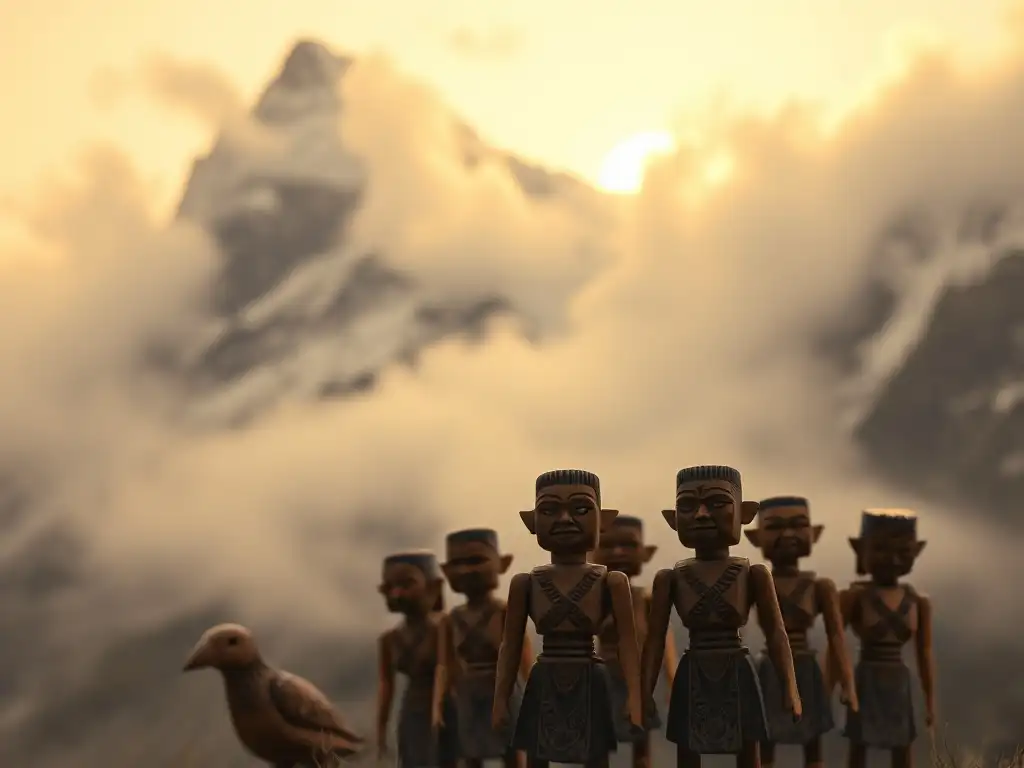
The Andean region, famed for its majestic mountains and rich cultural heritage, is also home to a fascinating array of supernatural beings. While often conflated with other nature spirits, the Chaneques represent a unique and intriguing element of Andean spiritual beliefs. Understanding their place within the broader Andean cosmovision requires careful consideration, separating local variations and avoiding generalizations that obscure the nuanced beliefs of different Andean communities.
This section focuses specifically on clarifying the identity of the Chaneques, addressing common misconceptions, and establishing a foundation for further exploration of their role in Andean life. The term "Andean Chaneques spirits" itself highlights the need for precise identification, as the name itself can be misleading due to its association with other, similar entities in other regions. We will delve into the characteristics that specifically define Andean Chaneques, distinguishing them from similar spirits found in Mesoamerica.
Defining the Chaneque: Mischievous Guardians of the Wild
The Chaneques, in the Andean context, are often described as mischievous, playful, and sometimes even malicious nature spirits. They are intimately tied to the natural world, inhabiting forests, mountains, and other wild places. Unlike some benevolent deities, Chaneques are not typically worshipped in formal rituals.
Instead, they are often appeased or their wrath avoided through offerings and respectful behavior in their territories. Their appearance is highly variable, described in various accounts as small, childlike figures, sometimes with animal-like features. Their actions range from playful pranks – hiding objects, leading travelers astray – to more serious interventions, causing misfortune or illness to those who disrespect the environment or fail to acknowledge their presence.
This duality – their capacity for both mischief and malevolence – underscores the importance of maintaining a respectful balance with the natural world in Andean spiritual belief. The unpredictable nature of the Chaneques reflects the unpredictable nature of the Andean environment itself, highlighting the inherent risks and rewards associated with interacting with the wild.
Chaneques in Mesoamerican Cosmovision: Their Role in the Natural World
It's crucial to differentiate Andean Chaneques from their Mesoamerican counterparts. While the name is the same, their characteristics and roles differ significantly. Mesoamerican Chaneques are often portrayed as guardians of the forest, possessing a more benevolent nature than their Andean counterparts.
They are sometimes associated with fertility and abundance, playing a positive role in the ecosystem. This contrast highlights the importance of regional specificity when studying Andean spirituality. The term "Andean Chaneques spirits" therefore requires careful contextualization to avoid conflating these distinct spiritual entities.
The use of the same name across different regions underscores the need for rigorous research and a nuanced understanding of the specific cultural contexts in which these beings are understood. Further research is needed to fully document the variations in beliefs about Chaneques across different Andean communities, acknowledging the diverse expressions of Andean spirituality. A comprehensive understanding of Andean Chaneques requires a detailed examination of local traditions, folklore, and oral histories, recognizing the dynamic and evolving nature of spiritual beliefs across time and space.
The Appearance and Characteristics of Chaneques
The Andean Chaneques spirits, unlike their more widely known Mesoamerican counterparts, lack a standardized description across all Andean cultures. Their appearance is highly variable and often tied to the specific locale and the beliefs of the individual communities. This fluidity reflects the adaptable nature of Andean spirituality, where the interaction with the natural world shapes the perception of supernatural entities.
Instead of a singular, fixed image, the Chaneques are more accurately understood as a spectrum of nature spirits, their forms shifting and blending depending on the context. The keyword "Andean Chaneques spirits" highlights the unique Andean interpretation of these elusive beings.
Describing the Physical Form of Mesoamerican Chaneques
While this section focuses on Andean Chaneques, it's important to briefly contrast them with their Mesoamerican relatives to highlight the regional differences. Mesoamerican Chaneques are often depicted as small, human-like creatures with dark skin, sometimes with animalistic features like pointed ears or tails. They are frequently associated with forests and caves. This contrasts sharply with the more amorphous and adaptable forms attributed to Andean Chaneques.
Andean accounts sometimes describe them as having features reminiscent of local fauna, perhaps reflecting the specific animal spirits inhabiting a particular region. For example, a Chaneque associated with a high-altitude lake might take on features of a vicuña or a condor, while one near a jungle river might resemble a monkey or a jaguar. Further research is needed to compile a more comprehensive visual catalog of Andean Chaneque depictions from various indigenous communities.
Behavioral Traits: The Mischievous Nature of Chaneques
Across various Andean traditions, Chaneques are generally considered mischievous but not inherently malevolent. Their actions range from playful pranks to more serious interventions in human affairs. They are often described as guardians of the natural world, protecting specific areas or resources. However, their guardianship can manifest in unpredictable ways. They might lead travelers astray, hide objects, or even cause minor illnesses as a way of testing or punishing those who disrespect nature.
This mischievous nature is a recurring theme across various Andean cultures, emphasizing the importance of respectful coexistence with the natural world. Ignoring the Chaneques, or showing disrespect for their domain, is considered unwise. They are powerful, even if their power is subtle and often expressed through seemingly insignificant events. Understanding their capricious nature is key to navigating the Andean spiritual landscape.
Chaneques and Their Connection to Specific Natural Elements
The Andean Chaneques are deeply intertwined with the natural elements of their environment. They are not merely spirits in nature but are considered integral parts of it. A Chaneque associated with a mountain spring might control the flow of water, while one linked to a particular grove of trees might influence its growth and health.
This intricate relationship highlights the holistic worldview of Andean cosmovision, where the spiritual and physical realms are inseparable. The Chaneques' power is directly tied to the strength and vitality of their associated natural elements. A thriving ecosystem suggests powerful and benevolent Chaneques, while a degraded environment might indicate weakened or angered spirits.
This connection underscores the importance of environmental stewardship in Andean culture, emphasizing the interconnectedness of all living things and the spiritual consequences of environmental damage. Further research on specific Andean communities and their relationship with Chaneques is needed to fully understand the diverse expressions of this powerful belief system. The keyword "Andean Chaneques spirits" should be explored further to illuminate the nuances of this fascinating aspect of Andean spirituality.
Chaneques in Different Mesoamerican Cultures: Regional Variations
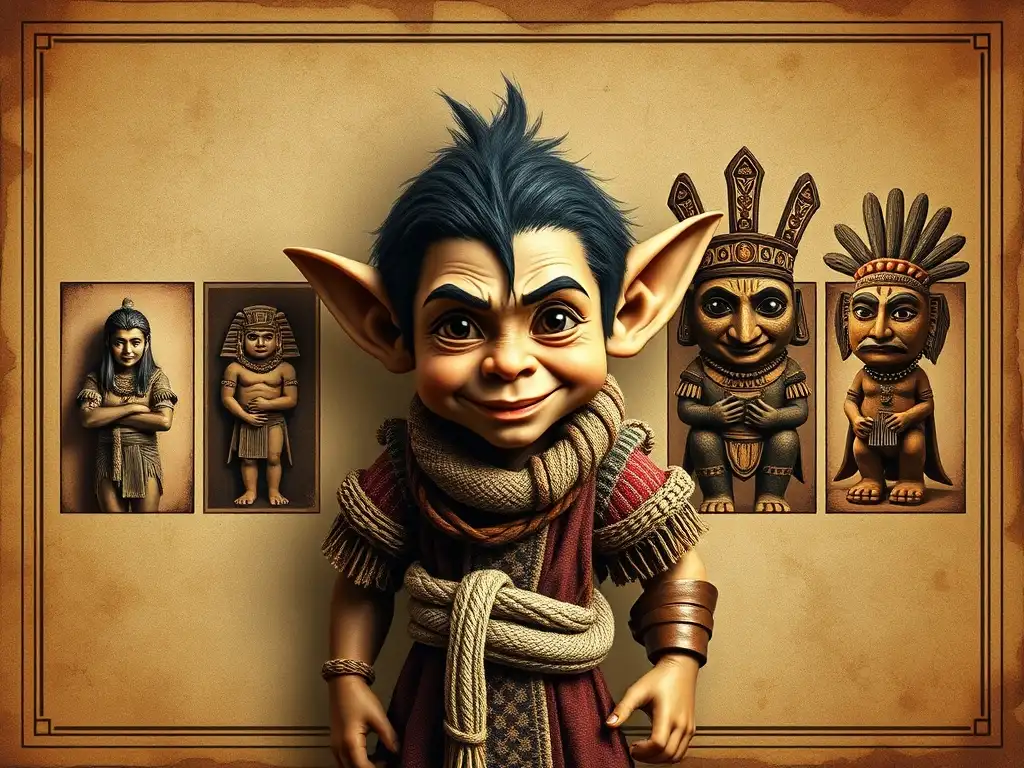
While the term "Chaneque" is often associated with the Andean region, its usage and meaning exhibit significant regional variations across Mesoamerica. It's crucial to understand that the Andean Chaneques are distinct from those found in other Mesoamerican cultures, despite sharing some superficial similarities. The Andean Chaneques, as we'll explore later, are deeply intertwined with the specific Andean cosmovision and natural environment.
However, the name and sometimes even the associated characteristics appear in other regions, leading to fascinating comparisons and highlighting the diverse ways indigenous peoples conceptualized nature spirits. This section will briefly touch upon these differences to clarify the unique characteristics of Andean Chaneques spirits.
Chaneques in Nahua Mythology: Beliefs about Chaneques
Nahua mythology, prevalent in central Mexico, features beings called Chaneques, but their depiction differs significantly from their Andean counterparts. Nahua Chaneques are often described as mischievous, playful, and sometimes even malevolent nature spirits inhabiting caves, forests, and mountains. Unlike the often protective or benevolent Andean Chaneques, Nahua Chaneques are associated with trickery and can lead travelers astray or cause minor misfortunes.
They are depicted as small, often humanoid figures, sometimes with animalistic features, and are associated with the hidden, mysterious aspects of the natural world. Their interactions with humans are often characterized by unpredictability, ranging from harmless pranks to more serious interventions. Many Nahua narratives caution against angering these capricious spirits.
The offering of pulque or other small gifts is sometimes described as a way to appease them. Detailed ethnographic studies on Nahua beliefs about Chaneques are needed to fully understand the nuances of their role within this specific cultural context.
Chaneques in Maya Culture: Variations across different regions
The Maya cultures, spanning across Southern Mexico, Belize, Guatemala, and parts of Honduras, also possess their own versions of nature spirits, although the term "Chaneque" might not be directly used. Instead, various deities and spirits associated with specific natural elements—like cenotes (sinkholes), mountains, or forests—serve a similar role. These spirits are often tied to specific locations and possess unique characteristics depending on the region and specific Maya group.
For example, some Maya spirits are benevolent protectors of nature, while others are associated with illness or misfortune. The lack of a direct equivalent to the "Chaneque" name highlights the importance of considering the specific cultural context when discussing nature spirits within the broader Mesoamerican framework. More research is needed to pinpoint specific regional variations and fully understand the diversity of Maya nature spirits.
Modern Interpretations of Chaneques: Contemporary Beliefs and Traditions
Contemporary interpretations of Chaneques, regardless of their geographic origin, often blend traditional beliefs with modern perspectives. In some Andean communities, Chaneques remain important figures in local folklore, influencing everyday life and shaping interactions with the natural world. These beliefs are often passed down through oral traditions, maintaining a sense of continuity with the past.
However, globalization and modernization have inevitably impacted these traditions. Some communities have integrated Chaneques into contemporary environmental activism, using their symbolism to promote conservation and sustainable practices. Others have incorporated Chaneques into tourism, creating narratives that attract visitors and promote local culture.
Understanding these modern interpretations is vital to appreciating the enduring influence of these nature spirits and their ongoing relevance in Andean and other Mesoamerican societies. Further research is needed to fully document and analyze the diverse range of contemporary Chaneque beliefs and practices across different communities. The evolution of these beliefs reflects the ongoing dynamism of cultural adaptation and the enduring power of ancient traditions.
Interacting with the Chaneques: Precautions and Rituals
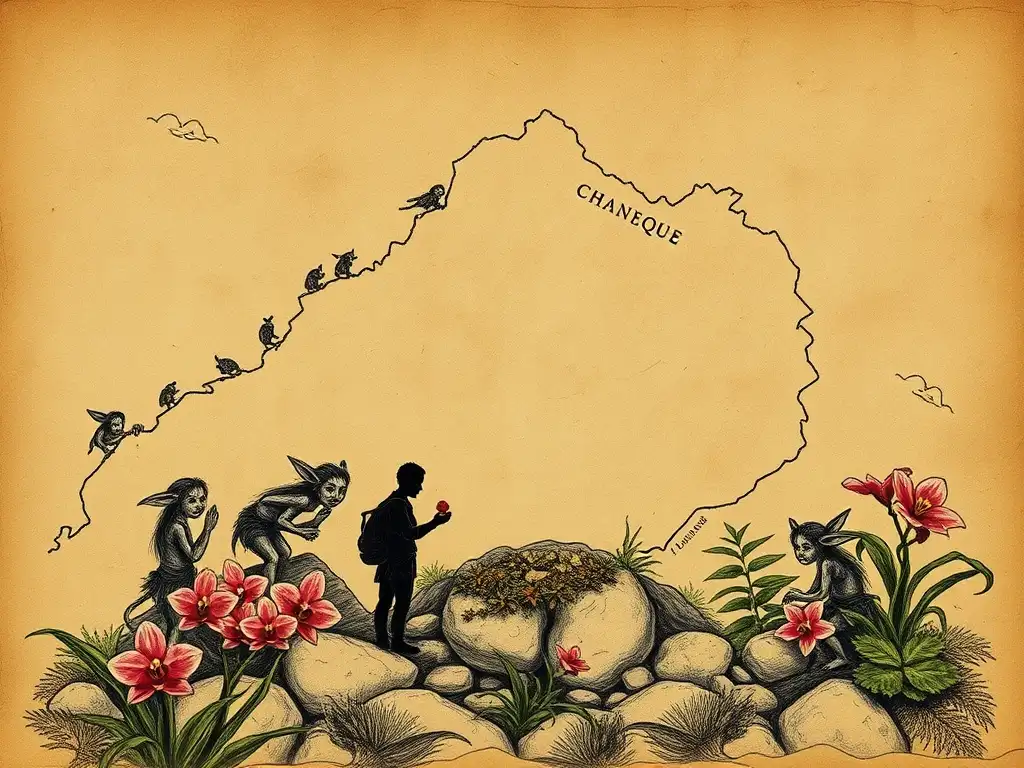
The Andean Chaneques spirits, while often depicted as mischievous, are not inherently malevolent. Their actions are often a reflection of how humans treat the natural world. Understanding this relationship is key to avoiding negative encounters and fostering a harmonious coexistence. Respect for the environment and adherence to certain traditional practices are paramount in navigating interactions with these elusive beings. Ignoring their presence or disrespecting their domain can lead to unfortunate consequences, ranging from minor inconveniences to more serious misfortunes. The belief system surrounding the Chaneques emphasizes a delicate balance between human activity and the sanctity of nature.
How to Avoid the Wrath of Chaneques: Traditional Practices
Avoiding the wrath of the Chaneques involves a deep respect for the natural environment. This means:
- Avoiding unnecessary noise in their habitats: Loud music, shouting, or disruptive machinery are believed to anger them. Think of it as disturbing the peace of a sensitive ecosystem.
- Respecting sacred sites: Many locations are considered to be particularly sensitive and associated with Chaneque activity. Entering these areas without proper reverence is considered highly disrespectful. These sites are often marked by ancient ruins, unusual rock formations, or lush, undisturbed vegetation.
- Careful resource management: Over-exploitation of natural resources—over-harvesting plants, excessive hunting, or polluting water sources—is seen as a major transgression. The Chaneques are guardians of the land, and their anger is easily provoked by such actions.
- Leaving offerings: Small, respectful offerings of food, coca leaves, or tobacco can be left in natural settings as a gesture of goodwill and appeasement. This shows a recognition of their presence and a commitment to peaceful coexistence.
- Asking for permission: Before entering any area believed to be inhabited by Chaneques, some Andean communities practice asking for permission, either verbally or through a silent offering. This demonstrates humility and respect.
Rituals and Offerings to Appease the Mesoamerican Nature Spirits
While the Chaneques are associated with the Andes, the concept of appeasing nature spirits through rituals and offerings is widespread in Andean cultures. These rituals aren't always directly aimed at the Chaneques specifically but serve to maintain balance within the broader spiritual ecosystem.
The types of offerings vary greatly depending on the specific community and the nature of the request. However, common offerings include:
| Offering Type | Purpose | Example |
|---|---|---|
| Food and Drink | To satisfy hunger and thirst | Corn, chicha (fermented corn beverage), fruits |
| Coca Leaves | For purification and respect | A small bundle of coca leaves |
| Tobacco | For communication and appeasement | A pinch of tobacco |
| Textiles and Crafts | To express gratitude and admiration | Small woven items, pottery |
| Incense | To purify the space and attract positive energy | Palo Santo, copal incense |
These offerings are often left at natural features like waterfalls, caves, or ancient ruins, places believed to be connected to the spirit world. The act of offering itself is as important as the offering itself; it demonstrates a sincere desire for harmony and respect. The rituals themselves often involve prayers, songs, and specific gestures, passed down through generations. Precise details of these rituals are often kept within families and communities.
Stories and Legends: Encounters with the Chaneques
Numerous stories and legends throughout Andean communities detail encounters with the Chaneques. These narratives, passed down orally for generations, offer valuable insights into the beliefs and perceptions surrounding these enigmatic spirits. Many stories depict the Chaneques as playful but unpredictable, their actions reflecting human behavior towards nature.
For example, some tales recount how the Chaneques might lead travelers astray in the mountains, a consequence of disrespecting the environment or ignoring traditional warnings. Other stories detail how the Chaneques might assist those who treat nature with respect, offering guidance or protection. The recurring theme is the importance of maintaining balance and harmony with the natural world.
These narratives are not just folklore; they serve as important reminders of the deep spiritual connection between Andean communities and their environment, reinforcing the crucial role of respect and reverence in interacting with the Andean Chaneques spirits. The stories highlight the tangible consequences, both positive and negative, of human actions within the context of the Andean spiritual landscape. These accounts emphasize the dynamic relationship between humans and the spirit world, illustrating how human behavior directly impacts the interactions with these powerful nature spirits.
The Significance of Chaneques in Mesoamerican Culture and Beliefs
The Andean Chaneques spirits, while often conflated with similar nature spirits from other regions, hold a unique place within the complex tapestry of Andean cosmovision. Unlike their Mesoamerican counterparts, Andean Chaneques are less frequently depicted in readily available iconography and their stories are often passed down orally, making comprehensive research challenging. This scarcity of readily accessible documentation contributes to the enduring mystery surrounding these elusive entities.
However, the limited information available suggests a profound connection between these spirits and the intricate relationship between Andean communities and their environment. Understanding the Andean Chaneques requires moving beyond simplistic comparisons with other cultures and focusing on the specific ecological and social context of the Andes.
Their significance lies not just in their individual characteristics, but in the role they play within the broader Andean spiritual framework, reflecting a deep reverence for the natural world and its inherent power. Further research into indigenous Andean oral traditions and archaeological findings is crucial to fully illuminate the multifaceted nature of these fascinating spirits.
Chaneques as Embodiments of Nature's Power
Andean Chaneques are believed to be powerful manifestations of the natural world, inhabiting diverse landscapes from towering mountains and lush forests to rushing rivers and hidden caves. Their power is intrinsically linked to the specific environment they inhabit. A Chaneque residing in a high-altitude páramo might control the weather patterns, influencing snowfalls and rainfall crucial for agriculture.
Conversely, a Chaneque dwelling in a cloud forest could possess the ability to manipulate plant growth and animal behavior. This inherent connection underscores the deep respect Andean communities held for the natural world, recognizing the spiritual energy infused within every aspect of their surroundings. Unlike some depictions of nature spirits as purely benevolent or malevolent, Andean Chaneques are believed to possess a complex and multifaceted nature, capable of both aiding and hindering human endeavors depending on the actions and respect shown to them.
Some accounts even suggest a hierarchy among Chaneques, with certain spirits possessing greater power and influence than others. This hierarchical structure mirrors the Andean understanding of the cosmos, with a complex interplay of forces shaping the world.
The specific powers attributed to individual Chaneques often remain undisclosed, passed down through generations within families or communities. This secrecy emphasizes the sacred nature of this knowledge and reinforces the importance of maintaining a respectful relationship with these powerful beings. The ability to interact successfully with Chaneques was, and continues to be in some communities, considered a significant skill, demonstrating a deep understanding of Andean spirituality and the environment.
The Chaneque Myth as a Reflection of Mesoamerican Environmental Awareness
The stories surrounding Andean Chaneques serve as powerful reminders of the delicate balance between humanity and nature. These narratives often emphasize the consequences of disrespecting the environment, highlighting the interconnectedness of all living things within the Andean ecosystem. For example, tales might warn against deforestation or excessive resource exploitation, illustrating the potential for Chaneques to retaliate against those who disrupt the natural order.
These myths acted as a form of environmental stewardship, encouraging sustainable practices and promoting harmonious coexistence with the natural world. The Chaneque lore effectively integrated environmental awareness into the cultural fabric, ensuring the preservation of natural resources and biodiversity for generations.
Furthermore, the stories frequently emphasize the importance of reciprocity in the relationship between humans and the spiritual realm. Offering gifts, prayers, or performing specific rituals were often considered essential to maintaining a positive relationship with the Chaneques and ensuring their continued protection. This reciprocal relationship highlights the Andean understanding of the world as a dynamic system, where human actions have far-reaching consequences and require careful consideration. The Chaneque myths, therefore, are not merely entertaining tales, but rather vital components of a complex system of beliefs that shaped Andean societies and their relationship with their environment.
Understanding the Importance of Respecting Nature through Chaneque Lore
The enduring presence of Chaneques in Andean folklore underscores the lasting significance of environmental respect within Andean cultures. These spirits act as powerful symbols, embodying the inherent power and sanctity of the natural world. Understanding Chaneque lore provides valuable insights into the intricate relationship between Andean communities and their environment, demonstrating the profound impact of spiritual beliefs on environmental stewardship. The myths surrounding the Chaneques serve as a potent reminder of the need for sustainable practices and responsible resource management, offering a compelling argument for environmental protection rooted in deep cultural and spiritual values.
The continued relevance of Chaneque lore in contemporary Andean society suggests that the lessons embedded within these stories remain vital. As environmental challenges intensify globally, understanding and appreciating the traditional knowledge systems, like the beliefs surrounding Andean Chaneques, can offer valuable perspectives and insights for promoting environmental sustainability and fostering a more harmonious relationship between humanity and nature. Preserving and studying these traditions is crucial not only for understanding the rich cultural heritage of the Andes but also for addressing the urgent environmental issues facing the world today.
The Legacy of the Chaneques: From Ancient Beliefs to Modern Folklore
The Andean Chaneques spirits, mischievous and elusive nature spirits, hold a significant place in the rich tapestry of Andean folklore. Their legacy stretches far beyond simple storytelling; they represent a deep connection between Andean communities and the natural world, a connection that has endured for centuries. While concrete historical documentation directly referencing Chaneques is scarce – many beliefs were passed down orally – their presence is woven into the fabric of Andean life, evidenced through countless tales, rituals, and artistic expressions.
The enduring power of these beliefs suggests a deeply rooted spiritual significance, far exceeding mere superstition. Understanding the Chaneques requires examining their role not just in isolated narratives, but within the broader context of Andean cosmology and its relationship with the environment. Their existence reflects a profound respect for the unseen forces of nature and a recognition of humanity's place within a larger, interconnected ecosystem.
This respect manifests in various ways, from offerings left in the mountains to the careful stewardship of natural resources. The very survival of these beliefs, despite the pressures of modernization, speaks volumes about their cultural importance and resilience.
The Enduring Presence of Chaneques in Mesoamerican Traditions
While often associated with the Andes, the enduring presence of Chaneques in Mesoamerican traditions highlights a fascinating cross-cultural exchange or perhaps a shared understanding of nature spirits across different indigenous groups. Although the specific attributes and roles might vary slightly between Andean and Mesoamerican interpretations, the core concept of mischievous, nature-dwelling spirits remains consistent. This suggests a possible shared ancestry or a parallel evolution of similar beliefs within distinct cultural contexts.
Further research into pre-Columbian texts and oral histories from different regions could shed light on this intriguing connection. It’s important to note that the term "Chaneque" itself might be a more recent designation, possibly a simplification or amalgamation of various local terms for similar entities. Nevertheless, the underlying belief in the existence of these playful yet potentially dangerous spirits remains a powerful force shaping cultural practices and narratives.
For example, [specific examples of Mesoamerican traditions involving similar nature spirits pending]. This cross-cultural comparison enhances our understanding of the broader Andean Chaneques spirits and their impact on the spiritual landscape of the region.
Chaneques in Contemporary Mesoamerican Art and Storytelling
The Andean Chaneques spirits continue to inspire contemporary artists and storytellers. Their mischievous nature and connection to the natural world provide a rich source of imagery and narrative potential. Modern interpretations often blend traditional beliefs with contemporary themes, reflecting the evolving relationship between Andean communities and their environment.
For example, we find Chaneques depicted in various forms of art: from paintings and sculptures to textiles and even digital media. These artistic representations often utilize vibrant colors and symbolic imagery, reflecting the spiritual significance attributed to these beings. Storytelling, too, plays a crucial role in preserving and reinterpreting the Chaneque mythos.
Contemporary authors and filmmakers incorporate Chaneques into their works, often exploring themes of environmentalism, cultural identity, and the balance between the human and natural worlds. This continued relevance in modern art and storytelling demonstrates the enduring power of the Chaneques and their continued integration into the cultural consciousness. The adaptability of these myths speaks to their resilience and enduring capacity to resonate with modern audiences.
Preserving the Knowledge of Mesoamerican Spirits for Future Generations
Preserving the knowledge of the Andean Chaneques spirits and other Mesoamerican supernatural beings is crucial for maintaining cultural heritage and fostering a deeper understanding of Andean cosmology. The transmission of this knowledge, primarily through oral traditions for generations, faces the challenges of globalization and modernization. Efforts to document and archive these stories, rituals, and artistic expressions are essential for ensuring their survival.
This involves collaborations between anthropologists, historians, artists, and community members to create a comprehensive record of these beliefs. Furthermore, educational initiatives aimed at younger generations can help to instill an appreciation for their cultural heritage and the importance of respecting the natural world. By actively engaging with these traditions, we can not only preserve them but also learn valuable lessons about the interconnectedness of humanity and nature.
The future of Andean Chaneques spirits lies not only in museums and archives but also in the hearts and minds of future generations who embrace and celebrate their cultural legacy. The continued vitality of these beliefs is testament to their enduring power and their importance in shaping Andean identity. 🌳🙏
Frequently Asked Questions
What are Chaneques?
Chaneques are mythical nature spirits from Andean folklore. They are believed to inhabit mountains, forests, and caves, often associated with water sources and natural abundance. Their appearances and personalities vary greatly depending on local traditions.
Are Chaneques good or evil?
Their nature is ambiguous, often described as mischievous rather than inherently good or evil. They can be helpful or harmful depending on how they are treated and the intentions of those who encounter them. Respect is key to a positive interaction.
Where did the belief in Chaneques originate?
The belief in Chaneques is deeply rooted in the indigenous cultures of the Andes. Specific traditions vary between different Andean communities, reflecting the diverse spiritual beliefs across the region. Their stories were passed down through generations via oral tradition.
What are some common Chaneque characteristics?
Chaneques are often depicted as small, human-like beings with supernatural abilities. They are often associated with music, dance, and trickery, sometimes appearing as beautiful beings and at other times as frightening shapeshifters. They are guardians of nature.
How do the Chaneques relate to other Andean spirits?
The Chaneques exist within a broader pantheon of Andean spirits and deities. Their place within the complex spiritual landscape varies regionally, but they are generally considered nature spirits alongside other beings associated with specific elements or locations. Their stories often intertwine with those of other mythical creatures.
Final Reflection: Echoes of the Andes: Chaneques and Our Connection to Nature
The enduring mystery of the Chaneques reflects our ongoing need to understand and respect the delicate balance between humanity and the natural world. Their elusive nature, woven into the very fabric of Andean folklore, serves as a potent reminder of the unseen forces that shape our lives and the ecosystems we inhabit. Ignoring these forces, both literal and metaphorical, comes at a cost.
The Chaneques, as mischievous and unpredictable as they are, represent a powerful archetype: the guardian of the environment, a constant presence reminding us of our responsibility towards the land. Their stories, passed down through generations, are not merely whimsical tales; they are a vital part of the Andean cultural identity, shaping perceptions of nature and fostering a deep-rooted respect for its power. The earth is what we all have in common.
- Wendell Berry. This quote encapsulates the essence of the Chaneque mythos – a shared responsibility for the well-being of our planet.
Consider the impact of these stories. How can we, in our modern world, reconnect with the ancient wisdom embedded within these myths? How can we learn to listen to the whispers of the unseen, to appreciate the intricate web of life that surrounds us?
I urge you, reader, to reflect on your own relationship with nature. Seek out the stories of your own land, the myths and legends that connect you to the earth. Let the echoes of the Andes inspire you to become a better steward of our shared world, a guardian of the unseen, just like the Chaneques.
Unleash the Magic of Chaneques Today!
Thank you for exploring the captivating world of Chaneques! We hope you've discovered the deep connection between these enchanting nature spirits and the rich tapestry of Andean culture. Now, it's time to integrate their magic into your own life!
**Here's how you can connect with the Chaneques:**
- **Experience the Andes:** Plan a visit to a local natural reserve or an Andean site to immerse yourself in nature and feel the energy of the Chaneques firsthand. Consider visiting a site known for its spiritual significance, or simply spending time in a peaceful, natural environment.
- **Share the Wonder:** Spread the word about the Chaneques! Discuss their significance with friends, family, or colleagues, or share this article on social media to help others discover these fascinating beings.
- **Start a Nature Journal:** Document your observations and feelings during nature walks—you might just discover your own connection to these mystical beings! Note the details of your surroundings, your emotions, and any unexpected occurrences.
What wonders will you discover on your next adventure in nature? 🌿✨