
Tiahuanaco's Religious Leaders: Decoding the Iconography

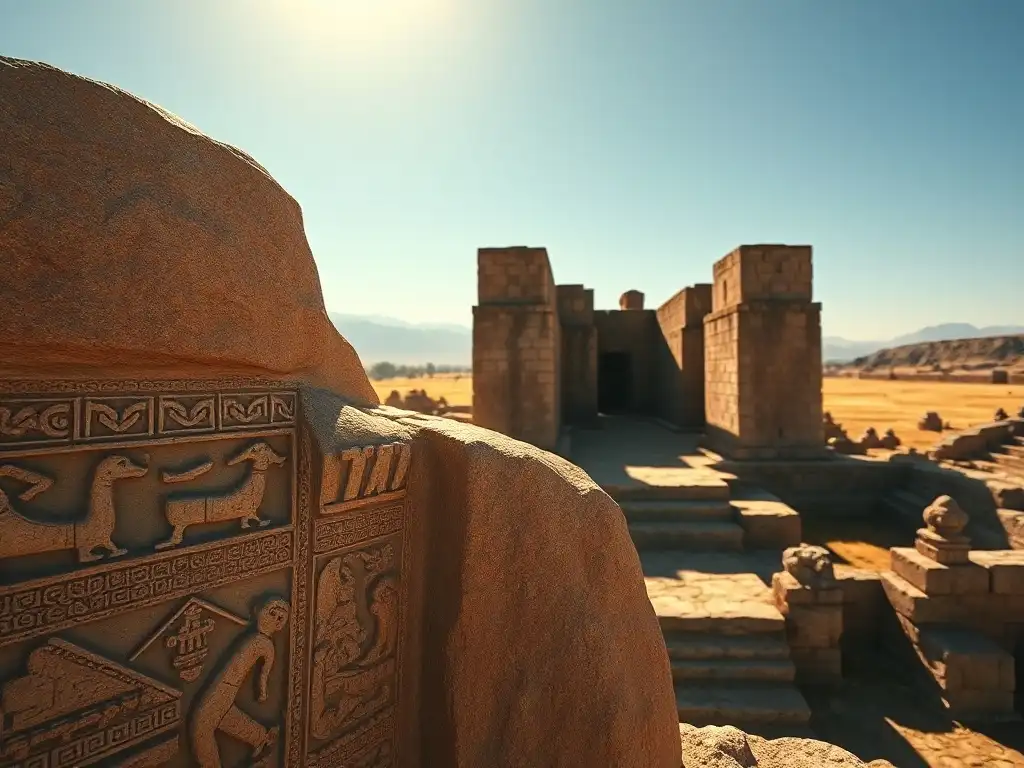
Unravel the mysteries of the Andes! Prepare to journey through time and delve into the captivating world of ancient Andean civilizations. From the intricate artistry of the Moche to the architectural marvels of the Incas, we explore it all. But today, we focus on a particularly enigmatic subject: Tiahuanaco religious leaders and their iconography. What secrets do their symbolic representations hold? Discover the answers and much more as you explore this fascinating realm of Andean history.
The enigmatic civilization of Tiahuanaco, flourishing in the Andes between 500 and 1000 CE, left behind a legacy of monumental architecture and intricate iconography that continues to fascinate and challenge researchers. Understanding the role of religious leaders within this complex society is crucial to deciphering the meaning behind its artistic expressions.
This article delves into the iconography associated with Tiahuanaco's religious elite, exploring how artistic representations shed light on their power, beliefs, and influence on the daily lives of the people. We will examine specific examples of art, architecture, and artifacts to decode the symbols and narratives embedded within them, offering a glimpse into the spiritual world of this remarkable Andean civilization.
The analysis will focus on identifying recurring motifs, analyzing their symbolic significance, and ultimately, building a more comprehensive understanding of the relationship between religious authority and societal structure in Tiahuanaco. This exploration will be crucial for understanding not just Tiahuanaco itself, but also the broader context of Andean religious practices and the evolution of power structures throughout the region.
Identifying Key Figures Through Iconography
Tiahuanaco's iconography is rich with symbolic representations, often depicting figures with distinct attributes that suggest high religious status. These representations are not always easily decipherable, but careful study reveals recurring motifs that may indicate specific roles or hierarchies within the religious system. For example, the frequent depiction of figures wearing elaborate headdresses, adorned with feathers and other symbolic elements, suggests a connection to spiritual authority.
Similarly, the presence of staffs, scepters, and other regalia in artistic representations points to the power and influence wielded by these individuals. Analyzing the stylistic variations in these representations—the pose of the figures, the details of their clothing, the objects they hold—can provide further insight into the specific roles and functions of different religious leaders. The analysis of these visual cues forms the foundation for our understanding of Tiahuanaco's religious hierarchy.
The Significance of Textiles and Ornaments
Textiles played a significant role in Tiahuanaco society, and their intricate designs often incorporated symbolic motifs related to religious beliefs and rituals. The use of specific colors, patterns, and materials in textiles associated with religious leaders would have held significant meaning, potentially signifying their status and power within the community. Similarly, ornaments such as necklaces, earrings, and headdresses made of precious materials like gold, silver, and turquoise likely served as indicators of religious authority.
The meticulous craftsmanship and use of rare materials suggest the importance these items held within the religious context. Detailed examination of these artifacts reveals complex patterns and symbols that require further investigation to fully understand their meaning within the religious framework of Tiahuanaco. The study of these artifacts provides critical insights into the power dynamics and symbolic language of the civilization.
Architectural Evidence and Religious Leadership
The monumental architecture of Tiahuanaco itself provides compelling evidence of the role of religious leaders in shaping the society. The intricate designs and colossal structures, such as the Kalasasaya and Pumapunku, likely served not only practical purposes but also played a significant role in religious rituals and ceremonies. The placement of specific architectural features, the use of symbolic imagery in stone carvings, and the overall layout of the city suggest a deliberate design aimed at emphasizing the power and authority of the religious elite.
Further research into the construction techniques and the materials used in these structures may reveal insights into the organization and resources available to those who oversaw their construction, further highlighting their importance within Tiahuanaco society. The grandeur of these structures serves as a testament to the power and influence of the religious leaders who commissioned and oversaw their creation.
Deciphering the Symbolism: A Comparative Approach
To fully understand the iconography associated with Tiahuanaco's religious leaders, a comparative approach is necessary. By comparing the art and artifacts of Tiahuanaco with those of other contemporary Andean cultures, we can identify common themes and symbols, as well as unique aspects that distinguish Tiahuanaco's religious system. This comparative analysis allows researchers to place Tiahuanaco's religious beliefs and practices within a broader Andean context, providing a richer understanding of the historical and cultural influences that shaped the civilization.
This inter-cultural comparison facilitates a more nuanced interpretation of Tiahuanaco's religious iconography, enriching our understanding of its unique characteristics while connecting it to a larger historical narrative. The comparison will aid in pinpointing specific symbols and their evolution across different Andean cultures.
- Identifying Key Figures Through Iconography
- The Significance of Textiles and Ornaments
- Architectural Evidence and Religious Leadership
- Deciphering the Symbolism: A Comparative Approach
- What is the significance of iconography in understanding Tiahuanaco's religious leaders?
- How did Tiahuanaco religious leaders differ from those of other Andean cultures?
- What are some common symbols found in the iconography of Tiahuanaco religious leaders?
- What materials were used to depict Tiahuanaco religious leaders in their iconography?
- Where can I find examples of Tiahuanaco religious leader iconography?
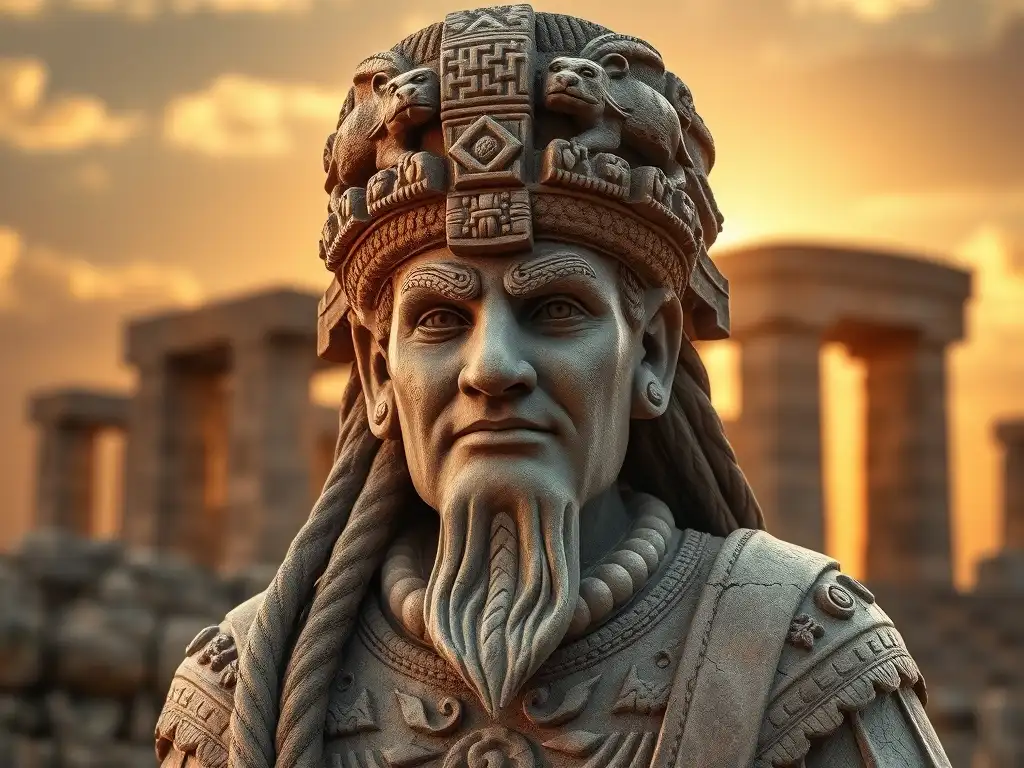
The Tiahuanaco civilization, flourishing in the Andes between 500 and 1000 CE, was profoundly shaped by its sophisticated religious beliefs and practices. Unlike many other ancient societies where political and religious power were often intertwined in the person of a king, Tiahuanaco's power structure appears more complex, with religious leaders holding a position of significant, though perhaps not absolute, authority. The importance of religious authority stemmed from the belief system itself, which centered around a complex cosmology involving deities, ancestor veneration, and a deep connection to the natural world. This religious framework underpinned all aspects of Tiahuanaco life, from agriculture and resource management to social organization and warfare.
The religious leaders were crucial in interpreting this cosmology and ensuring its continued efficacy, thereby wielding considerable influence over the society. The extent of their political power remains a subject of ongoing debate among scholars, but their social influence was undoubtedly paramount. Evidence suggests that religious leaders played a pivotal role in mediating conflicts, managing resources, and legitimizing the actions of the ruling elite.
The intricate iconography found on Tiahuanaco artifacts provides valuable insight into the nature of this religious authority and the symbolic power held by these figures. Analyzing these symbols helps us understand the intricate relationship between religion, politics, and society in this remarkable civilization. The careful study of Tiahuanaco iconography reveals a fascinating interplay between religious symbolism and social hierarchy.
Understanding the Role of Priests and Shamans in Tiahuanaco
The religious specialists of Tiahuanaco were likely a diverse group, encompassing both priests and shamans. While the precise distinction between these roles remains unclear, it's probable that priests held a more formalized position within the religious hierarchy, possibly officiating in temples and conducting elaborate ceremonies. Archaeological evidence suggests the existence of large-scale religious structures, implying a well-organized priestly class responsible for maintaining these sites and performing rituals. These rituals may have involved elaborate sacrifices, offerings, and possibly even divination practices.
Shamans, on the other hand, might have played a more individualized role, acting as intermediaries between the human and spiritual worlds. They may have been involved in healing rituals, prophecy, and communicating with the deities. The iconography frequently depicts figures in ritualistic attire, holding ceremonial objects, and engaging in activities suggestive of religious practices. These depictions, often found on textiles, ceramics, and monumental stone carvings, offer glimpses into the roles and responsibilities of these religious leaders.
For example, certain motifs consistently associated with specific figures could denote their specialized religious functions. Further research, including detailed analysis of the chemical composition of artifacts discovered in ritual contexts, could shed additional light on the substances used in ceremonies and the precise nature of religious practices. The presence of such substances could be indicative of the extent of their power and influence within the society.
The Power Dynamics of Tiahuanaco Religious Leadership
The power dynamics within Tiahuanaco's religious leadership are difficult to fully ascertain due to the limited textual evidence. However, iconographic analysis of Tiahuanaco art suggests a hierarchical structure. Certain figures are consistently depicted in more prominent positions, adorned with elaborate headdresses and regalia, suggesting higher status. The size and placement of these figures within the artistic compositions also contribute to their perceived importance. For instance, larger figures, often positioned centrally, likely represent individuals with greater authority.
The symbols and attributes associated with these figures further illuminate their roles and power. The presence of specific iconographic elements, such as staffs, scepters, or ritual objects, might indicate specific religious roles or levels of authority. The detailed study of these visual clues, combined with analysis of architectural features in Tiahuanaco’s religious structures, is crucial for understanding the internal power dynamics of the religious leadership. The distribution of artifacts and the arrangement of burial sites may also offer insights into the social stratification within the religious hierarchy.
Furthermore, the study of Tiahuanaco’s monumental architecture, particularly the placement and design of temples and platforms, can illuminate the relationship between religious leaders and the broader society. The construction and maintenance of such massive structures would have required significant resources and manpower, highlighting the considerable influence wielded by those overseeing these projects. The intricate carvings and symbolic representations found on these structures provide additional layers of information about the beliefs and power structures of the Tiahuanaco civilization. Further investigation is needed to fully comprehend the complexities of religious power in Tiahuanaco society.
Identifying Tiahuanaco Religious Leaders Through Iconography
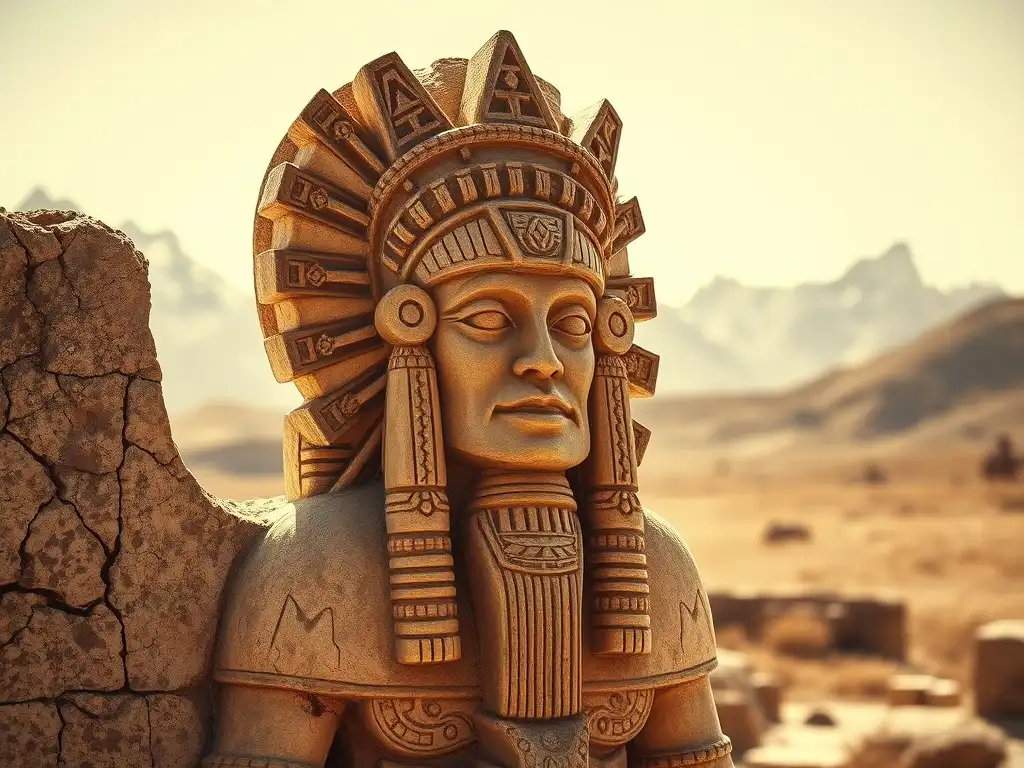
The enigmatic civilization of Tiahuanaco left behind a rich tapestry of artistic expressions, primarily in stone and ceramic. Understanding Tiahuanaco religious leaders requires careful examination of their iconography, a complex system of symbols and representations that encoded their beliefs and social hierarchy. This section delves into the key elements used to identify religious figures within Tiahuanaco art, providing a nuanced understanding of their religious leadership and the power structures they embodied.
Analyzing the iconography allows us to glimpse into the spiritual world of this fascinating Andean culture and its sophisticated religious system. The study of Tiahuanaco religious leaders' iconography offers a unique window into their cosmology and social organization. The intricate detail and symbolic richness embedded within these artistic expressions are crucial in reconstructing their beliefs and understanding their society's structure.
Key Iconographic Elements in Tiahuanaco Art Representing Religious Figures
Several key elements consistently appear in Tiahuanaco art to denote religious figures. These include specific headdresses, staffs, and clothing. For example, the most prominent indicator of high religious status is often a distinctive headdress, frequently adorned with feathers, feline features (representing power and divinity), or intricate geometric patterns. These patterns, often incorporating stepped pyramids or stylized serpents, likely held deep symbolic meaning related to their cosmology and worldview.
Another significant element is the presence of staffs. These weren't merely walking sticks; they were potent symbols of authority and religious power. The type of staff, its decoration, and the way it is depicted in relation to the figure provide further clues to the individual's rank and role within the religious hierarchy. Furthermore, the clothing itself, often depicted as elaborate textiles and ceremonial garments, provided additional visual cues to distinguish religious leaders from commoners. The use of specific fabrics, colors, and adornments helped reinforce their sacred status and authority.
Analyzing these elements in conjunction provides a more comprehensive understanding. For instance, a figure depicted wearing a feathered headdress, holding a staff adorned with serpents, and clad in richly decorated clothing would undoubtedly be identified as a high-ranking religious leader. The combination of these symbolic elements reinforces the interpretation, providing a stronger and more reliable identification. Further research comparing similar depictions across various Tiahuanaco artifacts helps solidify these interpretations.
The Sun God and its Representation in Tiahuanaco Religious Imagery
The Sun God, a prominent deity in Tiahuanaco's pantheon, is frequently represented in their art. Its iconography often involves a stylized human face, sometimes with feline attributes, encircled by rays of the sun. These solar rays are often depicted as radiating outwards, symbolizing the god's power and influence. Furthermore, the Sun God is often shown wearing a distinctive headdress, further emphasizing its divine status and connection to the celestial realm. The presence of this deity in various artifacts highlights its central role in Tiahuanaco's religious beliefs and its influence on the society's social structure.
The intensity of the Sun God's representation varies across different artifacts. In some cases, it is depicted as a more abstract symbol, while in others, it is rendered with greater realism and detail. This variation might reflect different aspects of the deity or perhaps changes in artistic styles over time.
However, the consistent use of solar rays and a central facial element clearly identifies the figure as the Sun God. This consistent representation across different mediums, including stone carvings and ceramics, emphasizes its importance within the Tiahuanaco religious system. More research is needed to fully understand the nuances of its various depictions and their possible contextual meanings.
Decoding the Staff God in Tiahuanaco Religious Art
Another prominent figure in Tiahuanaco religious art is the "Staff God," often depicted holding a large staff or scepter. The staff itself is frequently adorned with intricate carvings, often including stylized animals, plants, or geometric patterns. These decorations likely held symbolic meaning, potentially representing specific aspects of the god's power or domain. The Staff God is usually depicted wearing elaborate clothing and a distinctive headdress, similar to the representations of the Sun God, signifying high religious status and authority.
The Staff God's iconography is often associated with fertility and abundance. This interpretation is supported by the presence of agricultural symbols in the carvings on the staff and the god's frequent association with other figures or symbols related to crop cultivation and harvest. The posture and overall presentation of the Staff God in various artistic representations often suggests a position of authority and control over the land's resources.
Further research into the specific symbols and patterns used in the staff's decoration could provide a deeper understanding of this deity's role in Tiahuanaco society and its connection to agricultural practices. The comprehensive study of the Staff God’s iconography promises to reveal further insights into Tiahuanaco's complex religious and social structures.
Common Attire and Adornments of Tiahuanaco Religious Leaders
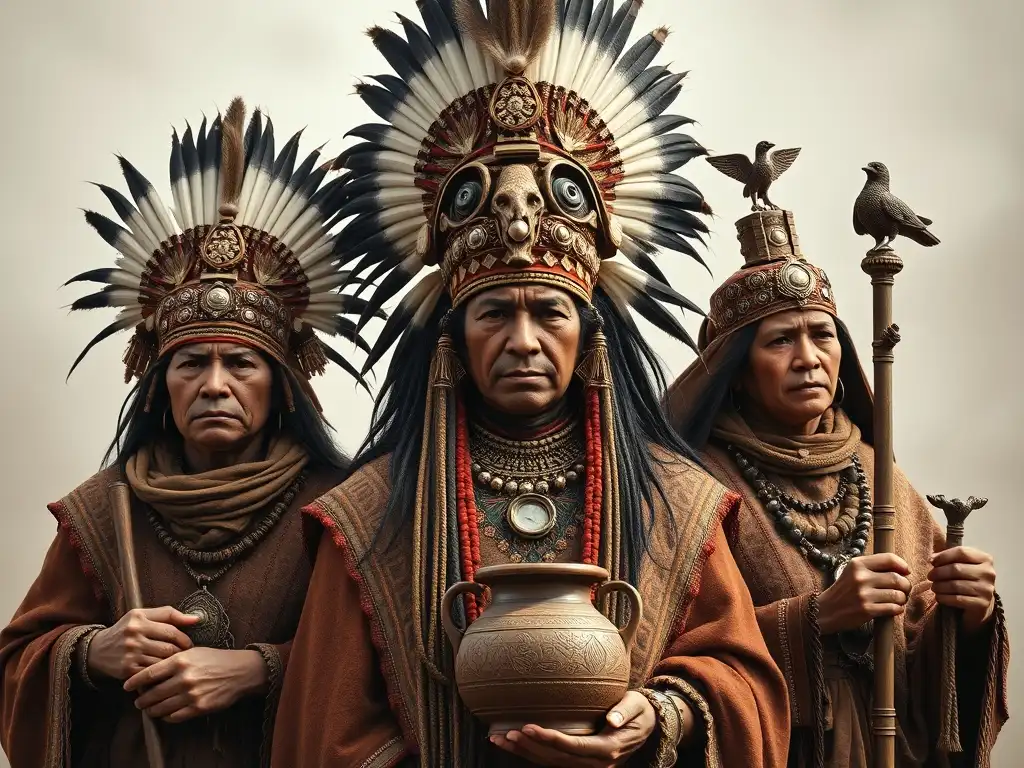
The iconography of Tiahuanaco religious leaders offers valuable insights into their societal roles and religious beliefs. Analyzing their attire and adornments reveals a complex system of visual communication, conveying power, authority, and connection to the divine. While specific details are sometimes debated due to the fragmentary nature of the archaeological record, recurring motifs and stylistic choices help us reconstruct a picture of their typical appearance.
The study of Tiahuanaco religious leaders' iconography is crucial for understanding the intricate social hierarchy and religious practices of this powerful Andean civilization. This section delves into the key elements of their clothing and ornamentation, focusing on the symbolism embedded within each piece.
Headdresses and Headgear as Symbols of Religious Rank
Headdresses were paramount in signifying the religious rank of Tiahuanaco leaders. Elaborate headdresses, often depicted in monumental sculptures and ceramics, were not merely decorative; they were powerful symbols of authority and connection to the supernatural. Common elements included tall, conical structures, sometimes adorned with feline features – a recurring motif in Tiahuanaco art reflecting the importance of this animal in their mythology.
The size and complexity of the headdress often correlated with the leader's status. Larger, more ornate headdresses suggested higher religious authority. Some headdresses incorporated feathers, suggesting access to rare and valuable resources, further reinforcing their privileged position within society.
Careful analysis of surviving artifacts reveals a range of materials used, from textiles and precious metals to intricately carved wood and stone. The craftsmanship involved underscores the importance attributed to these head coverings. For example, the intricacy of the featherwork in some surviving examples points to highly specialized artisans dedicated to creating these powerful symbols of religious status.
Ritual Clothing and its Symbolic Significance
The clothing worn by Tiahuanaco religious leaders was far from ordinary. It was meticulously crafted and richly symbolic, often incorporating textiles with intricate designs and patterns. These designs were not random; they frequently featured recurring motifs such as stylized animals, geometric shapes, and step pyramids, all deeply embedded in Tiahuanaco cosmology.
The use of specific colors likely also held symbolic meaning, although the precise interpretations remain a subject of ongoing research. For instance, the prevalence of red and white in some garments might indicate a connection to the earth and sky, reflecting the duality present in many Andean cosmologies. The materials themselves—cotton, wool, and potentially even camelid fibers—might have also carried symbolic weight, with particular materials reserved for high-ranking religious figures.
The cut and style of the garments themselves likely also communicated social status. Evidence suggests the use of cloaks, tunics, and possibly elaborate robes, all contributing to the overall visual impact of the leader's appearance. Furthermore, the presence of specific embellishments, such as tassels or fringes, could have added further layers of symbolic meaning.
Ornaments and Jewelry Associated with Tiahuanaco Priests
Ornaments and jewelry played a significant role in visually identifying Tiahuanaco religious leaders. These adornments were not just decorative; they were powerful symbols of their spiritual authority and connection to the divine. Common elements included necklaces, earrings, and headdresses adorned with precious metals such as gold and silver. These materials were not only aesthetically pleasing but also held significant symbolic value, representing wealth, power, and access to the supernatural realm.
The use of semi-precious stones, such as turquoise and lapis lazuli, further enhanced the visual impact and symbolic significance of the ornaments. The intricate craftsmanship involved in creating these artifacts is a testament to the high level of skill possessed by Tiahuanaco artisans. Additionally, the specific types of stones and their arrangement could have further conveyed specific religious meanings, possibly relating to specific deities or cosmological concepts.
Detailed analysis of the iconography found on these ornaments, such as stylized animals or geometric patterns, reveals further insights into the religious beliefs and practices of Tiahuanaco society. For example, the frequent depiction of stylized feline figures suggests their importance within the Tiahuanaco pantheon. The careful study of these artifacts is vital for understanding the complex interplay between religious belief, social hierarchy, and artistic expression in this ancient Andean culture.
The Interpretation of Tiahuanaco Religious Leaders' Iconography
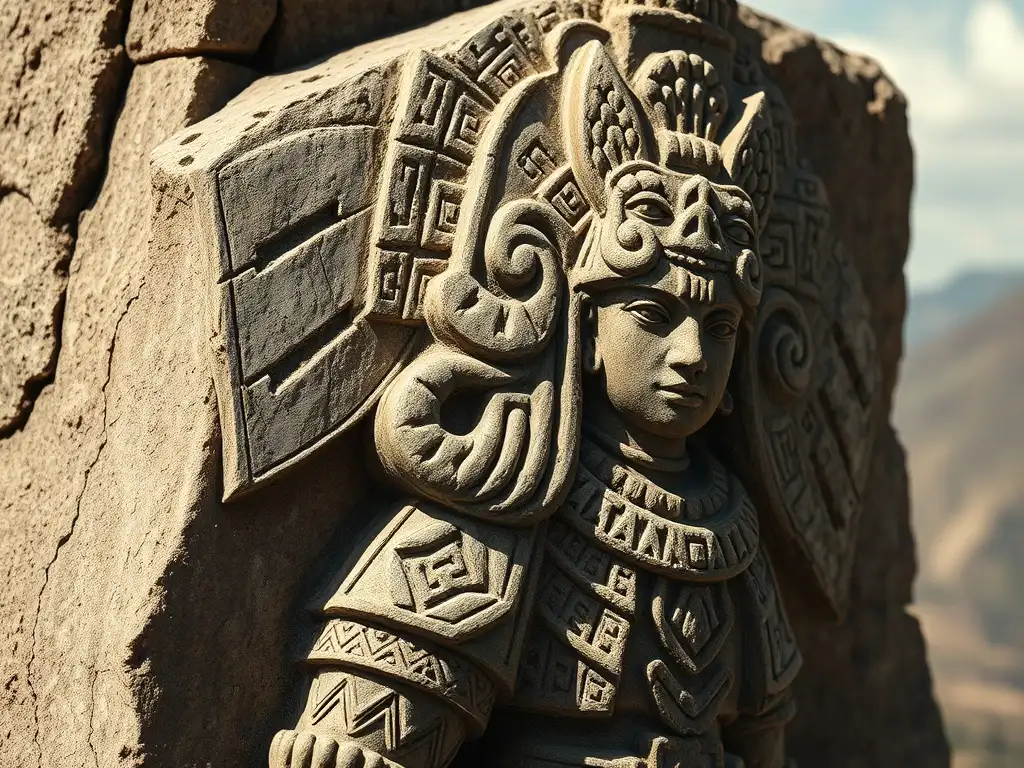
The iconography of Tiahuanaco religious leaders presents a complex and fascinating puzzle for researchers. Unlike many other ancient civilizations where royal power is explicitly depicted through weaponry or conquest scenes, Tiahuanaco's visual representations of leadership are more subtle, often interwoven with religious symbolism and cosmological beliefs. This makes deciphering the precise roles and status of these figures a challenging, yet rewarding, endeavor.
The interpretation relies heavily on understanding the broader context of Tiahuanaco society, its religious beliefs, and its artistic conventions. Key to understanding Tiahuanaco religious leaders' iconography is recognizing that power was likely intertwined with spiritual authority, making the distinction between priest-kings and purely religious figures blurry. This section will explore the various approaches used by scholars to interpret these enigmatic images.
Analyzing the Context of Religious Imagery in Tiahuanaco
The religious landscape of Tiahuanaco was deeply intertwined with its artistic expressions. The monumental architecture, intricate ceramics, and meticulously crafted textiles all served as vehicles for expressing religious beliefs and reinforcing the authority of its religious leaders. Understanding the context of these images is crucial for proper interpretation. For instance, the repeated motifs found in Tiahuanaco art – such as stylized figures, geometric patterns, and representations of animals – are not merely decorative. They hold symbolic meaning, often related to cosmology, fertility, and the supernatural.
The location of the imagery also provides critical context. Sculptures and carvings found in temples and ceremonial centers carry different weight than those found in domestic settings. The size and prominence of a figure within a composition can also indicate its relative importance.
For example, larger figures, centrally positioned and adorned with elaborate headdresses and jewelry, likely represent high-ranking religious leaders or deities. Analyzing the materials used – gold, silver, precious stones, or simpler materials like clay or stone – also offers insights into the power and status of those depicted. Further research into the specific chemical composition of pigments used in murals and textiles could provide even more granular data on the social status associated with certain colors or pigments.
The Relationship Between Iconography and Tiahuanaco Religious Beliefs
The iconography of Tiahuanaco's religious leaders is inextricably linked to the civilization's complex religious beliefs. Scholars suggest a pantheon of deities, with the supreme deity possibly represented by a figure often depicted with a staff and elaborate headdress. This figure is frequently surrounded by other figures, possibly representing lesser deities or attendants. These figures may depict priests, shamans, or other individuals involved in religious rituals.
The frequently depicted stylized figures, often with elongated heads and large eyes, are believed to represent supernatural beings or ancestors. The importance of water and agriculture is also clearly visible in much of the iconography, with representations of rivers, lakes, and agricultural tools recurring in many artifacts. This suggests that religious leaders likely played a vital role in ensuring the prosperity of the community through rituals related to water management and agricultural cycles.
The intricate geometric patterns found in textiles and ceramics may also represent cosmological concepts, reflecting the Tiahuanaco worldview and the religious leaders' understanding of the universe. Further study is needed to fully understand the specific meanings of these patterns and their connection to religious leadership. The precise rituals and ceremonies conducted by these leaders remain largely unknown, but the iconography provides tantalizing clues for future research.
Analysis of the Gateway of the Sun Imagery
The Gateway of the Sun, one of Tiahuanaco's most iconic structures, provides a rich source of information about the civilization's religious leaders. The central figure, often interpreted as a supreme deity or a powerful religious leader, is surrounded by numerous smaller figures. These flanking figures likely represent deities, attendants, or perhaps even representatives of different clans or communities under the supreme leader's authority.
The intricate details of the central figure's headdress and attire are crucial for understanding its symbolic meaning. The headdress, often adorned with stylized animals and plants, likely represents the leader's spiritual power and connection to the supernatural world. The clothing and jewelry also provide clues to the leader's status and authority.
The repeated motifs, such as the stylized figures and geometric designs, reinforce the connection between the central figure and the broader religious beliefs of Tiahuanaco society. Detailed analysis of the Gateway of the Sun's imagery, using advanced imaging techniques and comparative studies with other Tiahuanaco artifacts, could reveal even more nuanced interpretations.
A careful study of the weathering patterns on the Gateway of the Sun itself could also provide valuable data on the age and use of the structure, further enriching our understanding of the role of the depicted figures. The Gateway of the Sun remains a potent symbol of Tiahuanaco's power and religious beliefs, and further research is needed to fully unlock its secrets.
The Legacy of Tiahuanaco Religious Iconography
The iconography associated with Tiahuanaco's religious leaders exerted a profound and lasting influence on the Andes, shaping religious practices and artistic styles for centuries after the civilization's decline. Understanding this legacy requires examining the stylistic elements, the symbolic representations, and the ways in which these motifs were adopted and adapted by subsequent cultures. The distinctive artistic conventions of Tiahuanaco—the stylized figures, the intricate geometric patterns, and the repeated use of specific symbols—became a kind of visual language that resonated across vast geographical areas and extended periods.
This wasn't simply imitation; rather, later cultures creatively reinterpreted and integrated Tiahuanaco's imagery into their own belief systems and artistic traditions. The persistence of these motifs demonstrates the enduring power of Tiahuanaco's religious ideas and the impact of its elite's visual representations.
This influence is particularly visible in the textiles, ceramics, and architecture of later Andean societies. The prevalence of certain symbols, like the stepped pyramid or the condor, suggests a continuity of religious concepts and perhaps even a continued veneration of the Tiahuanaco pantheon.
Influence on Later Andean Cultures
The influence of Tiahuanaco's religious iconography is demonstrably clear in the art and architecture of subsequent Andean cultures, particularly those of the Late Intermediate Period (approximately 1000-1476 CE). The stylistic echoes are often subtle, yet unmistakable, suggesting a process of cultural transmission and adaptation. For example, the use of specific textile patterns, such as the intricate geometric designs found on Tiahuanaco textiles, can be traced in the textiles produced by later cultures in the altiplano region.
These patterns, often incorporating stylized representations of animals and deities, weren't simply copied; they were reinterpreted and integrated into new contexts, reflecting the evolving beliefs and practices of the succeeding societies. Similarly, the architectural styles, characterized by monumental stonework and specific structural elements, also show clear connections to Tiahuanaco's architectural achievements. The use of monumental stone structures, featuring similar stylistic elements and decorative motifs, suggests a direct continuation of Tiahuanaco's architectural traditions.
Further research is needed to fully delineate the exact pathways of this cultural transmission, but the evidence strongly suggests a significant and lasting influence. The continuity of certain symbolic motifs across vast geographical regions and extended time periods speaks to the deep-rooted impact of Tiahuanaco's religious leaders and their iconographic legacy.
Comparison with Iconography of the Wari Civilization
Comparing Tiahuanaco's religious iconography with that of the contemporaneous Wari civilization reveals both similarities and striking differences. While both cultures utilized monumental architecture and developed sophisticated artistic styles, their iconographic systems differed significantly. While Tiahuanaco's iconography often emphasized stylized representations of deities and mythical creatures, the Wari style tended towards a more naturalistic representation of figures. The use of color also differed, with Tiahuanaco frequently employing a more restricted palette, primarily focused on earth tones, while Wari art exhibited a broader range of colors.
The specific symbolic motifs also varied considerably. For instance, while both cultures featured representations of felines, the stylistic treatment and the symbolic connotations associated with these felines differed significantly. Further, the spatial organization of religious imagery also differed. Tiahuanaco's monumental structures often featured integrated, large-scale relief carvings, while Wari sites frequently incorporated smaller-scale representations on ceramics and textiles.
These differences suggest distinct religious beliefs and practices, even if both cultures operated within a similar socio-political landscape. [Data on specific comparative examples of Wari and Tiahuanaco iconography pending]. The contrasting styles highlight the diversity of Andean religious expression during this period.
The Continuing Importance of Understanding Tiahuanaco Religious Leaders
Understanding the iconography of Tiahuanaco's religious leaders remains crucial for several reasons. First, it offers valuable insights into the beliefs and practices of this powerful and influential civilization. The visual representations of deities, rituals, and cosmological concepts provide a window into the worldview of the Tiahuanaco elite and their relationship with the broader population.
Second, analyzing Tiahuanaco iconography allows us to trace the diffusion of religious ideas and artistic styles across the Andean region. The persistent echoes of Tiahuanaco's imagery in later cultures highlight the enduring influence of this civilization's religious legacy. Third, this study contributes to a broader understanding of Andean religious history and the complex interplay between power, religion, and artistic expression.
By carefully examining the iconography, we can better understand the role of religious leaders in shaping the cultural landscape of the Andes. Finally, the ongoing research into Tiahuanaco's iconography constantly reveals new details and interpretations, enriching our understanding of this fascinating civilization and its lasting impact. The meticulous study of these visual representations continues to illuminate the complex tapestry of Andean religious beliefs and practices, enriching our knowledge of this influential civilization.
Frequently Asked Questions
What is the significance of iconography in understanding Tiahuanaco's religious leaders?
Iconography provides crucial visual clues to the roles and power of Tiahuanaco's religious leaders. Analyzing their depictions in art helps us understand their religious beliefs and social structures. This includes interpreting symbols and clothing.
How did Tiahuanaco religious leaders differ from those of other Andean cultures?
While sharing some Andean traits, Tiahuanaco's religious leaders displayed unique iconographic features. Their headdresses, staffs, and clothing often included specific symbols not found in other cultures, reflecting their distinct religious beliefs and practices. Further research is needed to fully understand the nuances of these differences.
What are some common symbols found in the iconography of Tiahuanaco religious leaders?
Common symbols include staff-like objects, specific headdresses, and iconic masks. These symbols often represent authority, power, and connection to the supernatural. The precise meaning of each symbol is still debated among scholars.
What materials were used to depict Tiahuanaco religious leaders in their iconography?
Tiahuanaco iconography utilized various materials, including stone carvings, ceramics, and textiles. These materials reflect the artistic skill and sophisticated technology of the Tiahuanaco civilization. The choice of material may also have held symbolic meaning.
Where can I find examples of Tiahuanaco religious leader iconography?
Examples can be found in museums worldwide, and at the Tiahuanaco archaeological site itself. Many publications and online resources also showcase images and analyses of this fascinating iconography. Academic journals offer in-depth studies.
The intricate iconography of Tiahuanaco's religious leaders continues to resonate today, offering a powerful glimpse into a sophisticated civilization and its enduring spiritual beliefs. Understanding their symbolism provides not only a historical record but also a framework for examining the enduring human need for spiritual guidance and the ways in which societies construct and maintain power structures through religious authority. The mysteries surrounding these figures remain a compelling invitation to further exploration and understanding.
The influence of Tiahuanaco's religious beliefs extended far beyond its geographical boundaries, shaping the spiritual landscape of subsequent Andean cultures. Their sophisticated understanding of cosmology, reflected in the intricate iconography, continues to inspire awe and wonder. The past is never dead. It's not even past.
– William Faulkner. This quote perfectly encapsulates the enduring relevance of Tiahuanaco's religious leaders and their impact on our understanding of Andean history and spirituality. Their legacy serves as a reminder of the interconnectedness of cultures and the enduring power of belief systems.
Consider the intricate details depicted in the iconography – the headdresses, the staffs, the symbolic animals. What do they tell you about the power and authority of these religious leaders? What can we learn from their methods of conveying spiritual authority, and how might these methods compare to those used in contemporary societies? I urge you to delve deeper, to explore the images and interpretations presented in this article, and to consider the lasting impact of Tiahuanaco's spiritual legacy on the world we inhabit today. Let the mysteries of Tiahuanaco inspire your own journey of discovery and reflection.
Unveil the Mysteries of Tiahuanaco!
Thank you for exploring the fascinating world of Tiahuanaco's religious leaders and their captivating iconography! Your curiosity is key to unlocking the secrets of this ancient civilization. Let's delve deeper into this Andean culture with some suggestions to enhance your understanding and appreciation.
- Dive Deeper: Learn more about the intricate symbols and artifacts of Tiahuanaco by visiting local museums, exploring online resources dedicated to Andean history, or even researching scholarly articles on the subject.
- Engage with Others: Share your newfound knowledge! Start a discussion on social media, join an online forum dedicated to ancient civilizations, or even participate in a local history group. Your insights could spark engaging conversations and collaborative learning.
- Reflect Creatively: Express your understanding of Tiahuanaco's iconography through art, writing, or even music. You might be surprised by the new perspectives you uncover.
Which aspect of Tiahuanaco's iconography resonates most with you, and how do you believe it reflects the beliefs and values of their society? Let's continue the conversation!