
The Plants That Speak: Botanical Dyes and Their Secrets in Andean Cloth

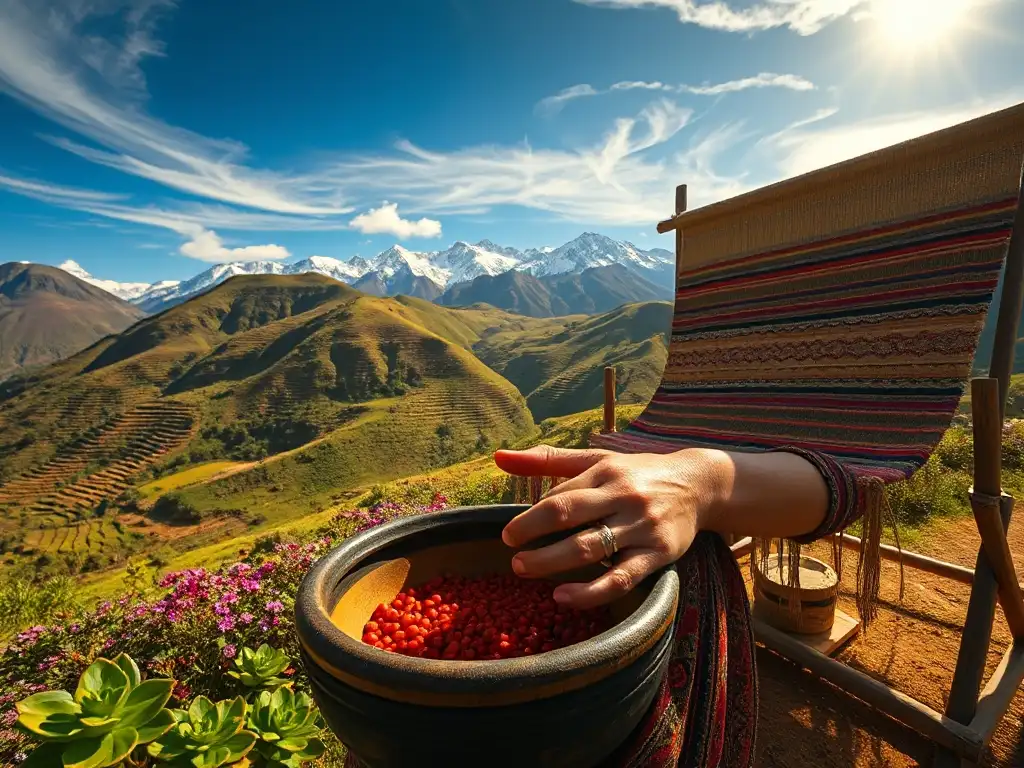
Unravel the vibrant tapestry of Andean history! For centuries, the Andes Mountains have whispered secrets through their breathtaking landscapes and the hands of master artisans. Discover the intriguing world of Andean botanical dye secrets, a hidden language woven into the very fabric of ancient cultures. Prepare to be amazed by the ingenuity and artistry revealed in the plants themselves – a legacy that continues to inspire awe today. Journey with us as we delve into the captivating story behind the colors...
-
The Plants That Speak: Unveiling Andean Botanical Dye Secrets in Traditional Cloth
- Introduction to Andean Textile Dyeing Traditions
- The Magic of Natural Dyes: An Ancient Andean Legacy
- Exploring the Spectrum: Key Andean Plants for Dyeing
- Unlocking Andean Botanical Dye Secrets: A Step-by-Step Guide
- Recreating Andean Dyeing at Home: Tools and Resources
- The Modern Value of Andean Botanical Dye Knowledge: Ethical and Sustainable Practices
- Advanced Andean Dyeing Techniques: Exploring Complex Patterns
- Preserving the Legacy: Workshops and Learning Opportunities
- Conclusion: The Enduring Power of Andean Botanical Dye Secrets
-
Frequently Asked Questions
- What types of plants were used to create Andean botanical dyes?
- How were these dyes prepared and applied to the cloth?
- What were the secrets behind the vibrant and long-lasting colors?
- Did the different Andean cultures have unique dyeing traditions?
- Where can I learn more about Andean botanical dye techniques?
- Final Reflection: Weaving the Threads of Tradition and Sustainability
- Unveil the Vibrant World of Botanical Dyes!
The Plants That Speak: Unveiling Andean Botanical Dye Secrets in Traditional Cloth
The vibrant hues adorning ancient Andean textiles are not merely aesthetic achievements; they represent a profound connection between the people and their environment. For centuries, Andean communities meticulously cultivated a deep understanding of the botanical world, harnessing the power of plants to create a breathtaking spectrum of colors.
This article delves into the fascinating world of Andean botanical dyes, exploring the secrets behind these vibrant pigments and the intricate techniques used to create stunning textiles. We will uncover the rich history, the specific plants employed, and the enduring legacy of this ancient Andean tradition, revealing how these dyes are more than just color—they are a language, a story woven into the very fabric of Andean culture.
Understanding these "Andean botanical dye secrets" provides a window into the ingenuity, resourcefulness, and deep spiritual connection to nature that characterized these remarkable civilizations. We will examine the techniques and the enduring impact of this knowledge on contemporary Andean textile traditions.
Introduction to Andean Textile Dyeing Traditions
Andean textile dyeing wasn't simply a matter of applying color; it was a complex, ritualistic process imbued with spiritual significance. The choice of plant, the time of harvest, and even the preparation of the dye bath were all carefully considered, reflecting a deep understanding of the plant's properties and its relationship to the cosmos.
The process often involved multiple stages, including mordanting—treating the fibers to enhance colorfastness—and meticulous application techniques to achieve specific effects, like gradients or intricate patterns. This wasn't merely a craft; it was a sacred practice passed down through generations, a living testament to the enduring connection between the Andean people and their environment.
Different Andean cultures, including the Incas, Moche, Nazca, and Tiahuanaco, each developed unique techniques and color palettes. For example, the vibrant reds often found in Inca textiles were achieved using cochineal insects, while other cultures relied on plants like tara ( Caesalpinia spinosa) for yellows and various species of Rubia for reds. The availability of specific plants dictated the range of colors achievable in each region, resulting in a rich diversity of textile traditions across the Andes. The precise recipes and techniques were often closely guarded secrets, passed down within families and communities.
The Magic of Natural Dyes: An Ancient Andean Legacy
The palette of Andean botanical dyes is remarkably diverse, each color possessing its own unique story and significance. The vibrant yellows were often sourced from plants like Tara, which not only provided a beautiful color but also possessed medicinal properties, highlighting the holistic approach to resource management. Deep blues were extracted from plants like Indigofera, while reds came from sources such as cochineal insects and various plants like achiote ( Bixa orellana). Browns and blacks were often achieved using the bark of certain trees or plants rich in tannins.
Examples of Andean Dye Plants and Their Colors:
- Tara (Caesalpinia spinosa): Yellow to orange-yellow
- Cochineal (Dactylopius coccus): Vivid reds and scarlets
- Indigofera: Various shades of blue
- Achiote (Bixa orellana): Orange-red
- Various tree barks & tannins: Browns and blacks
The enduring legacy of these Andean botanical dye secrets is evident in the continued use of these techniques in contemporary Andean communities. While synthetic dyes are increasingly accessible, many artisans maintain traditional practices, preserving both the vibrant colors and the rich cultural heritage they represent.
The knowledge is not merely preserved in the textiles themselves but also in the stories and traditions passed down through generations, ensuring that the "plants that speak" continue to share their secrets for years to come. The use of these natural dyes is not only aesthetically pleasing but also environmentally sustainable, offering a compelling alternative to the harmful chemicals found in many modern dyes.
Exploring the Spectrum: Key Andean Plants for Dyeing
The Andean region boasts a breathtaking array of plants, many of which have been utilized for centuries to create vibrant and long-lasting dyes for textiles. The mastery of these botanical dyes is a testament to the ingenuity and deep connection Andean cultures held with their environment. The colors achieved weren't merely aesthetic; they often held symbolic meaning, reflecting social status, religious beliefs, and even the natural world itself.
The precise techniques and plant combinations were often closely guarded family secrets, passed down through generations, ensuring the continuity of this rich artistic heritage. The specific plants used varied depending on geographical location and the availability of resources, leading to a diverse palette of colors across different Andean communities.
This diversity reflects the ingenuity of the Andean people in adapting their dyeing practices to the unique flora of their respective regions. The knowledge surrounding these plants and their dyeing properties represents an invaluable part of Andean cultural heritage.
The Rich Reds of Achote (Bixa orellana) and Cochineal
Achote, a small tree native to the Americas, yields a vibrant red-orange dye from its seeds. This dye, prized for its intensity and longevity, was used extensively throughout the Andes. The preparation involved grinding the seeds to release their pigment, creating a paste which was then added to the dye bath.
The resulting shade could range from a bright, almost fiery orange to a deep, rich red, depending on the concentration of the paste and the mordant used. Cochineal, on the other hand, comes from a scale insect that feeds on the prickly pear cactus. This insect produces carminic acid, a powerful red dye that was particularly valued for its brilliant crimson hue.
Cochineal dye was often reserved for elite textiles and ceremonial garments, reflecting its high value and the intricate process required to harvest and prepare it. Both achote and cochineal dyes demonstrate the sophisticated understanding of color manipulation prevalent in Andean dyeing traditions.
The Golden Hues of Q'olle (Buddleja coriacea)
Q'olle, a shrub with vibrant yellow flowers, provided Andean dyers with a range of golden hues, from a pale, sunny yellow to a deeper, more intense gold. The dyeing process involved boiling the flowers to extract their pigment, resulting in a dye bath that could produce varying shades depending on the concentration and the length of time the fabric was submerged. The exact techniques for achieving specific shades of yellow using Q'olle were often closely guarded secrets, passed down within families or specific communities.
The use of Q'olle in dyeing highlights the Andean peoples' intimate knowledge of their local flora and their ability to harness the color potential of indigenous plants. Its golden hues, often associated with the sun and its power, likely held significant symbolic meaning in Andean cultures.
The Deep Blues of Indigo (Indigofera tinctoria)
Indigo, a plant cultivated across the globe, also found its way into Andean dyeing traditions. The process of creating an indigo dye was more complex than simply boiling the plant. It involved a fermentation process, where the leaves were soaked and allowed to decompose, creating a vat of dye. This vat, carefully maintained and nurtured, could be used repeatedly, yielding a deep, rich blue that was highly valued.
The intensity of the blue could be controlled by the length of time the fabric was immersed in the vat. Multiple dips were often necessary to achieve the desired depth of color. The use of indigo in Andean textiles demonstrates the sophisticated understanding of chemical processes involved in natural dyeing, showcasing the advanced knowledge of Andean dye-makers.
The Earthy Browns of Walnut (Juglans neotropica)
The walnut tree, native to the Andean region, provided a range of earthy brown dyes, from light tans to deep, almost black browns. The dye was extracted from the husks and leaves of the walnut, creating a dye bath that was used to color textiles. The intensity of the brown color depended on the concentration of the dye and the length of time the fabric was submerged.
The use of walnut husks for dyeing reflects the Andean peoples' resourceful approach to utilizing all parts of a plant for practical purposes. The earthy tones produced, reminiscent of the Andean landscape itself, likely held symbolic significance, representing groundedness and connection to the earth.
Unlocking Andean Botanical Dye Secrets: A Step-by-Step Guide
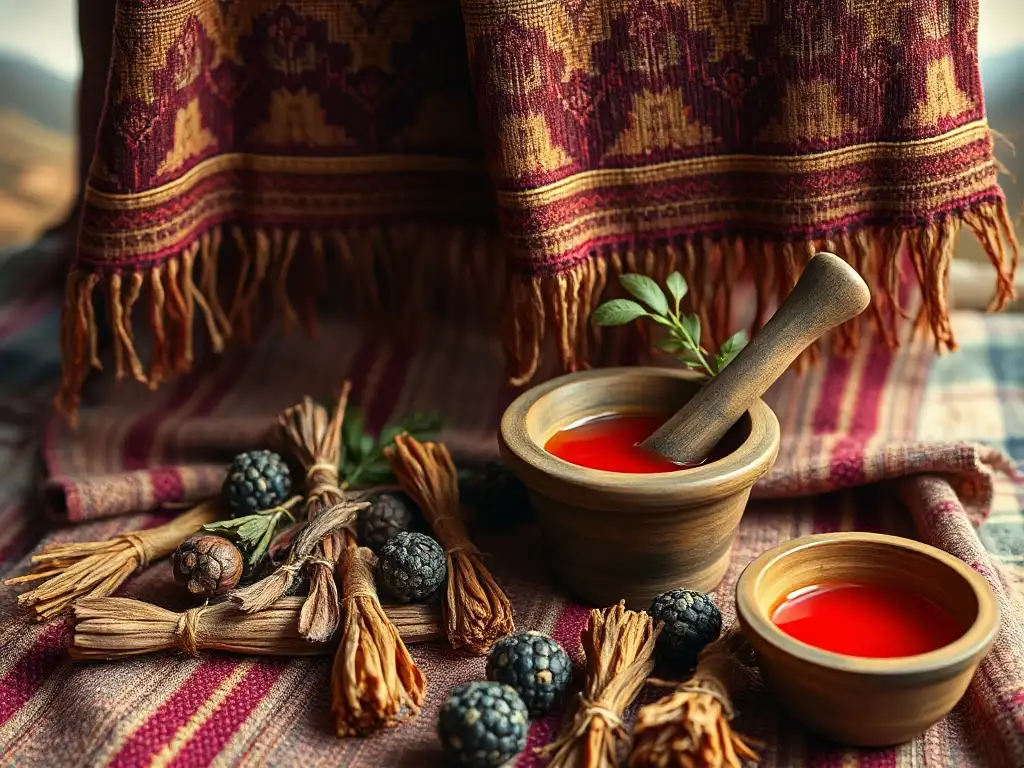
This guide offers a simplified overview of the Andean botanical dyeing process. Remember that variations existed across different communities and even within families. Precise recipes and techniques remain largely undocumented, representing a rich area for future research.
Step 1: Gathering and Preparing Natural Dye Materials
The first step involved carefully selecting and gathering the plant material. The time of year was crucial, as the plant's pigment content varied seasonally. Once gathered, the plants were typically cleaned and then processed. This processing could involve different methods depending on the plant used, including grinding, crushing, or boiling. The aim was to release the dye molecules and create a usable dye extract. Accurate knowledge of the plant's properties was essential for optimal dye extraction.
Step 2: Mordanting: Ensuring Color Fastness on Alpaca Wool
Mordanting is a crucial step in natural dyeing, acting as a binding agent between the dye and the fiber. This process enhances the color's fastness, preventing it from fading or washing away. Andean dyers used various mordants, including alum, tannins from tree bark, and even certain minerals. The choice of mordant often depended on the type of dye and the desired color outcome. The specific mordanting techniques varied considerably across different Andean communities and were passed down through generations.
Step 3: The Dyeing Process: Traditional Techniques
The dyeing process itself often involved multiple steps and could take several days. The plant extract was boiled to create a dye bath, into which the prepared alpaca wool was carefully submerged. The length of time the wool remained in the dye bath determined the intensity of the color. Multiple dips were often necessary, especially for darker shades. The traditional methods employed, often involving intricate techniques and specialized tools, showcase the sophisticated knowledge and skill of Andean dye-makers.
Step 4: Post-Dyeing Treatment: Setting and Protecting the Color
After dyeing, the wool was rinsed thoroughly, and a final treatment might be applied to further set the color and protect it from fading. This could involve washing the wool with a specific solution or exposing it to sunlight. The post-dyeing treatment was just as important as the dyeing process itself, ensuring the longevity and vibrancy of the final product. These final steps, often passed down through oral traditions, represent a critical part of the Andean botanical dyeing expertise.
Recreating Andean Dyeing at Home: Tools and Resources
Reproducing the vibrant hues of Andean textiles at home is achievable with the right resources and a bit of patience. While accessing the exact same plants used centuries ago might be challenging depending on your location, readily available substitutes can produce surprisingly similar results. The key lies in understanding the principles of natural dyeing rather than strictly replicating specific plant species.
Essential Dyeing Equipment: Pots, Stirrers, and Containers
Successful Andean-style dyeing requires a few key pieces of equipment. Stainless steel pots are ideal for dyeing, as they are non-reactive and durable. Avoid using aluminum or copper pots, as they can react with the dyes and affect the final color. A sturdy wooden or heat-resistant plastic stirrer is essential for evenly distributing the dye bath.
Finally, you'll need containers for storing your dye extracts, preferably glass jars with airtight lids to maintain freshness and prevent degradation. Properly sized containers will also ensure you have enough dye bath for the material you're dyeing. Consider the size of your project – a small scarf will require a much smaller pot than a large tapestry.
Sourcing Quality Natural Dye Extracts Online: Maiwa Handprints
While foraging for plants locally can be a rewarding experience, sourcing high-quality, pre-prepared dye extracts can streamline the process, particularly for beginners. Companies specializing in natural dyes offer a range of extracts derived from various plants, including those traditionally used in Andean textile production. These extracts often come with detailed instructions, simplifying the dyeing process and ensuring consistent results. Research reputable suppliers to ensure the quality and sustainability of their sourcing practices.
Books and Guides on Andean Botanical Dye Techniques: "Textile Traditions of the Andes" by Lynn A. Meisch
To truly understand the nuances of Andean botanical dyeing, supplementing practical experience with theoretical knowledge is invaluable. Books dedicated to Andean textile traditions provide invaluable insights into the historical context, specific plant uses, and detailed dyeing techniques. "Textile Traditions of the Andes" by Lynn A. Meisch, for example, offers a comprehensive overview of the subject, covering various techniques and regional variations. Studying these resources deepens your appreciation for the artistry and precision involved in creating these beautiful textiles. Furthermore, accessing academic papers and online resources focusing on ethnobotany and Andean textile production can add further depth to your understanding.
The Modern Value of Andean Botanical Dye Knowledge: Ethical and Sustainable Practices
The revival of Andean botanical dyeing techniques holds significant value in today's world, extending beyond mere artistic expression. It represents a powerful intersection of cultural preservation, ethical production, and environmental responsibility.
Supporting Andean Artisans and Fair Trade Practices
By actively seeking out and supporting Andean artisans who continue these traditions, we contribute directly to the preservation of their cultural heritage and economic well-being. Choosing textiles dyed with natural methods ensures fair compensation for the artisans' skills and knowledge, promoting ethical trade practices. This support is crucial for the continued vitality of these ancient techniques and the communities that uphold them. Look for certifications that guarantee fair trade practices and directly support local communities.
The Environmental Benefits of Natural Dyes over Synthetic Alternatives
In contrast to the harmful environmental impact of synthetic dyes, Andean botanical dyes offer a significantly more sustainable alternative. Natural dyes are biodegradable, reducing water pollution and the overall environmental footprint of textile production. The cultivation of dye plants can also contribute to biodiversity and promote sustainable agricultural practices.
Choosing natural dyes directly supports environmental responsibility and reduces the reliance on harmful chemicals in the textile industry. The shift towards natural dyeing represents a significant step towards a more ecologically conscious approach to textile production, aligning with global sustainability goals. The reduced toxicity also benefits the health of the artisans involved in the dyeing process, minimizing exposure to harmful chemicals.
Advanced Andean Dyeing Techniques: Exploring Complex Patterns
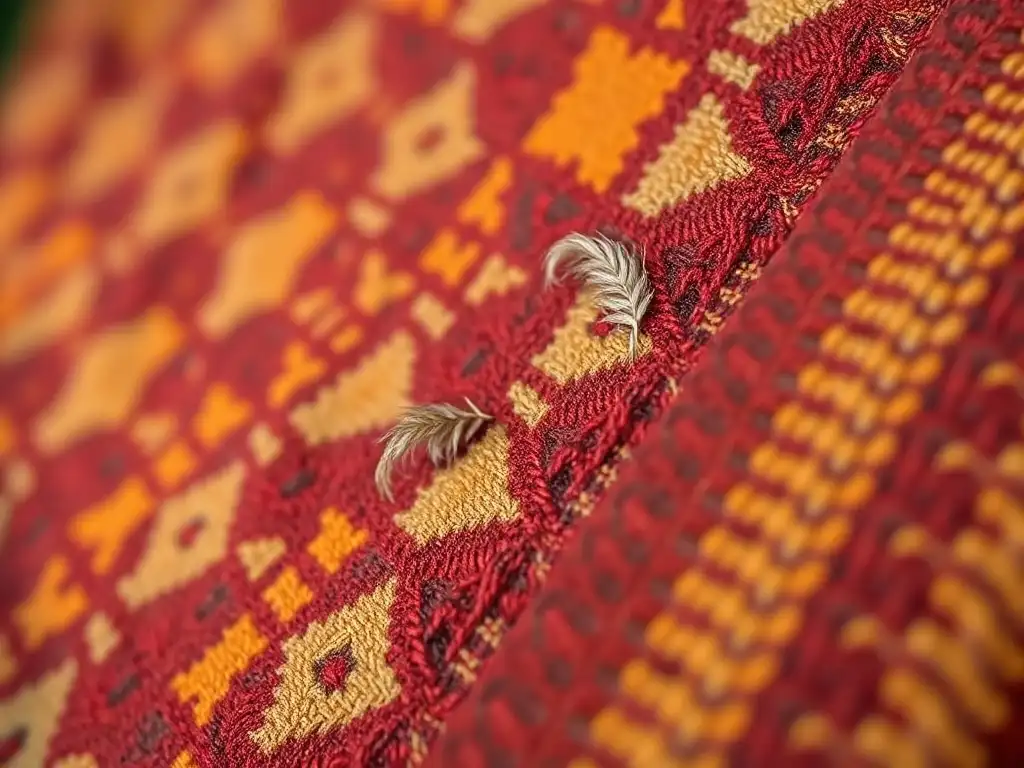
Andean textile traditions weren't just about producing vibrant colors; they were about mastering intricate techniques to create stunningly complex patterns. These patterns, often imbued with deep symbolic meaning, weren't achieved through simple dyeing processes. Instead, Andean artisans developed sophisticated methods requiring immense skill and patience. One key aspect was the precise control over the dye application, achieved through a combination of tools and techniques passed down through generations.
For example, the use of finely woven resist materials allowed for the creation of incredibly detailed geometric designs. These resists, often made from natural fibers like cotton or camelid wool, were carefully placed on the fabric before dyeing, preventing the dye from penetrating certain areas. Removing the resist revealed a stunning negative space, forming a sharp contrast with the dyed portions.
The precision involved in this process is remarkable, showcasing the advanced understanding of material properties and dye behavior possessed by Andean artisans. Moreover, the complexity of the patterns themselves often reflected the social status or clan affiliation of the wearer, making each piece a unique testament to Andean artistry and social structure. The ability to create intricate patterns wasn't merely decorative; it was a demonstration of mastery over a complex craft, a skill passed down through generations and deeply intertwined with their cultural identity.
Creating Multi-Colored Cloth Through Resist Dyeing
Resist dyeing, a cornerstone of Andean textile techniques, allowed artisans to create multi-colored textiles with intricate designs. This wasn't simply a matter of applying different dyes sequentially; it involved a nuanced understanding of dye absorption and the skillful manipulation of resist materials. Different types of resist were employed, including tightly woven fabrics, wax, and even carefully carved stencils.
The application of these resists dictated the final pattern, with the areas covered by the resist remaining undyed, while the exposed areas absorbed the dye. Consider, for instance, the intricate geometric patterns found on many pre-Columbian textiles. These complex designs were often achieved through multiple rounds of resist dyeing, using different colors and varying resist techniques.
A single piece of cloth might have undergone several dyeing sessions, each carefully planned to achieve the desired multi-colored effect. This process speaks volumes about the advanced planning and precision required, highlighting the sophisticated understanding of both the materials and the dyeing process itself. The mastery of resist dyeing was crucial for producing the iconic textiles of the Andean cultures, demonstrating an unparalleled level of skill and artistry.
Combining Dyes to Achieve Unique Shades
The Andean palette wasn't limited to the colors produced by individual plants. Artisans frequently experimented with combining different dyes to achieve a wide array of unique shades and hues. This wasn't simply a matter of mixing colors together; it required a deep understanding of the chemical properties of the various dyes and how they would interact.
Some dye combinations resulted in unexpected and vibrant colors, while others could produce muted tones or subtle gradations. This practice of dye blending allowed for a far greater range of colors than would be possible using single plant dyes alone. For example, combining a reddish dye from cochineal with a yellowish dye derived from achiote could produce various shades of orange, each with its own unique character.
This sophisticated understanding of color theory and dye chemistry significantly enhanced the aesthetic possibilities of Andean textiles, allowing for a level of visual complexity rarely seen in other textile traditions. The ability to manipulate and combine dyes to achieve such a wide range of colors is a testament to the innovative spirit and technical expertise of Andean artisans.
Preserving the Legacy: Workshops and Learning Opportunities
The knowledge of Andean botanical dyeing, a tradition spanning millennia, is facing challenges in the modern era. However, dedicated efforts are underway to preserve this invaluable heritage for future generations. Several initiatives are promoting the revival and continuation of these age-old techniques, providing opportunities for both locals and international learners to engage with the process.
This preservation is crucial not only for the continuation of a beautiful craft, but also for the safeguarding of cultural heritage deeply intertwined with Andean identity. The transmission of these skills is vital for maintaining a connection to the past while adapting to the present.
Online Courses on Andean Textile Dyeing from Domestika
Digital platforms like Domestika are offering online courses on Andean textile dyeing, making this knowledge accessible to a wider audience. These courses provide comprehensive instruction, often featuring experienced Andean artisans sharing their expertise. Students can learn about the various plants used, the dyeing process, and the cultural significance behind the craft, all from the comfort of their own homes.
This approach democratizes access to knowledge that was once only available through in-person apprenticeships, making it possible for individuals worldwide to engage with this fascinating tradition. The use of online platforms allows for a broader reach, enhancing the potential for preserving and spreading this valuable cultural heritage.
Immersive Workshops in Andean Communities: Awamaki
Immersive workshops in Andean communities offer a unique opportunity to learn directly from artisans, experiencing the craft firsthand within its cultural context. Organizations like Awamaki provide such opportunities, combining hands-on textile workshops with cultural immersion experiences. Participants learn the entire process, from harvesting the plants to dyeing the yarn and weaving the fabric, gaining a deep understanding and appreciation for the intricate details and cultural significance involved.
These workshops not only transmit valuable skills but also contribute to the economic empowerment of Andean communities by supporting local artisans and their traditions. The immersive nature of these workshops fosters a connection between learners and the cultural heritage, ensuring a more profound understanding and appreciation of the craft and its importance. The experience is transformative, providing a unique perspective on the rich history and cultural significance of Andean textiles.
Conclusion: The Enduring Power of Andean Botanical Dye Secrets
The vibrant hues adorning ancient Andean textiles are not merely decorative; they represent a deep connection between humans and nature, a testament to ingenuity and resourcefulness. The secrets of Andean botanical dyes, passed down through generations, offer a fascinating glimpse into the sophisticated knowledge systems of these civilizations. Understanding these techniques allows us to appreciate the artistry and precision involved in creating these breathtaking fabrics.
More than just color, these dyes tell stories—stories of adaptation, innovation, and a profound respect for the plant world. The enduring appeal of these natural dyes lies not only in their unique beauty but also in their sustainability and connection to a rich cultural heritage. The use of these dyes continues to be relevant today, offering a sustainable alternative to synthetic dyes and inspiring contemporary artists and textile designers.
The techniques are being revived and reinterpreted, ensuring that the legacy of Andean botanical dye secrets thrives for generations to come. The careful cultivation and harvesting of these plants, combined with the precise methods of dye extraction and application, represent a remarkable achievement in human ingenuity and a testament to the enduring power of traditional knowledge.
Embracing the Art and Science of Andean Textile Color
The creation of Andean textiles using botanical dyes is a remarkable blend of art and science. It's not merely a matter of dipping cloth into a plant extract; it's a complex process involving meticulous preparation, precise measurements, and a deep understanding of the properties of both the plant materials and the fibers. The art lies in the skillful manipulation of color, the creation of intricate patterns, and the expression of cultural narratives through textile design.
The science, however, is equally crucial. It involves understanding the chemical interactions between the plant pigments and the fibers, the impact of mordants on colorfastness, and the subtle variations in color resulting from different plant parts, growing conditions, or processing techniques. This intricate interplay of artistic expression and scientific understanding is what makes Andean textile coloring a truly unique and fascinating field of study.
Today, researchers are actively studying these processes, not only to preserve this valuable knowledge but also to learn from the sustainable practices employed by Andean communities. This renewed interest in Andean botanical dye secrets is leading to exciting innovations in natural dyeing techniques, offering environmentally friendly alternatives to synthetic dyes and inspiring a new generation of textile artists and scientists.
Frequently Asked Questions
What types of plants were used to create Andean botanical dyes?
The Andean civilizations utilized a vast array of plants for dyes, including Rubia tinctorum (madder) for reds, Indigofera species for blues, and various species of Bixa and Genipa for yellows and blacks. The specific plants used varied regionally.
How were these dyes prepared and applied to the cloth?
The process involved complex techniques of harvesting, processing, and preparing the plants. This often included fermentation and mordanting techniques to set the colors onto the fabric. Application methods varied depending on the desired effect.
What were the secrets behind the vibrant and long-lasting colors?
The secrets lay in the precise techniques of dye preparation and application, knowledge passed down through generations. The use of natural mordants like minerals and plant extracts played a crucial role in colorfastness.
Did the different Andean cultures have unique dyeing traditions?
Yes, each culture—Inca, Moche, Nazca, and Tiahuanaco—possessed unique dyeing traditions and preferred color palettes, reflecting their distinct artistic styles and cultural identities. Regional variations in plant availability also influenced the colors used.
Where can I learn more about Andean botanical dye techniques?
Further research can be undertaken through academic journals, museum archives, and ethnobotanical studies focusing on Andean textile traditions. Many books and online resources also explore these fascinating techniques.
Final Reflection: Weaving the Threads of Tradition and Sustainability
The vibrant hues of Andean textiles, born from the secrets of botanical dyes, are not merely aesthetic achievements; they are living testaments to a deep-rooted connection between humans and nature. These dyes, painstakingly extracted from the Andean landscape, represent a sustainable practice that holds vital lessons for our modern, often exploitative, approach to textile production. The intricate knowledge passed down through generations is a powerful reminder of the ingenuity and respect for the environment that can be woven into every fiber.
The enduring influence of these botanical dyes extends far beyond the textiles themselves. They represent a cultural heritage, a vibrant expression of Andean identity, and a sustainable model for the future. The rich symbolism embedded within each color, each plant, speaks volumes about the Andean worldview. The earth provides, and we must respect its gifts.
This simple yet profound statement encapsulates the ethos behind the practice, a philosophy that resonates deeply with contemporary concerns about environmental responsibility and ethical consumption. The ongoing efforts to preserve and revive these ancient techniques are a testament to the enduring power of tradition and its relevance in a rapidly changing world.
Consider the threads of this story, woven together through generations. You, the reader, are now part of this narrative. Reflect on the beauty and resilience of Andean botanical dyes, and consider how you can incorporate principles of sustainability and respect for nature into your own life. Perhaps it’s a conscious choice to support ethically sourced textiles, or a commitment to reducing your environmental impact. Let the vibrant colors and rich history of Andean cloth inspire you to weave a more sustainable and meaningful future.
Unveil the Vibrant World of Botanical Dyes!
Thank you for exploring the fascinating world of Andean botanical dyes with us! We hope you've discovered the rich heritage and artistry behind these colorful traditions. Now, let's delve even deeper!
Here are a few ways to further explore this vibrant art form:
- Experiment with natural dyeing: Gather local plant materials—such as flowers, leaves, or berries—and try creating your own dyes. We'd love to see your results!
- Join a workshop or online class: Connect with fellow enthusiasts and learn traditional techniques passed down through generations.
- Visit a local artisan market: Experience the beauty of indigenous textiles firsthand and support local artists by purchasing unique, handcrafted items.
What colors will you create, and how will you incorporate the rich history of these vibrant traditions into your next project?