
The Significance of Sacred Geometry in Andean Temples

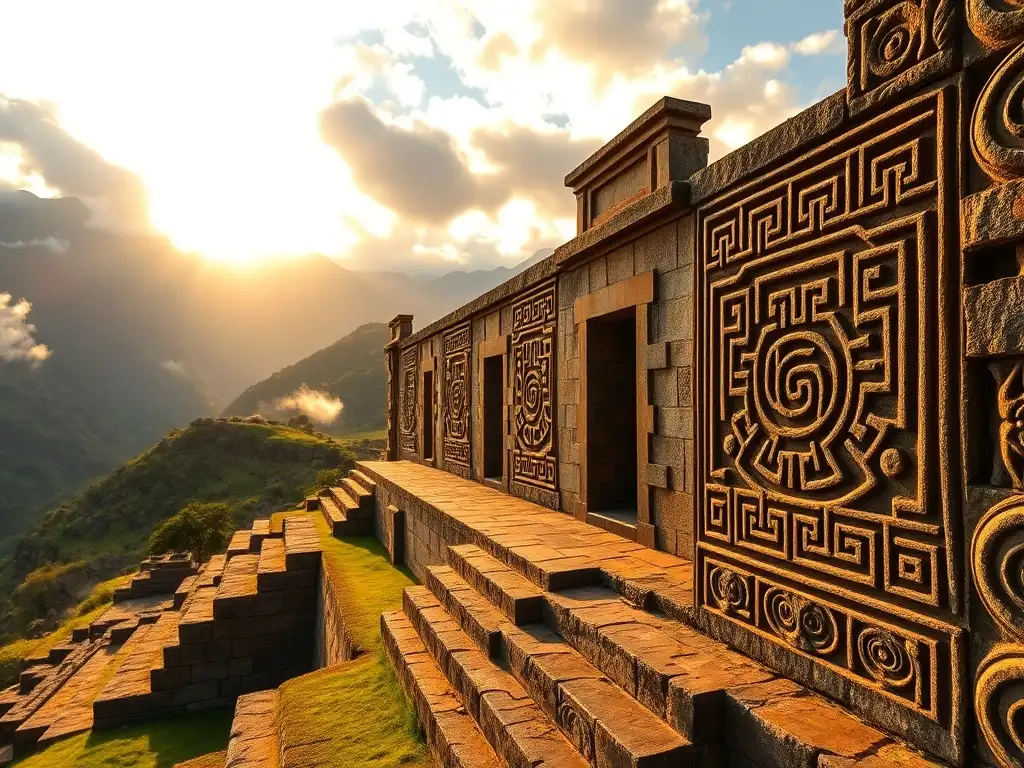
Welcome to Andean Civilizations, where the echoes of a lost world whisper secrets of ingenuity and spirituality. Prepare to be captivated by the intricate tapestry of Andean culture, from the towering heights of Inca citadels to the enigmatic lines of Nazca. But first, unravel the mysteries hidden within the Andean temple sacred geometry, a key to understanding the profound cosmological beliefs that shaped these remarkable societies. Dare to delve deeper and discover the astonishing connections between celestial alignments and earthly architecture… the answers await.
The Andes Mountains, a spine of majestic peaks running down the western coast of South America, are not only a geographical marvel but also a cradle of rich and complex civilizations. For millennia, Andean cultures—from the Incas to the earlier Moche, Nazca, and Tiahuanaco—developed intricate belief systems deeply intertwined with their environment and reflected in their remarkable architecture. This article delves into the fascinating world of sacred geometry in Andean temples, exploring how geometric principles were not merely aesthetic choices but integral components of their religious practices, cosmological understanding, and worldview.
We will examine specific examples to show how these geometric patterns encoded meaning, reflecting a profound connection between the human world and the divine. Understanding this aspect of Andean culture unlocks a deeper appreciation for the ingenuity and spiritual depth of these ancient societies, shedding light on their enduring legacy.
The careful consideration of spatial relationships, precise measurements, and symbolic forms within Andean temple construction reveals a sophisticated understanding of mathematics and astronomy, underscoring the advanced knowledge of these civilizations. This exploration of "Andean temple sacred geometry" will reveal how geometry served as a powerful language, communicating complex religious and cosmological ideas.
Understanding Andean Sacred Geometry: An Introduction
Andean sacred geometry wasn't a rigid, codified system like Euclidean geometry. Instead, it was a flexible and symbolic application of geometric principles, often incorporating natural forms and astronomical observations. Think of it less as a set of strict rules and more as a living, evolving language used to express spiritual and cosmological ideas. The most common shapes found in Andean temple architecture include squares, rectangles, circles, and triangles, often combined in intricate patterns.
These shapes were not randomly chosen; they held profound symbolic meaning, frequently representing the cosmos, the relationship between the earthly and heavenly realms, and the cyclical nature of life and death. For example, the square often symbolized the earthly plane, while the circle represented the celestial sphere. The combination of these shapes in temple layouts reflected the Andean belief in the interconnectedness of all things.
Furthermore, the precise orientation of temples in relation to celestial bodies like the sun and stars suggests a sophisticated understanding of astronomy, integrating celestial cycles into their religious practices. The use of specific proportions and ratios in temple construction further enhances the significance of geometry, indicating a deliberate and symbolic approach to building design. The intricate carvings and decorations on temple walls also incorporated geometric patterns, adding another layer of symbolic complexity to these sacred spaces.
Andean Temple Architecture and Geometric Principles
The application of sacred geometry is clearly evident in the architecture of various Andean temples. Let's consider a few examples:
| Temple/Culture | Geometric Features | Symbolic Meaning | Additional Notes |
|---|---|---|---|
| Sacsayhuamán (Inca) | Precisely cut stone blocks forming intricate walls; use of trapezoidal shapes; astronomical alignments. | Representation of the Andean cosmos; strength and resilience; connection to the celestial realm. | The massive scale and precision of stonework are remarkable. |
| Temple of the Sun (Inca) | Circular structures; use of radial symmetry; incorporation of astronomical observations in the design. | Representation of the sun's power and life-giving energy; cyclical nature of time. | Evidence of sophisticated astronomical knowledge is apparent. |
| Moche Temples (Moche) | Pyramidal structures; use of stepped platforms; incorporation of geometric patterns in murals and ceramics. | Hierarchy of the cosmos; connection between the earthly and heavenly realms. | Murals often depict deities and ritualistic scenes. |
| Tiahuanaco Structures (Tiahuanaco) | Use of massive stone blocks; precise alignments; incorporation of geometric patterns in stone carvings. | Representation of the cosmic order; power and stability. | The precision of the stonework is unparalleled for its time. |
The precise measurements and alignments found in many Andean temples suggest a deep understanding of both mathematics and astronomy. The careful positioning of structures in relation to the sun's path, for example, implies a sophisticated knowledge of solstices and equinoxes, integrating celestial cycles into their religious practices and reinforcing the sacred significance of their geometric designs.
The use of specific proportions and ratios in temple construction further emphasizes the deliberate and symbolic nature of these architectural achievements. The integration of these geometric principles into Andean temple architecture is a testament to the advanced knowledge and spiritual depth of these ancient civilizations, leaving behind a legacy of awe-inspiring structures that continue to fascinate and inspire us today.
Further research into the specific geometric ratios employed and the astronomical alignments of different temples is needed to fully understand the complexity of Andean sacred geometry. The ongoing discovery of new sites and the application of modern technologies promise to reveal even more about these intriguing cultural practices.
- Understanding Andean Sacred Geometry: An Introduction
- Andean Temple Architecture and Geometric Principles
- What is sacred geometry, and how does it relate to Andean temples?
- How did the Incas utilize sacred geometry in their architecture?
- Are there examples of sacred geometry in temples besides those of the Incas?
- What was the spiritual significance of sacred geometry in Andean temples?
- How can we learn more about the role of sacred geometry in Andean temples today?
Key Geometric Shapes in Andean Temple Design
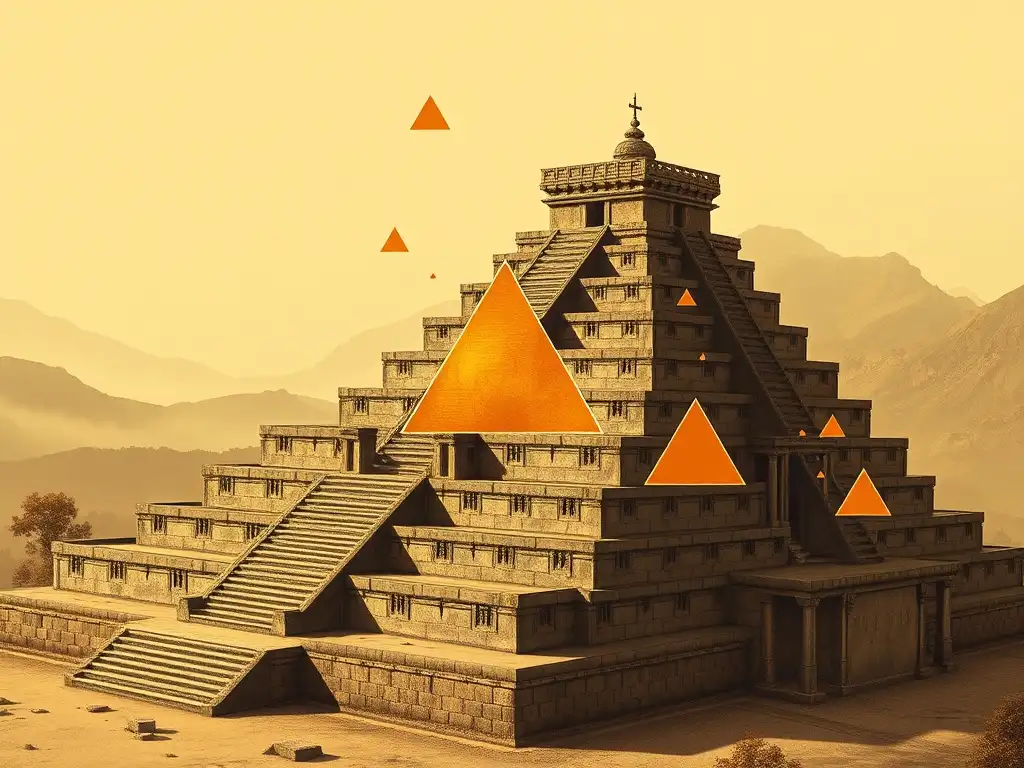
The intricate designs of Andean temples weren't merely aesthetic choices; they were deliberate expressions of a deeply held cosmovision, reflecting a profound understanding of sacred geometry. The careful integration of specific shapes and proportions within these structures served to connect the earthly realm with the divine, creating sacred spaces imbued with spiritual significance.
Analyzing the geometry employed reveals a sophisticated system of beliefs and a remarkable level of mathematical and architectural skill. This section explores some key geometric shapes prevalent in Andean temple design and their symbolic meaning within the Andean worldview, further solidifying the importance of "Andean temple sacred geometry" in understanding their culture.
The Circle: Representation of the Cosmos
The circle, a ubiquitous symbol across many cultures, held immense importance in Andean cosmology. It represented the cyclical nature of time, the continuous flow of life, and the boundless expanse of the cosmos. In Andean temple architecture, circular elements frequently appear in various forms.
For instance, circular plazas often served as central gathering points for rituals and ceremonies, symbolizing the unity of the community under the celestial dome. Furthermore, circular motifs are frequently found in intricate carvings and decorations adorning temple walls, further emphasizing the sacredness of the circle. The circular shape's association with the sun and celestial bodies reinforced its connection to the divine.
Consider the circular structures found at [Specific Andean site pending] – the arrangement of stones and the overall layout strongly suggest a deliberate attempt to mirror the celestial movements, connecting earthly structures with the heavenly sphere. The prevalence of the circle in Andean temple sacred geometry underscores its profound cosmological significance.
The Square: Symbolism of Earthly Order
While the circle represented the cosmos, the square symbolized the earthly realm, representing stability, order, and the four cardinal directions. The square's four sides, often aligned with the cardinal points, served to ground the temple within the physical world, creating a bridge between the heavens and the earth. Many Andean temples exhibit a clear preference for square or rectangular layouts, suggesting a conscious effort to integrate these earthly principles into their sacred architecture.
The meticulous orientation of these structures, often achieved through sophisticated astronomical observations, highlights the precision and intentionality behind their design. For example, the [Specific Andean site pending] demonstrates a remarkable alignment with the solstices and equinoxes, emphasizing the connection between the temple's earthly structure and the celestial cycles. This careful integration of the square, representing earthly order, with astronomical observations illustrates the sophisticated understanding of "Andean temple sacred geometry" and its role in their religious practices.
The Golden Ratio: Divine Proportion in Andean Construction
Beyond basic geometric shapes, Andean builders also employed the golden ratio, a mathematical proportion found throughout nature and considered by many cultures to be aesthetically pleasing and divinely inspired. While definitive proof of its intentional use in all Andean structures remains a topic of ongoing research, evidence suggests its presence in some temples. The golden ratio, approximately 1.618, is often found in the proportions of various architectural elements, such as the ratio of the height to the width of doorways or the relationship between the dimensions of interior chambers.
This subtle yet pervasive mathematical harmony may have been intended to imbue the structures with a sense of balance and harmony, reflecting the perceived order of the cosmos. The potential presence of the golden ratio in certain Andean temples suggests a level of mathematical sophistication that adds another layer of complexity to the understanding of "Andean temple sacred geometry".
Further research, including [Specific research areas pending], is needed to definitively assess the extent of its use in Andean temple construction. The exploration of this divine proportion in Andean architecture continues to fascinate researchers and enhances our appreciation for the intricate design principles of these sacred spaces.
Examples of Sacred Geometry in Specific Andean Temples
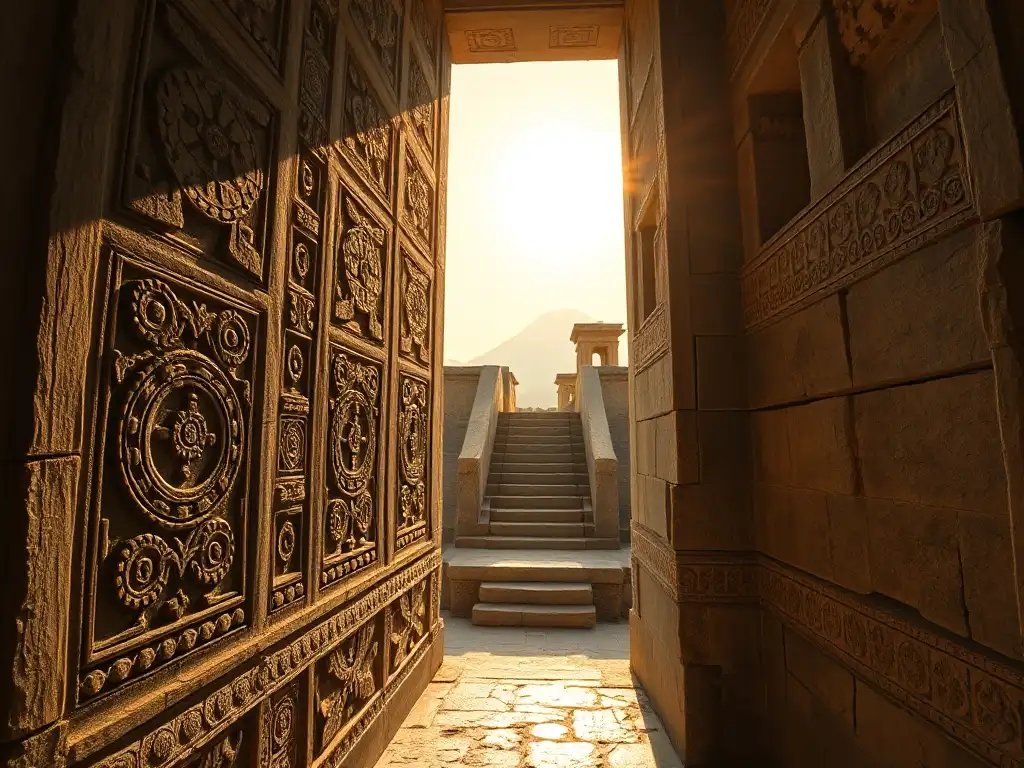
This section delves into the practical application of sacred geometry within several significant Andean temples, showcasing the intricate relationship between religious beliefs and architectural design. The precise measurements and alignments often found in these structures suggest a profound understanding of mathematical principles and their cosmological significance. Analyzing these examples offers a deeper appreciation for the sophisticated knowledge and spiritual worldview of Andean civilizations. The analysis of Andean temple sacred geometry reveals a complex interplay of astronomical observation, religious symbolism, and advanced engineering.
Coricancha: The Temple of the Sun and its Geometric Layout
The Coricancha, or Temple of the Sun, located in Cusco, Peru, stands as a prime example of the integration of sacred geometry in Andean religious architecture. While much of the original structure was destroyed after the Spanish conquest, archeological evidence and historical accounts reveal a meticulously planned layout incorporating geometric principles. The main temple was likely rectangular, reflecting the fundamental importance of this shape in Andean cosmology, often associated with the earth and its stability.
The use of precise angles and proportions, possibly reflecting astronomical alignments, is suggested by surviving fragments and descriptions. For example, it's hypothesized that the temple's orientation aligned with the solstices, allowing for precise tracking of the sun's movements – a crucial element in Andean agricultural practices and religious observances.
Further research is needed to confirm the precise nature of these alignments, but the existing evidence strongly suggests the intentional use of geometric principles to create a sacred space reflecting the cosmos. The interplay of straight lines and right angles likely represented order and stability, contrasting with the curves and spirals found in other areas of the complex, possibly symbolizing the cyclical nature of life and the cosmos.
Sacsayhuaman: The Fortress and its Complex Geometric Design
Sacsayhuaman, a massive fortress located overlooking Cusco, presents a more complex case study of Andean temple sacred geometry. While its function was likely multifaceted – encompassing defense, ritual, and possibly astronomical observation – the geometric precision of its construction is undeniable. The massive, precisely cut stones, some weighing over 100 tons, are arranged in intricate patterns. The walls are not simply haphazard piles of stone, but carefully constructed structures demonstrating advanced engineering and mathematical understanding.
The arrangement of the stones, while seemingly chaotic at first glance, reveals a complex interplay of geometric shapes, including trapezoids, triangles, and other polygons. Some researchers suggest that these shapes held symbolic meaning, representing various elements of the Andean worldview. For example, the trapezoidal shape might have represented mountains, important features in the Andean landscape and cosmology.
The precise fitting of the stones, with minimal mortar, showcases an understanding of engineering principles far exceeding what was previously assumed for the time period. Further study of the precise angles and measurements of the stones at Sacsayhuaman could reveal further insights into their symbolic and practical significance. The sheer scale of the project also suggests a highly organized society with significant resources and manpower devoted to its construction.
Ollantaytambo: Terraces and Sacred Geometry Integration
Ollantaytambo, a remarkable site in the Sacred Valley, showcases the integration of sacred geometry not just in monumental structures, but also in the intricate agricultural terraces that cascade down the mountainside. While primarily known for its agricultural functionality, the layout and design of these terraces also suggest a deeper symbolic meaning. The terraces' precise dimensions and alignments, combined with their integration into the broader landscape, reveal a sophisticated understanding of both practical engineering and cosmological principles.
The precise angles and proportions of the terraces likely served a practical purpose in optimizing water flow and soil retention. However, the overall layout and arrangement of the terraces, integrated into the mountainside, likely held a symbolic meaning, representing the layered structure of the cosmos or the relationship between the human world and the divine.
The terraces' alignment with cardinal directions, and possibly astronomical events, adds further complexity to their design. Further research into the precise dimensions and alignments of these terraces could reveal a more complete understanding of their symbolic meaning and the sophisticated knowledge of Andean engineers and astronomers.
The meticulous craftsmanship and integration into the natural landscape highlight the close relationship between Andean society and its environment, reflected in their architectural and agricultural practices. The precision and scale of the terraces are a testament to the skill and ingenuity of the builders, who seamlessly integrated practical needs with symbolic representation.
The Role of Andean Sacred Geometry in Rituals and Ceremonies
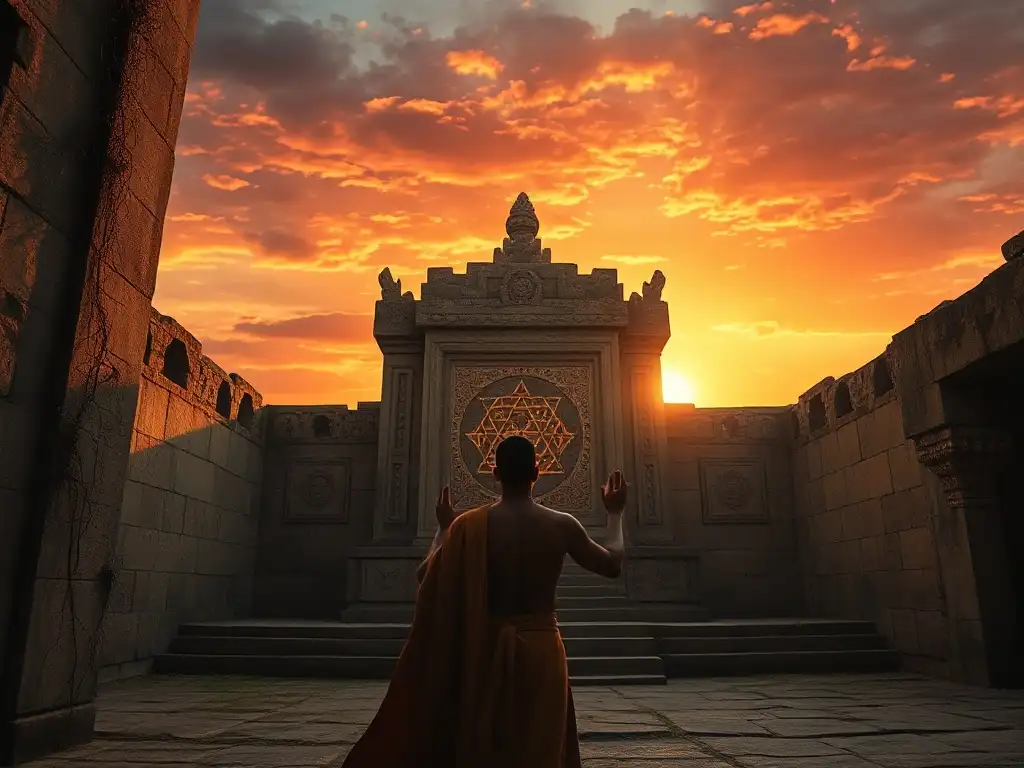
The integration of sacred geometry within Andean temples wasn't merely decorative; it played a crucial, active role in rituals and ceremonies, shaping the spiritual experiences of participants and reflecting a deep understanding of the cosmos. The precise arrangements of stones, the meticulous construction of structures, and the deliberate incorporation of geometric patterns weren't accidental. They were carefully planned, reflecting a complex system of beliefs and practices designed to connect the earthly realm with the divine.
Understanding this intricate relationship between sacred geometry and Andean rituals provides invaluable insight into the spiritual worldview of these ancient civilizations. The keyword "Andean temple sacred geometry" is central to this understanding, highlighting the profound connection between architectural design and religious practice.
Alignments with Celestial Bodies and Sacred Sites
Many Andean temples demonstrate a clear astronomical alignment, suggesting a sophisticated understanding of celestial movements and their influence on earthly events. For example, the orientation of certain structures in Machu Picchu, often associated with the Inca civilization, precisely aligns with the solstices and equinoxes.
This alignment wasn't coincidental; it facilitated precise observations of the sun's path, allowing for accurate predictions of agricultural cycles and the timing of important religious festivals. The positioning of temples relative to mountain peaks or other significant geographical features further reinforces the concept of sacred geography, linking terrestrial and celestial domains through geometric precision.
This deliberate placement, often involving complex calculations and observations passed down through generations, underscores the profound significance of these astronomical alignments in shaping Andean religious practices. The precision of these alignments suggests a deep understanding of both astronomy and geometry, confirming the vital role of sacred geometry in regulating the rhythm of Andean life.
Geometric Patterns and their Symbolic Meanings in Ritual Practices
Geometric patterns, far from being mere aesthetic embellishments, served as potent symbols in Andean rituals. The repeated use of motifs like spirals, zigzags, and stepped designs in textiles, pottery, and architecture encoded complex cosmological beliefs. For instance, the spiral, often found in Nazca ceramics and textiles, might symbolize the cyclical nature of life, death, and rebirth, connecting earthly existence to the eternal flow of cosmic energy.
Similarly, stepped designs, prominent in Inca architecture, could represent the layered structure of the Andean worldview, with each level corresponding to different realms of existence. These geometric patterns weren't randomly applied; their placement and repetition within ritual contexts reinforced their symbolic power, creating a powerful visual narrative that communicated complex spiritual concepts.
Further research is needed to fully decipher the meanings behind all the geometric patterns, but existing evidence strongly suggests their integral role in Andean religious practices. Analyzing these patterns within the context of specific rituals could reveal even deeper layers of meaning.
The Use of Sacred Geometry to Enhance Spiritual Experiences
The careful application of sacred geometry in Andean temples wasn't solely about symbolic representation; it also aimed to enhance the spiritual experiences of individuals participating in rituals. The very layout of the temple, its orientation, and the incorporation of specific geometric patterns were designed to create a space conducive to altered states of consciousness and heightened spiritual awareness. The precise acoustics of certain spaces, for example, may have been intentionally engineered to amplify sounds and create resonant frequencies that facilitated trance-like states.
The use of light and shadow, particularly during solstices and equinoxes, could have created dramatic visual effects, further enhancing the mystical atmosphere. The combination of architectural design, astronomical alignment, and symbolic imagery created a powerful sensory experience, facilitating a profound connection between the participants and the divine. This intentional manipulation of space and sensory input demonstrates a sophisticated understanding of the psychological effects of sacred geometry and its potential to induce altered states of consciousness, critical to the efficacy of Andean rituals.
The deliberate design elements, therefore, were not just decorative, but integral to the success of spiritual practices. More research into the acoustics and lighting within these temples could shed further light on this aspect of Andean sacred geometry.
The Legacy of Andean Sacred Geometry
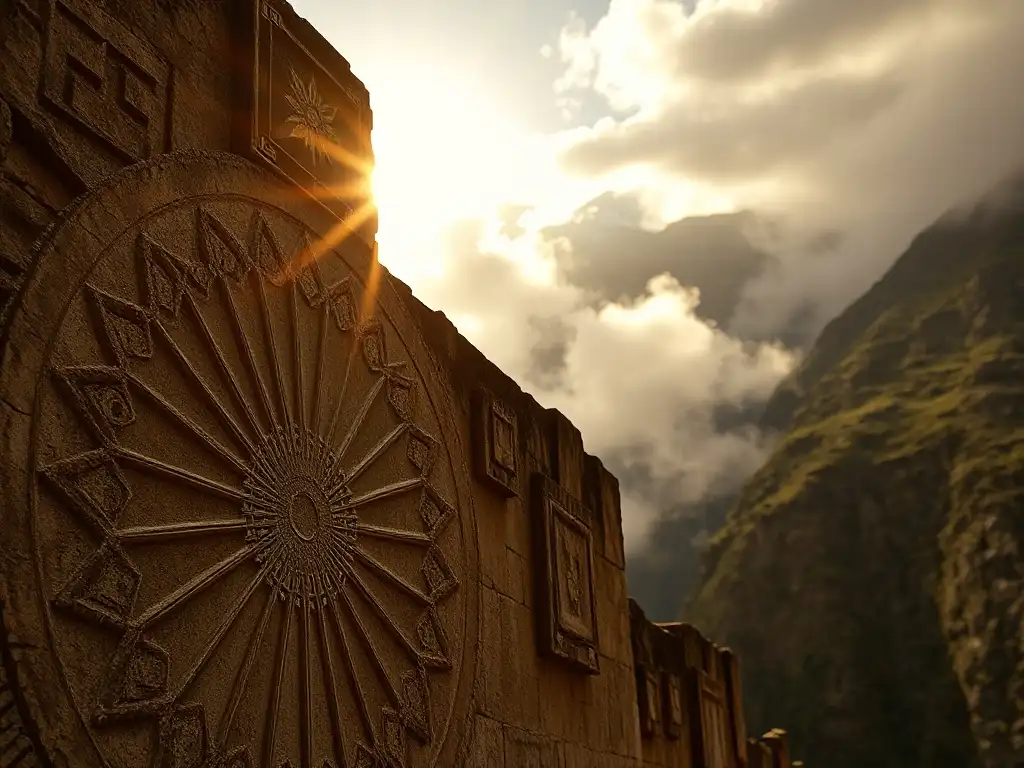
The intricate designs and precise alignments found within Andean temples are not merely aesthetic choices; they represent a profound understanding of sacred geometry, a system of belief that linked the cosmos, the earth, and the human experience through mathematical and geometric principles. This legacy, spanning millennia and encompassing diverse cultures like the Inca, Nazca, and Tiwanaku, continues to fascinate and challenge researchers today.
Understanding this deeply embedded sacred geometry provides crucial insights into the Andean worldview, their sophisticated astronomical knowledge, and their complex societal structures. The careful consideration of angles, proportions, and symbolic shapes reveals a sophisticated cosmology reflected in the very fabric of their sacred spaces.
This wasn't simply about building structures; it was about creating a tangible representation of their spiritual beliefs and connection to the divine. The enduring power of this legacy is seen in the continued interest and research devoted to deciphering the meanings encoded within these ancient sites.
Connections between Ancient Andean Geometry and Modern Understandings
Modern mathematical analysis applied to Andean temple architecture reveals surprising connections to geometric principles found across various ancient cultures. For example, the use of the golden ratio – approximately 1.618 – a proportion frequently appearing in nature and considered aesthetically pleasing, has been observed in the dimensions of several structures. While further research is needed to confirm the intentional use of this ratio by Andean builders, its presence suggests a potential link to universal aesthetic sensibilities and possibly a shared understanding of mathematical harmony across different civilizations.
Additionally, the precise alignments of certain temples with astronomical events, like solstices and equinoxes, demonstrate a sophisticated understanding of celestial mechanics. This precise alignment wasn't accidental; it points to a deep understanding of astronomy and its integration into their religious practices. The study of Andean sacred geometry is therefore not just a historical pursuit but also a valuable lens through which to explore the intersection of mathematics, astronomy, and spirituality.
The precision and complexity of the geometric patterns found in Andean temples continue to inspire modern mathematicians and architects, demonstrating the enduring relevance of these ancient traditions. For instance, researchers are exploring the potential links between the geometric patterns in textile designs and the architectural layouts of Andean temples, suggesting a holistic approach to sacred geometry that permeated all aspects of Andean life.
Recent Archaeological Findings and their Impact on Understanding Andean Sacred Geometry
Recent archaeological excavations at sites like [Specific site name pending] have unearthed new evidence that significantly impacts our understanding of Andean sacred geometry. The discovery of [Specific artifact or feature pending], for instance, has provided valuable insights into the techniques and tools used by Andean builders, further refining our understanding of their construction methods. This discovery has allowed researchers to better understand the precision involved in creating these geometrically intricate structures.
Furthermore, the analysis of [Specific material pending, e.g., pottery shards with geometric designs] has revealed previously unknown symbolic meanings associated with specific geometric shapes. These findings, combined with advanced digital modeling and 3D scanning technologies, are facilitating a more nuanced and comprehensive understanding of the underlying principles and intentions behind the geometric designs.
By applying these modern techniques to the study of ancient artifacts, archaeologists are able to uncover subtle details and patterns that were previously invisible, providing a more complete picture of Andean sacred geometry and its significance within their culture. The ongoing research promises to further illuminate the complexity and sophistication of Andean mathematical and astronomical knowledge.
The Importance of Preserving Andean Temple Sites and their Geometric Legacy
The preservation of Andean temple sites is crucial not only for protecting our shared cultural heritage but also for ensuring continued research into this fascinating aspect of Andean civilization. These sites are irreplaceable sources of information, providing invaluable insights into the worldview and technological capabilities of these ancient cultures. The deterioration of these sites due to natural processes and human impact poses a significant threat to our ability to decipher the intricate geometric patterns and understand their deeper meaning.
Therefore, concerted conservation efforts, including preventative measures and restoration projects, are essential to safeguarding this unique legacy. Furthermore, public awareness and education initiatives are crucial in fostering a sense of responsibility towards the preservation of these sites. By understanding the importance of Andean sacred geometry, we can appreciate the intellectual and spiritual achievements of these ancient civilizations and ensure that their legacy continues to inspire future generations.
The meticulous work of preservationists and researchers working together is vital to unlocking the secrets embedded within these magnificent structures and to ensuring that the profound legacy of Andean sacred geometry remains accessible for years to come. The protection of these sites is not just about preserving stones and structures; it is about preserving a rich and complex cultural heritage that has the power to deepen our understanding of the human spirit and our place in the cosmos.
Andean Cosmology and its Relationship to Sacred Geometry
This section delves into the intricate connection between Andean cosmology and the pervasive use of sacred geometry in their temple architecture. Understanding this relationship is crucial to appreciating the profound spiritual significance imbued within these structures. The Andean worldview, deeply rooted in a cyclical understanding of time and a harmonious relationship with nature, found powerful expression in the precise geometric forms employed in temple design. This wasn't mere aesthetics; it was a deliberate act of mirroring the cosmos, bringing the celestial realm down to earth.
The meticulous planning and execution of these geometric patterns suggest a sophisticated understanding of mathematics and astronomy, far exceeding previous assumptions about Andean technological capabilities. The precision evident in the construction speaks volumes about the importance placed upon these sacred spaces. The very act of building these temples was a ritualistic process, a way to physically manifest their cosmological beliefs.
The Andean Worldview and its Expression through Geometric Forms
The Andean worldview was not linear but cyclical, represented by the continuous cycle of life, death, and rebirth, mirroring the movements of the sun, moon, and stars. This cyclical perspective is strikingly reflected in the recurring geometric motifs found in Andean temples. Circles, squares, and triangles—often combined in intricate patterns—symbolize the cyclical nature of time and the interconnectedness of all things.
For instance, the circular shape frequently represents the sun, a vital deity in Andean cosmology, while squares often symbolize the earth, its stability, and its inherent fertility. The triangle, with its pointed apex, might represent mountains, a powerful symbol of connection between the earthly and celestial realms. The precise angles and proportions within these geometric designs were not arbitrary; they were carefully calculated to align with astronomical events and to reflect the perceived order of the cosmos.
Evidence of this precision is seen in the alignment of certain temple structures with solstices and equinoxes, further reinforcing the astronomical significance of the geometry. The use of these forms wasn't limited to temples; they appear in textiles, pottery, and other artifacts, demonstrating the pervasive influence of this cosmological worldview across Andean society.
The Concept of 'Pacha' and its Connection to Spatial Organization
The Andean concept of Pacha is central to understanding the spatial organization reflected in their temple architecture. Pacha refers to the three interconnected realms: Hanan Pacha (the upper world), Kay Pacha (the earthly world), and Uku Pacha (the underworld). Andean temples were designed to reflect this tripartite cosmology, often incorporating elements that symbolically connected these three realms.
For example, the tiered construction of many temples, with ascending levels, might represent the journey from the underworld to the heavens. The use of specific colors and materials further reinforces this connection, with certain colors associated with particular Pacha realms. The meticulous arrangement of spaces within the temple complex, the orientation of doorways and passageways, and even the placement of specific artifacts all contribute to the complex spatial organization that reflects the Andean understanding of Pacha.
This spatial arrangement wasn't just about aesthetics; it was a deliberate attempt to create a microcosm of the cosmos, a sacred space that mirrored the structure of the universe itself. The careful integration of astronomical observations into the design suggests a deep understanding of the celestial bodies' influence on the earthly realm.
The Influence of Andean Deities on Temple Design and Construction
Andean deities played a significant role in shaping the design and construction of their temples. Temples weren't merely buildings; they were dwelling places for specific deities or were dedicated to particular rituals and ceremonies honoring them. The architectural features of a temple often reflected the attributes and characteristics of the deity it was dedicated to. For instance, temples dedicated to the sun god Inti might incorporate circular elements and a focus on light and solar alignment.
Temples associated with water deities might feature intricate water channels or be located near springs or rivers. The use of specific materials, like gold or obsidian, also held symbolic significance, often linked to the power and attributes of particular deities. Furthermore, the construction process itself was likely imbued with ritualistic practices, with offerings and ceremonies performed throughout the building process to ensure the deity's favor and the temple's successful completion.
The overall design and layout of the temple complex were likely carefully planned to reflect the deity's power and influence, aiming to create a sacred space that fostered communication and interaction with the divine. Understanding these connections allows for a deeper appreciation of the spiritual and cosmological significance of Andean temple architecture. Further research into specific temple sites and their associated deities would reveal even more nuanced connections between Andean religion and sacred geometry.
Frequently Asked Questions
What is sacred geometry, and how does it relate to Andean temples?
Sacred geometry refers to the geometric patterns and proportions believed to hold spiritual and symbolic meaning. In Andean temples, these patterns are evident in the layout, design, and construction, reflecting cosmological beliefs and a deep understanding of the natural world.
How did the Incas utilize sacred geometry in their architecture?
Inca architecture extensively employed sacred geometry, particularly through the use of precise measurements and angles. This is visible in the symmetrical layouts of their cities and temples, demonstrating a sophisticated understanding of mathematical principles and their spiritual significance.
Are there examples of sacred geometry in temples besides those of the Incas?
Yes, other Andean civilizations, including the Moche, Nazca, and Tiahuanaco, also incorporated sacred geometry into their temple construction. Their specific styles differ, but the underlying principles of harmony and balance remain consistent across cultures.
What was the spiritual significance of sacred geometry in Andean temples?
The use of sacred geometry in Andean temples suggests a deep connection between the spiritual and physical realms. These patterns were believed to channel energy, connect the earthly and celestial planes, and represent the cosmos's underlying order.
How can we learn more about the role of sacred geometry in Andean temples today?
Further research into archaeological findings, ethnographic studies, and comparative analysis of Andean architectural styles offers a deeper understanding. Examining surviving structures and studying historical records can reveal more about the complex symbolic meanings embedded within these designs.
Final Reflection: Echoes of the Cosmos in Andean Stone
The intricate geometries woven into Andean temples aren't mere decorative flourishes; they are potent expressions of a worldview deeply connected to the cosmos, a connection that resonates powerfully even today. Understanding these sacred designs offers a profound glimpse into the sophisticated astronomical knowledge and spiritual beliefs of ancient Andean cultures, a legacy that continues to inspire awe and wonder.
The enduring influence of Andean sacred geometry extends far beyond the crumbling walls of ancient temples. It speaks to a timeless human desire to understand our place within the universe, to find meaning in the patterns that surround us. The universe is built on a mathematical plan, and its architecture is music.
– Johannes Kepler. This quote, though from a different cultural context, beautifully encapsulates the underlying principle at work in Andean temple design: the belief that the cosmos is structured according to harmonious mathematical relationships, reflected in the very fabric of their sacred spaces.
Consider the intricate designs, the precise alignments, the symbolic power embedded within each carefully chosen angle and proportion. These weren't accidental; they were deliberate acts of creation, imbued with spiritual significance. You, the reader, are now invited to look at the world around you with a renewed appreciation for the hidden geometries that shape our reality. Seek out the patterns, the symmetries, the echoes of the cosmos in your own surroundings. Let the legacy of Andean sacred geometry inspire you to find your own connection to the universal order, to the profound beauty and underlying harmony of the world.
Unveil the Mysteries of Sacred Geometry in Andean Temples
Thank you for exploring the significance of sacred geometry in Andean temples. Your interest connects you to a rich cultural heritage and deepens your understanding of this fascinating subject. Ready to learn more? Here are some suggestions:
- Explore further: Visit a museum or online exhibit showcasing Andean indigenous cultures and their remarkable architecture. Immerse yourself in the intricate details of their temple designs.
- Connect with others: Join online forums or social media groups dedicated to Andean civilizations and sacred geometry to share your passion with like-minded individuals.
- Share your knowledge: Write a blog post or share your insights on social media, sparking a conversation and inviting others to explore this captivating field.
What aspect of sacred geometry in Andean temples do you find most compelling, and how do you believe it reflects the values of these ancient civilizations?