
The Daily Life of Machu Picchu Inhabitants: Insights into Inca Society

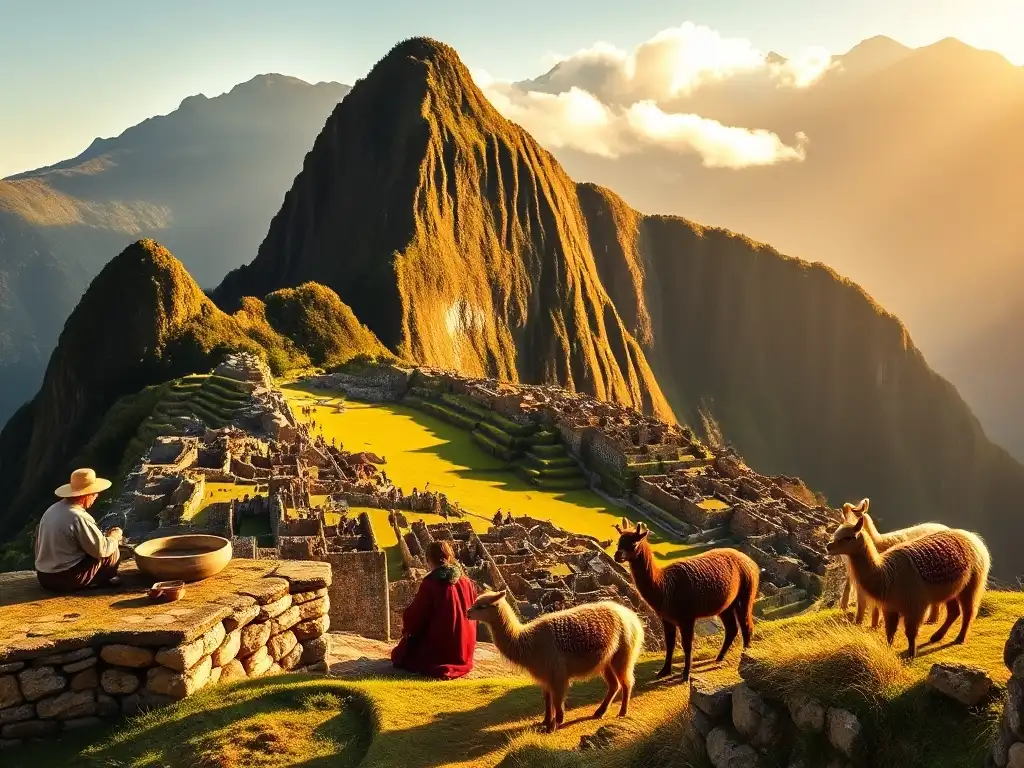
Step into a world lost to time, yet echoing with vibrant life. Imagine the bustling streets of Machu Picchu, the heart of the Inca Empire. Forget the postcard images; we delve into the intriguing reality of Inca Machu Picchu daily life, uncovering secrets of their sophisticated society, from their ingenious agricultural practices to their intricate social structures. Dare to explore the mysteries that await within the ancient stones... Let's uncover the truth behind the legend.
Machu Picchu, the iconic "Lost City of the Incas," stands as a testament to the sophisticated civilization that thrived in the Andes Mountains. While shrouded in mystery, archaeological discoveries and meticulous research offer fascinating glimpses into the daily lives of its inhabitants.
This article delves into the intricacies of Inca society at Machu Picchu, exploring their routines, social structures, and the remarkable adaptations they made to their challenging environment. Understanding their daily lives provides invaluable context for appreciating the ingenuity and cultural richness of this remarkable civilization, allowing us to move beyond the romantic image of a lost city and into the reality of a vibrant, functioning community.
We will explore everything from their agricultural practices and building techniques to their social hierarchies and religious beliefs, all within the context of their life at Machu Picchu. This exploration will shed light on the keyword "Inca Machu Picchu daily life," providing a comprehensive understanding of this captivating subject.
Agriculture and Food Production at Machu Picchu
The success of Inca society hinged on its agricultural prowess. Machu Picchu's inhabitants employed sophisticated terracing techniques to cultivate the steep slopes, maximizing arable land. These terraces, meticulously constructed with stone retaining walls, prevented soil erosion and created microclimates suitable for diverse crops. Archaeological evidence suggests that potatoes, maize, quinoa, beans, and various fruits and vegetables formed the staple diet.
The intricate irrigation system further facilitated efficient water management, ensuring consistent crop yields even during the dry season. Evidence of storage facilities, such as granaries, indicates a well-organized system for food preservation and distribution, crucial for sustaining a large population. The agricultural practices at Machu Picchu were not merely practical; they were integral to the Inca worldview, reflecting a deep reverence for the land and its bounty. Furthermore, the integration of agriculture with the city's layout demonstrates a sophisticated understanding of urban planning and resource management.
Inca society was highly structured, with a hierarchical system based on kinship and service to the Inca emperor. At Machu Picchu, this structure likely mirrored the broader empire, with specialized roles for different individuals and groups. While the exact details remain subject to ongoing research, evidence suggests the presence of priests, farmers, artisans, builders, and administrators. The distribution of housing within the city itself may reflect social standing, with larger and more elaborate structures potentially occupied by elite members of the community.
Moreover, the presence of workshops and evidence of craft production point towards a complex division of labor, with individuals specializing in specific skills and contributing to the collective well-being of the community. Further research is needed to fully understand the nuances of social interaction and mobility within this remarkable settlement. [Specific information pending on social mobility data].
Religious Beliefs and Ritual Practices at Machu Picchu
Religious beliefs played a central role in the daily lives of Machu Picchu's inhabitants. The Incas worshipped a pantheon of gods and spirits, with Inti, the sun god, holding paramount importance. The presence of numerous temples and ceremonial structures within the city suggests that religious rituals and ceremonies were integral to community life. These structures, often intricately designed and adorned with religious iconography, served as focal points for communal worship and possibly private devotion.
Evidence of human sacrifice, while controversial, suggests the significance of ritualistic practices in maintaining cosmic balance and ensuring the prosperity of the community. The integration of religious elements into the city's layout and architecture further underscores the profound influence of religious beliefs on the daily lives of the inhabitants. [Specific details on the types of rituals performed are pending further archaeological investigation].
Daily Routines and Activities: A Day in the Life
Imagine a typical day at Machu Picchu. The day would likely begin before sunrise, with individuals tending to their agricultural duties. After the morning's work, artisans and builders would carry out their craft, while priests performed their religious duties.
The midday sun would bring a period of rest, with meals shared communally. The afternoon would see a resumption of activities, with the day concluding with evening rituals and communal gatherings. This is a simplified representation, of course, and the daily routines would have varied depending on social standing and seasonal changes.
However, it gives a basic understanding of the rhythmic nature of life in the city, where work, religion, and community were intricately woven together. The organization and efficiency reflected in the city's infrastructure suggest a well-structured and regulated daily life, indicative of a sophisticated society. Further research is crucial to fully reconstruct the daily routines of the various social groups within the community.
- Agriculture and Food Production at Machu Picchu
- Social Structure and Roles within the Community
- Religious Beliefs and Ritual Practices at Machu Picchu
- Daily Routines and Activities: A Day in the Life
Understanding Inca Society at Machu Picchu
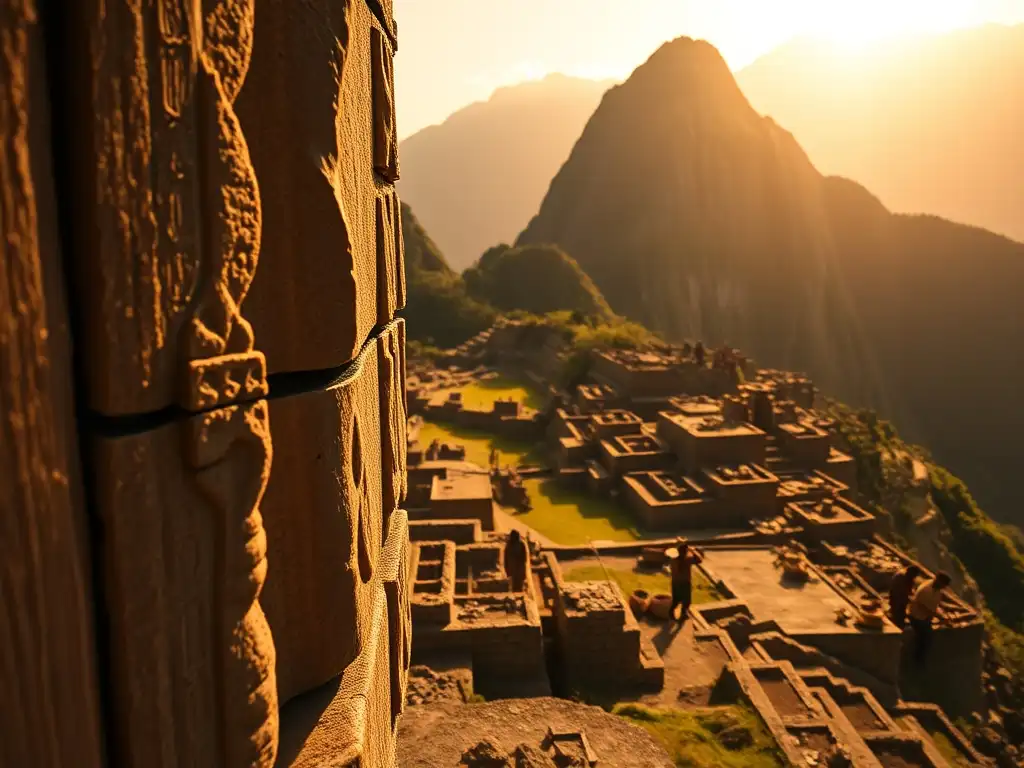
This section delves into the intricacies of Inca society as it manifested at Machu Picchu, offering a glimpse into the daily lives of its inhabitants and the social structures that governed their existence. We'll explore the social hierarchy, daily routines, and the overall organization that made this mountaintop citadel function so effectively. Understanding the daily life of Inca Machu Picchu provides crucial insight into the broader Inca Empire.
Machu Picchu's population wasn't a homogenous mass; it was stratified according to a complex social hierarchy reflecting the Inca Empire's organization. At the apex sat the curacas, local leaders appointed by the Inca emperor, who held significant power and authority. These individuals likely resided in the more elaborate structures within the citadel, enjoying privileges unavailable to the commoners.
Below the curacas were the various skilled artisans and specialists. Machu Picchu's impressive architecture and intricate craftsmanship point to the presence of highly skilled stonemasons, metalworkers, weavers, and agricultural specialists. These individuals likely enjoyed a higher social standing than the average farmer or laborer due to their specialized skills and contributions to the community. Their specialized knowledge and craftsmanship were essential for the functioning and prosperity of the Inca Machu Picchu society.
The majority of the population consisted of ayllus, extended family groups responsible for agricultural production and other essential tasks. These groups worked cooperatively, sharing resources and responsibilities. The ayllu system was crucial to the Inca's successful agricultural practices and efficient resource management—a key element in the sustainable functioning of Machu Picchu. Evidence suggests a high degree of social cohesion within these groups, fostering a sense of community and mutual support.
Finally, at the bottom of the social ladder were those who performed forced labor, mit'a. While not necessarily a permanent status, individuals could be conscripted for specific projects, including construction and agricultural work. This system, though demanding, was integral to the Inca Empire's large-scale construction projects, including Machu Picchu itself. The mit'a system, while often viewed negatively, played a vital role in the Inca's ability to quickly mobilize workforce for large-scale projects.
Daily Routines of the Inca People in Machu Picchu
A typical day in Machu Picchu likely began with the rising sun. Agricultural activities dominated the lives of most inhabitants. The complex irrigation systems and terraced farming techniques demonstrate a sophisticated understanding of agriculture, crucial for sustaining a large population in a mountainous environment. The Inca Machu Picchu daily life revolved around the careful cultivation of crops like potatoes, maize, and quinoa. These crops were essential to their diet and formed the basis of their sustenance.
After agricultural tasks, many would dedicate time to crafting and other specialized skills. The production of textiles, pottery, and metalwork was integral to the Inca way of life, providing both practical items and ceremonial objects. The intricate designs and high quality of these artifacts highlight the skill and dedication of the artisans. The daily routines of specialized artisans were quite different than the farmers, reflecting a division of labor within the community.
Evenings were likely reserved for communal activities, religious ceremonies, and social gatherings. The presence of numerous temples and plazas suggests that religious practices played a significant role in the lives of the Machu Picchu inhabitants. These social gatherings might have included storytelling, music, and dancing, fostering a sense of community and shared identity. The Inca Machu Picchu daily life wasn't solely focused on work; it was also rich in social and spiritual activities.
The daily rhythms of life in Machu Picchu were clearly structured and intertwined with the social hierarchy and the agricultural cycle. The Inca society at Machu Picchu wasn't just a collection of individuals; it was a well-organized and interconnected community operating within a complex social framework. Further research and archaeological discoveries continue to shed light on the fascinating details of their daily lives, enriching our understanding of this remarkable civilization.
Work and Agriculture in Machu Picchu
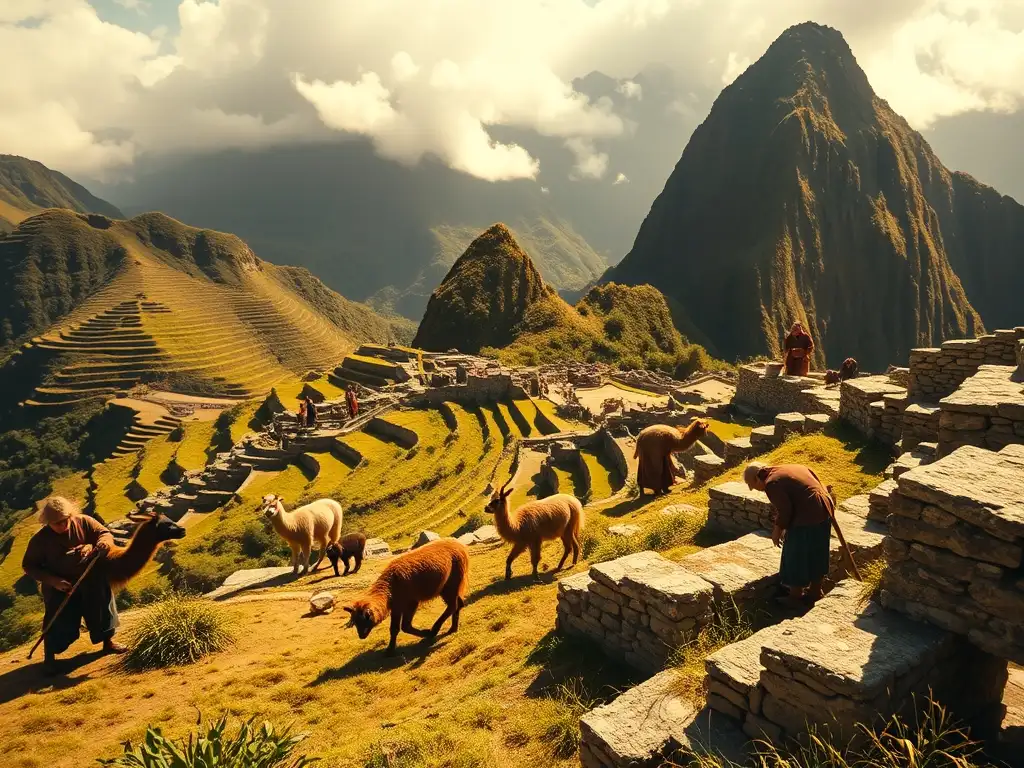
The daily life of Machu Picchu's inhabitants revolved heavily around agriculture and intricate labor systems, reflecting the Inca Empire's sophisticated societal structure. Understanding these aspects provides crucial insights into the Inca civilization's success and the unique challenges faced by those residing in the mountain citadel. The integration of agriculture and labor within the urban planning of Machu Picchu itself is a testament to the Inca's mastery of resource management and societal organization. This section will delve into the agricultural practices, the role of labor, and the staple crops that sustained the population of Machu Picchu.
Agricultural Practices and Terrace Farming at Machu Picchu
Machu Picchu's breathtaking landscape, perched high in the Andes Mountains, presented significant agricultural challenges. The steep slopes and limited arable land necessitated innovative farming techniques. The Incas were masters of terrace farming, creating a network of meticulously constructed agricultural terraces that cascaded down the mountainside.
These terraces, supported by retaining walls of precisely fitted stones, increased the amount of cultivable land significantly. This ingenious system not only maximized land use but also helped to control erosion and regulate water flow. The terraces were often irrigated using sophisticated canal systems, diverting water from nearby streams and springs to ensure a consistent water supply for crops.
Evidence suggests that different terraces were dedicated to specific crops based on their water and sunlight requirements, demonstrating a sophisticated understanding of agricultural science. Careful observation of the surviving terraces reveals the precise engineering and planning that went into their construction, a testament to the Inca's advanced knowledge of agriculture and engineering. The efficiency of this system is remarkable, showcasing the ability of the Inca to adapt their agricultural practices to challenging environments.
The construction and maintenance of these terraces required a considerable amount of coordinated labor, highlighting the importance of community cooperation and centralized planning within Inca society. The precision of the stonework and the scale of the project underscore the sophisticated organization and advanced engineering skills of the Inca people. The effectiveness of the terrace farming system is a key factor in understanding the success of Machu Picchu as a thriving settlement.
The Role of Labor in Inca Society at Machu Picchu
Labor in Inca society was highly organized and structured. The mita system, a form of mandatory public service, played a crucial role in the construction and maintenance of Machu Picchu and its agricultural infrastructure. The mita obligated individuals to contribute a certain amount of labor to public works projects, including the construction and upkeep of terraces, irrigation canals, and other essential infrastructure.
While the mita system is often viewed negatively in modern contexts, within the Inca system it was integral to communal development and the provision of essential services. It was not simply forced labor, but a system that contributed to the collective well-being of the community.
Furthermore, specialized labor groups likely existed at Machu Picchu, dedicated to specific tasks such as farming, construction, weaving, and religious ceremonies. Evidence from archaeological findings suggests a high degree of specialization and division of labor, indicating a complex social structure that supported the needs of the community. Archaeological excavations continue to reveal new insights into the organization of labor at Machu Picchu, deepening our understanding of Inca societal structures. Further research is needed to fully understand the dynamics of the mita system in the context of Machu Picchu, but its significance in shaping daily life is undeniable.
The efficient allocation of labor resources was essential to the success of Machu Picchu. The city's complex infrastructure, including its sophisticated water management systems and extensive agricultural terraces, required a highly organized and skilled workforce. The harmonious functioning of this system speaks to the Inca's ability to mobilize and manage human resources for the benefit of the community.
Potatoes, Corn, and Quinoa Cultivation
The staple crops of the Inca diet, potatoes, corn, and quinoa, were cultivated extensively at Machu Picchu. The diverse climate and altitudes within the Machu Picchu region allowed for the cultivation of a variety of potato varieties, each adapted to specific environmental conditions. The terraces provided ideal conditions for growing these crops, with their varying slopes and exposures to sunlight catering to the specific needs of different plant species.
Corn, a vital part of the Inca diet, was also grown in significant quantities. Evidence suggests that different varieties of corn were cultivated, reflecting the Incas' understanding of crop diversity and adaptation to varied environments. The successful cultivation of corn at high altitudes is a remarkable feat of agricultural ingenuity.
Quinoa, a highly nutritious grain, was another essential crop. Its resilience to harsh conditions made it well-suited to the challenging environment of Machu Picchu. The cultivation of quinoa, along with potatoes and corn, provided a balanced and nutritious diet for the inhabitants of the city. The success of Inca agriculture depended on a deep understanding of the environment, the careful selection of crop varieties, and the implementation of innovative farming techniques.
The combination of these factors enabled the population of Machu Picchu to thrive in a challenging environment. Further research into the specific agricultural techniques employed at Machu Picchu, including crop rotation and fertilization methods, would provide a more complete picture of Inca agricultural practices. The detailed study of plant remains found at the site continues to offer valuable insights into the dietary habits and agricultural practices of the Inca people.
Domestic Life and Family Structures
The daily life of Machu Picchu's inhabitants offers a fascinating glimpse into Inca social structures, particularly concerning domestic life and family dynamics. While much remains unknown, archaeological evidence and ethnohistorical accounts provide valuable insights into the organization of family units and their daily routines within this iconic mountaintop city. Understanding the intricacies of Inca family life is crucial to appreciating the complexity of Machu Picchu's society and its overall functionality. The keyword "Inca Machu Picchu daily life" is central to understanding the social fabric of this remarkable civilization.
Family Units and Housing within Machu Picchu
Inca society was fundamentally structured around the ayllu, a kinship-based community. At Machu Picchu, these ayllu groupings likely influenced the allocation of housing. Archaeological findings suggest a variety of dwelling sizes, indicating families of varying sizes and potentially different social standings. Smaller structures might have housed nuclear families (parents and children), while larger compounds may have accommodated extended families, including grandparents and other relatives.
The arrangement of houses within the city also suggests a degree of social organization, with certain areas possibly dedicated to specific ayllu groups. This spatial organization reflects the importance of kinship ties in Inca daily life at Machu Picchu. Evidence of communal spaces, such as plazas and terraces, further supports the idea of a strong community focus, where social interaction and collaborative activities were integral to daily life.
Analysis of the distribution of artifacts within dwellings also helps researchers understand family roles and the division of labor within Inca households. For instance, the presence of specific tools or materials might indicate specialized crafts or agricultural practices carried out by certain family members. Further research is needed to fully understand the nuances of family structures and housing arrangements at Machu Picchu, but existing evidence already points to a well-organized and cohesive social system centered around kinship and community.
Daily Tasks of Women in Inca Society at Machu Picchu
Women played a vital role in the daily functioning of Inca society at Machu Picchu. Their responsibilities were multifaceted, encompassing agricultural production, textile production, and household management. Archaeological evidence suggests that women were heavily involved in cultivating the terraced agricultural fields surrounding the city. They likely participated in planting, tending, and harvesting crops such as maize, potatoes, and quinoa – essential components of the Inca diet.
Furthermore, women were skilled textile artisans, responsible for creating clothing, blankets, and other textiles using locally sourced materials like alpaca and llama wool. The intricate weaving techniques employed by Inca women demonstrate a high level of artistry and skill, indicative of their crucial contributions to the economy and social fabric of the community. In addition to agricultural and textile production, women managed household affairs, including food preparation, childcare, and the maintenance of the home.
Their contributions were essential to the overall well-being and sustainability of Inca families and the wider community of Machu Picchu. The daily lives of Inca women at Machu Picchu underscore the importance of gender roles within the Inca social structure, highlighting their significant and diverse contributions to the city's prosperity. More research is needed to fully understand the complexities of women's lives and their social standing within Inca society.
Children's Roles and Education at Machu Picchu
While the specifics of children's lives at Machu Picchu are less readily apparent from the archaeological record than adult roles, we can infer their involvement in daily activities based on the overall societal structure. Children, from a young age, likely participated in tasks appropriate to their age and abilities, contributing to the family's and community's well-being. Boys may have assisted in herding livestock or light agricultural work, while girls likely learned domestic skills such as weaving and cooking from their mothers and other women in the community.
Education in Inca society, though informal, was crucial. Children learned through observation, imitation, and participation in daily activities, acquiring the necessary skills and knowledge to become contributing members of their ayllu. The transmission of cultural knowledge, including history, traditions, and religious beliefs, occurred through storytelling, rituals, and practical instruction.
While formal schools in the modern sense did not exist, the integrated nature of work and learning ensured that children received a comprehensive education tailored to the demands of their society. Further study, including the analysis of children's remains and artifacts found within dwellings, is essential to gain a more complete understanding of childhood experiences and education at Machu Picchu and how these factors shaped the lives of future generations within Inca society. The limited information available highlights the need for further research into this crucial aspect of Inca daily life.
Spirituality and Religious Practices at Machu Picchu
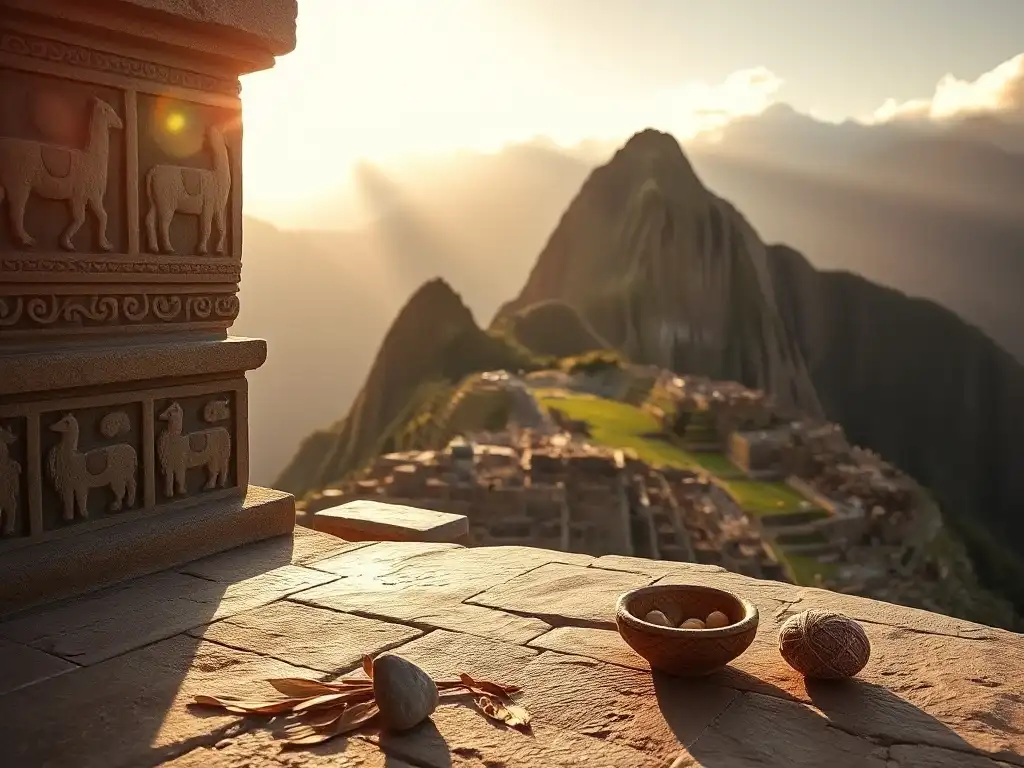
Machu Picchu, more than just a breathtaking mountaintop citadel, served as a vital center for Inca spirituality and religious practices. Understanding the daily life of its inhabitants necessitates a deep dive into their deeply ingrained religious beliefs and rituals, which permeated every aspect of their existence. The Inca worldview was profoundly connected to the natural world, with mountains, rivers, and celestial bodies holding immense spiritual significance.
This section explores the religious landscape of Machu Picchu, shedding light on the beliefs, rituals, and sacred spaces that shaped the lives of its people. The rich tapestry of Inca religion provides crucial context for understanding the daily routines and social structures within this remarkable city.
Religious Beliefs and Rituals in Inca Machu Picchu
Inca religion was polytheistic, with a complex pantheon of deities reflecting the diverse natural elements and forces they revered. Daily life in Machu Picchu was punctuated by rituals designed to appease the gods and maintain harmony with the cosmos. These rituals ranged from small, personal offerings to large-scale ceremonies involving the entire community.
Evidence suggests that capacocha, a ritual sacrifice of children and animals, may have occurred at Machu Picchu, although the exact nature and frequency of these events remain debated among scholars. Many smaller rituals, however, were likely performed daily, involving offerings of coca leaves, chicha (a fermented corn beverage), and other items considered sacred. The meticulous agricultural practices of the Inca, exemplified by the sophisticated terracing systems of Machu Picchu, were not merely practical but also deeply imbued with religious significance, intended to ensure bountiful harvests and appease the earth goddess, Pachamama.
The intricate system of ayllus (kinship groups) also played a vital role in religious practices, with community members participating in collective rituals and ceremonies. Furthermore, specific festivals associated with the agricultural cycle and astronomical events were likely observed. The precise details of these celebrations are still being uncovered through ongoing archaeological research.
The Significance of Temples and Sacred Spaces
The layout of Machu Picchu itself reflects its spiritual importance. The city's architecture is not merely functional; it is carefully planned to align with celestial events and sacred geographical features. The placement of temples and other structures suggests a deliberate attempt to harness the power of the cosmos. For example, the Temple of the Sun, with its intricately carved stones and unique architectural features, is believed to have been a central location for solar worship and important ceremonies.
The Main Temple and the Royal Tomb also held significant religious functions. These structures weren't just buildings; they were conduits connecting the earthly realm to the spiritual world. The presence of numerous smaller shrines and ritual spaces scattered throughout the city further underscores the pervasive influence of religion on daily life.
The careful selection of building materials, the precise orientation of structures, and the elaborate carvings found throughout Machu Picchu all point to the deep religious beliefs of its inhabitants and their constant engagement with the spiritual dimension. Archaeological findings continue to reveal new insights into the specific uses of these spaces and their role in the religious life of Machu Picchu. The ongoing research constantly refines our understanding of the Inca's spiritual connection to their environment and their daily lives.
Inti (Sun God), Viracocha (Creator God), and Pachamama (Earth Mother)
The Inca pantheon was headed by a trinity of powerful deities: Inti (the Sun God), Viracocha (the Creator God), and Pachamama (the Earth Mother). Inti, the sun god, was of paramount importance, representing life, energy, and the emperor's divine authority. His image was often depicted in gold, reflecting the sun's preciousness and power. Viracocha, the creator god, was associated with creation, order, and cosmic forces.
He was believed to be the source of all things and held a supreme position within the Inca cosmology. Pachamama, the earth mother, represented fertility, abundance, and the life-giving power of the land. She was revered for providing sustenance and was the recipient of numerous offerings to ensure bountiful harvests and the well-being of the community. These three deities were central to Inca religious beliefs and practices at Machu Picchu, with rituals and ceremonies designed to honor and appease them.
The daily life of Machu Picchu's inhabitants was inextricably linked to the worship of these gods, shaping their agricultural practices, social structures, and even their architectural designs. The importance of these deities is evident in the city's layout, with structures aligned to track the sun's movement and to honor the earth's life-giving properties. The continued study of Inca religious iconography and archaeological findings continues to reveal the nuanced ways these deities influenced the daily lives of the people of Machu Picchu.
Food and Diet of Machu Picchu's Residents
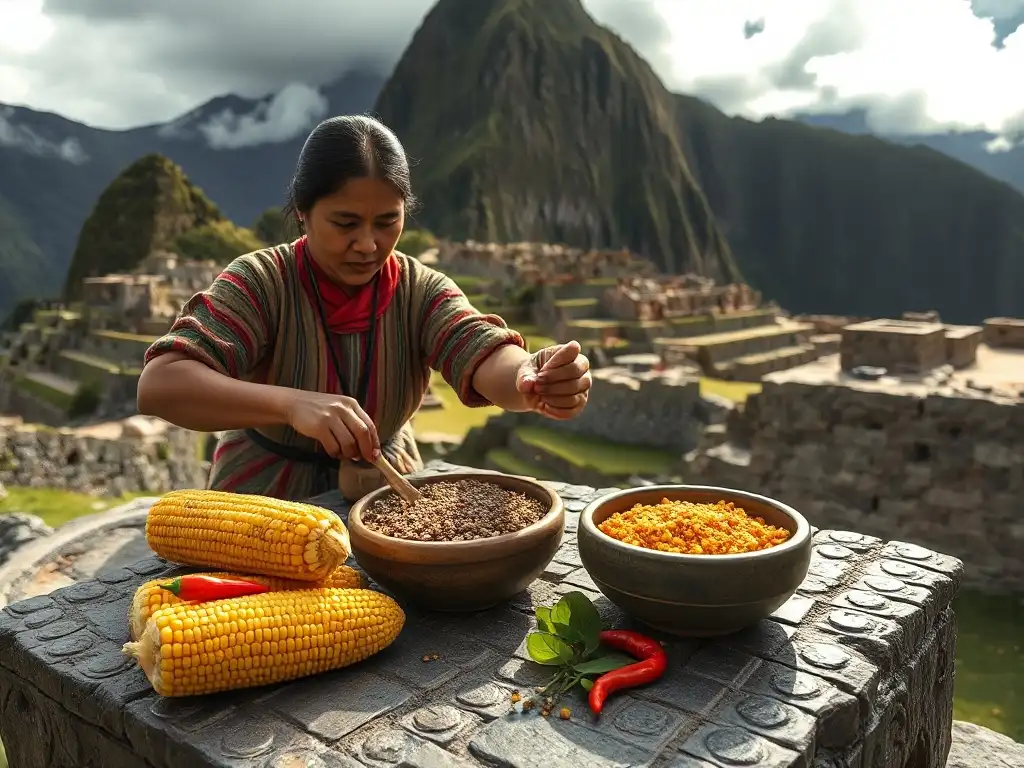
The daily sustenance of Machu Picchu's inhabitants offers a fascinating glimpse into Inca societal structure and agricultural prowess. Understanding their diet reveals not only what they ate but also how they organized their society around food production, storage, and distribution. Analyzing the available archaeological evidence, combined with ethnohistorical accounts, paints a vibrant picture of Inca culinary life at Machu Picchu, a picture rich with detail and far removed from simplistic notions of a purely agrarian society.
The Inca diet, far from being monotonous, showcased a remarkable diversity of crops and animal products, reflecting the ingenuity of their agricultural techniques and their mastery of their environment. This section will delve into the specifics of their diet, focusing on the key elements that sustained this remarkable civilization.
Common Foods and Cooking Methods in Inca Society
Inca cuisine was surprisingly diverse, reflecting the varied geography of their empire. While maize and potatoes formed the backbone of their diet, a wide array of other crops contributed to a balanced nutritional intake. Common foods included quinoa, beans (various types), squash, and a variety of fruits such as lúcuma and chirimoya. These were supplemented by animal products, primarily from llamas and alpacas, which provided meat, wool, and milk. Fish, from nearby rivers and lakes, also played a significant role in the diet of some communities, though less so at the higher altitude of Machu Picchu.
The Incas employed a range of cooking methods. Evidence suggests the prevalent use of simple techniques like boiling, roasting, and grilling. Pottery fragments unearthed at Machu Picchu reveal the existence of various types of cooking vessels, including large pots for boiling and smaller ones for individual portions.
The absence of widespread evidence of advanced techniques like fermentation suggests a focus on simpler, readily available methods, reflecting a practical approach to food preparation. The use of fire was essential, and the site's layout and architecture clearly facilitated efficient cooking arrangements within the urban setting. The ingenuity of the Incas extended to efficient preservation methods, crucial in a region where climate variability could affect crop yields.
The Importance of Food Storage at Machu Picchu
Efficient food storage was critical for the survival of Machu Picchu's inhabitants, especially considering the challenges of the high-altitude environment and the potential for unpredictable weather patterns. The Incas developed sophisticated techniques to preserve food and ensure year-round supplies. Archaeological findings reveal the existence of specialized storage structures, such as qollqas – carefully built stone structures designed to maintain cool, dry conditions ideal for preserving grains, potatoes, and dried meats. These structures were strategically located throughout the urban landscape, minimizing transport distances and maximizing accessibility for the population.
Beyond the qollqas, the Incas utilized other preservation methods. Drying was a common technique, extending the shelf life of various foods. Freezing, through natural cold storage at higher elevations, also likely played a role, though the precise extent is still under investigation. The successful implementation of these storage and preservation methods was crucial for the survival and prosperity of Machu Picchu, enabling the city to withstand periods of scarcity and maintain a relatively stable food supply throughout the year. This sophisticated system reflects the detailed planning and organizational capabilities of Inca society, highlighting their mastery of resource management.
Maize, Potatoes, and Llamas as Dietary Staples
Maize (corn), potatoes, and llamas were undeniably the pillars of the Inca diet at Machu Picchu. Maize, highly versatile, was processed into flour for various dishes, while potatoes, available in countless varieties adapted to different altitudes, provided carbohydrates and essential nutrients. The cultivation and storage of these crops were central to Inca agricultural practices, shaping their social structure and economic systems. The meticulous terracing systems visible throughout the region bear testament to the importance of these crops in sustaining the population.
Llamas, in addition to their role as pack animals, were a crucial source of meat, wool, and milk. Their ability to thrive in the challenging Andean environment made them invaluable to the Inca economy. The management of llama herds was a complex undertaking, requiring careful attention to breeding, grazing, and disease prevention.
Archaeological evidence shows that llama remains were commonly found at sites like Machu Picchu, further highlighting their importance in the daily diet and economy of the Inca civilization. The strategic integration of these three staples—maize, potatoes, and llamas—underscores the Inca's remarkable understanding of their environment and their capacity to build a sustainable and resilient agricultural system. This system, in turn, underwrote the remarkable urban development and cultural achievements of the Inca Empire, making it a fascinating subject for study and a testament to ancient Andean ingenuity.
Crafts and Technology in Inca Society
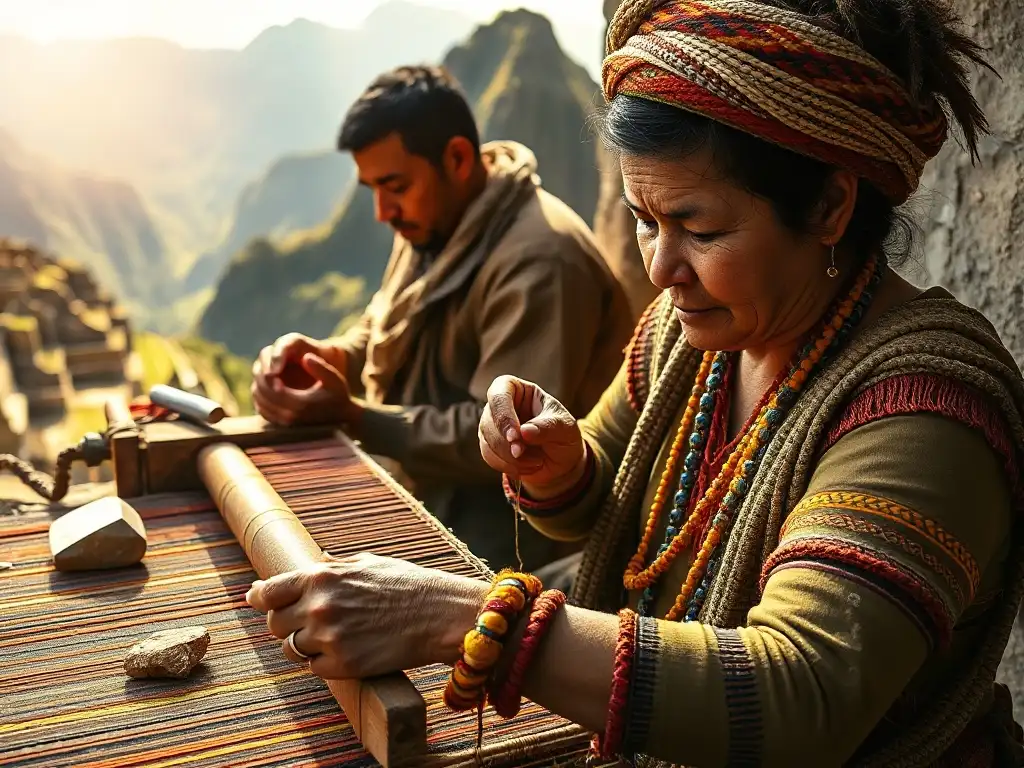
This section delves into the sophisticated crafts and technologies employed by the Inca inhabitants of Machu Picchu, providing a glimpse into their daily lives beyond agriculture and religious practices. The Inca civilization wasn't just about impressive architecture; it was a society built on ingenuity and skilled craftsmanship, evident in their textiles, pottery, tools, and monumental stonework. Understanding these aspects is crucial to fully appreciating the complexity of Inca Machu Picchu daily life.
Weaving and Textile Production at Machu Picchu
Textiles were integral to Inca daily life, serving both practical and symbolic purposes. At Machu Picchu, evidence suggests a highly organized and specialized system of textile production. Weaving was not merely a domestic activity; it was a skilled craft, with specialized workshops likely existing within the city. Archaeological finds reveal a wide variety of textiles, from simple cloths for everyday use to richly decorated garments for ceremonial occasions.
The Inca utilized a variety of fibers, including alpaca, llama, and vicuña wool, each possessing unique qualities that determined its application. Alpaca wool, known for its softness and warmth, was likely reserved for finer garments. Llama wool, coarser and more durable, was used for everyday clothing and utilitarian items.
Vicuña wool, incredibly soft and rare, was likely reserved for the elite. The vibrant colors achieved in Inca textiles were derived from natural dyes, painstakingly extracted from plants and minerals. Techniques such as tapestry weaving, brocade, and embroidery allowed for intricate designs and patterns, often reflecting symbolic meanings and social status.
The production of textiles was a significant economic activity, contributing to the overall prosperity of Machu Picchu and the broader Inca Empire. The intricate detail found in surviving textiles showcases not only technical skill but also the deep cultural significance embedded within their creations. Analyzing these textiles offers invaluable insight into Inca social structures and beliefs.
Pottery and Tool Making at Machu Picchu
Pottery production in Machu Picchu reveals a remarkable level of skill and standardization. The Inca potters produced a wide range of vessels, from simple utilitarian jars for storage to elaborately decorated ceremonial pieces. The clay used was carefully selected and prepared, often mixed with tempering agents to improve durability. The forms and decorations were often standardized, suggesting a degree of centralized control over production.
Furthermore, the Inca's mastery extended to tool-making. Archaeological evidence shows a sophisticated understanding of metallurgy, with tools crafted from bronze and copper alloys. These tools were essential for various aspects of Inca life, including agriculture, construction, and crafting. Axes, chisels, knives, and needles are just a few examples of the tools found at Machu Picchu, each meticulously crafted to perform a specific task.
The quality and precision of these tools reflect the high level of technological advancement within Inca society. The production of these tools, along with the pottery, helped to support the complex social and economic structures of Machu Picchu. The efficiency of these tools played a vital role in the success of Inca agriculture and construction projects.
Advanced Stonework and Irrigation Systems
Perhaps the most visually striking aspect of Inca technology at Machu Picchu is their mastery of stonework. The precision and artistry displayed in the construction of the city's buildings and terraces are unparalleled. The Inca employed a unique dry-stone technique, fitting stones together with such precision that no mortar was needed. This required an advanced understanding of engineering and a highly skilled workforce.
The perfectly fitted stones, some weighing many tons, stand as a testament to the Inca's ingenuity and organizational capabilities. This incredible stonework is not merely aesthetically pleasing; it's a testament to their engineering prowess and practical understanding of building techniques, crucial for the stability and longevity of structures in a mountainous region. The precision and scale of their stonework are key factors in understanding the Inca's ability to create and maintain Machu Picchu.
The Inca also developed sophisticated irrigation systems to support agriculture in the challenging Andean terrain. These systems channeled water from mountain streams and springs to terraced fields, allowing for efficient irrigation even on steep slopes. The intricate network of canals and channels demonstrates a deep understanding of hydrology and engineering.
This allowed the inhabitants of Machu Picchu to cultivate a wide variety of crops, ensuring food security for the population. The ingenuity of their irrigation systems is directly linked to the success of their agricultural practices and, consequently, the sustainability of life at Machu Picchu. The integration of these systems into the landscape showcases a profound understanding of both engineering and the natural environment, a key element of their survival and success.
The End of Daily Life at Machu Picchu
The cessation of daily life at Machu Picchu remains a subject of ongoing scholarly debate, lacking a single definitive answer. While the Spanish conquest undoubtedly played a role in disrupting the Inca Empire, its impact on Machu Picchu specifically is less clear-cut than often portrayed. The city's abandonment wasn't a sudden event, but rather a gradual process likely spanning several decades, possibly even centuries. Several contributing factors likely intertwined to bring about the end of daily life within its walls.
Theories about the Abandonment of Machu Picchu
Several theories attempt to explain the abandonment of Machu Picchu. One prominent theory suggests the Inca's strategic retreat from Machu Picchu following the initial Spanish incursions into the Andes. Facing a superior military force and the devastation of their established infrastructure, the Inca may have strategically relocated their population and resources to more defensible locations, leaving Machu Picchu to gradually fall into disrepair. This theory is supported by the lack of evidence of a major battle or violent destruction at the site.
Another theory points to a gradual decline in the city’s importance as a result of shifting political power dynamics within the Inca Empire. Machu Picchu, while undoubtedly significant, might have lost its strategic or ceremonial importance over time, leading to a decline in its population and eventual abandonment. This theory suggests a more organic process of depopulation, with inhabitants slowly relocating to other, more central locations within the empire. Further research into Inca administrative records and settlement patterns could help validate this hypothesis.
Finally, environmental factors, such as earthquakes, disease outbreaks, or changes in agricultural productivity, may have contributed to the abandonment of Machu Picchu. While evidence of significant seismic activity is not readily apparent, the impact of climate change on agricultural yields, especially in a mountainous region like Machu Picchu, could have significantly impacted the city's viability.
Detailed paleoclimatic studies and analysis of agricultural remains at the site are needed to better understand the role of environmental factors in the city's decline. The interplay of these factors, rather than a single cause, likely led to the end of daily life at Machu Picchu.
Legacy and Significance of Inca Machu Picchu Daily Life
The daily life of Machu Picchu's inhabitants offers invaluable insights into Inca social structures, agricultural practices, and religious beliefs. Their sophisticated water management systems, intricate agricultural terraces, and meticulously designed residential quarters reveal a deeply organized and technologically advanced society. The remnants of daily life, from the tools used in agriculture to the remains of food and textiles, provide tangible evidence of their daily routines, social hierarchies, and interactions with their environment.
Understanding Inca Machu Picchu daily life allows us to grasp the complexity and resilience of Inca civilization. The city's layout, the organization of its agricultural terraces, and the evidence of specialized crafts demonstrate the Inca's ability to adapt to their challenging environment while maintaining a high level of social and technological sophistication. Studying the city's past helps us understand not only the Inca's achievements but also the challenges they faced and how they overcame them.
This knowledge is crucial for interpreting their broader societal structures and their impact on the Andes region. The legacy of Inca Machu Picchu daily life serves as a powerful testament to the ingenuity and adaptability of this remarkable civilization. It provides a window into the past, enriching our understanding of pre-Columbian Andean societies and their rich cultural heritage.
The Impact of Inca Engineering on Site Preservation
The remarkable engineering skills of the Inca civilization played a crucial role in the preservation of Machu Picchu. Their sophisticated understanding of stonework, water management, and agricultural techniques allowed them to create a sustainable and resilient settlement that has withstood the test of time. The precise fitting of stones in the buildings, minimizing the need for mortar, exemplifies their mastery of construction. This technique not only enhanced the aesthetic appeal of the structures but also contributed to their remarkable durability.
The Inca's impressive water management system, consisting of intricately designed canals and fountains, not only provided a reliable source of water for the city's inhabitants but also played a vital role in erosion control. The efficient distribution of water minimized the impact of heavy rainfall on the surrounding environment, preventing soil erosion and preserving the agricultural terraces that supported the city’s population. Similarly, the ingenious agricultural terraces carved into the steep slopes of the mountainside maximized arable land, preventing soil degradation and ensuring a stable food supply.
The combination of these advanced engineering techniques contributed significantly to the remarkable preservation of Machu Picchu, allowing us to glimpse into the daily lives of its inhabitants centuries later. The legacy of Inca engineering at Machu Picchu serves as a testament to their advanced knowledge and provides valuable lessons in sustainable design and construction for modern societies.
Frequently Asked Questions
What was a typical day like for an Inca resident of Machu Picchu?
A typical day likely involved agricultural labor, religious ceremonies, and craft production, depending on social standing. The daily routine varied considerably based on one's role within the community.
What did the inhabitants of Machu Picchu eat?
Their diet consisted primarily of potatoes, corn, and quinoa, supplemented by llama and alpaca meat. Fruits and vegetables native to the Andes also played a crucial role.
Machu Picchu's society was hierarchically structured, with an elite class at the top and farmers and artisans making up the majority. The Inca emperor held ultimate authority.
What role did religion play in daily life at Machu Picchu?
Religion was central to daily life, with rituals and ceremonies performed regularly. The worship of the sun god Inti and other deities was integral to their culture and influenced many aspects of their lives.
What kind of technology did the inhabitants of Machu Picchu use?
They utilized advanced agricultural techniques, such as terracing, and impressive stonework in construction. Their knowledge of astronomy also played a significant role in their daily lives and religious practices.
Final Reflection: Echoes of the Sunstone: Machu Picchu's Legacy
The meticulous reconstruction of daily life at Machu Picchu offers not just a glimpse into the past, but a powerful lens through which to examine our own present. Understanding the intricate social structures, agricultural innovations, and spiritual practices of the Inca reveals surprising parallels with contemporary challenges of sustainability, community building, and the search for meaning. The echoes of their civilization resonate deeply in our world today.
The ingenuity and resilience of the Inca people, their ability to thrive in a challenging environment, continues to inspire awe and wonder. Their sophisticated understanding of their ecosystem, their commitment to community, and their reverence for nature serve as a potent reminder of the interconnectedness of all things. The mountains are calling, and I must go.
– John Muir. This sentiment, while seemingly unrelated to the Inca, speaks to the same deep-seated human need to connect with the natural world, a connection that the Inca exemplified so profoundly. Their story is a testament to the enduring power of human adaptation and the importance of respecting the environment.
Consider the choices you make daily. How can you incorporate the Inca's wisdom – their respect for nature, their communal spirit, their dedication to craftsmanship – into your own life? Embrace the opportunity to live more sustainably, to foster stronger connections within your community, and to find beauty and meaning in the world around you. Let the legacy of Machu Picchu inspire you to build a more harmonious and fulfilling existence, one that honors both the past and the future.
Experience the Mystique of Inca Society Today!
Thank you for joining us on this fascinating journey into the daily lives of Machu Picchu's inhabitants! We hope you gained valuable insights into the rich tapestry of Inca civilization. Now, let's explore ways to further deepen your connection with this incredible culture.
Here are some suggestions to enhance your understanding:
- Delve deeper into Inca history by visiting a local museum or exploring online resources showcasing Inca artifacts and their significance. Many excellent online exhibits offer detailed information and stunning visuals.
- Connect with fellow enthusiasts! Share your discoveries and insights on social media or online forums dedicated to Andean history and culture. Engaging with others can broaden your perspective and understanding.
- Plan a trip to Machu Picchu! Experience the breathtaking beauty and profound history firsthand. A guided tour focusing on the daily lives of the Inca people can significantly enhance your appreciation of the site.
As you reflect on your newfound knowledge, consider how the ingenuity and resilience of the Inca people might inspire your own life.