
The Resurgence of Andean Spirituality: A Growing Movement

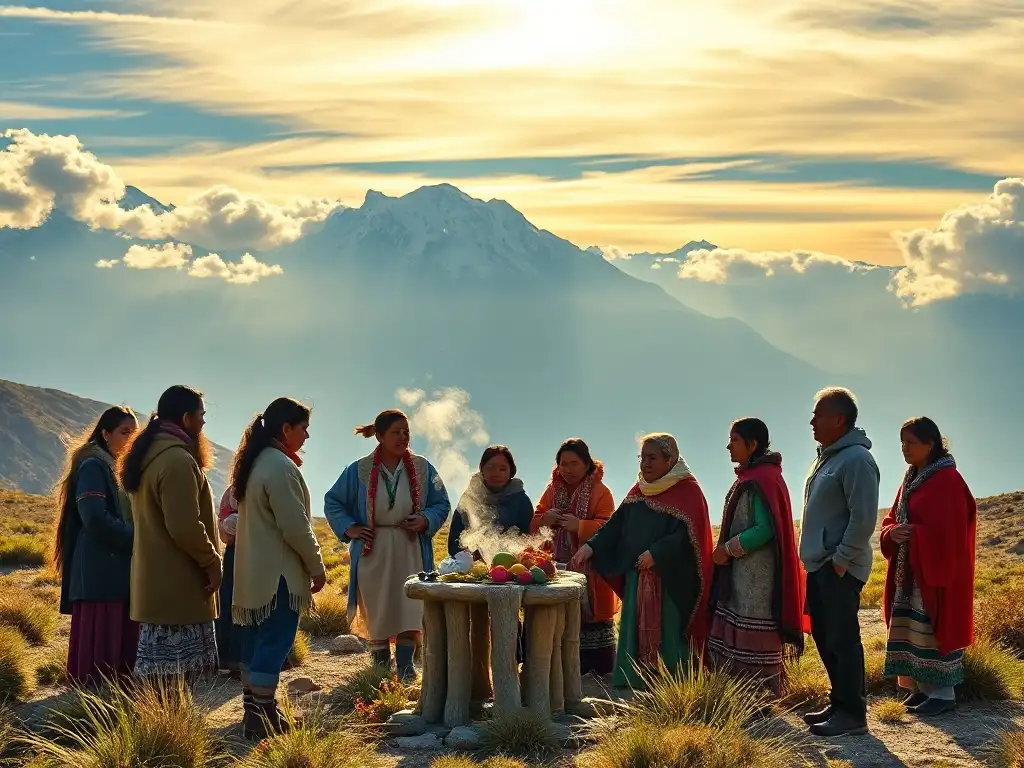
Uncover the mysteries of a world reborn. For centuries, the echoes of Andean spirituality resonated only in whispers. But now, a powerful resurgence is sweeping across the mountains, breathing new life into ancient traditions. Are you ready to journey with us and discover the fascinating revival of Andean beliefs, exploring the captivating connection between past and present in this exploration of Andean spirituality revival? Dive in and unearth the secrets.
The Andes Mountains, a spine of towering peaks stretching along the western edge of South America, have been home to vibrant and complex civilizations for millennia. From the sophisticated irrigation systems of the Nazca to the intricate stonework of the Incas, these cultures left behind a legacy not only of impressive engineering feats but also a rich tapestry of spiritual beliefs and practices.
While colonialism and globalization significantly impacted Andean traditions, a notable resurgence of Andean spirituality is currently underway, attracting both indigenous communities and a growing number of non-indigenous individuals seeking connection with ancient wisdom and a deeper understanding of the interconnectedness of life. This movement, fueled by a renewed appreciation for ancestral knowledge and a desire for alternative spiritual paths, represents a significant cultural shift and a powerful testament to the enduring power of Andean cosmovision.
This article explores the key aspects of this revival, examining its manifestations, motivations, and implications for the future.
Modern Expressions of Ancient Beliefs
The revival of Andean spirituality isn't a monolithic phenomenon. It manifests in diverse ways, reflecting the varied landscapes and cultural traditions across the Andes. In some communities, traditional ceremonies and rituals, such as paqos (Andean priests) conducting despachos (offerings to the Apus, mountain spirits), are experiencing a renewed vigor. These practices, passed down through generations, are seen as vital for maintaining balance and harmony with the natural world.
Other expressions include the incorporation of Andean symbolism into contemporary art, music, and literature, creating new avenues for engagement with ancient beliefs. Furthermore, the growing interest in Andean cosmology – the understanding of the universe as an interconnected system – is leading to the development of new spiritual practices that blend ancient wisdom with modern perspectives. This vibrant tapestry of expression demonstrates the adaptability and enduring relevance of Andean spirituality in the 21st century.
The Appeal of Andean Spirituality in a Globalized World
The growing interest in Andean spirituality among non-indigenous populations stems from several factors. Many individuals are searching for spiritual meaning beyond traditional religious frameworks, seeking a connection to nature and a sense of community that feels authentic and meaningful. Andean spirituality, with its emphasis on reciprocity, respect for the natural world ( Pachamama), and interconnectedness, offers a compelling alternative.
The emphasis on healing and well-being, often incorporating traditional Andean medicine, also resonates with those seeking holistic approaches to health and wellness. Furthermore, the captivating beauty of the Andean landscape itself plays a significant role, inspiring a sense of awe and wonder that fosters spiritual exploration. The growing accessibility of information about Andean culture through various media further fuels this interest, making it easier for people worldwide to learn and engage with these traditions.
Challenges and Concerns Surrounding the Revival
While the resurgence of Andean spirituality is largely positive, it also presents certain challenges and concerns. One key issue is the potential for cultural appropriation, where non-indigenous individuals adopt aspects of Andean spirituality without proper understanding or respect for their cultural context. This can lead to the trivialization of sacred practices and the commodification of spiritual traditions. Another concern is the need to balance the preservation of traditional practices with the adaptation of Andean spirituality to contemporary contexts.
Finding this balance requires careful consideration and collaboration between indigenous communities and those interested in learning about their traditions. Finally, ensuring the ethical and responsible dissemination of information about Andean spirituality is crucial to prevent misinterpretations and harmful practices. Addressing these challenges is essential to ensure the respectful and sustainable growth of this important movement.
The Future of Andean Spirituality
The future of the Andean spirituality revival remains bright, yet its trajectory will depend on the collective efforts of indigenous communities and those who engage with their traditions. Continued dialogue, mutual respect, and a commitment to ethical engagement are vital for ensuring the preservation and responsible evolution of Andean spirituality. As global awareness of the richness and complexity of Andean cosmovision grows, so too will the opportunities for meaningful cross-cultural exchange and understanding.
The resurgence of Andean spirituality offers a powerful reminder of the enduring wisdom of ancient cultures and their potential to inspire positive change in the modern world. The continued flourishing of this movement holds immense promise for fostering a more interconnected, harmonious, and spiritually enriching world.
- Modern Expressions of Ancient Beliefs
- The Appeal of Andean Spirituality in a Globalized World
- Challenges and Concerns Surrounding the Revival
- The Future of Andean Spirituality
- What is the Andean spirituality revival?
- Why is Andean spirituality experiencing a resurgence now?
- What are some key practices within the Andean spirituality revival?
- How does the Andean spirituality revival differ from traditional Andean religions?
- Where can I learn more about the Andean spirituality revival?
Understanding the Roots of Andean Spiritual Traditions
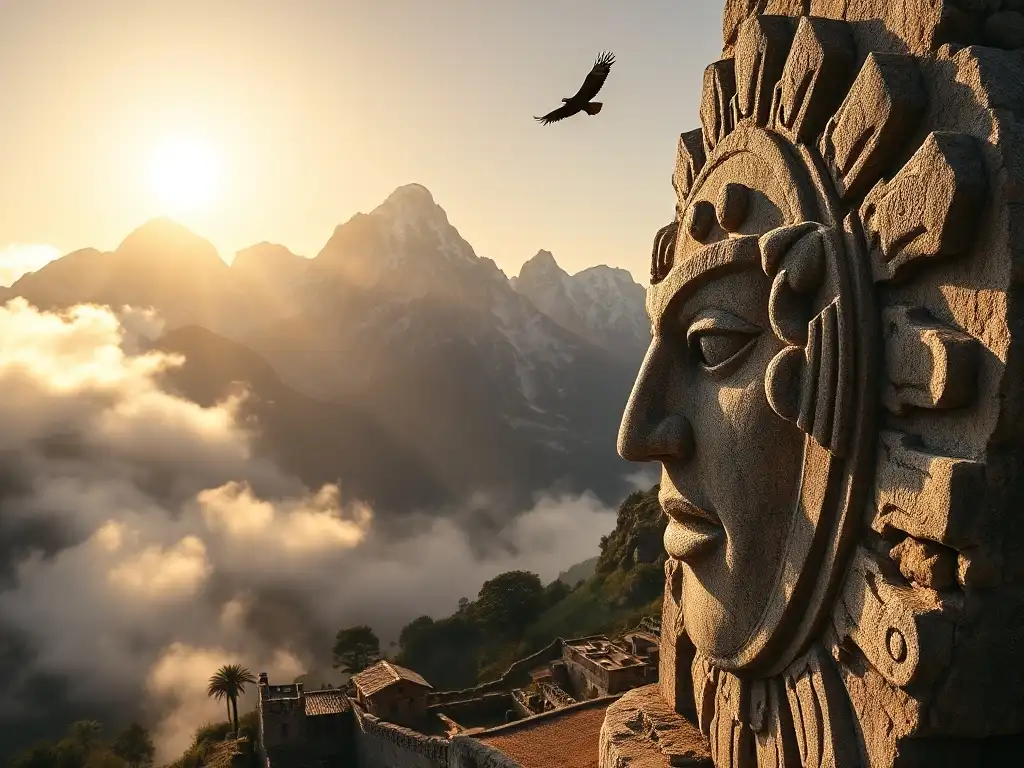
This section delves into the historical foundations of Andean spirituality, providing a crucial context for understanding its contemporary resurgence. The Andean worldview, far from being a monolithic entity, encompasses a vibrant tapestry of beliefs and practices shaped by diverse geographical locations and cultural interactions over millennia. The "Andean spirituality revival" we see today is not a sudden phenomenon but rather a re-engagement with deeply rooted traditions, albeit adapted to modern circumstances.
This complex interplay between ancient practices and modern interpretations is a key element of this fascinating spiritual movement. Understanding these roots is crucial to appreciating the nuances and significance of the current revival.
Ancient Andean Beliefs and Cosmovision
Ancient Andean civilizations did not possess a singular, codified religious text like the Bible or the Quran. Instead, their beliefs and practices were transmitted orally through generations, evolving and adapting to changing circumstances. Their cosmovision, or worldview, was profoundly interconnected with the natural world.
The Andes themselves – the towering mountains, fertile valleys, and unpredictable weather patterns – deeply influenced their spiritual understanding. This intimate relationship with nature is reflected in their reverence for Pachamama, the Earth Mother, and the numerous other deities associated with specific mountains, rivers, and celestial bodies. Evidence from archaeological sites, such as sophisticated astronomical observatories and intricate iconography depicting deities and supernatural beings, reveals a complex and sophisticated spiritual system.
The belief in a vibrant spirit world, inhabiting both the natural and supernatural realms, permeated every aspect of Andean life, from agriculture and warfare to healing and social organization. This animistic perspective, where spirits are believed to inhabit all aspects of the world, is a cornerstone of Andean spirituality and continues to resonate in contemporary practices.
The Significance of Pachamama in Andean Spirituality
Pachamama, literally meaning "Earth Mother," holds a central position in Andean spirituality. She is not simply the Earth but a powerful, life-giving deity, revered for her ability to provide sustenance and fertility. Pachamama is intimately connected to the cycles of nature, representing both the abundance of the harvest and the potential for destruction through natural disasters.
Her worship involved offerings of coca leaves, chicha (a fermented corn beverage), and other agricultural products, intended to appease her and ensure her continued benevolence. The importance of Pachamama in the Andean worldview transcends mere religious devotion; it represents a profound ethical relationship with the environment, emphasizing the interconnectedness of human beings and the natural world.
This deep respect for the Earth and its resources is a vital component of the contemporary Andean spirituality revival, with many modern practitioners emphasizing sustainable living and environmental stewardship as integral aspects of their spiritual practice. The concept of reciprocity – ayni – is also crucial here, highlighting the balance between human actions and the Earth's response.
Key Deities and Supernatural Beings of the Andes
Beyond Pachamama, the Andean pantheon included a rich diversity of deities and supernatural beings, each with its specific domain and attributes. These ranged from powerful creator gods like Viracocha, associated with cosmic creation and order, to local deities associated with specific mountains or geographical features. Apus, mountain spirits, were particularly revered, considered powerful protectors and guardians of their respective territories.
Other important figures included the sun god Inti, the moon goddess Mama Killa, and various other supernatural entities, including spirits of nature (e.g., water spirits, wind spirits) and ancestral spirits. The specific deities and their attributes varied across different regions and cultures within the Andes, reflecting the diverse nature of Andean spirituality. The complexity of this pantheon underscores the richness and depth of Andean religious thought.
Furthermore, the continued reverence for these deities in the contemporary Andean spirituality revival highlights the enduring power of these ancient traditions. The revival is not simply a rediscovery of ancient texts but a revitalization of a living spiritual tradition that continues to evolve and adapt in modern contexts. Further research into regional variations and specific deities is needed to fully document the breadth and depth of this complex spiritual landscape.
The Decline and Suppression of Andean Spiritual Practices
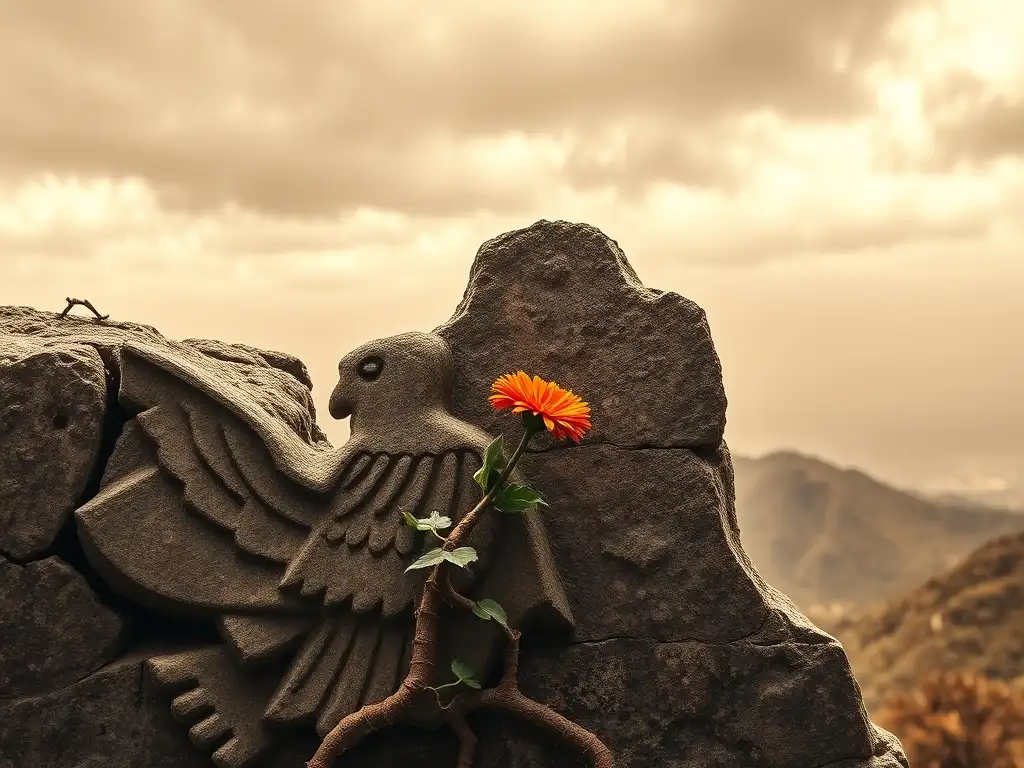
The vibrant tapestry of Andean spirituality, rich with intricate rituals, powerful deities, and a deep connection to the natural world, faced a dramatic decline following the Spanish conquest. The imposition of Catholicism, far from being a passive overlay, actively sought to dismantle existing belief systems, leading to a period of significant cultural upheaval and spiritual suppression. Understanding this decline is crucial to appreciating the contemporary resurgence of Andean spirituality, as many modern practices represent a reclamation of traditions that were forcibly suppressed.
The intensity of this suppression varied across different Andean regions and communities, with some experiencing more forceful conversion than others. However, the overarching impact was the systematic undermining of indigenous spiritual practices.
Colonial Impact on Indigenous Andean Beliefs
The Spanish conquest initiated a systematic campaign to eradicate indigenous Andean beliefs, viewing them as obstacles to the establishment of Catholic dominance. This wasn't simply a matter of religious conversion; it involved the destruction of sacred sites, the suppression of traditional ceremonies, and the active persecution of those who continued to practice indigenous spirituality. Inca temples were razed, replaced with Catholic churches often built atop the very foundations of the former structures.
Religious iconography was systematically destroyed or repurposed, erasing visual representations of Andean deities and cosmology. The Spanish Crown implemented policies that punished the continuation of traditional rituals, aiming for a complete cultural and spiritual transformation. Chronicles from the colonial period detail instances of forced conversions, the burning of sacred objects, and the imprisonment or execution of individuals deemed resistant to Christianization.
This forceful suppression left a deep scar on Andean culture, impacting not only religious practices but also social structures and worldview. The systematic eradication of knowledge and the imposition of a foreign belief system created a significant gap in the transmission of traditional spiritual practices across generations.
The Erosion of Traditional Andean Rituals
The colonial era witnessed a significant erosion of traditional Andean rituals. Many ceremonies, once central to community life and agricultural cycles, were either outlawed or forced underground. The intricate knowledge surrounding these rituals, passed down through generations of yachaqs (Andean healers and spiritual leaders), faced severe disruption.
The use of sacred objects, like kero (ceremonial cups) and tumi (ceremonial knives), was restricted, and their creation often suppressed. Many rituals involving offerings to apus (mountain spirits) and pachamama (Mother Earth) were deemed heretical and actively persecuted. The Spanish sought to replace indigenous ceremonies with Catholic masses and sacraments, aiming to supplant the spiritual significance of traditional Andean practices.
The impact on agricultural cycles was profound, as many rituals were intricately linked to the timing of planting and harvesting. The disruption of these established patterns led to uncertainty and disruption within the agricultural communities, adding to the overall economic and social hardship experienced during this period. The loss of this knowledge and practice created a significant void in Andean communities, impacting their connection to the land and their spiritual identity.
The Era of Religious Syncretism in the Andes
Despite the suppression efforts, Andean spirituality did not disappear entirely. Instead, a process of religious syncretism emerged, where indigenous beliefs and practices blended with aspects of Catholicism. This wasn't a passive assimilation, but rather an active negotiation and adaptation of religious systems. Indigenous deities were often assimilated into the Catholic pantheon, with Pachamama, for example, sometimes syncretized with the Virgin Mary.
Traditional rituals were subtly adapted, incorporating elements of Catholic liturgy. This syncretism allowed for the continued practice of certain aspects of Andean spirituality, albeit in a modified form. This adaptation was a crucial survival mechanism, allowing for the preservation of essential cultural and spiritual elements while navigating the pressures of colonial rule. However, this syncretism also resulted in a loss of some of the original nuances and complexities of Andean spiritual practices.
The blending of traditions often resulted in a simplification or alteration of original beliefs, a process that continues to be debated and analyzed by scholars today. The study of this syncretic period provides valuable insights into the resilience and adaptability of Andean cultures in the face of immense pressure. Understanding this historical process is vital for appreciating the current revival of Andean spirituality, as many contemporary practices are rooted in this period of adaptation and negotiation.
The Modern Andean Spirituality Revival: A Reawakening
The Andean spirituality revival is not merely a trend; it's a powerful resurgence of ancient traditions and beliefs adapting to the modern world. This renewed interest in Andean cosmovision reflects a global search for meaning and connection, a yearning for spiritual practices that resonate beyond the confines of established religions. While elements of Andean spirituality have always persisted within Andean communities, the current revival represents a significant expansion, reaching beyond traditional boundaries and attracting individuals from diverse cultural backgrounds.
This phenomenon is multifaceted, influenced by various social, cultural, and even political factors. The renewed focus on indigenous knowledge and practices is a key component of this revitalization, offering a powerful alternative to Westernized spiritualities. This section will explore the key factors driving this fascinating and significant cultural shift.
Factors Contributing to the Andean Spirituality Revival
Several interconnected factors contribute to the burgeoning interest in Andean spirituality. Firstly, there's a growing global dissatisfaction with mainstream religious institutions and a search for more personalized and nature-connected spiritual paths. Andean spirituality, with its emphasis on interconnectedness with Pachamama (Mother Earth) and the Apu (mountain spirits), offers a compelling alternative.
Secondly, the increasing awareness of the injustices faced by indigenous populations and the ongoing struggle for land rights and cultural preservation has fostered a sense of solidarity and admiration for Andean resilience. This has led many to seek a deeper understanding of Andean traditions as a means of supporting indigenous communities and their spiritual practices.
Furthermore, the rise of New Age spirituality and the increasing popularity of alternative healing modalities have also played a role. Many find common ground between Andean practices, such as energy healing and ritual ceremonies, and their own spiritual quests. Finally, increased accessibility through the internet and globalization has facilitated the spread of information about Andean spirituality, making it more readily available to a wider audience.
This increased access has democratized knowledge previously confined to specific communities, allowing individuals to explore and engage with Andean traditions on their own terms. The combination of these factors has created a fertile ground for the flourishing of Andean spirituality in the 21st century.
The Growing Interest in Indigenous Andean Wisdom
The revival of Andean spirituality is intrinsically linked to a growing appreciation for indigenous knowledge systems. This includes a deeper understanding of the intricate relationship between Andean communities and their environment, reflected in their agricultural practices, their respect for the natural world, and their deep-rooted connection to the cosmos. The wisdom embedded in Andean traditions – a holistic worldview emphasizing balance, reciprocity, and harmony – is increasingly seen as a valuable resource for addressing contemporary challenges such as environmental degradation and social inequality.
This renewed interest extends to various aspects of Andean cosmology. For example, the concept of Ayni, the principle of reciprocity and mutual exchange, is gaining traction as a model for sustainable living and community building. Similarly, the deep respect for Pachamama and the intricate understanding of the Andean landscape as a sacred space are inspiring new approaches to environmental stewardship.
This is not simply an intellectual exercise; it’s a practical application of ancient wisdom to address modern problems. The growing interest in Andean wisdom is not just about spiritual practices; it's about incorporating Andean values into a more sustainable and equitable world. The enduring relevance of Andean principles is a testament to the enduring wisdom embedded within this ancient culture.
The Role of Andean Shamans and Healers Today
Andean shamans and healers, known as paqos or yatiri, play a vital role in the modern Andean spirituality revival. They act as custodians of traditional knowledge, passing down ancient healing practices and spiritual teachings to new generations. Their role extends beyond traditional healing; they often serve as spiritual guides, offering counsel and support to individuals seeking a deeper connection with their Andean heritage or exploring Andean spirituality for the first time.
The demand for their services has increased significantly, reflecting the growing interest in Andean spirituality. Many paqos and yatiri are now incorporating modern communication technologies to reach a wider audience, offering workshops, ceremonies, and online consultations. While some concerns exist regarding the authenticity and ethical practices of some individuals claiming to be Andean healers, the vast majority are dedicated to preserving and sharing their cultural heritage responsibly.
The continued presence and active role of Andean shamans and healers are essential for the authentic continuation and responsible growth of the Andean spirituality revival. Their expertise ensures the integrity of the traditions, preventing misinterpretations and cultural appropriation. Their work is crucial in safeguarding the rich tapestry of Andean spiritual practices for future generations.
Manifestations of the Andean Spirituality Revival
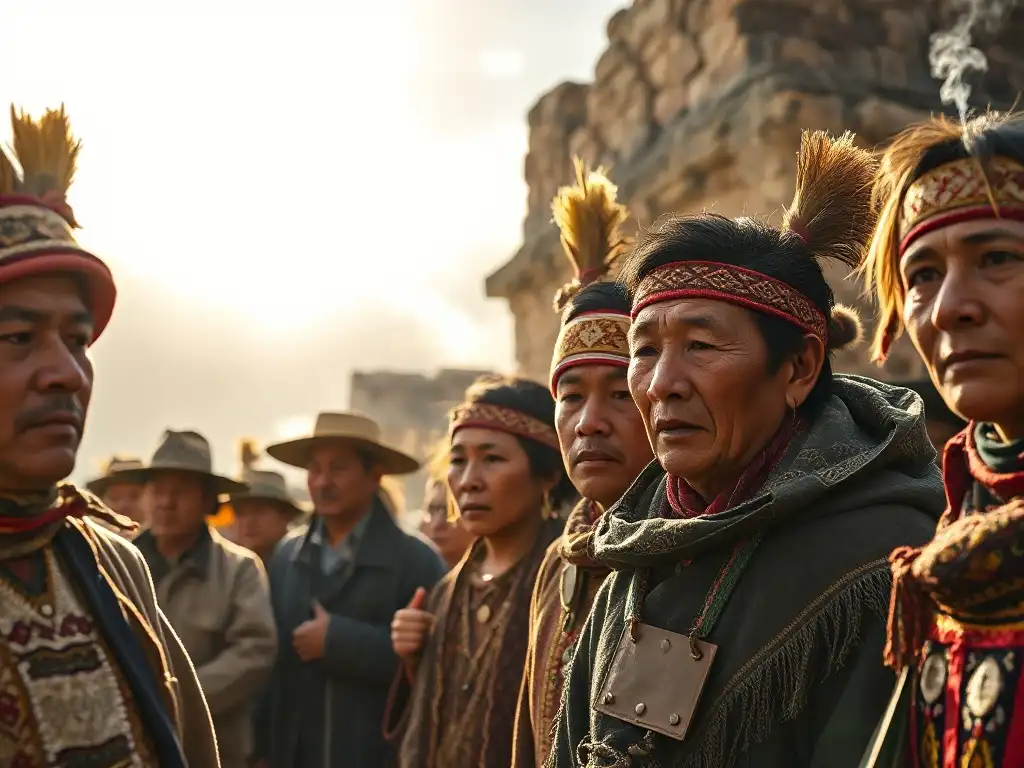
The resurgence of Andean spirituality isn't a monolithic phenomenon; rather, it's a multifaceted movement expressing itself in diverse ways. This revival isn't simply a nostalgic return to the past, but a dynamic process of reinterpretation and adaptation to contemporary life. It’s a testament to the enduring power of Andean cosmovision and its ability to resonate with individuals seeking spiritual meaning in the modern world.
The movement's strength lies in its ability to blend ancient traditions with modern contexts, creating a vibrant and evolving spiritual landscape. This section will explore three key manifestations of this revival: the practice of traditional ceremonies, the reinterpretation of symbols and icons, and the integration of Andean spirituality into daily life.
The Practice of Traditional Andean Ceremonies
The revival of Andean spirituality is significantly marked by a renewed interest in and participation in traditional ceremonies. These ceremonies, often deeply rooted in agricultural cycles and ancestral veneration, are not merely historical reenactments. They are living practices, offering participants a direct connection to the Andean past and a powerful sense of community. The ceremonies vary widely depending on the specific Andean region and tradition, but common elements include offerings to the apus (mountain spirits), the use of coca leaves, and the chanting of ancient prayers.
For instance, the Pachamama ceremonies, dedicated to Mother Earth, are experiencing a significant resurgence. These ceremonies, which involve offerings of food, drink, and other items to the earth, are seen as a way to express gratitude and maintain balance in the natural world. The increased participation in Pachamama rituals reflects a growing awareness of environmental concerns and a desire to reconnect with the natural world in a meaningful way.
Furthermore, the revival also includes ceremonies dedicated to other deities like the sun god, Inti, and the moon goddess, Mama Killa, highlighting the holistic nature of this spiritual awakening. The detailed rituals, passed down through generations, often involve complex choreography, specific attire, and carefully prepared offerings, emphasizing the profound respect for Andean traditions. The sheer number of participants in these ceremonies, across various communities, clearly signals a powerful Andean spirituality revival.
The Reinterpretation of Andean Symbols and Icons
Beyond the revival of ceremonies, the resurgence of Andean spirituality is also evident in the reinterpretation and widespread use of traditional Andean symbols and icons. These symbols, often imbued with deep spiritual meaning, are being adopted and reimagined in various contexts, from contemporary art and fashion to everyday objects and personal adornments. This appropriation isn't simply a superficial trend; it represents a conscious effort to reclaim and recontextualize powerful cultural symbols within a modern framework.
For example, the chakana (Andean cross), a symbol representing the four directions and the cosmos, is increasingly used in jewelry, clothing, and artwork. Similarly, images of apus, condors, and other sacred animals are frequently incorporated into contemporary designs, reflecting a renewed appreciation for the rich symbolic language of Andean culture. This integration transcends mere aesthetic appreciation; the use of these symbols acts as a visual affirmation of Andean identity and spiritual beliefs, subtly weaving Andean spirituality into the fabric of daily life.
The creative reimagining of these symbols, often blended with modern artistic styles, demonstrates the adaptability and enduring relevance of Andean spiritual traditions in the contemporary world. This process of reinterpretation speaks volumes about the ongoing Andean spirituality revival.
The Integration of Andean Spirituality into Daily Life
The most significant aspect of the Andean spirituality revival is its integration into the everyday lives of many people. This isn't limited to formal ceremonies or artistic expressions; it manifests in a deeper, more profound way. It's a shift in worldview, a conscious effort to incorporate Andean principles of balance, harmony, and respect for nature into daily routines and decision-making processes.
This integration can be seen in various aspects of life, from the conscious consumption of local and sustainably produced food to the adoption of traditional healing practices. Many individuals are incorporating Andean principles of reciprocity ( ayni) and community responsibility into their social interactions. The emphasis on living in harmony with nature, a core tenet of Andean spirituality, is inspiring eco-conscious practices and a greater appreciation for the environment.
The increasing popularity of Andean medicinal plants and therapies further demonstrates this integration, showcasing how the revival is influencing health and wellness choices. This seamless incorporation of Andean spirituality into the daily routines of individuals and communities speaks to the deep and lasting impact of this powerful revival. The subtle yet pervasive influence of Andean values on daily life is a powerful indicator of the ongoing Andean spirituality revival.
The Impact of the Andean Spirituality Revival
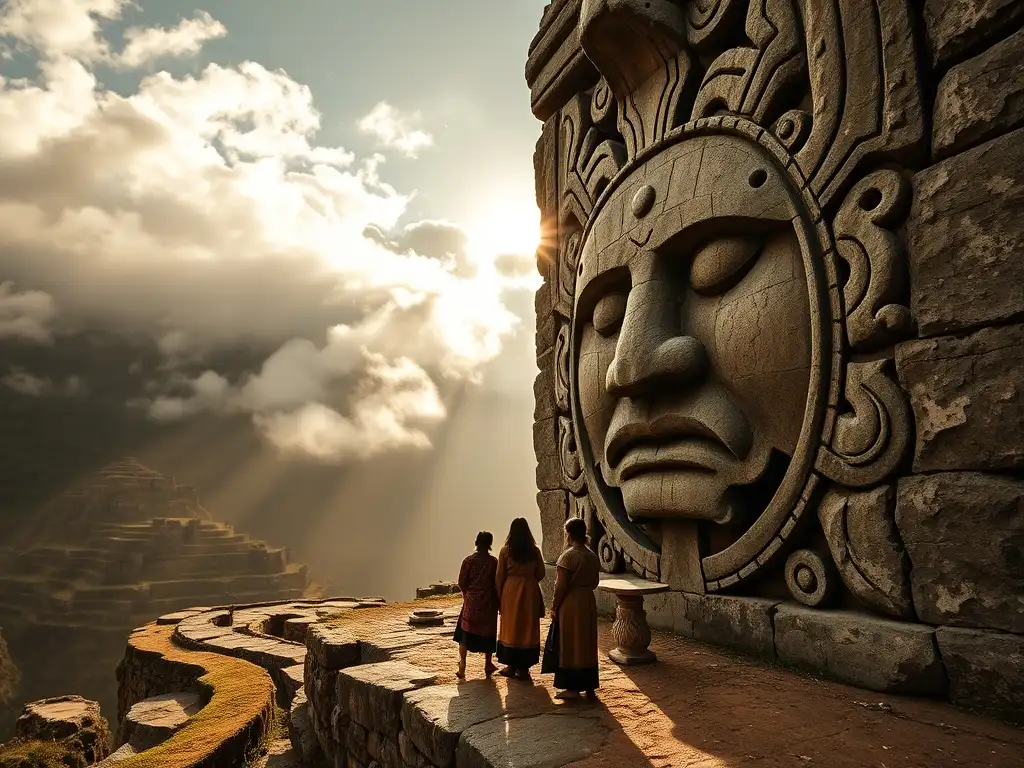
The resurgence of interest in Andean spirituality, often termed the "Andean spirituality revival," is having a profound and multifaceted impact on both Andean communities and the global consciousness. This revival isn't simply a nostalgic look at the past; it's a dynamic movement with tangible effects on cultural preservation, environmental stewardship, and individual well-being. Understanding these impacts requires examining the movement's various facets and their ripple effects.
The renewed focus on ancient Andean practices offers a powerful counterpoint to globalization's homogenizing forces, fostering a sense of pride and connection to a rich heritage. Furthermore, the revival is driving significant positive changes in environmental consciousness and prompting a global search for alternative spiritual paths.
Strengthening Indigenous Cultural Identity
The Andean spirituality revival plays a vital role in strengthening indigenous cultural identity. For centuries, colonization efforts actively suppressed Andean traditions, leading to a loss of language, customs, and spiritual practices. This revival acts as a powerful tool for reclaiming and preserving this invaluable heritage. We see this manifested in several ways:
- Revitalization of Traditional Festivals: Many communities are experiencing a renewed vigor in celebrating traditional Andean festivals, such as Inti Raymi (the Inca festival of the sun) and various Pachamama ceremonies (honoring Mother Earth). These events not only provide a platform for cultural expression but also foster a sense of community and shared identity.
- Increased Language Preservation Efforts: The revival is fueling renewed efforts to preserve and revitalize Quechua and Aymara, the principal languages of the Andes. These languages are integral to the transmission of Andean spiritual knowledge and beliefs. The growing interest in Andean spirituality provides a powerful incentive for language revitalization programs.
- Transmission of Traditional Knowledge: Elders within Andean communities are increasingly sharing their knowledge of traditional healing practices, agricultural techniques, and spiritual rituals with younger generations. This intergenerational transmission of knowledge is crucial for ensuring the survival of Andean traditions.
- Growth of Indigenous-Led Tourism: A positive byproduct is the emergence of indigenous-led tourism initiatives. These initiatives empower local communities by allowing them to share their culture and spiritual practices directly with visitors, generating economic opportunities while preserving their heritage. This fosters economic independence and strengthens community bonds further.
Promoting Environmental Awareness and Sustainability
Andean spirituality is deeply intertwined with a profound respect for nature, viewing the Earth (Pachamama) as a sacred entity worthy of reverence and protection. The revival of this worldview is fostering a significant increase in environmental awareness and promoting sustainable practices:
- Sustainable Agricultural Practices: Traditional Andean agricultural techniques, often passed down through generations, emphasize harmony with nature and minimize environmental impact. The revival of these practices offers valuable lessons for modern agriculture, promoting biodiversity and reducing reliance on harmful chemicals.
- Conservation Efforts: The emphasis on Pachamama and the interconnectedness of all living things motivates many individuals and communities to engage in environmental conservation efforts, from protecting sacred sites to promoting sustainable resource management.
- Resistance to Extractive Industries: The Andean spirituality revival is empowering communities to resist environmentally destructive projects, such as mining and large-scale deforestation, that threaten their sacred lands and traditional ways of life. This resistance highlights the importance of integrating spiritual values into environmental decision-making.
- Promoting Eco-Tourism: The growing interest in Andean spirituality is driving a shift towards eco-tourism, which prioritizes environmental sustainability and benefits local communities. This responsible form of tourism minimizes negative environmental impacts while supporting cultural preservation.
Inspiring a Search for Deeper Meaning and Connection
Beyond its impact on Andean communities, the Andean spirituality revival is inspiring a global search for deeper meaning and connection. In a world increasingly characterized by materialism and alienation, the emphasis on community, harmony with nature, and spiritual interconnectedness resonates deeply with many:
- Increased Interest in Alternative Spiritualities: People from diverse backgrounds are increasingly drawn to Andean spirituality as an alternative to mainstream religious traditions. They seek a more holistic and nature-based approach to spirituality that emphasizes personal growth and connection with the cosmos.
- Mindfulness and Well-being Practices: Many Andean spiritual practices, such as meditation, energy work, and traditional healing modalities, are being integrated into contemporary mindfulness and well-being practices. This demonstrates the adaptability and relevance of Andean traditions to modern life.
- Increased Awareness of Cosmovision: The Andean cosmovision, with its emphasis on the interconnectedness of all things and the spiritual significance of nature, is gaining recognition as a valuable framework for understanding the world and our place within it. This holistic perspective offers a powerful antidote to the fragmented and materialistic worldview that dominates many societies.
- Global Interfaith Dialogue: The revival is fostering greater understanding and dialogue between different spiritual traditions, highlighting the common ground between various belief systems and promoting interfaith harmony. This exchange of knowledge and perspectives enriches both Andean spirituality and other spiritual paths.
The Andean spirituality revival is not merely a historical phenomenon; it's a living, evolving movement with far-reaching implications. Its positive impacts on cultural preservation, environmental sustainability, and individual well-being are undeniable and demonstrate the enduring power of Andean traditions in a rapidly changing world. Further research is needed to fully quantify the extent of this impact, especially regarding its economic and social consequences. However, the evidence clearly points to a significant and positive transformation.
Challenges and Future Directions of Andean Spirituality
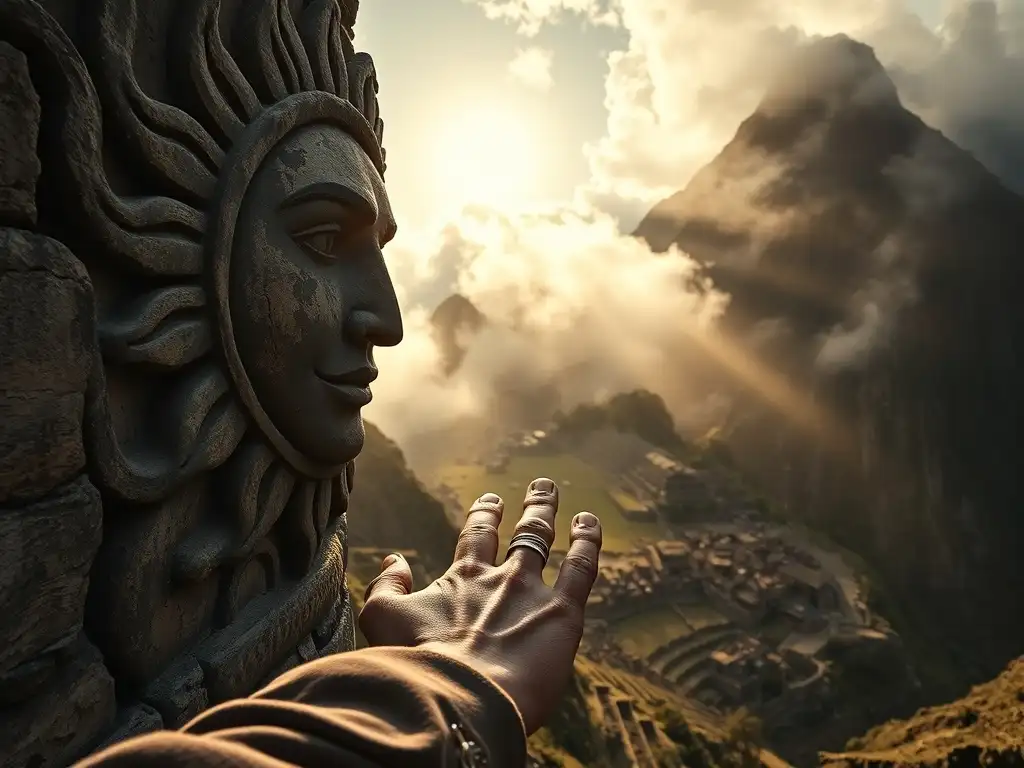
The resurgence of interest in Andean spirituality presents both exciting opportunities and significant challenges. Successfully navigating this revival requires careful consideration of how to balance the preservation of ancient traditions with the realities of the modern world. The core tenets of Andean spirituality, emphasizing harmony with nature ( Pachamama ), reciprocity ( ayni ), and community, must be protected from misrepresentation and exploitation. Understanding these challenges is crucial for ensuring the continued growth of Andean spirituality in a responsible and authentic manner.
One of the primary challenges facing the Andean spirituality revival is the tension between ancient traditions and the demands of modern life. Many contemporary practitioners grapple with adapting ancient rituals and beliefs to a world increasingly dominated by technology and globalization. For example, the use of traditional Andean medicinal plants faces challenges from pharmaceutical industries and modern healthcare systems.
Furthermore, the transmission of knowledge, traditionally passed down orally within families and communities, is threatened by the decline of indigenous languages and the increasing influence of Western education. This requires a conscious effort to document and preserve these traditions through innovative approaches, combining traditional methods with modern technologies such as digital archives and online educational resources. The authenticity of practices needs careful safeguarding to prevent the dilution or distortion of core beliefs.
This includes rigorous scrutiny of individuals and groups claiming expertise in Andean spirituality, emphasizing the importance of lineage and genuine connection to ancestral practices. The goal is not to freeze Andean spirituality in time, but to foster a dynamic evolution that respects its origins while adapting to the present.
Addressing the Commercialization of Andean Spirituality
The growing popularity of Andean spirituality has unfortunately led to its commercialization. The appropriation of sacred symbols and rituals for profit-making ventures, such as tourist-oriented ceremonies or the mass production of Pachamama figurines, risks trivializing deeply meaningful beliefs and practices. This commercialization often occurs without the consent or participation of indigenous communities, leading to cultural disrespect and economic exploitation. Combating this requires a multi-pronged approach.
Firstly, increased awareness and education are vital. Educating the public about the cultural significance of Andean spirituality can help prevent unwitting participation in exploitative practices. Secondly, the development of ethical guidelines and standards for practitioners and businesses operating within this field is necessary.
This could involve the establishment of certification programs or self-regulatory bodies to ensure authenticity and respect for indigenous communities. Finally, supporting indigenous-led initiatives that promote sustainable and respectful forms of cultural tourism can help empower communities and ensure that the benefits of the revival are shared equitably. The aim is to create a system where the commercial aspects of Andean spirituality are managed responsibly and ethically, ensuring its preservation and respecting its cultural integrity.
The Ongoing Evolution of Andean Spiritual Practices
Andean spirituality is not a static entity. It has always been a dynamic system, adapting and evolving over centuries in response to changing circumstances. The current revival is simply another chapter in this ongoing evolution. This means that the Andean spirituality of today will inevitably differ from that of the past, incorporating new influences and interpretations while retaining its core values.
Understanding this inherent dynamism is crucial. For example, the integration of modern psychological and therapeutic techniques alongside traditional healing practices represents a potential avenue for growth. Similarly, the use of digital platforms to connect practitioners and share knowledge can foster a sense of community and facilitate the transmission of traditions across geographical boundaries.
However, this evolution must be guided by principles of respect, authenticity, and ethical responsibility. It's essential to ensure that any changes remain consistent with the underlying philosophy of Andean spirituality, avoiding the adoption of practices that contradict its core tenets or undermine its cultural integrity. The ongoing evolution should be a collaborative process involving both traditional practitioners and modern scholars, ensuring that the richness and depth of Andean spirituality are preserved and celebrated for generations to come.
Conclusion: The Enduring Power of Andean Spirituality
The resurgence of interest in Andean spirituality isn't merely a fleeting trend; it represents a powerful reconnection with a rich and complex heritage. This revival speaks volumes about the enduring appeal of Andean cosmovision, its capacity to resonate with modern sensibilities, and its potential to offer valuable perspectives on contemporary challenges. The renewed focus on ancient Andean practices, beliefs, and deities signifies a deeper understanding and appreciation for the intricate tapestry of Andean culture and its profound impact on the region's identity.
This isn't simply about revisiting the past; it's about reclaiming and reinterpreting ancient wisdom for the benefit of present and future generations. The continued exploration and dissemination of knowledge surrounding Andean spirituality will undoubtedly enrich our understanding of human spirituality as a whole.
The Legacy of Andean Wisdom for Future Generations
The revival of Andean spirituality offers a unique opportunity to learn from the past and build a more sustainable and harmonious future. Ancient Andean practices, such as sustainable agriculture techniques and a deep respect for the natural world, offer valuable lessons for addressing modern environmental challenges. The emphasis on community, reciprocity ( ayni ), and collective well-being provides a powerful counterpoint to the often individualistic focus of modern society.
By studying and understanding the intricate relationship between the Andean people and their environment, we can gain crucial insights into achieving a more balanced and equitable relationship with nature. The emphasis on interconnectedness – between humans, nature, and the supernatural – offers a holistic worldview that can inspire innovative approaches to social and environmental problems.
This legacy extends beyond practical applications; it offers a profound philosophical and spiritual framework for navigating the complexities of the modern world. The wisdom encoded in Andean traditions holds the potential to foster a more just, equitable, and sustainable future for all.
The Continued Relevance of Andean Spirituality in a Modern World
Despite the passage of centuries, the core tenets of Andean spirituality continue to hold relevance in the 21st century. The focus on interconnectedness, for example, resonates deeply with contemporary concerns about climate change and global interconnectedness. The emphasis on community and reciprocity offers a powerful antidote to the isolation and inequality that plague many modern societies.
Furthermore, the Andean understanding of the sacredness of nature provides a compelling framework for environmental stewardship. The revival of Andean spiritual practices, such as ceremonies honoring the apus (mountain spirits) or rituals connected to agricultural cycles, provides a tangible way to connect with the natural world and foster a sense of belonging and purpose. This isn't about a blind adherence to ancient traditions; rather, it's about adapting and reinterpreting these traditions to meet the needs of a modern world while preserving their essential essence.
The Andean spirituality revival demonstrates the enduring power of ancient wisdom to offer guidance and inspiration in navigating the challenges of the modern age. The ongoing exploration and understanding of Andean beliefs and practices will continue to enrich our understanding of human spirituality and its capacity to adapt and evolve across time. This continuing evolution ensures the enduring legacy of the Andean spirituality revival for generations to come.
Frequently Asked Questions
What is the Andean spirituality revival?
The Andean spirituality revival is a growing movement focused on the reconnection with ancient Andean spiritual practices, beliefs, and traditions. It involves a renewed interest in indigenous cosmovisions and a rejection of colonial influences. This includes practices like Pachamama veneration.
Why is Andean spirituality experiencing a resurgence now?
Several factors contribute, including a growing awareness of indigenous cultures, a desire for alternative spiritual paths, and increased access to information about Andean traditions. Many seek a deeper connection to nature and their heritage. Neo-indigenismo also plays a role.
What are some key practices within the Andean spirituality revival?
Practices often include ceremonies honoring Pachamama (Mother Earth), using Andean medicinal plants, and engaging in rituals connected to the Andean cosmos and its deities. Ancestor veneration is also significant. Many incorporate these within a contemporary context.
How does the Andean spirituality revival differ from traditional Andean religions?
The revival often blends traditional practices with modern interpretations and sensitivities. While respectful of ancient beliefs, the revival is adapting to contemporary needs and contexts, sometimes incorporating elements from other spiritualities. It's a syncretic movement.
Where can I learn more about the Andean spirituality revival?
You can find information through ethnographic studies, academic research on Andean cultures, books focusing on Andean spirituality, and documentaries. Connecting with indigenous communities (with respect and sensitivity) can also provide valuable insight, though it's crucial to approach with humility and avoid appropriation.
Final Reflection: Echoes of the Andes, Whispers of the Future
The resurgence of Andean spirituality is not merely a historical curiosity; it's a vibrant, living testament to the enduring power of indigenous wisdom in a rapidly changing world. This renewed interest reflects a growing global hunger for authentic connection, for spiritual practices that resonate deeply with the earth and its rhythms, and for a more holistic understanding of life beyond the confines of conventional belief systems. The ancient wisdom of the Andes offers a powerful antidote to the alienation and fragmentation of modern life.
The enduring influence of Andean cosmology, with its emphasis on interconnectedness, reciprocity (ayni), and respect for Pachamama (Mother Earth), is profoundly relevant today. We are witnessing a global awakening to the urgent need for environmental stewardship and social justice, values deeply embedded within Andean traditions. The earth is not something we inherit from our ancestors, it is something we borrow from our children.
This sentiment, though not originating in Andean culture, perfectly encapsulates the profound respect for the natural world that underpins Andean spirituality and resonates deeply with contemporary ecological concerns.
Consider the profound wisdom woven into the Andean worldview. Reflect on the concept of ayni, the principle of reciprocity and balance. How can you apply this principle to your own life, fostering stronger relationships and a greater sense of community? Embrace the opportunity to learn from the ancient wisdom of the Andes, to connect with the earth, and to cultivate a more meaningful and fulfilling life. Let the echoes of the Andes inspire you to create a future where spiritual harmony and ecological balance coexist.
Embrace and Elevate Andean Wisdom Today!
Thank you for exploring the fascinating resurgence of Andean spirituality with us! We hope you've gained valuable insights into this enriching movement and its profound impact on modern life. Now, let's put that inspiration into action.
Here are some ways to connect more deeply with this vibrant tradition:
- **Join a community:** Connect with like-minded individuals to share experiences and insights—whether online or in person.
- **Participate in workshops or ceremonies:** Immerse yourself in Andean practices and teachings through events led by experienced practitioners.
- **Share your experiences:** Inspire others by sharing your journey on social media, using relevant hashtags to contribute to a broader conversation.
Reflect on the wisdom of the Andes and consider how you can integrate its most resonant aspects into your daily life.