
How Did the Moche Manage Their Surplus?: An Exploration of Their Food Storage Methods

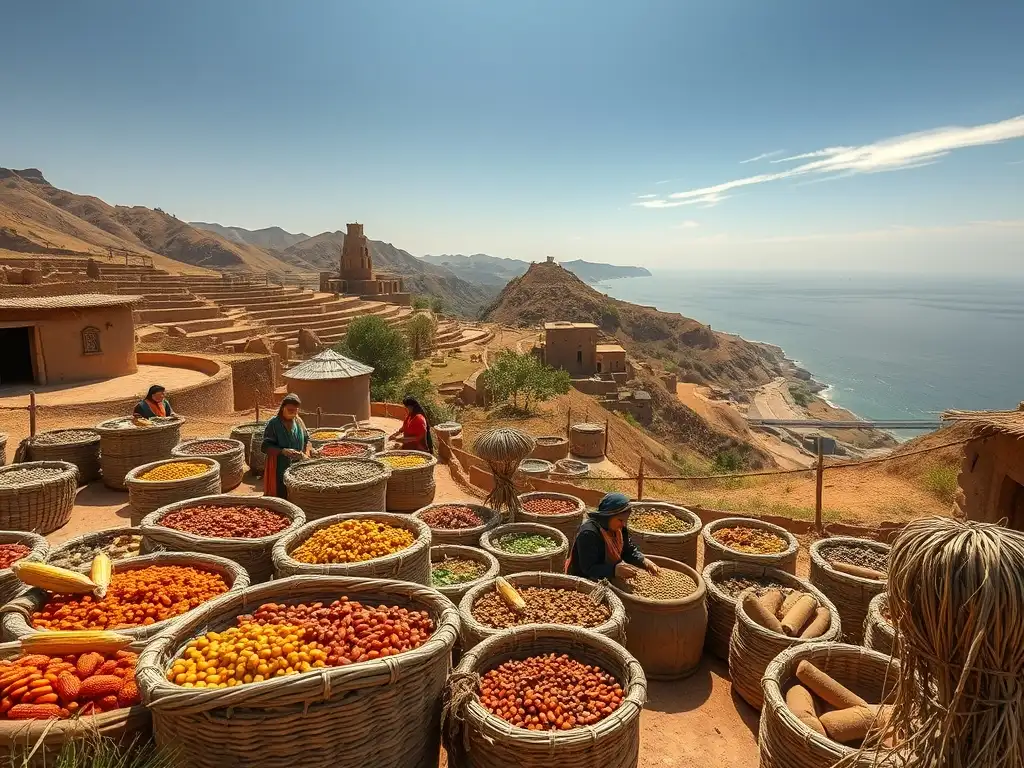
Step into a world lost to time, yet echoing with the ingenuity of a remarkable people. Imagine a civilization thriving in the harsh Andes, their mastery of agriculture rivaling any modern marvel. How did the Moche, renowned for their intricate artistry and powerful rulers, manage to store enough food to sustain their vast communities? Uncover the secrets of their innovative Moche food storage methods—a testament to their advanced understanding of agriculture and resource management—and delve into the fascinating world of Andean ingenuity. Prepare to be amazed.
- Moche Food Storage Methods: Managing Surplus in Ancient Peru
- Moche Techniques for Preserving Food
- Moche Storage Strategies: Beyond the Basics
- The Significance of Moche Food Storage in Andean History
-
Frequently Asked Questions
- What were the primary food sources for the Moche civilization?
- How did the Moche store their abundant corn harvests?
- What role did pottery play in Moche food storage?
- Besides pottery, what other storage techniques did the Moche employ?
- How effective were the Moche's food storage methods in ensuring food security?
- Final Reflection: Unearthing the Legacy of Moche Ingenuity
- Unveil the Secrets of the Moche's Surplus Management!
Moche Food Storage Methods: Managing Surplus in Ancient Peru
The Moche civilization (circa 100-800 CE), flourishing along the arid northern coast of Peru, developed sophisticated agricultural techniques to overcome the challenges of their desert environment. Their success, however, created a new problem: surplus food production. This article delves into the ingenious methods the Moche employed to store and preserve their agricultural bounty, ensuring year-round sustenance and supporting their complex social and political structures.
Understanding their food storage strategies offers crucial insights into the ingenuity and resilience of this remarkable Andean culture, highlighting their ability to adapt and thrive in a challenging landscape. We will explore the various techniques, the societal implications of their success, and the lasting impact of their innovations on subsequent Andean civilizations. This exploration will illuminate the critical role of efficient food storage in the Moche's remarkable achievements, answering the question: how did the Moche manage their surplus?
This analysis will focus on the key aspects of their food storage methods, providing concrete examples and evidence from archaeological findings. The keyword "Moche food storage methods" will be addressed throughout, with semantic variations used to enhance search engine optimization (SEO).
Understanding the Importance of Food Storage in Moche Society
The Moche were not simply farmers; they were master engineers of their environment. Their intricate irrigation systems, such as the canal networks that channeled water from rivers to their fields, were essential for cultivating crops like maize, beans, squash, and cotton. However, the unpredictable nature of the coastal desert climate meant that periods of abundance were often followed by droughts or other natural disasters. Therefore, effective food storage was not just a convenience but a matter of survival. It allowed the Moche to:
- Survive lean periods: Storing surplus food ensured the population could withstand periods of scarcity, preventing widespread famine.
- Support specialized labor: A stable food supply enabled the development of specialized labor, including artisans, priests, and warriors, who were not directly involved in food production.
- Maintain social order: Access to stored food likely played a crucial role in maintaining social hierarchy and political power. The elite likely controlled the distribution of stored resources, consolidating their authority.
- Facilitate trade and exchange: Surplus food could be traded for other goods and resources, strengthening economic ties within and beyond the Moche territory.
The importance of these aspects is underscored by the significant investment the Moche made in their storage infrastructure, demonstrating a sophisticated understanding of logistics and resource management. Archaeological evidence points towards a complex system involving various methods and technologies adapted to specific food types and environmental conditions.
The Challenge of Surplus Management in the Moche Civilization
Managing surplus food production presented considerable logistical challenges for the Moche. The arid climate necessitated the development of effective preservation techniques to prevent spoilage. Furthermore, the large quantities of food produced required substantial storage facilities capable of protecting against pests, moisture, and theft. The Moche addressed these challenges through a combination of innovative methods:
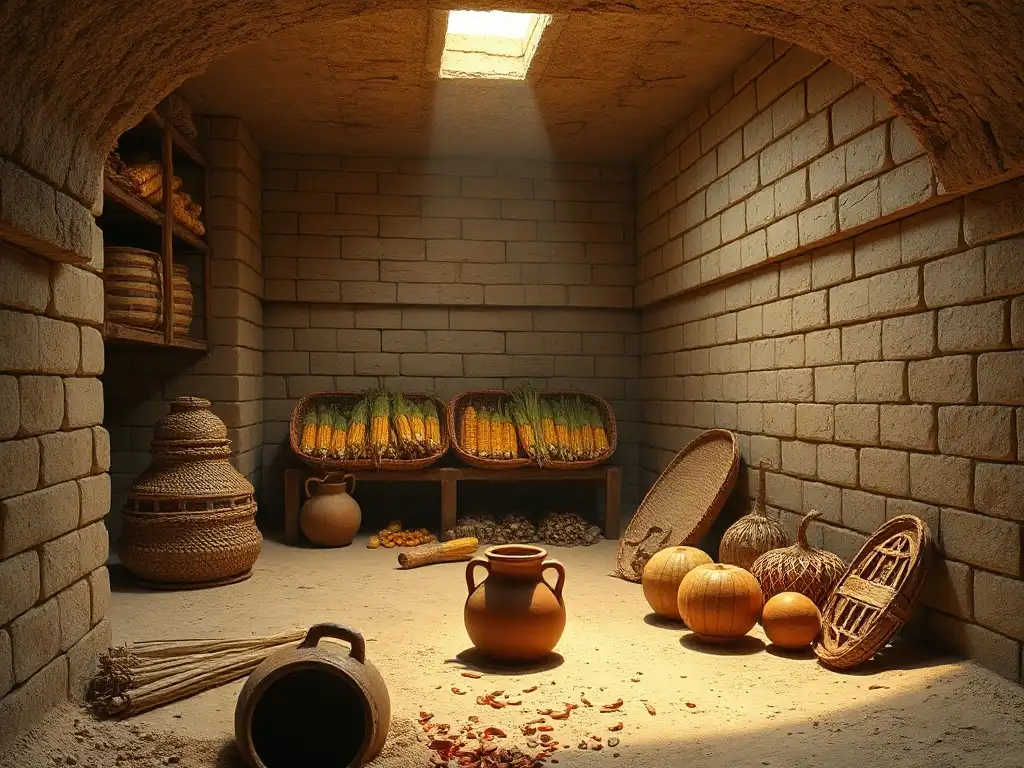
- Underground storage pits: These were commonly used for storing grains and other dry goods. The cool, dry conditions of the underground environment helped to preserve the food for extended periods. The size and number of these pits varied depending on the location and the scale of agricultural production. Some sites have revealed extensive networks of interconnected pits, suggesting sophisticated planning and management.
- Elevated storage structures: Raised granaries protected food from rodents and flooding. These structures were often made of adobe bricks or other locally available materials and varied in size and complexity. Their design likely reflected the social status of the community or individual owning the granary.
- Food processing and preservation: The Moche employed various food processing techniques, such as drying, salting, and fermentation, to extend the shelf life of perishable foods. These methods significantly increased the amount of food that could be stored and consumed throughout the year. Archaeological finds of preserved foods, such as dried fish and fermented beverages, provide evidence of their advanced preservation techniques.
The successful implementation of these diverse storage strategies highlights the Moche's remarkable capacity for organization and planning, essential for managing the complexities of a large and prosperous society. The scale and sophistication of their storage systems underscore the significance of food security in shaping their social, economic, and political landscape. Further research into the specific materials used, the design of storage facilities, and the social organization of food distribution will enhance our understanding of this fascinating aspect of Moche life.
Moche Techniques for Preserving Food
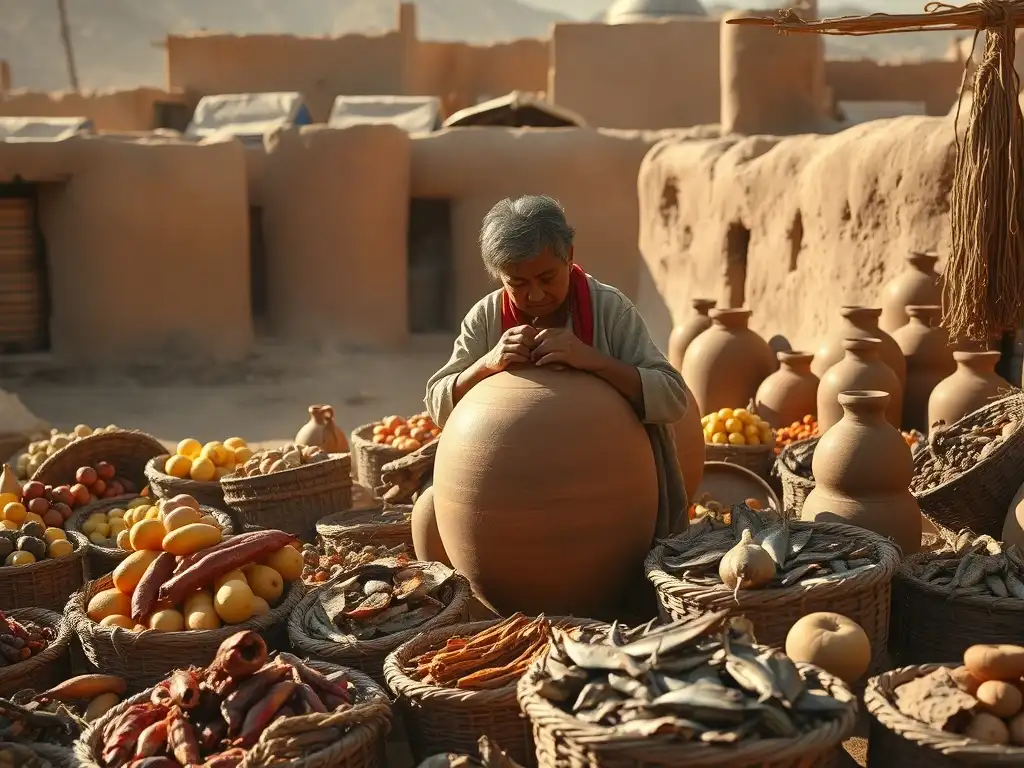
The Moche civilization, renowned for its sophisticated irrigation systems and agricultural prowess, developed ingenious methods for preserving food surpluses. Their ability to store food effectively was crucial for their survival, especially during periods of drought or other environmental challenges. Understanding their food storage methods provides valuable insight into their societal organization and economic strategies. This section will explore some of the key techniques employed by the Moche to ensure food security throughout the year. The effectiveness of these "Moche food storage methods" is evident in the archaeological record, showcasing their advanced understanding of food preservation and logistics.
Sun Drying: A Key Method for Food Conservation
Sun drying was a primary method employed by the Moche for extending the shelf life of various food items. The arid coastal climate of northern Peru provided ideal conditions for this technique, minimizing the risk of spoilage due to excess moisture. The Moche expertly harnessed the power of the sun to preserve a range of foodstuffs, significantly enhancing their food security.
Sun Drying of Fish and Seafood in Moche Coastal Regions
The Moche were prolific fishermen, and their coastal location provided abundant access to diverse seafood. To prevent spoilage, they employed sun drying on a large scale. Archaeological evidence reveals the presence of extensive drying racks along the coast, suggesting organized and efficient processes.
Fish, shellfish, and other marine products were likely cleaned, filleted, and spread out on these racks to dry under the intense Andean sun. This process not only removed moisture, inhibiting bacterial growth, but also concentrated the flavors and nutrients, leading to a longer-lasting food source. The dried seafood likely formed a significant portion of the Moche diet, supplementing their agricultural produce.
Sun Drying of Vegetables and Tubers for Long-Term Storage
Beyond seafood, the Moche also used sun drying to preserve agricultural products. A variety of vegetables and tubers, crucial components of their diet, were likely sun-dried to extend their usability. Examples include peppers (ají), beans, and various root crops adapted to the harsh desert conditions. The process involved cleaning, slicing, and spreading the produce thinly to ensure even drying. This method prevented spoilage and allowed the Moche to enjoy these staples even during periods when fresh produce was scarce. The dried vegetables and tubers were likely stored in appropriate containers to protect them from pests and moisture.
Storage in Elevated Structures: Protecting Food from Flooding and Pests
In addition to sun drying, the Moche employed sophisticated storage structures to protect their food surpluses from the elements and pests. Their strategic construction of elevated granaries and warehouses demonstrates a remarkable understanding of food preservation logistics and a commitment to long-term food security.
Granaries and Warehouses: Moche Structures for Grain Preservation
The Moche built various types of granaries and warehouses, meticulously designed to safeguard their grain harvests. These structures were often constructed from adobe bricks or stone, providing robust protection against the elements. Elevated platforms prevented flooding during the rainy season, a common occurrence in the valleys. Furthermore, the elevated position likely discouraged rodent infestations, a significant threat to stored grain. The size and number of these structures suggest substantial grain storage capabilities, capable of sustaining the population during lean times.
Elevated Platforms: Securing Food in Moche Settlements
Beyond large-scale granaries, the Moche also utilized smaller elevated platforms within their settlements for food storage. These platforms, often integrated into residential structures, provided a safe and dry space for storing smaller quantities of food. This decentralized approach ensured that families had access to essential supplies even if larger storage facilities were compromised.
The construction of these platforms showcases the Moche's commitment to food security at both the community and household levels. The careful design and strategic placement of these storage solutions highlight their advanced understanding of practical preservation techniques. This ingenuity is a testament to the Moche's ability to adapt and thrive in a challenging environment.
Specialized Pottery for Food Storage
The Moche civilization, renowned for its sophisticated artistry and engineering prowess, developed highly specialized pottery techniques directly related to their food storage needs. Their ceramic vessels weren't merely functional; they were carefully crafted to optimize preservation and minimize spoilage. The clay itself, often sourced from specific regions known for their quality, played a crucial role.
The selection of clay type, along with the firing techniques employed, directly impacted the vessel's porosity and its ability to maintain a stable internal environment, crucial for long-term food storage. Furthermore, the Moche demonstrated a deep understanding of the relationship between vessel shape, size, and the type of food stored within. This knowledge, honed over generations, allowed them to effectively preserve a wide range of foodstuffs, from grains and liquids to potentially more perishable items.
The meticulous attention to detail evident in their pottery reflects the importance they placed on food security. Their advanced ceramic technology allowed them to effectively address the challenges of preserving food in a varied and often harsh climate. This sophisticated approach to food preservation was integral to the Moche's success as a thriving civilization.
Large Ceramic Vessels: Moche Techniques for Grain and Liquid Storage
Moche artisans created enormous ceramic vessels, some reaching impressive heights and diameters. These weren't simply oversized versions of smaller containers; their design incorporated specific features optimized for storing large quantities of grains and liquids. The large size provided significant storage capacity, enabling the Moche to stockpile sufficient food to withstand periods of scarcity, such as droughts or crop failures. The construction of these vessels was remarkably robust.
Thick walls provided structural integrity, protecting the contents from damage and external elements. Some vessels featured narrow necks, helping to minimize evaporation and maintain the integrity of stored liquids. Others possessed broad, flat bases, providing stability and preventing tipping.
Analysis of recovered vessels reveals evidence of specific surface treatments, possibly applied to enhance the vessels' impermeability and further reduce moisture loss. The scale and sophistication of these large ceramic vessels underscore the Moche's advanced understanding of storage logistics and their commitment to ensuring food security for their population. The sheer volume of food these containers could hold speaks to a well-organized system of agricultural production and distribution.
Sealed Containers: Ensuring the Longevity of Preserved Foodstuffs
Beyond the size and construction of their vessels, the Moche also employed advanced sealing techniques to extend the shelf life of preserved foodstuffs. Many Moche containers were designed with carefully fitted lids, often secured with clay or organic materials. This meticulous sealing prevented air and moisture from entering, thereby inhibiting the growth of mold and bacteria.
Archaeological evidence suggests the use of various sealing compounds, some possibly incorporating natural resins or waxes, to create an airtight seal. The effectiveness of these sealing methods is supported by the discovery of well-preserved food remains within Moche containers. These findings highlight the Moche's profound understanding of preservation principles, demonstrating their ability to extend the usability of stored food significantly.
The development and implementation of these sophisticated sealing techniques represent a critical advancement in food storage technology and contributed significantly to the Moche's ability to manage food surpluses effectively. This commitment to preserving food resources showcases their ingenuity and resourcefulness in ensuring the long-term well-being of their communities.
Moche Storage Strategies: Beyond the Basics
The Moche civilization (c. 100-800 CE) thrived along the arid northern coast of Peru, a challenging environment demanding sophisticated strategies for food production and, critically, Moche food storage methods. Their success wasn't solely dependent on innovative irrigation techniques; efficient storage was equally vital to their survival and societal stability. This section delves into the nuanced approaches the Moche employed, revealing a system far more complex than simple granaries.
Understanding their storage techniques offers valuable insights into their societal organization, economic practices, and overall resilience in the face of environmental unpredictability. The Moche weren't simply storing food; they were managing resources crucial to their social and political structures.
Regional Variations in Moche Food Storage Practices
The Moche's food storage practices weren't uniform across their territory. Environmental diversity, coupled with varying agricultural and maritime resources, dictated regional variations in storage techniques and the types of food stored.
Coastal Strategies for Maritime Resources
Coastal Moche communities, heavily reliant on fishing and shellfish, employed different storage methods than their inland counterparts. Evidence suggests the use of sun-drying for fish and shellfish, extending their shelf life considerably. The arid climate of the coast provided an ideal environment for this preservation technique. Furthermore, the construction of specialized pits, possibly lined with clay or other materials to prevent moisture absorption, likely served as storage for dried seafood.
These pits, often located near fishing villages, would have been carefully managed to avoid spoilage. Archaeological investigations are ongoing, and further research might reveal more about the precise construction and capacity of these storage structures. The efficiency of these coastal Moche food storage methods allowed for the year-round consumption of vital protein sources.
Inland Strategies for Agricultural Products
Inland Moche communities focused on agriculture, primarily maize, beans, and squash. Their storage solutions centered around above-ground and underground structures. Above-ground structures, possibly made from woven materials or adobe, protected harvests from pests and the elements. Underground storage, however, offered superior protection from temperature fluctuations and pests, critical for long-term preservation.
The exact design and construction methods of these underground storage facilities remain a subject of ongoing research. Some evidence points towards the use of sealed clay pots or jars for storing smaller quantities of grain, while larger quantities may have been kept in larger subterranean structures. The variation in storage methods likely reflects the scale of production and the needs of different settlements. The successful implementation of diverse inland Moche food storage methods contributed significantly to the stability of their agricultural economy.
The Moche's sophisticated food storage system wasn't simply a matter of practical preservation; it was intricately linked to their complex social hierarchy and power dynamics.
Centralized Control Over Food Reserves
Evidence suggests a degree of centralized control over food reserves. Large storage facilities discovered at some sites might indicate the existence of state-controlled granaries, used to manage surplus production and redistribute resources during times of scarcity. This centralized system could have been used to maintain political power and ensure social stability.
The elite likely held considerable influence over the distribution of food, reinforcing their authority and social standing. Further research is needed to pinpoint the exact mechanisms of this distribution, including the role of taxation or tribute systems. The scale and complexity of the Moche state's involvement in food management remain key areas of ongoing investigation.
Community Storage and Shared Resources
While centralized control played a significant role, it's unlikely that the Moche's food storage system was entirely centralized. Smaller storage facilities found in residential areas suggest community-level storage and resource sharing. This system likely provided a safety net for individuals or families facing hardship, fostering social cohesion and resilience. The combination of centralized and decentralized storage might reflect a nuanced system designed to balance the needs of the state and the community.
This dynamic interaction between centralized control and community-level resource management is a crucial aspect of understanding Moche society and their adept management of their food supply. The balance between these two systems is a fascinating area for further study, potentially revealing more about the social fabric of the Moche civilization. The interplay of these elements, the centralized and the community-based, provides a compelling picture of a well-organized society effectively managing its resources.
The Significance of Moche Food Storage in Andean History
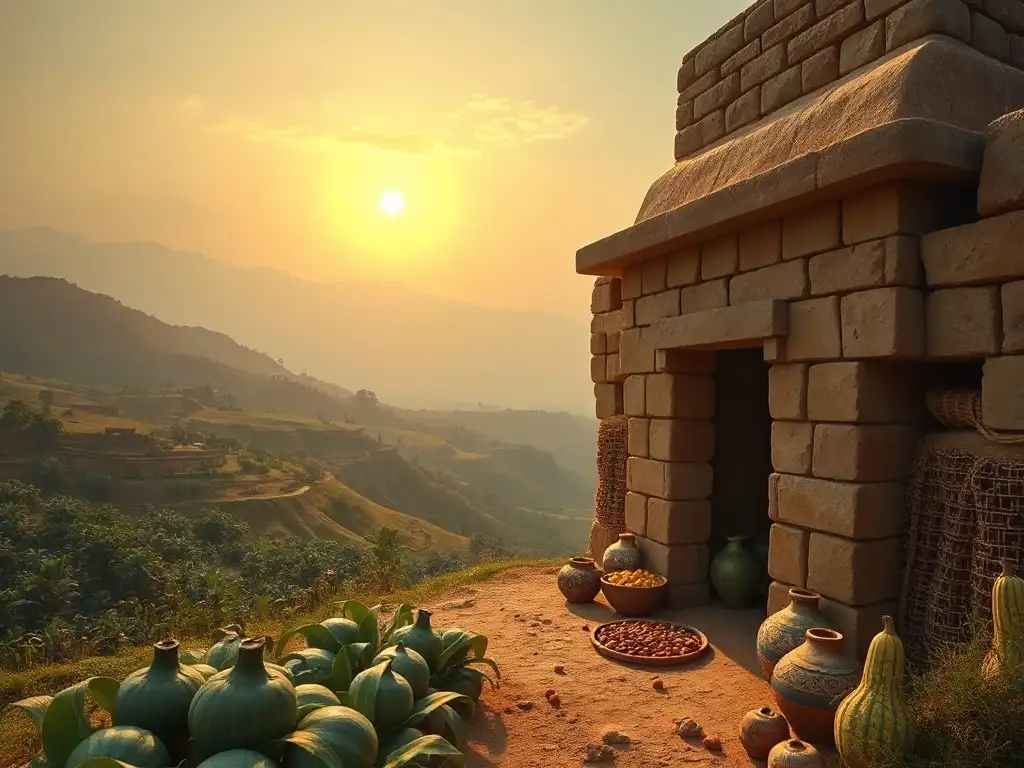
The Moche civilization (c. 100-800 CE), renowned for its sophisticated irrigation systems and impressive artistic achievements, also possessed remarkably advanced food storage methods. Understanding these techniques is crucial to appreciating the complexity of their society and its ability to thrive in a challenging desert environment. Their success wasn't solely dependent on agricultural prowess; the efficient preservation and distribution of surplus food were equally vital for maintaining social stability and supporting population growth.
The sophisticated Moche food storage methods weren't just about survival; they were integral to the cultural and political landscape of the civilization. Their ability to store food effectively allowed for the development of specialized labor, the creation of larger settlements, and ultimately, the flourishing of a complex societal structure.
This contrasts sharply with some contemporaneous societies that struggled with periodic famines. The Moche, by contrast, demonstrated a remarkable level of foresight and ingenuity in their approach to food security.
Effective Moche food storage methods were fundamental to their social stability. The ability to stockpile surplus harvests acted as a buffer against the inevitable fluctuations in agricultural yields caused by El Niño events or other climatic variations. This ensured a consistent food supply, preventing widespread famine and social unrest. Archaeological evidence suggests that the Moche elite played a significant role in managing these storage facilities and distributing resources.
This centralized control likely helped maintain social order and prevent conflict over food access. Furthermore, the surplus food may have been used to support specialized craftspeople and religious leaders, further solidifying the social hierarchy. The existence of large-scale storage facilities, as evidenced by excavations, points to an organized system of food management that extended beyond individual households.
This centralized system likely facilitated trade and exchange within the Moche territory, strengthening social bonds and economic ties across different communities. The success of the Moche in managing food security contributed significantly to the longevity and prosperity of their civilization. Imagine the societal implications of a consistent food supply in a harsh desert environment – it fostered trust, cooperation and reduced the likelihood of conflict over scarce resources.
Lessons from Moche Storage Practices for Modern Societies
The ingenuity of the Moche in developing effective food storage techniques offers valuable lessons for modern societies, particularly in addressing issues of food security and sustainability. Their methods, though ancient, highlight the importance of diverse storage solutions adapted to local conditions. For example, the use of subterranean storage pits protected food from temperature fluctuations and pests, a principle that remains relevant today in certain contexts.
The Moche’s emphasis on efficient preservation techniques, like drying and fermentation, minimizes waste and extends the shelf life of food products – practices that are gaining renewed interest in sustainable agriculture. Studying their logistical strategies for distributing stored food across their vast territory can inform modern supply chain management and disaster preparedness strategies. By understanding the successes and failures of the Moche, we can gain insights into building more resilient food systems that are capable of withstanding climate change and other unforeseen challenges.
Furthermore, their methods remind us of the importance of community involvement in food security initiatives. The Moche's success was likely a result of collective effort, planning and resource management. Modern food security strategies can benefit from similar collaborative approaches.
Further Research into Moche Food Storage and Distribution Systems
Further research is needed to fully understand the intricacies of Moche food storage and distribution systems. More detailed analysis of archaeological sites containing storage facilities, including a more precise dating of the structures, is crucial. Detailed studies of plant and animal remains recovered from these sites can provide further insights into the types of food stored and their preservation techniques. Ethnobotanical studies exploring similar traditional food preservation methods in contemporary Andean communities could shed light on the Moche practices.
Technological advancements in archaeobotany and archaeozoology can offer more precise information about the diet and agricultural practices of the Moche. Furthermore, a more comprehensive analysis of the social organization of the Moche and the roles played by different social groups in food production, storage, and distribution is necessary. This could involve a comparative analysis with other contemporary Andean societies to understand the unique aspects of the Moche's approach.
Finally, the application of Geographic Information Systems (GIS) to map storage facilities and analyze their spatial distribution could reveal patterns of food production, storage, and trade within the Moche territory. By integrating these various approaches, a more complete picture of the sophisticated Moche food storage and distribution systems can be achieved. This will improve our understanding of this crucial aspect of their civilization and its lasting legacy.
Frequently Asked Questions
What were the primary food sources for the Moche civilization?
The Moche relied heavily on agriculture, with corn, beans, squash, and potatoes forming the base of their diet. They also supplemented their food with fish, seafood, and camelids like llamas and alpacas.
How did the Moche store their abundant corn harvests?
The Moche utilized various methods, including underground storage pits lined with clay and granaries made from adobe bricks or woven materials. These structures helped protect their crops from pests and the elements.
What role did pottery play in Moche food storage?
Pottery was crucial. Large jars and vessels were used to store dried foods, grains, and liquids. Their elaborate designs often depicted agricultural scenes and deities associated with abundance.
Besides pottery, what other storage techniques did the Moche employ?
They also used woven bags and baskets for storing smaller quantities of food. These were often made from natural materials like reeds and fibers, readily available in their environment.
How effective were the Moche's food storage methods in ensuring food security?
Their diverse and well-developed storage techniques were remarkably effective, enabling them to survive periods of drought and scarcity. This contributed to the stability and growth of their civilization.
Final Reflection: Unearthing the Legacy of Moche Ingenuity
The Moche civilization's sophisticated food storage techniques weren't merely practical solutions; they were a testament to their profound understanding of resource management and a cornerstone of their societal success. Their ability to predict and prepare for lean times, using methods we are only now beginning to fully appreciate, offers valuable lessons for our own era grappling with issues of food security and sustainability.
The ingenuity of the Moche in developing such diverse and effective storage methods continues to resonate today, reminding us of the importance of planning and resourcefulness in the face of environmental challenges. Their success wasn't solely about technological innovation; it was deeply intertwined with their social structures and spiritual beliefs. The Moche were masters of their environment, not its victims,
as one archaeologist has noted, highlighting the crucial connection between their culture and their ability to thrive. This understanding of the interconnectedness of societal structures and environmental stewardship remains a crucial lesson for modern societies.
Consider the implications of the Moche's achievements. Their methods, though ancient, offer a blueprint for sustainable practices that we can adapt and apply to our own challenges. Think about your own consumption habits, your community's approach to food security, and the impact of climate change on global food production. What steps can you take to ensure a more sustainable and equitable future, inspired by the wisdom of a civilization that thrived thousands of years ago? Let the legacy of the Moche inspire you to act.
Unveil the Secrets of the Moche's Surplus Management!
Thank you for exploring the fascinating world of the Moche and their ingenious food storage techniques. You've gained valuable insights into how these practices sustained their civilization. Now, let's put that knowledge to use!
Here are some ways to further your understanding and connect with others who share your interest:
- **Learn more** about ancient civilizations by exploring our related articles on sustainable practices in Andean cultures.
- **Share your discoveries** on social media! Post a summary of your findings and invite friends to discuss the effectiveness of Moche food storage strategies.
- **Join our online community** forum on Andean Civilizations to connect with fellow history enthusiasts and discuss how ancient methods can inspire modern sustainable practices.
Which aspect of Moche agriculture, in your opinion, could improve the efficiency of today's food systems?