
The Astronomical Alignments of Tiahuanaco: Connecting Architecture to the Cosmos

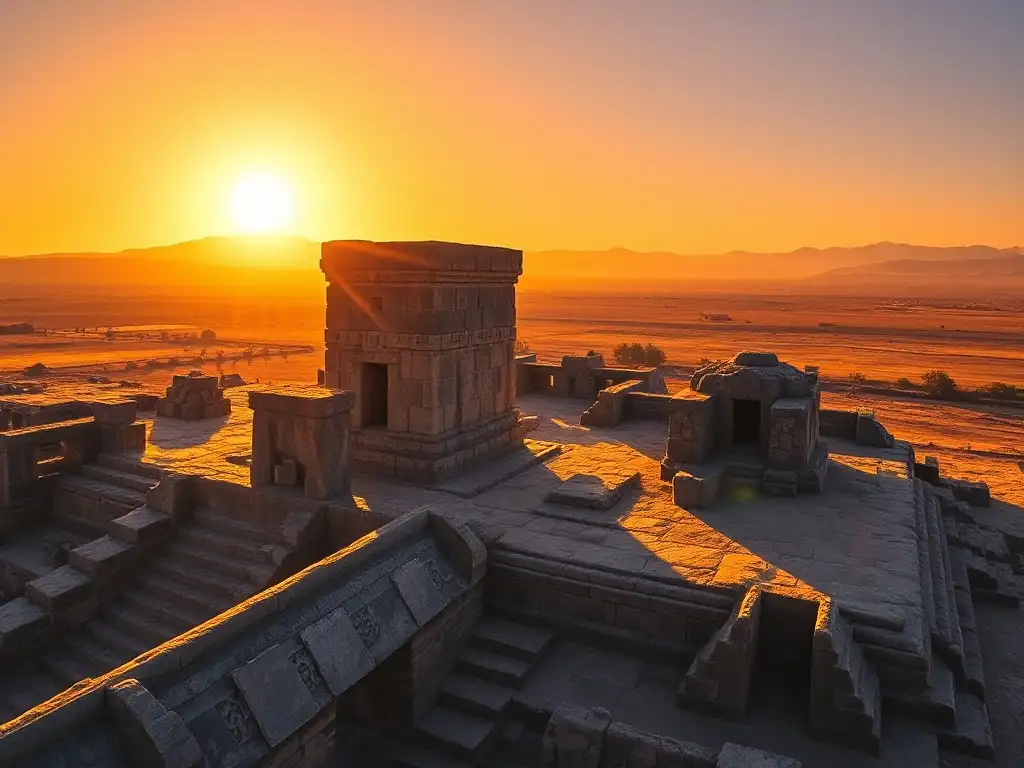
Prepare to be amazed. Journey with us into the heart of the Andes, where ancient mysteries whisper from the stones. For centuries, the enigmatic Tiahuanaco civilization has captivated the world, and now, we delve into the breathtaking precision of their Tiahuanaco astronomical alignments. Were these monumental structures merely temples, or did they serve a far greater, cosmic purpose? Discover the secrets hidden within the architecture and unlock the celestial knowledge of a lost civilization. Explore the wonders that await you.
- Tiahuanaco Astronomical Alignments: Connecting Architecture to the Cosmos
- The Cosmological Vision of Tiahuanaco
- Alignments with Celestial Bodies in Tiahuanaco
- The Kalasasaya Temple: A Showcase of Astronomical Precision
- The Akapana Pyramid: Celestial Connections
- Other Structures and their Potential Astronomical Functions
- Decoding the Astronomical Knowledge of Tiahuanaco
- The Importance of Tiahuanaco's Astronomical Alignments
-
Frequently Asked Questions
- What are the Tiahuanaco astronomical alignments?
- How were these alignments discovered and studied?
- Which structures in Tiahuanaco show significant astronomical alignments?
- What is the significance of these astronomical alignments to the Tiahuanaco culture?
- Are there any controversies or ongoing debates surrounding the Tiahuanaco astronomical alignments?
- Final Reflection: Echoes of the Andes: Tiahuanaco's Celestial Legacy
- Unveil the Stars Above Tiahuanaco!
Tiahuanaco Astronomical Alignments: Connecting Architecture to the Cosmos
The ancient city of Tiahuanaco, located on the shores of Lake Titicaca in modern-day Bolivia, stands as a testament to the sophisticated astronomical knowledge of its builders. This enigmatic civilization, flourishing between roughly 1500 BCE and 1000 CE, left behind a remarkable architectural legacy imbued with intricate astronomical alignments.
This article delves into the fascinating relationship between the architecture of Tiahuanaco and the cosmos, exploring how its structures were meticulously designed to reflect and interact with celestial events, revealing a deep understanding of astronomy far surpassing what was previously thought possible for a civilization of its time. We will explore the evidence suggesting a complex system of astronomical observation and its potential influence on the city's religious and societal structures.
The precision and intentionality evident in these alignments point to a highly developed understanding of the celestial sphere and its influence on the earthly realm, solidifying Tiahuanaco's place as a significant center of astronomical knowledge in the Andes. Understanding these alignments provides crucial insights into the worldview, beliefs, and technological capabilities of this remarkable Andean civilization.
The Kalasasaya Temple: A Celestial Observatory?
The Kalasasaya Temple, one of the most iconic structures in Tiahuanaco, is believed by many researchers to have functioned as a sophisticated astronomical observatory. Its massive stone blocks, precisely positioned and intricately carved, are thought to have been carefully aligned with significant celestial events. For example, the main entrance of the temple appears to be aligned with the solstices, while other features, such as the “Gateway of the Sun,” may have been used to track the movements of the sun and stars.
Detailed studies of the temple's architecture reveal a remarkable level of precision, suggesting a deep understanding of geometry and astronomical principles. The sheer scale of the stones used and the complexity of their arrangement further emphasizes the advanced engineering skills of the Tiahuanaco people. This level of accuracy wasn't achieved by chance; instead, it points to meticulous planning and observation over extended periods.
Further research is needed to fully understand all the astronomical implications of the Kalasasaya Temple's design, but the evidence strongly suggests its significance as an important astronomical site. The intricate carvings on the stones themselves may also hold clues to their astronomical significance, although their precise meaning remains a subject of ongoing debate among scholars.
The Akapana Pyramid: Solar and Lunar Alignments
The Akapana Pyramid, another monumental structure at Tiahuanaco, is also believed to possess significant astronomical alignments. While less understood than the Kalasasaya Temple, evidence suggests that its terraced structure and internal channels may have been designed to track both solar and lunar movements. The precise orientation of the pyramid and its internal features, coupled with the complex hydraulic system, suggests a sophisticated understanding of astronomy and engineering. Preliminary research indicates potential alignments with lunar standstills, offering further evidence of the Tiahuanaco's advanced astronomical knowledge.
However, more research is needed to confirm these hypotheses and fully interpret the astronomical significance of the Akapana Pyramid. The complexity of its internal structure and the presence of intricate water management systems suggest a profound connection between celestial observations and the practical aspects of life in the city. This intertwining of astronomy and engineering is a hallmark of Tiahuanaco’s remarkable achievements.
Other Astronomical Alignments at Tiahuanaco
Beyond the Kalasasaya and Akapana, other structures within Tiahuanaco may also exhibit astronomical alignments. These include smaller temples, platforms, and residential areas. While research on these areas is less extensive, preliminary findings suggest that the entire city might have been planned with astronomical considerations in mind.
This would imply a highly organized and sophisticated society deeply connected to the cosmos. The potential alignments in these lesser-studied areas could offer further insights into the worldview and beliefs of the Tiahuanaco people. Further investigation using modern technologies, such as LiDAR and advanced surveying techniques, is needed to fully uncover the extent of astronomical alignments throughout the city.
The potential for new discoveries in these areas is significant, promising to shed further light on the astronomical sophistication of Tiahuanaco. This holistic approach to urban planning, integrating astronomy into the very fabric of city life, is a unique feature of Tiahuanaco that deserves further study.
The Significance of Tiahuanaco's Astronomical Knowledge
The evidence of sophisticated astronomical alignments at Tiahuanaco highlights the advanced knowledge and technical capabilities of this pre-Columbian civilization. Their understanding of celestial movements likely played a crucial role in their religious beliefs, agricultural practices, and social organization. The precise alignments suggest a deep connection between the earthly and celestial realms, reflecting a worldview that integrated astronomy into the daily lives of the Tiahuanaco people.
This advanced understanding of astronomy places Tiahuanaco among the leading astronomical centers of the ancient world, challenging conventional narratives about the scientific capabilities of pre-Columbian civilizations. The implications of this knowledge extend beyond simply understanding the past; they also enrich our understanding of the diverse ways in which ancient civilizations interacted with and interpreted the cosmos. Further research on Tiahuanaco's astronomical alignments promises to reveal even more about this fascinating and enigmatic civilization.
The Cosmological Vision of Tiahuanaco
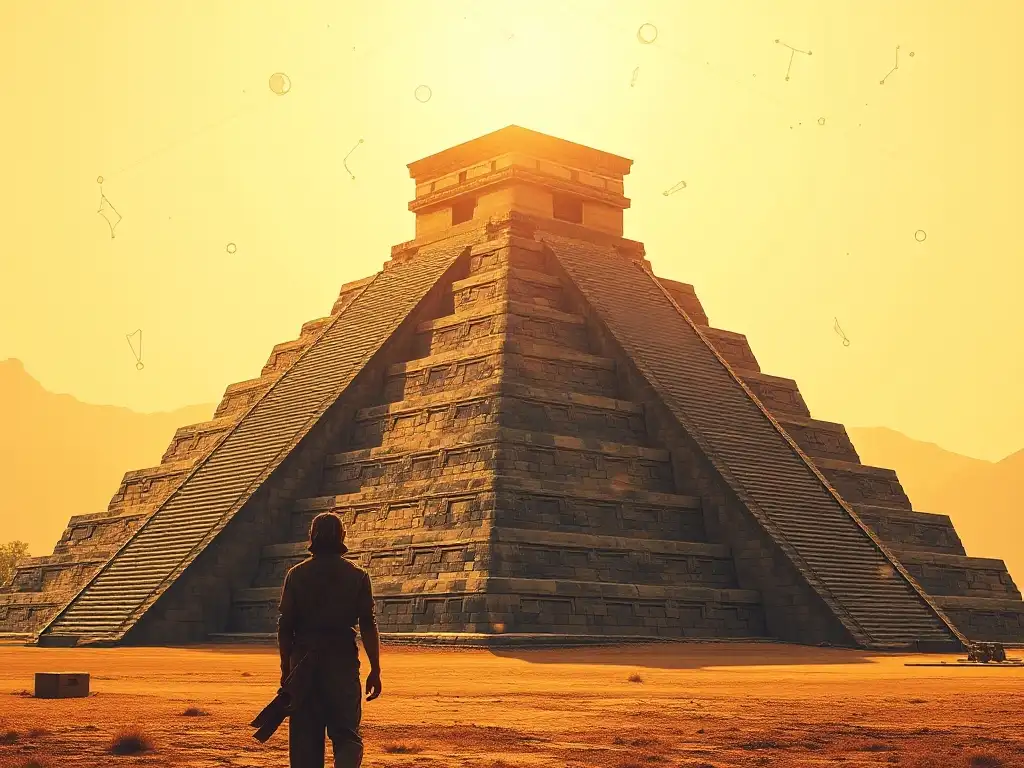
The astronomical alignments of Tiahuanaco weren't merely decorative; they were integral to the civilization's worldview, reflecting a profound understanding of the cosmos and its influence on earthly life. Tiahuanaco's cosmology wasn't a static belief system but a dynamic interplay between the celestial and terrestrial realms. Unlike many other ancient cultures that focused on a single deity or pantheon, Tiahuanaco's religious beliefs seem to have encompassed a complex web of interconnected forces, with the sun, moon, and stars playing central roles.
Evidence suggests a sophisticated understanding of the solstices and equinoxes, reflected in the precise orientation of key structures. This intricate cosmological vision permeated all aspects of Tiahuanaco society, from its monumental architecture to its agricultural practices and social organization. Further research is needed to fully unravel the complexities of their beliefs, but the available evidence strongly suggests a highly developed and nuanced cosmological system.
Understanding Tiahuanaco's Worldview
Tiahuanaco's worldview was deeply entwined with its environment. The arid altiplano, with its harsh climate and challenging terrain, shaped their understanding of the cosmos and their relationship with it. Their survival depended on the predictability of the seasons, making celestial observations crucial for agricultural planning.
The precise alignment of structures like the Kalasasaya complex suggests a deliberate attempt to track celestial events, using architecture as a giant calendar. This wasn't simply a matter of practical utility; it was a way of connecting the human realm with the divine, of aligning their lives with the rhythms of the cosmos. The very act of constructing these monumental structures could be seen as a ritualistic affirmation of their cosmological beliefs, a tangible manifestation of their spiritual aspirations.
The intricate carvings and symbols found on Tiahuanaco's artifacts further hint at a complex symbolic language reflecting their cosmological understanding, though much of this remains a subject of ongoing scholarly debate. The precise meanings of these symbols are still being deciphered, but their presence underlines the importance of cosmology in their culture.
The Significance of Celestial Observation in Andean Culture
Celestial observation wasn't unique to Tiahuanaco; it was a widespread practice across Andean cultures. However, the scale and precision of Tiahuanaco's astronomical alignments distinguish them. Other Andean civilizations, like the Nazca and Inca, also demonstrated a sophisticated understanding of astronomy, evidenced by their geoglyphs and calendar systems. However, Tiahuanaco's use of monumental architecture to track celestial events is particularly striking.
This suggests a highly centralized and organized society capable of undertaking large-scale construction projects requiring meticulous planning and coordination. The sophisticated knowledge of astronomy necessary for such precise alignments speaks to the advanced level of their mathematical and engineering skills. The integration of astronomical observation into their religious practices and social organization highlights the profound influence of the cosmos on their lives.
The precision of the alignments indicates a deep understanding of both the practical applications and the symbolic significance of celestial events. Understanding the Tiahuanaco astronomical alignments requires appreciating their place within a broader Andean context of astronomical observation and cosmological belief. The specific methods employed by the Tiahuanaco people to make these observations, however, remain an area requiring further investigation.
Alignments with Celestial Bodies in Tiahuanaco
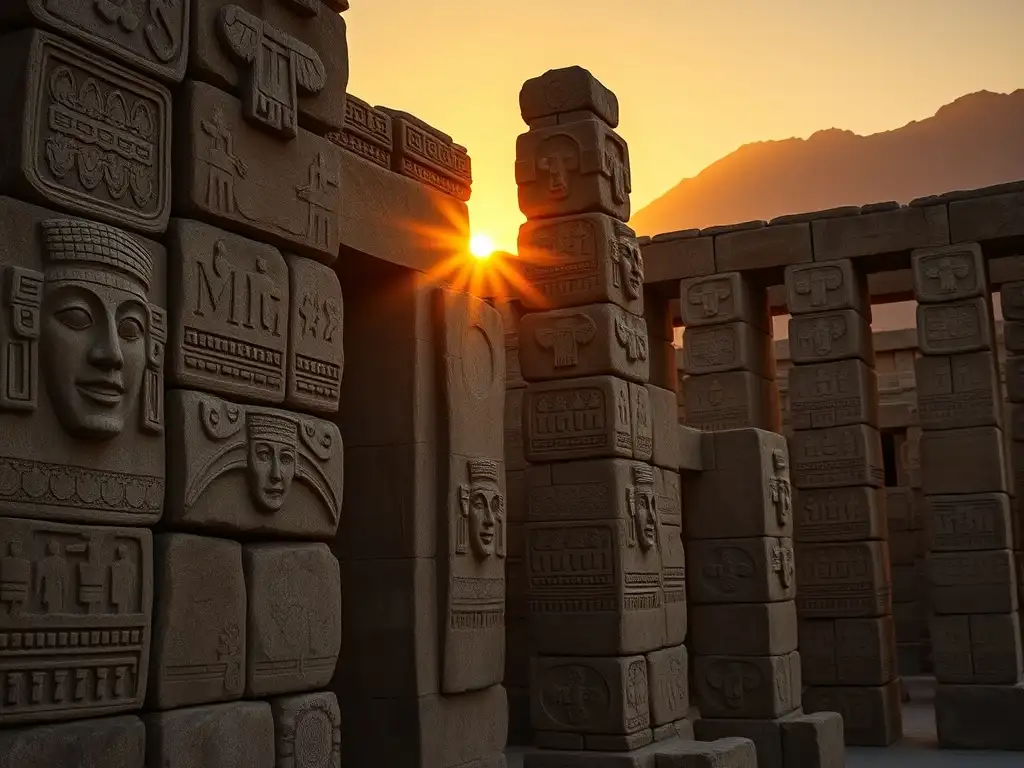
The intricate architectural layout of Tiahuanaco reveals a profound understanding of celestial movements, suggesting a sophisticated astronomical knowledge far surpassing previous assumptions. The city's structures weren't merely haphazardly placed; rather, they were deliberately oriented to reflect and interact with specific astronomical events, marking solstices, equinoxes, and potentially even lunar cycles. This deliberate alignment with celestial bodies showcases the advanced astronomical capabilities of the Tiahuanaco culture, highlighting their deep connection to the cosmos and their ability to integrate astronomical observations into their urban planning.
This understanding of "Tiahuanaco astronomical alignments" is crucial to appreciating the city's true significance. The precision involved points to meticulous observation over extended periods and sophisticated tools, possibly including sophisticated gnomons or other instruments.
Further research is needed to fully understand the extent of their technological prowess in this area. The integration of astronomy into city planning reflects a worldview where the terrestrial and celestial realms were deeply intertwined.
Identifying Key Astronomical Alignments at Tiahuanaco
Identifying the precise astronomical alignments at Tiahuanaco requires careful analysis of the surviving structures and their orientations. While much of the city lies in ruins, archaeological surveys and detailed mapping have revealed several key alignments. For example, the orientation of the Kalasasaya Temple, a central structure in the city, is believed to be aligned with the solstices.
The precise angle of sunrise and sunset on the solstices would have been carefully observed and used to guide the construction. Similarly, the Puerta del Sol (Sun Gate), with its intricate carvings, may have served as a sophisticated astronomical instrument, potentially used to track the sun's position throughout the year. Further analysis is needed to confirm these hypotheses, as the current state of preservation presents difficulties.
The accuracy of these alignments underscores the advanced understanding of geometry and astronomy possessed by the Tiahuanaco people. Furthermore, other structures, such as the Akapana pyramid, also show potential alignments with specific celestial events, though further research is necessary to definitively confirm these. Detailed studies using modern surveying techniques and astronomical software are needed to fully map and interpret these alignments.
The Sun's Role in Tiahuanaco's Architectural Planning
The sun played a pivotal role in the planning and orientation of Tiahuanaco's architecture. Evidence suggests that the city's layout was deliberately designed to mark significant solar events, primarily the solstices and equinoxes. The precise alignment of key structures with the rising and setting sun on these dates indicates a deep understanding of the sun's annual path across the sky.
This knowledge likely underpinned their agricultural practices, helping them to predict seasons and plan accordingly. The importance of the sun is further reinforced by the iconography found on many Tiahuanaco artifacts, which often depict solar motifs and deities associated with the sun. This suggests that the sun held a significant religious and cultural importance, further solidifying its influence on the city's design.
The careful placement of structures to capture the first rays of the sun on the winter solstice, for instance, might have held ceremonial significance, marking the beginning of a new cycle. This understanding of solar movements was not merely practical; it was deeply embedded in the Tiahuanaco worldview.
Lunar Cycles and Tiahuanaco's Calendar System
While the solar alignments are relatively well-documented, the potential influence of lunar cycles on Tiahuanaco's architecture and calendar system remains an area of ongoing research. Some researchers suggest that certain structures may have been aligned with specific lunar phases or events, possibly indicating a lunar calendar that complemented or intertwined with their solar observations. The complexity of the lunar cycle, with its varying length and position in the sky, presents a greater challenge to decipher than the more predictable solar movements.
The exact nature of this potential lunar calendar, if it existed, is still unclear. However, the presence of recurring motifs and patterns in Tiahuanaco's iconography, which might represent lunar phases, warrants further investigation. Future research incorporating advanced astronomical modelling techniques could reveal further clues about the importance of lunar cycles in the Tiahuanaco worldview.
The integration of both solar and lunar observations would have provided a comprehensive system for tracking time and organizing their agricultural and societal activities. The possibility of a sophisticated lunisolar calendar adds another layer to our understanding of the Tiahuanaco's advanced astronomical knowledge.
The Kalasasaya Temple: A Showcase of Astronomical Precision
The Kalasasaya Temple, a monumental structure within the Tiahuanaco complex, stands as a prime example of the sophisticated astronomical knowledge possessed by the Tiahuanaco civilization. Its design, meticulously oriented towards celestial events, suggests a deep understanding of the cosmos and its influence on the lives of the people. The precision involved in its construction is truly remarkable, pointing towards advanced surveying and engineering techniques.
Scholars believe the Kalasasaya's astronomical alignments were not merely decorative, but served crucial roles in their calendar system, agricultural practices, and possibly even religious rituals. The very placement of the temple, its dimensions, and the orientation of its key features all seem to point towards a deliberate connection with the movements of the sun and stars.
This deliberate integration of astronomical principles into architecture is a defining characteristic of Tiahuanaco's legacy and a testament to their advanced civilization. Further research is needed to fully unravel all the mysteries hidden within the Kalasasaya's design, but the evidence strongly supports the idea of intricate astronomical alignments.
The Kalasasaya's Alignment with Solstices and Equinoxes
The Kalasasaya's alignment with the solstices and equinoxes is perhaps its most striking astronomical feature. Detailed studies have revealed that the temple's main axis is precisely oriented to mark the sunrise and sunset on the solstices (winter and summer) and the equinoxes (spring and autumn). This isn't a rough approximation; the precision is astonishing, suggesting the use of sophisticated instruments or techniques for astronomical observation.
The slight variations in the sun's position throughout the year are subtly reflected in the architecture, allowing for a calendar system based on the sun's apparent movement across the sky. This solar calendar would have been vital for agricultural planning, determining optimal planting and harvesting times, crucial for the survival of the Tiahuanaco people.
Archaeological evidence suggests that agriculture was a cornerstone of their society, and the Kalasasaya's alignment underscores the importance of celestial observation in their agricultural cycle. The alignment with the solstices and equinoxes represents not just astronomical precision, but also a profound understanding of the relationship between the cosmos and their daily lives.
Measuring Time with Tiahuanaco's Stone Structures
The Tiahuanaco people didn't just observe the celestial events; they actively incorporated them into their timekeeping system. The Kalasasaya, along with other structures in the complex, served as a giant astronomical observatory and calendar. The precise positioning of stones, doorways, and other architectural elements allowed them to track the sun's movement with remarkable accuracy.
For example, the shadows cast by certain structures at different times of the year would have provided a visual indication of the changing seasons and the passage of time. This system goes beyond simple solar tracking; it likely incorporated observations of stars and constellations as well, creating a complex and multifaceted calendar system. While the exact methods used remain a topic of ongoing research, the evidence strongly indicates a sophisticated understanding of celestial mechanics and their application in daily life.
The integration of astronomical knowledge into the very fabric of their city speaks volumes about the importance of timekeeping and celestial observation in their culture. It was not simply a matter of scientific curiosity but a deeply ingrained aspect of their social and religious practices.
The Precise Alignment of the Kalasasaya's Entrance with the Sunrise on the Equinoxes
The Kalasasaya's main entrance is exceptionally aligned with the sunrise on the equinoxes. This alignment isn't coincidental; it's a deliberate architectural choice that highlights the significance of the equinoxes in the Tiahuanaco culture. On the equinoxes, the sun rises precisely due east, and the Kalasasaya's entrance is positioned to perfectly frame this event.
This precise alignment likely served a symbolic and possibly ritualistic purpose. The equinoxes mark a balance between day and night, light and darkness, and this symbolism may have been crucial in their religious beliefs. The act of passing through the entrance at sunrise on an equinox might have held a special spiritual significance.
The precision of this alignment underscores the advanced astronomical knowledge and engineering capabilities of the Tiahuanaco people. It's a powerful testament to their ability to combine astronomical observation with architectural design to create a structure that reflects their cosmology and worldview. The meticulous nature of this alignment, combined with the other astronomical features of the Kalasasaya, reinforces the idea that Tiahuanaco was a society deeply connected to the cosmos.
The Akapana Pyramid: Celestial Connections
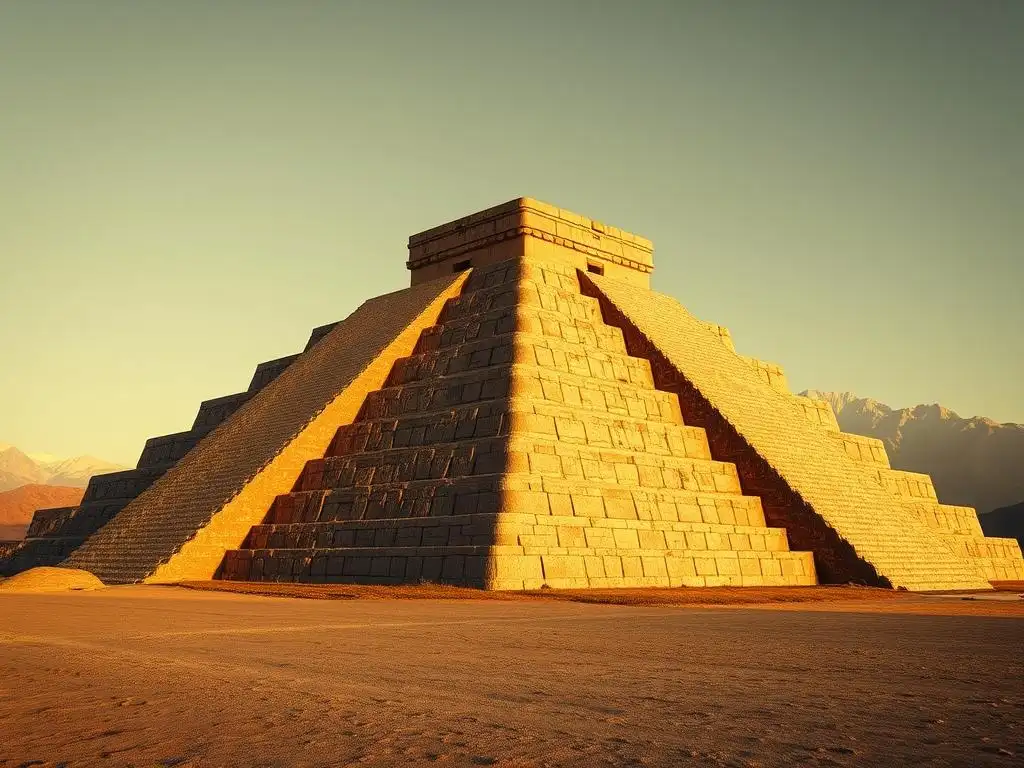
The Akapana pyramid, a monumental structure at the heart of Tiahuanaco, stands as a testament to the sophisticated engineering and astronomical knowledge of the Tiahuanaco culture. Its design, far from being merely aesthetic, suggests a deliberate connection to the cosmos, making it a prime example of Tiahuanaco astronomical alignments. While the exact functions remain debated, analysis of its architecture reveals compelling evidence supporting its role as an astronomical observatory and possibly a ceremonial center linked to celestial events.
The scale of the Akapana, its intricate internal structure, and its precise orientation all point towards a deep understanding of astronomy that surpasses many contemporary cultures. The precision involved in its construction, considering the tools available at the time, is truly remarkable and continues to fascinate researchers today.
Akapana's Orientation and its Possible Astronomical Significance
The Akapana pyramid's orientation is not random. Researchers have noted its alignment with cardinal directions, specifically the solstices and equinoxes. This alignment isn't perfect, with slight variations possibly due to the challenges of constructing such a massive structure on uneven terrain.
However, the degree of accuracy achieved is still impressive, especially considering the lack of advanced surveying instruments. The slight deviations may even reflect a more nuanced understanding of celestial movements, potentially incorporating precession or other subtle astronomical phenomena. Further research is needed to fully understand the precision of the alignment and its implications.
This careful orientation suggests that the Akapana was designed to track the sun's annual path across the sky, potentially marking significant dates in the Tiahuanaco calendar. The implications are significant: the pyramid may have served as a solar calendar, a crucial tool for agricultural planning and religious ceremonies. This would reinforce the understanding of Tiahuanaco astronomical alignments as integral to their societal structure.
Analysis of the Akapana's Subterranean Channels and Their Alignment with Cardinal Directions
Beyond its external orientation, the Akapana's internal structure further strengthens the case for its astronomical significance. The intricate network of subterranean channels within the pyramid has been a subject of much speculation. Some theories suggest these channels were used for drainage, while others propose they played a role in water management related to ritualistic practices.
However, a closer examination reveals that some of these channels may also be aligned with cardinal directions or significant celestial events. The precise alignment of these channels requires further investigation, and detailed mapping of the subterranean network is crucial to determine the extent of this correlation.
The possibility that these channels were used to observe stellar movements or mark specific astronomical events adds another layer to the complex interplay between architecture and astronomy in Tiahuanaco. The discovery of additional evidence, perhaps through advanced geophysical techniques, could shed more light on this fascinating aspect of the Akapana.
Exploring the Astronomical Purposes of the Akapana
The evidence suggests that the Akapana pyramid served multiple purposes, all potentially linked to astronomical observations. It likely functioned as a sophisticated calendar, marking solstices and equinoxes, and possibly other significant celestial events. The precise orientation, combined with the internal channel system, suggests a complex interplay of astronomical observation and ritualistic practice.
The Akapana may have been a place where astronomical observations informed the agricultural cycle, influenced religious ceremonies, and played a central role in the social and political organization of the Tiahuanaco civilization. Further research, including detailed analysis of the artifacts found within the pyramid, and advanced geophysical surveys, is needed to fully understand the multiple layers of meaning embedded within this monumental structure.
Understanding the Akapana’s astronomical functions is crucial to fully appreciating the advanced knowledge and sophisticated culture of the Tiahuanaco people and their intricate system of Tiahuanaco astronomical alignments. This research will contribute significantly to our understanding of Andean astronomy and its influence on the development of ancient Andean societies.
Other Structures and their Potential Astronomical Functions
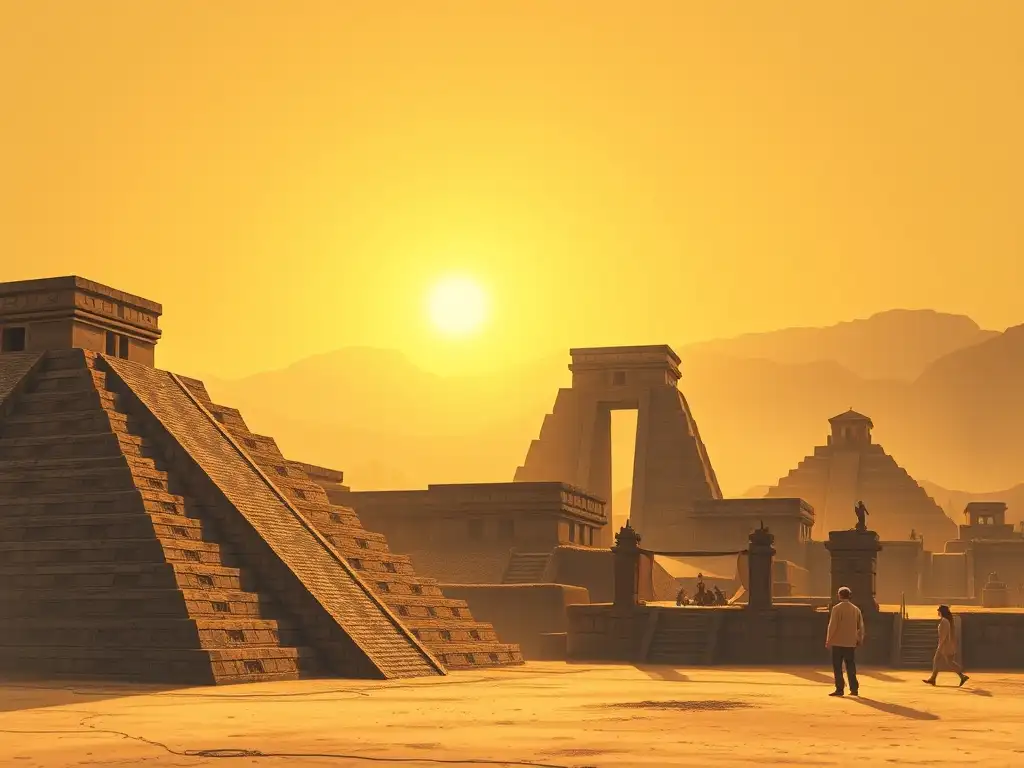
Beyond the Kalasasaya, Tiahuanaco boasts a complex of structures that may also reflect sophisticated astronomical knowledge. While the Kalasasaya's alignments are relatively well-documented, other sites within the city, particularly Puma Punku, present intriguing possibilities for further research regarding Tiahuanaco astronomical alignments. The precision of the stonework and the monumental scale of these structures suggest a level of planning and understanding that extends beyond mere practicality.
The meticulous arrangement of stones, their orientations, and even the potential use of specific materials could all hold clues to their astronomical significance. Further investigation using modern surveying techniques and astronomical software could significantly enhance our understanding of these enigmatic sites.
Evidence of Astronomical Alignments in Puma Punku
Puma Punku, with its massive, precisely cut stones, is a prime candidate for harboring astronomical alignments. While less studied than the Kalasasaya in this respect, preliminary research suggests potential alignments with solstices and equinoxes. The arrangement of the large H blocks, for example, shows a remarkable level of precision.
Their placement, although debated, could be interpreted as reflecting a deliberate attempt to mark significant celestial events. Detailed analysis of the orientations of these blocks, combined with advanced computer modeling, could reveal subtle but significant correlations with the sun's annual path. Furthermore, the orientation of the overall Puma Punku complex relative to the surrounding landscape might also reveal purposeful astronomical alignments, particularly if considered in conjunction with the nearby Akapana pyramid.
This integrated approach is crucial to fully understanding the potential astronomical role of Puma Punku within the larger Tiahuanaco urban plan. Unfortunately, [specific data on precise measurements and orientations of Puma Punku stones pending]. More field research and advanced analysis are needed to solidify these hypotheses.
Analysis of the Puma Punku's H Blocks and Their Potential Solar Alignment
The enigmatic H blocks of Puma Punku are particularly intriguing in the context of Tiahuanaco astronomical alignments. These massive, intricately carved stones are unlike anything else found in the region, and their precise placement suggests a significant purpose beyond mere structural support. Some researchers propose that their orientation might reflect a deliberate attempt to mark the solstices or equinoxes.
This hypothesis could be tested through detailed analysis of their orientations relative to the sun's path throughout the year. By using modern surveying techniques and computer simulations, we could determine whether the positioning of these blocks shows statistically significant correlations with specific solar events. Furthermore, the potential use of specific materials in the construction of these blocks—and their possible connection to specific celestial events—remains an area ripe for future research.
The level of precision in their construction is astonishing, pointing towards a society with advanced knowledge of both engineering and astronomy. The challenges lie in obtaining precise measurements and accounting for the effects of erosion and displacement over centuries. The potential rewards, however, are substantial, potentially revealing a profound understanding of the cosmos by the Tiahuanaco people.
The Role of Observatories in Tiahuanaco Society
The sophistication of Tiahuanaco's astronomical alignments suggests the presence of dedicated observatories or structures used for celestial observation. While no structures have been definitively identified as observatories, the layout of the city itself, with its carefully aligned buildings and plazas, might have served as a functional, large-scale observatory. The Kalasasaya, for instance, with its precise alignment of the main gate and other features, could have been used to track the sun's movement throughout the year.
Furthermore, the elevated positions of some structures, combined with their orientations, might have facilitated observations of other celestial bodies, such as the moon and stars. The potential existence of smaller, dedicated observatories remains a topic for future research. The discovery of such structures would provide further evidence of the Tiahuanaco's advanced astronomical knowledge and their importance in their societal structure.
The interplay between religious beliefs, agricultural practices, and astronomical observations likely played a crucial role in shaping Tiahuanaco society. Understanding the role of astronomical observation is key to unlocking the secrets of this fascinating civilization and its mastery of Tiahuanaco astronomical alignments.
Decoding the Astronomical Knowledge of Tiahuanaco
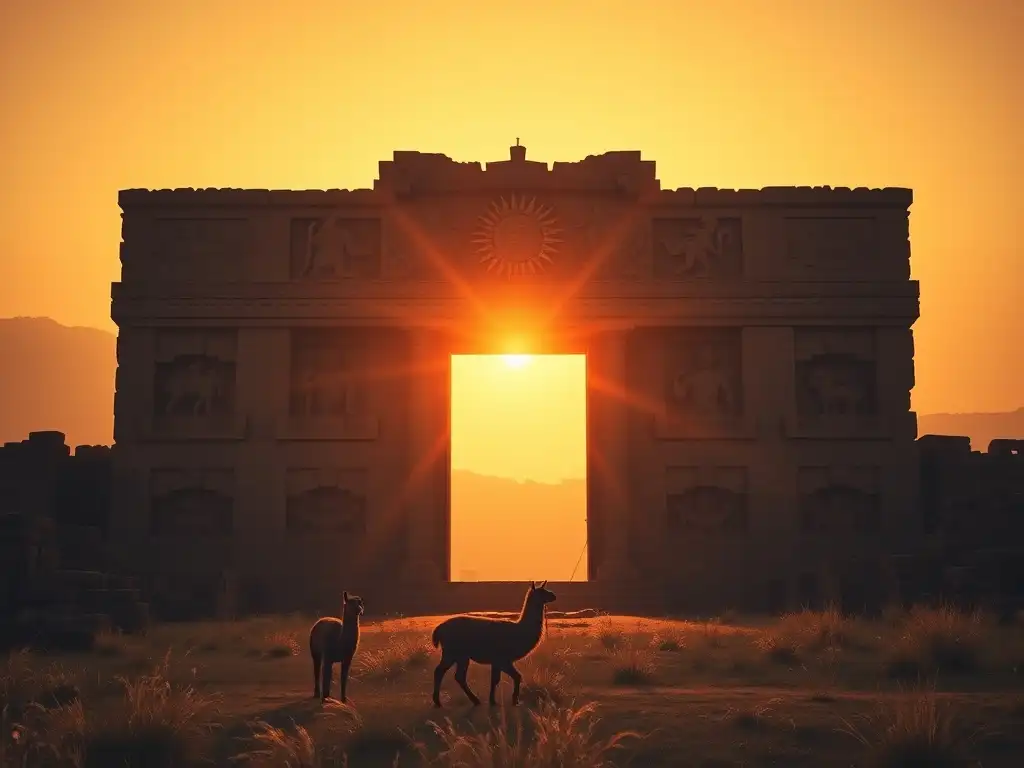
The city of Tiahuanaco, a pre-Columbian marvel nestled high in the Andes, stands as a testament to the sophisticated astronomical knowledge of its builders. Far from being a haphazard arrangement of structures, Tiahuanaco's architecture reveals a deep understanding of celestial movements and a deliberate integration of astronomical principles into its urban planning.
This intricate relationship between architecture and cosmos underscores the Tiahuanaco civilization's advanced capabilities in observation, calculation, and the symbolic representation of their cosmological beliefs. The precision with which structures are aligned with solstices, equinoxes, and other significant celestial events suggests a highly developed calendar system and a profound connection to the rhythms of the universe.
The study of Tiahuanaco's astronomical alignments provides invaluable insight into the worldview and intellectual achievements of this remarkable civilization. Understanding these alignments helps us appreciate the complexity of their societal organization and their sophisticated understanding of the cosmos – a key element in their cultural identity.
The Use of Gnomons and other Astronomical Tools
While direct evidence of specific instruments is scarce, the precision of the astronomical alignments in Tiahuanaco strongly suggests the use of sophisticated astronomical tools. The most likely candidate is the gnomon, a simple yet effective device consisting of a vertical rod or obelisk that casts a shadow, allowing for the precise measurement of the sun's position throughout the year. By observing the changing length and direction of the shadow, the Tiahuanaco astronomers could determine the solstices and equinoxes with remarkable accuracy.
The placement of key structures, like the Kalasasaya Temple and the Gate of the Sun, strongly suggests the use of such a device, possibly in conjunction with other, less understood instruments. Further research is needed to definitively identify the specific tools used, but the accuracy of the alignments themselves speaks to the existence of sophisticated technologies for celestial observation.
The precision achieved in aligning structures like the Puerta del Sol (Sun Gate) with the solstices, for instance, is incredibly impressive and points to a level of astronomical sophistication rarely seen in other contemporary civilizations. The ingenuity of the Tiahuanaco astronomers in devising and utilizing these tools is a testament to their intellectual prowess and their profound connection to the celestial sphere.
Tiahuanaco's Understanding of the Ecliptic
The Tiahuanaco's understanding of the ecliptic, the apparent path of the sun across the sky throughout the year, is another key aspect of their astronomical knowledge. Their architectural alignments precisely reflect this knowledge, indicating a deep comprehension of the sun's annual cycle and its significance in their agricultural practices and religious beliefs. The meticulously aligned structures show a clear awareness of the solstices and equinoxes, the points at which the sun reaches its highest and lowest points in the sky, respectively.
This understanding likely played a crucial role in their agricultural calendar, allowing them to predict the optimal times for planting and harvesting. Moreover, the alignment of certain structures with specific constellations suggests an understanding of the stars' movements and their cyclical patterns. The precision with which these alignments were achieved is truly remarkable, demonstrating an advanced understanding of celestial mechanics and geometry.
Further analysis of these alignments could reveal even more nuanced details about their understanding of the ecliptic and the celestial sphere. This detailed knowledge of the ecliptic further strengthens the case for sophisticated astronomical observation and a complex understanding of the cosmos within the Tiahuanaco society.
The Legacy of Tiahuanaco’s Astronomical Expertise
The astronomical knowledge embedded within Tiahuanaco's architecture left a lasting legacy, influencing subsequent Andean cultures and contributing to the development of their own astronomical traditions. The precision and sophistication of Tiahuanaco's astronomical alignments served as a model for later civilizations, demonstrating the importance of celestial observation and its integration into societal structures. Though much remains unknown about the specific methods and instruments used by the Tiahuanaco astronomers, the enduring impact of their achievements is undeniable.
The legacy of their astronomical expertise continues to inspire awe and wonder, highlighting the remarkable intellectual and cultural achievements of this ancient Andean civilization. The study of Tiahuanaco's astronomical alignments continues to offer new insights into the complexities of this fascinating culture and its enduring contribution to the history of astronomy in the Andes.
The impact of Tiahuanaco's astronomical knowledge is a testament to the enduring power of human curiosity and the capacity for innovation in the face of the vast mysteries of the cosmos. The ongoing research into Tiahuanaco's astronomical alignments promises to further illuminate the rich tapestry of Andean civilization and its profound connection to the stars.
The Importance of Tiahuanaco's Astronomical Alignments
The astronomical alignments of Tiahuanaco are not merely a curious coincidence; they represent a sophisticated understanding of celestial movements and a deeply ingrained connection between the earthly and the cosmic realms. These alignments, meticulously integrated into the city's architecture, suggest a society that placed immense value on astronomical observation and its implications for their worldview. The precision involved in these alignments, considering the limited technology available at the time, underscores the advanced knowledge and engineering prowess of the Tiahuanaco culture.
Understanding these alignments provides crucial insights into the beliefs, practices, and societal structure of this fascinating civilization. The meticulous planning and execution of the Tiahuanaco astronomical alignments speak volumes about the importance of celestial events in shaping their daily lives and understanding of the universe. The very layout of the city, with its monumental structures strategically positioned, reflects a deliberate attempt to mirror or interact with the cosmos.
This deliberate integration of astronomy into urban planning is a hallmark of Tiahuanaco's unique cultural identity and a testament to its advanced level of astronomical knowledge. Further research into these alignments promises to unlock even more secrets about this enigmatic civilization.
How Astronomical Knowledge Influenced Tiahuanaco's Society and Religion
The astronomical knowledge possessed by the Tiahuanaco people profoundly impacted their society and religious beliefs. Their understanding of solstices and equinoxes, evidenced by the alignment of structures like the Kalasasaya, likely played a significant role in their agricultural practices and the timing of important religious ceremonies. The precise alignment of buildings with specific celestial events suggests that these events held powerful symbolic meaning, perhaps marking the beginning of planting seasons, harvest times, or significant religious festivals.
Furthermore, the prominent placement of celestial motifs in Tiahuanaco art and artifacts reinforces the importance of astronomy in their spiritual life. The sun, moon, and stars were likely not simply observed but actively worshipped or venerated as powerful deities or forces influencing their world. The complex interplay between astronomy, agriculture, and religion demonstrates the holistic worldview of the Tiahuanaco people, where the celestial and terrestrial realms were inextricably linked.
Analyzing the iconography found on Tiahuanaco artifacts, especially those depicting celestial bodies, could further illuminate the specific religious beliefs associated with astronomical phenomena. For instance, the recurring motif of a specific constellation might indicate its association with a particular deity or myth.
The Interplay Between Architecture and Astronomy in Tiahuanaco
The architecture of Tiahuanaco is intimately intertwined with its astronomical alignments. The city's monumental structures, including the Kalasasaya, Puma Punku, and Akapana, were not randomly placed but strategically oriented to align with significant celestial events. For example, the main gate of the Kalasasaya is believed to be aligned with the rising sun during the winter solstice, a crucial event in the Andean agricultural calendar.
The precision with which these alignments were achieved, considering the tools and techniques available at the time, is truly remarkable. This sophisticated level of engineering and astronomical knowledge is a testament to the advanced capabilities of the Tiahuanaco civilization. Furthermore, the incorporation of astronomical features into the structures themselves, such as windows and niches strategically placed to capture specific light patterns, enhances the connection between architecture and celestial events.
Detailed studies of the angles and dimensions of these structures, combined with astronomical data, can provide further evidence of the deliberate integration of astronomy into Tiahuanaco's urban planning. The precise alignment of the structures also suggests a sophisticated understanding of geometry and surveying techniques, which were essential for achieving such accuracy in construction.
The Cultural Impact of Tiahuanaco's Celestial Observation
The meticulous celestial observations undertaken by the Tiahuanaco people had a far-reaching impact on their culture. Their advanced astronomical knowledge influenced their calendar system, their agricultural practices, and their religious beliefs, shaping their social structure and worldview. The precision of their astronomical alignments suggests a highly organized and centralized society capable of coordinating large-scale construction projects.
This cultural impact extended beyond the immediate community of Tiahuanaco, influencing neighboring societies and contributing to the development of Andean astronomy across a wider geographic area. The legacy of Tiahuanaco's astronomical observations can be traced in subsequent Andean cultures, highlighting the lasting influence of their sophisticated understanding of the cosmos. Further research into the diffusion of astronomical knowledge from Tiahuanaco to other Andean cultures could provide valuable insights into the broader cultural exchange and technological transmission within the region.
The Tiahuanaco's expertise in astronomical observation not only reflects their scientific capabilities but also shaped their identity as a powerful and influential civilization within the Andean region. This intricate relationship between astronomy and culture underscores the multifaceted nature of Tiahuanaco's sophisticated society.
Frequently Asked Questions
What are the Tiahuanaco astronomical alignments?
The Tiahuanaco astronomical alignments refer to the precise orientation of structures and features within the Tiahuanaco complex, suggesting a sophisticated understanding of astronomy and its connection to their religious beliefs and calendar. These alignments point to significant celestial events.
How were these alignments discovered and studied?
Researchers used various methods, including archaeological surveys, detailed mapping, and computer modeling to identify and analyze the alignments. Careful observation of the sun's and stars' positions at different times of the year played a crucial role.
Which structures in Tiahuanaco show significant astronomical alignments?
The Gate of the Sun, the Kalasasaya Temple, and the other major platforms and structures within the complex all exhibit potential astronomical alignments. The exact purpose and interpretation of these alignments remain a subject of ongoing research.
What is the significance of these astronomical alignments to the Tiahuanaco culture?
The alignments likely played a vital role in religious ceremonies, agricultural practices, and the overall organization of their society. They highlight the Tiahuanaco's advanced understanding of the cosmos and its influence on their lives.
Are there any controversies or ongoing debates surrounding the Tiahuanaco astronomical alignments?
Yes, there are ongoing debates regarding the precision and intentional nature of some alignments. Some researchers argue that some alignments might be coincidental, while others maintain their deliberate astronomical significance. Further research is needed to fully understand these complex relationships.
Final Reflection: Echoes of the Andes: Tiahuanaco's Celestial Legacy
The meticulous astronomical alignments of Tiahuanaco are not merely ancient curiosities; they represent a profound connection between humanity and the cosmos, a connection that resonates deeply with our contemporary understanding of the universe and our place within it. The precision with which these structures were oriented towards celestial events speaks to a sophisticated understanding of astronomy and a deep spiritual reverence for the heavens, a testament to the ingenuity and vision of a civilization often overlooked in mainstream narratives.
The enduring power of Tiahuanaco's astronomical legacy lies in its ability to transcend time and culture. It compels us to reconsider our own relationship with the universe, reminding us of the enduring human impulse to seek meaning and order in the celestial sphere. The cosmos is within us. We are made of star-stuff. We are a way for the universe to know itself.
– Carl Sagan. This quote beautifully encapsulates the profound connection between the builders of Tiahuanaco and the cosmos, a connection that continues to inspire awe and wonder centuries later. The intricate interplay between architecture and astronomy at Tiahuanaco serves as a powerful reminder of the interconnectedness of all things.
Consider, for a moment, the implications of this ancient knowledge. What can we learn from the meticulous observations and calculations that went into the creation of these structures? How can we apply this understanding of our place within the universe to address the challenges facing our world today? Let Tiahuanaco's celestial whispers inspire you to look up, to marvel at the vastness of the cosmos, and to find your own connection to the enduring mysteries of the universe. Embrace the wonder, and let the echoes of the Andes guide your own journey of discovery.
Unveil the Stars Above Tiahuanaco!
Thank you for exploring the fascinating connection between Tiahuanaco's architecture and the cosmos. You've discovered how ancient civilizations skillfully aligned their structures with celestial events, demonstrating a profound understanding of the universe. Let's build on this knowledge!
Here's how you can continue your exploration:
- Dive Deeper: Expand your understanding of Tiahuanaco's history by researching at your local library or watching documentaries about ancient astronomical practices.
- Connect with Others: Join online forums or local groups dedicated to archaeology and astronomy to connect with fellow enthusiasts.
- Share Your Discoveries: Discuss your insights with friends and family, or share them on social media. Consider the impact of these cosmic alignments on daily life in Tiahuanaco.
What new perspectives on our place in the universe have you gained from learning about Tiahuanaco's architectural marvels? Let's continue the discussion!