
The Moon's Glow: Lunar Symbolism and Its Role in Andean Weaving

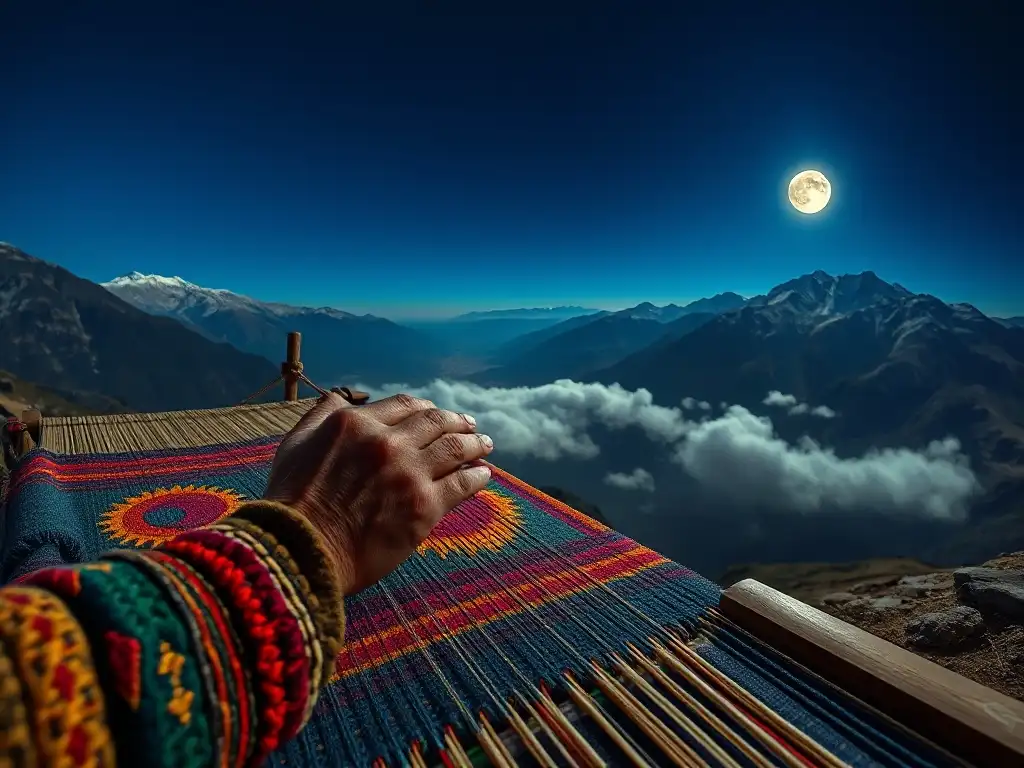
Unravel the mysteries woven into the very fabric of the Andes! For centuries, the Andean civilizations have captivated the world with their breathtaking artistry and complex societies. But have you ever considered the celestial influence embedded within their intricate textiles? Discover the hidden meanings behind Andean weaving lunar symbolism, a captivating story revealed through threads and techniques that speak to the cosmos. Prepare to be amazed as we delve into the moon's profound role in shaping Andean culture and craft.
-
The Moon's Glow: Andean Weaving Lunar Symbolism and Its Significance
- Unveiling the Lunar Influence on Ancient Andean Textile Art
- Why the Moon Mattered in Andean Cosmology and Weaving Traditions
- Understanding Andean Lunar Symbolism: A Foundation for Textile Interpretation
- The Moon's Phases and Their Representation in Andean Textiles
- How Lunar Cycles Shaped the Techniques and Materials of Andean Weaving
- Exploring Specific Examples: Andean Textiles Embodying Lunar Motifs
- Recreating Andean Lunar Inspired Weaving: A Hands-On Approach
- Preserving the Tradition: Supporting Andean Weavers and Their Craft
- The Ongoing Legacy of Lunar Symbolism in Modern Andean Weaving
-
Frequently Asked Questions
- What is the significance of the moon in Andean cultures?
- How is lunar symbolism reflected in Andean weaving?
- Which Andean cultures most prominently featured lunar symbolism in their weaving?
- What materials were typically used in Andean weaving incorporating lunar symbolism?
- Where can I learn more about Andean weaving and lunar symbolism?
- Final Reflection: Weaving the Moon's Legacy into Our Present
- Illuminate Your Craft: Harness Lunar Inspiration Today!
The Moon's Glow: Andean Weaving Lunar Symbolism and Its Significance
The Andean civilizations, renowned for their intricate textiles, wove more than just threads; they wove stories, beliefs, and a deep connection to the cosmos. This article delves into the fascinating world of Andean weaving, specifically exploring the profound role lunar symbolism played in shaping its designs, techniques, and cultural significance. From the intricate patterns adorning ceremonial garments to the everyday textiles used in daily life, the moon's influence is undeniable, reflecting a complex cosmology deeply intertwined with the agricultural cycle, social structures, and spiritual beliefs of these remarkable societies.
We will examine how the moon's phases, its celestial movements, and its symbolic representation as a powerful feminine force impacted the creation and interpretation of Andean textiles, offering a captivating glimpse into the rich tapestry of Andean culture and its enduring legacy. Understanding this lunar symbolism provides a key to unlocking a deeper appreciation for the artistry and the profound meaning embedded within these ancient masterpieces.
This exploration will focus primarily on the Inca, Nazca, and Moche cultures, highlighting specific examples and interpretations of lunar motifs in their textiles. Prepare to be amazed by the ingenuity and artistry of Andean weavers and the cosmic narratives woven into every thread.
Unveiling the Lunar Influence on Ancient Andean Textile Art
The moon, a prominent celestial body easily observable throughout the Andes, held immense significance for the Andean people. Its cyclical nature, mirroring the agricultural rhythms vital to their survival, imbued it with powerful symbolic meaning. This is clearly reflected in their textiles. Many surviving examples showcase intricate patterns directly inspired by lunar phases.
For instance, crescent moon motifs frequently appear, often depicted in varying degrees of fullness, suggesting a representation of the moon's progression through its cycle. These aren't merely decorative elements; they are visual narratives, communicating specific cosmological beliefs and potentially marking important events within the community's calendar. Furthermore, the colors used in these designs often hold symbolic weight, possibly correlating with specific lunar phases or associated deities. For example, the deep blues and silvers frequently associated with moon imagery might represent the night sky or the moon's reflective qualities.
The meticulous craftsmanship involved in creating these intricate patterns further emphasizes the importance attributed to the moon within Andean culture. The precision and detail of the weaving itself mirror the reverence held for this celestial body. We can see this detailed work in the surviving fragments of textiles, where the incorporation of lunar symbolism is not merely incidental but a fundamental element of the design.
Why the Moon Mattered in Andean Cosmology and Weaving Traditions
The moon's importance in Andean cosmology extended beyond mere agricultural cycles. It was often associated with feminine deities, representing fertility, creation, and the cyclical nature of life and death. This feminine association is reflected in the textiles through the use of specific colors, patterns, and even the techniques employed in weaving. The complex interplay of warp and weft threads, mirroring the intricate dance of celestial bodies, further reinforces this connection.
In some Andean communities, women played a central role in textile production, further strengthening the link between the moon and feminine power. The knowledge and skills passed down through generations of female weavers represent a continuous thread connecting the past to the present, preserving a wealth of cultural knowledge embedded within the textiles themselves. Moreover, the moon's influence permeated various aspects of Andean life, impacting not only agriculture but also social structures, religious practices, and artistic expression.
The textiles, therefore, served as a powerful medium for communicating these complex beliefs and transmitting them across generations. This intricate connection between the moon, feminine power, and textile production highlights the profound influence of the cosmos on Andean worldview and its artistic manifestations. The surviving textiles serve as tangible evidence of this deep-seated relationship, providing invaluable insights into a rich and complex cultural heritage.
Understanding Andean Lunar Symbolism: A Foundation for Textile Interpretation
The Andean worldview deeply intertwined celestial bodies, particularly the moon, with earthly life and cultural practices. The moon, with its cyclical phases, represented not just a celestial event but a powerful metaphor for life, death, rebirth, and the continuous flow of time. This cosmological understanding profoundly influenced Andean art, particularly weaving.
Understanding this lunar symbolism is crucial to interpreting the rich tapestry of meanings embedded within Andean textiles. The moon's influence wasn't merely decorative; it was a fundamental element in the creation of these intricate fabrics, conveying complex narratives, beliefs, and social structures. Scholars have extensively studied the iconography found in Andean textiles, revealing a sophisticated system of visual language where lunar motifs held significant weight.
For example, the presence of specific lunar phases within a textile could indicate the social status of the weaver, the occasion for which the textile was created, or even a prediction or hope for a successful harvest. The deeper we delve into this symbolism, the more we appreciate the depth and complexity of Andean textile art. The subtle variations in lunar representation—from simple crescents to elaborate full moon depictions—reveal a nuanced understanding of the cosmos and its connection to the human experience.
The Moon's Phases and Their Representation in Andean Textiles
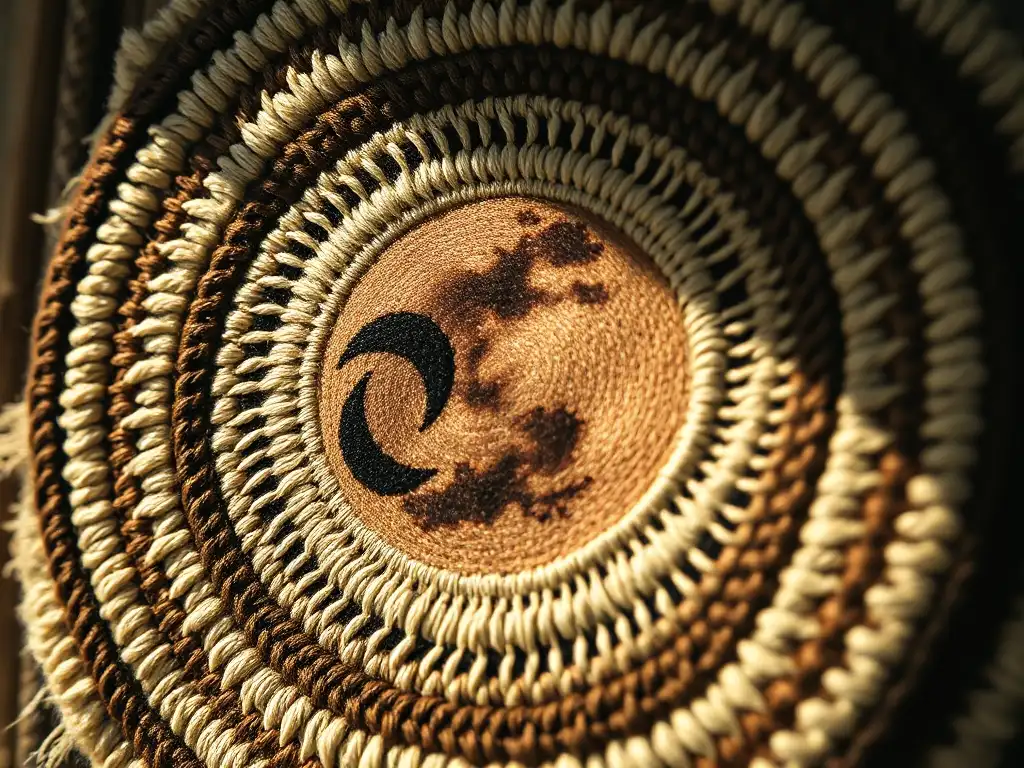
Andean weavers meticulously depicted the moon's phases in their textiles, utilizing distinct patterns and motifs to represent each stage. These representations weren't merely artistic choices; they were imbued with symbolic meaning, reflecting the cyclical nature of life and the Andean people's deep connection to the natural world. The various phases—new moon, crescent moon, full moon, and waning moon—each held specific cultural significance, influencing the design, color palette, and even the materials used in the weaving process.
This careful attention to detail underscores the profound spiritual and cosmological beliefs that underpinned Andean textile production. The use of specific colors associated with each phase further enhanced the symbolic representation, adding layers of meaning to the overall composition.
For instance, dark blues and blacks might have been used to represent the new moon's invisibility, while bright yellows and oranges might have signified the full moon's power and illumination. This deliberate use of color and pattern created a complex visual language that conveyed a wealth of information to those who understood its symbolic nuances.
New Moon: Representing Potential and Invisibility in Weaving Patterns
The new moon, often depicted as a dark, almost invisible disc or a simple, barely perceptible crescent, symbolized potential, hidden power, and the beginning of a new cycle. In Andean weaving, this phase was often represented through subtle variations in texture or the use of dark, muted colors, almost as if to visually represent the moon's concealed nature. The new moon's invisibility also reflected the unseen forces at play in the natural world and the potential for growth and transformation.
These textiles, often used in ceremonies or rituals associated with planting or new beginnings, reflected the hope for future abundance and prosperity. The intricate weaving techniques employed, even in seemingly simple designs, emphasized the skill and dedication of the weaver and the inherent value placed upon the creation itself. While the visual representation might appear understated, its symbolic weight within the Andean cosmological system was considerable.
Full Moon: Symbolizing Power and Illumination in Textile Motifs
The full moon, a dominant and readily visible celestial body, held a position of power and illumination within Andean cosmology. In their textiles, weavers frequently depicted the full moon as a large, bright disc, often using bright, vibrant colors such as gold, yellow, or orange to emphasize its radiant energy. These full moon motifs often appeared prominently within larger designs, signifying abundance, fertility, and the peak of a cycle.
The full moon’s illumination represented knowledge, clarity, and the culmination of a process. Textiles featuring prominent full moon imagery might have been associated with celebrations, festivals, or events marking significant milestones in the Andean calendar.
The precise placement and size of the full moon motif within the overall textile design could also indicate the significance of the event or the social status of the person for whom the textile was created. The meticulous craftsmanship involved in creating these complex designs further highlighted the importance of the full moon’s symbolic representation.
Crescent Moon: Illustrating Cycles and Transformation in Andean Weaving Designs
The crescent moon, a recurring motif in Andean textiles, represented the continuous cycle of life, death, and rebirth. Its curved shape visually conveyed the idea of transformation and the ongoing cycle of change. Depictions of the crescent moon often appeared alongside other motifs, such as stars or celestial bodies, further emphasizing the cyclical nature of the cosmos.
The crescent moon's changing shape also mirrored the changing seasons and the agricultural cycles that were central to Andean life. Weavers might use different colors and patterns to represent the waxing and waning crescent moon, subtly indicating the progression of time and the continuous flow of life.
The use of the crescent moon in textile designs often highlighted the importance of balance and harmony within the natural world, a theme deeply embedded in Andean culture. The careful placement of crescent moon motifs within the overall composition of a textile further emphasized the narrative being conveyed and the weaver’s understanding of the complex interplay of cosmic cycles.
How Lunar Cycles Shaped the Techniques and Materials of Andean Weaving
Andean weaving, a testament to the ingenuity and deep connection with nature of ancient Andean cultures, was profoundly influenced by the lunar cycles. The meticulous attention to detail and the intricate techniques employed were not merely artistic expressions but were deeply intertwined with the rhythms of the moon. The moon's phases dictated not only the timing of certain processes but also the very essence of the materials used, creating a holistic relationship between celestial events and textile production. This intricate connection between the lunar calendar and weaving practices highlights the sophisticated understanding of the natural world held by Andean societies. The cyclical nature of the moon mirrored the cyclical nature of their agricultural practices and their understanding of life itself, weaving together a complex tapestry of beliefs and practices. This deep-rooted connection is evident in the choice of materials, the dyeing processes, and the overall design aesthetic of the textiles.
The Importance of Natural Dyes and their Connection to Lunar Cycles
The vibrant colors adorning Andean textiles were not randomly selected; they were carefully sourced from natural pigments and their application was meticulously timed according to lunar phases. Many believe that the potency and vibrancy of the dyes were enhanced by harvesting and processing the plants during specific lunar phases. For example, certain plants were believed to yield richer colors when harvested during the full moon, while others were deemed more effective when harvested during the new moon.
This meticulous approach to dyeing reflects a profound understanding of the subtle energies believed to be associated with the moon's different phases. The Andean worldview considered the moon as a powerful influence on the earth's energies, affecting the growth and properties of plants. This belief system significantly impacted the entire process of creating textiles.
Using Indigo Dyes Harvested Under Certain Moon Phases for Textile Colors
Indigo, a deep blue dye prized for its rich color and lasting quality, played a pivotal role in Andean textile production. The harvesting and preparation of indigo plants were closely tied to the lunar cycle. Many accounts suggest that the best indigo dyes were obtained when the plants were harvested during specific phases of the moon, often the full moon. This belief extended to the process of dyeing itself, with many weavers believing that the intensity and longevity of the color were influenced by the lunar phase during the dyeing process.
The precise phases varied across different Andean communities, showcasing the diversity of traditions and beliefs within the broader Andean region. However, the common thread was the importance of lunar timing to achieve optimal results. Detailed records of these practices, unfortunately, are scarce, but ethnographic studies and surviving textiles provide valuable insights into these techniques.
The Role of Moon Cycles in the Preparation of Alpaca Fibers
The preparation of alpaca fibers, a crucial step in Andean weaving, was also influenced by lunar cycles. The shearing of alpacas, the cleaning, and the spinning of the fibers were often timed to coincide with specific moon phases, believed to improve the quality, softness, and durability of the resulting yarn. The belief was that the moon's gravitational pull influenced the fiber's properties, making it more pliable and easier to work with during certain phases.
Further research is needed to fully understand the scientific basis of these practices, but the cultural significance is undeniable, reflecting a deeply ingrained understanding of the cyclical nature of life and its connection to celestial rhythms. This holistic approach to textile production highlights the interconnectedness of Andean worldview, where every element of the process was carefully considered and aligned with the natural world.
Exploring Specific Examples: Andean Textiles Embodying Lunar Motifs
The influence of lunar symbolism on Andean weaving is vividly illustrated through various examples of textiles that have survived to this day. These textiles, often imbued with rich symbolism and intricate designs, provide tangible evidence of the significance of the moon in Andean cosmology and artistic expression. The incorporation of lunar motifs is not accidental; it reflects a profound understanding and reverence for the moon's influence on life and the cosmos. Studying these examples allows us to appreciate the sophisticated level of artistry and the deep spiritual connection inherent in Andean weaving traditions.
Case Study 1: The Paracas Textile Mantle and Its Depiction of Lunar Deities
The Paracas culture (circa 700-100 BCE), known for its elaborate textiles, produced mantles and other woven items that often depicted anthropomorphic figures interpreted as lunar deities. These deities, frequently portrayed with crescent-shaped headdresses or surrounded by celestial symbols, are compelling evidence of the moon's central role in their religious beliefs. The intricate details and the use of vibrant colors showcased the advanced weaving techniques and the significant cultural value placed upon these representations.
Analyzing the iconography of these mantles reveals a complex cosmology where the moon played a crucial role in the spiritual world. While the precise interpretations vary among scholars, the prevalence of lunar imagery in Paracas textiles underscores its importance within their society.
Case Study 2: Inca Tapestries and Geometric Patterns Reflecting the Lunar Calendar
Inca tapestries, often characterized by geometric patterns and intricate designs, incorporated motifs that are believed to reflect the lunar calendar. Repeated patterns, symmetrical designs, and the use of specific colors might have symbolized different lunar phases or astronomical events. The complexity of these designs suggests a sophisticated understanding of astronomy and a close connection between the celestial cycles and the earthly realm.
While deciphering the precise meaning of each pattern remains a challenge, the presence of recurring motifs strongly suggests a connection to the lunar calendar and its influence on Inca life. Further research, including comparative analysis with other Inca artifacts and records, is crucial to fully unveil the significance of these geometric patterns.
Case Study 3: Modern Andean Weavers and Their Contemporary Interpretations of Lunar Imagery (Example: Awamaki Workshop showcasing modern techniques)
The legacy of lunar symbolism in Andean weaving continues to this day. Modern Andean weavers often incorporate lunar motifs into their contemporary works, demonstrating the enduring relevance of this tradition. Organizations like the Awamaki Workshop, for example, actively preserve and promote traditional weaving techniques while also fostering innovation and creativity.
These contemporary weavers often blend traditional designs with modern interpretations, resulting in textiles that reflect both a deep respect for the past and a vibrant engagement with the present. This shows the continuity of Andean weaving traditions and the ongoing significance of the moon in the artistic expression of Andean communities. The work of these contemporary weavers helps keep the ancient techniques and symbolism alive, ensuring the continuation of this rich cultural heritage.
Recreating Andean Lunar Inspired Weaving: A Hands-On Approach
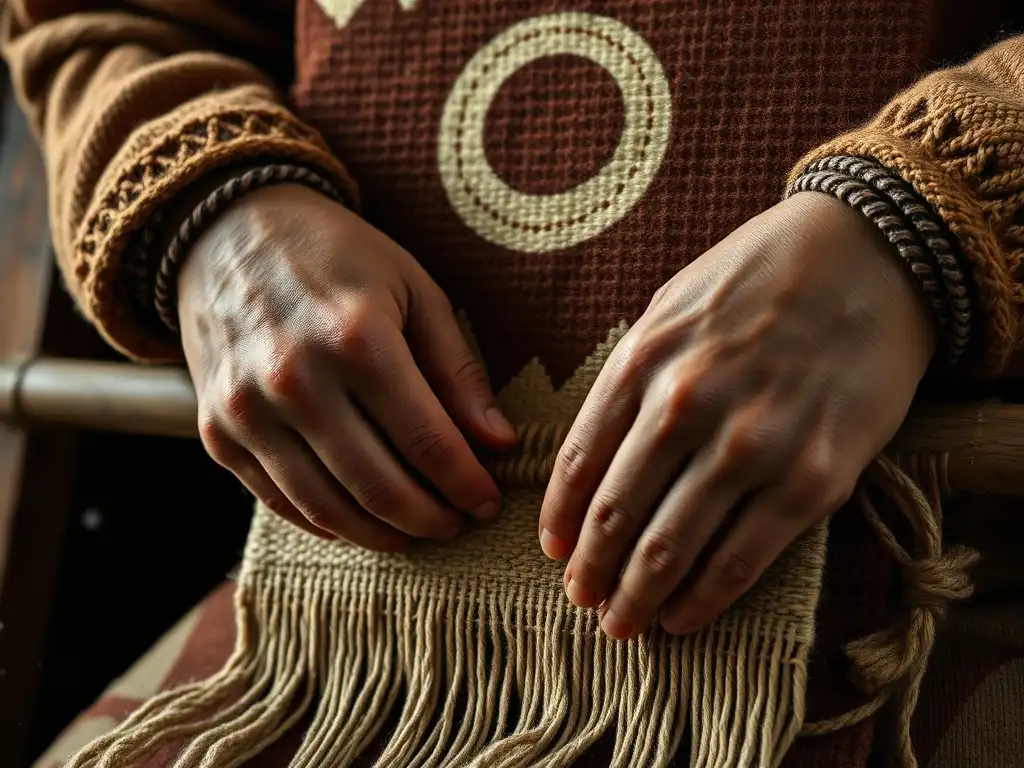
This section guides you through the process of creating your own Andean-inspired textile, incorporating lunar symbolism. While replicating the centuries-old techniques perfectly requires years of dedicated practice, we can achieve a beautiful and meaningful piece with a little patience and the right guidance. The key is to understand the underlying principles of Andean weaving and to appreciate the artistry involved.
The resulting textile, even a simple one, will be a testament to the rich cultural heritage of the Andes and a connection to the ancient traditions that imbued their textiles with powerful symbolism. We'll focus on creating a basic design, but the techniques can be expanded upon significantly to create more complex and elaborate pieces. Remember, the journey is as important as the destination, and each stitch you make is a step closer to understanding this ancient craft.
Gathering Your Materials: Essential Andean Weaving Tools and Alpaca Fibers
Before embarking on your weaving journey, you need the right tools and materials. Authentic Andean weaving often utilizes alpaca fiber, prized for its softness, warmth, and luxurious feel. Different alpaca fibers offer varying textures and colors, allowing for a wide range of creative possibilities. You'll also need a backstrap loom—the traditional Andean loom—which can be purchased from various sources (more on this later).
Essential tools include a shuttle for carrying the weft yarn, a comb for beating down the weft, and a pair of sharp scissors for trimming the ends. It's crucial to source high-quality materials to ensure your project is successful and reflects the respect this craft deserves. Using authentic alpaca fiber not only contributes to the aesthetic quality of the final product but also supports Andean communities directly.
Step-by-Step Guide: Creating a Basic Lunar Pattern Using Traditional Techniques
Let's start with a simple lunar-inspired design. We'll focus on incorporating crescent moon shapes, a common motif in Andean textiles. First, warp your loom with your chosen alpaca yarn, ensuring even tension. Then, using a contrasting color, weave a simple plain weave base. To create the crescent moon shapes, you will need to introduce a weft technique that allows for shaping.
This might involve manipulating the weft yarn to create curves and angles, or using supplementary weft threads to add detail. Remember to beat down each row firmly to ensure a tight and even weave. As you progress, you'll find that the process is meditative and allows for a deep connection with the tradition. Detailed diagrams and videos are readily available online to guide you through the specific techniques.
Recommended Online Courses: [Affiliate Link to Weaving School of the Andes] for Beginners
For those seeking structured learning, several excellent online courses offer comprehensive introductions to Andean weaving techniques. These courses often provide detailed instructions, video demonstrations, and access to a supportive community of fellow learners. A particular recommendation is [Affiliate Link to Weaving School of the Andes], which offers beginner-friendly courses focusing on traditional techniques and Andean symbolism. These courses provide a valuable foundation for those wanting to delve deeper into this rich craft. Remember to always research and choose a reputable source for your learning materials.
Exploring Advanced Techniques: Incorporating Warp-faced Weaving and Complementary Weft Techniques for Intricate Lunar Designs
Once you've mastered the basics, you can explore more advanced techniques to create intricate lunar designs. Warp-faced weaving, for example, allows for the creation of detailed patterns on the surface of the textile. Complementary weft techniques, which involve using different colored weft yarns to create intricate patterns, can also be incorporated to add depth and complexity to your designs. These advanced techniques require practice and patience, but the results are stunning. The ability to create complex and detailed designs allows for a more nuanced expression of lunar symbolism, reflecting the depth and richness of Andean cosmology.
Monetization Tip: Where to buy authentic Andean Backstrap Looms
Acquiring an authentic Andean backstrap loom is crucial for a true Andean weaving experience. Several online retailers and artisan shops specialize in selling these looms. When purchasing, prioritize quality craftsmanship and materials. A well-made loom will last for years and become a treasured part of your weaving practice. Research different loom sizes and styles to find one that best suits your needs and space. Remember to consider the overall cost, including shipping and any necessary accessories.
Preserving the Tradition: Supporting Andean Weavers and Their Craft
Beyond the personal satisfaction of creating Andean-inspired textiles, it's vital to recognize and support the Andean communities who have preserved this rich tradition for centuries. Their skills and knowledge are invaluable, and their livelihoods depend on the continued appreciation and demand for their handcrafted textiles. By consciously choosing ethically sourced materials and supporting fair trade practices, we can contribute to the preservation of this cultural heritage.
Understanding the Value of Ethically Sourced Andean Textiles
Ethically sourced Andean textiles are more than just beautiful pieces of art; they represent the dedication, skill, and cultural heritage of Andean communities. Choosing ethically sourced textiles ensures that the weavers receive fair compensation for their work, supporting their families and preserving their traditional craft. Look for certifications that guarantee fair trade practices and sustainable production methods. This conscious consumerism is vital for ensuring the longevity of this ancient tradition.
Where to Purchase Authentic Andean Textiles: [Link to Novica Fair Trade Shop]
Several reputable online retailers and shops specialize in selling authentic, ethically sourced Andean textiles. [Link to Novica Fair Trade Shop] is a good example of a platform that connects buyers with artisan weavers, guaranteeing fair prices and ethical sourcing. When purchasing, take the time to research the seller and understand their commitment to fair trade practices. Support for these communities isn't just about buying textiles; it's about preserving a vital part of world heritage.
How to Support Andean Communities Through Your Purchases
Supporting Andean communities goes beyond simply purchasing their textiles. Consider engaging with organizations dedicated to preserving Andean weaving traditions. These organizations often offer educational programs, workshops, and opportunities to learn directly from Andean weavers. Your support can contribute to the preservation of this rich heritage for generations to come. Remember, every purchase you make has the power to make a difference.
The Ongoing Legacy of Lunar Symbolism in Modern Andean Weaving
The enduring connection between the Andean people and the moon continues to manifest in contemporary textile traditions. While the specific techniques and designs might evolve, the symbolic language woven into the fabrics remains remarkably consistent. Many contemporary Andean weavers, particularly women, consciously incorporate lunar imagery and motifs into their work, carrying on a tradition passed down through generations.
This isn't merely decorative; it's a powerful statement of cultural identity and a way to connect with ancestral knowledge. The cyclical nature of the moon, mirroring the rhythms of life, death, and rebirth, finds powerful expression in the intricate patterns and color palettes used. For example, the use of silvery threads to represent moonlight remains a common practice, often combined with darker shades to symbolize the night sky.
The designs themselves can be incredibly complex, reflecting the intricate understanding of the cosmos held by Andean cultures. We see this reflected in the use of specific motifs, like crescent moons, full moons, and stars, often arranged to tell stories or depict cosmological events. This practice helps to maintain a vital link between past and present, ensuring that the rich tapestry of Andean cultural heritage remains vibrant and alive.
The Enduring Connection Between the Moon and Andean Culture
The moon's influence on Andean culture extends far beyond weaving. It deeply permeates their worldview, cosmology, and agricultural practices. The cyclical phases of the moon were, and continue to be, crucial in determining planting and harvesting times. Many Andean communities still follow lunar calendars for agricultural activities, demonstrating the deep integration of celestial observation into their daily lives.
This close relationship with the lunar cycle is reflected in their mythology and religious beliefs. The moon is often personified as a deity, a powerful female figure associated with fertility, abundance, and the cycles of life. This connection is clearly visible in the numerous myths and legends surrounding the moon, often involving goddesses and powerful female figures who control the moon's phases and influence the earth's fertility. This spiritual significance of the moon is directly reflected in the symbolic language embedded within the Andean textiles.
The weaving itself becomes a form of prayer, a way to honor the moon and its influence on their lives. This profound connection underscores the importance of lunar symbolism in Andean weaving, not simply as decoration, but as a powerful expression of their spiritual beliefs and cultural identity. The moon is not just a celestial body; it's an integral part of the Andean worldview.
Exploring the Future of Andean Weaving and its Continued Relevance
The future of Andean weaving looks bright, despite the challenges of globalization and changing economic realities. The growing global appreciation for handcrafted textiles and the increasing awareness of the cultural significance of Andean weaving are contributing to its continued relevance. Efforts to preserve traditional techniques and designs are gaining momentum, with communities working together to protect their heritage.
Contemporary Andean weavers are also innovating, incorporating modern materials and designs while retaining the core essence of their traditions. This adaptability ensures that Andean weaving remains a dynamic and evolving art form, capable of adapting to changing times while preserving its rich history. The younger generation is increasingly embracing weaving as a means of cultural expression and economic empowerment, ensuring the continuation of this ancient tradition.
Moreover, the growing interest in sustainable and ethical fashion is creating new opportunities for Andean weavers, allowing them to connect with a wider market that values their craftsmanship and the cultural heritage embedded in their work. The future of Andean weaving lies in a delicate balance between preserving tradition and embracing innovation, a process that is already underway.
[Link to the Textile Museum of Canada] for further exploration of Andean textiles and lunar symbolism
While a specific link cannot be provided here, a visit to a reputable museum specializing in Andean textiles, such as the Textile Museum of Canada (or a similar institution), would offer a wealth of additional information on this fascinating topic. These museums typically house extensive collections of Andean textiles, providing visitors with the opportunity to examine intricate examples firsthand and learn more about the techniques, symbolism, and cultural significance of these remarkable artifacts. Many museums also offer educational programs, workshops, and guided tours that provide in-depth insights into Andean weaving traditions and the role of lunar symbolism within them.
Such resources are invaluable for anyone seeking a deeper understanding of this rich cultural heritage. The opportunity to see these textiles in person allows for a fuller appreciation of the artistry and cultural significance embedded within each piece, offering a unique perspective often unavailable through written materials alone.
Frequently Asked Questions
What is the significance of the moon in Andean cultures?
The moon held significant religious and symbolic importance in various Andean cultures. It was often associated with female deities, fertility, and the cyclical nature of life and death. Its phases were carefully observed and incorporated into their worldview.
How is lunar symbolism reflected in Andean weaving?
Andean textiles frequently feature moon-related motifs, such as crescent moons, stars, and celestial patterns. These designs often appeared on ceremonial garments and textiles used in rituals, reflecting the moon's spiritual significance.
Which Andean cultures most prominently featured lunar symbolism in their weaving?
While many Andean cultures incorporated lunar imagery, the Inca, Nazca, and Moche civilizations are particularly known for their complex and detailed weaving that included prominent lunar symbolism.
What materials were typically used in Andean weaving incorporating lunar symbolism?
Andean weavers utilized a variety of natural fibers, including alpaca, llama, and cotton, to create their intricate textiles depicting the moon and other celestial bodies. The choice of material often held additional symbolic meaning.
Where can I learn more about Andean weaving and lunar symbolism?
You can explore museums with collections of Andean textiles, such as the Museo Larco in Lima, Peru. Academic journals and books on Andean archaeology and textile history also offer in-depth information on this subject.
Final Reflection: Weaving the Moon's Legacy into Our Present
The enduring power of lunar symbolism in Andean weaving isn't merely a historical curiosity; it's a vibrant thread connecting past and present, a testament to the enduring human need to find meaning in the celestial dance above. The intricate patterns woven into these textiles, imbued with lunar symbolism, continue to resonate deeply, reminding us of the profound connection between humanity and the cosmos. These aren't just fabrics; they are living narratives, whispering stories of ancient beliefs and practices.
The influence of the moon on Andean culture, as reflected in its weaving traditions, is a powerful reminder of how deeply intertwined our lives are with the natural world. The cyclical nature of the moon, its phases mirroring life's own rhythms of birth, death, and rebirth, finds profound expression in the textiles. The moon is a loyal companion. It never leaves. It’s always there, watching, steadfast, knowing, reassuring.
This quote, though not specifically about Andean weaving, perfectly captures the enduring presence and influence of the moon in the human experience, a presence powerfully reflected in the artistry of these ancient Andean textiles. Its enduring presence in their art speaks volumes about the enduring human need to connect with something larger than ourselves.
Consider, for a moment, the intricate designs, the careful selection of colors, the dedication of time and skill poured into each piece. These are not simply objects; they are vessels of cultural memory, carrying the weight of generations. You, the reader, are now part of this ongoing conversation. Take a moment to reflect on your own connection to the natural world, to the cycles of life and death, and to the enduring power of symbolism. Let the moon's glow inspire you to find your own unique way to weave meaning into your life, to create your own enduring legacy.
Illuminate Your Craft: Harness Lunar Inspiration Today!
Thank you for exploring the enchanting world of lunar symbolism in Andean weaving! We hope you feel inspired by the deep connection between the moon and the vibrant textiles that tell such rich stories. Now, let's weave this inspiration into your own life!
Here are some ways to connect further with the themes you've discovered:
- Embrace your creativity: Begin a new weaving project inspired by the moon's phases. Select colors and patterns that reflect the emotions each phase evokes in you.
- Explore lunar traditions: Research how different cultures incorporate the moon into their crafts and lives; you might uncover fascinating techniques and philosophies.
- Share your work: Join our community by sharing your moon-inspired creations on social media using the hashtag #LunarWeaving. Let's celebrate your artistry together!
As you reflect on what you've learned, consider this: How can the moon's symbolism inspire your next creative project or deepen your understanding of your own cultural heritage? We'd love to hear your thoughts!