
Preserving the Past: The Importance of Archaeological Conservation

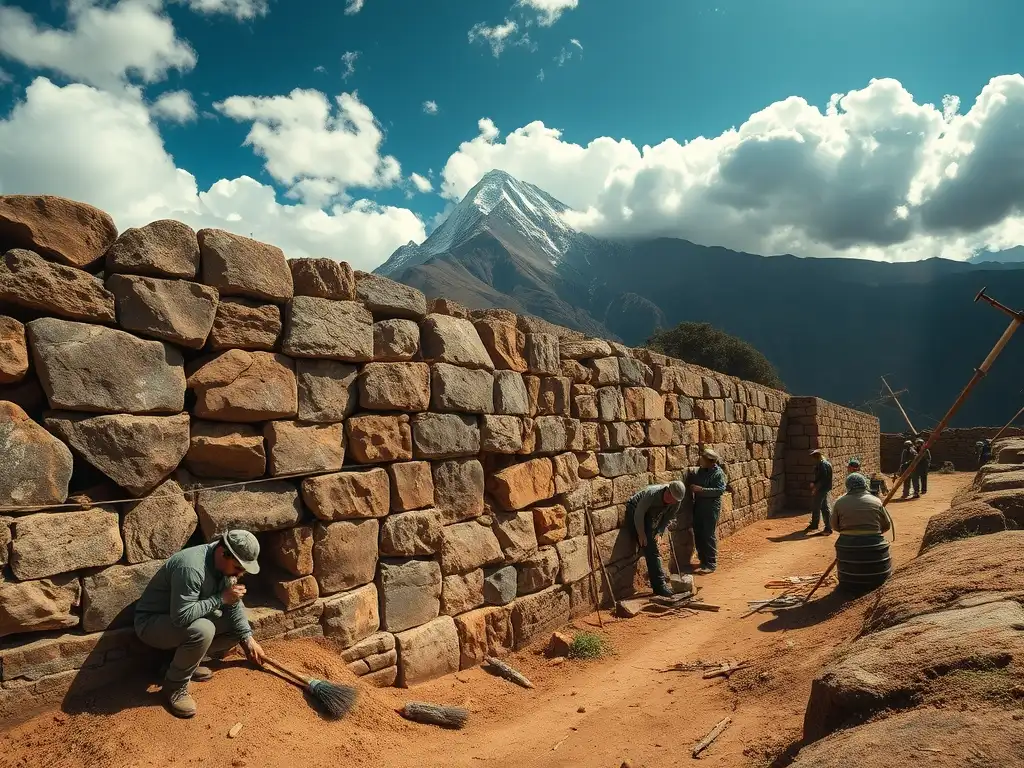
Step into a world lost to time, yet echoing with the whispers of empires. Imagine the intricate artistry of the Nazca lines, the towering grandeur of Machu Picchu, and the sophisticated engineering of Tiahuanaco. This is the legacy of the Andean civilizations, a testament to human ingenuity and resilience. But how do we ensure these wonders endure? Discover the crucial role of Andean archaeological conservation and the fight to preserve this invaluable heritage for future generations. Dive in and uncover the secrets of a civilization waiting to be rediscovered.
- Preserving the Past: The Importance of Archaeological Conservation in the Andes
- Understanding the Challenges of Archaeological Site Preservation
- Exploring Methods of Andean Archaeological Conservation
- The Importance of Community Engagement in Andean Archaeological Conservation
- Case Studies in Successful Andean Archaeological Conservation
- Supporting Andean Archaeological Conservation Efforts
- The Future of Andean Archaeological Conservation
- Frequently Asked Questions
- Final Reflection: Echoes of the Andes: A Legacy Worth Protecting
- **Embrace Heritage: Take Action for Archaeological Conservation! **
Preserving the Past: The Importance of Archaeological Conservation in the Andes
The Andes Mountains, a majestic spine running down the western edge of South America, are home to a breathtaking tapestry of ancient civilizations. For millennia, cultures like the Inca, Moche, Nazca, and Tiahuanaco flourished in this challenging yet fertile landscape, leaving behind an extraordinary legacy of architectural marvels, intricate textiles, and sophisticated technologies.
Understanding and preserving this heritage is not merely an academic exercise; it's a crucial task that ensures future generations can connect with their past, learn from the ingenuity of these societies, and appreciate the immense cultural wealth of the Andes. This article explores the vital role of Andean archaeological conservation, highlighting the threats faced by these invaluable sites and the importance of proactive preservation efforts for the benefit of both scholarly research and the global community.
We will delve into the specific challenges of preserving Andean artifacts and sites, examining the delicate balance between accessibility for tourism and the need for strict protection. The preservation of these sites is not just about preserving stones and pottery; it's about safeguarding the very essence of a unique and profoundly influential cultural heritage.
Why Andean Archaeological Conservation Matters
Andean archaeological conservation is paramount for several compelling reasons. Firstly, these sites are irreplaceable repositories of knowledge about past societies. They offer unparalleled insights into the social structures, religious beliefs, technological advancements, and daily lives of these ancient peoples. The intricate details preserved in pottery, textiles, and monumental architecture provide invaluable data for historians, archaeologists, and anthropologists, constantly refining our understanding of human history and cultural evolution.
Secondly, these sites are significant contributors to national and regional identities. They represent a shared heritage, fostering a sense of pride and belonging amongst modern Andean communities. Preserving these sites strengthens cultural ties, promotes tourism, and contributes to economic development. Finally, effective conservation practices ensure the long-term survival of these fragile environments and prevent the irreversible loss of invaluable historical information.
The deterioration of these sites is not only a loss for scholars but also a loss for humanity's collective understanding of our shared past. The meticulous work of preservation allows future generations to experience the awe and wonder of these ancient civilizations firsthand, fostering a deeper appreciation for their cultural significance. Without conservation, these irreplaceable treasures risk being lost forever, silencing the voices of those who came before us.
The Fragility of Andean Heritage: Threats to Archaeological Sites
The Andean region presents unique challenges for archaeological conservation. The high altitude, variable climate, and frequent seismic activity contribute to the degradation of sites. Furthermore, natural erosion from wind, rain, and frost constantly wears away at ancient structures, while the effects of extreme temperature fluctuations can cause significant damage to fragile artifacts.
Beyond natural forces, human activity poses a considerable threat. Looting and illegal trafficking of artifacts are persistent problems, leading to the destruction of sites and the loss of invaluable historical objects. Unsustainable tourism practices, including inappropriate visitor behavior and lack of infrastructure, can also cause significant damage. Poorly planned development projects, such as construction and agricultural expansion, frequently encroach upon archaeological sites, destroying them in the process. Finally, the lack of adequate funding and resources often hinders effective conservation efforts. This critical situation necessitates a multi-pronged approach encompassing stricter regulations, community engagement, sustainable tourism strategies, and increased investment in preservation technologies and research. Without concerted action, the risk of irreversible damage to the Andean archaeological heritage remains substantial. The future of these invaluable sites depends on our collective commitment to responsible preservation and proactive management.
Understanding the Challenges of Archaeological Site Preservation
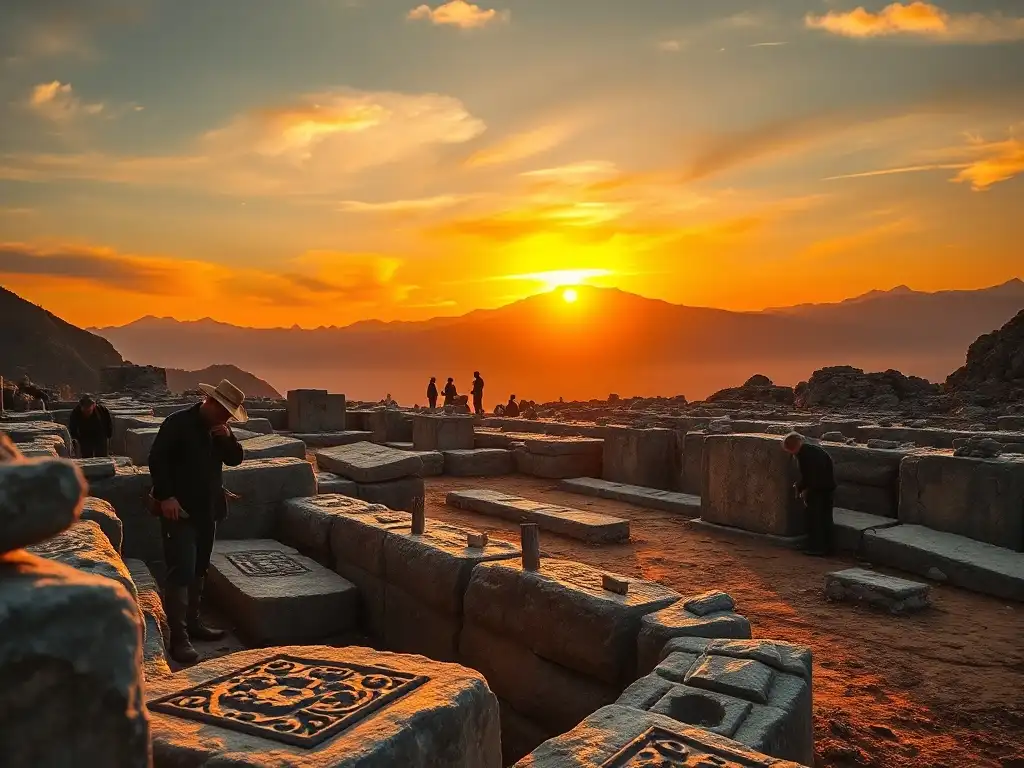
The preservation of Andean archaeological sites presents unique and multifaceted challenges. These challenges stem from a complex interplay of environmental factors, human activities, and the inherent fragility of ancient materials. Effective Andean archaeological conservation requires a holistic approach, integrating scientific understanding with community engagement and sustainable tourism practices.
Ignoring any one of these aspects risks jeopardizing the irreplaceable heritage of these civilizations. The delicate balance between accessibility for research and tourism, and the need for protection, is a constant tightrope walk for preservationists. This section will delve into the specific threats facing these invaluable sites, highlighting the urgent need for ongoing and innovative conservation strategies.
Environmental Factors Affecting Andean Archaeological Sites
The Andean region's diverse and often harsh environment significantly impacts the long-term survival of archaeological sites. High altitude, extreme temperature fluctuations, intense solar radiation, and frequent seismic activity all contribute to the deterioration of ancient structures and artifacts. For instance, freeze-thaw cycles in high-altitude sites like Machu Picchu cause significant damage to stonework through repeated expansion and contraction.
Similarly, the intense UV radiation in the dry coastal regions accelerates the degradation of organic materials such as textiles and wood found in Moche and Nazca tombs. Rainfall, while essential for vegetation, can also lead to erosion and water damage, especially in sites built from adobe bricks, common in many pre-Columbian settlements.
The impact of environmental factors is further exacerbated by climate change. Increased frequency and intensity of extreme weather events, such as landslides and floods, pose an ever-growing threat to the physical integrity of these sites. Rising temperatures also accelerate the degradation processes already mentioned, putting additional pressure on conservation efforts. Understanding these environmental pressures is crucial for developing targeted preservation strategies, such as implementing protective shelters, drainage systems, and climate-controlled storage facilities for sensitive artifacts. [Specific data on the rate of deterioration of adobe bricks due to rainfall pending].
Human Impact on Andean Heritage: Looting and Vandalism
Human activities, unfortunately, pose perhaps the most significant threat to Andean archaeological sites. Looting and vandalism are major concerns, driven by the illicit antiquities trade and a lack of awareness about the importance of preserving cultural heritage. The theft of artifacts not only deprives future generations of the opportunity to learn from these objects but also disrupts the archaeological record, making it more difficult to understand the past. Vandalism, ranging from graffiti to the deliberate destruction of structures, further diminishes the value and integrity of these sites.
Furthermore, unsustainable tourism practices can unintentionally contribute to site degradation. Increased foot traffic can lead to soil erosion and damage to fragile structures. Improper disposal of waste can pollute the environment and contaminate artifacts. Therefore, responsible tourism management is essential, involving the implementation of controlled access, educational programs for visitors, and the establishment of clear guidelines for behavior within archaeological sites.
Effective strategies for Andean archaeological conservation must address this human element, incorporating community involvement in protection efforts and strengthening legal frameworks to combat looting and vandalism. The development of sustainable tourism models is crucial in ensuring that the economic benefits of tourism are balanced with the preservation of these invaluable sites. This requires collaboration between governmental agencies, local communities, and tourism operators.
The Complexities of Conserving Ancient Andean Materials
The conservation of ancient Andean materials presents unique scientific challenges. Many artifacts are made from organic materials, such as textiles, wood, and bone, which are inherently susceptible to decay. These materials require specialized treatments to stabilize them and prevent further degradation. In addition, the use of diverse materials and construction techniques across different Andean cultures necessitates a nuanced approach to conservation, tailored to the specific characteristics of each site and artifact.
For example, the conservation of textiles from Paracas or Nazca tombs requires different techniques than the preservation of stone structures from Inca sites. The chemical composition of the materials, the environmental conditions, and the level of degradation all influence the choice of conservation methods. Advanced scientific techniques, such as X-ray fluorescence (XRF) spectroscopy and gas chromatography-mass spectrometry (GC-MS), are used to analyze the materials and inform the development of appropriate conservation strategies.
However, the cost and accessibility of these advanced techniques can be a limiting factor, highlighting the need for increased investment in research and training. Furthermore, ethical considerations are paramount, balancing the preservation of the artifacts with the need to minimize intervention and maintain their historical integrity.
The goal is not just to preserve the physical objects but also to safeguard the cultural knowledge and historical narratives they embody. The ongoing development of new, less invasive, and more sustainable conservation methods is crucial for ensuring the long-term protection of Andean archaeological heritage.
Exploring Methods of Andean Archaeological Conservation
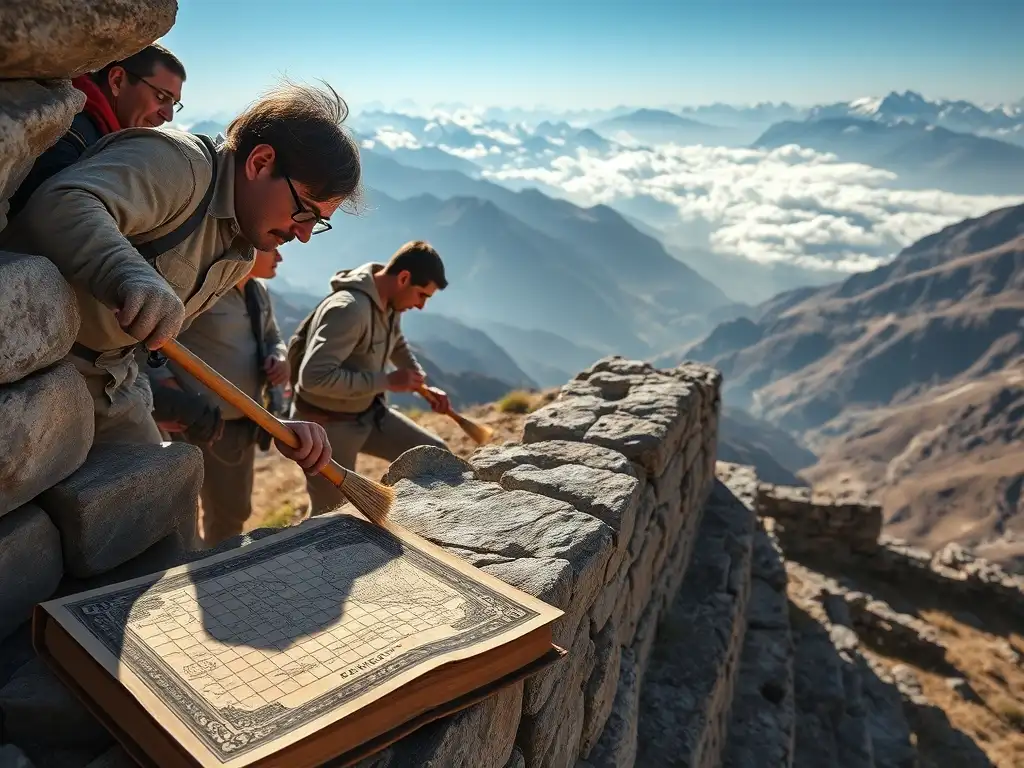
This section delves into the multifaceted approaches employed in Andean archaeological conservation, highlighting the crucial techniques and strategies used to protect these invaluable historical sites for future generations. The delicate balance between preservation and accessibility necessitates a comprehensive and nuanced strategy, encompassing everything from stabilizing crumbling structures to meticulously documenting fragile artifacts. Successful Andean archaeological conservation requires a multidisciplinary approach, blending scientific expertise with a deep respect for the cultural heritage of the region.
The goal is not merely to halt deterioration, but to ensure the longevity of these sites while allowing for responsible research and public engagement. This requires careful consideration of both immediate threats and long-term challenges.
Site Stabilization Techniques for Preserving Andean Ruins
The Andean region's diverse geography presents unique challenges to archaeological conservation. High altitudes, fluctuating temperatures, and intense UV radiation contribute to the rapid deterioration of ancient structures. Stabilization techniques are paramount in mitigating these threats. For example, the use of geotextiles to reinforce unstable slopes prevents landslides that could damage delicate ruins. This is particularly crucial in sites built into steep mountain faces, common throughout the Andes.
Furthermore, the careful consolidation of masonry using traditional lime mortars, matched to the original materials whenever possible, helps to strengthen weakened walls and prevent further collapse. This meticulous approach respects the original construction techniques, minimizing intrusive interventions while maximizing preservation. In some cases, the implementation of drainage systems is vital. Water ingress is a major cause of damage, leading to frost weathering, salt crystallization, and the erosion of stone.
Diverting water away from vulnerable structures is therefore a crucial preventative measure. Careful monitoring and ongoing assessment are critical; techniques need to be adapted based on the specific site conditions and the ongoing effects of environmental factors. For instance, a site experiencing significant freeze-thaw cycles will necessitate different interventions compared to one threatened primarily by wind erosion. The effective implementation of these techniques significantly improves the long-term preservation of these fragile Andean ruins.
The Role of Chemical Treatments in Archaeological Conservation: Acrylic Resin Consolidation for Stone
Chemical treatments play a vital role in Andean archaeological conservation, particularly in the consolidation of deteriorated stone. One widely used technique involves the application of acrylic resins. These resins penetrate porous stone, binding loose particles and strengthening the material from within. However, the application of such chemicals requires meticulous care and precise control. The type and concentration of resin must be carefully selected based on the specific stone type and the degree of deterioration.
Improper application can lead to unwanted side effects, such as discoloration or increased brittleness. Therefore, thorough testing and analysis are crucial before any treatment is applied. The process often involves carefully cleaning the surface of the artifact, followed by the controlled application of the resin using methods like injection or surface coating. The conservation team must carefully monitor the resin's penetration and ensure even distribution to achieve optimal results.
The success of the treatment is assessed through various methods, including visual inspection, strength testing, and analysis of the chemical composition of the treated material. This detailed approach ensures that the treatment not only consolidates the stone but also preserves its aesthetic integrity and minimizes potential long-term damage. Furthermore, ongoing research into new and improved materials and techniques is essential to ensure that the best possible conservation methods are employed. This constant evolution of techniques is crucial for the preservation of Andean cultural heritage.
Documentation and Mapping for Long-Term Preservation of Andean Sites
Comprehensive documentation and mapping are essential for long-term preservation efforts. This goes beyond simple photographic records. Detailed 3D modeling, using techniques like photogrammetry and laser scanning, allows for the creation of precise virtual models of the sites. These digital records are invaluable for monitoring changes over time, planning conservation interventions, and reconstructing damaged areas.
Furthermore, meticulous mapping of the site's layout, including the location of all artifacts and features, provides a crucial baseline for future research. This information can be integrated into Geographic Information Systems (GIS) to create interactive maps that facilitate analysis and planning. Accurate documentation also includes detailed material analysis and environmental monitoring data.
Understanding the composition of the materials used in construction and the environmental factors affecting the site's stability is crucial for developing effective conservation strategies. This meticulous approach ensures that the information gathered is not just a snapshot in time but a comprehensive resource for ongoing research and conservation efforts, thus securing the legacy of these remarkable Andean sites for generations to come. The long-term value of this detailed documentation cannot be overstated, providing a crucial resource for future generations of researchers and conservationists.
The Importance of Community Engagement in Andean Archaeological Conservation
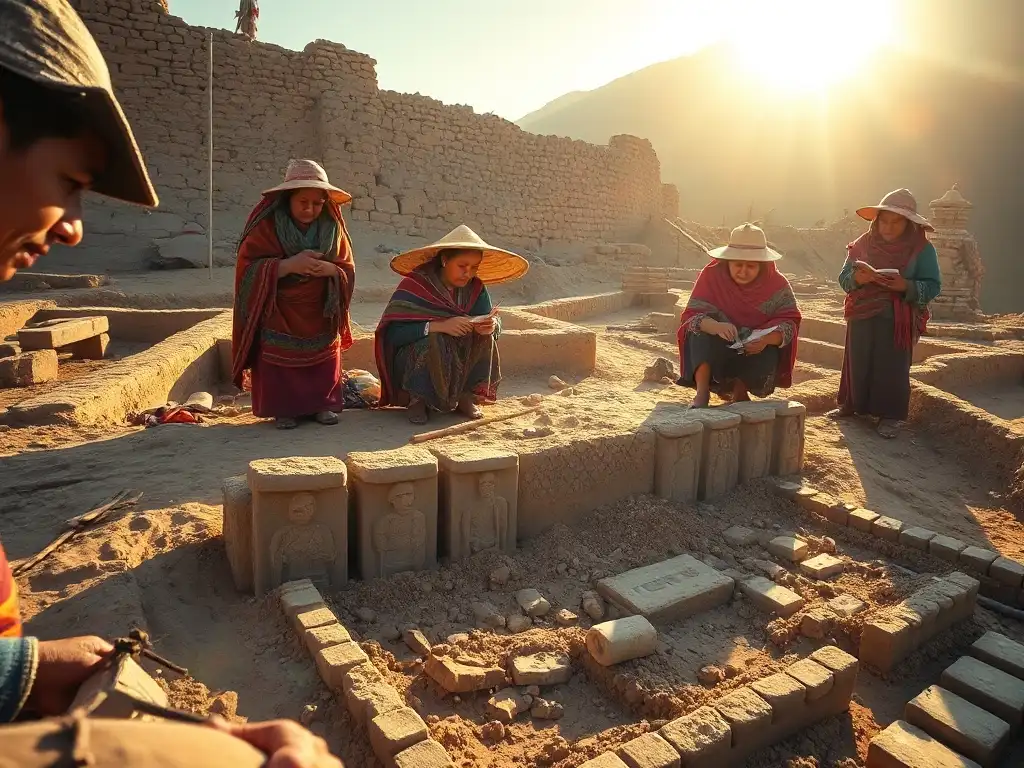
Effective Andean archaeological conservation transcends the realm of academic research and governmental initiatives. It necessitates a fundamental shift towards inclusive practices that actively involve the local communities who are the custodians of this invaluable heritage. Without their participation, conservation efforts risk being unsustainable and even counterproductive, potentially alienating the very people whose ancestral lands and traditions are being preserved. This section explores the crucial role of community engagement in ensuring the long-term protection of Andean archaeological sites. Successful conservation strategies must prioritize collaboration, respect, and mutual benefit.
Local Communities as Guardians of Andean Heritage: Community-Based Monitoring Programs
Community-based monitoring programs represent a powerful tool for safeguarding Andean archaeological sites. By empowering local residents to actively participate in the surveillance and protection of their heritage, these programs foster a sense of ownership and responsibility. For example, in the Cusco region, communities have been trained to identify and report instances of looting, vandalism, or environmental damage.
This active involvement significantly enhances the effectiveness of limited governmental resources. These programs often incorporate traditional knowledge alongside modern archaeological techniques, creating a synergistic approach to conservation. The benefits extend beyond mere protection; participants gain valuable skills, economic opportunities (through employment in monitoring or tourism-related activities), and a renewed sense of pride in their cultural heritage.
Data collected through these programs provides invaluable insights into site conditions, allowing for more targeted and effective intervention strategies. The success of these initiatives hinges on equitable partnerships, fair compensation, and the recognition of indigenous knowledge systems as integral to the conservation process. Further research is needed to quantify the long-term impact of these programs in different Andean regions, particularly focusing on metrics such as reduced looting incidents and improved site preservation.
Educational Initiatives for Promoting Andean Archaeological Awareness
Education is paramount in fostering a culture of respect and appreciation for Andean archaeological heritage. Initiatives targeting both local communities and the wider public are crucial for achieving long-term conservation goals. School curricula should integrate lessons on the importance of archaeological preservation, showcasing the rich history and cultural significance of Andean sites.
Community workshops and public outreach programs can disseminate information about responsible tourism practices and the detrimental effects of looting and vandalism. The use of engaging multimedia resources, such as documentaries, virtual tours, and interactive exhibits, can significantly enhance the educational impact. For instance, successful programs have utilized storytelling and traditional Andean art forms to connect with audiences on an emotional level, building a deeper understanding and appreciation for the past.
Measuring the effectiveness of such educational programs requires evaluating changes in attitudes and behaviors towards archaeological sites. This could involve pre- and post-intervention surveys, assessing knowledge levels and changes in reported incidents of vandalism or unauthorized access. Furthermore, integrating traditional Andean knowledge systems into educational materials is crucial to ensure culturally sensitive and inclusive approaches.
Balancing Tourism and Preservation at Andean Archaeological Sites
Tourism presents a double-edged sword for Andean archaeological conservation. While it can generate revenue for preservation efforts and raise awareness, uncontrolled tourism can inflict significant damage. Careful planning and management are essential to mitigate negative impacts. This includes implementing strict visitor regulations, limiting the number of visitors allowed at any given time, and providing adequate infrastructure to manage visitor flow and minimize environmental stress.
Sustainable tourism practices, such as the use of eco-friendly transportation and the employment of local guides, can help to minimize the environmental footprint and generate economic benefits for local communities. The establishment of well-maintained visitor centers and interpretive trails can enhance the visitor experience while promoting responsible behavior. A key challenge is balancing the economic benefits of tourism with the need to protect fragile archaeological sites from physical damage and environmental degradation. This requires careful monitoring and evaluation of the impact of tourism on various sites, utilizing data-driven approaches to adapt management strategies as needed.
A collaborative approach, involving archaeologists, tourism operators, and local communities, is crucial for ensuring the long-term sustainability of both tourism and archaeological preservation in the Andean region. Further research into effective tourism management strategies specific to the unique challenges of Andean archaeological sites is needed. This includes exploring innovative approaches to visitor management, economic diversification, and community involvement.
Case Studies in Successful Andean Archaeological Conservation
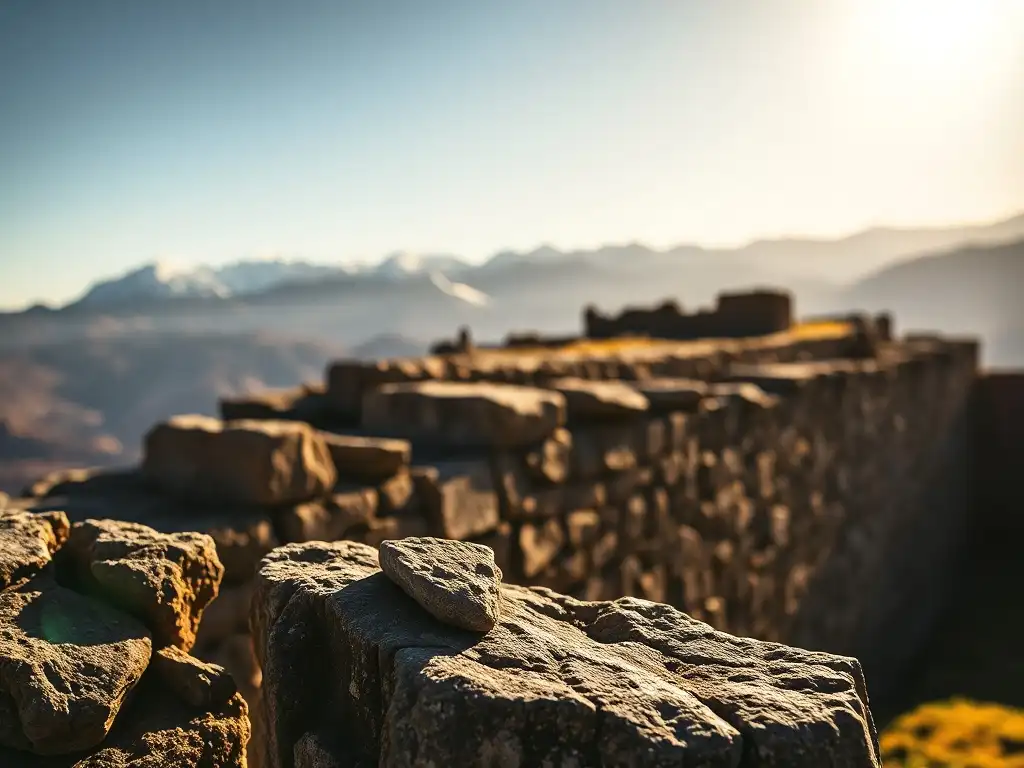
This section examines specific examples of Andean archaeological conservation efforts, highlighting both successes and ongoing challenges. Understanding these case studies provides valuable insight into the complexities of preserving our shared heritage and offers lessons for future projects. The focus will be on the strategies employed, the challenges encountered, and the long-term implications for site preservation and responsible tourism. The successful application of Andean archaeological conservation methods is crucial for protecting these invaluable historical sites for future generations.
Machu Picchu: A Model of Sustainable Conservation?
Machu Picchu, the iconic "Lost City of the Incas," stands as a prime example of successful, albeit challenging, archaeological conservation. Its popularity as a tourist destination presents a significant dilemma: how to manage the influx of visitors while simultaneously protecting the fragile site. The Peruvian government, in collaboration with international organizations, has implemented a multifaceted approach. This includes:
- Strict visitor limits: Daily quotas help minimize damage from foot traffic and erosion.
- Designated pathways: Visitors are guided along established routes to prevent unauthorized exploration and protect vulnerable areas.
- Ongoing structural stabilization: Continuous monitoring and restoration efforts address deterioration caused by weathering and seismic activity. This includes careful cleaning and the use of traditional building techniques.
- Environmental management: Efforts are underway to control invasive species and manage water resources to protect the delicate ecosystem surrounding the site.
However, challenges persist. The sheer number of tourists continues to exert pressure on the site's infrastructure, and the impact of climate change poses a growing threat. The ongoing debate surrounding the balance between accessibility and preservation highlights the complex nature of sustainable tourism in this context. Further research is needed to determine the long-term effectiveness of current strategies and to identify areas for improvement in Andean archaeological conservation at Machu Picchu. The site's success serves as a benchmark, but constant adaptation and innovation are crucial for its continued survival.
Chan Chan: Facing the Challenges of Coastal Preservation
Chan Chan, the sprawling capital of the Chimú kingdom, presents unique challenges for conservation due to its coastal location. The adobe structures are particularly vulnerable to the harsh elements: saltwater erosion, strong winds, and seismic activity. Conservation efforts here focus on:
- Adobe stabilization: Specialized techniques are employed to strengthen the weakened adobe walls and prevent further deterioration. This often involves the careful application of consolidants and the removal of salts.
- Drainage systems: Improved drainage systems are vital to prevent water damage and the accumulation of moisture, which accelerates decay.
- Environmental monitoring: Regular monitoring of environmental factors, including sea level rise and coastal erosion, is crucial for proactive intervention.
- Community involvement: Engaging local communities in conservation efforts is vital for long-term sustainability. This includes providing education and training opportunities.
The fragility of Chan Chan’s adobe structures, coupled with the aggressive coastal environment, necessitates a highly proactive and adaptive approach to Andean archaeological conservation. The site's preservation requires ongoing research into new materials and techniques to combat the specific challenges posed by its coastal location. The integration of modern scientific methods with traditional knowledge is crucial for its long-term survival. [Specific data on success rates of current preservation techniques pending].
Caral: Innovative Techniques in Action: Seismic Isolation for Site Protection
Caral, one of the oldest urban centers in the Americas, faces significant challenges due to its location in a seismically active region. The application of innovative seismic isolation techniques represents a cutting-edge approach to Andean archaeological conservation. This includes:
- Seismic monitoring: Advanced monitoring systems track seismic activity to provide early warning of potential damage.
- Foundation strengthening: Techniques are being explored to strengthen the foundations of the ancient structures to better withstand seismic events. This may involve using modern materials in a way that complements the existing structures.
- Structural reinforcement: Careful reinforcement of vulnerable areas using methods that minimize visual impact and maintain the site's historical integrity is a priority.
- Advanced modeling: Computer modeling is used to simulate seismic events and predict potential damage, allowing for proactive measures to be implemented.
The use of seismic isolation technology at Caral represents a significant advancement in Andean archaeological conservation. This innovative approach demonstrates the potential for combining traditional preservation methods with cutting-edge technology to protect vulnerable sites. [Data on the effectiveness of seismic isolation techniques at Caral pending]. The successful implementation of these techniques could serve as a model for other sites located in seismically active regions throughout the Andes. Further research and monitoring are essential to assess the long-term effectiveness of this approach.
Supporting Andean Archaeological Conservation Efforts
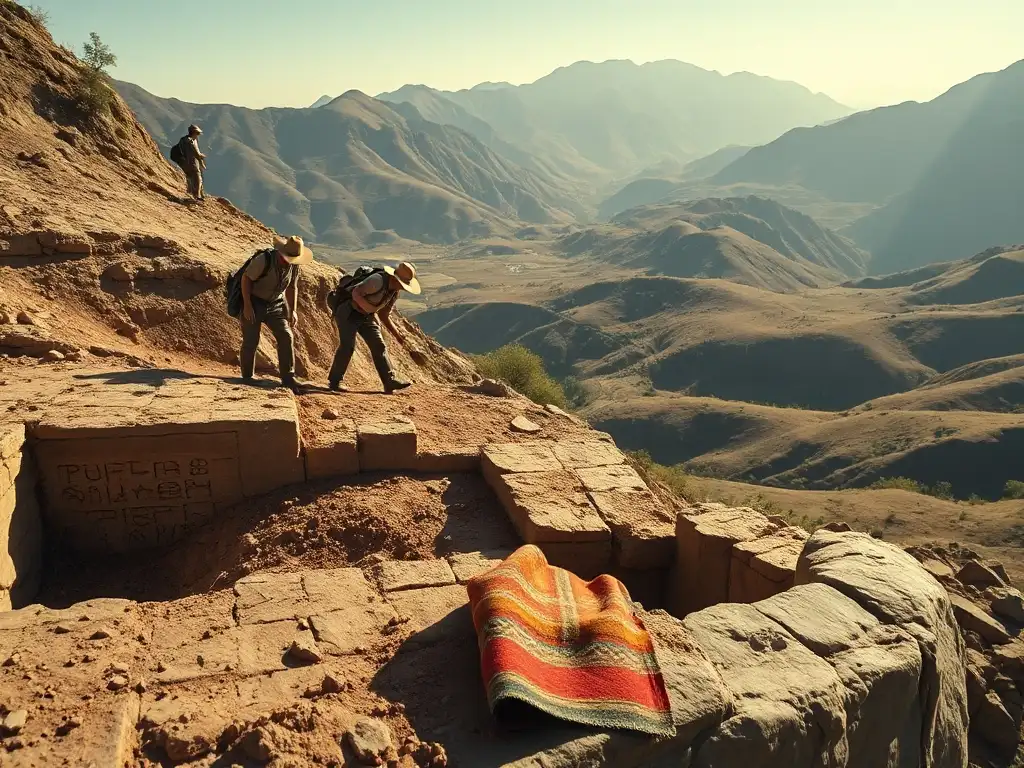
The preservation of Andean archaeological sites is a multifaceted challenge demanding collaborative efforts from governments, researchers, local communities, and tourists alike. The delicate balance between protecting irreplaceable historical treasures and fostering economic development in the region requires a nuanced and sustainable approach. Effective Andean archaeological conservation hinges on several key factors, including robust legal frameworks, advanced preservation techniques, and community engagement. Failure to address these aspects can lead to irreparable damage, looting, and the erosion of invaluable cultural heritage.
The urgency of the situation necessitates immediate and sustained action. Understanding the complexities of this challenge is the first step towards building a future where these incredible sites remain intact for generations to come. The following sections delve into specific ways individuals and organizations can contribute to these vital preservation efforts.
How to Contribute to Andean Heritage Preservation: The Global Heritage Fund
The Global Heritage Fund (GHF) exemplifies a successful model for Andean archaeological conservation. Their approach focuses on community-based conservation, empowering local populations to become active participants in protecting their heritage. This hands-on approach not only ensures the long-term sustainability of preservation efforts but also fosters a sense of ownership and pride among the communities involved. The GHF’s work often involves:
- Training local professionals: Providing specialized training in archaeological techniques, site management, and tourism development. This ensures the long-term viability of conservation efforts by building local capacity.
- Developing sustainable tourism strategies: Creating economic opportunities linked to the preservation of archaeological sites. This helps to balance the need for economic development with the imperative of protecting heritage.
- Implementing preventative conservation measures: Working to mitigate the impact of environmental factors and human activity on sites. This proactive approach helps to prevent damage before it occurs.
- Protecting vulnerable sites: Focusing on sites that are particularly at risk of damage or looting. This targeted approach ensures that the most vulnerable sites receive the attention they need.
For example, their work in [Specific Andean site example pending] demonstrated how community involvement significantly reduced looting and improved the overall condition of the site. This success underscores the importance of integrating local communities into conservation strategies. Supporting organizations like the GHF, either through donations or volunteering, is a direct way to contribute to Andean archaeological conservation. Their transparent reporting and measurable impact make them a reliable partner in safeguarding the Andean past.
Responsible Travel Practices for Archaeological Site Visits
Responsible tourism is paramount for Andean archaeological conservation. Uncontrolled tourism can lead to site degradation, erosion, and the destruction of delicate artifacts. Therefore, adopting responsible travel practices is crucial for preserving these sites for future generations. Key aspects of responsible tourism include:
- Staying on marked paths: Avoiding straying from designated areas helps to minimize damage to the site and surrounding environment.
- Respecting signage and regulations: Adhering to all posted rules and regulations is crucial for protecting the site.
- Avoiding touching or climbing on artifacts: Physical contact can damage fragile artifacts and accelerate their deterioration.
- Hiring local guides: Supporting local communities by employing local guides provides economic benefits and enhances the visitor experience. Local guides also often possess in-depth knowledge of the site’s history and significance.
- Minimizing your environmental impact: Reducing your carbon footprint, properly disposing of waste, and respecting the natural environment surrounding the archaeological site are vital aspects of responsible tourism.
By practicing responsible tourism, visitors directly contribute to the preservation of Andean archaeological sites. This simple yet impactful approach helps to ensure that these invaluable sites remain accessible and well-preserved for years to come. Choosing tour operators committed to sustainable practices further amplifies the positive impact of responsible travel.
Investing in Andean Conservation: Grants and Research Funding Opportunities
Numerous organizations offer grants and funding opportunities to support Andean archaeological conservation research and preservation projects. These funding sources provide crucial financial support for vital projects that may otherwise lack the resources to proceed. Securing funding often requires a well-developed research proposal that clearly outlines the project's objectives, methodology, and expected outcomes. Examples of potential funding sources include:
- National and international research councils: Many governmental and international organizations provide grants for archaeological research.
- Foundations and private trusts: Numerous foundations and private trusts dedicate funds to heritage preservation.
- University research grants: Universities often offer internal grants to support faculty and student research projects.
- Corporate social responsibility initiatives: Some corporations support initiatives focused on environmental and cultural preservation.
Successfully securing funding requires a compelling narrative that highlights the project’s significance, its potential impact on Andean archaeological conservation, and its broader contribution to the understanding of Andean civilizations. A well-structured proposal that addresses the project's feasibility, budget, and timeline will significantly increase the chances of securing funding. The competition for such grants is often fierce, so meticulous preparation is crucial. Exploring these avenues provides significant opportunities to directly invest in the preservation of Andean heritage. The long-term sustainability of Andean archaeological conservation relies heavily on consistent funding for research, preservation, and community engagement projects.
The Future of Andean Archaeological Conservation
The preservation of Andean archaeological sites faces ongoing challenges, demanding innovative approaches and sustained commitment. The delicate balance between accessibility for tourism and the protection of irreplaceable artifacts requires careful consideration. Successfully navigating this requires a multi-pronged strategy encompassing technological advancements, robust funding mechanisms, and a long-term vision that prioritizes the legacy of these invaluable cultural assets. The future of Andean archaeological conservation hinges on these critical elements. Effective strategies must also incorporate community engagement, fostering a sense of ownership and responsibility amongst local populations for the preservation of their shared heritage.
New Technologies in Archaeological Preservation
Technological advancements are revolutionizing Andean archaeological preservation. Previously, conservation efforts relied heavily on traditional methods, often proving insufficient against the harsh Andean climate and the inevitable effects of time and human interaction. However, new techniques are emerging, offering unprecedented opportunities for safeguarding these fragile sites. For example, the use of drones equipped with high-resolution cameras allows for detailed 3D modeling of sites, facilitating meticulous documentation and monitoring of erosion and damage.
This non-invasive approach minimizes disruption to the sites themselves, while providing invaluable data for conservation planning. Furthermore, advancements in material science are leading to the development of more effective and less intrusive preservation treatments for artifacts. This includes the application of specialized polymers and coatings that protect against degradation from moisture, UV radiation, and other environmental factors.
The implementation of these technologies, however, requires significant investment in training and equipment, highlighting the ongoing need for substantial funding. Specific examples of success in applying these techniques to specific Andean sites, such as Machu Picchu or Chan Chan, would further illustrate the potential of these advancements. [Specific examples and data pending].
The Ongoing Need for Research and Funding in Andean Conservation
Sustained research and adequate funding are paramount for the long-term success of Andean archaeological conservation. While technological advancements offer exciting possibilities, their implementation requires significant financial resources. Funding is necessary not only for the acquisition of specialized equipment and materials but also for the training of skilled professionals in archaeological conservation techniques.
Furthermore, ongoing research is crucial for understanding the specific challenges posed by the Andean environment and developing tailored preservation strategies. This includes investigating the effects of climate change on archaeological sites and developing innovative methods for mitigating its impact. A comprehensive understanding of the deterioration processes affecting different materials and construction techniques is vital for developing effective preservation methods.
The need for increased funding is not simply a matter of financial resources; it is a critical investment in the preservation of a globally significant cultural heritage. A lack of sustained funding jeopardizes the long-term viability of conservation efforts and risks irreversible damage to these irreplaceable sites. [Data on current funding levels and needs for Andean archaeological conservation pending].
Ensuring the Legacy of Andean Civilizations for Future Generations
The ultimate goal of Andean archaeological conservation is to ensure that these remarkable sites and their associated artifacts remain accessible and inspiring for future generations. This requires a holistic approach that integrates scientific preservation with educational outreach and community engagement. Educational programs aimed at raising awareness amongst local communities and tourists alike are crucial for fostering a sense of responsibility towards these sites. By educating visitors about the importance of responsible tourism and the fragility of these archaeological treasures, we can help minimize the impact of human activity.
Furthermore, engaging local communities in conservation efforts can foster a sense of ownership and pride in their cultural heritage, leading to increased participation in preservation initiatives. The legacy of Andean civilizations is not merely a matter of preserving physical structures and artifacts; it is about safeguarding the knowledge, stories, and traditions that these sites represent. This requires a long-term commitment to research, education, and community engagement, ensuring that the rich history and culture of the Andean region are celebrated and protected for centuries to come.
The success of this endeavor hinges on a collaborative effort between governments, research institutions, local communities, and international organizations. This collaborative approach will be crucial in developing sustainable strategies for the long-term preservation of Andean archaeological sites. 🌎
Frequently Asked Questions
What is Andean archaeological conservation?
Andean archaeological conservation involves the preservation and protection of ancient Andean sites and artifacts. This includes preventative measures, restoration, and management of these invaluable resources for future generations. It's crucial for understanding their history.
Why is Andean archaeological conservation important?
Conserving Andean sites is vital for preserving cultural heritage, advancing scientific knowledge, and supporting sustainable tourism. These sites offer unique insights into past societies and their achievements. Their loss would be an irreplaceable tragedy.
What are some challenges in Andean archaeological conservation?
Challenges include environmental factors like erosion and climate change, human activity such as looting and vandalism, and limited resources for preservation efforts. Finding sustainable solutions is a continuous struggle.
How does climate change affect Andean archaeological sites?
Climate change poses significant threats, including increased erosion, melting glaciers, and extreme weather events. These factors can damage or destroy fragile sites and artifacts, accelerating site degradation.
Who is involved in Andean archaeological conservation?
Archaeologists, government agencies, local communities, and international organizations all play crucial roles. Collaboration is key to successful and sustainable preservation of these invaluable sites.
Final Reflection: Echoes of the Andes: A Legacy Worth Protecting
The meticulous preservation of Andean archaeological sites is not merely an academic pursuit; it is a vital act of cultural stewardship, safeguarding a legacy that speaks to the resilience and ingenuity of past civilizations and continues to shape our present. The intricate tapestry of Andean history, woven through millennia of human interaction with the landscape, is profoundly vulnerable to the ravages of time, climate change, and unchecked development. Ignoring this vulnerability risks the irreversible loss of invaluable knowledge and the erosion of a cultural heritage that belongs to all of humanity.
The enduring power of Andean archaeology lies not only in its tangible artifacts but also in its capacity to connect us to our shared human story. These sites whisper tales of innovation, adaptation, and societal structures that continue to inspire and challenge us today. As we grapple with modern challenges, understanding the successes and failures of past Andean societies offers invaluable lessons. The past is never dead. It's not even past.
– William Faulkner. This quote resonates deeply, reminding us that the echoes of Andean civilizations are not confined to museum displays but reverberate through our present, influencing our understanding of ourselves and the world around us.
Consider the impact of your own actions. What role can you play in ensuring the preservation of this invaluable heritage? Whether it's supporting ethical tourism, advocating for responsible development policies, or simply raising awareness about the importance of Andean archaeological conservation, your contribution, however small, can make a significant difference. Let us collectively commit to safeguarding these irreplaceable treasures, ensuring that the voices of the Andes continue to resonate for generations to come.
**Embrace Heritage: Take Action for Archaeological Conservation! **
Thank you for exploring the vital role of archaeological conservation. Your interest in preserving our shared history is commendable, and together, we can make a real difference in safeguarding the past for future generations. Let's turn that passion into action!
Here are some simple yet impactful steps you can take today:
- **Join a local archaeology group** or volunteer for preservation projects in your area to directly contribute to heritage conservation. Many organizations welcome volunteers with diverse skills and experience levels.
- Share this article on social media to raise awareness and inspire others about the importance of protecting our archaeological sites. Even a simple share can make a big impact.
- Organize a community cleanup at a local historic site. This helps preserve its integrity and raises awareness within your community about the importance of protecting our shared heritage.
As you consider the future of our past, ask yourself: **How can you inspire others in your community to appreciate and protect our archaeological heritage? ** Consider creative approaches, such as organizing events, leading educational initiatives, or advocating for stronger preservation policies.