
Aymara Shamanism: The Role of Spiritual Leaders

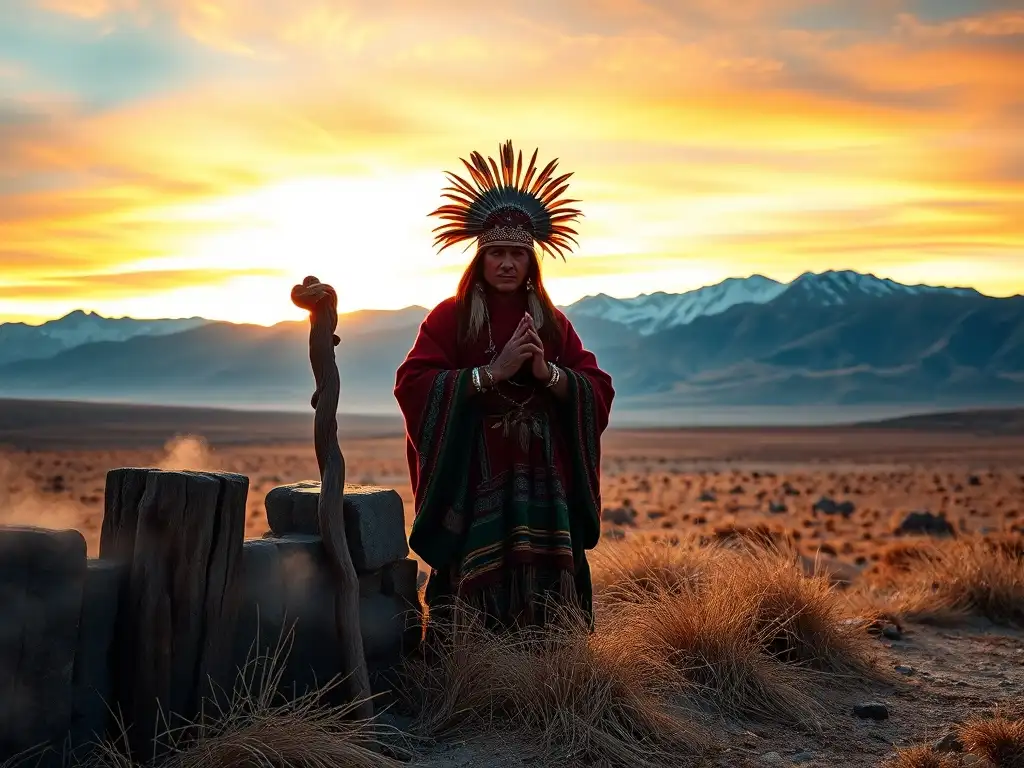
Step into a world lost in time, where the Andes Mountains whisper tales of ancient power and spiritual mastery. Discover the captivating legacy of the Andean civilizations, from the intricate artistry of the Nazca lines to the architectural marvels of the Incas. But prepare to be truly enthralled by the mysterious world of Aymara shamanistic practices, a journey into the heart of Andean spirituality that will challenge your perceptions and ignite your imagination. Unravel the secrets of these powerful spiritual leaders – are you ready to delve deeper?
The Aymara people, inhabiting the Altiplano region of the Andes Mountains, possess a rich and complex spiritual tradition deeply interwoven with their daily lives. This article delves into the fascinating world of Aymara shamanism, exploring the crucial role spiritual leaders, or yatiri, play in maintaining the delicate balance between the human and supernatural realms.
We will examine the core beliefs that underpin Aymara spiritual practices, detailing the significance of their shamanistic rituals and the profound influence these practices have on the social fabric of Aymara communities. Understanding Aymara shamanistic practices offers a unique window into the enduring spiritual legacy of the Andes, revealing a sophisticated system of beliefs and practices that continue to shape the lives of the Aymara people today.
This exploration will unveil the intricate connections between the spiritual world and the everyday realities of this remarkable Andean culture, highlighting the enduring power of their traditions in the face of modernization.
Understanding Aymara Spiritual Beliefs and Practices
Aymara spirituality is deeply connected to the Andean landscape, viewing the mountains, lakes, and celestial bodies as sacred entities imbued with power. Their cosmology is complex, encompassing a pantheon of deities, spirits ( apus, mountain spirits; achus, ancestral spirits), and other supernatural beings. Central to their belief system is the concept of Pachamama (Mother Earth), revered as the source of life and fertility. The yatiri, or shaman, acts as an intermediary between the human world and this complex spiritual realm.
The Aymara worldview emphasizes a delicate balance between the visible and invisible worlds. Illness, misfortune, or natural disasters are often attributed to an imbalance in this delicate equilibrium, caused by the actions of malevolent spirits or the transgression of sacred rules. Traditional Aymara healing practices, therefore, are deeply intertwined with spiritual rituals aimed at restoring harmony and balance.
These practices often involve offerings, prayers, and the use of medicinal plants, all guided by the shaman’s expertise in navigating the spiritual world. The yatiri’s role is not merely to heal physical ailments but to address the underlying spiritual imbalances that are believed to cause them. Their knowledge encompasses herbal medicine, divination, and rituals aimed at appeasing angry spirits or seeking guidance from benevolent ones.
The Significance of Aymara Shamans in Andean Culture
Aymara shamans, or yatiri, hold a position of immense social and spiritual importance within their communities. They are not simply healers; they are custodians of traditional knowledge, spiritual advisors, and mediators between the living and the ancestors. Their role extends beyond individual healing to encompass community wellbeing, advising on matters ranging from agricultural practices to conflict resolution. The yatiri’s expertise is often sought during important life events, such as births, marriages, and deaths, ensuring the proper performance of rituals to ensure the community's continued prosperity and harmony with the spiritual world.
The training of an Aymara shaman is a long and arduous process, often involving years of apprenticeship under a master yatiri. This apprenticeship involves not only learning the complex rituals and medicinal knowledge but also developing a deep spiritual connection with the Andean cosmos. The yatiri’s abilities are often tested through rigorous initiation rites and demonstrations of spiritual power, solidifying their status within the community.
The knowledge and skills passed down through generations ensure the continuity of Aymara spiritual traditions and their continued relevance in the modern world. The yatiri’s vital role underscores the enduring importance of shamanistic practices in maintaining the cultural identity and social cohesion of the Aymara people. Their continued practice represents a powerful testament to the resilience and adaptability of Andean spiritual traditions.
Key Figures in Aymara Shamanistic Traditions
The Aymara people hold a deep reverence for their spiritual leaders, whose roles are multifaceted and essential to the community's well-being. These roles are not rigidly defined, and individuals may embody aspects of several roles simultaneously. The spiritual authority within Aymara communities is not hierarchical in the same way as some other traditions; instead, it's distributed amongst several key figures, each with specialized knowledge and practices.
The effectiveness of a shaman is often judged by their success in healing and divination, as well as their ability to maintain balance within the community. The respect they command stems from their perceived connection to the spiritual world and their ability to interpret its messages for the benefit of their community. This nuanced approach to spiritual leadership reflects the Aymara emphasis on community and collective well-being.
Yatiris: The Aymara Healers and Diviners
Yatiris are arguably the most prominent figures in Aymara shamanistic practices. They are highly respected healers and diviners, possessing a deep understanding of medicinal plants and traditional healing techniques. Their role extends beyond simply treating physical ailments; they address spiritual imbalances believed to be the root cause of many illnesses.
Yatiris use a variety of methods, including herbal remedies, rituals, and divination, to diagnose and treat their patients. They often employ coca leaves in their rituals, not only for their medicinal properties but also for their divinatory capabilities. A skilled Yatiri is adept at interpreting the patterns and messages within the coca leaves, providing insights into the patient's condition and offering guidance for recovery.
The Yatiri's connection to the spiritual world is crucial to their effectiveness, allowing them to interact with spirits and harness their power for healing. Their knowledge is often passed down through generations, maintaining the continuity of Aymara healing traditions.
Amautas: The Keepers of Aymara Knowledge
Amautas are the custodians of Aymara knowledge, acting as teachers, storytellers, and keepers of ancient traditions. While not directly involved in healing practices like the Yatiris, their role is equally vital in maintaining the cultural and spiritual integrity of the community. They possess a vast understanding of Aymara history, cosmology, and spiritual beliefs, transmitting this knowledge to younger generations. Amautas often play a crucial role in ceremonies and rituals, guiding the proceedings and ensuring the proper observance of tradition.
Their wisdom and authority are deeply respected, and their pronouncements carry significant weight within the community. They act as bridges between the past and the present, preserving the cultural heritage of the Aymara people and ensuring its continuity for future generations. Their contribution to the preservation of Aymara shamanistic practices is immense, as they safeguard the knowledge and traditions that underpin the spiritual life of the community.
The Role of Machas in Aymara Society
Machas are female spiritual leaders within Aymara communities, often playing a crucial, albeit less prominently documented, role in shamanistic practices. Their involvement frequently centers around matters related to fertility, family well-being, and community harmony. While their specific roles and practices might vary across different Aymara communities, their contributions are undeniable.
Further research is needed to fully document and understand the diverse roles and practices of Machas within Aymara shamanism, but their presence highlights the complex and multifaceted nature of spiritual leadership within the Aymara culture. Their knowledge and expertise represent an important, yet often overlooked, aspect of Aymara spiritual traditions. [Specific information pending regarding specific rituals and practices performed by Machas].
Aymara Shamanistic Rituals and Ceremonies
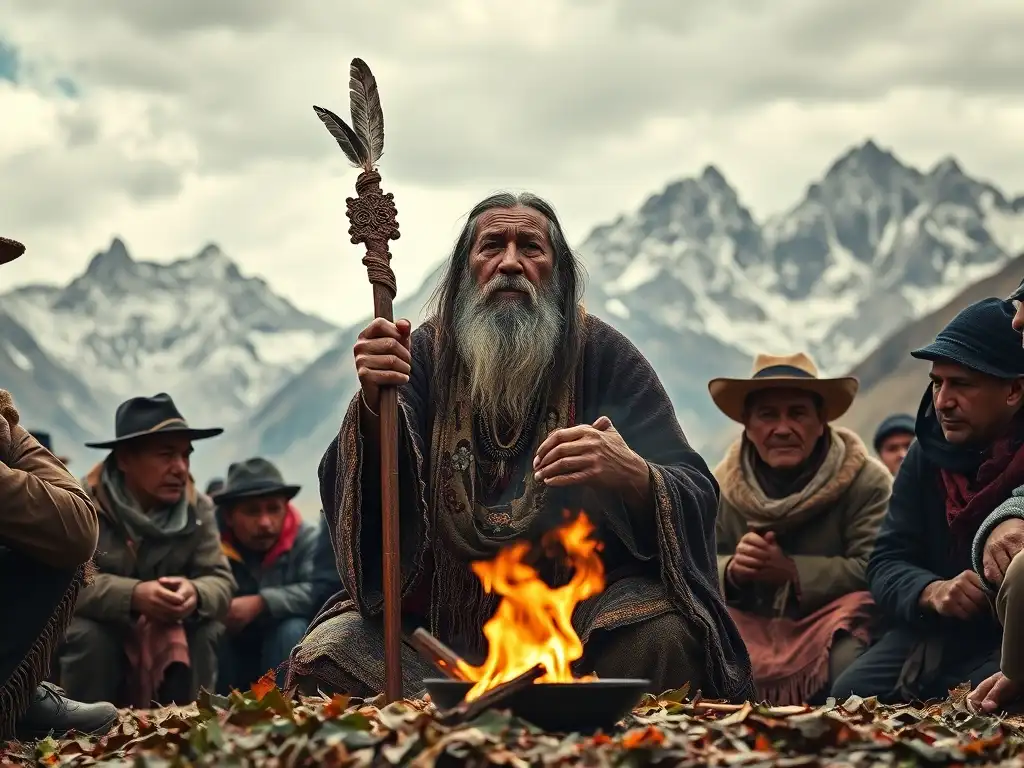
Aymara shamanistic rituals and ceremonies are integral to their daily lives, providing a framework for understanding the world and interacting with the spiritual realm. These rituals are not merely ceremonial performances; they are powerful expressions of faith and belief, aimed at maintaining balance and harmony within the community and the natural world. The rituals are often deeply personal, reflecting the specific needs and circumstances of the individuals or community involved. They are characterized by their intimate connection to the land and the natural world, reflecting the Aymara people's deep respect for their environment.
The Importance of Offerings in Aymara Rituals
Offerings form a crucial element of Aymara shamanistic rituals. These offerings, often consisting of coca leaves, food, drink, and other items of significance, are presented to the spirits and deities as a sign of respect and gratitude. The act of offering is not simply a symbolic gesture; it is believed to establish a connection with the spiritual world, appeasing the spirits and ensuring their benevolent intervention.
The type and quantity of offerings vary depending on the specific ritual and its purpose. The careful preparation and presentation of offerings demonstrate the participants' reverence and sincerity, underscoring the importance of maintaining a harmonious relationship with the spiritual realm. The act of offering is deeply intertwined with the concept of reciprocity, reflecting the Aymara belief in a reciprocal relationship between the human and spiritual worlds.
Healing Ceremonies and the Use of Coca and Other Medicinal Plants
Healing ceremonies are central to Aymara shamanistic practices. These ceremonies often involve the use of coca leaves and other medicinal plants, which are believed to possess powerful healing properties. The coca leaf, in particular, plays a multifaceted role, serving as a medicine, a divinatory tool, and a sacred offering.
The Yatiri uses their knowledge of herbal remedies and spiritual practices to diagnose and treat illnesses, often incorporating prayers, chants, and other ritualistic elements. The ceremony is not merely a medical procedure; it is a spiritual experience aimed at restoring balance and harmony within the patient's body, mind, and spirit. The use of medicinal plants is deeply rooted in traditional Aymara knowledge, reflecting centuries of experience and observation.
Aymara Divination Techniques and their Purpose
Divination plays a significant role in Aymara shamanistic practices, providing insights into the future and understanding the will of the spirits. Various techniques are employed, including the interpretation of coca leaves, the reading of animal entrails, and the observation of natural phenomena. The purpose of divination is not to predict the future with absolute certainty but to gain guidance and understanding, allowing individuals and communities to make informed decisions and navigate life's challenges.
The information gleaned through divination is often used to inform decisions related to agriculture, health, and community affairs. The interpretation of divinatory signs requires specialized knowledge and experience, highlighting the importance of skilled practitioners like the Yatiris in Aymara society. Divination serves as a vital link between the human and spiritual worlds, providing a framework for understanding the forces that shape their lives.
The Influence of Aymara Shamanism on Daily Life
Aymara shamanism is deeply interwoven with the fabric of daily life for many Aymara people. It's not a separate, compartmentalized aspect of their existence, but rather a pervasive influence shaping their worldview, decisions, and interactions with the natural world. From the mundane tasks of farming and animal husbandry to significant life events like birth, marriage, and death, Aymara spiritual practices provide a framework for understanding and navigating these experiences.
The rhythmic cycle of life, marked by the agricultural calendar and the phases of the moon, is profoundly intertwined with shamanistic rituals and beliefs. Even seemingly simple daily activities are often infused with spiritual meaning, reflecting a holistic perspective that encompasses the spiritual and material realms.
For example, offerings of coca leaves—a sacred plant in Aymara culture—are frequently made to express gratitude or seek guidance, demonstrating the constant engagement with the spiritual dimension of their lives. This constant interaction with the spiritual world fosters a sense of interconnectedness and harmony, shaping Aymara social structures and individual identities.
Aymara Spiritual Leaders' Role in Community Decisions
Aymara spiritual leaders, often called yatiri or collas, play a crucial role in community decision-making. Their expertise in interpreting signs and omens, understanding the interplay of earthly and spiritual forces, is highly valued. Before undertaking important community projects, such as building a new irrigation system or organizing a festival, the yatiri may be consulted to determine auspicious times and ensure the project's success.
Their pronouncements carry significant weight, influencing the course of collective actions and shaping the community's response to challenges like droughts or illness. This isn't simply a matter of superstition; rather, it reflects a deep-seated trust in the yatiri's ability to access and interpret information beyond the grasp of ordinary individuals, thus guiding the community towards the best possible outcomes.
Their role transcends mere spiritual guidance; they actively participate in shaping the social and political landscape of Aymara communities. The influence of the yatiri underscores the inseparable link between the spiritual and the practical in Aymara society.
The Connection between Aymara Shamanism and Agriculture
The connection between Aymara shamanism and agriculture is profound and ancient. Agriculture is not merely a means of subsistence; it's a sacred practice deeply intertwined with spiritual beliefs and rituals. The success of the harvest, the health of livestock, and the fertility of the land are all seen as dependent on the favor of the spiritual world.
Shamans play a vital role in ensuring successful agricultural cycles. They conduct rituals to appease the spirits of the earth (Pachamama) and request favorable weather conditions. These rituals often involve offerings of coca leaves, food, and other sacred items, accompanied by prayers and incantations.
The timing of planting and harvesting is often guided by shamanistic insights and interpretations of natural signs. The close relationship between the Aymara people and the land is reflected in their spiritual practices, creating a symbiotic relationship where the success of the harvest is not only a material benefit but also a testament to their harmonious interaction with the spiritual realm. The preservation of traditional agricultural practices is, therefore, intrinsically linked to the preservation of Aymara shamanistic traditions.
Aymara Shamanic Practices and the Concept of Pachamama
Pachamama, the Earth Mother, is central to Aymara shamanistic practices. She is not just the physical earth but also a powerful spiritual entity, the source of life and fertility. Aymara shamanic rituals are often focused on maintaining a harmonious relationship with Pachamama, ensuring her continued benevolence and protection.
Offerings of coca leaves, alcohol, and food are made to Pachamama to express gratitude and seek her blessings for a successful harvest, good health, and prosperity. The yatiri act as intermediaries, communicating with Pachamama and interpreting her messages. This interaction isn't passive; it's a dynamic exchange of energy and reciprocity, where the Aymara people show respect and offer their gratitude, and Pachamama reciprocates with her bounty.
The concept of Pachamama is deeply ingrained in the Aymara worldview, underscoring their profound respect for nature and their interconnectedness with the environment. The health and well-being of Pachamama are inextricably linked to the health and well-being of the Aymara people.
Challenges and Changes in Contemporary Aymara Shamanism
Contemporary Aymara shamanism faces numerous challenges in the 21st century. The pressures of globalization, modernization, and migration have significantly impacted traditional practices and beliefs. The influx of external religious and cultural influences has presented a challenge to the continuity of indigenous spiritual traditions.
Younger generations, exposed to different belief systems and lifestyles, may not always embrace traditional shamanistic practices with the same fervor as their elders. This shift in cultural transmission poses a significant threat to the preservation of Aymara shamanistic knowledge and practices. Furthermore, the economic realities faced by many Aymara communities have led some individuals to seek alternative livelihoods, leading to a decline in the number of practicing shamans.
The Impact of Modernization on Aymara Spiritual Practices
Modernization has brought about significant changes in Aymara society, impacting their spiritual practices in both positive and negative ways. Improved access to healthcare and education has undoubtedly improved the quality of life for many Aymara people. However, this progress has also led to a decline in the traditional practices associated with healing and spiritual guidance. The introduction of Western medicine has, in some cases, replaced traditional healing methods.
Similarly, the rise of globalized media and communication technologies has exposed Aymara communities to diverse belief systems, sometimes leading to a dilution or abandonment of indigenous spiritual traditions. The increasing urbanization and migration of Aymara people from rural communities to urban centers have also disrupted traditional social structures and weakened the transmission of shamanistic knowledge across generations. The challenge lies in finding a balance between embracing progress and preserving the valuable cultural heritage embodied in Aymara shamanistic practices.
The Resilience of Aymara Shamanistic Traditions
Despite the challenges, Aymara shamanistic traditions demonstrate remarkable resilience. Many communities actively work to preserve and revitalize their spiritual heritage. Efforts to document and share traditional knowledge through storytelling, ritual performances, and educational initiatives are underway. The strong sense of community and cultural identity among the Aymara people plays a crucial role in safeguarding their spiritual practices.
Moreover, Aymara shamanism continues to adapt and evolve, incorporating new elements while retaining its core principles and beliefs. This adaptability reflects the dynamic nature of Aymara culture and its capacity to navigate changing circumstances while maintaining its essential identity. The ongoing transmission of shamanistic knowledge from elders to younger generations, albeit with modifications, ensures the continued practice and evolution of Aymara spiritual traditions.
Preserving Aymara Shamanic Knowledge for Future Generations
Preserving Aymara shamanic knowledge for future generations is of paramount importance. This requires a multifaceted approach that combines traditional methods with modern technologies. Documenting traditional rituals, healing practices, and cosmological beliefs through written records, audio recordings, and video documentation is crucial. Educational programs that incorporate Aymara shamanistic traditions into the curriculum can help transmit this knowledge to younger generations.
Support for community-based initiatives aimed at preserving and promoting Aymara culture can also play a vital role. Furthermore, fostering collaboration between Aymara communities, scholars, and cultural organizations can facilitate the preservation and dissemination of this valuable cultural heritage. The preservation of Aymara shamanic knowledge is not merely an academic endeavor; it's a crucial step in safeguarding a rich cultural tradition and ensuring the continuity of a unique spiritual worldview. The future of Aymara shamanism depends on the collective efforts to protect and transmit this invaluable legacy.
- Understanding Aymara Spiritual Beliefs and Practices
- The Significance of Aymara Shamans in Andean Culture
- Key Figures in Aymara Shamanistic Traditions
- Aymara Shamanistic Rituals and Ceremonies
- The Influence of Aymara Shamanism on Daily Life
- Challenges and Changes in Contemporary Aymara Shamanism
Frequently Asked Questions
What are Aymara shamanistic practices?
Aymara shamanistic practices involve spiritual leaders called yatiri who use rituals, ceremonies, and herbal medicine to connect with the spiritual world and heal individuals and communities. These practices are deeply intertwined with their cosmology and Andean worldview.
How do Aymara shamans connect with the spiritual world?
Shamans utilize various techniques including trance states, divination, and the use of sacred objects like coca leaves and chumpi (a woven belt) to communicate with spirits and ancestors. They act as intermediaries between the human and spiritual realms.
What role do plants play in Aymara shamanistic practices?
Medicinal plants are integral to Aymara shamanism. Yatiri use them in healing ceremonies and rituals, believing in their spiritual power to cure illnesses and restore balance. Coca leaves are particularly significant for divination and offerings.
What is the significance of the yatiri in Aymara society?
The yatiri holds a position of high respect within Aymara communities. They are not only healers but also spiritual guides offering counsel and guidance on various aspects of life, acting as vital links to the ancestral world.
How has Aymara shamanism evolved over time?
While ancient traditions persist, Aymara shamanism has adapted to modern influences. Some practices have been integrated with Catholic beliefs, creating a unique syncretic spiritual system, reflecting a continuous cultural evolution.
Final Reflection: Weaving the Threads of Aymara Spirituality
The enduring legacy of Aymara shamanism resonates powerfully in the modern world, a testament to the enduring strength of indigenous spiritual practices in the face of globalization and cultural shifts. Its intricate rituals, profound connection to the Andes, and the vital role of the yatiri (shaman) continue to offer valuable insights into alternative spiritualities and holistic approaches to well-being. Understanding this rich tradition is not merely an academic exercise; it's crucial for appreciating the diversity of human experience and fostering respect for indigenous knowledge systems.
The impact of Aymara shamanistic practices extends far beyond the Andean highlands. Their emphasis on harmony with nature, the interconnectedness of all living things, and the importance of community resonate deeply with contemporary concerns about environmental sustainability and social justice. The yatiri's role as a healer, spiritual guide, and community leader offers a powerful counterpoint to the often individualistic focus of modern society. The earth is our mother, and we must respect her as we respect our own mother.
This simple yet profound statement encapsulates the core philosophy underpinning Aymara shamanism and its enduring relevance.
Consider the profound wisdom embedded within these ancient practices. How might the Aymara emphasis on balance, reciprocity, and respect for the natural world inform your own life choices? I invite you to reflect on the ways in which you can cultivate a deeper connection with the earth and your community, drawing inspiration from the enduring legacy of Aymara shamanism. Let this exploration serve as a catalyst for personal growth and a renewed appreciation for the rich tapestry of human spiritual traditions.
Embrace the Wisdom of Aymara Shamanism!
Thank you for exploring the fascinating world of Aymara shamanism and the vital role of its spiritual leaders. Your interest enriches your understanding and honors the rich cultural heritage of the Andean civilizations. Now, let's explore how you can deepen your connection to this ancient practice.
Here are a few ways to engage more fully:
- Experience the Spiritual Journey: Immerse yourself in shamanistic practices by attending a workshop, taking an online course, or finding a local teacher. Gaining firsthand insights will significantly enhance your understanding.
- Share Your Journey: Discuss your newfound knowledge with friends and family. Sharing your experiences can spark meaningful conversations and cultivate a deeper appreciation for Aymara culture within your community.
- Explore Aymara Culture: Delve deeper into Aymara traditions by visiting museums, reading books on Andean civilizations, or seeking out documentaries and other resources that explore this rich cultural heritage.
What aspect of Aymara shamanism resonates most with you, and how do you plan to integrate its wisdom into your life?